
Articles | Volume 23, issue 1
https://doi.org/10.5194/bg-23-1-2026
© Author(s) 2026. This work is distributed under
the Creative Commons Attribution 4.0 License.
the Creative Commons Attribution 4.0 License.
https://doi.org/10.5194/bg-23-1-2026
© Author(s) 2026. This work is distributed under
the Creative Commons Attribution 4.0 License.
the Creative Commons Attribution 4.0 License.
Research article
| 
05 Jan 2026
Research article |
| 05 Jan 2026
| 05 Jan 2026
Nitrogen fixation in Arctic coastal waters (Qeqertarsuaq, West Greenland): influence of glacial melt on diazotrophs, nutrient availability, and seasonal blooms
Isabell Schlangen
Nordcee, Department of Biology, University of Southern Denmark, Campusvej 55, 5230 Odense M, Denmark
Elizabeth Leon-Palmero
Nordcee, Department of Biology, University of Southern Denmark, Campusvej 55, 5230 Odense M, Denmark
Department of Geosciences, Princeton University, Princeton, New Jersey
Annabell Moser
Nordcee, Department of Biology, University of Southern Denmark, Campusvej 55, 5230 Odense M, Denmark
Peihang Xu
Nordcee, Department of Biology, University of Southern Denmark, Campusvej 55, 5230 Odense M, Denmark
Erik Laursen
Nordcee, Department of Biology, University of Southern Denmark, Campusvej 55, 5230 Odense M, Denmark
Carolin R. Löscher
CORRESPONDING AUTHOR

Nordcee, Department of Biology, University of Southern Denmark, Campusvej 55, 5230 Odense M, Denmark
DIAS, University of Southern Denmark, Odense, Denmark
Related authors
No articles found.
Anna Pedersen, Steffen M. Olsen, and Carolin R. Löscher
EGUsphere, https://doi.org/10.5194/egusphere-2026-5131, https://doi.org/10.5194/egusphere-2026-5131, 2026
This preprint is open for discussion and under review for Ocean Science (OS).
Short summary
Short summary
High Arctic fjords are changing rapidly with climate warming, but their response remains poorly understood. We studied seasonal changes in the waters of Inglefield Bredning, northwest Greenland, to understand how nutrients reach the surface and support life. We found that deep waters store heat and nutrients, but strong layering limits their transfer upward. Glacier activity may locally increase nutrient supply. Future productivity will depend on how warming alters these processes.
Elizabeth Leon-Palmero, Claudia Frey, Bess B. Ward, Rafael Morales-Baquero, and Isabel Reche
Biogeosciences, 23, 3887–3905, https://doi.org/10.5194/bg-23-3887-2026, https://doi.org/10.5194/bg-23-3887-2026, 2026
Short summary
Short summary
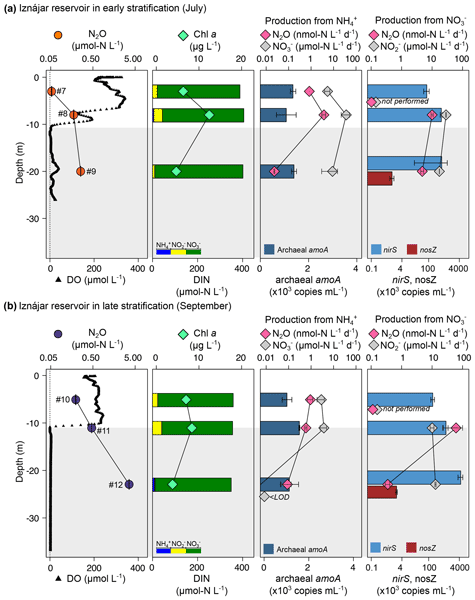
Reservoirs act as nitrogen sinks and emit nitrous oxide, a potent greenhouse gas and major ozone-depleting substance. We studied two reservoirs and found that nitrification and denitrification produce nitrous oxide in the water column, but denitrification is the main source, fueled by fresh organic matter from phytoplankton. Our results also suggest that nitrous oxide is actively consumed. This study highlights the need to include reservoirs in global nitrous oxide budgets.
Anna Pedersen, Carolin R. Löscher, and Steffen M. Olsen
Biogeosciences, 22, 5009–5029, https://doi.org/10.5194/bg-22-5009-2025, https://doi.org/10.5194/bg-22-5009-2025, 2025
Short summary
Short summary
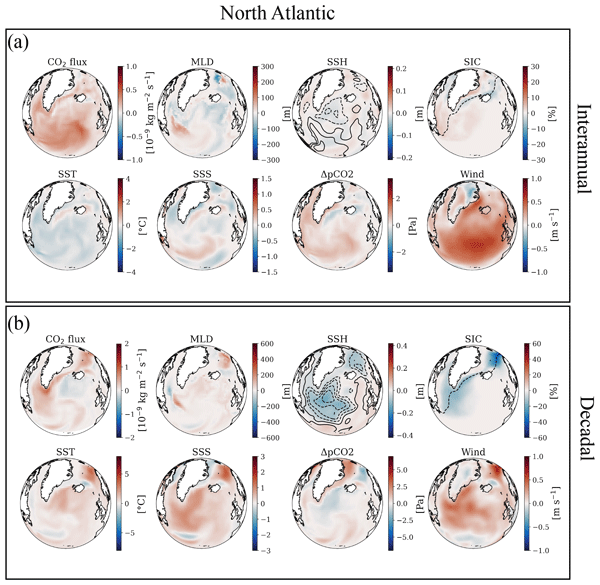
The North Atlantic plays a crucial role in absorbing atmospheric CO2, but its air–sea CO2 flux varies across time and space. Using historical climate model simulations, we investigate how physical and oceanic processes drive the variability. Our results show that sea ice, temperature, salinity, wind stress, and ocean circulation shape CO2 exchange, with short-term fluctuations playing a dominant role. Understanding these complex interactions is key to predicting future ocean carbon uptake.
Sebastian I. Cantarero, Edgart Flores, Harry Allbrook, Paulina Aguayo, Cristian A. Vargas, John E. Tamanaha, J. Bentley C. Scholz, Lennart T. Bach, Carolin R. Löscher, Ulf Riebesell, Balaji Rajagopalan, Nadia Dildar, and Julio Sepúlveda
Biogeosciences, 21, 3927–3958, https://doi.org/10.5194/bg-21-3927-2024, https://doi.org/10.5194/bg-21-3927-2024, 2024
Short summary
Short summary
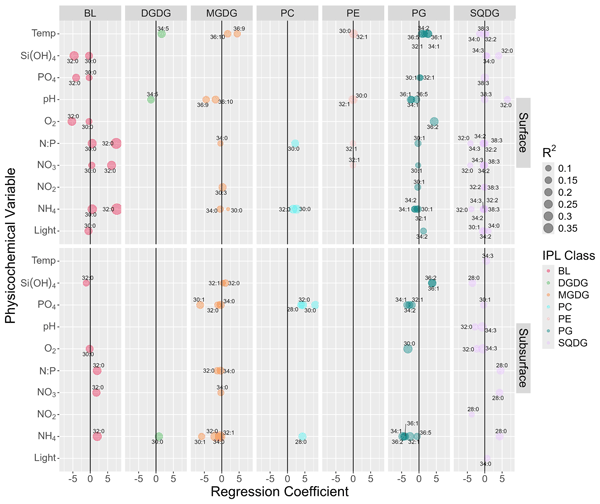
Our study explores lipid remodeling in response to environmental stress, specifically how cell membrane chemistry changes. We focus on intact polar lipids in a phytoplankton community exposed to diverse stressors in a mesocosm experiment. The observed remodeling indicates acyl chain recycling for energy storage in intact polar lipids during stress, reallocating resources based on varying growth conditions. This understanding is essential to grasp the system's impact on cellular pools.
Jakob Rønning, Zarah J. Kofoed, Mats Jacobsen, and Carolin R. Löscher
EGUsphere, https://doi.org/10.5194/egusphere-2023-2884, https://doi.org/10.5194/egusphere-2023-2884, 2024
Preprint archived
Short summary
Short summary
In our study, we assessed the impact of olivine on marine primary producers of ocean-based solutions. The experiments revealed no negative effects on carbon fixation rates. Additions of the alkaline minerals did not establish growth inhibition; instead, they showed slight growth increases with species-specific responses. Ni exposure from olivine did not inhibit growth. However, limitations include the absence of responses in natural settings.
Matthew D. Eisaman, Sonja Geilert, Phil Renforth, Laura Bastianini, James Campbell, Andrew W. Dale, Spyros Foteinis, Patricia Grasse, Olivia Hawrot, Carolin R. Löscher, Greg H. Rau, and Jakob Rønning
State Planet, 2-oae2023, 3, https://doi.org/10.5194/sp-2-oae2023-3-2023, https://doi.org/10.5194/sp-2-oae2023-3-2023, 2023
Short summary
Short summary
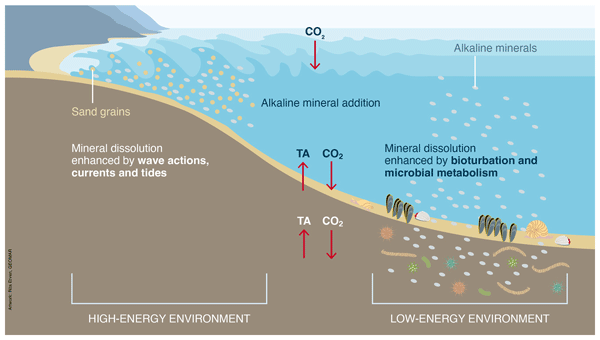
Ocean-alkalinity-enhancement technologies refer to various methods and approaches aimed at increasing the alkalinity of seawater. This chapter explores technologies for increasing ocean alkalinity, including electrochemical-based approaches, ocean liming, accelerated weathering of limestone, hydrated carbonate addition, and coastal enhanced weathering, and suggests best practices in research and development.
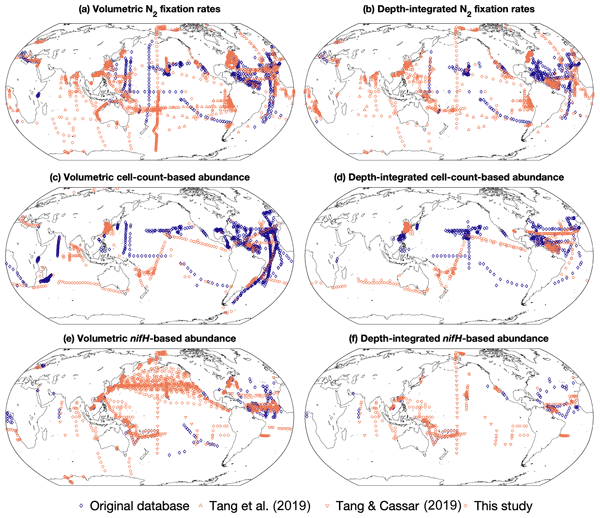
Zhibo Shao, Yangchun Xu, Hua Wang, Weicheng Luo, Lice Wang, Yuhong Huang, Nona Sheila R. Agawin, Ayaz Ahmed, Mar Benavides, Mikkel Bentzon-Tilia, Ilana Berman-Frank, Hugo Berthelot, Isabelle C. Biegala, Mariana B. Bif, Antonio Bode, Sophie Bonnet, Deborah A. Bronk, Mark V. Brown, Lisa Campbell, Douglas G. Capone, Edward J. Carpenter, Nicolas Cassar, Bonnie X. Chang, Dreux Chappell, Yuh-ling Lee Chen, Matthew J. Church, Francisco M. Cornejo-Castillo, Amália Maria Sacilotto Detoni, Scott C. Doney, Cecile Dupouy, Marta Estrada, Camila Fernandez, Bieito Fernández-Castro, Debany Fonseca-Batista, Rachel A. Foster, Ken Furuya, Nicole Garcia, Kanji Goto, Jesús Gago, Mary R. Gradoville, M. Robert Hamersley, Britt A. Henke, Cora Hörstmann, Amal Jayakumar, Zhibing Jiang, Shuh-Ji Kao, David M. Karl, Leila R. Kittu, Angela N. Knapp, Sanjeev Kumar, Julie LaRoche, Hongbin Liu, Jiaxing Liu, Caroline Lory, Carolin R. Löscher, Emilio Marañón, Lauren F. Messer, Matthew M. Mills, Wiebke Mohr, Pia H. Moisander, Claire Mahaffey, Robert Moore, Beatriz Mouriño-Carballido, Margaret R. Mulholland, Shin-ichiro Nakaoka, Joseph A. Needoba, Eric J. Raes, Eyal Rahav, Teodoro Ramírez-Cárdenas, Christian Furbo Reeder, Lasse Riemann, Virginie Riou, Julie C. Robidart, Vedula V. S. S. Sarma, Takuya Sato, Himanshu Saxena, Corday Selden, Justin R. Seymour, Dalin Shi, Takuhei Shiozaki, Arvind Singh, Rachel E. Sipler, Jun Sun, Koji Suzuki, Kazutaka Takahashi, Yehui Tan, Weiyi Tang, Jean-Éric Tremblay, Kendra Turk-Kubo, Zuozhu Wen, Angelicque E. White, Samuel T. Wilson, Takashi Yoshida, Jonathan P. Zehr, Run Zhang, Yao Zhang, and Ya-Wei Luo
Earth Syst. Sci. Data, 15, 3673–3709, https://doi.org/10.5194/essd-15-3673-2023, https://doi.org/10.5194/essd-15-3673-2023, 2023
Short summary
Short summary
N2 fixation by marine diazotrophs is an important bioavailable N source to the global ocean. This updated global oceanic diazotroph database increases the number of in situ measurements of N2 fixation rates, diazotrophic cell abundances, and nifH gene copy abundances by 184 %, 86 %, and 809 %, respectively. Using the updated database, the global marine N2 fixation rate is estimated at 223 ± 30 Tg N yr−1, which triplicates that using the original database.
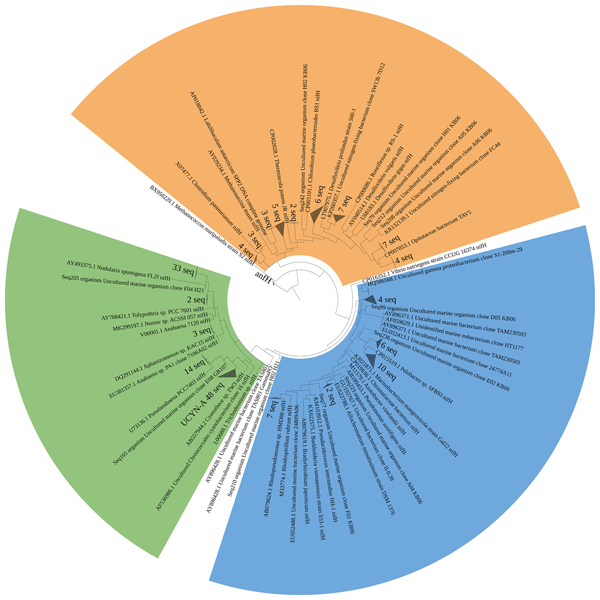
Christian Furbo Reeder, Ina Stoltenberg, Jamileh Javidpour, and Carolin Regina Löscher
Ocean Sci., 18, 401–417, https://doi.org/10.5194/os-18-401-2022, https://doi.org/10.5194/os-18-401-2022, 2022
Short summary
Short summary
The Baltic Sea is predicted to freshen in the future. To explore the effect of decreasing salinity on N2 fixers, we followed the natural salinity gradient in the Baltic Sea from the Kiel Fjord to the Gotland Basin and identified an N2 fixer community dominated by Nodularia and UCYN-A. A salinity threshold was identified at a salinity of 10, with Nodularia dominating at low and UCYN-A dominating at higher salinity, suggesting a future expansion of Nodularia N2 fixers and a retraction of UCYN-A.
Cited articles
Ardyna, M. and Arrigo, K. R.: Phytoplankton dynamics in a changing Arctic Ocean, Nature Climate Change, 10, 892–903, 2020.
Ardyna, M., Babin, M., Gosselin, M., Devred, E., Rainville, L., and Tremblay, J.-É.: Recent Arctic Ocean sea ice loss triggers novel fall phytoplankton blooms, Geophysical Research Letters, 41, 6207–6212, 2014.
Arrigo, K. R. and van Dijken, G. L.: Continued increases in Arctic Ocean primary production, Progress in Oceanography, 136, 60–70, 2015.
Arrigo, K. R., van Dijken, G., and Pabi, S.: Impact of a shrinking Arctic ice cover on marine primary production, Geophysical Research Letters, 35, https://doi.org/10.1029/2008GL035028, 2008.
Arrigo, K. R., van Dijken, G. L., Castelao, R. M., Luo, H., Rennermalm, Å. K., Tedesco, M., Mote, T. L., Oliver, H., and Yager, P. L.: Melting glaciers stimulate large summer phytoplankton blooms in southwest Greenland waters, Geophysical Research Letters, 44, 6278–6285, 2017.
Bhatia, M. P., Kujawinski, E. B., Das, S. B., Breier, C. F., Henderson, P. B., and Charette, M. A.: Greenland meltwater as a significant and potentially bioavailable source of iron to the ocean, Nature Geoscience, 6, 274–278, 2013.
Blais, M., Tremblay, J.-É., Jungblut, A. D., Gagnon, J., Martin, J., Thaler, M., and Lovejoy, C.: Nitrogen fixation and identification of potential diazotrophs in the Canadian Arctic, Global Biogeochemical Cycles, 26, https://doi.org/10.1029/2011GB004096, 2012.
Bonnet, S., Biegala, I. C., Dutrieux, P., Slemons, L. O., and Capone, D. G.: Nitrogen fixation in the western equatorial Pacific: Rates, diazotrophic cyanobacterial size class distribution, and biogeochemical significance, Global Biogeochemical Cycles, 23, https://doi.org/10.1029/2008GB003439, 2009.
Buchanan, P. J., Chase, Z., Matear, R. J., Phipps, S. J., and Bindoff, N. L.: Marine nitrogen fixers mediate a low latitude pathway for atmospheric CO2 drawdown, Nature Communications, 10, 4611, https://doi.org/10.1038/s41467-019-12549-z, 2019.
Cantalapiedra, C. P., Hernández-Plaza, A., Letunic, I., Bork, P., and Huerta-Cepas, J.: eggNOG-mapper v2: functional annotation, orthology assignments, and domain prediction at the metagenomic scale, Molecular Biology and Evolution, 38, 5825–5829, 2021.
Capone, D. G. and Carpenter, E. J.: Nitrogen fixation in the marine environment, Science, 217, 1140–1142, 1982.
Chen, Y., Chen, Y., Shi, C., Huang, Z., Zhang, Y., Li, S., Li, Y., Ye, J., Yu, C., Li, Z., Zhang, X., Wang, J., Yang, H., Fang, L., and Chen, Q.: SOAPnuke: a MapReduce acceleration-supported software for integrated quality control and preprocessing of high-throughput sequencing data, Gigascience, 7, gix120, https://doi.org/10.1093/gigascience/gix120, 2018.
Cheung, S., Liu, K., Turk-Kubo, K. A., Nishioka, J., Suzuki, K., Landry, M. R., Zehr, J. P., Leung, S., Deng, L., and Liu, H.: High biomass turnover rates of endosymbiotic nitrogen-fixing cyanobacteria in the western Bering Sea, Limnology and Oceanography Letters, 7, 501–509, 2022.
Coale, T. H., Loconte, V., Turk-Kubo, K. A., Vanslembrouck, B., Mak, W. K. E., Cheung, S., Ekman, A., Chen, J. H., Hagino, K., Takano, Y., Nishimura, T., Adachi, M., Le Gros, M., Larabell, C., and Zehr, J.: Nitrogen-fixing organelle in a marine alga, Science, 384, 217–222, 2024.
Dähnke, K. and Thamdrup, B.: Nitrogen isotope dynamics and fractionation during sedimentary denitrification in Boknis Eck, Baltic Sea, Biogeosciences, 10, 3079–3088, https://doi.org/10.5194/bg-10-3079-2013, 2013.
Damm, E., Helmke, E., Thoms, S., Schauer, U., Nöthig, E., Bakker, K., and Kiene, R. P.: Methane production in aerobic oligotrophic surface water in the central Arctic Ocean, Biogeosciences, 7, 1099–1108, https://doi.org/10.5194/bg-7-1099-2010, 2010.
Díez, B., Bergman, B., Pedrós-Alió, C., Antó, M., and Snoeijs, P.: High cyanobacterial nifH gene diversity in Arctic seawater and sea ice brine, Environmental Microbiology Reports, 4, 360–366, 2012.
Emeis, K.-C., Mara, P., Schlarbaum, T., Möbius, J., Dähnke, K., Struck, U., Mihalopoulos, N., and Krom, M.: External N inputs and internal N cycling traced by isotope ratios of nitrate, dissolved reduced nitrogen, and particulate nitrogen in the eastern Mediterranean Sea, Journal of Geophysical Research: Biogeosciences, 115, https://doi.org/10.1029/2009JG001214, 2010.
Fagan, A. J., Tanioka, T., Larkin, A. A., Lee, J. A., Garcia, N. S., and Martiny, A. C.: Elemental stoichiometry of particulate organic matter across the Atlantic Ocean, Biogeosciences, 21, 4239–4250, https://doi.org/10.5194/bg-21-4239-2024, 2024.
Falkowski, P. G., Fenchel, T., and Delong, E. F.: The microbial engines that drive Earth's biogeochemical cycles, Science, 320, 1034–1039, 2008.
Farnelid, H., Andersson, A. F., Bertilsson, S., Al-Soud, W. A., Hansen, L. H., Sørensen, S., Steward, G. F., Hagström, Å., and Riemann, L.: Nitrogenase gene amplicons from global marine surface waters are dominated by genes of non-cyanobacteria, PloS one, 6, e19223, https://doi.org/10.1371/journal.pone.0019223, 2011.
Farnelid, H., Turk-Kubo, K., Ploug, H., Ossolinski, J. E., Collins, J. R., Van Mooy, B. A., and Zehr, J. P.: Diverse diazotrophs are present on sinking particles in the North Pacific Subtropical Gyre, The ISME Journal, 13, 170–182, 2019.
Fernández-Méndez, M., Turk-Kubo, K. A., Buttigieg, P. L., Rapp, J. Z., Krumpen, T., and Zehr, J. P.: Diazotroph diversity in the sea ice, melt ponds, and surface waters of the Eurasian Basin of the Central Arctic Ocean, Frontiers in Microbiology, 7, 217140, https://doi.org/10.3389/fmicb.2016.01884, 2016.
Foster, R. A., Goebel, N. L., and Zehr, J. P.: Isolation of calothrix rhizosoleniae (cyanobacteria) strain SC01 from chaetoceros (bacillariophyta) spp. diatoms of the subtropical north pacific ocean 1, Journal of Phycology, 46, 1028–1037, 2010.
Foster, R. A., Kuypers, M. M., Vagner, T., Paerl, R. W., Musat, N., and Zehr, J. P.: Nitrogen fixation and transfer in open ocean diatom–cyanobacterial symbioses, The ISME Journal, 5, 1484–1493, 2011.
Foster, R. A., Tienken, D., Littmann, S., Whitehouse, M. J., Kuypers, M. M., and White, A. E.: The rate and fate of N2 and C fixation by marine diatom-diazotroph symbioses, The ISME journal, 16, 477–487, 2022.
Fox, A. and Walker, B. D.: Sources and Cycling of Particulate Organic Matter in Baffin Bay: A Multi-Isotope δ13C, δ15N, and Δ14C Approach, Frontiers in Marine Science, 9, 846025, https://doi.org/10.3389/fmars.2022.846025, 2022.
Fu, L., Niu, B., Zhu, Z., Wu, S., and Cd-hit, W. L.: Accelerated for clustering the next-generation sequencing data, Bioinformatics, 28, 3150–3152, 2012.
Galloway, J., Dentener, F., Capone, D., Boyer, E., Howarth, R., Seitzinger, S., Asner, G., Cleveland, C., Green, P., Holland, E., Karl, D., Michaels, A., Porter, J., Townsend, A., and Vöosmarty, C.: Nitrogen cycles: past, present, and future, Biogeochemistry, 70, 153e226, https://doi.org/10.1007/s10533-004-0370-0, 2004.
García-Robledo, E., Corzo, A., and Papaspyrou, S.: A fast and direct spectrophotometric method for the sequential determination of nitrate and nitrite at low concentrations in small volumes, Marine Chemistry, 162, 30–36, 2014.
Geider, R. J. and La Roche, J.: Redfield revisited: variability of
Gladish, C. V., Holland, D. M., and Lee, C. M.: Oceanic boundary conditions for Jakobshavn Glacier. Part II: Provenance and sources of variability of Disko Bay and Ilulissat icefjord waters, 1990–2011, Journal of Physical Oceanography, 45, 33–63, 2015.
Grosse, J., Bombar, D., Doan, H. N., Nguyen, L. N., and Voss, M.: The Mekong River plume fuels nitrogen fixation and determines phytoplankton species distribution in the South China Sea during low and high discharge season, Limnology and Oceanography, 55, 1668–1680, 2010.
Großkopf, T., Mohr, W., Baustian, T., Schunck, H., Gill, D., Kuypers, M. M., Lavik, G., Schmitz, R. A., Wallace, D. W., and LaRoche, J.: Doubling of marine dinitrogen-fixation rates based on direct measurements, Nature, 488, 361–364, 2012.
Gruber, N.: The dynamics of the marine nitrogen cycle and its influence on atmospheric CO2 variations, in: The ocean carbon cycle and climate, Springer, 97–148, https://doi.org/10.1007/978-1-4020-2087-2_4, 2004.
Gruber, N. and Galloway, J. N.: An Earth-system perspective of the global nitrogen cycle, Nature, 451, 293–296, 2008.
Gruber, N. and Sarmiento, J. L.: Global patterns of marine nitrogen fixation and denitrification, Global Biogeochemical Cycles, 11, 235–266, 1997.
Haine, T. W., Curry, B., Gerdes, R., Hansen, E., Karcher, M., Lee, C., Rudels, B., Spreen, G., de Steur, L., Stewart, K. D., and Woodgate, R.: Arctic freshwater export: Status, mechanisms, and prospects, Global and Planetary Change, 125, 13–35, 2015.
Hanna, E., Huybrechts, P., Steffen, K., Cappelen, J., Huff, R., Shuman, C., Irvine-Fynn, T., Wise, S., and Griffiths, M.: Increased runoff from melt from the Greenland Ice Sheet: a response to global warming, Journal of Climate, 21, 331–341, 2008.
Hansen, M. O., Nielsen, T. G., Stedmon, C. A., and Munk, P.: Oceanographic regime shift during 1997 in Disko Bay, western Greenland, Limnology and Oceanography, 57, 634–644, 2012.
Harding, K., Turk-Kubo, K. A., Sipler, R. E., Mills, M. M., Bronk, D. A., and Zehr, J. P.: Symbiotic unicellular cyanobacteria fix nitrogen in the Arctic Ocean, Proceedings of the National Academy of Sciences, 115, 13371–13375, 2018.
Hawkings, J., Wadham, J., Tranter, M., Lawson, E., Sole, A., Cowton, T., Tedstone, A., Bartholomew, I., Nienow, P., Chandler, D., and Telling, J.: The effect of warming climate on nutrient and solute export from the Greenland Ice Sheet, Geochemical Perspectives Letters, 94–104, https://doi.org/10.7185/geochemlet.1510, 2015.
Hawkings, J. R., Wadham, J. L., Tranter, M., Raiswell, R., Benning, L. G., Statham, P. J., Tedstone, A., Nienow, P., Lee, K., and Telling, J.: Ice sheets as a significant source of highly reactive nanoparticulate iron to the oceans, Nature Communications, 5, 1–8, 2014.
Hendry, K. R., Huvenne, V. A., Robinson, L. F., Annett, A., Badger, M., Jacobel, A. W., Ng, H. C., Opher, J., Pickering, R. A., Taylor, M. L., Bates, S. L., Cooper, A., Cushman, G. G., Goodwin, C., Hoy, S., Rowland, G., Samperiz, A., Williams, J. A., Achterberg, E. P., Arrowsmith, C., Brearley, A., Henley, S. F., Krause, J. W., Leng, M. J., Li, T., McManus, J. F., Meredith, M. P., Perkins, R., and Woodward, E. M. S.: The biogeochemical impact of glacial meltwater from Southwest Greenland, Progress in Oceanography, 176, 102126, https://doi.org/10.1016/j.pocean.2019.102126, 2019.
Holland, D. M., Thomas, R. H., De Young, B., Ribergaard, M. H., and Lyberth, B.: Acceleration of Jakobshavn Isbræ triggered by warm subsurface ocean waters, Nature Geoscience, 1, 659–664, 2008.
Hopwood, M. J., Connelly, D. P., Arendt, K. E., Juul-Pedersen, T., Stinchcombe, M. C., Meire, L., Esposito, M., and Krishna, R.: Seasonal changes in Fe along a glaciated Greenlandic fjord, Frontiers in Earth Science, 4, 15, https://doi.org/10.3389/feart.2016.00015, 2016.
Hyatt, D., Chen, G.-L., LoCascio, P. F., Land, M. L., Larimer, F. W., and Hauser, L. J.: Prodigal: prokaryotic gene recognition and translation initiation site identification, BMC Bioinformatics, 11, 1–11, 2010.
Jensen, H. M., Pedersen, L., Burmeister, A., and Winding Hansen, B.: Pelagic primary production during summer along 65 to 72 N off West Greenland, Polar Biology, 21, 269–278, 1999.
Karl, D., Michaels, A., Bergman, B., Capone, D., Carpenter, E., Letelier, R., Lipschultz, F., Paerl, H., Sigman, D., and Stal, L.: Dinitrogen fixation in the world's oceans, The nitrogen cycle at regional to global scales, 47–98, https://doi.org/10.1007/978-94-017-3405-9_2, 2002.
Knies, J.: Nitrogen isotope evidence for changing Arctic Ocean ventilation regimes during the Cenozoic, Geophysical Research Letters, 49, e2022GL099512, https://doi.org/10.1029/2022GL099512, 2022.
Krawczyk, D. W., Yesson, C., Knutz, P., Arboe, N. H., Blicher, M. E., Zinglersen, K. B., and Wagnholt, J. N.: Seafloor habitats across geological boundaries in Disko Bay, central West Greenland, Estuarine, Coastal and Shelf Science, 278, 108087, https://doi.org/10.1016/j.ecss.2022.108087, 2022.
Krupke, A., Mohr, W., LaRoche, J., Fuchs, B. M., Amann, R. I., and Kuypers, M. M.: The effect of nutrients on carbon and nitrogen fixation by the UCYN-A–haptophyte symbiosis, The ISME Journal, 9, 1635–1647, 2015.
Laso Perez, R., Rivas Santisteban, J., Fernandez-Gonzalez, N., Mundy, C. J., Tamames, J., and Pedros-Alio, C.: Nitrogen cycling during an Arctic bloom: from chemolithotrophy to nitrogen assimilation, bioRxiv, 2024–02, https://doi.org/10.1101/2024.02.27.582273, 2024.
Lewis, K., Van Dijken, G., and Arrigo, K. R.: Changes in phytoplankton concentration now drive increased Arctic Ocean primary production, Science, 369, 198–202, 2020.
Li, D., Liu, C.-M., Luo, R., Sadakane, K., and Lam, T.-W.: MEGAHIT: an ultra-fast single-node solution for large and complex metagenomics assembly via succinct de Bruijn graph, Bioinformatics, 31, 1674–1676, 2015.
Löscher, C. R., Bourbonnais, A., Dekaezemacker, J., Charoenpong, C. N., Altabet, M. A., Bange, H. W., Czeschel, R., Hoffmann, C., and Schmitz, R.: N2 fixation in eddies of the eastern tropical South Pacific Ocean, Biogeosciences, 13, 2889–2899, https://doi.org/10.5194/bg-13-2889-2016, 2016.
Löscher, C. R., Mohr, W., Bange, H. W., and Canfield, D. E.: No nitrogen fixation in the Bay of Bengal?, Biogeosciences, 17, 851–864, https://doi.org/10.5194/bg-17-851-2020, 2020.
Löscher, C. R., Schlangen, I., Leon-Palmero, E., Moser, A., Xu, P., and Laursen, E.: Hydrographic and Biogeochemical Profiles of Disco Bay: High-Resolution CTD Measurements, PANGAEA [data set], https://doi.org/10.1594/PANGAEA.973563, 2025a.
Löscher, C. R., Schlangen, I., Leon-Palmero, E., Moser, A., Xu, P., and Laursen, E.: Hydrographic and Biogeochemical Profiles of Disco Bay: High-Resolution Nitrogen Cycling Experimental Data, PANGAEA [data set], https://doi.org/10.1594/PANGAEA.973564, 2025b.
Luo, Y.-W., Doney, S. C., Anderson, L. A., Benavides, M., Berman-Frank, I., Bode, A., Bonnet, S., Boström, K. H., Böttjer, D., Capone, D. G., Carpenter, E. J., Chen, Y. L., Church, M. J., Dore, J. E., Falcón, L. I., Fernández, A., Foster, R. A., Furuya, K., Gómez, F., Gundersen, K., Hynes, A. M., Karl, D. M., Kitajima, S., Langlois, R. J., LaRoche, J., Letelier, R. M., Marañón, E., McGillicuddy Jr., D. J., Moisander, P. H., Moore, C. M., Mouriño-Carballido, B., Mulholland, M. R., Needoba, J. A., Orcutt, K. M., Poulton, A. J., Rahav, E., Raimbault, P., Rees, A. P., Riemann, L., Shiozaki, T., Subramaniam, A., Tyrrell, T., Turk-Kubo, K. A., Varela, M., Villareal, T. A., Webb, E. A., White, A. E., Wu, J., and Zehr, J. P.: Database of diazotrophs in global ocean: abundance, biomass and nitrogen fixation rates, Earth Syst. Sci. Data, 4, 47–73, https://doi.org/10.5194/essd-4-47-2012, 2012.
Martínez-Pérez, C., Mohr, W., Löscher, C. R., Dekaezemacker, J., Littmann, S., Yilmaz, P., Lehnen, N., Fuchs, B. M., Lavik, G., Schmitz, R. A., LaRoche, J., and Kuypers, M. M. M.: The small unicellular diazotrophic symbiont, UCYN-A, is a key player in the marine nitrogen cycle, Nature Microbiology, 1, 1–7, 2016.
Mills, M. M., Turk-Kubo, K. A., van Dijken, G. L., Henke, B. A., Harding, K., Wilson, S. T., Arrigo, K. R., and Zehr, J. P.: Unusual marine cyanobacteria/haptophyte symbiosis relies on N2 fixation even in N-rich environments, The ISME Journal, 14, 2395–2406, 2020.
Mohr, W., Grosskopf, T., Wallace, D. W., and LaRoche, J.: Methodological underestimation of oceanic nitrogen fixation rates, PloS One, 5, e12583, https://doi.org/10.1371/journal.pone.0012583, 2010.
Montoya, J. P.: Nitrogen stable isotopes in marine environments, Nitrogen in the Marine Environment, 2, 1277–1302, 2008.
Montoya, J. P., Voss, M., Kahler, P., and Capone, D. G.: A simple, high-precision, highsensitivity tracer assay for N (inf2) fixation, Applied and environmental microbiology, 62, 986–993, https://doi.org/10.1128/aem.62.3.986-993.1996, 1996.
Montoya, J. P., Carpenter, E. J., and Capone, D. G.: Nitrogen fixation and nitrogen isotope abundances in zooplankton of the oligotrophic North Atlantic, Limnology and Oceanography, 47, 1617–1628, 2002.
Mortensen, J., Rysgaard, S., Winding, M., Juul-Pedersen, T., Arendt, K., Lund, H., Stuart-Lee, A., and Meire, L.: Multidecadal water mass dynamics on the West Greenland Shelf, Journal of Geophysical Research: Oceans, 127, e2022JC018724, https://doi.org/10.1029/2022JC018724, 2022.
Munk, P., Nielsen, T. G., and Hansen, B. W.: Horizontal and vertical dynamics of zooplankton and larval fish communities during mid- summer in Disko Bay, West Greenland, Journal of Plankton Research, 37, 554–570, 2015.
Murphy, J. and Riley, J. P.: A modified single solution method for the determination of phosphate in natural waters, Analytica Chimica Acta, 27, 31–36, 1962.
Myers, P. G. and Ribergaard, M. H.: Warming of the polar water layer in Disko Bay and potential impact on Jakobshavn Isbrae, Journal of Physical Oceanography, 43, 2629–2640, 2013.
Patro, R., Duggal, G., Love, M. I., Irizarry, R. A., and Kingsford, C.: Salmon provides fast and bias-aware quantification of transcript expression, Nature Methods, 14, 417–419, 2017.
Pierella Karlusich, J. J., Pelletier, E., Lombard, F., Carsique, M., Dvorak, E., Colin, S., Picheral, M., Cornejo-Castillo, F. M., Acinas, S. G., Pepperkok, R., Karsenti, E., De Vargas, C., Wincker, P., Bowler, C., and Foster, R. A.: Global distribution patterns of marine nitrogenfixers by imaging and molecular methods, Nature Communications, 12, 4160, https://doi.org/10.1038/s41467-021-24299-y, 2021.
Quigg, A., Finkel, Z. V., Irwin, A. J., Rosenthal, Y., Ho, T. Y., Reinfelder, J. R., Schofield, O., Morel, F. M. and Falkowski, P. G.: The evolutionary inheritance of elemental stoichiometry in marine phytoplankton, Nature, 425, 291–294, 2003.
Redfield, A. C.: On the proportions of organic derivatives in sea water and their relation to the composition of plankton, Vol. 1, Liverpool: University Press of Liverpool, 1934.
Reeder, C. F., Stoltenberg, I., Javidpour, J., and Löscher, C. R.: Salinity as a key control on the diazotrophic community composition in the southern Baltic Sea, Ocean Sci., 18, 401–417, https://doi.org/10.5194/os-18-401-2022, 2022.
Rees, A. P., Gilbert, J. A., and Kelly-Gerreyn, B. A.: Nitrogen fixation in the western English Channel (NE Atlantic ocean), Marine Ecology Progress Series, 374, 7–12, 2009.
Robicheau, B. M., Tolman, J., Rose, S., Desai, D., and LaRoche, J.: Marine nitrogen-fixers in the Canadian Arctic Gateway are dominated by biogeographically distinct noncyanobacterial communities, FEMS Microbiology Ecology, 99, 122, https://doi.org/10.1093/femsec/fiad122, 2023.
Rysgaard, S., Boone, W., Carlson, D., Sejr, M., Bendtsen, J., Juul-Pedersen, T., Lund, H., Meire, L., and Mortensen, J.: An updated view on water masses on the pan-west Greenland continental shelf and their link to proglacial fjords, Journal of Geophysical Research: Oceans, 125, e2019JC015564, https://doi.org/10.1029/2019JC015564 2020.
Schiøtt, S.: The Marine Ecosystem of Ilulissat Icefjord, Greenland, PhD thesis, Department of Biology, Aarhus University, Denmark, https://pure.au.dk/portal/en/publications/the-marine-ecosystem-of-ilulissat-icefjord-greenland/ (last accessed: 17 November 2025), 2023.
Schlitzer, R.: Ocean data view, https://odv.awi.de (last access: 15 May 2025), 2022.
Schneider, B., Schlitzer, R., Fischer, G., and Nöthig, E. M.: Depth-dependent elemental compositions of particulate organic matter (POM) in the ocean, Global Biogeochemical Cycles, 17, https://doi.org/10.1029/2002GB001871, 2003.
Schvarcz, C. R., Wilson, S. T., Caffin, M., Stancheva, R., Li, Q., Turk-Kubo, K. A., White, A. E., Karl, D. M., Zehr, J. P., and Steward, G. F.: Overlooked and widespread pennate diatom-diazotroph symbioses in the sea, Nature Communications, 13, 799, https://doi.org/10.1038/s41467-022-28065-6, 2022.
Shao, Z., Xu, Y., Wang, H., Luo, W., Wang, L., Huang, Y., Agawin, N. S. R., Ahmed, A., Benavides, M., Bentzon-Tilia, M., Berman-Frank, I., Berthelot, H., Biegala, I. C., Bif, M. B., Bode, A., Bonnet, S., Bronk, D. A., Brown, M. V., Campbell, L., Capone, D. G., Carpenter, E. J., Cassar, N., Chang, B. X., Chappell, D., Chen, Y.-L., Church, M. J., Cornejo-Castillo, F. M., Detoni, A. M. S., Doney, S. C., Dupouy, C., Estrada, M., Fernandez, C., Fernández-Castro, B., Fonseca-Batista, D., Foster, R. A., Furuya, K., Garcia, N., Goto, K., Gago, J., Gradoville, M. R., Hamersley, M. R., Henke, B. A., Hörstmann, C., Jayakumar, A., Jiang, Z., Kao, S.-J., Karl, D. M., Kittu, L. R., Knapp, A. N., Kumar, S., LaRoche, J., Liu, H., Liu, J., Lory, C., Löscher, C. R., Marañón, E., Messer, L. F., Mills, M. M., Mohr, W., Moisander, P. H., Mahaffey, C., Moore, R., Mouriño-Carballido, B., Mulholland, M. R., Nakaoka, S., Needoba, J. A., Raes, E. J., Rahav, E., Ramírez-Cárdenas, T., Reeder, C. F., Riemann, L., Riou, V., Robidart, J. C., Sarma, V. V. S. S., Sato, T., Saxena, H., Selden, C., Seymour, J. R., Shi, D., Shiozaki, T., Singh, A., Sipler, R. E., Sun, J., Suzuki, K., Takahashi, K., Tan, Y., Tang, W., Tremblay, J.-É., Turk-Kubo, K., Wen, Z., White, A. E., Wilson, S. T., Yoshida, T., Zehr, J. P., Zhang, R., Zhang, Y., and Luo, Y.-W.: Global oceanic diazotroph database version 2 and elevated estimate of global oceanic N2 fixation, Earth Syst. Sci. Data, 15, 3673–3709, https://doi.org/10.5194/essd-15-3673-2023, 2023.
Sherwood, O. A., Davin, S. H., Lehmann, N., Buchwald, C., Edinger, E. N., Lehmann, M. F., and Kienast, M.: Stable isotope ratios in seawater nitrate reflect the influence of Pacific water along the northwest Atlantic margin, Biogeosciences, 18, 4491–4510, https://doi.org/10.5194/bg-18-4491-2021, 2021.
Shiozaki, T., Bombar, D., Riemann, L., Hashihama, F., Takeda, S., Yamaguchi, T., Ehama, M., Hamasaki, K., and Furuya, K.: Basin scale variability of active diazotrophs and nitrogen fixation in the North Pacific, from the tropics to the subarctic Bering Sea, Global Biogeochemical Cycles, 31, 996–1009, 2017.
Shiozaki, T., Fujiwara, A., Ijichi, M., Harada, N., Nishino, S., Nishi, S., Nagata, T., and Hamasaki, K.: Diazotroph community structure and the role of nitrogen fixation in the nitrogen cycle in the Chukchi Sea (western Arctic Ocean), Limnology and Oceanography, 63, 2191–2205, 2018.
Shiozaki, T., Fujiwara, A., Inomura, K., Hirose, Y., Hashihama, F., and Harada, N.: Biological nitrogen fixation detected under Antarctic sea ice, Nature Geoscience, 13, 729–732, 2020.
Shiozaki, T., Nishimura, Y., Yoshizawa, S., Takami, H., Hamasaki, K., Fujiwara, A., Nishino, S., and Harada, N.: Distribution and survival strategies of endemic and cosmopolitan diazotrophs in the Arctic Ocean, The ISME Journal, 17, 1340–1350, 2023.
Sigman, D. M., DiFiore, P. J., Hain, M. P., Deutsch, C., Wang, Y., Karl, D. M., Knapp, A. N., Lehmann, M. F., and Pantoja, S.: The dual isotopes of deep nitrate as a constraint on the cycle and budget of oceanic fixed nitrogen, Deep Sea Research Part I: Oceanographic Research Papers, 56, 1419–1439, 2009.
Sipler, R. E., Gong, D., Baer, S. E., Sanderson, M. P., Roberts, Q. N., Mulholland, M. R., and Bronk, D. A.: Preliminary estimates of the contribution of Arctic nitrogen fixation to the global nitrogen budget, Limnology and Oceanography Letters, 2, 159–166, 2017.
Slawyk, G., Collos, Y., and Auclair, J.-C.: The use of the 13C and 15N isotopes for the simultaneous measurement of carbon and nitrogen turnover rates in marine phytoplankton 1, Limnology and Oceanography, 22, 925–932, 1977.
Sohm, J. A., Webb, E. A., and Capone, D. G.: Emerging patterns of marine nitrogen fixation, Nature Reviews Microbiology, 9, 499–508, 2011.
Sterner, R. W. and Elser, J. J. Ecological stoichiometry: the biology of elements from molecules to the biosphere, in: Ecological stoichiometry, Princeton University Press, https://doi.org/10.1515/9781400885695, 2003.
Tanioka, T., Garcia, C. A., Larkin, A. A., Garcia, N. S., Fagan, A. J., and Martiny, A. C.: Global patterns and predictors of
Tang, W., Wang, S., Fonseca-Batista, D., Dehairs, F., Gifford, S., Gonzalez, A. G., Gallinari, M., Planquette, H., Sarthou, G., and Cassar, N.: Revisiting the distribution of oceanic N2 fixation and estimating diazotrophic contribution to marine production, Nature Communications, 10, 831, https://doi.org/10.1038/s41467-019-08640-0, 2019.
Tremblay, J.-É. and Gagnon, J.: The effects of irradiance and nutrient supply on the productivity of Arctic waters: a perspective on climate change, in: Influence of climate change on the changing arctic and sub-arctic conditions, Springer, 73–93, https://doi.org/10.1007/978-1-4020-9460-6, 2009.
Turk, K. A., Rees, A. P., Zehr, J. P., Pereira, N., Swift, P., Shelley, R., Lohan, M., Woodward, E. M. S., and Gilbert, J.: Nitrogen fixation and nitrogenase (nifH) expression in tropical waters of the eastern North Atlantic, The ISME Journal, 5, 1201–1212, 2011.
Turk-Kubo, K. A., Frank, I. E., Hogan, M. E., Desnues, A., Bonnet, S., and Zehr, J. P.: Diazotroph community succession during the VAHINE mesocosm experiment (New Caledonia lagoon), Biogeosciences, 12, 7435–7452, https://doi.org/10.5194/bg-12-7435-2015, 2015.
Von Friesen, L. W. and Riemann, L.: Nitrogen fixation in a changing Arctic Ocean: an overlooked source of nitrogen?, Frontiers in Microbiology, 11, 596426, https://doi.org/10.3389/fmicb.2020.596426, 2020.
Wang, S., Bailey, D., Lindsay, K., Moore, J. K., and Holland, M.: Impact of sea ice on the marine iron cycle and phytoplankton productivity, Biogeosciences, 11, 4713–4731, https://doi.org/10.5194/bg-11-4713-2014, 2014.
Zehr, J. P. and Capone, D. G.: Changing perspectives in marine nitrogen fixation, Science, 368, eaay9514, https://doi.org/10.1126/science.aay9514, 2020.
Short summary
We explored nitrogen fixation in the Arctic Ocean, revealing its key role in supporting coastal productivity, especially near melting glaciers. By combining molecular data, rate measurements, and environmental analysis, we identified dominant microbes like symbiotic unicellular cyanobacteria and linked high nitrogen fixation to glacial melt. Our findings suggest that climate-driven changes may expand niches for these microbes, reshaping nitrogen cycles and Arctic productivity in the future.
We explored nitrogen fixation in the Arctic Ocean, revealing its key role in supporting coastal...


Altmetrics
Final-revised paper
Preprint