
Articles | Volume 23, issue 4
https://doi.org/10.5194/bg-23-1545-2026
© Author(s) 2026. This work is distributed under
the Creative Commons Attribution 4.0 License.
the Creative Commons Attribution 4.0 License.
https://doi.org/10.5194/bg-23-1545-2026
© Author(s) 2026. This work is distributed under
the Creative Commons Attribution 4.0 License.
the Creative Commons Attribution 4.0 License.
Research article
| 
27 Feb 2026
Research article |
| 27 Feb 2026
| 27 Feb 2026
Coupling of soil carbon and water dynamics in two agroforestry systems in Malawi
Svenja Hoffmeister
CORRESPONDING AUTHOR

Chair of Hydrology, Institute of Water and Environment, Karlsruhe Institute of Technology, Karlsruhe, 76131, Germany
Sibylle Kathrin Hassler
Chair of Hydrology, Institute of Water and Environment, Karlsruhe Institute of Technology, Karlsruhe, 76131, Germany
Institute for Meteorology and Climate Research, Atmospheric Trace Gases and Remote Sensing, Karlsruhe Institute of Technology, Eggenstein-Leopoldshafen, 76344, Germany
Rebekka Maier
Chair of Soil Ecology, Institute of Forest Sciences, University of Freiburg, Freiburg, 79085, Germany
Friederike Lang
Chair of Soil Ecology, Institute of Forest Sciences, University of Freiburg, Freiburg, 79085, Germany
Betserai Isaac Nyoka
World Agroforestry (ICRAF), Chitedze Agricultural Research Station, Off-Mchinji Road, Lilongwe, Malawi
Erwin Zehe
Chair of Hydrology, Institute of Water and Environment, Karlsruhe Institute of Technology, Karlsruhe, 76131, Germany
Related authors
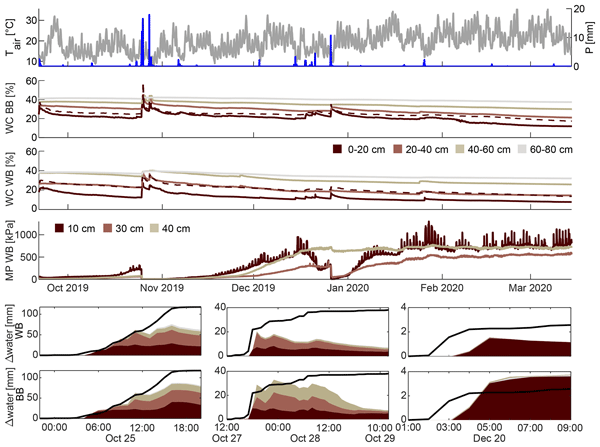
Svenja Hoffmeister, Rafael Bohn Reckziegel, Ben du Toit, Sibylle K. Hassler, Florian Kestel, Rebekka Maier, Jonathan P. Sheppard, and Erwin Zehe
Hydrol. Earth Syst. Sci., 28, 3963–3982, https://doi.org/10.5194/hess-28-3963-2024, https://doi.org/10.5194/hess-28-3963-2024, 2024
Short summary
Short summary
We studied a tree–crop ecosystem consisting of a blackberry field and an alder windbreak. In the water-scarce region, irrigation provides sufficient water for plant growth. The windbreak lowers the irrigation amount by reducing wind speed and therefore water transport into the atmosphere. These ecosystems could provide sustainable use of water-scarce landscapes, and we studied the complex interactions by observing several aspects (e.g. soil, nutrients, carbon assimilation, water).
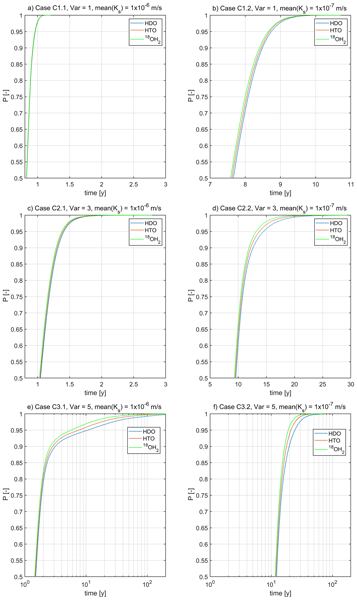
Erwin Zehe, Laurent Pfister, Dan Elhanati, and Brian Berkowitz
Hydrol. Earth Syst. Sci., 30, 2093–2106, https://doi.org/10.5194/hess-30-2093-2026, https://doi.org/10.5194/hess-30-2093-2026, 2026
Short summary
Short summary
Travel or transit time distributions play a key role in contaminant leaching from the partially saturated zone into groundwater. Here we show that average travel times are of different water isotopes may differ by 5 %–10 %. These difference arise in case of imperfect mixing due to trapping of isotope molecules in bottle necks of very small hydraulic conductivity. Molecules with smaller diffusion coefficient stay there for a longer time.
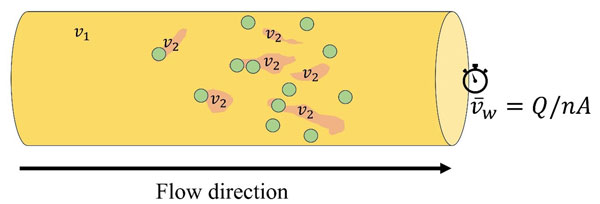
Dan Elhanati, Erwin Zehe, Ishai Dror, and Brian Berkowitz
Hydrol. Earth Syst. Sci., 29, 6577–6587, https://doi.org/10.5194/hess-29-6577-2025, https://doi.org/10.5194/hess-29-6577-2025, 2025
Short summary
Short summary
Measurements of water isotopes are often used to estimate water transit time distributions and aquifer storage thickness in catchments. However, laboratory-scale measurements show that water isotopes exhibit transport behavior identical to that of inert chemical tracers rather than of pure water. The measured mean tracer and apparent mean water velocities are not necessarily equal; recognition of this inequality is critical when estimating catchment properties such as aquifer storage thickness.
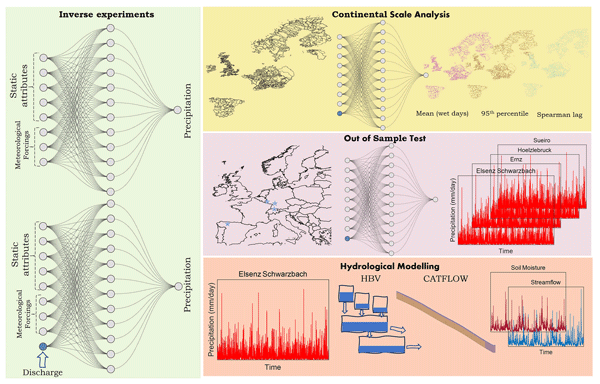
Ashish Manoj J, Ralf Loritz, Hoshin Gupta, and Erwin Zehe
Hydrol. Earth Syst. Sci., 29, 6115–6135, https://doi.org/10.5194/hess-29-6115-2025, https://doi.org/10.5194/hess-29-6115-2025, 2025
Short summary
Short summary
Traditional hydrological models typically operate in a forward mode, simulating streamflow and other catchment fluxes based on precipitation input. In this study, we explored the possibility of reversing this process, inferring precipitation from streamflow data, to improve flood event modelling. We then used the generated precipitation series to run hydrological models, resulting in more accurate estimates of streamflow and soil moisture.
Evgeny Shavelzon, Erwin Zehe, and Yaniv Edery
Hydrol. Earth Syst. Sci., 29, 5625–5644, https://doi.org/10.5194/hess-29-5625-2025, https://doi.org/10.5194/hess-29-5625-2025, 2025
Short summary
Short summary
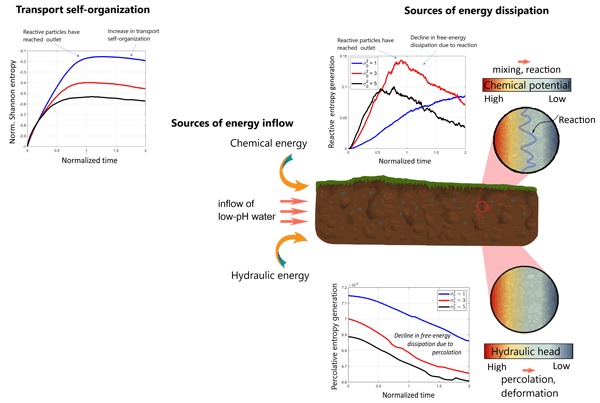
We analyze how chemical reactions and fluid movement in porous materials interact, focusing on how water channels form in underground environments. Using a thermodynamic approach, we track energy dissipation due to fluid friction and chemical reaction, and correlate it with the intensity of the emerged water channels to understand this process. Over time, water channels become more defined, reducing energy dissipation due to mixing, reaction and fluid friction.
Karl Nicolaus van Zweel, Laurent Gourdol, Jean François Iffly, Loïc Léonard, François Barnich, Laurent Pfister, Erwin Zehe, and Christophe Hissler
Earth Syst. Sci. Data, 17, 2217–2229, https://doi.org/10.5194/essd-17-2217-2025, https://doi.org/10.5194/essd-17-2217-2025, 2025
Short summary
Short summary
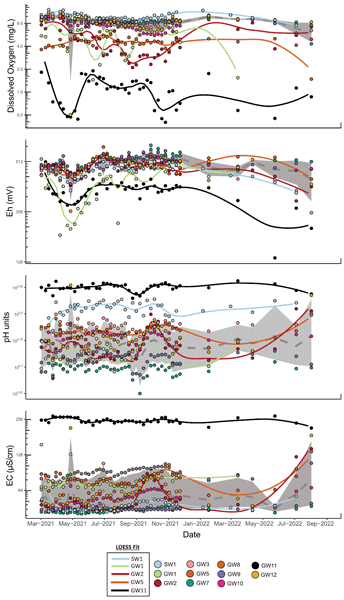
Our study monitored groundwater in a Luxembourg forest over a year to understand water and chemical changes. We found seasonal variations in water chemistry, influenced by rainfall and soil interactions. These data help predict environmental responses and manage water resources better. By measuring key parameters like pH and dissolved oxygen, our research provides valuable insights into groundwater behaviour and serves as a resource for future environmental studies.
Ralf Loritz, Alexander Dolich, Eduardo Acuña Espinoza, Pia Ebeling, Björn Guse, Jonas Götte, Sibylle K. Hassler, Corina Hauffe, Ingo Heidbüchel, Jens Kiesel, Mirko Mälicke, Hannes Müller-Thomy, Michael Stölzle, and Larisa Tarasova
Earth Syst. Sci. Data, 16, 5625–5642, https://doi.org/10.5194/essd-16-5625-2024, https://doi.org/10.5194/essd-16-5625-2024, 2024
Short summary
Short summary
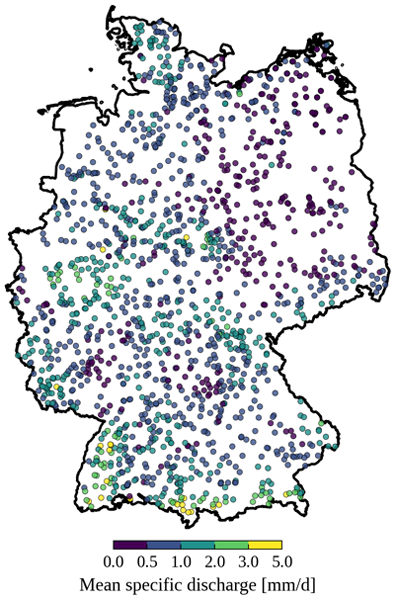
The CAMELS-DE dataset features data from 1582 streamflow gauges across Germany, with records spanning from 1951 to 2020. This comprehensive dataset, which includes time series of up to 70 years (median 46 years), enables advanced research on water flow and environmental trends and supports the development of hydrological models.
Svenja Hoffmeister, Rafael Bohn Reckziegel, Ben du Toit, Sibylle K. Hassler, Florian Kestel, Rebekka Maier, Jonathan P. Sheppard, and Erwin Zehe
Hydrol. Earth Syst. Sci., 28, 3963–3982, https://doi.org/10.5194/hess-28-3963-2024, https://doi.org/10.5194/hess-28-3963-2024, 2024
Short summary
Short summary
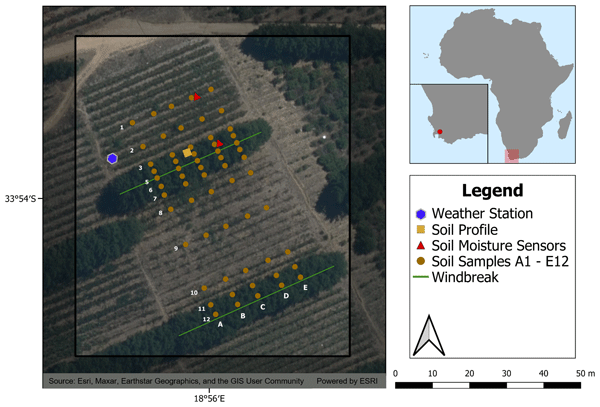
We studied a tree–crop ecosystem consisting of a blackberry field and an alder windbreak. In the water-scarce region, irrigation provides sufficient water for plant growth. The windbreak lowers the irrigation amount by reducing wind speed and therefore water transport into the atmosphere. These ecosystems could provide sustainable use of water-scarce landscapes, and we studied the complex interactions by observing several aspects (e.g. soil, nutrients, carbon assimilation, water).
Sibylle Kathrin Hassler, Rafael Bohn Reckziegel, Ben du Toit, Svenja Hoffmeister, Florian Kestel, Anton Kunneke, Rebekka Maier, and Jonathan Paul Sheppard
Earth Syst. Sci. Data, 16, 3935–3948, https://doi.org/10.5194/essd-16-3935-2024, https://doi.org/10.5194/essd-16-3935-2024, 2024
Short summary
Short summary
Agroforestry systems (AFSs) combine trees and crops within the same land unit, providing a sustainable land use option which protects natural resources and biodiversity. Introducing trees into agricultural systems can positively affect water resources, soil characteristics, biomass and microclimate. We studied an AFS in South Africa in a multidisciplinary approach to assess the different influences and present the resulting dataset consisting of water, soil, tree and meteorological variables.
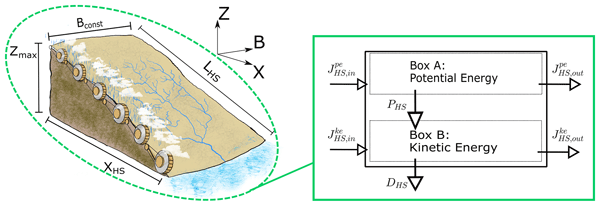
Samuel Schroers, Ulrike Scherer, and Erwin Zehe
Hydrol. Earth Syst. Sci., 27, 2535–2557, https://doi.org/10.5194/hess-27-2535-2023, https://doi.org/10.5194/hess-27-2535-2023, 2023
Short summary
Short summary
The hydrological cycle shapes our landscape. With an accelerating change of the world's climate and hydrological dynamics, concepts of evolution of natural systems become more important. In this study, we elaborated a thermodynamic framework for runoff and sediment transport and show from model results as well as from measurements during extreme events that the developed concept is useful for understanding the evolution of the system's mass, energy, and entropy fluxes.
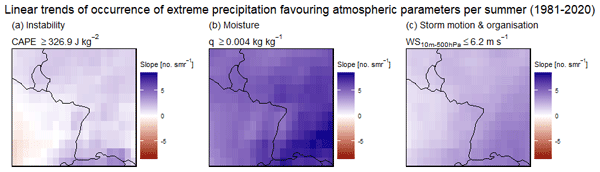
Judith Meyer, Malte Neuper, Luca Mathias, Erwin Zehe, and Laurent Pfister
Hydrol. Earth Syst. Sci., 26, 6163–6183, https://doi.org/10.5194/hess-26-6163-2022, https://doi.org/10.5194/hess-26-6163-2022, 2022
Short summary
Short summary
We identified and analysed the major atmospheric components of rain-intense thunderstorms that can eventually lead to flash floods: high atmospheric moisture, sufficient latent instability, and weak thunderstorm cell motion. Between 1981 and 2020, atmospheric conditions became likelier to support strong thunderstorms. However, the occurrence of extreme rainfall events as well as their rainfall intensity remained mostly unchanged.
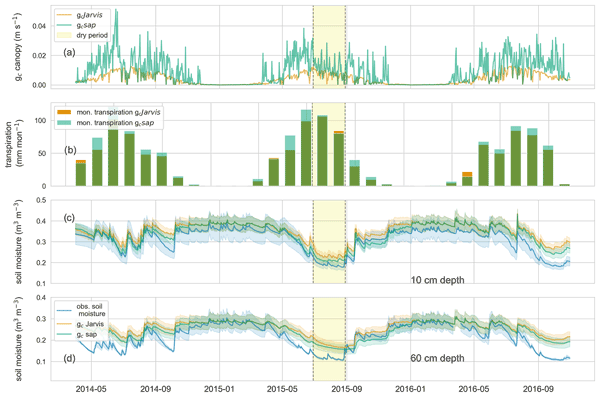
Ralf Loritz, Maoya Bassiouni, Anke Hildebrandt, Sibylle K. Hassler, and Erwin Zehe
Hydrol. Earth Syst. Sci., 26, 4757–4771, https://doi.org/10.5194/hess-26-4757-2022, https://doi.org/10.5194/hess-26-4757-2022, 2022
Short summary
Short summary
In this study, we combine a deep-learning approach that predicts sap flow with a hydrological model to improve soil moisture and transpiration estimates at the catchment scale. Our results highlight that hybrid-model approaches, combining machine learning with physically based models, are a promising way to improve our ability to make hydrological predictions.
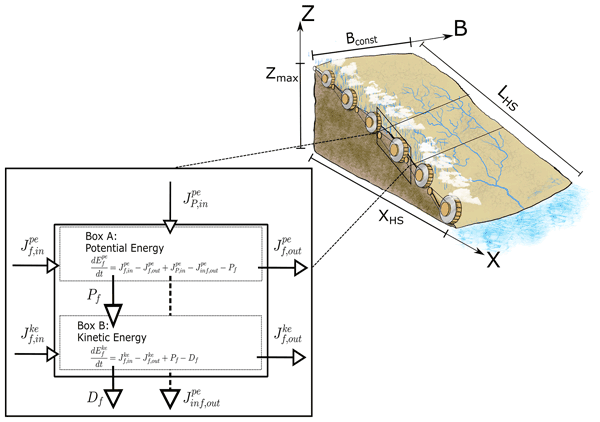
Samuel Schroers, Olivier Eiff, Axel Kleidon, Ulrike Scherer, Jan Wienhöfer, and Erwin Zehe
Hydrol. Earth Syst. Sci., 26, 3125–3150, https://doi.org/10.5194/hess-26-3125-2022, https://doi.org/10.5194/hess-26-3125-2022, 2022
Short summary
Short summary
In hydrology the formation of landform patterns is of special interest as changing forcings of the natural systems, such as climate or land use, will change these structures. In our study we developed a thermodynamic framework for surface runoff on hillslopes and highlight the differences of energy conversion patterns on two related spatial and temporal scales. The results indicate that surface runoff on hillslopes approaches a maximum power state.

Alexander Sternagel, Ralf Loritz, Brian Berkowitz, and Erwin Zehe
Hydrol. Earth Syst. Sci., 26, 1615–1629, https://doi.org/10.5194/hess-26-1615-2022, https://doi.org/10.5194/hess-26-1615-2022, 2022
Short summary
Short summary
We present a (physically based) Lagrangian approach to simulate diffusive mixing processes on the pore scale beyond perfectly mixed conditions. Results show the feasibility of the approach for reproducing measured mixing times and concentrations of isotopes over pore sizes and that typical shapes of breakthrough curves (normally associated with non-uniform transport in heterogeneous soils) may also occur as a result of imperfect subscale mixing in a macroscopically homogeneous soil matrix.
Erwin Zehe, Ralf Loritz, Yaniv Edery, and Brian Berkowitz
Hydrol. Earth Syst. Sci., 25, 5337–5353, https://doi.org/10.5194/hess-25-5337-2021, https://doi.org/10.5194/hess-25-5337-2021, 2021
Short summary
Short summary
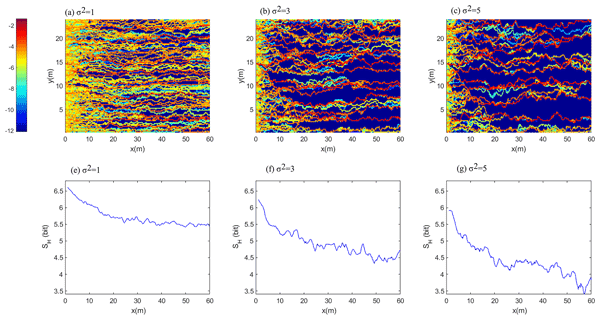
This study uses the concepts of entropy and work to quantify and explain the emergence of preferential flow and transport in heterogeneous saturated porous media. We found that the downstream concentration of solutes in preferential pathways implies a downstream declining entropy in the transverse distribution of solute transport pathways. Preferential flow patterns with lower entropies emerged within media of higher heterogeneity – a stronger self-organization despite a higher randomness.
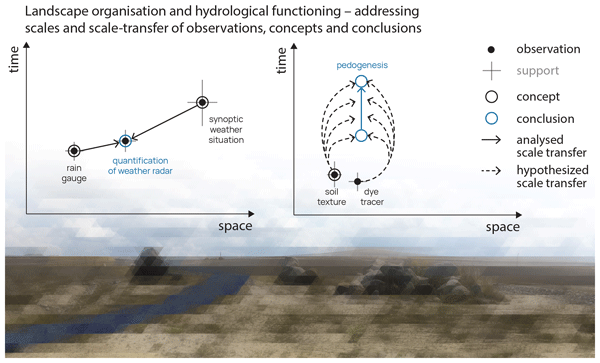
Conrad Jackisch, Sibylle K. Hassler, Tobias L. Hohenbrink, Theresa Blume, Hjalmar Laudon, Hilary McMillan, Patricia Saco, and Loes van Schaik
Hydrol. Earth Syst. Sci., 25, 5277–5285, https://doi.org/10.5194/hess-25-5277-2021, https://doi.org/10.5194/hess-25-5277-2021, 2021
Cited articles
Akinnifesi, F. K., Makumba, W., and Kwesiga, F. R.: Sustainable maize production using Gliricidia/Maize intercropping in Southern Malawi, Experimental Agriculture, 42, 441–457, https://doi.org/10.1017/S0014479706003814, 2006. a, b, c, d
Akinnifesi, F. K., Makumba, W., Sileshi, G., Ajayi, O. C., and Mweta, D.: Synergistic effect of inorganic N and P fertilizers and organic inputs from Gliricidia sepium on productivity of intercropped maize in Southern Malawi, Plant Soil, 294, 203–217, https://doi.org/10.1007/s11104-007-9247-z, 2007. a, b, c, d, e
Akinnifesi, F. K., Ajayi, O. C., Sileshi, G., Chirwa, P. W., and Chianu, J.: Fertiliser trees for sustainable food security in the maize-based production systems of East and Southern Africa. A review, Agronomy for Sustainable Development, 30, 615–629, https://doi.org/10.1051/agro/2009058, 2010. a
Alamu, E. O., Adesokan, M., Fawole, S., Maziya-Dixon, B., Mehreteab, T., and Chikoye, D.: Gliricidia sepium (Jacq.) Walp Applications for Enhancing Soil Fertility and Crop Nutritional Qualities: A Review, Forests, 14, 1–13, https://doi.org/10.3390/f14030635, 2023. a
Anderson, J. M. and Ingram, J. S. I.: Tropical Soil Biology and Fertility: A Handbook of Methods., C.A.B. International, 2nd edn., ISBN 0-85198-821-0, 1993. a
Atsivor, L., Dowuona, G. N., and Adiku, S. G.: Farming system-induced variability of some soil properties in a sub-humid zone of Ghana, Plant Soil, 236, 83–90, https://doi.org/10.1023/A:1011907420292, 2001. a
Ayuke, F. O., Zida, Z., and Lelei, D.: Effects of Soil Management on Aggregation and Organic Matter Dynamics in sub-Saharan Africa, African Journal of Food, Agriculture, Nutrition and Development, 19, 13992–14009, https://doi.org/10.18697/ajfand.84.BLFB1002, 2019. a
Bagnall, D. K., Morgan, C. L., Cope, M., Bean, G. M., Cappellazzi, S., Greub, K., Liptzin, D., Norris, C. L., Rieke, E., Tracy, P., Aberle, E., Ashworth, A., Bañuelos Tavarez, O., Bary, A., Baumhardt, R. L., Borbón Gracia, A., Brainard, D., Brennan, J., Briones Reyes, D., Bruhjell, D., Carlyle, C., Crawford, J., Creech, C., Culman, S., Deen, W., Dell, C., Derner, J., Ducey, T., Duiker, S. W., Dyck, M., Ellert, B., Entz, M., Espinosa Solorio, A., Fonte, S. J., Fonteyne, S., Fortuna, A. M., Foster, J., Fultz, L., Gamble, A. V., Geddes, C., Griffin-LaHue, D., Grove, J., Hamilton, S. K., Hao, X., Hayden, Z. D., Howe, J., Ippolito, J., Johnson, G., Kautz, M., Kitchen, N., Kumar, S., Kurtz, K., Larney, F., Lewis, K., Liebman, M., Lopez Ramirez, A., Machado, S., Maharjan, B., Martinez Gamiño, M. A., May, W., McClaran, M., McDaniel, M., Millar, N., Mitchell, J. P., Moore, P. A., Moore, A., Mora Gutiérrez, M., Nelson, K. A., Omondi, E., Osborne, S., Alcalá, L. O., Owens, P., Pena-Yewtukhiw, E. M., Poffenbarger, H., Ponce Lira, B., Reeve, J., Reinbott, T., Reiter, M., Ritchey, E., Roozeboom, K. L., Rui, I., Sadeghpour, A., Sainju, U. M., Sanford, G., Schillinger, W., Schindelbeck, R. R., Schipanski, M., Schlegel, A., Scow, K., Sherrod, L., Sidhu, S., Solís Moya, E., St. Luce, M., Strock, J., Suyker, A., Sykes, V., Tao, H., Trujillo Campos, A., Van Eerd, L. L., Verhulst, N., Vyn, T. J., Wang, Y., Watts, D., Wright, D., Zhang, T., and Honeycutt, C. W.: Carbon-sensitive pedotransfer functions for plant available water, Soil Sci. Soc. Am. J., 86, 612–629, https://doi.org/10.1002/saj2.20395, 2022. a, b
Barthès, B. G., Kouakoua, E., Larré-Larrouy, M. C., Razafimbelo, T. M., de Luca, E. F., Azontonde, A., Neves, C. S., de Freitas, P. L., and Feller, C. L.: Texture and sesquioxide effects on water-stable aggregates and organic matter in some tropical soils, Geoderma, 143, 14–25, https://doi.org/10.1016/j.geoderma.2007.10.003, 2008. a, b
Bayala, J., Sanou, J., Teklehaimanot, Z., Kalinganire, A., and Ouédraogo, S.: Parklands for buffering climate risk and sustaining agricultural production in the Sahel of West Africa, Current Opinion in Environmental Sustainability, 6, 28–34, https://doi.org/10.1016/j.cosust.2013.10.004, 2014. a
Beck, H. E., McVicar, T. R., Vergopolan, N., Berg, A., Lutsko, N. J., Dufour, A., Zeng, Z., Jiang, X., van Dijk, A. I. J. M., and Miralles, D. G.: High-resolution (1 km) Köppen-Geiger maps for 1901–2099 based on constrained CMIP6 projections, Sci. Data, 10, 724, https://doi.org/10.1038/s41597-023-02549-6, 2023. a, b
Beedy, T. L., Snapp, S. S., Akinnifesi, F. K., and Sileshi, G. W.: Impact of Gliricidia sepium intercropping on soil organic matter fractions in a maize-based cropping system, Agriculture, Ecosystems and Environment, 138, 139–146, https://doi.org/10.1016/j.agee.2010.04.008, 2010. a, b, c, d, e, f, g
Blair, N., Faulkner, R., Till, A., and Poulton, P.: Long-term management impacts on soil C, N and physical fertility, Soil Till. Res., 91, 30–38, https://doi.org/10.1016/j.still.2005.11.002, 2006. a
Bodner, G., Nakhforoosh, A., and Kaul, H.-P.: Management of crop water under drought: a review, Agronomy for Sustainable Development, 35, 401–442, https://doi.org/10.1007/s13593-015-0283-4, 2015. a
Bronick, C. and Lal, R.: Soil structure and management: a review, Geoderma, 124, 3–22, https://doi.org/10.1016/j.geoderma.2004.03.005, 2005. a, b
Brown, P. and Young, A.: The physical environment of Central Malawi with special reference to soils and agriculture, Govt Printer, Zomba, 1965. a
Castellano, M. J., Mueller, K. E., Olk, D. C., Sawyer, J. E., and Six, J.: Integrating plant litter quality, soil organic matter stabilization, and the carbon saturation concept, Global Change Biology, 21, 3200–3209, https://doi.org/10.1111/gcb.12982, 2015. a
Chaplot, V. and Cooper, M.: Soil aggregate stability to predict organic carbon outputs from soils, Geoderma, 243-244, 205–213, https://doi.org/10.1016/j.geoderma.2014.12.013, 2015. a
Cleugh, H. A.: Effects of windbreaks on airflow, microclimates and crop yields, Agroforestry Systems, 41, 55–84, https://doi.org/10.1023/A:1006019805109, 1998. a
Dearing, J. A., Braimoh, A. K., Reenberg, A., Turner, B. L., and van der Leeuw, S.: Complex Land Systems: the Need for Long Time Perspectives to Assess their Future, Ecology and Society, 15, https://doi.org/10.5751/ES-03645-150421, 2010. a
De Schutter, O.: Agroecology, a tool for the realization of the right to food, in: Agroecology and Strategies for Climate Change, edited by: Lichtfouse, E., 1–16, Springer, Dordrecht, the Netherlands, ISBN 978-94-007-1904-0, 2012. a
Fauchereau, N., Trzaska, S., Rouault, M., and Richard, Y.: Rainfall variability and changes in Southern Africa during the 20th century in the global warming context, Natural Hazards, 29, 139–154, https://doi.org/10.1023/A:1023630924100, 2003. a
Feifel, M., Durner, W., Hohenbrink, T. L., and Peters, A.: Effects of improved water retention by increased soil organic matter on the water balance of arable soils: A numerical analysis, Vadose Zone J., 23, 1–13, https://doi.org/10.1002/vzj2.20302, 2024. a, b, c, d
Fu, T., Chen, H., Zhang, W., Nie, Y., Gao, P., and Wang, K.: Spatial variability of surface soil saturated hydraulic conductivity in a small karst catchment of southwest China, Environ. Earth Sci., 74, 2381–2391, https://doi.org/10.1007/s12665-015-4238-5, 2015. a
Gaiser, T., Stahr, K., Bernard, M., and Kang, B. T.: Changes in soil organic carbon fractions in a tropical Acrisol as influenced by the addition of different residue materials, Agroforestry Systems, 86, 185–195, https://doi.org/10.1007/s10457-011-9417-0, 2012. a
García-Orenes, F., Guerrero, C., Mataix-Solera, J., Navarro-Pedreño, J., Gómez, I., and Mataix-Beneyto, J.: Factors controlling the aggregate stability and bulk density in two different degraded soils amended with biosolids, Soil Till. Res., 82, 65–76, https://doi.org/10.1016/j.still.2004.06.004, 2005. a
Golchin, A., Baldock, J., Clarke, P., Higashi, T., and Oades, J.: The effects of vegetation and burning on the chemical composition of soil organic matter of a volcanic ash soil as shown by 13C NMR spectroscopy. II. Density fractions, Geoderma, 76, 175–192, https://doi.org/10.1016/S0016-7061(96)00103-6, 1997. a, b
Graf-Rosenfellner, M., Cierjacks, A., Kleinschmit, B., and Lang, F.: Soil formation and its implications for stabilization of soil organic matter in the riparian zone, CATENA, 139, 9–18, https://doi.org/10.1016/j.catena.2015.11.010, 2016. a
Graham, C. B. and Lin, H. S.: Controls and Frequency of Preferential Flow Occurrence: A 175‐Event Analysis, Vadose Zone J., 10, 816–831, https://doi.org/10.2136/vzj2010.0119, 2011. a
Hanegraaf, M. C., Hoffland, E., Kuikman, P. J., and Brussaard, L.: Trends in soil organic matter contents in Dutch grasslands and maize fields on sandy soils, Eur. J. Soil Sci., 60, 213–222, https://doi.org/10.1111/j.1365-2389.2008.01115.x, 2009. a
Hartge, K. H. and Horn, R.: Die physikalische Untersuchung von Böden, E. Schweizerbart'sche Verlagsbuchhandlung, Stuttgart, Germany, ISBN 978-3-510-65463-5, 2009. a
Hoffmeister, S., Maier, R., Nyoka, B. I., and Hassler, S. K.: Soil chemical, physical and hydrological characteristics in two agroforestry systems in Malawi, GFZ Data Services [data set], https://doi.org/10.5880/fidgeo.2025.026, 2025. a, b, c
Iden, S. C. and Durner, W.: Comment on “Simple consistent models for water retention and hydraulic conductivity in the complete moisture range” by A. Peters, Water Resour. Res., 50, 7530–7534, https://doi.org/10.1002/2014WR015937, 2014. a
ISO 11277:2002: Soil quality – Determination of particle size distribution in mineral soil material – Method by sieving and sedimentation – Technical Corrigendum 1, 2002. a
Iwasaki, S., Endo, Y., and Hatano, R.: The effect of organic matter application on carbon sequestration and soil fertility in upland fields of different types of Andosols, Soil Sci. Plant Nutr., 63, 200–220, https://doi.org/10.1080/00380768.2017.1309255, 2017. a, b
Jose, S.: Agroforestry for ecosystem services and environmental benefits: an overview, Agroforestry Systems, 76, 1–10, https://doi.org/10.1007/s10457-009-9229-7, 2009. a, b
Kirsten, M., Mikutta, R., Vogel, C., Thompson, A., Mueller, C. W., Kimaro, D. N., Bergsma, H. L. T., Feger, K.-H., and Kalbitz, K.: Iron oxides and aluminous clays selectively control soil carbon storage and stability in the humid tropics, Sci. Rep., 11, 5076, https://doi.org/10.1038/s41598-021-84777-7, 2021. a
Kuyah, S., Whitney, C. W., Jonsson, M., Sileshi, G. W., Öborn, I., Muthuri, C. W., and Luedeling, E.: Agroforestry delivers a win-win solution for ecosystem services in sub-Saharan Africa. A meta-analysis, Agronomy for Sustainable Development, 39, https://doi.org/10.1007/s13593-019-0589-8, 2019. a
Kwesiga, F., Akinnifesi, F. K., Mafongoya, P. L., McDermott, M. H., and Agumya, A.: Agroforestry research and development in southern Africa during the 1990s: Review and challenges ahead, Agroforestry Systems, 59, 173–186, https://doi.org/10.1023/B:AGFO.0000005222.68054.38, 2003. a
Lado, M., Paz, A., and Ben-Hur, M.: Organic Matter and Aggregate‐Size Interactions in Saturated Hydraulic Conductivity, Soil Sci. Soc. Am. J., 68, 234–242, https://doi.org/10.2136/sssaj2004.2340, 2004. a
Lal, R.: Soil organic matter and water retention, Agronomy Journal, 112, 3265–3277, https://doi.org/10.1002/agj2.20282, 2020. a, b
Littmann, T. and Veste, M.: Evapotranspiration, transpiration and dewfall, in: Arid Dune Ecosystems: The Nizzana Sands in the Negev Desert, edited by: Breckle, S.-W., Yair, A., and Veste, M., 183–200, Springer, Berlin/Heidelberg, Germany, ISBN 978-3-540-75498-5, 2008. a
Lützow, M. V., Kögel‐Knabner, I., Ekschmitt, K., Matzner, E., Guggenberger, G., Marschner, B., and Flessa, H.: Stabilization of organic matter in temperate soils: mechanisms and their relevance under different soil conditions – a review, Eur. J. Soil Sci., 57, 426–445, https://doi.org/10.1111/j.1365-2389.2006.00809.x, 2006. a
Makate, C., Makate, M., Mango, N., and Siziba, S.: Increasing resilience of smallholder farmers to climate change through multiple adoption of proven climate-smart agriculture innovations. Lessons from Southern Africa, J. Environ. Manage., 231, 858–868, https://doi.org/10.1016/j.jenvman.2018.10.069, 2019. a
Makumba, W., Janssen, B., Oenema, O., Akinnifesi, F. K., Mweta, D., and Kwesiga, F.: The long-term effects of a gliricidia–maize intercropping system in Southern Malawi, on gliricidia and maize yields, and soil properties, Agriculture, Ecosystems & Environment, 116, 85–92, https://doi.org/10.1016/j.agee.2006.03.012, 2006. a, b, c, d, e
Makumba, W., Akinnifesi, F. K., Janssen, B., and Oenema, O.: Long-term impact of a gliricidia-maize intercropping system on carbon sequestration in southern Malawi, Agriculture, Ecosystems & Environment, 118, 237–243, https://doi.org/10.1016/j.agee.2006.05.011, 2007. a, b, c
Malunga, I., Lelei, J. J., and Makumba, W.: Effect of Mineral Nitrogen and Legume Intercrops on Maize (Zea Mays L.) Nitrogen Uptake, Nutrient Use Efficiency and Yields in Chitedze and Zomba, Malawi, Sustainable Agriculture Research, 7, 64, https://doi.org/10.5539/sar.v7n1p64, 2017. a, b, c
Mann, H. B. and Whitney, D. R.: On a Test of Whether one of Two Random Variables is Stochastically Larger than the Other, The Annals of Mathematical Statistics, 18, 50–60, https://doi.org/10.1214/aoms/1177730491, 1947. a
Mbow, C., Rosenzweig, C., Barioni, L. G., Benton, T. G., Herrero, M., Krishnapillai, M., Liwenga, E., Pradhan, P., Rivera-Ferre, M. G., Sapkota, T., Tubiello, F. N., and Xu, Y.: Food security, in: Climate Change and Land: an IPCC special report on climate change, desertification, land degradation, sustainable land management, food security, and greenhouse gas fluxes in terrestrial ecosystems, edited by: Shukla, P., Skea, J., Buendia, E. C., Masson-Delmotte, V., Pörtner, H.-O., Roberts, D., Zhai, P., Slade, R., Connors, S., van Diemen, R., Ferrat, M., Haughey, E., Luz, S., Neogi, S., Pathak, M., Petzold, J., Portugal Pereira, J., Vyas, P., Huntley, E., Kissick, K., Belkacemi, M., and Malley, J., Cambridge University Press, https://doi.org/10.1017/9781009157988.007, 2019. a, b
Mehra, O. P. and Jackson, M. L.: Iron Oxide Removal from Soils and Clays by a Dithionite-Citrate System Buffered with Sodium Bicarbonate, Clays and clay minerals, National Conference on Clays and Clay Minerals, 7, 317–327, https://doi.org/10.1346/CCMN.1958.0070122, 1958. a
Minasny, B. and McBratney, A. B.: Limited effect of organic matter on soil available water capacity, Eur. J. Soil Sci., 69, 39–47, https://doi.org/10.1111/ejss.12475, 2018. a
Montanarella, L., Pennock, D. J., McKenzie, N., Badraoui, M., Chude, V., Baptista, I., Mamo, T., Yemefack, M., Singh Aulakh, M., Yagi, K., Young Hong, S., Vijarnsorn, P., Zhang, G.-L., Arrouays, D., Black, H., Krasilnikov, P., Sobocká, J., Alegre, J., Henriquez, C. R., de Lourdes Mendonça-Santos, M., Taboada, M., Espinosa-Victoria, D., AlShankiti, A., AlaviPanah, S. K., Elsheikh, E. A. E. M., Hempel, J., Camps Arbestain, M., Nachtergaele, F., and Vargas, R.: World's soils are under threat, SOIL, 2, 79–82, https://doi.org/10.5194/soil-2-79-2016, 2016. a
Nabuurs, G., Masera, O., Andrasko, K., Benitez-Ponce, P., Boer, R., Dutschke, M., Elsiddig, E., Ford-Robertson, J., Frumhoff, P., Karjalainen, T., Krankina, O., Kurz, W., Matsumoto, M., Oyhantcabal, W., Ravindranath, N., Sanchez, M. S., and Zhang, X.: Forestry, Tech. rep., Cambridge, United Kingdom and New York, NY, USA, 2007. a
Nabuurs, G.-J., Mrabet, R., Abu Hatab, A., Bustamante, M., Clark, H., Havlík, P., House, J., Mbow, C., Ninan, K., Popp, A., Roe, S., Sohngen, B., and Towprayoon, S.: Agriculture, Forestry and Other Land Uses (AFOLU), in: Climate Change 2022 – Mitigation of Climate Change. Contribution of Working Group III to the Sixth Assessment Report of the Intergovernmental Panel on Climate Change, edited by: Shukla, P., Skea, J., Slade, R., Al Khourdajie, A., van Diemen, R., McCollum, D., Pathak, M., Some, S., Vyas, P., Fradera, R., Belkacemi, M., Hasija, A., Lisboa, G., Luz, S., and Malley, J., 747–860, Cambridge University Press, Cambridge, United Kingdom and New York, NY, USA, ISBN 9781009157926, https://doi.org/10.1017/9781009157926.009, 2022. a
Nemes, A., Rawls, W. J., and Pachepsky, Y. A.: Influence of Organic Matter on the Estimation of Saturated Hydraulic Conductivity, Soil Sci. Soc. Am. J., 69, 1330–1337, https://doi.org/10.2136/sssaj2004.0055, 2005. a
Nimmo, J. R. and Akstin, K. C.: Hydraulic Conductivity of a Sandy Soil at Low Water Content After Compaction by Various Methods, Soil Sci. Soc. Am. J., 52, 303–310, https://doi.org/10.2136/sssaj1988.03615995005200020001x, 1988. a, b, c
Odhiambo, H. O., Ong, C. K., Deans, J. D., Wilson, J., Khan, A. A., and Sprent, J. I.: Roots, soil water and crop yield: Tree crop interactions in a semi-arid agroforestry system in Kenya, Plant Soil, 235, 221–233, https://doi.org/10.1023/A:1011959805622, 2001. a
Olsson, L., Barbosa, H., Bhadwal, S., Cowie, A., Delusca, K., Flores-Renteria, D., Hermans, K., Jobbagy, E., Kurz, W., Li, D., Sonwa, D. J., Stringer, L., Crews, T., Dallimer, M., Eekhout, J., Erb, K., Haughey, E., Houghton, R., Iqbal, M. M., Johnson, F. X., Lee, W. K., Morton, J., Oliva, F. G., Petzold, J., Rahimi, M., Renou-Wilson, F., Tengberg, A., Verchot, L., Vincent, K., Moreno, J. M., Vera, C., Barau, A. S., Olsson, L., Barbosa, H., Bhadwal, S., Cowie, A., Delusca, K., Flores-Renteria, D., Hermans, K., Jobbagy, E., Kurz, W., Li, D., Sonwa, D. J., and Stringer, L.: Land degradation, in: Climate Change and Land, 345–436, Cambridge University Press, ISBN 9781009157988, https://doi.org/10.1017/9781009157988.006, 2019. a
Pachepsky, Y. and Rawls, W.: Soil structure and pedotransfer functions, Eur. J. Soil Sci., 54, 443–452, https://doi.org/10.1046/j.1365-2389.2003.00485.x, 2003. a, b
Paradelo, R., van Oort, F., and Chenu, C.: Water-dispersible clay in bare fallow soils after 80 years of continuous fertilizer addition, Geoderma, 200-201, 40–44, https://doi.org/10.1016/j.geoderma.2013.01.014, 2013. a
Peters, A., Durner, W., and Iden, S.: The PDI model system for parameterizing soil hydraulic properties, Vadose Zone J., 23, 1–20, https://doi.org/10.1002/vzj2.20338, 2024. a, b
Ramachandran Nair, P. K., Mohan Kumar, B., and Nair, V. D.: Agroforestry as a strategy for carbon sequestration, Journal of Plant Nutrition and Soil Science, 172, 10–23, https://doi.org/10.1002/jpln.200800030, 2009. a
Rasmussen, C., Heckman, K., Wieder, W. R., Keiluweit, M., Lawrence, C. R., Berhe, A. A., Blankinship, J. C., Crow, S. E., Druhan, J. L., Hicks Pries, C. E., Marin-Spiotta, E., Plante, A. F., Schädel, C., Schimel, J. P., Sierra, C. A., Thompson, A., and Wagai, R.: Beyond clay: towards an improved set of variables for predicting soil organic matter content, Biogeochemistry, 137, 297–306, https://doi.org/10.1007/s10533-018-0424-3, 2018. a
Rawls, W., Nemes, A., and Pachepsky, Y.: Effect of soil organic carbon on soil hydraulic properties, in: Development of Pedotransfer Functions in Soil Hydrology, vol. 30 of Developments in Soil Science, 95–114, Elsevier, https://doi.org/10.1016/S0166-2481(04)30006-1, 2004. a
Rawls, W. J., Pachepsky, Y. A., Ritchie, J. C., Sobecki, T. M., and Bloodworth, H.: Effect of soil organic carbon on soil water retention, Geoderma, 116, 61–76, https://doi.org/10.1016/S0016-7061(03)00094-6, 2003. a, b
Ribeiro‐Barros, A. I., Silva, M. J., Moura, I., Ramalho, J. C., Máguas‐Hanson, C., and Ribeiro, N. S.: The Potential of Tree and Shrub Legumes in Agroforestry Systems, in: Nitrogen in Agriculture - Updates, edited by: Amanullah, K. and Fahad, S., InTech, Rijeka, Croatia, ISBN 978-953-51-3768-9, https://doi.org/10.5772/intechopen.69995, 2018. a
Schweizer, S. A., Mueller, C. W., Höschen, C., Ivanov, P., and Kögel-Knabner, I.: The role of clay content and mineral surface area for soil organic carbon storage in an arable toposequence, Biogeochemistry, 156, 401–420, https://doi.org/10.1007/s10533-021-00850-3, 2021. a
Sheppard, J. P., Bohn Reckziegel, R., Borrass, L., Chirwa, P. W., Cuaranhua, C. J., Hassler, S. K., Hoffmeister, S., Kestel, F., Maier, R., Mälicke, M., Morhart, C., Ndlovu, N. P., Veste, M., Funk, R., Lang, F., Seifert, T., du Toit, B., and Kahle, H.-P.: Agroforestry: An Appropriate and Sustainable Response to a Changing Climate in Southern Africa?, Sustainability, 12, 6796, https://doi.org/10.3390/su12176796, 2020. a, b
Shi, L., Feng, W., Xu, J., and Kuzyakov, Y.: Agroforestry systems: Meta‐analysis of soil carbon stocks, sequestration processes, and future potentials, Land Degradation & Development, 29, 3886–3897, https://doi.org/10.1002/ldr.3136, 2018. a
Sileshi, G. W., Mafongoya, P. L., Akinnifesi, F. K., Phiri, E., Chirwa, P., Beedy, T., Makumba, W., Nyamadzawo, G., Njoloma, J., Wuta, M., Nyamugafata, P., and Jiri, O.: Agroforestry: Fertilizer Trees, in: Encyclopedia of Agriculture and Food Systems, 222–234, Elsevier, ISBN 9780080931395, https://doi.org/10.1016/B978-0-444-52512-3.00022-X, 2014. a
Siriri, D., Wilson, J., Coe, R., Tenywa, M. M., Bekunda, M. A., Ong, C. K., and Black, C. R.: Trees improve water storage and reduce soil evaporation in agroforestry systems on bench terraces in SW Uganda, Agroforestry Systems, 87, 45–58, https://doi.org/10.1007/s10457-012-9520-x, 2013. a
Six, J., Conant, R. T., Paul, E. A., and Paustian, K.: Stabilization mechanisms of SOM implications for C saturation of soils.pdf, Plant Soil, 241, 155–176, https://doi.org/10.1023/A:1016125726789, 2002. a, b
Stewart, C. E., Paustian, K., Conant, R. T., Plante, A. F., and Six, J.: Soil carbon saturation: Evaluation and corroboration by long-term incubations, Soil Biol. Biochem., 40, 1741–1750, https://doi.org/10.1016/j.soilbio.2008.02.014, 2008. a
Trisos, C., Adelekan, I., Totin, E., Ayanlade, A., Efitre, J., Gemeda, A., Kalaba, K., Lennard, C., Masao, C., Mgaya, Y., Ngaruiya, G., Olago, D., Simpson, N., and Zakieldeen, S.: Africa, in: Climate Change 2022: Impacts, Adaptation and Vulnerability. Contribution of Working Group II to the Sixth Assessment Report of the Intergovernmental Panel on Climate Change, edited by: Pörtner, H.-O., Roberts, D., Tignor, M., Poloczanska, E., Mintenbeck, K., Alegría, A., Craig, M., Langsdorf, S., Löschke, S., Möller, V., Okem, A., and Rama, B., 1285–1455, Cambridge University Press, Cambridge, UK and New York, NY, USA, https://doi.org/10.1017/9781009325844.011, 2022. a
Tumushabe, J. T.: Climate Change, Food Security and Sustainable Development in Africa, in: The Palgrave Handbook of African Politics, Governance and Development, edited by Oloruntoba, S.O., Falola, T., 853–868, Palgrave Macmillan US, New York, ISBN 978-1-349-95231-1, https://doi.org/10.1057/978-1-349-95232-8_53, 2018. a
Valdivia, C., Barbieri, C., and Gold, M. A.: Between Forestry and Farming: Policy and Environmental Implications of the Barriers to Agroforestry Adoption, Canadian Journal of Agricultural Economics/Revue canadienne d'agroeconomie, 60, 155–175, https://doi.org/10.1111/j.1744-7976.2012.01248.x, 2012. a
Van Genuchten, M. T.: A Closed-form Equation for Predicting the Hydraulic Conductivity of Unsaturated Soils, Soil Sci. Soc. Am. J., 44, 892–898, https://doi.org/10.2136/sssaj1980.03615995004400050002x, 1980. a
van Reeuwijk, L. P.: Procedures for Soil Analysis, Tech. rep, International Soil Reference and Information Centre (ISRIC), Technical Paper, https://files.isric.org/public/documents/ISRIC_TechPap09.pdf (last access: 18 February 2026), 2002. a
Wilcoxon, F.: Individual Comparisons by Ranking Methods, Biometrics Bulletin, 1, 80, https://doi.org/10.2307/3001968, 1945. a
Williams, J., Prebble, R., Williams, W., and Hignett, C.: The influence of texture, structure and clay mineralogy on the soil moisture characteristic, Soil Res., 21, 15, https://doi.org/10.1071/SR9830015, 1983. a, b
Short summary
Combining trees and crops in agroforestry systems can potentially be a sustainable option for agriculture facing climate change impacts. We used methods from soil science and hydrology to assess the effect of adding gliricidia trees to maize fields, on carbon content, soil properties and water availability. Our results show a clear increase in carbon contents and effects on physical soil characteristics and water uptake and retention as a consequence of the agroforestry treatment.
Combining trees and crops in agroforestry systems can potentially be a sustainable option for...


Altmetrics
Final-revised paper
Preprint