
Articles | Volume 23, issue 4
https://doi.org/10.5194/bg-23-1653-2026
© Author(s) 2026. This work is distributed under
the Creative Commons Attribution 4.0 License.
the Creative Commons Attribution 4.0 License.
https://doi.org/10.5194/bg-23-1653-2026
© Author(s) 2026. This work is distributed under
the Creative Commons Attribution 4.0 License.
the Creative Commons Attribution 4.0 License.
Research article
| 
03 Mar 2026
Research article |
| 03 Mar 2026
| 03 Mar 2026
Spatial variability of greenhouse gas concentrations and fluxes in shallow coastal bays of the western Baltic Sea

Baltic Sea Centre, Stockholm University, Stockholm, Sweden
Joakim P. Hansen
Baltic Sea Centre, Stockholm University, Stockholm, Sweden
Martijn Hermans
Baltic Sea Centre, Stockholm University, Stockholm, Sweden
Alexis Fonseca
Baltic Sea Centre, Stockholm University, Stockholm, Sweden
Department of Ecology, Environment and Plant Sciences, Stockholm University, Stockholm, Sweden
Sofia A. Wikström
Baltic Sea Centre, Stockholm University, Stockholm, Sweden
Linda Kumblad
Baltic Sea Centre, Stockholm University, Stockholm, Sweden
Emil Rydin
Baltic Sea Centre, Stockholm University, Stockholm, Sweden
Marc Geibel
Baltic Sea Centre, Stockholm University, Stockholm, Sweden
Matthew E. Salter
Baltic Sea Centre, Stockholm University, Stockholm, Sweden
Department of Environmental Science, Stockholm University, Stockholm, Sweden
Christoph Humborg
Baltic Sea Centre, Stockholm University, Stockholm, Sweden
Department of Environmental Science, Stockholm University, Stockholm, Sweden
Related authors
Sneha Aggarwal, Matthew Salter, Olga Garmash, Felipe Lopez-Hilfiker, Julika Zinke, Joel A. Thornton, Timothy H. Bertram, Jian Wang, Paul Zieger, and Claudia Mohr
EGUsphere, https://doi.org/10.26434/chemrxiv.15000402/v3, https://doi.org/10.26434/chemrxiv.15000402/v3, 2026
Short summary
Short summary
Perfluoroalkyl carboxylic acids (PFCAs) are persistent global contaminants. While sea spray aerosol (SSA) formed by wave breaking is known to transport PFCAs from the ocean to the atmosphere, the focus has primarily been on particle-phase transport. Here, we present evidence that particle-bound PFCAs are subsequently converted to gas phase following SSA emission. This previously unconsidered process may cause particle-only measurements to underestimate the total atmospheric PFCA from SSA.
Daniel Klaus, Ulrich Görsdorf, Ranvir Dhillon, Joshua D. Vande Hey, and Julika Zinke
EGUsphere, https://doi.org/10.5194/egusphere-2026-1696, https://doi.org/10.5194/egusphere-2026-1696, 2026
Short summary
Short summary
Different ceilometers report different cloud base heights under identical conditions, largely due to the lack of a universally accepted quantitative definition. This issue is critical for air traffic control under low cloud conditions. Using image analysis, the 300 m tall "Hamburg Weather Mast" served as a cloud ruler – a new reference method for evaluating low-cloud ceilometer data. Our results suggest that the slant optical range is an appropriate definition of cloud base height for aviation.
Julika Zinke, Gabriel Pereira Freitas, Rachel Ann Foster, Paul Zieger, Ernst Douglas Nilsson, Piotr Markuszewski, and Matthew Edward Salter
Atmos. Chem. Phys., 24, 13413–13428, https://doi.org/10.5194/acp-24-13413-2024, https://doi.org/10.5194/acp-24-13413-2024, 2024
Short summary
Short summary
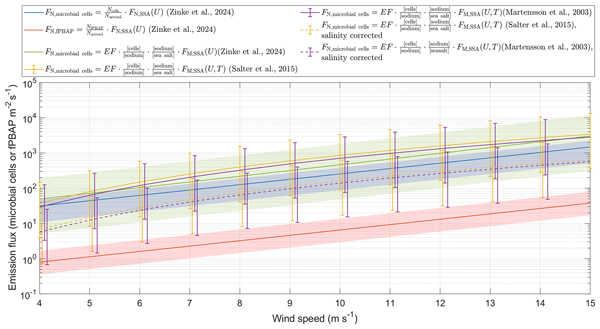
Bioaerosols, which can influence climate and human health, were studied in the Baltic Sea. In May and August 2021, we used a sea spray simulation chamber during two ship-based campaigns to collect and measure these aerosols. We found that microbes were enriched in air compared to seawater. Bacterial diversity was analysed using DNA sequencing. Our methods provided consistent estimates of microbial emission fluxes, aligning with previous studies.
Piotr Markuszewski, E. Douglas Nilsson, Julika Zinke, E. Monica Mårtensson, Matthew Salter, Przemysław Makuch, Małgorzata Kitowska, Iwona Niedźwiecka-Wróbel, Violetta Drozdowska, Dominik Lis, Tomasz Petelski, Luca Ferrero, and Jacek Piskozub
Atmos. Chem. Phys., 24, 11227–11253, https://doi.org/10.5194/acp-24-11227-2024, https://doi.org/10.5194/acp-24-11227-2024, 2024
Short summary
Short summary
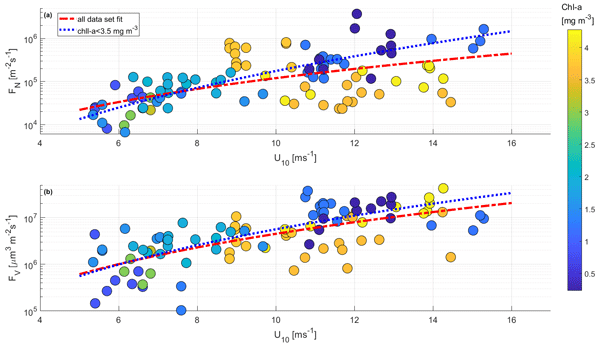
Our research provides new insights into the study of sea spray aerosol (SSA) emissions in the Baltic Sea and North Atlantic. We observed that SSA flux is suppressed during increased marine biological activity in the Baltic Sea. At the same time, the influence of wave age showed higher SSA emissions in the Baltic Sea for younger waves compared to the Atlantic Ocean. These insights underscore the complex interplay between biological activity and physical dynamics in regulating SSA emissions.
Julika Zinke, Ernst Douglas Nilsson, Piotr Markuszewski, Paul Zieger, Eva Monica Mårtensson, Anna Rutgersson, Erik Nilsson, and Matthew Edward Salter
Atmos. Chem. Phys., 24, 1895–1918, https://doi.org/10.5194/acp-24-1895-2024, https://doi.org/10.5194/acp-24-1895-2024, 2024
Short summary
Short summary
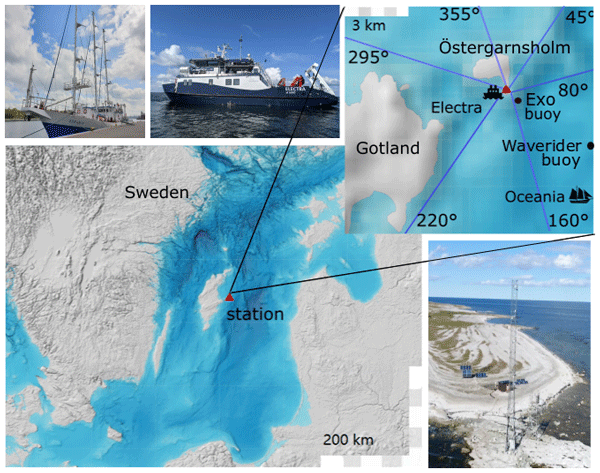
We conducted two research campaigns in the Baltic Sea, during which we combined laboratory sea spray simulation experiments with flux measurements on a nearby island. To combine these two methods, we scaled the laboratory measurements to the flux measurements using three different approaches. As a result, we derived a parameterization that is dependent on wind speed and wave state for particles with diameters 0.015–10 μm. This parameterization is applicable to low-salinity waters.
Sneha Aggarwal, Matthew Salter, Olga Garmash, Felipe Lopez-Hilfiker, Julika Zinke, Joel A. Thornton, Timothy H. Bertram, Jian Wang, Paul Zieger, and Claudia Mohr
EGUsphere, https://doi.org/10.26434/chemrxiv.15000402/v3, https://doi.org/10.26434/chemrxiv.15000402/v3, 2026
Short summary
Short summary
Perfluoroalkyl carboxylic acids (PFCAs) are persistent global contaminants. While sea spray aerosol (SSA) formed by wave breaking is known to transport PFCAs from the ocean to the atmosphere, the focus has primarily been on particle-phase transport. Here, we present evidence that particle-bound PFCAs are subsequently converted to gas phase following SSA emission. This previously unconsidered process may cause particle-only measurements to underestimate the total atmospheric PFCA from SSA.
Anaïs Richard, Carmen Leiva-Dueñas, Christoffer Boström, Beke K. Eichert, Annie Garnell, Nadja H. Nijm, Line Holm Andersen, Kai Jensen, Heli Jutila, Dorte Krause-Jensen, Nathalie Labourdette, Marianna Lanari, Ella L. Logemann, Katrin Moeller, Mikael von Numers, Gry Frederiksberg, Sofia A. Wikström, Cintia Organo Quintana, Gary Thomas Banta, and Johan S. Eklöf
Biogeosciences, 23, 4583–4602, https://doi.org/10.5194/bg-23-4583-2026, https://doi.org/10.5194/bg-23-4583-2026, 2026
Short summary
Short summary
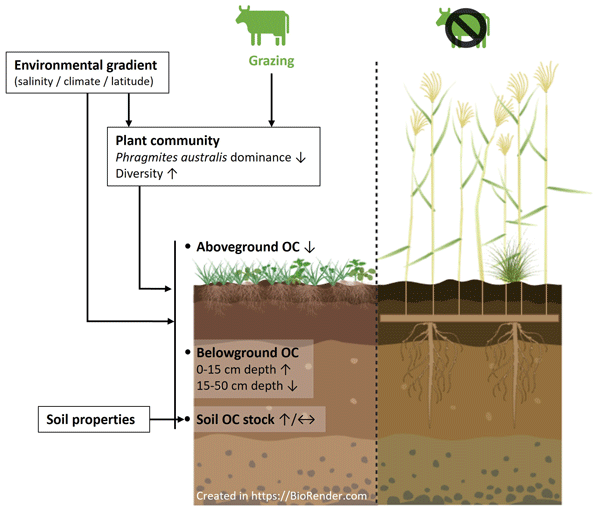
Coastal marshes store high amounts of carbon but remain understudied in Nordic region. We measured organic carbon stored in plants and soil across grazed and ungrazed marshes along environmental gradients. Livestock grazing limited reed dominance, reduced aboveground carbon and altered roots allocation. Soil carbon was mainly controlled by soil properties rather than grazing at large scale. Our results show how grazing and environmental conditions jointly shape carbon storage in coastal marshes.
Daniel Klaus, Ulrich Görsdorf, Ranvir Dhillon, Joshua D. Vande Hey, and Julika Zinke
EGUsphere, https://doi.org/10.5194/egusphere-2026-1696, https://doi.org/10.5194/egusphere-2026-1696, 2026
Short summary
Short summary
Different ceilometers report different cloud base heights under identical conditions, largely due to the lack of a universally accepted quantitative definition. This issue is critical for air traffic control under low cloud conditions. Using image analysis, the 300 m tall "Hamburg Weather Mast" served as a cloud ruler – a new reference method for evaluating low-cloud ceilometer data. Our results suggest that the slant optical range is an appropriate definition of cloud base height for aviation.
Dana Hellemann, Xiaole Sun, Tom Jilbert, Eva Ehrnsten, Lora Harris, Bo Gustafsson, Christoph Humborg, and Alf Norkko
EGUsphere, https://doi.org/10.5194/egusphere-2026-959, https://doi.org/10.5194/egusphere-2026-959, 2026
Short summary
Short summary
Using model-simulations and field data, we assess the effect of past eutrophication on present and future ammonium dynamics in coastal sediments of the Baltic Sea and their impact on the coastal ecosystem. Our results indicate a clear eutrophication legacy effect on the persistence of ammonium being released from the sediment to the water column, particularly under oxygen deficiency, with long-lasting effects into the far future and thus important implications for ecosystem recovery measures.
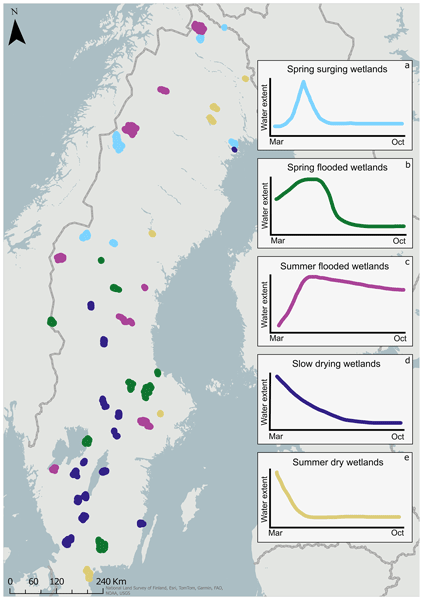
Abigail E. Robinson, Anna Scaini, Francisco J. Peña, Peter A. Hambäck, Christoph Humborg, and Fernando Jaramillo
Hydrol. Earth Syst. Sci., 29, 5975–6001, https://doi.org/10.5194/hess-29-5975-2025, https://doi.org/10.5194/hess-29-5975-2025, 2025
Short summary
Short summary
Wetlands provide vital benefits like flood control, drought resilience, and carbon storage, but these depend on how water moves and is stored within the wetland. Using satellite imagery and AI, we mapped water patterns in 43 Swedish wetlands, identifying five hydrological types. This approach reveals differences in flooding and drying, linking wetland water behaviour to the benefits they provide, offering a practical way to understand wetland functions.
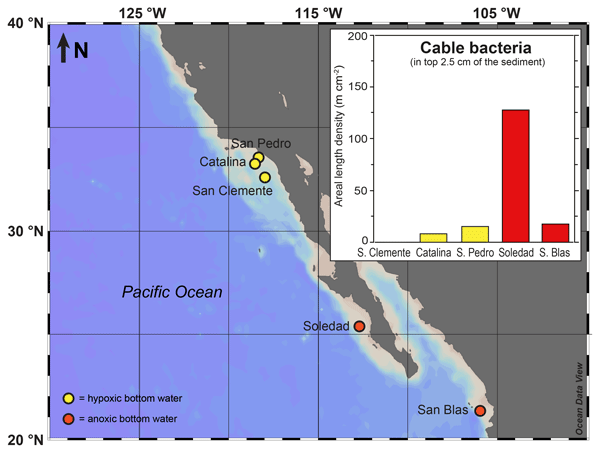
Caroline P. Slomp, Martijn Hermans, Niels A. G. M. van Helmond, Silke Severmann, James McManus, Marit R. van Erk, and Sairah Malkin
Biogeosciences, 22, 4885–4902, https://doi.org/10.5194/bg-22-4885-2025, https://doi.org/10.5194/bg-22-4885-2025, 2025
Short summary
Short summary
Cable bacteria couple the oxidation of sulfide at depth in sediments with the reduction in oxygen, nitrate, or nitrite near the sediment surface, thereby preventing the release of toxic hydrogen sulfide to the overlying water. We show evidence for a diversity of cable bacteria in sediments from hypoxic and anoxic basins along the continental margin of California and Mexico. Cable bacteria activity in this setting is likely to be periodic and dependent on the supply of organic matter and/or oxygen.
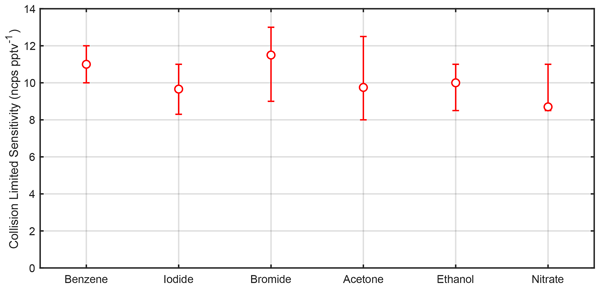
Sneha Aggarwal, Priyanka Bansal, Yuwei Wang, Spiro Jorga, Gabrielle Macgregor, Urs Rohner, Thomas Bannan, Matthew Salter, Paul Zieger, Claudia Mohr, and Felipe Lopez-Hilfiker
Atmos. Meas. Tech., 18, 4227–4247, https://doi.org/10.5194/amt-18-4227-2025, https://doi.org/10.5194/amt-18-4227-2025, 2025
Short summary
Short summary
Chemical ionization mass spectrometers used for trace gas analysis can be operated under various conditions, complicating quantitative comparisons. We evaluate sensitivity dependence on a relatively few key instrument parameters and show that when these are held constant, consistent performance is achieved. We show that the maximum sensitivity of a given flow tube reactor across various reagent ion chemistries is a constant, which aids in the quantification of compounds lacking analytical standards.
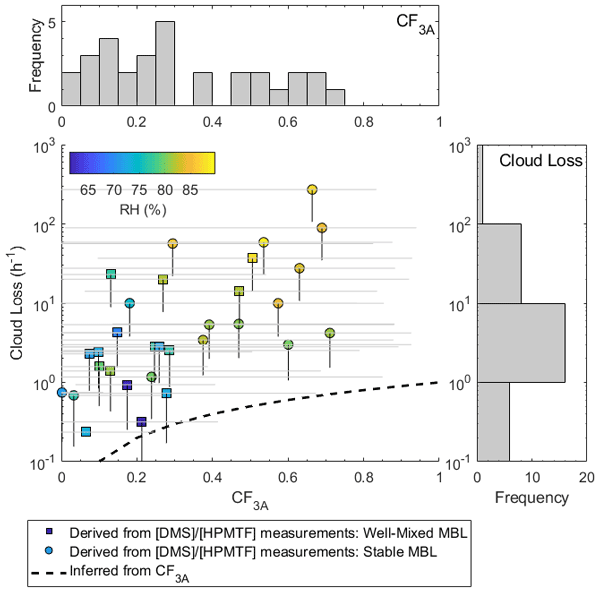
Delaney B. Kilgour, Christopher M. Jernigan, Olga Garmash, Sneha Aggarwal, Shengqian Zhou, Claudia Mohr, Matt E. Salter, Joel A. Thornton, Jian Wang, Paul Zieger, and Timothy H. Bertram
Atmos. Chem. Phys., 25, 1931–1947, https://doi.org/10.5194/acp-25-1931-2025, https://doi.org/10.5194/acp-25-1931-2025, 2025
Short summary
Short summary
We report simultaneous measurements of dimethyl sulfide (DMS) and hydroperoxymethyl thioformate (HPMTF) in the eastern North Atlantic. We use an observationally constrained box model to show that cloud loss is the dominant sink of HPMTF in this region over 6 weeks, resulting in large reductions in DMS-derived products that contribute to aerosol formation and growth. Our findings indicate that fast cloud processing of HPMTF must be included in global models to accurately capture the sulfur cycle.
Julika Zinke, Gabriel Pereira Freitas, Rachel Ann Foster, Paul Zieger, Ernst Douglas Nilsson, Piotr Markuszewski, and Matthew Edward Salter
Atmos. Chem. Phys., 24, 13413–13428, https://doi.org/10.5194/acp-24-13413-2024, https://doi.org/10.5194/acp-24-13413-2024, 2024
Short summary
Short summary
Bioaerosols, which can influence climate and human health, were studied in the Baltic Sea. In May and August 2021, we used a sea spray simulation chamber during two ship-based campaigns to collect and measure these aerosols. We found that microbes were enriched in air compared to seawater. Bacterial diversity was analysed using DNA sequencing. Our methods provided consistent estimates of microbial emission fluxes, aligning with previous studies.
Piotr Markuszewski, E. Douglas Nilsson, Julika Zinke, E. Monica Mårtensson, Matthew Salter, Przemysław Makuch, Małgorzata Kitowska, Iwona Niedźwiecka-Wróbel, Violetta Drozdowska, Dominik Lis, Tomasz Petelski, Luca Ferrero, and Jacek Piskozub
Atmos. Chem. Phys., 24, 11227–11253, https://doi.org/10.5194/acp-24-11227-2024, https://doi.org/10.5194/acp-24-11227-2024, 2024
Short summary
Short summary
Our research provides new insights into the study of sea spray aerosol (SSA) emissions in the Baltic Sea and North Atlantic. We observed that SSA flux is suppressed during increased marine biological activity in the Baltic Sea. At the same time, the influence of wave age showed higher SSA emissions in the Baltic Sea for younger waves compared to the Atlantic Ocean. These insights underscore the complex interplay between biological activity and physical dynamics in regulating SSA emissions.
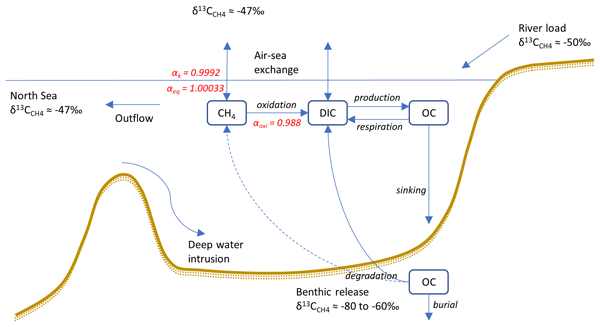
Erik Gustafsson, Bo G. Gustafsson, Martijn Hermans, Christoph Humborg, and Christian Stranne
Geosci. Model Dev., 17, 7157–7179, https://doi.org/10.5194/gmd-17-7157-2024, https://doi.org/10.5194/gmd-17-7157-2024, 2024
Short summary
Short summary
Methane (CH4) cycling in the Baltic Proper is studied through model simulations, enabling a first estimate of key CH4 fluxes. A preliminary budget identifies benthic CH4 release as the dominant source and two main sinks: CH4 oxidation in the water (92 % of sinks) and outgassing to the atmosphere (8 % of sinks). This study addresses CH4 emissions from coastal seas and is a first step toward understanding the relative importance of open-water outgassing compared with local coastal hotspots.
Julika Zinke, Ernst Douglas Nilsson, Piotr Markuszewski, Paul Zieger, Eva Monica Mårtensson, Anna Rutgersson, Erik Nilsson, and Matthew Edward Salter
Atmos. Chem. Phys., 24, 1895–1918, https://doi.org/10.5194/acp-24-1895-2024, https://doi.org/10.5194/acp-24-1895-2024, 2024
Short summary
Short summary
We conducted two research campaigns in the Baltic Sea, during which we combined laboratory sea spray simulation experiments with flux measurements on a nearby island. To combine these two methods, we scaled the laboratory measurements to the flux measurements using three different approaches. As a result, we derived a parameterization that is dependent on wind speed and wave state for particles with diameters 0.015–10 μm. This parameterization is applicable to low-salinity waters.
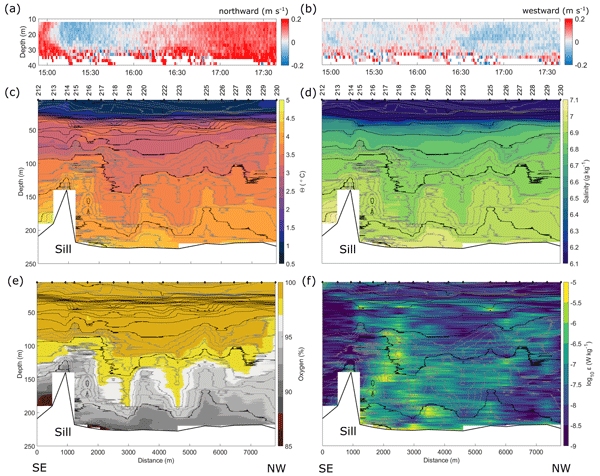
Julia Muchowski, Martin Jakobsson, Lars Umlauf, Lars Arneborg, Bo Gustafsson, Peter Holtermann, Christoph Humborg, and Christian Stranne
Ocean Sci., 19, 1809–1825, https://doi.org/10.5194/os-19-1809-2023, https://doi.org/10.5194/os-19-1809-2023, 2023
Short summary
Short summary
We show observational data of highly increased mixing and vertical salt flux rates in a sparsely sampled region of the northern Baltic Sea. Co-located acoustic observations complement our in situ measurements and visualize turbulent mixing with high spatial resolution. The observed mixing is generally not resolved in numerical models of the area but likely impacts the exchange of water between the adjacent basins as well as nutrient and oxygen conditions in the Bothnian Sea.
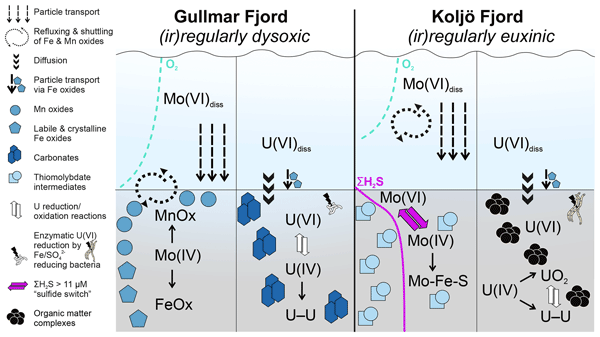
K. Mareike Paul, Martijn Hermans, Sami A. Jokinen, Inda Brinkmann, Helena L. Filipsson, and Tom Jilbert
Biogeosciences, 20, 5003–5028, https://doi.org/10.5194/bg-20-5003-2023, https://doi.org/10.5194/bg-20-5003-2023, 2023
Short summary
Short summary
Seawater naturally contains trace metals such as Mo and U, which accumulate under low oxygen conditions on the seafloor. Previous studies have used sediment Mo and U contents as an archive of changing oxygen concentrations in coastal waters. Here we show that in fjords the use of Mo and U for this purpose may be impaired by additional processes. Our findings have implications for the reliable use of Mo and U to reconstruct oxygen changes in fjords.
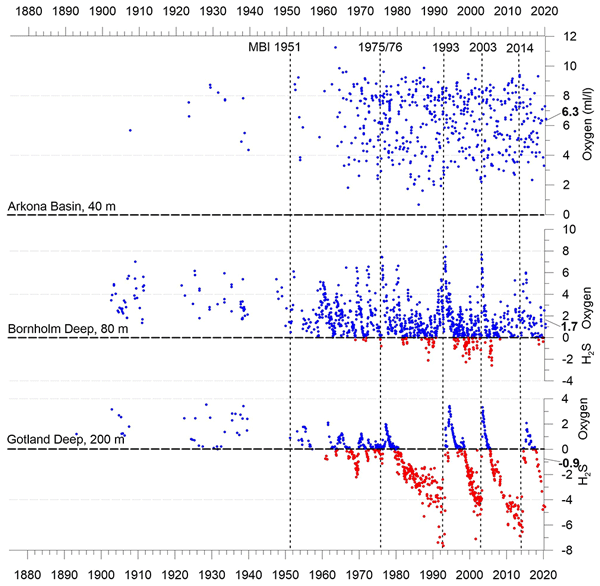
Karol Kuliński, Gregor Rehder, Eero Asmala, Alena Bartosova, Jacob Carstensen, Bo Gustafsson, Per O. J. Hall, Christoph Humborg, Tom Jilbert, Klaus Jürgens, H. E. Markus Meier, Bärbel Müller-Karulis, Michael Naumann, Jørgen E. Olesen, Oleg Savchuk, Andreas Schramm, Caroline P. Slomp, Mikhail Sofiev, Anna Sobek, Beata Szymczycha, and Emma Undeman
Earth Syst. Dynam., 13, 633–685, https://doi.org/10.5194/esd-13-633-2022, https://doi.org/10.5194/esd-13-633-2022, 2022
Short summary
Short summary
The paper covers the aspects related to changes in carbon, nitrogen, and phosphorus (C, N, P) external loads; their transformations in the coastal zone; changes in organic matter production (eutrophication) and remineralization (oxygen availability); and the role of sediments in burial and turnover of C, N, and P. Furthermore, this paper also focuses on changes in the marine CO2 system, the structure of the microbial community, and the role of contaminants for biogeochemical processes.
Cited articles
Al-Haj, A. N. and Fulweiler, R. W.: A synthesis of methane emissions from shallow vegetated coastal ecosystems, Glob. Change Biol., 26, 2988–3005, https://doi.org/10.1111/gcb.15046, 2020. a, b
Amaral, V., Ortega, T., Romera-Castillo, C., and Forja, J.: Linkages between greenhouse gases (CO2, CH4, and N2O) and dissolved organic matter composition in a shallow estuary, Science of the Total Environment, 788, 147863, https://doi.org/10.1016/j.scitotenv.2021.147863, 2021. a, b
Asmala, E. and Scheinin, M.: Persistent hot spots of CO2 and CH4 in coastal nearshore environments, Limnology and Oceanography Letters,, 9, 119–127, https://doi.org/10.1002/lol2.10370, 2024. a, b, c, d
Bange, H. W., Dahlke, S., Ramesh, R., Meyer-Reil, L.-A., Rapsomanikis, S., and Andreae, M.: Seasonal study of methane and nitrous oxide in the coastal waters of the southern Baltic Sea, Estuarine, Coastal and Shelf Science, 47, 807–817, https://doi.org/10.1006/ecss.1998.0397, 1998. a
Bange, H. W., Bergmann, K., Hansen, H. P., Kock, A., Koppe, R., Malien, F., and Ostrau, C.: Dissolved methane during hypoxic events at the Boknis Eck time series station (Eckernförde Bay, SW Baltic Sea), Biogeosciences, 7, 1279–1284, https://doi.org/10.5194/bg-7-1279-2010, 2010. a
Bange, H. W., Mongwe, P., Shutler, J. D., Arévalo-Martínez, D. L., Bianchi, D., Lauvset, S. K., Liu, C., Löscher, C. R., Martins, H., Rosentreter, J. A., Schmale, O., Steinhoff, T., Upstill-Goddard, R. C., Wanninkhof, R., Wilson, S. T., and Xie, H.: Advances in understanding of air–sea exchange and cycling of greenhouse gases in the upper ocean, Elementa: Science of the Anthropocene, 12, https://doi.org/10.1525/elementa.2023.00044, 2024. a
Barnes, J. and Upstill-Goddard, R. C.: The denitrification paradox: The role of O2 in sediment N2O production, Estuarine, Coastal and Shelf Science, 200, 270–276, https://doi.org/10.1016/j.ecss.2017.11.018, 2018. a
Bastviken, D., Cole, J., Pace, M., and Tranvik, L.: Methane emissions from lakes: Dependence of lake characteristics, two regional assessments, and a global estimate, Global Biogeochem. Cy., 18, https://doi.org/10.1029/2004GB002238, 2004. a
Bauer, J. E., Cai, W.-J., Raymond, P. A., Bianchi, T. S., Hopkinson, C. S., and Regnier, P. A.: The changing carbon cycle of the coastal ocean, Nature, 504, 61–70, https://doi.org/10.1038/nature12857, 2013. a
Bisander, T., Prytherch, J., and Brüchert, V.: Methane ebullition as the dominant pathway for carbon sea-air exchange in coastal, shallow water habitats of the Baltic Sea, Biogeosciences, 22, 4779–4796, https://doi.org/10.5194/bg-22-4779-2025, 2025. a, b, c, d
Bittig, H. C., Jacobs, E., Neumann, T., and Rehder, G.: A regional pCO2 climatology of the Baltic Sea, PANGAEA [data set], https://doi.org/10.1594/PANGAEA.961119, 2023. a, b
Borges, A. V., Delille, B., Schiettecatte, L.-S., Gazeau, F., Abril, G., and Frankignoulle, M.: Gas transfer velocities of CO2 in three European estuaries (Randers Fjord, Scheldt, and Thames), Limnol. Oceanogr., 49, 1630–1641, https://doi.org/10.4319/lo.2004.49.5.1630, 2004. a, b
Briggs, M., Day‐Lewis, F., Zarnetske, J., and Harvey, J.: A physical explanation for the development of redox microzones in hyporheic flow, Geophys. Res. Lett., 42, 4402–4410, https://doi.org/10.1002/2015gl064200, 2015. a
Broman, E., Sjöstedt, J., Pinhassi, J., and Dopson, M.: Shifts in coastal sediment oxygenation cause pronounced changes in microbial community composition and associated metabolism, Microbiome, 5, 96, https://doi.org/10.1186/s40168-017-0311-5, 2017. a
Burdige, D. J.: Geochemistry of marine sediments, Princeton University Press, ISBN: 9780691095066, 2006. a
Cheung, H. L., Zilius, M., Politi, T., Lorre, E., Vybernaite-Lubiene, I., Santos, I. R., and Bonaglia, S.: Nitrate-driven eutrophication supports high nitrous oxide production and emission in coastal lagoons, J. Geophys. Res.-Biogeo., 130, e2024JG008510, https://doi.org/10.1029/2024JG008510, 2025. a, b
Codispoti, L. A.: Interesting times for marine N2O, Science, 327, 1339–1340, https://doi.org/10.1126/science.1184945, 2010. a
Conrad, R.: The global methane cycle: recent advances in understanding the microbial processes involved, Env. Microbiol. Rep., 1, 285–292, https://doi.org/10.1111/j.1758-2229.2009.00038.x, 2009. a
Crusius, J. and Wanninkhof, R.: Gas transfer velocities measured at low wind speed over a lake, Limnol. Oceanogr., 48, 1010–1017, https://doi.org/10.4319/lo.2003.48.3.1010, 2003. a
Denman, K. L., Brasseur, G., Chidthaisong, A., Ciais, P., Cox, P. M., Dickinson, R. E., Hauglustaine, D., Heinze, C., Holland, E., Jacob, D., Lohmann, U., Ramachandran, S., da Silva Dias, P. L., Wofsy, S. C., and Zhang, X.: Couplings between changes in the climate system and biogeochemistry, Climate Change 2007: The Physical Science Basis. Contribution of Working Group I to the Fourth Assessment Report of the Intergovernmental Panel on Climate Change The Physical Science Basis, 499–587, https://www.ipcc.ch/site/assets/uploads/2018/02/ar4-wg1-chapter7-1.pdf (last access: 26 February 2026), 2007. a
Egger, M., Lenstra, W., Jong, D., Meysman, F. J., Sapart, C. J., Van der Veen, C., Röckmann, T., Gonzalez, S., and Slomp, C. P.: Rapid sediment accumulation results in high methane effluxes from coastal sediments, PloS One, 11, e0161609, https://doi.org/10.1371/journal.pone.0161609, 2016. a, b
Elkins, J. W., Wofsy, S. C., McElroy, M. B., Kolb, C. E., and Kaplan, W. A.: Aquatic sources and sinks for nitrous oxide, Nature, 275, 602–606, https://doi.org/10.1038/275602a0, 1978. a
Gattuso, J., Epitalon, J., Lavigne, H., Orr, J., Gentili, B., Hofmann, A., Proye, A., Soetaert, K., and Rae, J.: seacarb: seawater carbonate chemistry with R, R package version 3.2.16 [code], https://CRAN.R-project.org/package=seacarb (last access: 25 February 2026), 2021. a
Geilfus, N.-X., Delille, B., Villnäs, A., and Norkko, A.: Spatial heterogeneity of GHG dynamics across an estuarine ecosystem, EGUsphere [preprint], https://doi.org/10.5194/egusphere-2025-5068, 2025. a, b, c, d
Gubri, B., Hansen, J. P., Wikström, S. A., Snickars, M., Dahl, M., Gullström, M., Rydin, E., Masqué, P., Garbaras, A., Björk, M., and Boström, C.: Shallow Coastal Bays as Sediment Carbon and Nutrient Reservoirs in the Baltic Sea, Estuar. Coast., 48, 1–16, https://doi.org/10.1007/s12237-025-01541-0, 2025. a, b, c, d, e, f
Gülzow, W., Rehder, G., Schneider v. Deimling, J., Seifert, T., and Tóth, Z.: One year of continuous measurements constraining methane emissions from the Baltic Sea to the atmosphere using a ship of opportunity, Biogeosciences, 10, 81–99, https://doi.org/10.5194/bg-10-81-2013, 2013. a, b
Hansen, J. P., Wikström, S. A., and Kautsky, L.: Effects of water exchange and vegetation on the macroinvertebrate fauna composition of shallow land-uplift bays in the Baltic Sea, Estuarine, Coastal and Shelf Science, 77, 535–547, https://doi.org/10.1016/j.ecss.2007.10.013, 2008. a
Hansen, J. P., Sundblad, G., Bergström, U., Austin, Å. N., Donadi, S., Eriksson, B. K., and Eklöf, J. S.: Recreational boating degrades vegetation important for fish recruitment, Ambio, 48, 539–551, https://doi.org/10.1007/s13280-018-1088-x, 2019. a
Hanson, R. S. and Hanson, T. E.: Methanotrophic bacteria, Microbiol. Rev., 60, 439–471, https://doi.org/10.1128/mr.60.2.439-471.1996, 1996. a
Heip, C., Goosen, N., Herman, P., Kromkamp, J., Middelburg, J., and Soetaert, K.: Production and consumption of biological particles in temperate tidal estuaries, Oceanogr. Mar. Biol. Ann. Rev. 33, 1–149, 1995. a
Hermans, M., Stranne, C., Broman, E., Sokolov, A., Roth, F., Nascimento, F. J., Mörth, C.-M., ten Hietbrink, S., Sun, X., Gustafsson, E., Gustafsson, B. G., Norkko, A., Jilbert, T., and Humborg, C.: Ebullition dominates methane emissions in stratified coastal waters, Sci. Total Environ., 945, 174183, https://doi.org/10.1016/j.scitotenv.2024.174183, 2024. a, b
Heyer, J. and Berger, U.: Methane emission from the coastal area in the southern Baltic Sea, Estuarine, Coastal and Shelf Science, 51, 13–30, https://doi.org/10.1006/ecss.2000.0616, 2000. a
Honkanen, M., Müller, J. D., Seppälä, J., Rehder, G., Kielosto, S., Ylöstalo, P., Mäkelä, T., Hatakka, J., and Laakso, L.: The diurnal cycle of pCO2 in the coastal region of the Baltic Sea, Ocean Sci., 17, 1657–1675, https://doi.org/10.5194/os-17-1657-2021, 2021. a
Humborg, C., Mörth, C.-M., Sundbom, M., Borg, H., Blenckner, T., Giesler, R., and Ittekkot, V.: CO2 supersaturation along the aquatic conduit in Swedish watersheds as constrained by terrestrial respiration, aquatic respiration and weathering, Glob. Change Biol., 16, 1966–1978, https://doi.org/10.1111/j.1365-2486.2009.02092.x, 2010. a, b
Humborg, C., Geibel, M. C., Sun, X., McCrackin, M., Mörth, C.-M., Stranne, C., Jakobsson, M., Gustafsson, B., Sokolov, A., Norkko, A., and Norkko, J.: High emissions of carbon dioxide and methane from the coastal Baltic Sea at the end of a summer heat wave, Frontiers in Marine Science, 6, 493, https://doi.org/10.3389/fmars.2019.00493, 2019. a, b, c, d
Jacobs, E., Bittig, H. C., Gräwe, U., Graves, C. A., Glockzin, M., Müller, J. D., Schneider, B., and Rehder, G.: Upwelling-induced trace gas dynamics in the Baltic Sea inferred from 8 years of autonomous measurements on a ship of opportunity, Biogeosciences, 18, 2679–2709, https://doi.org/10.5194/bg-18-2679-2021, 2021. a
Jakobsson, M., Stranne, C., O'Regan, M., Greenwood, S. L., Gustafsson, B., Humborg, C., and Weidner, E.: Bathymetric properties of the Baltic Sea, Ocean Sci., 15, 905–924, https://doi.org/10.5194/os-15-905-2019, 2019. a, b
Ji, Q., Buitenhuis, E., Suntharalingam, P., Sarmiento, J. L., and Ward, B. B.: Global nitrous oxide production determined by oxygen sensitivity of nitrification and denitrification, Global Biogeochem. Cy., 32, 1790–1802, https://doi.org/10.1029/2018GB005887, 2018. a
Knittel, K. and Boetius, A.: Anaerobic oxidation of methane: progress with an unknown process, Annu. Rev. Microbiol., 63, 311–334, https://doi.org/10.1146/annurev.micro.61.080706.093130, 2009. a
Lainela, S., Jacobs, E., Luik, S.-T., Rehder, G., and Lips, U.: Seasonal dynamics and regional distribution patterns of CO2 and CH4 in the north-eastern Baltic Sea, Biogeosciences, 21, 4495–4519, https://doi.org/10.5194/bg-21-4495-2024, 2024. a
Liu, S., Gao, Q., Wu, J., Xie, Y., Yang, Q., Wang, R., and Cui, Y.: The concentration of CH4, N2O and CO2 in the Pearl River estuary increased significantly due to the sediment particle resuspension and the interaction of hypoxia., Science Total Environ., 911, 168795, https://doi.org/10.1016/j.scitotenv.2023.168795, 2023. a
Lundevall-Zara, M., Lundevall-Zara, E., and Brüchert, V.: Sea-air exchange of methane in shallow inshore areas of the Baltic Sea, Frontiers in Marine Science, 8, 657459, https://doi.org/10.3389/fmars.2021.657459, 2021. a, b, c
Ma, X., Lennartz, S. T., and Bange, H. W.: A multi-year observation of nitrous oxide at the Boknis Eck Time Series Station in the Eckernförde Bay (southwestern Baltic Sea), Biogeosciences, 16, 4097–4111, https://doi.org/10.5194/bg-16-4097-2019, 2019. a, b, c, d
Ma, X., Sun, M., Lennartz, S. T., and Bange, H. W.: A decade of methane measurements at the Boknis Eck Time Series Station in Eckernförde Bay (southwestern Baltic Sea), Biogeosciences, 17, 3427–3438, https://doi.org/10.5194/bg-17-3427-2020, 2020. a
Marchant, H., Holtappels, M., Lavik, G., Ahmerkamp, S., Winter, C., and Kuypers, M.: Coupled nitrification–denitrification leads to extensive N loss in subtidal permeable sediments, Limnol. Oceanogr., 61, https://doi.org/10.1002/lno.10271, 2016. a
McGinnis, D., Greinert, J., Artemov, Y., Beaubien, S. E., and Wüest, A.: Fate of rising methane bubbles in stratified waters: How much methane reaches the atmosphere?, J. Geophys. Res.-Oceans, 111, https://doi.org/10.1029/2005JC003183, 2006. a, b
Munsterhjelm, R.: The aquatic macrophyte vegetation of flads and gloes, S coast of Finland, Acta Bot. Fenn., 68 pp., https://helda.helsinki.fi/server/api/core/bitstreams/87a0296a-eb98-4821-a7d5-51e6bd5662fc/content (last access: 25 February 2026), 1997. a
Myllykangas, J.-P., Hietanen, S., and Jilbert, T.: Legacy effects of eutrophication on modern methane dynamics in a boreal estuary, Estuar. Coast., 43, 189–206, https://doi.org/10.1007/s12237-019-00677-0, 2020. a
Naqvi, S. W. A., Bange, H. W., Farías, L., Monteiro, P. M. S., Scranton, M. I., and Zhang, J.: Marine hypoxia/anoxia as a source of CH4 and N2O, Biogeosciences, 7, 2159–2190, https://doi.org/10.5194/bg-7-2159-2010, 2010. a, b
Neubauer, S. C. and Megonigal, J. P.: Moving beyond global warming potentials to quantify the climatic role of ecosystems, Ecosystems, 18, 1000–1013, https://doi.org/10.1007/s10021-015-9879-4, 2015. a, b
Nightingale, P. D., Malin, G., Law, C. S., Watson, A. J., Liss, P. S., Liddicoat, M. I., Boutin, J., and Upstill-Goddard, R. C.: In situ evaluation of air-sea gas exchange parameterizations using novel conservative and volatile tracers, Global Biogeochem. Cy., 14, 373–387, https://doi.org/10.1029/1999GB900091, 2000. a, b
Nyer, S. C., Volkenborn, N., Aller, R. C., Graffam, M., Zhu, Q., and Price, R. E.: Nitrogen transformations in constructed wetlands: A closer look at plant-soil interactions using chemical imaging, Sci. Total Environ., 816, 151560, https://doi.org/10.1016/j.scitotenv.2021.151560, 2022. a
Nylund, A. T., Mellqvist, J., Conde, V., Salo, K., Bensow, R., Arneborg, L., Jalkanen, J.-P., Tengberg, A., and Hassellöv, I.-M.: Coastal methane emissions triggered by ship passages, Communications Earth & Environment, 6, 380, https://doi.org/10.1038/s43247-025-02344-8, 2025. a
Persson, J., Håkanson, L., and Pilesjö, P.: Prediction of surface water turnover time in coastal waters using digital bathymetric information, Environmetrics, 5, 433–449, https://doi.org/10.1002/env.3170050406, 1994. a
Pönisch, D. L., Bittig, H. C., Kolbe, M., Schuffenhauer, I., Otto, S., Holtermann, P., Premaratne, K., and Rehder, G.: Variability of CO2 and CH4 in a coastal peatland rewetted with brackish water from the Baltic Sea derived from autonomous high-resolution measurements, Biogeosciences, 22, 3583–3614, https://doi.org/10.5194/bg-22-3583-2025, 2025. a, b
Raymond, P. A. and Cole, J. J.: Gas exchange in rivers and estuaries: Choosing a gas transfer velocity, Estuaries, 24, 312–317, https://doi.org/10.2307/1352954, 2001. a, b
Reeburgh, W. S.: Oceanic methane biogeochemistry, Chem. Rev., 107, 486–513, https://doi.org/10.1021/cr050362v, 2007. a
Reitzel, K., Ahlgren, J., Gogoll, A., and Rydin, E.: Effects of aluminum treatment on phosphorus, carbon, and nitrogen distribution in lake sediment: a 31P NMR study, Water Res., 40, 647–654, https://doi.org/10.1016/j.watres.2005.12.014, 2006. a
Resplandy, L., Hogikyan, A., Müller, J. D., Najjar, R. G., Bange, H. W., Bianchi, D., Weber, T., Cai, W.-J., Doney, S. C., Fennel, K., Gehlen, M., Hauck, J., Lacroix, F., Landschützer, P., Le Quéré, C., Roobaert, A., Schwinger, J., Berthet, S., Bopp, L., Chau, T. T. T., Dai, M., Gruber, N., Ilyina, T., Kock, A., Manizza, M., Lachkar, Z., Laruelle, G. G., Liao, E., Lima, I. D., Nissen, C., Rödenbeck, C., Séférian, R., Toyama, K., Tsujino, H., and Regnier, P.: A synthesis of global coastal ocean greenhouse gas fluxes, Global Biogeochem. Cy., 38, e2023GB007803, https://doi.org/10.1029/2023GB007803, 2024. a
Rosentreter, J. A., Al-Haj, A. N., Fulweiler, R. W., and Williamson, P.: Methane and nitrous oxide emissions complicate coastal blue carbon assessments, Global Biogeochem. Cy., 35, e2020GB006858, https://doi.org/10.1029/2020GB006858, 2021a. a, b
Rosentreter, J. A., Borges, A. V., Deemer, B. R., Holgerson, M. A., Liu, S., Song, C., Melack, J., Raymond, P. A., Duarte, C. M., Allen, G. H., Olefeldt, D., Poulter, B., Battin, T. I., and Eyre, B. D.: Half of global methane emissions come from highly variable aquatic ecosystem sources, Nat. Geosci., 14, 225–230, https://doi.org/10.1038/s41561-021-00715-2, 2021b. a
Rosentreter, J. A., Laruelle, G. G., Bange, H. W., Bianchi, T. S., Busecke, J. J. M., Cai, W.-J., Eyre, B. D., Forbrich, I., Kwon, E. Y., Maavara, T., Moosdorf, N., Najjar, R. G., Sarma, V. V. S. S., Van Dam, B., and Regnier, P.: Coastal vegetation and estuaries are collectively a greenhouse gas sink, Nat. Clim. Change, 13, 579–587, https://doi.org/10.1038/s41558-023-01682-9, 2023. a
Roth, F., Sun, X., Geibel, M. C., Prytherch, J., Brüchert, V., Bonaglia, S., Broman, E., Nascimento, F., Norkko, A., and Humborg, C.: High spatiotemporal variability of methane concentrations challenges estimates of emissions across vegetated coastal ecosystems, Glob. Change Biol., 28, 4308–4322, https://doi.org/10.1111/gcb.16177, 2022. a, b, c, d, e
Rydin, E., Huser, B. J., Agstam-Norlin, O., and Kumblad, L.: Continuous phosphorus binding and accumulation in euxinic Baltic Sea sediment a decade after aluminium treatment, Water Res., 284, 123945, https://doi.org/10.1016/j.watres.2025.123945, 2025. a
Sander, R.: Compilation of Henry's law constants (version 4.0) for water as solvent, Atmos. Chem. Phys., 15, 4399–4981, https://doi.org/10.5194/acp-15-4399-2015, 2015. a
Scalize, P., Albuquerque, A., and Di Bernardo, L.: Impact of alum water treatment residues on the methanogenic activity in the digestion of primary domestic wastewater sludge, Sustainability, 13, 8783, https://doi.org/10.3390/su13168783, 2021. a
Scheinin, M. and Mattila, J.: The structure and dynamics of zooplankton communities in shallow bays in the northern Baltic Sea during a single growing season, Boreal Environ. Res., 15, 397, https://doi.org/10.60910/tv6m-v945, 2010. a
Schneider, B., Gülzow, W., Sadkowiak, B., and Rehder, G.: Detecting sinks and sources of CO2 and CH4 by ferrybox-based measurements in the Baltic Sea: Three case studies, J. Marine Syst., 140, 13–25, https://doi.org/10.1016/j.jmarsys.2014.03.014, 2014. a, b, c
Schubert, C. J. and Wehrli, B.: Contribution of methane formation and methane oxidation to methane emission from freshwater systems, in: Biogenesis of hydrocarbons, Springer, 401–430, https://doi.org/10.1007/978-3-319-78108-2_18, 2019. a
Snickars, M., Sandström, A., Lappalainen, A., Mattila, J., Rosqvist, K., and Urho, L.: Fish assemblages in coastal lagoons in land-uplift succession: the relative importance of local and regional environmental gradients, Estuarine, Coastal and Shelf Science, 81, 247–256, https://doi.org/10.1016/j.ecss.2008.10.021, 2009. a
Swedish Standards Institute (SIS): Determination of chlorophyll in water – Extraction with acetone; Spectrophotometric method (SS 28146), https://www.sis.se/en/produkter/environment-health-protection-safety/water-quality/sewage-water/ss28146/ (last access: 25 February 2026), 1980. a
Swedish Standards Institute (SIS): Determination of suspended solids in waste water and their residue on ignition (SS 28112), https://www.sis.se/en/produkter/environment-health-protection-safety/water-quality/sewage-water/ss28112/ (last access: 25 February 2026), 1983. a
Swedish Standards Institute (SIS): Water quality – Determination of nitrite nitrogen and nitrate nitrogen and the sum of both by flow analysis (CFA and FIA) and spectrometric detection (ISO 13395:1996), https://www.sis.se/en/produkter/environment-health-protection-safety/water-quality/general/sseniso13395/ (last access: 25 February 2026), 1996. a, b
Swedish Standards Institute (SIS): Water quality – Determination of phosphorus – Ammonium molybdate spectrometric method (ISO 6878:2004), https://www.sis.se/en/produkter (last access: 25 February 2026), 2004. a, b
Swedish Standards Institute (SIS): Water quality – Determination of ammonium nitrogen – Method by flow analysis (CFA and FIA) and spectrometric detection (ISO 11732:2005), https://www.sis.se/en/produkter/environment-health-protection-safety/water-quality/examination-of-water-for-chemical-substances/iso117322005/ (last access: 25 February 2026), 2005. a
Swedish Standards Institute (SIS): Water quality – Determination of turbidity – Part 1: Quantitative methods (ISO 7027-1:2016), https://www.sis.se/en/produkter/environment-health-protection-safety/water-quality/examination-of-physical-properties-of-water/sseniso702712016/ (last access: 25 February 2026), 2016. a
Swedish Standards Institute (SIS): Water analysis – Guidelines for the determination of total organic carbon (TOC) and dissolved organic carbon (DOC) (SS-EN 1484), https://www.sis.se/en/produkter/environment-health-protection-safety/water-quality/sewage-water/ssen1484/ (last access: 25 February 2026), 2024. a
U.S. Environmental Protection Agency: Method 160.4: Residue, Volatile (Gravimetric, Ignition at 550 °C) by Muffle Furnace, Epa analytical method, U.S. Environmental Protection Agency, https://www.epa.gov/sites/default/files/2015-08/documents/method_160-4_1971.pdf(last access: 25 February 2026), 1971. a
Venetz, J., Żygadłowska, O. M., Dotsios, N., Wallenius, A. J., van Helmond, N. A., Lenstra, W. K., Klomp, R., Slomp, C. P., Jetten, M. S., and Veraart, A. J.: Seasonal dynamics of the microbial methane filter in the water column of a eutrophic coastal basin, FEMS Microbiology Ecology, 100, fiae007, https://doi.org/10.1093/femsec/fiae007, 2024. a, b
Virtanen, E. A., Norkko, A., Nyström Sandman, A., and Viitasalo, M.: Identifying areas prone to coastal hypoxia – the role of topography, Biogeosciences, 16, 3183–3195, https://doi.org/10.5194/bg-16-3183-2019, 2019. a
Wang, X., Yang, X., Zhang, Z., Ye, X., Kao, C. M., and Chen, S.: Long-term effect of temperature on N2O emission from the denitrifying activated sludge, J. Biosci. Bioeng., 117, 298–304, https://doi.org/10.1016/j.jbiosc.2013.08.009, 2014. a
Wanninkhof, R.: Relationship between wind speed and gas exchange over the ocean, J. Geophys. Res.-Oceans, 97, 7373–7382, https://doi.org/10.1029/92JC00188, 1992. a
Wanninkhof, R., Asher, W. E., Ho, D. T., Sweeney, C., and McGillis, W. R.: Advances in quantifying air-sea gas exchange and environmental forcing, Annu. Rev. Mar. Sci., 1, 213–244, https://doi.org/10.1146/annurev.marine.010908.163742, 2009. a, b
Weber, T., Wiseman, N. A., and Kock, A.: Global ocean methane emissions dominated by shallow coastal waters, Nat. Commun., 10, 4584, https://doi.org/10.1038/s41467-019-12541-7, 2019. a
Welte, C., Rasigraf, O., Vaksmaa, A., Versantvoort, W., Arshad, A., op den Camp, H. O. D., Jetten, M., Lüke, C., and Reimann, J.: Nitrate- and nitrite-dependent anaerobic oxidation of methane., Env. Microbiol. Rep., 8, 941–955, https://doi.org/10.1111/1758-2229.12487, 2016. a
Wiesenburg, D. A. and Guinasso Jr, N. L.: Equilibrium solubilities of methane, carbon monoxide, and hydrogen in water and sea water, J. Chem. Eng. Data, 24, 356–360, https://doi.org/10.1021/je60083a006, 1979. a
Wikström, S. A., Gubri, B., Asplund, M. E., Dahl, M., Gullström, M., Hansen, J. P., Kumblad, L., Rydin, E., Garbaras, A., and Björk, M.: Influence of landscape characteristics and submerged aquatic vegetation on sediment carbon and nitrogen storage in shallow brackish water habitats, Scientific Reports, 15, 7808, https://doi.org/10.1038/s41598-025-92217-z, 2025. a, b, c, d, e, f
Woszczyk, M. and Schubert, C. J.: Greenhouse gas emissions from Baltic coastal lakes, Sci. Total Environ., 755, 143500, https://doi.org/10.1016/j.scitotenv.2020.143500, 2021. a, b
Zhou, L., Tan, Y., Huang, L., Fortin, C., and Campbell, P. G.: Aluminum effects on marine phytoplankton: implications for a revised iron hypothesis (iron–aluminum hypothesis), Biogeochemistry, 139, 123–137, https://doi.org/10.1007/s10533-018-0458-6, 2018. a
Zinke, J., Hansen, J. P., Hermans, M., Fonseca, A., Wikström, S. A., Kumblad, L., Rydin, E., Geibel, M., Salter, M. E., and Humborg, C.: Concentrations of CO2, CH4, and N2O in surface waters of shallow bays in the western Baltic Sea, spring and autumn 2024, version 1, Bolin Centre Database [data set], https://doi.org/10.17043/coastclim-zinke-2026-baltic-bays-ghg-1, 2026. a
Zygadłowska, O. M., Venetz, J., Klomp, R., Lenstra, W. K., van Helmond, N. A. G. M., Röckmann, T., Wallenius, A. J., Martins, P. D., Veraart, A. J., Jetten, M. S., and Slomp, C. P.: Pathways of methane removal in the sediment and water column of a seasonally anoxic eutrophic marine basin, Frontiers in Marine Science, 10, 1085728, https://doi.org/10.3389/fmars.2023.1085728, 2023. a
Żygadłowska, O. M., Roth, F., van Helmond, N. A. G. M., Lenstra, W. K., Venetz, J., Dotsios, N., Röckmann, T., Veraart, A. J., Stranne, C., Humborg, C., Jetten, M. S. M., and Slomp, C. P.: Eutrophication and deoxygenation drive high methane emissions from a Brackish Coastal system, Environ. Sci. Technol., 58, 10582–10590, https://doi.org/10.1021/acs.est.4c00702, 2024. a
Short summary
This study presents one of the few studies to simultaneously measure all three major greenhouse gases across multiple shallow coastal bays in the Baltic Sea. Our findings reveal that these bays are highly variable and significant sources of greenhouse gases, with fluxes strongly influenced by bay characteristics and seasonal variation. By linking concentrations to environmental drivers, our work provides novel insights into overlooked but important components of coastal greenhouse gas budgets.
This study presents one of the few studies to simultaneously measure all three major greenhouse...


Altmetrics
Final-revised paper
Preprint