Articles | Volume 23, issue 5
https://doi.org/10.5194/bg-23-1739-2026
© Author(s) 2026. This work is distributed under
the Creative Commons Attribution 4.0 License.
https://doi.org/10.5194/bg-23-1739-2026
© Author(s) 2026. This work is distributed under
the Creative Commons Attribution 4.0 License.
The inverted microbial loop stimulates mineralisation of sedimentary organic detritus

School of Geography, University of Leeds, Leeds, LS2 9JT, UK
Dick van Oevelen
NIOZ Royal Netherlands Institute for Sea Research, Department of Estuarine and Delta Systems, Korringaweg 7, 4401NT Yerseke, the Netherlands
Silvia Hidalgo-Martinez
Excellence Centre for Microbial Systems Technology, Department of Biology, University of Antwerp, 2610 Wilrijk, Antwerp, Belgium
Filip J. R. Meysman
Excellence Centre for Microbial Systems Technology, Department of Biology, University of Antwerp, 2610 Wilrijk, Antwerp, Belgium
Related authors
No articles found.
Gunter Flipkens, Greet Lembregts, and Filip J.R. Meysman
Biogeosciences, 23, 399–420, https://doi.org/10.5194/bg-23-399-2026, https://doi.org/10.5194/bg-23-399-2026, 2026
Short summary
Short summary
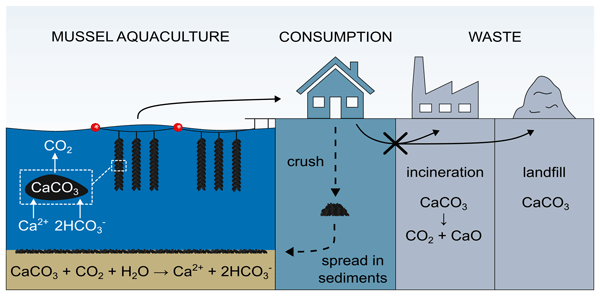
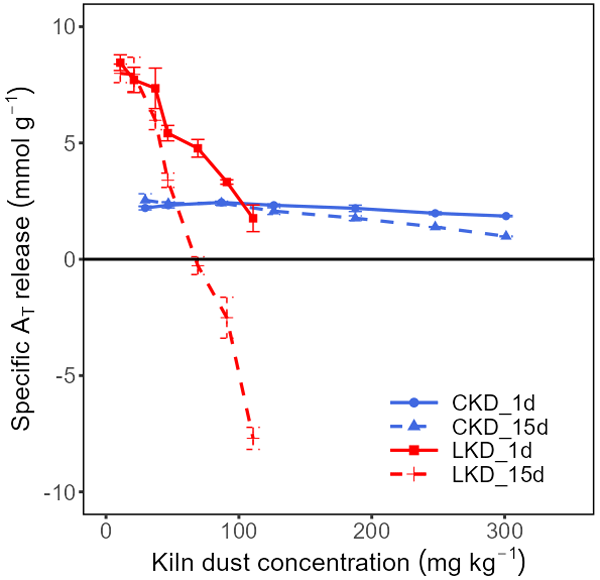
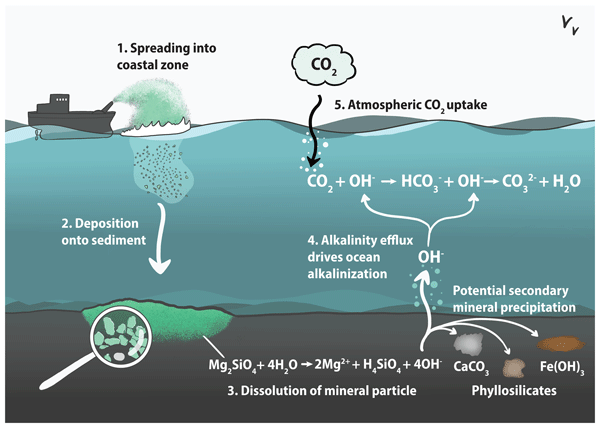
Cement and lime kiln dust, industrial by-products, could help remove CO2 from the atmosphere by increasing surface ocean alkalinity. Lab experiments showed that a fraction dissolves rapidly in seawater, releasing substantial alkalinity. Most of the residual fraction may dissolve in marine sediments to drive further carbon storage. Both materials could thus aid in global CO2 removal, but careful application strategies are required to avoid harm to marine ecosystems.
Tom Huysmans, Filip J. R. Meysman, and Sebastiaan J. van de Velde
Biogeosciences, 22, 5557–5572, https://doi.org/10.5194/bg-22-5557-2025, https://doi.org/10.5194/bg-22-5557-2025, 2025
Short summary
Short summary
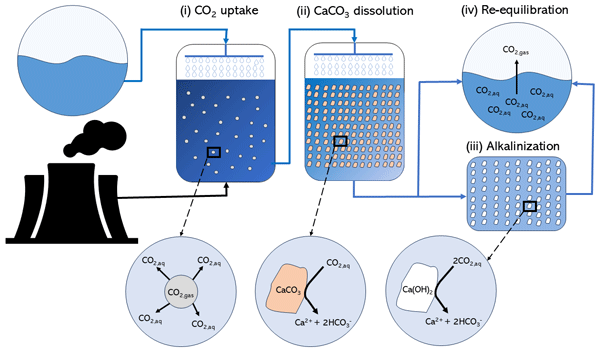
To examine the potential of accelerated weathering of limestone as a CO2 mitigation technique, we describe AWL thermodynamically as a four-step process, thus providing a model framework that allows us to calculate the efficiency of the different steps as well as the overall CO2 sequestration potential. We then review the different reactor designs that have been proposed for the AWL process in recent years and evaluate their efficiency and potential in terms of CO2 emission mitigation capacity.
Evert de Froe, Christian Mohn, Karline Soetaert, Anna-Selma van der Kaaden, Gert-Jan Reichart, Laurence H. De Clippele, Sandra R. Maier, and Dick van Oevelen
EGUsphere, https://doi.org/10.5194/egusphere-2025-3385, https://doi.org/10.5194/egusphere-2025-3385, 2025
Short summary
Short summary
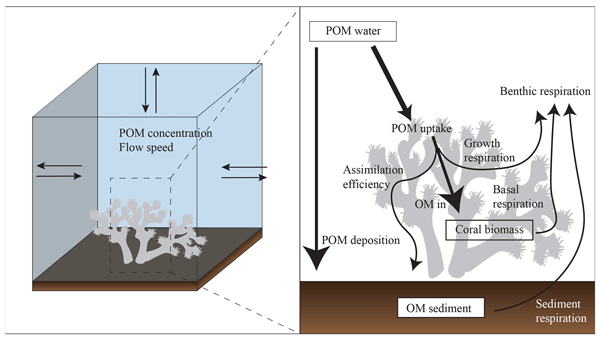
Cold-water corals are important reef-building animals in the deep sea, and are found all over the world. So far, researchers have been mapping and predicting where cold-water corals can be found using video transects and statistics. This study provides the first process-based model in which corals are predicted based on ocean currents and food particle movement. The renewal of food by tidal currents close to the seafloor and corals proved essential in predicting where they can grow or not.
Luna J. J. Geerts, Astrid Hylén, and Filip J. R. Meysman
Biogeosciences, 22, 355–384, https://doi.org/10.5194/bg-22-355-2025, https://doi.org/10.5194/bg-22-355-2025, 2025
Short summary
Short summary
Marine enhanced rock weathering (mERW) with olivine is a promising method for capturing CO2 from the atmosphere, yet studies in field conditions are lacking. We bridge the gap between theoretical studies and the real-world environment by estimating the predictability of mERW parameters and identifying aspects to consider when applying mERW. A major source of uncertainty is the lack of experimental studies with sediment, which can heavily influence the speed and efficiency of CO2 drawdown.
Evert de Froe, Igor Yashayaev, Christian Mohn, Johanne Vad, Furu Mienis, Gerard Duineveld, Ellen Kenchington, Erica Head, Steve W. Ross, Sabena Blackbird, George A. Wolff, J. Murray Roberts, Barry MacDonald, Graham Tulloch, and Dick van Oevelen
Biogeosciences, 21, 5407–5433, https://doi.org/10.5194/bg-21-5407-2024, https://doi.org/10.5194/bg-21-5407-2024, 2024
Short summary
Short summary
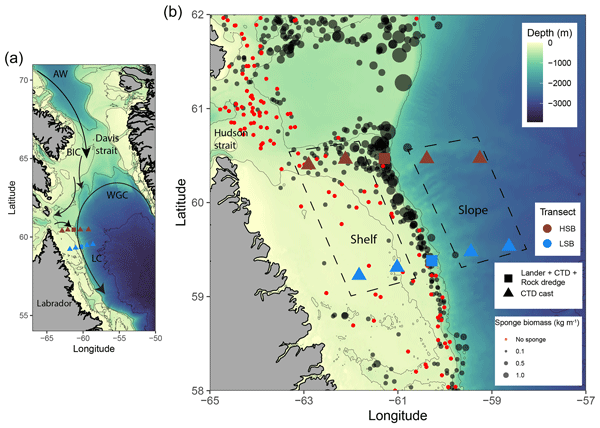
Deep-sea sponge grounds are distributed globally and are considered hotspots of biological diversity and biogeochemical cycling. To date, little is known about the environmental constraints that control where deep-sea sponge grounds occur and what conditions favour high sponge biomass. Here, we characterize oceanographic conditions at two contrasting sponge grounds. Our results imply that sponges and associated fauna benefit from strong tidal currents and favourable regional ocean currents.
Anna-Selma van der Kaaden, Dick van Oevelen, Christian Mohn, Karline Soetaert, Max Rietkerk, Johan van de Koppel, and Theo Gerkema
Ocean Sci., 20, 569–587, https://doi.org/10.5194/os-20-569-2024, https://doi.org/10.5194/os-20-569-2024, 2024
Short summary
Short summary
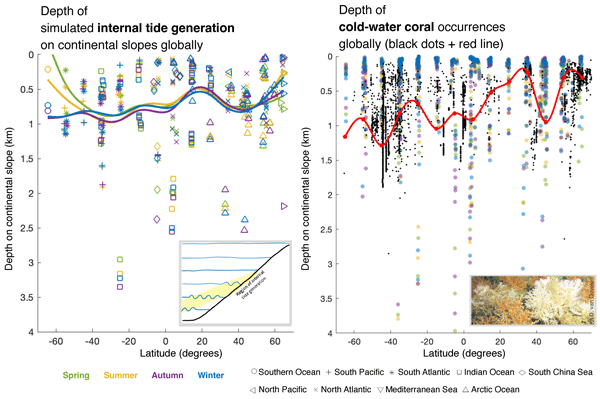
Cold-water corals (CWCs) and tidal waves in the interior of the ocean have been connected in case studies. We demonstrate this connection globally using hydrodynamic simulations and a CWC database. Internal-tide generation shows a similar depth pattern with slope steepness and latitude as CWCs. Our results suggest that internal-tide generation can be a useful predictor of CWC habitat and that current CWC habitats might change following climate-change-related shoaling of internal-tide generation.
Anna-Selma van der Kaaden, Sandra R. Maier, Siluo Chen, Laurence H. De Clippele, Evert de Froe, Theo Gerkema, Johan van de Koppel, Furu Mienis, Christian Mohn, Max Rietkerk, Karline Soetaert, and Dick van Oevelen
Biogeosciences, 21, 973–992, https://doi.org/10.5194/bg-21-973-2024, https://doi.org/10.5194/bg-21-973-2024, 2024
Short summary
Short summary
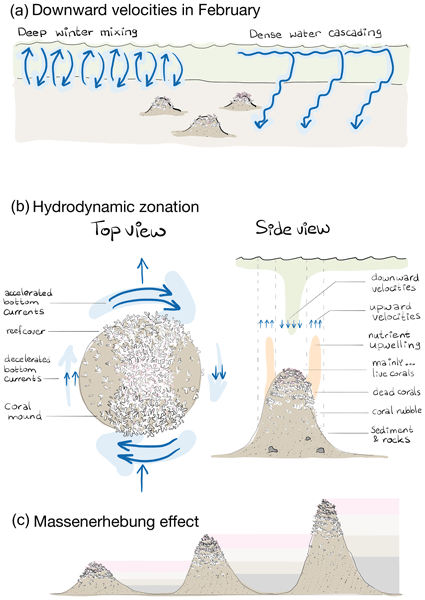
Combining hydrodynamic simulations and annotated videos, we separated which hydrodynamic variables that determine reef cover are engineered by cold-water corals and which are not. Around coral mounds, hydrodynamic zones seem to create a typical reef zonation, restricting corals from moving deeper (the expected response to climate warming). But non-engineered downward velocities in winter (e.g. deep winter mixing) seem more important for coral reef growth than coral engineering.
Ulf Riebesell, Daniela Basso, Sonja Geilert, Andrew W. Dale, and Matthias Kreuzburg
State Planet, 2-oae2023, 6, https://doi.org/10.5194/sp-2-oae2023-6-2023, https://doi.org/10.5194/sp-2-oae2023-6-2023, 2023
Short summary
Short summary
Mesocosm experiments represent a highly valuable tool in determining the safe operating space of ocean alkalinity enhancement (OAE) applications. By combining realism and biological complexity with controllability and replication, they provide an ideal OAE test bed and a critical stepping stone towards field applications. Mesocosm approaches can also be helpful in testing the efficacy, efficiency and permanence of OAE applications.
Tobias R. Vonnahme, Martial Leroy, Silke Thoms, Dick van Oevelen, H. Rodger Harvey, Svein Kristiansen, Rolf Gradinger, Ulrike Dietrich, and Christoph Völker
Biogeosciences, 18, 1719–1747, https://doi.org/10.5194/bg-18-1719-2021, https://doi.org/10.5194/bg-18-1719-2021, 2021
Short summary
Short summary
Diatoms are crucial for Arctic coastal spring blooms, and their growth is controlled by nutrients and light. At the end of the bloom, inorganic nitrogen or silicon can be limiting, but nitrogen can be regenerated by bacteria, extending the algal growth phase. Modeling these multi-nutrient dynamics and the role of bacteria is challenging yet crucial for accurate modeling. We recreated spring bloom dynamics in a cultivation experiment and developed a representative dynamic model.
Cited articles
Aller, R. C. and Aller, J. Y.: The effect of biogenic irrigation intensity and solute exchange on diagenetic reaction rates in marine sediments, Journal of Marine Research, 56, 905–936, 1998.
Alongi, D. M., Trott, L. A., and Mohl, M.: Strong tidal currents and labile organic matter stimulate benthic decomposition and carbonate fluxes on the southern Great Barrier Reef shelf, Continental Shelf Research, 31, 1384–1395, https://doi.org/10.1016/j.csr.2011.05.018, 2011.
Aminot, A. and Rey, F.: Chlorophyll a: Determination by spectroscopic methods, ICES Techniques in Marine Environmental Sciences, 30, 17 pp., https://doi.org/10.25607/OBP-278, 2001.
Arndt, S., Jorgensen, B., LaRowe, D., Middelburg, J., Pancost, R., and Regnier, P.: Quantifying the degradation of organic matter in marine sediments: A review and synthesis, Earth-Sci. Rev., 123, 53–86, https://doi.org/10.1016/j.earscirev.2013.02.008, 2013.
Bengtsson, M. M., Attermeyer, K., and Catalan, N.: Interactive effects on organic matter processing from soils to the ocean: are priming effects relevant in aquatic ecosystems?, Hydrobiologia, 822, 1–17, https://doi.org/10.1007/s10750-018-3672-2, 2018.
Berner, R.: Burial of organic-carbon and pyrite sulfur in the modern ocean - its geochemical and environmental significance, American Journal of Science, 282, 451–473, https://doi.org/10.2475/ajs.282.4.451, 1982.
Bianchi, T. S.: The role of terrestrially derived organic carbon in the coastal ocean: A changing paradigm and the priming effect, Proceedings of the National Academy of Sciences of the United States of America, 108, 19473–19481, https://doi.org/10.1073/pnas.1017982108, 2011.
Bolam, S. G., Fernandes, T. F., and Huxham, M.: Diversity, biomass, and ecosystem processes in the marine benthos, Ecological Monographs, 72, 599–615, https://doi.org/10.2307/3100059, 2002.
Boschker, H. T. S. and Middelburg, J. J.: Stable isotopes and biomarkers in microbial ecology, FEMS Microbiology Ecology, 40, 85–95, 2002.
Braeckman, U., Provoost, P., Moens, T., Soetaert, K., Middelburg, J. J., Vincx, M., and Vanaverbeke, J.: Biological vs. Physical Mixing Effects on Benthic Food Web Dynamics, Plos One, 6, https://doi.org/10.1371/journal.pone.0018078, 2011.
Cesar, C. P. and Frid, C. L. J.: Effects of experimental small-scale cockle (Cerastoderma edule L.) fishing on ecosystem function, Marine Ecology-an Evolutionary Perspective, 30, 123–137, https://doi.org/10.1111/j.1439-0485.2009.00305.x, 2009.
Clarke, K. R. and Warwick, R. M.: Quantifying structural redundancy in ecological communities, Oecologia, 113, 278–289, https://doi.org/10.1007/s004420050379, 1998.
Daggers, T. D., van Oevelen, D., Herman, P. M. J., Boschker, H. T. S., van der Wal, D.: Spatial variability in macrofaunal diet composition and grazing pressure on microphytobenthos in intertidal areas, Limnology and Oceanography, 65, 2819–2834, https://doi.org/10.1002/lno.11554, 2020.
Edgar, G. J.: Measurement of the carrying-capacity of benthic habitats using a metabolic-rate based index, Oecologia, 95, 115–121, https://doi.org/10.1007/bf00649514, 1993.
Ehrenhauss, S. and Huettel, M.: Advective transport and decomposition of chain-forming planktonic diatoms in permeable sediments, Journal of Sea Research, 52, 179–197, https://doi.org/10.1016/j.seares.2004.01.004, 2004.
Ehrlich, P. R. and Ehrlich, A. H.: Extinction: the causes and consequenses of the disappearance of species, Random House, New York, ISBN 978-0394513126, 1981.
Franco, M. d. A., Vanaverbeke, J., Van Oevelen, D., Soetaert, K., Costa, M. J., Vincx, M., and Moens, T.: Respiration partitioning in contrasting subtidal sediments: seasonality and response to a spring phytoplankton deposition, Marine Ecology-an Evolutionary Perspective, 31, 276–290, https://doi.org/10.1111/j.1439-0485.2009.00319.x, 2010.
Franklin, R. B. and Mills, A. L.: Structural and functional responses of a sewage microbial community to dilution-induced reductions in diversity, Microbial Ecology, 52, 280–288, https://doi.org/10.1007/s00248-006-9033-0, 2006.
Glud, R., Gundersen, J., Roy, H., and Jorgensen, B.: Seasonal dynamics of benthic O2 uptake in a semienclosed bay:: Importance of diffusion and faunal activity, Limnology and Oceanography, 48, 1265–1276, https://doi.org/10.4319/lo.2003.48.3.1265, 2003.
Gontikaki, E., Thornton, B., Cornulier, T., and Witte, U.: Occurrence of Priming in the Degradation of Lignocellulose in Marine Sediments, Plos One, 10, https://doi.org/10.1371/journal.pone.0143917, 2015.
Guilini, K., Van Oevelen, D., Soetaert, K., Middelburg, J. J., and Vanreusel, A.: Nutritional importance of benthic bacteria for deep-sea nematodes from the Arctic ice margin: Results of an isotope tracer experiment, Limnology and Oceanography, 55, 1977–1989, https://doi.org/10.4319/lo.2010.55.5.1977, 2010.
Hannides, A. K. and Aller, R. C.: Priming effect of benthic gastropod mucus on sedimentary organic matter remineralization, Limnology and Oceanography, 61, 1640–1650, https://doi.org/10.1002/lno.10325, 2016.
Heinatz, K. and Scheffold, M.: A first estimate of the effect of offshore wind farms on sedimentary organic carbon stocks in the Southern North Sea, Front. Mar. Sci., 9, https://doi.org/10.3389/fmars.2022.1068967, 2023.
Heip, C. H. R., Duineveld, G., Flach, E., Graf, G., Helder, W., Herman, P. M. J., Lavaleye, M., Middelburg, J. J., Pfannkuche, O., Soetaert, K., Soltwedel, T., de Stigter, H., Thomsen, L., Vanaverbeke, J., and de Wilde, P.: The role of the benthic biota in sedimentary metabolism and sediment-water exchange processes in the Goban Spur area (NE Atlantic), Deep-Sea Res. Pt. II, 48, 3223–3243, 2001.
Herman, P. M. J., Middelburg, J. J., Van de Koppel, J., and Heip, C. H. R.: Ecology of estuarine macrobenthos, in: Advances in Ecological Research, Vol 29, Estuaries, edited by: Nedwell, D. B. and Raffaelli, D. G., Advances in Ecological Research, 195–240, https://doi.org/10.1016/S0065-2504(08)60194-4, 1999.
Hochberg, M. E. and Lawton, J. H.: Competition between kingdoms, Trend. Ecol. Evol., 5, 367–371, https://doi.org/10.1016/0169-5347(90)90097-w, 1990.
Hubas, C., Artigas, L. F., and Davoult, D.: Role of the bacterial community in the annual benthic metabolism of two contrasted temperate intertidal sites (Roscoff Aber Bay, France), Marine Ecology Progress Series, 344, 39–48, https://doi.org/10.3354/meps06947, 2007.
Hubas, C., Davoult, D., Cariou, T., and Artigas, L. F.: Factors controlling benthic metabolism during low tide along a granulometric gradient in an intertidal bay (Roscoff Aber Bay, France), Marine Ecology Progress Series, 316, 53–68, https://doi.org/10.3354/meps316053, 2006.
Huettel, M., Roy, H., Precht, E., and Ehrenhauss, S.: Hydrodynamical impact on biogeochemical processes in aquatic sediments, Hydrobiologia, 494, 231–236, https://doi.org/10.1023/a:1025426601773, 2003.
Hunter, W. R., Jamieson, A., Huvenne, V. A. I., and Witte, U.: Sediment community responses to marine vs. terrigenous organic matter in a submarine canyon, Biogeosciences, 10, 67–80, https://doi.org/10.5194/bg-10-67-2013, 2013.
Hunter, W. R., Veuger, B., and Witte, U.: Macrofauna regulate heterotrophic bacterial carbon and nitrogen incorporation in low-oxygen sediments, Isme Journal, 6, 2140–2151, https://doi.org/10.1038/ismej.2012.44, 2012.
Kemp, P. F.: Bacterivory by benthic ciliates – significance as a carbon source and impact on sediment bacteria, Marine Ecology Progress Series, 49, 163–169, https://doi.org/10.3354/meps049163, 1988.
Kemp, P. F.: The fate of benthic bacterial production, Reviews in Aquatic Sciences, 2, 109–124, 1990.
Kristensen, E.: organic matter diagenesis at the oxic/anoxic interface in coastal marine sediments with emphasis on the role of burrowing animals, Hydrobiologia, 426, 1–24, 2000.
Kröger, S., Parker, R., Cripps, G., and Williamson, P. (Eds.): Shelf Seas: The Engine of Productivity, Policy Report on NERC-Defra Shelf Sea Biogeochemistry programme, Cefas, Lowestoft, 2018.
Larson, F. and Sundback, K.: Recovery of microphytobenthos and benthic functions after sediment deposition, Marine Ecology Progress Series, 446, 31–44, https://doi.org/10.3354/meps09488, 2012.
Lillebo, A. I., Flindt, M. R., Pardal, M. A., and Marques, J. C.: The effect of macrofauna, meiofauna add microfauna on the degradation of Spartina maritima detritus from a salt marsh area, Acta Oecologica-International Journal of Ecology, 20, 249–258, https://doi.org/10.1016/s1146-609x(99)00141-1, 1999.
Lohrer, A. M., Halliday, N. J., Thrush, S. F., Hewitt, J. E., and Rodil, I. F.: Ecosystem functioning in a disturbance-recovery context: Contribution of macrofauna to primary production and nutrient release on intertidal sandflats, Journal of Experimental Marine Biology and Ecology, 390, 6–13, https://doi.org/10.1016/j.jembe.2010.04.035, 2010.
Meysman, F., Middelburg, J., and Heip, C.: Bioturbation: a fresh look at Darwin's last idea, Trends In Ecology & Evolution, 21, 688–695, https://doi.org/10.1016/j.tree.2006.08.002, 2006.
Middelburg, J. J.: Reviews and syntheses: to the bottom of carbon processing at the seafloor, Biogeosciences, 15, 413–427, https://doi.org/10.5194/bg-15-413-2018, 2018.
Middelburg, J. and Meysman, F.: Ocean science – Burial at sea, Science, 316, 1294–1295, https://doi.org/10.1126/science.1144001, 2007.
Middelburg, J. and Duarte, C., Respiration in coastal benthic communities. 10.1093/acprof:oso/9780198527084.003.0011, 2005.
Middelburg, J. J., Barranguet, C., Boschker, H. T. S., Herman, P. M. J., Moens, T., and Heip, C. H. R.: The fate of intertidal microphytobenthos carbon: An in situ C-13-labeling study, Limnology and Oceanography, 45, 1224–1234, https://doi.org/10.4319/lo.2000.45.6.1224, 2000.
Moodley, L., Boschker, H. T. S., Middelburg, J. J., Pel, R., Herman, P. M. J., de Deckere, E., and Heip, C. H. R.: Ecological significance of benthic foraminifera: 13C labelling experiments, Marine Ecology Progress Series, 202, 289–295, 2000.
Provoost, P., Braeckman, U., Van Gansbeke, D., Moodley, L., Soetaert, K., Middelburg, J. J., and Vanaverbeke, J.: Modelling benthic oxygen consumption and benthic-pelagic coupling at a shallow station in the southern North Sea, Estuarine Coastal and Shelf Science, 120, 1–11, https://doi.org/10.1016/j.ecss.2013.01.008, 2013.
Rao, A. M. F, Malkin, S. Y., Montserrat F., and Meysman, F. J. R.: Alkalinity production in intertidal sands intensified by lugworm bioirrigation, Estuarine Coastal and Shelf Science, 148, 36–47, 2014.
Rossi, F., Vos, M., and Middelburg, J. J.: Species identity, diversity and microbial carbon flow in reassembling macrobenthic communities, Oikos, 118, 503–512, https://doi.org/10.1111/j.1600-0706.2009.17112.x, 2009.
Sala, E., Mayorga, J., Bradley, D., Cabral, R., Atwood, T., Auber, A., Cheung, W., Costello, C., Ferretti, F., Friedlander, A., Gaines, S., Garilao, C., Goodell, W., Halpern, B., Hinson, A., Kaschner, K., Kesner-Reyes, K., Leprieur, F., McGowan, J., Morgan, L., Mouillot, D., Palacios-Abrantes, J., Possingham, H., Rechberger, K., Worm, B., and Lubchenco, J.: Protecting the global ocean for biodiversity, food and climate, Nature, 592, https://doi.org/10.1038/s41586-021-03371-z, 2021.
Schwinghamer, P., Hargrave, B., Peer, D., and Hawkins, C. M.: Partitioning of production and respiration among size groups of organisms in an intertidal benthic community, Marine Ecology Progress Series, 31, 131–142, https://doi.org/10.3354/meps031131, 1986.
Stephens, M. P., Kadko, D. C., Smith, C. R., and Latasa, M.: Chlorophyll a and pheopigments as tracers of labile organic carbon at the central equatorial Pacific seafloor, Geochimica et Cosmochimica Acta, 61, 4605–4619, https://doi.org/10.1016/S0016-7037(97)00358-X, 1997.
Stratmann, T., Soetaert, K., Wei, C. L., Lin, Y. S., and van Oevelen, D.: The SCOC database, a large, open, and global database with sediment community oxygen consumption rates, Scientific Data, 6, https://doi.org/10.1038/s41597-019-0259-3, 2019.
Sweetman, A. and Witte, U.: Macrofaunal response to phytodetritus in a bathyal Norwegian fjord, Deep-Sea Res. Pt. I, 55, 1503–1514, https://doi.org/10.1016/j.dsr.2008.06.004, 2008.
van de Velde, S., Mills, B. J. W., Meysman, F. J. R., Lenton, T. M., and Poulton, S. W.: Early Palaeozoic ocean anoxia and global warming driven by the evolution of shallow burrowing, Nature Communications, 9, https://doi.org/10.1038/s41467-018-04973-4, 2018.
van Nugteren, P.,Herman, P. M. J., Moodley, L., Middelburg, J. J., Vos, M., and Heip, C. H. R.: Spatial distribution of detrital resources determines the outcome of competition between bacteria and a facultative detritivorous worm, Limnology and Oceanography, 54, 1413–1419, 2009a.
van Nugteren, P., Moodley, L., Brummer, G. J., Heip, C. H. R., Herman, P. M. J., and Middelburg, J. J.: Seafloor ecosystem functioning: the importance of organic matter priming, Marine Biology, 156, 2277–2287, https://doi.org/10.1007/s00227-009-1255-5, 2009b.
van Oevelen, D., Soetaert, K., Middelburg, J. J., Herman, P. M. J., Moodley, L., Hamels, I., Moens, T., and Heip, C. H. R.: Carbon flows through a benthic food web: Integrating biomass, isotope and tracer data, Journal of Marine Research, 64, 453-482, 10.1357/002224006778189581, 2006a.
van Oevelen, D., Moodley, L., Soetaert, K., and Middelburg, J. J.: The trophic significance of bacterial carbon in a marine intertidal sediment: Results of an in situ stable isotope labeling study, Limnology and Oceanography, 51, 2349–2359, 2006b.
Vasquez-Cardenas, D., Meysman, F. J. R., and Boschker, H. T. S.: A Cross – System Comparison of Dark Carbon Fixation in Coastal Sediments, Global Biogeochemical Cycles, 34, https://doi.org/10.1029/2019gb006298, 2020.
Walker, B. H.: Biodiversity and ecological redundancy, Conservation Biology, 6, 18–23, https://doi.org/10.1046/j.1523-1739.1992.610018.x, 1992.
Wei, C. L., Rowe, G. T., Escobar-Briones, E., Boetius, A., Soltwedel, T., Caley, M. J., Soliman, Y., Huettmann, F., Qu, F. Y., Yu, Z. S., Pitcher, C. R., Haedrich, R. L., Wicksten, M. K., Rex, M. A., Baguley, J. G., Sharma, J., Danovaro, R., MacDonald, I. R., Nunnally, C. C., Deming, J. W., Montagna, P., Levesque, M., Weslawski, J. M., Wlodarska-Kowalczuk, M., Ingole, B. S., Bett, B. J., Billett, D. S. M., Yool, A., Bluhm, B. A., Iken, K., and Narayanaswamy, B. E.: Global Patterns and Predictions of Seafloor Biomass Using Random Forests, Plos One, 5, https://doi.org/10.1371/journal.pone.0015323, 2010.
Woulds, C., Andersson, J. H., Cowie, G. L., Middelburg, J. J., and Levin, L. A.: The short-term fate of organic carbon in marine sediments: Comparing the Pakistan margin to other regions, Deep-Sea Res. Pt. II, 56, 393–402, 2009.
Woulds, C., Bouillon, S., Cowie, G., Drake, E., Middelburg, J. J., and Witte, U.: Patterns of carbon processing at the seafloor: the role of faunal and microbial communities in moderating carbon flows, Biogeosciences, 13, 1–15, https://doi.org/10.5194/bg-13-1-2016, 2016.
Woulds, C., van Oevelen, D., Hidalgo-Martinez, S., and Meysman, F.: The Inverted Microbial Loop Stimulates Mineralisation of Sedimentary Organic Detritus, University of Leeds [data set], https://doi.org/10.5518/1729, 2026.
Short summary
Marine sediments are locations of carbon storage. Only some deposited carbon remains stored, while most is lost as CO2 through respiration by organisms. We report experiments to investigate the organisms responsible for marine sediment respiration. Larger organisms and microbes contributed equally to respiration. The groups competed to feed on fresh carbon. Respiration of older carbon was stimulated when both groups were present, thus burrowing activities allow microbial activity to increase.
Marine sediments are locations of carbon storage. Only some deposited carbon remains stored,...
Altmetrics
Final-revised paper
Preprint