
Articles | Volume 23, issue 8
https://doi.org/10.5194/bg-23-2831-2026
© Author(s) 2026. This work is distributed under
the Creative Commons Attribution 4.0 License.
the Creative Commons Attribution 4.0 License.
https://doi.org/10.5194/bg-23-2831-2026
© Author(s) 2026. This work is distributed under
the Creative Commons Attribution 4.0 License.
the Creative Commons Attribution 4.0 License.
Ideas and perspectives
| Highlight paper
| 
24 Apr 2026
Ideas and perspectives | Highlight paper |
| 24 Apr 2026
| 24 Apr 2026
Ideas and perspectives: Mineralizing fluid control on foreign elements in biogenic CaCO3: insights from otoliths
Athina Kekelou
CORRESPONDING AUTHOR

Institute of Environmental Science and Technology (ICTA-UAB), Universitat Autònoma de Barcelona, 08193, Bellaterra, Spain
Institute of Environmental Science and Technology (ICTA-UAB), Universitat Autònoma de Barcelona, 08193, Bellaterra, Spain
Marine Biogeosciences, Alfred Wegener Institute, Helmholtz-Zentrum für Polar- und Meeresforschung, 27570 Bremerhaven, Germany
Patrizia Ziveri
Institute of Environmental Science and Technology (ICTA-UAB), Universitat Autònoma de Barcelona, 08193, Bellaterra, Spain
Catalan Institution for Research and Advanced Studies, ICREA, 08010, Barcelona, Spain
Departament de Biologia Animal, de Biologia Vegetal i d'Ecologia, Universitat Autònoma de Barcelona, Bellaterra, Spain
Related authors
No articles found.
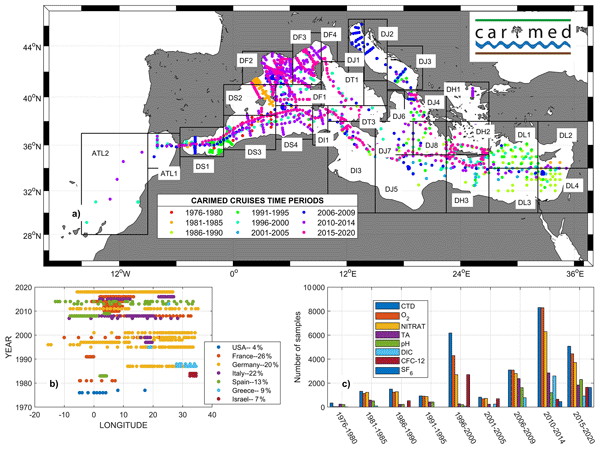
Marta Álvarez, Maribel I. García-Ibáñez, Nico Lange, Alex Kozyr, Antón Velo, Toste Tanhua, Giuseppe Civitarese, Carolina Cantoni, Malek Belgacem, Katrin Schroeder, Rubén Acerbi, Laurent Coppola, Thibaut Wagener, Noelia M. Fajar, Susana Flecha, Michele Giani, Louisa Giannoudi, Elisa F. Guallart, Abed El Rahman Hassoun, Emma I. Huertas, Valeria Ibello, Mehdia A. Keraghel, Férial Louanchi, Anna Luchetta, Fiz F. Pérez, Carsten Schirnick, Ekaterini Souvermezoglou, Lidia Urbini, Montserrat Vidal, and Patrizia Ziveri
Earth Syst. Sci. Data, 18, 4915–4941, https://doi.org/10.5194/essd-18-4915-2026, https://doi.org/10.5194/essd-18-4915-2026, 2026
Short summary
Short summary
CARIMED (CARbon, tracers, and ancillary data In the MEDiterranean Sea) is a high-quality, FAIR (Findability, Accessibility, Interoperability, and Reusability) dataset integrating hydrographic, biogeochemical, and transient tracer data from 46 research cruises (1976–2018) across the Mediterranean Sea. The data underwent rigorous, basin-adapted quality control to remove systematic biases, unifying four decades of fragmented data, delivering two complementary products: the aggregated original cruise data product and the bias-adjusted data synthesis product.
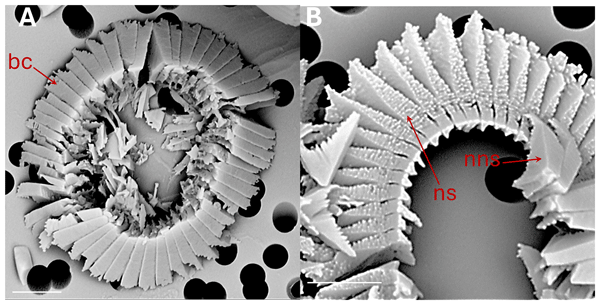
Gerald Langer, Ian Probert, Jeremy R. Young, and Patrizia Ziveri
Biogeosciences, 23, 1795–1808, https://doi.org/10.5194/bg-23-1795-2026, https://doi.org/10.5194/bg-23-1795-2026, 2026
Short summary
Short summary
Coccolithophores are important marine CaCO3 producers and their biominerals, the coccoliths, partly dissolve in the upper water column where dissolution is unexpected. Studying coccolith dissolution in field samples is hampered by a paucity of experimental studies describing dissolution morphologies. Here we fill this gap by experimentally dissolving different coccolithophores and applying our results to field samples.
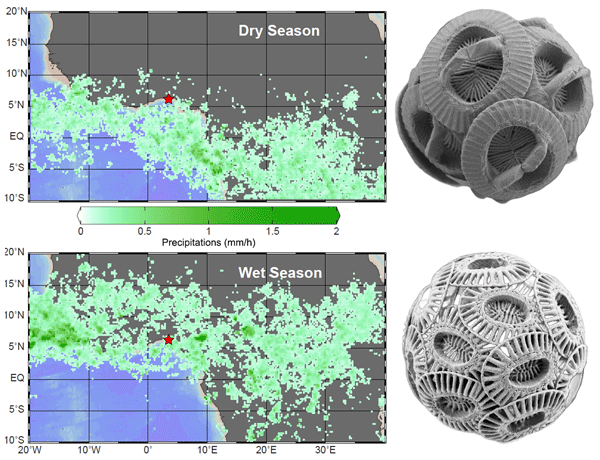
Falilu O. Adekunbi, Michaël Grelaud, Gerald Langer, Lucian O. Chukwu, Marta Alvarez, Shakirudeen Odunuga, Kai G. Schulz, and Patrizia Ziveri
Biogeosciences, 22, 7865–7880, https://doi.org/10.5194/bg-22-7865-2025, https://doi.org/10.5194/bg-22-7865-2025, 2025
Short summary
Short summary
This study is the first to explore seasonal changes in coccolithophores, microscopic algae important for ocean life and the carbon cycle, off the coast of Nigeria. Their abundance and diversity increased during the rainy season, driven by shifts in the Intertropical Convergence Zone. Despite regional differences, these coastal communities show patterns similar to other parts of the world, revealing possible shared environmental pressures.
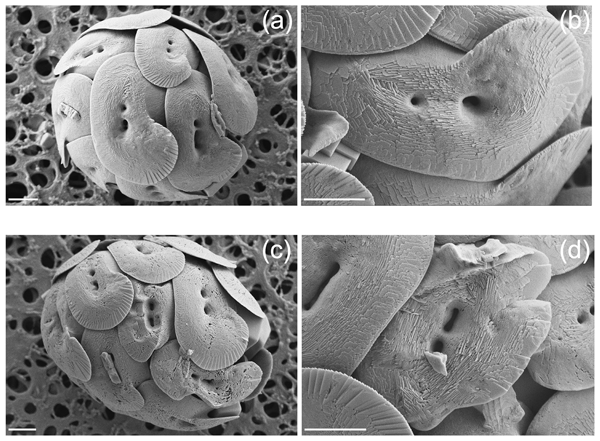
Stefania Bianco, Manuela Bordiga, Gerald Langer, Patrizia Ziveri, Federica Cerino, Andrea Di Giulio, and Claudia Lupi
Biogeosciences, 22, 1821–1837, https://doi.org/10.5194/bg-22-1821-2025, https://doi.org/10.5194/bg-22-1821-2025, 2025
Short summary
Short summary
This work focuses on the response in culture experiments to increasing CO2 of the coccolithophore species Helicosphaera carteri, a unicellular marine calcifying microalgae. The absence of significant changes in coccolith malformations, along with stable size, shape, and calcification-to-photosynthesis ratio, is indicative of H. carteri low sensitivity to CO2 rise, together with its ability to maintain a stable contribution to the marine rain ratio under future climate changes.
Joost de Vries, Fanny Monteiro, Gerald Langer, Colin Brownlee, and Glen Wheeler
Biogeosciences, 21, 1707–1727, https://doi.org/10.5194/bg-21-1707-2024, https://doi.org/10.5194/bg-21-1707-2024, 2024
Short summary
Short summary
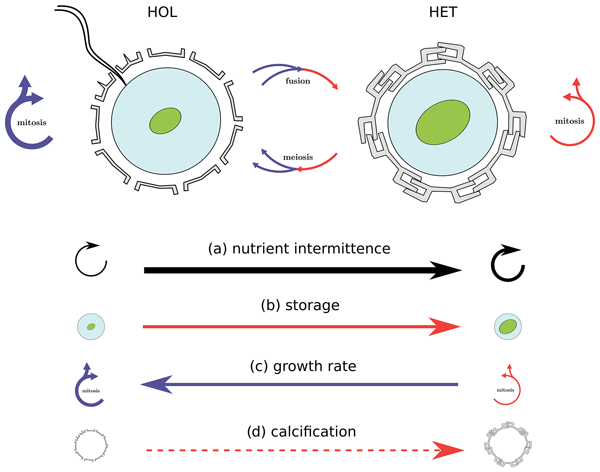
Calcifying phytoplankton (coccolithophores) utilize a life cycle in which they can grow and divide into two different phases. These two phases (HET and HOL) vary in terms of their physiology and distributions, with many unknowns about what the key differences are. Using a combination of lab experiments and model simulations, we find that nutrient storage is a critical difference between the two phases and that this difference allows them to inhabit different nitrogen input regimes.
Cited articles
Albertsen, C. M., Hüssy, K., Serre, S. H., Hemmer-Hansen J., and Thomsen, T. B.: Estimating migration patterns of fish from otolith chemical composition time series, Can. J. Fish. Aquat. Sci., 78, 1512–1523, https://doi.org/10.1139/cjfas-2020-0356, 2021.
Allemand, D., Mayer-Gostan, N., De Pontual, H., Boeuf, G., and Payan, P.: Fish Otolith Calcification in Relation to Endolymph Chemistry, in: Handbook of Biomineralization, 291–308, https://doi.org/10.1002/9783527619443.ch17, 2007.
Allen, G. J. and Sanders, D.: Two Voltage-Gated, Calcium Release Channels Coreside in the Vacuolar Membrane of Broad Bean Guard Cells, The Plant Cell, 685–694, https://doi.org/10.1105/tpc.6.5.685, 1994.
Allen, K. A., Hönisch, B., Eggins, S. M., Haynes, L. L., Rosenthal, Y., and Yu, J.: Trace element proxies for surface ocean conditions: a synthesis of culture calibrations with planktic foraminifera, Geochim. Cosmochim. Ac., 193, 197–221, https://doi.org/10.1016/j.gca.2016.08.015, 2016.
Angell, R. W.: The process of chamber formation in the foraminifer Rosalina floridana (Cushman), J. Protozool., 14, 566–574, https://doi.org/10.1111/j.1550-7408.1967.tb02043.x, 1967.
Avigliano, E., Callicó-Fortunato, R., Buitrago, J., and Volpedo, A. V.: A microquímica do otólito é um indicador do habitat de Mugil curema no sudeste do Mar Caribenho?, Braz. J. Biol., 75, S45–S51, https://doi.org/10.1590/1519-6984.01014, 2015.
Bareille, G., Vignon, M., Chappaz, A., Fontaine, A., Tabouret, H., Morat, F., Martin, J., Aymes, J. C., Daverat, F., Pécheyran, C., and Donard, O.: Freshwater fish otoliths record signals from both water and physiological processes: new insights from
Bath Martin, G. and Thorrold, S.: Temperature and salinity effects on magnesium, manganese, and barium incorporation in otoliths of larval and early juvenile spot Leiostomus xanthurus, Mar. Ecol. Prog. Ser., 293, 223–232, https://doi.org/10.3354/meps293223, 2005.
Bentov, S. and Erez, J.: Impact of biomineralization processes on the Mg content of foraminiferal shells: a biological perspective, Geochem. Geophy. Geosy., 7, https://doi.org/10.1029/2005GC001015, 2006.
Borelli, G., Mayer-Gostan, N., De Pontual, H., Boeuf, G., and Payan, P.: Biochemical relationships between endolymph and otolith matrix in the trout (Oncorhynchus mykiss) and turbot (Psetta maxima), Calcif. Tissue Int., 69, 356–364, https://doi.org/10.1007/s00223-001-2016-8, 2001.
Branson, O., Redfern, S. A. T., Tyliszczak, T., Sadekov, A., Langer, G., Kimoto, K., and Elderfield, H.: The coordination of Mg in foraminiferal calcite, Earth Planet. Sc. Lett., 383, 134–141, https://doi.org/10.1016/j.epsl.2013.09.037, 2013.
Brazier, J.-M., Blanchard, M., Méheut, M., Schmitt, A.-D., Schott, J., and Mavromatis, V.: Experimental and theoretical investigations of stable Sr isotope fractionation during its incorporation in aragonite, Geochim. Cosmochim. Ac., 358, 134–147, https://doi.org/10.1016/j.gca.2023.08.013, 2023.
Brazier, J. M., Goetschl, K. E., Dietzel, M., and Mavromatis, V.: Effect of mineral growth rate on zinc incorporation into calcite and aragonite, Chem. Geol., 643, https://doi.org/10.1016/j.chemgeo.2023.121821, 2024a.
Brazier, J. M., Harrison, A. L., Rollion-Bard, C., and Mavromatis, V.: Controls of temperature and mineral growth rate on lithium and sodium incorporation in abiotic aragonite, Chem. Geol., 654, https://doi.org/10.1016/j.chemgeo.2024.122057, 2024b.
Broecker, W. S. and Peng, T.-H.: Tracers in the sea, Eldigio Press, Lamont-Doherty Geological Observatory, Columbia University, 1982.
Bruland, K. W.: Complexation of zinc by natural organic ligands in the central North Pacific, Limnol. Oceanogr., 34, 269–285, https://doi.org/10.4319/lo.1989.34.2.0269, 1989.
Campana, S.: Chemistry and composition of fish otoliths: pathways, mechanisms and applications, Mar. Ecol. Prog. Ser., 188, 263–297, https://doi.org/10.3354/meps188263, 1999.
Campana, S. E. and Thorrold, S. R.: Otoliths, increments, and elements: keys to a comprehensive understanding of fish populations?, Can. J. Fish. Aquat. Sci., 58, 30–38, https://doi.org/10.1139/f00-177, 2001.
Cavole, L. M., Limburg, K. E., Gallo, N. D., Vea Salvanes, A. G., Ramírez-Valdez, A., Levin, L. A., Oropeza, O. A., Hertwig, A., Liu, M. C., and McKeegan, K. D.: Otoliths of marine fishes record evidence of low oxygen, temperature and pH conditions of deep oxygen minimum zones, Deep-Sea Res. Pt. I, 191, https://doi.org/10.1016/j.dsr.2022.103941, 2023.
Checa, A. G.: Physical and biological determinants of the fabrication of molluscan shell microstructures, Front. Mar. Sci., 5, https://doi.org/10.3389/fmars.2018.00353, 2018.
Chung, M.-T., Trueman, C. N., Godiksen, J. A., and Grønkjær, P.: Otolith δ13C values as a metabolic proxy: approaches and mechanical underpinnings, Mar. Freshwater Res., 70, 1747, https://doi.org/10.1071/MF18317, 2019.
Cohen, A. L., Gaetani, G. A., Lundälv, T., Corliss, B. H., and George, R. Y.: Compositional variability in a cold-water scleractinian, Lophelia pertusa: new insights into “vital effects”, Geochem. Geophy. Geosy., 7, https://doi.org/10.1029/2006GC001354, 2006.
Crenshaw, M. A.: The inorganic composition of molluscan extrapallial fluid, Biol. Bull., 143, 506–512, https://doi.org/10.2307/1540180, 1972.
Cuif, J.-P., Dauphin, Y., and Sorauf, J. E.: Biominerals and fossils through time, Cambridge University Press, https://doi.org/10.1017/CBO9780511781070, 2010.
Devereux, I.: Temperature measurements from oxygen isotope ratios of fish otoliths, Science, 155, 1684–1685, https://doi.org/10.1126/science.155.3770.1684, 1967.
Dietzel, M., Gussone, N., and Eisenhauer, A.: Co-precipitation of Sr2+ and Ba2+ with aragonite by membrane diffusion of CO2 between 10 and 50 °C, Chem. Geol., 203, 139–151, https://doi.org/10.1016/j.chemgeo.2003.09.008, 2004.
D'Olivo, J. P. and McCulloch, M. T.: Response of coral calcification and calcifying fluid composition to thermally induced bleaching stress, Sci. Rep., 7, 2207, https://doi.org/10.1038/s41598-017-02306-x, 2017.
Druffel, E. R. M.: Geochemistry of corals: proxies of past ocean chemistry, ocean circulation, and climate, P. Natl. Acad. Sci. USA, 94, 8354–8361, https://doi.org/10.1073/pnas.94.16.8354, 1997.
Edeyer, A., De Pontual, H., Payan, P., Troadec, H., Sévère, A., and Mayer-Gostan, N.: Daily variations of the saccular endolymph and plasma compositions in the turbot Psetta maxima: relationship with the diurnal rhythm in otolith formation, Mar. Ecol. Prog. Ser., 192, 287–294, https://doi.org/10.3354/meps192287, 2000.
Elder, K. L., Jones, G. A., and Bolz, G.: Distribution of otoliths in surficial sediments of the U.S. Atlantic continental shelf and slope and potential for reconstructing Holocene fish stocks, Paleoceanography, 11, 359–367, https://doi.org/10.1029/96PA00042, 1996.
Elderfield, H. and Ganssen, G.: Past temperature and δ18O of surface ocean waters inferred from foraminiferal
Elderfield, H., Bertram, C. J., and Erez, J.: A biomineralization model for the incorporation of trace elements into foraminiferal calcium carbonate, Earth Planet. Sc. Lett., 142, 409–423, https://doi.org/10.1016/0012-821X(96)00105-7, 1996.
Fraile, I., Arrizabalaga, H., Santiago, J., Goñi, N., Arregi, I., Madinabeitia, S., Wells, R. J. D., and Rooker, J. R.: Otolith chemistry as an indicator of movements of albacore (Thunnus alalunga) in the North Atlantic Ocean, Mar. Freshwater Res., 67, 1002, https://doi.org/10.1071/MF15097, 2016.
Füger, A., Konrad, F., Leis, A., Dietzel, M., and Mavromatis, V.: Effect of growth rate and pH on lithium incorporation in calcite, Geochim. Cosmochim. Ac., 248, 14–24, https://doi.org/10.1016/j.gca.2018.12.040, 2019.
Gaetani, G. A. and Cohen, A. L.: Element partitioning during precipitation of aragonite from seawater: a framework for understanding paleo proxies, Geochim. Cosmochim. Ac., 70, 4617–4634, https://doi.org/10.1016/j.gca.2006.07.008, 2006.
Goetschl, K. E., Purgstaller, B., Dietzel, M., and Mavromatis, V.: Effect of sulfate on magnesium incorporation in low-magnesium calcite, Geochim. Cosmochim. Ac., 265, 505–519, https://doi.org/10.1016/j.gca.2019.07.024, 2019.
Halden, N. M. and Friedrich, L. A.: Trace-element distributions in fish otoliths: natural markers of life histories, environmental conditions and exposure to tailings effluence, Mineral. Mag., 72, 593–605, https://doi.org/10.1180/minmag.2008.072.2.593, 2008.
Hermann, T. W., Stewart, D. J., Limburg, K. E., and Castello, L.: Unravelling the life history of Amazonian fishes through otolith microchemistry, R. Soc. Open Sci., 3, 160206, https://doi.org/10.1098/rsos.160206, 2016.
Hohn, S. and Merico, A.: Quantifying the relative importance of transcellular and paracellular ion transports to coral polyp calcification, Front. Earth Sci., 2, https://doi.org/10.3389/feart.2014.00037, 2015.
Höpker, S. N., Wu, H. C., Lucassen, F., Sadio, O., Brochier, T., Nuworkpor, I. Y., Kasemann, S. A., Merschel, P., and Westphal, H.: Sr isotope ratios (
Hüssy, K., Limburg, K. E., de Pontual, H., Thomas, O. R. B., Cook, P. K., Heimbrand, Y., Blass, M., and Sturrock, A. M.: Trace element patterns in otoliths: the role of biomineralization, Rev. Fish. Sci. Aquac., 29, 445–477, https://doi.org/10.1080/23308249.2020.1760204, 2021.
Izzo, C., Doubleday, Z. A., and Gillanders, B. M.: Where do elements bind within the otoliths of fish?, Mar. Freshwater Res., 67, 1072, https://doi.org/10.1071/MF15064, 2016.
Izzo, C., Reis-Santos, P., and Gillanders, B. M.: Otolith chemistry does not just reflect environmental conditions: a meta-analytic evaluation, Fish Fish., 19, 441–454, https://doi.org/10.1111/faf.12264, 2018.
Kadan, Y., Tollervey, F., Varsano, N., Mahamid, J., and Gal, A.: Intracellular nanoscale architecture as a master regulator of calcium carbonate crystallization in marine microalgae, P. Natl. Acad. Sci. USA, 118, https://doi.org/10.1073/pnas.2025670118, 2021.
Kalish, J. M.: Otolith microchemistry: validation of the effects of physiology, age and environment on otolith composition, J. Exp. Mar. Biol. Ecol., 132, 151–178, https://doi.org/10.1016/0022-0981(89)90126-3, 1989.
Kalish, J. M.: Determinants of otolith chemistry: seasonal variation in the composition of blood plasma, endolymph and otoliths of bearded rock cod Pseudophycis barbatus, Mar. Ecol. Prog. Ser., 74, 137–159, https://doi.org/10.3354/meps074137, 1991.
Katz, M. E., Cramer, B. S., Franzese, A., Hönisch, B., Miller, K. G., Rosenthal, Y., and Wright, J. D.: Traditional and emerging geochemical proxies in foraminifera, J. Foraminiferal Res., 40, 165–192, https://doi.org/10.2113/gsjfr.40.2.165, 2010.
Kawabata, T., Takeda, Y., Hori, M., Kandori, K., and Yaji, T.: Partitioning of sodium into calcium carbonates synthesized at 10–40 °C: influence of organic ligands and temperature, Chem. Geol., 559, https://doi.org/10.1016/j.chemgeo.2020.119904, 2021.
Kekelou, A.: Mineralizing Fluid Control on Foreign Elements in Biogenic CaCO3: Insights from Otoliths, V3, Mendeley Data [data set], https://doi.org/10.17632/8ysgz5nb82.3, 2026.
Kennedy, B. P., Klaue, A., Blum, J. D., Folt, C. L., and Nislow, K. H.: Reconstructing the lives of fish using Sr isotopes in otoliths, Can. J. Fish. Aquat. Sci., 59, 925–929, https://doi.org/10.1139/f02-070, 2002.
Kerr, L. A., Secor, D. H., and Kraus, R. T.: Stable isotope (δ13C and δ18O) and
Krȩżel, A. and Maret, W.: The biological inorganic chemistry of zinc ions, Arch. Biochem. Biophys., 611, 3–19, https://doi.org/10.1016/j.abb.2016.04.010, 2016.
Lall, S. P. and Kaushik, S. J.: Nutrition and metabolism of minerals in fish, Animals, 11, 2711, https://doi.org/10.3390/ani11092711, 2021.
Langer, G., Gussone, N., Nehrke, G., Riebesell, U., Eisenhauer, A., Kuhnert, H., Rost, B., Trimborn, S., and Thoms, S.: Coccolith strontium to calcium ratios in Emiliania huxleyi: the dependence on seawater strontium and calcium concentrations, Limnol. Oceanogr., 51, 310–320, https://doi.org/10.4319/lo.2006.51.1.0310, 2006.
Langer, G., Nehrke, G., Thoms, S., and Stoll, H.: Barium partitioning in coccoliths of Emiliania huxleyi, Geochim. Cosmochim. Ac., 73, 2899–2906, https://doi.org/10.1016/j.gca.2009.02.025, 2009.
Langer, G., Sadekov, A., Thoms, S., Keul, N., Nehrke, G., Mewes, A., Greaves, M., Misra, S., Reichart, G.-J., de Nooijer, L. J., Bijma, J., and Elderfield, H.: Sr partitioning in the benthic foraminifera Ammonia aomoriensis and Amphistegina lessonii, Chem. Geol., 440, 306–312, https://doi.org/10.1016/j.chemgeo.2016.07.018, 2016.
Langer, G., Sadekov, A., Nehrke, G., Baggini, C., Rodolfo-Metalpa, R., Hall-Spencer, J. M., Cuoco, E., Bijma, J., and Elderfield, H.: Relationship between mineralogy and minor element partitioning in limpets from an Ischia CO2 vent site provides new insights into their biomineralization pathway, Geochim. Cosmochim. Ac., 236, 218–229, https://doi.org/10.1016/j.gca.2018.02.044, 2018.
Langer, G., Taylor, A. R., Walker, C. E., Meyer, E. M., Ben Joseph, O., Gal, A., Harper, G. M., Probert, I., Brownlee, C., and Wheeler, G. L.: Role of silicon in the development of complex crystal shapes in coccolithophores, New Phytol., 231, 1845–1857, https://doi.org/10.1111/nph.17230, 2021.
Lewis, G. N. and Randall, M.: The activity coefficient of strong electrolytes, J. Am. Chem. Soc., 43, 1112–1154, 1921.
Limburg, K. E. and Casini, M.: Effect of marine hypoxia on Baltic Sea cod Gadus morhua: evidence from otolith chemical proxies, Front. Mar. Sci., 5, 482, https://doi.org/10.3389/fmars.2018.00482, 2018.
Limburg, K. E., Olson, C., Walther, Y., Dale, D., Slomp, C. P., and Høie, H.: Tracking Baltic hypoxia and cod migration over millennia with natural tags, P. Natl. Acad. Sci. USA, 108, https://doi.org/10.1073/pnas.1100684108, 2011.
Limburg, K. E., Walther, B. D., Lu, Z., Jackman, G., Mohan, J., Walther, Y., Nissling, A., Weber, P. K., and Schmitt, A. K.: In search of the dead zone: use of otoliths for tracking fish exposure to hypoxia, J. Mar. Syst., 141, 167–178, https://doi.org/10.1016/j.jmarsys.2014.02.014, 2015.
Longmore, C., Trueman, C. N., Neat, F., O'Gorman, E. J., Milton, J. A., and Mariani, S.: Otolith geochemistry indicates life-long spatial population structuring in a deep-sea fish, Coryphaenoides rupestris, Mar. Ecol. Prog. Ser., 435, 209–224, https://doi.org/10.3354/meps09248, 2011.
Lorens, R. B. and Bender, M. L.: The impact of solution chemistry on Mytilus edulis calcite and aragonite, Geochim. Cosmochim. Ac., 44, 1265–1278, https://doi.org/10.1016/0016-7037(80)90087-3, 1980.
Lueders-Dumont, J.: Postcards from prehistoric marine food webs: nitrogen isotopes in fish otoliths as a paleoecological archive, Geol. Soc. Am. Abstr., 56, 403326, https://doi.org/10.1130/abs/2024AM-403326, 2024.
Lueders-Dumont, J. A., Wang, X. T., Jensen, O. P., Sigman, D. M., and Ward, B. B.: Nitrogen isotopic analysis of carbonate-bound organic matter in modern and fossil fish otoliths, Geochim. Cosmochim. Ac., 224, 200–222, https://doi.org/10.1016/j.gca.2018.01.001, 2018.
Marriott, C. S., Henderson, G. M., Crompton, R., Staubwasser, M., and Shaw, S.: Effect of mineralogy, salinity, and temperature on
Marshall, W. S.: Na+, Cl−, Ca2+ and Zn2+ transport by fish gills: retrospective review and prospective synthesis, J. Exp. Zool., 293, 264–283, https://doi.org/10.1002/jez.10127, 2002.
Martino, J. C., Doubleday, Z. A., Chung, M.-T., and Gillanders, B. M.: Experimental support towards a metabolic proxy in fish using otolith carbon isotopes, J. Exp. Biol., 223, jeb217091, https://doi.org/10.1242/jeb.217091, 2020.
Martino, J. C., Doubleday, Z. A., Fowler, A. J., and Gillanders, B. M.: Corrigendum to: Identifying physiological and environmental influences on otolith chemistry in a coastal fishery species, Mar. Freshw. Res., 72, 922, https://doi.org/10.1071/MF20196_CO, 2021.
Mavromatis, V., Immenhauser, A., Buhl, D., Purgstaller, B., Baldermann, A., and Dietzel, M.: Effect of organic ligands on Mg partitioning and Mg isotope fractionation during low-temperature precipitation of calcite in the absence of growth rate effects, Geochim. Cosmochim. Ac., 207, 139–153, https://doi.org/10.1016/j.gca.2017.03.020, 2017.
Mavromatis, V., Goetschl, K. E., Grengg, C., Konrad, F., Purgstaller, B., and Dietzel, M.: Barium partitioning in calcite and aragonite as a function of growth rate, Geochim. Cosmochim. Ac., 237, 65–78, https://doi.org/10.1016/j.gca.2018.06.018, 2018.
Mavromatis, V., Brazier, J. M., and Goetschl, K. E.: Controls of temperature and mineral growth rate on Mg incorporation in aragonite, Geochim. Cosmochim. Ac., 317, 53–64, https://doi.org/10.1016/j.gca.2021.10.015, 2022.
McCormick, S. and McKinlay, D. M.: Ion regulation in fish, symposium proceedings of the International Congress on the Biology of Fish, University of British Columbia, Vancouver, Canada, Am. Fish. Soc., ISBN: 1-894337-34-4, 2002.
McFadden, A., Wade, B., Izzo, C., Gillanders, B. M., Lenehan, C. E., and Pring, A.: Quantitative electron microprobe mapping of otoliths suggests elemental incorporation is affected by organic matrices: implications for the interpretation of otolith chemistry, Mar. Freshw. Res., 67, 889–898, https://doi.org/10.1071/MF15074, 2016.
Melancon, S., Fryer, B. J., Ludsin, S. A., Gagnon, J. E., and Yang, Z.: Effects of crystal structure on the uptake of metals by lake trout (Salvelinus namaycush) otoliths, Can. J. Fish. Aquat. Sci., 62, 2609–2619, https://doi.org/10.1139/f05-161, 2005.
Melancon, S., Fryer, B. J., Gagnon, J. E., and Ludsin, S. A.: Mineralogical approaches to the study of biomineralization in fish otoliths, Mineral. Mag., 72, 627–637, https://doi.org/10.1180/minmag.2008.072.2.627, 2008.
Melancon, S., Fryer, B. J., and Markham, J. L.: Chemical analysis of endolymph and the growing otolith: fractionation of metals in freshwater fish species, Environ. Toxicol. Chem., 28, 1279–1287, https://doi.org/10.1897/08-358.1, 2009.
Mellars, P. A., Wilkinson, M. R., and Fieller, N. R. J.: Fish otoliths as indicators of seasonality in prehistoric shell middens: the evidence from Oronsay (Inner Hebrides), Proc. Prehist. Soc., 46, 19–44, https://doi.org/10.1017/S0079497X00009300, 1980.
Mewes, A., Langer, G., de Nooijer, L. J., Bijma, J., and Reichart, G. J.: Effect of different seawater Mg2+ concentrations on calcification in two benthic foraminifers, Mar. Micropaleontol., 113, 56–64, https://doi.org/10.1016/j.marmicro.2014.09.003, 2014.
Mewes, A., Langer, G., de Nooijer, L. J., Reichart, G. J., and Bijma, J.: Effect of seawater chemistry on calcification in benthic foraminifera, Chem. Geol., 2015, https://doi.org/10.1016/j.chemgeo.2015.06.026, 2015.
Meyer, E. M., Langer, G., Brownlee, C., Wheeler, G. L., and Taylor, A. R.: Sr in coccoliths of Scyphosphaera apsteinii: partitioning behavior and role in coccolith morphogenesis, Geochim. Cosmochim. Ac., 285, 41–54, https://doi.org/10.1016/j.gca.2020.06.023, 2020.
Miller, J. A. and Hurst, T. P.: Growth rate, ration, and temperature effects on otolith elemental incorporation, Front. Mar. Sci., 7, 320, https://doi.org/10.3389/fmars.2020.00320, 2020.
Miller, M. B., Clough, A. M., Batson, J. N., and Vachet, R. W.: Transition metal binding to cod otolith proteins, J. Exp. Mar. Biol. Ecol., 329, 135–143, https://doi.org/10.1016/j.jembe.2005.08.016, 2006.
Mitsuguchi, T., Matsumoto, E., and Uchida, T.:
Mondal, S., Chakrabarti, R., and Ghosh, P.: A multi-proxy (
Morat, F., Blamart, D., Bounket, B., Argillier, C., Carrel, G., and Maire, A.: Reconstructing the thermal history of fish juveniles using stable oxygen isotope analysis of otoliths, Front. Environ. Sci., 11, 1213239, https://doi.org/10.3389/fenvs.2023.1213239, 2023.
Moura, G., Vilarinho, L., Santos, A. C., and Machado, J.: Organic compounds in the extrapallial fluid and haemolymph of Anodonta cygnea with emphasis on biomineralization, Comp. Biochem. Physiol. B., 125, 293–306, https://doi.org/10.1016/S0305-0491(99)00192-3, 2000.
Mucci, A., Canuel, R., and Zhong, S.: Solubility of calcite and aragonite in sulfate-free seawater and seeded growth kinetics at 25 °C, Chem. Geol., 74, 309–320, https://doi.org/10.1016/0009-2541(89)90040-5, 1989.
Nachshen, D. A. and Blaustein, M. P.: Influx of calcium, strontium, and barium in presynaptic nerve endings, J. Gen. Physiol., 79, 1065–1087, https://doi.org/10.1085/jgp.79.6.1065, 1982.
Nehrke, G. and Langer, G.: Proxy archives based on marine calcifying organisms and the role of process-based biomineralization concepts, Minerals, 13, 561, https://doi.org/10.3390/min13040561, 2023.
Nehrke, G., Reichart, G. J., Van Cappellen, P., Meile, C., and Bijma, J.: Dependence of calcite growth rate and Sr partitioning on solution stoichiometry: Non-Kossel crystal growth, Geochim. Cosmochim. Ac., 71, 2240–2249, https://doi.org/10.1016/j.gca.2007.02.002, 2007.
Nehrke, G., Keul, N., Langer, G., de Nooijer, L. J., Bijma, J., and Meibom, A.: A new model for biomineralization and trace-element signatures of Foraminifera tests, Biogeosciences, 10, 6759–6767, https://doi.org/10.5194/bg-10-6759-2013, 2013.
Nelson, T. R. and Powers, S. P.: Elemental concentrations of water and otoliths as salinity proxies in a northern Gulf of Mexico estuary, Estuar. Coast., 43, 843–864, https://doi.org/10.1007/s12237-019-00686-z, 2020.
Nomaki, H., LeKieffre, C., Escrig, S., Meibom, A., Yagyu, S., Richardson, E. A., Matsuzaki, T., Murayama, M., Geslin, E., and Bernhard, J. M.: Innovative TEM-coupled approaches to study foraminiferal cells, Mar. Micropaleontol., 138, 90–104, https://doi.org/10.1016/j.marmicro.2017.10.002, 2018.
Olsher, U., Izatt, R. M., Bradshaw, J. S., and Dalley, N. K.: Coordination chemistry of lithium ion: a crystal and molecular structure review, Chem. Rev., 91, 137–164, https://doi.org/10.1021/cr00002a003, 1991.
Padilla, A. J., Brown, R. J., and Wooller, M. J.: Strontium isotope analyses (
Pallacks, S., Ziveri, P., Schiebel, R., Vonhof, H., Rae, J. W. B., Littley, E., Garcia-Orellana, J., Langer, G., Grelaud, M., and Martrat, B.: Anthropogenic acidification of surface waters drives decreased biogenic calcification in the Mediterranean Sea, Commun. Earth Environ., 4, 301, https://doi.org/10.1038/s43247-023-00947-7, 2023.
Payan, P., Kossmann, H., Watrin, A., Mayer-Gostan, N., and Bœuf, G.: Ionic composition of endolymph in teleosts: origin and importance of endolymph alkalinity, J. Exp. Biol., 200, 1905–1912, https://doi.org/10.1242/jeb.200.13.1905, 1997.
Payan, P., Borelli, G., Boeuf, G., and Mayer-Gostan, N.: Relationship between otolith and somatic growth: consequence of starvation on acid-base balance in plasma and endolymph in the rainbow trout Oncorhynchus mykiss, in: Fish Physiol. Biochem., 19, 35–41, https://doi.org/10.1023/A:1016064813517, 1998.
Payan, P., Edeyer, A., De Pontual, N., Borelli, G., Bœuf, G., and Mayer-Gostan, N.: Chemical composition of saccular endolymph and otolith in fish inner ear: lack of spatial uniformity, Am. J. Physiol. Regul. Integr. Comp. Physiol., 277, R123–R131, https://doi.org/10.1152/ajpregu.1999.277.1.R123, 1999.
Payan, P., Borelli, G., Priouzeau, F., De Pontual, H., Bœuf, G., and Mayer-Gostan, N.: Otolith growth in trout Oncorhynchus mykiss: supply of Ca2+ and Sr2+ to the saccular endolymph, J. Exp. Biol., 205, 2687–2695, https://doi.org/10.1242/jeb.205.17.2687, 2002.
Payan, P., De Pontual, H., Bœuf, G., and Mayer-Gostan, N.: Endolymph chemistry and otolith growth in fish, C. R. Palevol., 3, 535–547, https://doi.org/10.1016/j.crpv.2004.07.013, 2004.
Phillis, C. C., Ostrach, D. J., Ingram, B. L., and Weber, P. K.: Evaluating otolith
Pors Nielsen, S.: The biological role of strontium, Bone, 35, 583–588, https://doi.org/10.1016/j.bone.2004.04.026, 2004.
Raitzsch, M., Dueñas-Bohórquez, A., Reichart, G.-J., de Nooijer, L. J., and Bickert, T.: Incorporation of Mg and Sr in calcite of cultured benthic foraminifera: impact of calcium concentration and associated calcite saturation state, Biogeosciences, 7, 869–881, https://doi.org/10.5194/bg-7-869-2010, 2010.
Rao, Z. C., Lueders-Dumont, J. A., Stringer, G. L., Ryu, Y., Zhao, K., Myneni, S. C., Oleynik, S., Haug, G. H., Martinez-Garcia, A., and Sigman, D. M.: A nitrogen isotopic shift in fish otolith–bound organic matter during the Late Cretaceous, P. Natl. Acad. Sci. USA, 121, 32, https://doi.org/10.1073/pnas.2322863121, 2024.
Reis-Santos, P., Gillanders, B. M., Sturrock, A. M., Izzo, C., Oxman, D. S., Lueders-Dumont, J. A., Hüssy, K., Tanner, S. E., Rogers, T., Doubleday, Z. A., Andrews, A. H., Trueman, C., Brophy, D., Thiem, J. D., Baumgartner, L. J., Willmes, M., Chung, M. T., Charapata, P., Johnson, R. C., and Walther, B. D.: Reading the biomineralized book of life: expanding otolith biogeochemical research and applications for fisheries and ecosystem-based management, Rev. Fish Biol. Fish., 33, 411–449, https://doi.org/10.1007/s11160-022-09720-z, 2023.
Rosales, I., Robles, S., and Quesada, S.: Elemental and oxygen isotope composition of Early Jurassic belemnites: salinity vs. temperature signals, J. Sediment. Res., 74, 342–354, https://doi.org/10.1306/112603740342, 2004.
Sackett, D. K., Chrisp, J. K., and Farmer, T. M.: Isotopes and otolith chemistry provide insight into the biogeochemical history of mercury in southern flounder across a salinity gradient, Environ. Sci.-Proc. Imp., 26, 233–246, https://doi.org/10.1039/D3EM00482A, 2024.
Salisbury, F. B. and Ross, C. W.: Plant Physiology, Wadsworth Publishing Company, ISBN: 978-0534151621, 1992.
Saygın, S., Polat, N., Willmes, M., Lewis, L. S., Hobbs, J. A., Atıcı, A. A., and Elp, M.: Strožntium isotopes in otoliths reveal a diversity of natal origins for Tarek (Alburnus tarichi) in Lake Van, Turkey, Fish. Res., 255, 106441, https://doi.org/10.1016/j.fishres.2022.106441, 2022.
Schöne, B. R., Zhang, Z., Jacob, D., Gillikin, D. P., Tütken, T., Garbe-Schönberg, D., McConnaughey, T., and Soldati, A.: Effect of organic matrices on the determination of the trace element chemistry (Mg, Sr,
Shiao, J. C., Loys, L., Iizuka, Y., and Tzeng, W. N.: Migratory patterns and contribution of stocking to the population of European eel in Lithuanian waters as indicated by otolith Sr:Ca ratios, J. Fish Biol., 69, 749–769, https://doi.org/10.1111/j.1095-8649.2006.01147.x, 2006.
Shiao, J. C., Shirai, K., Tanaka, K., Takahata, N., Sano, Y., Hsiao, S.-Y., Lee, D.-C., and Tseng, Y.-C.: Assimilation of nitrogen and carbon isotopes from fish diets to otoliths as measured by nanoscale secondary ion mass spectrometry, Rapid Commun. Mass Spectrom., 32, 1250–1256, https://doi.org/10.1002/rcm.8171, 2018.
Sirot, C., Grønkjær, P., Pedersen, J., Panfili, J., Zetina-Rejon, M., Tripp-Valdez, A., Ramos-Miranda, J., Flores-Hernández, D., Sosa-López, A., and Darnaude, A.: Using otolith organic matter to detect diet shifts in Bardiella chrysoura during a period of environmental changes, Mar. Ecol. Prog. Ser., 575, 137–152, https://doi.org/10.3354/meps12166, 2017.
Stanley, J. K. and Byrne, R. H.: Inorganic complexation of zinc (II) in seawater, Geochim. Cosmochim. Ac., 54, 753–760, https://doi.org/10.1016/0016-7037(90)90370-Z, 1990.
Stoll, H., Langer, G., Shimizu, N., and Kanamaru, K.: B/Ca in coccoliths and relationship to calcification vesicle pH and dissolved inorganic carbon concentrations, Geochim. Cosmochim. Ac., 80, 143–157, https://doi.org/10.1016/j.gca.2011.12.003, 2012.
Sturrock, A., Trueman, C., Milton, J., Waring, C., Cooper, M., and Hunter, E.: Physiological influences can outweigh environmental signals in otolith microchemistry research, Mar. Ecol. Prog. Ser., 500, 245–264, https://doi.org/10.3354/meps10699, 2014.
Sturrock, A. M., Trueman, C. N., Darnaude, A. M., and Hunter, E.: Can otolith elemental chemistry retrospectively track migrations in fully marine fishes?, J. Fish Biol., 81, 766–795, https://doi.org/10.1111/j.1095-8649.2012.03372.x, 2012.
Sturrock, A. M., Hunter, E., Milton, J. A., Johnson, R. C., Waring, C. P., and Trueman, C. N.: Quantifying physiological influences on otolith microchemistry, Methods Ecol. Evol., 6, 806–816, https://doi.org/10.1111/2041-210X.12381, 2015.
Takeuchi, T., Sarashina, I., Iijima, M., and Endo, K.: In vitro regulation of CaCO3 crystal polymorphism by the highly acidic molluscan shell protein Aspein, FEBS Lett., 582, 591–596, https://doi.org/10.1016/j.febslet.2008.01.026, 2008.
Tanner, S. E., Reis-Santos, P., Vasconcelos, R. P., Fonseca, V. F., França, S., Cabral, H. N., and Thorrold, S. R.: Does otolith geochemistry record ambient environmental conditions in a temperate tidal estuary?, J. Exp. Mar. Biol. Ecol., 441, 7–15, https://doi.org/10.1016/j.jembe.2013.01.009, 2013.
Thomas, O. R. B. and Swearer, S. E.: Otolith biochemistry – a review, in: Rev. Fish. Sci. Aquacult., 27, Taylor and Francis Inc., 458–489, https://doi.org/10.1080/23308249.2019.1627285, 2019.
Thomas, O. R. B., Ganio, K., Roberts, B. R., and Swearer, S. E.: Trace element–protein interactions in endolymph from the inner ear of fish: implications for environmental reconstructions using fish otolith chemistry, Metallomics, 9, 239–249, https://doi.org/10.1039/c6mt00189k, 2017.
Thomas, O. R. B., Swearer, S. E., Kapp, E. A., Peng, P., Tonkin-Hill, G. Q., Papenfuss, A., Roberts, A., Bernard, P., and Roberts, B. R.: The inner ear proteome of fish, FEBS J., 286, 66–81, https://doi.org/10.1111/febs.14715, 2019.
Urey, H. C., Lowenstam, H. A., Epstein, S., and McKinney, C. R.: Measurement of paleotemperatures and temperatures of the Upper Cretaceous of England, Denmark, and the southeastern United States, Geol. Soc. Am. Bull., 62, 399–416, https://doi.org/10.1130/0016-7606(1951)62[399:MOPATO]2.0.CO;2, 1951.
Vaisvil, A., Willmes, M., Enriquez, E. J., Klein, Z. B., and Caldwell, C. A.: A needle in a haystack: strontium isotopes (
Walker, J. M. and Langer, G.: Coccolith crystals: pure calcite or organic–mineral composite structures?, Acta Biomater., 125, 83–89, https://doi.org/10.1016/j.actbio.2021.02.025, 2021.
Walther, B. D.: The art of otolith chemistry: interpreting patterns by integrating perspectives, Mar. Freshw. Res., 70, 1643, https://doi.org/10.1071/MF18270, 2019.
Walther, B. D. and Limburg, K. E.: The use of otolith chemistry to characterize diadromous migrations, J. Fish Biol., 81, 796–825, https://doi.org/10.1111/j.1095-8649.2012.03371.x, 2012.
Elsdon, T. S., Wells, B. K., Campana, S. E., Gillanders, B. M., Jones, C. M., Limburg, K. E., Secor, D. H., Thorrold, S. R., and Walther, B. D.: Otolith chemistry to describe movements and life-history parameters of fishes: hypotheses, assumptions, limitations and inferences, in Oceanography and Marine Biology: An Annual Review, Vol. 46, CRC Press, ISBN: 978-1-4200-6574-9, 2008.
Wilbur, K. M. and Watabe, N.: Experimental studies on calcification in molluscs and the alga Coccolithus huxleyi, Ann. N. Y. Acad. Sci., 109, 82–112, https://doi.org/10.1111/j.1749-6632.1963.tb13463.x, 1963.
Willmes, M., Lewis, L. S., Davis, B. E., Loiselle, L., James, H. F., Denny, C., Baxter, R., Conrad, J. L., Fangue, N. A., Hung, T. C., Armstrong, R. A., Williams, I. S., Holden, P., and Hobbs, J. A.: Calibrating temperature reconstructions from fish otolith oxygen isotope analysis for California's critically endangered Delta Smelt, Rapid Commun. Mass Spectrom., 33, 1207–1220, https://doi.org/10.1002/rcm.8464, 2019.
Wolthers, M., Di Tommaso, D., Du, Z., and de Leeuw, N. H.: Variations in calcite growth kinetics with surface topography: molecular dynamics simulations and process-based growth kinetics modelling, CrystEngComm, 15, 5506, https://doi.org/10.1039/c3ce40249e, 2013.
Yuryev, V. P., Grinberg, N. V., Braudo, E. E., and Tolstoguzov, V. B.: A study of the boundary conditions for the gel formation of alginates of polyvalent metals, Starch/Stärke, 31, 121–124, https://doi.org/10.1002/star.19790310406, 1979.
Zazzo, A., Smith, G. R., Patterson, W. P., and Dufour, E.: Life history reconstruction of modern and fossil sockeye salmon (Oncorhynchus nerka) by oxygen isotopic analysis of otoliths, vertebrae, and teeth: implication for paleoenvironmental reconstructions, Earth Planet. Sc. Lett., 249, 200–215, https://doi.org/10.1016/j.epsl.2006.07.003, 2006.
Zhong, S. and Mucci, A.: Calcite and aragonite precipitation from seawater solutions of various salinities: precipitation rates and overgrowth compositions, Chem. Geol., 78, 283–299, https://doi.org/10.1016/0009-2541(89)90064-8, 1989.
Ziveri, P., Stoll, H., Probert, I., Klaas, C., Geisen, M., Ganssen, G., and Young, J.: Stable isotope `vital effects' in coccolith calcite, Earth Planet. Sc. Lett., 210, 137–149, https://doi.org/10.1016/S0012-821X(03)00101-8, 2003.
Ziveri, P., Thoms, S., Probert, I., Geisen, M., and Langer, G.: A universal carbonate ion effect on stable oxygen isotope ratios in unicellular planktonic calcifying organisms, Biogeosciences, 9, 1025–1032, https://doi.org/10.5194/bg-9-1025-2012, 2012.
Editorial statement
This paper, for the first time, demonstrates that the chemistry of otoliths (fish ear stones), which is an important archive for environmental reconstruction and fisheries science, is influenced by vital effects during mineralization. This finding has implications for the field of biomineralization as a whole and specifically for researchers working in marine biology, fisheries sciences and paleontology.
This paper, for the first time, demonstrates that the chemistry of otoliths (fish ear stones),...
Short summary
Fish otolith formation is key for understanding the incorporation of elements into biominerals. It is often assumed that the final step of biomineralization consists of inorganic precipitation as the fluid where biominerals form can hardly be sampled. Thanks to fish ear anatomy, this can be overcome with otoliths. By comparing otolith formation and inorganic precipitation, we proved that this assumption is not always true. Our findings could refine models and shed light on biomineralization.
Fish otolith formation is key for understanding the incorporation of elements into biominerals....


Altmetrics
Final-revised paper
Preprint