
Articles | Volume 23, issue 10
https://doi.org/10.5194/bg-23-3387-2026
© Author(s) 2026. This work is distributed under
the Creative Commons Attribution 4.0 License.
the Creative Commons Attribution 4.0 License.
https://doi.org/10.5194/bg-23-3387-2026
© Author(s) 2026. This work is distributed under
the Creative Commons Attribution 4.0 License.
the Creative Commons Attribution 4.0 License.
Research article
| 
20 May 2026
Research article |
| 20 May 2026
| 20 May 2026
Future mercury levels in fish: model vs. observational predictions under different policy scenarios
Henna Gull
Division of Environmental Science and Engineering, Pohang University of Science and Technology, 77 Cheongam-Ro, Nam-Gu, Pohang 37673, South Korea
Ju Hyeon Lee
Harvard John A. Paulson School of Engineering and Applied Sciences, Harvard University, Cambridge, MA 02138, United States
Hoin Lee
Division of Environmental Science and Engineering, Pohang University of Science and Technology, 77 Cheongam-Ro, Nam-Gu, Pohang 37673, South Korea
Hélène Angot
Univ. of Grenoble Alpes, CNRS, INRAE, IRD, Grenoble INP, IGE, 38400 Grenoble, France
Sae Yun Kwon
CORRESPONDING AUTHOR

Division of Environmental Science and Engineering, Pohang University of Science and Technology, 77 Cheongam-Ro, Nam-Gu, Pohang 37673, South Korea
Related authors
No articles found.
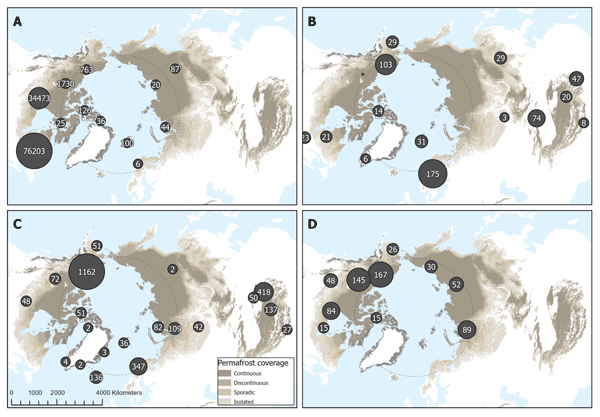
Christine L. Olson, Kevin Schaefer, Alyssa Azaroff, Hélène Angot, Sasiri Bandara, Thomas A. Douglas, Bo Elberling, Maria Florencia Fahnestock, Xinbin Feng, Charlotte Haugk, Gustaf Hugelius, Erfan Jahangir, Sofi Jonsson, Shichang Kang, Adam Kirkwood, Jennifer Korosi, Igor Lehnherr, Artem Lim, Rinat Manasypov, Dmitriy Moskovchenko, Mina Nasr, Daniel Obrist, David Olefeldt, Connor Olson, Oleg Pokrovsky, Laura Sereni, Sarah Shakil, M. Isabel Smith, Jens Søndergaard, Jeroen Sonke, Kasia Staniszewska, Jens Strauss, Kyra St. Pierre, Lauren Thompson, Andrey Yurtaev, Yanxu Zhang, and Scott Zolkos
Earth Syst. Sci. Data, 18, 4509–4522, https://doi.org/10.5194/essd-18-4509-2026, https://doi.org/10.5194/essd-18-4509-2026, 2026
Short summary
Short summary
Permafrost regions store large amounts of mercury, a toxic pollutant that can be released as the ground warms. We combined thousands of measurements from soils, plants, water, and lake sediments into one open database to better understand where mercury is stored and how it moves. The results show clear differences among environments and reveal major data gaps, helping improve future research, monitoring, and decision-making.
Ruth Price, Louis Marelle, Lucas Bastien, Rémy Lapere, Hélène Angot, Benjamin Heutte, Julia Schmale, Jean-Christophe Raut, and Jennie L. Thomas
EGUsphere, https://doi.org/10.5194/egusphere-2026-2369, https://doi.org/10.5194/egusphere-2026-2369, 2026
Short summary
Short summary
Arctic warm air intrusions are extreme events that have dramatic effects on the lower atmosphere and cause surface warming. We used a computer model to simulate a polluted warm air intrusion, isolating the effect of pollution on clouds to understand the net effect on surface warming. We found the net effect on surface warming depends on the underlying surface (ocean vs sea ice), showing the effect of extreme Arctic pollution events can strongly depend on the season and background Arctic climate.
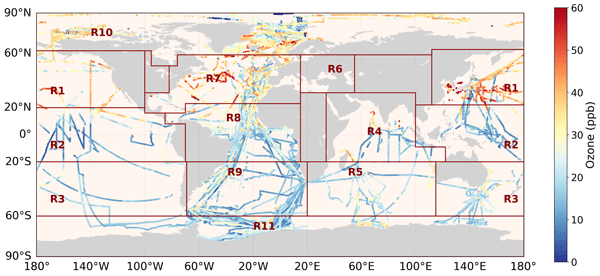
Yugo Kanaya, Roberto Sommariva, Alfonso Saiz-Lopez, Andrea Mazzeo, Theodore K. Koenig, Kaori Kawana, James E. Johnson, Aurélie Colomb, Pierre Tulet, Suzie Molloy, Ian E. Galbally, Rainer Volkamer, Anoop Mahajan, John W. Halfacre, Paul B. Shepson, Julia Schmale, Hélène Angot, Byron Blomquist, Matthew D. Shupe, Detlev Helmig, Junsu Gil, Meehye Lee, Sean C. Coburn, Ivan Ortega, Gao Chen, James Lee, Kenneth C. Aikin, David D. Parrish, John S. Holloway, Thomas B. Ryerson, Ilana B. Pollack, Eric J. Williams, Brian M. Lerner, Andrew J. Weinheimer, Teresa Campos, Frank M. Flocke, J. Ryan Spackman, Ilann Bourgeois, Jeff Peischl, Chelsea R. Thompson, Ralf M. Staebler, Amir A. Aliabadi, Wanmin Gong, Roeland Van Malderen, Anne M. Thompson, Ryan M. Stauffer, Debra E. Kollonige, Juan Carlos Gómez Martin, Masatomo Fujiwara, Katie Read, Matthew Rowlinson, Keiichi Sato, Junichi Kurokawa, Yoko Iwamoto, Fumikazu Taketani, Hisahiro Takashima, Mónica Navarro-Comas, Marios Panagi, and Martin G. Schultz
Earth Syst. Sci. Data, 17, 4901–4932, https://doi.org/10.5194/essd-17-4901-2025, https://doi.org/10.5194/essd-17-4901-2025, 2025
Short summary
Short summary
The first comprehensive dataset of tropospheric ozone over oceans/polar regions is presented, including 77 ship/buoy and 48 aircraft campaign observations (1977–2022, 0–5000 m altitude), supplemented by ozonesonde and surface data. Air masses isolated from land for 72+ hours are systematically selected as essentially oceanic. Among the 11 global regions, they show daytime decreases of 11–16 % in the tropics, while near-zero depletions are rare, unlike in the Arctic, implying different mechanisms.
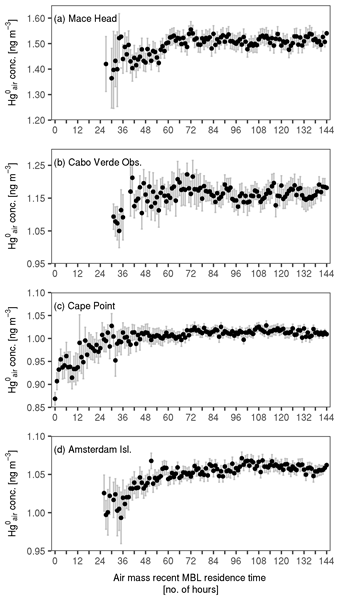
Koketso M. Molepo, Johannes Bieser, Alkuin M. Koenig, Ian M. Hedgecock, Ralf Ebinghaus, Aurélien Dommergue, Olivier Magand, Hélène Angot, Oleg Travnikov, Lynwill Martin, Casper Labuschagne, Katie Read, and Yann Bertrand
Atmos. Chem. Phys., 25, 9645–9668, https://doi.org/10.5194/acp-25-9645-2025, https://doi.org/10.5194/acp-25-9645-2025, 2025
Short summary
Short summary
Mercury exchange between the ocean and atmosphere is poorly understood due to limited in situ data. Here, using atmospheric mercury observations from ground-based monitoring stations along with air mass trajectories, we found that atmospheric Hg levels increase with air mass ocean exposure time, matching predictions for ocean Hg emissions. This finding indicates that ocean emissions directly influence atmospheric Hg levels and enables us to estimate these emissions on a global scale.
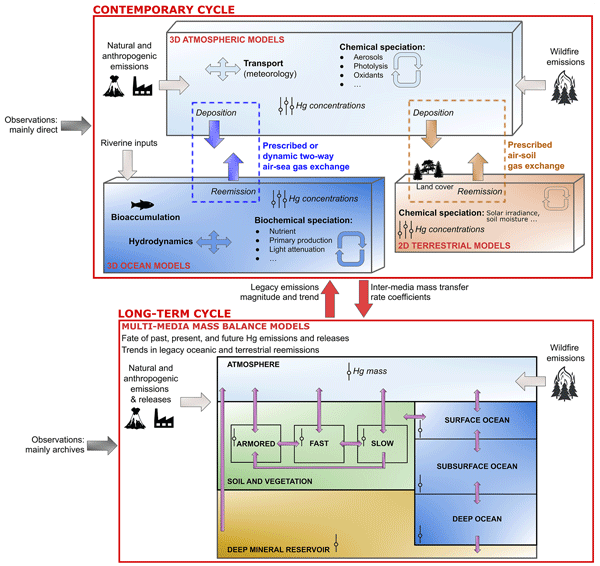
Ashu Dastoor, Hélène Angot, Johannes Bieser, Flora Brocza, Brock Edwards, Aryeh Feinberg, Xinbin Feng, Benjamin Geyman, Charikleia Gournia, Yipeng He, Ian M. Hedgecock, Ilia Ilyin, Jane Kirk, Che-Jen Lin, Igor Lehnherr, Robert Mason, David McLagan, Marilena Muntean, Peter Rafaj, Eric M. Roy, Andrei Ryjkov, Noelle E. Selin, Francesco De Simone, Anne L. Soerensen, Frits Steenhuisen, Oleg Travnikov, Shuxiao Wang, Xun Wang, Simon Wilson, Rosa Wu, Qingru Wu, Yanxu Zhang, Jun Zhou, Wei Zhu, and Scott Zolkos
Geosci. Model Dev., 18, 2747–2860, https://doi.org/10.5194/gmd-18-2747-2025, https://doi.org/10.5194/gmd-18-2747-2025, 2025
Short summary
Short summary
This paper introduces the Multi-Compartment Mercury (Hg) Modeling and Analysis Project (MCHgMAP) aimed at informing the effectiveness evaluations of two multilateral environmental agreements: the Minamata Convention on Mercury and the Convention on Long-Range Transboundary Air Pollution. The experimental design exploits a variety of models (atmospheric, land, oceanic ,and multimedia mass balance models) to assess the short- and long-term influences of anthropogenic Hg releases into the environment.
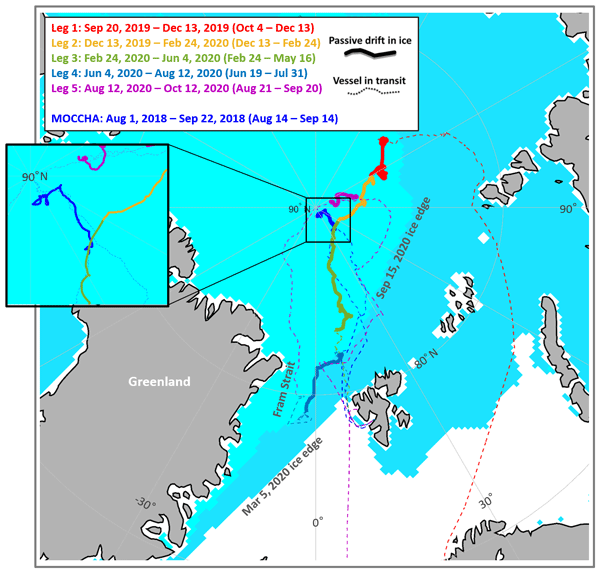
Benjamin Heutte, Nora Bergner, Hélène Angot, Jakob B. Pernov, Lubna Dada, Jessica A. Mirrielees, Ivo Beck, Andrea Baccarini, Matthew Boyer, Jessie M. Creamean, Kaspar R. Daellenbach, Imad El Haddad, Markus M. Frey, Silvia Henning, Tiia Laurila, Vaios Moschos, Tuukka Petäjä, Kerri A. Pratt, Lauriane L. J. Quéléver, Matthew D. Shupe, Paul Zieger, Tuija Jokinen, and Julia Schmale
Atmos. Chem. Phys., 25, 2207–2241, https://doi.org/10.5194/acp-25-2207-2025, https://doi.org/10.5194/acp-25-2207-2025, 2025
Short summary
Short summary
Limited aerosol measurements in the central Arctic hinder our understanding of aerosol–climate interactions in the region. Our year-long observations of aerosol physicochemical properties during the MOSAiC expedition reveal strong seasonal variations in aerosol chemical composition, where the short-term variability is heavily affected by storms in the Arctic. Local wind-generated particles are shown to be an important source of cloud seeds, especially in autumn.
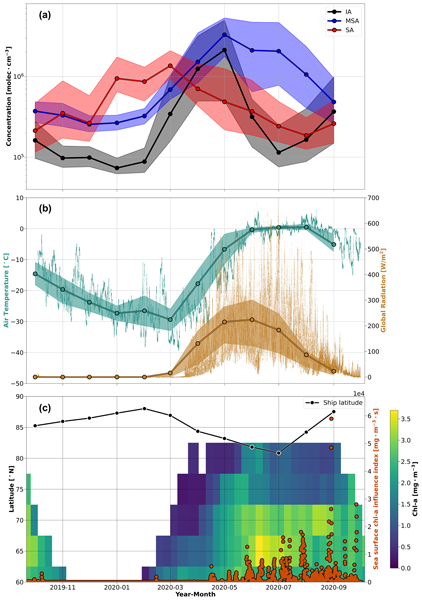
Matthew Boyer, Diego Aliaga, Lauriane L. J. Quéléver, Silvia Bucci, Hélène Angot, Lubna Dada, Benjamin Heutte, Lisa Beck, Marina Duetsch, Andreas Stohl, Ivo Beck, Tiia Laurila, Nina Sarnela, Roseline C. Thakur, Branka Miljevic, Markku Kulmala, Tuukka Petäjä, Mikko Sipilä, Julia Schmale, and Tuija Jokinen
Atmos. Chem. Phys., 24, 12595–12621, https://doi.org/10.5194/acp-24-12595-2024, https://doi.org/10.5194/acp-24-12595-2024, 2024
Short summary
Short summary
We analyze the seasonal cycle and sources of gases that are relevant for the formation of aerosol particles in the central Arctic. Since theses gases can form new particles, they can influence Arctic climate. We show that the sources of these gases are associated with changes in the Arctic environment during the year, especially with respect to sea ice. Therefore, the concentration of these gases will likely change in the future as the Arctic continues to warm.
Cited articles
Ackerman, J. T., Fleck, J. A., Eagles-Smith, C. A., Marvin-DiPasquale, M., Windham-Myers, L., Herzog, M. P., and McQuillen, H. L.: Wetland management strategy to reduce mercury in water and bioaccumulation in fish, Environ. Toxicol. Chem., 38, 2178–2196, https://doi.org/10.1002/etc.4535, 2019.
Ahonen, S. A., Hayden, B., Leppänen, J. J., and Kahilainen, K. K.: Climate and productivity affect total mercury concentration and bioaccumulation rate of fish along a spatial gradient of subarctic lakes, Sci. Total Environ., 637/638, 1586–1596, https://doi.org/10.1016/j.scitotenv.2018.04.436, 2018.
Al-Sulaiti, M. M., Soubra, L., and Al-Ghouti, M. A.: The causes and effects of mercury and methylmercury contamination in the marine environment: A review, Curr. Pollut. Rep., 8, 249–272, https://doi.org/10.1007/s40726-022-00226-7, 2022.
AMAP/UNEP: Technical Background Report for the Global Mercury Assessment 2013, Arctic Monitoring and Assessment Programme, Oslo, Norway/UNEP Chemicals Branch, Geneva, Switzerland, vi C 263 pp., ISBN 9788279710806, 2013.
AMAP/UN Environment: Technical Background Report for the Global Mercury Assessment 2018, Arctic Monitoring and Assessment Programme, Oslo, Norway/UN Environment Programme, Chemicals and Health Branch, Geneva, Switzerland, viiiC426 pp., ISBN 9788279711087, 2019.
Angot, H., Hoffman, N., Giang, A., Thackray, C. P., Hendricks, A. N., Urban, N. R., and Selin, N. E.: Global and local impacts of delayed mercury mitigation efforts, Environ. Sci. Technol., 52, 12968–12977, https://doi.org/10.1021/acs.est.8b04542, 2018.
Ariya, P. A., Amyot, M., Dastoor, A., Deeds, D., Feinberg, A., Kos, G., Poulain, A., Ryjkov, A., Semeniuk, K., Subir, M., and Toyota, K.: Mercury physicochemical and biogeochemical transformation in the atmosphere and at atmospheric interfaces: A review and future directions, Chem. Rev., 115, 3760–3802, https://doi.org/10.1021/cr500667e, 2015.
Backstrom, C. H., Buckman, K., Molden, E., and Chen, C. Y.: Mercury levels in freshwater fish: Estimating concentration with fish length to determine exposures through fish consumption, Arch. Environ. Contam. Toxicol., 78, 604–621, https://doi.org/10.1007/s00244-020-00717-y, 2020.
Bank, M. S.: The mercury science-policy interface: History, evolution and progress of the Minamata Convention, Sci. Total Environ., 722, 137832, https://doi.org/10.1016/j.scitotenv.2020.137832, 2020.
Barber, M. C.: Bioaccumulation and Aquatic System Simulator (BASS) User’s Manual Version 2.2. EPA Report No. 600/R-01/035, update 2.2, March 2008, 2008.
Barber, M. C.: Bioaccumulation and Aquatic System Simulator (BASS) User’s Manual Version 2.3. EPA Report No. 600/R-01/035, update 2.3, October 2018, 2018.
Barletta, M., Lucena, L. R. R., Costa, M. F., Barbosa-Cintra, S. C. T., and Cysneiros, F. J. A.: The interaction rainfall vs. weight as determinant of total mercury concentration in fish from a tropical estuary, Environ. Pollut., 167, 1–6, https://doi.org/10.1016/j.envpol.2012.03.033, 2012.
Basu, N., Bastiansz, A., Dórea, J. G., Fujimura, M., Horvat, M., Shroff, E., Weihe, P., and Zastenskaya, I.: Our evolved understanding of the human health risks of mercury, Ambio, 52, 877–896, https://doi.org/10.1007/s13280-023-01831-6, 2023.
Bieser, J., Amptmeijer, D. J., Daewel, U., Kuss, J., Soerensen, A. L., and Schrum, C.: The 3D biogeochemical marine mercury cycling model MERCY v2.0 – linking atmospheric Hg to methylmercury in fish, Geosci. Model Dev., 16, 2649–2688, https://doi.org/10.5194/gmd-16-2649-2023, 2023.
Blanchfield, P. J., Rudd, J. W. M., Hrenchuk, L. E., Amyot, M., Babiarz, C. L., Beaty, K. G., Bodaly, R. A. D., Branfireun, B. A., Gilmour, C. C., Graydon, J. A., Hall, B. D., Harris, R. C., Heyes, A., Hintelmann, H., Hurley, J. P., Kelly, C. A., Krabbenhoft, D. P., Lindberg, S. E., Mason, R. P., Paterson, M. J., Podemski, C. L., Sandilands, K. A., Southworth, G. R., St. Louis, V. L., Tate, L. S., and Tate, M. T.: Experimental evidence for recovery of mercury-contaminated fish populations, Nature, 601, 74–78, https://doi.org/10.1038/s41586-021-04222-7, 2022.
Bodaly, R. A., Rudd, J. W. M., Fudge, R. J. P., and Kelly, C. A.: Mercury concentrations in fish related to size of remote Canadian Shield lakes, Can. J. Fish. Aquat. Sci., 50, 980–987, https://doi.org/10.1139/f93-113, 1993.
Bradford, M. A., Mallory, M. L., and O'Driscoll, N. J.: The complex interactions between sediment geochemistry, methylmercury production, and bioaccumulation in intertidal estuarine ecosystems: A focused review, Bull. Environ. Contam. Toxicol., 110, 26, https://doi.org/10.1007/s00128-022-03653-w, 2023.
Brocza, F. M., Rafaj, P., Sander, R., Wagner, F., and Jones, J. M.: Global scenarios of anthropogenic mercury emissions, Atmos. Chem. Phys., 24, 7385–7404, https://doi.org/10.5194/acp-24-7385-2024, 2024.
Bullock Jr., O. R., Atkinson, D., Braverman, T., Civerolo, K., Dastoor, A., Davignon, D., Ku, J., Lohman, K., Myers, T. C., Park, R. J., Seigneur, C., Selin, N. E., Sistla, G., and Vijayaraghavan, K.: An analysis of simulated wet deposition of mercury from the North American Mercury Model Intercomparison Study, J. Geophys. Res.-Atmos., 114, D08301, https://doi.org/10.1029/2008JD011224, 2009.
Burke, S. M., Muir, D. C. G., Kirk, J., Barst, B., Iqaluk, D., Wang, X., Pope, M., Lamoureux, S. F., and Lafrenière, M. J.: Divergent temporal trends of mercury in Arctic char from paired lakes influenced by climate-related drivers, Environ. Toxicol. Chem., 42, 2712–2725, https://doi.org/10.1002/etc.5744, 2023.
Capo, E., Cosio, C., Gascón Díez, E., Loizeau, J.-L., Mendes, E., Adatte, T., Franzenburg, S., and Bravo, A. G.: Anaerobic mercury methylators inhabit sinking particles of oxic water columns, Water Res., 229, 119368, https://doi.org/10.1016/j.watres.2022.119368, 2023.
Chen, L., Zhang, W., Zhang, Y., Tong, Y., Liu, M., Wang, H., Xie, H., and Wang, X.: Historical and future trends in global source-receptor relationships of mercury, Sci. Total Environ., 610/611, 24–31, https://doi.org/10.1016/j.scitotenv.2017.07.182, 2018.
Chen, X., Zhou, Y., Mai, Z., Cheng, H., and Wang, X.: Mangroves increased the mercury methylation potential in the sediment by producing organic matters and altering microbial methylators community, Sci. Total Environ., 962, 178457, https://doi.org/10.1016/j.scitotenv.2025.178457, 2025.
Choy, C. A., Popp, B. N., Kaneko, J. J., and Drazen, J. C.: The influence of depth on mercury levels in pelagic fishes and their prey, P. Natl. Acad. Sci. USA, 106, 13865–13869, https://doi.org/10.1073/pnas.0900711106, 2009.
Cizdziel, J. V., Hinners, T. A., Pollard, J. E., Heithmar, E. M., and Cross, C. L.: Mercury concentrations in fish from Lake Mead, USA, related to fish size, condition, trophic level, location, and consumption risk, Arch. Environ. Contam. Toxicol., 43, 309–317, https://doi.org/10.1007/s00244-002-1191-6, 2002.
Cohen, M. D., Draxler, R. R., Artz, R. S., Blanchard, P., Gustin, M. S., Han, Y.-J., Holsen, T. M., Jaffe, D. A., Kelley, P., Lei, H., Loughner, C. P., Luke, W. T., Lyman, S. N., Niemi, D., Pacyna, J. M., Pilote, M., Poissant, L., Ratte, D., Ren, X., Steenhuisen, F., Steffen, A., Tordon, R., and Wilson, S. J.: Modeling the global atmospheric transport and deposition of mercury to the Great Lakes, Elementa, 4, 000118, https://doi.org/10.12952/journal.elementa.000118, 2016.
Corbitt, E. S., Jacob, D. J., Holmes, C. D., Streets, D. G., and Sunderland, E. M.: Global source–receptor relationships for mercury deposition under present-day and 2050 emissions scenarios, Environ. Sci. Technol., 45, 10477–10484, https://doi.org/10.1021/es202496y, 2011.
Dai, S.-S., Yang, Z., Tong, Y., Chen, L., Liu, S.-Y., Pan, R., Li, Y., Zhang, C.-J., Liu, Y.-R., and Huang, Q.: Global distribution and environmental drivers of methylmercury production in sediments, J. Hazard. Mater., 407, 124700, https://doi.org/10.1016/j.jhazmat.2020.124700, 2021.
De Simone, F., Artaxo, P., Bencardino, M., Cinnirella, S., Carbone, F., D'Amore, F., Dommergue, A., Feng, X. B., Gencarelli, C. N., Hedgecock, I. M., Landis, M. S., Sprovieri, F., Suzuki, N., Wängberg, I., and Pirrone, N.: Particulate-phase mercury emissions from biomass burning and impact on resulting deposition: A modelling assessment, Atmos. Chem. Phys., 17, 1881–1899, https://doi.org/10.5194/acp-17-1881-2017, 2017.
Dibble, T. S., Zelie, M. J., and Mao, H.: Thermodynamics of reactions of ClHg and BrHg radicals with atmospherically abundant free radicals, Atmos. Chem. Phys., 12, 10271–10279, https://doi.org/10.5194/acp-12-10271-2012, 2012.
Eagles-Smith, C. A., Ackerman, J. T., Willacker, J. J., Tate, M. T., Lutz, M. A., Fleck, J. A., Stewart, A. R., Wiener, J. G., Evers, D. C., Lepak, J. M., Davis, J. A., and Pritz, C. F.: Spatial and temporal patterns of mercury concentrations in freshwater fish across the Western United States and Canada, Sci. Total Environ., 568, 1171–1184, https://doi.org/10.1016/j.scitotenv.2016.03.229, 2016.
Emmerton, C. A., Drevnick, P. E., Serbu, J. A., Cooke, C. A., Graydon, J., Reichert, M., Evans, M., and McMaster, M.: Downstream modification of mercury in diverse river systems underscores the role of local conditions in fish bioaccumulation, Ecosystems, 26, 114–133, https://doi.org/10.1007/s10021-022-00745-w, 2023.
Engstrom, D. R., Fitzgerald, W. F., Cooke, C. A., Lamborg, C. H., Drevnick, P. E., Swain, E. B., Balogh, S. J., and Balcom, P. H.: Atmospheric Hg emissions from preindustrial gold and silver extraction in the Americas: A reevaluation from lake-sediment archives, Environ. Sci. Technol., 48, 6533–6543, https://doi.org/10.1021/es405558e, 2014.
Evans, M. S., Lockhart, W. L., Doetzel, L., Low, G., Muir, D., Kidd, K., Stephens, G., and Delaronde, J.: Elevated mercury concentrations in fish in lakes in the Mackenzie River Basin: The role of physical, chemical, and biological factors, Sci. Total Environ., 351/352, 479–500, https://doi.org/10.1016/j.scitotenv.2004.12.086, 2005.
Feng, X., Fu, X., Zhang, H., Wang, X., Jia, L., Zhang, L., Lin, C.-J., Huang, J.-H., Liu, K., and Wang, S.: Combating air pollution significantly reduced air mercury concentrations in China, Natl. Sci. Rev., 11, nwae264, https://doi.org/10.1093/nsr/nwae264, 2024.
Geyman, B. M., Streets, D. G., Thackray, C. P., Olson, C. L., Schaefer, K., and Sunderland, E. M.: Projecting global mercury emissions and deposition under the Shared Socioeconomic Pathways, Earth's Future, 12, e2023EF004231, https://doi.org/10.1029/2023EF004231, 2024.
Geyman, B. M., Streets, D. G., Olson, C. I., Thackray, C. P., Olson, C. L., Schaefer, K., Krabbenhoft, D. P., and Sunderland, E. M.: Cumulative anthropogenic impacts of past and future emissions and releases on the global mercury cycle, Environ. Sci. Technol., 59, 8578–8590, https://doi.org/10.1021/acs.est.4c13434, 2025.
Giang, A. and Selin, N. E.: Benefits of mercury controls for the United States, P. Natl. Acad. Sci. USA, 113, 286–291, https://doi.org/10.1073/pnas.1514395113, 2016.
Giang, A., Stokes, L. C., Streets, D. G., Corbitt, E. S., and Selin, N. E.: Impacts of the Minamata Convention on mercury emissions and global deposition from coal-fired power generation in Asia, Environ. Sci. Technol., 49, 5326–5335, https://doi.org/10.1021/acs.est.5b00074, 2015.
Gidley, P. T., Kreitinger, J. P., Zakikhani, M., and Suedel, B. C.: Methylmercury screening models for surface water habitat restoration: a case study in Duluth-Superior Harbor, Environmental Laboratory (U.S.), https://doi.org/10.21079/11681/25606, 2017.
Gillies, E. J., Li, M.-L., Christensen, V., Hoover, C., Sora, K. J., Loseto, L. L., Cheung, W. W. L., Angot, H., and Giang, A.: Exploring drivers of historic mercury trends in beluga whales using an ecosystem modeling approach, ACS Environ. Au., 4, 219–235, https://doi.org/10.1021/acsenvironau.3c00072, 2024.
Gilmour, C. C., Podar, M., Bullock, A. L., Graham, A. M., Brown, S. D., Somenahally, A. C., Johs, A., Hurt Jr., R. A., Bailey, K. L., and Elias, D. A.: Mercury methylation by novel microorganisms from new environments, Environ. Sci. Technol., 47, 11810–11820, https://doi.org/10.1021/es403075t, 2013.
Greenfield, J., Dai, T., and Manguerra, H. B.: Watershed modeling extensions of the Watershed Characterization System, 1615–1628, https://www.accesswater.org/publications/proceedings/-289221/watershed-modeling-extensions-of-the-watershed-characterization-system (last access: 30 April 2022), 2002.
Grieb, T. M., Bowie, G. L., Driscoll, C. T., Gloss, S. P., Schofield, C. L., and Porcella, D. B.: Factors affecting mercury accumulation in fish in the Upper Michigan Peninsula, Environ. Toxicol. Chem., 9, 919–930, https://doi.org/10.1002/etc.5620090710, 1990.
Guerrero, S. and Schneider, L.: The global roots of pre-1900 legacy mercury, P. Natl. Acad. Sci. USA, 120, e2304059120, https://doi.org/10.1073/pnas.2304059120, 2023.
Gustin, M. S., Lindberg, S. E., and Weisberg, P. J.: An update on the natural sources and sinks of atmospheric mercury, Appl. Geochem., 23, 482–493, https://doi.org/10.1016/j.apgeochem.2007.12.010, 2008.
Gworek, B., Dmuchowski, W., and Baczewska-Dąbrowska, A. H.: Mercury in the terrestrial environment: A review, Environ. Sci. Eur., 32, 128, https://doi.org/10.1186/s12302-020-00401-x, 2020.
Hall, B. D., Liu, S., Hoggarth, C. G. J., Bates, L. M., Boczulak, S. A., Schmidt, J. D., and Ireson, A. M.: Wet–dry cycles influence methylmercury concentrations in water in seasonal prairie wetland ponds, FACETS, 8, 1–14, https://doi.org/10.1139/facets-2022-0168, 2023.
Harris, R. C. and Bodaly, R. A.: Temperature, growth and dietary effects on fish mercury dynamics in two Ontario lakes, Biogeochemistry, 40, 175–187, https://doi.org/10.1023/A:1005986505407, 1998.
Harris, R. C., Rudd, J. W. M., Amyot, M., Babiarz, C. L., Beaty, K. G., Blanchfield, P. J., Bodaly, R. A., Branfireun, B. A., Gilmour, C. C., Graydon, J. A., Heyes, A., Hintelmann, H., Hurley, J. P., Kelly, C. A., Krabbenhoft, D. P., Lindberg, S. E., Mason, R. P., Paterson, M. J., Podemski, C. L., Robinson, A., Sandilands, K. A., Southworth, G. R., St. Louis, V. L., and Tate, M. T.: Whole-ecosystem study shows rapid fish-mercury response to changes in mercury deposition, P. Natl. Acad. Sci. USA, 104, 16586–16591, https://doi.org/10.1073/pnas.0704186104, 2007.
Hendricks, A.: A model to predict concentrations and uncertainty for mercury species in lakes, MSc thesis, Michigan Technological University, https://doi.org/10.37099/mtu.dc.etdr/585, 2018.
Holloway, T., Voigt, C., Morton, J., Spak, S. N., Rutter, A. P., and Schauer, J. J.: An assessment of atmospheric mercury in the Community Multiscale Air Quality (CMAQ) model at an urban site and a rural site in the Great Lakes Region of North America, Atmos. Chem. Phys., 12, 7117–7133, https://doi.org/10.5194/acp-12-7117-2012, 2012.
Holmes, C. D., Jacob, D. J., Corbitt, E. S., Mao, J., Yang, X., Talbot, R., and Slemr, F.: Global atmospheric model for mercury including oxidation by bromine atoms, Atmos. Chem. Phys., 10, 12037–12057, https://doi.org/10.5194/acp-10-12037-2010, 2010.
Horowitz, H. M., Jacob, D. J., Zhang, Y., Dibble, T. S., Slemr, F., Amos, H. M., Schmidt, J. A., Corbitt, E. S., Marais, E. A., and Sunderland, E. M.: A new mechanism for atmospheric mercury redox chemistry: Implications for the global mercury budget, Atmos. Chem. Phys., 17, 6353–6371, https://doi.org/10.5194/acp-17-6353-2017, 2017.
Kerfoot, W. C., Urban, N. R., McDonald, C. P., Zhang, H., Rossmann, R., Perlinger, J. A., Khan, T., Hendricks, A., Priyadarshini, M., and Bolstad, M.: Mining legacy across a wetland landscape: High mercury in Upper Peninsula (Michigan) rivers, lakes, and fish, Environ. Sci.-Process. Impact., 20, 708–733, https://doi.org/10.1039/C7EM00521K, 2018.
Keva, O., Hayden, B., Harrod, C., and Kahilainen, K. K.: Total mercury concentrations in liver and muscle of European whitefish (Coregonus lavaretus (L.)) in a subarctic lake – assessing the factors driving year-round variation, Environ. Pollut., 231, 1518–1528, https://doi.org/10.1016/j.envpol.2017.09.012, 2017.
Kidd, K. A., Muir, D. C. G., Evans, M. S., Wang, X., Whittle, M., Swanson, H. K., and Guildford, S. J.: Biomagnification of mercury through lake trout (Salvelinus namaycush) food webs of lakes with different physical, chemical and biological characteristics, Sci. Total Environ., 438, 135–143, https://doi.org/10.1016/j.scitotenv.2012.08.057, 2012.
Kim, M.-K. and Zoh, K.-D.: Fate and transport of mercury in environmental media and human exposure, J. Prev. Med. Public Health, 45, 335–343, https://doi.org/10.3961/jpmph.2012.45.6.335, 2012.
Knightes, C. D.: Development and test application of a screening-level mercury fate model and tool for evaluating wildlife exposure risk for surface waters with mercury-contaminated sediments (SERAFM), Environ. Modell. Softw., 23, 495–510, https://doi.org/10.1016/j.envsoft.2007.07.002, 2008.
Knightes, C. D., Sunderland, E. M., Barber, M. C., Johnston, J. M., and Ambrose, R. B.: Application of ecosystem-scale fate and bioaccumulation models to predict fish mercury response times to changes in atmospheric deposition, Environ. Toxicol. Chem., 28, 881–893, https://doi.org/10.1897/08-242R.1, 2009.
Knott, K. K., O'Hearn, R., Niswonger, D., Lawson, L., North, R., Obrecht, D., Tracy-Smith, E., Voss, R., Wenzel, J., and McKee, M.: Physical, chemical, and biological factors that contribute to the variability of mercury concentrations in largemouth bass Micropterus salmoides from Missouri reservoirs, Arch. Environ. Contam. Toxicol., 78, 284–293, https://doi.org/10.1007/s00244-019-00697-8, 2020.
Kumar, A. and Wu, S.: Mercury pollution in the Arctic from wildfires: Source attribution for the 2000s, Environ. Sci. Technol., 53, 11269–11275, https://doi.org/10.1021/acs.est.9b01773, 2019.
Kumar, A., Wu, S., Huang, Y., Liao, H., and Kaplan, J. O.: Mercury from wildfires: Global emission inventories and sensitivity to 2000–2050 global change, Atmos. Environ., 173, 6–15, https://doi.org/10.1016/j.atmosenv.2017.10.061, 2018.
Lei, H., Wuebbles, D. J., Liang, X.-Z., Tao, Z., Olsen, S., Artz, R., Ren, X., and Cohen, M.: Projections of atmospheric mercury levels and their effect on air quality in the United States, Atmos. Chem. Phys., 14, 783–795, https://doi.org/10.5194/acp-14-783-2014, 2014.
Leiva González, J., Diaz-Robles, L. A., Cereceda-Balic, F., Pino-Cortés, E., and Campos, V.: Atmospheric modelling of mercury in the Southern Hemisphere and future research needs: A review, Atmosphere, 13, 1226, https://doi.org/10.3390/atmos13081226, 2022.
Lepak, R. F., Hoffman, J. C., Janssen, S. E., Krabbenhoft, D. P., Ogorek, J. M., DeWild, J. F., Tate, M. T., Babiarz, C. L., Yin, R., Murphy, E. W., Engstrom, D. R., and Hurley, J. P.: Mercury source changes and food web shifts alter contamination signatures of predatory fish from Lake Michigan, P. Natl. Acad. Sci. USA, 116, 23600–23608, https://doi.org/10.1073/pnas.1907484116, 2019.
Lepak, R. F., Hoffman, J. C., Janssen, S. E., Tate, M. T., Shanoff, M. B., Mahon, M. B., Rumschlag, S. L., Yarnes, C. T., Lenell, B. A., Krabbenhoft, D. P., Ogorek, J. M., and Hurley, J. P.: Ecological factors decouple Great Lakes fish mercury concentrations trends from decadal declines in atmospheric mercury, Environ. Sci. Technol., 59, 11799–11808, https://doi.org/10.1021/acs.est.5c01359, 2025.
Li, C., Sonke, J. E., Le Roux, G., Piotrowska, N., Van der Putten, N., Roberts, S. J., Daley, T., Rice, E., Gehrels, R., Hodgson, D. A., and De Vleeschouwer, F.: Unequal anthropogenic enrichment of mercury in Earth's Northern and Southern Hemispheres, ACS Earth Space Chem., 4, 2073–2081, https://doi.org/10.1021/acsearthspacechem.0c00220, 2020.
Lindenschmidt, K.-E.: Testing for the transferability of a water quality model to areas of similar spatial and temporal scale based on an uncertainty vs. complexity hypothesis, Ecol. Complex., 3, 241–252, https://doi.org/10.1016/j.ecocom.2006.05.002, 2006.
Liu, K., Wu, Q., Wang, L., Wang, S., Liu, T., Ding, D., Tang, Y., Li, G., Tian, H., Duan, L., and Hao, J.: Measure-specific effectiveness of air pollution control on China's atmospheric mercury concentration and deposition during 2013–2017, Environ. Sci. Technol., 53, 8938–8946, https://doi.org/10.1021/acs.est.9b02428, 2019.
Liu, M., Mason, R. P., Vlahos, P., Whitney, M. M., Zhang, Q., Warren, J. K., Wang, X., and Baumann, Z.: Riverine discharge fuels the production of methylmercury in a large temperate estuary, Environ. Sci. Technol., 57, 13056–13066, https://doi.org/10.1021/acs.est.3c00473, 2023.
Marusczak, N., Larose, C., Dommergue, A., Paquet, S., Beaulne, J.-S., Maury-Brachet, R., Lucotte, M., Nedjai, R., and Ferrari, C. P.: Mercury and methylmercury concentrations in high altitude lakes and fish (Arctic charr) from the French Alps related to watershed characteristics, Sci. Total Environ., 409, 1909–1915, https://doi.org/10.1016/j.scitotenv.2011.02.015, 2011.
Massoudieh, A., Žagar, D., Green, P. G., Cabrera-Toledo, C., Horvat, M., Ginn, T. R., Barkouki, T., Weathers, T., and Bombardelli, F. A.: Modeling mercury fate and transport in aquatic systems, in: Advances in Environmental Fluid Mechanics, edited by: Mihailovic, D. T. and Gualtieri, C., World Scientific, 275–308, https://doi.org/10.1142/9789814293006_0013, 2010.
McCarter, C. P. R., Sebestyen, S. D., Jeremiason, J. D., Nater, E. A., and Kolka, R. K.: Methylmercury export from a headwater peatland catchment decreased with cleaner emissions despite opposing effect of climate warming, Water Resour. Res., 60, e2023WR036513, https://doi.org/10.1029/2023WR036513, 2024.
McMurtry, M. J., Wales, D. L., Scheider, W. A., Beggs, G. L., and Dimond, P. E.: Relationship of mercury concentrations in lake trout (Salvelinus namaycush) and smallmouth bass (Micropterus dolomieui) to the physical and chemical characteristics of Ontario lakes, Can. J. Fish. Aquat. Sci., 46, 426–434, https://doi.org/10.1139/f89-057, 1989.
Médieu, A., Point, D., Sonke, J. E., Angot, H., Allain, V., Bodin, N., Adams, D. H., Bignert, A., Streets, D. G., Buchanan, P. B., Heimbürger-Boavida, L.-E., Pethybridge, H., Gillikin, D. P., Ménard, F., Choy, C. A., Itai, T., Bustamante, P., Dhurmeea, Z., Ferriss, B. E., Bourlès, B., Habasque, J., Verheyden, A., Munaron, J.-M., Laffont, L., Gauthier, O., and Lorrain, A.: Stable tuna mercury concentrations since 1971 illustrate marine inertia and the need for strong emission reductions under the Minamata Convention, Environ. Sci. Technol. Lett., 11, 250–258, https://doi.org/10.1021/acs.estlett.3c00949, 2024.
Mills, N., Cashatt, D., Weber, M. J., and Pierce, C. L.: A case study and a meta-analysis of seasonal variation in fish mercury concentrations, Ecotoxicology, 27, 641–649, https://doi.org/10.1007/s10646-018-1942-4, 2018.
Moore, C. W., Obrist, D., and Luria, M.: Atmospheric mercury depletion events at the Dead Sea: Spatial and temporal aspects, Atmos. Environ., 69, 231–239, https://doi.org/10.1016/j.atmosenv.2012.12.020, 2013.
Morel, F. M. M., Kraepiel, A. M. L., and Amyot, M.: The chemical cycle and bioaccumulation of mercury, Annu. Rev. Ecol. Syst., 29, 543–566, https://doi.org/10.1146/annurev.ecolsys.29.1.543, 1998.
Nakicenovic, N., Alcamo, J., Grubler, A., Riahi, K., Roehrl, R. A., Rogner, H.-H., and Victor, N.: Special Report on Emissions Scenarios (SRES), A Special Report of Working Group III of the Intergovernmental Panel on Climate Change, Cambridge University Press, Cambridge, ISBN 0521804930, 2000.
Nriagu, J. O.: Legacy of mercury pollution, Nature, 363, 589, https://doi.org/10.1038/363589a0, 1993.
Nriagu, J. O.: Mercury pollution from the past mining of gold and silver in the Americas, Sci. Total Environ., 149, 167–181, https://doi.org/10.1016/0048-9697(94)90177-5, 1994.
Obrist, D., Kirk, J. L., Zhang, L., Sunderland, E. M., Jiskra, M., and Selin, N. E.: A review of global environmental mercury processes in response to human and natural perturbations: Changes of emissions, climate, and land use, Ambio, 47, 116–140, https://doi.org/10.1007/s13280-017-1004-9, 2018.
Ogorek, J. M., Lepak, R. F., Hoffman, J. C., DeWild, J. F., Rosera, T. J., Tate, M. T., Hurley, J. P., and Krabbenhoft, D. P.: Enhanced susceptibility of methylmercury bioaccumulation into seston of the Laurentian Great Lakes, Environ. Sci. Technol., 55, 12714–12723, https://doi.org/10.1021/acs.est.1c02319, 2021.
Olson, C. I., Jane, S. F., Geyman, B. M., Montesdeoca, M. R., McHale, P. J., Beier, C. M., Mills, J. S., McIntyre, P. B., Sunderland, E. M., and Driscoll, C. T.: Soil mercury accumulation delays fish recovery from atmospheric deposition declines, Environ. Sci. Technol., 59, 12656–12666, https://doi.org/10.1021/acs.est.5c00834, 2025.
Outridge, P. M., Mason, R. P., Wang, F., Guerrero, S., and Heimbürger-Boavida, L. E.: Updated global and oceanic mercury budgets for the United Nations Global Mercury Assessment 2018, Environ. Sci. Technol., 52, 11466–11477, https://doi.org/10.1021/acs.est.8b01246, 2018.
Pacyna, E. G., Pacyna, J. M., Steenhuisen, F., and Wilson, S.: Global anthropogenic mercury emission inventory for 2000, Atmos. Environ., 40, 4048–4063, https://doi.org/10.1016/j.atmosenv.2006.03.041, 2006.
Pacyna, J. M., Travnikov, O., De Simone, F., Hedgecock, I. M., Sundseth, K., Pacyna, E. G., Steenhuisen, F., Pirrone, N., Munthe, J., and Kindbom, K.: Current and future levels of mercury atmospheric pollution on a global scale, Atmos. Chem. Phys., 16, 12495–12511, https://doi.org/10.5194/acp-16-12495-2016, 2016.
Perlinger, J. A., Urban, N. R., Giang, A., Selin, N. E., Hendricks, A. N., Zhang, H., Kumar, A., Wu, S., Gagnon, V. S., Gorman, H. S., and Norman, E. S.: Responses of deposition and bioaccumulation in the Great Lakes region to policy and other large-scale drivers of mercury emissions, Environ. Sci.-Process. Impact., 20, 195–209, https://doi.org/10.1039/C7EM00547D, 2018.
Peterson, B. D., Janssen, S. E., Poulin, B. A., Ogorek, J. M., White, A., McDaniel, E. A., Marick, R. A., Armstrong, G. J., Scheel, N. D., Tate, M. T., Krabbenhoft, D. P., and McMahon, K. D.: Sulfate reduction drives elevated methylmercury formation in the water column of a eutrophic freshwater lake, Environ. Sci. Technol., 59, 6799–6811, https://doi.org/10.1021/acs.est.4c12759, 2025.
Pirrone, N., Cinnirella, S., Feng, X., Finkelman, R. B., Friedli, H. R., Leaner, J., Mason, R., Mukherjee, A. B., Stracher, G. B., Streets, D. G., and Telmer, K.: Global mercury emissions to the atmosphere from anthropogenic and natural sources, Atmos. Chem. Phys., 10, 5951–5964, https://doi.org/10.5194/acp-10-5951-2010, 2010.
Poulin, B. A., Tate, M. T., Janssen, S. E., Aiken, G. R., and Krabbenhoft, D. P.: A comprehensive sulfate and DOM framework to assess methylmercury formation and risk in subtropical wetlands, Nat. Commun., 16, 4253, https://doi.org/10.1038/s41467-025-59581-w, 2025.
Rafaj, P., Bertok, I., Cofala, J., and Schöpp, W.: Scenarios of global mercury emissions from anthropogenic sources, Atmos. Environ., 79, 472–479, https://doi.org/10.1016/j.atmosenv.2013.06.042, 2013.
Rodríguez, J.: Mercury methylation in boreal aquatic ecosystems under oxic conditions and climate change: A review, Front. Mar. Sci., 10, 1198263, https://doi.org/10.3389/fmars.2023.1198263, 2023.
Rosati, G., Canu, D., Lazzari, P., and Solidoro, C.: Assessing the spatial and temporal variability of methylmercury biogeochemistry and bioaccumulation in the Mediterranean Sea with a coupled 3D model, Biogeosciences, 19, 3663–3682, https://doi.org/10.5194/bg-19-3663-2022, 2022.
Russ, P., Ciscar, J. C., Saveyn, B., Soria, A., Szabo, L., Ierland, T.V., Regemorter, D.V., and Virdis, R.: Economic assessment of post-2012 global climate policies: analysis of greenhouse gas emission reduction scenarios with the POLES and GEM-E3 models, JRC Sci. Tech. Rep., JRC50307, European Commission, Luxembourg, https://doi.org/10.2791/70332, 2009.
Rypel, A. L.: Mercury concentrations in lentic fish populations related to ecosystem and watershed characteristics, Ambio, 39, 14–19, https://doi.org/10.1007/s13280-009-0001-z, 2010.
Schaefer, K., Elshorbany, Y., Jafarov, E., Schuster, P. F., Striegl, R. G., Wickland, K. P., and Sunderland, E. M.: Potential impacts of mercury released from thawing permafrost, Nat. Commun., 11, 4650, https://doi.org/10.1038/s41467-020-18398-5, 2020.
Schartup, A. T., Thackray, C. P., Qureshi, A., Dassuncao, C., Gillespie, K., Hanke, A., and Sunderland, E. M.: Climate change and overfishing increase neurotoxicant in marine predators, Nature, 572, 648–650, https://doi.org/10.1038/s41586-019-1468-9, 2019.
Schartup, A. T., Soerensen, A. L., Angot, H., Bowman, K., and Selin, N. E.: What are the likely changes in mercury concentration in the Arctic atmosphere and ocean under future emissions scenarios?, Sci. Total Environ., 836, 155477, https://doi.org/10.1016/j.scitotenv.2022.155477, 2022.
Selin, N. E.: Global biogeochemical cycling of mercury: A review, Annu. Rev. Environ. Resour., 34, 43–63, https://doi.org/10.1146/annurev.environ.051308.084314, 2009.
Selin, N. E. and Selin, H.: Global politics of mercury pollution: The need for multi-scale governance, Rev. Eur. Community Int. Environ. Law, 15, 258–269, https://doi.org/10.1111/j.1467-9388.2006.00529.x, 2006.
Shah, V., Jaeglé, L., Gratz, L. E., Ambrose, J. L., Jaffe, D. A., Selin, N. E., Song, S., Campos, T. L., Flocke, F. M., Reeves, M., Stechman, D., Stell, M., Festa, J., Stutz, J., Weinheimer, A. J., Knapp, D. J., Montzka, D. D., Tyndall, G. S., Apel, E. C., Hornbrook, R. S., Hills, A. J., Riemer, D. D., Blake, N. J., Cantrell, C. A., and Mauldin III, R. L.: Origin of oxidized mercury in the summertime free troposphere over the southeastern US, Atmos. Chem. Phys., 16, 1511–1530, https://doi.org/10.5194/acp-16-1511-2016, 2016.
Shah, V., Jacob, D. J., Thackray, C. P., Wang, X., Sunderland, E. M., Dibble, T. S., Saiz-Lopez, A., Černušák, I., Kellö, V., Castro, P. J., Wu, R., and Wang, C.: Improved mechanistic model of the atmospheric redox chemistry of mercury, Environ. Sci. Technol., 55, 14445–14456, https://doi.org/10.1021/acs.est.1c03160, 2021.
Sonesten, L.: Fish mercury levels in lakes–adjusting for Hg and fish-size covariation, Environ. Pollut., 125, 255–265, https://doi.org/10.1016/S0269-7491(03)00051-4, 2003.
Sonke, J. E., Angot, H., Zhang, Y., Poulain, A., Björn, E., and Schartup, A.: Global change effects on biogeochemical mercury cycling, Ambio, 52, 853–876, https://doi.org/10.1007/s13280-023-01855-y, 2023.
Streets, D. G., Zhang, Q., and Wu, Y.: Projections of global mercury emissions in 2050, Environ. Sci. Technol., 43, 2983–2988, https://doi.org/10.1021/es802474j, 2009.
Streets, D. G., Devane, M. K., Lu, Z., Bond, T. C., Sunderland, E. M., and Jacob, D. J.: All-time releases of mercury to the atmosphere from human activities, Environ. Sci. Technol., 45, 10485–10491, https://doi.org/10.1021/es202765m, 2011.
Streets, D. G., Horowitz, H. M., Jacob, D. J., Lu, Z., Levin, L., ter Schure, A. F. H., and Sunderland, E. M.: Total mercury released to the environment by human activities, Environ. Sci. Technol., 51, 5969–5977, https://doi.org/10.1021/acs.est.7b00451, 2017.
Streets, D. G., Horowitz, H. M., Lu, Z., Levin, L., Thackray, C. P., and Sunderland, E. M.: Five hundred years of anthropogenic mercury: Spatial and temporal release profiles, Environ. Res. Lett., 14, 084004, https://doi.org/10.1088/1748-9326/ab281f, 2019.
Sun, R., Yuan, J., Sonke, J. E., Zhang, Y., Zhang, T., Zheng, W., Chen, S., Meng, M., Chen, J., Liu, Y., Peng, X., and Liu, C.: Methylmercury produced in upper oceans accumulates in deep Mariana Trench fauna, Nat. Commun., 11, 3389, https://doi.org/10.1038/s41467-020-17045-3, 2020.
Sunderland, E. M. and Selin, N. E.: Future trends in environmental mercury concentrations: Implications for prevention strategies, Environ. Health, 12, 2, https://doi.org/10.1186/1476-069X-12-2, 2013.
Thompson, L. M., Low, M., Shewan, R., Schulze, C., Simba, M., Sonnentag, O., Tank, S. E., and Olefeldt, D.: Concentrations and yields of mercury, methylmercury, and dissolved organic carbon from contrasting catchments in the discontinuous permafrost region, western Canada, Water Resour. Res., 59, e2023WR034848, https://doi.org/10.1029/2023WR034848, 2023.
Travnikov, O., Angot, H., Artaxo, P., Bencardino, M., Bieser, J., D'Amore, F., Dastoor, A., De Simone, F., Diéguez, M. C., Dommergue, A., Ebinghaus, R., Feng, X. B., Gencarelli, C. N., Hedgecock, I. M., Magand, O., Martin, L., Matthias, V., Mashyanov, N., Pirrone, N., Ramachandran, R., Read, K. A., Ryjkov, A., Selin, N. E., Sena, F., Song, S., Sprovieri, F., Wip, D., Wängberg, I., and Yang, X.: Multi-model study of mercury dispersion in the atmosphere: Atmospheric processes and model evaluation, Atmos. Chem. Phys., 17, 5271–5295, https://doi.org/10.5194/acp-17-5271-2017, 2017.
Trudel, M. and Rasmussen, J. B.: Bioenergetics and mercury dynamics in fish: A modelling perspective, Can. J. Fish. Aquat. Sci., 63, 1890–1902, https://doi.org/10.1139/f06-081, 2006.
Vijayaraghavan, K., Levin, L., Parker, L., Yarwood, G., and Streets, D.: Response of fish tissue mercury in a freshwater lake to local, regional, and global changes in mercury emissions, Environ. Toxicol. Chem., 33, 1238–1247, https://doi.org/10.1002/etc.2584, 2014.
Vuksanovic, V., De Smedt, F., and Van Meerbeeck, S.: Transport of polychlorinated biphenyls (PCB) in the Scheldt Estuary simulated with the water quality model WASP, J. Hydrol., 174, 1–18, https://doi.org/10.1016/0022-1694(95)02759-9, 1996.
Wang, F., Outridge, P. M., Feng, X., Meng, B., Heimbürger-Boavida, L.-E., and Mason, R. P.: How closely do mercury trends in fish and other aquatic wildlife track those in the atmosphere? – Implications for evaluating the effectiveness of the Minamata Convention, Sci. Total Environ., 674, 58–70, https://doi.org/10.1016/j.scitotenv.2019.04.101, 2019.
Watras, C. J., Morrison, K. A., Kent, A., Price, N., Regnell, O., Eckley, C., Hintelmann, H., and Hubacher, T.: Sources of methylmercury to a wetland-dominated lake in northern Wisconsin, Environ. Sci. Technol., 39, 4747–4758, https://doi.org/10.1021/es040561g, 2005.
Willacker, J. J., Eagles-Smith, C. A., and Blazer, V. S.: Mercury bioaccumulation in freshwater fishes of the Chesapeake Bay watershed, Ecotoxicology, 29, 459–484, https://doi.org/10.1007/s10646-020-02193-5, 2020.
Wu, P., Dutkiewicz, S., Monier, E., and Zhang, Y.: Bottom-heavy trophic pyramids impair methylmercury biomagnification in the marine plankton ecosystems, Environ. Sci. Technol., 55, 15476–15483, https://doi.org/10.1021/acs.est.1c04083, 2021.
Xu, X., Feng, X., Lin, H., Zhang, P., Huang, S., Song, Z., Peng, Y., Fu, T.-M., and Zhang, Y.: Modeling the high-mercury wet deposition in the southeastern US with WRF-GC-Hg v1.0, Geosci. Model Dev., 15, 3845–3859, https://doi.org/10.5194/gmd-15-3845-2022, 2022.
Zhang, H., Wu, S., and Leibensperger, E. M.: Source-receptor relationships for atmospheric mercury deposition in the context of global change, Atmos. Environ., 254, 118349, https://doi.org/10.1016/j.atmosenv.2021.118349, 2021.
Zhang, Y., Soerensen, A. L., Schartup, A. T., and Sunderland, E. M.: A global model for methylmercury formation and uptake at the base of marine food webs, Global Biogeochem. Cycles, 34, e2019GB006348, https://doi.org/10.1029/2019GB006348, 2020.
Zhang, Y., Song, Z., Huang, S., Zhang, P., Peng, Y., Wu, P., Gu, J., Dutkiewicz, S., Zhang, H., Wu, S., Wang, F., Chen, L., Wang, S., and Li, P.: Global health effects of future atmospheric mercury emissions, Nat. Commun., 12, 3035, https://doi.org/10.1038/s41467-021-23391-7, 2021.
Zhou, C., Cohen, M. D., Crimmins, B. A., Zhou, H., Johnson, T. A., Hopke, P. K., and Holsen, T. M.: Mercury temporal trends in top predator fish of the Laurentian Great Lakes from 2004 to 2015: Are concentrations still decreasing?, Environ. Sci. Technol., 51, 7386–7394, https://doi.org/10.1021/acs.est.7b00982, 2017.
Zhou, X., He, T., Yin, Y., Jiang, T., Wu, P., Liu, J., Wang, Y., Yin, D., Liu, E., Ma, S., and Xie, Q.: Elevated methylmercury production in seasonally inundated sediments: Insights from DOM molecular composition, J. Hazard. Mater., 487, 137095, https://doi.org/10.1016/j.jhazmat.2025.137095, 2025.
Zhu, S., Zhang, Z., and Žagar, D.: Mercury transport and fate models in aquatic systems: A review and synthesis, Sci. Total Environ., 639, 538–549, https://doi.org/10.1016/j.scitotenv.2018.04.397, 2018.
Short summary
Mercury is a global concern that builds up in fish. To understand how future pollution cuts may reduce these levels, we compared published modeling studies. While models predict mercury will decline as pollution decreases, they often overlook mercury already stored in the environment. As a result, recovery may be slower than expected. This work highlights gaps in current tools and supports efforts to improve global pollution control policies.
Mercury is a global concern that builds up in fish. To understand how future pollution cuts may...


Altmetrics
Final-revised paper
Preprint