
Articles | Volume 23, issue 10
https://doi.org/10.5194/bg-23-3467-2026
© Author(s) 2026. This work is distributed under
the Creative Commons Attribution 4.0 License.
the Creative Commons Attribution 4.0 License.
https://doi.org/10.5194/bg-23-3467-2026
© Author(s) 2026. This work is distributed under
the Creative Commons Attribution 4.0 License.
the Creative Commons Attribution 4.0 License.
Research article
| 
21 May 2026
Research article |
| 21 May 2026
| 21 May 2026
Chiral volatile organic compound fluxes from soil in the Amazon Rainforest across seasons
Johanna Margaretha Schüttler
CORRESPONDING AUTHOR
Max-Planck Institute for Chemistry, Mainz, Germany
Giovanni Pugliese
Max-Planck Institute for Chemistry, Mainz, Germany
Joseph Byron
Max-Planck Institute for Chemistry, Mainz, Germany
Cléo Quaresma Dias-Júnior
Climate and Environment Department, National Institute of Amazonian Research (CIAMB-INPA), Manaus, Brazil
Carolina de A. Monteiro
Max-Planck Institute for Chemistry, Mainz, Germany
Hartwig Harder
Max-Planck Institute for Chemistry, Mainz, Germany
Jos Lelieveld
Max-Planck Institute for Chemistry, Mainz, Germany
Climate and Atmosphere Research Center (CARE-C), The Cyprus Institute, Nicosia, Cyprus
Jonathan Williams
CORRESPONDING AUTHOR
Max-Planck Institute for Chemistry, Mainz, Germany
Climate and Atmosphere Research Center (CARE-C), The Cyprus Institute, Nicosia, Cyprus
Related authors
No articles found.
Flossie Brown, Colette L. Heald, Allison Steiner, Ana Maria Yáñez-Serrano, Jürgen Kesselmeier, Carolina de A. Monteiro, Hartwig Harder, Alessandro C. de Araújo, Denisi H. Hall, Cléo Quaresma Dias-Júnior, and Stefan Wolff
Atmos. Chem. Phys., 26, 9181–9205, https://doi.org/10.5194/acp-26-9181-2026, https://doi.org/10.5194/acp-26-9181-2026, 2026
Short summary
Short summary
The environment inside a forest canopy is often not represented in large atmospheric models. This study uses a detailed canopy model to understand trace gas emissions and chemistry within the Amazon rainforest. We show escape of trace gases from the canopy to the atmosphere can depend on turbulence and vary over the day, which is currently not included in atmospheric models. We show that the atmospheric composition above the Amazon and within the canopy is strongly affected by forest fires.
Mariano A. B. da Rocha, Cléo Q. Dias-Júnior, Anne C. S. Mendonça, Julia C. P. Cohen, Flávio A. F. D'Oliveira, Christopher Pöhlker, Subha Raj, Alessandro C. de Araujo, Marco A. Franco, Paulo Artaxo, Carlos A. Quesada, and Rafael S. Palácios
Atmos. Chem. Phys., 26, 8051–8066, https://doi.org/10.5194/acp-26-8051-2026, https://doi.org/10.5194/acp-26-8051-2026, 2026
Short summary
Short summary
We studied how airborne particles like smoke affect a pristine Amazon rainforest. Using long-term data, we found that high aerosol pollution reduces the heat and water vapor released by the forest, causing a cooling effect. Surprisingly, it also substantially boosts the forest's carbon dioxide absorption by scattering sunlight, which helps plants with photosynthesis. This shows that aerosols significantly alter the Amazon's microclimate and its crucial role in the global carbon and water cycles.
Jianzhong Ma, Bin Chen, Qianshan He, Xiaolu Yan, Gaili Wang, Siyang Cheng, Benedikt Steil, Christoph Brühl, Holger Tost, Michael Höpfner, Andrea Pozzer, and Jos Lelieveld
Atmos. Chem. Phys., 26, 8125–8144, https://doi.org/10.5194/acp-26-8125-2026, https://doi.org/10.5194/acp-26-8125-2026, 2026
Short summary
Short summary
We use a global atmospheric chemistry and climate model to study the efficiency and effectiveness of the deep convective transport of CO, NH3 and SO2 from the planetary boundary layer into the Asian summer monsoon anticyclone. We find that in contrast to CO and NH3, the SO2 enhancements within the anticyclone are very weak. The wet scavenging over South Asia is more effective for SO2 than NH3 at reducing their amounts reaching the Tibetan Plateau and the Asian summer monsoon anticyclone.
Benjamin Weyland, Simon Rosanka, Domenico Taraborrelli, Birger Bohn, Andreas Zahn, Florian Obersteiner, Eric Förster, Mariano Mertens, Patrick Jöckel, Helmut Ziereis, Katharina Kaiser, Horst Fischer, John N. Crowley, Nijing Wang, Achim Edtbauer, Jonathan Williams, Maria Dolores Andrés Hernández, John P. Burrows, Flora Kluge, Meike K. Rotermund, Andre Butz, and Klaus Pfeilsticker
Atmos. Chem. Phys., 26, 6825–6856, https://doi.org/10.5194/acp-26-6825-2026, https://doi.org/10.5194/acp-26-6825-2026, 2026
Short summary
Short summary
The destruction by sunlight of nitrous acid (HONO) produces the so-called detergent of the atmosphere. HONO has been measured in concentrations which exceed predictions based on known chemistry for decades. Several reactions have been proposed which may explain this excess HONO. This study reports on airborne measurements of HONO; the observations exceed predictions and form a C-shaped profile in the troposphere. Together with a host of other measurements, various reactions are investigated.
Gunther N. T. E. Türk, Simone T. Andersen, Patrick Dewald, Jan Schuladen, Jos Lelieveld, and John N. Crowley
EGUsphere, https://doi.org/10.5194/egusphere-2026-2487, https://doi.org/10.5194/egusphere-2026-2487, 2026
Short summary
Short summary
We built a small instrument to measure the air-borne molecules NO₃ and N₂O₅. These originate mostly from human-made nitrogen oxide emissions and are important for nighttime chemistry and air quality. Our instrument is lightweight and sensitive, detecting these molecules at levels below one part per trillion. Tests in the laboratory and during a field study show its ability to accurately measure these trace gases. Here, we present the design of the instrument and discuss its performance.
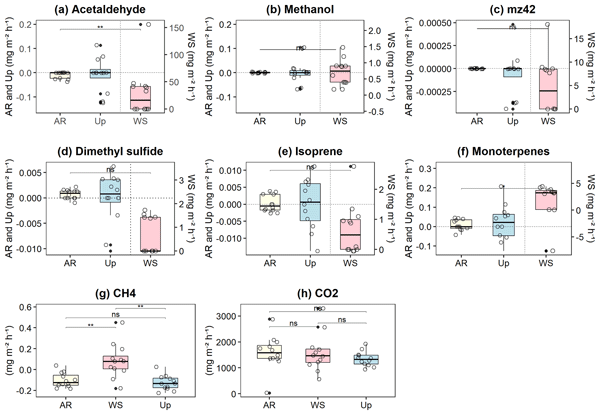
Débora Pinheiro-Oliveira, Hella van Asperen, Murielli Garcia Caetano, Michelle Robin, Achim Edtbauer, Nora Zannoni, Joseph Byron, Jonathan Williams, Layon Oreste Demarchi, Maria Teresa Fernandez Piedade, Jochen Schöngart, Florian Wittmann, Sergio Duvoisin-Junior, Carla Batista, Rodrigo Augusto Ferreira de Souza, and Eliane Gomes Alves
Biogeosciences, 23, 2451–2476, https://doi.org/10.5194/bg-23-2451-2026, https://doi.org/10.5194/bg-23-2451-2026, 2026
Short summary
Short summary
Forests release trace gases that influence air and climate. While plants are the main source, soil and leaf litter can also release significant amounts, especially in tropical forests like the Amazon. We measured these fluxes in different forest types and found soil and litter to be active sources and sinks. This can improves climate models by including realistic forest processes, vital for understanding and protecting the Amazon.
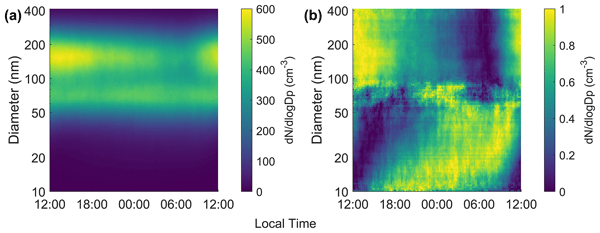
Bruno B. Meller, Marco A. Franco, Rafael Valiati, Christopher Pöhlker, Luiz A. T. Machado, Florian Ditas, Leslie A. Kremper, Subha S. Raj, Cleo Q. Dias-Júnior, Flávio A. F. D'Oliveira, Luciana V. Rizzo, Ulrich Pöschl, and Paulo Artaxo
Atmos. Chem. Phys., 26, 4885–4899, https://doi.org/10.5194/acp-26-4885-2026, https://doi.org/10.5194/acp-26-4885-2026, 2026
Short summary
Short summary
Aerosols are tiny particles that help clouds form and influence the climate. In the Amazon, clear events of new aerosol particle formation are rare, making it difficult to explain their origin. Using ten years of measurements, we discovered a subtle but frequent process called Quiet New Particle Formation. This hidden mechanism slowly produces and grows small particles and is responsible for nearly half of the smallest aerosols observed during the wet season.
Noelia R. Benavente, Santiago Botía, Luciana V. Rizzo, Angel Vara-Vela, Paulo Artaxo, Hella van Asperen, Felipe Santos da Silva, Flavio A. F. D'Oliveira, Horst Fischer, Michał Gałkowski, Theo Glauch, Alice Henkes, David Ho, Cléo Q. Dias-Júnior, Amauri C. P. Junior, Julia Marshall, Linda Ort, Ben-Hur M. Portella, and Luiz A. T. Machado
EGUsphere, https://doi.org/10.5194/egusphere-2026-979, https://doi.org/10.5194/egusphere-2026-979, 2026
This preprint is open for discussion and under review for Atmospheric Chemistry and Physics (ACP).
Short summary
Short summary
The Amazon Basin plays a vital role in regulating Earth's climate by absorbing and releasing carbon dioxide and methane. We studied how a high-resolution atmospheric transport model captures these gases, comparing it with measurements from towers and aircraft over the forest. Adjusting for forest carbon exchange improved carbon dioxide results, while methane levels were heavily dependent on emission estimates. Remaining errors were linked to winds and atmospheric mixing.
Andries-Jan de Vries, Steven B. Feldstein, Jake W. Casselman, Georgios Fragkoulidis, Jos Lelieveld, and Daniela I. V. Domeisen
EGUsphere, https://doi.org/10.5194/egusphere-2026-1569, https://doi.org/10.5194/egusphere-2026-1569, 2026
Short summary
Short summary
Precipitation in the arid Middle East experiences large year-to-year variations with direct relevance to droughts and floods. This study quantifies the influence of ENSO on Middle East precipitation variability at local and regional scales during the cool season. Three mechanisms contribute to precipitation anomalies: a meridional shift in the subtropical jet, a barotropic Rossby wave response in the extratropics, and a baroclinic response in the regional tropical circulation.
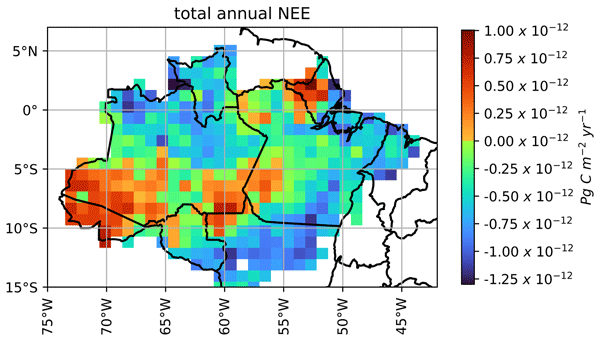
Amauri C. Prudente Jr., Luiz A. T. Machado, Felipe S. Silva, Tercio Ambrizzi, Paulo Artaxo, Santiago Botia, Luan P. Cordeiro, Cleo Q. Dias Jr., Edmilson Freitas, Demerval S. Moreira, Christopher Pöhlker, Ivan M. C. Toro, Xiyan Xu, and Luciana V. Rizzo
Biogeosciences, 23, 1771–1793, https://doi.org/10.5194/bg-23-1771-2026, https://doi.org/10.5194/bg-23-1771-2026, 2026
Short summary
Short summary
This study propoes a new method of spatialization to estimate carbon fluxes in the Brazilian Amazon biome. To do so, was used a land surface model (JULES) and two vegetation properties. The results of this spatialization resulted in a carbon fluxes of -1.34 Pg C during the year of 2021 in the entire Brazilian Amazon biome being the states of Amapa and Acre main relevant regions of carbon source.
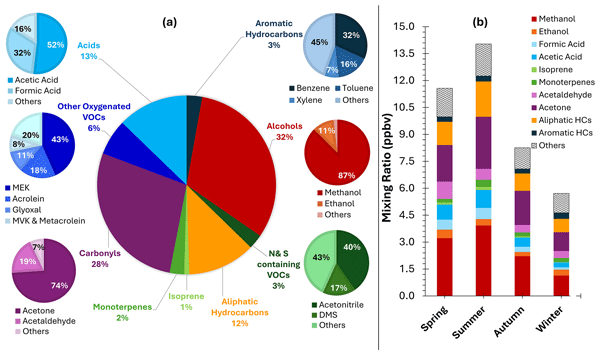
Anchal Garg, Maximilien Desservettaz, Aliki Christodoulou, Theodoros Christoudias, Vijay Punjaji Kanawade, Chrysanthos Savvides, Mihalis Vrekoussis, Shahid Naqui, Tuija Jokinen, Joseph Byron, Jonathan Williams, Nikos Mihalopoulos, Eleni Liakakou, Jean Sciare, and Efstratios Bourtsoukidis
Atmos. Chem. Phys., 26, 2597–2622, https://doi.org/10.5194/acp-26-2597-2026, https://doi.org/10.5194/acp-26-2597-2026, 2026
Short summary
Short summary
This study reports multi-year (2022–2024) measurements of 76 volatile organic compounds (VOCs) at a rural site in Cyprus. Oxygenated VOCs were the most abundant and showed strong daytime increases due to sunlight-driven chemistry. Air-mass analysis showed that transport from Middle East strongly influenced aromatic VOC levels. Climate–chemistry modeling underestimated most VOCs, highlighting gaps in current emission and chemical processes.
Anna C. Huitema, Vincent S. de Feiter, Raquel González-Armas, Oscar K. Hartogensis, Hella van Asperen, Cleo Quaresma Dias-Júnior, and Jordi Vilà-Guerau de Arellano
EGUsphere, https://doi.org/10.5194/egusphere-2026-684, https://doi.org/10.5194/egusphere-2026-684, 2026
Short summary
Short summary
We investigated nighttime CO2 exchange within and above the Amazon rainforest canopy using observations from the CloudRoots-Amazon22 campaign. Two atmospheric regimes were identified: a turbulent state, in which CO2 exchange between the within- and above-canopy layers was enhanced, and a calm state, with little turbulence and minimal exchange between the layers. Our results indicate that accounting for these two regimes is essential to reproduce nighttime CO2 dynamics correctly.
Anna Martin, Klaus Klingmüller, Benedikt Steil, Sergey Gromov, Yu-Ri Lee, Dong Yeong Chang, Nic Surawski, Jos Lelieveld, Sujong Jeong, and Andrea Pozzer
EGUsphere, https://doi.org/10.5194/egusphere-2026-371, https://doi.org/10.5194/egusphere-2026-371, 2026
Short summary
Short summary
We evaluate a new model simulating soil uptake of methane and hydrogen from the atmosphere. Coupled to an atmospheric chemistry and land surface model, it accounts for weather and soil conditions. Our results match observations, showing accurate removal depending on soil properties, temperature, moisture, and atmospheric conditions. This work improves the model’s ability to represent natural cycles of methane and hydrogen.
Yihan Zou, Jianzhong Ma, Ningwei Liu, Weili Lin, Xiaobin Xu, Yunjia Li, Siyang Cheng, Xiangdong Zheng, Andrea Pozzer, and Jos Lelieveld
EGUsphere, https://doi.org/10.5194/egusphere-2026-499, https://doi.org/10.5194/egusphere-2026-499, 2026
Short summary
Short summary
Our EMAC simulations including the ozone-source-tracing technique show strong seasonal and daily variability in the contributions of ozone from various stratospheric and tropospheric sources to surface ozone over the Tibetan Plateau (TP). Stratospheric contribution is highest in spring. Tropospheric sources from Central Asia, West Asia and Europe cause a summertime maximum over the northern TP. South and Southeast Asian sources lead to peaks in the southern and central TP during the pre-monsoon.

Nic Surawski, Benedikt Steil, Christoph Brühl, Sergey Gromov, Klaus Klingmüller, Anna Martin, Andrea Pozzer, and Jos Lelieveld
Geosci. Model Dev., 19, 911–931, https://doi.org/10.5194/gmd-19-911-2026, https://doi.org/10.5194/gmd-19-911-2026, 2026
Short summary
Short summary
Hydrogen usage will likely increase to achieve net zero emission targets. We undertook calculations with an Earth system model using a high-performance computer to explore hydrogen atmospheric dynamics. Simulations with our model yielded highly accurate results at global scale. Correctly representing hydroxyl radicals in the model is a critical requirement for predicting hydrogen concentrations well. Our hydrogen budget is also in very good agreement with bottom-up literature estimates.
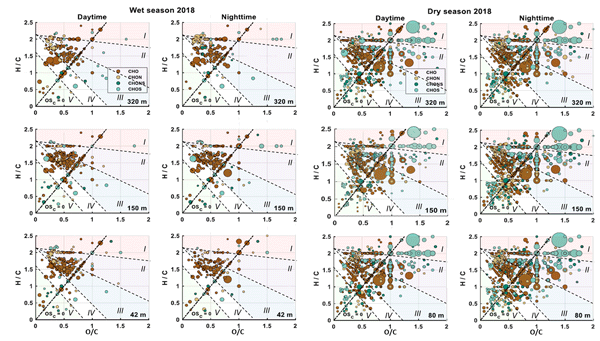
Denis Leppla, Stefanie Hildmann, Nora Zannoni, Leslie A. Kremper, Bruna A. Holanda, Jonathan Williams, Christopher Pöhlker, Stefan Wolff, Marta Sà, Maria Christina Solci, Ulrich Pöschl, and Thorsten Hoffmann
Atmos. Chem. Phys., 26, 365–390, https://doi.org/10.5194/acp-26-365-2026, https://doi.org/10.5194/acp-26-365-2026, 2026
Short summary
Short summary
The chemical composition of organic particles in the Amazon rainforest was investigated to understand how biogenic and human emissions influence the atmosphere in this unique ecosystem. Seasonal patterns were found where wet seasons were dominated by biogenic compounds from natural sources while dry seasons showed increased fire-related pollutants. These findings reveal how emissions, fires and long-range transport affect atmospheric chemistry, with implications for climate models.
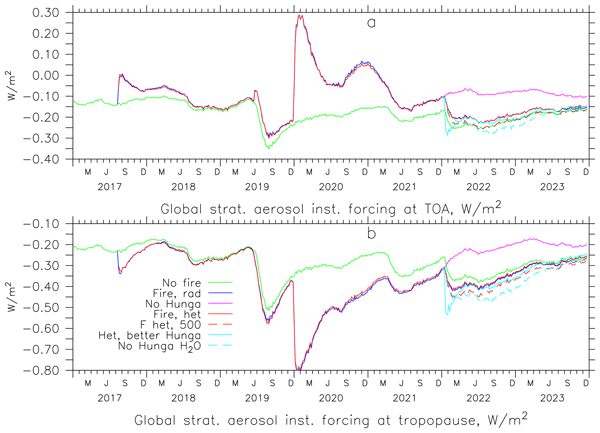
Christoph Brühl, Matthias Kohl, and Jos Lelieveld
Atmos. Chem. Phys., 25, 18697–18718, https://doi.org/10.5194/acp-25-18697-2025, https://doi.org/10.5194/acp-25-18697-2025, 2025
Short summary
Short summary
Simulations with a comprehensive chemistry-climate model show that organic aerosol from recent major forest fires strongly enhances heterogeneous ozone depletion by chlorine in the middle and high latitude lower stratosphere, supported by satellite observations. This sunlight-absorbing, self-lofting aerosol perturbs the radiation budget and stratospheric dynamics differently from major volcanic eruptions, which are also included in this study.
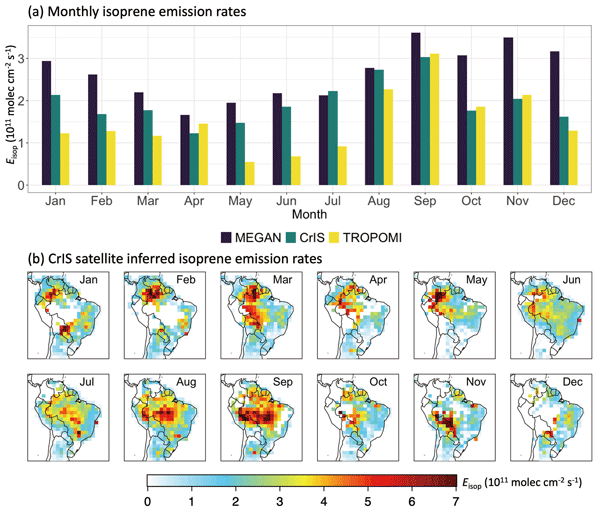
Shihan Sun, Paul I. Palmer, Richard Siddans, Brian J. Kerridge, Lucy Ventress, Achim Edtbauer, Akima Ringsdorf, Eva Y. Pfannerstill, and Jonathan Williams
Atmos. Chem. Phys., 25, 15801–15818, https://doi.org/10.5194/acp-25-15801-2025, https://doi.org/10.5194/acp-25-15801-2025, 2025
Short summary
Short summary
Isoprene released by plants can impact atmospheric chemistry and climate. The Amazon rainforest is a major source of isoprene. We derived isoprene emissions using satellite retrievals of isoprene columns and a chemical transport model. We evaluated our isoprene emission estimates using ground-based isoprene observations and satellite retrievals of formaldehyde. We found that using satellite retrievals of isoprene can help us better understand isoprene emissions over the Amazon.
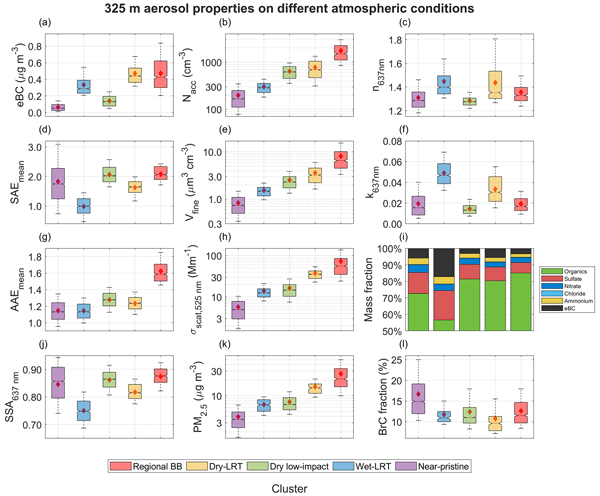
Rafael Valiati, Bruno B. Meller, Marco A. Franco, Luciana V. Rizzo, Luiz A. T. Machado, Sebastian Brill, Bruna A. Holanda, Leslie A. Kremper, Subha S. Raj, Samara Carbone, Cléo Q. Dias-Júnior, Fernando G. Morais, Meinrat O. Andreae, Ulrich Pöschl, Christopher Pöhlker, and Paulo Artaxo
Atmos. Chem. Phys., 25, 14923–14944, https://doi.org/10.5194/acp-25-14923-2025, https://doi.org/10.5194/acp-25-14923-2025, 2025
Short summary
Short summary
This study highlights the different aerosol populations that are commonly observed in the central Amazon. Vertical gradients of aerosol optical and chemical properties were evaluated on different atmospheric conditions, and showed distinct characteristics of these particles. Intercontinental transport events bring to the region particles with a contrasting chemical composition, while vertical transport processes influence the aerosol properties by promoting the development of coating and aging.
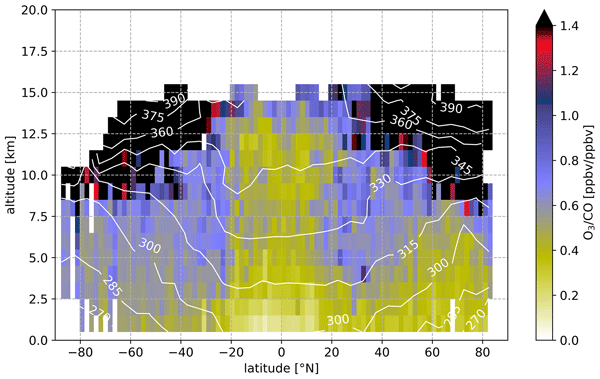
Linda Ort, Andrea Pozzer, Peter Hoor, Florian Obersteiner, Andreas Zahn, Thomas B. Ryerson, Chelsea R. Thompson, Jeff Peischl, Róisín Commane, Bruce Daube, Ilann Bourgeois, Jos Lelieveld, and Horst Fischer
Atmos. Chem. Phys., 25, 14987–15007, https://doi.org/10.5194/acp-25-14987-2025, https://doi.org/10.5194/acp-25-14987-2025, 2025
Short summary
Short summary
This study investigates the role of lightning emissions on the O3–CO ratio in the northern subtropics. We used in situ observations and a global circulation model to show an effect of up to 40 % onto the subtropical O3–CO ratio by tropical air masses transported via the Hadley cell. This influence of lightning emissions and its photochemistry has a global effect on trace and greenhouse gases and needs to be considered for global chemical distributions.
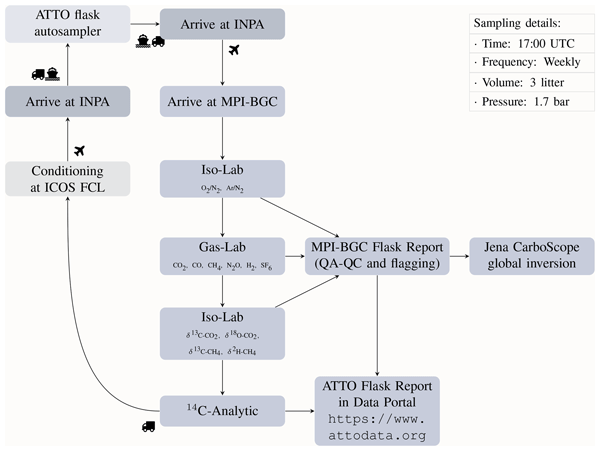
Carlos A. Sierra, Ingrid Chanca, Meinrat O. Andreae, Alessandro Carioca de Araújo, Hella van Asperen, Lars Borchardt, Santiago Botía, Luiz Antonio Candido, Caio S. C. Correa, Cléo Quaresma Dias-Junior, Markus Eritt, Annica Fröhlich, Luciana V. Gatti, Marcus Guderle, Samuel Hammer, Martin Heimann, Viviana Horna, Armin Jordan, Steffen Knabe, Richard Kneißl, Jost Valentin Lavric, Ingeborg Levin, Kita Macario, Juliana Menger, Heiko Moossen, Carlos Alberto Quesada, Michael Rothe, Christian Rödenbeck, Yago Santos, Axel Steinhof, Bruno Takeshi, Susan Trumbore, and Sönke Zaehle
Earth Syst. Sci. Data, 17, 5871–5884, https://doi.org/10.5194/essd-17-5871-2025, https://doi.org/10.5194/essd-17-5871-2025, 2025
Short summary
Short summary
We present here a unique dataset of atmospheric observations of greenhouse gases and isotopes that provide key information on land-atmosphere interactions for the Amazon forests of central Brazil. The data show a relatively large level of variability, but also important trends in greenhouse gases, and signals from fires as well as seasonal biological activity.
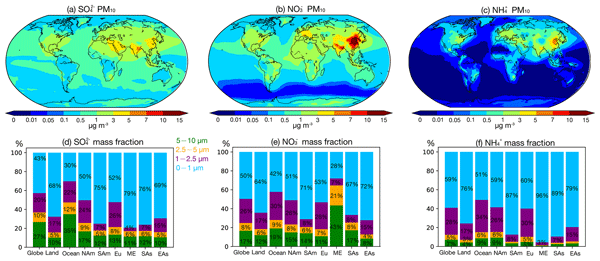
Xurong Wang, Alexandra P. Tsimpidi, Zhenqi Luo, Benedikt Steil, Andrea Pozzer, Jos Lelieveld, and Vlassis A. Karydis
Atmos. Chem. Phys., 25, 10559–10586, https://doi.org/10.5194/acp-25-10559-2025, https://doi.org/10.5194/acp-25-10559-2025, 2025
Short summary
Short summary
Ammonia (NH3) is an abundant alkaline gas and key precursor in particulate matter formation. While SO2 and NOx emissions have decreased, global NH3 emissions are stable or rising. This study investigates NH3 emission impacts on size-resolved aerosol composition and acidity using the EMAC (ECHAM5/MESSy Atmospheric Chemistry) model, analyzing three emission schemes. Sulfate–nitrate–ammonium aerosols in fine-mode sizes are most sensitive to NH3 changes. Regional responses vary. NH3 buffers aerosol acidity, mitigating pH shifts.

Ryan Vella, Sergey Gromov, Clara M. Nussbaumer, Laura Stecher, Matthias Kohl, Samuel Ruhl, Holger Tost, Jos Lelieveld, and Andrea Pozzer
Atmos. Chem. Phys., 25, 9885–9904, https://doi.org/10.5194/acp-25-9885-2025, https://doi.org/10.5194/acp-25-9885-2025, 2025
Short summary
Short summary
This work examines the impact of replacing forests with farmland and grazing areas on atmospheric composition. Using a global climate–chemistry model, we found that deforestation reduces biogenic volatile organic compounds (BVOCs), increases farming emissions, and shifts ozone chemistry. These changes result in a slight cooling effect on the climate. Restoring natural vegetation could reverse some of these effects.
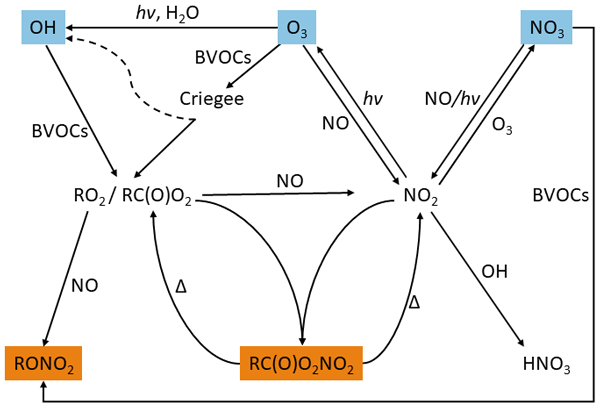
Simone T. Andersen, Rolf Sander, Patrick Dewald, Laura Wüst, Tobias Seubert, Gunther N. T. E. Türk, Jan Schuladen, Max R. McGillen, Chaoyang Xue, Abdelwahid Mellouki, Alexandre Kukui, Vincent Michoud, Manuela Cirtog, Mathieu Cazaunau, Astrid Bauville, Hichem Bouzidi, Paola Formenti, Cyrielle Denjean, Jean-Claude Etienne, Olivier Garrouste, Christopher Cantrell, Jos Lelieveld, and John N. Crowley
Atmos. Chem. Phys., 25, 5893–5909, https://doi.org/10.5194/acp-25-5893-2025, https://doi.org/10.5194/acp-25-5893-2025, 2025
Short summary
Short summary
Measurements and modelling of reactive nitrogen gases observed in a suburban temperate forest in Rambouillet, France, circa 50 km southwest of Paris in 2022 indicate that the biosphere rapidly scavenges organic nitrates of mixed biogenic and anthropogenic origin, resulting in short lifetimes for, for example, alkyl nitrates and peroxy nitrates.
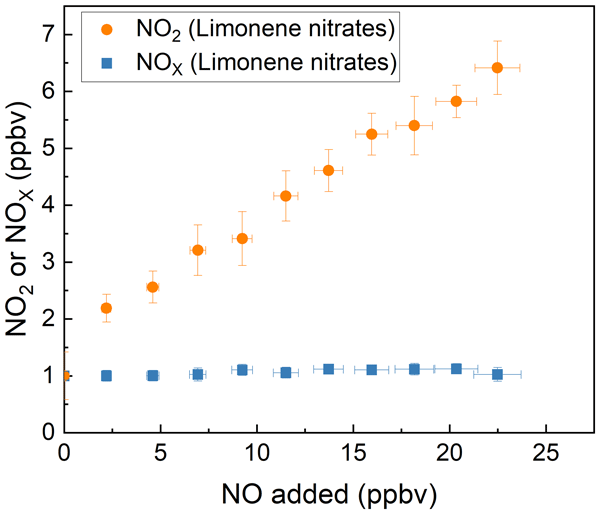
Laura Wüst, Patrick Dewald, Gunther N. T. E. Türk, Jos Lelieveld, and John N. Crowley
Atmos. Meas. Tech., 18, 1943–1959, https://doi.org/10.5194/amt-18-1943-2025, https://doi.org/10.5194/amt-18-1943-2025, 2025
Short summary
Short summary
Detection of NO2 via cavity ring-down spectroscopy (CRDS) after thermal dissociation (TD) of alkyl and peroxy nitrates can be used to detect total atmospheric organic nitrates originating from the interaction between biogenic emissions of volatile organic compounds and nitrogen oxides of anthropogenic origin. Here we present an improved TD-CRDS technique that avoids systematic bias resulting from secondary chemistry in the heated inlets and that can be deployed in regions with strong biogenic emissions.
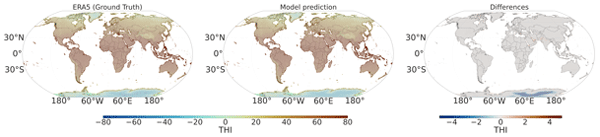
Pantelis Georgiades, Theo Economou, Yiannis Proestos, Jose Araya, Jos Lelieveld, and Marco Neira
Earth Syst. Sci. Data, 17, 1153–1171, https://doi.org/10.5194/essd-17-1153-2025, https://doi.org/10.5194/essd-17-1153-2025, 2025
Short summary
Short summary
Climate change is posing increasing challenges in the dairy cattle farming sector, as heat stress adversely affects the animals' health and milk production. To accurately assess these impacts, we developed a machine learning model to downscale daily climate data to hourly Temperature Humidity Index (THI) values. We utilized historical weather data to train our model and applied them to future climate projections, under two climate scenarios.
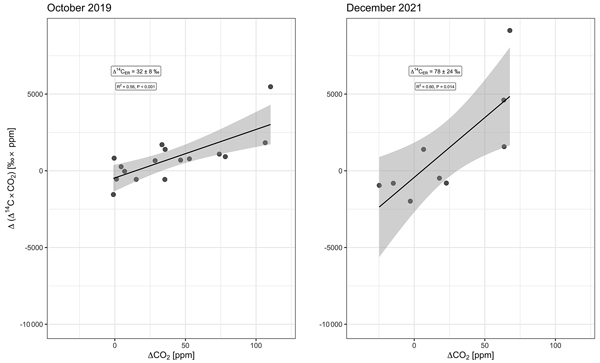
Ingrid Chanca, Ingeborg Levin, Susan Trumbore, Kita Macario, Jost Lavric, Carlos Alberto Quesada, Alessandro Carioca de Araújo, Cléo Quaresma Dias Júnior, Hella van Asperen, Samuel Hammer, and Carlos A. Sierra
Biogeosciences, 22, 455–472, https://doi.org/10.5194/bg-22-455-2025, https://doi.org/10.5194/bg-22-455-2025, 2025
Short summary
Short summary
Assessing the net carbon (C) budget of the Amazon entails considering the magnitude and timing of C absorption and losses through respiration (transit time of C). Radiocarbon-based estimates of the transit time of C in the Amazon Tall Tower Observatory (ATTO) suggest a change in the transit time from 6 ± 2 years and 18 ± 4 years within 2 years (October 2019 and December 2021, respectively). This variability indicates that only a fraction of newly fixed C can be stored for decades or longer.
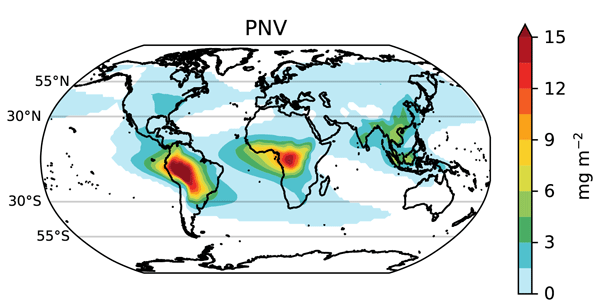
Ryan Vella, Matthew Forrest, Andrea Pozzer, Alexandra P. Tsimpidi, Thomas Hickler, Jos Lelieveld, and Holger Tost
Atmos. Chem. Phys., 25, 243–262, https://doi.org/10.5194/acp-25-243-2025, https://doi.org/10.5194/acp-25-243-2025, 2025
Short summary
Short summary
This study examines how land cover changes influence biogenic volatile organic compound (BVOC) emissions and atmospheric states. Using a coupled chemistry–climate–vegetation model, we compare present-day land cover (deforested for crops and grazing) with natural vegetation and an extreme reforestation scenario. We find that vegetation changes significantly impact global BVOC emissions and organic aerosols but have a relatively small effect on total aerosols, clouds, and radiative effects.
Luciano Emmert, Susan Trumbore, Joaquim dos Santos, Adriano Lima, Niro Higuchi, Robinson Negrón-Juárez, Cléo Dias-Júnior, Tarek El-Madany, Olaf Kolle, Gabriel Ribeiro, and Daniel Marra
EGUsphere, https://doi.org/10.5194/egusphere-2024-3234, https://doi.org/10.5194/egusphere-2024-3234, 2024
Preprint archived
Short summary
Short summary
For the first time, we documented wind gusts with the potential to damage trees in a forest in the Central Amazon. We used meteorological data collected at crown height over 24 months. We recorded 424 gusts, which occur more frequently and intensely in higher elevated areas and during the transition from the dry to the wet season. More intense rains showed the strongest relationship with extreme winds, highlighting the role of extreme events in tree mortality.
Akima Ringsdorf, Achim Edtbauer, Bruna Holanda, Christopher Poehlker, Marta O. Sá, Alessandro Araújo, Jürgen Kesselmeier, Jos Lelieveld, and Jonathan Williams
Atmos. Chem. Phys., 24, 11883–11910, https://doi.org/10.5194/acp-24-11883-2024, https://doi.org/10.5194/acp-24-11883-2024, 2024
Short summary
Short summary
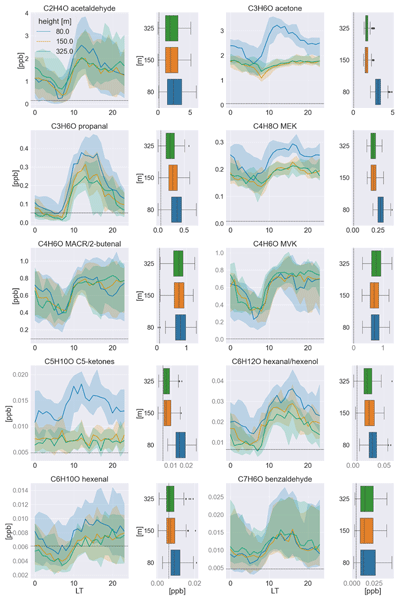
We show the average height distribution of separately observed aldehydes and ketones over a day and discuss their rainforest-specific sources and sinks as well as their seasonal changes above the Amazon. Ketones have much longer atmospheric lifetimes than aldehydes and thus different implications for atmospheric chemistry. However, they are commonly observed together, which we overcome by measuring with a NO+ chemical ionization mass spectrometer for the first time in the Amazon rainforest.
Simone T. Andersen, Max R. McGillen, Chaoyang Xue, Tobias Seubert, Patrick Dewald, Gunther N. T. E. Türk, Jan Schuladen, Cyrielle Denjean, Jean-Claude Etienne, Olivier Garrouste, Marina Jamar, Sergio Harb, Manuela Cirtog, Vincent Michoud, Mathieu Cazaunau, Antonin Bergé, Christopher Cantrell, Sebastien Dusanter, Bénédicte Picquet-Varrault, Alexandre Kukui, Abdelwahid Mellouki, Lucy J. Carpenter, Jos Lelieveld, and John N. Crowley
Atmos. Chem. Phys., 24, 11603–11618, https://doi.org/10.5194/acp-24-11603-2024, https://doi.org/10.5194/acp-24-11603-2024, 2024
Short summary
Short summary
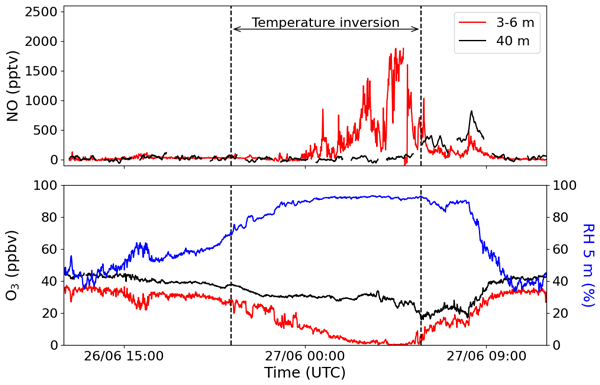
Using measurements of various trace gases in a suburban forest near Paris in the summer of 2022, we were able to gain insight into the sources and sinks of NOx (NO+NO2) with a special focus on their nighttime chemical and physical loss processes. NO was observed as a result of nighttime soil emissions when O3 levels were strongly depleted by deposition. NO oxidation products were not observed at night, indicating that soil and/or foliar surfaces are an efficient sink of reactive N.
Patrick Dewald, Tobias Seubert, Simone T. Andersen, Gunther N. T. E. Türk, Jan Schuladen, Max R. McGillen, Cyrielle Denjean, Jean-Claude Etienne, Olivier Garrouste, Marina Jamar, Sergio Harb, Manuela Cirtog, Vincent Michoud, Mathieu Cazaunau, Antonin Bergé, Christopher Cantrell, Sebastien Dusanter, Bénédicte Picquet-Varrault, Alexandre Kukui, Chaoyang Xue, Abdelwahid Mellouki, Jos Lelieveld, and John N. Crowley
Atmos. Chem. Phys., 24, 8983–8997, https://doi.org/10.5194/acp-24-8983-2024, https://doi.org/10.5194/acp-24-8983-2024, 2024
Short summary
Short summary
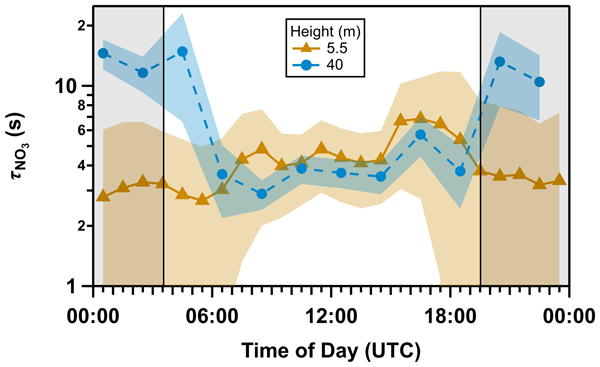
In the scope of a field campaign in a suburban forest near Paris in the summer of 2022, we measured the reactivity of the nitrate radical NO3 towards biogenic volatile organic compounds (BVOCs; e.g. monoterpenes) mainly below but also above the canopy. NO3 reactivity was the highest during nights with strong temperature inversions and decreased strongly with height. Reactions with BVOCs were the main removal process of NO3 throughout the diel cycle below the canopy.
Luiz A. T. Machado, Jürgen Kesselmeier, Santiago Botía, Hella van Asperen, Meinrat O. Andreae, Alessandro C. de Araújo, Paulo Artaxo, Achim Edtbauer, Rosaria R. Ferreira, Marco A. Franco, Hartwig Harder, Sam P. Jones, Cléo Q. Dias-Júnior, Guido G. Haytzmann, Carlos A. Quesada, Shujiro Komiya, Jost Lavric, Jos Lelieveld, Ingeborg Levin, Anke Nölscher, Eva Pfannerstill, Mira L. Pöhlker, Ulrich Pöschl, Akima Ringsdorf, Luciana Rizzo, Ana M. Yáñez-Serrano, Susan Trumbore, Wanda I. D. Valenti, Jordi Vila-Guerau de Arellano, David Walter, Jonathan Williams, Stefan Wolff, and Christopher Pöhlker
Atmos. Chem. Phys., 24, 8893–8910, https://doi.org/10.5194/acp-24-8893-2024, https://doi.org/10.5194/acp-24-8893-2024, 2024
Short summary
Short summary
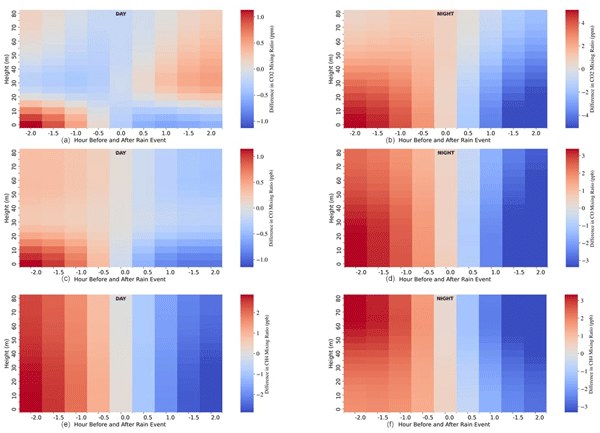
Composite analysis of gas concentration before and after rainfall, during the day and night, gives insight into the complex relationship between trace gas variability and precipitation. The analysis helps us to understand the sources and sinks of trace gases within a forest ecosystem. It elucidates processes that are not discernible under undisturbed conditions and contributes to a deeper understanding of the trace gas life cycle and its intricate interactions with cloud dynamics in the Amazon.
Pantelis Georgiades, Matthias Kohl, Mihalis A. Nicolaou, Theodoros Christoudias, Andrea Pozzer, Constantine Dovrolis, and Jos Lelieveld
Earth Syst. Sci. Data Discuss., https://doi.org/10.5194/essd-2024-314, https://doi.org/10.5194/essd-2024-314, 2024
Manuscript not accepted for further review
Short summary
Short summary
This study maps global ultrafine particle (UFP) concentrations, pollutants known to affect health, using machine learning. By combining environmental and urban data, we predicted UFP levels at a fine 1 km resolution, highlighting areas of high exposure. Our results provide data for public health policies aimed at reducing air pollution impacts. This research bridges data gaps, offering a valuable tool for understanding and mitigating the health effects of UFP exposure.
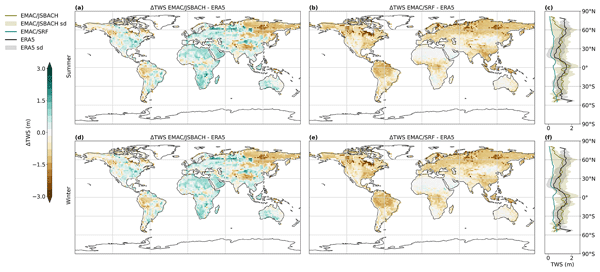
Anna Martin, Veronika Gayler, Benedikt Steil, Klaus Klingmüller, Patrick Jöckel, Holger Tost, Jos Lelieveld, and Andrea Pozzer
Geosci. Model Dev., 17, 5705–5732, https://doi.org/10.5194/gmd-17-5705-2024, https://doi.org/10.5194/gmd-17-5705-2024, 2024
Short summary
Short summary
The study evaluates the land surface and vegetation model JSBACHv4 as a replacement for the simplified submodel SURFACE in EMAC. JSBACH mitigates earlier problems of soil dryness, which are critical for vegetation modelling. When analysed using different datasets, the coupled model shows strong correlations of key variables, such as land surface temperature, surface albedo and radiation flux. The versatility of the model increases significantly, while the overall performance does not degrade.
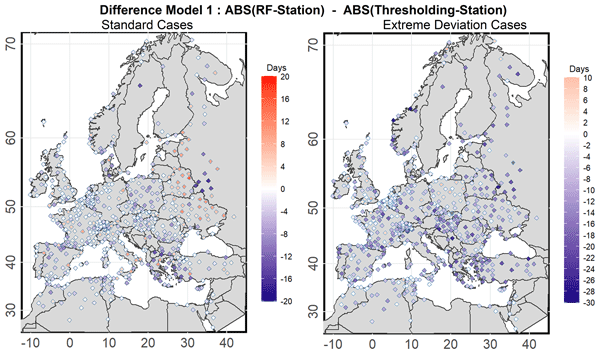
Georgia Lazoglou, Theo Economou, Christina Anagnostopoulou, George Zittis, Anna Tzyrkalli, Pantelis Georgiades, and Jos Lelieveld
Geosci. Model Dev., 17, 4689–4703, https://doi.org/10.5194/gmd-17-4689-2024, https://doi.org/10.5194/gmd-17-4689-2024, 2024
Short summary
Short summary
This study focuses on the important issue of the drizzle bias effect in regional climate models, described by an over-prediction of the number of rainy days while underestimating associated precipitation amounts. For this purpose, two distinct methodologies are applied and rigorously evaluated. These results are encouraging for using the multivariate machine learning method random forest to increase the accuracy of climate models concerning the projection of the number of wet days.

Linda Ort, Lenard Lukas Röder, Uwe Parchatka, Rainer Königstedt, Daniel Crowley, Frank Kunz, Ralf Wittkowski, Jos Lelieveld, and Horst Fischer
Atmos. Meas. Tech., 17, 3553–3565, https://doi.org/10.5194/amt-17-3553-2024, https://doi.org/10.5194/amt-17-3553-2024, 2024
Short summary
Short summary
Airborne in situ measurements are of great importance to collect valuable data to improve our knowledge of the atmosphere but also present challenges which demand specific designs. This study presents an IR spectrometer for airborne trace-gas measurements with high data efficiency and a simple, compact design. Its in-flight performance is characterized with the help of a test flight and a comparison with another spectrometer. Moreover, results from its first campaign highlight its benefits.
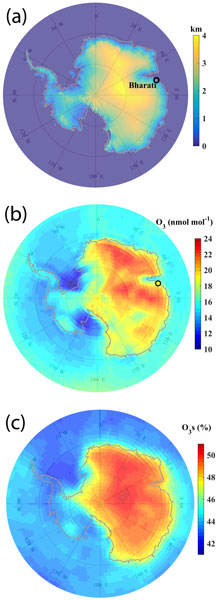
Imran A. Girach, Narendra Ojha, Prabha R. Nair, Kandula V. Subrahmanyam, Neelakantan Koushik, Mohammed M. Nazeer, Nadimpally Kiran Kumar, Surendran Nair Suresh Babu, Jos Lelieveld, and Andrea Pozzer
Atmos. Chem. Phys., 24, 1979–1995, https://doi.org/10.5194/acp-24-1979-2024, https://doi.org/10.5194/acp-24-1979-2024, 2024
Short summary
Short summary
We investigate surface ozone variability in East Antarctica based on measurements and EMAC global model simulations during austral summer. Nearly half of the surface ozone is found to be of stratospheric origin. The east coast of Antarctica acts as a stronger sink of ozone than surrounding regions. Photochemical loss of ozone is counterbalanced by downward transport of ozone. The study highlights the intertwined role of chemistry and dynamics in governing ozone variations over East Antarctica.
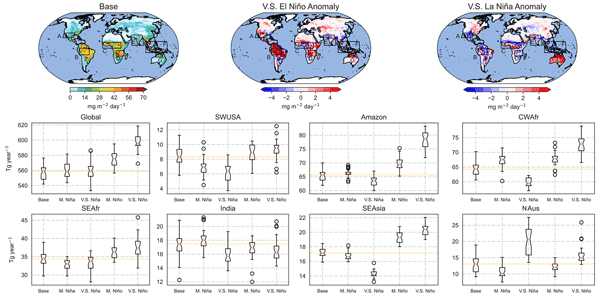
Ryan Vella, Andrea Pozzer, Matthew Forrest, Jos Lelieveld, Thomas Hickler, and Holger Tost
Biogeosciences, 20, 4391–4412, https://doi.org/10.5194/bg-20-4391-2023, https://doi.org/10.5194/bg-20-4391-2023, 2023
Short summary
Short summary
We investigated the effect of the El Niño–Southern Oscillation (ENSO) on biogenic volatile organic compound (BVOC) emissions from plants. ENSO events can cause a significant increase in these emissions, which have a long-term impact on the Earth's atmosphere. Persistent ENSO conditions can cause long-term changes in vegetation, resulting in even higher BVOC emissions. We link ENSO-induced emission anomalies with driving atmospheric and vegetational variables.
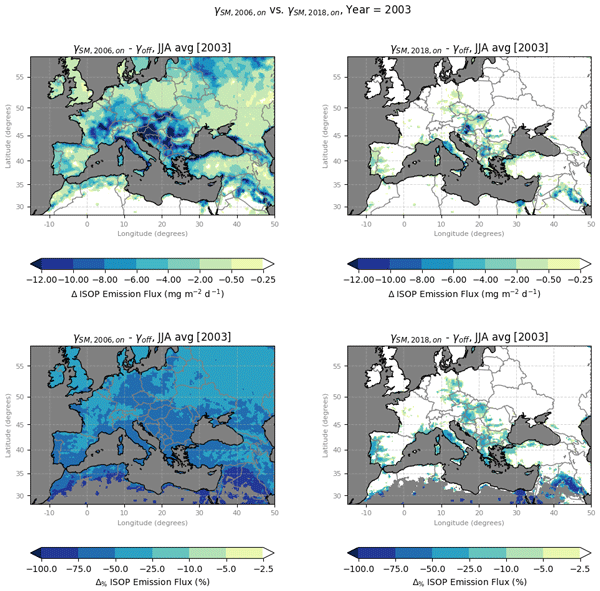
Susanna Strada, Andrea Pozzer, Graziano Giuliani, Erika Coppola, Fabien Solmon, Xiaoyan Jiang, Alex Guenther, Efstratios Bourtsoukidis, Dominique Serça, Jonathan Williams, and Filippo Giorgi
Atmos. Chem. Phys., 23, 13301–13327, https://doi.org/10.5194/acp-23-13301-2023, https://doi.org/10.5194/acp-23-13301-2023, 2023
Short summary
Short summary
Water deficit modifies emissions of isoprene, an aromatic compound released by plants that influences the production of an air pollutant such as ozone. Numerical modelling shows that, during the warmest and driest summers, isoprene decreases between −20 and −60 % over the Euro-Mediterranean region, while near-surface ozone only diminishes by a few percent. Decreases in isoprene emissions not only happen under dry conditions, but also could occur after prolonged or repeated water deficits.
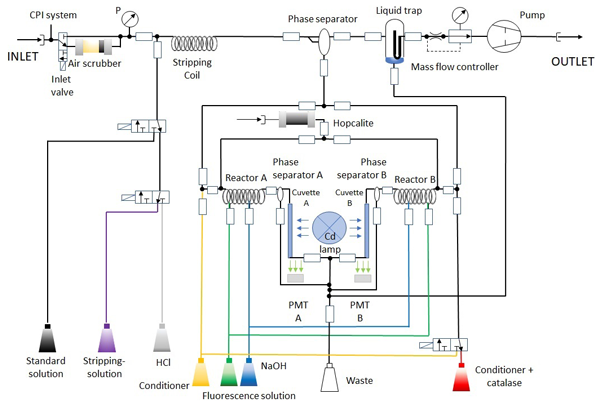
Zaneta Hamryszczak, Antonia Hartmann, Dirk Dienhart, Sascha Hafermann, Bettina Brendel, Rainer Königstedt, Uwe Parchatka, Jos Lelieveld, and Horst Fischer
Atmos. Meas. Tech., 16, 4741–4756, https://doi.org/10.5194/amt-16-4741-2023, https://doi.org/10.5194/amt-16-4741-2023, 2023
Short summary
Short summary
Hydroperoxide measurements improve the understanding of atmospheric oxidation processes. We introduce an instrumental setup for airborne measurements. The aim of the work is the characterization of the measurement method with emphasis on interferences impacting instrumental uncertainty. Technical and physical challenges do not critically impact the instrumental performance. The instrument resolves dynamic processes, such as convective transport, as shown based on the CAFE-Brazil campaign.
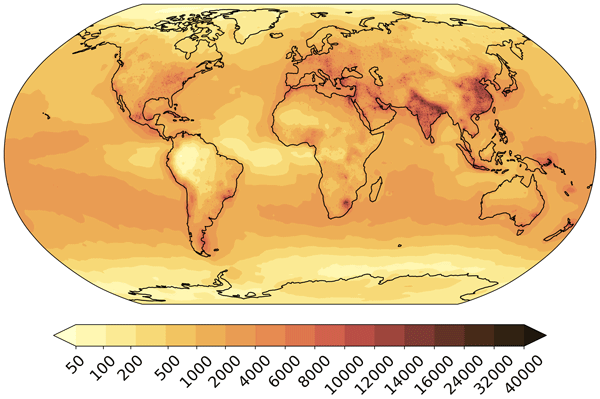
Matthias Kohl, Jos Lelieveld, Sourangsu Chowdhury, Sebastian Ehrhart, Disha Sharma, Yafang Cheng, Sachchida Nand Tripathi, Mathew Sebastian, Govindan Pandithurai, Hongli Wang, and Andrea Pozzer
Atmos. Chem. Phys., 23, 13191–13215, https://doi.org/10.5194/acp-23-13191-2023, https://doi.org/10.5194/acp-23-13191-2023, 2023
Short summary
Short summary
Knowledge on atmospheric ultrafine particles (UFPs) with a diameter smaller than 100 nm is crucial for public health and the hydrological cycle. We present a new global dataset of UFP concentrations at the Earth's surface derived with a comprehensive chemistry–climate model and evaluated with ground-based observations. The evaluation results are combined with high-resolution primary emissions to downscale UFP concentrations to an unprecedented horizontal resolution of 0.1° × 0.1°.
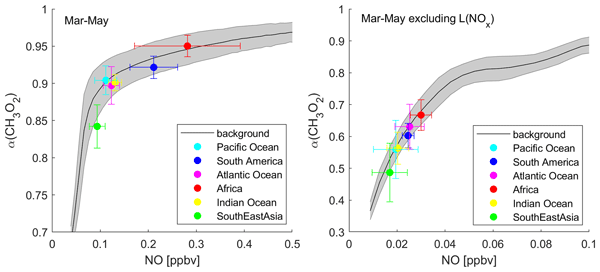
Clara M. Nussbaumer, Horst Fischer, Jos Lelieveld, and Andrea Pozzer
Atmos. Chem. Phys., 23, 12651–12669, https://doi.org/10.5194/acp-23-12651-2023, https://doi.org/10.5194/acp-23-12651-2023, 2023
Short summary
Short summary
Ozone is a greenhouse gas and contributes to the earth’s radiative energy budget and therefore to global warming. This effect is the largest in the upper troposphere. In this study, we investigate the processes controlling ozone formation and the sensitivity to its precursors in the upper tropical troposphere based on model simulations by the ECHAM5/MESSy2 Atmospheric Chemistry (EMAC) model. We find that NO𝑥 emissions from lightning most importantly affect ozone chemistry at these altitudes.
Eliane Gomes Alves, Raoni Aquino Santana, Cléo Quaresma Dias-Júnior, Santiago Botía, Tyeen Taylor, Ana Maria Yáñez-Serrano, Jürgen Kesselmeier, Efstratios Bourtsoukidis, Jonathan Williams, Pedro Ivo Lembo Silveira de Assis, Giordane Martins, Rodrigo de Souza, Sérgio Duvoisin Júnior, Alex Guenther, Dasa Gu, Anywhere Tsokankunku, Matthias Sörgel, Bruce Nelson, Davieliton Pinto, Shujiro Komiya, Diogo Martins Rosa, Bettina Weber, Cybelli Barbosa, Michelle Robin, Kenneth J. Feeley, Alvaro Duque, Viviana Londoño Lemos, Maria Paula Contreras, Alvaro Idarraga, Norberto López, Chad Husby, Brett Jestrow, and Iván Mauricio Cely Toro
Atmos. Chem. Phys., 23, 8149–8168, https://doi.org/10.5194/acp-23-8149-2023, https://doi.org/10.5194/acp-23-8149-2023, 2023
Short summary
Short summary
Isoprene is emitted mainly by plants and can influence atmospheric chemistry and air quality. But, there are uncertainties in model emission estimates and follow-up atmospheric processes. In our study, with long-term observational datasets of isoprene and biological and environmental factors from central Amazonia, we show that isoprene emission estimates could be improved when biological processes were mechanistically incorporated into the model.
Seyed Omid Nabavi, Theodoros Christoudias, Yiannis Proestos, Christos Fountoukis, Huda Al-Sulaiti, and Jos Lelieveld
Atmos. Chem. Phys., 23, 7719–7739, https://doi.org/10.5194/acp-23-7719-2023, https://doi.org/10.5194/acp-23-7719-2023, 2023
Short summary
Short summary
The objective of our study is to comprehensively assess the timing of radioactive material transportation and deposition, along with the associated population exposure in the designated region. We employed diverse meteorological inputs, emission specifics, and simulation codes, aiming to quantify the level of uncertainty.
Klaus Klingmüller and Jos Lelieveld
Geosci. Model Dev., 16, 3013–3028, https://doi.org/10.5194/gmd-16-3013-2023, https://doi.org/10.5194/gmd-16-3013-2023, 2023
Short summary
Short summary
Desert dust has significant impacts on climate, public health, infrastructure and ecosystems. An impact assessment requires numerical predictions, which are challenging because the dust emissions are not well known. We present a novel approach using satellite observations and machine learning to more accurately estimate the emissions and to improve the model simulations.
Zaneta Hamryszczak, Dirk Dienhart, Bettina Brendel, Roland Rohloff, Daniel Marno, Monica Martinez, Hartwig Harder, Andrea Pozzer, Birger Bohn, Martin Zöger, Jos Lelieveld, and Horst Fischer
Atmos. Chem. Phys., 23, 5929–5943, https://doi.org/10.5194/acp-23-5929-2023, https://doi.org/10.5194/acp-23-5929-2023, 2023
Short summary
Short summary
Hydrogen peroxide is a key contributor to the oxidative chemistry of the atmosphere through its link to the most prominent oxidants controlling its self-cleansing capacity, HOx. During the CAFE-Africa campaign, H2O2 was measured over the Atlantic Ocean and western Africa in August/September 2018. The study gives an overview of the distribution of H2O2 in the upper tropical troposphere and investigates the impact of convective processes in the Intertropical Convergence Zone on the budget of H2O2.
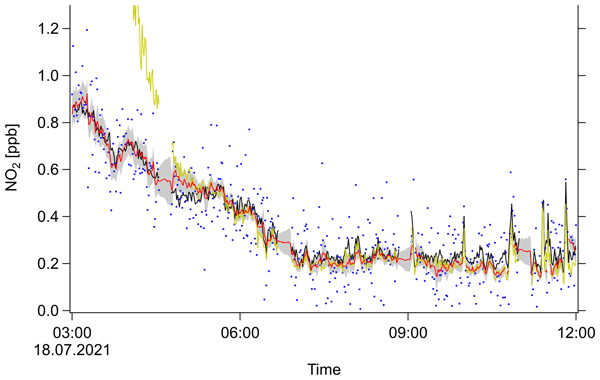
Lenard L. Röder, Patrick Dewald, Clara M. Nussbaumer, Jan Schuladen, John N. Crowley, Jos Lelieveld, and Horst Fischer
Atmos. Meas. Tech., 16, 1167–1178, https://doi.org/10.5194/amt-16-1167-2023, https://doi.org/10.5194/amt-16-1167-2023, 2023
Short summary
Short summary
Field experiments in atmospheric chemistry provide insights into chemical interactions of our atmosphere. However, high data coverage and accuracy are needed to enable further analysis. In this study, we explore a statistical method that combines knowledge about the chemical reactions with information from measurements to increase the quality of field experiment datasets. We test the algorithm for several applications and discuss limitations that depend on the specific variable and the dynamics.
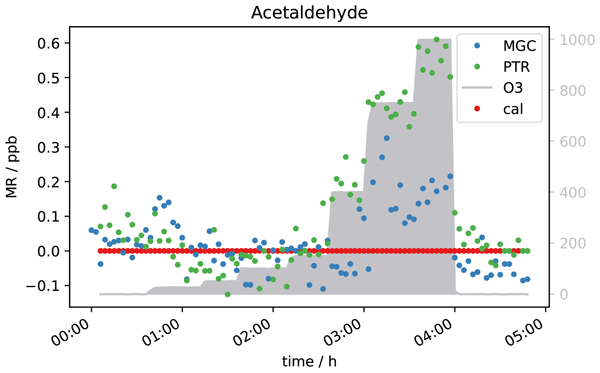
Lisa Ernle, Monika Akima Ringsdorf, and Jonathan Williams
Atmos. Meas. Tech., 16, 1179–1194, https://doi.org/10.5194/amt-16-1179-2023, https://doi.org/10.5194/amt-16-1179-2023, 2023
Short summary
Short summary
Atmospheric ozone can induce artefacts in volatile organic compound measurements. Laboratory tests were made using GC-MS and PTR-MS aircraft systems under tropospheric and stratospheric conditions of humidity and ozone, with and without sodium thiosulfate filter scrubbers. Ozone in dry air produces some carbonyls and degrades alkenes. The scrubber lifetime depends on ozone concentration, flow rate and humidity. For the troposphere with scrubber, no significant artefacts were found over 14 d.
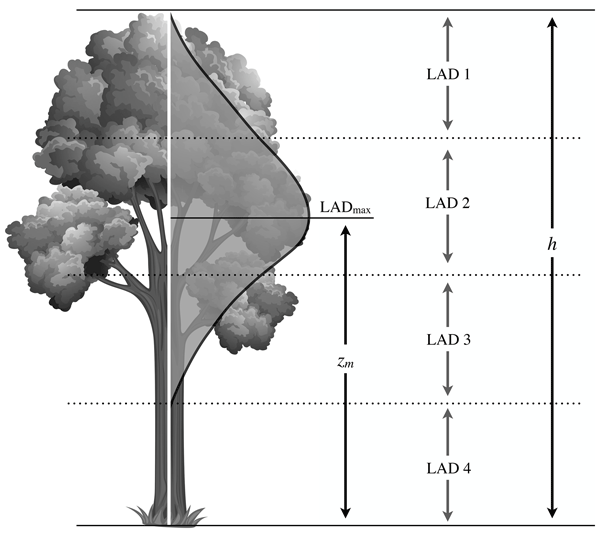
Ryan Vella, Matthew Forrest, Jos Lelieveld, and Holger Tost
Geosci. Model Dev., 16, 885–906, https://doi.org/10.5194/gmd-16-885-2023, https://doi.org/10.5194/gmd-16-885-2023, 2023
Short summary
Short summary
Biogenic volatile organic compounds (BVOCs) are released by vegetation and have a major impact on atmospheric chemistry and aerosol formation. Non-interacting vegetation constrains the majority of numerical models used to estimate global BVOC emissions, and thus, the effects of changing vegetation on emissions are not addressed. In this work, we replace the offline vegetation with dynamic vegetation states by linking a chemistry–climate model with a global dynamic vegetation model.
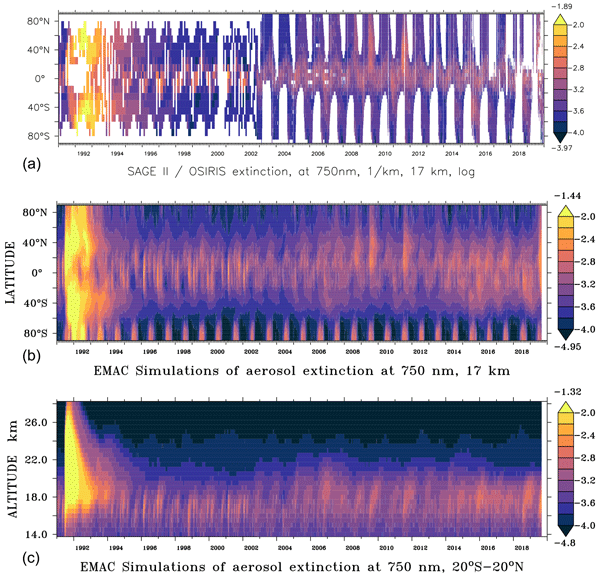
Jennifer Schallock, Christoph Brühl, Christine Bingen, Michael Höpfner, Landon Rieger, and Jos Lelieveld
Atmos. Chem. Phys., 23, 1169–1207, https://doi.org/10.5194/acp-23-1169-2023, https://doi.org/10.5194/acp-23-1169-2023, 2023
Short summary
Short summary
We characterized the influence of volcanic aerosols for the period 1990–2019 and established a volcanic SO2 emission inventory that includes more than 500 eruptions. From limb-based satellite observations of SO2 and extinction, we derive 3D plumes of SO2 perturbations and injected mass by a novel method. We calculate instantaneous radiative forcing with a comprehensive chemisty climate model. Our results show that smaller eruptions can also contribute to the stratospheric aerosol forcing.
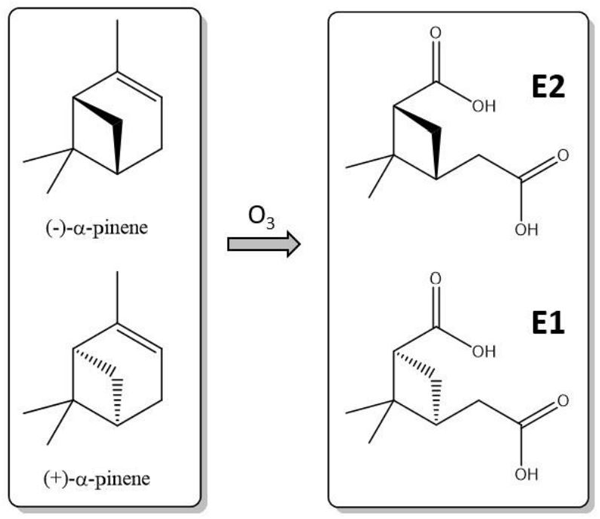
Denis Leppla, Nora Zannoni, Leslie Kremper, Jonathan Williams, Christopher Pöhlker, Marta Sá, Maria Christina Solci, and Thorsten Hoffmann
Atmos. Chem. Phys., 23, 809–820, https://doi.org/10.5194/acp-23-809-2023, https://doi.org/10.5194/acp-23-809-2023, 2023
Short summary
Short summary
Chiral chemodiversity plays a critical role in biochemical processes such as insect and plant communication. Here we report on the measurement of chiral-specified secondary organic aerosol in the Amazon rainforest. The results show that the chiral ratio is mainly determined by large-scale emission processes. Characteristic emissions of chiral aerosol precursors from different forest ecosystems can thus provide large-scale information on different biogenic sources via chiral particle analysis.

Mohamed Abdelkader, Georgiy Stenchikov, Andrea Pozzer, Holger Tost, and Jos Lelieveld
Atmos. Chem. Phys., 23, 471–500, https://doi.org/10.5194/acp-23-471-2023, https://doi.org/10.5194/acp-23-471-2023, 2023
Short summary
Short summary
We study the effect of injected volcanic ash, water vapor, and SO2 on the development of the volcanic cloud and the stratospheric aerosol optical depth (AOD). Both are sensitive to the initial injection height and to the aging of the volcanic ash shaped by heterogeneous chemistry coupled with the ozone cycle. The paper explains the large differences in AOD for different injection scenarios, which could improve the estimate of the radiative forcing of volcanic eruptions.
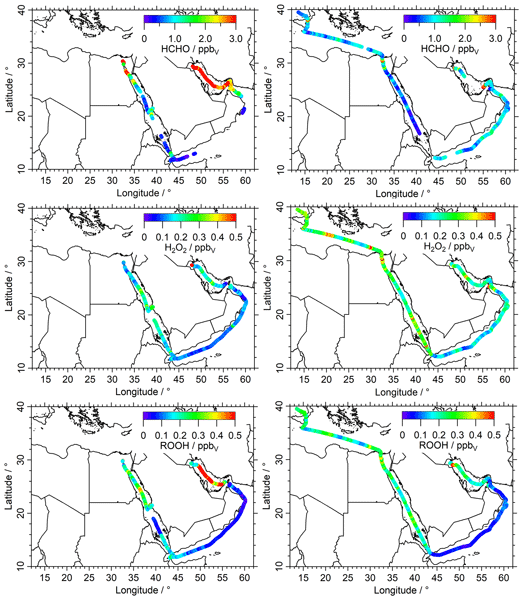
Dirk Dienhart, Bettina Brendel, John N. Crowley, Philipp G. Eger, Hartwig Harder, Monica Martinez, Andrea Pozzer, Roland Rohloff, Jan Schuladen, Sebastian Tauer, David Walter, Jos Lelieveld, and Horst Fischer
Atmos. Chem. Phys., 23, 119–142, https://doi.org/10.5194/acp-23-119-2023, https://doi.org/10.5194/acp-23-119-2023, 2023
Short summary
Short summary
Formaldehyde and hydroperoxide measurements were performed in the marine boundary layer around the Arabian Peninsula and highlight the Suez Canal and Arabian (Persian) Gulf as a hotspot of photochemical air pollution. A comparison with the EMAC model shows that the formaldehyde results match within a factor of 2, while hydrogen peroxide was overestimated by more than a factor of 5, which revealed enhanced HOx (OH+HO2) radicals in the simulation and an underestimation of dry deposition velocites.
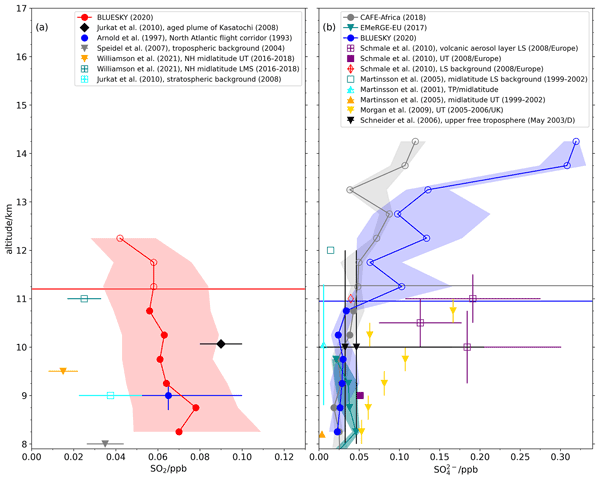
Laura Tomsche, Andreas Marsing, Tina Jurkat-Witschas, Johannes Lucke, Stefan Kaufmann, Katharina Kaiser, Johannes Schneider, Monika Scheibe, Hans Schlager, Lenard Röder, Horst Fischer, Florian Obersteiner, Andreas Zahn, Martin Zöger, Jos Lelieveld, and Christiane Voigt
Atmos. Chem. Phys., 22, 15135–15151, https://doi.org/10.5194/acp-22-15135-2022, https://doi.org/10.5194/acp-22-15135-2022, 2022
Short summary
Short summary
The detection of sulfur compounds in the upper troposphere (UT) and lower stratosphere (LS) is a challenge. In-flight measurements of SO2 and sulfate aerosol were performed during the BLUESKY mission in spring 2020 under exceptional atmospheric conditions. Reduced sinks in the dry UTLS and lower but still significant air traffic influenced the enhanced SO2 in the UT, and aged volcanic plumes enhanced the LS sulfate aerosol impacting the atmospheric radiation budget and global climate.
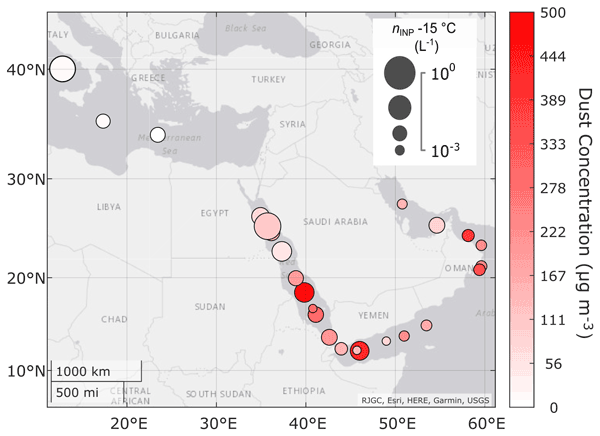
Charlotte M. Beall, Thomas C. J. Hill, Paul J. DeMott, Tobias Köneman, Michael Pikridas, Frank Drewnick, Hartwig Harder, Christopher Pöhlker, Jos Lelieveld, Bettina Weber, Minas Iakovides, Roman Prokeš, Jean Sciare, Meinrat O. Andreae, M. Dale Stokes, and Kimberly A. Prather
Atmos. Chem. Phys., 22, 12607–12627, https://doi.org/10.5194/acp-22-12607-2022, https://doi.org/10.5194/acp-22-12607-2022, 2022
Short summary
Short summary
Ice-nucleating particles (INPs) are rare aerosols that can trigger ice formation in clouds and affect climate-relevant cloud properties such as phase, reflectivity and lifetime. Dust is the dominant INP source, yet few measurements have been reported near major dust sources. We report INP observations within hundreds of kilometers of the biggest dust source regions globally: the Sahara and the Arabian Peninsula. Results show that at temperatures > −15 °C, INPs are dominated by organics.
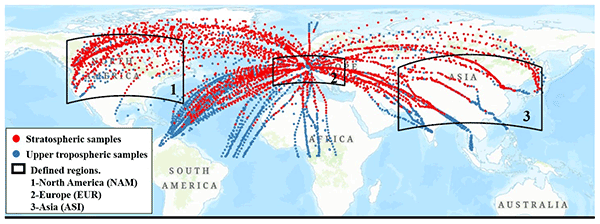
Mengze Li, Andrea Pozzer, Jos Lelieveld, and Jonathan Williams
Earth Syst. Sci. Data, 14, 4351–4364, https://doi.org/10.5194/essd-14-4351-2022, https://doi.org/10.5194/essd-14-4351-2022, 2022
Short summary
Short summary
We present a northern hemispheric airborne measurement dataset of atmospheric ethane, propane and methane and temporal trends for the time period 2006–2016 in the upper troposphere and lower stratosphere. The growth rates of ethane, methane, and propane in the upper troposphere are -2.24, 0.33, and -0.78 % yr-1, respectively, and in the lower stratosphere they are -3.27, 0.26, and -4.91 % yr-1, respectively, in 2006–2016.
Therese S. Carter, Colette L. Heald, Jesse H. Kroll, Eric C. Apel, Donald Blake, Matthew Coggon, Achim Edtbauer, Georgios Gkatzelis, Rebecca S. Hornbrook, Jeff Peischl, Eva Y. Pfannerstill, Felix Piel, Nina G. Reijrink, Akima Ringsdorf, Carsten Warneke, Jonathan Williams, Armin Wisthaler, and Lu Xu
Atmos. Chem. Phys., 22, 12093–12111, https://doi.org/10.5194/acp-22-12093-2022, https://doi.org/10.5194/acp-22-12093-2022, 2022
Short summary
Short summary
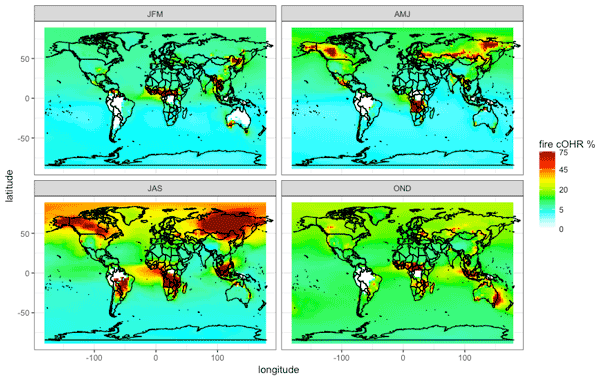
Fires emit many gases which can contribute to smog and air pollution. However, the amount and properties of these chemicals are not well understood, so this work updates and expands their representation in a global atmospheric model, including by adding new chemicals. We confirm that this updated representation generally matches measurements taken in several fire regions. We then show that fires provide ~15 % of atmospheric reactivity globally and more than 75 % over fire source regions.
Simon F. Reifenberg, Anna Martin, Matthias Kohl, Sara Bacer, Zaneta Hamryszczak, Ivan Tadic, Lenard Röder, Daniel J. Crowley, Horst Fischer, Katharina Kaiser, Johannes Schneider, Raphael Dörich, John N. Crowley, Laura Tomsche, Andreas Marsing, Christiane Voigt, Andreas Zahn, Christopher Pöhlker, Bruna A. Holanda, Ovid Krüger, Ulrich Pöschl, Mira Pöhlker, Patrick Jöckel, Marcel Dorf, Ulrich Schumann, Jonathan Williams, Birger Bohn, Joachim Curtius, Hardwig Harder, Hans Schlager, Jos Lelieveld, and Andrea Pozzer
Atmos. Chem. Phys., 22, 10901–10917, https://doi.org/10.5194/acp-22-10901-2022, https://doi.org/10.5194/acp-22-10901-2022, 2022
Short summary
Short summary
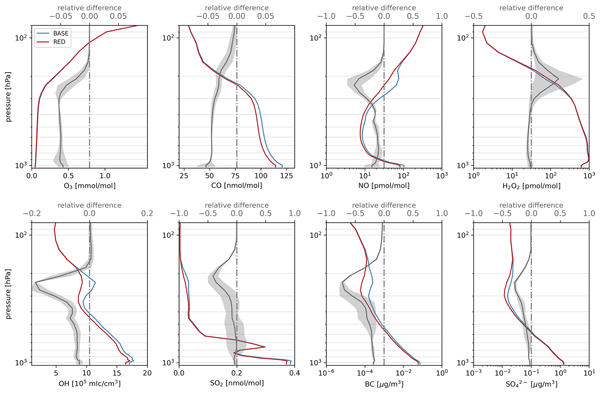
In this work we use a combination of observational data from an aircraft campaign and model results to investigate the effect of the European lockdown due to COVID-19 in spring 2020. Using model results, we show that the largest relative changes to the atmospheric composition caused by the reduced emissions are located in the upper troposphere around aircraft cruise altitude, while the largest absolute changes are present at the surface.
Zaneta T. Hamryszczak, Andrea Pozzer, Florian Obersteiner, Birger Bohn, Benedikt Steil, Jos Lelieveld, and Horst Fischer
Atmos. Chem. Phys., 22, 9483–9497, https://doi.org/10.5194/acp-22-9483-2022, https://doi.org/10.5194/acp-22-9483-2022, 2022
Short summary
Short summary
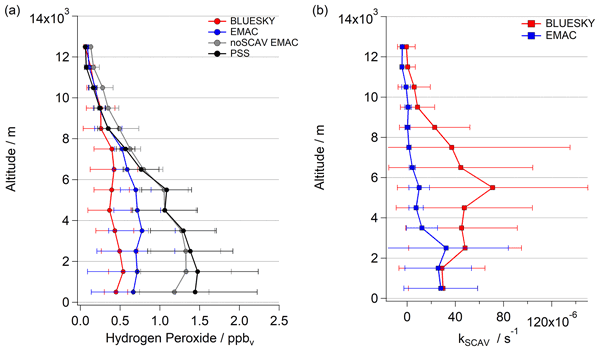
Hydrogen peroxide plays a pivotal role in the chemistry of the atmosphere. Together with organic hydroperoxides, it forms a reservoir for peroxy radicals, which are known to be the key contributors to the self-cleaning processes of the atmosphere. Hydroperoxides were measured over Europe during the BLUESKY campaign in May–June 2020. The paper gives an overview of the distribution of the species in the troposphere and investigates the impact of wet scavenging and deposition on the budget of H2O2.
Marco Wietzoreck, Marios Kyprianou, Benjamin A. Musa Bandowe, Siddika Celik, John N. Crowley, Frank Drewnick, Philipp Eger, Nils Friedrich, Minas Iakovides, Petr Kukučka, Jan Kuta, Barbora Nežiková, Petra Pokorná, Petra Přibylová, Roman Prokeš, Roland Rohloff, Ivan Tadic, Sebastian Tauer, Jake Wilson, Hartwig Harder, Jos Lelieveld, Ulrich Pöschl, Euripides G. Stephanou, and Gerhard Lammel
Atmos. Chem. Phys., 22, 8739–8766, https://doi.org/10.5194/acp-22-8739-2022, https://doi.org/10.5194/acp-22-8739-2022, 2022
Short summary
Short summary
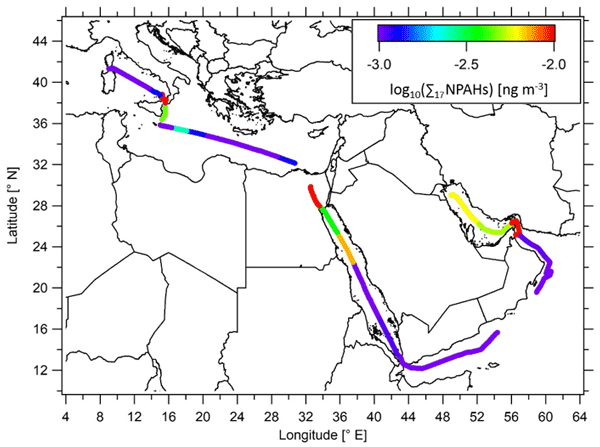
A unique dataset of concentrations and sources of polycyclic aromatic hydrocarbons (PAHs) and their alkylated, oxygenated and nitrated derivatives, in total 74 individual species, in the marine atmosphere is presented. Exposure to these substances poses a major health risk. We found very low concentrations over the Arabian Sea, while both local and long-range-transported pollution caused elevated levels over the Mediterranean Sea and the Arabian Gulf.
Ovid O. Krüger, Bruna A. Holanda, Sourangsu Chowdhury, Andrea Pozzer, David Walter, Christopher Pöhlker, Maria Dolores Andrés Hernández, John P. Burrows, Christiane Voigt, Jos Lelieveld, Johannes Quaas, Ulrich Pöschl, and Mira L. Pöhlker
Atmos. Chem. Phys., 22, 8683–8699, https://doi.org/10.5194/acp-22-8683-2022, https://doi.org/10.5194/acp-22-8683-2022, 2022
Short summary
Short summary
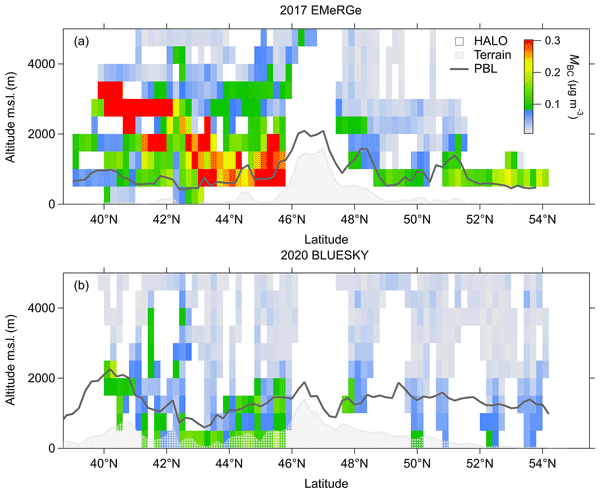
The abrupt reduction in human activities during the first COVID-19 lockdown created unprecedented atmospheric conditions. We took the opportunity to quantify changes in black carbon (BC) as a major anthropogenic air pollutant. Therefore, we measured BC on board a research aircraft over Europe during the lockdown and compared the results to measurements from 2017. With model simulations we account for different weather conditions and find a lockdown-related decrease in BC of 41 %.
Patrick Dewald, Clara M. Nussbaumer, Jan Schuladen, Akima Ringsdorf, Achim Edtbauer, Horst Fischer, Jonathan Williams, Jos Lelieveld, and John N. Crowley
Atmos. Chem. Phys., 22, 7051–7069, https://doi.org/10.5194/acp-22-7051-2022, https://doi.org/10.5194/acp-22-7051-2022, 2022
Short summary
Short summary
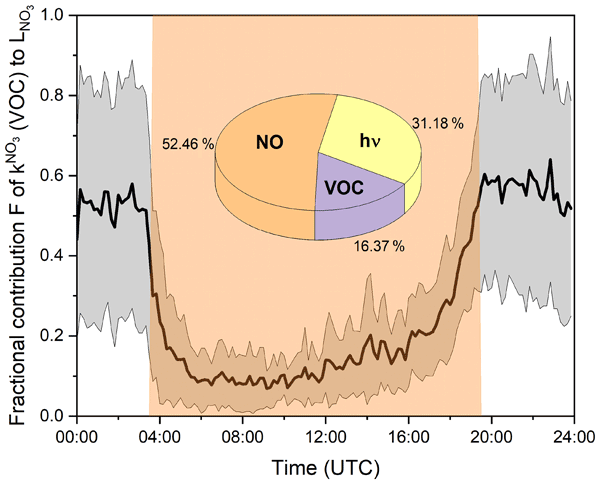
We measured the gas-phase reactivity of the NO3 radical on the summit (825 m a.s.l.) of a semi-rural mountain in southwestern Germany in July 2021. The impact of VOC-induced NO3 losses (mostly monoterpenes) competing with a loss by reaction with NO and photolysis throughout the diel cycle was estimated. Besides chemistry, boundary layer dynamics and plant-physiological processes presumably have a great impact on our observations, which were compared to previous NO3 measurements at the same site.
George K. Georgiou, Theodoros Christoudias, Yiannis Proestos, Jonilda Kushta, Michael Pikridas, Jean Sciare, Chrysanthos Savvides, and Jos Lelieveld
Geosci. Model Dev., 15, 4129–4146, https://doi.org/10.5194/gmd-15-4129-2022, https://doi.org/10.5194/gmd-15-4129-2022, 2022
Short summary
Short summary
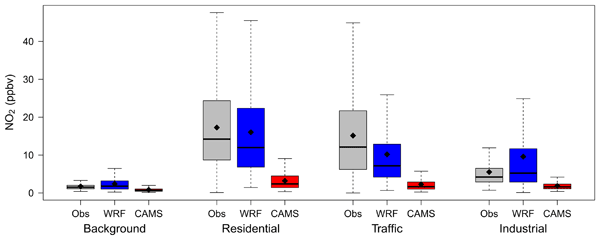
We evaluate the skill of the WRF-Chem model to perform high-resolution air quality forecasts (including ozone, nitrogen dioxide, and fine particulate matter) over the Eastern Mediterranean, during winter and summer. We compare the forecast output to observational data from background and urban locations and the forecast output from CAMS. WRF-Chem was found to forecast the concentrations and diurnal profiles of gas-phase pollutants in urban areas with higher accuracy.
Clara M. Nussbaumer, Andrea Pozzer, Ivan Tadic, Lenard Röder, Florian Obersteiner, Hartwig Harder, Jos Lelieveld, and Horst Fischer
Atmos. Chem. Phys., 22, 6151–6165, https://doi.org/10.5194/acp-22-6151-2022, https://doi.org/10.5194/acp-22-6151-2022, 2022
Short summary
Short summary
The European COVID-19 lockdowns have significantly reduced the emission of primary pollutants such as NOx, which impacts the tropospheric photochemical processes and the abundance of O3. In this study, we present how the lockdowns have affected tropospheric trace gases and ozone production based on in situ observations and modeling simulations. We additionally show that the chemical regime shifted from a transition point to a NOx limitation in the upper troposphere.

Wenyu Sun, Matias Berasategui, Andrea Pozzer, Jos Lelieveld, and John N. Crowley
Atmos. Chem. Phys., 22, 4969–4984, https://doi.org/10.5194/acp-22-4969-2022, https://doi.org/10.5194/acp-22-4969-2022, 2022
Short summary
Short summary
The reaction between OH and SO2 is a termolecular process that in the atmosphere results in the formation of H2SO4 and thus aerosols. We present the first temperature- and pressure-dependent measurements of the rate coefficients in N2. This is also the first study to examine the effects of water vapour on the kinetics of this reaction. Our results indicate the rate coefficient is larger than that recommended by evaluation panels, with deviations of up to 30 % in some parts of the atmosphere.
Yanan Zhao, Dennis Booge, Christa A. Marandino, Cathleen Schlundt, Astrid Bracher, Elliot L. Atlas, Jonathan Williams, and Hermann W. Bange
Biogeosciences, 19, 701–714, https://doi.org/10.5194/bg-19-701-2022, https://doi.org/10.5194/bg-19-701-2022, 2022
Short summary
Short summary
We present here, for the first time, simultaneously measured dimethylsulfide (DMS) seawater concentrations and DMS atmospheric mole fractions from the Peruvian upwelling region during two cruises in December 2012 and October 2015. Our results indicate low oceanic DMS concentrations and atmospheric DMS molar fractions in surface waters and the atmosphere, respectively. In addition, the Peruvian upwelling region was identified as an insignificant source of DMS emissions during both periods.

Clara M. Nussbaumer, John N. Crowley, Jan Schuladen, Jonathan Williams, Sascha Hafermann, Andreas Reiffs, Raoul Axinte, Hartwig Harder, Cheryl Ernest, Anna Novelli, Katrin Sala, Monica Martinez, Chinmay Mallik, Laura Tomsche, Christian Plass-Dülmer, Birger Bohn, Jos Lelieveld, and Horst Fischer
Atmos. Chem. Phys., 21, 18413–18432, https://doi.org/10.5194/acp-21-18413-2021, https://doi.org/10.5194/acp-21-18413-2021, 2021
Short summary
Short summary
HCHO is an important atmospheric trace gas influencing the photochemical processes in the Earth’s atmosphere, including the budget of HOx and the abundance of tropospheric O3. This research presents the photochemical calculations of HCHO and O3 based on three field campaigns across Europe. We show that HCHO production via the oxidation of only four volatile organic compound precursors, i.e., CH4, CH3CHO, C5H8 and CH3OH, can balance the observed loss at all sites well.
Dirk Dienhart, John N. Crowley, Efstratios Bourtsoukidis, Achim Edtbauer, Philipp G. Eger, Lisa Ernle, Hartwig Harder, Bettina Hottmann, Monica Martinez, Uwe Parchatka, Jean-Daniel Paris, Eva Y. Pfannerstill, Roland Rohloff, Jan Schuladen, Christof Stönner, Ivan Tadic, Sebastian Tauer, Nijing Wang, Jonathan Williams, Jos Lelieveld, and Horst Fischer
Atmos. Chem. Phys., 21, 17373–17388, https://doi.org/10.5194/acp-21-17373-2021, https://doi.org/10.5194/acp-21-17373-2021, 2021
Short summary
Short summary
We present the first ship-based in situ measurements of formaldehyde (HCHO), hydroxyl radicals (OH) and the OH reactivity around the Arabian Peninsula. Regression analysis of the HCHO production rate and the related OH chemistry revealed the regional HCHO yield αeff, which represents the different chemical regimes encountered. Highest values were found for the Arabian Gulf (also known as the Persian Gulf), which highlights this region as a hotspot of photochemical air pollution.
Clara M. Nussbaumer, Uwe Parchatka, Ivan Tadic, Birger Bohn, Daniel Marno, Monica Martinez, Roland Rohloff, Hartwig Harder, Flora Kluge, Klaus Pfeilsticker, Florian Obersteiner, Martin Zöger, Raphael Doerich, John N. Crowley, Jos Lelieveld, and Horst Fischer
Atmos. Meas. Tech., 14, 6759–6776, https://doi.org/10.5194/amt-14-6759-2021, https://doi.org/10.5194/amt-14-6759-2021, 2021
Short summary
Short summary
NO2 plays a central role in atmospheric photochemical processes and requires accurate measurements. This research presents NO2 data obtained via chemiluminescence using a photolytic converter from airborne studies around Cabo Verde and laboratory investigations. We show the limits and error-proneness of a conventional blue light converter in aircraft measurements affected by humidity and NO levels and suggest the use of an alternative quartz converter for more reliable results.
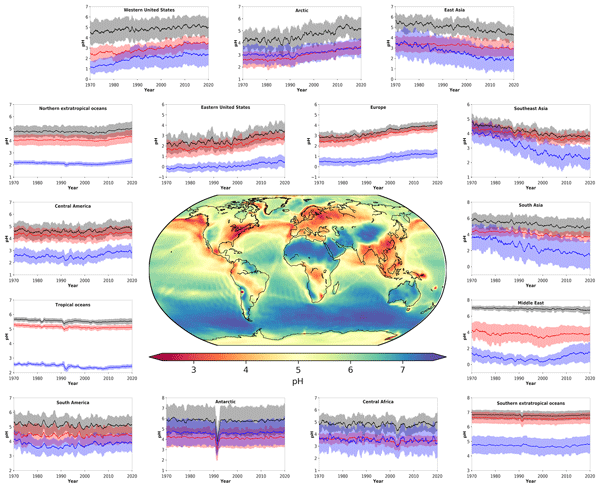
Vlassis A. Karydis, Alexandra P. Tsimpidi, Andrea Pozzer, and Jos Lelieveld
Atmos. Chem. Phys., 21, 14983–15001, https://doi.org/10.5194/acp-21-14983-2021, https://doi.org/10.5194/acp-21-14983-2021, 2021
Short summary
Short summary
Aerosol particle pH is well-buffered by alkaline compounds, notably NH3 and crustal elements. NH3 is found to supply remarkable buffering capacity on a global scale, from the polluted continents to the remote oceans. Potential future changes in agricultural NH3 must be accompanied by strong reductions of SO2 and NOx to avoid particles becoming highly acidic, with implications for human health (aerosol toxicity), ecosystems (acid deposition), clouds, and climate (aerosol hygroscopicity).
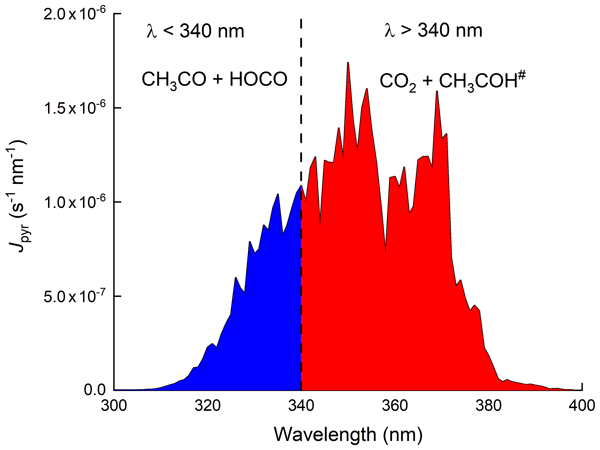
Philipp G. Eger, Luc Vereecken, Rolf Sander, Jan Schuladen, Nicolas Sobanski, Horst Fischer, Einar Karu, Jonathan Williams, Ville Vakkari, Tuukka Petäjä, Jos Lelieveld, Andrea Pozzer, and John N. Crowley
Atmos. Chem. Phys., 21, 14333–14349, https://doi.org/10.5194/acp-21-14333-2021, https://doi.org/10.5194/acp-21-14333-2021, 2021
Short summary
Short summary
We determine the impact of pyruvic acid photolysis on the formation of acetaldehyde and peroxy radicals during summer and autumn in the Finnish boreal forest using a data-constrained box model. Our results are dependent on the chosen scenario in which the overall quantum yield and the photolysis products are varied. We highlight that pyruvic acid photolysis can be an important contributor to acetaldehyde and peroxy radical formation in remote, forested regions.

James Weber, Scott Archer-Nicholls, Nathan Luke Abraham, Youngsub M. Shin, Thomas J. Bannan, Carl J. Percival, Asan Bacak, Paulo Artaxo, Michael Jenkin, M. Anwar H. Khan, Dudley E. Shallcross, Rebecca H. Schwantes, Jonathan Williams, and Alex T. Archibald
Geosci. Model Dev., 14, 5239–5268, https://doi.org/10.5194/gmd-14-5239-2021, https://doi.org/10.5194/gmd-14-5239-2021, 2021
Short summary
Short summary
The new mechanism CRI-Strat 2 features state-of-the-art isoprene chemistry not previously available in UKCA and improves UKCA's ability to reproduce observed concentrations of isoprene, monoterpenes, and OH in tropical regions. The enhanced ability to model isoprene, the most widely emitted non-methane volatile organic compound (VOC), will allow understanding of how isoprene and other biogenic VOCs affect atmospheric composition and, through biosphere–atmosphere feedbacks, climate change.
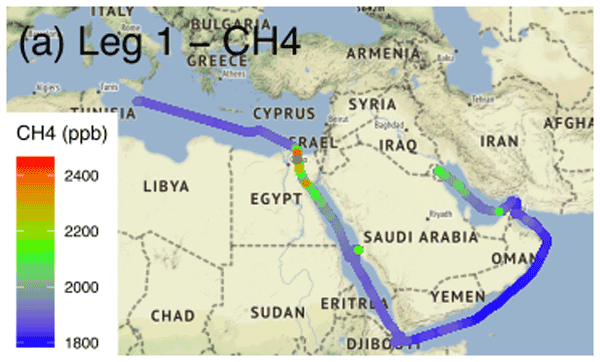
Jean-Daniel Paris, Aurélie Riandet, Efstratios Bourtsoukidis, Marc Delmotte, Antoine Berchet, Jonathan Williams, Lisa Ernle, Ivan Tadic, Hartwig Harder, and Jos Lelieveld
Atmos. Chem. Phys., 21, 12443–12462, https://doi.org/10.5194/acp-21-12443-2021, https://doi.org/10.5194/acp-21-12443-2021, 2021
Short summary
Short summary
We measured atmospheric methane and CO2 by ship in the Middle East. We probe the origin of methane with a combination of light alkane measurements and modeling. We find strong influence from nearby oil and gas production over the Arabian Gulf. Comparing our data to inventories indicates that inventories overestimate sources from the upstream gas industry but underestimate emissions from oil extraction and processing. The Red Sea was under a complex mixture of sources due to human activity.
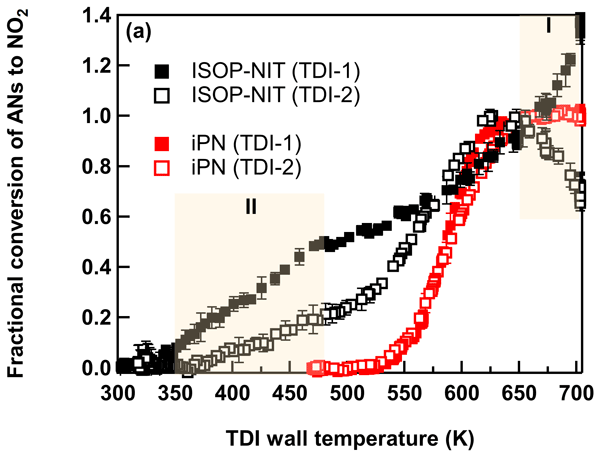
Patrick Dewald, Raphael Dörich, Jan Schuladen, Jos Lelieveld, and John N. Crowley
Atmos. Meas. Tech., 14, 5501–5519, https://doi.org/10.5194/amt-14-5501-2021, https://doi.org/10.5194/amt-14-5501-2021, 2021
Short summary
Short summary
Organic nitrates generated from the reaction between isoprene and the nitrate radical (ISOP-NITs) were detected via their thermal dissociation in heated quartz inlets to nitrogen dioxide monitored by cavity ring-down spectroscopy. The temperature-dependent dissociation profiles of ISOP-NITs in the presence of ozone (O3) are broad in contrast to narrow profiles of common reference compounds. We demonstrate that this broadening is caused by O3-assisted reactions of ISOP-NITs on quartz surfaces.
Raphael Dörich, Philipp Eger, Jos Lelieveld, and John N. Crowley
Atmos. Meas. Tech., 14, 5319–5332, https://doi.org/10.5194/amt-14-5319-2021, https://doi.org/10.5194/amt-14-5319-2021, 2021
Short summary
Short summary
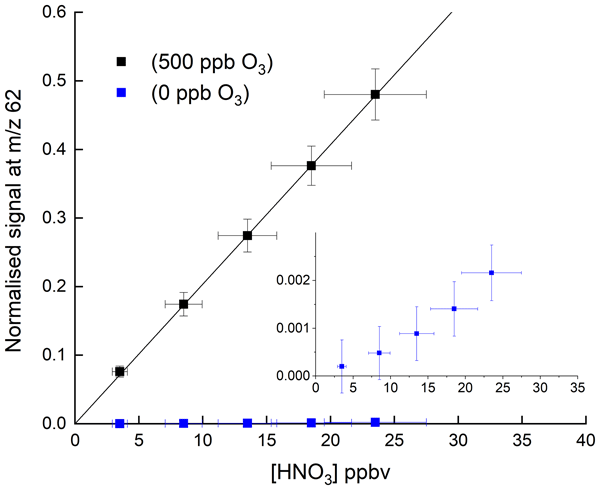
We demonstrate in laboratory experiments that the formation of IOx anions (formed in reactions of I− with O3) or acetate anions (formed e.g. by the reaction of I− with peracetic acid) results in unexpected sensitivity of an iodide chemical ionisation mass spectrometer (I-CIMS) to HNO3 at a mass-to-charge ratio of 62. This helps explain observations of apparent high daytime levels of N2O5. Airborne measurements using I-CIMS confirm these conclusions.
Vinod Kumar, Julia Remmers, Steffen Beirle, Joachim Fallmann, Astrid Kerkweg, Jos Lelieveld, Mariano Mertens, Andrea Pozzer, Benedikt Steil, Marc Barra, Holger Tost, and Thomas Wagner
Atmos. Meas. Tech., 14, 5241–5269, https://doi.org/10.5194/amt-14-5241-2021, https://doi.org/10.5194/amt-14-5241-2021, 2021
Short summary
Short summary
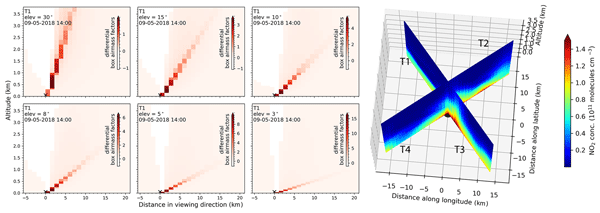
We present high-resolution regional atmospheric chemistry model simulations focused around Germany. We highlight the importance of spatial resolution of the model itself as well as the input emissions inventory and short-scale temporal variability of emissions for simulations. We propose a consistent approach for evaluating the simulated vertical distribution of NO2 using MAX-DOAS measurements while also considering its spatial sensitivity volume and change in sensitivity within this volume.

Klaus Klingmüller and Jos Lelieveld
Geosci. Model Dev., 14, 4429–4441, https://doi.org/10.5194/gmd-14-4429-2021, https://doi.org/10.5194/gmd-14-4429-2021, 2021
Short summary
Short summary
Soil moisture is of great importance for weather and climate. We present a machine learning model that produces accurate predictions of satellite-observed surface soil moisture, based on meteorological data from a climate model. It can be used as soil moisture parametrisation in climate models and to produce comprehensive global soil moisture datasets. Moreover, it may motivate similar applications of machine learning in climate science.
Cited articles
Alves, E. G., Jardine, K., Tota, J., Jardine, A., Yãnez-Serrano, A. M., Karl, T., Tavares, J., Nelson, B., Gu, D., Stavrakou, T., Martin, S., Artaxo, P., Manzi, A., and Guenther, A.: Seasonality of isoprenoid emissions from a primary rainforest in central Amazonia, Atmos. Chem. Phys., 16, 3903–3925, https://doi.org/10.5194/acp-16-3903-2016, 2016.
Andreae, M. O. and Crutzen, P. J.: Atmospheric Aerosols: Biogeochemical Sources and Role in Atmospheric Chemistry, Science, 276, 1052–1058, https://doi.org/10.1126/science.276.5315.1052, 1997.
Andreae, M. O., Acevedo, O. C., Araùjo, A., Artaxo, P., Barbosa, C. G. G., Barbosa, H. M. J., Brito, J., Carbone, S., Chi, X., Cintra, B. B. L., da Silva, N. F., Dias, N. L., Dias-Júnior, C. Q., Ditas, F., Ditz, R., Godoi, A. F. L., Godoi, R. H. M., Heimann, M., Hoffmann, T., Kesselmeier, J., Könemann, T., Krüger, M. L., Lavric, J. V., Manzi, A. O., Lopes, A. P., Martins, D. L., Mikhailov, E. F., Moran-Zuloaga, D., Nelson, B. W., Nölscher, A. C., Santos Nogueira, D., Piedade, M. T. F., Pöhlker, C., Pöschl, U., Quesada, C. A., Rizzo, L. V., Ro, C.-U., Ruckteschler, N., Sá, L. D. A., de Oliveira Sá, M., Sales, C. B., dos Santos, R. M. N., Saturno, J., Schöngart, J., Sörgel, M., de Souza, C. M., de Souza, R. A. F., Su, H., Targhetta, N., Tóta, J., Trebs, I., Trumbore, S., van Eijck, A., Walter, D., Wang, Z., Weber, B., Williams, J., Winderlich, J., Wittmann, F., Wolff, S., and Yáñez-Serrano, A. M.: The Amazon Tall Tower Observatory (ATTO): overview of pilot measurements on ecosystem ecology, meteorology, trace gases, and aerosols, Atmos. Chem. Phys., 15, 10723–10776, https://doi.org/10.5194/acp-15-10723-2015, 2015.
Asensio, D., Peñuelas, J., Prieto, P., Estiarte, M., Filella, I., and Llusià, J.: Interannual and seasonal changes in the soil exchange rates of monoterpenes and other VOCs in a Mediterranean shrubland, Eur. J. Soil. Sci., 59, 878–891, https://doi.org/10.1111/j.1365-2389.2008.01057.x, 2008a.
Asensio, D., Owen, S. M., Llusià, J., and Peñuelas, J.: The distribution of volatile isoprenoids in the soil horizons around Pinus halepensis trees, Soil. Biol. Biochem., 40, 2937–2947, https://doi.org/10.1016/j.soilbio.2008.08.008, 2008b.
Atkinson, R.: Estimations of OH radical rate constants from H-atom abstraction from C–H and O–H bonds over the temperature range 250–1000 K, Int. J. Chem. Kinet., 18, 555–568, https://doi.org/10.1002/kin.550180506, 1986.
Atkinson, R.: Atmospheric chemistry of VOCs and NOx, Atmos. Environ., 34, 2063–2101, https://doi.org/10.1016/S1352-2310(99)00460-4, 2000.
Atkinson, R. and Arey, J.: Atmospheric Degradation of Volatile Organic Compounds, Chem. Rev., 103, 4605–4638, https://doi.org/10.1021/cr0206420, 2003.
Atkinson, R., Hasegawa, D., and Aschmann, S. M.: Rate constants for the gas-phase reactions of O3 with a series of monoterpenes and related compounds at 296±2 K, Int. J. Chem. Kinet., 22, 871–887, https://doi.org/10.1002/kin.550220807, 1990.
Atkinson, R., Aschmann, S. M., Arey, J., and Shorees, B.: Formation of OH radicals in the gas phase reactions of O3 with a series of terpenes, J. Geophys. Res., 97, 6065–6073, https://doi.org/10.1029/92JD00062, 1992.
Atkinson, R., Baulch, D. L., Cox, R. A., Crowley, J. N., Hampson, R. F., Hynes, R. G., Jenkin, M. E., Rossi, M. J., Troe, J., and IUPAC Subcommittee: Evaluated kinetic and photochemical data for atmospheric chemistry: Volume II – gas phase reactions of organic species, Atmos. Chem. Phys., 6, 3625–4055, https://doi.org/10.5194/acp-6-3625-2006, 2006.
Axel Clausen, P. and Wolkoff, P.: Degradation products of Tenax TA formed during sampling and thermal desorption analysis: Indicators of reactive species indoors, Atmos. Environ., 31, 715–725, https://doi.org/10.1016/S1352-2310(96)00230-0, 1997.
Baggesen, N., Li, T., Seco, R., Holst, T., Michelsen, A., and Rinnan, R.: Phenological stage of tundra vegetation controls bidirectional exchange of BVOCs in a climate change experiment on a subarctic heath, Glob. Chang. Biol., 27, 2928–2944, https://doi.org/10.1111/gcb.15596, 2021.
Barlow, J., Gardner, T. A., Ferreira, L. V., and Peres, C. A.: Litter fall and decomposition in primary, secondary and plantation forests in the Brazilian Amazon, Forest Ecol. Manag., 247, 91–97, https://doi.org/10.1016/j.foreco.2007.04.017, 2007.
Barreira, L. M. F., Ylisirniö, A., Pullinen, I., Buchholz, A., Li, Z., Lipp, H., Junninen, H., Hõrrak, U., Noe, S. M., Krasnova, A., Krasnov, D., Kask, K., Talts, E., Niinemets, Ü., Ruiz-Jimenez, J., and Schobesberger, S.: The importance of sesquiterpene oxidation products for secondary organic aerosol formation in a springtime hemiboreal forest, Atmos. Chem. Phys., 21, 11781–11800, https://doi.org/10.5194/acp-21-11781-2021, 2021.
Bellcross, A., Bé, A. G., Geiger, F. M., and Thomson, R. J.: Molecular Chirality and Cloud Activation Potentials of Dimeric α-Pinene Oxidation Products, J. Am. Chem. Soc., 143, 16653–16662, https://doi.org/10.1021/jacs.1c07509, 2021.
Benjamin, M. T., Sudol, M., Bloch, L., and Winer, A. M.: Low-emitting urban forests: A taxonomic methodology for assigning isoprene and monoterpene emission rates, Atmos. Environ., 30, 1437–1452, https://doi.org/10.1016/1352-2310(95)00439-4, 1996.
Bernoux, M., Cerri, C., Arrouays, D., Jolivet, C., and Volkoff, B.: Bulk Densities of Brazilian Amazon Soils Related to Other Soil Properties, Soil Sci. Soc. Am. J., 62, 743–749, https://doi.org/10.2136/sssaj1998.03615995006200030029x, 1998.
Biscaro, T. S., Machado, L. A. T., Giangrande, S. E., and Jensen, M. P.: What drives daily precipitation over the central Amazon? Differences observed between wet and dry seasons, Atmos. Chem. Phys., 21, 6735–6754, https://doi.org/10.5194/acp-21-6735-2021, 2021
Bitas, V., Kim, H.-S., Bennett, J. W., and Kang, S.: Sniffing on Microbes: Diverse Roles of Microbial Volatile Organic Compounds in Plant Health, MPMI, 26, 835–843, https://doi.org/10.1094/MPMI-10-12-0249-CR, 2013.
Bonn, B. and Moortgat, G. K.: Sesquiterpene ozonolysis: Origin of atmospheric new particle formation from biogenic hydrocarbons, Geophys. Res. Lett., 30, https://doi.org/10.1029/2003GL017000, 2003.
Bourtsoukidis, E., Bonn, B., Dittmann, A., Hakola, H., Hellén, H., and Jacobi, S.: Ozone stress as a driving force of sesquiterpene emissions: a suggested parameterisation, Biogeosciences, 9, 4337–4352, https://doi.org/10.5194/bg-9-4337-2012, 2012.
Bourtsoukidis, E., Kawaletz, H., Radacki, D., Schütz, S., Hakola, H., Hellén, H., Noe, S., Mölder, I., Ammer, C., and Bonn, B.: Impact of flooding and drought conditions on the emission of volatile organic compounds of Quercus robur and Prunus serotina, Trees, 28, 193–204, https://doi.org/10.1007/s00468-013-0942-5, 2014.
Bourtsoukidis, E., Behrendt, T., Yañez-Serrano, A. M., Hellén, H., Diamantopoulos, E., Catão, E., Ashworth, K., Pozzer, A., Quesada, C. A., Martins, D. L., Sá, M., Araujo, A., Brito, J., Artaxo, P., Kesselmeier, J., Lelieveld, J., and Williams, J.: Strong sesquiterpene emissions from Amazonian soils, Nat. Commun., 9, 2226, https://doi.org/10.1038/s41467-018-04658-y, 2018.
Bourtsoukidis, E., Pozzer, A., Williams, J., Makowski, D., Peñuelas, J., Matthaios, V. N., Lazoglou, G., Yañez-Serrano, A. M., Lelieveld, J., Ciais, P., Vrekoussis, M., Daskalakis, N., and Sciare, J.: High temperature sensitivity of monoterpene emissions from global vegetation, Commun. Earth Environ., 5, 23, https://doi.org/10.1038/s43247-023-01175-9, 2024.
Bourtsoukidis, E., Guenther, A., Wang, H., Economou, T., Lazoglou, G., Christodoulou, A., Christoudias, T., Nölscher, A., Yañez-Serrano, A. M., and Peñuelas, J.: Environmental Change Is Reshaping the Temperature Sensitivity of Sesquiterpene Emissions and Their Atmospheric Impacts, Global Change Biol., 31, e70258, https://doi.org/10.1111/gcb.70258, 2025.
Brando, P. M., Nepstad, D. C., Davidson, E. A., Trumbore, S. E., Ray, D., and Camargo, P.: Drought effects on litterfall, wood production and belowground carbon cycling in an Amazon forest: results of a throughfall reduction experiment, Philos. Trans. R. Soc. Lond. B. Biol. Sci., 363, 1839–1848, https://doi.org/10.1098/rstb.2007.0031, 2008.
Buscardo, E., Geml, J., Schmidt, S. K., Freitas, H., da Cunha, H. B., and Nagy, L.: Spatio-temporal dynamics of soil bacterial communities as a function of Amazon forest phenology, Sci. Rep., 8, 4382, https://doi.org/10.1038/s41598-018-22380-z, 2018.
Buscardo, E., Geml, J., Schmidt, S. K., Freitas, H., Souza, A. P., Cunha, H. B., and Nagy, L.: Nitrogen pulses increase fungal pathogens in Amazonian lowland tropical rain forests, J. Ecol., 110, 1775–1789, https://doi.org/10.1111/1365-2745.13904, 2022.
Byron, J., Kreuzwieser, J., Purser, G., van Haren, J., Ladd, S. N., Meredith, L. K., Werner, C., and Williams, J.: Chiral monoterpenes reveal forest emission mechanisms and drought responses, Nature, 609, 307–312, https://doi.org/10.1038/s41586-022-05020-5, 2022.
Byron, J., Pugliese, G., A. Monteiro, C. de, Robin, M., Gomes Alves, E., Schuettler, J., Hartmann, S. C., Edtbauer, A., Krumm, B. E., Zannoni, N., Tsokankunku, A., Dias-Junior, C. Q., Quesada, C. A., Harder, H., Bourtsoukidis, E., Lelieveld, J., and Williams, J.: Mirror image molecules expose state of rainforest stress, Commun. Earth Environ., 6, 703, https://doi.org/10.1038/s43247-025-02709-z, 2025.
Chuong, B. and Stevens, P. S.: Measurements of the kinetics of the OH-initiated oxidation of methyl vinyl ketone and methacrolein, Int. J. Chem. Kinet., 36, 12–25, https://doi.org/10.1002/kin.10167, 2004.
Cleveland, C. C. and Yavitt, J. B.: Consumption of atmospheric isoprene in soil, Geophys. Res. Lett., 24, 2379–2382, https://doi.org/10.1029/97GL02451, 1997.
Cleveland, C. C. and Yavitt, J. B.: Microbial Consumption of Atmospheric Isoprene in a Temperate Forest Soil, Appl. Environ. Microbiol., 64, 172–177, https://doi.org/10.1128/AEM.64.1.172-177.1998, 1998.
Crutzen, P. J., Williams, J., Pöschl, U., Hoor, P., Fischer, H., Warneke, C., Holzinger, R., Hansel, A., Lindinger, W., Scheeren, B., and Lelieveld, J.: High spatial and temporal resolution measurements of primary organics and their oxidation products over the tropical forests of Surinam, Atmos. Environ., 34, 1161–1165, https://doi.org/10.1016/S1352-2310(99)00482-3, 2000.
Daber, L. E., Nolte, P., Kreuzwieser, J., Meischner, M., Williams, J., and Werner, C.: Position-specific isotope labelling gives new insights into chiral monoterpene synthesis of Norway spruce (Picea abies L.), Environ. Exp. Bot., 238, 106238, https://doi.org/10.1016/j.envexpbot.2025.106238, 2025.
Dada, L., Stolzenburg, D., Simon, M., Fischer, L., Heinritzi, M., Wang, M., Xiao, M., Vogel, A. L., Ahonen, L., Amorim, A., Baalbaki, R., Baccarini, A., Baltensperger, U., Bianchi, F., Daellenbach, K. R., DeVivo, J., Dias, A., Dommen, J., Duplissy, J., Finkenzeller, H., Hansel, A., He, X.-C., Hofbauer, V., Hoyle, C. R., Kangasluoma, J., Kim, C., Kürten, A., Kvashnin, A., Mauldin, R., Makhmutov, V., Marten, R., Mentler, B., Nie, W., Petäjä, T., Quéléver, L. L. J., Saathoff, H., Tauber, C., Tome, A., Molteni, U., Volkamer, R., Wagner, R., Wagner, A. C., Wimmer, D., Winkler, P. M., Yan, C., Zha, Q., Rissanen, M., Gordon, H., Curtius, J., Worsnop, D. R., Lehtipalo, K., Donahue, N. M., Kirkby, J., El Haddad, I., and Kulmala, M.: Role of sesquiterpenes in biogenic new particle formation, Sci. Adv., 9, eadi5297, https://doi.org/10.1126/sciadv.adi5297, 2023.
da Silva, F. C.: Manual De Análises Químicas De Solos, Plantas E Fertilizantes, 2nd edn. rev. e ampl., Embrapa Informação Tecnológica, Brasília, 627 pp., ISBN 978-85-7383-430-7, 2009.
Ditengou, F. A., Müller, A., Rosenkranz, M., Felten, J., Lasok, H., van Doorn, M. M., Legué, V., Palme, K., Schnitzler, J.-P., and Polle, A.: Volatile signalling by sesquiterpenes from ectomycorrhizal fungi reprogrammes root architecture, Nat. Commun., 6, 6279, https://doi.org/10.1038/ncomms7279, 2015.
Drewer, J., Leduning, M. M., Purser, G., Cash, J. M., Sentian, J., and Skiba, U. M.: Monoterpenes from tropical forest and oil palm plantation floor in Malaysian Borneo/Sabah: emission and composition, Environ. Sci. Pollut. Res., 28, 31792–31802, https://doi.org/10.1007/s11356-021-13052-z, 2021.
Edtbauer, A., Pfannerstill, E. Y., Pires Florentino, A. P., Barbosa, C. G. G., Rodriguez-Caballero, E., Zannoni, N., Alves, R. P., Wolff, S., Tsokankunku, A., Aptroot, A., de Oliveira Sá, M., de Araújo, A. C., Sörgel, M., de Oliveira, S. M., Weber, B., and Williams, J.: Cryptogamic organisms are a substantial source and sink for volatile organic compounds in the Amazon region, Commun. Earth Environ., 2, 1–14, https://doi.org/10.1038/s43247-021-00328-y, 2021.
Eerdekens, G., Yassaa, N., Sinha, V., Aalto, P. P., Aufmhoff, H., Arnold, F., Fiedler, V., Kulmala, M., and Williams, J.: VOC measurements within a boreal forest during spring 2005: on the occurrence of elevated monoterpene concentrations during night time intense particle concentration events, Atmos. Chem. Phys., 9, 8331–8350, https://doi.org/10.5194/acp-9-8331-2009, 2009.
El Khawand, M., Crombie, A. T., Johnston, A., Vavlline, D. V., McAuliffe, J. C., Latone, J. A., Primak, Y. A., Lee, S.-K., Whited, G. M., McGenity, T. J., and Murrell, J. C.: Isolation of isoprene degrading bacteria from soils, development of isoA gene probes and identification of the active isoprene-degrading soil community using DNA-stable isotope probing, Environ. Microbiol., 18, 2743–2753, https://doi.org/10.1111/1462-2920.13345, 2016.
Ernle, L., Ringsdorf, M. A., and Williams, J.: Influence of ozone and humidity on PTR-MS and GC-MS VOC measurements with and without a Na2S2O3 ozone scrubber, Atmos. Meas. Tech., 16, 1179–1194, https://doi.org/10.5194/amt-16-1179-2023, 2023.
Espinoza, J.-C., Jimenez, J. C., Marengo, J. A., Schongart, J., Ronchail, J., Lavado-Casimiro, W., and Ribeiro, J. V. M.: The new record of drought and warmth in the Amazon in 2023 related to regional and global climatic features, Sci. Rep., 14, 8107, https://doi.org/10.1038/s41598-024-58782-5, 2024.
Fall, R. and Copley, S. D.: Bacterial sources and sinks of isoprene, a reactive atmospheric hydrocarbon, Environ. Microbiol., 2, 123–130, https://doi.org/10.1046/j.1462-2920.2000.00095.x, 2000.
Fares, S., Paoletti, E., Loreto, F., and Brilli, F.: Bidirectional Flux of Methyl Vinyl Ketone and Methacrolein in Trees with Different Isoprenoid Emission under Realistic Ambient Concentrations, Environ. Sci. Technol., 49, 7735–7742, https://doi.org/10.1021/acs.est.5b00673, 2015.
Gao, L., Perrier, S., Iyer, S., Vanoye, L., Fache, F., Claflin, M. S., Kurten, T., and Riva, M.: Unveiling the Role of Chirality in the Oxidation of Monoterpenes, J. Am. Chem. Soc., 147, 28842–28850, https://doi.org/10.1021/jacs.5c06118, 2025.
Gaona-Colmán, E., Blanco, B. M., Barnes, I., Wiesen, P., and Teruel, A. M.: OH- and O3-initiated atmospheric degradation of camphene: temperature dependent rate coefficients, product yields and mechanisms, RSC Advances, 7, 2733–2744, https://doi.org/10.1039/C6RA26656H, 2017.
Geng, T., Cai, W., Jia, F., and Wu, L.: Decreased ENSO post-2100 in response to formation of a permanent El Niño-like state under greenhouse warming, Nat. Commun., 15, 5810, https://doi.org/10.1038/s41467-024-50156-9, 2024.
Gfeller, V., Huber, M., Förster, C., Huang, W., Köllner, T. G., and Erb, M.: Root volatiles in plant–plant interactions I: High root sesquiterpene release is associated with increased germination and growth of plant neighbours, Plant Cell Environ., 42, 1950–1963, https://doi.org/10.1111/pce.13532, 2019.
Gill, K. J. and Hites, R. A.: Rate Constants for the Gas-Phase Reactions of the Hydroxyl Radical with Isoprene, α- and β-Pinene, and Limonene as a Function of Temperature, J. Phys. Chem. A, 106, 2538–2544, https://doi.org/10.1021/jp013532q, 2002.
Gill, S. S. and Tuteja, N.: Reactive oxygen species and antioxidant machinery in abiotic stress tolerance in crop plants, Plant Physiol. Bioch., 48, 909–930, https://doi.org/10.1016/j.plaphy.2010.08.016, 2010.
Gomes Alves, E., Taylor, T., Robin, M., Pinheiro Oliveira, D., Schietti, J., Duvoisin Júnior, S., Zannoni, N., Williams, J., Hartmann, C., Gonçalves, J. F. C., Schöngart, J., Wittmann, F., and Piedade, M. T. F.: Seasonal shifts in isoprenoid emission composition from three hyperdominant tree species in central Amazonia, Plant Biol., 24, 721–733, https://doi.org/10.1111/plb.13419, 2022.
Gomes Alves, E., Aquino Santana, R., Quaresma Dias-Júnior, C., Botía, S., Taylor, T., Yáñez-Serrano, A. M., Kesselmeier, J., Bourtsoukidis, E., Williams, J., Lembo Silveira de Assis, P. I., Martins, G., de Souza, R., Duvoisin Júnior, S., Guenther, A., Gu, D., Tsokankunku, A., Sörgel, M., Nelson, B., Pinto, D., Komiya, S., Martins Rosa, D., Weber, B., Barbosa, C., Robin, M., Feeley, K. J., Duque, A., Londoño Lemos, V., Contreras, M. P., Idarraga, A., López, N., Husby, C., Jestrow, B., and Cely Toro, I. M.: Intra- and interannual changes in isoprene emission from central Amazonia, Atmos. Chem. Phys., 23, 8149–8168, https://doi.org/10.5194/acp-23-8149-2023, 2023.
Gray, C. M., Monson, R. K., and Fierer, N.: Emissions of volatile organic compounds during the decomposition of plant litter, J. Geophys. Res.-Biogeo., 115, https://doi.org/10.1029/2010JG001291, 2010.
Gray, C. M., Helmig, D., and Fierer, N.: Bacteria and fungi associated with isoprene consumption in soil, Elementa: Science of the Anthropocene, 3, 000053, https://doi.org/10.12952/journal.elementa.000053, 2015.
Greenberg, J. P., Guenther, A. B., Pétron, G., Wiedinmyer, C., Vega, O., Gatti, L. V., Tota, J., and Fisch, G.: Biogenic VOC emissions from forested Amazonian landscapes, Glob. Change Biol., 10, 651–662, https://doi.org/10.1111/j.1365-2486.2004.00758.x, 2004.
Greenberg, J. P., Asensio, D., Turnipseed, A., Guenther, A. B., Karl, T., and Gochis, D.: Contribution of leaf and needle litter to whole ecosystem BVOC fluxes, Atmos. Environ., 59, 302–311, https://doi.org/10.1016/j.atmosenv.2012.04.038, 2012.
Grosjean, E. and Grosjean, D.: Rate constants for the gas-phase reaction of ozone with 1, 1-disubstituted alkenes, Int. J. Chem. Kinet., 28, 911–918, https://doi.org/10.1002/(SICI)1097-4601(1996)28:12<911::AID-KIN8>3.0.CO;2-Q, 1996.
Guenther, A., Zimmerman, P., Klinger, L., Greenberg, J., Ennis, C., Davis, K., Pollock, W., Westberg, H., Allwine, G., and Geron, C.: Estimates of regional natural volatile organic compound fluxes from enclosure and ambient measurements, J. Geophys. Res., 101, 1345–1359, https://doi.org/10.1029/95JD03006, 1996.
Guenther, A., Karl, T., Harley, P., Wiedinmyer, C., Palmer, P. I., and Geron, C.: Estimates of global terrestrial isoprene emissions using MEGAN (Model of Emissions of Gases and Aerosols from Nature), Atmos. Chem. Phys., 6, 3181–3210, https://doi.org/10.5194/acp-6-3181-2006, 2006.
Guenther, A. B., Monson, R. K., and Fall, R.: Isoprene and monoterpene emission rate variability: Observations with eucalyptus and emission rate algorithm development, J. Geophys. Res.-Atmos., 96, 10799–10808, https://doi.org/10.1029/91JD00960, 1991.
Guenther, A. B., Jiang, X., Heald, C. L., Sakulyanontvittaya, T., Duhl, T., Emmons, L. K., and Wang, X.: The Model of Emissions of Gases and Aerosols from Nature version 2.1 (MEGAN2.1): an extended and updated framework for modeling biogenic emissions, Geosci. Model Dev., 5, 1471–1492, https://doi.org/10.5194/gmd-5-1471-2012, 2012.
Helin, A., Hakola, H., and Hellén, H.: Optimisation of a thermal desorption-gas chromatography-mass spectrometry method for the analysis of monoterpenes, sesquiterpenes and diterpenes, Atmos. Meas. Tech., 13, 3543–3560, https://doi.org/10.5194/amt-13-3543-2020, 2020.
Herrington, P. R., Craig, J. T., and Sheridan, J. E.: Methyl vinyl ketone: A volatile fungistatic inhibitor from Streptomyces griseoruber, Soil Biol. Biochem., 19, 509–512, https://doi.org/10.1016/0038-0717(87)90092-7, 1987.
Holopainen, J. K. and Gershenzon, J.: Multiple stress factors and the emission of plant VOCs, Trends Plant Sci., 15, 176–184, https://doi.org/10.1016/j.tplants.2010.01.006, 2010.
Honeker, L. K., Pugliese, G., Ingrisch, J., Fudyma, J., Gil-Loaiza, J., Carpenter, E., Singer, E., Hildebrand, G., Shi, L., Hoyt, D. W., Chu, R. K., Toyoda, J., Krechmer, J. E., Claflin, M. S., Ayala-Ortiz, C., Freire-Zapata, V., Pfannerstill, E. Y., Daber, L. E., Meeran, K., Dippold, M. A., Kreuzwieser, J., Williams, J., Ladd, S. N., Werner, C., Tfaily, M. M., and Meredith, L. K.: Drought re-routes soil microbial carbon metabolism towards emission of volatile metabolites in an artificial tropical rainforest, Nat. Microbiol., 8, 1480–1494, https://doi.org/10.1038/s41564-023-01432-9, 2023.
Horváth, E., Hoffer, A., Sebõk, F., Dobolyi, C., Szoboszlay, S., Kriszt, B., and Gelencsér, A.: Experimental evidence for direct sesquiterpene emission from soils, J. Geophys. Res.-Atmos., 117, https://doi.org/10.1029/2012JD017781, 2012.
Huang, H., Ullah, F., Zhou, D.-X., Yi, M., and Zhao, Y.: Mechanisms of ROS Regulation of Plant Development and Stress Responses, Front. Plant Sci., 10, https://doi.org/10.3389/fpls.2019.00800, 2019.
Isaacman-VanWertz, G., Frazier, G., Willison, J., and Faiola, C.: Missing Measurements of Sesquiterpene Ozonolysis Rates and Composition Limit Understanding of Atmospheric Reactivity, Environ. Sci. Technol., 58, 7937–7946, https://doi.org/10.1021/acs.est.3c10348, 2024.
Isidorov, V., Maslowiecka, J., and Sarapultseva, P.: Bidirectional emission of organic compounds by decaying leaf litter of a number of forest-forming tree species in the northern hemisphere, Geoderma, 443, 116812, https://doi.org/10.1016/j.geoderma.2024.116812, 2024.
Jardine, K. J., Monson, R. K., Abrell, L., Saleska, S. R., Arneth, A., Jardine, A., Ishida, F. Y., Serrano, A. M. Y., Artaxo, P., Karl, T., Fares, S., Goldstein, A., Loreto, F., and Huxman, T.: Within-plant isoprene oxidation confirmed by direct emissions of oxidation products methyl vinyl ketone and methacrolein, Global Change Biol., 18, 973–984, https://doi.org/10.1111/j.1365-2486.2011.02610.x, 2012.
Jardine, K. J., Jardine, A. B., Holm, J. A., Lombardozzi, D. L., Negron-Juarez, R. I., Martin, S. T., Beller, H. R., Gimenez, B. O., Higuchi, N., and Chambers, J. Q.: Monoterpene ` thermometer ' of tropical forest-atmosphere response to climate warming, Plant Cell Environ., 40, 441–452, https://doi.org/10.1111/pce.12879, 2017.
Jiao, Y., Kramshøj, M., Davie-Martin, C. L., Albers, C. N., and Rinnan, R.: Soil uptake of VOCs exceeds production when VOCs are readily available, Soil Biol. Biochem., 185, 109153, https://doi.org/10.1016/j.soilbio.2023.109153, 2023.
Karl, T., Potosnak, M., Guenther, A., Clark, D., Walker, J., Herrick, J. D., and Geron, C.: Exchange processes of volatile organic compounds above a tropical rain forest: Implications for modeling tropospheric chemistry above dense vegetation, J. Geophys. Res.-Atmos., 109, https://doi.org/10.1029/2004JD004738, 2004.
Karl, T., Guenther, A., Yokelson, R. J., Greenberg, J., Potosnak, M., Blake, D. R., and Artaxo, P.: The tropical forest and fire emissions experiment: Emission, chemistry, and transport of biogenic volatile organic compounds in the lower atmosphere over Amazonia, J. Geophys. Res.-Atmos., 112, https://doi.org/10.1029/2007JD008539, 2007.
Kesselmeier, J. and Staudt, M.: Biogenic Volatile Organic Compounds (VOC): An Overview on Emission, Physiology and Ecology, J. Atmos. Chem., 33, 23–88, https://doi.org/10.1023/A:1006127516791, 1999.
Kim, D., Stevens, P. S., and Hites, R. A.: Rate Constants for the Gas-Phase Reactions of OH and O3 with β-Ocimene, β-Myrcene, and α- and β-Farnesene as a Function of Temperature, J. Phys. Chem. A, 115, 500–506, https://doi.org/10.1021/jp111173s, 2011.
Kivimäenpää, M., Markkanen, J.-M., Ghimire, R. P., Holopainen, T., Vuorinen, M., and Holopainen, J. K.: Scots pine provenance affects the emission rate and chemical composition of volatile organic compounds of forest floor, Can. J. For. Res., 48, 1373–1381, https://doi.org/10.1139/cjfr-2018-0049, 2018.
Kivlin, S. N. and Hawkes, C. V.: Temporal and Spatial Variation of Soil Bacteria Richness, Composition, and Function in a Neotropical Rainforest, PLOS ONE, 11, e0159131, https://doi.org/10.1371/journal.pone.0159131, 2016.
Kuhn, U., Dindorf, T., Ammann, C., Rottenberger, S., Guyon, P., Holzinger, R., Ausma, S., Kenntner, T., Helleis, F., and Kesselmeier, J.: Design and field application of an automated cartridge sampler for VOC concentration and flux measurements, J. Environ. Monitor., 7, 568–576, https://doi.org/10.1039/B500057B, 2005.
Kuhn, U., Andreae, M. O., Ammann, C., Araújo, A. C., Brancaleoni, E., Ciccioli, P., Dindorf, T., Frattoni, M., Gatti, L. V., Ganzeveld, L., Kruijt, B., Lelieveld, J., Lloyd, J., Meixner, F. X., Nobre, A. D., Pöschl, U., Spirig, C., Stefani, P., Thielmann, A., Valentini, R., and Kesselmeier, J.: Isoprene and monoterpene fluxes from Central Amazonian rainforest inferred from tower-based and airborne measurements, and implications on the atmospheric chemistry and the local carbon budget, Atmos. Chem. Phys., 7, 2855–2879, https://doi.org/10.5194/acp-7-2855-2007, 2007.
Lehner, B. and Grill, G.: Global river hydrography and network routing: baseline data and new approaches to study the world's large river systems, Hydrol. Process., 27, 2171–2186, https://doi.org/10.1002/hyp.9740, 2013.
Lelieveld, J., Butler, T. M., Crowley, J. N., Dillon, T. J., Fischer, H., Ganzeveld, L., Harder, H., Lawrence, M. G., Martinez, M., Taraborrelli, D., and Williams, J.: Atmospheric oxidation capacity sustained by a tropical forest, Nature, 452, 737–740, https://doi.org/10.1038/nature06870, 2008.
Llusià, J., Asensio, D., Sardans, J., Filella, I., Peguero, G., Grau, O., Ogaya, R., Gargallo-Garriga, A., Verryckt, L. T., Van Langenhove, L., Brechet, L. M., Courtois, E., Stahl, C., Janssens, I. A., and Peñuelas, J.: Contrasting nitrogen and phosphorus fertilization effects on soil terpene exchanges in a tropical forest, Sci. Total Environ., 802, 149769, https://doi.org/10.1016/j.scitotenv.2021.149769, 2022.
Mäki, M., Heinonsalo, J., Hellén, H., and Bäck, J.: Contribution of understorey vegetation and soil processes to boreal forest isoprenoid exchange, Biogeosciences, 14, 1055–1073, https://doi.org/10.5194/bg-14-1055-2017, 2017.
Mäki, M., Aaltonen, H., Heinonsalo, J., Hellén, H., Pumpanen, J., and Bäck, J.: Boreal forest soil is a significant and diverse source of volatile organic compounds, Plant Soil, 441, 89–110, https://doi.org/10.1007/s11104-019-04092-z, 2019.
Martius, C., Höfer, H., Garcia, M. V. B., Römbke, J., and Hanagarth, W.: Litter fall, litter stocks and decomposition rates in rainforest and agroforestry sites in central Amazonia, Nutr. Cycl. Agroecosys., 68, 137–154, https://doi.org/10.1023/B:FRES.0000017468.76807.50, 2004.
McBride, S. G., Choudoir, M., Fierer, N., and Strickland, M. S.: Volatile organic compounds from leaf litter decomposition alter soil microbial communities and carbon dynamics, Ecology, 101, e03130, https://doi.org/10.1002/ecy.3130, 2020.
McGenity, T. J., Crombie, A. T., and Murrell, J. C.: Microbial cycling of isoprene, the most abundantly produced biological volatile organic compound on Earth, ISME J., 12, 931–941, https://doi.org/10.1038/s41396-018-0072-6, 2018.
Midzi, J., Jeffery, D. W., Baumann, U., Rogiers, S., Tyerman, S. D., and Pagay, V.: Stress-Induced Volatile Emissions and Signalling in Inter-Plant Communication, Plants, 11, 2566, https://doi.org/10.3390/plants11192566, 2022.
Mu, Z., Zeng, J., Zhang, Y., Song, W., Pang, W., Yi, Z., Asensio, D., Llusià, J., Peñuelas, J., and Wang, X.: Soil uptake of isoprenoids in a Eucalyptus urophylla plantation forest in subtropical China, Front. For. Glob. Change, 6, https://doi.org/10.3389/ffgc.2023.1260327, 2023.
Müller, J.-F., Stavrakou, T., Wallens, S., De Smedt, I., Van Roozendael, M., Potosnak, M. J., Rinne, J., Munger, B., Goldstein, A., and Guenther, A. B.: Global isoprene emissions estimated using MEGAN, ECMWF analyses and a detailed canopy environment model, Atmos. Chem. Phys., 8, 1329–1341, https://doi.org/10.5194/acp-8-1329-2008, 2008.
Murrell, J. C., McGenity, T. J., and Crombie, A. T.: Microbial metabolism of isoprene: a much-neglected climate-active gas, Microbiol.-UK, 166, 600–613, https://doi.org/10.1099/mic.0.000931, 2020.
Neeb, P., Kolloff, A., Koch, S., and Moortgat, G. K.: Rate constants for the reactions of methylvinyl ketone, methacrolein, methacrylic acid, and acrylic acid with ozone, Int. J. Chem. Kinet., 30, 769–776, https://doi.org/10.1002/(SICI)1097-4601(1998)30:10<769::AID-KIN9>3.0.CO;2-T, 1998.
NOAA's Climate Prediction Center: https://www.cpc.ncep.noaa.gov/products/analysis_monitoring/ensostuff/ONI_v5.php, last access: 7 January 2026.
Norin, T.: Chiral chemodiversity and its role for biological activity. Some observations from studies on insect/insect and insect/plant relationships, Pure Appl. Chem., 68, 2043–2049, https://doi.org/10.1351/pac199668112043, 1996.
Obersteiner, F., Bönisch, H., and Engel, A.: An automated gas chromatography time-of-flight mass spectrometry instrument for the quantitative analysis of halocarbons in air, Atmos. Meas. Tech., 9, 179–194, https://doi.org/10.5194/amt-9-179-2016, 2016.
Owen, S. M., Clark, S., Pompe, M., and Semple, K. T.: Biogenic volatile organic compounds as potential carbon sources for microbial communities in soil from the rhizosphere of Populus tremula, FEMS Microbiol. Lett., 268, 34–39, https://doi.org/10.1111/j.1574-6968.2006.00602.x, 2007.
Pang, J. Y. S., Berg, F., Novelli, A., Bohn, B., Färber, M., Carlsson, P. T. M., Dubus, R., Gkatzelis, G. I., Rohrer, F., Wedel, S., Wahner, A., and Fuchs, H.: Atmospheric photooxidation and ozonolysis of sabinene: reaction rate coefficients, product yields, and chemical budget of radicals, Atmos. Chem. Phys., 23, 12631–12649, https://doi.org/10.5194/acp-23-12631-2023, 2023.
Pegoraro, E., Rey, A., Abrell, L., Haren, J. V., and Lin, G.: Drought effect on isoprene production and consumption in Biosphere 2 tropical rainforest, Glob. Change Biol., 12, 456–469, https://doi.org/10.1111/j.1365-2486.2006.01112.x, 2006.
Peñuelas, J., Asensio, D., Tholl, D., Wenke, K., Rosenkranz, M., Piechulla, B., and Schnitzler, J. p.: Biogenic volatile emissions from the soil, Plant Cell Environ., 37, 1866–1891, https://doi.org/10.1111/pce.12340, 2014.
Pfannerstill, E. Y., Nölscher, A. C., Yáñez-Serrano, A. M., Bourtsoukidis, E., Keßel, S., Janssen, R. H. H., Tsokankunku, A., Wolff, S., Sörgel, M., Sá, M. O., Araújo, A., Walter, D., Lavriè, J., Dias-Júnior, C. Q., Kesselmeier, J., and Williams, J.: Total OH Reactivity Changes Over the Amazon Rainforest During an El Niño Event, Front. For. Glob. Change, 1, https://doi.org/10.3389/ffgc.2018.00012, 2018.
Pfannerstill, E. Y., Reijrink, N. G., Edtbauer, A., Ringsdorf, A., Zannoni, N., Araújo, A., Ditas, F., Holanda, B. A., Sá, M. O., Tsokankunku, A., Walter, D., Wolff, S., Lavrič, J. V., Pöhlker, C., Sörgel, M., and Williams, J.: Total OH reactivity over the Amazon rainforest: variability with temperature, wind, rain, altitude, time of day, season, and an overall budget closure, Atmos. Chem. Phys., 21, 6231–6256, https://doi.org/10.5194/acp-21-6231-2021, 2021.
Pierotti, D., Wofsy, S. C., Jacob, D., and Rasmussen, R. A.: Isoprene and its oxidation products: Methacrolein and methyl vinyl ketone, J. Geophys. Res.-Atmos., 95, 1871–1881, https://doi.org/10.1029/JD095iD02p01871, 1990.
Pöhlker, C., Walter, D., Paulsen, H., Könemann, T., Rodríguez-Caballero, E., Moran-Zuloaga, D., Brito, J., Carbone, S., Degrendele, C., Després, V. R., Ditas, F., Holanda, B. A., Kaiser, J. W., Lammel, G., Lavrič, J. V., Ming, J., Pickersgill, D., Pöhlker, M. L., Praß, M., Löbs, N., Saturno, J., Sörgel, M., Wang, Q., Weber, B., Wolff, S., Artaxo, P., Pöschl, U., and Andreae, M. O.: Land cover and its transformation in the backward trajectory footprint region of the Amazon Tall Tower Observatory, Atmos. Chem. Phys., 19, 8425–8470, https://doi.org/10.5194/acp-19-8425-2019, 2019.
Pugliese, G., Ingrisch, J., Meredith, L. K., Pfannerstill, E. Y., Klüpfel, T., Meeran, K., Byron, J., Purser, G., Gil-Loaiza, J., van Haren, J., Dontsova, K., Kreuzwieser, J., Ladd, S. N., Werner, C., and Williams, J.: Effects of drought and recovery on soil volatile organic compound fluxes in an experimental rainforest, Nat. Commun., 14, 5064, https://doi.org/10.1038/s41467-023-40661-8, 2023.
Ringsdorf, A., Edtbauer, A., Holanda, B., Poehlker, C., Sá, M. O., Araújo, A., Kesselmeier, J., Lelieveld, J., and Williams, J.: Investigating carbonyl compounds above the Amazon rainforest using a proton-transfer-reaction time-of-flight mass spectrometer (PTR-ToF-MS) with NO+ chemical ionization, Atmos. Chem. Phys., 24, 11883–11910, https://doi.org/10.5194/acp-24-11883-2024, 2024.
Rinnan, R. and Albers, C. N.: Soil Uptake of Volatile Organic Compounds: Ubiquitous and Underestimated?, J. Geophys. Res.-Biogeo., 125, e2020JG005773, https://doi.org/10.1029/2020JG005773, 2020.
Rinne, H. J. I., Guenther, A. B., Greenberg, J. P., and Harley, P. C.: Isoprene and monoterpene fluxes measured above Amazonian rainforest and their dependence on light and temperature, Atmos. Environ., 36, 2421–2426, https://doi.org/10.1016/S1352-2310(01)00523-4, 2002.
Rizzo, L. V., Artaxo, P., Karl, T., Guenther, A. B., and Greenberg, J.: Aerosol properties, in-canopy gradients, turbulent fluxes and VOC concentrations at a pristine forest site in Amazonia, Atmos. Environ., 44, 503–511, https://doi.org/10.1016/j.atmosenv.2009.11.002, 2010.
Sarkar, C., Guenther, A. B., Park, J.-H., Seco, R., Alves, E., Batalha, S., Santana, R., Kim, S., Smith, J., Tóta, J., and Vega, O.: PTR-TOF-MS eddy covariance measurements of isoprene and monoterpene fluxes from an eastern Amazonian rainforest, Atmos. Chem. Phys., 20, 7179–7191, https://doi.org/10.5194/acp-20-7179-2020, 2020.
Schmidt, R., Cordovez, V., de Boer, W., Raaijmakers, J., and Garbeva, P.: Volatile affairs in microbial interactions, ISME J., 9, 2329–2335, https://doi.org/10.1038/ismej.2015.42, 2015.
Schüttler, J. M., Pugliese, G., Byron, J., and Williams, J.: Soil fluxes and volume mixing ratios (VMR) of volatile organic compounds (VOCs) measured at the ATTO Site in 2023 and 2024, Max Planck Institute for Biogeochemistry [data set], https://doi.org/10.17871/ATTO.612.7.2472, 2025.
Schulz-Bohm, K., Geisen, S., Wubs, E. R. J., Song, C., de Boer, W., and Garbeva, P.: The prey's scent – Volatile organic compound mediated interactions between soil bacteria and their protist predators, ISME J., 11, 817–820, https://doi.org/10.1038/ismej.2016.144, 2017.
Song, W., Staudt, M., Bourgeois, I., and Williams, J.: Laboratory and field measurements of enantiomeric monoterpene emissions as a function of chemotype, light and temperature, Biogeosciences, 11, 1435–1447, https://doi.org/10.5194/bg-11-1435-2014, 2014.
Staudt, M., Bourgeois, I., Al Halabi, R., Song, W., and Williams, J.: New insights into the parametrization of temperature and light responses of mono – and sesquiterpene emissions from Aleppo pine and rosemary, Atmos. Environ., 152, 212–221, https://doi.org/10.1016/j.atmosenv.2016.12.033, 2017.
Staudt, M., Byron, J., Piquemal, K., and Williams, J.: Compartment specific chiral pinene emissions identified in a Maritime pine forest, Sci. Total Environ., 654, 1158–1166, https://doi.org/10.1016/j.scitotenv.2018.11.146, 2019.
Tang, J., Schurgers, G., and Rinnan, R.: Process Understanding of Soil BVOC Fluxes in Natural Ecosystems: A Review, Rev. Geophys., 57, 966–986, https://doi.org/10.1029/2018RG000634, 2019.
Tani, A., Tobe, S., and Shimizu, S.: Uptake of Methacrolein and Methyl Vinyl Ketone by Tree Saplings and Implications for Forest Atmosphere, Environ. Sci. Technol., 44, 7096–7101, https://doi.org/10.1021/es1017569, 2010.
Tripathi, N., Krumm, B. E., Edtbauer, A., Ringsdorf, A., Wang, N., Kohl, M., Vella, R., Machado, L. A. T., Pozzer, A., Lelieveld, J., and Williams, J.: Impacts of convection, chemistry, and forest clearing on biogenic volatile organic compounds over the Amazon, Nat. Commun., 16, 4692, https://doi.org/10.1038/s41467-025-59953-2, 2025.
Tsuruta, J., Okumura, M., Makita, N., Kosugi, Y., Miyama, T., Kume, T., and Tohno, S.: A comparison of the biogenic volatile organic compound emissions from the fine roots of 15 tree species in Japan and Taiwan, J. For. Res.-Jpn., 23, 242–251, https://doi.org/10.1080/13416979.2018.1483129, 2018.
Ueda, H., Kikuta, Y., and Matsuda, K.: Plant communication: Mediated by individual or blended VOCs?, Plant Signaling & Behavior, 7, 222–226, https://doi.org/10.4161/psb.18765, 2012.
Vance, E. D., Brookes, P. C., and Jenkinson, D. S.: An extraction method for measuring soil microbial biomass C, Soil Biol. Biochem., 19, 703–707, https://doi.org/10.1016/0038-0717(87)90052-6, 1987.
Vella, R., Pozzer, A., Forrest, M., Lelieveld, J., Hickler, T., and Tost, H.: Changes in biogenic volatile organic compound emissions in response to the El Niño–Southern Oscillation, Biogeosciences, 20, 4391–4412, https://doi.org/10.5194/bg-20-4391-2023, 2023.
Viros, J., Santonja, M., Temime-Roussel, B., Wortham, H., Fernandez, C., and Ormeño, E.: Volatilome of Aleppo Pine litter over decomposition process, Ecol. Evol., 11, 6862–6880, https://doi.org/10.1002/ece3.7533, 2021.
Weikl, F., Ghirardo, A., Schnitzler, J.-P., and Pritsch, K.: Sesquiterpene emissions from Alternaria alternata and Fusarium oxysporum: Effects of age, nutrient availability and co-cultivation, Sci. Rep., 6, 22152, https://doi.org/10.1038/srep22152, 2016.
Werner, C., Meredith, L. K., Ladd, S. N., and the B2WALD: Ecosystem BVOC fluxes during drought and recovery trace ecohydrological responses of the vegetation and soil microbial interactions - insights from an ecosystem-scale isotope labelling experiment, EGU General Assembly 2022, Vienna, Austria, 23–27 May 2022, EGU22-11637, https://doi.org/10.5194/egusphere-egu22-11637, 2022.
White, C. S.: The role of monoterpenes in soil nitrogen cycling processes in ponderosa pine, Biogeochemistry, 12, 43–68, https://doi.org/10.1007/BF00002625, 1991.
White, D. C.: Chemical Ecology: Possible Linkage between Macro- and Microbial Ecology, Oikos, 74, 177–184, https://doi.org/10.2307/3545646, 1995.
Williams, J.: Organic Trace Gases in the Atmosphere: An Overview, Environ. Chem., 1, 125–136, https://doi.org/10.1071/EN04057, 2004.
Williams, J., Yassaa, N., Bartenbach, S., and Lelieveld, J.: Mirror image hydrocarbons from Tropical and Boreal forests, Atmos. Chem. Phys., 7, 973–980, https://doi.org/10.5194/acp-7-973-2007, 2007.
Yáñez-Serrano, A. M., Nölscher, A. C., Williams, J., Wolff, S., Alves, E., Martins, G. A., Bourtsoukidis, E., Brito, J., Jardine, K., Artaxo, P., and Kesselmeier, J.: Diel and seasonal changes of biogenic volatile organic compounds within and above an Amazonian rainforest, Atmos. Chem. Phys., 15, 3359–3378, https://doi.org/10.5194/acp-15-3359-2015, 2015.
Yáñez-Serrano, A. M., Nölscher, A. C., Bourtsoukidis, E., Gomes Alves, E., Ganzeveld, L., Bonn, B., Wolff, S., Sa, M., Yamasoe, M., Williams, J., Andreae, M. O., and Kesselmeier, J.: Monoterpene chemical speciation in a tropical rainforest:variation with season, height, and time of dayat the Amazon Tall Tower Observatory (ATTO), Atmos. Chem. Phys., 18, 3403–3418, https://doi.org/10.5194/acp-18-3403-2018, 2018.
Yáñez-Serrano, A. M., Mahlau, L., Fasbender, L., Byron, J., Williams, J., Kreuzwieser, J., and Werner, C.: Heat stress increases the use of cytosolic pyruvate for isoprene biosynthesis, J. Exp. Bot., 70, 5827–5838, https://doi.org/10.1093/jxb/erz353, 2019.
Yáñez-Serrano, A. M., Bourtsoukidis, E., Alves, E. G., Bauwens, M., Stavrakou, T., Llusià, J., Filella, I., Guenther, A., Williams, J., Artaxo, P., Sindelarova, K., Doubalova, J., Kesselmeier, J., and Peñuelas, J.: Amazonian biogenic volatile organic compounds under global change, Global Change Biol., 26, 4722–4751, https://doi.org/10.1111/gcb.15185, 2020.
Yang, K., Llusià, J., Preece, C., Ogaya, R., Márquez Tur, L., Mu, Z., You, C., Xu, Z., Tan, Y., and Peñuelas, J.: Impacts of seasonality, drought, nitrogen fertilization, and litter on soil fluxes of biogenic volatile organic compounds in a Mediterranean forest, Sci. Total Environ., 906, 167354, https://doi.org/10.1016/j.scitotenv.2023.167354, 2024.
Yassaa, N. and Williams, J.: Enantiomeric monoterpene emissions from natural and damaged Scots pine in a boreal coniferous forest measured using solid-phase microextraction and gas chromatography/mass spectrometry, J. Chromatogr. A., 1141, 138–144, https://doi.org/10.1016/j.chroma.2006.12.006, 2007.
Yee, L. D., Isaacman-VanWertz, G., Wernis, R. A., Meng, M., Rivera, V., Kreisberg, N. M., Hering, S. V., Bering, M. S., Glasius, M., Upshur, M. A., Gray Bé, A., Thomson, R. J., Geiger, F. M., Offenberg, J. H., Lewandowski, M., Kourtchev, I., Kalberer, M., de Sá, S., Martin, S. T., Alexander, M. L., Palm, B. B., Hu, W., Campuzano-Jost, P., Day, D. A., Jimenez, J. L., Liu, Y., McKinney, K. A., Artaxo, P., Viegas, J., Manzi, A., Oliveira, M. B., de Souza, R., Machado, L. A. T., Longo, K., and Goldstein, A. H.: Observations of sesquiterpenes and their oxidation products in central Amazonia during the wet and dry seasons, Atmos. Chem. Phys., 18, 10433–10457, https://doi.org/10.5194/acp-18-10433-2018, 2018.
Zannoni, N., Leppla, D., Lembo Silveira de Assis, P. I., Hoffmann, T., Sá, M., Araújo, A., and Williams, J.: Surprising chiral composition changes over the Amazon rainforest with height, time and season, Commun. Earth Environ., 1, 1–11, https://doi.org/10.1038/s43247-020-0007-9, 2020.
Short summary
We measured how Amazon rainforest soils release and uptake compounds commonly produced by plants across seasons, including the severe 2023 El Niño drought. Soils took up isoprene most in the afternoon of dry seasons, while emissions of very reactive sesquiterpenes peaked during the drought. Removing the leaf litter changed which compounds transferred to and from the soil. These soil exchanges, though small compared to the canopy, can shape air chemistry near the ground and influence soil biota.
We measured how Amazon rainforest soils release and uptake compounds commonly produced by plants...


Altmetrics
Final-revised paper
Preprint