
Articles | Volume 23, issue 5
https://doi.org/10.5194/bg-23-1833-2026
© Author(s) 2026. This work is distributed under
the Creative Commons Attribution 4.0 License.
the Creative Commons Attribution 4.0 License.
https://doi.org/10.5194/bg-23-1833-2026
© Author(s) 2026. This work is distributed under
the Creative Commons Attribution 4.0 License.
the Creative Commons Attribution 4.0 License.
Research article
| 
10 Mar 2026
Research article |
| 10 Mar 2026
| 10 Mar 2026
Detection of dietary stress and geophagic behaviour forced by dry seasons in Miocene Gomphotherium

Geobiotec, Dpt. of Geosciences, University of Aveiro, Aveiro, Portugal
Niels de Winter
Dept. of Earth Sciences, Vrije Universiteit Amsterdam, Amsterdam, the Netherlands
Archaeology, Environmental Changes and Geo-chemistry group, Vrije Universiteit Brussel, Brussel, Belgium
Maria Ríos
Dpt. of Earth Sciences, NOVA School of Science and Technology, Universidade Nova de Lisboa, GeoBioTec, Caparica, Portugal
Museu da Lourinhã, Lourinhã, Portugal
Rui Bernardino
Jardim Zoológico de Lisboa, Lisboa, Portugal
Darío Estraviz-López
Dpt. of Earth Sciences, NOVA School of Science and Technology, Universidade Nova de Lisboa, GeoBioTec, Caparica, Portugal
Museu da Lourinhã, Lourinhã, Portugal
Priscila Lohmann
Dpt. of Earth Sciences, NOVA School of Science and Technology, Universidade Nova de Lisboa, GeoBioTec, Caparica, Portugal
Roberta Martino
Dpt. of Earth Sciences, NOVA School of Science and Technology, Universidade Nova de Lisboa, GeoBioTec, Caparica, Portugal
Museu da Lourinhã, Lourinhã, Portugal
Aurora Grandal-d'Anglade
ESCI, Instituto Universitario de Xeoloxía, Universidade da Coruña, A Coruña, Spain
Fernando Rocha
Geobiotec, Dpt. of Geosciences, University of Aveiro, Aveiro, Portugal
Philippe Claeys
Archaeology, Environmental Changes and Geo-chemistry group, Vrije Universiteit Brussel, Brussel, Belgium
Related authors
No articles found.
Khalat Fadhil Mohammed, Philippe Claeys, and Kamal Kolo
EGUsphere, https://doi.org/10.5194/egusphere-2026-4943, https://doi.org/10.5194/egusphere-2026-4943, 2026
This preprint is open for discussion and under review for Climate of the Past (CP).
Short summary
Short summary
Multi-proxy analysis of tree-ring width, Blue Intensity, and δ¹³C reveals climate-driven changes in forest growth in the Kurdistan Region. Rising temperatures has become the main growth-limiting factor since the 1980s, exceeding precipitation effects. Quercus aegilops and Juglans regia showed strong temperature sensitivity, while Fraxinus responded more variably. Blue Intensity effectively captured climate-related wood-density changes.
Boris-Theofanis Karatsolis, Matthias Sinnesael, Tom Dunkley Jones, Anna Joy Drury, Leah LeVay, Anne Briais, Ross Parnell-Turner, Emma Hanson, Paul N. Pearson, Margaret Morris, Haley Svadlenak, Sidney R. Hemming, Claire E. Jasper, Anita Di Chiara, Sara Satolli, Sarah Friedman, Deepa Dwyer, and Philippe Claeys
EGUsphere, https://doi.org/10.5194/egusphere-2026-3764, https://doi.org/10.5194/egusphere-2026-3764, 2026
Short summary
Short summary
The lower branch of the Atlantic Meridional overturning consists of deep-water currents which flow within North Atlantic basins and deposit sediments known as contourite drifts. Fluctuations in the accumulation and the lithology of these drifts can help us understand deep-ocean circulation during past warm intervals. In this study we investigated the sedimentary archive of the Gardar Drift and identified a weakening in bottom current activity across the latest Miocene climatic warming.
Aniket Mitra, Steven Goderis, Niels J. de Winter, Michiel Baatsen, Béatrice A. Ledésert, Guillaume Dupont-Nivet, Philippe Claeys, and Inigo A. Müller
EGUsphere, https://doi.org/10.5194/egusphere-2026-1393, https://doi.org/10.5194/egusphere-2026-1393, 2026
Preprint archived
Short summary
Short summary
South Asian Monsoon affects more than 2 billion people and regional biodiversity but may be vulnerable to rising CO2. This study reconstructs seasonally resolved climate at ~38 Ma, linked to early monsoon development, using oyster shells from western India and climate modelling. Results show year-round high temperature with weak seasonality and rainfall extending beyond summer into post-monsoon and winter months. Regional seasonality of tropical climate was likely influenced by palaeogeography.
Niels J. de Winter, Najat al Fudhaili, Iris Arndt, Philippe Claeys, René Fraaije, Steven Goderis, John Jagt, Matthias López Correa, Axel Munnecke, Jarosław Stolarski, and Martin Ziegler
Clim. Past, 21, 2361–2387, https://doi.org/10.5194/cp-21-2361-2025, https://doi.org/10.5194/cp-21-2361-2025, 2025
Short summary
Short summary
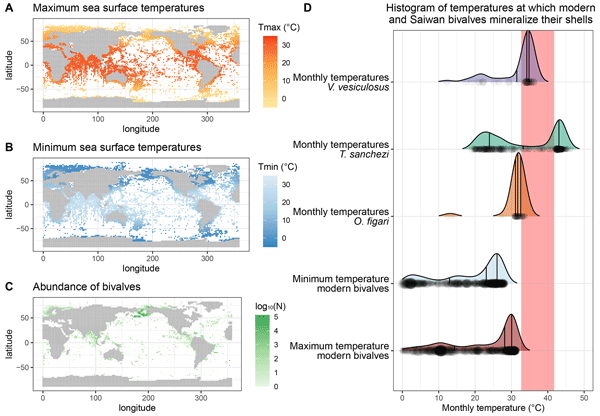
To test the tolerance of past shallow marine ecosystems to extreme climates, we collected and compiled stable and clumped isotope data from rudist (Order Hippuritida) bivalves that lived in tropical shallow marine waters in present-day Oman during the Campanian (75 million years ago). Our dataset shows that these animals were able to withstand exceptionally warm temperatures, exceeding 40 °C, during hot summers. Our finding highlights how seasonal climate extremes impact marine biodiversity.
Marion Peral, Marta Marchegiano, Weronika Wierny, Inigo A. Müller, Johan Vellekoop, Zofia Dubicka, Maciej J. Bojanowski, Steven Goderis, and Philippe Claeys
EGUsphere, https://doi.org/10.5194/egusphere-2025-502, https://doi.org/10.5194/egusphere-2025-502, 2025
Short summary
Short summary
Around 70 million years ago, during the Late Cretaceous, Earth’s climate was undergoing long-term cooling despite high CO₂ levels. Using an advanced temperature reconstruction technique, we analyzed foraminifer fossils from the European Chalk Sea. Our results show highly variable surface waters, likely influenced by freshwater inputs or upwelling, while deeper waters remained warm and stable, possibly influenced by shifting ocean currents. This improves our understanding of past ocean dynamics.
Nina M. A. Wichern, Or M. Bialik, Theresa Nohl, Lawrence M. E. Percival, R. Thomas Becker, Pim Kaskes, Philippe Claeys, and David De Vleeschouwer
Clim. Past, 20, 415–448, https://doi.org/10.5194/cp-20-415-2024, https://doi.org/10.5194/cp-20-415-2024, 2024
Short summary
Short summary
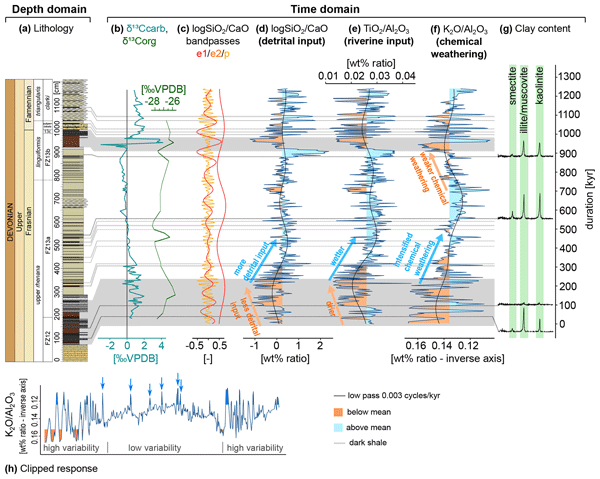
Middle–Late Devonian sedimentary rocks are often punctuated by anoxic black shales. Due to their semi-regular nature, anoxic events may be linked to periodic changes in the Earth’s climate caused by astronomical forcing. We use portable X-ray fluorescence elemental records, measured on marine sediments from Germany, to construct an astrochronological framework for the Kellwasser ocean anoxic Crisis. Results suggest that the Upper Kellwasser event was preceded by a specific orbital configuration.
Johan Vellekoop, Daan Vanhove, Inge Jelu, Philippe Claeys, Linda C. Ivany, Niels J. de Winter, Robert P. Speijer, and Etienne Steurbaut
EGUsphere, https://doi.org/10.5194/egusphere-2024-298, https://doi.org/10.5194/egusphere-2024-298, 2024
Preprint archived
Short summary
Short summary
Stable oxygen and carbon isotope analyses of fossil bivalves, gastropods and fish ear bones (otoliths) is frequently used for seasonality reconstructions of past climates. We measured stable isotope compositions in multiple specimens of two bivalve species, a gastropod species, and two species of otoliths, from two early Eocene (49.2 million year old) shell layers. Our study demonstrates considerable variability between different taxa, which has implications for seasonality reconstructions.
Sarah Wauthy, Jean-Louis Tison, Mana Inoue, Saïda El Amri, Sainan Sun, François Fripiat, Philippe Claeys, and Frank Pattyn
Earth Syst. Sci. Data, 16, 35–58, https://doi.org/10.5194/essd-16-35-2024, https://doi.org/10.5194/essd-16-35-2024, 2024
Short summary
Short summary
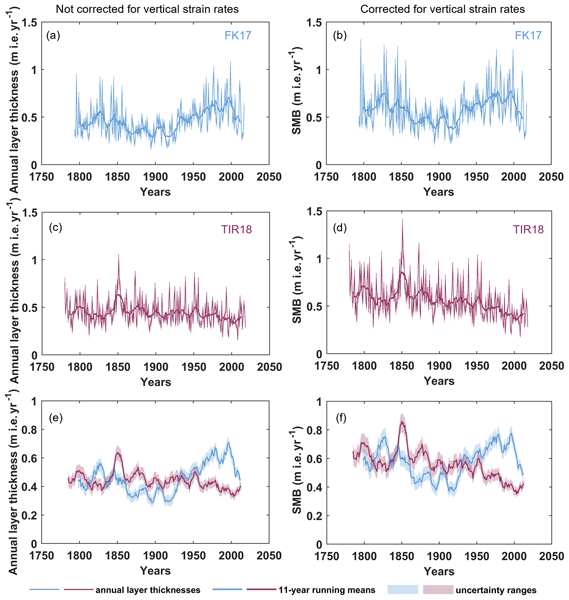
The datasets presented are the density, water isotopes, ions, and conductivity measurements, as well as age models and surface mass balance (SMB) from the top 120 m of two ice cores drilled on adjacent ice rises in Dronning Maud Land, dating from the late 18th century. They offer many development possibilities for the interpretation of paleo-profiles and for addressing the mechanisms behind the spatial and temporal variability of SMB and proxies observed at the regional scale in East Antarctica.
Niels J. de Winter, Daniel Killam, Lukas Fröhlich, Lennart de Nooijer, Wim Boer, Bernd R. Schöne, Julien Thébault, and Gert-Jan Reichart
Biogeosciences, 20, 3027–3052, https://doi.org/10.5194/bg-20-3027-2023, https://doi.org/10.5194/bg-20-3027-2023, 2023
Short summary
Short summary
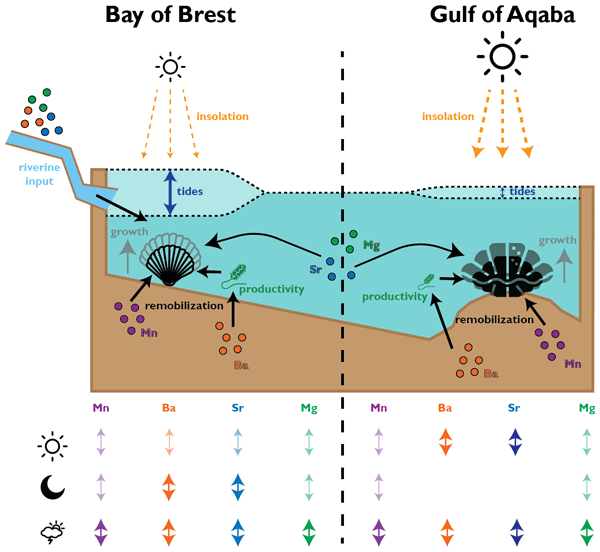
Mollusk shells are valuable recorders of climate and environmental changes of the past down to a daily resolution. To explore this potential, we measured changes in the composition of shells of two types of bivalves recorded at the hourly scale: the king scallop Pecten maximus and giant clams (Tridacna) that engaged in photosymbiosis. We find that photosymbiosis produces more day–night fluctuation in shell chemistry but that most of the variation is not periodic, perhaps recording weather.
Nina M. A. Wichern, Niels J. de Winter, Andrew L. A. Johnson, Stijn Goolaerts, Frank Wesselingh, Maartje F. Hamers, Pim Kaskes, Philippe Claeys, and Martin Ziegler
Biogeosciences, 20, 2317–2345, https://doi.org/10.5194/bg-20-2317-2023, https://doi.org/10.5194/bg-20-2317-2023, 2023
Short summary
Short summary
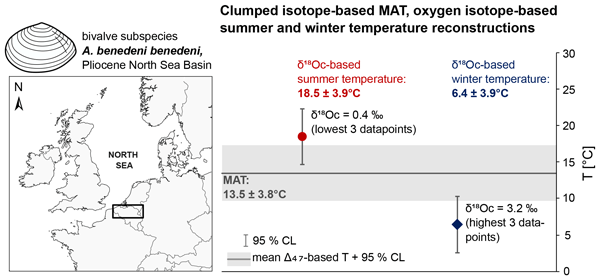
Fossil bivalves are an excellent climate archive due to their rapidly forming growth increments and long lifespan. Here, we show that the extinct bivalve species Angulus benedeni benedeni can be used to reconstruct past temperatures using oxygen and clumped isotopes. This species has the potential to provide seasonally resolved temperature data for the Pliocene to Oligocene sediments of the North Sea basin. In turn, these past climates can improve our understanding of future climate change.
David De Vleeschouwer, Marion Peral, Marta Marchegiano, Angelina Füllberg, Niklas Meinicke, Heiko Pälike, Gerald Auer, Benjamin Petrick, Christophe Snoeck, Steven Goderis, and Philippe Claeys
Clim. Past, 18, 1231–1253, https://doi.org/10.5194/cp-18-1231-2022, https://doi.org/10.5194/cp-18-1231-2022, 2022
Short summary
Short summary
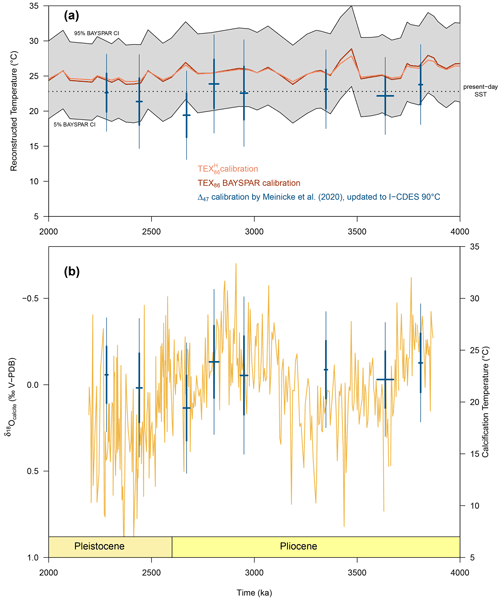
The Leeuwin Current transports warm water along the western coast of Australia: from the tropics to the Southern Hemisphere midlatitudes. Therewith, the current influences climate in two ways: first, as a moisture source for precipitation in southwestern Australia; second, as a vehicle for Equator-to-pole heat transport. In this study, we study sediment cores along the Leeuwin Current pathway to understand its ocean–climate interactions between 4 and 2 Ma.
Matthias Sinnesael, Alfredo Loi, Marie-Pierre Dabard, Thijs R. A. Vandenbroucke, and Philippe Claeys
Geochronology, 4, 251–267, https://doi.org/10.5194/gchron-4-251-2022, https://doi.org/10.5194/gchron-4-251-2022, 2022
Short summary
Short summary
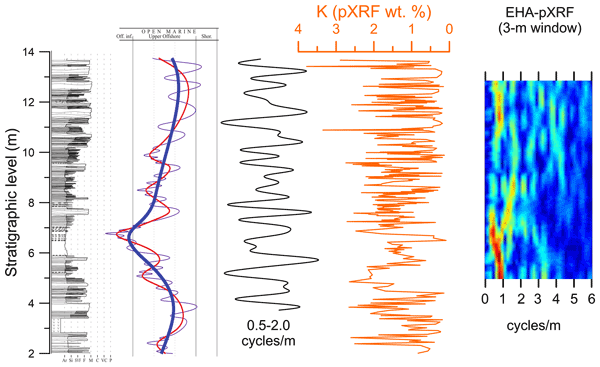
We used new geochemical measurements to study the expression of astronomical climate cycles recorded in the Ordovician (~ 460 million years ago) geological sections of the Crozon Peninsula (France). This type of geological archive is not often studied in this way, but as they become more important going back in time, a better understanding of their potential astronomical cycles is crucial to advance our knowledge of deep-time climate dynamics and to construct high-resolution timescales.
Niels J. de Winter
Geosci. Model Dev., 15, 1247–1267, https://doi.org/10.5194/gmd-15-1247-2022, https://doi.org/10.5194/gmd-15-1247-2022, 2022
Short summary
Short summary
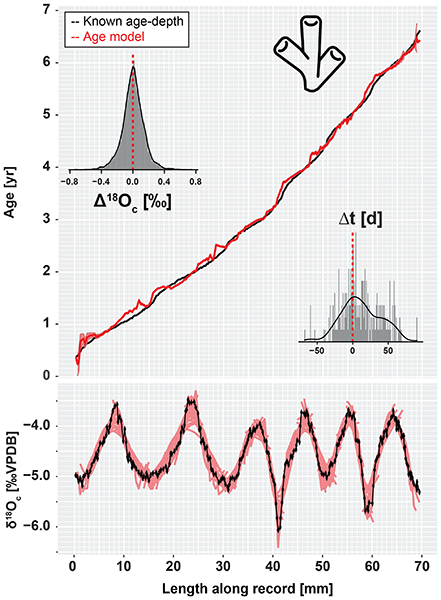
ShellChron is a tool for determining the relative age of samples in carbonate (climate) archives based on the seasonal variability in temperature and salinity or precipitation recorded in stable oxygen isotope measurements. The model allows dating of fossil archives within a year, which is important for climate reconstructions on the sub-seasonal to decadal scale. In this paper, I introduce ShellChron and test it on a range of real and virtual datasets to demonstrate its use.
Cited articles
Abrahams, P. W. and Parsons, J. A.: Geophagy in the Tropics: A Literature Review, The Geographical Journal, 162, 63–72, https://doi.org/10.2307/3060216, 1996.
Antunes, M. T. and Ginsburg, L.: The last Anthracothere Brachyodus onoideus (Mammalia, Artiodactyla) from westernmost Europe and its extinction, Ciências da Terra, 15, 161–172, 2003.
Antunes, M. T. and Pais, J.: Climate during Miocene in Portugal and its evolution, Paléobiologie continentale, 14, 75–89, 1984.
Aoba, T., Moreno, E. C., and Shimoda, S.: Competitive adsorption of magnesium and calcium ions onto synthetic and biological apatites, Calcif. Tissue Int., 51, 143–150, https://doi.org/10.1007/BF00298503, 1992a.
Aoba, T., Shimoda, S., and Moreno, E. C.: Labile or surface pools of magnesium, sodium, and potassium in developing porcine enamel mineral, J. Dent. Res., 71, 1826–1831, https://doi.org/10.1177/00220345920710111201, 1992b.
Ayliffe, L. K. and Chivas, A. R.: Oxygen isotope composition of the bone phosphate of Australian kangaroos: Potential as a palaeoenvironmental recorder, Geochimica et Cosmochimica Acta, 54, 2603–2609, https://doi.org/10.1016/0016-7037(90)90246-H, 1990.
Ayliffe, L. K., Lister, A. M., and Chivas, A. R.: The preservation of glacial-interglacial climatic signatures in the oxygen isotopes of elephant skeletal phosphate, Palaeogeogr. Palaeocl., 99, 179–191, https://doi.org/10.1016/0031-0182(92)90014-V, 1992.
Beauvais, A. and Colin, F.: Formation and transformation processes of iron duricrust systems in tropical humid environment, Chemical Geology, 106, 77–101, https://doi.org/10.1016/0009-2541(93)90167-H, 1993.
Bender, M. M.: Variations in the 13C
Berkeley-Cotter, J. C.: O miocénico marinho de lisboa, Serviços Geológicos de Portugal, 170 pp., ISSN 0037-2730, 1956.
Bhavya, S.: 3 Main Types of Teeth Found in Mammals – Vertebrates – Chordata – Zoology, Zoology Notes, 2017.
Białas, N., Prymak, O., Singh, N. P., Paul, D., Patnaik, R., and Epple, M.: Teeth of Past and Present Elephants: Microstructure and Composition of Enamel in Fossilized Proboscidean Molars and Implications for Diagenesis, Geochemistry, Geophysics, Geosystems, 22, e2020GC009557, https://doi.org/10.1029/2020GC009557, 2021.
Blaise, E. and Balasse, M.: Seasonality and season of birth of modern and late Neolithic sheep from south-eastern France using tooth enamel δ18O analysis, Journal of archaeological Science, 38, 3085–3093, 2011.
Botsyun, S., Ehlers, T. A., Koptev, A., Böhme, M., Methner, K., Risi, C., Stepanek, C., Mutz, S. G., Werner, M., Boateng, D., and Mulch, A.: Middle Miocene Climate and Stable Oxygen Isotopes in Europe Based on Numerical Modeling, Paleoceanography and Paleoclimatology, 37, e2022PA004442, https://doi.org/10.1029/2022PA004442, 2022.
Brown, G. and Brindley, G. W.: X-ray Diffraction Procedures for Clay Mineral Identification, in: Crystal Structures of Clay Minerals and their X-Ray Identification, vol. 5, edited by: Brindley, G. W. and Brown, G., Mineralogical Society of Great Britain and Ireland, 5, 305–359, https://doi.org/10.1180/mono-5.5, 1980.
Brügmann, G., Krause, J., Brachert, T. C., Stoll, B., Weis, U., Kullmer, O., Ssemmanda, I., and Mertz, D. F.: Chemical composition of modern and fossil hippopotamid teeth and implications for paleoenvironmental reconstructions and enamel formation – Part 2: Alkaline earth elements as tracers of watershed hydrochemistry and provenance, Biogeosciences, 9, 4803–4817, https://doi.org/10.5194/bg-9-4803-2012, 2012.
Bryant, J. D., Froelich, P. N., Showers, W. J., and Genna, B. J.: Biologic and climatic signals in the oxygen isotopic composition of Eocene-Oligocene equid enamel phosphate, Palaeogeography, Palaeoclimatology, Palaeoecology, 126, 75–89, https://doi.org/10.1016/S0031-0182(96)00071-5, 1996.
Burls, N. J., Bradshaw, C. D., De Boer, A. M., Herold, N., Huber, M., Pound, M., Donnadieu, Y., Farnsworth, A., Frigola, A., Gasson, E., von der Heydt, A. S., Hutchinson, D. K., Knorr, G., Lawrence, K. T., Lear, C. H., Li, X., Lohmann, G., Lunt, D. J., Marzocchi, A., Prange, M., Riihimaki, C. A., Sarr, A.-C., Siler, N., and Zhang, Z.: Simulating Miocene Warmth: Insights From an Opportunistic Multi-Model Ensemble (MioMIP1), Paleoceanography and Paleoclimatology, 36, e2020PA004054, https://doi.org/10.1029/2020PA004054, 2021.
Cantalapiedra, J. L., Sanisidro, Ó., Zhang, H., Alberdi, M. T., Prado, J. L., Blanco, F., and Saarinen, J.: The rise and fall of proboscidean ecological diversity, Nat. Ecol. Evol., 5, 1266–1272, https://doi.org/10.1038/s41559-021-01498-w, 2021.
Cerling, T. E. and Harris, J. M.: Carbon isotope fractionation between diet and bioapatite in ungulate mammals and implications for ecological and paleoecological studies, Oecologia, 120, 347–363, 1999.
Cerling, T. E., Harris, J. M., Ambrose, S. H., Leakey, M. G., and Solounias, N.: Dietary and environmental reconstruction with stable isotope analyses of herbivore tooth enamel from the Miocene locality of Fort Ternan, Kenya, Journal of Human Evolution, 33, 635–650, 1997a.
Cerling, T. E., Harris, J. M., MacFadden, B. J., Leakey, M. G., Quade, J., Eisenmann, V., and Ehleringer, J. R.: Global vegetation change through the Miocene/Pliocene boundary, Nature, 389, 153–158, 1997b.
Cerling, T. E., Harris, J. M., Leakey, M. G., and Mudida, N.: 12.1. Stable Isotope Ecology of Northern Kenya, with Emphasis on the Turkana Basin, in: 12.1. Stable Isotope Ecology of Northern Kenya, with Emphasis on the Turkana Basin, Columbia University Press, 583–604, https://doi.org/10.7312/leak11870-023, 2003a.
Cerling, T. E., Harris, J. M., and Leakey, M. G.: 12.2. Isotope Paleoecology of the Nawata and Nachukui Formations at Lothagam, Turkana Basin, Kenya, in: 12.2. Isotope Paleoecology of the Nawata and Nachukui Formations at Lothagam, Turkana Basin, Kenya, Columbia University Press, 605–624, https://doi.org/10.7312/leak11870-024, 2003b.
Cerling, T. E., Hart, J. A., and Hart, T. B.: Stable isotope ecology in the Ituri Forest, Oecologia, 138, 5–12, https://doi.org/10.1007/s00442-003-1375-4, 2004.
Chandrajith, R., Kudavidanage, E., Tobschall, H. J., and Dissanayake, C. B.: Geochemical and mineralogical characteristics of elephant geophagic soils in Udawalawe National Park, Sri Lanka, Environ. Geochem. Health, 31, 391–400, https://doi.org/10.1007/s10653-008-9178-5, 2009.
Clementz, M. T.: New insight from old bones: stable isotope analysis of fossil mammals, Journal of Mammalogy, 93, 368–380, https://doi.org/10.1644/11-MAMM-S-179.1, 2012.
Coimbra, R., Huck, S., de Winter, N. J., Heimhofer, U., and Claeys, P.: Improving the detection of shell alteration: Implications for sclerochronology, Palaeogeography, Palaeoclimatology, Palaeoecology, 559, 109968, https://doi.org/10.1016/j.palaeo.2020.109968, 2020.
Coimbra, R., de Winter, N., Ríos, M., Bernardino, R., Estraviz-López, D., Lohmann, P., Martino, R., Grandal-d'Anglade, A., Rocha, F., and Claeys, P.: Supplementary information accompanying the manuscript titled “Detection of dietary stress and geophagic behaviour forced by dry seasons in Miocene Gomphotherium” by Coimbra et al. (1.2), Zenodo [data set], https://doi.org/10.5281/zenodo.14888661, 2025.
Coplen, T. B., Kendall, C., and Hopple, J.: Comparison of stable isotope reference samples, Nature, 302, 236–238, https://doi.org/10.1038/302236a0, 1983.
de Rooij, J., van der Lubbe, J. H. J. L., Verdegaal, S., Hulscher, M., Tooms, D., Kaskes, P., Verhage, O., Portanger, L., and Schulp, A. S.: Stable isotope record of Triceratops from a mass accumulation (Lance Formation, Wyoming, USA) provides insights into Triceratops behaviour and ecology, Palaeogeography, Palaeoclimatology, Palaeoecology, 607, 111274, https://doi.org/10.1016/j.palaeo.2022.111274, 2022.
de Winter, N. J. and Claeys, P.: Micro X-ray fluorescence (μXRF) line scanning on Cretaceous rudist bivalves: A new method for reproducible trace element profiles in bivalve calcite, Sedimentology, 64, 231–251, https://doi.org/10.1111/sed.12299, 2016.
de Winter, N., Snoeck, C., and Claeys, P.: Seasonal cyclicity in trace elements and stable isotopes of modern horse enamel, PLoS ONE, 11, 1–29, https://doi.org/10.1371/journal.pone.0166678, 2016.
de Winter, N., Sinnesael, M., Makarona, C., Vansteenberge, S., and Claeys, P.: Trace element analyses of carbonates using portable and micro-X-ray fluorescence: Performance and optimization of measurement parameters and strategies, Journal of Analytical Atomic Spectrometry, 32, 1211–1223, https://doi.org/10.1039/c6ja00361c, 2017.
de Winter, N. J., Snoeck, C., Schulting, R., Fernández-Crespo, T., and Claeys, P.: High-resolution trace element distributions and models of trace element diffusion in enamel of Late Neolithic/Early Chalcolithic human molars from the Rioja Alavesa region (north-central Spain) help to separate biogenic from diagenetic trends, Palaeogeography, Palaeoclimatology, Palaeoecology, 532, 109260, https://doi.org/10.1016/j.palaeo.2019.109260, 2019.
Díaz-Hernández, J. L., Sánchez-Navas, A., and Reyes, E.: Isotopic evidence for dolomite formation in soils, Chemical Geology, 347, 20–33, https://doi.org/10.1016/j.chemgeo.2013.03.018, 2013.
Dirks, W., Bromage, T. G., and Agenbroad, L. D.: The duration and rate of molar plate formation in Palaeoloxodon cypriotes and Mammuthus columbi from dental histology, Quaternary International, 255, 79–85, https://doi.org/10.1016/j.quaint.2011.11.002, 2012.
Domingo, L., Cuevas-González, J., Grimes, S. T., Fernández, M. H., and López-Martínez, N.: Multiproxy reconstruction of the palaeoclimate and palaeoenvironment of the Middle Miocene Somosaguas site (Madrid, Spain) using herbivore dental enamel, Palaeogeography, Palaeoclimatology, Palaeoecology, 272, 53–68, 2009.
Ehleringer, J. R., Sage, R. F., Flanagan, L. B., and Pearcy, R. W.: Climate change and the evolution of C4 photosynthesis, Trends in Ecology and Evolution, 6, 95–99, https://doi.org/10.1016/0169-5347(91)90183-X, 1991.
Esker, D., Forman, S. L., Widga, C., Walker, J. D., and Andrew, J. E.: Home range of the Columbian mammoths (Mammuthus columbi) and grazing herbivores from the Waco Mammoth National Monument, (Texas, USA) based on strontium isotope ratios from tooth enamel bioapatite, Palaeogeography, Palaeoclimatology, Palaeoecology, 534, 109291, https://doi.org/10.1016/j.palaeo.2019.109291, 2019.
Farquhar, G. D., Ehleringer, J. R., and Hubick, K. T.: Carbon isotope discrimination and photosynthesis, Annual review of plant biology, 40, 503–537, 1989.
Forbes, M. S., Kohn, M. J., Bestland, E. A., and Wells, R. T.: Late Pleistocene environmental change interpreted from δ13C and δ18O of tooth enamel from the Black Creek Swamp Megafauna site, Kangaroo Island, South Australia, Palaeogeography, Palaeoclimatology, Palaeoecology, 291, 319–327, https://doi.org/10.1016/j.palaeo.2010.03.003, 2010.
Fox, D. L. and Fisher, D. C.: Dietary reconstruction of Miocene Gomphotherium (Mammalia, Proboscidea) from the Great Plains region, USA, based on the carbon isotope composition of tusk and molar enamel, Palaeogeography, Palaeoclimatology, Palaeoecology, 206, 311–335, https://doi.org/10.1016/j.palaeo.2004.01.010, 2004.
Fricke, H. C. and O'Neil, J. R.: Inter- and intra-tooth variation in the oxygen isotope composition of mammalian tooth enamel phosphate: implications for palaeoclimatological and palaeobiological research, Palaeogeography, Palaeoclimatology, Palaeoecology, 126, 91–99, https://doi.org/10.1016/S0031-0182(96)00072-7, 1996.
Galhano, C., Rocha, F., and Gomes, C.: Geostatistical analysis of the influence of textural, mineralogical and geochemical parameters on the geotechnical behaviour of the “Argilas de Aveiro” Formation (Portugal), Clay Minerals, 34, 109–116, https://doi.org/10.1180/000985599545966, 1999.
Geraads, D., Zouhri, S., and Markov, G. N.: The first Tetralophodon (Mammalia, Proboscidea) cranium from Africa, Journal of Vertebrate Paleontology, 39, e1632321, https://doi.org/10.1080/02724634.2019.1632321, 2019.
Gill, J. L., Williams, J. W., Jackson, S. T., Lininger, K. B., and Robinson, G. S.: Pleistocene Megafaunal Collapse, Novel Plant Communities, and Enhanced Fire Regimes in North America, Science, 326, 1100–1103, https://doi.org/10.1126/science.1179504, 2009.
Goldner, A., Herold, N., and Huber, M.: The challenge of simulating the warmth of the mid-Miocene climatic optimum in CESM1, Clim. Past, 10, 523–536, https://doi.org/10.5194/cp-10-523-2014, 2014.
Gomphotherium angustidens by cisiopurple on DeviantArt: https://www.deviantart.com/cisiopurple/art/Gomphotherium-angustidens-916106115, last access: 10 January 2024.
Harzhauser, M., Kroh, A., Mandic, O., Piller, W. E., Göhlich, U., Reuter, M., and Berning, B.: Biogeographic responses to geodynamics: A key study all around the Oligo–Miocene Tethyan Seaway, Zoologischer Anzeiger – A Journal of Comparative Zoology, 246, 241–256, https://doi.org/10.1016/j.jcz.2007.05.001, 2007.
Harzhauser, M., Piller, W. E., Müllegger, S., Grunert, P., and Micheels, A.: Changing seasonality patterns in Central Europe from Miocene Climate Optimum to Miocene Climate Transition deduced from the Crassostrea isotope archive, Global and Planetary Change, 76, 77–84, https://doi.org/10.1016/j.gloplacha.2010.12.003, 2011.
He, Z., Zhang, Z., Guo, Z., Scotese, C. R., and Deng, C.: An early Miocene (∼ 20 Ma) paleogeographic reconstruction for paleoclimate modelling, Palaeogeography, Palaeoclimatology, Palaeoecology, 612, 111382, https://doi.org/10.1016/j.palaeo.2022.111382, 2023.
Holbourn, A., Kuhnt, W., Kochhann, K. G. D., Andersen, N., and Sebastian Meier, K. J.: Global perturbation of the carbon cycle at the onset of the Miocene Climatic Optimum, Geology, 43, 123–126, https://doi.org/10.1130/G36317.1, 2015.
Holdø, R. M., Dudley, J. P., and McDowell, L. R.: Geophagy in the African Elephant in Relation to Availability of Dietary Sodium, Journal of Mammalogy, 83, 652–664, https://doi.org/10.1644/1545-1542(2002)083<0652:GITAEI>2.0.CO;2, 2002.
Hoppe, K. A.: Correlation between the oxygen isotope ratio of North American bison teeth and local waters: Implication for paleoclimatic reconstructions, Earth and Planetary Science Letters, 244, 408–417, https://doi.org/10.1016/j.epsl.2006.01.062, 2006.
Houston, D. C., Gilardi, J. D., and Hall, A. J.: Soil consumption by Elephants might help to minimize the toxic effects of plant secondary compounds in forest browse, Mammal Review, 31, 249–254, https://doi.org/10.1111/j.1365-2907.2001.00091.x, 2001.
Iannucci, A. and Sardella, R.: What Does the “Elephant-Equus” Event Mean Today? Reflections on Mammal Dispersal Events around the Pliocene-Pleistocene Boundary and the Flexible Ambiguity of Biochronology, Quaternary, 6, 1–18, https://doi.org/10.3390/quat6010016, 2023.
IPCC: Synthesis report of the ipcc sixth assessment report (AR6), Intergovernmental Panel on Climate Change, Geneva, Switzerland, https://doi.org/10.59327/IPCC/AR6-9789291691647.001, 2023.
Ito, A. and Wagai, R.: Global distribution of clay-size minerals on land surface for biogeochemical and climatological studies, Sci. Data, 4, 170103, https://doi.org/10.1038/sdata.2017.103, 2017.
Journet, E., Balkanski, Y., and Harrison, S. P.: A new data set of soil mineralogy for dust-cycle modeling, Atmos. Chem. Phys., 14, 3801–3816, https://doi.org/10.5194/acp-14-3801-2014, 2014.
Koch, P. L., Michener, R., and Lajtha, K.: Isotopic study of the biology of modern and fossil vertebrates, Stable Isotopes in Ecology and Environmental Science, 2, 99–154, 2007.
Kohn, M. J.: Predicting animal δ18O: Accounting for diet and physiological adaptation, Geochimica et Cosmochimica Acta, 60, 4811–4829, https://doi.org/10.1016/S0016-7037(96)00240-2, 1996.
Kohn, M. J.: Models of diffusion-limited uptake of trace elements in fossils and rates of fossilization, Geochimica et Cosmochimica Acta, 72, 3758–3770, https://doi.org/10.1016/j.gca.2008.05.045, 2008.
Kohn, M. J. and Cerling, T. E.: Stable Isotope Compositions of Biological Apatite, Reviews in Mineralogy and Geochemistry, 48, 455–488, https://doi.org/10.2138/rmg.2002.48.12, 2002.
Kohn, M. J., Schoeninger, M. J., and Valley, J. W.: Herbivore tooth oxygen isotope compositions: Effects of diet and physiology, Geochimica et Cosmochimica Acta, 60, 3889–3896, https://doi.org/10.1016/0016-7037(96)00248-7, 1996.
Kohn, M. J., Schoeninger, M. J., and Barker, W. W.: Altered states: effects of diagenesis on fossil tooth chemistry, Geochimica et Cosmochimica Acta, 63, 2737–2747, 1999.
Kohn, M. J., Morris, J., and Olin, P.: Trace element concentrations in teeth – a modern Idaho baseline with implications for archeometry, forensics, and palaeontology, Journal of Archaeological Science, 40, 1689–1699, https://doi.org/10.1016/j.jas.2012.11.012, 2013.
Kowalik, N., Anczkiewicz, R., Müller, W., Spötl, C., Bondioli, L., Nava, A., Wojtal, P., Wilczyński, J., Koziarska, M., and Matyszczak, M.: Revealing seasonal woolly mammoth migration with spatially-resolved trace element, Sr and O isotopic records of molar enamel, Quaternary Science Reviews, 306, 108036, https://doi.org/10.1016/j.quascirev.2023.108036, 2023.
Kübler, B. and Jaboyedoff, M.: Illite crystallinity, Comptes Rendus de l'Académie des Sciences – Series IIA – Earth and Planetary Science, 331, 75–89, https://doi.org/10.1016/S1251-8050(00)01395-1, 2000.
Larramendi, A.: Shoulder Height, Body Mass, and Shape of Proboscideans, acpp, 61, 537–574, https://doi.org/10.4202/app.00136.2014, 2015.
Lee, P. C., Sayialel, S., Lindsay, W. K., and Moss, C. J.: African elephant age determination from teeth: validation from known individuals, African Journal of Ecology, 50, 9–20, https://doi.org/10.1111/j.1365-2028.2011.01286.x, 2012.
Lee-Thorp, J. and Sponheimer, M.: Three case studies used to reassess the reliability of fossil bone and enamel isotope signals for paleodietary studies, Journal of Anthropological Archaeology, 22, 208–216, 2003.
Legeros, R., Balmain, N., And Bonel, G.: Structure and composition of the mineral phase of periosteal bone, J. chem. res. Synop. (Print), 89, 1986.
Levin, N. E., Cerling, T. E., Passey, B. H., Harris, J. M., and Ehleringer, J. R.: A stable isotope aridity index for terrestrial environments, Proceedings of the National Academy of Sciences, 103, 11201–11205, https://doi.org/10.1073/pnas.0604719103, 2006.
Li, C., Deng, T., Wang, Y., Sun, F., Wolff, B., Jiangzuo, Q., Ma, J., Xing, L., Fu, J., Zhang, J., and Wang, S.-Q.: Longer mandible or nose? Co-evolution of feeding organs in early elephantiforms, eLife, 12, 1–20, https://doi.org/10.7554/eLife.90908.1, 2023.
Liu, A. G. S. C., Seiffert, E. R., and Simons, E. L.: Stable isotope evidence for an amphibious phase in early proboscidean evolution, Proceedings of the National Academy of Sciences, 105, 5786–5791, https://doi.org/10.1073/pnas.0800884105, 2008.
LNEG-LGM: Carta Geológica de Portugal à escala 1:1 000 000, edição 2010, Laboratório Nacional de Energia e Geologia, Lisbon, Portugal, 2010.
Luz, B., Kolodny, Y., and Horowitz, M.: Fractionation of oxygen isotopes between mammalian bone-phosphate and environmental drinking water, Geochimica et Cosmochimica Acta, 48, 1689–1693, 1984.
Ma, J., Wang, Y., Jin, C., Hu, Y., and Bocherens, H.: Ecological flexibility and differential survival of Pleistocene Stegodon orientalis and Elephas maximus in mainland southeast Asia revealed by stable isotope (C, O) analysis, Quaternary Science Reviews, 212, 33–44, https://doi.org/10.1016/j.quascirev.2019.03.021, 2019.
Macfadden, B. J., Cerling, T. E., Harris, J. M., and Prado, J.: Ancient Latitudinal Gradients of C3
MacFadden, B. J., Morgan, G. S., Jones, D. S., and Rincon, A. F.: Gomphothere proboscidean (Gomphotherium) from the late Neogene of Panama, Journal of Paleontology, 89, 360–365, https://doi.org/10.1017/jpa.2014.31, 2015.
Malferrari, D., Ferretti, A., Mascia, M. T., Savioli, M., and Medici, L.: How Much Can We Trust Major Element Quantification in Bioapatite Investigation?, ACS Omega, 4, 17814–17822, https://doi.org/10.1021/acsomega.9b02426, 2019.
Malhi, Y., Doughty, C. E., Galetti, M., Smith, F. A., Svenning, J.-C., and Terborgh, J. W.: Megafauna and ecosystem function from the Pleistocene to the Anthropocene, Proceedings of the National Academy of Sciences, 113, 838–846, https://doi.org/10.1073/pnas.1502540113, 2016.
Martínez del Rio, C. and Carleton, S. A.: How fast and how faithful: the dynamics of isotopic incorporation into animal tissues, Journal of Mammalogy, 93, 353–359, https://doi.org/10.1644/11-MAMM-S-165.1, 2012.
McMillan, R., Snoeck, C., de Winter, N. J., Claeys, P., and Weis, D.: Evaluating the impact of acetic acid chemical pre-treatment on “old” and cremated bone with the “Perio-spot” technique and “Perios-endos” profiles, Palaeogeography, Palaeoclimatology, Palaeoecology, 530, 330–344, https://doi.org/10.1016/j.palaeo.2019.05.019, 2019.
Meckler, A. N., Sexton, P. F., Piasecki, A. M., Leutert, T. J., Marquardt, J., Ziegler, M., Agterhuis, T., Lourens, L. J., Rae, J. W. B., Barnet, J., Tripati, A., and Bernasconi, S. M.: Cenozoic evolution of deep ocean temperature from clumped isotope thermometry, Science, 377, 86–90, https://doi.org/10.1126/science.abk0604, 2022.
Meinshausen, M., Nicholls, Z. R. J., Lewis, J., Gidden, M. J., Vogel, E., Freund, M., Beyerle, U., Gessner, C., Nauels, A., Bauer, N., Canadell, J. G., Daniel, J. S., John, A., Krummel, P. B., Luderer, G., Meinshausen, N., Montzka, S. A., Rayner, P. J., Reimann, S., Smith, S. J., van den Berg, M., Velders, G. J. M., Vollmer, M. K., and Wang, R. H. J.: The shared socio-economic pathway (SSP) greenhouse gas concentrations and their extensions to 2500, Geosci. Model Dev., 13, 3571–3605, https://doi.org/10.5194/gmd-13-3571-2020, 2020.
Mellinger, M.: Quantitative X-ray Diffraction Analysis of Clay Minerals. An Evaluation. Saskatchenwan Res. Council, Canada, SRC Report, G-79, 1979.
Metcalfe, J. Z. and Longstaffe, F. J.: Mammoth tooth enamel growth rates inferred from stable isotope analysis and histology, Quaternary Research, 77, 424–432, https://doi.org/10.1016/j.yqres.2012.02.002, 2012.
Methner, K., Campani, M., Fiebig, J., Löffler, N., Kempf, O., and Mulch, A.: Middle Miocene long-term continental temperature change in and out of pace with marine climate records, Sci. Rep., 10, 7989, https://doi.org/10.1038/s41598-020-64743-5, 2020.
Mothé, D., Ferretti, M. P., and Avilla, L. S.: The Dance of Tusks: Rediscovery of Lower Incisors in the Pan-American Proboscidean Cuvieronius hyodon Revises Incisor Evolution in Elephantimorpha, PLoS One, 11, e0147009, https://doi.org/10.1371/journal.pone.0147009, 2016.
Nedoklan, S., Knezovic, Z., Knezovic, N., and Sutlovic, D.: Nutrition and mineral content in human teeth through the centuries, Archives of Oral Biology, 124, 105075, https://doi.org/10.1016/j.archoralbio.2021.105075, 2021.
Oliveira, A., Rocha, F., Rodrigues, A., Jouanneau, J., Dias, A., Weber, O., and Gomes, C.: Clay minerals from the sedimentary cover from the Northwest Iberian shelf, Progress in Oceanography, 52, 233–247, https://doi.org/10.1016/S0079-6611(02)00008-3, 2002.
Pais, J., Cunha, P. P., Pereira, D., Legoinha, P., Dias, R., Moura, D., da Silveira, A. B., Kullberg, J. C., and González-Delgado, J. A.: The Paleogene and Neogene of Western Iberia (Portugal): A Cenozoic Record in the European Atlantic Domain, in: The Paleogene and Neogene of Western Iberia (Portugal): A Cenozoic record in the European Atlantic domain, edited by: Pais, J., Springer, Berlin, Heidelberg, 1–138, https://doi.org/10.1007/978-3-642-22401-0_1, 2012.
Passey, B. H. and Cerling, T. E.: Tooth enamel mineralization in ungulates: implications for recovering a primary isotopic time-series, Geochimica et Cosmochimica Acta, 66, 3225–3234, 2002.
Patnaik, R., Singh, N. P., Paul, D., and Sukumar, R.: Dietary and habitat shifts in relation to climate of Neogene-Quaternary proboscideans and associated mammals of the Indian subcontinent, Quaternary Science Reviews, 224, 105968, https://doi.org/10.1016/j.quascirev.2019.105968, 2019.
Pellegrini, M. and Snoeck, C.: Comparing bioapatite carbonate pre-treatments for isotopic measurements: Part 2 – Impact on carbon and oxygen isotope compositions, Chemical Geology, 420, 88–96, 2016.
Quade, J., Cerling, T. E., and Bowman, J. R.: Development of Asian monsoon revealed by marked ecological shift during the latest Miocene in northern Pakistan, Nature, 342, 163–166, https://doi.org/10.1038/342163a0, 1989.
Roberts, P., Stewart, M., Alagaili, A. N., Breeze, P., Candy, I., Drake, N., Groucutt, H. S., Scerri, E. M. L., Lee-Thorp, J., Louys, J., Zalmout, I. S., Al-Mufarreh, Y. S. A., Zech, J., Alsharekh, A. M., al Omari, A., Boivin, N., and Petraglia, M.: Fossil herbivore stable isotopes reveal middle Pleistocene hominin palaeoenvironment in “Green Arabia”, Nat. Ecol. Evol., 2, 1871–1878, https://doi.org/10.1038/s41559-018-0698-9, 2018.
Sach, F., Dierenfeld, E. S., Langley-Evans, S. C., Watts, M. J., and Yon, L.: African savanna elephants (Loxodonta africana) as an example of a herbivore making movement choices based on nutritional needs, PeerJ, 7, e6260, https://doi.org/10.7717/peerj.6260, 2019.
Saegusa, H., Nakaya, H., Kunimatsu, Y., Nakatsukasa, M., Tsujikawa, H., Sawada, Y., Saneyoshi, M., and Sakai, T.: Earliest elephantid remains from the Late Miocene locality, Nakali, Kenya, in: Abstract Book of the VIth International Conference on Mammoths and Their Relatives, Scientific Annals of the School of Geology, Special, Grevena – Siatista, special volume 102, 175 pp., 2014.
Sakae, T., Mishima, H., and Kozawa, Y.: Proboscidea Fossil Teeth Suggest the Evolution of Enamel Crystals, in: Mechanisms and Phylogeny of Mineralization in Biological Systems, Tokyo, 477–481, https://doi.org/10.1007/978-4-431-68132-8_76, 1991.
Sarna-Boś, K., Boguta, P., Skic, K., Wiącek, D., Maksymiuk, P., Sobieszczański, J., and Chałas, R.: Physicochemical Properties and Surface Characteristics of Ground Human Teeth, Molecules, 27, 5852, https://doi.org/10.3390/molecules27185852, 2022.
Schultz, L. G.: Quantitative interpretation of mineralogical composition from X-ray and chemical data for the Pierre Shale, U.S. Geological Survey Professional Papers, 391–C, United States Government Printing Office, Washington, 1964.
Shaik, I., Dasari, B., Shaik, A., Doos, M., Kolli, H., Rana, D., and Tiwari, R. V. C.: Functional Role of Inorganic Trace Elements on Enamel and Dentin Formation: A Review, J. Pharm. Bioallied. Sci., 13, S952–S956, https://doi.org/10.4103/jpbs.jpbs_392_21, 2021.
Sharma, V., Srinivasan, A., Nikolajeff, F., and Kumar, S.: Biomineralization process in hard tissues: The interaction complexity within protein and inorganic counterparts, Acta Biomaterialia, 120, 20–37, https://doi.org/10.1016/j.actbio.2020.04.049, 2021.
Shoshani, J. and Tassy, P.: The Proboscidea: evolution and palaeoecology of elephants and their relatives, Oxford University Press Oxford, 149–177, https://doi.org/10.1093/oso/9780198546528.001.0001, 1996.
Spencer, F., Verostick, K., Serna, A., Stantis, C., and Bowen, G. J.: Effects of particle size, storage conditions, and chemical pretreatments on carbon and oxygen isotopic measurements of modern tooth enamel, Science and Justice, 64, 193–201, https://doi.org/10.1016/j.scijus.2024.01.004, 2024.
Staunton, S. and Fairbridge, R. W.: Duricrusts and Induration, in: Encyclopedia of Soil Science, edited by: Chesworth, W., Springer Netherlands, Dordrecht, 192–198, https://doi.org/10.1007/978-1-4020-3995-9_168, 2008.
Steinthorsdottir, M., Coxall, H. K., Boer, A. M. de, Huber, M., Barbolini, N., Bradshaw, C. D., Burls, N. J., Feakins, S. J., Gasson, E., Henderiks, J., Holbourn, A., Kiel, S., Kohn, M. J., Knorr, G., Kürschner, W. M., Lear, C. H., Liebrand, D., Lunt, D. J., Mörs, T., Pearson, P. N., Pound, M. J., Stoll, H., and Strömberg, C. A. E.: The Miocene: the Future of the Past, Paleoceanography and Paleoclimatology, 36, e2020PA004037, https://doi.org/10.1029/2020PA004037, 2020.
Suba, R. B., Beveridge, N. G. P., Kustiawan, W., de Snoo, G. R., de Iongh, H. H., van Wieren, S. E., Choi, Y. H., and Kim, H. K.: Food preference of the bornean elephant (Elephas maximus borneensis) in North Kalimantan Province, Indonesia, and its conservation implications. Raffles Bulletin of Zoology, 68, 791–802, https://doi.org/10.26107/RBZ-2020-0090, 2020.
Super, J. R., Thomas, E., Pagani, M., Huber, M., O'Brien, C., and Hull, P. M.: North Atlantic temperature and pCO2 coupling in the early-middle Miocene, Geology, 46, 519–522, https://doi.org/10.1130/G40228.1, 2018.
Tejada-Lara, J. V., MacFadden, B. J., Bermudez, L., Rojas, G., Salas-Gismondi, R., and Flynn, J. J.: Body mass predicts isotope enrichment in herbivorous mammals, Proc. Biol. Sci., 285, 20181020, https://doi.org/10.1098/rspb.2018.1020, 2018.
Jayachandran, M.: The Role of Molar Teeth In Age Determination of Elephants, https://wildlifesos.org/elephant/the-role-of-molar-teeth-in-age-determination-of-elephants/ (last access: 10 January 2024), 2025.
Thorez, J.: Practical identification of clay minerals: A handbook for teachers and students in clay mineralogy, Dison, Belgique, 1976.
Tipple, B. J., Meyers, S. R., and Pagani, M.: Carbon isotope ratio of Cenozoic CO2: A comparative evaluation of available geochemical proxies, Paleoceanography, 25, PA3202, https://doi.org/10.1029/2009PA001851, 2010.
Tütken, T., Furrer, H., and Walter Vennemann, T.: Stable isotope compositions of mammoth teeth from Niederweningen, Switzerland: Implications for the Late Pleistocene climate, environment, and diet, Quaternary International, 164/165, 139–150, https://doi.org/10.1016/j.quaint.2006.09.004, 2007.
Ullmann, C. V. and Korte, C.: Diagenetic alteration in low-Mg calcite from macrofossils: a review, Geological Quarterly, 59, 3–20, https://doi.org/10.7306/gq.1217, 2015.
Uno, K. T., Fisher, D. C., Wittemyer, G., Douglas-Hamilton, I., Carpenter, N., Omondi, P., and Cerling, T. E.: Forward and inverse methods for extracting climate and diet information from stable isotope profiles in proboscidean molars, Quaternary International, 557, 92–109, https://doi.org/10.1016/j.quaint.2020.06.030, 2020.
van der Merwe, N. J. and Medina, E.: The canopy effect, carbon isotope ratios and foodwebs in amazonia, Journal of Archaeological Science, 18, 249–259, https://doi.org/10.1016/0305-4403(91)90064-V, 1991.
Vansteenberge, S., de Winter, N. J., Sinnesael, M., Xueqin, Z., Verheyden, S., and Claeys, P.: Benchtop μXRF as a tool for speleothem trace elemental analysis: Validation, limitations and application on an Eemian to early Weichselian (125–97 ka) stalagmite from Belgium, Palaeogeography, Palaeoclimatology, Palaeoecology, 538, 109460, https://doi.org/10.1016/j.palaeo.2019.109460, 2020.
Vogel, J. C.: Fractionation of the Carbon Isotopes During Photosynthesis, Springer Science and Business Media, 29 pp., https://doi.org/10.1007/978-3-642-46428-7_1, 1980.
Wang, J., Zhou, X., Wang, S., Xu, H., Behling, H., Ye, J., Zheng, Y., Liu, J., Wu, Y., Zhao, K., Zhang, R., and Li, X.: C4 expansion of Central Asia in the middle Miocene linked to the strengthening Indian monsoon, Global and Planetary Change, 224, 104096, https://doi.org/10.1016/j.gloplacha.2023.104096, 2023.
Wang, S.-Q., Li, Y., Duangkrayom, J., Yang, X.-W., He, W., and Chen, S.-Q.: A new species of Gomphotherium (Proboscidea, Mammalia) from China and the evolution of Gomphotherium in Eurasia, Journal of Vertebrate Paleontology, 37, e1318284, https://doi.org/10.1080/02724634.2017.1318284, 2017.
Wang, W., Liao, W., Li, D., and Tian, F.: Early Pleistocene large-mammal fauna associated with Gigantopithecus at Mohui Cave, Bubing Basin, South China, Quaternary International, 354, 122–130, https://doi.org/10.1016/j.quaint.2014.06.036, 2014.
Water Isotopes Database: Water Isotopes Database, https://wateriso.utah.edu/waterisotopes/pages/spatial_db/SPATIAL_DB.html, last access: 25 October 2023.
Westerhold, T., Marwan, N., Drury, A. J., Liebrand, D., Agnini, C., Anagnostou, E., Barnet, J. S., Bohaty, S. M., De Vleeschouwer, D., and Florindo, F.: An astronomically dated record of Earth's climate and its predictability over the last 66 million years, Science, 369, 1383–1387, 2020.
What Did Lupe Eat? – Mammoth Discovery: https://www.cdm.org/mammothdiscovery/lupeeat.html, last access: 10 January 2024.
Wheelock, N.: Environmental Sodium as a Factor in the Behavior and Distribution of African Elephants, Elephant, 1, 169–177, https://doi.org/10.22237/elephant/1521731760, 1980.
Wood, R., Fleury, A. B. C., Fallon, S., Nguyen, T. M. H., and Nguyen, A. T.: Do weak or strong acids remove carbonate contamination from ancient tooth enamel more effectively? The effect of acid pretreatment on radiocarbon and δ13C analyses, Radiocarbon, 63, 935–952, https://doi.org/10.1017/RDC.2021.32, 2021.
Wooller, M. J., Bataille, C., Druckenmiller, P., Erickson, G. M., Groves, P., Haubenstock, N., Howe, T., Irrgeher, J., Mann, D., Moon, K., Potter, B. A., Prohaska, T., Rasic, J., Reuther, J., Shapiro, B., Spaleta, K. J., and Willis, A. D.: Lifetime mobility of an Arctic woolly mammoth, Science, 373, 806–808, https://doi.org/10.1126/science.abg1134, 2021.
Wu, Y., Deng, T., Hu, Y., Ma, J., Zhou, X., Mao, L., Zhang, H., Ye, J., and Wang, S.-Q.: A grazing Gomphotherium in Middle Miocene Central Asia, 10 million years prior to the origin of the Elephantidae, Sci. Rep., 8, 7640, https://doi.org/10.1038/s41598-018-25909-4, 2018.
Zachos, J., Pagani, M., Sloan, L., Thomas, E., and Billups, K.: Trends, rhythms, and aberrations in global climate 65 Ma to present, Science, 292, 686–693, 2001.
Zachos, J. C., Dickens, G. R., and Zeebe, R. E.: An early Cenozoic perspective on greenhouse warming and carbon-cycle dynamics, Nature, 451, 279–183, 2008.
Short summary
To understand human impact on climate and biodiversity, we studied fossil teeth of Gomphotherium from Miocene Portugal. Chemical patterns, like those in modern elephants, show seasonal diet changes and geophagy during dry periods. This suggests dry seasons shaped animal behavior and ecosystems, offering insights into how land life responded to past warming—and how it might react to future climate change.
To understand human impact on climate and biodiversity, we studied fossil teeth of Gomphotherium...


Altmetrics
Final-revised paper
Preprint