
Articles | Volume 23, issue 9
https://doi.org/10.5194/bg-23-3023-2026
© Author(s) 2026. This work is distributed under
the Creative Commons Attribution 4.0 License.
the Creative Commons Attribution 4.0 License.
https://doi.org/10.5194/bg-23-3023-2026
© Author(s) 2026. This work is distributed under
the Creative Commons Attribution 4.0 License.
the Creative Commons Attribution 4.0 License.
Research article
| 
06 May 2026
Research article |
| 06 May 2026
| 06 May 2026
Vertebrate impact on bacterial community structure of coastal Arctic spring snowpacks
Sławomir Sułowicz
CORRESPONDING AUTHOR

University of Silesia, Faculty of Natural Sciences, Institute of Biology, Biotechnology and Environmental Protection, Jagiellońska 28, 40-032 Katowice, Poland
Krzysztof Zawierucha
Adam Mickiewicz University, Faculty of Biology, Department of Animal Taxonomy and Ecology, Uniwersytetu Poznańskiego 6, 61-614 Poznań, Poland
Institute of Biochemistry and Biophysics, Department of Antarctic Biology, Polish Academy of Sciences, Adolfa Pawińskiego 5a, 02-106 Warszawa, Poland
Anna Markowicz
University of Silesia, Faculty of Natural Sciences, Institute of Biology, Biotechnology and Environmental Protection, Jagiellońska 28, 40-032 Katowice, Poland
Krystyna Kozioł
The Kazimierz Wielki University in Bydgoszcz, Faculty of Geographical Sciences, Department of Environmental Change and Geochemistry, Kościeleckich Sq. 8, 85-033 Bydgoszcz, Poland
Wiktoria Zientak
The Kazimierz Wielki University in Bydgoszcz, Faculty of Geographical Sciences, Department of Environmental Change and Geochemistry, Kościeleckich Sq. 8, 85-033 Bydgoszcz, Poland
Adam Nawrot
Institute of Geophysics, Polish Academy of Sciences, Księcia Janusza 64, 01-452 Warsaw, Poland
Krzesimir Tomaszewski
Institute of Geophysics, Polish Academy of Sciences, Księcia Janusza 64, 01-452 Warsaw, Poland
Christoph Keuschnig
Interface Geochemistry, GFZ Helmholtz Center for Geosciences, 14473 Potsdam, Germany
Bartłomiej Luks
Institute of Geophysics, Polish Academy of Sciences, Księcia Janusza 64, 01-452 Warsaw, Poland
Catherine Larose
Institut des Géosciences de l'Environnement (IGE) CNRS, UGA, IRD, INRAE, Grenoble INP, 38058, Grenoble CEDEX, France and Section for Genetics and Evolutionary Biology (Evogene), Department of Biosciences, University of Oslo, Oslo, Norway
Related authors
No articles found.
Jakub Tadeusz Kowalik, Krzysztof Zawierucha, Nicoletta Makowska-Zawierucha, Grégoire Michoud, Elizabeth A. Bagshaw, and Ewa Poniecka
EGUsphere, https://doi.org/10.5194/egusphere-2026-4517, https://doi.org/10.5194/egusphere-2026-4517, 2026
Short summary
Short summary
This study investigates life in cryoconite holes on a rapidly disappearing 'island of ice' on Ağrı Dağı in Türkiye. Laboratory culturing and molecular analyses revealed a community dominated by cyanobacteria and protists but lacking micro-animals, suggesting a simplified food web. Many of the bacteria are adapted to cold conditions and may be vulnerable to warming. These findings highlight that isolated low-latitude glaciers host distinct but fragile ecosystems at risk from climate change.
Elsa Abs, Christoph Keuschnig, Pierre Amato, Chris Bowler, Eric Capo, Alexander B. Chase, Luciana Chavez Rodriguez, Abraham N. Dabengwa, Thomas Dussarrat, Thomas Guzman, Linnea K. Hernandez, Jenni Hultman, Kirsten Küsel, Zhen Li, Anna Mankowski, William J. Riley, Scott R. Saleska, and Lisa Wingate
Biogeosciences, 23, 5205–5237, https://doi.org/10.5194/bg-23-5205-2026, https://doi.org/10.5194/bg-23-5205-2026, 2026
Short summary
Short summary
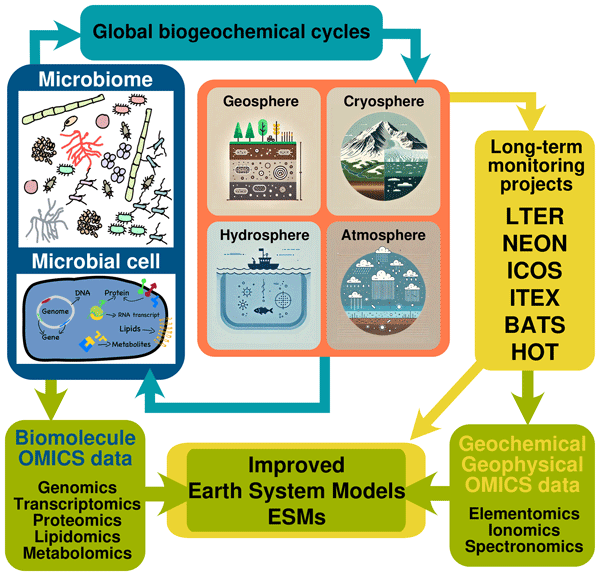
Meta-omics technologies offer new tools to understand how microbial and plant functional diversity shape biogeochemical cycles across ecosystems. This perspective explores how integrating omics data with ecological and modeling approaches can improve our understanding of greenhouse gas fluxes and nutrient dynamics, from soils to clouds, and from the past to the future. We highlight challenges and opportunities for scaling omics insights from local processes to Earth system models.
Anastasiia Kosolapova, Romain Castro, Ferran Romero, Catherine Larose, and Ianina Altshuler
The Cryosphere, 20, 3959–3975, https://doi.org/10.5194/tc-20-3959-2026, https://doi.org/10.5194/tc-20-3959-2026, 2026
Short summary
Short summary
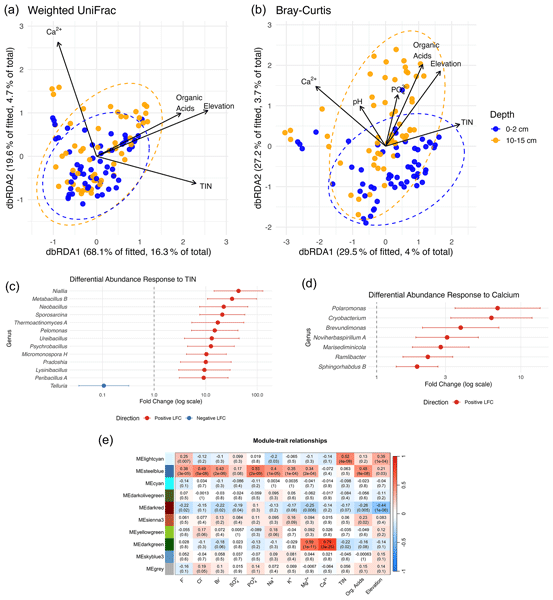
Seasonal snow acts as a dynamic medium, accumulating atmospheric particles and microorganisms, creating unique microbial habitats in alpine environments. At the local scale, snow depth, not valley location, mainly drives chemical composition and bacterial community structure, while elevation predicts community differences across sites. Diversity drops within just 10–15 cm depth, reflecting distinct atmospheric sources and rapid post-depositional selection at centimetre scales.
Jakub Buda, Edyta Łokas, Sylwia Błażej, Roberto Ambrosini, Kinga Buda, Riccardo Scotti, Krzysztof Gorzkiewicz, Ronald Łaniecki, Artur Trzebny, Francesca Pittino, Olena Nahimova, Arianna Crosta, Michał Bończyk, Krzysztof Samolej, Andrea Franzetti, and Krzysztof Zawierucha
EGUsphere, https://doi.org/10.5194/egusphere-2026-4043, https://doi.org/10.5194/egusphere-2026-4043, 2026
Short summary
Short summary
We investigated whether natural and anthropogenic radioisotopes influence microbial life on Alpine glaciers. Using extensive field sampling across Alpine glaciers, we found that higher environmental radioactivity is associated with lower microbial diversity and reduced activity, while key ecosystem functions remain largely maintained despite structural simplification. Our findings identify environmental radioactivity as a previously overlooked factor shaping remote glacier ecosystems.
Dzmitry Lukashanets, Krzysztof Zawierucha, Jolita Petkuvienė, Donata Overlingė, Diana Vaičiūtė, Greta Kalvaitienė, and Marija Kataržytė
Biogeosciences, 23, 4199–4212, https://doi.org/10.5194/bg-23-4199-2026, https://doi.org/10.5194/bg-23-4199-2026, 2026
Short summary
Short summary
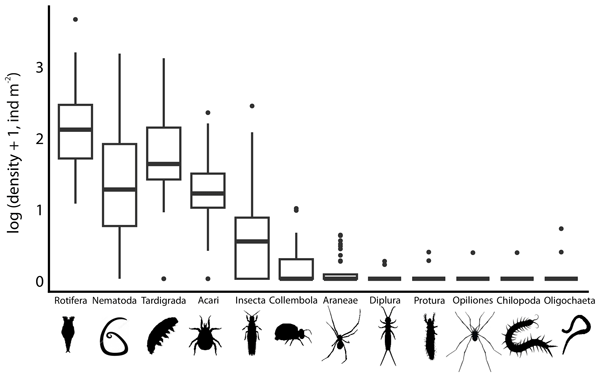
Seasonal snow patches in lowland forests may look lifeless, but they host diverse microscopic animals. Studying 40 sites in the Baltic States, we found that rotifers, tardigrades and nematodes dominate these short-lived habitats, sometimes reaching very high numbers. Their presence depends strongly on surrounding trees, which supply organic matter to the snow. These overlooked cryospheric ecosystems deserve attention in a warming climate.
Lisa Ardoin, Catherine Larose, Jean-Louis Tison, Christoph Keuschnig, Vasileios Gkinis, Saïda El Amri, Pierre-Henry Blard, Paul Bierman, Thomas Blunier, Dorthe Dahl-Jensen, Charlotte Maistriau, Jørgen-Peder Steffensen, Thomas Röckmann, and François Fripiat
EGUsphere, https://doi.org/10.5194/egusphere-2025-6204, https://doi.org/10.5194/egusphere-2025-6204, 2026
Short summary
Short summary
We investigated gas dynamics at the ice–bed interface of two Greenland ice cores to assess methane and carbon dioxide behaviour beneath ice sheets. At Camp Century, methane diffuses into the ice and is partly oxidized. At GRIP, methane remains preserved despite oxygen. These contrasts suggest that methane oxidation is controlled by local basal conditions, including ice thickness and substrate availability.
Małgorzata Błaszczyk, Bartłomiej Luks, Michał Pętlicki, Dariusz Puczko, Dariusz Ignatiuk, Michał Laska, Jacek Jania, and Piotr Głowacki
Earth Syst. Sci. Data, 16, 1847–1860, https://doi.org/10.5194/essd-16-1847-2024, https://doi.org/10.5194/essd-16-1847-2024, 2024
Short summary
Short summary
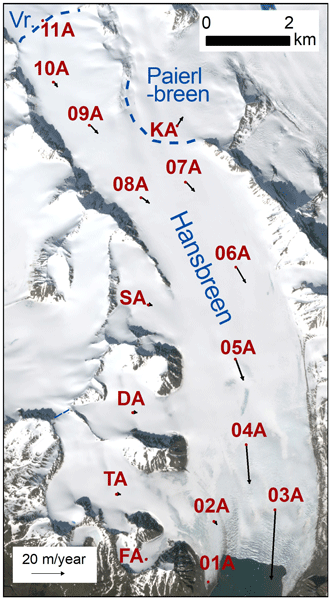
Understanding the glacier response to accelerated climate warming in the Arctic requires data obtained in the field. Here, we present a dataset of velocity measurements of Hansbreen, a tidewater glacier in Svalbard. The glacier's velocity was measured with GPS at 16 stakes mounted on the glacier's surface. The measurements were conducted from about 1 week to about 1 month. The dataset offers unique material for validating numerical models of glacier dynamics and satellite-derived products.
Andrea Spolaor, Federico Scoto, Catherine Larose, Elena Barbaro, Francois Burgay, Mats P. Bjorkman, David Cappelletti, Federico Dallo, Fabrizio de Blasi, Dmitry Divine, Giuliano Dreossi, Jacopo Gabrieli, Elisabeth Isaksson, Jack Kohler, Tonu Martma, Louise S. Schmidt, Thomas V. Schuler, Barbara Stenni, Clara Turetta, Bartłomiej Luks, Mathieu Casado, and Jean-Charles Gallet
The Cryosphere, 18, 307–320, https://doi.org/10.5194/tc-18-307-2024, https://doi.org/10.5194/tc-18-307-2024, 2024
Short summary
Short summary
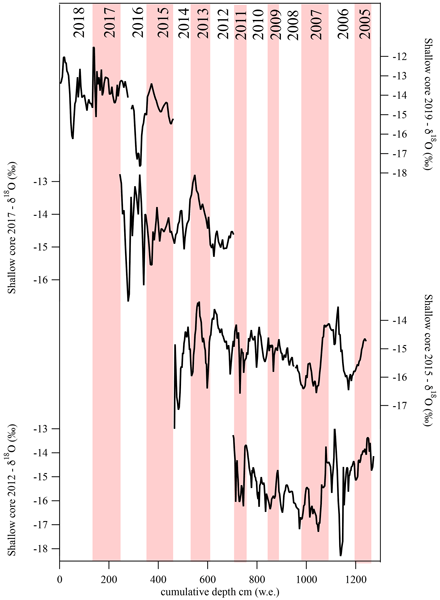
We evaluate the impact of the increased snowmelt on the preservation of the oxygen isotope (δ18O) signal in firn records recovered from the top of the Holtedahlfonna ice field located in the Svalbard archipelago. Thanks to a multidisciplinary approach we demonstrate a progressive deterioration of the isotope signal in the firn core. We link the degradation of the δ18O signal to the increased occurrence and intensity of melt events associated with the rapid warming occurring in the archipelago.
Tereza Novotná Jaroměřská, Roberto Ambrosini, Dorota Richter, Miroslawa Pietryka, Przemyslaw Niedzielski, Juliana Souza-Kasprzyk, Piotr Klimaszyk, Andrea Franzetti, Francesca Pittino, Lenka Vondrovicová, Tyler Kohler, and Krzysztof Zawierucha
Biogeosciences Discuss., https://doi.org/10.5194/bg-2022-198, https://doi.org/10.5194/bg-2022-198, 2022
Preprint withdrawn
Short summary
Short summary
Changes in the composition and biomass of photoautotrophs and consumers on glacier indicated phenological or ecological controls over their communities. We demonstrated that the recognition of the community structure of cryoconite holes requires a broad-scale and seasonal approach since biological communities vary in time and space on the glacier surface.
Outi Meinander, Pavla Dagsson-Waldhauserova, Pavel Amosov, Elena Aseyeva, Cliff Atkins, Alexander Baklanov, Clarissa Baldo, Sarah L. Barr, Barbara Barzycka, Liane G. Benning, Bojan Cvetkovic, Polina Enchilik, Denis Frolov, Santiago Gassó, Konrad Kandler, Nikolay Kasimov, Jan Kavan, James King, Tatyana Koroleva, Viktoria Krupskaya, Markku Kulmala, Monika Kusiak, Hanna K. Lappalainen, Michał Laska, Jerome Lasne, Marek Lewandowski, Bartłomiej Luks, James B. McQuaid, Beatrice Moroni, Benjamin Murray, Ottmar Möhler, Adam Nawrot, Slobodan Nickovic, Norman T. O’Neill, Goran Pejanovic, Olga Popovicheva, Keyvan Ranjbar, Manolis Romanias, Olga Samonova, Alberto Sanchez-Marroquin, Kerstin Schepanski, Ivan Semenkov, Anna Sharapova, Elena Shevnina, Zongbo Shi, Mikhail Sofiev, Frédéric Thevenet, Throstur Thorsteinsson, Mikhail Timofeev, Nsikanabasi Silas Umo, Andreas Uppstu, Darya Urupina, György Varga, Tomasz Werner, Olafur Arnalds, and Ana Vukovic Vimic
Atmos. Chem. Phys., 22, 11889–11930, https://doi.org/10.5194/acp-22-11889-2022, https://doi.org/10.5194/acp-22-11889-2022, 2022
Short summary
Short summary
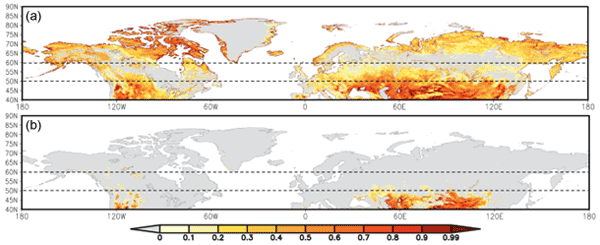
High-latitude dust (HLD) is a short-lived climate forcer, air pollutant, and nutrient source. Our results suggest a northern HLD belt at 50–58° N in Eurasia and 50–55° N in Canada and at >60° N in Eurasia and >58° N in Canada. Our addition to the previously identified global dust belt (GDB) provides crucially needed information on the extent of active HLD sources with both direct and indirect impacts on climate and environment in remote regions, which are often poorly understood and predicted.
Cited articles
Aagnes, T. H., Sormo, W., and Mathiesen, S. D.: Ruminal microbial digestion in free-living, in captive lichen-fed, and in starved reindeer (Rangifer tarandus tarandus) in winter, Appl. Environ. Microbiol., 61, 583–591, https://doi.org/10.1128/aem.61.2.583-591.1995, 1995.
Abolnik, C., Strydom, C., Landman, D., and Pieterse, R.: Identification of bacteria in the tracheal swabs of farmed ostriches and their effect on the viability of influenza A virus, J. Vet. Diagnostic Investig., 33, 1089–1095, https://doi.org/10.1177/10406387211034483, 2021.
Aigner, S., Herburger, K., Holzinger, A., and Karsten, U.: Epilithic Chamaesiphon (Synechococcales, Cyanobacteria) species in mountain streams of the Alps – interspecific differences in photo-physiological traits, J. Appl. Phycol., 30, 1125–1134, https://doi.org/10.1007/s10811-017-1328-7, 2018.
Amato, P., Hennebelle, R., Magand, O., Sancelme, M., Delort, A. M., Barbante, C., Boutron, C., and Ferrari, C.: Bacterial characterization of the snow cover at Spitzberg, Svalbard, FEMS Microbiol. Ecol., 59, 255–264, https://doi.org/10.1111/j.1574-6941.2006.00198.x, 2007.
Amor, D. R., Ratzke, C., and Gore, J.: Transient invaders can induce shifts between alternative stable states of microbial communities, Sci. Adv., 6, 1–9, https://doi.org/10.1126/sciadv.aay8676, 2020.
Amores-Arrocha, H., Asamoah-Asare, A. K. B., Opio, J., Martin, A., Cuthbertson, L., Bradford, H. R., Avila-Jimenez, M. L., and Pearce, D. A.: Analysis of Bacterial Communities around the Adventdalen Landfill Site in Svalbard, Microorganisms, 11, https://doi.org/10.3390/microorganisms11041093, 2023.
Barbaro, E., Koziol, K., Björkman, M. P., Vega, C. P., Zdanowicz, C., Martma, T., Gallet, J.-C., Kępski, D., Larose, C., Luks, B., Tolle, F., Schuler, T. V., Uszczyk, A., and Spolaor, A.: Measurement report: Spatial variations in ionic chemistry and water-stable isotopes in the snowpack on glaciers across Svalbard during the 2015–2016 snow accumulation season, Atmos. Chem. Phys., 21, 3163–3180, https://doi.org/10.5194/acp-21-3163-2021, 2021.
Bauer, S. and Hoye, B. J.: Migratory animals couple biodiversity and ecosystem functioning worldwide, Science, 344, https://doi.org/10.1126/science.1242552, 2014.
Bergk Pinto, B., Maccario, L., Dommergue, A., Vogel, T. M., and Larose, C.: Do Organic Substrates Drive Microbial Community Interactions in Arctic Snow?, Front. Microbiol., 10, 1–13, https://doi.org/10.3389/fmicb.2019.02492, 2019.
Bokulich, N. A., Subramanian, S., Faith, J. J., Gevers, D., Gordon, J. I., Knight, R., Mills, D. A., and Caporaso, J. G.: Quality-filtering vastly improves diversity estimates from Illumina amplicon sequencing, Nat. Methods, 10, 57–59, https://doi.org/10.1038/nmeth.2276, 2013.
Bowman, J. P., Cavanagh, J., Austin, J. J., and Sanderson, K.: Novel Psychrobacter species from Antarctic ornithogenic soils, Int. J. Syst. Bacteriol., 46, 841–848, https://doi.org/10.1099/00207713-46-4-841, 1996.
Bowman, J. P., Nichols, C. M., and Gibson, J. A. E.: Algoriphagus ratkowskyi gen. nov., sp. nov., Brumimicrobium glaciale gen. nov., sp. nov., Cryomorpha ignava gen. nov., sp. nov. and Crocinitomix catalasitica gen. nov., sp. nov., novel flavobacteria isolated from various polar habitats, Int. J. Syst. Evol. Microbiol., 53, 1343–1355, https://doi.org/10.1099/ijs.0.02553-0, 2003.
Buetas, E., Jordán-López, M., López-Roldán, A., D'Auria, G., Martínez-Priego, L., De Marco, G., Carda-Diéguez, M., and Mira, A.: Full-length 16S rRNA gene sequencing by PacBio improves taxonomic resolution in human microbiome samples, BMC Genomics, 25, 1–19, https://doi.org/10.1186/s12864-024-10213-5, 2024.
Callahan, B. J., McMurdie, P. J., Rosen, M. J., Han, A. W., Johnson, A. J. A., and Holmes, S. P.: DADA2: High resolution sample inference from Illumina amplicon data, Nat. Methods, 13, 581–583, https://doi.org/10.1038/nmeth.3869, 2016.
Cavanaugh, C. M., Mckiness, Z. O. E. P., Newton, I. L. G., and Stewart, F. J.: The Prokaryotes, 297–321, https://doi.org/10.1007/0-387-30745-1, 2006.
Chen, J., Bittinger, K., Charlson, E. S., Hoffmann, C., Lewis, J., Wu, G. D., Collman, R. G., Bushman, F. D., and Li, H.: Associating microbiome composition with environmental covariates using generalized UniFrac distances, Bioinformatics, 28, 2106–2113, https://doi.org/10.1093/bioinformatics/bts342, 2012.
Cho, H. and Young, W.: Interspecific comparison of the fecal microbiota structure in three Arctic migratory bird species, Ecol. Evol., 10, 5582–5594, https://doi.org/10.1002/ece3.6299, 2020.
Choe, Y. H., Kim, M., and Lee, Y. K.: Distinct Microbial Communities in Adjacent Rock and Soil Substrates on a High Arctic Polar Desert, Front. Microbiol., 11, 1–15, https://doi.org/10.3389/fmicb.2020.607396, 2021.
Christiansen, C. T., Engel, K., Hall, M., Neufeld, J. D., Walker, V. K., and Grogan, P.: Arctic tundra soil depth, more than seasonality, determines active layer bacterial community variation down to the permafrost transition, Soil Biol. Biochem., 200, 109624, https://doi.org/10.1016/j.soilbio.2024.109624, 2025.
Chuvochina, M., Gerken, J., Frentrup, M., Sandikci, Y., Goldmann, R., Freese, H. M., Göker, M., Sikorski, J., Yarza, P., Quast, C., Peplies, J., Glöckner, F. O., and Reimer, L. C.: SILVA in 2026: a global core biodata resource for rRNA within the DSMZ digital diversity, Nucleic Acids Res., 334–341, https://doi.org/10.1093/nar/gkaf1247, 2025.
Collins, R. E. and Deming, J. W.: Abundant dissolved genetic material in Arctic sea ice Part I: Extracellular DNA, Polar Biol., 34, 1819–1830, https://doi.org/10.1007/s00300-011-1041-y, 2011.
Déry, S. J. and Brown, R. D.: Recent Northern Hemisphere snow cover extent trends and implications for the snow-albedo feedback, Geophys. Res. Lett., 34, 2–7, https://doi.org/10.1029/2007GL031474, 2007.
Dong, Z., Jiang, H., Baccolo, G., Di Mauro, B., and Zawierucha, K.: Biological and Pollution Aerosols on Snow and Ice – Interplay between the Atmosphere and the Cryosphere, J. Earth Sci., 34, 1951–1956, https://doi.org/10.1007/s12583-023-2004-2, 2023.
Dziewit, L., Cegielski, A., Romaniuk, K., Uhrynowski, W., Szych, A., Niesiobedzki, P., Zmuda-Baranowska, M. J., Zdanowski, M. K., and Bartosik, D.: Plasmid diversity in arctic strains of Psychrobacter spp., Extremophiles, 17, 433–444, https://doi.org/10.1007/s00792-013-0521-0, 2013.
Faith, D. P. and Baker, A. M.: Phylogenetic Diversity (PD) and Biodiversity Conservation: Some Bioinformatics Challenges, Evol. Bioinforma., 2, 117693430600200, https://doi.org/10.1177/117693430600200007, 2006.
Fang, X. M., Li, J., Wang, N. F., Zhang, T., and Yu, L. Y.: Fziel, Environ. Res., 262, 119788, https://doi.org/10.1016/j.envres.2024.119788, 2024.
Finne, E. A., Varpe, Ø., Durant, J. M., Gabrielsen, G. W., and Poste, A. E.: Nutrient fluxes from an Arctic seabird colony to the adjacent coastal marine ecosystem, Polar Biol., 47, 859–872, https://doi.org/10.1007/s00300-022-03024-5, 2024.
Franz, M., Whyte, L., Atwood, T. C., Laidre, K. L., Roy, D., Watson, S. E., Góngora, E., and McKinney, M. A.: Distinct gut microbiomes in two polar bear subpopulations inhabiting different sea ice ecoregions, Sci. Rep., 12, 1–15, https://doi.org/10.1038/s41598-021-04340-2, 2022.
Franzetti, A., Navarra, F., Tagliaferri, I., Gandolfi, I., Bestetti, G., Minora, U., Azzoni, R. S., Diolaiuti, G., Smiraglia, C., and Ambrosini, R.: Potential sources of bacteria colonizing the cryoconite of an Alpine glacier, PLoS One, 12, 1–13, https://doi.org/10.1371/journal.pone.0174786, 2017.
Góngora, E., Elliott, K. H., and Whyte, L.: Gut microbiome is affected by inter-sexual and inter-seasonal variation in diet for thick-billed murres (Uria lomvia), Sci. Rep., 11, 1–12, https://doi.org/10.1038/s41598-020-80557-x, 2021.
Grond, K., Ryu, H., Baker, A. J., Santo, J. W., and Deborah, D.: Gastro-intestinal microbiota of two migratory shorebird species during spring migration staging in Delaware Bay , USA, J. Ornithol., 155, 969–977, https://doi.org/10.1007/s10336-014-1083-3, 2014.
Grond, K., Lanctot, R. B., Jumpponen, A., and Sandercock, B. K.: Recruitment and establishment of the gut microbiome in arctic shorebirds, FEMS Microbiol. Ecol., 93, 1–9, https://doi.org/10.1093/femsec/fix142, 2017.
Grond, K., Sandercock, B. K., Jumpponen, A., and Zeglin, L. H.: The avian gut microbiota: community, physiology and function in wild birds, J. Avian Biol., 49, 1–19, https://doi.org/10.1111/jav.01788, 2018.
Groudieva, T., Kambourova, M., Yusef, H., Royter, M., Grote, R., Trinks, H., and Antranikian, G.: Diversity and cold-active hydrolytic enzymes of culturable bacteria associated with Arctic sea ice, Spitzbergen, Extremophiles, 8, 475–488, https://doi.org/10.1007/s00792-004-0409-0, 2004.
Hammer, Ø., Harper, D. A. T., and Ryan, P. D.: PAST: Paleontological statistics software package for education and data analysis, 4, 9 pp., http://palaeo-electronica.org/2001_1/past/issue1_01.htm (last access: 27 March 2026), 2001.
Harding, T., Jungblut, A. D., Lovejoy, C., and Vincent, W. F.: Microbes in high arctic snow and implications for the cold biosphere, Appl. Environ. Microbiol., 77, 3234–3243, https://doi.org/10.1128/AEM.02611-10, 2011.
Hayashi, K., Tanabe, Y., Ono, K., Loonen, M. J. J. E., Asano, M., Fujitani, H., Tokida, T., Uchida, M., and Hayatsu, M.: Seabird-affected taluses are denitrification hotspots and potential N2O emitters in the High Arctic, Sci. Rep., 8, 1–11, https://doi.org/10.1038/s41598-018-35669-w, 2018.
Herlemann, D. P. R., Labrenz, M., Jürgens, K., Bertilsson, S., Waniek, J. J., and Andersson, A. F.: Transitions in bacterial communities along the 2000 km salinity gradient of the Baltic Sea, ISME J., 5, 1571–1579, https://doi.org/10.1038/ismej.2011.41, 2011.
Höfle, S. T., Kusch, S., Talbot, H. M., Mollenhauer, G., Zubrzycki, S., Burghardt, S., and Rethemeyer, J.: Characterisation of bacterial populations in Arctic permafrost soils using bacteriohopanepolyols, Org. Geochem., 88, 1–16, https://doi.org/10.1016/j.orggeochem.2015.08.002, 2015.
Hoham, R. W. and Remias, D.: Snow and Glacial Algae: A Review, J. Phycol., 56, 264–282, https://doi.org/10.1111/jpy.12952, 2020.
Hudson, A.: Biogeochemistry of snowmelt in an Antarctic glacial ecosystem, Water Resour. Res., 42, 1–15, https://doi.org/10.1029/2005WR004311, 2006.
Jain, A. and Krishnan, K. P.: Differences in free-living and particle-associated bacterial communities and their spatial variation in Kongsfjorden, Arctic, J. Basic Microbiol., 57, 827–838, https://doi.org/10.1002/jobm.201700216, 2017.
Jakubas, D., Zmudczyńska, K., Wojczulanis-Jakubas, K., and Stempniewicz, L.: Faeces deposition and numbers of vertebrate herbivores in the vicinity of planktivorous and piscivorous seabird colonies in Hornsund, Spitsbergen, Polish Polar Res., 29, 45–58, 2008.
Jensen, L. Z., Glasius, M., Gryning, S. E., Massling, A., Finster, K., and Šantl-Temkiv, T.: Seasonal Variation of the Atmospheric Bacterial Community in the Greenlandic High Arctic Is Influenced by Weather Events and Local and Distant Sources, Front. Microbiol., 13, 1–13, https://doi.org/10.3389/fmicb.2022.909980, 2022.
Jung, P., Mikhailyuk, T., Emrich, D., Baumann, K., and Dultz, S.: Shifting Boundaries: Ecological and Geographical Range extension Based on Three New Species in the Cyanobacterial Genera Cyanocohniella, Oculatella, and, Aliterella, J. Phycol., 56, 1216–1231, https://doi.org/10.1111/jpy.13025, 2020.
Jung, P., Brust, K., Schultz, M., Büdel, B., Donner, A., Lakatos, M., Ruprecht, U., Beck, A., and Orlando, J.: Opening the Gap: Rare Lichens With Rare Cyanobionts – Unexpected Cyanobiont Diversity in Cyanobacterial Lichens of the Order Lichinales, Front. Microbiol., 12, 728378, https://doi.org/10.3389/fmicb.2021.728378, 2021.
Jungblut, A. D., Lovejoy, C., and Vincent, W. F.: Global distribution of cyanobacterial ecotypes in the cold biosphere, ISME J., 4, 191–202, https://doi.org/10.1038/ismej.2009.113, 2010.
Kamenova, S., de Muinck, E. J., Veiberg, V., Utsi, T. A., Steyaert, S. M. J. G., Albon, S. D., Loe, L. E., and Trosvik, P.: Gut microbiome biogeography in reindeer supersedes millennia of ecological and evolutionary separation, FEMS Microbiol. Ecol., 99, 1–12, https://doi.org/10.1093/femsec/fiad157, 2023.
Kamran, A., Sauter, K., Reimer, A., Wacker, T., Reitner, J., and Hoppert, M.: Cyanobacterial mats in calcite-precipitating serpentinite-hosted alkaline springs of the Voltri massif, Italy, Microorganisms, 9, 1–20, https://doi.org/10.3390/microorganisms9010062, 2021.
Keslinka, L. K., Wojczulanis-Jakubas, K., Jakubas, D., and Neubauer, G.: Determinants of the little auk (Alle alle) breeding colony location and size in W and NW coast of Spitsbergen, PLoS One, 14, 1–20, https://doi.org/10.1371/journal.pone.0212668, 2019.
Keuschnig, C., Vogel, T. M., Barbaro, E., Spolaor, A., Koziol, K., Björkman, M. P., Zdanowicz, C., Gallet, J. C., Luks, B., Layton, R., and Larose, C.: Selection processes of Arctic seasonal glacier snowpack bacterial communities, Microbiome, 11, 35, https://doi.org/10.1186/s40168-023-01473-6, 2023.
Kosek, K., Jankowska, K., and Polkowska, Ż. A.: Bacterial presence in polar regions associated with environment modification by chemical compounds including contaminants, Environ. Rev., 25, 481–491, 2017.
Kosek, K., Luczkiewicz, A., Kozioł, K., Jankowska, K., Ruman, M., and Polkowska, Ż.: Environmental characteristics of a tundra river system in Svalbard. Part 1: Bacterial abundance, community structure and nutrient levels, Sci. Total Environ., 653, 1571–1584, https://doi.org/10.1016/j.scitotenv.2018.11.378, 2018.
Kosek, K., Kozioł, K., Luczkiewicz, A., Jankowska, K., Chmiel, S., and Polkowska, Ż.: Environmental characteristics of a tundra river system in Svalbard. Part 2: Chemical stress factors, Sci. Total Environ., 653, 1585–1596, https://doi.org/10.1016/j.scitotenv.2018.11.012, 2019.
Koskey, A. M., Fisher, J. C., Traudt, M. F., Newton, R. J., and McLellan, S. L.: Analysis of the Gull Fecal Microbial Community Reveals the Dominance of Catellicoccus marimammalium in Relation to Culturable Enterococci, Appl. Environ. Microbiol., 80, 757–765, https://doi.org/10.1128/AEM.02414-13, 2014.
Kreisinger, J., Kropáčková, L., Petrželková, A., Adámková, M., Tomášek, O., Martin, J. F., Michálková, R., and Albrecht, T.: Temporal stability and the effect of transgenerational transfer on fecal microbiota structure in a long distance migratory bird, Front. Microbiol., 8, 1–19, https://doi.org/10.3389/fmicb.2017.00050, 2017.
Larose, C., Berger, S., Ferrari, C., Navarro, E., Dommergue, A., Schneider, D., and Vogel, T. M.: Microbial sequences retrieved from environmental samples from seasonal Arctic snow and meltwater from Svalbard, Norway, Extremophiles, 14, 205–212, https://doi.org/10.1007/s00792-009-0299-2, 2010.
Larose, C., Dommergue, A., and Vogel, T. M.: The dynamic Arctic snow pack: An unexplored environment for microbial diversity and activity, Biology (Basel)., 2, 317–330, https://doi.org/10.3390/biology2010317, 2013.
Lasek, R., Dziewit, L., Ciok, A., Decewicz, P., Romaniuk, K., Jedrys, Z., Wibberg, D., Schlüter, A., Pühler, A., and Bartosik, D.: Genome content, metabolic pathways and biotechnological potential of the psychrophilic Arctic bacterium Psychrobacter sp. DAB_AL43B, a source and a host of novel Psychrobacter-specific vectors, J. Biotechnol., 263, 64–74, https://doi.org/10.1016/j.jbiotec.2017.09.011, 2017.
Lemke, P., Ren, J., Alley, R. B., Allison, I., Carrasco, J., Flato, G., Fujii, Y., Kaser, G., Mote, P., Thomas, R. H., and Zhang, T.: Observations: Changes in Snow, Ice and Frozen Ground, in: Climate Change 2007: The Physical Science Basis. Contribution of Working Group I to the Fourth Assessment Report of the Intergovernmental Panel on Climate Change, edited by: Solomon, S., Qin, D., Manning, M., Chen, Z., Marquis, M., Averyt, K., Tignor, M., and Miller, H. L., Cambridge University Press, Cambridge, United Kingdom and New York, NY, USA, 337–383, https://doi.org/10.1016/j.jmb.2004.10.032, 2007.
Liengen, T. and Olsen, R. A.: Nitrogen fixation by free-living cyanobacteria from different coastal sites in a high archc tundra, Spitsbergen, Arct. Alp. Res., 29, 470–477, https://doi.org/10.2307/1551994, 1997.
Liu, Q., Li, W., Liu, D., Li, L., Li, J., Lv, N., Liu, F., Zhu, B., Zhou, Y., Xin, Y., and Dong, X.: Light stimulates anoxic and oligotrophic growth of glacial Flavobacterium strains that produce zeaxanthin, ISME J., 15, 1844–1857, https://doi.org/10.1038/s41396-020-00891-w, 2021.
Lu, H., Yan, H., Masey O'Neill, H. M., Bradley, C., Bedford, M. R., Wilcock, P., Nakatsu, C. H., Adeola, O., and Ajuwon, K. M.: Effect of timing of postweaning xylanase supplementation on growth performance, nutrient digestibility, and fecal microbial composition in weanling pigs, Can. J. Anim. Sci., 100, 27–36, https://doi.org/10.1139/cjas-2019-0021, 2020.
Maccario, L., Sanguino, L., Vogel, T. M., and Larose, C.: Snow and ice ecosystems: Not so extreme, Res. Microbiol., 166, 782–795, https://doi.org/10.1016/j.resmic.2015.09.002, 2015.
Maccario, L., Carpenter, S. D., Deming, J. W., Vogel, T. M., and Larose, C.: Sources and selection of snow-specific microbial communities in a Greenlandic sea ice snow cover, Sci. Rep., 9, 1–14, https://doi.org/10.1038/s41598-019-38744-y, 2019.
Malard, L. A., Anwar, M. Z., Jacobsen, C. S., and Pearce, D. A.: Influence of Spatial Scale on Structure of Soil Bacterial Communities across an Arctic Landscape, Appl. Environ. Microbiol., 87, 1–16, https://doi.org/10.1128/AEM.02220-20, 2021.
Martin, M.: Cutadapt removes adapter sequences from high-throughput sequencing reads, EMBnet.journal Bioinforma. Action, 17, 10–12, 2011.
McInturf, A. G., Pollack, L., Yang, L. H., and Spiegel, O.: Vectors with autonomy: what distinguishes animal-mediated nutrient transport from abiotic vectors?, Biol. Rev., 94, 1761–1773, https://doi.org/10.1111/brv.12525, 2019.
Monteil, C. L., Guilbaud, C., Glaux, C., Lafolie, F., Soubeyrand, S., and Morris, C. E.: Emigration of the plant pathogen Pseudomonas syringae from leaf litter contributes to its population dynamics in alpine snowpack, Environ. Microbiol., 14, 2099–2112, https://doi.org/10.1111/j.1462-2920.2011.02680.x, 2012.
Myšková, E., Brož, M., Fuglei, E., Kvičerová, J., Mácová, A., Sak, B., Kváč, M., and Ditrich, O.: Gastrointestinal parasites of arctic foxes (Vulpes lagopus) and sibling voles (Microtus levis) in Spitsbergen, Svalbard, Parasitol. Res., 118, 3409–3418, https://doi.org/10.1007/s00436-019-06502-8, 2019.
Nekrasova, A. I., Kalashnikova, I. G., Korobeynikova, A. V., Ashniev, G. A., Bobrova, M. M., Bakoev, S. Y., Petryaikina, E. S., Nekrasov, A. S., Zagainova, A. V., Lukashina, M. V., Tolkacheva, L. R., Bobrovnitskii, I. P., Yudin, V. S., Keskinov, A. A., Makarov, V. V., and Yudin, S. M.: Characteristics of the Gut Microbiota Composition of the Arctic Zone Residents in the Far Eastern Region, Biomedicines, 12, https://doi.org/10.3390/biomedicines12112472, 2024.
Nemergut, D. R., Anderson, S. P., Cleveland, C. C., Martin, A. P., Miller, A. E., Seimon, A., and Schmidt, S. K.: Microbial community succession in an unvegetated, recently deglaciated soil, Microb. Ecol., 53, 110–122, https://doi.org/10.1007/s00248-006-9144-7, 2007.
Nissinen, R. M., Männistö, M. K., and van Elsas, J. D.: Endophytic bacterial communities in three arctic plants from low arctic fell tundra are cold-adapted and host-plant specific, FEMS Microbiol. Ecol., 82, 510–522, https://doi.org/10.1111/j.1574-6941.2012.01464.x, 2012.
Norwegian Polar Institute: Kartdata Svalbard 1:100 000 (S100 Kartdata)/Map Data, Norwegian Polar Institute [data set], https://doi.org/10.21334/NPOLAR.2014.645336C7, 2014.
Pankratov, T. A., Grouzdev, D. S., Patutina, E. O., Kolganova, T. V., Suzina, N. E., and Berestovskaya, J. J.: Lichenibacterium ramalinae gen. nov, sp. nov., Lichenibacterium minor sp. nov., the first endophytic, beta-carotene producing bacterial representatives from lichen thalli and the proposal of the new family Lichenibacteriaceae within the order Rhizobiales, Antonie van Leeuwenhoek, Int. J. Gen. Mol. Microbiol., 113, 477–489, https://doi.org/10.1007/s10482-019-01357-6, 2020.
Patova, E., Sivkov, M., and Patova, A.: Nitrogen fixation activity in biological soil crusts dominated by cyanobacteria in the Subpolar Urals (European North-East Russia), FEMS Microbiol. Ecol., 92, 1–9, https://doi.org/10.1093/femsec/fiw131, 2016.
Pessi, I. S., Popin, R. V., Durieu, B., Lara, Y., Tytgat, B., Savaglia, V., Roncero-Ramos, B., Hultman, J., Verleyen, E., Vyverman, W., and Wilmotte, A.: Novel diversity of polar Cyanobacteria revealed by genome-resolved metagenomics, Microb. Genomics, 9, 1–14, https://doi.org/10.1099/mgen.0.001056, 2023.
PN EN ISO 10304-1: Water quality – Determination of dissolved anions by liquid chromatography of ions Part 1: Determination of bromide, chloride, fluoride, nitrate, nitrite, phosphate and sulfate, 2009.
PN EN ISO 14911: Water quality – Determination of dissolved Li+, Na+, NH
Popiołek, M., Szczesna, J., Kotusz, J., Kusznierz, J., and Witkowski, A.: The level of infection with gastro-intestinal nematodes in Svalbard reindeers from Hornsund area, Spitsbergen, Polish Polar Res., 28, 277–282, 2007.
Qiagen: User Manual for CLC Microbial Genomics Module 24.0.1, 293 pp., https://resources.qiagenbioinformatics.com/manuals/clcmgm/2401/index.php?manual=Introduction.html (last access: 27 March 2026), 2024.
Rigonato, J., Gama, W. A., Alvarenga, D. O., Henrique, L., Branco, Z., Brandini, F. P., and Genu, D. B.: Aliterella atlantica gen. nov., sp. nov., and Aliterella antarctica sp. nov., novel members of coccoid Cyanobacteria, Int. J. Syst. Evol. Microbiol., 66, 2853–2861, https://doi.org/10.1099/ijsem.0.001066, 2016.
Ringø, E., Hoseinifar, S. H., Ghosh, K., Doan, H. Van, Beck, B. R., and Song, S. K.: Lactic acid bacteria in finfish-An update, Front. Microbiol., 9, 1–37, https://doi.org/10.3389/fmicb.2018.01818, 2018.
Rodrigues, D. F., Da C Jesus, E., Ayala-Del-Río, H. L., Pellizari, V. H., Gilichinsky, D., Sepulveda-Torres, L., and Tiedje, J. M.: Biogeography of two cold-adapted genera: Psychrobacter and Exiguobacterium, ISME J., 3, 658–665, https://doi.org/10.1038/ismej.2009.25, 2009.
Rousk, K., Sorensen, P. L., and Michelsen, A.: Nitrogen fixation in the High Arctic: a source of “new” nitrogen?, Biogeochemistry, 136, 213–222, https://doi.org/10.1007/s10533-017-0393-y, 2017.
Rozwalak, P., Podkowa, P., Buda, J., Niedzielski, P., Kawecki, S., Ambrosini, R., Azzoni, R. S., Baccolo, G., Ceballos, J. L., Cook, J., Di Mauro, B., Ficetola, G. F., Franzetti, A., Ignatiuk, D., Klimaszyk, P., Łokas, E., Ono, M., Parnikoza, I., Pietryka, M., Pittino, F., Poniecka, E., Porazinska, D. L., Richter, D., Schmidt, S. K., Sommers, P., Souza-Kasprzyk, J., Stibal, M., Szczuciński, W., Uetake, J., Wejnerowski, Ł., Yde, J. C., Takeuchi, N., and Zawierucha, K.: Cryoconite – From minerals and organic matter to bioengineered sediments on glacier's surfaces, Sci. Total Environ., 807, https://doi.org/10.1016/j.scitotenv.2021.150874, 2022.
Sanchez-Cid, C., Keuschnig, C., Vogel, T. M., and Larose, C.: Impact of in situ solar irradiation on snow bacterial communities and functional potential, FEMS Microbiol. Ecol., 99, 1–7, https://doi.org/10.1093/femsec/fiad042, 2023.
Segawa, T., Takeuchi, N., Rivera, A., Yamada, A., Yoshimura, Y., Barcaza, G., Shinbori, K., Motoyama, H., Kohshima, S., and Ushida, K.: Distribution of antibiotic resistance genes in glacier environments, Environ. Microbiol. Rep., 5, 127–134, https://doi.org/10.1111/1758-2229.12011, 2013.
Semenova, E. M., Babich, T. L., Sokolova, D. S., Myazin, V. A., Korneykova, M. V., and Nazina, T. N.: Bacterial Diversity of Arctic Soils with Long-Standing Pollution by Petroleum Products and Heavy Metals, Microorganisms, 14, 55, https://doi.org/10.3390/microorganisms14010055, 2025.
Skagseth, Ø., Furevik, T., Ingvaldsen, R., Loeng, H., Mork, K. A., Orvik, K. A., and Ozhigin, V.: Volume and heat transports to the Arctic Ocean via the Norwegian and Barents seas, in: Arctic–Subarctic Ocean Fluxes, edited by: Dickson, R. R., Meincke, J., and Rhines, P., Springer, Dordrecht, 45–64, https://doi.org/10.1007/978-1-4020-6774-7_3, 2008.
Skrzypek, G., Wojtuń, B., Richter, D., Jakubas, D., Wojczulanis-Jakubas, K., and Samecka-Cymerman, A.: Diversification of nitrogen sources in various tundra vegetation types in the high arctic, PLoS One, 10, 1–21, https://doi.org/10.1371/journal.pone.0136536, 2015.
Solheim, B., Endal, A., and Vigstad, H.: Nitrogen fixation in Arctic vegetation and soils from Svalbard, Norway, Polar Biol., 16, 35–40, https://doi.org/10.1007/BF02388733, 1996.
Souza-Kasprzyk, J., Paiva, T. de C., Convey, P., da Cunha, L. S. T., Soares, T. A., Zawierucha, K., Costa, E. S., Niedzielski, P., and Torres, J. P. M.: Influence of marine vertebrates on organic matter, phosphorus and other chemical element levels in Antarctic soils, Polar Biol., 45, 1571–1580, https://doi.org/10.1007/s00300-022-03091-8, 2022.
Stempniewicz, L.: Biomass of Dovekie Excreta in the Vicinity of a Breeding Colony, Colon. Waterbirds, 13, 62–66, 1990.
Stempniewicz, L.: Polar bears observed climbing steep slopes to graze on scurvy grass in Svalbard, Polar Res., 36, https://doi.org/10.1080/17518369.2017.1326453, 2017.
Sundset, M. A., Præsteng, K. E., Cann, I. K. O., Mathiesen, S. D., and MacKie, R. I.: Novel rumen bacterial diversity in two geographically separated sub-species of reindeer, Microb. Ecol., 54, 424–438, https://doi.org/10.1007/s00248-007-9254-x, 2007.
Thomas, F. A., Sinha, R. K., and Krishnan, K. P.: Bacterial community structure of a glacio-marine system in the Arctic (Ny-Ålesund, Svalbard), Sci. Total Environ., 718, 135264, https://doi.org/10.1016/j.scitotenv.2019.135264, 2020.
Ushida, K., Segawa, T., Tsuchida, S., and Murata, K.: Cecal bacterial communities in wild Japanese rock ptarmigans and captive Svalbard rock ptarmigans, J. Vet. Med. Sci., 78, 251–257, https://doi.org/10.1292/jvms.15-0313, 2016.
van den Bogert, B., Erkus, O., Boekhorst, J., de Goffau, M., Smid, E. J., Zoetendal, E. G., and Kleerebezem, M.: Diversity of human small intestinal Streptococcus and Veillonella populations, FEMS Microbiol. Ecol., 85, 376–388, https://doi.org/10.1111/1574-6941.12127, 2013.
Warwick, R. M., Emblow, C., Féral, J.-P., Hummel, H., van Avesaath, P., and Heip, C.: Report of the European Concerted Action: European Marine Biodiversity Research Sites. Report of the European Concerted Action: BIOMARE (Implementation and networking of large scale, long term marine biodiversity research in Europe), NIOO-CEME, https://researchportal.murdoch.edu.au/esploro/outputs/report/European-Marine-Biodiversity-Research-Sites-Report/991005544677807891 (last acccess: 27 March 2026), 2003.
Wejnerowski, Ł., Poniecka, E., Buda, J., Klimaszyk, P., Piasecka, A., Dziuba, M. K., Mugnai, G., Takeuchi, N., and Zawierucha, K.: Empirical testing of cryoconite granulation: Role of cyanobacteria in the formation of key biogenic structure darkening glaciers in polar regions, J. Phycol., 59, 939–949, https://doi.org/10.1111/jpy.13372, 2023.
Wesławski, J. M., Kwaśniewski, S., Stempniewicz, L., and Błachowiak-Samołyk, K.: Biodiversity and energy transfer to top trophic levels in two contrasting Arctic fjords, Polish Polar Res., 27, 259–278, 2006.
Yamane, K., Nambu, T., Yamanaka, T., Mashimo, C., Sugimori, C., Leung, K.-P., and Fukushima, H.: Complete Genome Sequence of Rothia mucilaginosa DY-18: A Clinical Isolate with Dense Meshwork-Like Structures from a Persistent Apical Periodontitis Lesion, Sequencing, 2010, 1–6, https://doi.org/10.1155/2010/457236, 2010.
Yang, G. L., Hou, S. G., Le Baoge, R., Li, Z. G., Xu, H., Liu, Y. P., Du, W. T., and Liu, Y. Q.: Differences in Bacterial Diversity and Communities between Glacial Snow and Glacial Soil on the Chongce Ice Cap, West Kunlun Mountains, Sci. Rep., 6, 1–8, https://doi.org/10.1038/srep36548, 2016.
Yao, H., Zhang, Z., Wu, N., Wang, M., Wu, Q., Wu, H., and Zhao, D.: Comparative analysis of intestinal flora at different overwintering periods in wild relict gulls (Larus relictus): first evidence from Northern China, Front. Microbiomes, 2, 1–11, https://doi.org/10.3389/frmbi.2023.1218281, 2023.
Yu, Y., Li, H., Zeng, Y., Sun, K., and Chen, B.: Pricia antarctica gen. nov., sp. nov., a member of the family Flavobacteriaceae, isolated from Antarctic intertidal sediment, Int. J. Syst. Evol. Microbiol., 62, 2218–2223, https://doi.org/10.1099/ijs.0.037515-0, 2012.
Zawierucha, K., Zmudczyńska-Skarbek, K., Kaczmarek, Ł., and Wojczulanis-Jakubas, K.: The influence of a seabird colony on abundance and species composition of water bears (Tardigrada) in Hornsund (Spitsbergen, Arctic), Polar Biol., 39, 713–723, https://doi.org/10.1007/s00300-015-1827-4, 2016.
Zawierucha, K., Zmudczyńska-Skarbek, K., Guil, N., and Bogdziewicz, M.: Seabirds modify trophic groups, while altitude promotes xeric-tolerant species of Tardigrada in the high Arctic tundra (Svalbard archipelago), Acta Oecologica, 98, 50–58, https://doi.org/10.1016/j.actao.2019.05.007, 2019.
Zeng, Y. X., Yan, M., Yu, Y., Li, H. R., He, J. F., Sun, K., and Zhang, F.: Diversity of bacteria in surface ice of Austre Lovénbreen glacier, Svalbard., Arch. Microbiol., 195, 313–322, https://doi.org/10.1007/s00203-013-0880-z, 2013.
Zhang, G., Bai, J., Tebbe, C. C., Zhao, Q., Jia, J., Wang, W., Wang, X., and Yu, L.: Salinity controls soil microbial community structure and function in coastal estuarine wetlands, Environ. Microbiol., 23, 1020–1037, https://doi.org/10.1111/1462-2920.15281, 2021.
Zielińska, S., Kidawa, D., Stempniewicz, L., Łos, M., and Łos, J. M.: New insights into the microbiota of the Svalbard reindeer Rangifer tarandus platyrhynchus, Front. Microbiol., 7, 1–9, https://doi.org/10.3389/fmicb.2016.00170, 2016a.
Zielińska, S., Kidawa, D., Stempniewicz, L., Łos, M., and Łos, J. M.: The arctic soil bacterial communities in the vicinity of a little auk colony, Front. Microbiol., 7, 1–9, https://doi.org/10.3389/fmicb.2016.01298, 2016b.
Zmudczyńska-Skarbek, K., Bokhorst, S., Convey, P., Gwiazdowicz, D. J., Skubała, P., Zawierucha, K., and Zwolicki, A.: The impact of marine vertebrates on polar terrestrial invertebrate communities, Polar Biol., 47, 805–820, https://doi.org/10.1007/s00300-023-03134-8, 2024.
Zwolicki, A., Zmudczyńska-Skarbek, K. M., Iliszko, L., and Stempniewicz, L.: Guano deposition and nutrient enrichment in the vicinity of planktivorous and piscivorous seabird colonies in Spitsbergen, Polar Biol., 36, 363–372, https://doi.org/10.1007/s00300-012-1265-5, 2013.
Zwolicki, A., Zmudczyńska-Skarbek, K., Richard, P., and Stempniewicz, L.: Importance of marine-derived nutrients supplied by planktivorous seabirds to high arctic tundra plant communities, PLoS One, 11, 1–16, https://doi.org/10.1371/journal.pone.0154950, 2016.
Short summary
Our research shows that animals such as birds and mammals shaping the bacteria community structure found in Arctic snow. By analyzing snow samples from coastal Spitsbergen, we found that microbes linked to animal waste were common and influenced the types of bacteria present. This suggests that wildlife, not just wind or air, helps bring microbes into snow. Understanding this helps us better predict how Arctic ecosystems respond to environmental change and how life adapts in extreme conditions.
Our research shows that animals such as birds and mammals shaping the bacteria community...


Altmetrics
Final-revised paper
Preprint