
Articles | Volume 23, issue 9
https://doi.org/10.5194/bg-23-3139-2026
© Author(s) 2026. This work is distributed under
the Creative Commons Attribution 4.0 License.
the Creative Commons Attribution 4.0 License.
https://doi.org/10.5194/bg-23-3139-2026
© Author(s) 2026. This work is distributed under
the Creative Commons Attribution 4.0 License.
the Creative Commons Attribution 4.0 License.
Research article
| 
08 May 2026
Research article |
| 08 May 2026
| 08 May 2026
Seafloor chemosynthetic habitats and AOM-influenced sediment microbiome at a cold-water coral site off the Vesterålen coast, northern Norway
Claudio Argentino
CORRESPONDING AUTHOR

Department of Geosciences, UiT The Arctic University of Norway, 9037 Tromsø, Norway
Luca Fallati
Department of Earth and Environmental Sciences, University of Milano-Bicocca, 20126 Milano, Italy
Sebastian Petters
The Norwegian College of Fishery Science, UiT The Arctic University of Norway, 9037 Tromsø, Norway
Hans C. Bernstein
The Norwegian College of Fishery Science, UiT The Arctic University of Norway, 9037 Tromsø, Norway
Ines Barrenechea Angeles
Department of Geosciences, UiT The Arctic University of Norway, 9037 Tromsø, Norway
Jorge Corrales-Guerrero
Institute of Marine Research, 5005 Bergen, Norway
Alessandra Savini
Department of Earth and Environmental Sciences, University of Milano-Bicocca, 20126 Milano, Italy
Benedicte Ferré
Department of Geosciences, UiT The Arctic University of Norway, 9037 Tromsø, Norway
Giuliana Panieri
Department of Geosciences, UiT The Arctic University of Norway, 9037 Tromsø, Norway
Institute of Polar Sciences, National Research Council (CNR-ISP), 30172 Venice Mestre, Italy
Related authors
Mathew Stiller-Reeve, Claudio Argentino, Kate Alyse Waghorn, Sunil Vadakkepuliyambatta, Dimitri Kalenitchenko, and Giuliana Panieri
Geosci. Commun., 6, 1–9, https://doi.org/10.5194/gc-6-1-2023, https://doi.org/10.5194/gc-6-1-2023, 2023
Short summary
Short summary
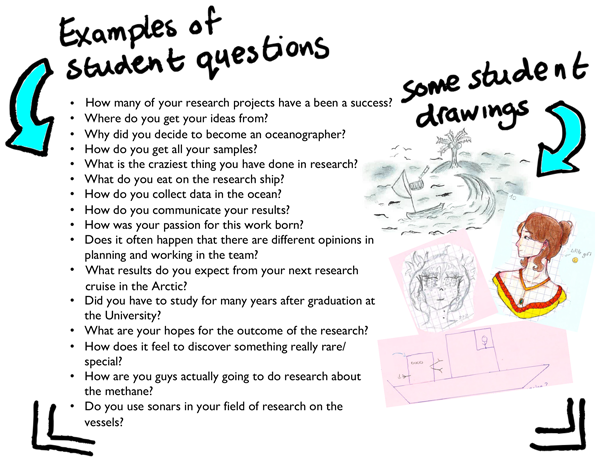
In this paper, we describe a process in which geoscientists corresponded with school classes in three different countries using handwritten letters and Polaroid photo albums. The stories they told were based on their experiences during a research expedition in the Arctic. We evaluated the process and show some of the benefits the students experienced from their correspondence with the scientists in this way.
Muhammed Fatih Sert, Knut Ola Dølven, Stefan Bünz, Helge Niemann, Giuliana Panieri, Henry Patton, Andreia Plaza-Faverola, Tine L. Rasmussen, Marie Stetzler, Monica Winsborrow, and Bénédicte Ferré
EGUsphere, https://doi.org/10.5194/egusphere-2026-3607, https://doi.org/10.5194/egusphere-2026-3607, 2026
Short summary
Short summary
Methane seeps from the Arctic seafloor at many locations, but its effects on seawater are limited. By combining data from 28 research cruises, we found that methane varies greatly across the Arctic seep sites. While methane does not noticeably change overall nutrient and carbon levels, it does influence how microbes process and transform carbon. Seasonal cycles of primary production remain the main driver of ocean chemistry, with methane acting as a persistent influence on marine carbon cycling.
Knut Ola Dølven, Håvard Espenes, Alfred Hanssen, Muhammed Fatih Sert, Magnus Drivdal, Achim Randelhoff, and Bénédicte Ferré
Ocean Sci., 21, 3031–3054, https://doi.org/10.5194/os-21-3031-2025, https://doi.org/10.5194/os-21-3031-2025, 2025
Short summary
Short summary
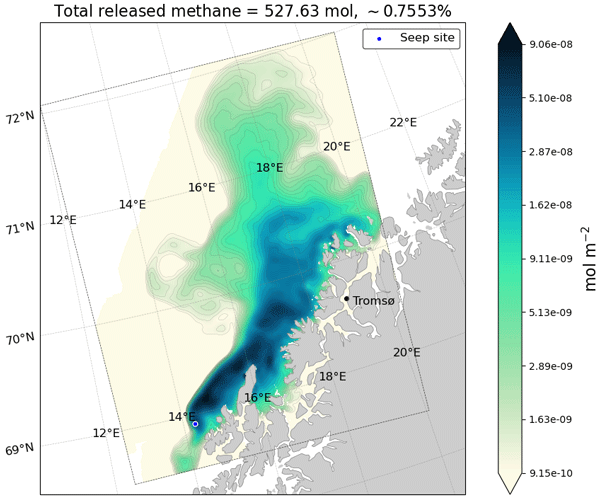
We modeled how gas seeping from the seafloor spreads in the ocean and how much reaches the atmosphere. Using gas-exchange and hydrodynamic models, we estimated gas dissolution, atmospheric release, and 3D concentration fields. Applied to a methane seep offshore Norway, most methane dissolved and much was consumed by microbes, though uncertainties remain due to microbial and mixing assumptions.
Ewa Demianiuk, Mateusz Baca, Danijela Popović, Inès Barrenechea Angeles, Ngoc-Loi Nguyen, Jan Pawlowski, John B. Anderson, and Wojciech Majewski
Biogeosciences, 22, 2601–2620, https://doi.org/10.5194/bg-22-2601-2025, https://doi.org/10.5194/bg-22-2601-2025, 2025
Short summary
Short summary
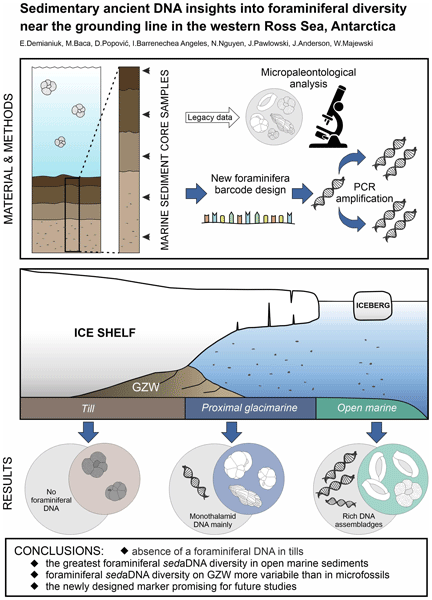
Ancient foraminiferal DNA is studied in five Antarctic cores with sediments up to 25 kyr old. We use a standard and a new, more effective marker, which may become the next standard for paleoenvironmental studies. Much less diverse foraminifera occur on slopes of submarine moraines than in open-marine settings. Soft-walled foraminifera, not found in the fossil record, are especially abundant. There is no foraminiferal DNA in tills, suggesting its destruction during glacial redeposition.
Mathew Stiller-Reeve, Claudio Argentino, Kate Alyse Waghorn, Sunil Vadakkepuliyambatta, Dimitri Kalenitchenko, and Giuliana Panieri
Geosci. Commun., 6, 1–9, https://doi.org/10.5194/gc-6-1-2023, https://doi.org/10.5194/gc-6-1-2023, 2023
Short summary
Short summary
In this paper, we describe a process in which geoscientists corresponded with school classes in three different countries using handwritten letters and Polaroid photo albums. The stories they told were based on their experiences during a research expedition in the Arctic. We evaluated the process and show some of the benefits the students experienced from their correspondence with the scientists in this way.
Knut Ola Dølven, Juha Vierinen, Roberto Grilli, Jack Triest, and Bénédicte Ferré
Geosci. Instrum. Method. Data Syst., 11, 293–306, https://doi.org/10.5194/gi-11-293-2022, https://doi.org/10.5194/gi-11-293-2022, 2022
Short summary
Short summary
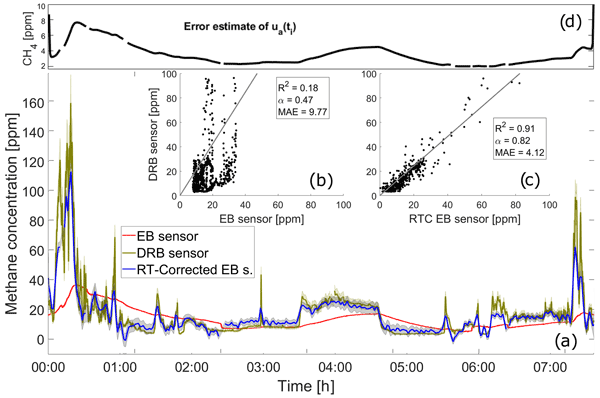
Sensors capable of measuring rapid fluctuations are important to improve our understanding of environmental processes. Many sensors are unable to do this, due to their reliance on the transfer of the measured property, for instance a gas, across a semi-permeable barrier. We have developed a mathematical tool which enables the retrieval of fast-response signals from sensors with this type of sensor design.
Muhammed Fatih Sert, Helge Niemann, Eoghan P. Reeves, Mats A. Granskog, Kevin P. Hand, Timo Kekäläinen, Janne Jänis, Pamela E. Rossel, Bénédicte Ferré, Anna Silyakova, and Friederike Gründger
Biogeosciences, 19, 2101–2120, https://doi.org/10.5194/bg-19-2101-2022, https://doi.org/10.5194/bg-19-2101-2022, 2022
Short summary
Short summary
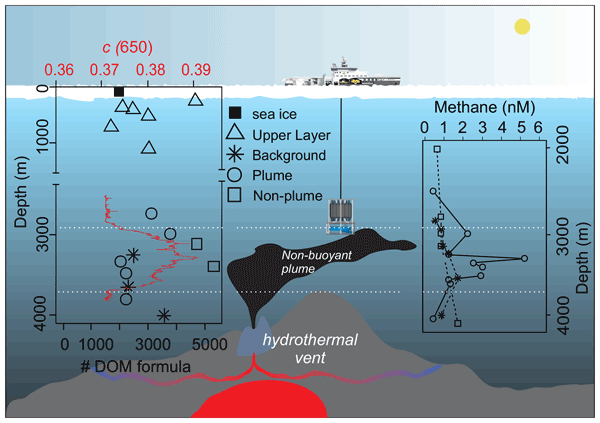
We investigate organic matter composition in the Arctic Ocean water column. We collected seawater samples from sea ice to deep waters at six vertical profiles near an active hydrothermal vent and its plume. In comparison to seawater, we found that the organic matter in waters directly affected by the hydrothermal plume had different chemical composition. We suggest that hydrothermal processes may influence the organic matter distribution in the deep ocean.
Knut Ola Dølven, Bénédicte Ferré, Anna Silyakova, Pär Jansson, Peter Linke, and Manuel Moser
Ocean Sci., 18, 233–254, https://doi.org/10.5194/os-18-233-2022, https://doi.org/10.5194/os-18-233-2022, 2022
Short summary
Short summary
Natural sources of atmospheric methane need to be better described and quantified. We present time series from ocean observatories monitoring two seabed methane seep sites in the Arctic. Methane concentration varied considerably on short timescales and seasonal scales. Seeps persisted throughout the year, with increased potential for atmospheric release in winter due to water mixing. The results highlight and constrain uncertainties in current methane estimates from seabed methane seepage.
Cited articles
Aalto, N. J., Schweitzer, H. D., Krsmanovic, S., Campbell, K., and Bernstein, H. C.: Diversity and Selection of Surface Marine Microbiomes in the Atlantic-Influenced Arctic, Front. Microbiol., 13, 892634, https://doi.org/10.3389/fmicb.2022.892634, 2022.
Alain, K., Zbinden, M., Le Bris, N., Lesongeur, F., Quérellou, J., Gaill, F., and Cambon-Bonavita, M.: Early steps in microbial colonization processes at deep-sea hydrothermal vents, Environ. Microbiol., 6, 227–241, https://doi.org/10.1111/j.1462-2920.2003.00557.x, 2004.
Argentino, C., Waghorn, K. A., Vadakkepuliyambatta, S., Polteau, S., Bünz, S., and Panieri, G.: Dynamic and history of methane seepage in the SW Barents Sea: new insights from Leirdjupet Fault Complex, Sci. Rep., 11, 4373, https://doi.org/10.1038/s41598-021-83542-0, 2021.
Argentino, C., Savini, A., and Panieri, G.: Integrating Fine-Scale Habitat Mapping and Pore Water Analysis in Cold Seep Research: A Case Study from the SW Barents Sea, in: World Atlas of Submarine Gas Hydrates in Continental Margins, Springer International Publishing, Cham, 505–514, https://doi.org/10.1007/978-3-030-81186-0_43, 2022.
Argentino, C., Wittig, C., Peckmann, J., and Panieri, G.: Nitrogen uptake by methanotrophic consortia in deep-water gas hydrate-bearing sediments, Chem. Geol., 636, 121638, https://doi.org/10.1016/j.chemgeo.2023.121638, 2023.
Argentino, C., Borrelli, C., Akinselure, A., Correa-Diaz, M., and Panieri, G.: Biogeochemical investigations of methane seepage at the ultraslow-spreading Arctic mid-ocean ridge: Svyatogor ridge, Fram Strait, Mar. Pet. Geol., 162, 106761, https://doi.org/10.1016/j.marpetgeo.2024.106761, 2024.
Argentino, C., Ferré, B., and Panieri, G.: Replication Data for: Seafloor chemosynthetic habitats and AOM-influenced sediment microbiome at a cold-water coral site off the Vesterålen coast, northern Norway, V1, DataverseNO [data set], https://doi.org/10.18710/1FCVAE, 2026.
Bagarinao, T.: Sulfide as an environmental factor and toxicant: tolerance and adaptations in aquatic organisms, Aquat. Toxicol., https://doi.org/10.1016/0166-445X(92)90015-F, 1992.
Barrenechea, I. A., Argentino, C., Cermakova, K., Holzmann, M., Pawlowski, J., and Panieri, G.: Sediment eDNA metabarcoding reveals the endemism in benthic foraminifera from Arctic methane cold seepages, ISME Commun., ycaf058, https://doi.org/10.1093/ismeco/ycaf058, 2025.
Beaumont, N. J., Austen, M. C., Atkins, J. P., Burdon, D., Degraer, S., Dentinho, T. P., Derous, S., Holm, P., Horton, T., Van Ierland, E., Marboe, A. H., Starkey, D. J., Townsend, M., and Zarzycki, T.: Identification, definition and quantification of goods and services provided by marine biodiversity: Implications for the ecosystem approach, Mar. Pollut. Bull., 54, 253–265, https://doi.org/10.1016/j.marpolbul.2006.12.003, 2007.
Becker, E. L., Cordes, E. E., Macko, S. A., and Fisher, C. R.: Importance of seep primary production to Lophelia pertusa and associated fauna in the Gulf of Mexico, Deep-Sea Res., 56, 786–800, https://doi.org/10.1016/j.dsr.2008.12.006, 2009.
Bellec, V. K., Chand, S., Knies, J., Bjarnadóttir, L. R., Lepland, A., Sen, A., and Thorsnes, T.: New cold seep sites on the continental slope southwest to Svalbard, Front. Earth Sci., 12, 1328357, https://doi.org/10.3389/feart.2024.1328357, 2024.
Benz, U. C., Hofmann, P., Willhauck, G., Lingenfelder, I., and Heynen, M.: Multi-resolution, object-oriented fuzzy analysis of remote sensing data for GIS-ready information, ISPRS J. Photogramm., 58, 239–258, https://doi.org/10.1016/j.isprsjprs.2003.10.002, 2004.
Biastoch, A., Treude, T., Rpke, L. H., Riebesell, U., Roth, C., Burwicz, E. B., Park, W., Latif, M., Böning, C. W., Madec, G., and Wallmann, K.: Rising Arctic Ocean temperatures cause gas hydrate destabilization and ocean acidification, Geophys. Res. Lett., 38, 1–6, https://doi.org/10.1029/2011GL047222, 2011.
Blaschke, T.: Object based image analysis for remote sensing, ISPRS J. Photogramm., 65, 2–16, https://doi.org/10.1016/j.isprsjprs.2009.06.004, 2010.
Blumenberg, M., Walliser, E.-O., Taviani, M., Seifert, R., and Reitner, J.: Authigenic carbonate formation and its impact on the biomarker inventory at hydrocarbon seeps – A case study from the Holocene Black Sea and the Plio-Pleistocene Northern Apennines (Italy), Mar. Petrol. Geol., 66, 532–541, https://doi.org/10.1016/j.marpetgeo.2015.05.013, 2015.
Bøe, R., Bellec, V. K., Dolan, M. F. J., Buhl-Mortensen, P., Rise, L., and Buhl-Mortensen, L.: Cold-water coral reefs in the Hola glacial trough off Vesterålen, North Norway, Geol. Soc. Lond. Mem., 46, 309–310, https://doi.org/10.1144/M46.8, 2016.
Boetius, A. and Wenzhöfer, F.: Seafloor oxygen consumption fuelled by methane from cold seeps, Nat. Geosci., 6, 725–734, https://doi.org/10.1038/ngeo1926, 2013.
Boetius, A., Ravenschlag, K., Schubert, C. J., Rickert, D., Widdel, F., Gieseke, A., Amann, R., Jørgensen, B. B., Witte, U., and Pfannkuche, O.: A marine microbial consortium apparently mediating anaerobic oxidation of methane, Nature, 407, 623–626, https://doi.org/10.1038/35036572, 2000.
Boretto, G. M., Sabino, M., Torricella, F., Ingrosso, G., Nogarotto, A., Panieri, G., Hefter, J., Mollenhauer, G., Langone, L., Giuliani, S., Tesi, T., and Capotondi, L.: Taphonomic signature of benthic foraminifera linked to methane release in the Barents Sea, Mar. Geol., 492, 107693, https://doi.org/10.1016/j.margeo.2025.107693, 2026.
Briggs, B. R., Pohlman, J. W., Torres, M., Riedel, M., Brodie, E. L., and Colwell, F. S.: Macroscopic Biofilms in Fracture-Dominated Sediment That Anaerobically Oxidize Methane, Appl. Environ. Microbiol., 77, 6780–6787, https://doi.org/10.1128/AEM.00288-11, 2011.
Buhl-Mortensen, L., Bøe, R., Dolan, M. F. J., Buhl-Mortensen, P., Thorsnes, T., Elvenes, S., and Hodnesdal, H.: Banks, Troughs, and Canyons on the Continental Margin off Lofoten, Vesterålen, and Troms, Norway, in: Seafloor Geomorphology as Benthic Habitat, Elsevier, 703–715, https://doi.org/10.1016/B978-0-12-385140-6.00051-7, 2012.
Burdige, D. J.: Burial of terrestrial organic matter in marine sediments: A re-assessment, Global Biogeochem. Cy., 19, https://doi.org/10.1029/2004GB002368, 2005.
Callahan, B. J., McMurdie, P. J., Rosen, M. J., Han, A. W., Johnson, A. J. A., and Holmes, S. P.: DADA2: High-resolution sample inference from Illumina amplicon data, Nat. Methods, 13, 581–583, https://doi.org/10.1038/nmeth.3869, 2016.
Cardoso, D. C., Cretoiu, M. S., Stal, L. J., and Bolhuis, H.: Seasonal development of a coastal microbial mat, Sci. Rep., 9, 9035, https://doi.org/10.1038/s41598-019-45490-8, 2019.
Chand, S., Rise, L., Bellec, V., Dolan, M., Bøe, R., Thorsnes, T., and Buhl-Mortensen, P.: Active Venting System Offshore Northern Norway, EOS T. Am. Geophys. Un., 89, 261–262, https://doi.org/10.1029/2008EO290001, 2008.
Crémière, A., Lepland, A., Chand, S., Sahy, D., Condon, D. J., Noble, S. R., Martma, T., Thorsnes, T., Sauer, S., and Brunstad, H.: Timescales of methane seepage on the Norwegian margin following collapse of the Scandinavian Ice Sheet, Nat. Commun., 7, 11509, https://doi.org/10.1038/ncomms11509, 2016.
Dekas, A. E., Poretsky, R. S., and Orphan, V. J.: Deep-Sea Archaea Fix and Share Nitrogen in Methane-Consuming Microbial Consortia, Science, 326, 422–426, https://doi.org/10.1126/science.1178223, 2009.
Dekas, A. E., Chadwick, G. L., Bowles, M. W., Joye, S. B., and Orphan, V. J.: Spatial distribution of nitrogen fixation in methane seep sediment and the role of the ANME archaea, Environ. Microbiol., 16, 3012–3029, https://doi.org/10.1111/1462-2920.12247, 2014.
Deng, Y., Chen, F., Li, N., Jin, M., Cao, J., Chen, H., Zhou, Y., Wu, C., Zhuang, C., Zhao, Y., and Cheng, S.: Cold-Water Corals in Gas Hydrate Drilling Cores from the South China Sea: Occurrences, Geochemical Characteristics and Their Relationship to Methane Seepages, Minerals, 9, 742, https://doi.org/10.3390/min9120742, 2019.
Egger, M., Riedinger, N., Mogollón, J. M., and Jørgensen, B. B.: Global diffusive fluxes of methane in marine sediments, Nat. Geosci., 11, 421–425, https://doi.org/10.1038/s41561-018-0122-8, 2018.
Emerson, S. and Hedges, J. I.: Processes controlling the organic carbon content of open ocean sediments, Paleoceanography, 3, 621–634, https://doi.org/10.1029/PA003i005p00621, 1988.
Eyre, B. D., Cyronak, T., Drupp, P., De Carlo, E. H., Sachs, J. P., and Andersson, A. J.: Coral reefs will transition to net dissolving before end of century, Science, 359, 908–911, https://doi.org/10.1126/science.aao1118, 2018.
Fallati, L., Saponari, L., Savini, A., Marchese, F., Corselli, C., and Galli, P.: Multi-Temporal UAV Data and Object-Based Image Analysis (OBIA) for Estimation of Substrate Changes in a Post-Bleaching Scenario on a Maldivian Reef, Remote Sens., 12, 2093, https://doi.org/10.3390/rs12132093, 2020.
Fallati, L., Panieri, G., Argentino, C., Varzi, A. G., Bünz, S., and Savini, A.: Characterizing Håkon Mosby Mud Volcano (Barents Sea) cold seep systems by combining ROV-based acoustic data and underwater photogrammetry, Front. Mar. Sci., 10, 1–15, https://doi.org/10.3389/fmars.2023.1269197, 2023.
Ferré, B., Jansson, P. G., Moser, M., Serov, P., Portnov, A., Graves, C. A., Panieri, G., Gründger, F., Berndt, C., Lehmann, M. F., and Niemann, H.: Reduced methane seepage from Arctic sediments during cold bottom-water conditions, Nat. Geosci., 13, 144–148, https://doi.org/10.1038/s41561-019-0515-3, 2020.
Ferré, B., Panieri, G., Argentino, C., Sert, M. F., Stetzler, M., Fallati, L., Dills, M. S., Petters, S., Rohan, T., Barreyre, T., Lien, M. E., Kutti, T., Corrales, J., Kjær, M., Ting, R., Bojesen, M. D., Walta, A., and Jensen, S.: CAGE22-3 Cruise Report: EMAN7 cruise, CAGE – Cent. Arct. Gas Hydrate Environ. Clim. Rep. Ser., 10, https://doi.org/10.7557/cage.6760, 2022.
Ferré, B., Barreyre, T., Bünz, S., Argentino, C., Corrales-Guerrero, J., Dølven, K. O., Stetzler, M., Fallati, L., Sert, M. F., Panieri, G., Rastrick, S., Kutti, T., and Moser, M.: Contrasting Methane Seepage Dynamics in the Hola Trough Offshore Norway: Insights From Two Different Summers, J. Geophys. Res.-Oceans, 129, e2024JC020949, https://doi.org/10.1029/2024JC020949, 2024.
Fischer, D., Sahling, H., Nöthen, K., Bohrmann, G., Zabel, M., and Kasten, S.: Interaction between hydrocarbon seepage, chemosynthetic communities, and bottom water redox at cold seeps of the Makran accretionary prism: insights from habitat-specific pore water sampling and modeling, Biogeosciences, 9, 2013–2031, https://doi.org/10.5194/bg-9-2013-2012, 2012.
Foley, N. S., Van Rensburg, T. M., and Armstrong, C. W.: The ecological and economic value of cold-water coral ecosystems, Ocean Coast. Manage., 53, 313–326, https://doi.org/10.1016/j.ocecoaman.2010.04.009, 2010.
Fosså, J. H., Mortensen, P. B., and Furevik, D. M.: The deep-water coral Lophelia pertusa in Norwegian waters: Distribution and fishery impacts, Hydrobiologia, 471, 1–12, https://doi.org/10.1023/A:1016504430684, 2002.
Foucher, J. P., Westbrook, G. K., Boetius, A., Ceramicola, S., Dupré, S., Mascle, J., Mienert, J., Pfannkuche, O., Pierre, C., and Praeg, D.: Cold Seep Ecosystems Structure and Drivers of Cold Seep Ecosystems, Oceanography, 22, 92–109, 2007.
Freiwald, A.: Cold-Water Coral Reefs, in: Encyclopedia of Modern Coral Reefs, edited by: Hopley, D., Springer Netherlands, Dordrecht, 225–229, https://doi.org/10.1007/978-90-481-2639-2_68, 2011.
Garcia-Tigreros, F., Leonte, M., Ruppel, C. D., Ruiz-Angulo, A., Joung, D. J., Young, B., and Kessler, J. D.: Estimating the Impact of Seep Methane Oxidation on Ocean pH and Dissolved Inorganic Radiocarbon Along the U.S. Mid-Atlantic Bight, J. Geophys. Res.-Biogeo., 126, e2019JG005621, https://doi.org/10.1029/2019JG005621, 2021.
Ghosh, A., Mazumdar, A., Sadique, Mohd., Peketi, A., Zatale, A., Sivan, K., Pillai, S. R., and Sparsh, A.: Chemosynthetic Organic Matter Reveals a Protracted Episode of Past Methane Seepage Activities at a Newly Discovered Cold Seep Site (Mannar Basin) Off the East Coast of India, Geophys. Res. Lett., 52, e2025GL116435, https://doi.org/10.1029/2025GL116435, 2025.
Gilbert, J. A., Jansson, J. K., and Knight, R.: The Earth Microbiome project: successes and aspirations, BMC Biol., 12, 69, https://doi.org/10.1186/s12915-014-0069-1, 2014.
Girard, F., Sarrazin, J., and Olu, K.: Impacts of an Eruption on Cold-Seep Microbial and Faunal Dynamics at a Mud Volcano, Front. Mar. Sci., 7, 241, https://doi.org/10.3389/fmars.2020.00241, 2020.
Greinert, J.: Monitoring temporal variability of bubble release at seeps: The hydroacoustic swath system GasQuant, J. Geophys. Res.-Oceans, 113, 2007JC004704, https://doi.org/10.1029/2007JC004704, 2008.
Gruber, N. and Galloway, J. N.: An Earth-system perspective of the global nitrogen cycle, Nature, 451, 293–296, https://doi.org/10.1038/nature06592, 2008.
Gründger, F., Carrier, V., Svenning, M. M., Panieri, G., Vonnahme, T. R., Klasek, S., and Niemann, H.: Methane-fuelled biofilms predominantly composed of methanotrophic ANME-1 in Arctic gas hydrate-related sediments, Sci. Rep., 9, 1–10, https://doi.org/10.1038/s41598-019-46209-5, 2019.
Guezennec, J., Ortega-Morales, O., Raguenes, G., and Geesey, G.: Bacterial colonization of artificial substrate in the vicinity of deep-sea hydrothermal vents, FEMS Microbiol. Ecol., 26, 89–99, https://doi.org/10.1111/j.1574-6941.1998.tb00495.x, 1998.
Hasegawa, H., Kita, I., Tsukamoto, S., Chiyonobu, S., and Kuwahara, Y.: Synchronous Changes of Nitrogen and Carbon Isotopic Ratios and Nannoplankton Assemblage in Marine Sediments off Peru at 250 ka: A Role of Phytoplankton in Primary Ocean Productivity, Open J. Geol., 03, 113–120, https://doi.org/10.4236/ojg.2013.32015, 2013.
Hauri, C., Irving, B., Hayes, D., Abdi, E., Kemme, J., Kinski, N., and McDonnell, A. M. P.: Expanding seawater carbon dioxide and methane measuring capabilities with a Seaglider, Ocean Sci., 20, 1403–1421, https://doi.org/10.5194/os-20-1403-2024, 2024.
Hay, G. J. and Castilla, G.: Geographic Object-Based Image Analysis (GEOBIA): A new name for a new discipline, in: Object-Based Image Analysis, edited by: Blaschke, T., Lang, S., and Hay, G. J., Springer Berlin Heidelberg, Berlin, Heidelberg, 75–89, https://doi.org/10.1007/978-3-540-77058-9_4, 2008.
Hensen, C., Zabel, M., Pfeifer, K., Schwenk, T., Kasten, S., Riedinger, N., Schulz, H. D., and Boetius, A.: Control of sulfate pore-water profiles by sedimentary events and the significance of anaerobic oxidation of methane for the burial of sulfur in marine sediments, Geochim. Cosmochim. Ac., 67, 2631–2647, https://doi.org/10.1016/S0016-7037(03)00199-6, 2003.
Hilário, A., Capa, M., Dahlgren, T. G., Halanych, K. M., Little, C. T. S., Thornhill, D. J., Verna, C., and Glover, A. G.: New Perspectives on the Ecology and Evolution of Siboglinid Tubeworms, PLoS ONE, 6, e16309, https://doi.org/10.1371/journal.pone.0016309, 2011.
Hilmi, N., Allemand, D., Dupont, S., Safa, A., Haraldsson, G., Nunes, P. A. L. D., Moore, C., Hattam, C., Reynaud, S., Hall-Spencer, J. M., Fine, M., Turley, C., Jeffree, R., Orr, J., Munday, P. L., and Cooley, S. R.: Towards improved socio-economic assessments of ocean acidification's impacts, Mar. Biol., 160, 1773–1787, https://doi.org/10.1007/s00227-012-2031-5, 2013.
Hossain, M. D. and Chen, D.: Segmentation for Object-Based Image Analysis (OBIA): A review of algorithms and challenges from remote sensing perspective, ISPRS J. Photogramm., 150, 115–134, https://doi.org/10.1016/j.isprsjprs.2019.02.009, 2019.
Hovland, M.: Do carbonate reefs form due to fluid seepage?, Terra Nova, 2, 8–18, https://doi.org/10.1111/j.1365-3121.1990.tb00031.x, 1990.
Hovland, M.: Deep-water Coral Reefs, Springer Netherlands, Dordrecht, https://doi.org/10.1007/978-1-4020-8460-7, 2008.
Hovland, M. and Thomsen, E.: Cold-water corals – Are they hydrocarbon seep related?, Mar. Geol., 137, 159–164, https://doi.org/10.1016/S0025-3227(96)00086-2, 1997.
Hu, Y., Feng, D., Peng, Y., Peckmann, J., Kasten, S., Wang, X., Liang, Q., Wang, H., and Chen, D.: A prominent isotopic fingerprint of nitrogen uptake by anaerobic methanotrophic archaea, Chem. Geol., 558, 119972, https://doi.org/10.1016/j.chemgeo.2020.119972, 2020.
Husebø, Å., Nøttestad, L., Fosså, J. H., Furevik, D. M., and Jørgensen, S. B.: Distribution and abundance of fish in deep-sea coral habitats, Hydrobiologia, 471, 91–99, https://doi.org/10.1023/A:1016549203368, 2002.
Joye, S. B.: The Geology and Biogeochemistry of Hydrocarbon Seeps, Annu. Rev. Earth Planet. Sc., 48, 205–231, https://doi.org/10.1146/annurev-earth-063016-020052, 2020.
Judd, A., Noble-James, T., Golding, N., Eggett, A., Diesing, M., Clare, D., Silburn, B., Duncan, G., Field, L., and Milodowski, A.: The Croker Carbonate Slabs: extensive methane-derived authigenic carbonate in the Irish Sea – nature, origin, longevity and environmental significance, Geo-Mar. Lett., 40, 423–438, https://doi.org/10.1007/s00367-019-00584-0, 2020.
Judd, A. G. and Hovland, M.: Seabed fluid flow: the impact of geology, Biology and the Marine Environment, 1–442, https://doi.org/10.1007/s00254-004-1086-0, 2007.
Kalenitchenko, D., Dupraz, M., Le Bris, N., Petetin, C., Rose, C., West, N. J., and Galand, P. E.: Ecological succession leads to chemosynthesis in mats colonizing wood in sea water, ISME J., 10, 2246–2258, https://doi.org/10.1038/ismej.2016.12, 2016.
Kang, H., Won, E., Shin, K., and Yoon, H. I.: Organic carbon and nitrogen composition in the sediment of the Kara Sea, Arctic Ocean during the Last Glacial Maximum to Holocene times, Geophys. Res. Lett., 34, 2007GL030068, https://doi.org/10.1029/2007GL030068, 2007.
Karaca, D., Hensen, C., and Wallmann, K.: Controls on authigenic carbonate precipitation at cold seeps along the convergent margin off Costa Rica, Geochem. Geophy. Geosy., 11, 1–19, https://doi.org/10.1029/2010GC003062, 2010.
Kasten, S., Zabel, M., Heuer, V., and Hensen, C.: Processes and Signals of Nonsteady-State Diagenesis in Deep-Sea Sediments and their Pore Waters, in: The South Atlantic in the Late Quaternary, Springer, Berlin, Heidelberg, https://doi.org/10.1007/978-3-642-18917-3_20, 2003.
Kienast, M., Higginson, M. J., Mollenhauer, G., Eglinton, T. I., Chen, M.-T., and Calvert, S. E.: On the sedimentological origin of down-core variations of bulk sedimentary nitrogen isotope ratios, Paleoceanography, 20, https://doi.org/10.1029/2004PA001081, 2005.
Kline, D. I., Teneva, L., Okamoto, D. K., Schneider, K., Caldeira, K., Miard, T., Chai, A., Marker, M., Dunbar, R. B., Mitchell, B. G., Dove, S., and Hoegh-Guldberg, O.: Living coral tissue slows skeletal dissolution related to ocean acidification, Nat. Ecol. Evol., 3, 1438–1444, https://doi.org/10.1038/s41559-019-0988-x, 2019.
Knies, J.: Nitrogen Isotope Evidence for Changing Arctic Ocean Ventilation Regimes During the Cenozoic, Geophys. Res. Lett., 49, 1–8, https://doi.org/10.1029/2022GL099512, 2022.
Knies, J. and Martinez, P.: Organic matter sedimentation in the western Barents Sea region: Terrestrial and marine contribution based on isotopic composition and organic nitrogen content, Nor. Geol. Tidsskr., 89, 79–89, 2009.
Knies, J., Brookes, S., and Schubert, C. J.: Re-assessing the nitrogen signal in continental margin sediments: New insights from the high northern latitudes, Earth Planet. Sc. Lett., 253, 471–484, https://doi.org/10.1016/j.epsl.2006.11.008, 2007.
Kurth, J. M., Smit, N. T., Berger, S., Schouten, S., Jetten, M. S. M., and Welte, C. U.: Anaerobic methanotrophic archaea of the ANME-2d clade feature lipid composition that differs from other ANME archaea, FEMS Microbiol. Ecol., 95, fiz082, https://doi.org/10.1093/femsec/fiz082, 2019.
Lapham, L. L., Lloyd, K. G., Fossing, H., Flury, S., Jensen, J. B., Alperin, M. J., Rehder, G., Holzhueter, W., Ferdelman, T., and Jørgensen, B. B.: Methane leakage through the sulfate–methane transition zone of the Baltic seabed, Nat. Geosci., 17, 1277–1283, https://doi.org/10.1038/s41561-024-01594-z, 2024.
Lee, D. H., Lee, Y. M., Kim, J. H., Jin, Y. K., Paull, C., Niemann, H., Kim, J. H., and Shin, K. H.: Discriminative biogeochemical signatures of methanotrophs in different chemosynthetic habitats at an active mud volcano in the Canadian Beaufort Sea, Sci. Rep., 9, 1–13, https://doi.org/10.1038/s41598-019-53950-4, 2019.
Levin, L. A.: Ecology of Cold Seep Sediments: Interactions of Fauna With Flow, Chemistry and Microbes, Oceanogr. Mar. Biol. Annu. Rev., 43, 1–46, https://doi.org/10.1201/9781420037449-3, 2005.
Levin, L. A., Baco, A. R., Bowden, D. A., Colaco, A., Cordes, E. E., Cunha, M. R., Demopoulos, A. W. J. J., Gobin, J., Grupe, B. M., Le, J., Metaxas, A., Netburn, A. N., Rouse, G. W., Thurber, A. R., Tunnicliffe, V., Van Dover, C. L., Vanreusel, A., and Watling, L.: Hydrothermal Vents and Methane Seeps: Rethinking the Sphere of Influence, Front. Mar. Sci., 3, 1–23, https://doi.org/10.3389/fmars.2016.00072, 2016.
Liebetrau, V., Eisenhauer, A., and Linke, P.: Cold seep carbonates and associated cold-water corals at the Hikurangi Margin, New Zealand: New insights into fluid pathways, growth structures and geochronology, Mar. Geol., 272, 307–318, https://doi.org/10.1016/j.margeo.2010.01.003, 2010.
Lim, A., Wheeler, A. J., Price, D. M., O'Reilly, L., Harris, K., and Conti, L.: Influence of benthic currents on cold-water coral habitats: a combined benthic monitoring and 3D photogrammetric investigation, Sci. Rep., 10, 19433, https://doi.org/10.1038/s41598-020-76446-y, 2020.
Liu, C., Cui, Y., Li, X., and Yao, M.: microeco: an R package for data mining in microbial community ecology, FEMS Microbiol. Ecol., 97, fiaa255, https://doi.org/10.1093/femsec/fiaa255, 2021.
Madigan, M. T., Bender, K. S., Buckley, D. H., Sattley, M. W., and Stahl, D. A.: Brock Biology of Microorganisms, Global Edition, Pearson Education Limited, ISBN 978-0134261928, 2017.
Meyers, P. A.: Preservation of elemental and isotopic source identification of sedimentary organic matter, Chem. Geol., 114, 289–302, https://doi.org/10.1016/0009-2541(94)90059-0, 1994.
Meyers, P. A.: Organic geochemical proxies of paleoceanographic, paleolimnologic, and paleoclimatic processes, Org. Geochem., 27, 213–250, https://doi.org/10.1016/S0146-6380(97)00049-1, 1997.
Milkov, A. V. and Etiope, G.: Revised genetic diagrams for natural gases based on a global dataset of > 20,000 samples, Org. Geochem., 125, 109–120, https://doi.org/10.1016/j.orggeochem.2018.09.002, 2018.
Millero, F. J.: Chemical Oceanography, CRC Press, https://doi.org/10.1201/9780429258718, 2005.
Minami, H. and Tatsumi, K.: Possible variation in methane flux caused by gas hydrate formation on the northeastern continental slope off Sakhalin, 525–534, https://doi.org/10.1007/s00367-012-0287-x, 2012.
Montes-Herrera, J. C., Hill, N., Cummings, V. J., Johnstone, G. J., Stark, J. S., and Lucieer, V.: Remote sensing of Antarctic polychaete reefs (Serpula narconensis): reproducible workflows for quantifying benthic structural complexity with action cameras, remotely operated vehicles and structure-from-motion photogrammetry, Remote Sens. Ecol. Conserv., 10, 72–90, https://doi.org/10.1002/rse2.358, 2024.
Naidu, A. S., Cooper, L. W., Finney, B. P., Macdonald, R. W., Alexander, C., and Semiletov, I. P.: Organic carbon isotope ratios (δ13C) of Arctic Amerasian Continental shelf sediments, Int. J. Earth Sci., 89, 522–532, https://doi.org/10.1007/s005310000121, 2000.
Niemann, H., Linke, P., Knittel, K., MacPherson, E., Boetius, A., Brückmann, W., Larvik, G., Wallmann, K., Schacht, U., Omoregie, E., Hilton, D., Brown, K., and Rehder, G.: Methane-Carbon Flow into the Benthic Food Web at Cold Seeps – A Case Study from the Costa Rica Subduction Zone, PLoS ONE, 8, e74894, https://doi.org/10.1371/journal.pone.0074894, 2013.
Noffke, N.: Geobiology: Microbial Mats in Sandy Deposits from the Archean Era to Today, Springer Berlin Heidelberg, Berlin, Heidelberg, https://doi.org/10.1007/978-3-642-12772-4, 2010.
Oksanen, J., Simpson, G. L., Blanchet, F. G., Kindt, R., Legendre, P., Minchin, P. R., O'Hara, R. B., Solymos, P., Stevens, M. H. H., Szoecs, E., Wagner, H., Barbour, M., Bedward, M., Bolker, B., Borcard, D., Borman, T., Carvalho, G., Chirico, M., De Caceres, M., Durand, S., Evangelista, H. B. A., FitzJohn, R., Friendly, M., Furneaux, B., Hannigan, G., Hill, M. O., Lahti, L., Martino, C., McGlinn, D., Ouellette, M.-H., Ribeiro Cunha, E., Smith, T., Stier, A., Ter Braak, C. J. F., and Weedon, J.: vegan: Community Ecology Package, https://doi.org/10.32614/CRAN.package.vegan, 2001.
Osman, E. O., Vohsen, S. A., Girard, F., Cruz, R., Glickman, O., Bullock, L. M., Anderson, K. E., Weinnig, A. M., Cordes, E. E., Fisher, C. R., and Baums, I. B.: Capacity of deep-sea corals to obtain nutrition from cold seeps aligned with microbiome reorganization, Glob. Change Biol., 29, 189–205, https://doi.org/10.1111/gcb.16447, 2023.
Ottesen, D., Dowdeswell, J. A., and Rise, L.: Submarine landforms and the reconstruction of fast-flowing ice streams within a large Quaternary ice sheet: The 2500-km-long Norwegian-Svalbard margin (57°–80° N), Geol. Soc. Am. Bull., 117, 1033, https://doi.org/10.1130/B25577.1, 2005.
Pan, J., Perillo, V. L., and Cuadrado, D. G.: Quantification of microbial mat response to physical disruption in siliciclastic sediments, Estuar. Coast. Shelf S., 230, 106434, https://doi.org/10.1016/j.ecss.2019.106434, 2019.
Panieri, G., Argentino, C., Ramalho, S. P., Vulcano, F., Savini, A., Fallati, L., Brekke, T., Galimberti, G., Riva, F., Balsa, J., Eilertsen, M. H., Stokke, R., Steen, I. H., Sahy, D., Kalenitchenko, D., Büenz, S., and Mattingsdal, R.: An Arctic natural oil seep investigated from space to the seafloor, Sci. Total Environ., 907, 167788, https://doi.org/10.1016/j.scitotenv.2023.167788, 2024.
Phrampus, B. J., Lee, T. R., and Wood, W. T.: A Global Probabilistic Prediction of Cold Seeps and Associated SEAfloor FLuid Expulsion Anomalies (SEAFLEAs), Geochem. Geophy. Geosy., 21, https://doi.org/10.1029/2019GC008747, 2020.
Pirlet, H., Wehrmann, L. M., Foubert, A., Brunner, B., Blamart, D., De Mol, L., Van Rooij, D., Dewanckele, J., Cnudde, V., Swennen, R., Duyck, P., and Henriet, J.: Unique authigenic mineral assemblages reveal different diagenetic histories in two neighbouring cold-water coral mounds on Pen Duick Escarpment, Gulf of Cadiz, Sedimentology, 59, 578–604, https://doi.org/10.1111/j.1365-3091.2011.01267.x, 2012.
Price, D. M., Robert, K., Callaway, A., Lo Lacono, C., Hall, R. A., and Huvenne, V. A. I.: Using 3D photogrammetry from ROV video to quantify cold-water coral reef structural complexity and investigate its influence on biodiversity and community assemblage, Coral Reefs, 38, 1007–1021, https://doi.org/10.1007/s00338-019-01827-3, 2019.
Probst, A. J., Weinmaier, T., Raymann, K., Perras, A., Emerson, J. B., Rattei, T., Wanner, G., Klingl, A., Berg, I. A., Yoshinaga, M., Viehweger, B., Hinrichs, K.-U., Thomas, B. C., Meck, S., Auerbach, A. K., Heise, M., Schintlmeister, A., Schmid, M., Wagner, M., Gribaldo, S., Banfield, J. F., and Moissl-Eichinger, C.: Biology of a widespread uncultivated archaeon that contributes to carbon fixation in the subsurface, Nat. Commun., 5, 5497, https://doi.org/10.1038/ncomms6497, 2014.
Quast, C., Pruesse, E., Yilmaz, P., Gerken, J., Schweer, T., Yarza, P., Peplies, J., and Glöckner, F. O.: The SILVA ribosomal RNA gene database project: improved data processing and web-based tools, Nucleic Acids Res., 41, D590–596, https://doi.org/10.1093/nar/gks1219, 2013.
Rachold, V. and Hubberten, H.-W.: Carbon Isotope Composition of Particulate Organic Material in East Siberian Rivers, in: Land-Ocean Systems in the Siberian Arctic, edited by: Kassens, H., Bauch, H. A., Dmitrenko, I. A., Eicken, H., Hubberten, H.-W., Melles, M., Thiede, J., and Timokhov, L. A., Springer Berlin Heidelberg, Berlin, Heidelberg, 223–238, https://doi.org/10.1007/978-3-642-60134-7_21, 1999.
R Core Team: R: A language and environment for statistical computing, R Foundation for Statistical Computing, Vienna, https://www.R-project.org/ (last access: 27 April 2026), 2021.
Riesch, R., Tobler, M., and Plath, M.: Hydrogen Sulfide-Toxic Habitats, in: Extremophile Fishes, edited by: Riesch, R., Tobler, M., and Plath, M., Springer International Publishing, Cham, 137–159, https://doi.org/10.1007/978-3-319-13362-1_7, 2015.
Rincón-Tomás, B., Duda, J.-P., Somoza, L., González, F. J., Schneider, D., Medialdea, T., Santofimia, E., López-Pamo, E., Madureira, P., Hoppert, M., and Reitner, J.: Cold-water corals and hydrocarbon-rich seepage in Pompeia Province (Gulf of Cádiz) – living on the edge, Biogeosciences, 16, 1607–1627, https://doi.org/10.5194/bg-16-1607-2019, 2019.
Roberts, J. M., Wheeler, A., Freiwald, A., and Cairns, S.: Cold-Water Corals: The Biology and Geology of Deep-Sea Coral Habitats, 1st edn., Cambridge University Press, https://doi.org/10.1017/CBO9780511581588, 2009.
Robeson, M. S., O'Rourke, D. R., Kaehler, B. D., Ziemski, M., Dillon, M. R., Foster, J. T., and Bokulich, N. A.: RESCRIPt: Reproducible sequence taxonomy reference database management, PLOS Comput. Biol., 17, e1009581, https://doi.org/10.1371/journal.pcbi.1009581, 2021.
Ruttenberg, K. C. and Goñi, M. A.: Phosphorus distribution, C : N : P ratios, and δ13Coc in arctic, temperate, and tropical coastal sediments: tools for characterizing bulk sedimentary organic matter, Mar. Geol., 139, 123–145, https://doi.org/10.1016/S0025-3227(96)00107-7, 1997.
Sahling, H., Rickert, D., Lee, R. W., Linke, P., and Suess, E.: Macrofaunal community structure and sulfide flux at gas hydrate deposits from the Cascadia convergent margin, NE Pacific, Mar. Ecol.-Prog. Ser., 231, 121–138, https://doi.org/10.3354/meps231121, 2002.
Sanna, G., Büscher, J. V., and Freiwald, A.: Cold-water coral framework architecture is selectively shaped by bottom current flow, Coral Reefs, 42, 483–495, https://doi.org/10.1007/s00338-023-02361-z, 2023.
Sauer, S., Knies, J., Lepland, A., Chand, S., Eichinger, F., and Schubert, C. J.: Hydrocarbon sources of cold seeps off the Vesterålen coast, northern Norway, Chem. Geol., 417, 371–382, https://doi.org/10.1016/j.chemgeo.2015.10.025, 2015.
Sauer, S., Crémière, A., Knies, J., Lepland, A., Sahy, D., Martma, T., Noble, S. R., Schönenberger, J., Klug, M., and Schubert, C. J.: U-Th chronology and formation controls of methane-derived authigenic carbonates from the Hola trough seep area, northern Norway, Chem. Geol., 470, 164–179, https://doi.org/10.1016/j.chemgeo.2017.09.004, 2017.
Schneider, A., Panieri, G., Lepland, A., Consolaro, C., Crémière, A., Forwick, M., Johnson, J. E., Plaza-Faverola, A., Sauer, S., and Knies, J.: Methane seepage at Vestnesa Ridge (NW Svalbard) since the Last Glacial Maximum, Quaternary Sci. Rev., 193, 98–117, https://doi.org/10.1016/j.quascirev.2018.06.006, 2018.
Schroeder, W. W.: Observations of Lophelia pertusa and the surficial geology at a deep-water site in the northeastern Gulf of Mexico, Hydrobiologia, 471, 29–33, https://doi.org/10.1023/A:1016580632501, 2002.
Seabrook, S., De Leo, F. C., and Thurber, A. R.: Flipping for Food: The Use of a Methane Seep by Tanner Crabs (Chionoecetes tanneri), Front. Mar. Sci., 6, 43, https://doi.org/10.3389/fmars.2019.00043, 2019.
Sen, A., Duperron, S., Hourdez, S., Piquet, B., Léger, N., Gebruk, A., Le Port, A. S., Svenning, M. M., and Andersen, A. C.: Cryptic frenulates are the dominant chemosymbiotrophic fauna at Arctic and high latitude Atlantic cold seeps, PLoS ONE, 13, https://doi.org/10.1371/journal.pone.0209273, 2018a.
Sen, A., Åström, E. K. L., Hong, W.-L., Portnov, A., Waage, M., Serov, P., Carroll, M. L., and Carroll, J.: Geophysical and geochemical controls on the megafaunal community of a high Arctic cold seep, Biogeosciences, 15, 4533–4559, https://doi.org/10.5194/bg-15-4533-2018, 2018b.
Sen, A., Himmler, T., Hong, W. L., Chitkara, C., Lee, R. W., Ferré, B., Lepland, A., and Knies, J.: Atypical biological features of a new cold seep site on the Lofoten-Vesterålen continental margin (northern Norway), Sci. Rep., 9, 1–14, https://doi.org/10.1038/s41598-018-38070-9, 2019.
Sert, M. F., Bernstein, H. C., Dølven, K. O., Petters, S., Kekäläinen, T., Jänis, J., Corrales-Guerrero, J., and Ferré, B.: Cold Seeps and Coral Reefs in Northern Norway: Carbon Cycling in Marine Ecosystems With Coexisting Features, J. Geophys. Res.-Biogeo., 130, e2024JG008475, https://doi.org/10.1029/2024JG008475, 2025.
Southward, E. C., Schulze, A., and Gardiner, S. L.: Pogonophora (Annelida): form and function, in: Morphology, Molecules, Evolution and Phylogeny in Polychaeta and Related Taxa, vol. 179, edited by: Bartolomaeus, T. and Purschke, G., Springer-Verlag, Berlin/Heidelberg, 227–251, https://doi.org/10.1007/1-4020-3240-4_13, 2005.
Stock, L., Wegener, G., Wang, Y., Zander, Y., and Elvert, M.: Marine Cold Seep ANME-2/SRB Consortia Produce Their Lipid Biomass From Inorganic Carbon, Environ. Microbiol., 27, e70213, https://doi.org/10.1111/1462-2920.70213, 2025.
Sundahl, H., Buhl-Mortensen, P., and Buhl-Mortensen, L.: Distribution and Suitable Habitat of the Cold-Water Corals Lophelia pertusa, Paragorgia arborea, and Primnoa resedaeformis on the Norwegian Continental Shelf, Front. Mar. Sci., 7, 213, https://doi.org/10.3389/fmars.2020.00213, 2020.
Szymczycha, B., Diak, M., Hong, W.-L., Böttcher, M. E., Lepland, A., Makuch, P., Ten Hietbrink, S., Saghravani, S. R., Sen, A., Winogradow, A., and Silberberger, M. J.: Submarine groundwater discharge and gas hydrate dissociation fuel organic matter formation in Arctic fjord sediments, Mar. Chem., 273, 104570, https://doi.org/10.1016/j.marchem.2025.104570, 2025.
Thurber, A. R., Levin, L. A., Rowden, A. A., Sommer, S., Linke, P., and Kröger, K.: Microbes, macrofauna, and methane: A novel seep community fueled by aerobic methanotrophy, Limnol. Oceanogr., 58, 1640–1656, https://doi.org/10.4319/lo.2013.58.5.1640, 2013.
Tobler, M., Passow, C. N., Greenway, R., Kelley, J. L., and Shaw, J. H.: The Evolutionary Ecology of Animals Inhabiting Hydrogen Sulfide–Rich Environments, Annu. Rev. Ecol. Evol. S., 47, 239–262, https://doi.org/10.1146/annurev-ecolsys-121415-032418, 2016.
Tseng, Y., Smrzka, D., Lin, S., Schröder-Ritzrau, A., Frank, N., and Bohrmann, G.: Authigenic Carbonate Precipitation at Yam Seep Controlled by Continuous Fracturing and Uplifting of Four-Way Closure Ridge Offshore SW Taiwan, Geochem. Geophy. Geosy., 24, https://doi.org/10.1029/2022GC010652, 2023.
Vuillemin, A., Coskun, Ö. K., and Orsi, W. D.: Microbial Activities and Selection from Surface Ocean to Subseafloor on the Namibian Continental Shelf, Appl. Environ. Microb., 88, e00216-22, https://doi.org/10.1128/aem.00216-22, 2022.
Wada, E.: Nitrogen isotope fractionation and its significance in biogeochemical processes occurring in marine environments, in: Isotope Marine Chemistry, edited by: Goldberg, E. D. and Horibe, Y., Uchida Rokakuho, Tokyo, 375–398, 1980.
Wegener, G., Niemann, H., Elvert, M., Hinrichs, K.-U., and Boetius, A.: Assimilation of methane and inorganic carbon by microbial communities mediating the anaerobic oxidation of methane, Environ. Microbiol., 10, 2287–2298, https://doi.org/10.1111/j.1462-2920.2008.01653.x, 2008.
Whiticar, M. J.: The Biogeochemical Methane Cycle, in: Hydrocarbons, Oils and Lipids: Diversity, Origin, Chemistry and Fate, Springer International Publishing, Cham, 1–78, https://doi.org/10.1007/978-3-319-54529-5_5-1, 2020.
Wisshak, M., Schönberg, C. H. L., Form, A., and Freiwald, A.: Ocean Acidification Accelerates Reef Bioerosion, PLoS ONE, 7, e45124, https://doi.org/10.1371/journal.pone.0045124, 2012.
Xu, A., Chen, Z., Qu, Y., Tian, Y., Shu, C., Zheng, X., Li, G., Yan, W., and Zhao, M.: Cold-water corals in a cold seep area on the northern continental slopes of the South China sea and their isotopic characteristics, Deep-Sea Res., 152, 103043, https://doi.org/10.1016/j.dsr.2019.05.003, 2019.
Yao, H., Niemann, H., and Panieri, G.: Multi-proxy approach to unravel methane emission history of an Arctic cold seep, Quaternary Sci. Rev., 244, 106490, https://doi.org/10.1016/j.quascirev.2020.106490, 2020.
Yilmaz, P., Parfrey, L. W., Yarza, P., Gerken, J., Pruesse, E., Quast, C., Schweer, T., Peplies, J., Ludwig, W., and Glöckner, F. O.: The SILVA and “All-species Living Tree Project (LTP)” taxonomic frameworks, Nucleic Acids Res., 42, D643–D648, https://doi.org/10.1093/nar/gkt1209, 2014.
Yoshinaga, M. Y., Holler, T., Goldhammer, T., Wegener, G., Pohlman, J. W., Brunner, B., Kuypers, M. M. M., Hinrichs, K., and Elvert, M.: Carbon isotope equilibration during sulphate-limited anaerobic oxidation of methane, Nat. Geosci., 7, https://doi.org/10.1038/NGEO2069, 2014.
Zhang, X., Walz, P. M., Kirkwood, W. J., Hester, K. C., Ussler, W., Peltzer, E. T., and Brewer, P. G.: Development and deployment of a deep-sea Raman probe for measurement of pore water geochemistry, Deep-Sea Res., 57, 297–306, https://doi.org/10.1016/j.dsr.2009.11.004, 2010.
Zhang, X., Kirkwood, W. J., Hester, K. C., Walz, P. M., Ussler, W., Peltzer, E. T., Shane, F., and Brewer, P. G.: In situ Raman probe for quantitative observation of sediment pore waters in the Deep Ocean – Development and applications, OCEANS 2011 IEEE – Spain, 1–8, https://doi.org/10.1109/Oceans-Spain.2011.6003421, 2011.
Short summary
Our results provide biogeochemical and seafloor habitat context to cold-water corals, contributing to the understanding of potential influence of methane seepage on corals off northern Norway. Furthermore, the produced seafloor orthomosaics and habitat maps will facilitate the monitoring of habitat changes in response to future climate-driven environmental disturbances.
Our results provide biogeochemical and seafloor habitat context to cold-water corals,...


Altmetrics
Final-revised paper
Preprint