
Articles | Volume 23, issue 19
https://doi.org/10.5194/bg-23-6835-2026
© Author(s) 2026. This work is distributed under
the Creative Commons Attribution 4.0 License.
the Creative Commons Attribution 4.0 License.
https://doi.org/10.5194/bg-23-6835-2026
© Author(s) 2026. This work is distributed under
the Creative Commons Attribution 4.0 License.
the Creative Commons Attribution 4.0 License.
Reviews and syntheses
| 
05 Oct 2026
Reviews and syntheses |
| 05 Oct 2026
| 05 Oct 2026
Reviews and syntheses: Snow algae on the move – biased motility and snowpack interaction from a biophysics perspective
Caitlin S. de Vries
CORRESPONDING AUTHOR

School of Mathematics, Statistics and Physics, Newcastle University, Newcastle upon Tyne, NE1 7RU, United Kingdom
Melody J. Sandells
School of Geography and Natural Sciences, Northumbria University, Newcastle upon Tyne, NE1 8ST, United Kingdom
Matthew P. Davey
Scottish Association for Marine Science, Oban, Argyll, PA37 1QA, United Kingdom
Gary S. Caldwell
School of Natural and Environmental Sciences, Newcastle University, Newcastle upon Tyne, NE1 7RU, United Kingdom
Ottavio A. Croze
School of Mathematics, Statistics and Physics, Newcastle University, Newcastle upon Tyne, NE1 7RU, United Kingdom
Related authors
No articles found.
André Emil Toft Jensen, Rasmus Tage Tonboe, Hoyeon Shi, Suman Singha, Mads Hvid Ribergaard, Imke Sievers, Marcus Huntemann, Melody Sandells, and Vishnu Nandan
EGUsphere, https://doi.org/10.5194/egusphere-2026-3613, https://doi.org/10.5194/egusphere-2026-3613, 2026
This preprint is open for discussion and under review for The Cryosphere (TC).
Short summary
Short summary
Sea ice models are essential for understanding climate change, but evaluating them across the Arctic is challenging. We developed a method that compares model simulations directly with satellite measurements of microwave radiation. The resulting performance metric reflects the overall state of the sea ice and snow cover and provides a largely independent way to evaluate and improve large-scale sea ice models, helping to increase confidence in future climate studies.
Julien Meloche, Melody Sandells, Henning Löwe, Nick Rutter, Ghislain Picard, Richard Essery, Randall K. Scharien, Alexandre Langlois, Matthias Jaggi, Josh King, Peter Toose, Michele Scagliola, Jerome Bouffard, Alessandro Di Bella, and Christian Haas
EGUsphere, https://doi.org/10.5194/egusphere-2026-3615, https://doi.org/10.5194/egusphere-2026-3615, 2026
Short summary
Short summary
Sea ice thickness is essential for climate studies. Radar altimetry has provided sea ice thickness measurements, but uncertainty arises from the interaction of the signal with the snow cover. Therefore, modelling the signal interaction with the snow is necessary to improve retrieval. A radar model was used to simulate the radar signal from the snow-covered sea ice. This work paved the way to improved physical algorithms to retrieve snow depth and sea ice thickness for radar altimeter missions.
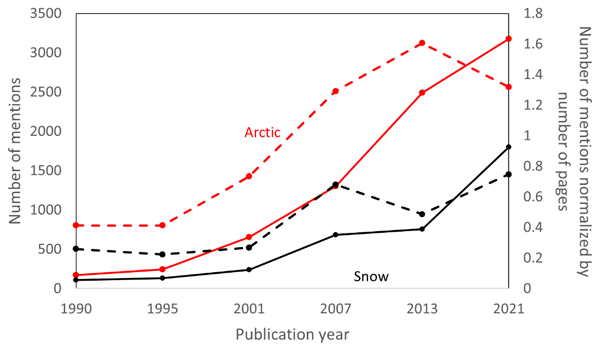
Cecile B. Menard, Sirpa Rasmus, Ioanna Merkouriadi, Gianpaolo Balsamo, Annett Bartsch, Chris Derksen, Florent Domine, Marie Dumont, Dorothee Ehrich, Richard Essery, Bruce C. Forbes, Gerhard Krinner, David Lawrence, Glen Liston, Heidrun Matthes, Nick Rutter, Melody Sandells, Martin Schneebeli, and Sari Stark
The Cryosphere, 18, 4671–4686, https://doi.org/10.5194/tc-18-4671-2024, https://doi.org/10.5194/tc-18-4671-2024, 2024
Short summary
Short summary
Computer models, like those used in climate change studies, are written by modellers who have to decide how best to construct the models in order to satisfy the purpose they serve. Using snow modelling as an example, we examine the process behind the decisions to understand what motivates or limits modellers in their decision-making. We find that the context in which research is undertaken is often more crucial than scientific limitations. We argue for more transparency in our research practice.
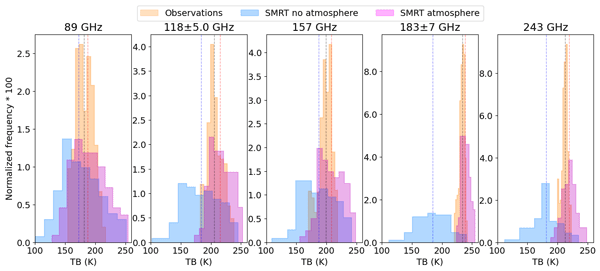
Melody Sandells, Nick Rutter, Kirsty Wivell, Richard Essery, Stuart Fox, Chawn Harlow, Ghislain Picard, Alexandre Roy, Alain Royer, and Peter Toose
The Cryosphere, 18, 3971–3990, https://doi.org/10.5194/tc-18-3971-2024, https://doi.org/10.5194/tc-18-3971-2024, 2024
Short summary
Short summary
Satellite microwave observations are used for weather forecasting. In Arctic regions this is complicated by natural emission from snow. By simulating airborne observations from in situ measurements of snow, this study shows how snow properties affect the signal within the atmosphere. Fresh snowfall between flights changed airborne measurements. Good knowledge of snow layering and structure can be used to account for the effects of snow and could unlock these data to improve forecasts.
Julien Meloche, Melody Sandells, Henning Löwe, Nick Rutter, Richard Essery, Ghislain Picard, Randall K. Scharien, Alexandre Langlois, Matthias Jaggi, Josh King, Peter Toose, Jérôme Bouffard, Alessandro Di Bella, and Michele Scagliola
EGUsphere, https://doi.org/10.5194/egusphere-2024-1583, https://doi.org/10.5194/egusphere-2024-1583, 2024
Preprint archived
Short summary
Short summary
Sea ice thickness is essential for climate studies. Radar altimetry has provided sea ice thickness measurement, but uncertainty arises from interaction of the signal with the snow cover. Therefore, modelling the signal interaction with the snow is necessary to improve retrieval. A radar model was used to simulate the radar signal from the snow-covered sea ice. This work paved the way to improved physical algorithm to retrieve snow depth and sea ice thickness for radar altimeter missions.
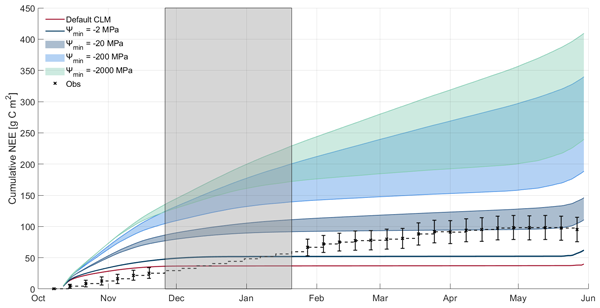
Victoria R. Dutch, Nick Rutter, Leanne Wake, Oliver Sonnentag, Gabriel Hould Gosselin, Melody Sandells, Chris Derksen, Branden Walker, Gesa Meyer, Richard Essery, Richard Kelly, Phillip Marsh, Julia Boike, and Matteo Detto
Biogeosciences, 21, 825–841, https://doi.org/10.5194/bg-21-825-2024, https://doi.org/10.5194/bg-21-825-2024, 2024
Short summary
Short summary
We undertake a sensitivity study of three different parameters on the simulation of net ecosystem exchange (NEE) during the snow-covered non-growing season at an Arctic tundra site. Simulations are compared to eddy covariance measurements, with near-zero NEE simulated despite observed CO2 release. We then consider how to parameterise the model better in Arctic tundra environments on both sub-seasonal timescales and cumulatively throughout the snow-covered non-growing season.
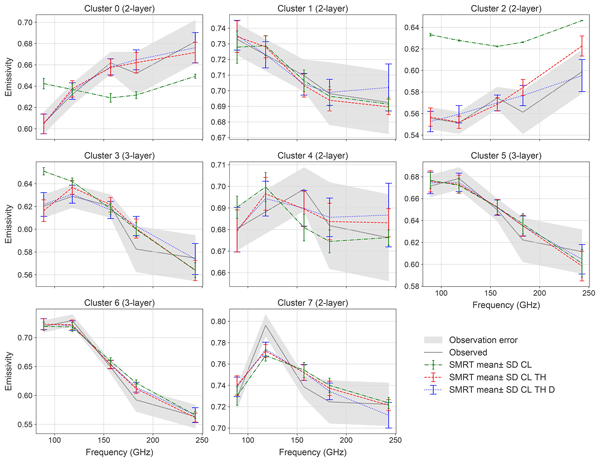
Kirsty Wivell, Stuart Fox, Melody Sandells, Chawn Harlow, Richard Essery, and Nick Rutter
The Cryosphere, 17, 4325–4341, https://doi.org/10.5194/tc-17-4325-2023, https://doi.org/10.5194/tc-17-4325-2023, 2023
Short summary
Short summary
Satellite microwave observations improve weather forecasts, but to use these observations in the Arctic, snow emission must be known. This study uses airborne and in situ snow observations to validate emissivity simulations for two- and three-layer snowpacks at key frequencies for weather prediction. We assess the impact of thickness, grain size and density in key snow layers, which will help inform development of physical snow models that provide snow profile input to emissivity simulations.
Victoria R. Dutch, Nick Rutter, Leanne Wake, Melody Sandells, Chris Derksen, Branden Walker, Gabriel Hould Gosselin, Oliver Sonnentag, Richard Essery, Richard Kelly, Phillip Marsh, Joshua King, and Julia Boike
The Cryosphere, 16, 4201–4222, https://doi.org/10.5194/tc-16-4201-2022, https://doi.org/10.5194/tc-16-4201-2022, 2022
Short summary
Short summary
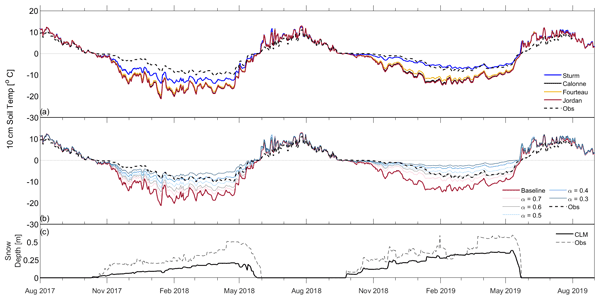
Measurements of the properties of the snow and soil were compared to simulations of the Community Land Model to see how well the model represents snow insulation. Simulations underestimated snow thermal conductivity and wintertime soil temperatures. We test two approaches to reduce the transfer of heat through the snowpack and bring simulated soil temperatures closer to measurements, with an alternative parameterisation of snow thermal conductivity being more appropriate.
Leung Tsang, Michael Durand, Chris Derksen, Ana P. Barros, Do-Hyuk Kang, Hans Lievens, Hans-Peter Marshall, Jiyue Zhu, Joel Johnson, Joshua King, Juha Lemmetyinen, Melody Sandells, Nick Rutter, Paul Siqueira, Anne Nolin, Batu Osmanoglu, Carrie Vuyovich, Edward Kim, Drew Taylor, Ioanna Merkouriadi, Ludovic Brucker, Mahdi Navari, Marie Dumont, Richard Kelly, Rhae Sung Kim, Tien-Hao Liao, Firoz Borah, and Xiaolan Xu
The Cryosphere, 16, 3531–3573, https://doi.org/10.5194/tc-16-3531-2022, https://doi.org/10.5194/tc-16-3531-2022, 2022
Short summary
Short summary
Snow water equivalent (SWE) is of fundamental importance to water, energy, and geochemical cycles but is poorly observed globally. Synthetic aperture radar (SAR) measurements at X- and Ku-band can address this gap. This review serves to inform the broad snow research, monitoring, and application communities about the progress made in recent decades to move towards a new satellite mission capable of addressing the needs of the geoscience researchers and users.
Juha Lemmetyinen, Juval Cohen, Anna Kontu, Juho Vehviläinen, Henna-Reetta Hannula, Ioanna Merkouriadi, Stefan Scheiblauer, Helmut Rott, Thomas Nagler, Elisabeth Ripper, Kelly Elder, Hans-Peter Marshall, Reinhard Fromm, Marc Adams, Chris Derksen, Joshua King, Adriano Meta, Alex Coccia, Nick Rutter, Melody Sandells, Giovanni Macelloni, Emanuele Santi, Marion Leduc-Leballeur, Richard Essery, Cecile Menard, and Michael Kern
Earth Syst. Sci. Data, 14, 3915–3945, https://doi.org/10.5194/essd-14-3915-2022, https://doi.org/10.5194/essd-14-3915-2022, 2022
Short summary
Short summary
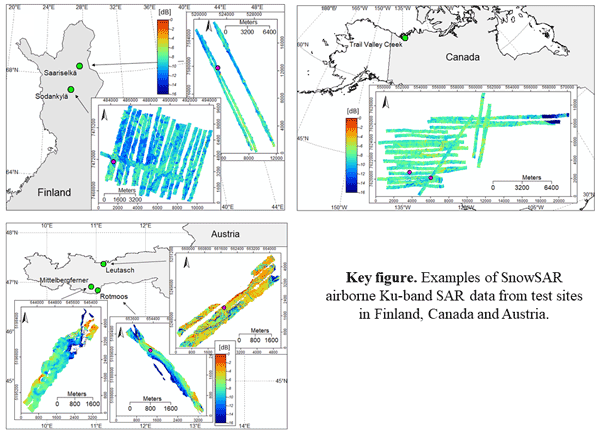
The manuscript describes airborne, dual-polarised X and Ku band synthetic aperture radar (SAR) data collected over several campaigns over snow-covered terrain in Finland, Austria and Canada. Colocated snow and meteorological observations are also presented. The data are meant for science users interested in investigating X/Ku band radar signatures from natural environments in winter conditions.
Cited articles
Adler, J., Hazelbauer, G. L., and Dahl, M. M.: Chemotaxis toward sugars in Escherichia coli, J. Bacteriol., 115, 824–847, https://doi.org/10.1128/jb.115.3.824-847.1973, 1973. a
Agrawal, S. C.: Factors controlling induction of reproduction in algae – review: the text, Folia Microbiol., 57, 387–407, https://doi.org/10.1007/s12223-012-0147-0, 2012. a
Almela, P., Elser, J. J., Giersch, J. J., Hotaling, S., Rebbeck, V., and Hamilton, T. L.: Laboratory experiments suggest a limited impact of increased nitrogen deposition on snow algae blooms, Env. Microbiol. Rep., 16, e70 052, https://doi.org/10.1111/1758-2229.70052, 2024. a
Almela, P., Elser, J. J., Giersch, J. J., Hotaling, S., and Hamilton, T. L.: Influence of snow cover on albedo reduction by snow algae, mBio, 16, e03630-24, https://doi.org/10.1128/mbio.03630-24, 2025. a
Amaral, R., Duci, D., Cotta, F. C., Bacellar, F. L., Oliveira, S., Verret, F., Asadi, K., Vandamme, L. K., Reis, N. M., Bryant, L. D., Tosh, D., Mouget, J.-L., Perkins, R., and Rocha, P. R.: Ion-driven communication and acclimation strategies in microalgae, Chem. Eng. J., 473, 144985, https://doi.org/10.1016/j.cej.2023.144985, 2023. a
Bar Dolev, M., Braslavsky, I., and Davies, P. L.: Ice-Binding Proteins and Their Function, Annu. Rev. Biochem., 85, 515–542, https://doi.org/10.1146/annurev-biochem-060815-014546, 2016. a
Baran, Ł., Llombart, P., and MacDowell, L. G.: Understanding Interfacial Ice Premelting: Structure, Adhesion, and Nucleation, J, Phys. Chem. C, 129, 4614–4631, https://doi.org/10.1021/acs.jpcc.4c07328, 2025. a
Barry, M. T., Rusconi, R., Guasto, J. S., and Stocker, R.: Shear-induced orientational dynamics and spatial heterogeneity in suspensions of motile phytoplankton, J. Roy. Soc. Interface, 12, 20150791, https://doi.org/10.1098/rsif.2015.0791, 2015. a
Barsanti, L., Birindelli, L., Di Garbo, A., and Gualtieri, P.: Bioconvection in microalgae: review of mathematical models, Appl. Sci., 15, 2708, https://doi.org/10.3390/app15052708, 2025. a
Bean, B.: Geotactic behavior of Chlamydomonas, J. Protozool., 24, 394–401, https://doi.org/10.1111/j.1550-7408.1977.tb04759.x, 1977. a
Bearon, R. N., Bees, M. A., and Croze, O. A.: Biased swimming cells do not disperse in pipes as tracers: A population model based on microscale behaviour, Phys. Fluids, 24, 121902, https://doi.org/10.1063/1.4772189, 2012. a
Bechinger, C., Di Leonardo, R., Löwen, H., Reichhardt, C., Volpe, G., and Volpe, G.: Active particles in complex and crowded environments, Rev. Modern Phys., 88, 045006, https://doi.org/10.1103/RevModPhys.88.045006, 2016. a
Bees, M. A. and Hill, N. A.: Wavelengths of bioconvection patterns, J. Exp. Biol., 200, 1515–1526, https://doi.org/10.1242/jeb.200.10.1515, 1997. a, b, c
Bischoff, Y.: Diversité et mobilitédes algues de neige dans les Alpes suisses, PhD thesis, Université de Genée, https://doi.org/10.13097/ARCHIVE-OUVERTE/UNIGE:516, 2007. a
Broadwell, E. L. M., Pickford, R. E., Perkins, R. G., Sgouridis, F., and Williamson, C. J.: Adaptation versus plastic responses to temperature, light, and nitrate availability in cultured snow algal strains, FEMS Microbiol. Ecol., 99, fiad088, https://doi.org/10.1093/femsec/fiad088, 2023. a, b, c
Brown, S. P., Olson, B. J., and Jumpponen, A.: Fungi and algae co-occur in snow: an issue of shared habitat or algal facilitation of heterotrophs?, Arct. Antarct. Alp. Res., 47, 729–749, https://doi.org/10.1657/AAAR0014-071, 2015. a
Brzoska, J.-B., Coléou, C., and Lesaffre, B.: Thin-sectioning of wet snow after flash-freezing, J. Glaciol., 44, 54–62, https://doi.org/10.3189/S0022143000002343, 1998. a, b
Cheloni, G. and Slaveykova, V.: Photo-Oxidative Stress in Green Algae and Cyanobacteria, Reactive Oxygen Species, https://archive-ouverte.unige.ch/unige:102840 (last access: 24 September 2026), 2018. a
Chen, D., Heymann, M., Fraden, S., Nicastro, D., and Dogic, Z.: ATP consumption of eukaryotic flagella measured at a single-cell level, Biophys. J., 109, 2562–2573, https://doi.org/10.1016/j.bpj.2015.11.003, 2015. a
Choi, H. I., Kim, J. Y. H., Kwak, H. S., Sung, Y. J., and Sim, S. J.: Quantitative analysis of the chemotaxis of a green alga, Chlamydomonas reinhardtii, to bicarbonate using diffusion-based microfluidic device, Biomicrofluidics, 10, 014121, https://doi.org/10.1063/1.4942756, 2016. a
Choudhary, S. K., Ma, Y., Baskaran, A., and Sharma, P.: Transient state dynamics of Chlamydomonas reinhardtii cells during phototaxis, Phys. Rev. Res., 7, 033282, https://doi.org/10.1103/l53n-2kg1, 2025. a
Coléou, C., Xu, K., Lesaffre, B., and Brzoska, J.-B.: Capillary rise in snow, Hydrol. Process., 13, 1721–1732, https://doi.org/10.1002/(SICI)1099-1085(199909)13:12/13<1721::AID-HYP852>3.0.CO;2-D, 1999. a
Cortese, D. and Wan, K. Y.: Control of Helical Navigation by Three-Dimensional Flagellar Beating, Phys. Rev. Lett., 126, 088003, https://doi.org/10.1103/PhysRevLett.126.088003, 2021. a, b
Croze, O. A., Bearon, R. N., and Bees, M. A.: Gyrotactic swimmer dispersion in pipe flow: testing the theory, J. Fluid Mech., 816, 481–506, https://doi.org/10.1017/jfm.2017.90, 2017. a, b
Davey, M. P., Norman, L., Sterk, P., Huete-Ortega, M., Bunbury, F., Loh, B. K. W., Stockton, S., Peck, L. S., Convey, P., Newsham, K. K., and Smith, A. G.: Snow algae communities in Antarctica: metabolic and taxonomic composition, New Phytol., 222, 1242–1255, https://doi.org/10.1111/nph.15701, 2019. a, b, c
De Vrese, P., Stacke, T., Caves Rugenstein, J., Goodman, J., and Brovkin, V.: Snowfall-albedo feedbacks could have led to deglaciation of snowball Earth starting from mid-latitudes, Commun. Earth Environ., 2, 91, https://doi.org/10.1038/s43247-021-00160-4, 2021. a
de Vries, C. S.: Orientation A: A visualisation of a Chlamydomonas sp. cell swimming in a helical motion, oriented in a direction adjacent to a light source. As the cell swims helically (Cortese and Wan, 2021), the cell’s singular eyespot rotates and perceives a sinusoidally varying light signal. Orientation B: A visualisation of a Chlamydomonas sp. cell swimming in a helical motion oriented towards a light source. The cell’s singular eyespot experiences continuous, direct exposure to the light source. The time elapsed between orientation A and B is a few seconds (Choudhary et al., 2025; Goldstein, 2015). The time elapsed between orientation scenario A and B is negligible, otherwise one would see an increase in light intensity, https://BioRender.com/r06ua93 (last access: 5 August 2026), 2026b. a
de Vries, C. S.: A visualisation (not to scale) of snow algae navigating through a subsection of a snowpack with a chemical gradient present, denoted by ∇C, caused by a source at the top of the snowpack, exhibiting positive chemotaxis as they swim towards the nutrient source in the direction of the gradient’s increase, https://BioRender.com/inc0hfl (last access: 5 August 2026), 2026c. a
de Vries, C. S.: A two-dimensional (for simplicity) visualisation of change in orientation of a Chlamydomonas sp. cell due to gravitaxis and flow of surrounding medium. The diagram on the left represents pure gravitaxis: the cell body is reoriented by a torque Tg due to gravity and a resistive viscous torque Tv. B represents the characteristic reorientation time scale due to graviatxis, ∧p is a unit vector pointing in the direction of the cell’s current orientation, k is the vertical unit vector defining the preferred upward direction for negative gravitaxis by convention, corresponding in 2D to θ=0. The diagram on the right represents gyrotaxis. Here the viscous torque also includes rotation by a shear flow with vorticity ω. The prefereed orientation is now at an angle, θ=θc, to the vertical, https://BioRender.com/duylke2 (last access: 5 August 2026), 2026d. a
Desai, N. and Ardekani, A. M.: Modeling of active swimmer suspensions and their interactions with the environment, Soft Matter, 13, 6033–6050, https://doi.org/10.1039/C7SM00766C, 2017. a
Duval, B., Shetty, K., and Thomas, W. H.: Phenolic compounds and antioxidant properties in the snow alga Chlamydomonas nivalis after exposure to UV light, J. Appl. Phycol., 11, 559–566, https://doi.org/10.1023/A:1008178208949, 1999. a, b
Ebbens, S. J. and Gregory, D. A.: Catalytic janus colloids: controlling trajectories of chemical microswimmers, Accounts Chem. Res., 51, 1931–1939, https://doi.org/10.1021/acs.accounts.8b00243, 2018. a
Elgeti, J., Winkler, R. G., and Gompper, G.: Physics of microswimmers – single particle motion and collective behavior: A review, Rep. Prog. Phys., 78, 056601, https://doi.org/10.1088/0034-4885/78/5/056601, 2015. a, b, c
Engstrom, C. B., Raymond, B. B., Albeitshawish, J., Bogdanovic, A., and Quarmby, L. M.: Rosetta gen. nov. (Chlorophyta): Resolving the identity of red snow algal rosettes, J. Phycol., 60, 275–298, https://doi.org/10.1111/jpy.13438, 2024. a, b
Ermilova, E. V., Nikitin, M. M., and Fernández, E.: Chemotaxis to ammonium/methylammonium in Chlamydomonas reinhardtii: the role of transport systems for ammonium/methylammonium, Planta, 226, 1323–1332, https://doi.org/10.1007/s00425-007-0568-1, 2007. a
Ezzedine, J. A., Uwizeye, C., Si Larbi, G., Villain, G., Louwagie, M., Schilling, M., Hagenmuller, P., Gallet, B., Stewart, A., Petroutsos, D., Devime, F., Salze, P., Liger, L., Jouhet, J., Dumont, M., Ravanel, S., Amato, A., Valay, J.-G., Jouneau, P.-H., Falconet, D., and Maréchal, E.: Adaptive traits of cysts of the snow alga Sanguina nivaloides unveiled by 3D subcellular imaging, Nat. Commun., 14, 7500, https://doi.org/10.1038/s41467-023-43030-7, 2023. a, b, c, d, e
Foster, K. W. and Smyth, R. D.: Light antennas in phototactic algae, Microbiol. Rev., 44, 572–630, https://doi.org/10.1128/mr.44.4.572-630.1980, 1980. a, b, c
Freund, J. B., Goetz, J. G., Hill, K. L., and Vermot, J.: Fluid flows and forces in development: functions, features and biophysical principles, Development, 139, 1229–1245, https://doi.org/10.1242/dev.073593, 2012. a
Gálvez, F. E., Saldarriaga-Córdoba, M., Huovinen, P., Silva, A. X., and Gómez, I.: Revealing the characteristics of the Antarctic snow alga Chlorominima collina gen. et sp. nov. through taxonomy, physiology, and transcriptomics, Front. Plant Sci., 12, 662298, https://doi.org/10.3389/fpls.2021.662298, 2021. a, b
Ganey, G. Q., Loso, M. G., Burgess, A. B., and Dial, R. J.: The role of microbes in snowmelt and radiative forcing on an Alaskan icefield, Nat. Geosci., 10, 754–759, https://doi.org/10.1038/ngeo3027, 2017. a, b
Ganguly, A., Alessio, B. M., and Gupta, A.: Diffusiophoresis: a novel transport mechanism – fundamentals, applications, and future opportunities, Frontiers in Sensors, 4, 1322906, https://doi.org/10.3389/fsens.2023.1322906, 2023. a
Goldstein, R. E.: Green algae as model organisms for biological fluid dynamics, Annu. Rev. Fluid Mech., 47, 343–375, https://doi.org/10.1146/annurev-fluid-010313-141426, 2015. a
Gonzalez, C. R., Grigg, V., Thomas, N., Thomson, A. I., MacPherson, E., Dillon, L., Gober, E., Smith, A. G., Cockell, C., Convey, P., and Davey, M. P.: Antarctic snow algal responses to temperature – potential implications of climate change, Sustainable Microbiology, 3, qvag023, https://doi.org/10.1093/sumbio/qvag023, 2026. a, b
Wakahama, G.: The metamorphism of wet snow, in: General Assembly of Bern 1967 – Snow and Ice, vol. 79 of International Association of Scientific Hydrology Publication, 370–379, https://iahs.info/uploads/dms/079035.pdf (last access: 24 September 2026), 1968. a
Gorton, H. L., Williams, W. E., and Vogelmann, T. C.: The Light Environment and Cellular Optics of the Snow Alga Chlamydomonas nivalis (Bauer) Wille, Photochem. Photobiol., 73, 611–620, https://doi.org/10.1562/0031-8655(2001)0730611TLEACO2.0.CO2, 2007. a
Govorunova, E. G. and Sineshchekov, O. A.: Chemotaxis in the green flagellate alga Chlamydomonas, Biochemistry (Moscow), 70, 717–725, https://doi.org/10.1007/s10541-005-0176-2, 2005. a, b
Gray, A., Krolikowski, M., Fretwell, P., Convey, P., Peck, L. S., Mendelova, M., Smith, A. G., and Davey, M. P.: Remote sensing reveals Antarctic green snow algae as important terrestrial carbon sink, Nat. Commun., 11, 2527, https://doi.org/10.1038/s41467-020-16018-w, 2020. a
Grinde, B.: Vertical distribution of the snow alga Chlamydomonas nivalis (Chlorophyta, Volvocales), Polar Biol., 2, 159–162, https://doi.org/10.1007/BF00448965, 1983. a
Guasto, J. S., Johnson, K. A., and Gollub, J. P.: Measuring Oscillatory Velocity Fields Due to Swimming Algae, arXiv [preprint], https://doi.org/10.48550/arxiv.1010.1787, 2010. a
Häder, D.-P. and Hemmersbach, R.: Gravitaxis in flagellates and ciliates, in: Gravitational Biology I, Springer International Publishing, Cham, 27–45, ISBN 978-3-319-93893-6 978-3-319-93894-3, https://doi.org/10.1007/978-3-319-93894-3_3, 2018. a
Häder, D.-P. and Häder, M. A.: Effects of solar u.v.-B irradiation on photomovement and motility in photosynthetic and colorless flagellates, Environ. Exp. Bot., 29, 273–282, https://doi.org/10.1016/0098-8472(89)90059-2, 1989. a
Häder, D.-P. and Lebert, M.: Graviperception and gravitaxis in algae, Adv. Space Res., 27, 861–870, https://doi.org/10.1016/S0273-1177(01)00149-1, 2001. a, b
Häder, D.-P., Braun, M., Grimm, D., and Hemmersbach, R.: Gravireceptors in eukaryotes – a comparison of case studies on the cellular level, npj Microgravity, 3, 13, https://doi.org/10.1038/s41526-017-0018-8, 2017. a, b
Hill, N. and Häder, D.-P.: A biased random walk model for the trajectories of swimming micro-organisms, J. Theor. Biol., 186, 503–526, https://doi.org/10.1006/jtbi.1997.0421, 1997. a
Hoham, R. W.: Optimum Temperatures and Temperature Ranges for Growth of Snow Algae, Arct. Alp. Res., 7, 13–24, https://doi.org/10.1080/00040851.1975.12003805, 1975. a
Hoham, R. W. and Duval, B.: Snow ecology: an interdisciplinary examination of snow-covered ecosystems, in: Snow Ecology: An Interdisciplinary Examination of Snow-Covered Ecosystems, Cambridge University Press, Cambridge, 168–228, ISBN13: 9780521188890, ISBN10: 052118889X, 2001. a
Hoham, R. W. and Ling, H. U.: Snow Algae: The Effects of Chemical and Physical Factors on Their Life Cycles and Populations, in: Journey to Diverse Microbial Worlds, edited by Seckbach, J., Springer Netherlands, Dordrecht, 131–145, ISBN 978-94-010-5850-6 978-94-011-4269-4, https://doi.org/10.1007/978-94-011-4269-4_10, 2000. a
Hoham, R. W. and Mullet, J. E.: The life history and ecology of the snow alga Chloromonas cryophila sp. nov. (Chlorophyta, Volvocales), Phycologia, 16, 53–68, https://doi.org/10.2216/i0031-8884-16-1-53.1, 1977. a
Hoham, R. W. and Remias, D.: Snow and glacial algae: A review, J. Phycol., 56, 264–282, https://doi.org/10.1111/jpy.12952, 2020. a, b, c
Horst, C. J. and Witman, G. B.: ptx1, a nonphototactic mutant of Chlamydomonas, lacks control of flagellar dominance, J. Cell Biol., 120, 733–741, https://doi.org/10.1083/jcb.120.3.733, 1993. a
Hulatt, C. J., Berecz, O., Egeland, E. S., Wijffels, R. H., and Kiron, V.: Corrigendum to “polar snow algae as a valuable source of lipids?”, Bioresource Technol., 241, 1208, https://doi.org/10.1016/j.biortech.2017.06.119, 2017. a
Ishikawa, T., Sato, K., Omori, T., and Yoshimura, K.: Physics of microbial taxis and behaviours in response to various physical stimuli, Philos. T. R. Soc. A, 383, 20240264, https://doi.org/10.1098/rsta.2024.0264, 2025. a, b, c
Ishizaka, M.: An accurate measurement of densities of snowflakes using 3-D microphotographs, Ann. Glaciol., 18, 92–96, https://doi.org/10.3189/S0260305500011319, 1993. a
Jékely, G.: Evolution of phototaxis, Philos. T. R. Soc. B, 364, 2795–2808, https://doi.org/10.1098/rstb.2009.0072, 2009. a
Kam, V., Moseyko, N., Nemson, J., and Feldman, L. J.: Gravitaxis in Chlamydomonas reinhardtii : characterization using video microscopy and computer analysis, Int. J. Plant Sci., 160, 1093–1098, https://doi.org/10.1086/314205, 1999. a
Kessler, J. O.: Hydrodynamic focusing of motile algal cells, Nature, 313, 218–220, https://doi.org/10.1038/313218a0, 1985. a, b, c
Khan, A. L., Dierssen, H. M., Scambos, T. A., Höfer, J., and Cordero, R. R.: Spectral characterization, radiative forcing and pigment content of coastal Antarctic snow algae: approaches to spectrally discriminate red and green communities and their impact on snowmelt, The Cryosphere, 15, 133–148, https://doi.org/10.5194/tc-15-133-2021, 2021. a, b, c
Kreimer, G.: The green algal eyespot apparatus: a primordial visual system and more?, Curr. Genet., 55, 19–43, https://doi.org/10.1007/s00294-008-0224-8, 2009. a, b
Kvíderová, J.: Characterization of the Community of Snow Algae and Their Photochemical Performance in situ in the Giant Mountains, Czech Republic, Arct. Antarct. Alp. Res., 42, 210–218, https://doi.org/10.1657/1938-4246-42.2.210, 2010. a
Latta Iv, L. C., O'Donnell, R. P., and Pfrender, M. E.: Vertical distribution of Chlamydomonas changes in response to grazer and predator kairomones, Oikos, 118, 853–858, https://doi.org/10.1111/j.1600-0706.2009.17352.x, 2009. a, b
Leya, T.: The CCCryo Culture Collection of Cryophilic Algae as a valuable bioresource for algal biodiversity and for novel, industrially marketable metabolites, Appl. Phycol., 3, 167–188, https://doi.org/10.1080/26388081.2020.1753572, 2022. a
Leya, T., Rahn, A., Lütz, C., and Remias, D.: Response of arctic snow and permafrost algae to high light and nitrogen stress by changes in pigment composition and applied aspects for biotechnology: Pigment change in snow algae, FEMS Microbiol. Ecol., 67, 432–443, https://doi.org/10.1111/j.1574-6941.2008.00641.x, 2009. a
Liang, D., Zhang, L., Cheng, Q., Zhu, Q., Liu, Y., Bashir, B., Kong, W., and Kong, L.: Seasonal cycles of snow algal blooms intensify surface melting on Antarctic ice shelves, Sci. Rep., 15, 23139, https://doi.org/10.1038/s41598-025-05129-3, 2025. a
Libbrecht, K. G.: Morphogenesis on ice: The physics of snow crystals, Engineering and Science, 64.1, 10–19, 2001. a
Libbrecht, K. G.: A quantitative physical model of the snow crystal morphology diagram, arXiv [preprint], https://doi.org/10.48550/arxiv.1910.09067, 2019. a
Liu, F., Wu, Y., and Zeng, L.: Swimming characteristics of Chlamydomonas reinhardtii, J. Coastal Res., 104, https://doi.org/10.2112/JCR-SI104-081.1, 2020. a
Lutz, S., Anesio, A. M., Raiswell, R., Edwards, A., Newton, R. J., Gill, F., and Benning, L. G.: The biogeography of red snow microbiomes and their role in melting arctic glaciers, Nat. Commun., 7, 11968, https://doi.org/10.1038/ncomms11968, 2016. a
Maccario, L., Sanguino, L., Vogel, T. M., and Larose, C.: Snow and ice ecosystems: not so extreme, Res. Microbiol., 166, 782–795, https://doi.org/10.1016/j.resmic.2015.09.002, 2015. a
Marshall, W. F.: Chlamydomonas as a model system to study cilia and flagella using genetics, biochemistry, and microscopy, Frontiers in Cell and Developmental Biology, 12, 1412641, https://doi.org/10.3389/fcell.2024.1412641, 2024. a
Matsumoto, M., Hanneman, C., Camara, A. G., Krueger-Hadfield, S. A., Hamilton, T. L., and Kodner, R. B.: Hypothesized life cycle of the snow algae Chlainomonas sp. (Chlamydomonadales, Chlorophyta) from the Cascade Mountains, USA, Journal of Phycology, 60, 724–740, https://doi.org/10.1111/jpy.13454, 2024. a, b
Matsuzaki, R., Kawai-Toyooka, H., Hara, Y., and Nozaki, H.: Revisiting the taxonomic significance of aplanozygote morphologies of two cosmopolitan snow species of the genus Chloromonas (Volvocales, Chlorophyceae ), Phycologia, 54, 491–502, https://doi.org/10.2216/15-33.1, 2015. a
Matsuzaki, R., Nozaki, H., Takeuchi, N., Hara, Y., and Kawachi, M.: Taxonomic re-examination of “Chloromonas nivalis (Volvocales, Chlorophyceae) zygotes” from Japan and description of C. muramotoi sp. nov., Plos One, 14, e0210986, https://doi.org/10.1371/journal.pone.0210986, 2019. a
Mätzler, C.: Relation between grain-size and correlation length of snow, J. Glaciol., 48, 461–466, https://doi.org/10.3189/172756502781831287, 2002. a
McCutcheon, M.: Chemotaxis in leukocytes, Physiol. Rev., 26, 319–336, https://doi.org/10.1152/physrev.1946.26.3.319, 1946. a
Meiners, K., Gradinger, R., Fehling, J., Civitarese, G., and Spindler, M.: Vertical distribution of exopolymer particles in sea ice of the Fram Strait (Arctic) during autumn, Mar. Ecol. Prog. Ser., 248, 1–13, https://doi.org/10.3354/meps248001, 2003. a
Mitchell, B. F., Pedersen, L. B., Feely, M., Rosenbaum, J. L., and Mitchell, D. R.: ATP Production in Chlamydomonas reinhardtii flagella by glycolytic enzymes, Mol. Biol. Cell, 16, 4509–4518, https://doi.org/10.1091/mbc.e05-04-0347, 2005. a
Morel-Laurens, N. M. L. and Feinleib, M. E.: PHOTOMOVEMENT IN AN “EYELESS” MUTANT OF Chlamydomonas, Photochem. Photobiol., 37, 189–194, https://doi.org/10.1111/j.1751-1097.1983.tb04457.x, 1983. a
Moyer, C. L., Eric Collins, R., and Morita, R. Y.: Psychrophiles and psychrotrophs, in: Reference Module in Life Sciences, Elsevier, ISBN 978-0-12-809633-8, https://doi.org/10.1016/B978-0-12-809633-8.02282-2, 2017. a
Nelson, G., Strain, A., Isu, A., Rahnama, A., Wakabayashi, K.-i., Melvin, A. T., and Kato, N.: Cells collectively migrate during ammonium chemotaxis in Chlamydomonas reinhardtii, Sci. Rep., 13, 10781, https://doi.org/10.1038/s41598-023-36818-6, 2023. a, b
Novis, P. M., Hoham, R. W., Beer, T., and Dawson, M.: TWO SNOW SPECIES OF THE QUADRIFLAGELLATE GREEN ALGA CHLAINOMONAS (CHLOROPHYTA, VOLVOCALES): ULTRASTRUCTURE AND PHYLOGENETIC POSITION WITHIN THE CHLOROMONAS CLADE, J. Phycol., 44, 1001–1012, https://doi.org/10.1111/j.1529-8817.2008.00545.x, 2008. a
Novis, P. M., Kodner, R. B., Podolyan, A., and Leya, T.: Chloromonas fuhrii sp. nov. (Chlorophyceae), a cosmopolitan alga from colored snow, Phycologia, 63, 211–224, https://doi.org/10.1080/00318884.2024.2313780, 2024. a
Novoveská, L., Ross, M. E., Stanley, M. S., Pradelles, R., Wasiolek, V., and Sassi, J.-F.: Microalgal carotenoids: a review of production, current markets, regulations, and future direction, Mar. Drugs, 17, 640, https://doi.org/10.3390/md17110640, 2019. a
Ono, M., Takeuchi, N., and Zawierucha, K.: Snow algae blooms are beneficial for microinvertebrates assemblages (Tardigrada and Rotifera) on seasonal snow patches in Japan, Sci. Rep., 11, 5973, https://doi.org/10.1038/s41598-021-85462-5, 2021. a
Othmer, H., Xin, X., and Xue, C.: Excitation and Adaptation in Bacteria – a Model Signal Transduction System that Controls Taxis and Spatial Pattern Formation, Int. J. Mol. Sci., 14, 9205–9248, https://doi.org/10.3390/ijms14059205, 2013. a
O'Malley, S. and Bees, M. A.: The Orientation of Swimming Biflagellates in Shear Flows, B. Math. Biol., 74, 232–255, https://doi.org/10.1007/s11538-011-9673-1, 2012. a
Pedley, T.: Continuum or individual models for suspensions of swimming micro-organisms?, Eur. J. Mech.-B Fluids, 118, 204484, https://doi.org/10.1016/j.euromechflu.2026.204484, 2026. a
Pedley, T. J. and Kessler, J. O.: A new continuum model for suspensions of gyrotactic micro-organisms, J. Fluid Mech., 212, 155–182, https://doi.org/10.1017/S0022112090001914, 1990. a
Pivato, M. and Ballottari, M.: Chlamydomonas reinhardtii cellular compartments and their contribution to intracellular calcium signalling, J. Exp. Bot., 72, 5312–5335, https://doi.org/10.1093/jxb/erab212, 2021. a
Platt, J. R.: “Bioconvection patterns” in cultures of free-swimming organisms, Science, 133, 1766–1767, https://doi.org/10.1126/science.133.3466.1766, 1961. a
Prakash, P. and Croze, O. A.: Photogyrotactic concentration of a population of swimming microalgae across a porous layer, Frontiers in Physics, 9, 744428, https://doi.org/10.3389/fphy.2021.744428, 2021. a
Procházková, L., Leya, T., Křížková, H., and Nedbalová, L.: Sanguina nivaloides and Sanguina aurantia gen. et spp. nov. (Chlorophyta): the taxonomy, phylogeny, biogeography and ecology of two newly recognised algae causing red and orange snow, FEMS Microbiol. Ecol., 95, fiz064, https://doi.org/10.1093/femsec/fiz064, 2019. a, b, c, d, e
Procházková,, L., Remias, D., Bilger, W., Krǐžková, H., Řezanka, T., and Nedbalová, L.: Cysts of the snow alga Chloromonas krienitzii (Chlorophyceae) show increased tolerance to ultraviolet radiation and elevated visible light, Front. Plant Sci., 11, 617250, https://doi.org/10.3389/fpls.2020.617250, 2020. a, b
Procházková, L., Matsuzaki, R., Řezanka, T., Nedbalová, L., and Remias, D.: The snow alga Chloromonas kaweckae sp. nov. (Volvocales, Chlorophyta) causes green surface blooms in the high tatras (Slovakia) and tolerates high irradiance, J. Phycol., 59, 236–248, https://doi.org/10.1111/jpy.13307, 2023. a
Procházková, L., Andersen, R. A., Leya, T., Řezanka, T., Lukeš, M., Nedbalová, L., and Remias, D.: Novel Hydrurus species (Chrysophyceae) and their adaptations to high-altitude European and Arctic snowfields, J. Phycol., 62, 818–845, https://doi.org/10.1111/jpy.70162, 2026. a
Raymond, B. B., Engstrom, C. B., and Quarmby, L. M.: The underlying green biciliate morphology of the orange snow alga Sanguina aurantia, Curr. Biol., 32, 934–936, https://doi.org/10.1016/j.cub.2022.02.030, 2022. a
Raymond, B. B., Guenzi-Tiberi, P., Maréchal, E., and Quarmby, L. M.: Snow alga Sanguina aurantia as revealed through de novo genome assembly and annotation, G3: Genes, Genomes, Genetics, jkae181, https://doi.org/10.1093/g3journal/jkae181, 2024. a
Raymond, J. A. and Morgan-Kiss, R.: Multiple ice-binding proteins of probable prokaryotic origin in an Antarctic lake alga, Chlamydomonas sp. ICE-MDV (Chlorophyceae), J. Phycol., 53, 848–854, https://doi.org/10.1111/jpy.12550, 2017. a
Rea, M. E. and Dial, R. J.: An experimental assessment of active and passive dispersal of red snow algae on the Harding Icefield, southcentral Alaska, Arct. Antarct. Alp. Res., 56, 2370905, https://doi.org/10.1080/15230430.2024.2370905, 2024. a, b
Remias, D., Lütz-Meindl, U., and Lütz, C.: Photosynthesis, pigments and ultrastructure of the alpine snow alga Chlamydomonas nivalis, Eur. J. Phycol., 40, 259–268, https://doi.org/10.1080/09670260500202148, 2005. a, b, c
Remias, D., Procházková, L., Nedbalová, L., Andersen, R. A., and Valentin, K.: Two New Kremastochrysopsis species, K. austriaca sp. nov. and K. americana sp. nov. (Chrysophyceae), J. Phycol., 56, 135–145, https://doi.org/10.1111/jpy.12937, 2020. a
Riedel, A., Michel, C., and Gosselin, M.: Seasonal study of sea-ice exopolymeric substances on the Mackenzie shelf: implications for transport of sea-ice bacteria and algae, Aquat. Microb. Ecol., 45, 195–206, https://doi.org/10.3354/ame045195, 2006. a
Roberts, A. M.: Mechanisms of gravitaxis in Chlamydomonas, Biol. Bull., 210, 78–80, https://doi.org/10.2307/4134597, 2006. a, b
Rolland, N., Atteia, A., Decottignies, P., Garin, J., Hippler, M., Kreimer, G., Lemaire, S. D., Mittag, M., and Wagner, V.: Chlamydomonas proteomics, Curr. Opin. Microbiol., 12, 285–291, https://doi.org/10.1016/j.mib.2009.04.001, 2009. a
Roussel, L., Dumont, M., Gascoin, S., Monteiro, D., Bavay, M., Nabat, P., Ezzedine, J. A., Fructus, M., Lafaysse, M., Morin, S., and Maréchal, E.: Snowmelt duration controls red algal blooms in the snow of the European Alps, P. Natl. Acad. Sci. USA, 121, e2400362121, https://doi.org/10.1073/pnas.2400362121, 2024. a, b, c, d
Saadaoui, I., Rasheed, R., Aguilar, A., Cherif, M., Al Jabri, H., Sayadi, S., and Manning, S. R.: Microalgal-based feed: promising alternative feedstocks for livestock and poultry production, J. Anim. Sci. Biotechno., 12, 76, https://doi.org/10.1186/s40104-021-00593-z, 2021. a
Sandells, M. and Flocco, D.: Introduction to the physics of the cryosphere, second edn., IOP Publishing, ISBN 978-0-7503-3647-5 978-0-7503-3645-1, https://doi.org/10.1088/978-0-7503-3647-5, 2022. a
Sazaki, G., Zepeda, S., Nakatsubo, S., Yokomine, M., and Furukawa, Y.: Quasi-liquid layers on ice crystal surfaces are made up of two different phases, P. Natl. Acad. Sci. USA, 109, 1052–1055, https://doi.org/10.1073/pnas.1116685109, 2012. a
Schoeters, F., Spit, J., Azizah, R. N., and Van Miert, S.: Pilot-scale cultivation of the snow alga Chloromonas typhlos in a photobioreactor, Frontiers in Bioengineering and Biotechnology, 10, 896261, https://doi.org/10.3389/fbioe.2022.896261, 2022. a
Schuler, C. G. and Mikucki, J. A.: Microbial ecology and activity of snow algae within a Pacific Northwest snowpack, Arct. Antarct. Alp. Res., 55, 2233785, https://doi.org/10.1080/15230430.2023.2233785, 2023. a, b
Sekiguchi, M., Kameda, S., Kurosawa, S., Yoshida, M., and Yoshimura, K.: Thermotaxis in Chlamydomonas is brought about by membrane excitation and controlled by redox conditions, Sci. Rep., 8, 16114, https://doi.org/10.1038/s41598-018-34487-4, 2018. a, b, c, d
Sengupta, A., Carrara, F., and Stocker, R.: Phytoplankton can actively diversify their migration strategy in response to turbulent cues, Nature, 543, 555–558, https://doi.org/10.1038/nature21415, 2017. a
Sineshchekov, O. A., Govorunova, E. G., and Spudich, J. L.: Photosensory functions of channelrhodopsins in native algal cells, Photochem. Photobiol., 85, 556–563, https://doi.org/10.1111/j.1751-1097.2008.00524.x, 2009. a
Skiles, S. M., Flanner, M., Cook, J. M., Dumont, M., and Painter, T. H.: Radiative forcing by light-absorbing particles in snow, Nat. Clim. Change, 8, 964–971, https://doi.org/10.1038/s41558-018-0296-5, 2018. a
Slater, B. and Michaelides, A.: Surface premelting of water ice, Nat. Rev. Chem., 3, 172–188, https://doi.org/10.1038/s41570-019-0080-8, 2019. a
Sommers, P., Traver, E., Orthel, A., Fountain, A. G., Klancher, J., and Schmidt, S. K.: Microbial communities and biogeochemistry of a melting Rocky Mountain glacier, Arct. Antarct. Alp. Res., 58, 2600126, https://doi.org/10.1080/15230430.2025.2600126, 2026. a
Souliès, A., Pruvost, J., Castelain, C., and Burghelea, T.: Microscopic flows of suspensions of the green non-motile Chlorella micro-alga at various volume fractions: Applications to intensified photobioreactors, J. Non-Newton. Fluid, 231, 91–101, https://doi.org/10.1016/j.jnnfm.2016.03.012, 2016. a
Srivastava, P., Mahajan, P., Satyawali, P., and Kumar, V.: Observation of temperature gradient metamorphism in snow by X-ray computed microtomography: measurement of microstructure parameters and simulation of linear elastic properties, Ann. Glaciol., 51, 73–82, https://doi.org/10.3189/172756410791386571, 2010. a
Stibal, M., Anesio, A. M., Blues, C. J. D., and Tranter, M.: Phosphatase activity and organic phosphorus turnover on a high Arctic glacier, Biogeosciences, 6, 913–922, https://doi.org/10.5194/bg-6-913-2009, 2009. a
Sturm, M.: Field guide to snow, University of Alaska Press, https://www.jstor.org/stable/j.ctv21fqgnp (last access: 24 September 2026), 2020. a
Sugden, S., Serrouya, R., Neufeld, L., Schwantje, H., St. Clair, C. C., Stein, L., and Spribille, T.: Endangered deep-snow mountain caribou have a distinct winter diet and gut microbiome that may be altered by maternal penning, Mol. Ecol., 34, e17783, https://doi.org/10.1111/mec.17783, 2025. a
Suzuki, H., Détain, A., Park, Y., Viswanath, K., Wijffels, R. H., Leborgne-Castel, N., Procházková, L., and Hulatt, C. J.: Phylogeny and lipid profiles of snow-algae isolated from Norwegian red-snow microbiomes, FEMS Microbiol. Ecol., 99, fiad057, https://doi.org/10.1093/femsec/fiad057, 2023. a
Tan, R. Z. and Chiam, K.-H.: A computational model for how cells choose temporal or spatial sensing during chemotaxis, PLOS Comput. Biol., 14, e1005966, https://doi.org/10.1371/journal.pcbi.1005966, 2018. a
Tesson, S. V. M. and Pröschold, T.: Description of Limnomonas gen. nov., L. gaiensis sp. nov. and L. spitsbergensis sp. nov. (Chlamydomonadales, Chlorophyta), Diversity, 14, 481, https://doi.org/10.3390/d14060481, 2022. a
Thomson, A. I., Gray, A., Colesie, C., Thomas, N., Moulton, H., Convey, P., Smith, A. G., Fretwell, P., Peck, L., and Davey, M. P.: Surface darkening by abundant and diverse algae on an Antarctic ice cap, Nat. Commun., 16, 2647, https://doi.org/10.1038/s41467-025-57725-6, 2025. a, b
Timm, U. and Okubo, A.: Gyrotaxis: A plume model for self-focusing micro-organisms, B. Math. Biol., 56, 187–206, https://doi.org/10.1016/S0092-8240(05)80255-1, 1994. a
Tucker, A. E. and Brown, S. P.: Sampling a gradient of red snow algae bloom density reveals novel connections between microbial communities and environmental features, Sci. Rep., 12, 10536, https://doi.org/10.1038/s41598-022-13914-7, 2022. a
Vachier, J. and Wettlaufer, J. S.: Biolocomotion and premelting in ice, Frontiers in Physics, 10, 904836, https://doi.org/10.3389/fphy.2022.904836, 2022. a, b
Vincent, R. V. and Hill, N. A.: Bioconvection in a suspension of phototactic algae, J. Fluid Mech., 327, 343–371, https://doi.org/10.1017/S0022112096008579, 1996. a
Wager, H. W. T.: On the effect of gravity upon the movements and aggregation of Euglena viridis, Ehrb., and other micro-organisms, Philos. T. R. Soc. Lond. B, 201, 333–390, https://doi.org/10.1098/rstb.1911.0007, 1911. a
Wan, K. Y. and Goldstein, R. E.: Coordinated beating of algal flagella is mediated by basal coupling, P. Natl. Acad. Sci. USA, 113, https://doi.org/10.1073/pnas.1518527113, 2016. a, b
Wang, Z., Bentley, S. A., Li, J., Wan, K. Y., and Tsang, A. C.: Light-Dependent Switching of Circling Handedness in Microswimmer Navigation, Phys. Rev. Lett., 136, 078301, https://doi.org/10.1103/6cdq-1nvv, 2026. a
Weiss, R. L.: Fine structure of the snow alga (Chlamydomonas nivalis) and associated bacteria, J. Phycol., 19, 200–204, https://doi.org/10.1111/j.0022-3646.1983.00200.x, 1983. a
Wergin, W. P., Rango, A., Erbe, E. F., and Murphy, C. A.: Low temperature SEM of precipitated and metamorphosed snow crystals collected and transported from remote sites, Microsc. Microanal., 2, 99–112, https://doi.org/10.1017/S1431927696210992, 1996. a
Williams, C. R. and Bees, M. A.: Photo-gyrotactic bioconvection, J. Fluid Mech., 678, 41–86, https://doi.org/10.1017/jfm.2011.100, 2011a. a, b
Williams, C. R. and Bees, M. A.: A tale of three taxes: photo-gyro-gravitactic bioconvection, J. Exp. Biol., 214, 2398–2408, https://doi.org/10.1242/jeb.051094, 2011b. a, b
Wilson, L. G. and Bees, M. A.: Asymmetries in the three-dimensional beat of Chlamydomonas reinhardtii flagella revealed by holographic microscopy, J. Cell Sci., 138, jcs263946, https://doi.org/10.1242/jcs.263946, 2025. a
Yasuda, I., Endo, K., Arai, N., and Yasuoka, K.: In-layer inhomogeneity of molecular dynamics in quasi-liquid layers of ice, Commun. Chem., 7, 117, https://doi.org/10.1038/s42004-024-01197-0, 2024. a, b
Yoshimura, K., Matsuo, Y., and Kamiya, R.: Gravitaxis in Chlamydomonas reinhardtii studied with novel mutants, Plant Cell Physiol., 44, 1112–1118, https://doi.org/10.1093/pcp/pcg134, 2003. a
Young, L. Y. and Mitchell, R.: Negative chemotaxis of marine bacteria to toxic chemicals, Applied Microbiol., 25, 972–975, https://doi.org/10.1128/am.25.6.972-975.1973, 1973. a
Zhang, F., Li, Z., Duan, Y., Abbas, A., Mundaca-Uribe, R., Yin, L., Luan, H., Gao, W., Fang, R. H., Zhang, L., and Wang, J.: Gastrointestinal tract drug delivery using algae motors embedded in a degradable capsule, Science Robotics, 7, https://doi.org/10.1126/scirobotics.abo4160, 2022. a
Zhang, F., Guo, Z., Li, Z., Luan, H., Yu, Y., Zhu, A. T., Ding, S., Gao, W., Fang, R. H., Zhang, L., and Wang, J.: Biohybrid microrobots locally and actively deliver drug-loaded nanoparticles to inhibit the progression of lung metastasis, Science Advances, 10, eadn6157, https://doi.org/10.1126/sciadv.adn6157, 2024. a
Zheng, Y., Xue, C., Chen, H., He, C., and Wang, Q.: Low-temperature adaptation of the snow alga Chlamydomonas nivalis is associated with the photosynthetic system regulatory process, Front. Microbiol., 11, 1233, https://doi.org/10.3389/fmicb.2020.01233, 2020. a
Short summary
Snow algae are photosynthetic microorganisms that form colourful blooms on snow surfaces in polar and alpine regions worldwide. The mechanisms governing snow algae motility and migration within snow are currently poorly understood. From a biophysical perspective, we review the current literature available that describes snow algae migration on both macroscopic and microscopic scales, as well as their migratory behaviour in response to light, nutrients, gravity, fluid flow and heat.
Snow algae are photosynthetic microorganisms that form colourful blooms on snow surfaces in...


Altmetrics
Final-revised paper
Preprint