
Articles | Volume 22, issue 23
https://doi.org/10.5194/bg-22-7829-2025
© Author(s) 2025. This work is distributed under
the Creative Commons Attribution 4.0 License.
the Creative Commons Attribution 4.0 License.
https://doi.org/10.5194/bg-22-7829-2025
© Author(s) 2025. This work is distributed under
the Creative Commons Attribution 4.0 License.
the Creative Commons Attribution 4.0 License.
Research article
| 
09 Dec 2025
Research article |
| 09 Dec 2025
| 09 Dec 2025
Environmental conditions rather than nitrogen availability limit nitrous oxide (N2O) fluxes from a temperate birch forest

School of GeoSciences, The University of Edinburgh, Edinburgh, EH9 3FE, United Kingdom
UK Centre for Ecology & Hydrology, Bush Estate, Penicuik, EH26 0QB, United Kingdom
David Reay
School of GeoSciences, The University of Edinburgh, Edinburgh, EH9 3FE, United Kingdom
Matthew Jones
UK Centre for Ecology & Hydrology, Bush Estate, Penicuik, EH26 0QB, United Kingdom
Ajinkya Deshpande
UK Centre for Ecology & Hydrology, Bush Estate, Penicuik, EH26 0QB, United Kingdom
Nicholas Cowan
UK Centre for Ecology & Hydrology, Bush Estate, Penicuik, EH26 0QB, United Kingdom
Peter Levy
UK Centre for Ecology & Hydrology, Bush Estate, Penicuik, EH26 0QB, United Kingdom
Duncan Harvey
UK Centre for Ecology & Hydrology, Bush Estate, Penicuik, EH26 0QB, United Kingdom
Agata Iwanicka
UK Centre for Ecology & Hydrology, Bush Estate, Penicuik, EH26 0QB, United Kingdom
UK Centre for Ecology & Hydrology, Bush Estate, Penicuik, EH26 0QB, United Kingdom
Related authors
Nicholas Cowan, Toby Roberts, Mark Hanlon, Aurelia Bezanger, Galina Toteva, Alex Tweedie, Karen Yeung, Ajinkya Deshpande, Peter Levy, Ute Skiba, Eiko Nemitz, and Julia Drewer
Biogeosciences, 22, 3449–3461, https://doi.org/10.5194/bg-22-3449-2025, https://doi.org/10.5194/bg-22-3449-2025, 2025
Short summary
Short summary
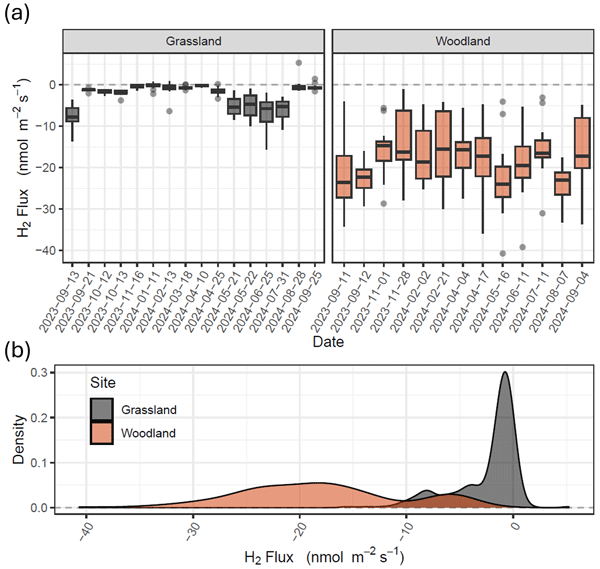
We measured soil hydrogen (H2) fluxes from two field sites, a managed grassland and a planted deciduous woodland, with flux measurements of H2 covering full seasonal cycles. We estimate annual H2 uptake of −3.1 ± 0.1 and −12.0 ± 0.4 kg H2 ha−1 yr−1 for the grassland and woodland sites, respectively. Soil moisture was found to be the primary driver of H2 uptake, with the silt/clay content of the soils providing a physical barrier which limited H2 uptake.
Jesse O. Bash, John T. Walker, Zhiyong Wu, Ian C. Rumsey, Ben Murphy, Christian Hogrefe, Kathleen M. Fahey, Havala O. T. Pye, Matthew R. Jones, K. Wyat Appel, Mark W. Shephard, Najwa I. Alnsour, and Karen E. Cady-Periera
Geosci. Model Dev., 19, 9377–9393, https://doi.org/10.5194/gmd-19-9377-2026, https://doi.org/10.5194/gmd-19-9377-2026, 2026
Short summary
Short summary
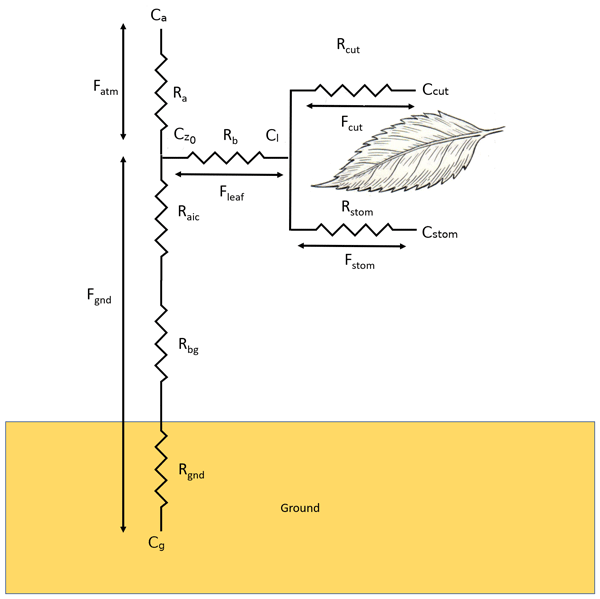
We applied a consistent modeling approach for both field and regional scales of multi-pollutants to evaluate the air-surface exchange processes contributing to regional air quality modeling biases when evaluated against observed network and satellite ammonia concentrations. This multi-resolution approach will serve the modeling and measurement community in their future development and generalization of air-surface exchange models utilizing flux, routine network and satellite observations.
Alice E. Ramsden, Anita L. Ganesan, Matthew Rigby, Chris Rennick, Tim Arnold, Emmal Safi, Edward Chung, Dafina Kikaj, Cameron Yeo, Dave Lowry, Pete Levy, Simon O'Doherty, Kieran M. Stanley, Dickon Young, Joe Pitt, Damien Martin, Morgan Lopez, Michel Ramonet, Grant L. Forster, Arnoud Frumau, and Alistair J. Manning
Atmos. Chem. Phys., 26, 11421–11448, https://doi.org/10.5194/acp-26-11421-2026, https://doi.org/10.5194/acp-26-11421-2026, 2026
Short summary
Short summary
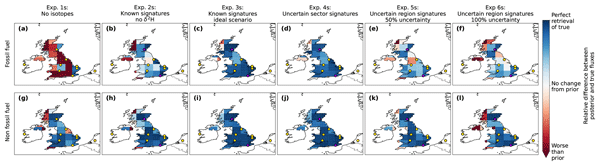
Methane is emitted from a range of anthropogenic and natural sources, each with a characteristic isotope ratio signature. We present a method for estimating emissions from multiple sources using isotopic signatures and observations of atmospheric methane isotope ratios. We show the importance of considering isotopic signature uncertainty and demonstrate how our current understanding of these signatures may be limiting this method’s ability to reduce uncertainties in emissions estimates.
Kate Rees, Maria Val Martin, David Beerling, Aurelia Bezanger, Nicolas Cowan, Ruby Devlin, Mark Hanlon, Ben Langford, Sergiy Medinets, and Julia Drewer
EGUsphere, https://doi.org/10.5194/egusphere-2026-4380, https://doi.org/10.5194/egusphere-2026-4380, 2026
Short summary
Short summary
Enhanced rock weathering spreads crushed rock on soil to capture CO₂. We tested how this affects gases released from different UK soils in a lab study. Results varied with land uses: some soils released less CO₂ or more NO, others showed small changes in methane or other gases. This understanding of a wide range of trace gases is crucial to examine climate forcing and air quality implications of enhanced rock weathering deployment.
Wenche Aas, Thérèse Salameh, Robert Wegener, Heidi Hellén, Jean-Luc Jaffrezo, Pontus Roldin, Elisabeth Alonso-Blanco, Andres Alastuey, Crist Amelynck, Jgor Arduini, Benjamin Bergmans, Marie Bertrand, Agnes Borbon, Efstratios Bourtsoukidis, Laetitia Bouvier, David Butterfield, Iris Buxbaum, Darius Ceburnis, Anja Claude, Augustin Colette, Aurélie Colomb, Sophie Darfeuil, James Dernie, Maximilien Desservettaz, Elías Díaz-Ramiro, Marvin Dufresne, René Dubus, Mario Duval, Marie Dury, Anna Font, Kirsten N. Fossum, Evelyn Freney, Gotzon Gangoiti, Yao Ge, Maria Carmen Gomez, Francisco J. Gómez-Moreno, Marie Gohy, Valérie Gros, Paul Hamer, Bryan Hellack, Hartmut Herrmann, Robert Holla, Adéla Holubová, Niels R. Jensen, Tuija Jokinen, Matthew Jones, Uwe Käfer, Lukas Kesper, Dieter Klemp, Dagmar Kubistin, Angela Marinoni, Martina Mazzini, Vy Ngoc Thuy Dinh, Jurgita Ovadnevaite, Tuukka Petäjä, Miguel Portillo-Estrada, Jitka Přívozníková, Jean-Philippe Putaud, Stefan Reimann, Laura Renzi, Veronique Riffault, Stuart Ritchie, Chris Robins, Begoña Artíñano Rodríguez de Torres, Laurent Poulain, Julian Rüdiger, Agnieszka Sanocka, Estibaliz Saez de Camara Oleaga, Niels Schoon, Roger Seco, Ivan Simmons, Leïla Simon, David Simpson, Sverre Solberg, Emmanuel Tison, August Thomasson, Svetlana Tsyro, Marsailidh Twigg, Toni Tykkä, Bert Verreyken, Ågot Watne, Katie Williams, Ana Maria Yáñez-Serrano, Karen Yeung, Ilona Ylivinkka, and Karl Espen Yttri
Atmos. Chem. Phys., 26, 8717–8751, https://doi.org/10.5194/acp-26-8717-2026, https://doi.org/10.5194/acp-26-8717-2026, 2026
Short summary
Short summary
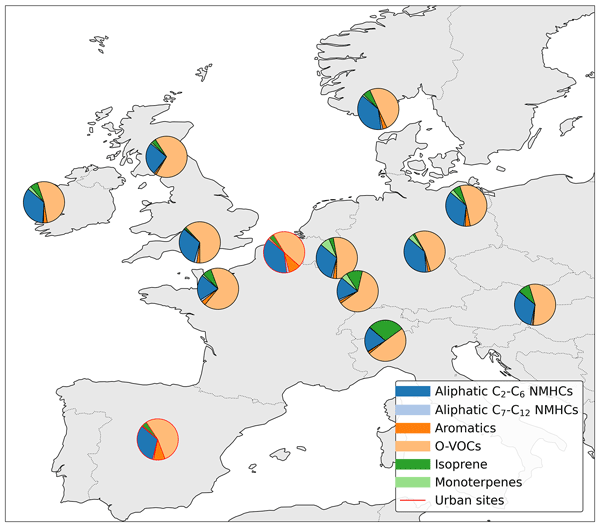
A one-week intensive measurement campaign during the 2022 European heatwave included monitoring of ozone, volatile organic compounds, aerosol chemical composition, and organic tracers to investigate air pollution sources. Results showed that emissions from vegetation and human activities contributed to peaks in ozone and secondary organic aerosol particles. Differences between measurements and model simulations underline the need for better characterization of sources and formation pathways.
Saeed Karbin, Julia Drewer, Joshua F. Dean, Pete Smith, and Jo Smith
EGUsphere, https://doi.org/10.5194/egusphere-2026-1312, https://doi.org/10.5194/egusphere-2026-1312, 2026
Short summary
Short summary
We studied how soil removes molecular hydrogen from the air to help regulate our climate. While most current models only look at soil temperature and moisture, we improved these by including the role of soil microbes and using machine learning to better understand soil structure. Our results show that including these biological factors makes our predictions much more accurate. This research is important because it helps scientists better understand how the soils naturally cleans its atmosphere.
Peter E. Levy
EGUsphere, https://doi.org/10.5194/egusphere-2025-4765, https://doi.org/10.5194/egusphere-2025-4765, 2025
This preprint is open for discussion and under review for Biogeosciences (BG).
Short summary
Short summary
Eddy covariance is the state-of-the-art technique for measuring fluxes of energy and gases between the land surface and the atmosphere. However, quantifying the uncertainty in the results is difficult and usually treated simplistically or avoided completely. Here we use a Bayesian approach, in which the uncertainty is correctly represented. The approach produce estimates of the fluxes, (e.g. the long-term net carbon balance), in the form of posterior probability distributions.
Nicholas Cowan, Toby Roberts, Mark Hanlon, Aurelia Bezanger, Galina Toteva, Alex Tweedie, Karen Yeung, Ajinkya Deshpande, Peter Levy, Ute Skiba, Eiko Nemitz, and Julia Drewer
Biogeosciences, 22, 3449–3461, https://doi.org/10.5194/bg-22-3449-2025, https://doi.org/10.5194/bg-22-3449-2025, 2025
Short summary
Short summary
We measured soil hydrogen (H2) fluxes from two field sites, a managed grassland and a planted deciduous woodland, with flux measurements of H2 covering full seasonal cycles. We estimate annual H2 uptake of −3.1 ± 0.1 and −12.0 ± 0.4 kg H2 ha−1 yr−1 for the grassland and woodland sites, respectively. Soil moisture was found to be the primary driver of H2 uptake, with the silt/clay content of the soils providing a physical barrier which limited H2 uptake.
Peter E. Levy and the COSMOS-UK team
Hydrol. Earth Syst. Sci., 28, 4819–4836, https://doi.org/10.5194/hess-28-4819-2024, https://doi.org/10.5194/hess-28-4819-2024, 2024
Short summary
Short summary
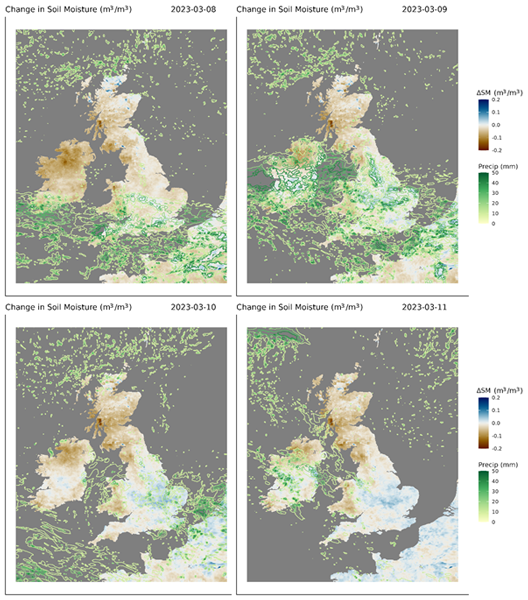
Having accurate up-to-date maps of soil moisture is important for many purposes. However, current modelled and remotely sensed maps are rather coarse and not very accurate. Here, we demonstrate a simple but accurate approach that is closely linked to direct measurements of soil moisture at a network sites across the UK, to the water balance (precipitation minus drainage and evaporation) measured at a large number of catchments (1212) and to remotely sensed satellite estimates.
Peter Levy, Laura Bentley, Peter Danks, Bridget Emmett, Angus Garbutt, Stephen Heming, Peter Henrys, Aidan Keith, Inma Lebron, Niall McNamara, Richard Pywell, John Redhead, David Robinson, and Alexander Wickenden
Biogeosciences, 21, 4301–4315, https://doi.org/10.5194/bg-21-4301-2024, https://doi.org/10.5194/bg-21-4301-2024, 2024
Short summary
Short summary
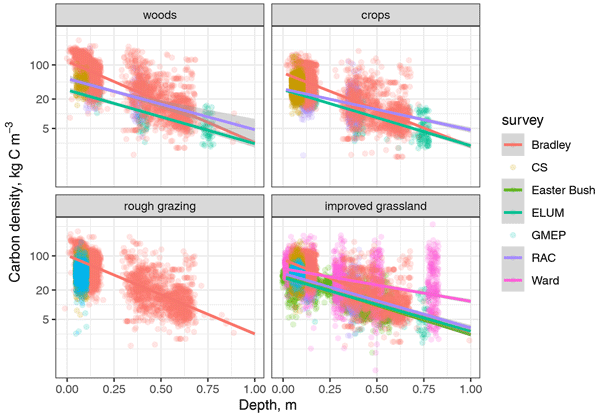
We collated a large data set (15 790 soil cores) on soil carbon stock in different land uses. Soil carbon stocks were highest in woodlands and lowest in croplands. The variability in the effects was large. This has important implications for agri-environment schemes seeking to sequester carbon in the soil by altering land use because the effect of a given intervention is very hard to verify.
Hannah Chawner, Eric Saboya, Karina E. Adcock, Tim Arnold, Yuri Artioli, Caroline Dylag, Grant L. Forster, Anita Ganesan, Heather Graven, Gennadi Lessin, Peter Levy, Ingrid T. Luijkx, Alistair Manning, Penelope A. Pickers, Chris Rennick, Christian Rödenbeck, and Matthew Rigby
Atmos. Chem. Phys., 24, 4231–4252, https://doi.org/10.5194/acp-24-4231-2024, https://doi.org/10.5194/acp-24-4231-2024, 2024
Short summary
Short summary
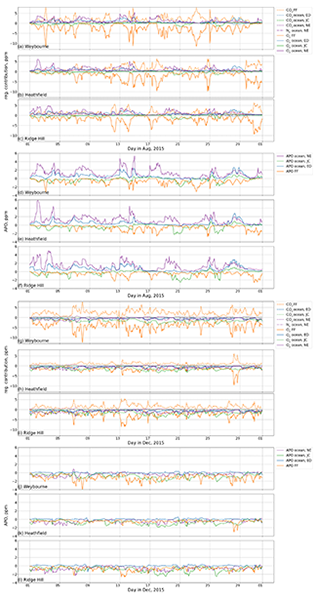
The quantity of atmospheric potential oxygen (APO), derived from coincident measurements of carbon dioxide (CO2) and oxygen (O2), has been proposed as a tracer for fossil fuel CO2 emissions. In this model sensitivity study, we examine the use of APO for this purpose in the UK and compare our model to observations. We find that our model simulations are most sensitive to uncertainties relating to ocean fluxes and boundary conditions.
Gemma Purser, Mathew R. Heal, Edward J. Carnell, Stephen Bathgate, Julia Drewer, James I. L. Morison, and Massimo Vieno
Atmos. Chem. Phys., 23, 13713–13733, https://doi.org/10.5194/acp-23-13713-2023, https://doi.org/10.5194/acp-23-13713-2023, 2023
Short summary
Short summary
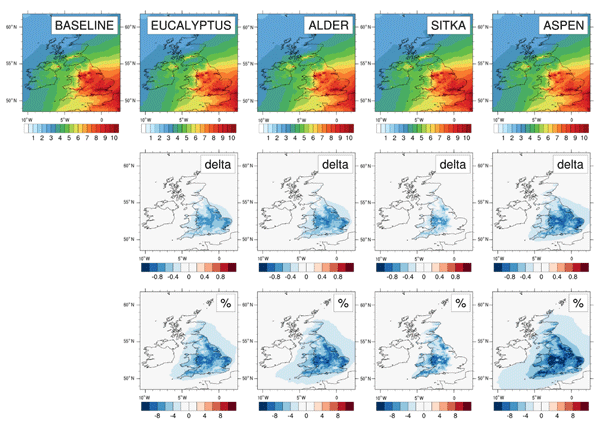
Forest expansion is a ″net-zero“ pathway, but change in land cover alters air quality in many ways. This study combines tree planting suitability data with UK measured emissions of biogenic volatile organic compounds to simulate spatial and temporal changes in atmospheric composition for planting scenarios of four species. Decreases in fine particulate matter are relatively larger than increases in ozone, which may indicate a net benefit of tree planting on human health aspects of air quality.
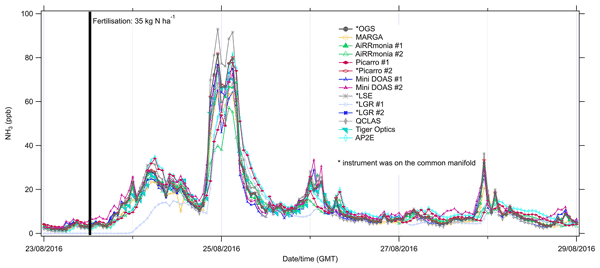
Marsailidh M. Twigg, Augustinus J. C. Berkhout, Nicholas Cowan, Sabine Crunaire, Enrico Dammers, Volker Ebert, Vincent Gaudion, Marty Haaima, Christoph Häni, Lewis John, Matthew R. Jones, Bjorn Kamps, John Kentisbeer, Thomas Kupper, Sarah R. Leeson, Daiana Leuenberger, Nils O. B. Lüttschwager, Ulla Makkonen, Nicholas A. Martin, David Missler, Duncan Mounsor, Albrecht Neftel, Chad Nelson, Eiko Nemitz, Rutger Oudwater, Celine Pascale, Jean-Eudes Petit, Andrea Pogany, Nathalie Redon, Jörg Sintermann, Amy Stephens, Mark A. Sutton, Yuk S. Tang, Rens Zijlmans, Christine F. Braban, and Bernhard Niederhauser
Atmos. Meas. Tech., 15, 6755–6787, https://doi.org/10.5194/amt-15-6755-2022, https://doi.org/10.5194/amt-15-6755-2022, 2022
Short summary
Short summary
Ammonia (NH3) gas in the atmosphere impacts the environment, human health, and, indirectly, climate. Historic NH3 monitoring was labour intensive, and the instruments were complicated. Over the last decade, there has been a rapid technology development, including “plug-and-play” instruments. This study is an extensive field comparison of the currently available technologies and provides evidence that for routine monitoring, standard operating protocols are required for datasets to be comparable.
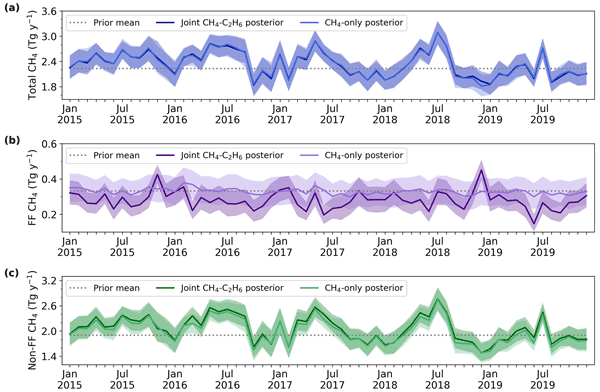
Alice E. Ramsden, Anita L. Ganesan, Luke M. Western, Matthew Rigby, Alistair J. Manning, Amy Foulds, James L. France, Patrick Barker, Peter Levy, Daniel Say, Adam Wisher, Tim Arnold, Chris Rennick, Kieran M. Stanley, Dickon Young, and Simon O'Doherty
Atmos. Chem. Phys., 22, 3911–3929, https://doi.org/10.5194/acp-22-3911-2022, https://doi.org/10.5194/acp-22-3911-2022, 2022
Short summary
Short summary
Quantifying methane emissions from different sources is a key focus of current research. We present a method for estimating sectoral methane emissions that uses ethane as a tracer for fossil fuel methane. By incorporating variable ethane : methane emission ratios into this model, we produce emissions estimates with improved uncertainty characterisation. This method will be particularly useful for studying methane emissions in areas with complex distributions of sources.
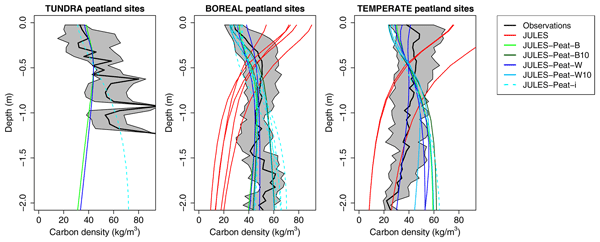
Sarah E. Chadburn, Eleanor J. Burke, Angela V. Gallego-Sala, Noah D. Smith, M. Syndonia Bret-Harte, Dan J. Charman, Julia Drewer, Colin W. Edgar, Eugenie S. Euskirchen, Krzysztof Fortuniak, Yao Gao, Mahdi Nakhavali, Włodzimierz Pawlak, Edward A. G. Schuur, and Sebastian Westermann
Geosci. Model Dev., 15, 1633–1657, https://doi.org/10.5194/gmd-15-1633-2022, https://doi.org/10.5194/gmd-15-1633-2022, 2022
Short summary
Short summary
We present a new method to include peatlands in an Earth system model (ESM). Peatlands store huge amounts of carbon that accumulates very slowly but that can be rapidly destabilised, emitting greenhouse gases. Our model captures the dynamic nature of peat by simulating the change in surface height and physical properties of the soil as carbon is added or decomposed. Thus, we model, for the first time in an ESM, peat dynamics and its threshold behaviours that can lead to destabilisation.
Cited articles
Aronson, E. L. and Allison, S. D.: Meta-Analysis of Environmental Impacts on Nitrous Oxide Release in Response to N Amendment, Front Microbiol., 3, https://doi.org/10.3389/fmicb.2012.00272, 2012.
Baggs, E. M.: A review of stable isotope techniques for N2O source partitioning in soils: recent progress, remaining challenges and future considerations, Rapid Communications in Mass Spectrometry, 22, 1664–1672, https://doi.org/10.1002/rcm.3456, 2008.
Baggs, E. M.: Soil microbial sources of nitrous oxide: recent advances in knowledge, emerging challenges and future direction, Current Opinion in Environmental Sustainability, Carbon and nitrogen cycles, 3, 321–327, https://doi.org/10.1016/j.cosust.2011.08.011, 2011.
Billington, H. L. and Pelham, J.: Genetic Variation in the Date of Budburst in Scottish Birch Populations: Implications for Climate Change, Functional Ecology, 5, 403–409, https://doi.org/10.2307/2389812, 1991.
Birch, H.: Mineralisation of plant nitrogen following alternate wet and dry conditions, Plant and Soil, https://doi.org/10.1007/BF01378096, 1964.
Bobbink, R., Hicks, K., Galloway, J., Spranger, T., Alkemade, R., Ashmore, M., Bustamante, M., Cinderby, S., Davidson, E., Dentener, F., Emmett, B., Erisman, J.-W., Fenn, M., Gilliam, F., Nordin, A., Pardo, L., and De Vries, W.: Global assessment of nitrogen deposition effects on terrestrial plant diversity: A synthesis, Ecological Applications 20, 30–59, https://doi.org/10.1890/08-1140.1, 2010.
Braker, G., Schwarz, J., and Conrad, R.: Influence of temperature on the composition and activity of denitrifying soil communities, FEMS Microbiology Ecology, 73, 134–148, https://doi.org/10.1111/j.1574-6941.2010.00884.x, 2010
Bühlmann, T., Hiltbrunner, E., Körner, C., Rihm, B., and Achermann, B.: Induction of indirect N2O and NO emissions by atmospheric nitrogen deposition in (semi-)natural ecosystems in Switzerland, Atmospheric Environment, 103, 94–101, https://doi.org/10.1016/j.atmosenv.2014.12.037, 2015.
Butterbach-Bahl, K., Baggs, E. M., Dannenmann, M., Kiese, R., and Zechmeister-Boltenstern, S.: Nitrous oxide emissions from soils: how well do we understand the processes and their controls?, Philosophical Transactions: Biological Sciences, 368, 1–13, 2013.
Cen, X., Müller, C., Kang, X., Zhou, X., Zhang, J., Yu, G., and He, N.: Nitrogen deposition contributed to a global increase in nitrous oxide emissions from forest soils, Commun. Earth Environ., 5, 1–11, https://doi.org/10.1038/s43247-024-01647-6, 2024.
Chapin, F. S., Matson, P. A., and Vitousek, P. M.: Principles of Terrestrial Ecosystem Ecology, Springer, New York, NY, https://doi.org/10.1007/978-1-4419-9504-9, 2011.
Christie, A. P., Amano, T., Martin, P. A., Shackelford, G. E., Simmons, B. I., and Sutherland, W. J.: Simple study designs in ecology produce inaccurate estimates of biodiversity responses, Journal of Applied Ecology, 56, 2742–2754, https://doi.org/10.1111/1365-2664.13499, 2019.
Cleveland, C. C. and Liptzin, D.: C : N : P stoichiometry in soil: is there a “Redfield ratio” for the microbial biomass?, Biogeochemistry, 85, 235–252, https://doi.org/10.1007/s10533-007-9132-0, 2007.
Cools, N., Vesterdal, L., De Vos, B., Vanguelova, E., and Hansen, K.: Tree species is the major factor explaining C : N ratios in European forest soils, Forest Ecology and Management, Monitoring European forests: detecting and understanding changes, 311, 3–16, https://doi.org/10.1016/j.foreco.2013.06.047, 2014.
Cowan, N., Levy, P., Drewer, J., Carswell, A., Shaw, R., Simmons, I., Bache, C., Marinheiro, J., Brichet, J., Sanchez-Rodriguez, A. R., Cotton, J., Hill, P. W., Chadwick, D. R., Jones, D. L., Misselbrook, T. H., and Skiba, U.: Application of Bayesian statistics to estimate nitrous oxide emission factors of three nitrogen fertilisers on UK grasslands, Environment International, 128, 362–370, https://doi.org/10.1016/j.envint.2019.04.054, 2019.
Cowan, N., Levy, P., Maire, J., Coyle, M., Leeson, S.R., Famulari, D., Carozzi, M., Nemitz, E., and Skiba, U.: An evaluation of four years of nitrous oxide fluxes after application of ammonium nitrate and urea fertilisers measured using the eddy covariance method, Agricultural and Forest Meteorology, 280, 107812, https://doi.org/10.1016/j.agrformet.2019.107812, 2020.
Cowan, N., Ashwood, D., Drewer, J., Toteva, G., and Heal, M. R.: A low-tech, low-cost method to capture point-source ammonia emissions and their potential use as a nitrogen fertiliser, PLoS One, 19, e0296679, https://doi.org/10.1371/journal.pone.0296679, 2024.
Cowan, N., Levy, P., Tigli, M., Toteva, G., and Drewer, J.: Characterisation of Analytical Uncertainty in Chamber Soil Flux Measurements, European Journal of Soil Science, 76, e70104, https://doi.org/10.1111/ejss.70104, 2025.
Cowan, N. J., Famulari, D., Levy, P. E., Anderson, M., Bell, M. J., Rees, R. M., Reay, D. S., and Skiba, U. M.: An improved method for measuring soil N2O fluxes using a quantum cascade laser with a dynamic chamber, European Journal of Soil Science, 65, 643–652, https://doi.org/10.1111/ejss.12168, 2014.
Davidson, E. A., Keller, M., Erickson, H. E., Verchot, L. V., and Veldkamp, E.: Testing a Conceptual Model of Soil Emissions of Nitrous and Nitric Oxides, BioScience, 50, 667–680, https://doi.org/10.1641/0006-3568(2000)050[0667:TACMOS]2.0.CO;2, 2000.
Deng, L., Huang, C., Kim, D.-G., Shangguan, Z., Wang, K., Song, X., and Peng, C.: Soil GHG fluxes are altered by N deposition: New data indicate lower N stimulation of the N2O flux and greater stimulation of the calculated C pools, Global Change Biology, 26, 2613–2629, https://doi.org/10.1111/gcb.14970, 2020.
DESA: United Nations Strategic Plan for Forests 2030, UN Department of Economic and Social Affairs, Forum on Forests Secretariat, https://www.un.org/esa/forests/documents/un-strategic-plan-for-forests-2030/index.html (last access: 2 July 2025), 2018.
Deshpande, A. G., Jones, M. R., van Dijk, N., Mullinger, N. J., Harvey, D., Nicoll, R., Toteva, G., Weerakoon, G., Nissanka, S., Weerakoon, B., Grenier, M., Iwanicka, A., Duarte, F., Stephens, A., Ellis, C. J., Vieno, M., Drewer, J., Wolseley, P. A., Nanayakkara, S., Prabhashwara, T., Bealey, W. J., Nemitz, E., and Sutton, M. A.: Estimation of ammonia deposition to forest ecosystems in Scotland and Sri Lanka using wind-controlled NH3 enhancement experiments, Atmospheric Environment, 320, 120325, https://doi.org/10.1016/j.atmosenv.2023.120325, 2024.
de Vries, W.: Impacts of nitrogen emissions on ecosystems and human health: A mini review, Current Opinion in Environmental Science & Health, 21, 100249, https://doi.org/10.1016/j.coesh.2021.100249, 2021.
Ding, Z., Gong, L., Zhu, H., Tang, J., Li, X., and Zhang, H.: Changes in Soil Microbial Communities under Mixed Organic and Inorganic Nitrogen Addition in Temperate Forests, Forests 14, 21, https://doi.org/10.3390/f14010021, 2023.
Drewer, J., Braban, C. F., Tang, Y. S., Anderson, M., Skiba, U. M., Dragosits, U., and Trathan, P.: Surface greenhouse gas fluxes downwind of a penguin colony in the maritime sub-Antarctic, Atmospheric Environment, 123, 9–17, https://doi.org/10.1016/j.atmosenv.2015.10.062, 2015.
Drewer, J., Leduning, M. M., Griffiths, R. I., Goodall, T., Levy, P. E., Cowan, N., Comynn-Platt, E., Hayman, G., Sentian, J., Majalap, N., and Skiba, U. M.: Comparison of greenhouse gas fluxes from tropical forests and oil palm plantations on mineral soil, Biogeosciences, 18, 1559–1575, https://doi.org/10.5194/bg-18-1559-2021, 2021.
Driscoll, C., Milford, J. B., Henze, D. K., and Bell, M. D.: Atmospheric reduced nitrogen: Sources, transformations, effects, and management, Journal of the Air & Waste Management Association, 74, 362–415, https://doi.org/10.1080/10962247.2024.2342765, 2024.
Du, E., Xia, N., Cai, R., Bai, W., and de Vries, W.: Chapter 10 – Impacts of nitrogen deposition on soil nitrous oxide emissions in global forests, in: Atmospheric Nitrogen Deposition to Global Forests, edited by: Du, E. and de Vries, W., Academic Press, 169–179, https://doi.org/10.1016/B978-0-323-91140-5.00014-2, 2024.
Eggelston, S., Buendia, L., Miwa, K., Ngara, T. and Tanabe, K.: IPCC Guidelines for National Greenhouse Gas Inventories, IPCC, ISBN 4-88788-032-4, 2006.
Firestone, M. K. and Davidson, E. A.: Microbiological basis of NO and N2O production and consumption in soil, Exchange of trace gases between terrestrial ecosystems and the atmosphere, 47, 7–21, 1989.
Flechard, C. R., Nemitz, E., Smith, R. I., Fowler, D., Vermeulen, A. T., Bleeker, A., Erisman, J. W., Simpson, D., Zhang, L., Tang, Y. S., and Sutton, M. A.: Dry deposition of reactive nitrogen to European ecosystems: a comparison of inferential models across the NitroEurope network, Atmos. Chem. Phys., 11, 2703–2728, https://doi.org/10.5194/acp-11-2703-2011, 2011.
Flechard, C. R., Ibrom, A., Skiba, U. M., de Vries, W., van Oijen, M., Cameron, D. R., Dise, N. B., Korhonen, J. F. J., Buchmann, N., Legout, A., Simpson, D., Sanz, M. J., Aubinet, M., Loustau, D., Montagnani, L., Neirynck, J., Janssens, I. A., Pihlatie, M., Kiese, R., Siemens, J., Francez, A.-J., Augustin, J., Varlagin, A., Olejnik, J., Juszczak, R., Aurela, M., Berveiller, D., Chojnicki, B. H., Dämmgen, U., Delpierre, N., Djuricic, V., Drewer, J., Dufrêne, E., Eugster, W., Fauvel, Y., Fowler, D., Frumau, A., Granier, A., Gross, P., Hamon, Y., Helfter, C., Hensen, A., Horváth, L., Kitzler, B., Kruijt, B., Kutsch, W. L., Lobo-do-Vale, R., Lohila, A., Longdoz, B., Marek, M. V., Matteucci, G., Mitosinkova, M., Moreaux, V., Neftel, A., Ourcival, J.-M., Pilegaard, K., Pita, G., Sanz, F., Schjoerring, J. K., Sebastià, M.-T., Tang, Y. S., Uggerud, H., Urbaniak, M., van Dijk, N., Vesala, T., Vidic, S., Vincke, C., Weidinger, T., Zechmeister-Boltenstern, S., Butterbach-Bahl, K., Nemitz, E., and Sutton, M. A.: Carbon–nitrogen interactions in European forests and semi-natural vegetation – Part 1: Fluxes and budgets of carbon, nitrogen and greenhouse gases from ecosystem monitoring and modelling, Biogeosciences, 17, 1583–1620, https://doi.org/10.5194/bg-17-1583-2020, 2020.
Fontaine, S., Mariotti, A., and Abbadie, L.: The priming effect of organic matter: a question of microbial competition?, Soil Biology and Biochemistry, 35, 837–843, https://doi.org/10.1016/S0038-0717(03)00123-8, 2003.
Galloway, J. N., Bleeker, A., and Erisman, J. W.: The Human Creation and Use of Reactive Nitrogen: A Global and Regional Perspective, Annual Review of Environment and Resources, 46, 255–288, https://doi.org/10.1146/annurev-environ-012420-045120, 2021.
Haohao, W., Xingkai, X., Cuntao, D., TuanSheng, L., and Weiguo, C.: Effect of carbon and nitrogen addition on nitrous oxide and carbon dioxide fluxes from thawing forest soils, Int. Agrophys., 31, 339–349, https://doi.org/10.1515/intag-2016-0065, 2017.
Hergoualc'h, K., Akiyama, H., Bernoux, M., Chirinda, N., Prado, A., Kasimir, A., MacDonald, J. D., Ogle, S. M., Regina, K., and Weerden, T. J.: Refinement to the 2006 IPCC Guidelines for National Greenhouse Gas Inventories, N2O emissions from managed soils, and CO2 emissions from lime and urea application, IPCC, https://www.ipcc-nggip.iges.or.jp/public/2019rf/pdf/4_Volume4/19R_V4_Ch11_Soils_N2O_CO2.pdf (last access: 28 June 2025), 2019.
Hicks, W. K., McKendree, J., Sutton, M. A., Cowan, N., German, R., Dore, C., Jones, L., Hawley, J., and Eldridge, H.: A comprehensive approach to nitrogen in the UK, WWF-UK, https://www.wwf.org.uk/sites/default/files/2022-02/WWF_Comprehensive_Approach_to_N_Final.pdf (last access: 25 June 2025), 2022.
Horváth, L., Führer, E., and Lajtha, K.: Nitric oxide and nitrous oxide emission from Hungarian forest soils; linked with atmospheric N-deposition, Atmospheric Environment, 40, 7786–7795, https://doi.org/10.1016/j.atmosenv.2006.07.029, 2006.
IPCC (Ed.): The Earth's Energy Budget, Climate Feedbacks and Climate Sensitivity, in: Climate Change 2021 – The Physical Science Basis: Working Group I Contribution to the Sixth Assessment Report of the Intergovernmental Panel on Climate Change, Cambridge University Press, Cambridge, 923–1054, https://doi.org/10.1017/9781009157896.009, 2023.
Jiang, W., Zhang, H., Fang, Y., Chen, Y., Zhuo, S., Chen, Z., Liang, C., Van Zwieten, L., Fu, S., Li, Y., Yu, B., Cai, Y., and Chang, S. X.: Understory N application overestimates the effect of atmospheric N deposition on soil N2O emissions, Geoderma, 437, 116611, https://doi.org/10.1016/j.geoderma.2023.116611, 2023.
Keenan, R. J., Reams, G. A., Achard, F., De Freitas, J. V., Grainger, A., and Lindquist, E.: Dynamics of global forest area: Results from the FAO Global Forest Resources Assessment 2015, Forest Ecology and Management, 352, 9–20, https://doi.org/10.1016/j.foreco.2015.06.014, 2015.
Kirschbaum, M. U. F., Cowie, A. L., Peñuelas, J., Smith, P., Conant, R. T., Sage, R. F., Brandão, M., Cotrufo, M. F., Luo, Y., Way, D. A., and Robinson, S. A.: Is tree planting an effective strategy for climate change mitigation?, Science of The Total Environment, 909, 168479, https://doi.org/10.1016/j.scitotenv.2023.168479, 2024.
Krupa, S. V.: Effects of atmospheric ammonia (NH3) on terrestrial vegetation: A review, Environmental Pollution, 124, 179–221, https://doi.org/10.1016/S0269-7491(02)00434-7, 2003.
Leeson, S. R., Levy, P. E., van Dijk, N., Drewer, J., Robinson, S., Jones, M. R., Kentisbeer, J., Washbourne, I., Sutton, M. A., and Sheppard, L. J.: Nitrous oxide emissions from a peatbog after 13 years of experimental nitrogen deposition, Biogeosciences, 14, 5753–5764, https://doi.org/10.5194/bg-14-5753-2017, 2017.
Leith, I. D., Sheppard, L. J., Fowler, D., Cape, J. N., Jones, M., Crossley, A., Hargreaves, K. J., Tang, Y. S., Theobald, M., and Sutton, M. R.: Quantifying dry NH3 deposition to an ombrotrophic bog from an automated NH3 field release system, Water Air Soil Pollut: Focus, 4, 207–218, https://doi.org/10.1007/s11267-005-3031-y, 2005.
Levy, P. and Clark, A.: Inventory and projections of UK emissions by sources and removals by sinks due to land use, land use change and forestry, Annual report, DEFRA, https://nora.nerc.ac.uk/id/eprint/9396/1/Defra_Report_2009.pdf (last access: 2 July 2025), 2009.
Levy, P. E., Gray, A., Leeson, S. R., Gaiawyn, J., Kelly, M. P. C., Cooper, M. D. A., Dinsmore, K. J., Jones, S. K., and Sheppard, L. J.: Quantification of uncertainty in trace gas fluxes measured by the static chamber method, European Journal of Soil Science, 62, 811–821, https://doi.org/10.1111/j.1365-2389.2011.01403.x, 2011.
Liu, L. and Greaver, T. L.: A review of nitrogen enrichment effects on three biogenic GHGs: the CO2 sink may be largely offset by stimulated N2O and CH4 emission, Ecology Lett., 12, 1103–1117, https://doi.org/10.1111/j.1461-0248.2009.01351.x, 2009.
Luyssaert, S., Schulze, E.-D., Börner, A., Knohl, A., Hessenmöller, D., Law, B. E., Ciais, P., and Grace, J.: Old-growth forests as global carbon sinks, Nature, 455, 213–215, https://doi.org/10.1038/nature07276, 2008.
Mitchell, J., Gu, Y., Cottey, R., Chalmers-Arnold, I., Zhang, H., Thornton, A., Hampshire, K., Richmond, B., Thistlethwaite, G., and Willis, D.: Air Pollutant Inventories for England, Scotland, Wales, and Northern Ireland: 2005–2022, DEFRA, https://uk-air.defra.gov.uk/library/reports?report_id=1159 (last access: 18 June 2025), 2024.
Morley, N. J., Richardson, D. J., and Baggs, E. M.: Substrate Induced Denitrification over or under Estimates Shifts in Soil N2/N2O Ratios, PLOS ONE, 9, e108144, https://doi.org/10.1371/journal.pone.0108144, 2014.
Niu, S., Classen, A. T., Dukes, J. S., Kardol, P., Liu, L., Luo, Y., Rustad, L., Sun, J., Tang, J., Templer, P. H., Thomas, R. Q., Tian, D., Vicca, S., Wang, Y., Xia, J., and Zaehle, S.: Global patterns and substrate-based mechanisms of the terrestrial nitrogen cycle, Ecology Letters, 19, 697–709, https://doi.org/10.1111/ele.12591, 2016.
Pilegaard, K.: Processes regulating nitric oxide emissions from soils, Philos Trans. R. Soc. Lond. B Biol. Sci., 368, https://doi.org/10.1098/rstb.2013.0126, 2013.
Pitcairn, C. E. R., Leith, I. D., Sheppard, L. J., Sutton, M. A., Fowler, D., Munro, R. C., Tang, S., and Wilson, D.: The relationship between nitrogen deposition, species composition and foliar nitrogen concentrations in woodland flora in the vicinity of livestock farms, Environmental Pollution, Nitrogen, the Confer-N-s First International Nitrogen Conference 1998, 102, 41–48, https://doi.org/10.1016/S0269-7491(98)80013-4, 1998.
Pitcairn, C. E. R., Skiba, U. M., Sutton, M. A., Fowler, D., Munro, R., and Kennedy, V.: Defining the spatial impacts of poultry farm ammonia emissions on species composition of adjacent woodland groundflora using Ellenberg Nitrogen Index, nitrous oxide and nitric oxide emissions and foliar nitrogen as marker variables, Environmental Pollution, 119, 9–21, https://doi.org/10.1016/S0269-7491(01)00148-8, 2002.
Pitcairn, C. E. R., Fowler, D., Leith, I. D., Sheppard, L. J., Sutton, M. A., Kennedy, V., and Okello, E.: Bioindicators of enhanced nitrogen deposition, Environmental Pollution, 126, 353–361, https://doi.org/10.1016/S0269-7491(03)00248-3, 2003.
Ravishankara, A. R., Daniel, J. S., and Portmann, R. W.: Nitrous Oxide (N2O): The Dominant Ozone-Depleting Substance Emitted in the 21st Century, Science, 326, 123–125, https://doi.org/10.1126/science.1176985, 2009.
R Core Team: R: A language and environment for statistical computing, R Foundation for Statistical Computing, Vienna, Austria, 2022.
Reay, D. S., Davidson, E. A., Smith, K. A., Smith, P., Melillo, J. M., Dentener, F., and Crutzen, P. J.: Global agriculture and nitrous oxide emissions, Nature Climate Change, 2, 410–416, https://doi.org/10.1038/nclimate1458, 2012.
Redding, M. R., Shorten, P. R., Lewis, R., Pratt, C., Paungfoo-Lonhienne, C., and Hill, J.: Soil N availability, rather than N deposition, controls indirect N2O emissions, Soil Biology and Biochemistry, 95, 288–298, https://doi.org/10.1016/j.soilbio.2016.01.002, 2016.
Ritchie, H.: Forest area, Our World in Data, https://ourworldindata.org/forest-area (last access: 5 July 2025), 2024.
Robertson, G. P., Coleman, D., Bledsoe, C., and Sollins, P.: Standard Methods for Long-Term Ecological Research, Oxford University Press, New York, ISBN 9780195120837, 1999.
Rowe, E., Sawicka, K., Tomlinson, S., Levy, P., Banin, L. F., Hernandez, C. M., Fitch, A., Jones, L., and Estate, B.: Trends Report 2021: Trends in critical load and critical level exceedances in the UK, DEFRA, https://uk-air.defra.gov.uk/library/reports?report_id=1020 (last access: 1 July 2025), 2021.
Salemaa, M., Kieloaho, A.-J., Lindroos, A.-J., Merilä, P., Poikolainen, J., and Manninen, S.: Forest mosses sensitively indicate nitrogen deposition in boreal background areas, Environmental Pollution, 261, 114054, https://doi.org/10.1016/j.envpol.2020.114054, 2020.
Sanchez-Martín, L., Vallejo, A., Dick, J., and Skiba, U. M.: The influence of soluble carbon and fertilizer nitrogen on nitric oxide and nitrous oxide emissions from two contrasting agricultural soils, Soil Biology and Biochemistry, 40, 142–151, https://doi.org/10.1016/j.soilbio.2007.07.016, 2008.
Sawicka, K., Monteith, D. T., Vanguelova, E. I., Wade, A. J., and Clark, J. M.: Fine-scale temporal characterization of trends in soil water dissolved organic carbon and potential drivers, Ecological Indicators, Assessing ecosystem resilience through Long Term Ecosystem Research: observations from the first twenty years of the UK Environmental Change Network, 68, 36–51, https://doi.org/10.1016/j.ecolind.2015.12.028, 2016.
Schindlbacher, A., Zechmeister-Boltenstern, S., and Butterbach-Bahl, K.: Effects of soil moisture and temperature on NO, NO2, and N2O emissions from European forest soils, Journal of Geophysical Research: Atmospheres, 109, https://doi.org/10.1029/2004JD004590, 2004.
Seinfeld, J. H. and Pandis, S. N.: Atmospheric chemistry and physics: from air pollution to climate change, 3rd edn. John Wiley & Sons, Hoboken, New Jersey, ISBN 978-1-118-94740-1, 2016.
Skiba, U. and Smith, K. A.: The control of nitrous oxide emissions from agricultural and natural soils, Chemosphere – Global Change Science, Atmospheric Nitrous Oxide, 2, 379–386, https://doi.org/10.1016/S1465-9972(00)00016-7, 2000.
Skiba, U., Sheppard, L. J., Pitcairn, C. E. R., Van Dijk, S., and Rossall, M. J.: The effect of N deposition on nitrous oxide and nitric oxide emissions from temperate forest soils, Water, Air, and Soil Pollution, 116, 89–98, https://doi.org/10.1023/A:1005246625038, 1999.
Smokorowski, K. E. and Randall, R. G.: Cautions on using the Before-After-Control-Impact design in environmental effects monitoring programs, FACETS, 2, 212–232, https://doi.org/10.1139/facets-2016-0058, 2017.
Sommer, S. G., Østergård, H. S., Løfstrøm, P., Andersen, H. V., and Jensen, L. S.: Validation of model calculation of ammonia deposition in the neighbourhood of a poultry farm using measured NH3 concentrations and N deposition, Atmospheric Environment, 43, 915–920, https://doi.org/10.1016/j.atmosenv.2008.10.045, 2009.
Song, L., Drewer, J., Zhu, B., Zhou, M., Cowan, N., Levy, P., and Skiba, U.: The impact of atmospheric N deposition and N fertilizer type on soil nitric oxide and nitrous oxide fluxes from agricultural and forest Eutric Regosols, Biol. Fertil. Soils, 56, 1077–1090, https://doi.org/10.1007/s00374-020-01485-6, 2020.
Stehfest, E. and Bouwman, L.: N2O and NO emission from agricultural fields and soils under natural vegetation: summarizing available measurement data and modeling of global annual emissions, Nutr. Cycl. Agroecosyst., 74, 207–228, https://doi.org/10.1007/s10705-006-9000-7, 2006.
Sutton, M. A., Dragosits, U., Hellsten, S., Place, C. J., Dore, A. J., Tang, Y. S., van Dijk, N., Love, L., Fournier, N., Vieno, M., Weston, K. J., Smith, R. I., Coyle, M., Roy, D., Hall, J., and Fowler, D.: Ammonia Emission and Deposition in Scotland and Its Potential Environmental Impacts, ScientificWorldJournal, 4, 795–810, https://doi.org/10.1100/tsw.2004.130, 2004.
Sutton, M. A., Howard, C. M., Erisman, J. W., Billen, G., Bleeker, A., Grennfelt, P., van Grinsven, H., and Grizzetti, B. (Eds.): The European Nitrogen Assessment: Sources, Effects and Policy Perspectives, Cambridge University Press, Cambridge, https://doi.org/10.1017/CBO9780511976988, 2011.
Sutton, M. A., Haeuber, R., Hicks, W. K., Mason, K. E., Sheppard, L. J., and Sverdrup, H.: Nitrogen Deposition, Critical Loads and Biodiversity, 2014th edn., Springer Netherlands, Springer, Dordrecht, https://doi.org/10.1007/978-94-007-7939-6, 2014.
Tang, Y. S., Cape, J. N., and Sutton, M. A.: Development and Types of Passive Samplers for Monitoring Atmospheric NO2 and NH3 Concentrations, The Scientific World JOURNAL, 1, 513–529, https://doi.org/10.1100/tsw.2001.82, 2001.
Tang, Y. S., Braban, C. F., Dragosits, U., Dore, A. J., Simmons, I., van Dijk, N., Poskitt, J., Dos Santos Pereira, G., Keenan, P. O., Conolly, C., Vincent, K., Smith, R. I., Heal, M. R., and Sutton, M. A.: Drivers for spatial, temporal and long-term trends in atmospheric ammonia and ammonium in the UK, Atmos. Chem. Phys., 18, 705–733, https://doi.org/10.5194/acp-18-705-2018, 2018.
Tang, Y. S., Braban, C. F., Dick, J. D., Vanguelova, E., Timmis, R., Pentecost, A., Fisher, B., Carnell, E., Martin Hernandez, C., Arkle, P., Brass, D., Gill, R., Davies, R., Stephens, A., Iwanicka, A., Mullinger, N. J., Cowan, N., Simmons, I., Jones, M., Shutt, M., Whyatt, D., Benham, S., Broadmeadow, S., Mansfield, P., and Bealey, W. J.: Ammonia reduction by trees (ART), Summary report (Publication – Report), Natural Environment Research Council, Edinburgh, 2022.
Tian, D. and Niu, S.: A global analysis of soil acidification caused by nitrogen addition, Environ. Res. Lett., 10, 024019, https://doi.org/10.1088/1748-9326/10/2/024019, 2015.
Tian, H., Pan, N., Thompson, R. L., Canadell, J. G., Suntharalingam, P., Regnier, P., Davidson, E. A., Prather, M., Ciais, P., Muntean, M., Pan, S., Winiwarter, W., Zaehle, S., Zhou, F., Jackson, R. B., Bange, H. W., Berthet, S., Bian, Z., Bianchi, D., Bouwman, A. F., Buitenhuis, E. T., Dutton, G., Hu, M., Ito, A., Jain, A. K., Jeltsch-Thömmes, A., Joos, F., Kou-Giesbrecht, S., Krummel, P. B., Lan, X., Landolfi, A., Lauerwald, R., Li, Y., Lu, C., Maavara, T., Manizza, M., Millet, D. B., Mühle, J., Patra, P. K., Peters, G. P., Qin, X., Raymond, P., Resplandy, L., Rosentreter, J. A., Shi, H., Sun, Q., Tonina, D., Tubiello, F. N., van der Werf, G. R., Vuichard, N., Wang, J., Wells, K. C., Western, L. M., Wilson, C., Yang, J., Yao, Y., You, Y., and Zhu, Q.: Global nitrous oxide budget (1980–2020), Earth Syst. Sci. Data, 16, 2543–2604, https://doi.org/10.5194/essd-16-2543-2024, 2024.
Tomlinson, S. J., Carnell, E. J., Dore, A. J., and Dragosits, U.: Nitrogen deposition in the UK at 1 km resolution from 1990 to 2017, Earth Syst. Sci. Data, 13, 4677–4692, https://doi.org/10.5194/essd-13-4677-2021, 2021.
UK Met Office: Penicuik (Midlothian Council) UK climate averages [WWW Document], Met Office, https://www.metoffice.gov.uk/research/climate/maps-and-data/uk-climate-averages/gcvtwetn8 (last access: 24 February 2023), 2023.
Underwood, A. J.: Beyond BACI: the detection of environmental impacts on populations in the real, but variable, world, Journal of Experimental Marine Biology and Ecology, 161, 145–178, https://doi.org/10.1016/0022-0981(92)90094-Q, 1992.
Vanguelova, E., Pitman, R., and Benham, S.: Chapter 11 – Responses of forest ecosystems to nitrogen deposition in the United Kingdom, in: Du, E. and de Vries, W., Atmospheric Nitrogen Deposition to Global Forests, Academic Press, 183–203, https://doi.org/10.1016/B978-0-323-91140-5.00002-6, 2024.
Verheyen, K., Gillerot, L., Blondeel, H., De Frenne, P., De Pauw, K., Depauw, L., Lorer, E., Sanczuk, P., Schreel, J., Vanneste, T., Wei, L., and Landuyt, D.: Forest canopies as nature-based solutions to mitigate global change effects on people and nature, Journal of Ecology, 112, 2451–2461, https://doi.org/10.1111/1365-2745.14345, 2024.
Weier, K. L., Doran, J. W., Power, J. F., and Walters, D. T.: Denitrification and the Dinitrogen/Nitrous Oxide Ratio as Affected by Soil Water, Available Carbon, and Nitrate, Soil Science Society of America Journal, 57, 66–72, https://doi.org/10.2136/sssaj1993.03615995005700010013x, 1993.
Weslien, P., Kasimir Klemedtsson, Å., Börjesson, G., and Klemedtsson, L.: Strong pH influence on N2O and CH4 fluxes from forested organic soils, European Journal of Soil Science, 60, 311–320, https://doi.org/10.1111/j.1365-2389.2009.01123.x, 2009.
Westaway, S., Grange, I., Smith, J., and Smith, L. G.: Meeting tree planting targets on the UK's path to net-zero: A review of lessons learnt from 100 years of land use policies, Land Use Policy, 125, 106502, https://doi.org/10.1016/j.landusepol.2022.106502, 2023.
Zumft, W. G.: Cell biology and molecular basis of denitrification, Microbiol. Mol. Biol. Rev., 61, 533–616, https://doi.org/10.1128/mmbr.61.4.533-616.1997, 1997.
Short summary
The impacts of increasing nitrogen deposition on the fluxes of nitrous oxide from a temperate birch forest were investigated in-situ and ex-situ. Nitrogen levels had a limited effect on emissions. Instead, emissions of nitrous oxide were modulated by soil carbon availability and meeting a dual temperature-moisture threshold. An implication of these findings is that forests could be used for mitigating nitrogen pollution without incurring a greenhouse gas penalty, at least in the short term.
The impacts of increasing nitrogen deposition on the fluxes of nitrous oxide from a temperate...


Altmetrics
Final-revised paper
Preprint