
Articles | Volume 23, issue 1
https://doi.org/10.5194/bg-23-181-2026
© Author(s) 2026. This work is distributed under
the Creative Commons Attribution 4.0 License.
the Creative Commons Attribution 4.0 License.
https://doi.org/10.5194/bg-23-181-2026
© Author(s) 2026. This work is distributed under
the Creative Commons Attribution 4.0 License.
the Creative Commons Attribution 4.0 License.
Research article
| 
09 Jan 2026
Research article |
| 09 Jan 2026
| 09 Jan 2026
Drivers of CO2 emissions during the dry phase in Mediterranean and Temperate ponds
Victoria Frutos-Aragón
CORRESPONDING AUTHOR

Aquatic Ecology Group, University of Vic – Central University of Catalonia, Group, Vic, Spain
Aquatic Ecology Group, University of Vic – Central University of Catalonia, Group, Vic, Spain
Catalan Institution for Research and Advanced Studies (ICREA), Barcelona, Spain
Fundació Privada Bionexus, Girona, Spain
Rafael Marcé
Integrative Freshwater Ecology group, Centre for Advanced Studies (CEAB-CSIC), Blanes, Spain
Tuba Bucak
Department of Ecoscience, Aarhus University, Aarhus, Denmark
Thomas A. Davidson
Department of Ecoscience, Aarhus University, Aarhus, Denmark
Louisa-Marie von Plüskow
Department of Fish Biology, Leibniz-Institute of Freshwater Ecology and Inland Fisheries, Berlin, Germany
Laboratory of Freshwater Ecology, Evolution and Conservation, KU Leuven, Leuven, Belgium
Pieter Lemmens
Department of Fish Biology, Leibniz-Institute of Freshwater Ecology and Inland Fisheries, Berlin, Germany
Laboratory of Freshwater Ecology, Evolution and Conservation, KU Leuven, Leuven, Belgium
Research Institute for Nature and Forest (INBO), Brussels, Belgium
Carolina Trochine
Aquatic Ecology Group, University of Vic – Central University of Catalonia, Group, Vic, Spain
Department of Ecology, INIBIOMA, CONICET – Universidad Nacional del Comahue, San Carlos de Bariloche, Argentina
Related authors
No articles found.
Pelin Erturk Ari, Rafael Marcé, Oriol Sacristán-Soriano, Duygu Tolunay, Carles M. Borrego, Sílvia Poblador, Biel Obrador, Enrique Moreno-Ostos, Jorge J. Montes-Pérez, Teresa Conejo-Orosa, Matthias Koschorreck, Josep Peñuelas, and Núria Catalán
EGUsphere, https://doi.org/10.5194/egusphere-2026-5010, https://doi.org/10.5194/egusphere-2026-5010, 2026
Short summary
Short summary
Rewetting dry sediments of Lake Gallocanta had little effect on carbon dioxide (CO₂) fluxes, which showed strong daily cycles of emission and uptake. Despite changes in microbial community composition, biological carbon fixation did not explain CO₂ uptake. Modeling of CO₂ flux and isotope data showed that abiotic processes, likely weathering, dominated CO₂ uptake, while respiration drove emissions. These results highlight the importance of abiotic controls on CO₂ dynamics in dry sediments.
Chiara Esposito, Joachim Audet, Eti Ester Levi, and Thomas Alexander Davidson
EGUsphere, https://doi.org/10.5194/egusphere-2026-4272, https://doi.org/10.5194/egusphere-2026-4272, 2026
Short summary
Short summary
Small ponds release greenhouse gases, but the exact dynamics behind this remain unclear. We found that when the ponds bottom-waters lose oxygen, methane rises sixteen-fold and carbon dioxide triples. When weather changes mix the pond, these trapped gases can escape into the air in sudden, massive bursts. This proves small ponds release intense pulses of warming gases, meaning they may play a much larger role in driving global climate change than previously recognized.
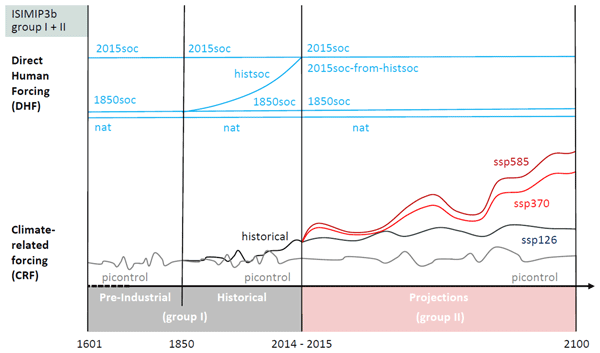
Katja Frieler, Stefan Lange, Jacob Schewe, Matthias Mengel, Simon Treu, Christian Otto, Jan Volkholz, Christopher P. O. Reyer, Stefanie Heinicke, Colin Jones, Julia L. Blanchard, Cheryl S. Harrison, Colleen M. Petrik, Tyler D. Eddy, Kelly Ortega-Cisneros, Camilla Novaglio, Ryan Heneghan, Derek P. Tittensor, Olivier Maury, Matthias Büchner, Thomas Vogt, Dánnell Quesada-Chacón, Kerry Emanuel, Chia-Ying Lee, Suzana J. Camargo, Linn Hamester, Jonas Jägermeyr, Sam Rabin, Jochen Klar, Iliusi D. Vega del Valle, Lisa Novak, Inga J. Sauer, Gitta Lasslop, Sarah Chadburn, Eleanor Burke, Angela Gallego-Sala, Noah Smith, Jinfeng Chang, Stijn Hantson, Chantelle Burton, Anne Gädeke, Fang Li, Simon N. Gosling, Hannes Müller Schmied, Fred Hattermann, Thomas Hickler, Rafael Marcé, Don Pierson, Wim Thiery, Daniel Mercado-Bettín, Robert Ladwig, Ana Isabel Ayala, Matthew Forrest, Michel Bechtold, Robert Reinecke, Inge de Graaf, Jed O. Kaplan, Alexander Koch, Matthieu Lengaigne, Rohini Kumar, and Maryna Strokal
Geosci. Model Dev., 19, 4095–4135, https://doi.org/10.5194/gmd-19-4095-2026, https://doi.org/10.5194/gmd-19-4095-2026, 2026
Short summary
Short summary
This paper describes the experiments and data sets necessary to run historic and future impact projections, and the underlying assumptions of future climate change as defined by the 3rd round of the ISIMIP Project (Inter-sectoral Impactmodel Intercomparison Project, isimip.org). ISIMIP provides a framework for cross-sectorally consistent climate impact simulations to contribute to a comprehensive and consistent picture of the world under different climate-change scenarios.
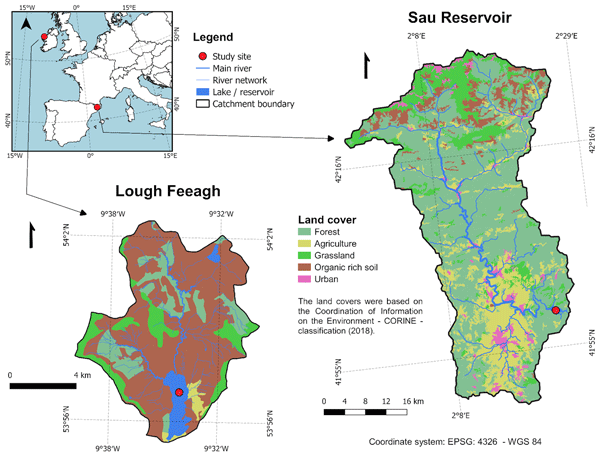
Daniel Mercado-Bettín, Ricardo Paíz, Valerie McCarthy, Eleanor Jennings, Elvira de Eyto, Angeles M. Gallegos, Mary Dillane, Juan C. Garcia, José J. Rodríguez, and Rafael Marcé
Biogeosciences, 23, 2661–2685, https://doi.org/10.5194/bg-23-2661-2026, https://doi.org/10.5194/bg-23-2661-2026, 2026
Short summary
Short summary
Understanding what shapes lake water quality is vital in a changing world. We studied dissolved organic matter, a key part of water quality in lakes and the carbon cycle, to analyse its environmental drivers and make predictions, by using machine learning. Tested in lakes in Ireland and Spain, it showed good predictions, even when relying only on climate-soil data, and Julian day. This helps explain how land and climate conditions influence freshwater resources. It can be reproduced worldwide.
Daniela Henry-Pinilla, Núria Catalán, Biel Obrador, and Rafael Marcé
EGUsphere, https://doi.org/10.5194/egusphere-2025-5359, https://doi.org/10.5194/egusphere-2025-5359, 2026
Short summary
Short summary
We developed the first global model that tracks how carbon moves and is buried across rivers, lakes, floodplains, and coastal areas. This new tool links these ecosystems within a single framework, helping scientists better understand how water systems store carbon and influence the planet’s carbon balance and climate.
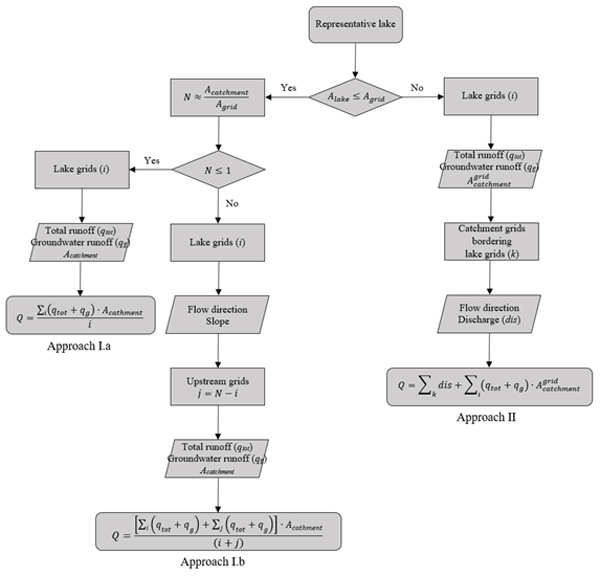
Ana I. Ayala, José L. Hinostroza, Daniel Mercado-Bettín, Rafael Marcé, Simon N. Gosling, Donald C. Pierson, and Sebastian Sobek
Geosci. Model Dev., 19, 41–56, https://doi.org/10.5194/gmd-19-41-2026, https://doi.org/10.5194/gmd-19-41-2026, 2026
Short summary
Short summary
Climate change affect lakes by including not just the lakes themselves but also the land areas that drain into them. These surrounding areas influence how much water and nutrients flow into lakes which in turn impact water quality. Here, water fluxes from land, derived from a global hydrological model where water fluxes are modelled at the grid scale, were used to estimate streamflow inputs to lakes from their catchments. Using data from 70 Swedish lakes, we showed that our method works well.
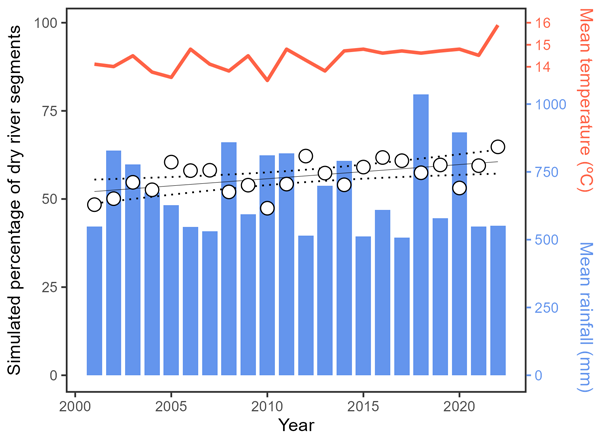
Laia Estrada, Xavier Garcia, Joan Saló-Grau, Rafael Marcé, Antoni Munné, and Vicenç Acuña
Hydrol. Earth Syst. Sci., 28, 5353–5373, https://doi.org/10.5194/hess-28-5353-2024, https://doi.org/10.5194/hess-28-5353-2024, 2024
Short summary
Short summary
Hydrological modelling is a powerful tool to support decision-making. We assessed spatio-temporal patterns and trends of streamflow for 2001–2022 with a hydrological model, integrating stakeholder expert knowledge on management operations. The results provide insight into how climate change and anthropogenic pressures affect water resources availability in regions vulnerable to water scarcity, thus raising the need for sustainable management practices and integrated hydrological modelling.
Katja Frieler, Jan Volkholz, Stefan Lange, Jacob Schewe, Matthias Mengel, María del Rocío Rivas López, Christian Otto, Christopher P. O. Reyer, Dirk Nikolaus Karger, Johanna T. Malle, Simon Treu, Christoph Menz, Julia L. Blanchard, Cheryl S. Harrison, Colleen M. Petrik, Tyler D. Eddy, Kelly Ortega-Cisneros, Camilla Novaglio, Yannick Rousseau, Reg A. Watson, Charles Stock, Xiao Liu, Ryan Heneghan, Derek Tittensor, Olivier Maury, Matthias Büchner, Thomas Vogt, Tingting Wang, Fubao Sun, Inga J. Sauer, Johannes Koch, Inne Vanderkelen, Jonas Jägermeyr, Christoph Müller, Sam Rabin, Jochen Klar, Iliusi D. Vega del Valle, Gitta Lasslop, Sarah Chadburn, Eleanor Burke, Angela Gallego-Sala, Noah Smith, Jinfeng Chang, Stijn Hantson, Chantelle Burton, Anne Gädeke, Fang Li, Simon N. Gosling, Hannes Müller Schmied, Fred Hattermann, Jida Wang, Fangfang Yao, Thomas Hickler, Rafael Marcé, Don Pierson, Wim Thiery, Daniel Mercado-Bettín, Robert Ladwig, Ana Isabel Ayala-Zamora, Matthew Forrest, and Michel Bechtold
Geosci. Model Dev., 17, 1–51, https://doi.org/10.5194/gmd-17-1-2024, https://doi.org/10.5194/gmd-17-1-2024, 2024
Short summary
Short summary
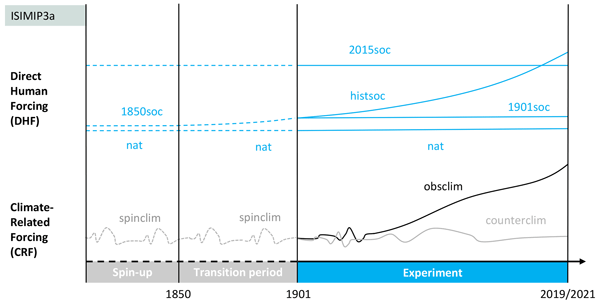
Our paper provides an overview of all observational climate-related and socioeconomic forcing data used as input for the impact model evaluation and impact attribution experiments within the third round of the Inter-Sectoral Impact Model Intercomparison Project. The experiments are designed to test our understanding of observed changes in natural and human systems and to quantify to what degree these changes have already been induced by climate change.
Thomas A. Davidson, Martin Søndergaard, Joachim Audet, Eti Levi, Chiara Esposito, Tuba Bucak, and Anders Nielsen
Biogeosciences, 21, 93–107, https://doi.org/10.5194/bg-21-93-2024, https://doi.org/10.5194/bg-21-93-2024, 2024
Short summary
Short summary
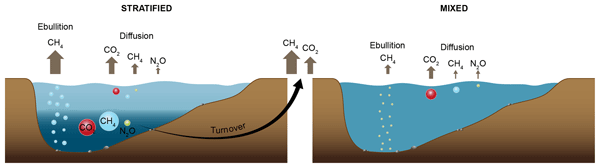
Shallow lakes and ponds undergo frequent stratification in summer months. Here we studied how this affects greenhouse gas (GHG) emissions. We found that stratification caused anoxia in the bottom waters, driving increased GHG emissions, in particular methane released as bubbles. In addition, methane and carbon dioxide accumulated in the bottom waters during stratification, leading to large emissions when the lake mixed again.
François Clayer, Leah Jackson-Blake, Daniel Mercado-Bettín, Muhammed Shikhani, Andrew French, Tadhg Moore, James Sample, Magnus Norling, Maria-Dolores Frias, Sixto Herrera, Elvira de Eyto, Eleanor Jennings, Karsten Rinke, Leon van der Linden, and Rafael Marcé
Hydrol. Earth Syst. Sci., 27, 1361–1381, https://doi.org/10.5194/hess-27-1361-2023, https://doi.org/10.5194/hess-27-1361-2023, 2023
Short summary
Short summary
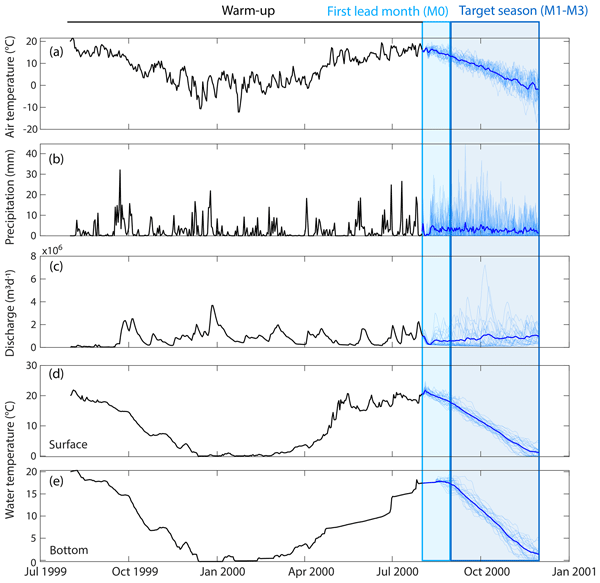
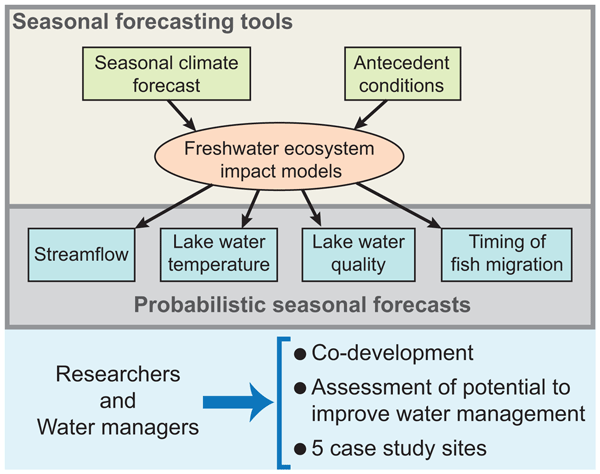
We assessed the predictive skill of forecasting tools over the next season for water discharge and lake temperature. Tools were forced with seasonal weather predictions; however, most of the prediction skill originates from legacy effects and not from seasonal weather predictions. Yet, when skills from seasonal weather predictions are present, additional skill comes from interaction effects. Skilful lake seasonal predictions require better weather predictions and realistic antecedent conditions.
Malgorzata Golub, Wim Thiery, Rafael Marcé, Don Pierson, Inne Vanderkelen, Daniel Mercado-Bettin, R. Iestyn Woolway, Luke Grant, Eleanor Jennings, Benjamin M. Kraemer, Jacob Schewe, Fang Zhao, Katja Frieler, Matthias Mengel, Vasiliy Y. Bogomolov, Damien Bouffard, Marianne Côté, Raoul-Marie Couture, Andrey V. Debolskiy, Bram Droppers, Gideon Gal, Mingyang Guo, Annette B. G. Janssen, Georgiy Kirillin, Robert Ladwig, Madeline Magee, Tadhg Moore, Marjorie Perroud, Sebastiano Piccolroaz, Love Raaman Vinnaa, Martin Schmid, Tom Shatwell, Victor M. Stepanenko, Zeli Tan, Bronwyn Woodward, Huaxia Yao, Rita Adrian, Mathew Allan, Orlane Anneville, Lauri Arvola, Karen Atkins, Leon Boegman, Cayelan Carey, Kyle Christianson, Elvira de Eyto, Curtis DeGasperi, Maria Grechushnikova, Josef Hejzlar, Klaus Joehnk, Ian D. Jones, Alo Laas, Eleanor B. Mackay, Ivan Mammarella, Hampus Markensten, Chris McBride, Deniz Özkundakci, Miguel Potes, Karsten Rinke, Dale Robertson, James A. Rusak, Rui Salgado, Leon van der Linden, Piet Verburg, Danielle Wain, Nicole K. Ward, Sabine Wollrab, and Galina Zdorovennova
Geosci. Model Dev., 15, 4597–4623, https://doi.org/10.5194/gmd-15-4597-2022, https://doi.org/10.5194/gmd-15-4597-2022, 2022
Short summary
Short summary
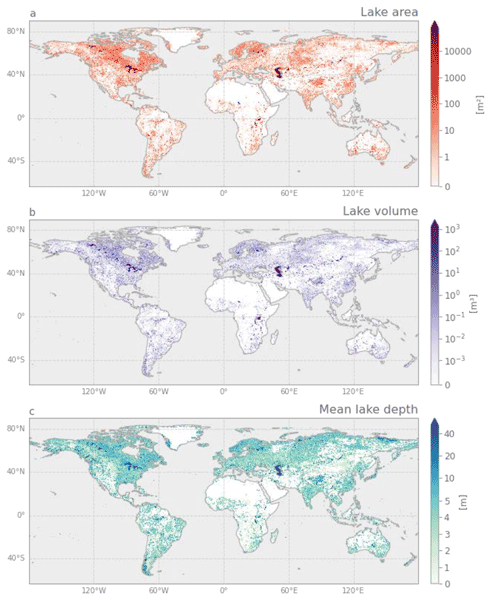
Lakes and reservoirs are warming across the globe. To better understand how lakes are changing and to project their future behavior amidst various sources of uncertainty, simulations with a range of lake models are required. This in turn requires international coordination across different lake modelling teams worldwide. Here we present a protocol for and results from coordinated simulations of climate change impacts on lakes worldwide.
Leah A. Jackson-Blake, François Clayer, Elvira de Eyto, Andrew S. French, María Dolores Frías, Daniel Mercado-Bettín, Tadhg Moore, Laura Puértolas, Russell Poole, Karsten Rinke, Muhammed Shikhani, Leon van der Linden, and Rafael Marcé
Hydrol. Earth Syst. Sci., 26, 1389–1406, https://doi.org/10.5194/hess-26-1389-2022, https://doi.org/10.5194/hess-26-1389-2022, 2022
Short summary
Short summary
We explore, together with stakeholders, whether seasonal forecasting of water quantity, quality, and ecology can help support water management at five case study sites, primarily in Europe. Reliable forecasting, a season in advance, has huge potential to improve decision-making. However, managers were reluctant to use the forecasts operationally. Key barriers were uncertainty and often poor historic performance. The importance of practical hands-on experience was also highlighted.
Cited articles
Agnew, D., Fryirs, K. A., Ralph, T. J., and Kobayashi, T.: Soil carbon dynamics and aquatic metabolism of a wet–dry tropics wetland system, Wetl Ecol Manag, 29, 1–25, https://doi.org/10.1007/s11273-020-09745-w, 2021.
Akaike, H.: Information Theory and an Extension of the Maximum Likelihood Principle, in: Selected Papers of Hirotugu Akaike, edited by: Parzen, E., Tanabe, K., and Kitagawa, G., Springer New York, New York, NY, 199–213, https://doi.org/10.1007/978-1-4612-1694-0_15, 1998.
Akasaka, M., Takamura, N., Mitsuhashi, H., and Kadono, Y.: Effects of land use on aquatic macrophyte diversity and water quality of ponds, Freshw Biol, 55, 909–922, https://doi.org/10.1111/j.1365-2427.2009.02334.x, 2010.
Almeida, R., Paranaíba, J., Barbosa Alves, Í., Sobek, S., Kosten, S., Linkhorst, A., Mendonça, R., Quadra, G., Roland, F., and Barros, N.: Carbon dioxide emission from drawdown areas of a Brazilian reservoir is linked to surrounding land cover, Aquat Sci, 81, 68, https://doi.org/10.1007/s00027-019-0665-9, 2019.
Baastrup-Spohr, L., Møller, C. L., and Sand-Jensen, K.: Water-level fluctuations affect sediment properties, carbon flux and growth of the isoetid Littorella uniflora in oligotrophic lakes, Freshw Biol, 61, 301–315, https://doi.org/10.1111/fwb.12704, 2016.
Bartoń, K.: MuMIn: Multi-Model Inference, R package version 1.48.11, CRAN [code], https://doi.org/10.32614/CRAN.package.MuMIn, 2023.
Bartrons, M., Yang, J., Cuenca Cambronero, M., Lemmens, P., Anton-Pardo, M., Beklioğlu, M., Biggs, J., Boissezon, A., Boix, D., Calvo, C., Colina, M., Davidson, T. A., De Meester, L., Fahy, J. C., Greaves, H. M., Kiran Isufi, H., Levi, E. E., Meerhoff, M., Mehner, T., Mülayim, E. B., Oertli, B., Patmore, I. R., Sayer, C. D., Villà-Freixa, J., and Brucet, S.: Why ponds concentrate nutrients: the roles of internal features, land use, and climate, Hydrobiologia, https://doi.org/10.1007/s10750-025-05907-0, 2025.
Bastviken, D., Sundgren, I., Natchimuthu, S., Reyier, H., and Gålfalk, M.: Technical Note: Cost-efficient approaches to measure carbon dioxide (CO2) fluxes and concentrations in terrestrial and aquatic environments using mini loggers, Biogeosciences, 12, 3849–3859, https://doi.org/10.5194/bg-12-3849-2015, 2015.
Bates, D., Mächler, M., Bolker, B., and Walker, S.: Fitting Linear Mixed-Effects Models Using lme4, J Stat Softw, 67, 1–48, https://doi.org/10.18637/jss.v067.i01, 2015.
Beringer, J., Livesley, S. J., Randle, J., and Hutley, L. B.: Carbon dioxide fluxes dominate the greenhouse gas exchanges of a seasonal wetland in the wet-dry tropics of Northern Australia, Agric For Meteorol, 182–183, 239–247, https://doi.org/10.1016/j.agrformet.2013.06.008, 2013.
Bevacqua, E., Rakovec, O., Schumacher, D. L., Kumar, R., Thober, S., Samaniego, L., Seneviratne, S. I., and Zscheischler, J.: Direct and lagged climate change effects intensified the 2022 European drought, Nat Geosci, 17, 1100–1107, https://doi.org/10.1038/s41561-024-01559-2, 2024.
Bhushan, A., Goyal, V. C., and Srivastav, A. L.: Greenhouse gas emissions from inland water bodies and their rejuvenation: a review, J. Water Clim. Chang, 15, 5626–5644, https://doi.org/10.2166/wcc.2024.561, 2024.
Breheny, P. and Burchett, W.: visreg: Visualization of regression models, R package version 2.7.0, CRAN [code], https://CRAN.R-project.org/package=visreg (last access: 27 October 2025), 2017.
Bolker, B. M., Brooks, M. E., Clark, C. J., Geange, S. W., Poulsen, J. R., Stevens, M. H. H., and White, J. S. S.: Generalized linear mixed models: a practical guide for ecology and evolution, Trends Ecol. Evol, 24, 127–135, https://doi.org/10.1016/j.tree.2008.10.008, 2009.
Bottino, F., Souza, B. P., Rocha, R. J. S., Cunha-Santino, M. B., and Bianchini, I.: Characterization of humic substances from five macrophyte species decomposed under different nutrient conditions, Limnetica, 40, 267–278, https://doi.org/10.23818/limn.40.18, 2021.
Buragienė, S., Šarauskis, E., Romaneckas, K., Adamavičienė, A., Kriaučiūnienė, Z., Avižienytė, D., Marozas, V., and Naujokienė, V.: Relationship between CO2 emissions and soil properties of differently tilled soils, Sci. Total Environ., 662, 786–795, https://doi.org/10.1016/j.scitotenv.2019.01.236, 2019.
Burkett, V. and Kusler, J.: Climate change: Potential impacts and interactions in wetlands of the United States, J Am Water Resour Assoc, 36, 313–320, https://doi.org/10.1111/j.1752-1688.2000.tb04270.x, 2000.
Catalán, N., Von Schiller, D., Marcé, R., Koschorreck, M., Gomez-Gener, L., and Obrador, B.: Carbon dioxide efflux during the flooding phase of temporary ponds, Limnetica, 29, 349–360, https://doi.org/10.23818/limn.33.27, 2014.
Čížková, H., Květ, J., Comín, F. A., Laiho, R., Pokorný, J., and Pithart, D.: Actual state of European wetlands and their possible future in the context of global climate change, Aquat Sci, 75, 3–26, https://doi.org/10.1007/s00027-011-0233-4, 2013.
Cole, J. J. and Caraco, N. F.: Atmospheric exchange of carbon dioxide in a low-wind oligotrophic lake measured by the addition of SF6, Limnol Oceanogr, 43, 647–656, https://doi.org/10.4319/lo.1998.43.4.0647, 1998.
Cole, J. J., Prairie, Y. T., Caraco, N. F., McDowell, W. H., Tranvik, L. J., Striegl, R. G., Duarte, C. M., Kortelainen, P., Downing, J. A., Middelburg, J. J., and Melack, J.: Plumbing the global carbon cycle: Integrating inland waters into the terrestrial carbon budget, Ecosystems, 10, 171–184, https://doi.org/10.1007/s10021-006-9013-8, 2007.
Copernicus Climate Change Service (C3S): European State of the Climate 2022, Copernicus Climate Change Service, https://climate.copernicus.eu/ESOTC/2022 (last access: 28 June 2023), 2023.
DelVecchia, A. G., Balik, J. A., Campbell, S. K., Taylor, B. W., West, D. C., and Wissinger, S. A.: Carbon dioxide concentrations and efflux from permanent, semi-permanent, and temporary subalpine ponds, Wetlands, 39, 955–969, https://doi.org/10.1007/s13157-019-01140-3, 2019.
DelVecchia, A. G., Gougherty, S., Taylor, B. W., and Wissinger, S. A.: Biogeochemical characteristics and hydroperiod affect carbon dioxide flux rates from exposed high-elevation pond sediments, Limnol Oceanogr, 66, 1050–1067, https://doi.org/10.1002/lno.11663, 2021.
Dimitriou, E., Moussoulis, E., Stamati, F., and Nikolaidis, N.: Modelling hydrological characteristics of Mediterranean Temporary Ponds and potential impacts from climate change, Hydrobiologia, 634, 195–208, https://doi.org/10.1007/s10750-009-9898-2, 2009.
Downing, J. A.: Emerging global role of small lakes and ponds: Little things mean a lot, Limnetica, 29, 9–24, https://doi.org/10.23818/limn.29.02, 2010.
Fellman, J., Hood, E., and Spencer, R.: Fluorescence spectroscopy opens new windows into dissolved organic matter dynamics in freshwater ecosystems: A review, Limnol Oceanogr, 55, 2452–2462, https://doi.org/10.4319/lo.2010.55.6.2452, 2010.
Fox, J.: Effect Displays in R for Generalised Linear Models, J Stat Softw, 8, 1–27, https://doi.org/10.18637/jss.v008.i15, 2003.
Fraser, F. C., Corstanje, R., Deeks, L. K., Harris, J. A., Pawlett, M., Todman, L. C., Whitmore, A. P., and Ritz, K.: On the origin of carbon dioxide released from rewetted soils, Soil Biol Biochem, 101, 1–5, https://doi.org/10.1016/j.soilbio.2016.06.032, 2016.
Fromin, N., Pinay, G., Montuelle, B., Landais, D., Ourcival, J. M., Joffre, R., and Lensi, R.: Impact of seasonal sediment desiccation and rewetting on microbial processes involved in greenhouse gas emissions, Ecohydrology, 3, 339–348, https://doi.org/10.1002/eco.115, 2010.
Gabor, R., Baker, A., Mcknight, D., and Miller, M.: Fluorescence Indices and Their Interpretation, in: Aquatic Organic Matter Fluorescence, edited by: Coble, P. G., Lead, J., Baker, A., Reynolds, D. M., and Spencer, R. G. M., Cambridge University Press, Cambridge, 303–338, https://doi.org/10.1017/CBO9781139045452.015, 2014.
Gao, Y., Li, J., Wang, S., Jia, J., Wu, F., and Yu, G.: Global inland water greenhouse gas (GHG) geographical patterns and escape mechanisms under different water level, Water Res., 269, 122808, https://doi.org/10.1016/j.watres.2024.122808, 2025.
Garcia-Murillo, P., Díaz-Paniagua, C., and Fernández-Zamudio, R.: Decline of aquatic plants in an iconic European protected natural area, J Nat Conserv, 84, 126814, https://doi.org/10.1016/j.jnc.2024.126814, 2025.
Gilbert, P. J., Cooke, D. A., Deary, M., Taylor, S., and Jeffries, M. J.: Quantifying rapid spatial and temporal variations of CO2 fluxes from small, lowland freshwater ponds, Hydrobiologia, 793, 83–93, https://doi.org/10.1007/s10750-016-2855-y, 2017.
Girard, L., Davidson, T. A., Tolon, V., Bucak, T., Rouifed, S., Wezel, A., and Robin, J.: The balance of carbon emissions versus burial in fish ponds: The role of primary producers and management practices, Aquac. Rep., 39, 102456, https://doi.org/10.1016/j.aqrep.2024.102456, 2024.
Gómez-Gener, L., Obrador, B., Marcé, R., Acuña, V., Catalán, N., Casas-Ruiz, J. P., Sabater, S., Muñoz, I., and von Schiller, D.: When Water Vanishes: Magnitude and Regulation of Carbon Dioxide Emissions from Dry Temporary Streams, Ecosystems, 19, 710–723, https://doi.org/10.1007/s10021-016-9963-4, 2016.
Gómez-Rodríguez, C., Bustamante, J., and Díaz-Paniagua, C.: Evidence of hydroperiod shortening in a preserved system of temporary ponds, Remote Sens, 2, 1439–1462, https://doi.org/10.3390/rs2061439, 2010.
Google LLC: Google Earth Pro, https://www.google.com/earth/ (last access: 22 November 2023), 2021.
Håkanson, L.: On the relationship between lake trophic level and lake sediments, Water Res, 18, 303–314, https://doi.org/10.1016/0043-1354(84)90104-0, 1984.
Hanken, N.-M., Bjørlykke, K., and Nielsen, J. K.: Carbonate Sediments, in: Petroleum Geoscience: From Sedimentary Environments to Rock Physics, edited by: Bjørlykke, K., Springer Berlin Heidelberg, Berlin, Heidelberg, 151–216, https://doi.org/10.1007/978-3-642-34132-8_5, 2015.
Hanson, P. C., Pace, M. L., Carpenter, S. R., Cole, J. J., and Stanley, E. H.: Integrating Landscape Carbon Cycling: Research Needs for Resolving Organic Carbon Budgets of Lakes, Ecosystems, 18, 363–375, https://doi.org/10.1007/s10021-014-9826-9, 2015.
Hartig, F.: DHARMa: Residual Diagnostics for Hierarchical (Multi-Level / Mixed) Regression Models, R package version 0.4.7, CRAN [code], https://doi.org/10.32614/CRAN.package.DHARMa, 2022.
Heiri, O., Lotter, A. F., and Lemcke, G.: Loss on ignition as a method for estimating organic and carbonate content in sediments: Reproducibility and comparability of results, J. Paleolimnol, 25, 101–110, https://doi.org/10.1023/A:1008119611481, 2001.
Hill, M. J., Greaves, H. M., Sayer, C. D., Hassall, C., Milin, M., Milner, V. S., Marazzi, L., Hall, R., Harper, L. R., Thornhill, I., Walton, R., Biggs, J., Ewald, N., Law, A., Willby, N., White, J. C., Briers, R. A., Mathers, K. L., Jeffries, M. J., and Wood, P. J.: Pond ecology and conservation: research priorities and knowledge gaps, Ecosphere, 12, https://doi.org/10.1002/ecs2.3853, 2021.
Holgerson, M. A. and Raymond, P. A.: Large contribution to inland water CO2 and CH4 emissions from very small ponds, Nat Geosci, 9, 222–226, https://doi.org/10.1038/ngeo2654, 2016.
Huguet, A., Vacher, L., Relexans, S., Saubusse, S., Froidefond, J. M., and Parlanti, E.: Properties of fluorescent dissolved organic matter in the Gironde Estuary, Org Geochem, 40, 706–719, https://doi.org/10.1016/j.orggeochem.2009.03.002, 2009.
IPCC: Climate change 2014: synthesis report, edited by: Contribution of working Groups I, II and III to the fifth assessment report of the I. P. on C. C., ISBN 978-92-9169-143-2, Geneva, 2014.
Jarvis, P., Petsikos, C., Wingate, L., Rayment, M., Pereira, J., Banza, J., David, J., Miglietta, F., Borghetti, M., Manca, G., and Valentini, R.: Drying and wetting of Mediterranean soils stimulates decomposition and carbon dioxide emission: The “Birch effect,” Tree Physiol, 27, 929–940, https://doi.org/10.1093/treephys/27.7.929, 2007.
Jin, X., Wu, F., Wu, Q., Heděnec, P., Peng, Y., Wang, Z., and Yue, K.: Effects of drying-rewetting cycles on the fluxes of soil greenhouse gases. Heliyon, 9, https://doi.org/10.1016/j.heliyon.2023.e12984, 2023.
Johannesson, C. F., Nordén, J., Lange, H., Silvennoinen, H., and Larsen, K. S.: Optimizing the closure period for improved accuracy of chamber-based greenhouse gas flux estimates, Agric. For. Meteorol., 359, 110289, https://doi.org/10.1016/j.agrformet.2024.110289, 2024.
Kahle, D. and Wickham, H.: ggmap: Spatial Visualization with ggplot2, R package version 3.0.2, CRAN [code], https://doi.org/10.32614/CRAN.package.ggmap, 2023.
Kassambara, A.: rstatix: Pipe-Friendly Framework for Basic Statistical Tests, R package version 0.7.2, CRAN [code], https://doi.org/10.32614/CRAN.package.rstatix, 2023.
Keller, P. S., Catalán, N., von Schiller, D., Grossart, H. P., Koschorreck, M., Obrador, B., Frassl, M. A., Karakaya, N., Barros, N., Howitt, J. A., Mendoza-Lera, C., Pastor, A., Flaim, G., Aben, R., Riis, T., Arce, M. I., Onandia, G., Paranaíba, J. R., Linkhorst, A., del Campo, R., Amado, A. M., Cauvy-Fraunié, S., Brothers, S., Condon, J., Mendonça, R. F., Reverey, F., Rõõm, E. I., Datry, T., Roland, F., Laas, A., Obertegger, U., Park, J. H., Wang, H., Kosten, S., Gómez, R., Feijoó, C., Elosegi, A., Sánchez-Montoya, M. M., Finlayson, C. M., Melita, M., Oliveira Junior, E. S., Muniz, C. C., Gómez-Gener, L., Leigh, C., Zhang, Q., and Marcé, R.: Global CO2 emissions from dry inland waters share common drivers across ecosystems, Nat Commun, 11, https://doi.org/10.1038/s41467-020-15929-y, 2020.
Koschorreck, M., Knorr, K. H., and Teichert, L.: Temporal patterns and drivers of CO2 emission from dry sediments in a groyne field of a large river, Biogeosciences, 19, 5221–5236, https://doi.org/10.5194/bg-19-5221-2022, 2022.
Lauerwald, R., Allen, G. H., Deemer, B. R., Liu, S., Maavara, T., Raymond, P., Alcott, L., Bastviken, D., Hastie, A., Holgerson, M. A., Johnson, M. S., Lehner, B., Lin, P., Marzadri, A., Ran, L., Tian, H., Yang, X., Yao, Y., and Regnier, P.: Inland Water Greenhouse Gas Budgets for RECCAP2: 2. Regionalization and Homogenization of Estimates, Global Biogeochem Cycles, 37, https://doi.org/10.1029/2022GB007658, 2023.
Lee, S.-Y., Ryan, M. E., Hamlet, A. F., Palen, W. J., Lawler, J. J., and Halabisky, M.: Projecting the Hydrologic Impacts of Climate Change on Montane Wetlands, PLoS One, 10, e0136385, https://doi.org/10.1371/journal.pone.0136385, 2015.
Lellei-Kovács, E., Kovács-Láng, E., Botta-Dukát, Z., Kalapos, T., Emmett, B., and Beier, C.: Thresholds and interactive effects of soil moisture on the temperature response of soil respiration, Eur J Soil Biol, 47, 247–255, https://doi.org/10.1016/j.ejsobi.2011.05.004, 2011.
Lenth, R. V.: emmeans: Estimated Marginal Means, aka Least-Squares Means, R package version 1.8.9, CRAN [code], https://doi.org/10.32614/CRAN.package.emmeans, 2025.
Lloyd, J. and Taylor, J. A.: On the Temperature Dependence of Soil Respiration, Funct Ecol, 8, 315–323, https://doi.org/10.2307/2389824, 1994.
López-de Sancha, A., Benejam, L., Boix, D., Briggs, L., Cuenca-Cambronero, M., Davidson, T. A., De Meester, L., Fahy, J. C., Lemmens, P., Martin, B., Mehner, T., Oertli, B., Rasmussen, M., Greaves, H. M., Sayer, C., Beklioğlu, M., Brys, R., and Brucet, S.: Drivers of amphibian species richness in European ponds, Ecography, https://doi.org/10.1111/ecog.07347, 2025a.
López-de Sancha, A., Boix, D., Benejam, L., Briggs, L., Davidson, T. A., Fahy, J. C., Frutos-Aragón, V., Greaves, H. M., Lemmens, P., Mehner, T., Martín, L., Oertli, B., Sayer, C., and Brucet, S.: Amphibian conservation in Europe: the importance of pond condition, Biodivers Conserv, https://doi.org/10.1007/s10531-025-03033-w, 2025b.
Lüdecke, D.: sjPlot: Data Visualization for Statistics in Social Science, R package version 2.9.0, CRAN [code], https://doi.org/10.32614/CRAN.package.sjPlot, 2025.
Ma, J., Wang, Z. Y., Stevenson, B. A., Zheng, X. J., and Li, Y.: An inorganic CO2 diffusion and dissolution process explains negative CO2 fluxes in saline/alkaline soils. Sci. Rep., 3, 2025, https://doi.org/10.1038/srep02025, 2013.
Madaschi, C., Cuassolo, F., Trochine, C., and Diaz-Villanueva, V.: Drivers of CO2 fluxes in the aquatic and dry phases of Patagonian temporary wetlands, Environ. Process, 12, 1–16, https://doi.org/10.1007/s40710-025-00787-x, 2025.
Marcé, R., Obrador, B., Gómez-Gener, L., Catalán, N., Koschorreck, M., Arce, M. I., Singer, G., and von Schiller, D.: Emissions from dry inland waters are a blind spot in the global carbon cycle, Earth-Sci. Rev., 188, 240–248, https://doi.org/10.1016/j.earscirev.2018.11.012, 2019.
Martinsen, K. T., Kragh, T., and Sand-Jensen, K.: Carbon dioxide fluxes of air-exposed sediments and desiccating ponds, Biogeochemistry, 144, 165–180, https://doi.org/10.1007/s10533-019-00579-0, 2019.
Morant, D., Picazo, A., Rochera, C., Santamans, A. C., Miralles-Lorenzo, J., and Camacho, A.: Influence of the conservation status on carbon balances of semiarid coastal Mediterranean wetlands, Inland Waters, 10, 453–467, https://doi.org/10.1080/20442041.2020.1772033, 2020.
Murphy, K. R., Stedmon, C. A., Graeber, D., and Bro, R.: Fluorescence spectroscopy and multi-way techniques. PARAFAC, Anal. Methods, 5, 6557, https://doi.org/10.1039/c3ay41160e, 2013.
Nag, S. K., Das Ghosh, B., Nandy, S., Aftabuddin, M., Sarkar, U. K., and Das, B. K.: Comparative assessment of carbon sequestration potential of different types of wetlands in lower Gangetic basin of West Bengal, India, Environ Monit Assess, 195, 154, https://doi.org/10.1007/s10661-022-10729-x, 2023.
Novikmec, M., Hamerlík, L., Kočický, D., Hrivnák, R., Kochjarová, J., Ot'ahel'ová, H., Pal'ove-Balang, P., and Svitok, M.: Ponds and their catchments: size relationships and influence of land use across multiple spatial scales, Hydrobiologia, 774, 155–166, https://doi.org/10.1007/s10750-015-2514-8, 2016.
Obrador, B., Von Schiller, D., Marcé, R., Gómez-Gener, L., Koschorreck, M., Borrego, C., and Catalán, N.: Dry habitats sustain high CO2 emissions from temporary ponds across seasons, Sci Rep, 8, 3015, https://doi.org/10.1038/s41598-018-20969-y, 2018.
Oertel, C., Matschullat, J., Zurba, K., Zimmermann, F., and Erasmi, S.: Greenhouse gas emissions from soils – A review, Chem. Erde, 76, 327–352, https://doi.org/10.1016/j.chemer.2016.04.002, 2016.
Oertli, B., Céréghino, R., Hull, A., and Miracle, R.: Pond conservation: From science to practice, Hydrobiologia, 634, 1–9, https://doi.org/10.1007/s10750-009-9891-9, 2009.
Oroud, I. M.: The implications of climate change on freshwater resources in the arid and semiarid Mediterranean environments using hydrological modeling, GIS tools, and remote sensing, Environ Monit Assess, 196, 979, https://doi.org/10.1007/s10661-024-13139-3, 2024.
Page, K. L. and Dalal, R. C.: Contribution of natural and drained wetland systems to carbon stocks, CO2, N2O, and CH4 fluxes: An Australian perspective, Soil Res., 49, 377–388, https://doi.org/10.1071/SR11024, 2011.
Pekel, J.-F., Cottam, A., Gorelick, N., and Belward, A. S.: High-resolution mapping of global surface water and its long-term changes, Nature, 540, 418–422, https://doi.org/10.1038/nature20584, 2016.
Peterson, R. A.: Finding Optimal Normalizing Transformations via bestNormalize, R J, 13, 310–329, https://doi.org/10.32614/RJ-2021-041, 2021.
Peterson, R. A. and Cavanaugh, J. E.: Ordered quantile normalization: a semiparametric transformation built for the cross-validation era, J Appl Stat, 47, 2312–2327, https://doi.org/10.1080/02664763.2019.1630372, 2020.
Pickens, A. H., Hansen, M. C., Hancher, M., Stehman, S. V., Tyukavina, A., Potapov, P., Marroquin, B., and Sherani, Z.: Mapping and sampling to characterize global inland water dynamics from 1999 to 2018 with full Landsat time-series, Remote Sens Environ, 243, 111792, https://doi.org/10.1016/j.rse.2020.111792, 2020.
Podgrajsek, E., Sahlée, E., Bastviken, D., Holst, J., Lindroth, A., Tranvik, L., and Rutgersson, A.: Comparison of floating chamber and eddy covariance measurements of lake greenhouse gas fluxes, Biogeosciences, 11, 4225–4233, https://doi.org/10.5194/bg-11-4225-2014, 2014.
Pozzo-Pirotta, L. J., Montes-Pérez, J. J., Sammartino, S., Marcé, R., Obrador, B., Escot, C., Reyes, I., and Moreno-Ostos, E.: Carbon dioxide emission from drawdown areas of a Mediterranean reservoir, Limnetica, 41, 61–72, https://doi.org/10.23818/limn.41.05, 2022.
Prananto, J. A., Minasny, B., Comeau, L. P., Rudiyanto, R., and Grace, P.: Drainage increases CO2 and N2O emissions from tropical peat soils, Glob Chang Biol, 26, 4583–4600, https://doi.org/10.1111/gcb.15147, 2020.
Premke, K., Attermeyer, K., Augustin, J., Cabezas, A., Casper, P., Deumlich, D., Gelbrecht, J., Gerke, H. H., Gessler, A., Grossart, H. P., Hilt, S., Hupfer, M., Kalettka, T., Kayler, Z., Lischeid, G., Sommer, M., and Zak, D.: The importance of landscape diversity for carbon fluxes at the landscape level: small-scale heterogeneity matters, Wiley Interdisciplinary Reviews: Water, 3, 601–617, https://doi.org/10.1002/wat2.1147, 2016.
Pucher, M., Wünsch, U., Weigelhofer, G., Murphy, K., Hein, T., and Graeber, D.: StaRdom: Versatile software for analyzing spectroscopic data of dissolved organic matter in R, Water, 11, 2366, https://doi.org/10.3390/w11112366, 2019.
R Core Team: R: A language and environment for statistical computing, R Foundation for Statistical Computing, Vienna, Austria, https://www.R-project.org/ (last access: 6 November 2025), 2024.
Raymond, P. A., Hartmann, J., Lauerwald, R., Sobek, S., McDonald, C., Hoover, M., Butman, D., Striegl, R., Mayorga, E., Humborg, C., Kortelainen, P., Dürr, H., Meybeck, M., Ciais, P., and Guth, P.: Global carbon dioxide emissions from inland waters, Nature, 503, 355–359, https://doi.org/10.1038/nature12760, 2013.
Rey, A.: Mind the gap: Non-biological processes contributing to soil CO2 efflux, Glob. Change Biol., 21, 1752–1761, https://doi.org/10.1111/gcb.12821, 2015.
Roland, M., Serrano-Ortiz, P., Kowalski, A. S., Goddéris, Y., Sánchez-Cañete, E. P., Ciais, P., Domingo, F., Cuezva, S., Sanchez-Moral, S., Longdoz, B., Yakir, D., Van Grieken, R., Schott, J., Cardell, C., and Janssens, I. A.: Atmospheric turbulence triggers pronounced diel pattern in karst carbonate geochemistry, Biogeosciences, 10, 5009–5017, https://doi.org/10.5194/bg-10-5009-2013, 2013.
Rulík, M., Weber, L., Min, S., and Šmíd, R.: CO2 and CH4 fluxes from inundated floodplain ponds: role of diel variability and duration of inundation, Front Environ Sci, 11, https://doi.org/10.3389/fenvs.2023.1006988, 2023.
Sabater, S., Timoner, X., Borrego, C., and Acuña, V.: Stream biofilm responses to flow intermittency: From cells to ecosystems, Front Environ Sci, 4, https://doi.org/10.3389/fenvs.2016.00014, 2016.
Sala, J., Gascón, S., Boix, D., Gesti, J., and Quintana, X. D.: Proposal of a rapid methodology to assess the conservation status of Mediterranean wetlands and its application in Catalunya (NE Iberian Peninsula), Arch. Sci., 57, 123–132, 2004.
Sánchez-Carrillo, S.: Hydrology and biogeochemistry of Mediterranean temporary ponds, International Conference on Mediterranean Temporary Ponds. Proceedings and Abstracts, 73–82, https://www.researchgate.net/publication/291890391_Hydrology_and_biogeochemistry_of_Mediterranean_temporary_ponds (last access: 30 December 2025), 2009.
Sensirion AG: SCD30 CO2 and RHT Sensor Datasheet, Version 1.0 – D1, https://sensirion.com/media/documents/4EAF6AF8/61652C3C/Sensirion_CO2_Sensors_SCD30_Datasheet.pdf (last access: 11 November 2025), 2020.
Sen Gupta, R. and Koroleff, F.: A quantitative study of nutrient fractions and a stoichiometric model of the Baltic, Estuar. Coast. Shelf Sci., 1, 335–360, https://doi.org/10.1016/0302-3524(73)90025-X, 1973.
Sponseller, R. A.: Precipitation pulses and soil CO2 flux in a Sonoran Desert ecosystem, Glob Chang Biol, 13, 426–436, https://doi.org/10.1111/j.1365-2486.2006.01307.x, 2007.
Suh, S., Lee, E., and Lee, J.: Temperature and moisture sensitivities of CO2 efflux from lowland and alpine meadow soils, Journal of Plant Ecology, 2, 225–231, https://doi.org/10.1093/jpe/rtp021, 2009.
Tak, D. B. Y., Vroom, R. J. E., Lexmond, R., Lamers, L. P. M., Robroek, B. J. M., and Temmink, R. J. M.: Water level and vegetation type control carbon fluxes in a newly-constructed soft-sediment wetland, Wetl Ecol Manag, 31, 583–594, https://doi.org/10.1007/s11273-023-09936-1, 2023.
Taylor, S., Gilbert, P. J., Cooke, D. A., Deary, M. E., and Jeffries, M. J.: High carbon burial rates by small ponds in the landscape, Front Ecol Environ, 17, 25–31, https://doi.org/10.1002/fee.1988, 2019.
Thien, S. J.: A flow diagram for teaching texture-by-feel analysis, Journal of Agronomic Education, 8, 54–55, https://doi.org/10.2134/jae.1979.0054, 1979.
Tranvik, L. J., Downing, J. A., Cotner, J. B., Loiselle, S. A., Striegl, R. G., Ballatore, T. J., Dillon, P., Finlay, K., Fortino, K., Knoll, L. B., Kortelainen, P. L., Kutser, T., Larsen, Soren., Laurion, I., Leech, D. M., McCallister, S. L., McKnight, D. M., Melack, J. M., Overholt, E., Porter, J. A., Prairie, Y., Renwick, W. H., Roland, F., Sherman, B. S., Schindler, D. W., Sobek, S., Tremblay, A., Vanni, M. J., Verschoor, A. M., von Wachenfeldt, E., and Weyhenmeyer, G. A.: Lakes and reservoirs as regulators of carbon cycling and climate, Limnol Oceanogr, 54, 2298–2314, https://doi.org/10.4319/lo.2009.54.6_part_2.2298, 2009.
Unger, S., Máguas, C., Pereira, J. S., David, T. S., and Werner, C.: The influence of precipitation pulses on soil respiration – Assessing the “Birch effect” by stable carbon isotopes, Soil Biol Biochem, 42, 1800–1810, https://doi.org/10.1016/j.soilbio.2010.06.019, 2010.
Verpoorter, C., Kutser, T., Seekell, D. A., and Tranvik, L. J.: A global inventory of lakes based on high-resolution satellite imagery, Geophys Res Lett, 41, 6396–6402, https://doi.org/10.1002/2014GL060641, 2014.
Vicente-Serrano, S. M., Peña-Angulo, D., Beguería, S., Domínguez-Castro, F., Tomás-Burguera, M., Noguera, I., Gimeno-Sotelo, L., and El Kenawy, A.: Global drought trends and future projections, Philosophical Transactions of the Royal Society A: Mathematical, Physical and Engineering Sciences, 380, 20210285, https://doi.org/10.1098/rsta.2021.0285, 2022.
Voudouri, M. O., Liaskou, P., Manios, E. M., and Anagnostopoulou, C.: Top European Droughts since 1991, 94, https://doi.org/10.3390/environsciproc2023026094, 2023.
Wang, J., Song, C., Reager, J. T., Yao, F., Famiglietti, J. S., Sheng, Y., MacDonald, G. M., Brun, F., Schmied, H. M., Marston, R. A., and Wada, Y.: Recent global decline in endorheic basin water storages, Nat Geosci, 11, 926–932, https://doi.org/10.1038/s41561-018-0265-7, 2018.
Wang, M., Hao, T., Deng, X., Wang, Z., Cai, Z., and Li, Z.: Effects of sediment-borne nutrient and litter quality on macrophyte decomposition and nutrient release, Hydrobiologia, 787, 205–215, https://doi.org/10.1007/s10750-016-2961-x, 2017.
Wei, T. and Simko, V.: R package “corrplot”: Visualization of a Correlation Matrix, GitHub [code], https://github.com/taiyun/corrplot (last access: 30 July 2025), 2024.
Weisberg, S. and Fox, J.: Multivariate Linear Models in R, in: An R Companion to Applied Regression, Sage, Thousand Oaks, CA, ISBN 978-1-4129-7514-8, 2011.
Weise, L., Ulrich, A., Moreano, M., Gessler, A., Kayler, Z. E., Steger, K., Zeller, B., Rudolph, K., Knezevic-Jaric, J., and Premke, K.: Water level changes affect carbon turnover and microbial community composition in lake sediments, FEMS Microbiol Ecol, 92, fiw035, https://doi.org/10.1093/femsec/fiw035, 2016.
Weishaar, J. L., Aiken, G. R., Bergamaschi, B. A., Fram, M. S., Fujii, R., and Mopper, K.: Evaluation of Specific Ultraviolet Absorbance as an Indicator of the Chemical Composition and Reactivity of Dissolved Organic Carbon, Environ Sci Technol, 37, 4702–4708, https://doi.org/10.1021/es030360x, 2003.
Wickham, H.: ggplot2: Elegant Graphics for Data Analysis, 2nd edn., Springer, Cham, https://doi.org/10.1007/978-3-319-24277-4, 2016.
Williams, P., Biggs, J., Fox, G., Nicolet, P., and Whitfield, M.: History, origins and importance of temporary ponds, Freshwater Forum, 17, 1–10, 2010.
Wouters, H.: Downscaled bioclimatic indicators for selected regions from 1978 to 2018 derived from reanalysis, Copernicus Climate Data Store (CDS), ERA5, https://cds.climate.copernicus.eu/datasets/sis-biodiversity-era5-regional (last access: 1 June 2023), 2021.
Zhao, M., Han, G., Li, J., Song, W., Qu, W., Eller, F., Wang, J., and Jiang, C.: Responses of soil CO2 and CH4 emissions to changing water table level in a coastal wetland, J Clean Prod, 269, 122316, https://doi.org/10.1016/j.jclepro.2020.122316, 2020.
Zou, J., Ziegler, A. D., Chen, D., McNicol, G., Ciais, P., Jiang, X., Zheng, C., Wu, J., Wu, J., Lin, Z., He, X., Brown, L. E., Holden, J., Zhang, Z., Ramchunder, S. J., Chen, A., and Zeng, Z.: Rewetting global wetlands effectively reduces major greenhouse gas emissions, Nat Geosci, 15, 627–632, https://doi.org/10.1038/s41561-022-00989-0, 2022.
Short summary
Pond sediments emit substantial CO2 during dry phases, often overlooked despite climate change increasing dry periods. We measured CO2 fluxes in 30 ponds across Mediterranean and Temperate regions, finding higher emissions in summer and in ponds with longer hydroperiods, especially in Mediterranean climates. Emissions peaked at moderate sediment water content and warm temperatures, highlighting the need to include dry-phase emissions in carbon flux assessments.
Pond sediments emit substantial CO2 during dry phases, often overlooked despite climate change...


Altmetrics
Final-revised paper
Preprint