
Articles | Volume 23, issue 6
https://doi.org/10.5194/bg-23-2155-2026
© Author(s) 2026. This work is distributed under
the Creative Commons Attribution 4.0 License.
the Creative Commons Attribution 4.0 License.
https://doi.org/10.5194/bg-23-2155-2026
© Author(s) 2026. This work is distributed under
the Creative Commons Attribution 4.0 License.
the Creative Commons Attribution 4.0 License.
Research article
| 
30 Mar 2026
Research article |
| 30 Mar 2026
| 30 Mar 2026
Characterisation and quantification of organic carbon burial using a multiproxy approach in saltmarshes from Aotearoa New Zealand
Olga Albot
CORRESPONDING AUTHOR

Antarctic Research Centre, Victoria University of Wellington, Kelburn Campus, Wellington 6012, New Zealand
The Nature Conservancy in Aotearoa New Zealand, 2/57 Willis St, Wellington 6011, New Zealand
Joshua Ratcliffe
Antarctic Research Centre, Victoria University of Wellington, Kelburn Campus, Wellington 6012, New Zealand
Department of Forest Ecology and Management, Swedish University of Agricultural Sciences, Umeå, Sweden
Unit for Field-Based Forest Research, Swedish University of Agricultural Sciences, Vindeln, Sweden
Richard Levy
Antarctic Research Centre, Victoria University of Wellington, Kelburn Campus, Wellington 6012, New Zealand
Earth Sciences New Zealand, Lower Hutt 5040, New Zealand
Sebastian Naeher
Department of Soil and Physical Sciences, Lincoln University, Lincoln 7647, New Zealand
School of Geography, Environment and Earth Sciences, Victoria University of Wellington, Kelburn Campus, Wellington 6012, New Zealand
Daniel J. King
School of Geography, Environment and Earth Sciences, Victoria University of Wellington, Kelburn Campus, Wellington 6012, New Zealand
Wildland Consultants Ltd., Tower Junction Christchurch, P.O. Box 9276, New Zealand
Catherine Ginnane
Earth Sciences New Zealand, Lower Hutt 5040, New Zealand
Jocelyn Turnbull
Earth Sciences New Zealand, Lower Hutt 5040, New Zealand
Mary Jill Ira Banta
School of Geography, Environment and Earth Sciences, Victoria University of Wellington, Kelburn Campus, Wellington 6012, New Zealand
Christopher Wood
Earth Sciences New Zealand, Lower Hutt 5040, New Zealand
University of Arizona, 1200 E University Blvd., 85721 Tucson, Arizona, USA
Jenny Dahl
Earth Sciences New Zealand, Lower Hutt 5040, New Zealand
Eberhard Karls Universität Tübingen's Institute for Archaeological Sciences, Rümelinstr. 23, 72070 Tübingen, Germany
Jannine Cooper
Earth Sciences New Zealand, Lower Hutt 5040, New Zealand
Andy Phillips
Earth Sciences New Zealand, Lower Hutt 5040, New Zealand
Publisher's note: on 2 April 2026 the country of affiliation 7 was corrected from
USAto
New Zealand.
Related authors
No articles found.
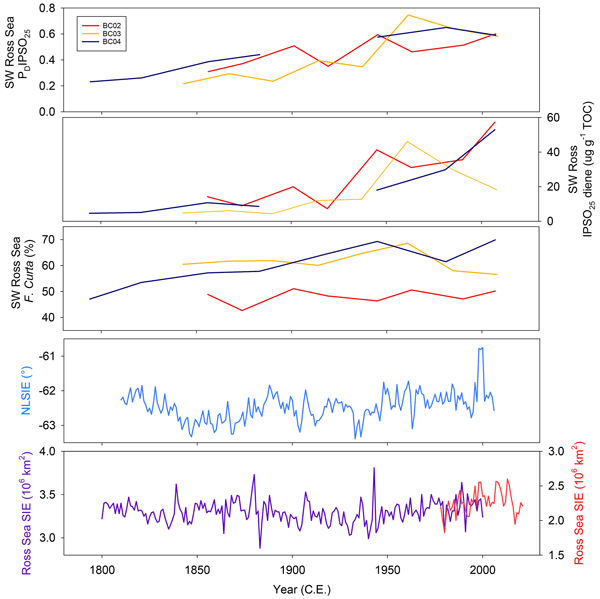
Emma M. de Jong, Xavier Crosta, Sebastian Naeher, Bella Duncan, Johan Etourneau, Jae Il Lee, Robert McKay, and V. Holly L. Winton
Biogeosciences, 23, 6979–7008, https://doi.org/10.5194/bg-23-6979-2026, https://doi.org/10.5194/bg-23-6979-2026, 2026
Short summary
Short summary
This study examines chemical and biological traces (biomarkers) of microscopic algae in Antarctic sediments. We show how sea ice conditions and different phytoplankton communities influence the types of biomarkers preserved on the seafloor, and how these records reveal an overall increase in sea ice duration in the Ross Sea over the past 200 years.
Thomas P. Roland, Matthew J. Amesbury, Jessica Royles, Howard Griffiths, Rewi M. Newnham, Andrew B. H. Rees, Joshua L. Ratcliffe, David I. Campbell, Elizabeth D. Keller, W. Troy Baisden, Max Berkelhammer, Marco Aquino-Lopez, and Dan J. Charman
EGUsphere, https://doi.org/10.5194/egusphere-2026-4962, https://doi.org/10.5194/egusphere-2026-4962, 2026
This preprint is open for discussion and under review for Climate of the Past (CP).
Short summary
Short summary
Restiad peatlands in Aotearoa New Zealand preserve geochemical records that may capture past changes in Southern Hemisphere atmospheric circulation. Sampling 13 peatlands, and two monthly across a year, we show that carbon isotopes in wire rush track temperature, while oxygen isotopes reflect the balance of internal root and shoot waters. In two peat cores, twentieth-century trends follow rising carbon dioxide rather than circulation change, indicating that pre-industrial records are needed.
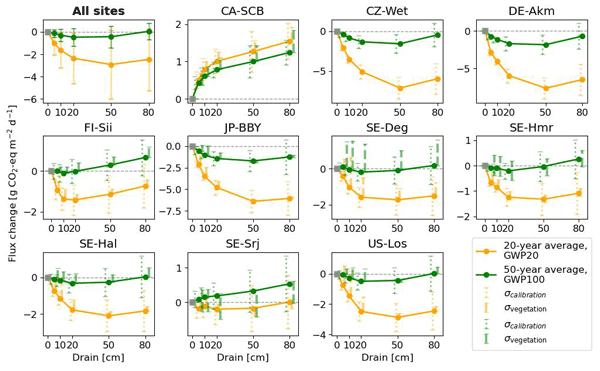
Liyang Liu, Philippe Ciais, Thu Hang Nguyen, Yi Xi, Chunjing Qiu, Elodie Salmon, Aram Kalhori, Christophe Guimbaud, Matthias Peichl, Joshua L. Ratcliffe, Koffi Dodji Noumonvi, and Xuefei Li
Biogeosciences, 23, 2277–2308, https://doi.org/10.5194/bg-23-2277-2026, https://doi.org/10.5194/bg-23-2277-2026, 2026
Short summary
Short summary
We simulate virtual idealized drainage at 10 pristine peatland sites. Over time, the emission factors of CO2 flux decrease and the reduction of CH4 emissions is amplified. The sensitivities of flux changes to drainage are primarily controlled by initial CO2 and CH4 fluxes, initial soil carbon content, peat vegetation community, air temperature and initial water table depth. Using GWP100 (100-year Global Warming Potential), our simulation suggested only very small net GHG (greenhouse gas) emission changes when peatland is drained for 50 years.
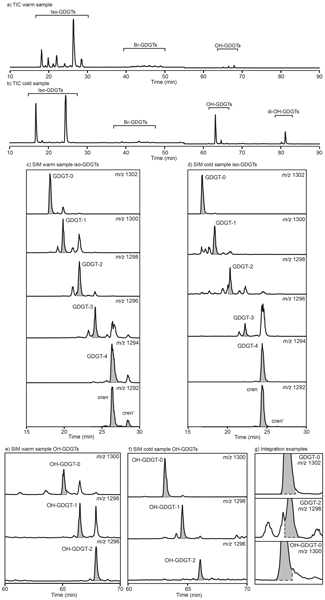
Peter K. Bijl, Kasia K. Śliwińska, Bella Duncan, Arnaud Huguet, Sebastian Naeher, Ronnakrit Rattanasriampaipong, Claudia Sosa-Montes de Oca, Alexandra Auderset, Melissa A. Berke, Bum Soo Kim, Nina Davtian, Tom Dunkley Jones, Desmond D. Eefting, Felix J. Elling, Pierrick Fenies, Gordon N. Inglis, Lauren O'Connor, Richard D. Pancost, Francien Peterse, Addison Rice, Appy Sluijs, Devika Varma, Wenjie Xiao, and Yi Ge Zhang
Biogeosciences, 22, 6465–6508, https://doi.org/10.5194/bg-22-6465-2025, https://doi.org/10.5194/bg-22-6465-2025, 2025
Short summary
Short summary
Many academic laboratories worldwide process environmental samples for analysis of membrane lipid molecules of archaea, for the reconstruction of past environmental conditions. However, the sample workup scheme involves many steps, each of which has a risk of contamination or bias, affecting the results. This paper reviews steps involved in sampling, extraction and analysis of lipids, interpretation and archiving of the data. This ensures reproducible, reusable, comparable and consistent data.
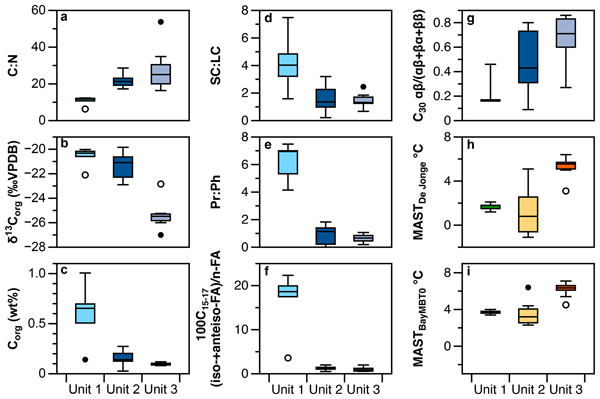
Marjolaine Verret, Sebastian Naeher, Denis Lacelle, Catherine Ginnane, Warren Dickinson, Kevin Norton, Jocelyn Turnbull, and Richard Levy
Biogeosciences, 22, 5771–5786, https://doi.org/10.5194/bg-22-5771-2025, https://doi.org/10.5194/bg-22-5771-2025, 2025
Short summary
Short summary
15 million years ago, the McMurdo Dry Valleys of Antarctica were dominated by a tundra environment. In contrast, the modern environment is amongst the coldest and driest on Earth. Using a permafrost core, this paper investigates the shift from a tundra- to a bacteria-dominated landscape. By differentiating between ancient and modern organic material, we further our understanding of preservation of ancient organic material and its response and contribution to future climate change.
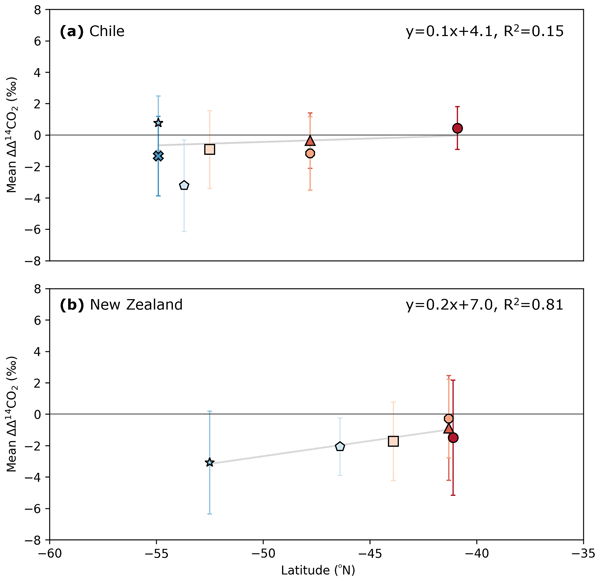
Christian Lewis, Rachel Corran, Sara E. Mikaloff-Fletcher, Erik Behrens, Rowena Moss, Gordon Brailsford, Andrew Lorrey, Margaret Norris, and Jocelyn Turnbull
Biogeosciences, 22, 4187–4201, https://doi.org/10.5194/bg-22-4187-2025, https://doi.org/10.5194/bg-22-4187-2025, 2025
Short summary
Short summary
The Southern Ocean carbon sink is a balance between two opposing forces: CO2 absorption at mid-latitudes and CO2 outgassing at high latitudes. Radiocarbon analysis can be used to constrain the latter, as upwelling waters outgas old CO2, diluting atmospheric radiocarbon content. We present tree-ring radiocarbon measurements from Aotearoa / New Zealand and Chile. We show that low radiocarbon in Aotearoa / New Zealand’s Motu Ihupuku / Campbell Island is linked to outgassing in the critical Antarctic Southern Zone.
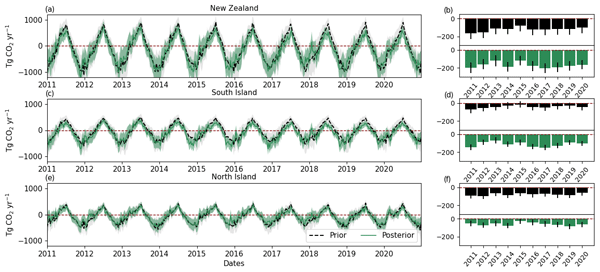
Beata Bukosa, Sara Mikaloff-Fletcher, Gordon Brailsford, Dan Smale, Elizabeth D. Keller, W. Troy Baisden, Miko U. F. Kirschbaum, Donna L. Giltrap, Lìyǐn Liáng, Stuart Moore, Rowena Moss, Sylvia Nichol, Jocelyn Turnbull, Alex Geddes, Daemon Kennett, Dóra Hidy, Zoltán Barcza, Louis A. Schipper, Aaron M. Wall, Shin-Ichiro Nakaoka, Hitoshi Mukai, and Andrea Brandon
Atmos. Chem. Phys., 25, 6445–6473, https://doi.org/10.5194/acp-25-6445-2025, https://doi.org/10.5194/acp-25-6445-2025, 2025
Short summary
Short summary
We used atmospheric measurements and inverse modelling to estimate New Zealand's carbon dioxide (CO2) emissions and removals from 2011 to 2020. Our study reveals that New Zealand's land absorbs more CO2 than previously estimated, particularly in areas dominated by indigenous forests. Our results highlight gaps in current national CO2 estimates and methods, suggesting a need for further research to improve emissions reports and refine approaches to track progress toward climate mitigation goals.
Bella J. Duncan, Robert McKay, Richard Levy, Joseph G. Prebble, Timothy Naish, Osamu Seki, Christoph Kraus, Heiko Moossen, G. Todd Ventura, Denise K. Kulhanek, and James Bendle
EGUsphere, https://doi.org/10.5194/egusphere-2024-4021, https://doi.org/10.5194/egusphere-2024-4021, 2025
Preprint archived
Short summary
Short summary
We use plant wax compound specific stable isotopes to investigate how ancient Antarctic vegetation adapted to glacial conditions 23 million years ago. We find plants became less water efficient to prioritise photosynthesis during short, harsh growing seasons. Ecosystem changes also included enhanced aridity, and a shift to a stunted, low elevation vegetation. This shows the adaptability of ancient Antarctic vegetation under atmospheric CO2 conditions comparable to modern.
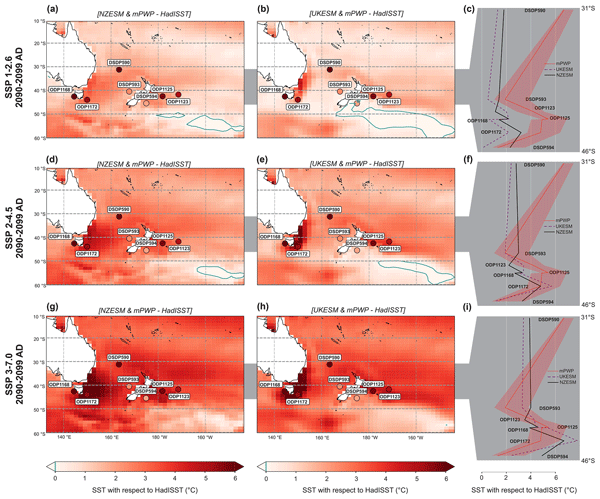
Georgia R. Grant, Jonny H. T. Williams, Sebastian Naeher, Osamu Seki, Erin L. McClymont, Molly O. Patterson, Alan M. Haywood, Erik Behrens, Masanobu Yamamoto, and Katelyn Johnson
Clim. Past, 19, 1359–1381, https://doi.org/10.5194/cp-19-1359-2023, https://doi.org/10.5194/cp-19-1359-2023, 2023
Short summary
Short summary
Regional warming will differ from global warming, and climate models perform poorly in the Southern Ocean. We reconstruct sea surface temperatures in the south-west Pacific during the mid-Pliocene, a time 3 million years ago that represents the long-term outcomes of 3 °C warming, which is expected for the future. Comparing these results to climate model simulations, we show that the south-west Pacific region will warm by 1 °C above the global average if atmospheric CO2 remains above 350 ppm.
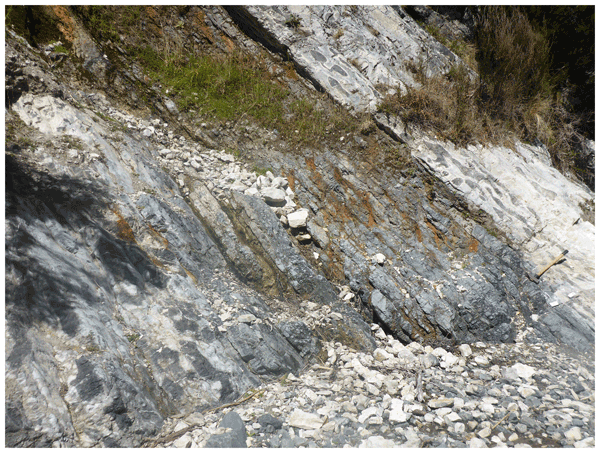
Christopher J. Hollis, Sebastian Naeher, Christopher D. Clowes, B. David A. Naafs, Richard D. Pancost, Kyle W. R. Taylor, Jenny Dahl, Xun Li, G. Todd Ventura, and Richard Sykes
Clim. Past, 18, 1295–1320, https://doi.org/10.5194/cp-18-1295-2022, https://doi.org/10.5194/cp-18-1295-2022, 2022
Short summary
Short summary
Previous studies of Paleogene greenhouse climates identified short-lived global warming events, termed hyperthermals, that provide insights into global warming scenarios. Within the same time period, we have identified a short-lived cooling event in the late Paleocene, which we term a hypothermal, that has potential to provide novel insights into the feedback mechanisms at work in a greenhouse climate.
Regina Gonzalez Moguel, Felix Vogel, Sébastien Ars, Hinrich Schaefer, Jocelyn C. Turnbull, and Peter M. J. Douglas
Atmos. Chem. Phys., 22, 2121–2133, https://doi.org/10.5194/acp-22-2121-2022, https://doi.org/10.5194/acp-22-2121-2022, 2022
Short summary
Short summary
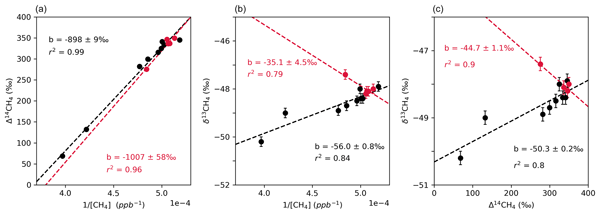
Evaluating methane (CH4) sources in the Athabasca oil sands region (AOSR) is crucial to effectively mitigate CH4 emissions. We tested the use of carbon isotopes to estimate source contributions from key CH4 sources in the AOSR and found that 56 ± 18 % of CH4 emissions originated from surface mining and processing facilities, 34 ± 18 % from tailings ponds, and 10 ± < 1 % from wetlands, confirming previous findings and showing that this method can be successfully used to partition CH4 sources.
Cited articles
Albot, O., Ratcliffe, J., Levy, R., Naeher, S., King, D., Ginnane, C., Jocelyn, T., Banta, M. J. I., Wood, C., Dahl, J., Cooper, J., and Phillips, A.: Characterisation and quantification of organic carbon burial using a multiproxy approach in saltmarshes from Aotearoa New Zealand, Zenodo [data set], https://doi.org/10.5281/zenodo.17790165, 2026.
Alongi, D. M.: Coastal ecosystem processes, CRC Press, 1st ed., ISBN 978-0367400798, 1997.
Antler, G., Mills, J. V., Hutchings, A. M., Redeker, K. R., and Turchyn, A. V.: The sedimentary carbon-sulfur-iron interplay–A lesson from East Anglian salt marsh sediments, Front. Earth Sci., 7, 140, https://doi.org/10.3389/feart.2019.00140, 2019.
Appleby, P. G.: Dating recent sediments by 210Pb: problems and solutions, Seminar on dating of sediment and determination of sedimentation rate, Helsinki, Finland, 1–3 April 1997, paper presentation, https://inis.iaea.org/records/vtsmx-fvz88 (last access: 18 November 2024), 1997.
Arias-Ortiz, A., Masqué, P., Garcia-Orellana, J., Serrano, O., Mazarrasa, I., Marbà, N., Lovelock, C. E., Lavery, P. S., and Duarte, C. M.: Reviews and syntheses: 210Pb-derived sediment and carbon accumulation rates in vegetated coastal ecosystems – setting the record straight, Biogeosciences, 15, 6791–6818, https://doi.org/10.5194/bg-15-6791-2018, 2018.
Barber, A., Brandes, J., Leri, A., Lalonde, K., Balind, K., Wirick, S., Wang, J., and Gélinas, Y.: Preservation of organic matter in marine sediments by inner-sphere interactions with reactive iron, Sci. Rep., 7, 366, https://doi.org/10.1038/s41598-017-00494-0, 2017.
Benner, R., Fogel, M. L., Sprague, E. K., and Hodson, R. E.: Depletion of 13C in lignin and its implications for stable carbon isotope studies, Nature, 329, 708–710, https://doi.org/10.1038/329708a0, 1987.
Bertram, C., Quaas, M., Reusch, T. B. H., Vafeidis, A. T., Wolff, C., and Rickels, W.: The blue carbon wealth of nations, Nat. Clim. Change, 11, 704–709, https://doi.org/10.1038/s41558-021-01089-4, 2021.
Blaauw, M., Christen, J. A., Aquino-Lopez, M. A., Esquivel-Vazquez, J., Gonzalez, O. M., Belding, T., Theiler, J., Gough, B., and Karney, C.: Bayesian Age-Depth Modelling of Cores Dated by Pb-210, CRAN Package `rplum', https://cran.r-project.org/web/packages/rplum/rplum.pdf (last access: 11 May 2025), 2024.
Brandini, N., da Costa Machado, E., Sanders, C. J., Cotovicz, L. C., Bernardes, M. C., and Knoppers, B. A.: Organic matter processing through an estuarine system: Evidence from stable isotopes (δ13C and δ15N) and molecular (lignin phenols) signatures, Estuar. Coast. Shelf Sci., 265, 107707, https://doi.org/10.1016/J.ECSS.2021.107707, 2022.
Bray, E. E. and Evans, E. D.: Distribution of n-paraffins as a clue to recognition of source beds, Geochim. Cosmochim. Ac., 22, 2–15, https://doi.org/10.1016/0016-7037(61)90069-2, 1961.
Broz, A., Aguilar, J., Xu, X., and Silva, L. C. R.: Accumulation of radiocarbon in ancient landscapes: A small but significant input of unknown origin, Sci. Rep., 13, 7476, https://doi.org/10.1038/s41598-023-34080-4, 2023.
Bulmer, R. H., Stephenson, F., Jones, H. F. E., Townsend, M., Hillman, J. R., Schwendenmann, L., and Lundquist, C. J.: Blue Carbon Stocks and Cross-Habitat Subsidies, Front. Marine Sci., 7, 380, https://doi.org/10.3389/fmars.2020.00380, 2020.
Bulmer, R. H., Stewart-Sinclair, P. J., Lam-Gordillo, O., Mangan, S., Schwendenmann, L., and Lundquist, C. J.: Blue carbon habitats in Aotearoa New Zealand – opportunities for conservation, restoration, and carbon sequestration, Restoration Ecology, 32, e14225, https://doi.org/10.1111/rec.14225, 2024.
Carr, A. S., Boom, A., Chase, B. M., Roberts, D. L., and Roberts, Z. E.: Molecular fingerprinting of wetland organic matter using pyrolysis-GC/MS: an example from the southern Cape coastline of South Africa, J. Paleolimnol., 44, 947–961, https://doi.org/10.1007/s10933-010-9466-9, 2010.
Cathcart, B.: Awanui River Flood Management Plan, Northland Regional Council, Whangarei, New Zealand, https://www.nrc.govt.nz/media/orsjlwtd/awanuiriverfloodmanagementplanv50.pdf (last access: 25 June 2025), 2005.
Chmura, G. L., Anisfeld, S. C., Cahoon, D. R., and Lynch, J. C.: Global carbon sequestration in tidal, saline wetland soils, Global Biogeochem. Cycles, 17, 1111–1123, https://doi.org/10.1029/2002GB001917, 2003.
Conwell, R.: Pauatahanui Wildlife Reserve – the First 25 years, Nature Space, Wellington, New Zealand, http://www.naturespace.org.nz/sites/default/files/ document/attachments/PAUATAHANUI WILDLIFE MANAGEMENT RESERVE FIRST 25 YEARS.pdf (last access: 25 June 2025), 2010.
Cranwell, P. A.: Diagenesis of free and bound lipids in terrestrial detritus deposited in a lacustrine sediment, Org. Geochem., 3, 79–89, https://doi.org/10.1016/0146-6380(81)90002-4, 1981.
Croudace, I. W. and Rothwell, R. G.: Micro-XRF Studies of Sediment Cores: Applications of a non-destructive tool for the environmental sciences, Springer, vol. 17, https://doi.org/10.1017/S0033822200040121, 2015.
Derrien, M., Yang, L., and Hur, J.: Lipid biomarkers and spectroscopic indices for identifying organic matter sources in aquatic environments: A review, Water Res., 112, 58–71, https://doi.org/10.1016/J.WATRES.2017.01.023, 2017.
Donahue, D. J., Linick, T. W., and Jull, A. J. T.: Isotope-ratio and background corrections for accelerator mass spectrometry radiocarbon measurements, Radiocarbon, 32, 135–142, https://doi.org/10.1017/S0033822200040121, 1990.
Drexler, J. Z., Davis, M. J., Woo, I., and De La Cruz, S.: Carbon sources in the sediments of a restoring vs. historically unaltered salt marsh, Estuaries and Coasts, 43, 1345–1360, https://doi.org/10.1007/s12237-020-00748-7, 2020.
Eglinton, G. and Hamilton, R. J.: Leaf Epicuticular Waxes: The waxy outer surfaces of most plants display a wide diversity of fine structure and chemical constituents, Science, 156, 1322–1335, https://doi.org/10.1126/science.156.3780.1322, 1967.
Eley, Y., Dawson, L., and Pedentchouk, N.: Investigating the carbon isotope composition and leaf wax n-alkane concentration of C3 and C4 plants in Stiffkey saltmarsh, Norfolk, UK, Org. Geochem., 96, 28–42, https://doi.org/10.1016/j.orggeochem.2016.03.005, 2016.
Ewers Lewis, C. J., Carnell, P. E., Sanderman, J., Baldock, J. A., and Macreadie, P. I.: Variability and vulnerability of coastal `blue carbon' stocks: a case study from southeast Australia, Ecosystems, 21, 263–279, https://doi.org/10.1007/s10021-017-0150-z, 2018.
Ewers Lewis, C. J., Baldock, J. A., Hawke, B., Gadd, P. S., Zawadzki, A., Heijnis, H., Jacobsen, G. E., Rogers, K., and Macreadie, P. I.: Impacts of land reclamation on tidal marsh `blue carbon' stocks, Sci. Total Environ., 672, 427–437, https://doi.org/10.1016/j.scitotenv.2019.03.345, 2019.
Ferreira, F. P., Vidal-Torrado, P., Buurman, P., Macias, F., Otero, X. L., and Boluda, R.: Pyrolysis-gas chromatography/mass spectrometry of soil organic matter extracted from a Brazilian mangrove and Spanish salt marshes, Soil Sci. Soc. Am. J., 73, 841–851, https://doi.org/10.2136/sssaj2008.0028, 2009.
Ficken, K. J., Li, B., Swain, D. L., and Eglinton, G.: An n-alkane proxy for the sedimentary input of submerged/floating freshwater aquatic macrophytes, Org. Geochem., 31, 745–749, https://doi.org/10.1016/S0146-6380(00)00081-4, 2000.
Friess, D. A., Howard, J., Huxham, M., Macreadie, P. I., and Ross, F.: Capitalizing on the global financial interest in blue carbon, PLOS Climate, 1, e0000061, https://doi.org/10.1371/journal.pclm.0000061, 2022.
Froelich, P., Klinkhammer, G. P., Bender, M. L., Luedtke, N. A., Heath, G. R., Cullen, D., Dauphin, P., Hammond, D., Hartman, B., and Maynard, V.: Early oxidation of organic matter in pelagic sediments of the eastern equatorial Atlantic: suboxic diagenesis, Geochim. Cosmochim. Ac., 43, 1075–1090, https://doi.org/10.1016/0016-7037(79)90095-4, 1979.
Gaskell, S. J. and Eglinton, G.: Sterols of a contemporary lacustrine sediment, Geochim. Cosmochim. Ac., 40, 1221–1228, https://doi.org/10.1016/0016-7037(76)90157-5, 1976.
Gehrels, W. R., Hayward, B. W., Newnham, R. M., and Southall, K. E.: A 20th century acceleration of sea-level rise in New Zealand, Geophys. Res. Lett., 35, L02717, https://doi.org/10.1029/2007GL032632, 2008.
Gerbeaux, P.: The Ramsar Convention: a review of wetlands management in New Zealand, Pacific Ecologist, 4, 37–41, 2003.
Ginnane, C. E., Turnbull, J. C., Naeher, S., Rosenheim, B. E., Venturelli, R. A., Phillips, A. M., Reeve, S., Parry-Thompson, J., Zondervan, A., and Levy, R. H., Yoo, K.-C., Dunbar, G., Calkin, T., Escutia, C., and Gutierrez Pastor, J.: Advancing Antarctic sediment chronology through combined ramped pyrolysis oxidation and Pyrolysis-GC-MS, Radiocarbon, 66, 1120–1139, https://doi.org/10.1017/RDC.2023.116, 2024.
Goff, J. R. and Chagué-Goff, C.: A late Holocene record of environmental changes from coastal wetlands: Abel Tasman National Park, New Zealand, Quaternary Int., 56, 39–51, https://doi.org/10.1016/S1040-6182(98)00016-0, 1999.
Goldstein, S. J. and Stirling, C. H.: Techniques for measuring uranium-series nuclides: 1992–2002, Rev. Mineral. Geochem., 52, 23–57, https://doi.org/10.2113/0520023, 2003.
González-Pérez, J. A., Chabbi, A., de La Rosa, J. M., Rumpel, C., and González-Vila, F. J.: Evolution of organic matter in lignite-containing sediments revealed by analytical pyrolysis (Py–GC–MS), Org. Geochem., 53, 119–130, https://doi.org/10.1016/j.orggeochem.2012.08.001, 2012.
Gonzalez-Vila, F. J., Polvillo, O., Boski, T., Moura, D., and de Andres, J. R.: Biomarker patterns in a time-resolved Holocene/terminal Pleistocene sedimentary sequence from the Guadiana river estuarine area (SW Portugal/Spain border), Org. Geochem., 34, 1601–1613, https://doi.org/10.1016/j.orggeochem.2003.08.006, 2003.
Grandy, A. S. and Neff, J. C.: Molecular C dynamics downstream: the biochemical decomposition sequence and its impact on soil organic matter structure and function, Sci. Total Environ., 404, 297–307, https://doi.org/10.1016/j.scitotenv.2007.11.013, 2008.
Grapes, R. and Downes, G.: The 1855 Wairarapa, New Zealand, earthquake: analysis of historical data, Bulletin of the New Zealand Society for Earthquake Engineering, 30, 271–368, https://doi.org/10.5459/bnzsee.30.4.271-368, 1997.
Grapes, R. H. and Downes, G. L.: Charles Lyell and the great 1855 earthquake in New Zealand: first recognition of active fault tectonics, J. Geol. Soc., 167, 35–47, https://doi.org/10.1144/0016-76492009-104, 2010.
Guardians of Pāuatahanui Inlet: The Inlet, https://www.gopi.org.nz/the-inlet/, last access: 18 August 2022, 2021.
Hansen, K., Butzeck, C., Eschenbach, A., Gröngröft, A., Jensen, K., and Pfeiffer, E.-M.: Factors influencing the organic carbon pools in tidal marsh soils of the Elbe estuary (Germany), Journal of Soils and Sediments, 17, 47–60, https://doi.org/10.1007/s11368-016-1500-8, 2017.
Hayes, M. A., Jesse, A., Hawke, B., Baldock, J., Tabet, B., Lockington, D., and Lovelock, C. E.: Dynamics of sediment carbon stocks across intertidal wetland habitats of Moreton Bay, Australia, Global Change Biology, 23, 4222–4234, https://doi.org/10.1111/gcb.13722, 2017.
Heath, R. A., Shakespeare, B. S., and Greig, M. J. N.: Physical oceanography of Rangaunu Harbour, Northland, New Zealand, New Zealand Journal of Marine and Freshwater Research, 17, 481–493, https://doi.org/10.1080/00288330.1983.9516021, 1983.
Heuscher, S. A., Brandt, C. C., and Jardine, P. M.: Using soil physical and chemical properties to estimate bulk density, Soil Sci. Soc. Am. J., 69, 51–56, https://doi.org/10.2136/sssaj2005.0051a, 2005.
Howard, J., Hoyt, S., Isensee, K., Telszewski, M., and Pidgeon, E. (Eds.): Coastal blue carbon: methods for assessing carbon stocks and emissions factors in mangroves, tidal salt marshes, and seagrasses, Conservation International, Intergovernmental Oceanographic Commission of UNESCO, and International Union for Conservation of Nature, Arlington, VA, USA, https://www.cifor.org/knowledge/publication/5095 (last access: 25 June 2025), 2014.
Howard, J., Sutton-Grier, A. E., Smart, L. S., Lopes, C. C., Hamilton, J., Kleypas, J., Simpson, S., McGowan, J., Pessarrodona, A., and Alleway, H. K.: Blue carbon pathways for climate mitigation: Known, emerging and unlikely, Marine Policy, 156, 105788, https://doi.org/10.1016/j.marpol.2023.105788, 2023.
Howarth, R. W. and Teal, J. M.: Sulfate reduction in a New England salt marsh 1, Limnol. Oceanogr., 24, 999–1013, https://doi.org/10.4319/lo.1979.24.6.0999, 1979.
Jaffé, R., Mead, R., Hernandez, M. E., Peralba, M. C., and DiGuida, O. A.: Origin and transport of sedimentary organic matter in two subtropical estuaries: a comparative, biomarker-based study, Org. Geochem., 32, 507–526, https://doi.org/10.1016/S0146-6380(00)00192-3, 2001.
Janousek, C. N., Krause, J. R., Drexler, J. Z., Buffington, K. J., Poppe, K. L., Peck, E., Adame, M. F., Watson, E. B., Holmquist, J., and Bridgham, S. D.: Blue carbon stocks along the Pacific coast of North America are mainly driven by local rather than regional factors, Global Biogeochem. Cycles, 39, e2024GB008239, https://doi.org/10.1029/2024GB008239, 2025.
Jiménez-Morillo, N. T., Moreno, J., Moreno, F., Fatela, F., Leorri, E., and De la Rosa, J. M.: Composition and sources of sediment organic matter in a western Iberian salt marsh: Developing a novel prediction model of the bromine sedimentary pool, Sci. Total Environ., 907, 167931, https://doi.org/10.1016/j.scitotenv.2023.167931, 2024.
Kaal, J., Cortizas, A. M., Mateo, M.-Á., and Serrano, O.: Deciphering organic matter sources and ecological shifts in blue carbon ecosystems based on molecular fingerprinting, Sci. Total Environ., 742, 140554, https://doi.org/10.1016/j.scitotenv.2020.140554, 2020.
Kelleway, J. J., Saintilan, N., Macreadie, P. I., Baldock, J. A., Heijnis, H., Zawadzki, A., Gadd, P., Jacobsen, G., and Ralph, P. J.: Geochemical analyses reveal the importance of environmental history for blue carbon sequestration, J. Geophys. Res.-Biogeo., 122, 1789–1805, https://doi.org/10.1002/2017JG003775, 2017.
Kelleway, J. J., Saintilan, N., Macreadie, P. I., and Ralph, P. J.: Sedimentary Factors are Key Predictors of Carbon Storage in SE Australian Saltmarshes, Ecosystems, 19, 865–880, https://doi.org/10.1007/s10021-016-9972-3, 2016.
Kennicutt, M. C., Barker, C., Brooks, J. M., DeFreitas, D. A., and Zhu, G. H.: Selected organic matter source indicators in the Orinoco, Nile and Changjiang deltas, Org. Geochem., 11, 41–51, https://doi.org/10.1016/0146-6380(87)90050-7, 1987.
King, D. J.: The Simple Handbook of New Zealand Salt Marsh Plants, https://www.researchgate.net/publication/354268056_The_Simple_Handbook_of_New_Zealand_Salt_Marsh_Plants (last access: 10 July 2024), 2022.
King, D. J., Newnham, R. M., Rees, A. B. H., Clark, K. J., Garrett, E., Gehrels, W. R., Naish, T. R., and Levy, R. H.: A∼ 200-year relative sea-level reconstruction from the Wellington region (New Zealand) reveals insights into vertical land movement trends, Marine Geology, 467, 107199, https://doi.org/10.1016/j.margeo.2023.107199, 2024.
Kirwan, M. L. and Mudd, S. M.: Response of salt-marsh carbon accumulation to climate change, Nature, 489, 550–553, https://doi.org/10.1038/nature11440, 2012.
Krüger, N., Finn, D. R., and Don, A.: Soil depth gradients of organic carbon-13–A review on drivers and processes, Plant Soil, 495, 113–136, https://doi.org/10.1007/s11104-023-06328-5, 2024.
Kumar, M., Boski, T., Lima-Filho, F. P., Bezerra, F. H. R., González-Vila, F. J., Bhuiyan, M. K. A., and González-Pérez, J. A.: Biomarkers as indicators of sedimentary organic matter sources and early diagenetic transformation of pentacyclic triterpenoids in a tropical mangrove ecosystem, Estuarine, Coastal Shelf Sci., 229, 106403, https://doi.org/10.1016/j.ecss.2019.106403, 2019.
Kumar, M., Boski, T., de la Rosa, J. M., and González-Pérez, J. A.: Discerning natural and anthropogenic organic matter inputs to salt marsh sediments of Ria Formosa lagoon (South Portugal), Environmental Science and Pollution Research, 27, 28962–28985, https://doi.org/10.1007/s11356-020-09235-9, 2020a.
Kumar, M., Boski, T., González-Vila, F. J., Jiménez-Morillo, N. T., and González-Pérez, J. A.: Characteristics of organic matter sources from Guadiana Estuary salt marsh sediments (SW Iberian Peninsula), Cont. Shelf Res., 197, 104076, https://doi.org/10.1016/J.CSR.2020.104076, 2020b.
Lamb, A. L., Wilson, G. P., and Leng, M. J.: A review of coastal palaeoclimate and relative sea-level reconstructions using δ13C and
Land Information New Zealand: Record of title under Land Transfer Act 2017 (Identifier NA596/85), 2018.
Leiva-Dueñas, C., Graversen, A. E. L., Banta, G. T., Hansen, J. N., Schrøter, M. L. K., Masqué, P., Holmer, M., and Krause-Jensen, D.: Region-specific drivers cause low organic carbon stocks and sequestration rates in the saltmarsh soils of southern Scandinavia, Limnol. Oceanogr., 69, 290–308, https://doi.org/10.1002/lno.12480, 2024.
Li, Y., Fu, C., Ye, C., Song, Z., Kuzyakov, Y., Vancov, T., Guo, L., Luo, Z., Van Zwieten, L., Wang, Y., Luo, Y., Wang, W., Zeng, L., Han, G., Wang, H., and Luo, Y.: Increased mineral-associated organic carbon and persistent molecules in allochthonous blue carbon ecosystems, Global Change Biology, 31, e70019, https://doi.org/10.1111/gcb.70019, 2025.
Lovelock, C. E., Adame, M. F., Bradley, J., Dittmann, S., Hagger, V., Hickey, S. M., Hutley, L. B., Jones, A., Kelleway, J. J., and Lavery, P. S.: An Australian blue carbon method to estimate climate change mitigation benefits of coastal wetland restoration, Restoration Ecology, 31, e13739, https://doi.org/10.1111/rec.13739, 2023a.
Lovelock, C. E., Adame, M. F., Dittmann, S., Hagger, V., Hickey, S. M., Hutley, L. I., Jones, A., Kelleway, J. J., Lavery, P. S., Macreadie, P. I., Maher, D. T., Mosely, L., Rogers, K., and Sippo, J. Z.: Response to Gallagher (2022) – the Australian Tidal Restoration for Blue Carbon method 2022 – conservative, robust, and practical, Restoration Ecology, 31, e14027, https://doi.org/10.1111/rec.14027, 2023b.
Macreadie, P. I., Ollivier, Q. R., Kelleway, J. J., Serrano, O., Carnell, P. E., Ewers Lewis, C. J., Atwood, T. B., Sanderman, J., Baldock, J., Connolly, R. M., Duarte, C. M., Lavery, P. S., Steven, A., and Lovelock, C. E.: Carbon sequestration by Australian tidal marshes, Sci. Rep., 7, 44071, https://doi.org/10.1038/srep44071, 2017.
Macreadie, P. I., Anton, A., Raven, J. A., Beaumont, N., Connolly, R. M., Friess, D. A., Kelleway, J. J., Kennedy, H., Kuwae, T., Lavery, P. S., Lovelock, C. E., Smale, D. A., Apostolaki, E. T., Atwood, T. B., Baldock, J., Bianchi, T. S., Chmura, G. L., Eyre, B. D., Fourqurean, J. W., Hall-Spencer, J. M., Huxham, M., Hendriks, I. E., Krause Jensen, D., Laffoley, D., Luisetti, T., Marbà, N., Masque, P., McGlathery, K. J., Megonigal, J. P., Murdiyarso, D., Russell, B. D., Santos, R., Serrano, O., Silliman, B. R., Watanabe, K., and Duarte, C. M.: The future of Blue Carbon science, Nat. Commun., 10, 3998, https://doi.org/10.1038/s41467-019-11693-w, 2019.
Macreadie, P. I., Costa, M. D. P., Atwood, T. B., Friess, D. A., Kelleway, J. J., Kennedy, H., Lovelock, C. E., Serrano, O., and Duarte, C. M.: Blue carbon as a natural climate solution, Nat. Rev. Earth Environ., 2, 826–839, https://doi.org/10.1038/s43017-021-00224-1, 2021.
Macreadie, P. I., Akhand, A., Trevathan-Tackett, S. M., Duarte, C. M., Baldock, J., Bowen, J. L., and Connolly, R. M.: Stabilisation and destabilisation of coastal blue carbon: The key factors, Earth-Sci. Rev., 265, 105133, https://doi.org/10.1016/J.EARSCIREV.2025.105133, 2025.
Maier, K. L., Ginnane, C. E., Naeher, S., Turnbull, J. C., Nodder, S. D., Howarth, J., Bury, S. J., Hilton, R. G., and Hillman, J. I. T.: Earthquake-triggered submarine canyon flushing transfers young terrestrial and marine organic carbon into the deep sea, Earth Planet. Sc. Lett., 654, 119241, https://doi.org/10.1016/j.epsl.2025.119241, 2025.
Martinetto, P., Alberti, J., Becherucci, M. E., Cebrian, J., Iribarne, O., Marbà, N., Montemayor, D., Sparks, E., and Ward, R.: The blue carbon of southern southwest Atlantic salt marshes and their biotic and abiotic drivers, Nat. Commun., 14, 8500, https://doi.org/10.1038/s41467-023-44196-w, 2023.
Martins, M., de los Santos, C. B., Masqué, P., Carrasco, A. R., Veiga-Pires, C., and Santos, R.: Carbon and nitrogen stocks and burial rates in intertidal vegetated habitats of a mesotidal coastal lagoon, Ecosystems, 25, 372–386, https://doi.org/10.1007/s10021-021-00660-6, 2022.
Mason, V., Wood, K. A., Jupe, L. L., Burden, A., and Skov, M.: Saltmarsh Blue Carbon in UK and NW Europe – evidence synthesis for a UK Saltmarsh Carbon Code, Report to the Natural Environment Investment Readiness Fund, UK Centre for Ecology and Hydrology, https://www.ceh.ac.uk/sites/default/files/2022-05/Saltmarsh Blue Carbon in UK and NW Europe_1.pdf (last access: 25 June 2025), 2022.
Maxwell, T. L., Spalding, M. D., Friess, D. A., Murray, N. J., Rogers, K., Rovai, A. S., Smart, L. S., Weilguny, L., Adame, M. F., and Adams, J. B.: Soil carbon in the world's tidal marshes, Nat. Commun., 15, 10265, https://doi.org/10.1038/s41467-024-54572-9, 2024.
Mazarrasa, I., Neto, J. M., Bouma, T. J., Grandjean, T., Garcia-Orellana, J., Masqué, P., Recio, M., Serrano, Ó., Puente, A., and Juanes, J. A.: Drivers of variability in Blue Carbon stocks and burial rates across European estuarine habitats, Sci. Total Environ., 886, 163957, https://doi.org/10.1016/j.scitotenv.2023.163957, 2023.
Mcleod, E., Chmura, G. L., Bouillon, S., Salm, R., Björk, M., Duarte, C. M., Lovelock, C. E., Schlesinger, W. H., and Silliman, B. R.: A blueprint for blue carbon: toward an improved understanding of the role of vegetated coastal habitats in sequestering CO2, Frontiers in Ecology and the Environment, 9, 552–560, https://doi.org/10.1890/110004, 2011.
McMahon, L., Ladd, C. J. T., Burden, A., Garrett, E., Redeker, K. R., Lawrence, P., and Gehrels, R.: Maximizing blue carbon stocks through saltmarsh restoration, Front. Marine Sci., 10, 1106607, https://doi.org/10.3389/fmars.2023.1106607, 2023.
McManaway, T. D. and Gaz, D.: Pauatahanui and Porirua – Country Sheet No. 9, Paekakariki, New Zealand, 1852.
Meyers, P. A.: Preservation of elemental and isotopic source identification of sedimentary organic matter, Chem. Geol., 114, 289–302, https://doi.org/10.1016/0009-2541(94)90059-0, 1994.
Meyers, P. A.: Organic geochemical proxies of paleoceanographic, paleolimnologic, and paleoclimatic processes, Org. Geochem., 27, 213–250, https://doi.org/10.1016/S0146-6380(97)00049-1, 1997.
Meyers, P. A. and Ishiwatari, R.: Lacustrine Organic Geochemistry – an overview of indicators of organic matter sources and diagenesis in lake sediments, Org. Geochem., 20, 867–900, https://doi.org/10.1016/0146-6380(93)90100-P, 1993.
Middelburg, J. J., Nieuwenhuize, J., Lubberts, R. K., and Van de Plassche, O.: Organic carbon isotope systematics of coastal marshes, Estuar. Coast. Shelf Sci., 45, 681–687, https://doi.org/10.1006/ecss.1997.0247, 1997.
Miller, C. B., Rodriguez, A. B., Bost, M. C., McKee, B. A., and McTigue, N. D.: Carbon accumulation rates are highest at young and expanding salt marsh edges, Commun. Earth Environ., 3, 173, https://doi.org/10.1038/s43247-022-00501-x, 2022.
Ministry for the Environment: Te hau mārohi ki anamata: Towards a productive, sustainable and inclusive economy – Aotearoa New Zealand's first emissions reduction plan (Report No. ME 1639), Ministry for the Environment, Wellington, New Zealand, https://environment.govt.nz/assets/publications/Aotearoa-New-Zealands-first-emissions-reduction-plan.pdf (last access: 25 June 2025), 2022.
Ministry for the Environment: New Zealand's second emissions reduction plan 2026–30. Tā Aotearoa mahere whakaheke tukunga tuarua (Report No. ME 1857), Ministry for the Environment, Wellington, New Zealand, https://environment.govt.nz/assets/publications/climate-change/ERP2/New-Zealands-second-emissions-reduction-plan-202630.pdf (last access: 25 June 2025), 2024.
Mossman, H. L., Pontee, N., Born, K., Hill, C., Lawrence, P. J., Rae, S., Scott, J., Serato, B., Sparkes, R. B., and Sullivan, M. J. P.: Rapid carbon accumulation at a saltmarsh restored by managed realignment exceeded carbon emitted in direct site construction, PLoS One, 17, e0259033, https://doi.org/10.1371/journal.pone.0259033, 2022.
Mueller, P., Ladiges, N., Jack, A., Schmiedl, G., Kutzbach, L., Jensen, K., and Nolte, S.: Assessing the long-term carbon-sequestration potential of the semi-natural salt marshes in the European Wadden Sea, Ecosphere, 10, e02556, https://doi.org/10.1002/ecs2.2556, 2019.
Naafs, B. D. A., Inglis, G. N., Blewett, J., McClymont, E. L., Lauretano, V., Xie, S., Evershed, R. P., and Pancost, R. D.: The potential of biomarker proxies to trace climate, vegetation, and biogeochemical processes in peat: A review, Global Planet. Change, 179, 57–79, https://doi.org/10.1016/j.gloplacha.2019.05.006, 2019.
Naeher, S., Smittenberg, R. H., Gilli, A., Kirilova, E. P., Lotter, A. F., and Schubert, C. J.: Impact of recent lake eutrophication on microbial community changes as revealed by high resolution lipid biomarkers in Rotsee (Switzerland), Org. Geochem., 49, 86–95, https://doi.org/10.1016/j.orggeochem.2012.05.014, 2012.
Naeher, S., Gilli, A., North, R. P., Hamann, Y., and Schubert, C. J.: Tracing bottom water oxygenation with sedimentary Mn/Fe ratios in Lake Zurich, Switzerland, Chem. Geol., 352, 125–133, https://doi.org/10.1016/j.chemgeo.2013.06.006, 2013.
Naeher, S., Niemann, H., Peterse, F., Smittenberg, R. H., Zigah, P. K., and Schubert, C. J.: Tracing the methane cycle with lipid biomarkers in Lake Rotsee (Switzerland), Org. Geochem., 66, 174–181, https://doi.org/10.1016/j.chemgeo.2013.06.006, 2014.
Naeher, S., Cui, X., and Summons, R. E.: Biomarkers: molecular tools to study life, environment, and climate, Elements, 18, 79–85, https://doi.org/10.2138/gselements.18.2.79, 2022.
Needelman, B. A., Emmer, I. M., Emmett-Mattox, S., Crooks, S., Megonigal, J. P., Myers, D., Oreska, M. P. J., and McGlathery, K.: The science and policy of the verified carbon standard methodology for tidal wetland and seagrass restoration, Estuar. Coasts, 41, 2159–2171, https://doi.org/10.1007/s12237-018-0429-0, 2018.
Ortiz, J. E., Díaz-Bautista, A., Aldasoro, J. J., Torres, T., Gallego, J. L. R., Moreno, L., and Estébanez, B.: n-Alkan-2-ones in peat-forming plants from the Roñanzas ombrotrophic bog (Asturias, northern Spain), Org. Geochem., 42, 586–592, https://doi.org/10.1016/j.orggeochem.2011.04.009, 2011.
Ortiz, J. E., Borrego, Á. G., Gallego, J. L. R., Sánchez-Palencia, Y., Urbanczyk, J., Torres, T., Domingo, L., and Estébanez, B.: Biomarkers and inorganic proxies in the paleoenvironmental reconstruction of mires: The importance of landscape in Las Conchas (Asturias, Northern Spain), Org. Geochem., 95, 41–54, https://doi.org/10.1016/j.orggeochem.2016.02.009, 2016.
Ouyang, X. and Lee, S. Y.: Updated estimates of carbon accumulation rates in coastal marsh sediments, Biogeosciences, 11, 5057–5071, https://doi.org/10.5194/bg-11-5057-2014, 2014.
Owers, C. J., Rogers, K., Mazumder, D., and Woodroffe, C. D.: Temperate coastal wetland near-surface carbon storage: Spatial patterns and variability, Estuarine, Coast. Shelf Sci., 235, 106584, https://doi.org/10.1016/j.ecss.2020.106584, 2020.
Park, R.: Map of the Village of Porirua with the Sacred Other Lots Adjoining, Wellington Survey Office, Wellington, New Zealand, 1841.
Peck, E. K., Goñi, M., and Wheatcroft, R. A.: Spatiotemporal controls on organic matter sourcing to minerogenic salt marshes, Limnol. Oceanogr., 70, 84–89, https://doi.org/10.1002/lno.12739, 2025.
Pérez, A., Machado, W., Gutierrez, D., Stokes, D., Sanders, L., Smoak, J. M., Santos, I., and Sanders, C. J.: Changes in organic carbon accumulation driven by mangrove expansion and deforestation in a New Zealand estuary, Estuar. Coast. Shelf Sci., 192, 108–116, https://doi.org/10.1016/j.ecss.2017.05.009, 2017.
Peters, K. E., Walters, C. C., and Moldowan, J. M.: The biomarker guide, Vol. 2: Biomarkers and isotopes in petroleum systems and earth history, 2nd ed., Cambridge University Press, ISBN 978-1107098558, 2007.
Pondell, C. R. and Canuel, E. A.: Composition of organic matter in soils from tidal marshes around the Chesapeake Bay, USA, as revealed by lipid biomarkers and stable carbon and nitrogen isotopes, Estuar. Coast. Shelf Sci., 277, 108068, https://doi.org/10.1016/j.ecss.2022.108068, 2022.
Poynter, J. and Eglinton, G.: Molecular composition of three sediments from hole 717c: The Bengal fan, Proceedings of the Ocean Drilling Program: Scientific Results, 116, 155–161, http://www-odp.tamu.edu/publications/116_SR/VOLUME/CHAPTERS/sr116_14.pdf (last access: 25 June 2025), 1990.
Poynter, J. G., Farrimond, P., Robinson, N., and Eglinton, G.: Aeolian-derived higher plant lipids in the marine sedimentary record: Links with palaeoclimate, Paleoclimatology and Paleometeorology: Modern and Past Patterns of Global Atmospheric Transport, 282, 435–462, https://doi.org/10.1007/978-94-009-0995-3_18, 1989.
Puppin, A., Tognin, D., Ghinassi, M., Franceschinis, E., Realdon, N., Marani, M., and D'Alpaos, A.: Spatial patterns of organic matter content in the surface soil of the salt marshes of the Venice Lagoon (Italy), Biogeosciences, 21, 2937–2954, https://doi.org/10.5194/bg-21-2937-2024, 2024.
Queen Elizabeth II National Trust: Glen Isla Farms Ltd management statement, Wellington, New Zealand, 1992.
Rogers, K., Kelleway, J. J., Saintilan, N., Megonigal, J. P., Adams, J. B., Holmquist, J. R., Lu, M., Schile-Beers, L., Zawadzki, A., Mazumder, D., and Woodroffe, C. D.: Wetland carbon storage controlled by millennial-scale variation in relative sea-level rise, Nature, 567, 91–95, https://doi.org/10.1038/s41586-019-0951-7, 2019.
Rogers, K., Zawadzki, A., Mogensen, L. A., and Saintilan, N.: Coastal Wetland Surface Elevation Change Is Dynamically Related to Accommodation Space and Influenced by Sedimentation and Sea-Level Rise Over Decadal Timescales, Front. Marine Sci., 9, 807588, https://doi.org/10.3389/fmars.2022.807588, 2022.
Rogers, K., Kelleway, J. J., and Saintilan, N.: The present, past and future of blue carbon, Cambridge Prisms: Coastal Futures, 1, e30, https://doi.org/10.1017/cft.2023.17, 2023.
Rosenheim, B. E., Day, M. B., Domack, E., Schrum, H., Benthien, A., and Hayes, J. M.: Antarctic sediment chronology by programmed-temperature pyrolysis: Methodology and data treatment, Geochem. Geophys. Geosyst., 9, https://doi.org/10.1029/2007GC001816, 2008.
Ross, F. W. R., Clark, D. E., Albot, O., Berthelsen, A., Bulmer, R., Crawshaw, J., and Macreadie, P. I.: A preliminary estimate of the contribution of coastal blue carbon to climate change mitigation in New Zealand, New Zealand Journal of Marine and Freshwater Research, 58, 530–540, https://doi.org/10.1080/00288330.2023.2245770, 2024.
Ruiz-Fernández, A. C., Carnero-Bravo, V., Sanchez-Cabeza, J. A., Pérez-Bernal, L. H., Amaya-Monterrosa, O. A., Bojórquez-Sánchez, S., López-Mendoza, P. G., Cardoso-Mohedano, J. G., Dunbar, R. B., Mucciarone, D. A., and Marmolejo-Rodríguez, A. J.: Carbon burial and storage in tropical salt marshes under the influence of sea level rise, Sci. Total Environ., 630, 1628–1640, https://doi.org/10.1016/j.scitotenv.2018.02.246, 2018.
Russell, S. K., Gillanders, B. M., Detmar, S., Fotheringham, D., and Jones, A. R.: Determining Environmental Drivers of Fine-Scale Variability in Blue Carbon Soil Stocks, Estuar. Coasts, 47, 48–59, https://doi.org/10.1007/s12237-023-01260-4, 2023.
Saintilan, N., Rogers, K., Mazumder, D., and Woodroffe, C.: Allochthonous and autochthonous contributions to carbon accumulation and carbon store in southeastern Australian coastal wetlands, Estuar. Coast. Shelf Sci., 128, 84–92, https://doi.org/10.1016/j.ecss.2013.05.010, 2013.
Schmidt, M. W. I., Torn, M. S., Abiven, S., Dittmar, T., Guggenberger, G., Janssens, I. A., Kleber, M., Kögel-Knabner, I., Lehmann, J., and Manning, D. A. C.: Persistence of soil organic matter as an ecosystem property, Nature, 478, 49–56, https://doi.org/10.1038/nature10386, 2011.
Sheehan, M.: Pauatahanui and The Inlet (Porirua History Series), Porirua Museum, Porirua, New Zealand, 1988.
Sikes, E. L., Uhle, M. E., Nodder, S. D., and Howard, M. E.: Sources of organic matter in a coastal marine environment: Evidence from n-alkanes and their δ13C distributions in the Hauraki Gulf, New Zealand, Marine Chem., 113, 149–163, https://doi.org/10.1016/j.marchem.2008.12.003, 2009.
Smeaton, C., Barlow, N. L. M., and Austin, W. E. N.: Coring and compaction: Best practice in blue carbon stock and burial estimations, Geoderma, 364, 114180, https://doi.org/10.1016/j.geoderma.2020.114180, 2020.
Smeaton, C., Garrett, E., Koot, M. B., Ladd, C. J. T., Miller, L. C., McMahon, L., Foster, B., Barlow, N. L. M., Blake, W., and Gehrels, W. R.: Organic carbon accumulation in British saltmarshes, Sci. Total Environ., 926, 172104, https://doi.org/10.1016/j.scitotenv.2024.172104, 2024.
Sollins, P., Glassman, C., Paul, E. A., Swanston, C., Lajtha, K., Heil, J. W., and Elliott, E. T.: Soil carbon and nitrogen: pools and fractions, in: Standard soil methods for long-term ecological research, edited by: Robertson, G. P., Coleman, D. C., Bledsoe, C. S., and Sollins, P., Oxford University Press, 89–105, 1999.
Spivak, A. C., Sanderman, J., Bowen, J. L., Canuel, E. A., and Hopkinson, C. S.: Global-change controls on soil-carbon accumulation and loss in coastal vegetated ecosystems, Nat. Geosci., 12, 685–692, https://doi.org/10.1038/s41561-019-0435-2, 2019.
Stephenson, G. K.: Wetlands: discovering New Zealand's shy places, 1st ed., Government Printing Office Publishing, Wellington, New Zealand, ISBN 0477013546, 1986.
Stuiver, M. and Polach, H. A.: Discussion reporting of 14C data, Radiocarbon, 19, 355–363, https://doi.org/10.1017/S0033822200003672, 1977.
Tanner, B. R., Uhle, M. E., Kelley, J. T., and Mora, C. I.: C3/C4 variations in salt-marsh sediments: An application of compound specific isotopic analysis of lipid biomarkers to late Holocene paleoenvironmental research, Org. Geochem., 38, 474–484, https://doi.org/10.1016/J.ORGGEOCHEM.2006.06.009, 2007.
Tanner, B. R., Uhle, M. E., Mora, C. I., Kelley, J. T., Schuneman, P. J., Lane, C. S., and Allen, E. S.: Comparison of bulk and compound-specific δ13C analyses and determination of carbon sources to salt marsh sediments using n-alkane distributions (Maine, USA), Estuar. Coast. Shelf Sci., 86, 283–291, https://doi.org/10.1016/j.ecss.2009.11.023, 2010.
Thamdrup, B., Fossing, H., and Jørgensen, B. B.: Manganese, iron and sulfur cycling in a coastal marine sediment, Aarhus Bay, Denmark, Geochim. Cosmochim. Ac., 58, 5115–5129, https://doi.org/10.1016/0016-7037(94)90298-4, 1994.
Thomson, T., Pilditch, C. A., Fusi, M., Prinz, N., Lundquist, C. J., and Ellis, J. I.: Vulnerability of Labile Organic Matter to Eutrophication and Warming in Temperate Mangrove Ecosystems, Global Change Biology, 31, e70087, https://doi.org/10.1111/gcb.70087, 2025.
Troels-Smith, J.: Characterization of unconsolidated sediments, Dan. Geol. Unders., 3, 39–73, 1955.
Van de Broek, M., Temmerman, S., Merckx, R., and Govers, G.: Controls on soil organic carbon stocks in tidal marshes along an estuarine salinity gradient, Biogeosciences, 13, 6611–6624, https://doi.org/10.5194/bg-13-6611-2016, 2016.
Van de Broek, M., Vandendriessche, C., Dries, P., Merckx, R., Temmerman, S., and Govers, G.: Long-term organic carbon sequestration in tidal marsh sediments is dominated by old-aged allochthonous inputs in a macrotidal estuary, Global Change Biology, 24, 2498–2512, https://doi.org/10.1111/gcb.14089, 2018.
Verret, M., Naeher, S., Lacelle, D., Ginnane, C., Dickinson, W., Norton, K., Turnbull, J., and Levy, R.: Preservation and degradation of ancient organic matter in mid-Miocene Antarctic permafrost, Biogeosciences, 22, 5771–5786, https://doi.org/10.5194/bg-22-5771-2025, 2025.
Volkman, J. K.: A review of sterol markers for marine and terrigenous organic matter, Org. Geochem., 9, 83–99, https://doi.org/10.1016/0146-6380(86)90089-6, 1986.
Wakeham, S. G.: Reduction of stenols to stanols in particulate matter at oxic–anoxic boundaries in sea water, Nature, 342, 787–790, https://doi.org/10.1038/342787a0, 1989.
Wang, F., Sanders, C. J., Santos, I. R., Tang, J., Schuerch, M., Kirwan, M. L., Kopp, R. E., Zhu, K., Li, X., Yuan, J., and others: Global blue carbon accumulation in tidal wetlands increases with climate change, National Science Review, 8, nwaa296, https://doi.org/10.1093/nsr/nwaa296, 2021.
Wang, X. C., Chen, R. F., and Berry, A.: Sources and preservation of organic matter in Plum Island salt marsh sediments (MA, USA): long-chain n-alkanes and stable carbon isotope compositions, Estuar. Coast. Shelf Sci., 58, 917–928, https://doi.org/10.1016/J.ECSS.2003.07.006, 2003.
Wang, Y., Yang, H., Zhang, J., Xu, M., and Wu, C.: Biomarker and stable carbon isotopic signatures for 100–200 year sediment record in the Chaihe catchment in southwest China, Sci. Total Environ., 502, 266–275, https://doi.org/10.1016/j.scitotenv.2014.09.017, 2015.
Woodley, K.: How should we develop our land?, Pukorokoro Miranda News. Journal of the Pukorokoro Miranda Naturalist's Trust, 101, 6–7, https://shorebirds.org.nz/wp-content/uploads/2017/09/PM-News-101.pdf (last access: 11 June 2025), 2016.
Zabarte-Maeztu, I., Matheson, F. E., Manley-Harris, M., Davies-Colley, R. J., Oliver, M., and Hawes, I.: Effects of fine sediment on seagrass meadows: a case study of Zostera muelleri in Pāuatahanui Inlet, New Zealand, J. Marine Sci. Eng., 8, 645, https://doi.org/10.3390/jmse8090645, 2020.
Zech, M., Buggle, B., Leiber, K., Marković, S., Glaser, B., Hambach, U., Huwe, B., Stevens, T., Sümegi, P., and Wiesenberg, G.: Reconstructing Quaternary vegetation history in the Carpathian Basin, SE-Europe, using n-alkane biomarkers as molecular fossils: problems and possible solutions, potential and limitations, E and G Quaternary Sci. J., 58, 148–155, https://doi.org/10.3285/eg.58.2.03, 2010.
Zhang, J., Hao, Q., Li, Q., Zhao, X., Fu, X., Wang, W., He, D., Li, Y., Zhang, Z., and Zhang, X.: Source identification of sedimentary organic carbon in coastal wetlands of the western Bohai Sea, Sci. Total Environ., 913, 169282, https://doi.org/10.1016/j.scitotenv.2023.169282, 2024.
Zhang, T. and Wang, X.: Stable carbon isotope and long-chain alkane compositions of the major plants and sediment organic matter in the Yellow River Estuarine wetlands, Journal of Ocean University of China, 18, 735–742, https://doi.org/10.1007/s11802-019-3918-2, 2019.
Zhang, Z., Wang, J. J., Lyu, X., Jiang, M., Bhadha, J., and Wright, A.: Impacts of land use change on soil organic matter chemistry in the Everglades, Florida – a characterization with pyrolysis-gas chromatography–mass spectrometry, Geoderma, 338, 393–400, https://doi.org/10.1016/j.geoderma.2018.12.041, 2019.
Zhao, J., Zhang, L., Zhang, Y., Yu, Q., and Luo, S.: Lipid biomarker evidences of natural and anthropogenic organic matter inputs in sediments from the eastern Sunda Shelf in the southern South China Sea, Cont. Shelf Res., 275, 105184, https://doi.org/10.1016/j.csr.2024.105184, 2024.
Zhou, W., Zheng, Y., Meyers, P. A., Jull, A. J. T., and Xie, S.: Postglacial climate-change record in biomarker lipid compositions of the Hani peat sequence, Northeastern China, Earth Planet. Sc. Lett., 294, 37–46, https://doi.org/10.1016/j.epsl.2010.02.035, 2010.
Zhu, R., Versteegh, G. J. M., and Hinrichs, K.-U.: Detection of microbial biomass in subseafloor sediment by pyrolysis GC/MS, Journal of Analytical and Applied Pyrolysis, 118, 175–180, https://doi.org/10.1016/j.jaap.2016.02.002, 2016.
Download
Please read the editorial note first before accessing the article.
- Article
(14815 KB) - Full-text XML
-
Supplement
(3846 KB) - BibTeX
- EndNote
Short summary
Saltmarshes store carbon in their soils, contributing to climate change mitigation. We analysed five sites across New Zealand and found that carbon storage and accumulation rates vary widely with geomorphic setting, land use history and sediment inputs. Plant material was a major source of carbon in the soil and has been preserved in basal sediments for several centuries. These results improve national blue carbon estimates and highlight the role of saltmarshes as natural climate solutions.
Saltmarshes store carbon in their soils, contributing to climate change mitigation. We analysed...


Altmetrics
Final-revised paper
Preprint