
Articles | Volume 23, issue 14
https://doi.org/10.5194/bg-23-5255-2026
© Author(s) 2026. This work is distributed under
the Creative Commons Attribution 4.0 License.
the Creative Commons Attribution 4.0 License.
https://doi.org/10.5194/bg-23-5255-2026
© Author(s) 2026. This work is distributed under
the Creative Commons Attribution 4.0 License.
the Creative Commons Attribution 4.0 License.
Research article
| 
31 Jul 2026
Research article |
| 31 Jul 2026
| 31 Jul 2026
Biogeochemical controls on carbonate dynamics driven by methane and freshwater inputs in shallow sediments of a brackish continental shelf sea
Katarzyna Łukawska-Matuszewska
CORRESPONDING AUTHOR

Faculty of Oceanography and Geography, University of Gdańsk, al. Marszałka J. Piłsudskiego 46, 81-378 Gdynia, Poland
Grzegorz Rzepa
Faculty of Geology, Geophysics and Environmental Protection, AGH University of Krakow, al. Mickiewicza 30, 30-059 Kraków, Poland
Aleksandra Brodecka-Goluch
Faculty of Oceanography and Geography, University of Gdańsk, al. Marszałka J. Piłsudskiego 46, 81-378 Gdynia, Poland
Andrzej Borkowski
Faculty of Geology, Geophysics and Environmental Protection, AGH University of Krakow, al. Mickiewicza 30, 30-059 Kraków, Poland
Beata Gebus-Czupyt
Institute of Geological Sciences Polish Academy of Sciences, Twarda Str. 51/55, 00-818 Warsaw, Poland
Artur Błachowski
Faculty of Geology, Geophysics and Environmental Protection, AGH University of Krakow, al. Mickiewicza 30, 30-059 Kraków, Poland
Maciej Manecki
Faculty of Geology, Geophysics and Environmental Protection, AGH University of Krakow, al. Mickiewicza 30, 30-059 Kraków, Poland
Jarosław Kania
Faculty of Geology, Geophysics and Environmental Protection, AGH University of Krakow, al. Mickiewicza 30, 30-059 Kraków, Poland
Maciej Dwornik
Faculty of Geology, Geophysics and Environmental Protection, AGH University of Krakow, al. Mickiewicza 30, 30-059 Kraków, Poland
Magdalena Radzikowska
Institute of Geological Sciences Polish Academy of Sciences, Twarda Str. 51/55, 00-818 Warsaw, Poland
Related authors
Izabela De Mey-Śnieżyńska, Mirosław Słowakiewicz, Francien Peterse, Aleksandra Brodecka-Goluch, Andrzej Borkowski, and Katarzyna Łukawska-Matuszewska
Biogeosciences, 23, 4485–4514, https://doi.org/10.5194/bg-23-4485-2026, https://doi.org/10.5194/bg-23-4485-2026, 2026
Short summary
Short summary
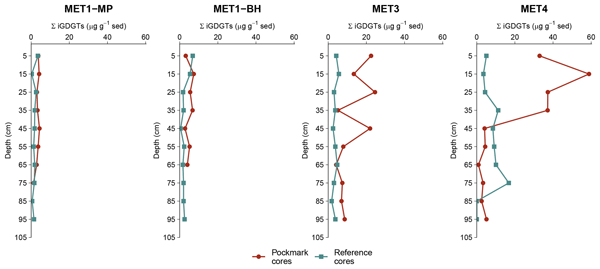
This study examined seafloor gas- and/or water-venting craters (pockmarks) to understand the drivers of the microorganisms inhabiting these environments. By combining lipid biomarkers extracted from seabed sediments with genetic analyses, the study found that the microbial community is shaped mainly by nitrogen availability, methane seepage, and porewater freshening. Pockmarks may therefore modulate coastal nutrient cycling and greenhouse gas dynamics, a finding relevant to ecosystem monitoring.
Izabela De Mey-Śnieżyńska, Mirosław Słowakiewicz, Francien Peterse, Aleksandra Brodecka-Goluch, Andrzej Borkowski, and Katarzyna Łukawska-Matuszewska
Biogeosciences, 23, 4485–4514, https://doi.org/10.5194/bg-23-4485-2026, https://doi.org/10.5194/bg-23-4485-2026, 2026
Short summary
Short summary
This study examined seafloor gas- and/or water-venting craters (pockmarks) to understand the drivers of the microorganisms inhabiting these environments. By combining lipid biomarkers extracted from seabed sediments with genetic analyses, the study found that the microbial community is shaped mainly by nitrogen availability, methane seepage, and porewater freshening. Pockmarks may therefore modulate coastal nutrient cycling and greenhouse gas dynamics, a finding relevant to ecosystem monitoring.
Paweł Działak, Marcin D. Syczewski, Kamil Kornaus, Mirosław Słowakiewicz, Łukasz Zych, and Andrzej Borkowski
Biogeosciences, 19, 4533–4550, https://doi.org/10.5194/bg-19-4533-2022, https://doi.org/10.5194/bg-19-4533-2022, 2022
Short summary
Short summary
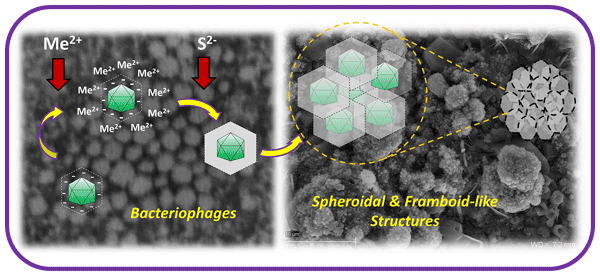
Bacteriophages comprise one of the factors that may influence mineralization processes. The number of bacteriophages in the environment usually exceeds the number of bacteria by an order of magnitude. One of the more interesting processes is the formation of framboidal pyrite, and it is not entirely clear what processes determine its formation. Our studies indicate that some bacterial viruses may influence the formation of framboid-like or spherical structures.
Cited articles
Akam, S. A., Coffin, R. B., Abdulla, H. A. N., and Lyons, T. W.: Dissolved Inorganic Carbon Pump in Methane-Charged Shallow Marine Sediments: State of the Art and New Model Perspectives, Front. Mar. Sci., 7, 206, https://doi.org/10.3389/fmars.2020.00206, 2020.
Albert, D. B., Martens, C. S., and Alperin, M. J.: Biogeochemical Processes Controlling Methane in Gassy Coastal Sediments – Part 2: Groundwater Flow Control of Acoustic Turbidity in Eckernförde Bay Sediments, Cont. Shelf Res., 18, 1771–1793, https://doi.org/10.1016/S0278-4343(98)00057-0, 1998.
Alves, J. F., Edwards, H. G. M., Korsakov, A., and Cappa de Oliveira, L. F. C.: Revisiting the Raman Spectra of Carbonate Minerals, Minerals, 13, 1358, https://doi.org/10.3390/min13111358, 2023.
Baker, P. A. and Burns, S. J.: Occurrence and Formation of Dolomite in Organic-Rich continental Margin Sediments, AAPG Bull., 69, 1917–1930, https://doi.org/10.1306/94885570-1704-11d7-8645000102c1865d, 1985.
Bauer, J. E., Cai, W.-J., Raymond, P. A., Bianchi, T. S., Hopkins, C. S., and Regnier, P. A. G.: The changing carbon cycle of the coastal ocean, Nature, 504, 61–70, https://doi.org/10.1038/nature12857, 2013.
Batther, H. K., Templeton, A. S., Hoehler, T., Howells, A., Bill, M., Gropp, J., and Kopf, S.: The stable carbon isotope fractionation of methanogenesis products at complete carbon consumption, Geochem. Perspect. Lett., 37, 35–39, https://doi.org/10.7185/geochemlet.2543, 2025.
Beal, E. J., House, C. H., and Orphan V. J.: Manganese- and Iron-Dependent Marine Methane oxidation, Science, 325, 184–187, https://doi.org/10.1126/science.1169984, 2009.
Berner, R. A.: Burial of organic carbon and pyrite sulfur in the modern ocean: its geo-chemical and environmental significance, Am. J. Sci., 282, 451–473, https://doi.org/10.2475/ajs.282.4.451, 1982.
Berner, R. A. and Raiswell, R.: C
Berner, R. A., Baldwin, T., and Holdren, G. R.: Authigenic iron sulfides as paleosalinity indicators, J. Sediment Res., 49, 1345–1350, https://doi.org/10.1306/212F7923-2B24-11D7-8648000102C1865D, 1979.
Beulig, F., Røy, H., McGlynn, S. E., and Jørgensen, B. B.: Cryptic CH4 cycling in the sulfate–methane transition of marine sediments apparently mediated by ANME-1 archaea, ISME J., 13, 250–262, https://doi.org/10.1038/s41396-018-0273-z, 2019.
Boesen, C. and Postma, D.: Pyrite formation in anoxic environments of the Baltic, Am. J. Sci., 288, 575–603, https://doi.org/10.2475/ajs.288.6.575, 1988.
Boetius, A., Ravenschlag, K., Schubert, C. J., Rickert, D., Widdel, F., Gieseke, A., Amann, R., Jørgensen, B. B., Witte, U., and Pfannkuche, O.: A marine microbial consortium apparently mediating anaerobic oxidation of methane, Nature, 407, 623–626, https://doi.org/10.1038/35036572, 2000.
Bowles, M. W., Samarkin, V. A., Hunter, K. S., Finke, N., Teske, A. P., Girguis, P. R., and Joye, S. B.: Remarkable capacity for anaerobic oxidation of methane at high methane concentration, Geophys. Res. Lett., 46, https://doi.org/10.1029/2019GL084375, 2019.
Brodecka, A., Majewski, P., Bolałek, J., and Klusek, Z.: Geochemical and acoustic evidence for the occurrence of methane in sediments of the Polish sector of the southern Baltic Sea, Oceanologia, 55, 951–978, https://doi.org/10.5697/oc.55-4.951, 2013.
Brodecka-Goluch, A., Łukawska-Matuszewska, K., Kotarba, M. J., Borkowski, A., Idczak, J., and Bolałek, J.: Biogeochemistry of three different shallow gas systems in continental shelf sediments of the South-Eastern Baltic Sea (Gulf of Gdańsk): carbon cycling, origin of methane and microbial community composition, Chem. Geol., 597, 120799, https://doi.org/10.1016/j.chemgeo.2022.120799, 2022.
Budrige, D. J.: Estuarine and coastal sediments – coupled biogeochemical cycling, Treatise Estuar. Coast. Sci., 5, 279–316, https://doi.org/10.1016/B978-0-12-374711-2.00511-8, 2011.
Byrne, J. M. and Kappler, A.: Mössbauer spectroscopy, in: Analytical Geomicrobiology. A Handbook of Instrumental Techniques, edited by: Kenney, J. P. L., Veeraramani, H., and Alessi, D. S., Cambridge University Press, 314–337, https://doi.org/10.1017/9781107707399.013, 2019.
Cai, W.-J.: Estuarine and Coastal Ocean Carbon Paradox: CO2 sinks and sites of terrestrial carbon incineration?, Annu. Rev. Mar. Sci., 3, 123–145, https://doi.org/10.1146/annurev-marine-120709-142723, 2011.
Campeau, A., Wallin, M. B., Giesler, R., Löfgren, S., Mörth, C.-M., Schiff, S., Vekiteswaran, J. J., and Bishop, K.: Multiple sources and sinks of dissolved inorganic carbon across Swedish streams, refocusing the lens of stable C isotopes, Sci. Rep., 7, 9158, https://doi.org/10.1038/s41598-017-09049-9, 2017.
Canfield, D. E.: Sulfate Reduction in Deep-Sea Sediments, Am. J. Sci., 291, 177–188, https://doi.org/10.2475/ajs.291.2.177, 1991.
Canfield, D. E., Raiswell, R., and Bottrell, S. H.: The reactivity of sedimentary iron minerals toward sulfide, Am. J. Sci., 292, 659–683, https://doi.org/10.2475/ajs.292.9.659, 1992.
Carneiro, M. L., Zucchi, M., Bomfim de Jesus, T., Junior, J., and Hadlich, G.: δ13C, δ15N and TOC
Carstensen, J., Andersen, J. H., Gustafsson, B. G., and Conley, D. J.: Deoxygenation of the Baltic Sea during the last century, Proc. Natl. Acad. Sci. USA, 111, 5628–5633, https://doi.org/10.1073/pnas.1323156111, 2014.
Chanton, J., Martens, C., and Goldhaber, M.: Biogeochemical cycling in an organic-rich coastal marine basin. 7. Sulfur mass balance, oxygen uptake and sulfide retention, Geochim. Cosmochim. Acta, 51, 1187–1199, 1987.
Chatterjee, S., Dickens, G. R., Bhatnagar, G., Chapman, W. G., Dugan, B., Snyder, G. T., and Hirasaki, G. J.: Pore water sulfate, alkalinity, and carbon isotope profiles in shallow sediment above marine gas hydrate systems: a numerical modeling perspective, J. Geophys. Res.-Sol. Ea., 116, https://doi.org/10.1029/2011JB008290, 2011.
Chen, C.-T. A.: Shelf-vs. dissolution-generated alkalinity above the chemical lysocline, Deep-Sea Res.-Pt. II, 49, 5365–5375, https://doi.org/10.1016/S0967-0645(02)00196-0, 2002.
Chen, Y., Xu, S., Liu, W., Zhang, Z., Yang, T., Xiao, X., Deng, X., Li, J., Yao, H., and Wu, Z.: Assessing biogeochemical controls on porewater dissolved inorganic carbon cycling in the gas hydrate-bearing sediments of the Makran accretionary wedge, Northeastern Arabian Sea off Pakistan, Front. Mar. Sci., 10, 1181921, https://doi.org/10.3389/fmars.2023.1181921, 2024.
Cline, J. D.: Spectrophotometric determination of hydrogen sulfide in natural waters, Limnol. Oceanogr., 14, 454–458, https://doi.org/10.4319/lo.1969.14.3.0454, 1969.
Coplen, T. B.: Guidelines and recommended terms for expression of stable-isotope-ratio and gas-ratio measurement results, Rapid Commun. Mass Spectrom., 25, 2538–2560, https://doi.org/10.1002/rcm.5129, 2011.
De Grave, E., Vanderbruwaene, J., and Van Bockstael, M.: 57Fe Mössbauer spectroscopic analysis of chlorite, Phys. Chem. Miner., 15, 173–180, https://doi.org/10.1007/BF00308781, 1987.
D'Hondt, S., Jørgensen, B. B., Miller, D. J., Batzke, A., Blake, R., Cragg, B. A., Cypionka, H., Dickens, G. R., Ferdelman, T., Hinrichs, K. U., Holm, N. G., Mitterer, R., Spivack, A., Wang, G., Bekins, B., Engelen, B., Ford, K., Gettemy, G., Rutherford, S. D., Sass, H., and Skilbeck, C. G.: Distributions of microbial activities in deep subseafloor sediments, Science, 306, 2216–2221, https://doi.org/10.1126/science.1101155, 2004.
Dickens, A. F., Baldock, J. A., Smernik, R. J., Wakeham, S. G., Arnarson, T. S., Gélinas, Y., and Hedges, J. I.: Solid-state 13C NMR analysis of size and density fractions of marine sediments: Insight into organic carbon sources and preservation mechanisms, Geochim. Cosmochim. Acta, 70, 666–686, https://doi.org/10.1016/j.gca.2005.10.024, 2006.
Dickson, A. G., Sabine, C. L., and Christian, J. R. (Eds.): Guide to Best Practices for Ocean CO2 Measurements, PICES Special Publication 3, 191 pp., ISBN 1-897176-07-4, 2007.
Dyar, M. D., Agresti, D. G., Schaefer, M. W., Grant, C. A., and Sklute, E. C.: Mössbauer spectroscopy of Earth and planetary materials, Annu. Rev. Earth Planet. Sci., 34, 83–125, https://doi.org/10.1146/annurev.earth.34.031405.125049, 2006.
Egger, M., Rasigraf, O., Sapart, C. J., Jilbert, T., Jetten, M. S., Röckmann, T., van der Veen, C., Bândă, N., Kartal, B., Ettwig, K. F., and Slomp, C. P.: Iron-mediated anaerobic oxidation of methane in brackish coastal sediments, Environ. Sci. Technol., 49, 277–83, https://doi.org/10.1021/es503663z, 2015.
Egger, M., Riedinger, N., Mogollón, J. M., and Jørgensen, B. B.: Global diffusive fluxes of methane in marine sediments, Nat. Geosci., 11, 421–425, https://doi.org/10.1038/s41561-018-0122-8, 2018.
Ehlert von Ahn, C. M., Dellwig, O., Szymczycha, B., Kotwicki, L., Rooze, J., Endler, R., Escher, P., Schmiedinger, I., Sültenfuß, J., Diak, M., Gehre, M., Struck, U., Vogler, S., and Böttcher, M. E.: Submarine groundwater discharge into a semi-enclosed coastal bay of the southern Baltic Sea: A multi-method approach, Oceanologia, 66, 111–138, https://doi.org/10.1016/j.oceano.2024.01.001, 2024.
Emerson, S. and Hedges, J.: Chemical oceanography and the Marine Carbon Cycle, Cambridge University Press; 1st edn., 470 pp., ISBN 978-0-521-83313-4, 2008.
Falkowska, L. and Piekarek-Jankowska, H.: Submarine seepage of fresh groundwater: disturbance in hydrological and chemical structure of the water column in the Gdańsk Basin, J. Mar. Sci., 56, 153–160, https://doi.org/10.1006/JMSC.1999.0616, 1999.
Fennel, K. and Testa, J. M.: Biogeochemical controls on coastal hypoxia, Annu. Rev. Mar. Sci., 11, 105–130, https://doi.org/10.1146/annurev-marine-010318-095138, 2019.
Froelich, P., Klinkhammer, G., Bender, M., Luedtke, N., Heath, G. R., Cullen, D., Dauphin, P., Hammond, D., Hartman, B., and Maynard, V.: Early oxidation of organic matter in pelagic sediments of the eastern equatorial Atlantic: suboxic diagenesis, Geochim. Cosmochim. Acta, 43, 1075–1090, https://doi.org/10.1016/0016-7037(79)90095-4, 1979.
Glud, R. N.: Oxygen dynamics of marine sediments, Mar. Biol. Res., 4, 243–289, https://doi.org/10.1080/17451000801888726, 2008.
Graca, B., Witek, Z., Burska, D., Białkowska, I., Łukawska-Matuszewska, K., and Bolałek, J.: Pore water phosphate and ammonia below the permanent halocline in the south-eastern Baltic Sea and their benthic fluxes under anoxic conditions, J. Marine Syst., 63, 141–154, https://doi.org/10.1016/j.jmarsys.2006.06.003, 2006.
Grasshoff, K., Kremling, K., and Ehrhardt, M.: Methods of Seawater Analysis, 3rd edn., Wiley-VCH, Weinheim, ISBN 9783527295890, 1999.
Gregg, J. M., Bish, D. L., Kaczmarek, S. E., and Machel, H. G.: Mineralogy, nucleation and growth of dolomite in the laboratory and sedimentary environment: A review, Sedimentology, 62, 1749–1769, https://doi.org/10.1111/sed.12202, 2015.
Gustafsson, E., Hagens, M., Sun, X., Reed, D. C., Humborg, C., Slomp, C. P., and Gustafsson, B. G.: Sedimentary alkalinity generation and long-term alkalinity development in the Baltic Sea, Biogeosciences, 16, 437–456, https://doi.org/10.5194/bg-16-437-2019, 2019.
Håkanson, L. and Jansson, M.: Principles of Lake Sedimentology, Springer-Verlag Berlin Heidelberg, 316 pp., ISBN 0387126457, 1983.
Hammer, K., Schneider, B., Kuliński, K., and Schulz-Bull, D. E.: Precision and accuracy of spectrophotometric pH measurements at environmental conditions in the Baltic Sea, Estuarine, Coastal and Shelf Science, 146, 24–32, https://doi.org/10.1016/j.ecss.2014.05.003, 2014.
Han, L.-F., Plummer, L. N., and Aggarwal, P.: The curved 14C vs δ13C relationship in dissolved inorganic carbon: A useful tool for groundwater age- and geochemical interpretations, Chem. Geol., 387, 111–125, https://doi.org/10.1016/j.chemgeo.2014.08.026, 2014.
Hedges, I. and Stern, J.: Carbon and nitrogen determinations of carbonate containing solids, Limnol. Oceanogr., 29, 657–663, 1984.
Hedges, J. I. and Keil, R. G.: Sedimentary organic-matter preservation – an assessment and speculative synthesis, Mar. Chem., 49, 81–115, 1995.
Hedges, J. I., Keil, R. G., and Benner, R.: What happens to terrestrial organic matter in the ocean?, Org. Geochem., 27, 195–212, https://doi.org/10.1016/S0146-6380(97)00066-1, 1997.
Hu, X., Cai, W.-J., Wang, Y., Luo, S., and Guo, X.: Pore-water geochemistry of two contrasting brine-charged seep sites in the northern Gulf of Mexico continental slope, Mar. Chem., 118, 99–107, https://doi.org/10.1016/j.marchem.2009.11.006, 2010.
in 't Zandt, M. H., de Jong, A. E. E., Slomp, C. P., and Jetten, M. S. M.: The hunt for the most-wanted chemolithoautotrophic spookmicrobes, FEMS Microbiol. Ecol., 94, fiy064, https://doi.org/10.1093/femsec/fiy064, 2018.
Iversen, N. and Jørgensen, B. B.: Anaerobic methane oxidation rates at the sulfate‐methane transition in marine sediments from Kattegat and Skagerrak (Denmark), Limnol. Oceanogr., 30, 944–955, https://doi.org/10.4319/lo.1985.30.5.0944, 1985.
Jilbert, T., Cowie, G., Lintumäki, L., Jokinen, S., Asmala, E., Sun, X., Mörth, C.-M., Norkko, A., and Humborg, C.: Anthropogenic Inputs of Terrestrial Organic Matter Influence Carbon Loading and Methanogenesis in Coastal Baltic Sea Sediments, Front. Earth Sci., 9, 716416, https://doi.org/10.3389/feart.2021.716416, 2021.
Jørgensen, B. B., Bang, M., and Blackburn, T. H.: Anaerobic mineralization in marine-sediments from the Baltic-Sea-North-Sea transition, Mar. Ecol. Prog. Ser., 59, 39–54, http://www.jstor.org/stable/24842420 (last access: 26 February 2026), 1990.
Jørgensen, N. O.: Methane-derived carbonate cementation of marine sediments from the Kattegat, Denmark: geochemical and geological evidence, Mar. Geol., 103, 1–13, https://doi.org/10.1016/0025-3227(92)90006-4, 1992.
Jørgensen, B. B. and Kasten, S.: Sulfur cycling and methane oxidation, in: Marine geochemistry, edited by: Schulz, H. D., Zabel, M., Berlin, Heidelberg, Springer, ISBN 3-540-32143-8, 2006.
Jørgensen, B. B., Weber, A., and Zopfi, J.: Sulfate reduction and anaerobic oxidation in Black Sea sediments, Deep-Sea Res.-Pt.I, 48, 2097–2120, https://doi.org/10.1016/S0967-0637(01)00007-3, 2001.
Jönsson, A., Danielsson, Å., and Rahm, L.: Bottom type distribution based on wave friction velocity in the Baltic Sea, Cont. Shelf Res., 25, 419–435, https://doi.org/10.1016/j.csr.2004.09.011, 2005.
Ketzer, M., Stranne, C., Rahmati-Abkenar, M., Shahabi-Ghahfarokhi, S., Jaeger, L., Pivel, M. A. G., Josefsson, S., and Zillén, L.: Near seafloor methane flux in the world's largest human-induced dead zone is regulated by sediment accumulation rate, Mar. Geol., 468, 107220, https://doi.org/10.1016/j.margeo.2024.107220, 2024.
Kowalski, W., Mazurek, Z., and Mazurek, A.: Geochemiczno mineralogiczna charakterystyka marmurów dolomitycznych ze zło
Kozerski, B., Macioszczyk, A., Pazdro, Z., and Sadurski, A.: Fluoride in groundwater of the Gdańsk region, Ann. Soc. Geol. Pol., 57, 349–374, 1987 (in Polish).
Krumins, V., Gehlen, M., Arndt, S., Van Cappellen, P., and Regnier, P.: Dissolved inorganic carbon and alkalinity fluxes from coastal marine sediments: model estimates for different shelf environments and sensitivity to global change, Biogeosciences, 10, 371–398, https://doi.org/10.5194/bg-10-371-2013, 2013.
Lapham, L. L., Lloyd, K. G., Fossing, H., Flury, S., Jensen, J. B., Alperin, M. J., Rehder, G., Holzhueter, W., Ferdelman, T., and Jørgensen, B. B.: Methane leakage through the sulfate–methane transition zone of the Baltic seabed, Nat. Geosci., 17, 1277–1283, https://doi.org/10.1038/s41561-024-01594-z, 2024.
Liu, D., Fan, Q., Papineau, D., Yu, N., Chu, Y., Wang, H., Qiu, X., and Wang, X.: Precipitation of protodolomite facilitated by sulfate-reducing bacteria: The role of capsule extracellular polymeric substances, Chem. Geol., 533, 119415, https://doi.org/10.1016/j.chemgeo.2019.119415, 2020.
Liu, K. K., Atkinson, L., Quinones, R., and Talaue-McManus, L.: Carbon and Nutrient Fluxes in Continental Margins: A Global Synthesis, Springer-Verlag, Berlin-Heidelberg, https://doi.org/10.1007/978-3-540-92735-8, 2010.
Łukawska-Matuszewska, K. and Dwornik, M.: Early diagenesis in anoxic sediments of the Gulf of Gdańsk (southern Baltic Sea): Implications for porewater chemistry and benthic flux of carbonate alkalinity, Front. Earth Sci., 13, 1593031, https://doi.org/10.3389/feart.2025.1593031, 2025.
Łukawska-Matuszewska, K. and Kiełczewska, J.: Effects of near-bottom water oxygen concentration on biogeochemical cycling of C, N and S in sediments of the Gulf of Gdansk (southern Baltic), Cont. Shelf Res., 117, 30–42, https://doi.org/10.1016/j.csr.2016.02.001, 2016.
Łukawska-Matuszewska, K., Graca, B., Brocławik, O., and Zalewska, T.: The impact of declining oxygen conditions on pyrite accumulation in shelf sediments (Baltic Sea), Biogeochemistry, 142, 209–230, https://doi.org/10.1007/s10533-018-0530-2, 2019.
Łukawska-Matuszewska, K., Brodecka-Goluch, A., Czachor, A., and Rios-Quintero, R.: Gas bubble release areas as new potential hot spots for water column enrichment with nutrients in eutrophicated sea, Mar. Environ. Res., 205, 106981, https://doi.org/10.1016/j.marenvres.2025.106981, 2025.
Lukoczki, G., Bish, D., and Gregg, J. M.: A best-practices guide to X-ray diffraction studies of sedimentary carbonates, Sed. Geol., 493, 107028, https://doi.org/10.1016/j.sedgeo.2026.107028, 2026.
Majewski, P. and Klusek, Z.: Parameters of echo signals originated from a gas seepage site in the southern Baltic Sea, Hydroacoustics, 17, 143–150, 2014.
Maksymowska, D., Richard, P., Piekarek-Jankowska, H., and Riera, P.: Chemical and isotopic composition of the organic matter sources in the Gulf of Gdansk (Southern Baltic Sea), Estuar. Coast. Shelf Sci., 51, 585–598, https://doi.org/10.1006/ecss.2000.0701, 2000.
Malinverno, A. and Pohlman, J. W.: Modeling sulfate reduction in methane hydrate-bearing continental margin sediments: Does a sulfate-methane transition require anaerobic oxidation of methane?, Geochem. Geophys. Geosyst., 12, https://doi.org/10.1029/2011GC003501, 2011.
Maltby, J., Steinle, L., Löscher, C. R., Bange, H. W., Fischer, M. A., Schmidt, M., and Treude, T.: Microbial methanogenesis in the sulfate-reducing zone of sediments in the Eckernförde Bay, SW Baltic Sea, Biogeosciences, 15, 137–157, https://doi.org/10.5194/bg-15-137-2018, 2018.
Masuzawa, T., Handa, N., Kitagawa, H., and Kusakabe, M.: Sulfate reduction using methane in sediments beneath a bathyal cold seep giant clam community off Hatsushima-Island, Sagami Bay, Japan, Earth Planet. Sci. Lett., 110, 39–50, https://doi.org/10.1016/0012-821X(92)90037-V, 1992.
Matciak, M., Misiewicz, M. M., Szymczycha, B., Idczak, J., Tęgowski, J., and Diak, M.: Pockmarks and associated fresh submarine groundwater discharge in the seafloor of Puck Bay, southern Baltic Sea, Sci. Total Environ., 942, 173617, https://doi.org/10.1016/j.scitotenv.2024.173617, 2024.
Meister, P. and Reyes, C.: The Carbon-Isotope Record of the Sub-Seafloor Biosphere, Geosciences, 9, 507, https://doi.org/10.3390/geosciences9120507, 2019.
Meister, P., Liu, B., Khalili, A., Böttcher, M. E., and Jørgensen, B. B.: Factors controlling the carbon isotope composition of dissolved inorganic carbon and methane in marine porewater: an evaluation by reaction-transport modelling, J. Mar. Syst., 200, 103227, https://doi.org/10.1016/j.jmarsys.2019.103227, 2019.
Meyers, P. A.: Preservation of elemental and isotopic source identification of sedimentary organic matter, Chem. Geol., 114, 289–302, https://doi.org/10.1016/0009-2541(94)90059-0, 1994.
Meyers, P. A.: Organic geochemical proxies of paleoceanographic, paleolimnologic, and paleoclimatic processes, Org. Geochem., 27, 213–250, https://doi.org/10.1016/S0146-6380(97)00049-1, 1997.
Miller, C. M., Dickens, G. R., Jakobsson, M., Johansson, C., Koshurnikov, A., O'Regan, M., Muschitiello, F., Stranne, C., and Mörth, C.-M.: Pore water geochemistry along continental slopes north of the East Siberian Sea: inference of low methane concentrations, Biogeosciences, 14, 2929–2953, https://doi.org/10.5194/bg-14-2929-2017, 2017.
Miltner, A. and Emeis, K.-C.: Terrestrial organic matter in surface sediments of the Baltic Sea, Northwest Europe, as determined by CuO oxidation, Geochim. Cosmochim. Acta, 65, 1285–1299, https://doi.org/10.1016/S0016-7037(00)00603-7, 2001.
Moore, D. M. and Reynolds Jr., R. C.: X-Ray Diffraction and the Identification and Analysis of Clay Minerals, 2nd Edn., Oxford University Press, Oxford, 379 pp., ISBN 0 19 508713 5, 1997.
Moore, W. S.: The Effect of Submarine Groundwater Discharge on the Ocean, Annu. Rev. Mar. Sci., 2, 59–88, https://doi.org/10.1146/annurev-marine-120308-081019, 2010.
Mucci, A., Sundby, B., Gehlen, M., Arakaki, T., Zhong, S., and Silverberg, N.: The fate of carbon in continental shelf sediments of eastern Canada: a case study, Deep-Sea Res.-Pt. II, 47, 733–760, https://doi.org/10.1016/S0967-0645(99)00124-1, 2000.
Myllykangas, J. P., Hietanen, S., and Jilbert, T.: Legacy Effects of Eutrophication on Modern Methane Dynamics in a Boreal Estuary, Estuar. Coast., 43, 189–206, https://doi.org/10.1007/s12237-019-00677-0, 2020.
Nöthen, K. and Kasten, S.: Reconstructing changes in seep activity by means of pore water and solid phase Sr
Paerl, H. W., Hall, N. S., Peierls, B. L., and Rossignol, K. L.: Evolving paradigms and challenges in estuarine and coastal eutrophication dynamics in a culturally and climatically stressed world, Estuar. Coast., 37, 243–258, http://www.jstor.org/stable/44851148 (last access: 1 December 2025), 2014.
Parkhurst, D. L. and Appelo, C. A. J.: Description of Input and Examples for PHREEQC Version 3 – A Computer Program for Speciation, Batch-Reaction, One-Dimensional Transport, and Inverse Geochemical Calculations, US Geological Survey Techniques and Methods, Book 6, Chapter A43, 497 pp., http://pubs.usgs.gov/tm/06/a43 (last access: 10 May 2026), 2013.
Piekarek-Jankowska, H., Matciak, M., and Nowacki, J.: Salinity variations as an effect of groundwater seepage through the seabed (Puck Bay, Poland), Oceanologia, 36, 33–46, 1994.
Piker, L., Schmaljohann, R., and Imhoff, J. F.: Dissimilatory sulfate reduction and methane production in Gotland Deep sediments (Baltic Sea) during a transition period from oxic to anoxic bottom water (1993–1996), Aquat. Microb. Ecol., 14, 183–193, https://doi.org/10.3354/ame014183, 1998.
Pimenov, N. V., Ul'yanova, M. O., Kanapatskii, T. A., Sivkov, V. V., and Ivanov, M. V.: Microbiological and biogeochemical processes in a pockmark of the Gdansk depression, Baltic Sea, Microbiology, 77, 579–586, https://doi.org/10.1134/S0026261708050111, 2008.
Pimenov, N. V., Ulyanova, M. O., Kanapatsky, T. A., Veslopolova, E. F., Sigalevich, P. A., and Sivkov, V. V.: Microbially mediated methane and sulfur cycling in pockmark sediments of the Gdansk Basin, Baltic Sea, Geo. Mar.-Lett., 30, 439–448, https://doi.org/10.1007/s00367-010-0200-4, 2010.
Pimenov, N. V., Ul'yanova, M. O., Kanapatskii, T. A., Mitskevich, I. N., Rusanov, I. I., Sigalevich, P. A., Nemirovskaya, I. A., and Sivkov, V. V.: Sulfate reduction, methanogenesis, and methane oxidation in the upper sediments of the Vistula and Curonian Lagoons, Baltic Sea, Microbiology, 82, 224–233, https://doi.org/10.1134/S0026261713020136, 2013.
Rabalais, N. N., Díaz, R. J., Levin, L. A., Turner, R. E., Gilbert, D., and Zhang, J.: Dynamics and distribution of natural and human-caused hypoxia, Biogeosciences, 7, 585–619, https://doi.org/10.5194/bg-7-585-2010, 2010.
Raiswell, R. and Berner, R. A.: Pyrite formation in euxinic and semi-euxinic sediments, Am. J. Sci., 285, 710–724, https://doi.org/10.2475/ajs.285.8.710, 1985.
Rassmann, J., Lansard, B., Pozzato, L., and Rabouille, C.: Carbonate chemistry in sediment porewaters of the Rhône River delta driven by early diagenesis (northwestern Mediterranean), Biogeosciences, 13, 5379–5394, https://doi.org/10.5194/bg-13-5379-2016, 2016.
Reeburgh, W. S.: Oceanic methane biogeochemistry, Chem. Rev., 107, 486–513, https://doi.org/10.1021/cr050362v, 2007.
Rothwell, K. A., ThomasArrigo, L. K., Kaegi, R., and Kretzschmar, R.: Low molecular weight organic acids stabilise siderite against oxidation and influence the composition of iron (oxyhydr)oxide oxidation products, Environ. Sci.-Proc. Imp., 27, 133–145, https://doi.org/10.1039/D4EM00363B, 2025.
Sadurski, A.: Warunki hydrochemiczne utworów kredowych w rejonie Gdańska, Geol. Q., 29, 405–418, 1985 (in Polish).
Sawicka, J. E. and Brüchert, V.: Annual variability and regulation of methane and sulfate fluxes in Baltic Sea estuarine sediments, Biogeosciences, 14, 325–339, https://doi.org/10.5194/bg-14-325-2017, 2017.
Schlünz, B. and Schneider, R. R.: Transport of Terrestrial Organic Carbon to the Oceans by Rivers: Re-estimating Flux- and Burial Rates, Int. J. Earth Sci., 88, 599–606, https://doi.org/10.1007/s005310050290, 2000.
Soetaert, K., Herman, P. M. J., and Middelburg, J. J.: A model of early diagenetic processes from the shelf to abyssal depths, Geochim. Cosmochim. Acta, 60, 1019–1040, https://doi.org/10.1016/0016-7037(96)00013-0, 1996.
Struck, U., Emeis, K., Voss, M., Christiansen, C., and Kunzendorf, H.: Records of southern and central Baltic Sea eutrophication in δ13C and δ15N of sedimentary organic matter, Mar. Geol., 164, 157–171, 2000.
Sturm, A., Fowle, D. A., Jones, C. A, Leslie, K., Nomosatryo, S., Henny, C., Canfield, D. E., and Crowe, S. A.: Rates and pathways of CH4 oxidation in ferruginous Lake Matano, Indonesia, Geobiology, 17, 294–307, https://doi.org/10.1111/gbi.12325, 2019.
Sun, J., Wu, Z., Cheng, H., Zhang, Z., and Frost, R. L.: A Raman spectroscopic comparison of calcite and dolomite, Spectrochim. Acta A, 117, 158–162, https://doi.org/10.1016/j.saa.2013.08.014, 2014.
Szymczycha, B., Vogler, S., and Pempkowiak, J.: Nutrient fluxes via submarine groundwater discharge to the Bay of Puck, southern Baltic Sea, Sci. Total Environ., 438, 86–93, https://doi.org/10.1016/j.scitotenv.2012.08.058, 2012.
Szymczycha, B., Miotk, M., and Pempkowiak, J.: Submarine groundwater discharge as a source of mercury in the Bay of Puck, the Southern Baltic Sea, Water Air Soil Poll., 224, https://doi.org/10.1007/s11270-013-1542-0, 2013.
Thamdrup, B. and Canfield, D. E.: Pathways of carbon oxidation in continental margin sediments off central Chile, Limnol. Oceanogr., 41, 1629–1650, https://doi.org/10.4319/lo.1996.41.8.1629, 1996.
Thang, N. M., Brüchert, V., Formolo, M., Wegener, G., Ginters, L., and Jørgensen, B. B.: The Impact of Sediment and Carbon Fluxes on the Biogeochemistry of Methane and Sulfur in Littoral Baltic Sea Sediments (Himmerfjärden, Sweden), Estuar. Coast., 36, 98–115, https://doi.org/10.1007/s12237-012-9557-0, 2013.
Thomas, H., Schiettecatte, L.-S., Suykens, K., Koné, Y. J. M., Shadwick, E. H., Prowe, A. E. F., Bozec, Y., de Baar, H. J. W., and Borges, A. V.: Enhanced ocean carbon storage from anaerobic alkalinity generation in coastal sediments, Biogeosciences, 6, 267–274, https://doi.org/10.5194/bg-6-267-2009, 2009.
Thomsen, T. R., Finster, K., and Ramsing, N. B.: Biogeochemical and molecular signatures of anaerobic methane oxidation in marine sediment, Appl. Environ. Microbiol., 67, 1646–1656, https://doi.org/10.1128/AEM.67.4.1646-1656.2001, 2001.
Treude, T., Krüger, M., Boetius, A., and Jørgensen, B. B.: Environmental control on anaerobic oxidation of methane in the gassy sediments of Eckernförde Bay (German Baltic), Limnol. Oceanogr., 50, 1771–1786, https://doi.org/10.4319/lo.2005.50.6.1771, 2005.
Treude, T., Orphan, V., Knittel, K., Gieseke, A., House, C. H., and Boetius, A.: Consumption of Methane and CO2 by Methanotrophic Microbial Mats from Gas Seeps of the Anoxic Black Sea, Appl. Environ. Microb., 73, 2271–2283, https://doi.org/10.1128/AEM.02685-06, 2007.
Tyrrell, T., Schneider, B., Charalampopoulou, A., and Riebesell, U.: Coccolithophores and calcite saturation state in the Baltic and Black Seas, Biogeosciences, 5, 485–494, https://doi.org/10.5194/bg-5-485-2008, 2008.
Wada, E. and Hattori, A.: Nitrogen in the Sea: Forms, Abundances, and Rate Processes, CRC Press, Boca Raton, 208 pp., ISBN 0-8493-6273-3, 1991.
Walter, L. M., Ku, T. C. W., Muehlenbachs, K., Patterson, W. P., and Bonnell, L.: Controls on the δ13C of dissolved inorganic carbon in marine pore waters: An integrated case study of isotope exchange during syndepositional recrystallization of biogenic carbonate sediments (South Florida Platform, USA), Deep Sea Res.-Pt. II, 54, 1163–1200, https://doi.org/10.1016/j.dsr2.2007.04.014, 2007.
Wang, C., Su, J., Song, L., Qiao, P., and Fan, D.: Response of early diagenesis to methane leakage in the inner shelf of the East China Sea, Front. Mar. Sci., 11, 1410241, https://doi.org/10.3389/fmars.2024.1410241, 2024.
Whiticar, M. J.: Carbon and hydrogen isotope systematics of bacterial formation and oxidation of methane, Chem. Geol., 161, 291–314, https://doi.org/10.1016/S0009-2541(99)00092-3, 1999.
Wollast, R.: Evaluation and comparison of the global carbon cycle in the coastal zone and in the open ocean, in: The Sea, edited by: Brink, K. H., Robinson, A. R., John Wiley, New York, 213–252, ISBN 0-471-11544-4, 1998.
Xu, C., Wu, N., Sun, Z., Zhang, X., Geng, W., Cao, H., Wang, L., Zhang, X., and Xu, G.: Methane seepage inferred from pore water geochemistry in shallow sediments in the western slope of the Mid-Okinawa Trough, Mar. Pet. Geol., 98, 306–315, https://doi.org/10.1016/j.marpetgeo.2018.08.021, 2018.
Yadav, V. B., Pulhani, V. A., and Kumar, A. V.: Study of sedimentary organic carbon using δC, δN and TOC
Zha, R., Yang, T., Shi, X., Su, P., and Fang, Y.: Quantitative assessment of dissolved inorganic carbon cycling in marine sediments from gas hydrate-bearing areas in the South China Sea, Mar. Petrol. Geol., 145, 105881, https://doi.org/10.1016/j.marpetgeo.2022.105881, 2022.
Zheng, W., Liu, D., Yang, S., Fan, Q., Papineau, D., Wang, H., Qiu, X., Chang, B., and She, Z.: Transformation of protodolomite to dolomite proceeds under dry-heating conditions, Earth Planet. Sci. Lett., 576, 117249, https://doi.org/10.1016/j.epsl.2021.117249, 2021.
Short summary
Sedimentary processes play a crucial role in regulating the marine carbon cycle. This includes the critical roles of methanogenesis and anaerobic methane oxidation, especially when combined with freshening of pore water, which enhances the generation of dissolved inorganic carbon and promotes carbonate precipitation in sediments; additionally, methane-bearing sediments are a more significant source of dissolved inorganic carbon to overlying water than those lacking significant methanogenesis.
Sedimentary processes play a crucial role in regulating the marine carbon cycle. This includes...


Altmetrics
Final-revised paper
Preprint