
Articles | Volume 23, issue 2
https://doi.org/10.5194/bg-23-531-2026
© Author(s) 2026. This work is distributed under
the Creative Commons Attribution 4.0 License.
the Creative Commons Attribution 4.0 License.
https://doi.org/10.5194/bg-23-531-2026
© Author(s) 2026. This work is distributed under
the Creative Commons Attribution 4.0 License.
the Creative Commons Attribution 4.0 License.
Research article
| 
20 Jan 2026
Research article |
| 20 Jan 2026
| 20 Jan 2026
The contributions of various calcifying plankton to the South Atlantic calcium carbonate stock
Anne L. Kruijt
CORRESPONDING AUTHOR

Department of Earth Sciences, Faculty of Geosciences, Utrecht University, Utrecht, the Netherlands
Robin van Dijk
Marine Evolution and Ecology, Naturalis Biodiversity Center, Leiden, the Netherlands
now at: Institute of Marine and Antarctic Studies, University of Tasmania, Hobart, TAS, Australia
Olivier Sulpis
Aix-Marseille Université, CNRS, IRD, INRAE, CEREGE, Aix-en-Provence, France
Luc Beaufort
Aix-Marseille Université, CNRS, IRD, INRAE, CEREGE, Aix-en-Provence, France
Guillaume Lassus
Aix-Marseille Université, CNRS, IRD, INRAE, CEREGE, Aix-en-Provence, France
Geert-Jan Brummer
Department of Ocean Systems, NIOZ Royal Netherlands Institute for Sea Research, PO Box 59, 1790 AB Den Burg (Texel), the Netherlands
A. Daniëlle van der Burg
Marine Evolution and Ecology, Naturalis Biodiversity Center, Leiden, the Netherlands
now at: Department of Environmental Biology, Institute of Environmental Sciences, Leiden University, Leiden, the Netherlands
Ben A. Cala
Department of Earth Sciences, Faculty of Geosciences, Utrecht University, Utrecht, the Netherlands
Department of Ocean Systems, NIOZ Royal Netherlands Institute for Sea Research, PO Box 59, 1790 AB Den Burg (Texel), the Netherlands
Yasmina Ourradi
Department of Ocean Systems, NIOZ Royal Netherlands Institute for Sea Research, PO Box 59, 1790 AB Den Burg (Texel), the Netherlands
Katja T. C. A. Peijnenburg
Marine Evolution and Ecology, Naturalis Biodiversity Center, Leiden, the Netherlands
Freshwater and Marine Ecology, Institute for Biodiversity and Ecosystem Dynamics (IBED), University of Amsterdam, Amsterdam, the Netherlands
Matthew P. Humphreys
Department of Ocean Systems, NIOZ Royal Netherlands Institute for Sea Research, PO Box 59, 1790 AB Den Burg (Texel), the Netherlands
Sonia Chaabane
Aix-Marseille Université, CNRS, IRD, INRAE, CEREGE, Aix-en-Provence, France
Appy Sluijs
Department of Earth Sciences, Faculty of Geosciences, Utrecht University, Utrecht, the Netherlands
Jack J. Middelburg
Department of Earth Sciences, Faculty of Geosciences, Utrecht University, Utrecht, the Netherlands
Related authors
No articles found.
Shruti Setty, Henk A. Dijkstra, Lucas J. Lourens, Egbert H. van Nes, Marlow J. Cramwinckel, Ingrid A. van de Leemput, and Appy Sluijs
EGUsphere, https://doi.org/10.5194/egusphere-2026-5433, https://doi.org/10.5194/egusphere-2026-5433, 2026
This preprint is open for discussion and under review for Earth System Dynamics (ESD).
Short summary
Short summary
We studied the dynamic causal relationship in the climate-carbon cycle system in the past 66 million years using machine learning approaches in continuous high-resolution deep ocean climate and carbon cycle proxies. Our study suggests strong causality during warm climate states and insignificant causality in others. Our study also points towards an orbital influence and strengthening positive feedbacks towards both abrupt warming and cooling events hypothesized to be due to tipping points.
Nico Lange, Siv K. Lauvset, Brendan R. Carter, Matthew P. Humphreys, Ryan J. Woosley, Are Olsen, Henry C. Bittig, Alex Kozyr, Marta Álvarez, Kumiko Azetsu-Scott, Susan Becker, Peter J. Brown, Leticia Cotrim da Cunha, Larissa Dias, Mario Hoppema, Masao Ishii, Emil Jeansson, Akihiko Murata, Jens Daniel Müller, Fiz F. Pérez, Carsten Schirnick, Reiner Steinfeldt, Adam Ulfsbo, Anton Velo, and Toste Tanhua
Earth Syst. Sci. Data Discuss., https://doi.org/10.5194/essd-2026-496, https://doi.org/10.5194/essd-2026-496, 2026
Preprint under review for ESSD
Short summary
Short summary
GLODAP is a data product for ocean inorganic carbon and related biogeochemical variables measured by the chemical analysis of water bottle samples from scientific cruises. GLODAPv3 is the third version release of GLODAP. The data that are included have been subjected to extensive quality control, including systematic evaluation of systematic cruise differences. This version contains data from 1181 hydrographic cruises covering the world's oceans from 1972 to 2023.
Luc Beaufort, Denis Dollfus, Yves Gally, Nicolas Barbarin, Martin Tetard, Baptiste Sucheras-Marx, Alexander Nistor, and Mathieu Biaut
EGUsphere, https://doi.org/10.5194/egusphere-2026-3901, https://doi.org/10.5194/egusphere-2026-3901, 2026
Short summary
Short summary
Microscopic marine algae produce much of the calcium carbonate that sinks to the deep ocean and plays an important role in the carbon cycle. We describe how thirty years of advances in automated microscopy and artificial intelligence have improved the analysis of these tiny fossils. Using the same samples studied decades ago, the new approach provides more detailed information, helping scientists better understand changes in marine ecosystems and the carbon cycle through time.
Yannick F. Bats, Appy Sluijs, and Gert-Jan Reichart
EGUsphere, https://doi.org/10.5194/egusphere-2026-3713, https://doi.org/10.5194/egusphere-2026-3713, 2026
Short summary
Short summary
Fossil remains of algae can help us estimate ancient carbon dioxide levels, but current methods are often inaccurate. We built a numeric model of an algal cell to better understand how carbon is processed in these organisms. Our research reveals that light and calcification strongly influence the chemical signals preserved in algae. By including these factors, our model accurately matches results from lab studies, suggesting it can improve reconstructions of Earth’s climate and carbon cycle.
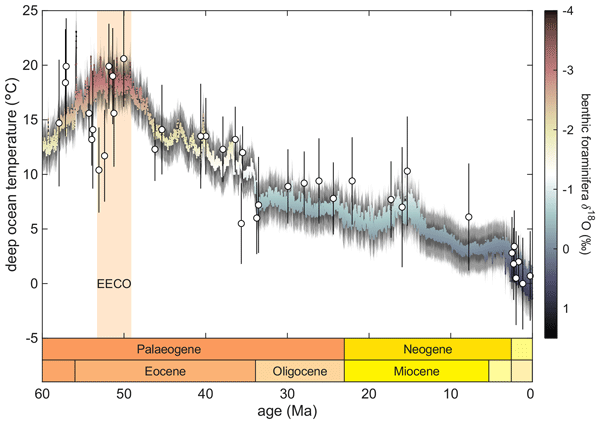
Daniel J. Lunt, Nicky M. Wright, Bram Vaes, Ulrich Salzmann, James W. B. Rae, Thomas Hickler, David K. Hutchinson, Julia Brugger, Jiang Zhu, Sebastian Steinig, A. Nele Meckler, Gordon N. Inglis, David Evans, Agatha M. de Boer, Bette L. Otto-Bliesner, Natalie Burls, Yurui Zhang, Appy Sluijs, Tammo Reichgelt, Igor Niezgodzki, Katrin Meissner, Jean-Baptiste Ladant, Fanni D. Kelemen, Matthew Huber, David R. Greenwood, Mattias Green, Flavia Boscolo-Galazzo, Manuel Tobias Blau, and Michiel Baatsen
Geosci. Model Dev., 19, 6143–6166, https://doi.org/10.5194/gmd-19-6143-2026, https://doi.org/10.5194/gmd-19-6143-2026, 2026
Short summary
Short summary
The early Eocene, about 50 million years ago, was a super-warm period of Earth's history, with high concentrations of carbon dioxide in the atmosphere. Here, we provide a framework and experimental design for climate modellers to carry out a coordinated project, simulating this period. This is the second phase of this project, and here we provide updated maps of the Earth's mountains and ocean floor, and vegetation, to enable more accurate modelling.
Guillaume Lassus, Luc Beaufort, Martine Couapel, and David Mendels
EGUsphere, https://doi.org/10.5194/egusphere-2026-3055, https://doi.org/10.5194/egusphere-2026-3055, 2026
This preprint is open for discussion and under review for Biogeosciences (BG).
Short summary
Short summary
We combined automated imaging and calcite measurement to assess how coccolithophores species contribute to calcium carbonate production across the South Pacific, from nutrient-poor open ocean waters to productive upwelling regions. Carbonate production was highest in nutrient-rich areas but remained significant in the oligotrophic gyre, where deeper communities played an important role. The study shows that different species contribute very differently to ocean carbonate cycling.
Matthew P. Humphreys, Siv K. Lauvset, Nico Lange, Henry C. Bittig, Brendan R. Carter, Mario Hoppema, Akihiko Murata, Are Olsen, Toste Tanhua, Adam Ulfsbo, Antón Velo, Ryan J. Woosley, Kumiko Azetsu-Scott, Jens D. Müller, and Fiz F. Pérez
EGUsphere, https://doi.org/10.5194/egusphere-2026-3063, https://doi.org/10.5194/egusphere-2026-3063, 2026
Short summary
Short summary
The Global Ocean Data Analysis Project (GLODAP) collects oceanographic datasets from research cruises that are needed to study the marine carbon cycle. The datasets are quality controlled and adjusted where necessary to ensure consistency between cruises, and published as a global data product. Here, we present a new method for calculating the consistency adjustments called ‘furthest-first inversion’ which has been developed for the newest version of the data product.
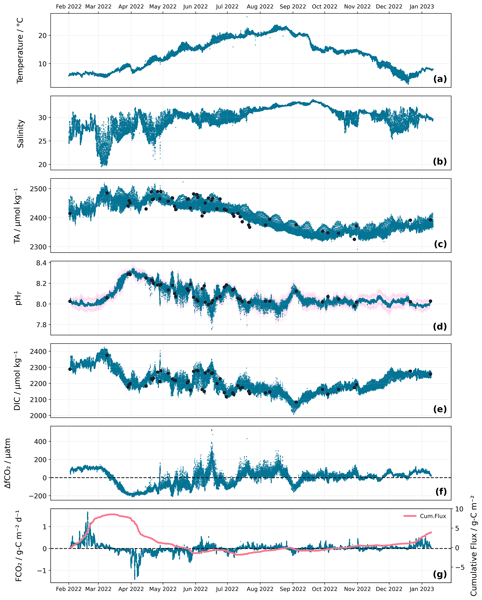
Yasmina Ourradi, Gert-Jan Reichart, Sonja van Leeuwen, and Matthew P. Humphreys
Biogeosciences, 23, 3323–3346, https://doi.org/10.5194/bg-23-3323-2026, https://doi.org/10.5194/bg-23-3323-2026, 2026
Short summary
Short summary
Coastal seas play a key role in the global carbon cycle, yet what drives their carbonate chemistry remains poorly understood. We measured pH at high frequency for a year at the Wadden Sea-North Sea interface. Biological activity drives pH changes, while freshwater inflow shapes total alkalinity. Both processes influence dissolved inorganic carbon. The Wadden Sea acts as a net carbon dioxide source to the atmosphere. High-frequency monitoring is essential under a changing climate.
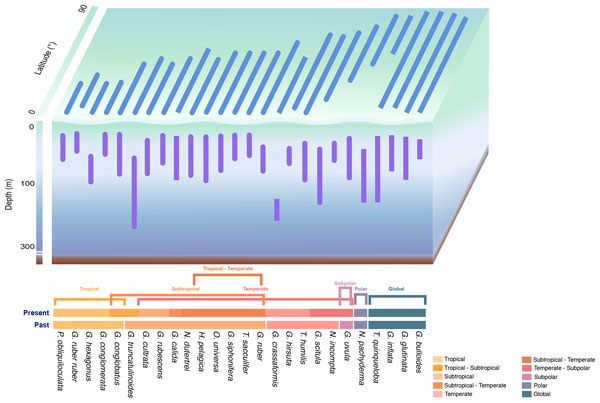
Sonia Chaabane, Ralf Schiebel, Julie Meilland, Geert-Jan A. Brummer, P. Graham Mortyn, Olivier Sulpis, Thomas B. Chalk, Xavier Giraud, Helene Howa, Azumi Kuroyanagi, Gregory Beaugrand, and Thibault de Garidel-Thoron
J. Micropalaeontol., 45, 195–217, https://doi.org/10.5194/jm-45-195-2026, https://doi.org/10.5194/jm-45-195-2026, 2026
Short summary
Short summary
Using the FORCIS database, we mapped the distribution of planktonic goraminifera that record past ocean conditions. Our study reveals that these species mostly inhabit the upper ocean and thrive in waters ranging from −2 °C to over 31 °C. Their range is shifting, with species once limited to warm regions now appearing in cooler areas and smaller species increasing in number. This work refines our view of their biogeography and how climate change is reshaping ocean life.

Hinne F. van der Zant, Olivier Sulpis, Jack J. Middelburg, Matthew P. Humphreys, Raphaël Savelli, Dustin Carroll, Dimitris Menemenlis, Kay Sušelj, and Vincent Le Fouest
Geosci. Model Dev., 19, 1965–1989, https://doi.org/10.5194/gmd-19-1965-2026, https://doi.org/10.5194/gmd-19-1965-2026, 2026
Short summary
Short summary
We developed a model to simulate seafloor biogeochemical processes across a wide range of marine environments, from shallow coastal zones to deep-sea sediments. From this model, we derived a set of simple equations that predict how carbon, oxygen, and alkalinity are exchanged between sediments and overlying waters. These equations provide an efficient way to improve how ocean models represent seafloor interactions, which are often missing or overly simplified.
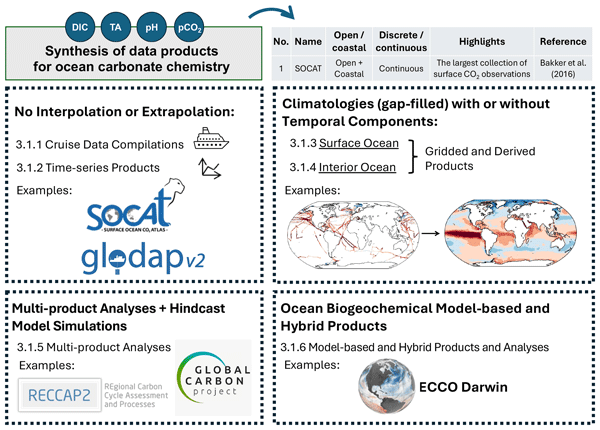
Li-Qing Jiang, Amanda Fay, Jens Daniel Müller, Luke Gregor, Alizée Roobaert, Lydia Keppler, Dustin Carroll, Siv K. Lauvset, Tim DeVries, Judith Hauck, Christian Rödenbeck, Nicolas Metzl, Andrea J. Fassbender, Jean-Pierre Gattuso, Peter Landschützer, Rik Wanninkhof, Christopher Sabine, Simone R. Alin, Mario Hoppema, Are Olsen, Matthew P. Humphreys, Kunal Chakraborty, Ana C. Franco, Kumiko Azetsu-Scott, Dorothee C. E. Bakker, Leticia Barbero, Nicholas R. Bates, Nicole Besemer, Henry C. Bittig, Albert E. Boyd, Daniel Broullón, Wei-Jun Cai, Brendan R. Carter, Thi-Tuyet-Trang Chau, Chen-Tung Arthur Chen, Frédéric Cyr, John E. Dore, Ian Enochs, Richard A. Feely, Hernan E. Garcia, Marion Gehlen, Prasanna Kanti Ghoshal, Lucas Gloege, Melchor González-Dávila, Nicolas Gruber, Debby Ianson, Yosuke Iida, Masao Ishii, Apurva Padamnabh Joshi, Esther Kennedy, Alex Kozyr, Nico Lange, Claire Lo Monaco, Derek P. Manzello, Galen A. McKinley, Natalie M. Monacci, Xose A. Padin, Ana M. Palacio-Castro, Fiz F. Pérez, J. Magdalena Santana-Casiano, Jonathan Sharp, Adrienne Sutton, Jim Swift, Toste Tanhua, Maciej Telszewski, Jens Terhaar, Ruben van Hooidonk, Anton Velo, Andrew J. Watson, Angelicque E. White, Zelun Wu, Liang Xue, Hyelim Yoo, Jiye Zeng, and Guorong Zhong
Earth Syst. Sci. Data, 18, 1405–1462, https://doi.org/10.5194/essd-18-1405-2026, https://doi.org/10.5194/essd-18-1405-2026, 2026
Short summary
Short summary
This review article provides an overview of 68 existing ocean carbonate chemistry data products and data product sets, encompassing a broad range of types, including compilations of cruise datasets, gap-filled observational products, model simulations, and more. It is designed to help researchers identify and access the data products that best support their scientific objectives, thereby facilitating progress in understanding the ocean's changing carbonate chemistry.
Pauline Cornuault, Luc Beaufort, Heiko Pälike, Torsten Bickert, Karl-Heinz Baumann, and Michal Kucera
Biogeosciences, 22, 7973–7984, https://doi.org/10.5194/bg-22-7973-2025, https://doi.org/10.5194/bg-22-7973-2025, 2025
Short summary
Short summary
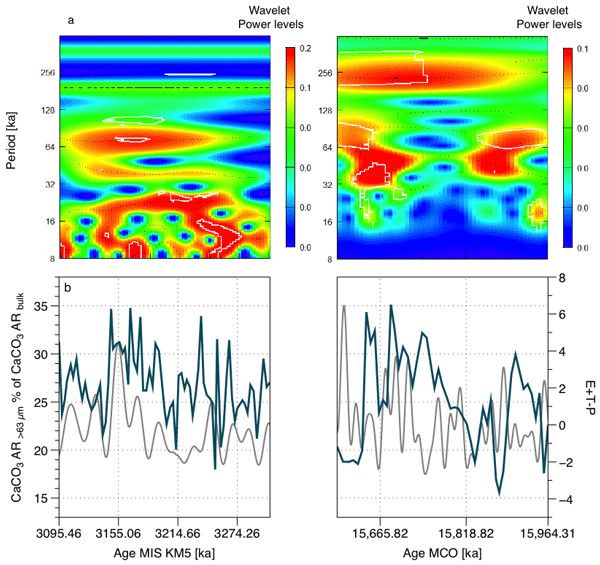
We present new high-resolution data of the relative contribution of the two main pelagic carbonate producers (coccoliths and foraminifera) to the total pelagic carbonate production from the tropical Atlantic in past warm periods since the Miocene. Our findings suggests that the two groups responded differently to orbital forcing and oceanic changes in tropical ocean, but their proportion changes did not drive the changes in overall pelagic carbonate deposition.
Deborah N. Tangunan, Ian R. Hall, Luc Beaufort, Melissa A. Berke, Alexandra Nederbragt, and Paul R. Bown
Clim. Past, 21, 2541–2560, https://doi.org/10.5194/cp-21-2541-2025, https://doi.org/10.5194/cp-21-2541-2025, 2025
Short summary
Short summary
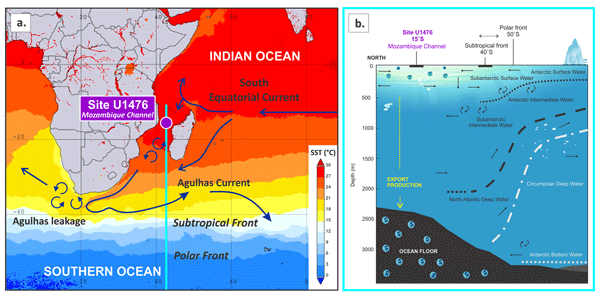
We investigated sediments from the tropical Indian Ocean to study water column structure and carbon cycling during the mid-Piacenzian Warm Period, about 3 million years ago, when atmospheric carbon dioxide levels were similar to today. Our findings reveal persistent upper ocean stratification and niche separation among plankton groups, which limited nutrient mixing and carbon export to the deep ocean. These results highlight how ocean layering can influence climate feedback in a warmer world.
Matthew P. Humphreys and Sharyn Ossebaar
Ocean Sci., 21, 3123–3130, https://doi.org/10.5194/os-21-3123-2025, https://doi.org/10.5194/os-21-3123-2025, 2025
Short summary
Short summary
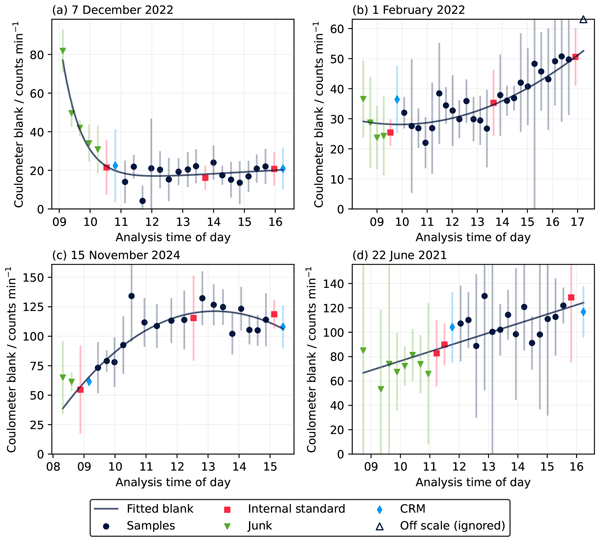
The ocean is one of the main reservoirs of carbon dioxide (CO2) on Earth's surface, so it plays an important role in modulating the climate. In this paper, we propose an update to how dissolved CO2 in seawater is determined from laboratory data, which can sometimes improve the accuracy of these measurements.
Medhavi Srivastava, Clara T. Bolton, Luc Beaufort, Franck Bassinot, and Katarína Holcová
J. Micropalaeontol., 44, 555–571, https://doi.org/10.5194/jm-44-555-2025, https://doi.org/10.5194/jm-44-555-2025, 2025
Short summary
Short summary
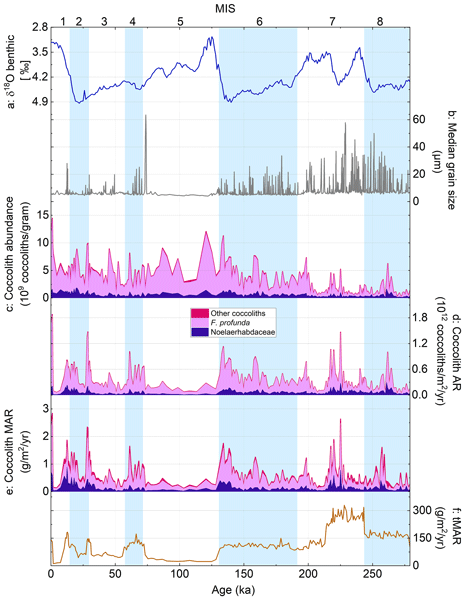
The Bay of Bengal is a unique region influenced by the Asian monsoon. We present a record of past ocean productivity and carbonate flux based on the fossil remains of calcifying algae over the last 279 000 years from a core in the northern Bay of Bengal. We used AI microscopy to count and measure plankton fossils and identify species. Results show that coccolith export, including of the species Florisphaera profunda, is highest when the monsoon is weak and the water column is more mixed.
Peter K. Bijl, Kasia K. Śliwińska, Bella Duncan, Arnaud Huguet, Sebastian Naeher, Ronnakrit Rattanasriampaipong, Claudia Sosa-Montes de Oca, Alexandra Auderset, Melissa A. Berke, Bum Soo Kim, Nina Davtian, Tom Dunkley Jones, Desmond D. Eefting, Felix J. Elling, Pierrick Fenies, Gordon N. Inglis, Lauren O'Connor, Richard D. Pancost, Francien Peterse, Addison Rice, Appy Sluijs, Devika Varma, Wenjie Xiao, and Yi Ge Zhang
Biogeosciences, 22, 6465–6508, https://doi.org/10.5194/bg-22-6465-2025, https://doi.org/10.5194/bg-22-6465-2025, 2025
Short summary
Short summary
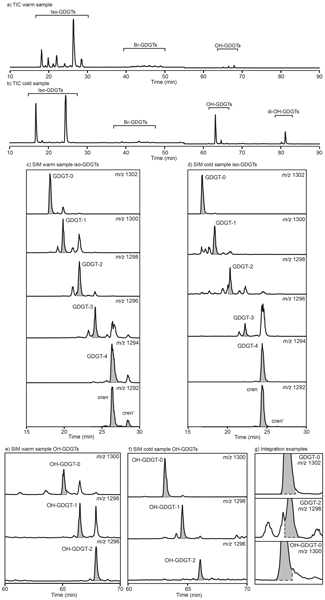
Many academic laboratories worldwide process environmental samples for analysis of membrane lipid molecules of archaea, for the reconstruction of past environmental conditions. However, the sample workup scheme involves many steps, each of which has a risk of contamination or bias, affecting the results. This paper reviews steps involved in sampling, extraction and analysis of lipids, interpretation and archiving of the data. This ensures reproducible, reusable, comparable and consistent data.
Mei Nelissen, Appy Sluijs, Debra A. Willard, and Henk Brinkhuis
J. Micropalaeontol., 44, 431–467, https://doi.org/10.5194/jm-44-431-2025, https://doi.org/10.5194/jm-44-431-2025, 2025
Short summary
Short summary
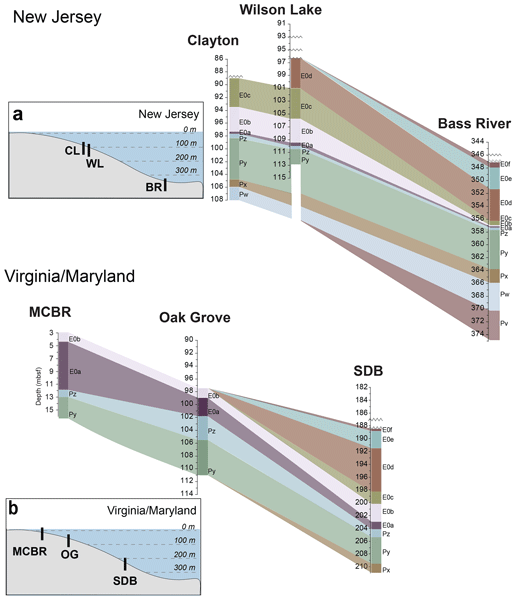
We studied a short-lived episode of major warming ~56 million years ago, often seen as a past analogue for modern climate change. We developed a scheme to correlate biological signals from this warming period across six sediment cores from the US East Coast. Based on the occurrences and distribution of organic remains of planktonic microfossils, we can correlate events in time, allowing detailed reconstructions of how climate and environments changed regionally during this extreme warming.
Ben A. Cala, Mariette Wolthers, Olivier Sulpis, Jonathan D. Sharp, and Matthew P. Humphreys
EGUsphere, https://doi.org/10.5194/egusphere-2025-5059, https://doi.org/10.5194/egusphere-2025-5059, 2025
Preprint archived
Short summary
Short summary
Magnesium calcites are minerals produced by some marine organisms. Understanding how these minerals dissolve helps us to predict how the ocean stores carbon. We developed a new method to calculate the solubility of these minerals in seawater, using existing laboratory data and taking into account the effects of temperature, salinity and pressure. Applying this method globally, we found that magnesium calcites dissolve deeper than previously thought.
Louise Delaigue, Gert-Jan Reichart, Li Qiu, Eric P. Achterberg, Yasmina Ourradi, Chris Galley, André Mutzberg, and Matthew P. Humphreys
Biogeosciences, 22, 5103–5121, https://doi.org/10.5194/bg-22-5103-2025, https://doi.org/10.5194/bg-22-5103-2025, 2025
Short summary
Short summary
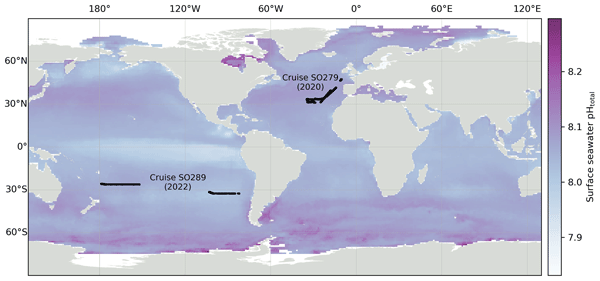
Our study analysed pH in ocean surface waters to understand how it fluctuates with changes in temperature, salinity, and biological activities. We found that temperature mainly controls daily pH variations, but biological processes also play a role, especially in affecting CO2 levels between the ocean and atmosphere. Our research shows how these factors together maintain the balance of ocean chemistry, which is crucial for predicting changes in marine environments.
Yannick F. Bats, Klaas G. J. Nierop, Alice Stuart-Lee, Joost Frieling, Linda van Roij, Gert-Jan Reichart, and Appy Sluijs
Biogeosciences, 22, 4689–4704, https://doi.org/10.5194/bg-22-4689-2025, https://doi.org/10.5194/bg-22-4689-2025, 2025
Short summary
Short summary
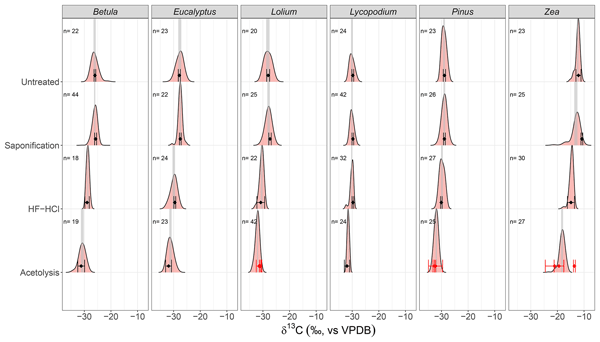
In this study, we analyzed the molecular and stable carbon isotopic composition (δ13C) of pollen and spores (sporomorphs) that underwent chemical treatments that simulate diagenesis during fossilization. We show that the successive removal of sugars and lipids results in the depletion of 13C in the residual sporomorph, leaving rich aromatic compounds. This residual aromatic-rich structure likely represents diagenetically resistant sporopollenin, implying that diagenesis results in the depletion of 13C in pollen.
Samantha Siedlecki, Stanley Nmor, Gennadi Lessin, Kelly Kearney, Subhadeep Rakshit, Colleen Petrik, Jessica Luo, Cristina Schultz, Dalton Sasaki, Kayla Gillen, Anh Pham, Christopher Somes, Damian Brady, Jeremy Testa, Christophe Rabouille, Isa Elegbede, and Olivier Sulpis
EGUsphere, https://doi.org/10.5194/egusphere-2025-1846, https://doi.org/10.5194/egusphere-2025-1846, 2025
Preprint archived
Short summary
Short summary
Benthic biogeochemical models are essential for simulating seafloor carbon cycling and climate feedbacks, yet vary widely in structure and assumptions. This paper introduces SedBGC_MIP, a community initiative to compare existing models, refine key processes, and assess uncertainty. We highlight discrepancies through case studies and introduce needs including observational benchmarks. Ultimately, we seek to improve climate and resource projections.
Miriam Pfeiffer, Hideko Takayanagi, Lars Reuning, Takaaki K. Watanabe, Saori Ito, Dieter Garbe-Schönberg, Tsuyoshi Watanabe, Chung-Che Wu, Chuan-Chou Shen, Jens Zinke, Geert-Jan A. Brummer, and Sri Yudawati Cahyarini
Clim. Past, 21, 211–237, https://doi.org/10.5194/cp-21-211-2025, https://doi.org/10.5194/cp-21-211-2025, 2025
Short summary
Short summary
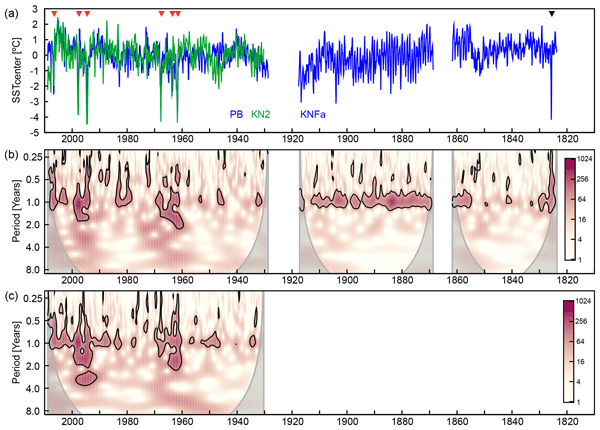
A coral reconstruction of past climate shows changes in the seasonal cycle of sea surface temperature in the south-eastern tropical Indian Ocean. An enhanced seasonal cycle suggests that the tropical rainfall belt shifted northwards between 1856–1918. We explain this with greater warming in the north-eastern Indian Ocean relative to the south-east, which strengthens surface winds and coastal upwelling in the eastern Indian Ocean, leading to greater cooling south of the Equator.
Appy Sluijs and Henk Brinkhuis
J. Micropalaeontol., 43, 441–474, https://doi.org/10.5194/jm-43-441-2024, https://doi.org/10.5194/jm-43-441-2024, 2024
Short summary
Short summary
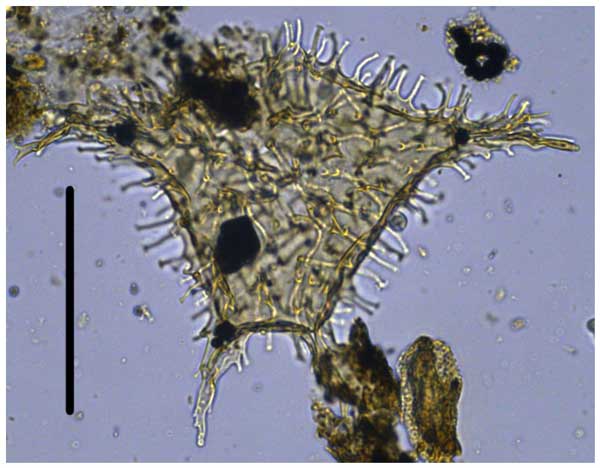
We present intrinsic details of dinocyst taxa and assemblages from the sole available central Arctic late Paleocene–early Eocene sedimentary succession recovered at the central Lomonosov Ridge by the Integrated Ocean Drilling Program (IODP) Expedition 302. We develop a pragmatic taxonomic framework, document critical biostratigraphic events, and propose two new genera and seven new species.
Matthew P. Humphreys
Ocean Sci., 20, 1325–1350, https://doi.org/10.5194/os-20-1325-2024, https://doi.org/10.5194/os-20-1325-2024, 2024
Short summary
Short summary
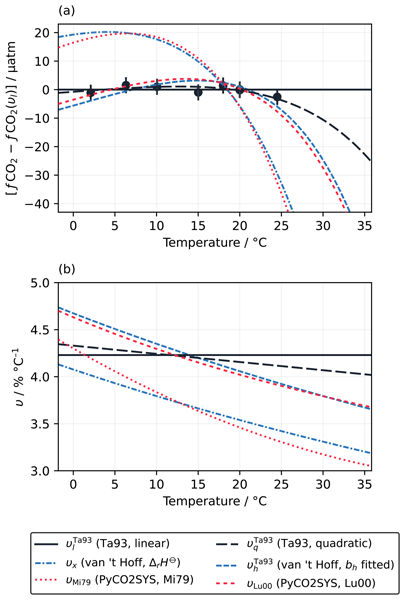
The ocean takes up carbon dioxide (CO2) from the atmosphere, slowing climate change. This CO2 uptake is controlled by a property called ƒCO2. Seawater ƒCO2 changes as seawater warms or cools, although by an uncertain amount; measurements and calculations give inconsistent results. Here, we work out how ƒCO2 should, in theory, respond to temperature. This matches field data and model calculations but still has discrepancies with scarce laboratory results, which need more measurements to resolve.
Dominique K. L. L. Jenny, Tammo Reichgelt, Charlotte L. O'Brien, Xiaoqing Liu, Peter K. Bijl, Matthew Huber, and Appy Sluijs
Clim. Past, 20, 1627–1657, https://doi.org/10.5194/cp-20-1627-2024, https://doi.org/10.5194/cp-20-1627-2024, 2024
Short summary
Short summary
This study reviews the current state of knowledge regarding the Oligocene
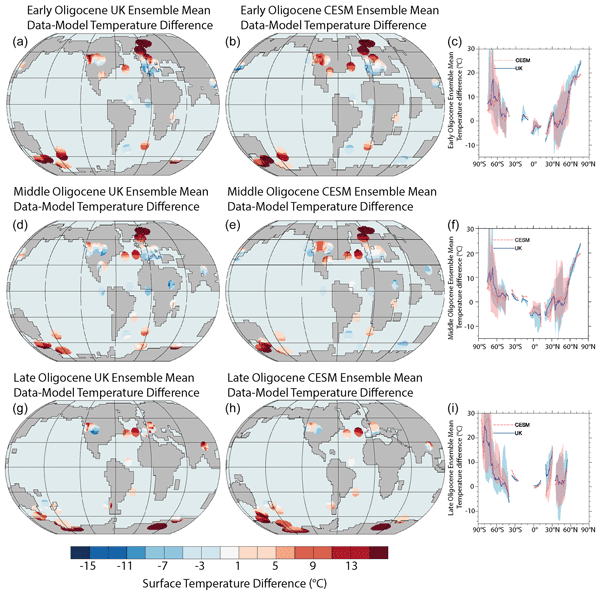
icehouseclimate. We extend an existing marine climate proxy data compilation and present a new compilation and analysis of terrestrial plant assemblages to assess long-term climate trends and variability. Our data–climate model comparison reinforces the notion that models underestimate polar amplification of Oligocene climates, and we identify potential future research directions.
Luc Beaufort and Anta-Clarisse Sarr
Clim. Past, 20, 1283–1301, https://doi.org/10.5194/cp-20-1283-2024, https://doi.org/10.5194/cp-20-1283-2024, 2024
Short summary
Short summary
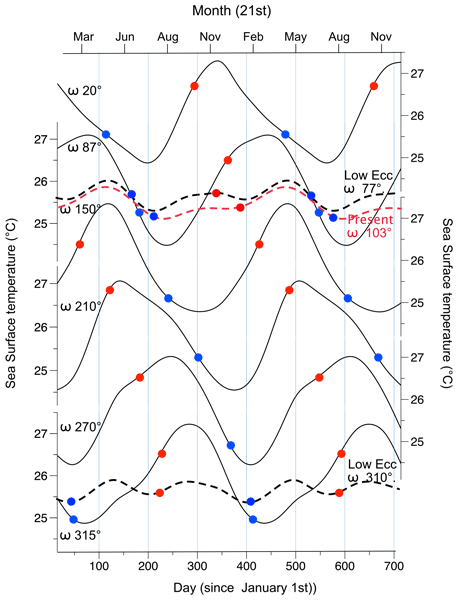
At present, under low eccentricity, the tropical ocean experiences a limited seasonality. Based on eight climate simulations of sea surface temperature and primary production, we show that, during high-eccentricity times, significant seasons existed in the tropics due to annual changes in the Earth–Sun distance. Those tropical seasons are slowly shifting in the calendar year to be distinct from classical seasons. Their past dynamics should have influenced phenomena like ENSO and monsoons.
Chris D. Fokkema, Tobias Agterhuis, Danielle Gerritsma, Myrthe de Goeij, Xiaoqing Liu, Pauline de Regt, Addison Rice, Laurens Vennema, Claudia Agnini, Peter K. Bijl, Joost Frieling, Matthew Huber, Francien Peterse, and Appy Sluijs
Clim. Past, 20, 1303–1325, https://doi.org/10.5194/cp-20-1303-2024, https://doi.org/10.5194/cp-20-1303-2024, 2024
Short summary
Short summary
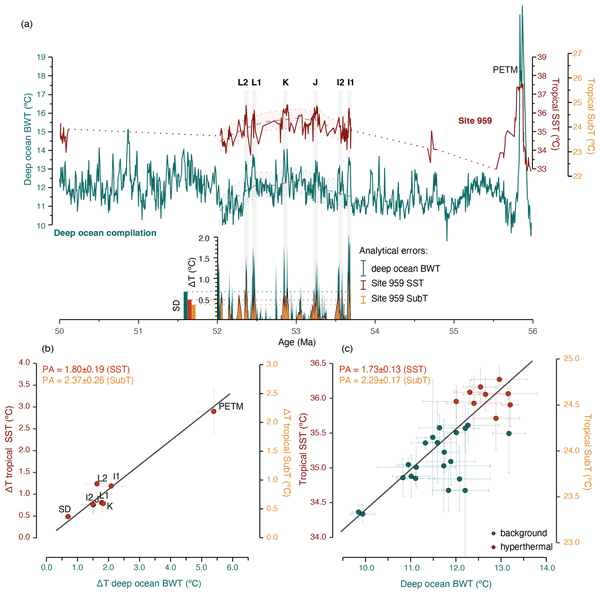
Polar amplification (PA) is a key uncertainty in climate projections. The factors that dominantly control PA are difficult to separate. Here we provide an estimate for the non-ice-related PA by reconstructing tropical ocean temperature variability from the ice-free early Eocene, which we compare to deep-ocean-derived high-latitude temperature variability across short-lived warming periods. We find a PA factor of 1.7–2.3 on 20 kyr timescales, which is somewhat larger than model estimates.

Siv K. Lauvset, Nico Lange, Toste Tanhua, Henry C. Bittig, Are Olsen, Alex Kozyr, Marta Álvarez, Kumiko Azetsu-Scott, Peter J. Brown, Brendan R. Carter, Leticia Cotrim da Cunha, Mario Hoppema, Matthew P. Humphreys, Masao Ishii, Emil Jeansson, Akihiko Murata, Jens Daniel Müller, Fiz F. Pérez, Carsten Schirnick, Reiner Steinfeldt, Toru Suzuki, Adam Ulfsbo, Anton Velo, Ryan J. Woosley, and Robert M. Key
Earth Syst. Sci. Data, 16, 2047–2072, https://doi.org/10.5194/essd-16-2047-2024, https://doi.org/10.5194/essd-16-2047-2024, 2024
Short summary
Short summary
GLODAP is a data product for ocean inorganic carbon and related biogeochemical variables measured by the chemical analysis of water bottle samples from scientific cruises. GLODAPv2.2023 is the fifth update of GLODAPv2 from 2016. The data that are included have been subjected to extensive quality controlling, including systematic evaluation of measurement biases. This version contains data from 1108 hydrographic cruises covering the world's oceans from 1972 to 2021.
Marci M. Robinson, Kenneth G. Miller, Tali L. Babila, Timothy J. Bralower, James V. Browning, Marlow J. Cramwinckel, Monika Doubrawa, Gavin L. Foster, Megan K. Fung, Sean Kinney, Maria Makarova, Peter P. McLaughlin, Paul N. Pearson, Ursula Röhl, Morgan F. Schaller, Jean M. Self-Trail, Appy Sluijs, Thomas Westerhold, James D. Wright, and James C. Zachos
Sci. Dril., 33, 47–65, https://doi.org/10.5194/sd-33-47-2024, https://doi.org/10.5194/sd-33-47-2024, 2024
Short summary
Short summary
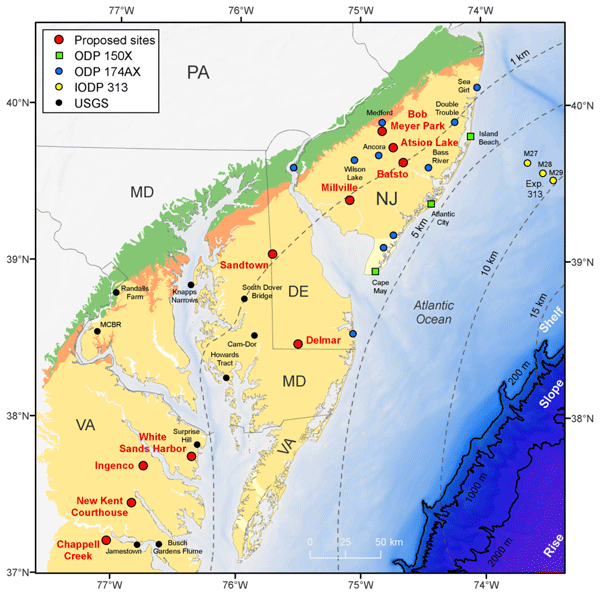
The Paleocene–Eocene Thermal Maximum (PETM) is the closest geological analog to modern anthropogenic CO2 emissions, but its causes and the responses remain enigmatic. Coastal plain sediments can resolve this uncertainty, but their discontinuous nature requires numerous sites to constrain events. Workshop participants identified 10 drill sites that target the PETM and other interesting intervals. Our post-drilling research will provide valuable insights into Earth system responses.
Celina Rebeca Valença, Luc Beaufort, Gustaaf Marinus Hallegraeff, and Marius Nils Müller
Biogeosciences, 21, 1601–1611, https://doi.org/10.5194/bg-21-1601-2024, https://doi.org/10.5194/bg-21-1601-2024, 2024
Short summary
Short summary
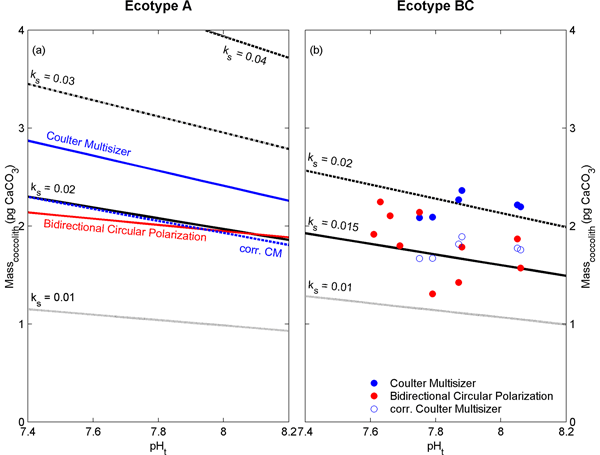
Coccolithophores contribute to the global carbon cycle and their calcite structures (coccoliths) are used as a palaeoproxy to understand past oceanographic conditions. Here, we compared three frequently used methods to estimate coccolith mass from the model species Emiliania huxleyi and the results allow for a high level of comparability between the methods, facilitating future comparisons and consolidation of mass changes observed from ecophysiological and biogeochemical studies.
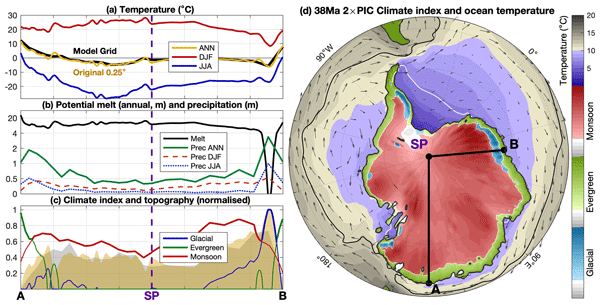
Michiel Baatsen, Peter Bijl, Anna von der Heydt, Appy Sluijs, and Henk Dijkstra
Clim. Past, 20, 77–90, https://doi.org/10.5194/cp-20-77-2024, https://doi.org/10.5194/cp-20-77-2024, 2024
Short summary
Short summary
This work introduces the possibility and consequences of monsoons on Antarctica in the warm Eocene climate. We suggest that such a monsoonal climate can be important to understand conditions in Antarctica prior to large-scale glaciation. We can explain seemingly contradictory indications of ice and vegetation on the continent through regional variability. In addition, we provide a new mechanism through which most of Antarctica remained ice-free through a wide range of global climatic changes.
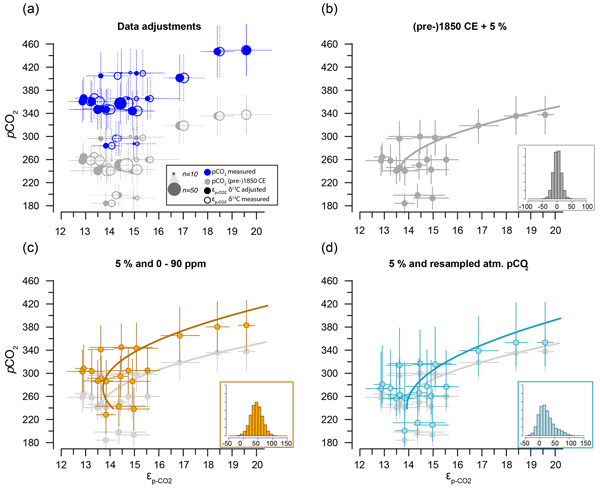
Joost Frieling, Linda van Roij, Iris Kleij, Gert-Jan Reichart, and Appy Sluijs
Biogeosciences, 20, 4651–4668, https://doi.org/10.5194/bg-20-4651-2023, https://doi.org/10.5194/bg-20-4651-2023, 2023
Short summary
Short summary
We present a first species-specific evaluation of marine core-top dinoflagellate cyst carbon isotope fractionation (εp) to assess natural pCO2 dependency on εp and explore its geological deep-time paleo-pCO2 proxy potential. We find that εp differs between genera and species and that in Operculodinium centrocarpum, εp is controlled by pCO2 and nutrients. Our results highlight the added value of δ13C analyses of individual micrometer-scale sedimentary organic carbon particles.
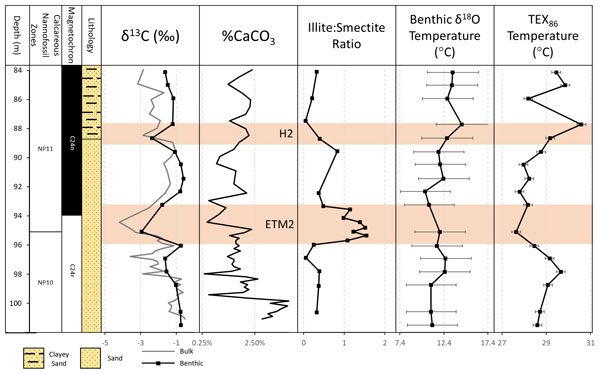
William Rush, Jean Self-Trail, Yang Zhang, Appy Sluijs, Henk Brinkhuis, James Zachos, James G. Ogg, and Marci Robinson
Clim. Past, 19, 1677–1698, https://doi.org/10.5194/cp-19-1677-2023, https://doi.org/10.5194/cp-19-1677-2023, 2023
Short summary
Short summary
The Eocene contains several brief warming periods referred to as hyperthermals. Studying these events and how they varied between locations can help provide insight into our future warmer world. This study provides a characterization of two of these events in the mid-Atlantic region of the USA. The records of climate that we measured demonstrate significant changes during this time period, but the type and timing of these changes highlight the complexity of climatic changes.
Michal Kučera and Geert-Jan A. Brummer
J. Micropalaeontol., 42, 33–34, https://doi.org/10.5194/jm-42-33-2023, https://doi.org/10.5194/jm-42-33-2023, 2023
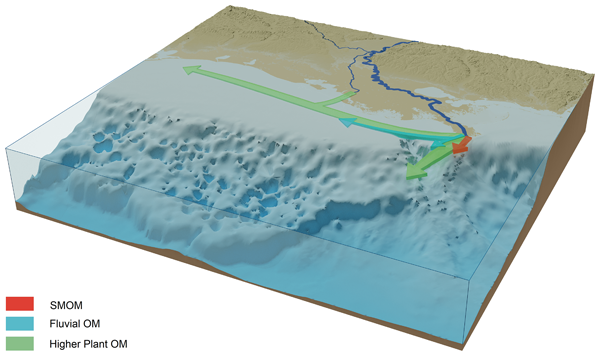
Yord W. Yedema, Francesca Sangiorgi, Appy Sluijs, Jaap S. Sinninghe Damsté, and Francien Peterse
Biogeosciences, 20, 663–686, https://doi.org/10.5194/bg-20-663-2023, https://doi.org/10.5194/bg-20-663-2023, 2023
Short summary
Short summary
Terrestrial organic matter (TerrOM) is transported to the ocean by rivers, where its burial can potentially form a long-term carbon sink. This burial is dependent on the type and characteristics of the TerrOM. We used bulk sediment properties, biomarkers, and palynology to identify the dispersal patterns of plant-derived, soil–microbial, and marine OM in the northern Gulf of Mexico and show that plant-derived OM is transported further into the coastal zone than soil and marine-produced TerrOM.
Siv K. Lauvset, Nico Lange, Toste Tanhua, Henry C. Bittig, Are Olsen, Alex Kozyr, Simone Alin, Marta Álvarez, Kumiko Azetsu-Scott, Leticia Barbero, Susan Becker, Peter J. Brown, Brendan R. Carter, Leticia Cotrim da Cunha, Richard A. Feely, Mario Hoppema, Matthew P. Humphreys, Masao Ishii, Emil Jeansson, Li-Qing Jiang, Steve D. Jones, Claire Lo Monaco, Akihiko Murata, Jens Daniel Müller, Fiz F. Pérez, Benjamin Pfeil, Carsten Schirnick, Reiner Steinfeldt, Toru Suzuki, Bronte Tilbrook, Adam Ulfsbo, Anton Velo, Ryan J. Woosley, and Robert M. Key
Earth Syst. Sci. Data, 14, 5543–5572, https://doi.org/10.5194/essd-14-5543-2022, https://doi.org/10.5194/essd-14-5543-2022, 2022
Short summary
Short summary
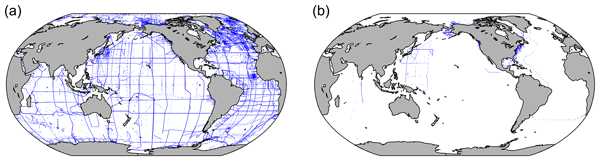
GLODAP is a data product for ocean inorganic carbon and related biogeochemical variables measured by the chemical analysis of water bottle samples from scientific cruises. GLODAPv2.2022 is the fourth update of GLODAPv2 from 2016. The data that are included have been subjected to extensive quality controlling, including systematic evaluation of measurement biases. This version contains data from 1085 hydrographic cruises covering the world's oceans from 1972 to 2021.
Carolien M. H. van der Weijst, Koen J. van der Laan, Francien Peterse, Gert-Jan Reichart, Francesca Sangiorgi, Stefan Schouten, Tjerk J. T. Veenstra, and Appy Sluijs
Clim. Past, 18, 1947–1962, https://doi.org/10.5194/cp-18-1947-2022, https://doi.org/10.5194/cp-18-1947-2022, 2022
Short summary
Short summary
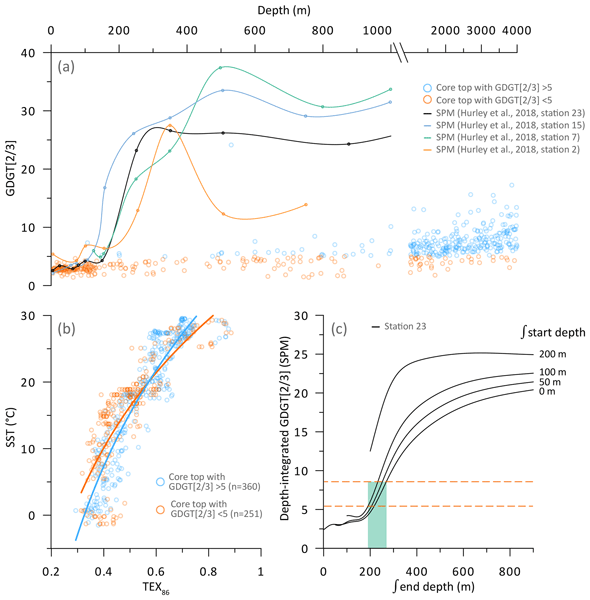
The TEX86 proxy is often used by paleoceanographers to reconstruct past sea-surface temperatures. However, the origin of the TEX86 signal in marine sediments has been debated since the proxy was first proposed. In our paper, we show that TEX86 carries a mixed sea-surface and subsurface temperature signal and should be calibrated accordingly. Using our 15-million-year record, we subsequently show how a TEX86 subsurface temperature record can be used to inform us on past sea-surface temperatures.
Karen M. Brandenburg, Björn Rost, Dedmer B. Van de Waal, Mirja Hoins, and Appy Sluijs
Biogeosciences, 19, 3305–3315, https://doi.org/10.5194/bg-19-3305-2022, https://doi.org/10.5194/bg-19-3305-2022, 2022
Short summary
Short summary
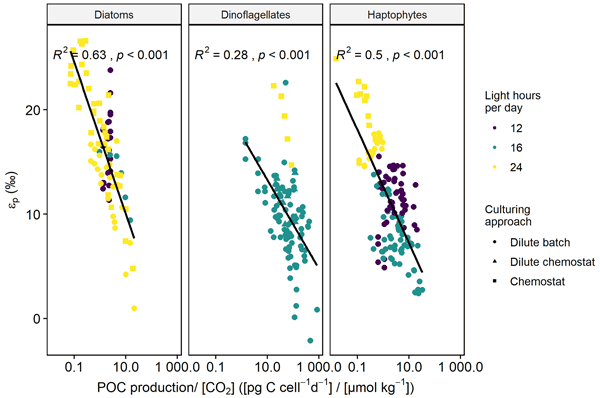
Reconstructions of past CO2 concentrations rely on proxy estimates, with one line of proxies relying on the CO2-dependence of stable carbon isotope fractionation in marine phytoplankton. Culturing experiments provide insights into which processes may impact this. We found, however, that the methods with which these culturing experiments are performed also influence 13C fractionation. Caution should therefore be taken when extrapolating results from these experiments to proxy applications.
Carolien M. H. van der Weijst, Josse Winkelhorst, Wesley de Nooijer, Anna von der Heydt, Gert-Jan Reichart, Francesca Sangiorgi, and Appy Sluijs
Clim. Past, 18, 961–973, https://doi.org/10.5194/cp-18-961-2022, https://doi.org/10.5194/cp-18-961-2022, 2022
Short summary
Short summary
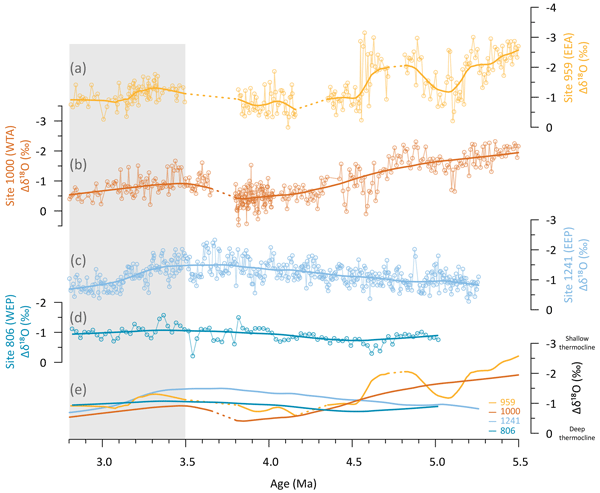
A hypothesized link between Pliocene (5.3–2.5 million years ago) global climate and tropical thermocline depth is currently only backed up by data from the Pacific Ocean. In our paper, we present temperature, salinity, and thermocline records from the tropical Atlantic Ocean. Surprisingly, the Pliocene thermocline evolution was remarkably different in the Atlantic and Pacific. We need to reevaluate the mechanisms that drive thermocline depth, and how these are tied to global climate change.
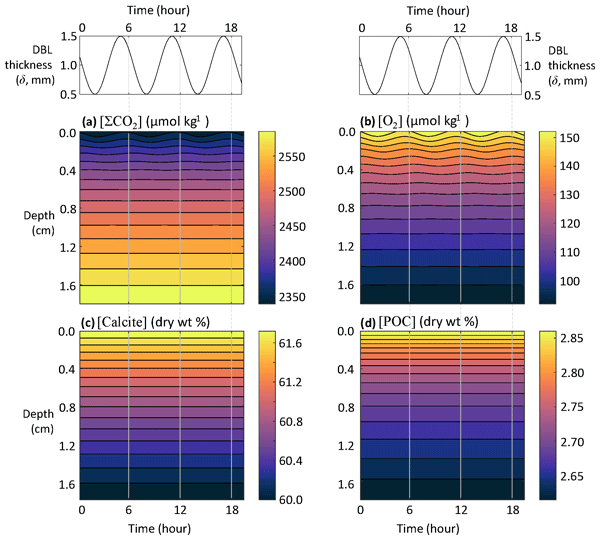
Olivier Sulpis, Matthew P. Humphreys, Monica M. Wilhelmus, Dustin Carroll, William M. Berelson, Dimitris Menemenlis, Jack J. Middelburg, and Jess F. Adkins
Geosci. Model Dev., 15, 2105–2131, https://doi.org/10.5194/gmd-15-2105-2022, https://doi.org/10.5194/gmd-15-2105-2022, 2022
Short summary
Short summary
A quarter of the surface of the Earth is covered by marine sediments rich in calcium carbonates, and their dissolution acts as a giant antacid tablet protecting the ocean against human-made acidification caused by massive CO2 emissions. Here, we present a new model of sediment chemistry that incorporates the latest experimental findings on calcium carbonate dissolution kinetics. This model can be used to predict how marine sediments evolve through time in response to environmental perturbations.
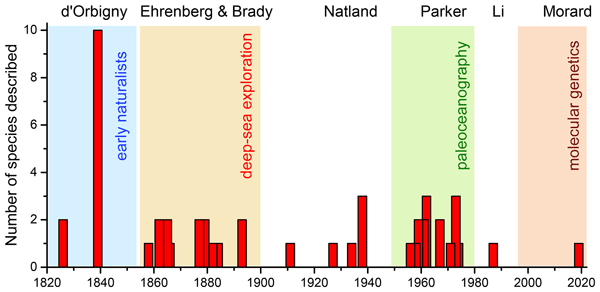
Geert-Jan A. Brummer and Michal Kučera
J. Micropalaeontol., 41, 29–74, https://doi.org/10.5194/jm-41-29-2022, https://doi.org/10.5194/jm-41-29-2022, 2022
Short summary
Short summary
To aid researchers working with living planktonic foraminifera, we provide a comprehensive review of names that we consider appropriate for extant species. We discuss the reasons for the decisions we made and provide a list of species and genus-level names as well as other names that have been used in the past but are considered inappropriate for living taxa, stating the reasons.
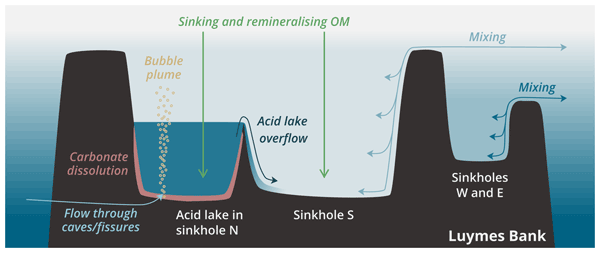
Matthew P. Humphreys, Erik H. Meesters, Henk de Haas, Szabina Karancz, Louise Delaigue, Karel Bakker, Gerard Duineveld, Siham de Goeyse, Andreas F. Haas, Furu Mienis, Sharyn Ossebaar, and Fleur C. van Duyl
Biogeosciences, 19, 347–358, https://doi.org/10.5194/bg-19-347-2022, https://doi.org/10.5194/bg-19-347-2022, 2022
Short summary
Short summary
A series of submarine sinkholes were recently discovered on Luymes Bank, part of Saba Bank, a carbonate platform in the Caribbean Netherlands. Here, we investigate the waters inside these sinkholes for the first time. One of the sinkholes contained a body of dense, low-oxygen and low-pH water, which we call the
acid lake. We use measurements of seawater chemistry to work out what processes were responsible for forming the acid lake and discuss the consequences for the carbonate platform.
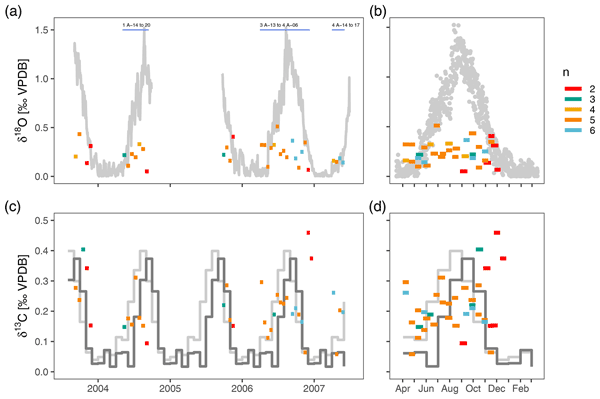
Lukas Jonkers, Geert-Jan A. Brummer, Julie Meilland, Jeroen Groeneveld, and Michal Kucera
Clim. Past, 18, 89–101, https://doi.org/10.5194/cp-18-89-2022, https://doi.org/10.5194/cp-18-89-2022, 2022
Short summary
Short summary
The variability in the geochemistry among individual foraminifera is used to reconstruct seasonal to interannual climate variability. This method requires that each foraminifera shell accurately records environmental conditions, which we test here using a sediment trap time series. Even in the absence of environmental variability, planktonic foraminifera display variability in their stable isotope ratios that needs to be considered in the interpretation of individual foraminifera data.
Matthew P. Humphreys, Ernie R. Lewis, Jonathan D. Sharp, and Denis Pierrot
Geosci. Model Dev., 15, 15–43, https://doi.org/10.5194/gmd-15-15-2022, https://doi.org/10.5194/gmd-15-15-2022, 2022
Short summary
Short summary
The ocean helps to mitigate our impact on Earth's climate by absorbing about a quarter of the carbon dioxide (CO2) released by human activities each year. However, once absorbed, chemical reactions between CO2 and water reduce seawater pH (
ocean acidification), which may have adverse effects on marine ecosystems. Our Python package, PyCO2SYS, models the chemical reactions of CO2 in seawater, allowing us to quantify the corresponding changes in pH and related chemical properties.
Peter K. Bijl, Joost Frieling, Marlow Julius Cramwinckel, Christine Boschman, Appy Sluijs, and Francien Peterse
Clim. Past, 17, 2393–2425, https://doi.org/10.5194/cp-17-2393-2021, https://doi.org/10.5194/cp-17-2393-2021, 2021
Short summary
Short summary
Here, we use the latest insights for GDGT and dinocyst-based paleotemperature and paleoenvironmental reconstructions in late Cretaceous–early Oligocene sediments from ODP Site 1172 (East Tasman Plateau, Australia). We reconstruct strong river runoff during the Paleocene–early Eocene, a progressive decline thereafter with increased wet/dry seasonality in the northward-drifting hinterland. Our critical review leaves the anomalous warmth of the Eocene SW Pacific Ocean unexplained.
Cited articles
Alldredge, A. L. and Cohen, Y.: Can Microscale Chemical Patches Persist in the Sea? Microelectrode Study of Marine Snow, Fecal Pellets, Science, 235, 689–691, https://doi.org/10.1126/science.235.4789.689, 1987.
Anglada-Ortiz, G., Zamelczyk, K., Meilland, J., Ziveri, P., Chierici, M., Fransson, A., and Rasmussen, T. L.: Planktic Foraminiferal and Pteropod Contributions to Carbon Dynamics in the Arctic Ocean (North Svalbard Margin). Frontiers in Marine Science, 8, https://doi.org/10.3389/fmars.2021.661158, 2021.
Archer, D. E.: An atlas of the distribution of calcium carbonate in sediments of the deep sea, Global Biogeochem. Cycles, 10, 159–174, https://doi.org/10.1029/95GB03016, 1996.
Bach, L. T., Riebesell, U., Sett, S., Febiri, S., Rzepka, P., and Schulz, K. G.: An approach for particle sinking velocity measurements in the 3–400 µm size range and considerations on the effect of temperature on sinking rates, Mar. Biol., 159, https://doi.org/10.1007/s00227-012-1945-2, 2012.
Baumann, K.-H., Böckel, B., Donner, B., Gerhardt, S., Henrich, R., Vink, A., Volbers, A., Willems, H., and Zonneveld, K. A. F.: Contribution of Calcareous Plankton Groups to the Carbonate Budget of South Atlantic Surface Sediments, in: The South Atlantic in the Late Quaternary, Springer Berlin Heidelberg, Berlin, Heidelberg, 81–99, https://doi.org/10.1007/978-3-642-18917-3_5, 2003.
Bé, A. and Gilmer, R.: A zoogeographic and taxonomic review of euthecosomatous Pteropoda, Oceanic Micropaleontology, 1, 733–808, 1977.
Beaufort, L. and Dollfus, D.: Automatic recognition of coccoliths by dynamical neural networks, Mar. Micropaleontol., 51, 57–73, https://doi.org/10.1016/j.marmicro.2003.09.003, 2004.
Beaufort, L. and Heussner, S.: Coccolithophorids on the continental slope of the Bay of Biscay – production, transport and contribution to mass fluxes, Deep-Sea Research II, 2147–2174, https://doi.org/10.1016/s0967-0645(99)00058-2, 1999.
Beaufort, L., Gally, Y., Suchéras-Marx, B., Ferrand, P., and Duboisset, J.: Technical note: A universal method for measuring the thickness of microscopic calcite crystals, based on bidirectional circular polarization, Biogeosciences, 18, 775–785, https://doi.org/10.5194/bg-18-775-2021, 2021.
Beaufort, L., Bolton, C. T., Sarr, A. C., Suchéras-Marx, B., Rosenthal, Y., Donnadieu, Y., Barbarin, N., Bova, S., Cornuault, P., Gally, Y., Gray, E., Mazur, J. C., and Tetard, M.: Cyclic evolution of phytoplankton forced by changes in tropical seasonality. Nature, 601, 79–84, https://doi.org/10.1038/s41586-021-04195-7, 2022.
Bednaršek, N., Možina, J., Vogt, M., O'Brien, C., and Tarling, G. A.: The global distribution of pteropods and their contribution to carbonate and carbon biomass in the modern ocean, Earth Syst. Sci. Data, 4, 167–186, https://doi.org/10.5194/essd-4-167-2012, 2012.
Bednaršek, N., Harvey, C. J., Kaplan, I. C., Feely, R. A., and Možina, J.: Pteropods on the edge: Cumulative effects of ocean acidification, warming, and deoxygenation, Prog. Oceanogr., 145, 1–24, https://doi.org/10.1016/j.pocean.2016.04.002, 2016.
Berger, W. H.: Ecologic patterns of living planktonic Foraminifera, Deep Sea Research and Oceanographic Abstracts, 16, 1–24, https://doi.org/10.1016/0011-7471(69)90047-3, 1969.
Berger, W. H. and Berger, W.: Sedimentation of planktonic Foraminifera, Mar. Geol., 11, 325–358, 1971.
Boyd, P. W., Claustre, H., Levy, M., Siegel, D. A., and Weber, T.: Multi-faceted particle pumps drive carbon sequestration in the ocean, Nature, 568, https://doi.org/10.1038/s41586-019-1098-2, 2019.
Broecker, W. and Clark, E.: Ratio of coccolith CaCO3 to foraminifera CaCO3 in late Holocene deep sea sediments, Paleoceanography, 24, https://doi.org/10.1029/2009PA001731, 2009.
Brummer, G. J. A. and Kroon, D.: Planktonic Foraminifers as Tracers of Ocean-Climate History, PhD. Thesis, Amsterdam, Free University Press, 346 pp., ISBN 9062567444, https://books.google.nl/books/about/Planktonic_Foraminifers_as_Tracers_of_Oc.html?id=g8ITAQAAIAAJ&redir_esc=y (last access: 16 January 2026), 1988.
Brummer, G.-J. A. and Kučera, M.: Taxonomic review of living planktonic foraminifera, J. Micropalaeontol., 41, 29–74, https://doi.org/10.5194/jm-41-29-2022, 2022.
Buitenhuis, E. T., Vogt, M., Moriarty, R., Bednaršek, N., Doney, S. C., Leblanc, K., Le Quéré, C., Luo, Y.-W., O'Brien, C., O'Brien, T., Peloquin, J., Schiebel, R., and Swan, C.: MAREDAT: towards a world atlas of MARine Ecosystem DATa, Earth Syst. Sci. Data, 5, 227–239, https://doi.org/10.5194/essd-5-227-2013, 2013.
Buitenhuis, E. T., Le Quéré, C., Bednaršek, N., and Schiebel, R.: Large Contribution of Pteropods to Shallow CaCO3 Export, Global Biogeochem. Cycles, 33, 458–468, https://doi.org/10.1029/2018GB006110, 2019.
Burridge, A. K., Goetze, E., Wall-Palmer, D., Le Double, S. L., Huisman, J., and Peijnenburg, K. T. C. A.: Diversity and abundance of pteropods and heteropods along a latitudinal gradient across the Atlantic Ocean, Prog. Oceanogr., 158, 213–223, https://doi.org/10.1016/j.pocean.2016.10.001, 2017.
Chaabane, S., de Garidel-Thoron, T., Giraud, X., Schiebel, R., Beaugrand, G., Brummer, G. J., Casajus, N., Greco, M., Grigoratou, M., Howa, H., Jonkers, L., Kucera, M., Kuroyanagi, A., Meilland, J., Monteiro, F., Mortyn, G., Almogi-Labin, A., Asahi, H., Avnaim-Katav, S., Bassinot, F., Davis, C. V., Field, D. B., Hernández-Almeida, I., Herut, B., Hosie, G., Howard, W., Jentzen, A., Johns, D. G., Keigwin, L., Kitchener, J., Kohfeld, K. E., Lessa, D. V. O., Manno, C., Marchant, M., Ofstad, S., Ortiz, J. D., Post, A., Rigual-Hernandez, A., Rillo, M. C., Robinson, K., Sagawa, T., Sierro, F., Takahashi, K. T., Torfstein, A., Venancio, I., Yamasaki, M., and Ziveri, P.: The FORCIS database: A global census of planktonic Foraminifera from ocean waters, Sci. Data, 10, https://doi.org/10.1038/s41597-023-02264-2, 2023.
Chaabane, S., de Garidel-Thoron, T., Meilland, J., Sulpis, O., Chalk, T. B., Brummer, G. J. A., Mortyn, P. G., Giraud, X., Howa, H., Casajus, N., Kuroyanagi, A., Beaugrand, G., and Schiebel, R.: Migrating is not enough for modern planktonic foraminifera in a changing ocean, Nature, 636, https://doi.org/10.1038/s41586-024-08191-5, 2024a.
Chaabane, S., de Garidel-Thoron, T., Giraud, X., Meilland, J., Brummer, G. J. A., Jonkers, L., Mortyn, P. G., Greco, M., Casajus, N., Kucera, M., Sulpis, O., Kuroyanagi, A., Howa, H., Beaugrand, G., and Schiebel, R.: Size normalizing planktonic Foraminifera abundance in the water column, Limnol. Oceanogr. Methods, 22, 701–719, https://doi.org/10.1002/lom3.10637, 2024b.
Clayton, T. D. and Byrne, R. H.: Spectrophotometric seawater pH measurements: total hydrogen ion concentration scale calibration of m-cresol purple and at-sea results, Deep Sea Research Part I: Oceanographic Research Papers, 40, 2115–2129, https://doi.org/10.1016/0967-0637(93)90048-8, 1993.
Davis, C. S. and Wiebe, P. H.: Macrozooplankton Biomass in a Warm-Core Gulf Stream Ring: Time Series Changes in Size Structure, Taxonomic Composition, and Vertical Distribution, J. Geophys. Res., 90, 8871–8884, 1985.
Dean, C. L., Harvey, E. L., Johnson, M. D., and Subhas, A. V.: Microzooplankton grazing on the coccolithophore Emiliania huxleyi and its role in the global calcium carbonate cycle, Science Advances, 10, https://doi.org/10.1126/sciadv.adr5453, 2024.
de Vries, J., Poulton, A. J., Young, J. R., Monteiro, F. M., Sheward, R. M., Johnson, R., Hagino, K., Ziveri, P., and Wolf, L. J.: CASCADE: Dataset of extant coccolithophore size, carbon content and global distribution, Sci. Data, 11, https://doi.org/10.1038/s41597-024-03724-z, 2024.
Dickson, A. G., Sabine, C. L., and Christian, J. R.: Guide to Best Practices for Ocean CO2 Measurements, PICES Special Publication 3, North Pacific Marine Science Organization, Sidney, BC, Canada, https://doi.org/10.25607/OBP-1342, 2007.
Dong, S., Berelson, W. M., Rollins, N. E., Subhas, A. V., Naviaux, J. D., Celestian, A. J., Liu, X., Turaga, N., Kemnitz, N. J., Byrne, R. H., and Adkins, J. F.: Aragonite dissolution kinetics and calcite/aragonite ratios in sinking and suspended particles in the North Pacific, Earth and Planetary Science Letters, 515, 1–12, https://doi.org/10.1016/j.epsl.2019.03.016, 2019.
Dong, S., Pavia, F., Subhas, A., Gray, W., Adkins, J., and Berelson, W.: Carbon Cycling in Marine Particles Based on Inorganic and Organic Stable Isotopes, Geochimica et Cosmochimica Acta, 388, https://doi.org/10.1016/j.gca.2024.10.005, 2024.
European Union-Copernicus Marine Service (CMEMS): GLOBAL_ANALYSISFORECAST_PHY_001_024: Global Ocean
European Union Copernicus Marine Service Information (CMEMS): OCEANCOLOUR_GLO_BGC_L4_MY_009_104: Global ocean colour (Copernicus-GlobColour), bio-geo-chemical, L4 (monthly and interpolated) from satellite observations (1997–ongoing), Marine Data Store (MDS) [data set], https://doi.org/10.48670/moi-00281, 2025.
Fabry, V. J.: Aragonite production by pteropod molluscs in the subarctic Pacific, Deep-Sea Research, 36, https://doi.org/10.1016/0198-0149(89)90069-1, 1989.
Fabry, V. J.: Shell growth rates of pteropod and heteropod molluscs and aragonite production in the open ocean: Implications for the marine carbonate system, Journal of Marine Research, 209–222, https://elischolar.library.yale.edu/journal_of_marine_research/1967/ (last access: 14 January 2026), 1990.
Fabry, V. J. and Deuser, W. G.: Seasonal Changes in the Isotopic Compositions and Sinking Fluxes of Euthecosomatous Pteropod Shells in the Sargasso Sea, Paleoceanography, 7, 195–213, https://doi.org/10.1029/91PA03138, 1992.
Gardner, J., Peck, V. L., Bakker, D. C. E., Tarling, G. A., and Manno, C.: Contrasting life cycles of Southern Ocean pteropods alter their vulnerability to climate change, Front. Mar. Sci., 10, https://doi.org/10.3389/fmars.2023.1118570, 2023.
GEBCO Compilation Group: The GEBCO_2022 Grid – a continuous terrain model of the global oceans and land, NERC EDS British Oceanographic Data Centre NOC [data set], https://doi.org/10.5285/e0f0bb80-ab44-2739-e053-6c86abc0289c, 2022.
Giering, S. L. C., Cavan, E. L., Basedow, S. L., Briggs, N., Burd, A. B., Darroch, L. J., Guidi, L., Irisson, J. O., Iversen, M. H., Kiko, R., Lindsay, D., Marcolin, C. R., McDonnell, A. M. P., Möller, K. O., Passow, U., Thomalla, S., Trull, T. W., and Waite, A. M.: Sinking Organic Particles in the Ocean—Flux Estimates From in situ Optical Devices, Front. Mar. Sci., 6, https://doi.org/10.3389/fmars.2019.00834, 2020a.
Giering, S. L. C., Hosking, B., Briggs, N., and Iversen, M. H.: The Interpretation of Particle Size, Shape, and Carbon Flux of Marine Particle Images Is Strongly Affected by the Choice of Particle Detection Algorithm, Front. Mar. Sci., 7, https://doi.org/10.3389/fmars.2020.00564, 2020b.
Habib, J., Stemmann, L., Accardo, A., Baudena, A., Tuchen, F. P., Brandt, P., and Kiko, R.: Marine snow surface production and bathypelagic export at the Equatorial Atlantic from an imaging float, Biogeosciences, 22, 7985–8003, https://doi.org/10.5194/bg-22-7985-2025, 2025.
Hagen, E., Feistel, R., Agenbag, J. J., and Ohde, T.: Seasonal and interannual changes in Intense Benguela Upwelling (1982–1999), Oceanologica Acta, 24, 557–568, https://doi.org/10.1016/S0399-1784(01)01173-2, 2001.
Hansen, H. P. and Koroleff, F.: Determination of nutrients, in: Methods of Seawater Analysis, John Wiley & Sons, Ltd, 159–228, https://doi.org/10.1002/9783527613984.ch10, 1999.
Helder, W. and De Vries, R. T. P.: An automatic phenol-hypochlorite method for the determination of ammonia in sea- and brackish waters, Neth. J. Sea Res., 13, 154–160, https://doi.org/10.1016/0077-7579(79)90038-3, 1979.
Honjo, S.: Coccoliths: Production, transportation and sedimentation, Mar. Micropaleontol., 1, 65–79, https://doi.org/10.1016/0377-8398(76)90005-0, 1976.
Humphreys, M. P., Meesters, E. H., de Haas, H., Karancz, S., Delaigue, L., Bakker, K., Duineveld, G., de Goeyse, S., Haas, A. F., Mienis, F., Ossebaar, S., and van Duyl, F. C.: Dissolution of a submarine carbonate platform by a submerged lake of acidic seawater, Biogeosciences, 19, 347–358, https://doi.org/10.5194/bg-19-347-2022, 2022.
Hunt, B. P. V., Pakhomov, E. A., Hosie, G. W., Siegel, V., Ward, P., and Bernard, K.: Pteropods in Southern Ocean ecosystems, Progress in Oceanography, 78, https://doi.org/10.1016/j.pocean.2008.06.001, 2008.
Janssen, A. W., Bush, S. L., and Bednaršek, N.: The shelled pteropods of the northeast Pacific Ocean (Mollusca: Heterobranchia, Pteropoda), Zoosymposia, 13, 305–346, https://doi.org/10.11646/zoosymposia.13.1.22, 2019.
Jordan, R.W.: Coccolithophores, Encyclopedia of Microbiology, Third Edition, 593–605, https://doi.org/10.1016/B978-012373944-5.00249-2, 2009.
Karakas, F., Wingate, J., Blanco-Bercial, L., Maas, A. E., and Murphy, D. W.: Swimming and Sinking Behavior of Warm Water Pelagic Snails, Front. Mar. Sci., 7, https://doi.org/10.3389/fmars.2020.556239, 2020.
Knecht, N. S., Benedetti, F., Elizondo, U. H., Bednaršek, N., Chaabane, S., Weerd, C. de, Peijnenburg, K. T. C. A., Schiebel, R., and Vogt, M.: The Impact of Zooplankton Calcifiers on the Marine Carbon Cycle, Global Biogeochem. Cycles, 37, https://doi.org/10.1029/2022GB007685, 2023.
Kruijt, A. L., AnneKruijt/Calcifying_plankton_paper: Updated release (v1.1), Zenodo [code and data set], https://doi.org/10.5281/zenodo.17963943, 2025.
Krumhardt, K. M., Lovenduski, N. S., Iglesias-Rodriguez, M. D., and Kleypas, J. A.: Coccolithophore growth and calcification in a changing ocean. Progress in Oceanography, 159, 276–295, https://doi.org/10.1016/J.POCEAN.2017.10.007, 2017.
Lalli, C. M. and Gilmer, R. W.: Pelagic snails: The Biology of Holoplanktonic Gastropod Mollusks, Stanford Univ. Press, Stanford, 1–259, https://doi.org/10.1515/9781503623088, 1989.
Lauvset, S. K., Lange, N., Tanhua, T., Bittig, H. C., Olsen, A., Kozyr, A., Álvarez, M., Azetsu-Scott, K., Brown, P. J., Carter, B. R., Cotrim da Cunha, L., Hoppema, M., Humphreys, M. P., Ishii, M., Jeansson, E., Murata, A., Müller, J. D., Pérez, F. F., Schirnick, C., Steinfeldt, R., Suzuki, T., Ulfsbo, A., Velo, A., Woosley, R. J., and Key, R. M.: The annual update GLODAPv2.2023: the global interior ocean biogeochemical data product, Earth Syst. Sci. Data, 16, 2047–2072, https://doi.org/10.5194/essd-16-2047-2024, 2024.
Lessa, D., Morard, R., Jonkers, L., Venancio, I. M., Reuter, R., Baumeister, A., Albuquerque, A. L., and Kucera, M.: Distribution of planktonic foraminifera in the subtropical South Atlantic: depth hierarchy of controlling factors, Biogeosciences, 17, 4313–4342, https://doi.org/10.5194/bg-17-4313-2020, 2020.
Liu, X., Patsavas, M., and Byrne, R.: Purification and Characterization of meta-Cresol Purple for Spectrophotometric Seawater pH Measurements, Environmental Science & Technology, 45, 4862–4868, https://doi.org/10.1021/es200665d, 2011.
Lončarić, N. and Brummer, G.-J. A.: Population dynamics of planktic foraminifera at the central Walvis Ridge (SE Atlantic): standing stock, export flux and turnover time, Chapter 2, PhD thesis: Planktic foraminiferal response to changing SE Atlantic oceanography, 184 pp., Vrije Univeristeit, Amsterdam, ISBN 9789090201535, https://research.vu.nl/en/publications/planktic-foraminiferal-response-to-changing-se-atlantic-oceanogra/ (Last access: 16 January 2026), 2005.
Lutjeharms, J. R. E. and Meeuwis, J. M.: The extent and variability of South-East Atlantic upwelling, South African Journal of Marine Science, 5, 51–62, https://doi.org/10.2989/025776187784522621, 1987.
Manno, C., Bednaršek, N., Tarling, G. A., Peck, V. L., Comeau, S., Adhikari, D., Bakker, D. C. E., Bauerfeind, E., Bergan, A. J., Berning, M. I., Buitenhuis, E., Burridge, A. K., Chierici, M., Flöter, S., Fransson, A., Gardner, J., Howes, E. L., Keul, N., Kimoto, K., Kohnert, P., Lawson, G. L., Lischka, S., Maas, A., Mekkes, L., Oakes, R. L., Pebody, C., Peijnenburg, K. T. C. A., Seifert, M., Skinner, J., Thibodeau, P. S., Wall-Palmer, D., and Ziveri, P.: Shelled pteropods in peril: Assessing vulnerability in a high CO2 ocean, Earth-Science Reviews, 169, https://doi.org/10.1016/j.earscirev.2017.04.005, 2017.
Meilland, J., Siccha, M., Kaffenberger, M., Bijma, J., and Kucera, M.: Population dynamics and reproduction strategies of planktonic foraminifera in the open ocean, Biogeosciences, 18, 5789–5809, https://doi.org/10.5194/bg-18-5789-2021, 2021.
Middelburg, J. J., Soetaert, K., and Hagens, M.: Ocean Alkalinity, Buffering and Biogeochemical Processes, Reviews of Geophysics, 58, e2019RG000681, https://doi.org/10.1029/2019RG000681, 2020.
Millero, F. J.: The marine inorganic carbon cycle, Chem. Rev., 107, https://doi.org/10.1021/cr0503557, 2007.
Milliman, J. D.: Production and accumulation of calcium carbonate in the ocean: Budget of a nonsteady state, Global Biogeochem. Cycles, 7, 927–957, https://doi.org/10.1029/93GB02524, 1993.
Murphy, J. and Riley, J. P.: A modified single solution method for the determination of phosphate in natural waters, Anal. Chim. Acta, 27, 31–36, https://doi.org/10.1016/S0003-2670(00)88444-5, 1962.
Neukermans, G., Bach, L. T., Butterley, A., Sun, Q., Claustre, H., and Fournier, G. R.: Quantitative and mechanistic understanding of the open ocean carbonate pump – perspectives for remote sensing and autonomous in situ observation, Earth-Science Reviews, 239, https://doi.org/10.1016/j.earscirev.2023.104359, 2023.
Oakes, R. L. and Sessa, J. A.: Determining how biotic and abiotic variables affect the shell condition and parameters of Heliconoides inflatus pteropods from a sediment trap in the Cariaco Basin, Biogeosciences, 17, 1975–1990, https://doi.org/10.5194/bg-17-1975-2020, 2020.
Oakes, R. L., Davis, C. V., and Sessa, J. A.: Using the Stable Isotopic Composition of Heliconoides inflatus Pteropod Shells to Determine Calcification Depth in the Cariaco Basin. Frontiers in Marine Science, 7, https://doi.org/10.3389/fmars.2020.553104, 2021.
Oberhänsli, H., Bénier, C., Meinecke, G., Schmidt, H., Schneider, R., and Wefer, G.: Planktonic foraminifers as tracers of ocean currents in the eastern South Atlantic, Paleoceanography, 7, 607–632, https://doi.org/10.1029/92PA01236, 1992.
Peeters, F. J. C. and Brummer, G. J. A.: The seasonal and vertical distribution of living planktic foraminifera in the NW Arabian Sea, Geol. Soc. Spec. Publ., 195, 463–497, https://doi.org/10.1144/GSL.SP.2002.195.01.26, 2002.
Planchat, A., Kwiatkowski, L., Bopp, L., Torres, O., Christian, J. R., Butenschön, M., Lovato, T., Séférian, R., Chamberlain, M. A., Aumont, O., Watanabe, M., Yamamoto, A., Yool, A., Ilyina, T., Tsujino, H., Krumhardt, K. M., Schwinger, J., Tjiputra, J., Dunne, J. P., and Stock, C.: The representation of alkalinity and the carbonate pump from CMIP5 to CMIP6 Earth system models and implications for the carbon cycle, Biogeosciences, 20, 1195–1257, https://doi.org/10.5194/bg-20-1195-2023, 2023.
Ploug, H., Iversen, M. H., Koski, M., and Buitenhuis, E. T.: Production, oxygen respiration rates, and sinking velocity of copepod fecal pellets: Direct measurements of ballasting by opal and calcite, Limnol. Oceanogr., 53, 469–476, https://doi.org/10.4319/lo.2008.53.2.0469, 2008.
Rebotim, A., Voelker, A. H. L., Jonkers, L., Waniek, J. J., Meggers, H., Schiebel, R., Fraile, I., Schulz, M., and Kucera, M.: Factors controlling the depth habitat of planktonic foraminifera in the subtropical eastern North Atlantic, Biogeosciences, 14, 827–859, https://doi.org/10.5194/bg-14-827-2017, 2017.
Rogerson, J., Veitch, J., Siedlecki, S., and Fawcett, S.: Frontal features and mixing regimes along the shelf region of the Southern Benguela upwelling system. Continental Shelf Research, 295, https://doi.org/10.1016/j.csr.2025.105560, 2025.
Rosas-Navarro, A., Langer, G., and Ziveri, P.: Temperature effects on sinking velocity of different Emiliania huxleyi strains, PLoS One, 13, https://doi.org/10.1371/journal.pone.0194386, 2018.
Sarmiento, J. L. and Gruber, N.: Ocean Biogeochemical Dynamics, Princeton University Press, https://doi.org/10.2307/j.ctt3fgxqx, 2006.
Schiebel, R. and Hemleben, C.: Planktic Foraminifers in the Modern Ocean, 2nd ed., Springer Berlin, Heidelberg, https://doi.org/10.1007/978-3-662-50297-6, 2017.
Siddiqui, C., Rixen, T., Lahajnar, N., Van der Plas, A. K., Louw, D. C., Lamont, T., and Pillay, K.: Regional and global impact of CO2 uptake in the Benguela Upwelling System through preformed nutrients. Nature Communications, 14, https://doi.org/10.1038/s41467-023-38208-y, 2023.
Soviadan, Y. D., Beck, M., Habib, J., Baudena, A., Drago, L., Accardo, A., Laxenaire, R., Speich, S., Brandt, P., Kiko, R., and Lars, S.: Marine snow morphology drives sinking and attenuation in the ocean interior, Biogeosciences, 22, 3485–3501, https://doi.org/10.5194/bg-22-3485-2025, 2025.
Stoll, M. H. C., Bakker, K., Nobbe, G. H., and Haese, R. R.: Continuous-Flow Analysis of Dissolved Inorganic Carbon Content in Seawater, Analytical Chemistry, 73, 4111–4116, https://doi.org/10.1021/ac010303r, 2001.
Strickland, J. D. H. and Parsons, T. R.: A practical handbook of seawater analysis, Bulletin 167 (Second Edition), Fisheries Research Board of Canada, Ottawa, Canada, 328 pp., https://doi.org/10.25607/OBP-1791, 1972.
Subhas, A. V., Dong, S., Naviaux, J. D., Rollins, N. E., Ziveri, P., Gray, W., Rae, J. W. B., Liu, X., Byrne, R. H., Chen, S., Moore, C., Martell-Bonet, L., Steiner, Z., Antler, G., Hu, H., Lunstrum, A., Hou, Y., Kemnitz, N., Stutsman, J., Pallacks, S., Dugenne, M., Quay, P. D., Berelson, W. M., and Adkins, J. F.: Shallow Calcium Carbonate Cycling in the North Pacific Ocean. Global Biogeochemical Cycles, 36, https://doi.org/10.1029/2022GB007388, 2022.
Subhas, A. V., Pavia, F. J., Dong, S., and Lam, P. J.: Global Trends in the Distribution of Biogenic Minerals in the Ocean, J. Geophys. Res. Oceans, 128, https://doi.org/10.1029/2022JC019470, 2023.
Sulpis, O., Jeansson, E., Dinauer, A., Lauvset, S. K., and Middelburg, J. J.: Calcium carbonate dissolution patterns in the ocean, Nat. Geosci., 14, 423–428, https://doi.org/10.1038/s41561-021-00743-y, 2021.
Sulpis, O., Agrawal, P., Wolthers, M., Munhoven, G., Walker, M., and Middelburg, J. J.: Aragonite dissolution protects calcite at the seafloor, Nat. Commun., 13, https://doi.org/10.1038/s41467-022-28711-z, 2022.
Sundquist, E. T. and Broecker, W. S.: The Carbon Cycle and Atmospheric CO2: Natural Variations Archean to Present, edited by: Sundquist, E. T. and Broecker, W. S., American Geophysical Union, Washington, D. C., https://doi.org/10.1029/GM032, 1985.
Takahashi, K. and Bé, A. W. H.: Planktonic foraminifera: factors controlling sinking speeds, Deep Sea Research Part A. Oceanographic Research Papers, 31, 1477–1492, https://doi.org/10.1016/0198-0149(84)90083-9, 1984.
Tell, F., Jonkers, L., Meilland, J., and Kucera, M.: Upper-ocean flux of biogenic calcite produced by the Arctic planktonic foraminifera Neogloboquadrina pachyderma, Biogeosciences, 19, 4903–4927, https://doi.org/10.5194/bg-19-4903-2022, 2022.
Trudnowska, E., Lacour, L., Ardyna, M., Rogge, A., Irisson, J. O., Waite, A. M., Babin, M., and Stemmann, L.: Marine snow morphology illuminates the evolution of phytoplankton blooms and determines their subsequent vertical export, Nat. Commun., 12, https://doi.org/10.1038/s41467-021-22994-4, 2021.
Turner, J. T.: Zooplankton fecal pellets, marine snow, phytodetritus and the ocean's biological pump, Progress in Oceanography, 130, https://doi.org/10.1016/j.pocean.2014.08.005, 2015.
Ufkes, E., Jansen, J. H. F., and Brummer, G. J. A.: Living planktonic foraminifera in the eastern South Atlantic during spring: Indicators of water masses, upwelling and the Congo (Zaire) River plume, Marine Micropaleontology, 33, https://doi.org/10.1016/S0377-8398(97)00032-7, 1998.
Vogt, M., Sarmento, H., Benedetti, F., et al.: AtlantECO Deliverable 2.1: AtlantECO-BASE1, Version 1, Zenodo, https://doi.org/10.5281/zenodo.7944433, 2023.
Wall-Palmer, D., Smart, C. W., Kirby, R., Hart, M. B., Peijnenburg, K. T. C. A., and Janssen, A. W.: A review of the ecology, palaeontology and distribution of atlantid heteropods (Caenogastropoda: Pterotracheoidea: Atlantidae), Journal of Molluscan Studies, 82, https://doi.org/10.1093/mollus/eyv063, 2016.
Wall-Palmer, D., Metcalfe, B., Leng, M. J., Sloane, H. J., Ganssen, G., Vinayachandran, P. N., and Smart, C. W.: Vertical distribution and diurnal migration of atlantid heteropods, Mar. Ecol. Prog. Ser., 587, 1–15, https://doi.org/10.3354/meps12464, 2018.
Wang, K., Hunt, B. P. V., Liang, C., Pauly, D., and Pakhomov, E. A.: Reassessment of the life cycle of the pteropod Limacina helicina from a high resolution interannual time series in the temperate North Pacific, in: ICES Journal of Marine Science, 1906–1920, https://doi.org/10.1093/icesjms/fsx014, 2017.
WoRMS Editorial Board: World Register of Marine Species, https://doi.org/10.14284/170, 2025.
Wormuth, J. H.: Vertical distributions and diel migrations of Euthecosomata in the northwest Sargasso Sea, Deep-Sea Research, 1493–1515, https://doi.org/10.1016/0198-0149(81)90094-7, 1981.
Ziveri, P., Gray, W. R., Anglada-Ortiz, G., Manno, C., Grelaud, M., Incarbona, A., Rae, J. W. B., Subhas, A. V., Pallacks, S., White, A., Adkins, J. F., and Berelson, W.: Pelagic calcium carbonate production and shallow dissolution in the North Pacific Ocean, Nat. Commun., 14, https://doi.org/10.1038/s41467-023-36177-w, 2023.
Ziveri, P., Langer, G., Chaabane, S., de Vries, J., Gray, W. R., Keul, N., Hatton, I. A., Manno, C., Norris, R., Pallacks, S., Young, J. R., Schiebel, R., Zarkogiannis, S., Anglada-Ortiz, G., Bianco, S., de Garidel-Thoron, T., Grelaud, M., Lucas, A., Probert, I., and Mortyn, P. G.: Calcifying plankton: From biomineralization to global change, Science, 390, https://doi.org/10.1126/science.adq8520, 2025.
Short summary
We measured the three main types of plankton that produce calcium carbonate in the ocean, at the same time and location. While coccolithophores were the biggest contributors, we found that planktonic gastropods, not foraminifera, were the second largest contributor. This challenges the current view and improves our understanding of how these organisms influence oceans’ carbon cycling.
We measured the three main types of plankton that produce calcium carbonate in the ocean, at the...


Altmetrics
Final-revised paper
Preprint