
Articles | Volume 23, issue 20
https://doi.org/10.5194/bg-23-7345-2026
© Author(s) 2026. This work is distributed under
the Creative Commons Attribution 4.0 License.
the Creative Commons Attribution 4.0 License.
https://doi.org/10.5194/bg-23-7345-2026
© Author(s) 2026. This work is distributed under
the Creative Commons Attribution 4.0 License.
the Creative Commons Attribution 4.0 License.
Research article
| 
21 Oct 2026
Research article |
| 21 Oct 2026
| 21 Oct 2026
Eddy covariance diverges from inventory and model-based estimates of soil organic carbon stock change across five crop rotations in Belgian cropland
Quentin Beauclaire
CORRESPONDING AUTHOR

Biosystems Dynamics and Exchanges, TERRA Teaching and Research Center, Gembloux Agro-Bio Tech, University of Liège, Gembloux, Belgium
Bernard Longdoz
Biosystems Dynamics and Exchanges, TERRA Teaching and Research Center, Gembloux Agro-Bio Tech, University of Liège, Gembloux, Belgium
Laura Delhez
Biosystems Dynamics and Exchanges, TERRA Teaching and Research Center, Gembloux Agro-Bio Tech, University of Liège, Gembloux, Belgium
Bruna Winck
ECOSYS, University Paris-Saclay, INRAE, AgroParisTech, Palaiseau, France
Benjamin Loubet
ECOSYS, University Paris-Saclay, INRAE, AgroParisTech, Palaiseau, France
Laboratoire de Géologie, École Normale Supérieure (ENS), CNRS, Paris, France
Marmar Sabetizade
Earth and Life Institute, Université Catholique de Louvain, Louvain-la-Neuve, Belgium
TERRA Teaching and Research Center, Gembloux Agro-Bio Tech, University of Liège, Gembloux, Belgium
Neo Arquin
Biosystems Dynamics and Exchanges, TERRA Teaching and Research Center, Gembloux Agro-Bio Tech, University of Liège, Gembloux, Belgium
Nicolas Saby
Info&Sols, INRAE, Orléans, France
Bernard Heinesch
Biosystems Dynamics and Exchanges, TERRA Teaching and Research Center, Gembloux Agro-Bio Tech, University of Liège, Gembloux, Belgium
Related authors
Yue Zhou, Maria Costanza Andrenelli, Quentin Beauclaire, Eyal Ben-Dor, Sara Bergante, Javier Bravo-García, David de la Fuente Blanco, Asa Gholizadeh, David Čejka, Sabine Chabrillat, Bernard Heinesch, Laura Hernandez Mateo, Kevin Kuehl, Bernard Longdoz, Carlos Lozano Fondón, Petr Maca, Robert Milewski, Stefano Monaco, Dimitra Palantza, Francesco Palazzi, Maria Fantappiè, Roberta Farina, Marmar Sabetizadeh, Benjamin Sanchez, Inés Santín, Jonti Evan Shepherd, Judit Torres, Marta Gómez-Giménez, Bas van Wesemael, and Bertrand Guenet
EGUsphere, https://doi.org/10.5194/egusphere-2026-4735, https://doi.org/10.5194/egusphere-2026-4735, 2026
This preprint is open for discussion and under review for SOIL (SOIL).
Short summary
Short summary
Modelling changes in soil carbon stocks often relies on field measurements, such as temperature, rainfall and plant growth, but these data are not widely available across large areas. Using 16 long-term experiments data across Europe, we tested how model results changed when field measurements were replaced with satellite-based and other spatial data. Overall, spatial data produced reliable estimates of soil carbon change, supporting their use in large-scale assessments.
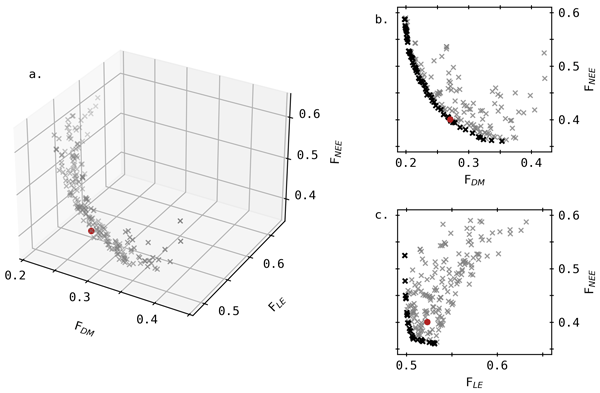
Laura Delhez, Eric Laloy, Quentin Beauclaire, and Bernard Longdoz
Biogeosciences, 23, 2079–2099, https://doi.org/10.5194/bg-23-2079-2026, https://doi.org/10.5194/bg-23-2079-2026, 2026
Short summary
Short summary
Using an advanced optimisation method, we calibrated a crop model against dry matter, carbon and water exchanges. Although model predictions matched observations well, the process revealed weaknesses in the model, such as difficulty in representing evapotranspiration, especially during heatwaves. This multi-objective approach highlighted the need to better capture stomatal and non-stomatal responses in order to improve predictions of crop models.
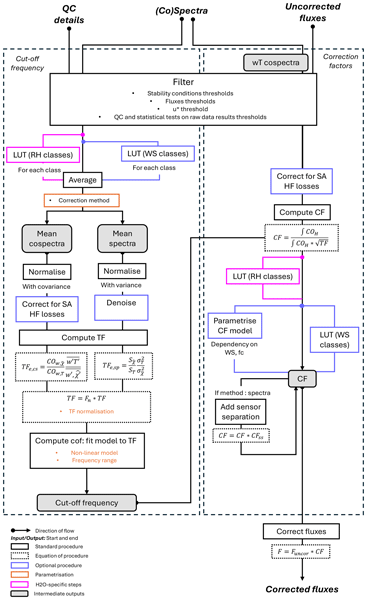
Ariane Faurès, Gerardo Fratini, Giacomo Nicolini, Dario Papale, Simone Sabbatini, and Bernard Heinesch
Atmos. Meas. Tech., 19, 6037–6074, https://doi.org/10.5194/amt-19-6037-2026, https://doi.org/10.5194/amt-19-6037-2026, 2026
Short summary
Short summary
Accurate measurements of carbon dioxide and water vapour exchanges are essential for understanding climate change. Using data from 38 European observation sites, we compared two commonly used correction methods and found that one provides more robust and consistent results, especially for water vapour. The study also revealed differences with current network processing procedures, highlighting opportunities to improve the reliability of long-term ecosystem observations.
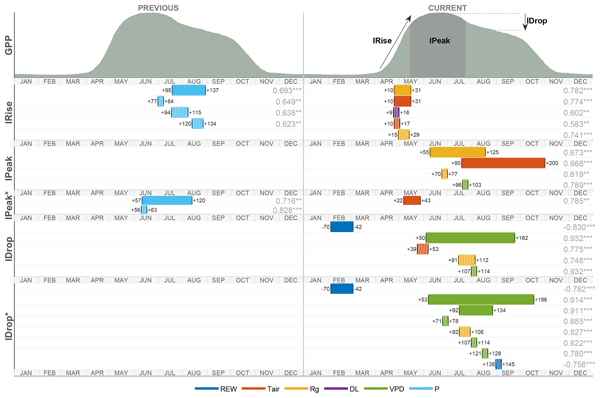
Jonathan Bitton, Bernard Heinesch, Catherine Charles, and Bernard Longdoz
Biogeosciences, 23, 6491–6520, https://doi.org/10.5194/bg-23-6491-2026, https://doi.org/10.5194/bg-23-6491-2026, 2026
Short summary
Short summary
We studied 24 years of carbon exchange in a beech forest to understand why its productivity rises, peaks and declines each at different times of the year. We mapped climate effects onto short biological windows and found that stored carbon supports early growth, a one‑week bud formation period can set next year’s peak and bursts of dry air drive mid‑summer drops. Hot summers even raised productivity when water was available. These insights help anticipate forest responses to heat and drought.
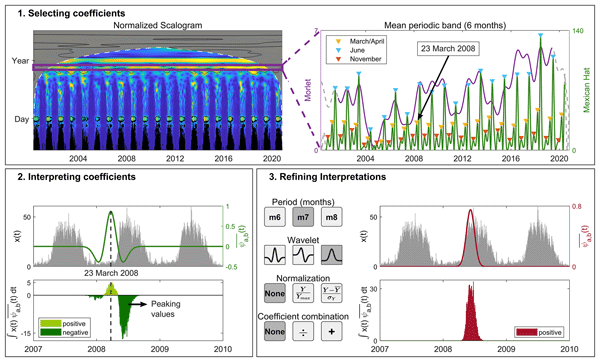
Jonathan Bitton, Catherine Charles, Bernard Longdoz, and Bernard Heinesch
Biogeosciences, 23, 6465–6489, https://doi.org/10.5194/bg-23-6465-2026, https://doi.org/10.5194/bg-23-6465-2026, 2026
Short summary
Short summary
Seasonal changes in forest behavior are often hard to detect in carbon data. We developed a wavelet‑based approach to uncover how three beech forests grow and absorb carbon through seasons. The forests showed distinct spring growth, summer slowdowns and long‑term trends. All forests were carbon sinks with managed forests strengthening over time while the old forest weakened. We show how seasonal dynamics explain long‑term changes and offer a new tool for tracking forest responses to climate.
Yue Zhou, Maria Costanza Andrenelli, Quentin Beauclaire, Eyal Ben-Dor, Sara Bergante, Javier Bravo-García, David de la Fuente Blanco, Asa Gholizadeh, David Čejka, Sabine Chabrillat, Bernard Heinesch, Laura Hernandez Mateo, Kevin Kuehl, Bernard Longdoz, Carlos Lozano Fondón, Petr Maca, Robert Milewski, Stefano Monaco, Dimitra Palantza, Francesco Palazzi, Maria Fantappiè, Roberta Farina, Marmar Sabetizadeh, Benjamin Sanchez, Inés Santín, Jonti Evan Shepherd, Judit Torres, Marta Gómez-Giménez, Bas van Wesemael, and Bertrand Guenet
EGUsphere, https://doi.org/10.5194/egusphere-2026-4735, https://doi.org/10.5194/egusphere-2026-4735, 2026
This preprint is open for discussion and under review for SOIL (SOIL).
Short summary
Short summary
Modelling changes in soil carbon stocks often relies on field measurements, such as temperature, rainfall and plant growth, but these data are not widely available across large areas. Using 16 long-term experiments data across Europe, we tested how model results changed when field measurements were replaced with satellite-based and other spatial data. Overall, spatial data produced reliable estimates of soil carbon change, supporting their use in large-scale assessments.
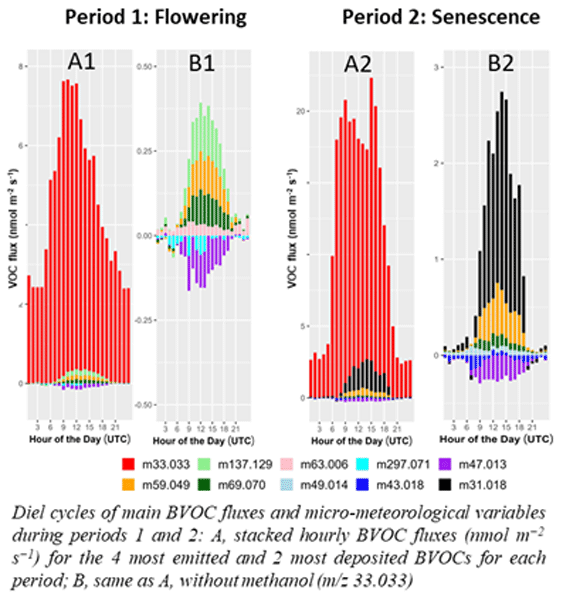
Pauline Buysse, Florence Lafouge, Raluca Ciuraru, Brigitte Durand, Olivier Zurfluh, Céline Décuq, Olivier Fanucci, Lais Gonzaga Gomez, Jean-Christophe Gueudet, Sandy Bsaibes, Nora Zannoni, Valérie Gros, and Benjamin Loubet
Atmos. Chem. Phys., 26, 12131–12150, https://doi.org/10.5194/acp-26-12131-2026, https://doi.org/10.5194/acp-26-12131-2026, 2026
Short summary
Short summary
This research aimed at quantifying biogenic volatile organic compounds (BVOCs) emissions by a rapeseed crop field. Such compounds are precursors of atmospheric pollutants. Our study revealed that methanol, a BVOC that is not very reactive in the atmosphere, is by far the most emitted BVOC, while monoterpenes, being highly reactive, were emitted in larger quantities than expected. Our study therefore points out the potentially more significant contribution of croplands to atmospheric pollution.
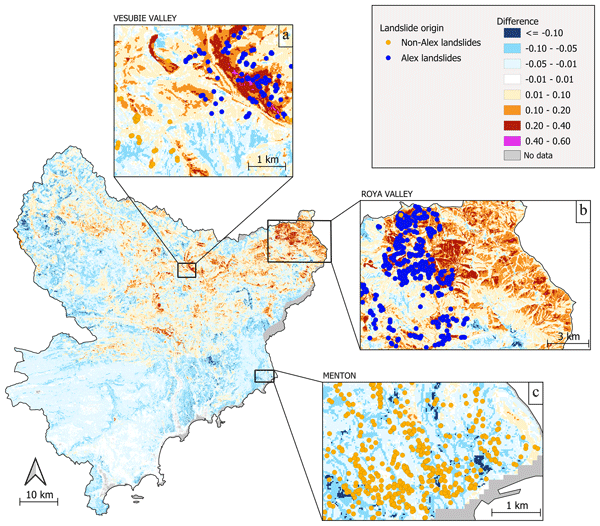
Lucie Armand, Guillaume Chambon, Olivier Cerdan, Yannick Thiery, Nathalie Marçot, Louis Ferradou, Nicolas Saby, and Séverine Bernardie
Nat. Hazards Earth Syst. Sci., 26, 3987–4012, https://doi.org/10.5194/nhess-26-3987-2026, https://doi.org/10.5194/nhess-26-3987-2026, 2026
Short summary
Short summary
This research examines how extreme-rainfall-induced landslides affect predictive tools for shallow landslides. Focusing on Storm Alex (France), we compared predictions with and without Alex-induced landslides. Results show that Alex-induced landslides do not follow the same triggering conditions as those observed during more frequent rainfalls, leading to different rainfall thresholds and susceptibility maps. This highlights the importance of accounting for rare events when predicting landslide.
Alohotsy Rafalimanana, Thomas Lauvaux, Charbel Abdallah, Mali Chariot, Michel Ramonet, Josselin Doc, Olivier Laurent, Morgan Lopez, Anja Raznjevic, Maarten Krol, Leena Järvi, Andreas Christen, Dana Looschelders, Leslie David, Olivier Sanchez, Laura Bignotti, Benjamin Loubet, Sue Grimmond, and William Morrison
EGUsphere, https://doi.org/10.5194/egusphere-2026-2581, https://doi.org/10.5194/egusphere-2026-2581, 2026
Short summary
Short summary
Using WRF-Chem simulations over Greater Paris at resolutions from 900 m to 100 m (LES), we show that horizontal resolution critically shapes urban CO2 plume structure. Mesoscale runs underestimate spatial contrasts by a factor of 2–3, with representativeness errors of 29–61 % (near-surface) and 21–59 % (XCO2). LES improves intra-urban variability and enables more accurate spatial attribution of emissions, a key step toward reliable top-down estimates for city-scale climate mitigation.
Jonathan Bitton, Bernard Heinesch, Samuel Nicolay, and Catherine Charles
EGUsphere, https://doi.org/10.5194/egusphere-2026-2881, https://doi.org/10.5194/egusphere-2026-2881, 2026
Short summary
Short summary
We investigated how wavelet-based methods estimate variance and covariance in time‑varying environmental data. We found that a widely used approach introduces systematic deviations of about 10–15 % under typical conditions. By introducing an alternative formulation, we reduced these discrepancies and improved estimation accuracy. Since these estimates are used to quantify exchanges of energy and gases, even moderate systematic deviations may influence long-term environmental analyses.
Alohotsy Rafalimanana, Thomas Lauvaux, Charbel Abdallah, Mali Chariot, Michel Ramonet, Josselin Doc, Olivier Laurent, Morgan Lopez, Anja Raznjevic, Maarten Krol, Leena Järvi, Andreas Christen, Dana Looschelders, Leslie David, Olivier Sanchez, Laura Bignotti, Benjamin Loubet, Sue Grimmond, and William Morrison
EGUsphere, https://doi.org/10.5194/egusphere-2026-2109, https://doi.org/10.5194/egusphere-2026-2109, 2026
Short summary
Short summary
This study explores how city design and buildings affect CO2 levels in the air over Paris. Using a transport model, we tested different urban canopy models to represent the city environment and its influence on air motion. We found that realistic descriptions of urban surfaces are crucial, especially in winter, for accurately showing how CO2 builds up and disperses, leading to better satellite monitoring of city CO2 emissions.
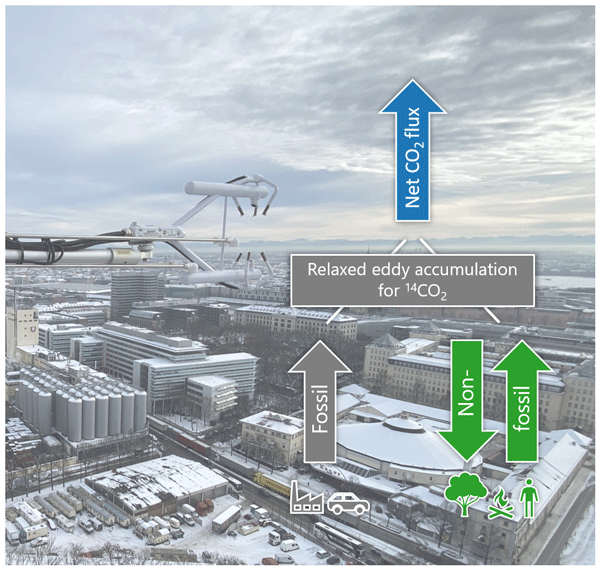
Ann-Kristin Kunz, Samuel Hammer, Patrick Aigner, Laura Bignotti, Lars Borchardt, Jia Chen, Julian Della Coletta, Lukas Emmenegger, Markus Eritt, Xochilt Gutiérrez, Josh Hashemi, Rainer Hilland, Christopher Holst, Armin Jordan, Natascha Kljun, Richard Kneißl, Changxing Lan, Virgile Legendre, Ingeborg Levin, Benjamin Loubet, Matthias Mauder, Betty Molinier, Susanne Preunkert, Michel Ramonet, Stavros Stagakis, and Andreas Christen
Atmos. Chem. Phys., 26, 4967–5003, https://doi.org/10.5194/acp-26-4967-2026, https://doi.org/10.5194/acp-26-4967-2026, 2026
Short summary
Short summary
We present radiocarbon (14C)-based fossil fuel CO2 fluxes from relaxed eddy accumulation measurements on tall towers in the cities of Zurich, Paris, and Munich. By separating net CO2 fluxes into fossil and non-fossil components, these data reveal significant and variable contributions from human, plant, and soil respiration, as well as point-source emissions. These unique insights into CO2 flux composition offer crucial information for observation-based validation of urban emission estimates.
Laura Delhez, Eric Laloy, Quentin Beauclaire, and Bernard Longdoz
Biogeosciences, 23, 2079–2099, https://doi.org/10.5194/bg-23-2079-2026, https://doi.org/10.5194/bg-23-2079-2026, 2026
Short summary
Short summary
Using an advanced optimisation method, we calibrated a crop model against dry matter, carbon and water exchanges. Although model predictions matched observations well, the process revealed weaknesses in the model, such as difficulty in representing evapotranspiration, especially during heatwaves. This multi-objective approach highlighted the need to better capture stomatal and non-stomatal responses in order to improve predictions of crop models.
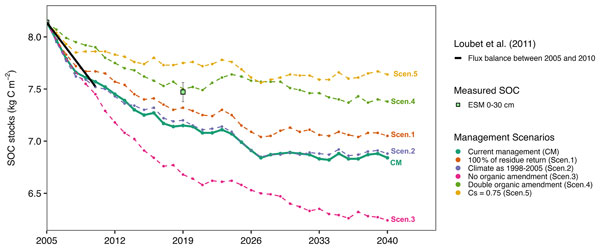
Benjamin Loubet, Nicolas P. A. Saby, Bruna Winck, Maryam Gebleh, Pauline Buysse, Jean-Philippe Chenu, Céline Ratié, Claudy Jolivet, Carmen Kalalian, Florent Levavasseur, Jose-Luis Munera-Echeverri, Sébastien Lafont, Denis Loustau, Dario Papale, Giacomo Nicolini, and Dominique Arrouays
Biogeosciences, 23, 2059–2077, https://doi.org/10.5194/bg-23-2059-2026, https://doi.org/10.5194/bg-23-2059-2026, 2026
Short summary
Short summary
Soil is a large pool of carbon storing globally, from 2 to 3 times more carbon than the atmosphere and vegetation. We measure the soil stock change from 2005 to 2019 at the ICOS crop site FR-Gri near Paris. The soil carbon stock decreased by approximately 72 ± 17 g C m-2 yr-1 over the period, resulting in a total loss of around 8% of the initial soil stock. This strong destocking is primarily attributed to a decrease in residue return and organic amendments to the site.
Clément Dumont, Bert Willem Diane Verreyken, Niels Schoon, Benjamin Bergmans, Bernard Heinesch, and Crist Amelynck
Earth Syst. Sci. Data, 18, 617–654, https://doi.org/10.5194/essd-18-617-2026, https://doi.org/10.5194/essd-18-617-2026, 2026
Short summary
Short summary
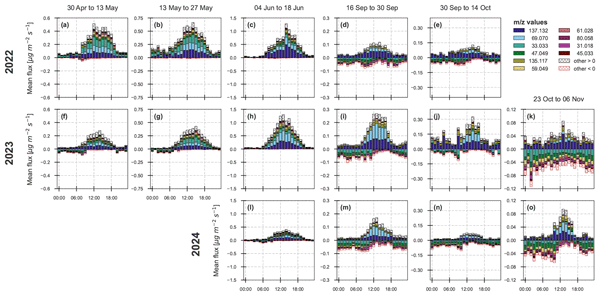
We measured the net exchange (fluxes) of volatile organic compounds and ozone between a mixed temperate forest and the atmosphere over three years in Belgium. Many compounds were both emitted and deposited depending on the season and time of day. Emissions peaked in summer, while uptake was stronger in autumn. This unique long-term dataset improves our understanding of forest–atmosphere interactions and supports better air quality and climate models.
Jennifer Michel, Yves Brostaux, Bernard Longdoz, Hervé Vanderschuren, and Pierre Delaplace
SOIL, 11, 755–762, https://doi.org/10.5194/soil-11-755-2025, https://doi.org/10.5194/soil-11-755-2025, 2025
Short summary
Short summary
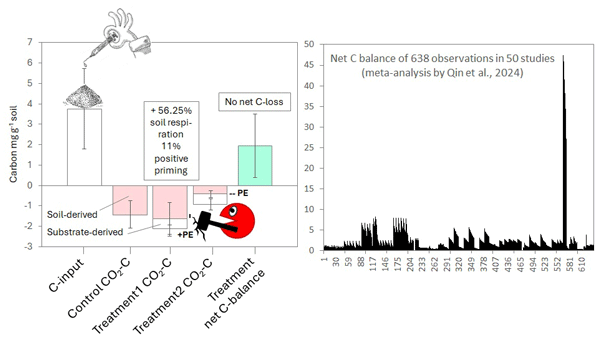
We discuss three aspects to ensure (rhizosphere) priming effects are correctly perceived in their ecological context and measured at appropriate scales. (i) The first aspect is that there is little empirical evidence for net C losses from priming. (ii) The second aspect is critical publication bias. (iii) The third aspect is a need to distinguish between priming effects (PE) and rhizosphere priming effects (RPE).
Pedro Henrique Herig Coimbra, Benjamin Loubet, Olivier Laurent, Laura Bignotti, Mathis Lozano, and Michel Ramonet
Atmos. Meas. Tech., 17, 6625–6645, https://doi.org/10.5194/amt-17-6625-2024, https://doi.org/10.5194/amt-17-6625-2024, 2024
Short summary
Short summary
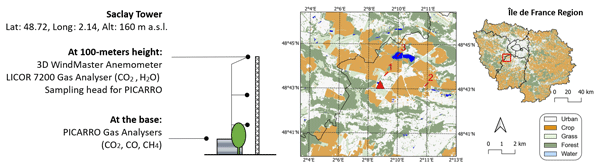
This study presents direct flux measurements in tall towers using existing slow-response analysers and adding 3D sonic anemometers. This way, we can significantly improve greenhouse gas monitoring with little extra instrumental effort. Slow-response analysers may be used here as the relevant frequency ranges depend on measuring height. Tall towers offer a large footprint, amplifying spatial coverage. The presented concept is a valuable bridge between atmospheric and ecosystem communities.
Jacob A. Nelson, Sophia Walther, Fabian Gans, Basil Kraft, Ulrich Weber, Kimberly Novick, Nina Buchmann, Mirco Migliavacca, Georg Wohlfahrt, Ladislav Šigut, Andreas Ibrom, Dario Papale, Mathias Göckede, Gregory Duveiller, Alexander Knohl, Lukas Hörtnagl, Russell L. Scott, Jiří Dušek, Weijie Zhang, Zayd Mahmoud Hamdi, Markus Reichstein, Sergio Aranda-Barranco, Jonas Ardö, Maarten Op de Beeck, Dave Billesbach, David Bowling, Rosvel Bracho, Christian Brümmer, Gustau Camps-Valls, Shiping Chen, Jamie Rose Cleverly, Ankur Desai, Gang Dong, Tarek S. El-Madany, Eugenie Susanne Euskirchen, Iris Feigenwinter, Marta Galvagno, Giacomo A. Gerosa, Bert Gielen, Ignacio Goded, Sarah Goslee, Christopher Michael Gough, Bernard Heinesch, Kazuhito Ichii, Marcin Antoni Jackowicz-Korczynski, Anne Klosterhalfen, Sara Knox, Hideki Kobayashi, Kukka-Maaria Kohonen, Mika Korkiakoski, Ivan Mammarella, Mana Gharun, Riccardo Marzuoli, Roser Matamala, Stefan Metzger, Leonardo Montagnani, Giacomo Nicolini, Thomas O'Halloran, Jean-Marc Ourcival, Matthias Peichl, Elise Pendall, Borja Ruiz Reverter, Marilyn Roland, Simone Sabbatini, Torsten Sachs, Marius Schmidt, Christopher R. Schwalm, Ankit Shekhar, Richard Silberstein, Maria Lucia Silveira, Donatella Spano, Torbern Tagesson, Gianluca Tramontana, Carlo Trotta, Fabio Turco, Timo Vesala, Caroline Vincke, Domenico Vitale, Enrique R. Vivoni, Yi Wang, William Woodgate, Enrico A. Yepez, Junhui Zhang, Donatella Zona, and Martin Jung
Biogeosciences, 21, 5079–5115, https://doi.org/10.5194/bg-21-5079-2024, https://doi.org/10.5194/bg-21-5079-2024, 2024
Short summary
Short summary
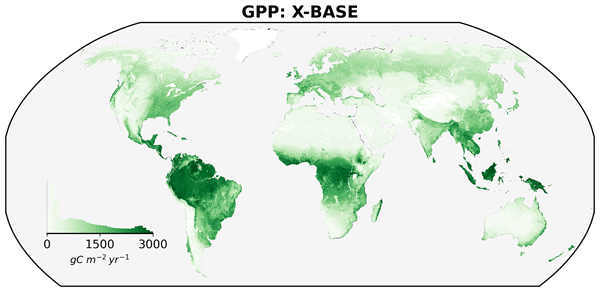
The movement of water, carbon, and energy from the Earth's surface to the atmosphere, or flux, is an important process to understand because it impacts our lives. Here, we outline a method called FLUXCOM-X to estimate global water and CO2 fluxes based on direct measurements from sites around the world. We go on to demonstrate how these new estimates of net CO2 uptake/loss, gross CO2 uptake, total water evaporation, and transpiration from plants compare to previous and independent estimates.
Amicie A. Delahaie, Lauric Cécillon, Marija Stojanova, Samuel Abiven, Pierre Arbelet, Dominique Arrouays, François Baudin, Antonio Bispo, Line Boulonne, Claire Chenu, Jussi Heinonsalo, Claudy Jolivet, Kristiina Karhu, Manuel Martin, Lorenza Pacini, Christopher Poeplau, Céline Ratié, Pierre Roudier, Nicolas P. A. Saby, Florence Savignac, and Pierre Barré
SOIL, 10, 795–812, https://doi.org/10.5194/soil-10-795-2024, https://doi.org/10.5194/soil-10-795-2024, 2024
Short summary
Short summary
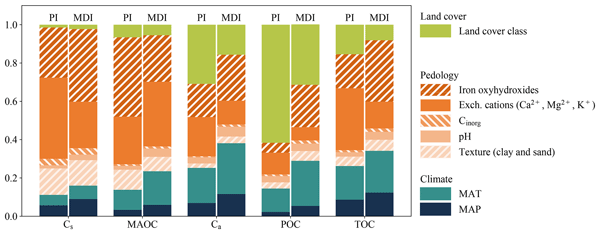
This paper compares the soil organic carbon fractions obtained from a new thermal fractionation scheme and a well-known physical fractionation scheme on an unprecedented dataset of French topsoil samples. For each fraction, we use a machine learning model to determine its environmental drivers (pedology, climate, and land cover). Our results suggest that these two fractionation schemes provide different fractions, which means they provide complementary information.
Changxing Lan, Matthias Mauder, Stavros Stagakis, Benjamin Loubet, Claudio D'Onofrio, Stefan Metzger, David Durden, and Pedro-Henrique Herig-Coimbra
Atmos. Meas. Tech., 17, 2649–2669, https://doi.org/10.5194/amt-17-2649-2024, https://doi.org/10.5194/amt-17-2649-2024, 2024
Short summary
Short summary
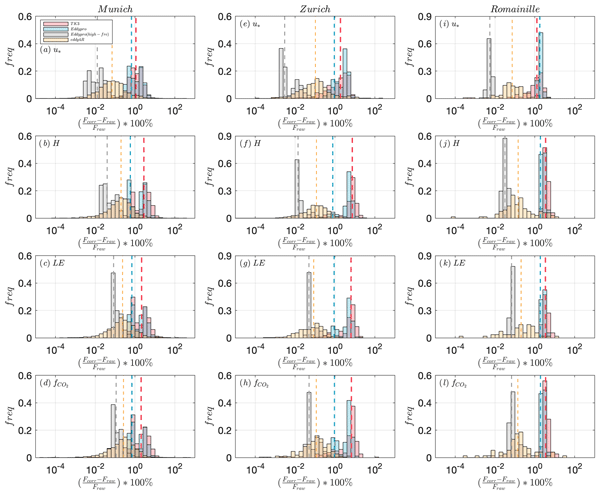
Using eddy-covariance systems deployed in three cities, we aimed to elucidate the sources of discrepancies in flux estimations from different software packages. One crucial finding is the impact of low-frequency spectral loss corrections on tall-tower flux estimations. Our findings emphasize the significance of a standardized measurement setup and consistent postprocessing configurations in minimizing the systematic flux uncertainty resulting from the usage of different software packages.
Christophe Djemiel, Samuel Dequiedt, Walid Horrigue, Arthur Bailly, Mélanie Lelièvre, Julie Tripied, Charles Guilland, Solène Perrin, Gwendoline Comment, Nicolas P. A. Saby, Claudy Jolivet, Antonio Bispo, Line Boulonne, Antoine Pierart, Patrick Wincker, Corinne Cruaud, Pierre-Alain Maron, Sébastien Terrat, and Lionel Ranjard
SOIL, 10, 251–273, https://doi.org/10.5194/soil-10-251-2024, https://doi.org/10.5194/soil-10-251-2024, 2024
Short summary
Short summary
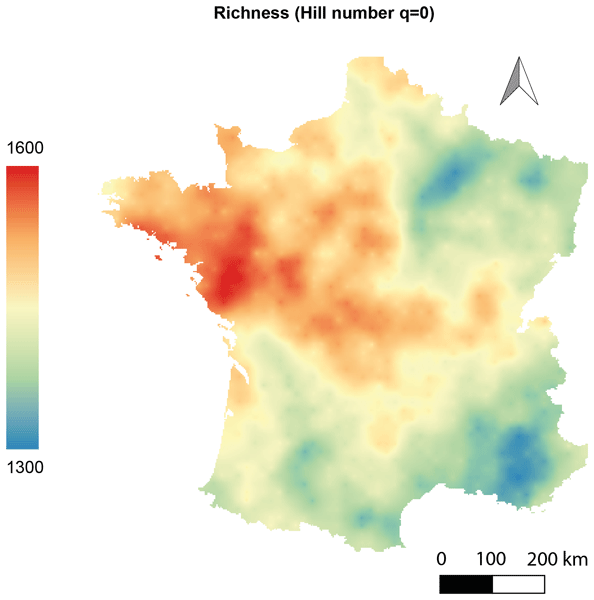
The fungal kingdom has been diversifying for more than 800 million years by colonizing a large number of habitats on Earth. Based on a unique dataset (18S rDNA meta-barcoding), we described the spatial distribution of fungal diversity at the scale of France and the environmental drivers by tackling biogeographical patterns. We also explored the fungal network interactions across land uses and climate types.
Yang Liu, Raluca Ciuraru, Letizia Abis, Crist Amelynck, Pauline Buysse, Alex Guenther, Bernard Heinesch, Florence Lafouge, Florent Levavasseur, Benjamin Loubet, Auriane Voyard, and Raia-Silvia Massad
EGUsphere, https://doi.org/10.5194/egusphere-2024-530, https://doi.org/10.5194/egusphere-2024-530, 2024
Preprint archived
Short summary
Short summary
This paper reviews the emission and emission processes of biogenic volatile organic compounds (BVOCs) from various crops and soil under different management practices, highlighting challenges in modeling the emissions and proposing a conceptual model for estimation. The aim of this paper is to present agricultural BVOC data and related mechanistic processes to enhance model accuracy and reduce uncertainties in estimating BVOC emissions from agriculture.
Victor Moinard, Antoine Savoie, Catherine Pasquier, Adeline Besnault, Yolaine Goubard-Delaunay, Baptiste Esnault, Marco Carozzi, Polina Voylokov, Sophie Génermont, Benjamin Loubet, Catherine Hénault, Florent Levavasseur, Jean-Marie Paillat, and Sabine Houot
EGUsphere, https://doi.org/10.5194/egusphere-2024-161, https://doi.org/10.5194/egusphere-2024-161, 2024
Preprint archived
Short summary
Short summary
Anaerobic digestion is used for biogas production. The resulting digestates may be associated with different crop performances and N losses compared to undigested animal effluents. We monitored N flows during a three-year field experiment with different fertilizations based on cattle effluents, digestates, or mineral fertilizers. Digestates were effective N fertilizer but required attention to NH3 volatilization. We identified no additional risks of N2O emissions with digestates.
Pauline Buysse, Benjamin Loubet, Raluca Ciuraru, Florence Lafouge, Brigitte Durand, Olivier Zurfluh, Céline Décuq, Olivier Fanucci, Lais Gonzaga Gomez, Jean-Christophe Gueudet, Sandy Bsaibes, Nora Zannoni, and Valérie Gros
EGUsphere, https://doi.org/10.5194/egusphere-2023-2438, https://doi.org/10.5194/egusphere-2023-2438, 2024
Preprint withdrawn
Short summary
Short summary
This research aimed at quantifying biogenic volatile organic compounds (BVOCs) emissions by a rapeseed crop field. Such compounds are precursors of atmospheric pollutants. Our study revealed that methanol, a BVOC that is not very reactive in the atmosphere, is by far the most emitted BVOC, while monoterpenes, being highly reactive, were emitted in larger quantities than expected. Our study therefore points out the potentially more significant contribution of croplands to atmospheric pollution.
Amicie A. Delahaie, Pierre Barré, François Baudin, Dominique Arrouays, Antonio Bispo, Line Boulonne, Claire Chenu, Claudy Jolivet, Manuel P. Martin, Céline Ratié, Nicolas P. A. Saby, Florence Savignac, and Lauric Cécillon
SOIL, 9, 209–229, https://doi.org/10.5194/soil-9-209-2023, https://doi.org/10.5194/soil-9-209-2023, 2023
Short summary
Short summary
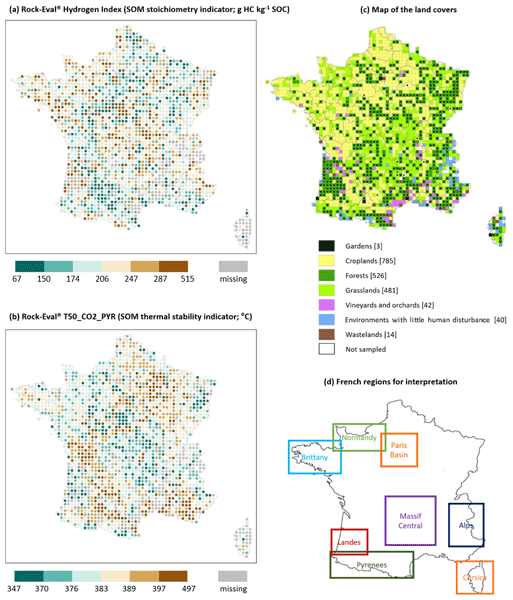
We characterized organic matter in French soils by analysing samples from the French RMQS network using Rock-Eval thermal analysis. We found that thermal analysis is appropriate to characterize large set of samples (ca. 2000) and provides interpretation references for Rock-Eval parameter values. This shows that organic matter in managed soils is on average more oxidized and more thermally stable and that some Rock-Eval parameters are good proxies for organic matter biogeochemical stability.

Alexandre M. J.-C. Wadoux, Nicolas P. A. Saby, and Manuel P. Martin
SOIL, 9, 21–38, https://doi.org/10.5194/soil-9-21-2023, https://doi.org/10.5194/soil-9-21-2023, 2023
Short summary
Short summary
We introduce Shapley values for machine learning model interpretation and reveal the local and global controlling factors of soil organic carbon (SOC) stocks. The method enables spatial analysis of the important variables. Vegetation and topography determine much of the SOC stock variation in mainland France. We conclude that SOC stock variation is complex and should be interpreted at multiple levels.
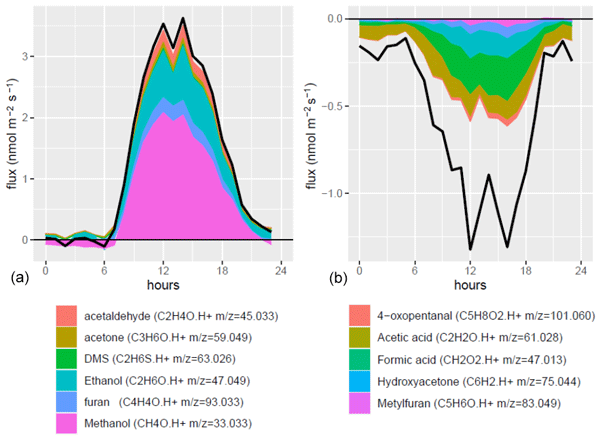
Benjamin Loubet, Pauline Buysse, Lais Gonzaga-Gomez, Florence Lafouge, Raluca Ciuraru, Céline Decuq, Julien Kammer, Sandy Bsaibes, Christophe Boissard, Brigitte Durand, Jean-Christophe Gueudet, Olivier Fanucci, Olivier Zurfluh, Letizia Abis, Nora Zannoni, François Truong, Dominique Baisnée, Roland Sarda-Estève, Michael Staudt, and Valérie Gros
Atmos. Chem. Phys., 22, 2817–2842, https://doi.org/10.5194/acp-22-2817-2022, https://doi.org/10.5194/acp-22-2817-2022, 2022
Short summary
Short summary
Volatile organic compounds (VOCs) are precursors of tropospheric pollutants like ozone or aerosols. Emission by agricultural land was still poorly characterized. We report experimental measurements of ecosystem-scale VOC fluxes above a wheat field with a highly sensitive proton transfer mass spectrometer. We report the fluxes of 123 compounds and confirm that methanol is the most emitted VOC by wheat. The second most emitted compound was C6H4O. Around 75 % of the compounds were deposited.
Cited articles
Abramoff, R. Z., Guenet, B., Zhang, H., Georgiou, K., Xu, X., Viscarra Rossel, R. A., Yuan, W., and Ciais, P.: Improved global-scale predictions of soil carbon stocks with Millennial Version 2, Soil Biol. Biochem., 164, 108466, https://doi.org/10.1016/j.soilbio.2021.108466, 2022.
Alcántara, V., Don, A., Vesterdal, L., Well, R., and Nieder, R.: Stability of buried carbon in deep-ploughed forest and cropland soils – implications for carbon stocks, Sci. Rep., 7, 5511, https://doi.org/10.1038/s41598-017-05501-y, 2017.
Antosh, E., Idowu, J., Schutte, B., and Lehnhoff, E.: Winter cover crops effects on soil properties and sweet corn yield in semi-arid irrigated systems, Agron. J., 112, 92–106, https://doi.org/10.1002/agj2.20055, 2020.
Arrouays, D., Saby, N. P. A., Boukir, H., Jolivet, C., Ratié, C., Schrumpf, M., Merbold, L., Gielen, B., Gogo, S., Delpierre, N., Vincent, G., Klumpp, K., and Loustau, D.: Soil sampling and preparation for monitoring soil carbon, Int. Agrophys., 32, 633–643, https://doi.org/10.1515/intag-2017-0047, 2018.
Aubinet, M., Moureaux, C., Bodson, B., Dufranne, D., Heinesch, B., Suleau, M., Vancutsem, F., and Vilret, A.: Carbon sequestration by a crop over a 4-year sugar beet/winter wheat/seed potato/winter wheat rotation cycle, Agr. Forest Meteorol., 149, 407–418, https://doi.org/10.1016/j.agrformet.2008.09.003, 2009.
Aubinet, M., Vesala, T., and Papale, D. (Eds.): Eddy Covariance: A Practical Guide to Measurement and Data Analysis, Springer Netherlands, Dordrecht, https://doi.org/10.1007/978-94-007-2351-1, 2012.
Bai, X., Tang, J., Wang, W., Ma, J., Shi, J., and Ren, W.: Organic amendment effects on cropland soil organic carbon and its implications: A global synthesis, CATENA, 231, 107343, https://doi.org/10.1016/j.catena.2023.107343, 2023.
Baker, J. M. and Griffis, T. J.: Examining strategies to improve the carbon balance of corn/soybean agriculture using eddy covariance and mass balance techniques, Agr. Forest Meteorol., 128, 163–177, https://doi.org/10.1016/j.agrformet.2004.11.005, 2005.
Baldocchi, D.: Measuring fluxes of trace gases and energy between ecosystems and the atmosphere – the state and future of the eddy covariance method, Glob. Change Biol., 20, 3600–3609, https://doi.org/10.1111/gcb.12649, 2014.
Blanco-Canqui, H.: Cover crops and carbon sequestration: Lessons from U.S. studies, Soil Sci. Soc. Am. J., 86, 501–519, https://doi.org/10.1002/saj2.20378, 2022.
Bolinder, M. A., Janzen, H. H., Gregorich, E. G., Angers, D. A., and VandenBygaart, A. J.: An approach for estimating net primary productivity and annual carbon inputs to soil for common agricultural crops in Canada, Agr. Ecosyst. Environ., 118, 29–42, https://doi.org/10.1016/j.agee.2006.05.013, 2007.
Bolinder, M. A., Crotty, F., Elsen, A., Frac, M., Kismányoky, T., Lipiec, J., Tits, M., Tóth, Z., and Kätterer, T.: The effect of crop residues, cover crops, manures and nitrogen fertilization on soil organic carbon changes in agroecosystems: a synthesis of reviews, Mitig. Adapt. Strat. Gl., 25, 929–952, https://doi.org/10.1007/s11027-020-09916-3, 2020.
Breil, N. L., Lamaze, T., Bustillo, V., Marcato-Romain, C.-E., Coudert, B., Queguiner, S., and Jarosz-Pellé, N.: Combined impact of no-tillage and cover crops on soil carbon stocks and fluxes in maize crops, Soil Till. Res., 233, 105782, https://doi.org/10.1016/j.still.2023.105782, 2023.
Bruni, E., Chenu, C., Abramoff, R. Z., Baldoni, G., Barkusky, D., Clivot, H., Huang, Y., Kätterer, T., Pikuła, D., Spiegel, H., Virto, I., and Guenet, B.: Multi-modelling predictions show high uncertainty of required carbon input changes to reach a 4 ‰ target, Eur. J. Soil Sci., 73, e13330, https://doi.org/10.1111/ejss.13330, 2022.
Bruni, E., Lehtonen, A., Hashimoto, S., Ťupek, B., Bacha, N., Bunker, D., Brasselet-Darracq, I., Fages-Gouyou, D., Hemeray, Y., Reyer, C. P. O., Sierra, C. A., and Guenet, B.: me4soc: a multi-model ensemble interface for soil organic carbon predictions, Ecol. Model., 521, 111716, https://doi.org/10.1016/j.ecolmodel.2026.111716, 2026.
Buysse, P., Goffin, S., Carnol, M., Malchair, S., Debacq, A., Longdoz, B., and Aubinet, M.: Short-term temperature impact on soil heterotrophic respiration in limed agricultural soil samples, Biogeochemistry, 112, 441–455, https://doi.org/10.1007/s10533-012-9739-7, 2013.
Buysse, P., Bodson, B., Debacq, A., De Ligne, A., Heinesch, B., Manise, T., Moureaux, C., and Aubinet, M.: Carbon budget measurement over 12 years at a crop production site in the silty-loam region in Belgium, Agr. Forest Meteorol., 246, 241–255, https://doi.org/10.1016/j.agrformet.2017.07.004, 2017.
Cai, J., Liu, Y., Lei, T., and Pereira, L. S.: Estimating reference evapotranspiration with the FAO Penman–Monteith equation using daily weather forecast messages, Agr. Forest Meteorol., 145, 22–35, https://doi.org/10.1016/j.agrformet.2007.04.012, 2007.
Camino-Serrano, M., Guenet, B., Luyssaert, S., Ciais, P., Bastrikov, V., De Vos, B., Gielen, B., Gleixner, G., Jornet-Puig, A., Kaiser, K., Kothawala, D., Lauerwald, R., Peñuelas, J., Schrumpf, M., Vicca, S., Vuichard, N., Walmsley, D., and Janssens, I. A.: ORCHIDEE-SOM: modeling soil organic carbon (SOC) and dissolved organic carbon (DOC) dynamics along vertical soil profiles in Europe, Geosci. Model Dev., 11, 937–957, https://doi.org/10.5194/gmd-11-937-2018, 2018.
Carter, M. R., Angers, D. A., Gregorich, E. G., and Bolinder, M. A.: Characterizing organic matter retention for surface soils in eastern Canada using density and particle size fractions, Can. J. Soil. Sci., 83, 11–23, https://doi.org/10.4141/S01-087, 2003.
Ceschia, E., Béziat, P., Dejoux, J. F., Aubinet, M., Bernhofer, Ch., Bodson, B., Buchmann, N., Carrara, A., Cellier, P., Di Tommasi, P., Elbers, J. A., Eugster, W., Grünwald, T., Jacobs, C. M. J., Jans, W. W. P., Jones, M., Kutsch, W., Lanigan, G., Magliulo, E., Marloie, O., Moors, E. J., Moureaux, C., Olioso, A., Osborne, B., Sanz, M. J., Saunders, M., Smith, P., Soegaard, H., and Wattenbach, M.: Management effects on net ecosystem carbon and GHG budgets at European crop sites, Agr. Ecosyst. Environ., 139, 363–383, https://doi.org/10.1016/j.agee.2010.09.020, 2010.
Chenu, C., Angers, D. A., Barré, P., Derrien, D., Arrouays, D., and Balesdent, J.: Increasing organic stocks in agricultural soils: Knowledge gaps and potential innovations, Soil Till. Res., 188, 41–52, https://doi.org/10.1016/j.still.2018.04.011, 2019.
Clark, D. B., Mercado, L. M., Sitch, S., Jones, C. D., Gedney, N., Best, M. J., Pryor, M., Rooney, G. G., Essery, R. L. H., Blyth, E., Boucher, O., Harding, R. J., Huntingford, C., and Cox, P. M.: The Joint UK Land Environment Simulator (JULES), model description – Part 2: Carbon fluxes and vegetation dynamics, Geosci. Model Dev., 4, 701–722, https://doi.org/10.5194/gmd-4-701-2011, 2011.
Coleman, K. and Jenkinson, D. S.: RothC-26.3 - A Model for the turnover of carbon in soil, in: Evaluation of Soil Organic Matter Models, edited by: Powlson, D. S., Smith, P., and Smith, J. U., Springer Berlin Heidelberg, Berlin, Heidelberg, 237–246, https://doi.org/10.1007/978-3-642-61094-3_17, 1996.
Cotrufo, M. F., Ranalli, M. G., Haddix, M. L., Six, J., and Lugato, E.: Soil carbon storage informed by particulate and mineral-associated organic matter, Nat. Geosci., 12, 989–994, https://doi.org/10.1038/s41561-019-0484-6, 2019.
Dechow, R., Franko, U., Kätterer, T., and Kolbe, H.: Evaluation of the RothC model as a prognostic tool for the prediction of SOC trends in response to management practices on arable land, Geoderma, 337, 463–478, https://doi.org/10.1016/j.geoderma.2018.10.001, 2019.
Delhez, L., Dumont, B., and Longdoz, B.: Leveraging temporal variability in global sensitivity analysis of the Daisy soil-plant-atmosphere model, Eur. J. Agron., 165, 127533, https://doi.org/10.1016/j.eja.2025.127533, 2025.
Du, Q., Liu, H., Feng, J., and Wang, L.: Effects of different gap filling methods and land surface energy balance closure on annual net ecosystem exchange in a semiarid area of China, Sci. China Earth Sci., 57, 1340–1351, https://doi.org/10.1007/s11430-013-4756-5, 2014.
Dumont, B., Heinesch, B., Bodson, B., Bogaerts, G., Chopin, H., De Ligne, A., Demoulin, L., Douxfils, B., Engelmann, T., Faurès, A., Longdoz, B., Manise, T., Orgun, A., Piret, A., and Thyrion, T.: Fluxnet Archive Product from Lonzee, 2004–2024, FLUXNET [data set], https://hdl.handle.net/11676/1u2xQ5XcQoX0j2wJiZcyDP3M (last access: 1 May 2026), 2026a.
Dumont, B., Heinesch, B., Bodson, B., Bogaerts, G., Chopin, H., Clément, T., De Ligne, A., Demoulin, L., Douxfils, B., Engelmann, T., Faurès, A., Longdoz, B., Manise, T., Orgun, A., Piret, A., and Thyrion, T.: ETC L2 ARCHIVE from Lonzee, 2017–2025, ICOS RI [data set], https://hdl.handle.net/11676/99gAK7xqcSkk7SRKDwZz1KJT (last access: 1 May 2026), 2026b.
Durand, P.: A Possible Reconciliation between Eddy Covariance Fluxes and Surface Energy Balance Closure, Atmosphere, 13, 1965, https://doi.org/10.3390/atmos13121965, 2022.
Emmel, C., Winkler, A., Hörtnagl, L., Revill, A., Ammann, C., D'Odorico, P., Buchmann, N., and Eugster, W.: Integrated management of a Swiss cropland is not sufficient to preserve its soil carbon pool in the long term, Biogeosciences, 15, 5377–5393, https://doi.org/10.5194/bg-15-5377-2018, 2018.
European Commission, Directorate-General for Environment: Nitrates Directive 91/676/EEC – Status and trends of aquatic environment and agricultural practice: development guide for Member States' reports, https://op.europa.eu/s/Aldi (last access: 12 February 2025), 2000.
Falloon, P., Smith, P., Coleman, K., and Marshall, S.: Estimating the size of the inert organic matter pool from total soil organic carbon content for use in the Rothamsted carbon model, Soil Biol. Biochem., 30, 1207–1211, https://doi.org/10.1016/S0038-0717(97)00256-3, 1998.
Farina, R., Sándor, R., Abdalla, M., Álvaro-Fuentes, J., Bechini, L., Bolinder, M. A., Brilli, L., Chenu, C., Clivot, H., De Antoni Migliorati, M., Di Bene, C., Dorich, C. D., Ehrhardt, F., Ferchaud, F., Fitton, N., Francaviglia, R., Franko, U., Giltrap, D. L., Grant, B. B., Guenet, B., Harrison, M. T., Kirschbaum, M. U. F., Kuka, K., Kulmala, L., Liski, J., McGrath, M. J., Meier, E., Menichetti, L., Moyano, F., Nendel, C., Recous, S., Reibold, N., Shepherd, A., Smith, W. N., Smith, P., Soussana, J., Stella, T., Taghizadeh-Toosi, A., Tsutskikh, E., and Bellocchi, G.: Ensemble modelling, uncertainty and robust predictions of organic carbon in long-term bare-fallow soils, Glob. Change Biol., 27, 904–928, https://doi.org/10.1111/gcb.15441, 2021.
Faurès, A. and Heinesch, B.: FreqCor, Version v1.3, Zenodo [code], https://doi.org/10.5281/zenodo.22877082, 2026.
Faurès, A., Fratini, G., Nicolini, G., Papale, D., Sabbatini, S., and Heinesch, B.: Spectral versus co-spectral correction of eddy-covariance fluxes: a multi-site assessment across the ICOS network, Atmos. Meas. Tech., 19, 6037–6074, https://doi.org/10.5194/amt-19-6037-2026, 2026.
Ferchaud, F., Chlebowski, F., and Mary, B.: SimpleESM: R script to calculate soil organic carbon and nitrogen stocks at equivalent soil mass, Institut National de Recherche pour l'Agriculture, l'Alimentation et l'Environnement (INRAE), https://hal.science/hal-04013158 (last access: 4 April 2026), 2023.
Filip, I. D., Peri, P. L., Banegas, N., Nasca, J., Sacido, M., Faverin, C., and Vibart, R.: Predicting Soil Organic Carbon Stocks Under Native Forests and Grasslands in the Dry Chaco Region of Argentina, Sustainability, 17, 5012, https://doi.org/10.3390/su17115012, 2025.
Foken, T.: The Energy Balance Closure Problem: An Overview, Ecol. Appl., 18, 1351–1367, https://doi.org/10.1890/06-0922.1, 2008.
Foken, T., Aubinet, M., Finnigan, J. J., Leclerc, M. Y., Mauder, M., and Paw U, K. T.: Results Of A Panel Discussion About The Energy Balance Closure Correction For Trace Gases, B. Am. Meteorol. Soc., 92, ES13–ES18, https://doi.org/10.1175/2011BAMS3130.1, 2011.
Forrester, D. I., England, J. R., Paul, K. I., Rosauer, D. F., and Roxburgh, S. H.: Modelling carbon flows from live biomass to soils using the full Carbon Accounting Model (FullCAM), Environ. Modell. Softw., 177, 106064, https://doi.org/10.1016/j.envsoft.2024.106064, 2024.
Frasier, I., Noellemeyer, E., Fernández, R., and Quiroga, A.: Direct field method for root biomass quantification in agroecosystems, MethodsX, 3, 513–519, https://doi.org/10.1016/j.mex.2016.08.002, 2016.
Fuss, S., Lamb, W. F., Callaghan, M. W., Hilaire, J., Creutzig, F., Amann, T., Beringer, T., De Oliveira Garcia, W., Hartmann, J., Khanna, T., Luderer, G., Nemet, G. F., Rogelj, J., Smith, P., Vicente, J. L. V., Wilcox, J., Del Mar Zamora Dominguez, M., and Minx, J. C.: Negative emissions–Part 2: Costs, potentials and side effects, Environ. Res. Lett., 13, 063002, https://doi.org/10.1088/1748-9326/aabf9f, 2018.
Gao, Z., Liu, H., Missik, J. E. C., Yao, J., Huang, M., Chen, X., Arntzen, E., and Mcfarland, D. P.: Mechanistic links between underestimated CO2 fluxes and non-closure of the surface energy balance in a semi-arid sagebrush ecosystem, Environ. Res. Lett., 14, 044016, https://doi.org/10.1088/1748-9326/ab082d, 2019.
Georgiou, K., Jackson, R. B., Vindušková, O., Abramoff, R. Z., Ahlström, A., Feng, W., Harden, J. W., Pellegrini, A. F. A., Polley, H. W., Soong, J. L., Riley, W. J., and Torn, M. S.: Global stocks and capacity of mineral-associated soil organic carbon, Nat. Commun., 13, 3797, https://doi.org/10.1038/s41467-022-31540-9, 2022.
Geremew, B., Tadesse, T., Bedadi, B., Gollany, H. T., Tesfaye, K., Aschalew, A., Tilaye, A., and Abera, W.: Evaluation of RothC model for predicting soil organic carbon stock in north-west Ethiopia, Environmental Challenges, 15, 100909, https://doi.org/10.1016/j.envc.2024.100909, 2024.
Giannini-Kurina, F., Serra, J., Christensen, B. T., Eriksen, J., Hutchings, N. J., Olesen, J. E., and Jensen, J. L.: Modelling and validating soil carbon dynamics at the long-term plot scale using the rCTOOL R package, Environ. Modell. Softw., 183, 106229, https://doi.org/10.1016/j.envsoft.2024.106229, 2025.
Gielen, B., Acosta, M., Altimir, N., Buchmann, N., Cescatti, A., Ceschia, E., Fleck, S., Hörtnagl, L., Klumpp, K., Kolari, P., Lohila, A., Loustau, D., Marańon-Jimenez, S., Manise, T., Matteucci, G., Merbold, L., Metzger, C., Moureaux, C., Montagnani, L., Nilsson, M. B., Osborne, B., Papale, D., Pavelka, M., Saunders, M., Simioni, G., Soudani, K., Sonnentag, O., Tallec, T., Tuittila, E.-S., Peichl, M., Pokorny, R., Vincke, C., and Wohlfahrt, G.: Ancillary vegetation measurements at ICOS ecosystem stations, Int. Agrophys., 32, 645–664, https://doi.org/10.1515/intag-2017-0048, 2018.
Goidts, E. and Van Wesemael, B.: Regional assessment of soil organic carbon changes under agriculture in Southern Belgium (1955–2005), Geoderma, 141, 341–354, https://doi.org/10.1016/j.geoderma.2007.06.013, 2007.
Goidts, E., Van Wesemael, B., and Crucifix, M.: Magnitude and sources of uncertainties in soil organic carbon (SOC) stock assessments at various scales, Eur. J. Soil Sci., 60, 723–739, https://doi.org/10.1111/j.1365-2389.2009.01157.x, 2009.
Gommet, C., Lauerwald, R., Ciais, P., Guenet, B., Zhang, H., and Regnier, P.: Spatiotemporal patterns and drivers of terrestrial dissolved organic carbon (DOC) leaching into the European river network, Earth Syst. Dynam., 13, 393–418, https://doi.org/10.5194/esd-13-393-2022, 2022.
Gross, A. and Glaser, B.: Meta-analysis on how manure application changes soil organic carbon storage, Sci. Rep., 11, 5516, https://doi.org/10.1038/s41598-021-82739-7, 2021.
Guenet, B., Gabrielle, B., Chenu, C., Arrouays, D., Balesdent, J., Bernoux, M., Bruni, E., Caliman, J., Cardinael, R., Chen, S., Ciais, P., Desbois, D., Fouche, J., Frank, S., Henault, C., Lugato, E., Naipal, V., Nesme, T., Obersteiner, M., Pellerin, S., Powlson, D. S., Rasse, D. P., Rees, F., Soussana, J., Su, Y., Tian, H., Valin, H., and Zhou, F.: Can N2O emissions offset the benefits from soil organic carbon storage?, Glob. Change Biol., 27, 237–256, https://doi.org/10.1111/gcb.15342, 2021.
Gutierrez, S., Grados, D., Møller, A. B., De Carvalho Gomes, L., Beucher, A. M., Giannini-Kurina, F., De Jonge, L. W., and Greve, M. H.: Unleashing the sequestration potential of soil organic carbon under climate and land use change scenarios in Danish agroecosystems, Sci. Total Environ., 905, 166921, https://doi.org/10.1016/j.scitotenv.2023.166921, 2023.
Hararuk, O., Xia, J., and Luo, Y.: Evaluation and improvement of a global land model against soil carbon data using a Bayesian Markov chain Monte Carlo method, J. Geophys. Res.-Biogeo., 119, 403–417, https://doi.org/10.1002/2013JG002535, 2014.
Hedges, L. V.: Distribution Theory for Glass's Estimator of Effect Size and Related Estimators, J. Educ. Stat., 6, 107, https://doi.org/10.2307/1164588, 1981.
Heimbach, U.: Variability of thousand grain weights of seed batches of important arable and some horticultural crops, Journal of Cultivated Plants, 70, 250–254, https://doi.org/10.5073/JFK.2018.08.03, 2018.
Hemes, K. S., Runkle, B. R. K., Novick, K. A., Baldocchi, D. D., and Field, C. B.: An Ecosystem-Scale Flux Measurement Strategy to Assess Natural Climate Solutions, Environ. Sci. Technol., 55, 3494–3504, https://doi.org/10.1021/acs.est.0c06421, 2021.
Hollinger, D. Y. and Richardson, A. D.: Uncertainty in eddy covariance measurements and its application to physiological models, Tree Physiol., 25, 873–885, https://doi.org/10.1093/treephys/25.7.873, 2005.
Ibrom, A., Dellwik, E., Larsen, S. E., and Pilegaard, K.: On the use of the Webb–Pearman–Leuning theory for closed-path eddy correlation measurements, Tellus B, 59, 937, https://doi.org/10.1111/j.1600-0889.2007.00311.x, 2007.
Ingwersen, J., Poyda, A., Kremer, P., and Streck, T.: Harvest residues: A relevant term in the carbon balance of croplands?, Agr. Forest Meteorol., 349, 109935, https://doi.org/10.1016/j.agrformet.2024.109935, 2024.
Janssens, I. A., Freibauer, A., Ciais, P., Smith, P., Nabuurs, G.-J., Folberth, G., Schlamadinger, B., Hutjes, R. W. A., Ceulemans, R., Schulze, E.-D., Valentini, R., and Dolman, A. J.: Europe's Terrestrial Biosphere Absorbs 7 % to 12 % of European Anthropogenic CO2 Emissions, Science, 300, 1538–1542, https://doi.org/10.1126/science.1083592, 2003.
Jensen, J. L., Eriksen, J., Thomsen, I. K., Munkholm, L. J., and Christensen, B. T.: Cereal straw incorporation and ryegrass cover crops: The path to equilibrium in soil carbon storage is short, Eur. J. Soil Sci., 73, e13173, https://doi.org/10.1111/ejss.13173, 2022.
Jones, D. L., Cooledge, E. C., Alston, D., and Chadwick, D. R.: Agricultural management strategies to actively promote subsoil carbon storage, Soil Till. Res., 256, 106846, https://doi.org/10.1016/j.still.2025.106846, 2026.
Joona, J., Liski, E., and Kahiluoto, H.: Manure increases soil organic carbon most when allocated to annual cropping, CATENA, 238, 107844, https://doi.org/10.1016/j.catena.2024.107844, 2024.
Jordon, M. W. and Smith, P.: Modelling soil carbon stocks following reduced tillage intensity: A framework to estimate decomposition rate constant modifiers for RothC-26.3, demonstrated in north-west Europe, Soil Till. Res., 222, 105428, https://doi.org/10.1016/j.still.2022.105428, 2022.
Kätterer, T., Börjesson, G., and Kirchmann, H.: Changes in organic carbon in topsoil and subsoil and microbial community composition caused by repeated additions of organic amendments and N fertilisation in a long-term field experiment in Sweden, Agr. Ecosyst. Environ., 189, 110–118, https://doi.org/10.1016/j.agee.2014.03.025, 2014.
Keel, S. G., Leifeld, J., Mayer, J., Taghizadeh-Toosi, A., and Olesen, J. E.: Large uncertainty in soil carbon modelling related to method of calculation of plant carbon input in agricultural systems, Eur. J. Soil Sci., 68, 953–963, https://doi.org/10.1111/ejss.12454, 2017.
Khan, Md. Z., Chabbi, A., Hicks Pries, C. E., Torn, M. S., and Rumpel, C.: Management impacts on whole soil warming responses of CO2 production and efflux in temperate climate, Geoderma, 440, 116725, https://doi.org/10.1016/j.geoderma.2023.116725, 2023.
Kindler, R., Siemens, J., Kaiser, K., Walmsley, D. C., Bernhofer, C., Buchmann, N., Cellier, P., Eugster, W., Gleixner, G., Grũnwald, T., Heim, A., Ibrom, A., Jones, S. K., Jones, M., Klumpp, K., Kutsch, W., Larsen, K. S., Lehuger, S., Loubet, B., Mckenzie, R., Moors, E., Osborne, B., Pilegaard, K., Rebmann, C., Saunders, M., Schmidt, M. W. I., Schrumpf, M., Seyfferth, J., Skiba, U., Soussana, J., Sutton, M. A., Tefs, C., Vowinckel, B., Zeeman, M. J., and Kaupenjohann, M.: Dissolved carbon leaching from soil is a crucial component of the net ecosystem carbon balance, Glob. Change Biol., 17, 1167–1185, https://doi.org/10.1111/j.1365-2486.2010.02282.x, 2011.
Kirby, K. N. and Gerlanc, D.: BootES: An R package for bootstrap confidence intervals on effect sizes, Behav. Res., 45, 905–927, https://doi.org/10.3758/s13428-013-0330-5, 2013.
Köchy, M., Hiederer, R., and Freibauer, A.: Global distribution of soil organic carbon – Part 1: Masses and frequency distributions of SOC stocks for the tropics, permafrost regions, wetlands, and the world, SOIL, 1, 351–365, https://doi.org/10.5194/soil-1-351-2015, 2015.
Koga, N.: Tillage, fertilizer type, and plant residue input impacts on soil carbon sequestration rates on a Japanese Andosol, Soil Sci. Plant Nutr., 63, 396–404, https://doi.org/10.1080/00380768.2017.1355725, 2017.
Ku, H. H.: Notes on the use of propagation of error formulas, National Bureau of Standards, Gaithersburg, MD, USA, https://doi.org/10.6028/NBS.RPT.9011, 1965.
Kutsch, W. L., Aubinet, M., Buchmann, N., Smith, P., Osborne, B., Eugster, W., Wattenbach, M., Schrumpf, M., Schulze, E. D., Tomelleri, E., Ceschia, E., Bernhofer, C., Béziat, P., Carrara, A., Di Tommasi, P., Grünwald, T., Jones, M., Magliulo, V., Marloie, O., Moureaux, C., Olioso, A., Sanz, M. J., Saunders, M., Søgaard, H., and Ziegler, W.: The net biome production of full crop rotations in Europe, Agr. Ecosyst. Environ., 139, 336–345, https://doi.org/10.1016/j.agee.2010.07.016, 2010.
Lal, R.: Soil organic matter and water retention, Agron. J., 112, 3265–3277, https://doi.org/10.1002/agj2.20282, 2020.
Lavallee, J. M., Soong, J. L., and Cotrufo, M. F.: Conceptualizing soil organic matter into particulate and mineral-associated forms to address global change in the 21st century, Glob. Change Biol., 26, 261–273, https://doi.org/10.1111/gcb.14859, 2020.
Lee, J., Hopmans, J. W., Rolston, D. E., Baer, S. G., and Six, J.: Determining soil carbon stock changes: Simple bulk density corrections fail, Agr. Ecosyst. Environ., 134, 251–256, https://doi.org/10.1016/j.agee.2009.07.006, 2009.
Lehmann, J. and Kleber, M.: The contentious nature of soil organic matter, Nature, 528, 60–68, https://doi.org/10.1038/nature16069, 2015.
Li, L., Hong, M., Zhang, Y., and Paustian, K.: Soil N2 O emissions from specialty crop systems: A global estimation and meta-analysis, Glob. Change Biol., 30, e17233, https://doi.org/10.1111/gcb.17233, 2024.
Liang, S., Sun, N., Wang, S., Colinet, G., Longdoz, B., Meersmans, J., Wu, L., and Xu, M.: Manure amendment acts as a recommended fertilization for improving carbon sequestration efficiency in soils of typical drylands of China, Frontiers in Environmental Science, 11, https://doi.org/10.3389/fenvs.2023.1173509, 2023.
Loubet, B., Laville, P., Lehuger, S., Larmanou, E., Fléchard, C., Mascher, N., Genermont, S., Roche, R., Ferrara, R. M., Stella, P., Personne, E., Durand, B., Decuq, C., Flura, D., Masson, S., Fanucci, O., Rampon, J.-N., Siemens, J., Kindler, R., Gabrielle, B., Schrumpf, M., and Cellier, P.: Carbon, nitrogen and Greenhouse gases budgets over a four years crop rotation in northern France, Plant Soil, 343, 109–137, https://doi.org/10.1007/s11104-011-0751-9, 2011.
Loubet, B., Saby, N. P. A., Winck, B., Gebleh, M., Buysse, P., Chenu, J.-P., Ratié, C., Jolivet, C., Kalalian, C., Levavasseur, F., Munera-Echeverri, J.-L., Lafont, S., Loustau, D., Papale, D., Nicolini, G., and Arrouays, D.: Carbon soil stock change in an intensive crop field near Paris reveals significant carbon losses over a decade, Biogeosciences, 23, 2059–2077, https://doi.org/10.5194/bg-23-2059-2026, 2026.
Loustau, D., Jolivet, C., Lafont, S., Loubet, B., Klumpp, K., Papale, D., and Arrouays, D.: ICOS Ecosystem Instructions for Soil Samples Collection and Preparation, Version 20230727, ICOS Ecosystem Thematic Centre, https://doi.org/10.18160/k3yc-td6h, 2017.
Ma, S., He, F., Tian, D., Zou, D., Yan, Z., Yang, Y., Zhou, T., Huang, K., Shen, H., and Fang, J.: Variations and determinants of carbon content in plants: a global synthesis, Biogeosciences, 15, 693–702, https://doi.org/10.5194/bg-15-693-2018, 2018.
Maenhout, P., Di Bene, C., Cayuela, M. L., Diaz-Pines, E., Govednik, A., Keuper, F., Mavsar, S., Mihelic, R., O'Toole, A., Schwarzmann, A., Suhadolc, M., Syp, A., and Valkama, E.: Trade-offs and synergies of soil carbon sequestration: Addressing knowledge gaps related to soil management strategies, Eur. J. Soil Sci., 75, e13515, https://doi.org/10.1111/ejss.13515, 2024.
Maillard, É. and Angers, D. A.: Animal manure application and soil organic carbon stocks: a meta-analysis, Glob. Change Biol., 20, 666–679, https://doi.org/10.1111/gcb.12438, 2014.
Manninen, N., Soinne, H., Lemola, R., Hoikkala, L., and Turtola, E.: Effects of agricultural land use on dissolved organic carbon and nitrogen in surface runoff and subsurface drainage, Sci. Total Environ., 618, 1519–1528, https://doi.org/10.1016/j.scitotenv.2017.09.319, 2018.
Mantel, S., Dondeyne, S., and Deckers, S.: World reference base for soil resources (WRB), in: Encyclopedia of Soils in the Environment, Elsevier, 206–217, https://doi.org/10.1016/B978-0-12-822974-3.00161-0, 2023.
Mauder, M., Foken, T., and Cuxart, J.: Surface-Energy-Balance Closure over Land: A Review, Bound.-Lay. Meteorol., 177, 395–426, https://doi.org/10.1007/s10546-020-00529-6, 2020.
Mauder, M., Jung, M., Stoy, P., Nelson, J., and Wanner, L.: Energy balance closure at FLUXNET sites revisited, Agr. Forest Meteorol., 358, 110235, https://doi.org/10.1016/j.agrformet.2024.110235, 2024.
McClelland, S. C., Paustian, K., and Schipanski, M. E.: Management of cover crops in temperate climates influences soil organic carbon stocks: a meta-analysis, Ecol. Appl., 31, e02278, https://doi.org/10.1002/eap.2278, 2021.
Meersmans, J., Van Wesemael, B., Goidts, E., Van Molle, M., De Baets, S., and De Ridder, F.: Spatial analysis of soil organic carbon evolution in Belgian croplands and grasslands, 1960–2006, Glob. Change Biol., 17, 466–479, https://doi.org/10.1111/j.1365-2486.2010.02183.x, 2011.
MicroStep-MIS: TRwS214/514/215/415 Total Rain Weighing Sensor, product data sheet, MicroStep-MIS, Bratislava, Slovakia, https://www.microstep-mis.com/drupal/web/sites/default/files/datasheets/Total%20Rain%20weighing%20Sensor_product%20sheet.pdf (last access: 8 October 2026), 2026.
Mondini, C., Cayuela, M. L., Sinicco, T., Fornasier, F., Galvez, A., and Sánchez-Monedero, M. A.: Modification of the RothC model to simulate soil C mineralization of exogenous organic matter, Biogeosciences, 14, 3253–3274, https://doi.org/10.5194/bg-14-3253-2017, 2017.
Morais, T. G., Teixeira, R. F. M., and Domingos, T.: Detailed global modelling of soil organic carbon in cropland, grassland and forest soils, PLoS ONE, 14, e0222604, https://doi.org/10.1371/journal.pone.0222604, 2019.
Muhammed, S. E., Coleman, K., Wu, L., Bell, V. A., Davies, J. A. C., Quinton, J. N., Carnell, E. J., Tomlinson, S. J., Dore, A. J., Dragosits, U., Naden, P. S., Glendining, M. J., Tipping, E., and Whitmore, A. P.: Impact of two centuries of intensive agriculture on soil carbon, nitrogen and phosphorus cycling in the UK, Sci. Total Environ., 634, 1486–1504, https://doi.org/10.1016/j.scitotenv.2018.03.378, 2018.
Nakhavali, M., Friedlingstein, P., Lauerwald, R., Tang, J., Chadburn, S., Camino-Serrano, M., Guenet, B., Harper, A., Walmsley, D., Peichl, M., and Gielen, B.: Representation of dissolved organic carbon in the JULES land surface model (vn4.4_JULES-DOCM), Geosci. Model Dev., 11, 593–609, https://doi.org/10.5194/gmd-11-593-2018, 2018.
Nakhavali, M., Lauerwald, R., Regnier, P., Guenet, B., Chadburn, S., and Friedlingstein, P.: Leaching of dissolved organic carbon from mineral soils plays a significant role in the terrestrial carbon balance, Glob. Change Biol., 27, 1083–1096, https://doi.org/10.1111/gcb.15460, 2021.
Nakhavali, M., Lauerwald, R., Regnier, P., and Friedlingstein, P.: Historical trends and drivers of the laterally transported terrestrial dissolved organic carbon to river systems, Sci. Total Environ., 917, 170560, https://doi.org/10.1016/j.scitotenv.2024.170560, 2024.
Nicolini, G., Durden, D., Di Fiore, L., Florian, C., Sabbatini, S., Gielen, B., Iserbyt, A., Loubet, B., Mammarella, I., Mariotti, A., Op De Beeck, M., Slemmons, C., Trotta, C., Young, A., Chabbi, A., Feigenwinter, I., Heinesch, B., Kowalska, N., Mauder, M., Šigut, L., Van Der Molen, M., Bastos Campos, F., Berveiller, D., Brümmer, C., Cuntz, M., Domec, J., Dumont, B., Fares, S., Gianelle, D., Jensen, R., Kalalian, C., Kljun, N., Lange, H., Limousin, J., Lundin, E., Manco, A., Montagnani, L., Nemitz, E., Peichl, M., Rinne, E., Roland, M., Schmidt, M., Simioni, G., Thomas, A., Vincke, C., and Papale, D.: Bridging the Energy Balance Gap in Eddy-Covariance Measurements: Insights From Standardized Network Data, Glob. Change Biol., 32, e70892, https://doi.org/10.1111/gcb.70892, 2026.
Noordwijk, M. V., Floris, J., and Jager, A. D.: Sampling schemes for estimating root density distribution in cropped fields, NJAS, 33, 241–261, https://doi.org/10.18174/njas.v33i3.16839, 1985.
Oncley, S. P., Foken, T., Vogt, R., Kohsiek, W., DeBruin, H. A. R., Bernhofer, C., Christen, A., Gorsel, E. V., Grantz, D., Feigenwinter, C., Lehner, I., Liebethal, C., Liu, H., Mauder, M., Pitacco, A., Ribeiro, L., and Weidinger, T.: The Energy Balance Experiment EBEX-2000. Part I: overview and energy balance, Bound.-Lay. Meteorol., 123, 1–28, https://doi.org/10.1007/s10546-007-9161-1, 2007.
Orgill, S. E., Condon, J. R., Kirkby, C. A., Orchard, B. A., Conyers, M. K., Greene, R. S. B., and Murphy, B. W.: Soil with high organic carbon concentration continues to sequester carbon with increasing carbon inputs, Geoderma, 285, 151–163, https://doi.org/10.1016/j.geoderma.2016.09.033, 2017.
Pan, G., Smith, P., and Pan, W.: The role of soil organic matter in maintaining the productivity and yield stability of cereals in China, Agr. Ecosyst. Environ., 129, 344–348, https://doi.org/10.1016/j.agee.2008.10.008, 2009.
Papale, D., Reichstein, M., Aubinet, M., Canfora, E., Bernhofer, C., Kutsch, W., Longdoz, B., Rambal, S., Valentini, R., Vesala, T., and Yakir, D.: Towards a standardized processing of Net Ecosystem Exchange measured with eddy covariance technique: algorithms and uncertainty estimation, Biogeosciences, 3, 571–583, https://doi.org/10.5194/bg-3-571-2006, 2006.
Pastorello, G., Trotta, C., Canfora, E., Chu, H., Christianson, D., Cheah, Y.-W., Poindexter, C., Chen, J., Elbashandy, A., Humphrey, M., Isaac, P., Polidori, D., Ribeca, A., Ingen, C., Zhang, L., Amiro, B., Ammann, C., Arain, M., Ardö, J., and Papale, D.: The FLUXNET2015 dataset and the ONEFlux processing pipeline for eddy covariance data, Scientific Data, 7, https://doi.org/10.1038/s41597-020-0534-3, 2020.
Patra, R., Saha, D., and Jagadamma, S.: Winter wheat cover crop increased subsoil organic carbon in a long-term cotton cropping system in Tennessee, Soil Till. Res., 224, 105521, https://doi.org/10.1016/j.still.2022.105521, 2022.
Patra, R., Saha, D., Neupane, A., and Jagadamma, S.: Deep-rooted winter wheat cover crop promotes subsoil organic carbon storage through improved microbial functional traits, Appl. Soil Ecol., 199, 105413, https://doi.org/10.1016/j.apsoil.2024.105413, 2024.
Peltola, O., Aslan, T., Ibrom, A., Nemitz, E., Rannik, Ü., and Mammarella, I.: The high-frequency response correction of eddy covariance fluxes – Part 1: An experimental approach and its interdependence with the time-lag estimation, Atmos. Meas. Tech., 14, 5071–5088, https://doi.org/10.5194/amt-14-5071-2021, 2021.
Penko Seidl, N. and Golobič, M.: Quantitative assessment of agricultural landscape heterogeneity, Ecol. Indic., 112, 106115, https://doi.org/10.1016/j.ecolind.2020.106115, 2020.
Peralta, G., Di Paolo, L., Luotto, I., Omuto, C., Mainka, M., Viatkin, K., and Yigini, Y.: Global soil organic carbon sequestration potential map (GSOCseq v1.1) – Technical manual, FAO, Rome, Italy, 255 pp., https://doi.org/10.4060/cb2642en, 2022.
Pereira, L. S., Allen, R. G., Paredes, P., López-Urrea, R., Raes, D., Smith, M., Kilic, A., and Salman, M.: Crop evapotranspiration – Guidelines for computing crop water requirements, 2nd edn., rev. 2025, FAO Irrigation and Drainage Paper 56, Rev. 1, FAO, Rome, Italy, https://doi.org/10.4060/cd6621en, 2025.
Pesce, S., Balugani, E., De Paz, J. M., Marazza, D., and Visconti, F.: A Modified Version of RothC to Model the Direct and Indirect Effects of Rice Straw Mulching on Soil Carbon Dynamics, Calibrated in Two Valencian Citrus Orchards, Soil Systems, 8, 12, https://doi.org/10.3390/soilsystems8010012, 2024.
Pierson, D., Lohse, K. A., Wieder, W. R., Patton, N. R., Facer, J., De Graaff, M.-A., Georgiou, K., Seyfried, M. S., Flerchinger, G., and Will, R.: Optimizing process-based models to predict current and future soil organic carbon stocks at high-resolution, Sci. Rep., 12, 10824, https://doi.org/10.1038/s41598-022-14224-8, 2022.
Poeplau, C. and Don, A.: Carbon sequestration in agricultural soils via cultivation of cover crops – A meta-analysis, Agr. Ecosyst. Environ., 200, 33–41, https://doi.org/10.1016/j.agee.2014.10.024, 2015.
Poeplau, C., Aronsson, H., Myrbeck, Å., and Kätterer, T.: Effect of perennial ryegrass cover crop on soil organic carbon stocks in southern Sweden, Geoderma Regional, 4, 126–133, https://doi.org/10.1016/j.geodrs.2015.01.004, 2015.
Poeplau, C., Don, A., and Schneider, F.: Roots are key to increasing the mean residence time of organic carbon entering temperate agricultural soils, Glob. Change Biol., 27, 4921–4934, https://doi.org/10.1111/gcb.15787, 2021.
Potapov, P., Turubanova, S., Hansen, M. C., Tyukavina, A., Zalles, V., Khan, A., Song, X.-P., Pickens, A., Shen, Q., and Cortez, J.: Global maps of cropland extent and change show accelerated cropland expansion in the twenty-first century, Nat. Food, 3, 19–28, https://doi.org/10.1038/s43016-021-00429-z, 2021.
Poulton, P., Johnston, J., Macdonald, A., White, R., and Powlson, D.: Major limitations to achieving “4 per 1000” increases in soil organic carbon stock in temperate regions: Evidence from long-term experiments at Rothamsted Research, United Kingdom, Glob. Change Biol., 24, 2563–2584, https://doi.org/10.1111/gcb.14066, 2018.
Powlson, D. S., Whitmore, A. P., and Goulding, K. W. T.: Soil carbon sequestration to mitigate climate change: a critical re-examination to identify the true and the false, Eur. J. Soil Sci., 62, 42–55, https://doi.org/10.1111/j.1365-2389.2010.01342.x, 2011.
Powlson, D. S., Bhogal, A., Chambers, B. J., Coleman, K., Macdonald, A. J., Goulding, K. W. T., and Whitmore, A. P.: The potential to increase soil carbon stocks through reduced tillage or organic material additions in England and Wales: A case study, Agr. Ecosyst. Environ., 146, 23–33, https://doi.org/10.1016/j.agee.2011.10.004, 2012.
Poyda, A., Wizemann, H.-D., Ingwersen, J., Eshonkulov, R., Högy, P., Demyan, M. S., Kremer, P., Wulfmeyer, V., and Streck, T.: Carbon fluxes and budgets of intensive crop rotations in two regional climates of southwest Germany, Agr. Ecosyst. Environ., 276, 31–46, https://doi.org/10.1016/j.agee.2019.02.011, 2019.
Raffeld, A. M., Bradford, M. A., Jackson, R. D., Rath, D., Sanford, G. R., Tautges, N., and Oldfield, E. E.: The importance of accounting method and sampling depth to estimate changes in soil carbon stocks, Carbon Balance Manage., 19, 2, https://doi.org/10.1186/s13021-024-00249-1, 2024.
R Core Team: R: A Language and Environment for Statistical Computing, R Foundation for Statistical Computing, Vienna, Austria, available at: https://www.R-project.org/ (last access: 12 September 2023), 2023.
Reichstein, M., Falge, E., Baldocchi, D., Papale, D., Aubinet, M., Berbigier, P., Bernhofer, C., Buchmann, N., Gilmanov, T., Granier, A., Grunwald, T., Havrankova, K., Ilvesniemi, H., Janous, D., Knohl, A., Laurila, T., Lohila, A., Loustau, D., Matteucci, G., Meyers, T., Miglietta, F., Ourcival, J.-M., Pumpanen, J., Rambal, S., Rotenberg, E., Sanz, M., Tenhunen, J., Seufert, G., Vaccari, F., Vesala, T., Yakir, D., and Valentini, R.: On the separation of net ecosystem exchange into assimilation and ecosystem respiration: review and improved algorithm, Glob. Change Biol., 11, 1424–1439, https://doi.org/10.1111/j.1365-2486.2005.001002.x, 2005.
Ren, W., Banger, K., Tao, B., Yang, J., Huang, Y., and Tian, H.: Global pattern and change of cropland soil organic carbon during 1901–2010: Roles of climate, atmospheric chemistry, land use and management, Geography and Sustainability, 1, 59–69, https://doi.org/10.1016/j.geosus.2020.03.001, 2020.
Richardson, A. D., Aubinet, M., Barr, A. G., Hollinger, D. Y., Ibrom, A., Lasslop, G., and Reichstein, M.: Uncertainty Quantification, in: Eddy Covariance, edited by: Aubinet, M., Vesala, T., and Papale, D., Springer Netherlands, Dordrecht, 173–209, https://doi.org/10.1007/978-94-007-2351-1_7, 2012.
Rodeghiero, M., Heinemeyer, A., Schrumpf, M., and Bellamy, P.: Determination of soil carbon stocks and changes, in: Soil Carbon Dynamics, edited by: Kutsch, W. L., Bahn, M., and Heinemeyer, A., Cambridge University Press, 49–75, https://doi.org/10.1017/CBO9780511711794.005, 2010.
Sail, S., Huyghebaert, B., Vanwindekens, F., Abras, M., and Hardy, B.: Soil organic carbon stocks and dynamics under contrasting organic matter management practices – Results from a 65-year-old experiment in Belgium, Eur. J. Agron., 170, 127709, https://doi.org/10.1016/j.eja.2025.127709, 2025.
Saltelli, A., Tarantola, S., and Campolongo, F.: Sensitivity Analysis as an Ingredient of Modeling, Stat. Sci., 15, 377–395, 2000.
Scavo, A., Fontanazza, S., Restuccia, A., Pesce, G. R., Abbate, C., and Mauromicale, G.: The role of cover crops in improving soil fertility and plant nutritional status in temperate climates. A review, Agron. Sustain. Dev., 42, 93, https://doi.org/10.1007/s13593-022-00825-0, 2022.
Schepens, J. A. B., Koopmans, C. J., Heupink, D. T., Timmermans, B. G. H., Gentsch, N., Martens, S., De Haan, J., Creamer, R. E., and Moinet, G. Y. K.: From global trends to local realities: SOC accrual of improved management practices in northwestern Europe, Geoderma Regional, 42, e00983, https://doi.org/10.1016/j.geodrs.2025.e00983, 2025.
Schrumpf, M., Schulze, E. D., Kaiser, K., and Schumacher, J.: How accurately can soil organic carbon stocks and stock changes be quantified by soil inventories?, Biogeosciences, 8, 1193–1212, https://doi.org/10.5194/bg-8-1193-2011, 2011.
Seitz, D., Fischer, L. M., Dechow, R., Wiesmeier, M., and Don, A.: The potential of cover crops to increase soil organic carbon storage in German croplands, Plant Soil, 488, 157–173, https://doi.org/10.1007/s11104-022-05438-w, 2023.
Shakoor, A., Shakoor, S., Rehman, A., Ashraf, F., Abdullah, M., Shahzad, S. M., Farooq, T. H., Ashraf, M., Manzoor, M. A., Altaf, M. M., and Altaf, M. A.: Effect of animal manure, crop type, climate zone, and soil attributes on greenhouse gas emissions from agricultural soils–A global meta-analysis, J. Clean. Prod., 278, 124019, https://doi.org/10.1016/j.jclepro.2020.124019, 2021.
Shi, Z., Crowell, S., Luo, Y., and Moore, B.: Model structures amplify uncertainty in predicted soil carbon responses to climate change, Nat. Commun., 9, 2171, https://doi.org/10.1038/s41467-018-04526-9, 2018.
Sierra, C. A., Müller, M., and Trumbore, S. E.: Models of soil organic matter decomposition: the SoilR package, version 1.0, Geosci. Model Dev., 5, 1045–1060, https://doi.org/10.5194/gmd-5-1045-2012, 2012.
Sierra, C. A., Ahrens, B., Bolinder, M. A., Braakhekke, M. C., Von Fromm, S., Kätterer, T., Luo, Z., Parvin, N., and Wang, G.: Carbon sequestration in the subsoil and the time required to stabilize carbon for climate change mitigation, Glob. Change Biol., 30, e17153, https://doi.org/10.1111/gcb.17153, 2024.
Smit, B., Janssens, B., Haagsma, W., Hennen, W., Adrados, J. and Kathage, J.: Adoption of cover crops for climate change mitigation in the EU, edited by: Kathage, J. and Perez Dominguez, I., EUR 29863 EN, Publications Office of the European Union, Luxembourg, ISBN 978-92-76-11312-6, https://doi.org/10.2760/638382, 2019.
Smith, P.: How long before a change in soil organic carbon can be detected?, Glob. Change Biol., 10, 1878–1883, https://doi.org/10.1111/j.1365-2486.2004.00854.x, 2004.
Smith, P., Soussana, J., Angers, D., Schipper, L., Chenu, C., Rasse, D. P., Batjes, N. H., Van Egmond, F., McNeill, S., Kuhnert, M., Arias-Navarro, C., Olesen, J. E., Chirinda, N., Fornara, D., Wollenberg, E., Álvaro-Fuentes, J., Sanz-Cobena, A., and Klumpp, K.: How to measure, report and verify soil carbon change to realize the potential of soil carbon sequestration for atmospheric greenhouse gas removal, Glob. Change Biol., 26, 219–241, https://doi.org/10.1111/gcb.14815, 2020.
Spotorno, S., Gobin, A., Vanongeval, F., Del Borghi, A., and Gallo, M.: Carbon Farming practices assessment: Modelling spatial changes of Soil Organic Carbon in Flanders, Belgium, Sci. Total Environ., 922, 171267, https://doi.org/10.1016/j.scitotenv.2024.171267, 2024.
Stamati, F. E., Nikolaidis, N. P., and Schnoor, J. L.: Modeling topsoil carbon sequestration in two contrasting crop production to set-aside conversions with RothC – Calibration issues and uncertainty analysis, Agr. Ecosyst. Environ., 165, 190–200, https://doi.org/10.1016/j.agee.2012.11.010, 2013.
Stewart, C. E., Paustian, K., Conant, R. T., Plante, A. F., and Six, J.: Soil carbon saturation: concept, evidence and evaluation, Biogeochemistry, 86, 19–31, https://doi.org/10.1007/s10533-007-9140-0, 2007.
Stoy, P. C., Mauder, M., Foken, T., Marcolla, B., Boegh, E., Ibrom, A., Arain, M. A., Arneth, A., Aurela, M., Bernhofer, C., Cescatti, A., Dellwik, E., Duce, P., Gianelle, D., van Gorsel, E., Kiely, G., Knohl, A., Margolis, H., McCaughey, H., Merbold, L., Montagnani, L., Papale, D., Reichstein, M., Saunders, M., Serrano-Ortiz, P., Sottocornola, M., Spano, D., Vaccari, F., and Varlagin, A.: A data-driven analysis of energy balance closure across FLUXNET research sites: The role of landscape scale heterogeneity, Agr. Forest Meteorol., 171–172, 137–152, https://doi.org/10.1016/j.agrformet.2012.11.004, 2013.
Sulman, B. N., Harden, J., He, Y., Treat, C., Koven, C., Mishra, U., O'Donnell, J. A., and Nave, L. E.: Land Use and Land Cover Affect the Depth Distribution of Soil Carbon: Insights From a Large Database of Soil Profiles, Front. Environ. Sci., 8, 146, https://doi.org/10.3389/fenvs.2020.00146, 2020.
Sun, J. and Tribbia, J.: Total energy conservation for explaining discrepancies between field observations and the traditional thermal energy balance, Q. J. Roy. Meteor. Soc., 151, e5005, https://doi.org/10.1002/qj.5005, 2025.
Sun, J., Massman, W. J., Banta, R. M., and Burns, S. P.: Revisiting the Surface Energy Imbalance, J. Geophys. Res.-Atmos., 126, e2020JD034219, https://doi.org/10.1029/2020JD034219, 2021.
Sun, Z., Chen, Q., Han, X., Bol, R., Qu, B., and Meng, F.: Allocation of photosynthesized carbon in an intensively farmed winter wheat–soil system as revealed by 14CO2 pulse labelling, Sci. Rep., 8, 3160, https://doi.org/10.1038/s41598-018-21547-y, 2018.
Teng, D., He, X., Wang, J., Wang, J., and Lv, G.: Uncertainty in gap filling and estimating the annual sum of carbon dioxide exchange for the desert Tugai forest, Ebinur Lake Basin, Northwest China, PeerJ, 8, e8530, https://doi.org/10.7717/peerj.8530, 2020.
Terrer, C., Phillips, R. P., Hungate, B. A., Rosende, J., Pett-Ridge, J., Craig, M. E., Van Groenigen, K. J., Keenan, T. F., Sulman, B. N., Stocker, B. D., Reich, P. B., Pellegrini, A. F. A., Pendall, E., Zhang, H., Evans, R. D., Carrillo, Y., Fisher, J. B., Van Sundert, K., Vicca, S., and Jackson, R. B.: A trade-off between plant and soil carbon storage under elevated CO2, Nature, 591, 599–603, https://doi.org/10.1038/s41586-021-03306-8, 2021.
Thirion, F. and Chabot, F.: Recommandations pour assurer la qualité d'épandage des produits organiques, Ingénieries Eau Agriculture-Territoires, 35, 29–41, https://hal.science/hal-00467509 (last access: 4 April 2026), 2003.
Todd-Brown, K. E. O., Randerson, J. T., Post, W. M., Hoffman, F. M., Tarnocai, C., Schuur, E. A. G., and Allison, S. D.: Causes of variation in soil carbon simulations from CMIP5 Earth system models and comparison with observations, Biogeosciences, 10, 1717–1736, https://doi.org/10.5194/bg-10-1717-2013, 2013.
Twine, T. E., Kustas, W. P., Norman, J. M., Cook, D. R., Houser, P. R., Meyers, T. P., Prueger, J. H., Starks, P. J., and Wesely, M. L.: Correcting eddy-covariance flux underestimates over a grassland, Agr. Forest Meteorol., 103, 279–300, https://doi.org/10.1016/S0168-1923(00)00123-4, 2000.
Vaisala: Vaisala HUMICAP Humidity and Temperature Probe HMP155, Technical data sheet B210752EN-K, Vaisala Oyj, Vantaa, Finland, https://docs.vaisala.com/v/u/B210752EN-K/en-US (last access: 8 October 2026), 2025.
Vekuri, H., Tuovinen, J.-P., Kulmala, L., Papale, D., Kolari, P., Aurela, M., Laurila, T., Liski, J., and Lohila, A.: A widely-used eddy covariance gap-filling method creates systematic bias in carbon balance estimates, Sci. Rep., 13, 1720, https://doi.org/10.1038/s41598-023-28827-2, 2023.
Vekuri, H., Tuovinen, J.-P., Kulmala, L., Aurela, M., Thum, T., Liski, J., and Lohila, A.: Improved uncertainty estimates for eddy covariance-based carbon dioxide balances using deep ensembles for gap-filling, Agr. Forest Meteorol., 371, 110558, https://doi.org/10.1016/j.agrformet.2025.110558, 2025.
Volk, J., Huntington, J., Allen, R., Melton, F., Anderson, M., and Kilic, A.: flux-data-qaqc: A Python Package for Energy Balance Closure and Post-Processing of Eddy Flux Data, JOSS, 6, 3418, https://doi.org/10.21105/joss.03418, 2021.
Walmsley, D. C., Siemens, J., Kindler, R., Kirwan, L., Kaiser, K., Saunders, M., Kaupenjohann, M., and Osborne, B. A.: Dissolved carbon leaching from an Irish cropland soil is increased by reduced tillage and cover cropping, Agr. Ecosyst. Environ., 142, 393–402, https://doi.org/10.1016/j.agee.2011.06.011, 2011.
Wang, Y., Li, X., Dong, W., Wu, D., Hu, C., Zhang, Y., and Luo, Y.: Depth-dependent greenhouse gas production and consumption in an upland cropping system in northern China, Geoderma, 319, 100–112, https://doi.org/10.1016/j.geoderma.2018.01.001, 2018.
Wang, Y., Ying, H., Yin, Y., Zheng, H., and Cui, Z.: Estimating soil nitrate leaching of nitrogen fertilizer from global meta-analysis, Sci. Total Environ., 657, 96–102, https://doi.org/10.1016/j.scitotenv.2018.12.029, 2019.
Weihermüller, L., Graf, A., Herbst, M., and Vereecken, H.: Simple pedotransfer functions to initialize reactive carbon pools of the RothC model, Eur. J. Soil Sci., 64, 567–575, https://doi.org/10.1111/ejss.12036, 2013.
Wiaux, F., Vanclooster, M., and Van Oost, K.: Vertical partitioning and controlling factors of gradient-based soil carbon dioxide fluxes in two contrasted soil profiles along a loamy hillslope, Biogeosciences, 12, 4637–4649, https://doi.org/10.5194/bg-12-4637-2015, 2015.
Wieder, W. R., Boehnert, J., and Bonan, G. B.: Evaluating soil biogeochemistry parameterizations in Earth system models with observations, Global Biogeochem. Cy., 28, 211–222, https://doi.org/10.1002/2013GB004665, 2014.
Wohlfahrt, G. and Widmoser, P.: Can an energy balance model provide additional constraints on how to close the energy imbalance?, Agr. Forest Meteorol., 169, 85–91, https://doi.org/10.1016/j.agrformet.2012.10.006, 2013.
Wüst-Galley, C., Keel, S. G., and Leifeld, J.: A model-based carbon inventory for Switzerland's mineral agricultural soils using RothC, Agroscope, https://doi.org/10.34776/AS105E, 2020.
Wutzler, T., Lucas-Moffat, A., Migliavacca, M., Knauer, J., Sickel, K., Šigut, L., Menzer, O., and Reichstein, M.: Basic and extensible post-processing of eddy covariance flux data with REddyProc, Biogeosciences, 15, 5015–5030, https://doi.org/10.5194/bg-15-5015-2018, 2018.
Wutzler, T., Wutzler, T., and mircomigliavacca, bgctw/REddyProc: REddyProc 1.3.3, Version v1.3.3, Zenodo [software], https://doi.org/10.5281/zenodo.10572005, 2024.
Yokozawa, M., Shirato, Y., Sakamoto, T., Yonemura, S., Nakai, M., and Ohkura, T.: Use of the RothC model to estimate the carbon sequestration potential of organic matter application in Japanese arable soils, Soil Sci. Plant Nutr., 56, 168–176, https://doi.org/10.1111/j.1747-0765.2009.00422.x, 2010.
Zhang, Z., Kaye, J. P., Bradley, B. A., Amsili, J. P., and Suseela, V.: Cover crop functional types differentially alter the content and composition of soil organic carbon in particulate and mineral-associated fractions, Glob. Change Biol., 28, 5831–5848, https://doi.org/10.1111/gcb.16296, 2022.
Zhao, X. and Huang, Y.: A Comparison of Three Gap Filling Techniques for Eddy Covariance Net Carbon Fluxes in Short Vegetation Ecosystems, Adv. Meteorol., 2015, 12 pp., https://doi.org/10.1155/2015/260580, 2015.
Zhen, H., Jia, L., Huang, C., Qiao, Y., Li, J., Li, H., Chen, Q., and Wan, Y.: Long-term effects of intensive application of manure on heavy metal pollution risk in protected-field vegetable production, Environ. Pollut., 263, 114552, https://doi.org/10.1016/j.envpol.2020.114552, 2020.
Zhou, J., Shao, G., Li, L., Yang, X., Zamanian, K., Alharbi, S. A., Filimonenko, E., Liu, E., Mei, X., and Kuzyakov, Y.: The over-estimation of long-term mineral fertilizer on CO2 release from soil carbonates, Agr. Ecosyst. Environ., 392, 109737, https://doi.org/10.1016/j.agee.2025.109737, 2025.
Zhou, M., Zhu, B., Wang, S., Zhu, X., Vereecken, H., and Brüggemann, N.: Stimulation of N2 O emission by manure application to agricultural soils may largely offset carbon benefits: a global meta-analysis, Glob. Change Biol., 23, 4068–4083, https://doi.org/10.1111/gcb.13648, 2017.
Zhou, Y., Liu, H., Sühring, M., and Li, X.: Implications of energy balance non-closure on carbon dioxide flux uncertainties: Insights from large eddy simulations in convective boundary layers, Agr. Forest Meteorol., 358, 110211, https://doi.org/10.1016/j.agrformet.2024.110211, 2024.
Zimmermann, M., Leifeld, J., Schmidt, M. W. I., Smith, P., and Fuhrer, J.: Measured soil organic matter fractions can be related to pools in the RothC model, Eur. J. Soil Sci., 58, 658–667, https://doi.org/10.1111/j.1365-2389.2006.00855.x, 2007.
Short summary
We studied how soil organic carbon stocks changed over 21 years in a Belgian cropland by combining soil sampling, a soil carbon model, and measurements from a flux tower. The soil appeared mostly stable overall, but the flux-tower approach suggested much larger carbon losses than the other methods. Our results show that using several approaches together is important to better understand soil organic carbon changes and to identify farming practices that either build up or reduce soil carbon.
We studied how soil organic carbon stocks changed over 21 years in a Belgian cropland by...


Altmetrics
Final-revised paper
Preprint