
Articles | Volume 23, issue 2
https://doi.org/10.5194/bg-23-793-2026
© Author(s) 2026. This work is distributed under
the Creative Commons Attribution 4.0 License.
the Creative Commons Attribution 4.0 License.
https://doi.org/10.5194/bg-23-793-2026
© Author(s) 2026. This work is distributed under
the Creative Commons Attribution 4.0 License.
the Creative Commons Attribution 4.0 License.
Research article
| 
26 Jan 2026
Research article |
| 26 Jan 2026
| 26 Jan 2026
Ecosystem-scale greenhouse gas fluxes from actively extracted peatlands: water table depth drives interannual variability

Department of Geography and Environmental Management, University of Waterloo, Waterloo, N2L 3G1, Canada
Ian B. Strachan
Department of Geography and Planning, Queen's University, Kington, K7L 3N6, Canada
Paul Moore
School of Earth, Environment, and Society, McMaster University, Hamilton, L8S 4K1, Canada
Sara Knox
Department of Geography, McGill University, Montreal, H3A 0G4, Canada
Maria Strack
Department of Geography and Environmental Management, University of Waterloo, Waterloo, N2L 3G1, Canada
Related authors
No articles found.
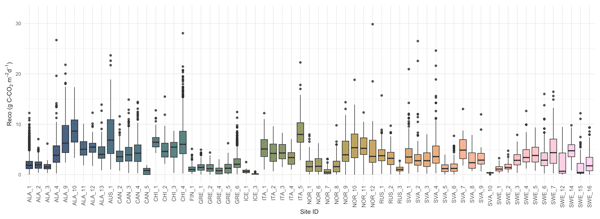
Sarah Schwieger, Jan Dietrich, Mats P. Björkman, Judith M. Sarneel, Bowen Li, Joel White, Inge H. J. Althuizen, Christina Biasi, Robert G. Björk, Hanna Böhner, Brage Bremset Hansen, Michele Carbognani, Giorgio Chiari, Casper T. Christiansen, Elisabeth J. Cooper, Hans Cornelissen, Ludovica D'Imperio, Ellen Dorrepaal, Bo Elberling, Patrick Faubert, Ned Fetcher, T'ai G. W. Forte, Joseph Gaudard, Konstantin Gavazov, Zhen-Huan Guan, Jón Guðmundsson, Siri V. Haugum, Jin-Sheng He, Caitlin Hicks Pries, Mark Hovenden, Simone I. Lang, Gus Jespersen, Ingibjörg S. Jónsdóttir, Ji Young Jung, Olga Khitun, Birgitte Kortegaard Danielsen, Richard Lamprecht, Mathilde Le Moullec, Hanna Lee, Maija E. Marushchak, Anders Michelsen, Tariq Munir, Eero Myrsky, Kevin K. Newsham, Marion Nyberg, Steven F. Oberbauer, Paulo Olivas, Johan Olofsson, Hlynur Óskarsson, Thomas C. Parker, Matteo Petit Bon, Alessandro Petraglia, Emily Pickering Pedersen, Katrine Raundrup, Nynne R. Ravn, Riikka Rinnan, Heidi Rodenhizer, Ingvild Ryde, Alejandro Salazar, Niels M. Schmidt, Ted Schuur, Sofie Sjögersten, Cecilie Skov Nielsen, Sari Stark, Maria Strack, Jianwu Tang, Sylvia Toet, Anne Tolvanen, Maria Väisänen, Richard Van Logtestijn, Vigdis Vandvik, Carolina Voigt, Josefine Walz, Jeffrey M. Welker, Yuanhe Yang, Henni Ylänne, and Sybryn L. Maes
Earth Syst. Sci. Data, 18, 4965–4982, https://doi.org/10.5194/essd-18-4965-2026, https://doi.org/10.5194/essd-18-4965-2026, 2026
Short summary
Short summary
Arctic and alpine tundra ecosystems are warming rapidly, yet measurements of ecosystem CO₂ respiration remain limited. We compile in situ respiration measurements from warming experiments across 64 Arctic and alpine tundra sites. By integrating fluxes with climate, vegetation, and soil data, this database improves understanding and prediction of how tundra carbon cycling responds to climate warming and feeds back to the climate system.
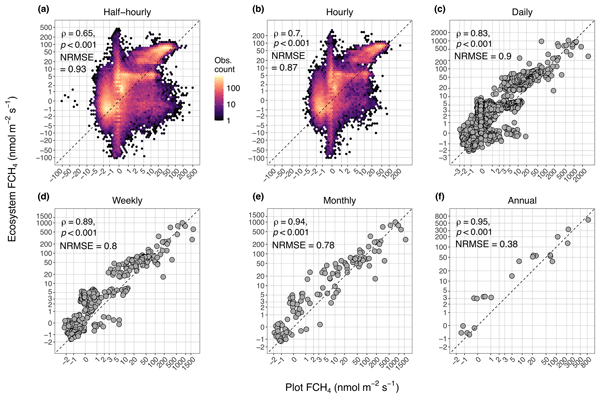
Tiia Määttä, Ankur R. Desai, Masahito Ueyama, Rodrigo Vargas, Eric J. Ward, Zhen Zhang, Gil Bohrer, Kyle Delwiche, Etienne Fluet-Chouinard, Järvi Järveoja, Sara H. Knox, Lulie Melling, Mats B. Nilsson, Matthias Peichl, Angela Che Ing Tang, Eeva-Stiina Tuittila, Jinsong Wang, Sheel Bansal, Sarah Feron, Manuel Helbig, Aino Korrensalo, Ken W. Krauss, Gavin McNicol, Shuli Niu, Zutao Ouyang, Kathleen Savage, Oliver Sonnentag, Robert Jackson, and Avni Malhotra
Biogeosciences, 23, 4379–4445, https://doi.org/10.5194/bg-23-4379-2026, https://doi.org/10.5194/bg-23-4379-2026, 2026
Short summary
Short summary
We compared ecosystem- and plot-scale methane fluxes across wetland and upland sites. Ecosystem-scale fluxes were higher than at plot scale, but differences were small. Vapor pressure deficit, atmospheric pressure, turbulence, and wind direction affected the differences. Both scales could be combined for improved methane flux estimates at coarser temporal scales.
Oluwabamise Lanre Afolabi, Hongxing He, and Maria Strack
EGUsphere, https://doi.org/10.5194/egusphere-2025-1368, https://doi.org/10.5194/egusphere-2025-1368, 2025
Short summary
Short summary
Our study completed an uncertainty analysis of a modelling experiment for multi-decade biophysical conditions (e.g., plant processes and hydrology) and carbon (C) flux simulations at a temperate swamp in Southern Ontario, Canada. The adopted uncertainty analysis technique (GLUE) improved the modelling outcomes of our study. Consequently, the findings of this research will help inform decision making on future C flux modelling experiments and peatland C management in temperate swamps.
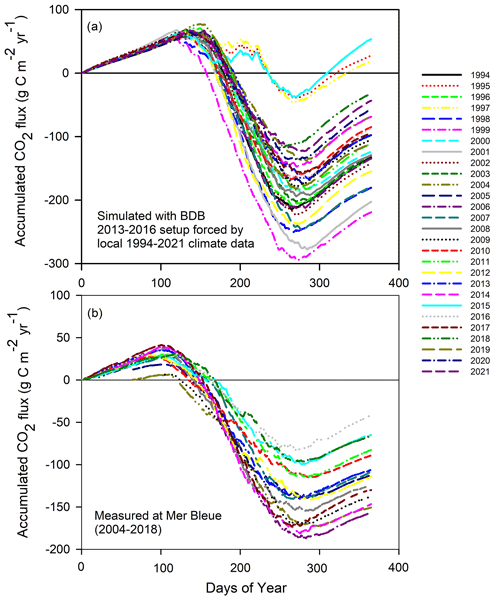
Hongxing He, Ian B. Strachan, and Nigel T. Roulet
Biogeosciences, 22, 1355–1368, https://doi.org/10.5194/bg-22-1355-2025, https://doi.org/10.5194/bg-22-1355-2025, 2025
Short summary
Short summary
This study applied the CoupModel to simulate carbon dynamics and ecohydrology for a restored peatland and evaluated the responses of the simulated carbon fluxes to varying acrotelm thickness and climate. The results show that the CoupModel can simulate the coupled carbon and ecohydrology dynamics for the restored peatland system, and the restored peatland has less resilience in its C-uptake functions than pristine peatlands under a changing climate.
Oluwabamise Lanre Afolabi, He Hongxing, and Maria Strack
EGUsphere, https://doi.org/10.5194/egusphere-2024-4049, https://doi.org/10.5194/egusphere-2024-4049, 2025
Preprint archived
Short summary
Short summary
This modelling study elucidated the multi-decade carbon dynamics of a temperate swamp peatland and the important biotic and abiotic interactions and feedbacks that drive the carbon biogeochemical cycle of this ecosystem which is currently lacking. The carbon balance of the swamp reflected the strong relationship between the swamp’s carbon flux and controlling biotic processes, hydrological and thermal conditions that imprinted on carbon assimilation and losses at different time scales.
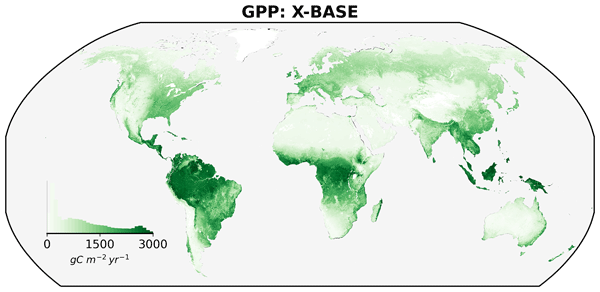
Jacob A. Nelson, Sophia Walther, Fabian Gans, Basil Kraft, Ulrich Weber, Kimberly Novick, Nina Buchmann, Mirco Migliavacca, Georg Wohlfahrt, Ladislav Šigut, Andreas Ibrom, Dario Papale, Mathias Göckede, Gregory Duveiller, Alexander Knohl, Lukas Hörtnagl, Russell L. Scott, Jiří Dušek, Weijie Zhang, Zayd Mahmoud Hamdi, Markus Reichstein, Sergio Aranda-Barranco, Jonas Ardö, Maarten Op de Beeck, Dave Billesbach, David Bowling, Rosvel Bracho, Christian Brümmer, Gustau Camps-Valls, Shiping Chen, Jamie Rose Cleverly, Ankur Desai, Gang Dong, Tarek S. El-Madany, Eugenie Susanne Euskirchen, Iris Feigenwinter, Marta Galvagno, Giacomo A. Gerosa, Bert Gielen, Ignacio Goded, Sarah Goslee, Christopher Michael Gough, Bernard Heinesch, Kazuhito Ichii, Marcin Antoni Jackowicz-Korczynski, Anne Klosterhalfen, Sara Knox, Hideki Kobayashi, Kukka-Maaria Kohonen, Mika Korkiakoski, Ivan Mammarella, Mana Gharun, Riccardo Marzuoli, Roser Matamala, Stefan Metzger, Leonardo Montagnani, Giacomo Nicolini, Thomas O'Halloran, Jean-Marc Ourcival, Matthias Peichl, Elise Pendall, Borja Ruiz Reverter, Marilyn Roland, Simone Sabbatini, Torsten Sachs, Marius Schmidt, Christopher R. Schwalm, Ankit Shekhar, Richard Silberstein, Maria Lucia Silveira, Donatella Spano, Torbern Tagesson, Gianluca Tramontana, Carlo Trotta, Fabio Turco, Timo Vesala, Caroline Vincke, Domenico Vitale, Enrique R. Vivoni, Yi Wang, William Woodgate, Enrico A. Yepez, Junhui Zhang, Donatella Zona, and Martin Jung
Biogeosciences, 21, 5079–5115, https://doi.org/10.5194/bg-21-5079-2024, https://doi.org/10.5194/bg-21-5079-2024, 2024
Short summary
Short summary
The movement of water, carbon, and energy from the Earth's surface to the atmosphere, or flux, is an important process to understand because it impacts our lives. Here, we outline a method called FLUXCOM-X to estimate global water and CO2 fluxes based on direct measurements from sites around the world. We go on to demonstrate how these new estimates of net CO2 uptake/loss, gross CO2 uptake, total water evaporation, and transpiration from plants compare to previous and independent estimates.
Laura Clark, Ian B. Strachan, Maria Strack, Nigel T. Roulet, Klaus-Holger Knorr, and Henning Teickner
Biogeosciences, 20, 737–751, https://doi.org/10.5194/bg-20-737-2023, https://doi.org/10.5194/bg-20-737-2023, 2023
Short summary
Short summary
We determine the effect that duration of extraction has on CO2 and CH4 emissions from an actively extracted peatland. Peat fields had high net C emissions in the first years after opening, and these then declined to half the initial value for several decades. Findings contribute to knowledge on the atmospheric burden that results from these activities and are of use to industry in their life cycle reporting and government agencies responsible for greenhouse gas accounting and policy.
Cited articles
Abdalla, M., Hastings, A., Truu, J., Espenberg, M., Mander, U., and Smith, P.: Emissions of methane from northern peatlands: a review of management impacts and implications for future management options, Ecological Evolution, 6, 7080–7102, https://doi.org/10.1002/ece3.2469, 2016.
ACIS: Current and historical Alberta weather station data [data set], https://acis.alberta.ca/acis/weather-data-viewer.jsp (last access: 10 December 2023), 2023.
Balogh, J., Pintér, K., Fóti, S., Cserhalmi, D., Papp, M., and Nagy, Z.: Dependence of soil respiration on soil moisture, clay content, soil organic matter, and CO2 uptake in dry grasslands, Soil Biology and Biochemistry, 43, 1006–1013, https://doi.org/10.1016/j.soilbio.2011.01.017, 2011.
Basiliko, N., Blodau, C., Roehm, C., Bengtson, P., and Moore, T. R.: Regulation of Decomposition and Methane Dynamics across Natural, Commercially Mined, and Restored Northern Peatlands, Ecosystems, 10, 1148–1165, https://doi.org/10.1007/s10021-007-9083-2, 2007.
Bieniada, A. and Strack, M.: Steady and ebullitive methane fluxes from active, restored and unrestored horticultural peatlands, Ecological Engineering, 169, https://doi.org/10.1016/j.ecoleng.2021.106324, 2021
Bieniada, A., Hug, L. A., Parsons, C. T., and Strack, M.: Methane Cycling Microbial Community Characteristics: Comparing Natural, Actively Extracted, Restored and Unrestored Boreal Peatlands, Wetlands, 43, https://doi.org/10.1007/s13157-023-01726-y, 2023.
Blodau, C., Basiliko, N., and Moore, T. R.: Carbon turnover in peatland mesocosms exposed to different water table levels, Biogeochemistry, 67, 331–351, https://doi.org/10.1023/B:BIOG.0000015788.30164.e2, 2004.
Bona, K. A., Shaw, C., Thompson, D. K., Hararuk, O., Webster, K., Zhang, G., Voicu, M., and Kurz, W. A.: The Canadian model for peatlands (CaMP): A peatland carbon model for national greenhouse gas reporting, Ecological Modelling, 431, e109164, https://doi.org/10.1016/j.ecolmodel.2020.109164, 2020.
Burba, G.: Eddy Covariance Method for Scientific, Industrial, Agricultural and Regulatory Applications: A Field Book on Measuring Ecosystem Gas Exchange and Areal Emission Rates, Li-Cor Biosciences, Lincoln, USA, https://doi.org/10.13140/RG.2.1.4247.8561, 2013.
Byun, E., Rezanezhad, F., Fairbairn, L., Slowinski, S., Basiliko, N., Price, J. S., Quinton, W. L., Roy-Leveillee, P., Webster, K., and Van Cappellen, P.: Temperature, moisture and freeze-thaw controls on CO2 production in soil incubations from northern peatlands, Sci. Rep., 11, 23219, https://doi.org/10.1038/s41598-021-02606-3, 2021.
Chang, K. Y., Riley, W. J., Knox, S. H., Jackson, R. B., McNicol, G., Poulter, B., Aurela, M., Baldocchi, D., Bansal, S., Bohrer, G., Campbell, D. I., Cescatti, A., Chu, H., Delwiche, K. B., Desai, A. R., Euskirchen, E., Friborg, T., Goeckede, M., Helbig, M., Hemes, K. S., Hirano, T., Iwata, H., Kang, M., Keenan, T., Krauss, K. W., Lohila, A., Mammarella, I., Mitra, B., Miyata, A., Nilsson, M. B., Noormets, A., Oechel, W. C., Papale, D., Peichl, M., Reba, M. L., Rinne, J., Runkle, B. R. K., Ryu, Y., Sachs, T., Schäfer, K. V. R., Schmid, H. P., Schurpali, N., Sonnentag, O., Tang, A. C. I., Torn, M. S., Trotta, C., Tuittila, E-S., Ueyama, M., Vargas, R., Vesala, T., Windham-Myers, L., Zhang, Z., and Zona, D.: Substantial hysteresis in emergent temperature sensitivity of global wetland CH4 emissions, Nat. Com- mun., 12, https://doi.org/10.1038/s41467-021-22452-1, 2021.
Clark, L., Strachan, I. B., Strack, M., Roulet, N. T., Knorr, K.-H., and Teickner, H.: Duration of extraction determines CO2 and CH4 emissions from an actively extracted peatland in eastern Quebec, Canada, Biogeosciences, 20, 737–751, https://doi.org/10.5194/bg-20-737-2023, 2023.
Cleary, J., Roulet, N. T., and Moore, T. R.: Greenhouse gas emissions from Canadian peat extraction, 19990-2000: a life-cycle analysis, Ambio, 34, 456–461, https://doi.org/10.1579/0044-7447-34.6.456, 2005.
Couwenberg, J., Thiele, A., Tanneberger, F., Augustin, J., Bärisch, S., Dubovik, D., Liashchynskaya, N., Michaelis, D., Minke, M., Skuratovich, A., and Joosten, H.: Assessing greenhouse gas emissions from peatlands using vegetation as a proxy, Hydrobiologia, 674, 67–89, https://doi.org/10.1007/s10750-011-0729-x, 2011.
Croft, M., Rochefort, L., and Beauchamp, C. J.: Vacuum-extractionof peatlands disturbs bacterial population and micorbial biomass carbon, Applied Soil Ecology, 18, 1–12, https://doi.org/10.1016/S0929-1393(01)00154-8, 2001.
D'Acunha, B., Morillas, L., Black, T. A., Christen, A., and Johnson, M. S.: Net Ecosystem Carbon Balance of a Peat Bog Undergoing Restoration: Integrating CO2 and CH4 Fluxes From Eddy Covariance and Aquatic Evasion With DOC Drainage Fluxes, Journal of Geophysical Research: Biogeosciences, 124, 884-901, https://doi.org/10.1029/2019jg005123, 2019.
Dean, J. F., Middelburg, J. J., Röckmann, T., Aerts, R., Blauw, L. G., Egger, M., Jetten, M. S. M., de Jong, A. E. E., Meisel, O. H., Rasigraf, O., Slomp, C. P., in't Zandt, M. H., and Dolman, A. J.: Methane Feedbacks to the Global Climate System in a Warmer World, Reviews of Geophysics, 56, 207–250, https://doi.org/10.1002/2017rg000559, 2018.
ECCC: Historical climate data: Rivière-du-Loup, https://climate.weather.gc.ca/historical_data/search_historic_data_e.html (last access: 10 December 2024), 2023a.
ECCC: Historical climate data: Stoney Plains [data set], https://climate.weather.gc.ca/historical_data/search_historic_data_e.html (last access: 10 December 2024), 2023b.
ECCC: Historical climate data: Tomahawk [data set], https://climate.weather.gc.ca/historical_data/search_historic_data_e.html (last access: 10 December 2024), 2023c.
ECCC: National Inventory Report, Greenhouse Gas Sources and Sinks in Canada, Environment and Climate Change Canada, Ottawa, Canada, http://publications.gc.ca/pub?id=9.506002andsl=0 (last access: 10 December 2024), 2025.
ESRI: World Imagery [data set], https://services.arcgisonline.com/ArcGIS/rest/services/World_Imagery/MapServer (last access: 1 September 2025), 2025.
Evans, C. D., Peacock, M., Baird, A. J., Artz, R. R. E., Burden, A., Callaghan, N., Chapman, P. J., Cooper, H. M., Coyle, M., Craig, E., Cumming, A., Dixon, S., Gauci, V., Grayson, R. P., Helfter, C., Heppell, C. M., Holden, J., Jones, D. L., Kaduk, J., Levy, P., Matthews, R., McNamara, N. P., Misselbrook, T., Oakley, S., Page, S. E., Rayment, M., Ridley, L. M., Stanley, K. M., Williamson, J. L., Worrall, F., and Morrison, R.: Overriding water table control on man- aged peatland greenhouse gas emissions, Nature, 593, 548–552, https://doi.org/10.1038/s41586-021-03523-1, 2021.
Frei, R. J.: Consequences of peatland disturbance for dissolved organic matter and nutrient transport and fate in northern catchments, Ph.D. thesis, University of Alberta, https://doi.org/10.7939/r3-wy23-r730, 2023.
Glatzel, S., Kalbitz, K., Dalva, M., and Moore, T.: Dissolved organic matter properties and their relationship to carbon dioxide efflux from restored peat bogs, Geoderma, 113, 397–411, https://doi.org/10.1016/s0016-7061(02)00372-5, 2003.
Glatzel, S., Basiliko, N., and Moore, T.: Carbon dioxide and methane production potentials of peats from natural, harvested and restored sites, eastern Québec, Canada, Wetlands, 24, 261–267, https://doi.org/10.1672/0277-5212(2004)024[0261:Cdampp]2.0.Co;2, 2004.
Greenwood, M. J.: The effects of restoration on CO2 exchange in a cutover peatland, M.Sc. thesis, McMaster University, http://hdl.handle.net/11375/21160, 2005.
Hamard, S., Céréghino, R., Barret, M., Sytiuk, A., Lara, E., Dorrepaal, E., Kardol, P., Küttim, M., Lamentowicz, M., Leflaive, J., Le Roux, G., Tuittila, E.-S., and Jassey, V. E. J.: Contribution of microbial photosynthesis to peatland carbon uptake along a latitudinal gradient, Journal of Ecology, 109, 3424–3441, https://doi.org/10.1111/1365-2745.13732, 2021.
Harris, L. I., Roulet, N. T., and Moore, T. R.: Drainage reduces the resilience of a boreal peatland, Environmental Research Communications, 2, https://doi.org/10.1088/2515-7620/ab9895, 2020.
He, H. and Roulet, N. T.: Improved estimates of carbon dioxide emissions from drained peatlands support a reduction in emission factor, Communications Earth and Environment, 4, https://doi.org/10.1038/s43247-023-01091-y, 2023.
He, H., Clark, L., Lai, O. Y., Kendall, R., Strachan, I., and Roulet, N. T.: Simulating Soil Atmosphere Exchanges and CO2 Fluxes for an Ongoing Peat Extraction Site, Ecosystems, 26, 1335–1348, https://doi.org/10.1007/s10021-023-00836-2, 2023.
Heffernan, L., Estop-Aragonés, C., Kuhn, M. A., Holger-Knorr, K., and Olefeldt, D.: Changing climatic controls on the greenhouse gas balance of thermokarst bogs during succession after permafrost thaw, Global Change Biology, 30, e17388, https://doi.org/10.1111/gcb.17388, 2024.
Holl, D., Pfeiffer, E.-M., and Kutzbach, L.: Comparison of eddy covariance CO2 and CH4 fluxes from mined and recently rewetted sections in a northwestern German cutover bog, Biogeosciences, 17, 2853–2874, https://doi.org/10.5194/bg-17-2853-2020, 2020.
Hugelius, G., Loisel, J., Chadburn, S., Jackson, R. B., Jones, M., MacDonald, G., Marushchak, M., Olefeldt, D., Packalen, M., Siewert, M. B., Treat, C., Turetsky, M., Voigt, C., and Yu, Z.: Large stocks of peatland carbon and nitrogen are vulnerable to permafrost thaw, P. Natl. Acad. Sci. USA, 117, 20438–20446, https://doi.org/10.1073/pnas.1916387117, 2020.
Hunter, M.: Ecosystem scale carbon dioxide and methane emissions from extracted peatlands in Alberta and Quebec, Canada, Borealis [data set], https://doi.org/10.5683/SP3/EN34AD, 2025.
Hunter, M. L., Frei, R. J., Strachan, I. B., and Strack, M.: Environmental and Management Drivers of Carbon Dioxide and Methane Emissions From Actively-Extracted Peatlands in Alberta, Canada, Journal of Geophysical Research: Biogeosciences, 129, https://doi.org/10.1029/2023jg007738, 2024.
IPCC: Climate Change 2013: The Physical Science Basis. Contribution of Working Group I to the Fifth Assessment Report of the Intergovernmental Panel on Climate Change, edited by: Stocker, T. F., Qin, D., Plattner, G.-K., Tignor, M., Allen, S. K., Boschung, J., Nauels, A., Xia, Y., Bex, V., and Midgley, P. M., Cambridge University Press, Cambridge, United Kingdom and New York, NY, USA, 1535 pp., https://doi.org/10.1017/CBO9781107415324, 2013.
Kendall, R.: Microbial and substrate decomposition factors in Canadian commercially extracted peatlands, M.Sc. thesis, McGill University, https://escholarship.mcgill.ca/concern/theses/gh93h442s (last access: 1 September 2025), 2021.
Kennedy, G. W. and Price, J. S.: A conceptual model of volume-change controls on the hydrology of cutover peats, Journal of Hydrology, 302, 13–27, https://doi.org/10.1016/j.jhydrol.2004.06.024, 2005.
Kitson, E. and Bell, N. G. A.: The Response of Microbial Communities to Peatland Drainage and Rewetting: A Review, Front. Microbiol., 11, 582812, https://doi.org/10.3389/fmicb.2020.582812, 2020.
Kljun, N., Calanca, P., Rotach, M. W., and Schmid, H. P.: A simple two-dimensional parameterisation for Flux Footprint Prediction (FFP), Geosci. Model Dev., 8, 3695–3713, https://doi.org/10.5194/gmd-8-3695-2015, 2015.
Lai, D. Y. F.: Methane Dynamics in Northern Peatlands: A Review, Pedosphere, 19, 409–421, https://doi.org/10.1016/S1002-0160(09)00003-4, 2009.
Lai, O. Y.: Peat moisture and thermal regimes for peatlands undergoing active extraction, M.Sc. Thesis, McGill University, https://escholarship.mcgill.ca/concern/theses/d791sn38s (last access: 1 September 2025), 2022.
Lenth, R., Singmann, H., Love, J., Buerkner, P., and Herve, M.: Emmeans: R Package Version 4.0-3 [code], http://cran.r-project.org/package=emmeans (last access: 1 October 2025), 2018.
Li, Q., Gogo, S., Leroy, F., Guimbaud, C., and Laggoun-Défarge, F.: Response of Peatland CO2 and CH4 Fluxes to Experimental Warming and the Carbon Balance, Frontiers in Earth Science, 9, https://doi.org/10.3389/feart.2021.631368, 2021.
Limpens, J., Berendse, F., Blodau, C., Canadell, J. G., Freeman, C., Holden, J., Roulet, N., Rydin, H., and Schaepman-Strub, G.: Peatlands and the carbon cycle: from local processes to global implications – a synthesis, Biogeosciences, 5, 1475–1491, https://doi.org/10.5194/bg-5-1475-2008, 2008.
Liu, H., Rezanezhad, F., Zhao, Y., He, H., Van Cappellen, P., and Lennartz, B.: The apparent temperature sensitivity (Q10) of peat soil respiration: A synthesis study, Geoderma, 443, https://doi.org/10.1016/j.geoderma.2024.116844, 2024.
Mäkiranta, P., Laiho, R., Fritze, H., Hytönen, J., Laine, J., and Minkkinen, K.: Indirect regulation of heterotrophic peat soil respiration by water level via microbial community structure and temperature sensitivity, Soil Biology and Biochemistry, 41, 695–703, https://doi.org/10.1016/j.soilbio.2009.01.004, 2009.
Matzner, E. and Borken, W.: Do freeze-thaw events enhance C and N losses from soils of different ecosystems? A review, European Journal of Soil Science, 59, 274–284, https://doi.org/10.1111/j.1365-2389.2007.00992.x, 2008.
Mauder, M. and Foken, T.: Documentation and instruction manual of the eddy covariance software package TK2, Universität Bayreuth, Abt, Mikrometeorologie, Arbeitsergebnisse 26, 42 pp., ISSN 1614-8926, 2004
McNeil, P. and Waddington, J. M.: Moisture controls on Sphagnum growth and CO2 exchange on a cutover bog, Journal of Applied Ecology, 40, 354–367, https://doi.org/10.1046/j.1365-2664.2003.00790.x, 2003.
Nielsen, C. K., Elsgaard, L., Jorgensen, U., and Laerke, P. E.: Soil greenhouse gas emissions from drained and rewetted agricultural bare peat mesocosms are linked to geochemistry, Science of the Total Environment, 896, 165083, https://doi.org/10.1016/j.scitotenv.2023.165083, 2023.
Ojanen, P. and Minkkinen, K.: The dependence of net soil CO2 emissions on water table depth in boreal peatlands drained for forestry, Mires and Peat, 24, 1–8, https://doi.org/10.19189/MaP.2019.OMB.StA.1751, 2019.
O'Kane, J. P. (Ed.): Advances in Theoretical Hydrology: A Tribute to James Dooge, Elsevier, https://doi.org/10.1016/B978-0-444-89831-9.50010-7, 1992.
Natural Resources Canada: CanVec series: National topographic vector data [data set], Government of Canada, https://open.canada.ca/data/en/dataset/8ba2aa2a-7bb9-4448-b4d7-f164409fe056 (last access: 1 September 2025), 2025.
Papale, D., Reichstein, M., Aubinet, M., Canfora, E., Bernhofer, C., Kutsch, W., Longdoz, B., Rambal, S., Valentini, R., Vesala, T., and Yakir, D.: Towards a standardized processing of Net Ecosystem Exchange measured with eddy covariance technique: algorithms and uncertainty estimation, Biogeosciences, 3, 571–583, https://doi.org/10.5194/bg-3-571-2006, 2006.
Peltola, O., Hensen, A., Belelli Marchesini, L., Helfter, C., Bosveld, F. C., van den Bulk, W. C. M., Haapanala, S., van Huissteden, J., Laurila, T., Lindroth, A., Nemitz, E., Röckmann, T., Vermeulen, A. T., and Mammarella, I.: Studying the spatial variability of methane flux with five eddy covariance towers of varying height, Agricultural and Forest Meteorology, 214–215, 456–472, https://doi.org/10.1016/j.agrformet.2015.09.007, 2015.
Petrone, R. M., Price, J. S., Waddington, J. M., and von Waldow, H.: Surface moisture and energy exchange from a restored peatland, Québec, Canada, Journal of Hydrology, 295, 198–210, https://doi.org/10.1016/j.jhydrol.2004.03.009, 2004.
Price, J. S.: Role and character of seasonal peat soil deformation on the hydrology of undisturbed and cutover peatlands, Subsurface Hydrology, 39, 1–10, https://doi.org/10.1029/2002WR001302, 2003.
QGIS Development Team: QGIS Geographic Information System, Open Source Geospatial Foundation Project [code], http://qgis.org (last access: 1 October 2025), 2024.
R Core Team: R: A Language and Environment for Statistical Computing, R Foundation for Statistical Computing [code], Vienna, Austria, https://www.R-project.org (last access: 1 October 2025), 2021.
Rankin, T., Strachan, I. B., and Strack, M.: Carbon dioxide and methane exchange at a post-extraction, unrestored peatland, Ecological Engineering, 122, 241–251, https://doi.org/10.1016/j.ecoleng.2018.06.021, 2018.
Raz-Yaseef, N., Torn, M. S., Wu, Y., Billesbach, D. P., Liljedahl, A. K., Kneafsey, T. J., Romanovsky, V. E., Cook, D. R., and Wullschleger, S. D.: Large CO2 and CH4 emissions from polygonal tundra during spring thaw in northern Alaska, Geophysical Research Letters, 44, 504–513, https://doi.org/10.1002/2016gl071220, 2017.
Reumer, M., Harnisz, M., Lee, H. J., Reim, A., Grunert, O., Putkinen, A., Fritze, H., Bodelier, P. L. E., and Ho, A.: Impact of Peat Mining and Restoration on Methane Turnover Potential and Methane-Cycling Microorganisms in a Northern Bog, Applied Environment Microbiology, 84, https://doi.org/10.1128/AEM.02218-17, 2018.
Rezanezhad, F., Couture, R. M., Kovac, R., O'Connell, D., and Van Cappellen, P.: Water table fluctuations and soil biogeochemistry: An experimental approach using an automated soil column system, Journal of Hydrology, 509, 245–256, https://doi.org/10.1016/j.jhydrol.2013.11.036, 2014.
Riederer, M., Serafimovich, A., and Foken, T.: Net ecosystem CO2 exchange measurements by the closed chamber method and the eddy covariance technique and their dependence on atmospheric conditions, Atmos. Meas. Tech., 7, 1057–1064, https://doi.org/10.5194/amt-7-1057-2014, 2014.
Riutta, T., Laine, J., and Tuittila, E-S.: Sensitivity of CO2 exchange of fen ecosystem components to water level variation, Ecosystems, 10, 718–733, https://doi.org/10.1007/s10021-007-9046-7, 2007.
Rochefort, L., Strack, M. and Chimner, R. (coordinating lead authors): Regional assessment for North America, Chapter 7, 193–200 pp., in: United Nations Environment Programme (UNEP), Global peatlands assessment – The state of the world's peatlands: Evidence for action toward the conservation, restoration and sustainable management of peatlands, Global Peatlands Initiative, United Nations Environment Programme, Nairobi, 2022.
RStudio Team: RStudio: Integrated Development for R, RStudio [code], Boston, MA, http://www.rstudio.com/ (last access: 1 October 2025), 2020.
Saarnio, S., Morero, M., Shurpali, N. J., Tuittila, E. S., Mäkilä, M., and Alm, J.: Annual CO2 and CH4 fluxes of pristine boreal mires as a background for the lifecycle analyses of peat energy, Boreal Environment Research, 12, 101–113, https://doi.org/10.60910/thg7-mxk6, 2007.
Salm, J.-O., Maddison, M., Tammik, S., Soosaar, K., Truu, J., and Mander, Ü.: Emissions of CO2, CH4 and N2O from undisturbed, drained and mined peatlands in Estonia, Hydrobiologia, 692, 41–55, https://doi.org/10.1007/s10750-011-0934-7, 2012.
Scott-Denton, L. E., Rosenstiel, T. N., and Monson, R. K.: Differential controls by climate and substrate over the heterotrophic and rhizospheric components of soil respiration, Global Change Biology, 12, 205–216, https://doi.org/10.1111/j.1365-2486.2005.01064.x, 2006.
Sharma, B., Moore, T. R., Knorr, K.-H., Teickner, H., Douglas, P. M. J., and Roulet, N. T.: Horticultural additives influence peat biogeochemistry and increase short-term CO2 production from peat, Plant and Soil, 505, 449–464, https://doi.org/10.1007/s11104-024-06685-9, 2024.
Sharma, B., He, H., and Rouelt, N. T.: CO2 emitted from peat use in horticulture supports a lower emission factor, Carbon Management, 16, 2468476, https://doi.org/10.1080/17583004.2025.2468476, 2025.
Shurpali, N. J., Hyvönen, N. P., Huttunen, J. T., Biasi, C., Nykänen, H., Pekkarinen, N., and Martikainen, P. J.: Bare soil and reed canary grass ecosystem respiration in peat extraction sites in Eastern Finland, Tellus B: Chemical and Physical Meteorology, 60, https://doi.org/10.1111/j.1600-0889.2007.00325.x, 2008.
Spake, R., Bowler, D.E., Callaghan, C.T., Blowes, S.A., Doncaster, C.P., Antão, L.H., Nakagawa, S., McElreath, R. and Chase, J.M.: Understanding `it depends' in ecology: a guide to hypothesising, visualising and interpreting statistical interactions, Biological Reviews, 98, 983–1002, https://doi.org/10.1111/brv.12939, 2023.
Strack, M. and Zuback, Y. C. A.: Annual carbon balance of a peatland 10 yr following restoration, Biogeosciences, 10, 2885–2896, https://doi.org/10.5194/bg-10-2885-2013, 2013.
Strack, M., Waddington, J. M., Rochefort, L., and Tuittila, E. S.: Response of vegetation and net ecosystem carbon dioxide exchange at different peatland microforms following water table drawdown, Journal of Geophysical Research: Biogeosciences, 111, https://doi.org/10.1029/2005jg000145, 2006.
Strack, M., Bona, K. A., and Liang, C.: A first assessment of greenhouse gas emissions from agricultural peatlands in Canada: Evaluation of climate change mitigation potential, Wiley Interdisciplinary Reviews: Climate Change, 16, e925, https://doi.org/10.1002/wcc.925, 2025.
Sundh, I., Nilsson, M., Mikkelä, C., Granberg, G., and Svensson, B. H.: Fluxes of Methane and Carbon Dioxide on eat-mining Areas in Sweden, AMBIO: A Journal of the Human Environment, 29, 499–503, https://doi.org/10.1579/0044-7447-29.8.499, 2000.
Swails, E. E., Ardon, M., Krauss, K. W., Peralta, A. L., Emanuel, R. E., Helton, A. M., Morse, J. L., Gutenberg, L., Cormier, N., Shoch, D., Settlemyer, S., Soderholm, E., Boutin, B. P., Peoples, C., and Ward, S.: Response of soil respiration to changes in soil temperature and water table level in drained and restored peatlands of the southeastern United States, Carbon Balance Management, 17, 18, https://doi.org/10.1186/s13021-022-00219-5, 2022.
Tarnocai, C., Kettles, I. M., and Lacelle, B.: Lacelle Peatlands of Canada; Geological Survey of Canada, Open File 6561 (digital database), https://doi.org/10.4095/288786, 2011.
Turetsky, M. R., Kotowska, A., Bubier, J., Dise, N. B., Crill, P., Hornibrook, E. R., Minkkinen, K., Moore, T. R., Myers-Smith, I. H., Nykanen, H., Olefeldt, D., Rinne, J., Saarnio, S., Shurpali, N., Tuittila, E. S., Waddington, J. M., White, J. R., Wickland, K. P., and Wilmking, M.: A synthesis of methane emissions from 71 northern, temperate, and subtropical wetlands, Global Change Biology, 20, 2183–2197, https://doi.org/10.1111/gcb.12580, 2014.
Vanags-Duka, M., Bārdule, A., Butlers, A., Upenieks, E. M., Lazdiņš, A., Purviņa, D., and Līcīte, I.: GHG Emissions from Drainage Ditches in Peat Extraction Sites and Peatland Forests in Hemiboreal Latvia, Land, 11, https://doi.org/10.3390/land11122233, 2022.
Waddington, J. M., Warner, K. D., and Kennedy, G. W.: Cutover peatlands: A persistent source of atmospheric CO2, Global Biogeochemical Cycles, 16, 1–7, https://doi.org/10.1029/2001gb001398, 2002.
Waddington, J. M., Plach, J., Cagampan, J. P., Lucchese, M., and Strack, M.: Reducing the Carbon Footprint of Canadian PeatExtraction and Restoration. Ambio, 38, 194–200, https://doi.org/10.1579/0044-7447-38.4.194, 2009.
Waddington, J. M., Strack, M., and Greenwood, M. J.: Toward restoring the net carbon sink function of degraded peatlands: Short-term response in CO2 exchange to ecosystem-scale restoration, Journal of Geophysical Research: Biogeosciences, 115, G01008, https://doi.org/10.1029/2009jg001090, 2010.
Wang, J., Song, C., Hou, A., Miao, Y., Yang, G., and Zhang, J.: Effects of freezing–thawing cycle on peatland active organic carbon fractions and enzyme activities in the Da Xing'anling Mountains, Northeast China, Environmental Earth Sciences, 72, 1853–1860, https://doi.org/10.1007/s12665-014-3094-z, 2014.
Webb, E. K., Pearman, G. I., and Leuning, R.: Correction of flux measurements for density effects due to heat and water vapour transfer, Quarterly Journal of the Royal Meteorological Society, 106, 85–100, https://doi.org/10.1002/qj.49710644707, 2007.
Webster, K. L., Bhatti, J. S., Thompson, D. K., Nelson, S. A., Shaw, C. H., Bona, K. A., Hayne, S. L., and Kurz, W. A.: Spatially-integrated estimates of net ecosystem exchange and methane fluxes from Canadian peatlands, Carbon Balance Management, 13, https://doi.org/10.1186/s13021-018-0105-5, 2018.
Wickham, H.: ggplot2: Elegant Graphics for Data Analysis [code], Springer-Verlag New York, ISBN 978-3-319-24277-4, https://ggplot2.tidyverse.org (last access: 1 October 2025), 2016.
Wilson, D., Farrell, C. A., Fallon, D., Moser, G., Muller, C., and Renou-Wilson, F.: Multiyear greenhouse gas balances at a rewetted temperate peatland, Global Change Biology, 22, 4080–4095, https://doi.org/10.1111/gcb.13325, 2016.
Wutzler, T., Lucas-Moffat, A., Migliavacca, M., Knauer, J., Sickel, K., Šigut, L., Menzer, O., and Reichstein, M.: Basic and extensible post-processing of eddy covariance flux data with REddyProc, Biogeosciences, 15, 5015–5030, https://doi.org/10.5194/bg-15-5015-2018, 2018.
Yu, Z., Loisel, J., Brosseau, D. P., Beilman, D. W., and Hunt, S. J.: Global peatland dynamics since the Last Glacial Maximum, Geophysical Research Letters, 37, L13402, https://doi.org/10.1029/2010gl043584, 2010.
Zurr, A., Ieno, E. N., Walker, N., Saveliev, A. A., and Smith, G. M.: Mixed Effects Models and Extensions in Ecology with R, Springer New York, the Netherlands, https://doi.org/10.1007/978-0-387-87458-6, 2009.
Short summary
Peatlands are a globally important land cover due to their role as a carbon sink, though peat extraction for horticultural use converts them to net sources. Through ecosystem scale measurements at peat extraction sites, this study found that carbon dioxide interannual variability is driven by water table position.
Peatlands are a globally important land cover due to their role as a carbon sink, though peat...


Altmetrics
Final-revised paper
Preprint