
Articles | Volume 23, issue 2
https://doi.org/10.5194/bg-23-811-2026
© Author(s) 2026. This work is distributed under
the Creative Commons Attribution 4.0 License.
the Creative Commons Attribution 4.0 License.
https://doi.org/10.5194/bg-23-811-2026
© Author(s) 2026. This work is distributed under
the Creative Commons Attribution 4.0 License.
the Creative Commons Attribution 4.0 License.
Research article
| 
27 Jan 2026
Research article |
| 27 Jan 2026
| 27 Jan 2026
Conceptualising carbon cycling pathways across different land-use types based on rates and ages of soil-respired CO2
Forest Soils and Biogeochemistry, Swiss Federal Institute for Forest, Snow and Landscape Research (WSL), Birmensdorf, Switzerland
Biogeoscience, Department of Earth and Planetary Sciences, ETH Zurich, Zurich, Switzerland
Dylan Geissbühler
Laboratory for the Analysis of Radiocarbon with AMS, Department of Chemistry, Biochemistry and Pharmaceutical Sciences, University of Bern, Bern, Switzerland
Stefan Tobler
Forest Soils and Biogeochemistry, Swiss Federal Institute for Forest, Snow and Landscape Research (WSL), Birmensdorf, Switzerland
Annegret Udke
Forest Soils and Biogeochemistry, Swiss Federal Institute for Forest, Snow and Landscape Research (WSL), Birmensdorf, Switzerland
Geochronology, Department of Geography, University of Zurich, Zurich, Switzerland
Alexander S. Brunmayr
Biogeoscience, Department of Earth and Planetary Sciences, ETH Zurich, Zurich, Switzerland
Margaux Moreno Duborgel
Forest Soils and Biogeochemistry, Swiss Federal Institute for Forest, Snow and Landscape Research (WSL), Birmensdorf, Switzerland
Biogeoscience, Department of Earth and Planetary Sciences, ETH Zurich, Zurich, Switzerland
Ciriaco McMackin
Geochronology, Department of Geography, University of Zurich, Zurich, Switzerland
Lukas Wacker
Laboratory for Ion Beam Physics, Department of Physics, ETH Zurich, Zurich, Switzerland
Philip Gautschi
Laboratory for Ion Beam Physics, Department of Physics, ETH Zurich, Zurich, Switzerland
Negar Haghipour
Biogeoscience, Department of Earth and Planetary Sciences, ETH Zurich, Zurich, Switzerland
Laboratory for Ion Beam Physics, Department of Physics, ETH Zurich, Zurich, Switzerland
Markus Egli
Geochronology, Department of Geography, University of Zurich, Zurich, Switzerland
Ansgar Kahmen
Physiological Plant Ecology, Department of Environmental Sciences, University of Basel, Basel, Switzerland
Jens Leifeld
Climate and Agriculture Group, Agroscope, Reckenholz, Switzerland
Timothy I. Eglinton
Biogeoscience, Department of Earth and Planetary Sciences, ETH Zurich, Zurich, Switzerland
Frank Hagedorn
Forest Soils and Biogeochemistry, Swiss Federal Institute for Forest, Snow and Landscape Research (WSL), Birmensdorf, Switzerland
Related authors
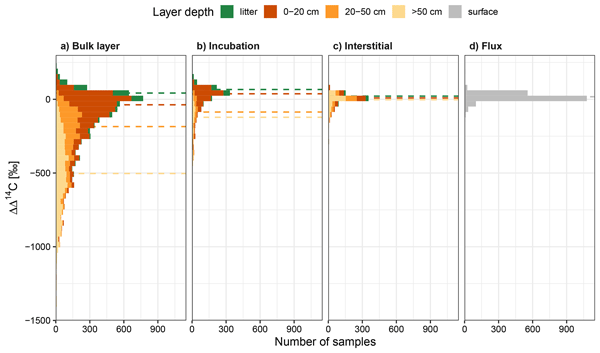
Sophie F. von Fromm, R. Scott Winton, Derrick R. Vaughn, Jennifer C. Bowen, Susan Trumbore, Kateřina Jandová, Julie Shahan, Olga Vindušková, Shane W. Stoner, Maedeh Chitsaz, Avni Malhotra, Adrian A. Wackett, Alison M. Hoyt, Katherine Heckman, Katerina Georgiou, Daniel Wasner, Luisa Isabell Minich, Katherine E. Grant, Caitlin E. Hicks Pries, Karis J. McFarlane, Anna Abramova, Corey Lawrence, and Jeffrey Beem-Miller
Earth Syst. Sci. Data, 18, 5793–5815, https://doi.org/10.5194/essd-18-5793-2026, https://doi.org/10.5194/essd-18-5793-2026, 2026
Short summary
Short summary
Here we present the updated International Soil Radiocarbon Database version 2, which compiles radiocarbon data from over 500 studies at 1700 locations worldwide. The database provides various soil radiocarbon measurements to improve our understanding of factors that influence the age distributions of carbon in soils. While we have made progress expanding the database and improving its structure, important gaps remain in tropical regions, deep soils, and certain measurement types.
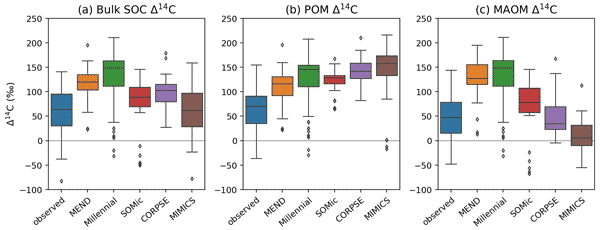
Alexander S. Brunmayr, Frank Hagedorn, Margaux Moreno Duborgel, Luisa I. Minich, and Heather D. Graven
Geosci. Model Dev., 17, 5961–5985, https://doi.org/10.5194/gmd-17-5961-2024, https://doi.org/10.5194/gmd-17-5961-2024, 2024
Short summary
Short summary
A new generation of soil models promises to more accurately predict the carbon cycle in soils under climate change. However, measurements of 14C (the radioactive carbon isotope) in soils reveal that the new soil models face similar problems to the traditional models: they underestimate the residence time of carbon in soils and may therefore overestimate the net uptake of CO2 by the land ecosystem. Proposed solutions include restructuring the models and calibrating model parameters with 14C data.
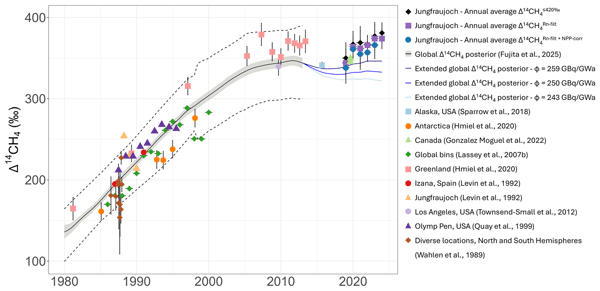
Thomas Laemmel, Dylan Geissbühler, Stephan Henne, Ryo Fujita, Heather Graven, Christophe Espic, Matthias Bantle, Negar Haghipour, Franz Conen, Dominik Brunner, Martin Steinbacher, Giulia Zazzeri, Samuel Hammer, Markus Leuenberger, and Sönke Szidat
Atmos. Chem. Phys., 26, 12019–12036, https://doi.org/10.5194/acp-26-12019-2026, https://doi.org/10.5194/acp-26-12019-2026, 2026
Short summary
Short summary
Carbon dioxide and methane are the two main anthropogenic greenhouse gases responsible for current climate change. Beside the measurement of their atmospheric concentration, the analysis of the abundance of their isotope carbon-14 (14C) gives hints about their origin, either biogenic or fossil. Here we present six years of atmospheric 14CH4 and 14CO2 measurements at a high-elevation alpine site in Switzerland (Jungfraujoch) and discuss the observed trends in both local and global views.
Sophie F. von Fromm, R. Scott Winton, Derrick R. Vaughn, Jennifer C. Bowen, Susan Trumbore, Kateřina Jandová, Julie Shahan, Olga Vindušková, Shane W. Stoner, Maedeh Chitsaz, Avni Malhotra, Adrian A. Wackett, Alison M. Hoyt, Katherine Heckman, Katerina Georgiou, Daniel Wasner, Luisa Isabell Minich, Katherine E. Grant, Caitlin E. Hicks Pries, Karis J. McFarlane, Anna Abramova, Corey Lawrence, and Jeffrey Beem-Miller
Earth Syst. Sci. Data, 18, 5793–5815, https://doi.org/10.5194/essd-18-5793-2026, https://doi.org/10.5194/essd-18-5793-2026, 2026
Short summary
Short summary
Here we present the updated International Soil Radiocarbon Database version 2, which compiles radiocarbon data from over 500 studies at 1700 locations worldwide. The database provides various soil radiocarbon measurements to improve our understanding of factors that influence the age distributions of carbon in soils. While we have made progress expanding the database and improving its structure, important gaps remain in tropical regions, deep soils, and certain measurement types.
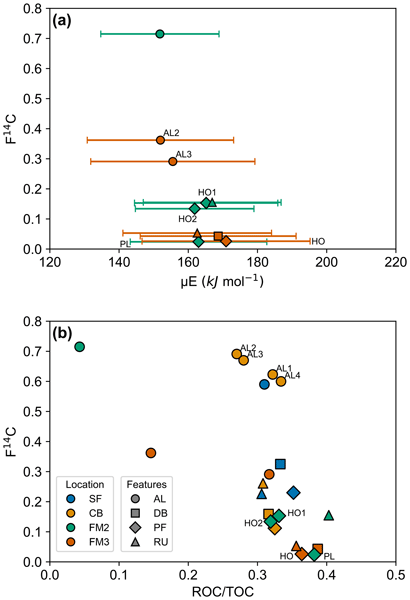
Marco A. Bolandini, Jordon D. Hemingway, Negar Haghipour, Kirsi H. Keskitalo, Jorien E. Vonk, Timothy I. Eglinton, and Lisa Bröder
Biogeosciences, 23, 4447–4462, https://doi.org/10.5194/bg-23-4447-2026, https://doi.org/10.5194/bg-23-4447-2026, 2026
Short summary
Short summary
Abrupt permafrost thaw mobilizes ancient organic matter, which could fuel further warming, yet its fate remains uncertain. We studied thaw slumps in Arctic Canada using thermal, radiocarbon, and molecular analyses. Recently thawed debris and runoff exiting the slumps contained old, thermally stable organic matter, compositionally similar to surrounding permafrost. This suggests that much of the thaw-mobilised carbon survives initial transport and may be processed or sequestered downstream.
Naoto F. Ishikawa, Hisami Suga, Tessa S. van der Voort, Reto Nyffeler, Nanako O. Ogawa, Negar Haghipour, Lukas Wacker, Timothy I. Eglinton, and Naohiko Ohkouchi
Biogeosciences, 23, 3855–3869, https://doi.org/10.5194/bg-23-3855-2026, https://doi.org/10.5194/bg-23-3855-2026, 2026
Short summary
Short summary
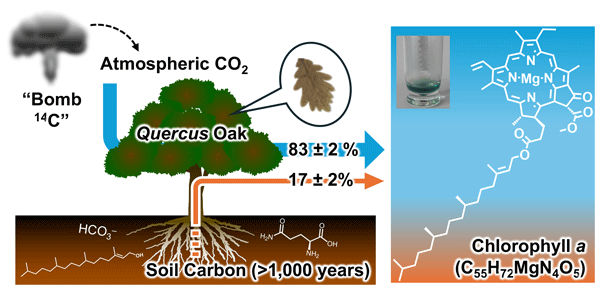
The main finding of this work is that chlorophyll a in plant leaves is made from atmospheric CO2 (83 ± 2 %) as well as soil carbon (17 ± 2 %), the latter of which is older than 1000 years. The results suggest that radiocarbon age and provenance within a single tree are more diverse than previously thought.
Niklas Kappelt, Piers Larkman, Pascal Bohleber, Florian Adolphi, Marcus Christl, Christof Vockenhuber, Philip Gautschi, Eric Wolff, and Raimund Muscheler
EGUsphere, https://doi.org/10.5194/egusphere-2026-790, https://doi.org/10.5194/egusphere-2026-790, 2026
This preprint is open for discussion and under review for The Cryosphere (TC).
Short summary
Short summary
10Be is a radionuclide often measured in ice cores to reconstruct the solar magnetic field and geomagnetic field, as well as to date ice based on its half-life of 1.387 million years. Previous measurements in deep ice from Antarctica showed a decrease in concentrations with age. We analysed the influence of the sample preparation procedure and were able to show that the use of ion exchange columns can lead to decreasing concentrations, an effect which is amplified at greater depths and ages.
Michael Zehnder, Annegret Udke, Katrin Meusburger, Frank Hagedorn, Andri Baltensweiler, and Christian Rixen
EGUsphere, https://doi.org/10.5194/egusphere-2026-835, https://doi.org/10.5194/egusphere-2026-835, 2026
Short summary
Short summary
Most organic carbon in alpine ecosystems is stored belowground, yet its distribution is poorly known. By combining new soil measurements with existing data from across the Swiss Alps, we mapped soil carbon storage from the treeline to permafrost-affected regions. We found that alpine grasslands store large amounts of soil carbon, explained mainly by vegetation productivity, temperature, and terrain. The results provide a baseline to assess how alpine soil carbon may respond to climate change.
Madeleine Santos, Lisa Bröder, Matt O'Regan, Iván Hernández-Almeida, Tommaso Tesi, Lukas Bigler, Negar Haghipour, Daniel B. Nelson, Michael Fritz, and Julie Lattaud
Clim. Past, 22, 187–203, https://doi.org/10.5194/cp-22-187-2026, https://doi.org/10.5194/cp-22-187-2026, 2026
Short summary
Short summary
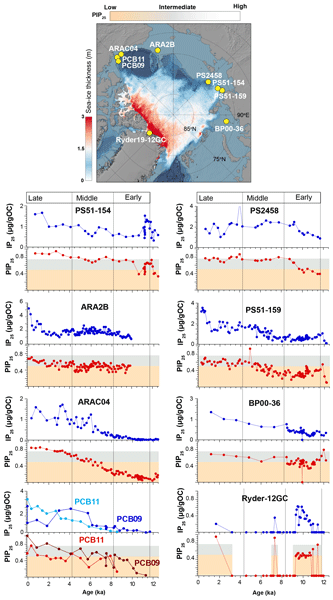
Our study examined how sea ice in the Beaufort Sea has changed over the past 13 000 years to better understand today's rapid losses. By analyzing chemical tracers preserved in seafloor sediments, we found that the Early Holocene was largely ice-free, with warmer waters and lower salinity. Seasonal ice began forming about 7000 years ago and expanded as the climate cooled. These long-term patterns show that continued warming could return the region to mostly ice-free conditions.
Chantal Schmidt, David Mair, Naki Akçar, Marcus Christl, Negar Haghipour, Christof Vockenhuber, Philip Gautschi, Brian McArdell, and Fritz Schlunegger
Earth Surf. Dynam., 14, 33–53, https://doi.org/10.5194/esurf-14-33-2026, https://doi.org/10.5194/esurf-14-33-2026, 2026
Short summary
Short summary
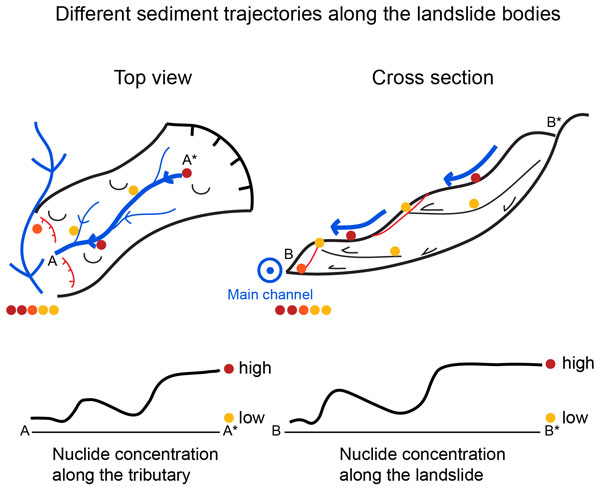
Our study examines erosion in a small, pre-Alpine basin by using cosmogenic nuclides in river sediments. Based on a dense measuring network we were able to distinguish two main zones: an upper zone with slow erosion of surface material, and a steeper, lower zone where faster erosion is driven by landslides. The data suggests that sediment has been constantly produced over thousands of years, indicating a stable, long-term balance between contrasting erosion processes.
Angus Moore, Maud Henrion, Yanfei Li, Eléonore du bois d'Aische, Philip Gautschi, Marcus Christl, François Jonard, Sébastien Lambot, Kristof Van Oost, Sophie Opfergelt, and Veerle Vanacker
EGUsphere, https://doi.org/10.5194/egusphere-2026-36, https://doi.org/10.5194/egusphere-2026-36, 2026
Short summary
Short summary
Studying peatlands dynamics over long timescales requires a proxy for past peat cover. In this paper, we explore the use of cosmogenic nuclides to infer peat thicknesses averaged over 100 kyr timescales. We find that long-term peat thicknesses inferred from cosmogenic nuclides at an upland peatland site in the Belgian Ardennes are consistent with independent constraints, but exceed modern peat thicknesses. We attribute this discrepancy to peat degradation associated with historical land use.
Johanne Lebrun Thauront, Philippa Ascough, Sebastian Doetterl, Negar Haghipour, Pierre Barré, Christian Walter, and Samuel Abiven
Biogeosciences, 23, 155–179, https://doi.org/10.5194/bg-23-155-2026, https://doi.org/10.5194/bg-23-155-2026, 2026
Short summary
Short summary
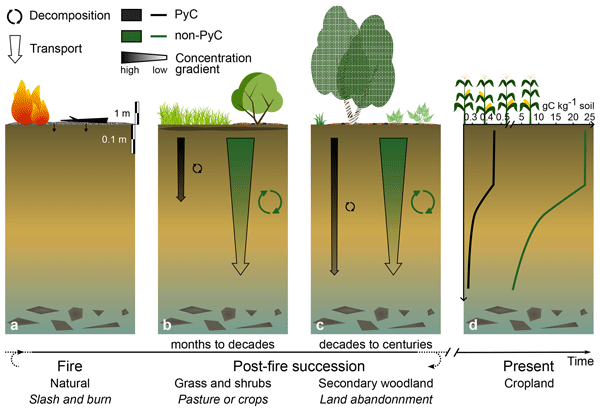
Fire-derived carbon is a form of organic carbon that has a long persistence in soils. However, its persistence at the landscape scale may be underestimated due to lateral and vertical redistribution. We measured fire-derived carbon in soils of a hilly agricultural watershed to identify the result of transport processes on the centennial time-scale. We show that the subsoil stores a large amount of fire-derived carbon and that erosion can redistribute it to localized accumulation zones.
Chun Chung Yeung, Harald Bugmann, Frank Hagedorn, Margaux Moreno Duborgel, and Olalla Díaz-Yáñez
Biogeosciences, 22, 7535–7562, https://doi.org/10.5194/bg-22-7535-2025, https://doi.org/10.5194/bg-22-7535-2025, 2025
Short summary
Short summary
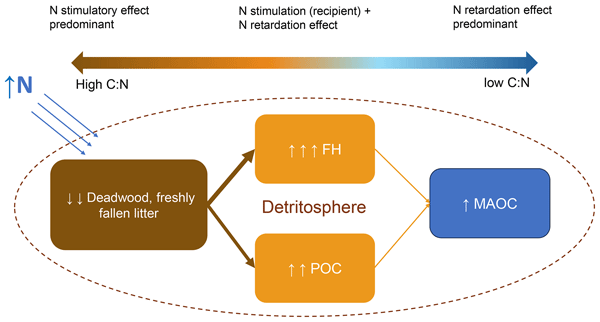
To shed light on the interactions between soil nitrogen (N) and carbon (C), we set up a model “experiment” in silico to test several hypothesized responses of decomposers to N. We found that decomposers were stimulated by N when decomposing high C:N detritus, but inhibited when decomposing low C:N, processed organic C. The consequence is that under exogenous N addition (e.g., contemporary N deposition), forests may accumulate light fraction C predominantly, at the expense of coarse detritus.
Marco M. Lehmann, Josie Geris, Ilja van Meerveld, Daniele Penna, Youri Rothfuss, Matteo Verdone, Pertti Ala-Aho, Matyas Arvai, Alise Babre, Philippe Balandier, Fabian Bernhard, Lukrecija Butorac, Simon D. Carrière, Natalie C. Ceperley, Zuosinan Chen, Alicia Correa, Haoyu Diao, David Dubbert, Maren Dubbert, Fabio Ercoli, Marius G. Floriancic, Alligin Ghazoul, Teresa E. Gimeno, Damien Gounelle, Frank Hagedorn, Christophe Hissler, Frédéric Huneau, Alberto Iraheta, Tamara Jakovljević, Nerantzis Kazakis, Zoltan Kern, Laura Kinzinger, Karl Knaebel, Johannes Kobler, Jiri Kocum, Charlotte Koeber, Gerbrand Koren, Angelika Kübert, Dawid Kupka, Samuel Le Gall, Aleksi Lehtonen, Thomas Leydier, Philippe Malagoli, Francesca Sofia Manca di Villahermosa, Chiara Marchina, Núria Martínez-Carreras, Nicolas Martin-StPaul, Hannu Marttila, Aline Meyer Oliveira, Gael Monvoisin, Natalie Orlowski, Kadi Palmik-Das, Aurel Persoiu, Andrei Popa, Egor Prikaziuk, Cécile Quantin, Katja T. Rinne-Garmston, Clara Rohde, Martin Sanda, Matthias Saurer, Daniel Schulz, Michael P. Stockinger, Christine Stumpp, Jean-Stéphane Vénisse, Lukas Vlcek, Stylianos Voudouris, Björn Weeser, Mark E. Wilkinson, Giulia Zuecco, and Katrin Meusburger
Earth Syst. Sci. Data, 17, 6129–6147, https://doi.org/10.5194/essd-17-6129-2025, https://doi.org/10.5194/essd-17-6129-2025, 2025
Short summary
Short summary
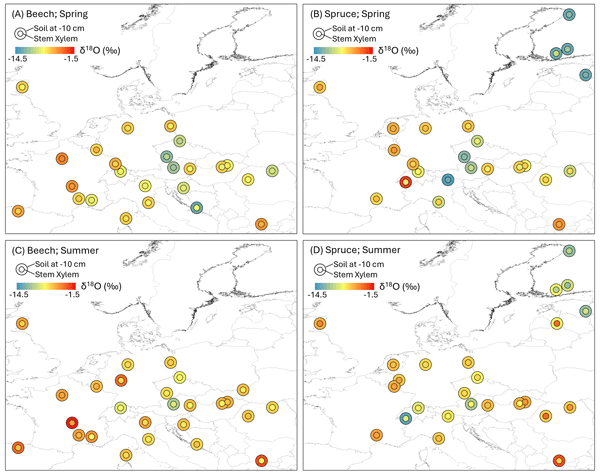
This study describes a unique large-scale isotope dataset to study water dynamics in European forests. Researchers collected data from 40 beech and spruce forest sites in spring and summer 2023, using a standardized method to ensure consistency. The results show that water sources for trees change between seasons and vary by tree species. This large dataset offers valuable information for understanding plant water use, improving ecohydrological models, and mapping water cycles across Europe.
Benedict V. A. Mittelbach, Margot E. White, Timo M. Y. Rhyner, Negar Haghipour, Marie-Elodie Perga, Nathalie Dubois, and Timothy I. Eglinton
Biogeosciences, 22, 6749–6763, https://doi.org/10.5194/bg-22-6749-2025, https://doi.org/10.5194/bg-22-6749-2025, 2025
Short summary
Short summary
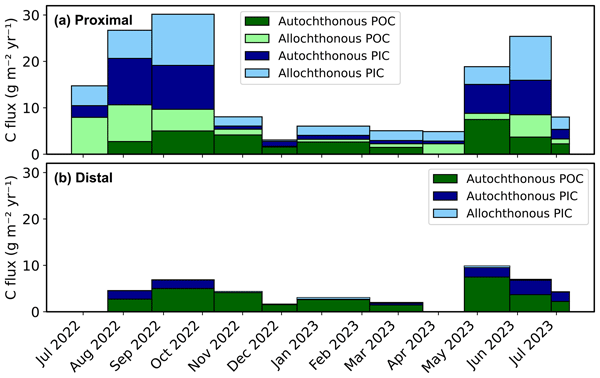
Lakes can emit carbon dioxide but also store carbon in their sediments. In hardwater lakes like Lake Geneva, calcite precipitates in the water column, releasing CO2 to the atmosphere, but upon sinking these particles also transport carbon to the sediment. Using sediment traps and radiocarbon isotopes, we show that much of the precipitated calcite is buried, highlighting an overlooked carbon sink that partly offsets the CO2 outgassing and should be included in lake carbon budgets.
Sarah Paradis, Hannah Gies, Davide Moccia, Julie Lattaud, Lisa Bröder, Negar Haghipour, Antonio Pusceddu, Albert Palanques, Pere Puig, Claudio Lo Iacono, and Timothy I. Eglinton
Biogeosciences, 22, 5921–5941, https://doi.org/10.5194/bg-22-5921-2025, https://doi.org/10.5194/bg-22-5921-2025, 2025
Short summary
Short summary
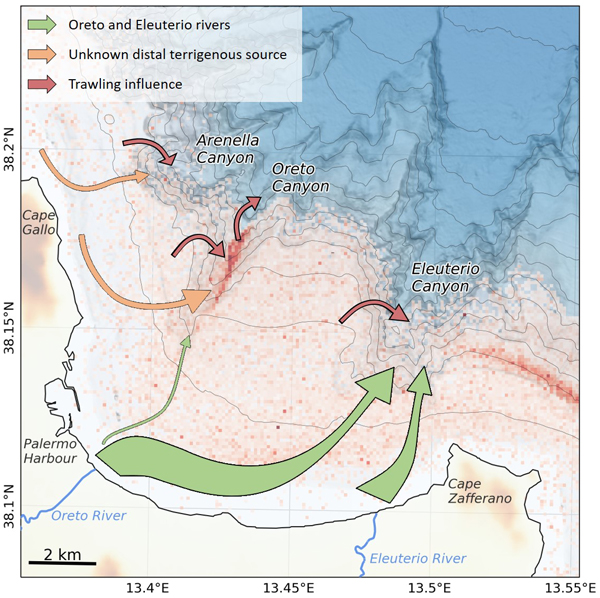
The Gulf of Palermo features several submarine canyons, where 50–70 % of the organic carbon deposited in them is terrigenous (OC-terr). The contribution of OC-terr generally decreases offshore and across canyons. Rivers deliver OC-terr, which is redistributed by regional currents and intercepted by the farthest down-current canyon, while the other submarine canyons receive terrigenous organic carbon from more distal sources. Bottom trawling also contributes to the transfer of OC-terr down-canyon.
Niklas Kappelt, Eric Wolff, Marcus Christl, Christof Vockenhuber, Philip Gautschi, and Raimund Muscheler
Clim. Past, 21, 1585–1594, https://doi.org/10.5194/cp-21-1585-2025, https://doi.org/10.5194/cp-21-1585-2025, 2025
Short summary
Short summary
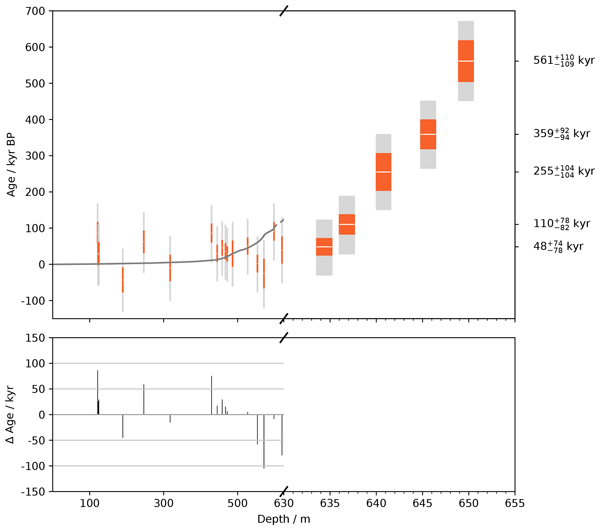
By measuring the radioactive decay of atmospherically produced 36Cl and 10Be in an ice core drilled in West Antarctica, we were able to determine the age of the deepest sample close to bedrock to be about 550 thousand years old. This means that the ice in this location, known as Skytrain Ice Rise, has survived several warm periods in the past, at least since marine isotope stage 11.
Claudia Guidi, Sia Gosheva-Oney, Markus Didion, Roman Flury, Lorenz Walthert, Stephan Zimmermann, Brian J. Oney, Pascal A. Niklaus, Esther Thürig, Toni Viskari, Jari Liski, and Frank Hagedorn
Biogeosciences, 22, 4107–4122, https://doi.org/10.5194/bg-22-4107-2025, https://doi.org/10.5194/bg-22-4107-2025, 2025
Short summary
Short summary
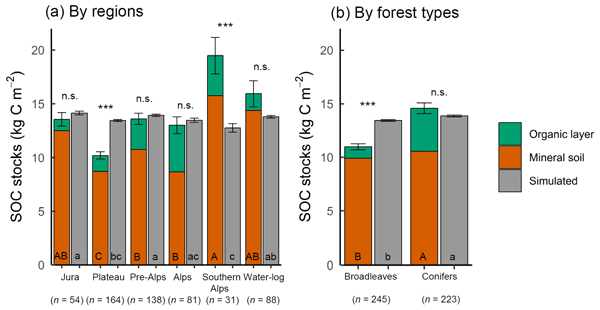
Predicting soil organic carbon (SOC) stocks in forests is crucial to determining the C balance, yet drivers of SOC stocks remain uncertain at large scales. Across a broad environmental gradient in Switzerland, we compared measured SOC stocks with those modeled by Yasso, which is commonly used for greenhouse gas budgets. We show that soil mineral properties and climate are the main controls of SOC stocks, indicating that better accounting of these processes will advance the accuracy of SOC stock predictions.
Frank Hagedorn, Josephine Imboden, Pavel A. Moiseev, Decai Gao, Emmanuel Frossard, Patrick Schleppi, Daniel Christen, Konstantin Gavazov, and Jasmin Fetzer
Biogeosciences, 22, 2959–2977, https://doi.org/10.5194/bg-22-2959-2025, https://doi.org/10.5194/bg-22-2959-2025, 2025
Short summary
Short summary
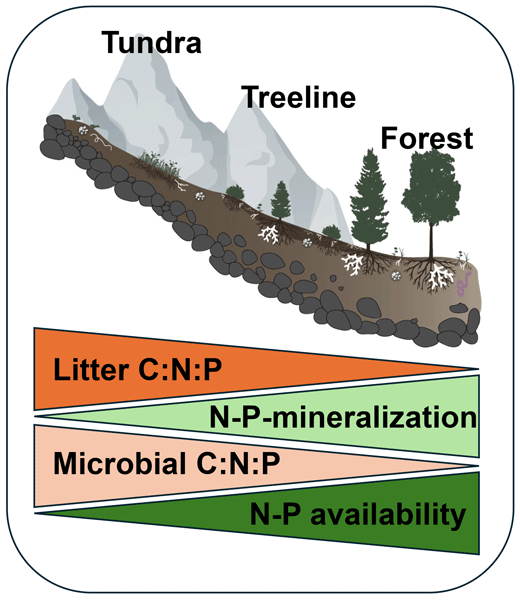
At treeline, plant species change abruptly from low-stature plants in tundra to trees in forests. Our study documents that from tundra towards forest, the litter layer becomes strongly enriched in nutrients. We show that these litter quality changes alter nutrient processing by soil microbes and increase nutrient release during decomposition in forests compared to tundra. The associated improvement in nutrient availability in forests potentially stimulates tree growth and treeline shifts.
Giulia Zazzeri, Lukas Wacker, Negar Haghipour, Philip Gautschi, Thomas Laemmel, Sönke Szidat, and Heather Graven
Atmos. Meas. Tech., 18, 319–325, https://doi.org/10.5194/amt-18-319-2025, https://doi.org/10.5194/amt-18-319-2025, 2025
Short summary
Short summary
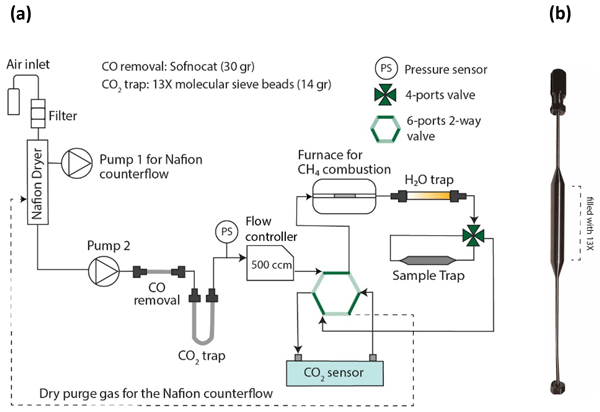
Radiocarbon (14C) is an optimal tracer of methane (CH4) emissions, as 14C measurements enable distinguishing between fossil methane and biogenic methane. However, these measurements are particularly challenging, mainly due to technical difficulties in the sampling procedure. We made the sample extraction much simpler and time efficient, providing a new technology that can be used by any research group, with the goal of expanding 14C measurements for an improved understanding of methane sources.
Alexander S. Brunmayr, Frank Hagedorn, Margaux Moreno Duborgel, Luisa I. Minich, and Heather D. Graven
Geosci. Model Dev., 17, 5961–5985, https://doi.org/10.5194/gmd-17-5961-2024, https://doi.org/10.5194/gmd-17-5961-2024, 2024
Short summary
Short summary
A new generation of soil models promises to more accurately predict the carbon cycle in soils under climate change. However, measurements of 14C (the radioactive carbon isotope) in soils reveal that the new soil models face similar problems to the traditional models: they underestimate the residence time of carbon in soils and may therefore overestimate the net uptake of CO2 by the land ecosystem. Proposed solutions include restructuring the models and calibrating model parameters with 14C data.
Carrie L. Thomas, Boris Jansen, Sambor Czerwiński, Mariusz Gałka, Klaus-Holger Knorr, E. Emiel van Loon, Markus Egli, and Guido L. B. Wiesenberg
Biogeosciences, 20, 4893–4914, https://doi.org/10.5194/bg-20-4893-2023, https://doi.org/10.5194/bg-20-4893-2023, 2023
Short summary
Short summary
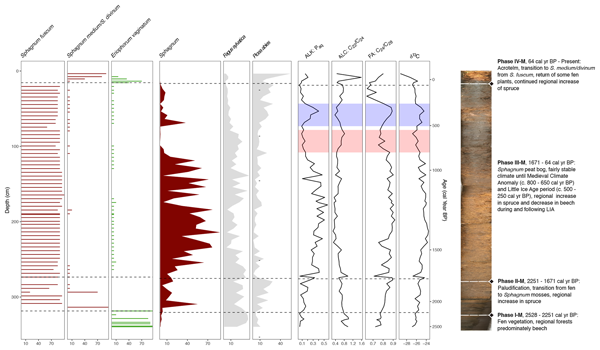
Peatlands are vital terrestrial ecosystems that can serve as archives, preserving records of past vegetation and climate. We reconstructed the vegetation history over the last 2600 years of the Beerberg peatland and surrounding area in the Thuringian Forest in Germany using multiple analyses. We found that, although the forest composition transitioned and human influence increased, the peatland remained relatively stable until more recent times, when drainage and dust deposition had an impact.
Tatjana C. Speckert, Jeannine Suremann, Konstantin Gavazov, Maria J. Santos, Frank Hagedorn, and Guido L. B. Wiesenberg
SOIL, 9, 609–621, https://doi.org/10.5194/soil-9-609-2023, https://doi.org/10.5194/soil-9-609-2023, 2023
Short summary
Short summary
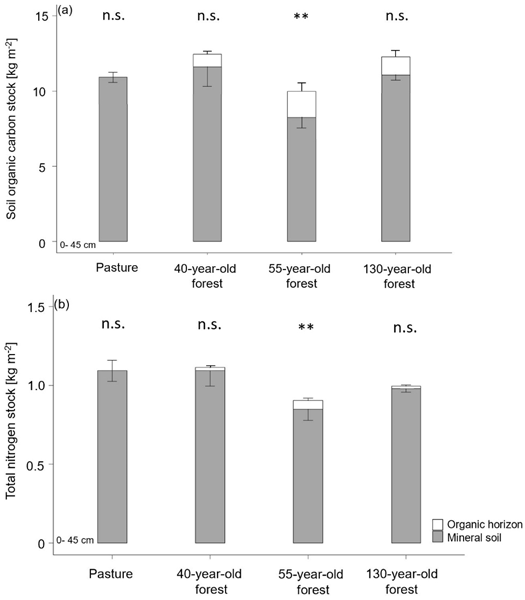
Soil organic carbon (SOC) is key player in the global carbon cycle. Afforestation on pastures potentially alters organic matter input and SOC sequestration. We investigated the effects of a Picea abies L. afforestation sequence (0 to 130 years) on a former subalpine pasture on SOC stocks and dynamics. We found no difference in the SOC stock after 130 years of afforestation and thus no additional SOC sequestration. SOC composition was altered due to a modified SOC input following afforestation.
Allen G. Hunt, Muhammad Sahimi, Boris Faybishenko, Markus Egli, Zbigniew J. Kabala, Behzad Ghanbarian, and Fang Yu
Earth Syst. Dynam. Discuss., https://doi.org/10.5194/esd-2023-21, https://doi.org/10.5194/esd-2023-21, 2023
Manuscript not accepted for further review
Short summary
Short summary
Relative stability of Earth’s climate system is considered an emergent property of coupled ecosystems. We apply a spatio-temporal scaling relation for root growth to couple bacterial/fungal/vegetational response to climate crises triggered by land plant invasion and predict an absolute time scale to reach homeostasis. The predicted time is 33 % larger than required for the biosphere to emerge from associated Paleozoic ice ages. We propose a basis for understanding the biosphere and critical zone.
Brieuc Hardy, Nils Borchard, and Jens Leifeld
SOIL, 8, 451–466, https://doi.org/10.5194/soil-8-451-2022, https://doi.org/10.5194/soil-8-451-2022, 2022
Short summary
Short summary
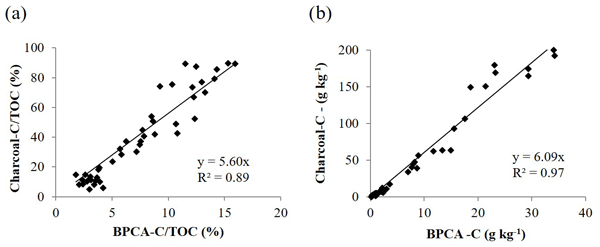
Soil amendment with artificial black carbon (BC; biomass transformed by incomplete combustion) has the potential to mitigate climate change. Nevertheless, the accurate quantification of BC in soil remains a critical issue. Here, we successfully used dynamic thermal analysis (DTA) to quantify centennial BC in soil. We demonstrate that DTA is largely under-exploited despite providing rapid and low-cost quantitative information over the range of soil organic matter.
Jasmin Fetzer, Emmanuel Frossard, Klaus Kaiser, and Frank Hagedorn
Biogeosciences, 19, 1527–1546, https://doi.org/10.5194/bg-19-1527-2022, https://doi.org/10.5194/bg-19-1527-2022, 2022
Short summary
Short summary
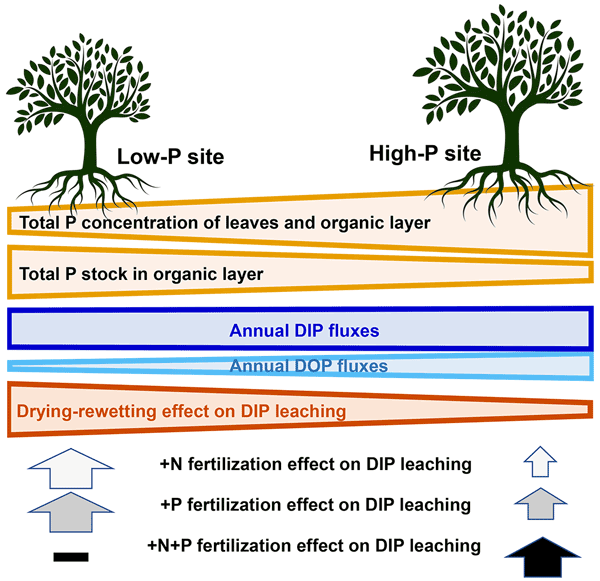
As leaching is a major pathway of nitrogen and phosphorus loss in forest soils, we investigated several potential drivers in two contrasting beech forests. The composition of leachates, obtained by zero-tension lysimeters, varied by season, and climatic extremes influenced the magnitude of leaching. Effects of nitrogen and phosphorus fertilization varied with soil nutrient status and sorption properties, and leaching from the low-nutrient soil was more sensitive to environmental factors.
Caroline Welte, Jens Fohlmeister, Melina Wertnik, Lukas Wacker, Bodo Hattendorf, Timothy I. Eglinton, and Christoph Spötl
Clim. Past, 17, 2165–2177, https://doi.org/10.5194/cp-17-2165-2021, https://doi.org/10.5194/cp-17-2165-2021, 2021
Short summary
Short summary
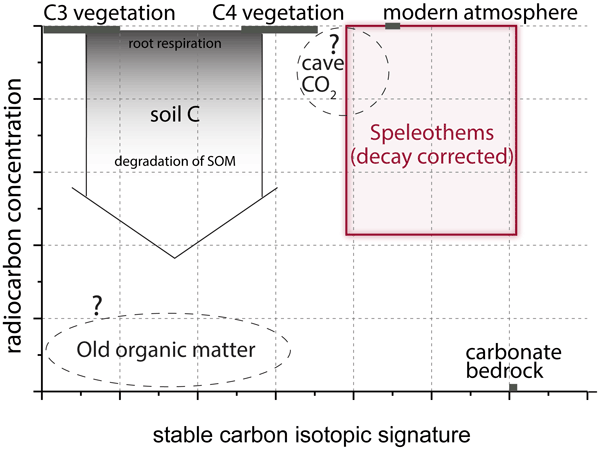
Stalagmites are valuable climate archives, but unlike other proxies the use of stable carbon isotopes (δ13C) is still difficult. A stalagmite from the Austrian Alps was analyzed using a new laser ablation method for fast radiocarbon (14C) analysis. This allowed 14C and δ13C to be combined, showing that besides soil and bedrock a third source is contributing during periods of warm, wet climate: old organic matter.
Cited articles
Atarashi-Andoh, M., Koarashi, J., Ishizuka, S., and Hirai, K.: Seasonal patterns and control factors of CO2 effluxes from surface litter, soil organic carbon, and root-derived carbon estimated using radiocarbon signatures, Agric. For. Meteorol., 152, 149–158, https://doi.org/10.1016/j.agrformet.2011.09.015, 2012.
Bader, C., Müller, M., Schulin, R., and Leifeld, J.: Amount and stability of recent and aged plant residues in degrading peatland soils, Soil Biol. Biochem., 109, 167–175, https://doi.org/10.1016/j.soilbio.2017.01.029, 2017.
Bahn, M., Knapp, M., Garajova, Z., Pfahringer, N., and Cernusca, A.: Root respiration in temperate mountain grasslands differing in land use, Glob. Change Biol., 12, 995–1006, https://doi.org/10.1111/j.1365-2486.2006.01144.x, 2006.
Barneze, A. S., Whitaker, J., McNamara, N. P., and Ostle, N. J.: Interactive effects of climate warming and management on grassland soil respiration partitioning, Eur. J. Soil Sci., 75, e13491, https://doi.org/10.1111/ejss.13491, 2024.
Bolin, B. and Rodhe, H.: A note on the concepts of age distribution and transit time in natural reservoirs, Tellus, 25, 58–62, https://doi.org/10.1111/j.2153-3490.1973.tb01594.x, 1973.
Borken, W., Savage, K., Davidson, E. A., and Trumbore, S. E.: Effects of experimental drought on soil respiration and radiocarbon efflux from a temperate forest soil, Glob. Change Biol., 12, 177–193, https://doi.org/10.1111/j.1365-2486.2005.001058.x, 2006.
Bourletsikas, A., Proutsos, N., Michopoulos, P., and Argyrokastritis, I.: Temporal Variations in Temperature and Moisture Soil Profiles in a Mediterranean Maquis Forest in Greece, Hydrology, 10, 93, https://doi.org/10.3390/hydrology10040093, 2023.
Bronk Ramsey, C.: Bayesian Analysis of Radiocarbon Dates, Radiocarbon, 51, 337–360, https://doi.org/10.1017/S0033822200033865, 2009.
Butterbach-Bahl, K., Kiese, R., and Liu, C.: Measurements of Biosphere–Atmosphere Exchange of CH4 in Terrestrial Ecosystems, in: Methods in Enzymology, vol. 495, Elsevier, 271–287, https://doi.org/10.1016/B978-0-12-386905-0.00018-8, 2011.
Crow, S. E. and Wieder, R. K.: SOURCES OF CO 2 EMISSION FROM A NORTHERN PEATLAND: ROOT RESPIRATION, EXUDATION, AND DECOMPOSITION, Ecology, 86, 1825–1834, https://doi.org/10.1890/04-1575, 2005.
Desie, E., Van Meerbeek, K., De Wandeler, H., Bruelheide, H., Domisch, T., Jaroszewicz, B., Joly, F., Vancampenhout, K., Vesterdal, L., and Muys, B.: Positive feedback loop between earthworms, humus form and soil pH reinforces earthworm abundance in European forests, Funct. Ecol., 34, 2598–2610, https://doi.org/10.1111/1365-2435.13668, 2020.
Diao, H., Wang, A., Yuan, F., Guan, D., and Wu, J.: Autotrophic respiration modulates the carbon isotope composition of soil respiration in a mixed forest, Sci. Total Environ., 807, 150834, https://doi.org/10.1016/j.scitotenv.2021.150834, 2022.
Don, A., Schumacher, J., and Freibauer, A.: Impact of tropical land-use change on soil organic carbon stocks – a meta-analysis: SOIL ORGANIC CARBON AND LAND-USE CHANGE, Glob. Change Biol., 17, 1658–1670, https://doi.org/10.1111/j.1365-2486.2010.02336.x, 2011.
Dörr, H. and Münnich, K. O.: Annual Variations of the 14C Content of Soil CO2, Radiocarbon, 28, 338–345, https://doi.org/10.1017/S0033822200007438, 1986.
Emmenegger, L., Leuenberger, M., and Steinbacher, M.: ICOS ATC 14C Release analysed by ICOS CRL from Jungfraujoch (6.0 m), 2015-09-21–2024-11-25, ICOS RI, https://hdl.handle.net/11676/AtmTz0jbjTlwKST7jLLrHSHh (last access: 19 January 2026), 2025.
Eriksson, E.: Compartment Models and Reservoir Theory, Annu. Rev. Ecol. Syst., 2, 67–84, https://doi.org/10.1146/annurev.es.02.110171.000435, 1971.
Ferrari, A., Hagedorn, F., and Niklaus, P. A.: Disentangling effects of air and soil temperature on C allocation in cold environments: A14C pulse-labelling study with two plant species, Ecol. Evol., 8, 7778–7789, https://doi.org/10.1002/ece3.4215, 2018.
Flisch, R., Sinaj, S., Charles, R., and Richner, W.: GRUDAF 2009. Grundlagen für die Düngung im Acker- und Futterbau, in: AGRARForschung, vol. 2, Forschungsanstalten Agroscope Changins-Wädenswil ACW und Agroscope Reckenholz-Tänikon ART, https://ira.agroscope.ch/de-CH/publication/19963 (last access: 19 January 2026), 2009.
Fuchslueger, L., Bahn, M., Hasibeder, R., Kienzl, S., Fritz, K., Schmitt, M., Watzka, M., and Richter, A.: Drought history affects grassland plant and microbial carbon turnover during and after a subsequent drought event, J. Ecol., 104, 1453–1465, https://doi.org/10.1111/1365-2745.12593, 2016.
Gao, D., Joseph, J., Werner, R. A., Brunner, I., Zürcher, A., Hug, C., Wang, A., Zhao, C., Bai, E., Meusburger, K., Gessler, A., and Hagedorn, F.: Drought alters the carbon footprint of trees in soils–tracking the spatio-temporal fate of13 C-labelled assimilates in the soil of an old-growth pine forest, Glob. Change Biol., 27, 2491–2506, https://doi.org/10.1111/gcb.15557, 2021.
Gautschi, P., Wacker, L., and Synal, H.-A.: A new method to graphitize CO2 from atmospheric air for radiocarbon analysis, International Accelerator Mass Spectrometry Conference (2021 AMS-15), p. 228, https://inis.iaea.org/records/a6gkt-9sv60 (last access: 20 January 2026), 2021.
Geissbühler, D., Laemmel, T., Henne, T., Brunner, D., Gautschi, P., Wacker, L., and Szidat, S.: Source apportionment of atmospheric CO2 in air masses transported over Switzerland in a two-year monitoring campaign, in preparation, 2026.
Graven, H. D., Warren, H., Gibbs, H. K., Khatiwala, S., Koven, C., Lester, J., Levin, I., Spawn-Lee, S. A., and Wieder, W.: Bomb radiocarbon evidence for strong global carbon uptake and turnover in terrestrial vegetation, Science, 384, 1335–1339, https://doi.org/10.1126/science.adl4443, 2024.
Hagedorn, F. and Joos, O.: Experimental summer drought reduces soil CO2 effluxes and DOC leaching in Swiss grassland soils along an elevational gradient, Biogeochemistry, 117, 395–412, https://doi.org/10.1007/s10533-013-9881-x, 2014.
Hanson, P. J., Edwards, N. T., Garten, C. T., and Andrews, J. A.: Separating root and soil microbial contributions to soil respiration: A review of methods and observations, Biogeochemistry, 48, 115–146, https://doi.org/10.1023/A:1006244819642, 2000.
Hicks Pries, C. E., Schuur, E. A. G., and Crummer, K. G.: Thawing permafrost increases old soil and autotrophic respiration in tundra: Partitioning ecosystem respiration using δ13C and Δ14C, Glob. Change Biol., 19, 649–661, https://doi.org/10.1111/gcb.12058, 2013.
Hiltbrunner, D., Zimmermann, S., and Hagedorn, F.: Afforestation with Norway spruce on a subalpine pasture alters carbon dynamics but only moderately affects soil carbon storage, Biogeochemistry, 115, 251–266, https://doi.org/10.1007/s10533-013-9832-6, 2013.
Hirte, J., Richner, W., Orth, B., Liebisch, F., and Flisch, R.: Yield response to soil test phosphorus in Switzerland: Pedoclimatic drivers of critical concentrations for optimal crop yields using multilevel modelling, Sci. Total Environ., 755, 143453, https://doi.org/10.1016/j.scitotenv.2020.143453, 2021.
Hua, Q., Turnbull, J. C., Santos, G. M., Rakowski, A. Z., Ancapichún, S., De Pol-Holz, R., Hammer, S., Lehman, S. J., Levin, I., Miller, J. B., Palmer, J. G., and Turney, C. S. M.: ATMOSPHERIC RADIOCARBON FOR THE PERIOD 1950–2019, Radiocarbon, 64, 723–745, https://doi.org/10.1017/RDC.2021.95, 2022.
IPCC: Good practice guidance for land use, land-use change and forestry/The Intergovernmental Panel on Climate Change, edited by: Penman, J., Hayama, Kanagawa, ISBN 4-88788-003-0, 2003.
IPCC: Climate Change 2021 – The Physical Science Basis: Working Group I Contribution to the Sixth Assessment Report of the Intergovernmental Panel on Climate Change, 1st ed., Cambridge University Press, https://doi.org/10.1017/9781009157896, 2021.
Jackson, R. B., Canadell, J., Ehleringer, J. R., Mooney, H. A., Sala, O. E., and Schulze, E. D.: A global analysis of root distributions for terrestrial biomes, Oecologia, 108, 389–411, https://doi.org/10.1007/BF00333714, 1996.
Keel, S. G., Anken, T., Büchi, L., Chervet, A., Fliessbach, A., Flisch, R., Huguenin-Elie, O., Mäder, P., Mayer, J., Sinaj, S., Sturny, W., Wüst-Galley, C., Zihlmann, U., and Leifeld, J.: Loss of soil organic carbon in Swiss long-term agricultural experiments over a wide range of management practices, Agric. Ecosyst. Environ., 286, 106654, https://doi.org/10.1016/j.agee.2019.106654, 2019.
Komada, T., Anderson, M. R., and Dorfmeier, C. L.: Carbonate removal from coastal sediments for the determination of organic carbon and its isotopic signatures, δ13C and Δ14C: comparison of fumigation and direct acidification by hydrochloric acid, Limnol. Oceanogr. Methods, 6, 254–262, https://doi.org/10.4319/lom.2008.6.254, 2008.
Konings, A. G., Bloom, A. A., Liu, J., Parazoo, N. C., Schimel, D. S., and Bowman, K. W.: Global satellite-driven estimates of heterotrophic respiration, Biogeosciences, 16, 2269–2284, https://doi.org/10.5194/bg-16-2269-2019, 2019.
Kuzyakov, Y.: Sources of CO2 efflux from soil and review of partitioning methods, Soil Biol. Biochem., 38, 425–448, https://doi.org/10.1016/j.soilbio.2005.08.020, 2006.
Leifeld, J., Bassin, S., and Fuhrer, J.: Carbon stocks in Swiss agricultural soils predicted by land-use, soil characteristics, and altitude, Agric. Ecosyst. Environ., 105, 255–266, https://doi.org/10.1016/j.agee.2004.03.006, 2005.
Leifeld, J., Zimmermann, M., Fuhrer, J., and Conen, F.: Storage and turnover of carbon in grassland soils along an elevation gradient in the Swiss Alps, Glob. Change Biol., 15, 668–679, https://doi.org/10.1111/j.1365-2486.2008.01782.x, 2009.
Leifeld, J., Müller, M., and Fuhrer, J.: Peatland subsidence and carbon loss from drained temperate fens, Soil Use Manag., 27, 170–176, https://doi.org/10.1111/j.1475-2743.2011.00327.x, 2011.
Leifeld, J., Meyer, S., Budge, K., Sebastia, M. T., Zimmermann, M., and Fuhrer, J.: Turnover of Grassland Roots in Mountain Ecosystems Revealed by Their Radiocarbon Signature: Role of Temperature and Management, PLOS ONE, 10, e0119184, https://doi.org/10.1371/journal.pone.0119184, 2015.
Li, W., Ciais, P., Wang, Y., Peng, S., Broquet, G., Ballantyne, A. P., Canadell, J. G., Cooper, L., Friedlingstein, P., Le Quéré, C., Myneni, R. B., Peters, G. P., Piao, S., and Pongratz, J.: Reducing uncertainties in decadal variability of the global carbon budget with multiple datasets, Proc. Natl. Acad. Sci., 113, 13104–13108, https://doi.org/10.1073/pnas.1603956113, 2016.
Maltas, A., Kebli, H., Oberholzer, H. R., Weisskopf, P., and Sinaj, S.: The effects of organic and mineral fertilizers on carbon sequestration, soil properties, and crop yields from a long-term field experiment under a Swiss conventional farming system, Land Degrad. Dev., 29, 926–938, https://doi.org/10.1002/ldr.2913, 2018.
Mann, W. B.: An International Reference Material for Radiocarbon Dating, Radiocarbon, 25, 519–527, https://doi.org/10.1017/S0033822200005816, 1983.
Marchand, L. J., Gričar, J., Zuccarini, P., Dox, I., Mariën, B., Verlinden, M., Heinecke, T., Prislan, P., Marie, G., Lange, H., Van Den Bulcke, J., Penuelas, J., Fonti, P., and Campioli, M.: No winter halt in below-ground wood growth of four angiosperm deciduous tree species, Nat. Ecol. Evol., https://doi.org/10.1038/s41559-024-02602-6, 2025.
Midwood, A. J., Gebbing, T., Wendler, R., Sommerkorn, M., Hunt, J. E., and Millard, P.: Collection and storage of CO2 for 13C analysis: an application to separate soil CO2 efflux into root- and soil-derived components, Rapid Commun. Mass Spectrom., 20, 3379–3384, https://doi.org/10.1002/rcm.2749, 2006.
Millard, P., Midwood, A. J., Hunt, J. E., Barbour, M. M., and Whitehead, D.: Quantifying the contribution of soil organic matter turnover to forest soil respiration, using natural abundance δ13C, Soil Biol. Biochem., 42, 935–943, https://doi.org/10.1016/j.soilbio.2010.02.010, 2010.
Minich, L. I.: Data and Code: Carbon cycling pathways across land-use types, Zenodo [data set] and [code], https://doi.org/10.5281/zenodo.18067939, 2025.
Moore, J. W. and Semmens, B. X.: Incorporating uncertainty and prior information into stable isotope mixing models, Ecol. Lett., 11, 470–480, https://doi.org/10.1111/j.1461-0248.2008.01163.x, 2008.
Nissan, A., Alcolombri, U., Peleg, N., Galili, N., Jimenez-Martinez, J., Molnar, P., and Holzner, M.: Global warming accelerates soil heterotrophic respiration, Nat. Commun., 14, 3452, https://doi.org/10.1038/s41467-023-38981-w, 2023.
Oberholzer, H. R., Leifeld, J., and Mayer, J.: Changes in soil carbon and crop yield over 60 years in the Zurich Organic Fertilization Experiment, following land-use change from grassland to cropland, J. Plant Nutr. Soil Sci., 177, 696–704, https://doi.org/10.1002/jpln.201300385, 2014.
Oertel, C., Matschullat, J., Zurba, K., Zimmermann, F., and Erasmi, S.: Greenhouse gas emissions from soils – A review, Geochemistry, 76, 327–352, https://doi.org/10.1016/j.chemer.2016.04.002, 2016.
Paul, S., Ammann, C., Alewell, C., and Leifeld, J.: Carbon budget response of an agriculturally used fen to different soil moisture conditions, Agric. For. Meteorol., 300, 108319, https://doi.org/10.1016/j.agrformet.2021.108319, 2021.
Paul, S., Ammann, C., Wang, Y., Alewell, C., and Leifeld, J.: Can mineral soil coverage be a suitable option to mitigate greenhouse gas emissions from agriculturally managed peatlands?, Agric. Ecosyst. Environ., 375, 109197, https://doi.org/10.1016/j.agee.2024.109197, 2024.
Phillips, C. L., McFarlane, K. J., Risk, D., and Desai, A. R.: Biological and physical influences on soil 14CO2 seasonal dynamics in a temperate hardwood forest, Biogeosciences, 10, 7999–8012, https://doi.org/10.5194/bg-10-7999-2013, 2013.
Ramsperger, U., De Maria, D., Gautschi, P., Maxeiner, S., Müller, A. M., Synal, H.-A., and Wacker, L.: LEA – A NOVEL LOW ENERGY ACCELERATOR FOR14C DATING, Radiocarbon, 66, 1280–1288, https://doi.org/10.1017/RDC.2023.85, 2024.
Raich, J. W. and Schlesinger, W. H.: The global carbon dioxide flux in soil respiration and its relationship to vegetation and climate, Tellus B, 44, 81–99, https://doi.org/10.1034/j.1600-0889.1992.t01-1-00001.x, 1992.
Rankin, T., Roulet, N., Humphreys, E., Peichl, M., and Järveoja, J.: Partitioning autotrophic and heterotrophic respiration in an ombrotrophic bog, Front. Earth Sci., 11, 1263418, https://doi.org/10.3389/feart.2023.1263418, 2023.
Rong, Y., Ma, L., Johnson, D. A., and Yuan, F.: Soil respiration patterns for four major land-use types of the agro-pastoral region of northern China, Agric. Ecosyst. Environ., 213, 142–150, https://doi.org/10.1016/j.agee.2015.08.002, 2015.
Ruff, M., Fahrni, S., Gäggeler, H. W., Hajdas, I., Suter, M., Synal, H.-A., Szidat, S., and Wacker, L.: On-line Radiocarbon Measurements of Small Samples Using Elemental Analyzer and MICADAS Gas Ion Source, Radiocarbon, 52, 1645–1656, https://doi.org/10.1017/S003382220005637X, 2010.
Schädel, C., Beem-Miller, J., Aziz Rad, M., Crow, S. E., Hicks Pries, C. E., Ernakovich, J., Hoyt, A. M., Plante, A., Stoner, S., Treat, C. C., and Sierra, C. A.: Decomposability of soil organic matter over time: the Soil Incubation Database (SIDb, version 1.0) and guidance for incubation procedures, Earth Syst. Sci. Data, 12, 1511–1524, https://doi.org/10.5194/essd-12-1511-2020, 2020.
Schaufler, G., Kitzler, B., Schindlbacher, A., Skiba, U., Sutton, M. A., and Zechmeister-Boltenstern, S.: Greenhouse gas emissions from European soils under different land use: effects of soil moisture and temperature, Eur. J. Soil Sci., 61, 683–696, https://doi.org/10.1111/j.1365-2389.2010.01277.x, 2010.
Schindlbacher, A., Zechmeister-Boltenstern, S., and Jandl, R.: Carbon losses due to soil warming: Do autotrophic and heterotrophic soil respiration respond equally?, Glob. Change Biol., 15, 901–913, https://doi.org/10.1111/j.1365-2486.2008.01757.x, 2009.
Schindlbacher, A., Borken, W., Djukic, I., Brandstätter, C., Spötl, C., and Wanek, W.: Contribution of carbonate weathering to the CO2 efflux from temperate forest soils, Biogeochemistry, 124, 273–290, https://doi.org/10.1007/s10533-015-0097-0, 2015.
Schindlbacher, A., Beck, K., Holzheu, S., and Borken, W.: Inorganic Carbon Leaching From a Warmed and Irrigated Carbonate Forest Soil, Front. For. Glob. Change, 2, 40, https://doi.org/10.3389/ffgc.2019.00040, 2019.
Schulze, E. D., Luyssaert, S., Ciais, P., Freibauer, A., Janssens, I. A., Soussana, J. F., Smith, P., Grace, J., Levin, I., Thiruchittampalam, B., Heimann, M., Dolman, A. J., Valentini, R., Bousquet, P., Peylin, P., Peters, W., Rödenbeck, C., Etiope, G., Vuichard, N., Wattenbach, M., Nabuurs, G. J., Poussi, Z., Nieschulze, J., Gash, J. H., and the CarboEurope Team: Importance of methane and nitrous oxide for Europe's terrestrial greenhouse-gas balance, Nat. Geosci., 2, 842–850, https://doi.org/10.1038/ngeo686, 2009.
Schuur, E. A. G. and Trumbore, S. E.: Partitioning sources of soil respiration in boreal black spruce forest using radiocarbon, Glob. Change Biol., 12, 165–176, https://doi.org/10.1111/j.1365-2486.2005.01066.x, 2006.
Schuur, E. A. G., Druffel, E., and Trumbore, S. E. (Eds.): Radiocarbon and Climate Change, Springer International Publishing, Cham, https://doi.org/10.1007/978-3-319-25643-6, 2016.
Serrano-Ortiz, P., Roland, M., Sanchez-Moral, S., Janssens, I. A., Domingo, F., Goddéris, Y., and Kowalski, A. S.: Hidden, abiotic CO2 flows and gaseous reservoirs in the terrestrial carbon cycle: Review and perspectives, Agric. For. Meteorol., 150, 321–329, https://doi.org/10.1016/j.agrformet.2010.01.002, 2010.
Shi, B., Fu, X., Smith, M. D., Chen, A., Knapp, A. K., Wang, C., Xu, W., Zhang, R., Gao, W., and Sun, W.: Autotrophic respiration is more sensitive to nitrogen addition and grazing than heterotrophic respiration in a meadow steppe, CATENA, 213, 106207, https://doi.org/10.1016/j.catena.2022.106207, 2022.
Sierra, C. A., Müller, M., Metzler, H., Manzoni, S., and Trumbore, S. E.: The muddle of ages, turnover, transit, and residence times in the carbon cycle, Glob. Change Biol., 23, 1763–1773, https://doi.org/10.1111/gcb.13556, 2017.
Six, J., Elliott, E. T., and Paustian, K.: Aggregate and Soil Organic Matter Dynamics under Conventional and No-Tillage Systems, Soil Sci. Soc. Am. J., 63, 1350–1358, https://doi.org/10.2136/sssaj1999.6351350x, 1999.
Søe, A. R. B., Giesemann, A., Anderson, T.-H., Weigel, H.-J., and Buchmann, N.: Soil respiration under elevated CO2 and its partitioning into recently assimilated and older carbon sources, Plant Soil, 262, 85–94, https://doi.org/10.1023/B:PLSO.0000037025.78016.9b, 2004.
Solly, E., Schöning, I., Boch, S., Müller, J., Socher, S. A., Trumbore, S. E., and Schrumpf, M.: Mean age of carbon in fine roots from temperate forests and grasslands with different management, Biogeosciences, 10, 4833–4843, https://doi.org/10.5194/bg-10-4833-2013, 2013.
Solly, E. F., Schöning, I., Boch, S., Kandeler, E., Marhan, S., Michalzik, B., Müller, J., Zscheischler, J., Trumbore, S. E., and Schrumpf, M.: Factors controlling decomposition rates of fine root litter in temperate forests and grasslands, Plant Soil, 382, 203–218, https://doi.org/10.1007/s11104-014-2151-4, 2014.
Stock, B. C., Jackson, A. L., Ward, E. J., Parnell, A. C., Phillips, D. L., and Semmens, B. X.: Analyzing mixing systems using a new generation of Bayesian tracer mixing models, PeerJ, 6, e5096, https://doi.org/10.7717/peerj.5096, 2018.
Stuart, J. E. M., Tucker, C. L., Lilleskov, E. A., Kolka, R. K., Chimner, R. A., Heckman, K. A., and Kane, E. S.: Evidence for older carbon loss with lowered water tables and changing plant functional groups in peatlands, Glob. Change Biol., 29, 780–793, https://doi.org/10.1111/gcb.16508, 2023.
Synal, H.-A., Stocker, M., and Suter, M.: MICADAS: A new compact radiocarbon AMS system, Nucl. Instrum. Methods Phys. Res. Sect. B Beam Interact. Mater. At., 259, 7–13, https://doi.org/10.1016/j.nimb.2007.01.138, 2007.
Tangarife-Escobar, A., Guggenberger, G., Feng, X., Muñoz, E., Chanca, I., Peichl, M., Smith, P., and Sierra, C. A.: Radiocarbon Isotopic Disequilibrium Shows Little Incorporation of New Carbon in Mineral Soils of a Boreal Forest Ecosystem, J. Geophys. Res. Biogeosciences, 129, e2024JG008191, https://doi.org/10.1029/2024JG008191, 2024.
Tharammal, T., Bala, G., Devaraju, N., and Nemani, R.: A review of the major drivers of the terrestrial carbon uptake: model-based assessments, consensus, and uncertainties, Environ. Res. Lett., 14, 093005, https://doi.org/10.1088/1748-9326/ab3012, 2019.
Torn, M. S., Swanston, C. W., Castanha, C., and Trumbore, S. E.: Storage and Turnover of Organic Matter in Soil, in: Biophysico-Chemical Processes Involving Natural Nonliving Organic Matter in Environmental Systems, edited by: Senesi, N., Xing, B., and Huang, P. M., Wiley, 219–272, https://doi.org/10.1002/9780470494950.ch6, 2009.
Trumbore, S.: Carbon respired by terrestrial ecosystems – recent progress and challenges, Glob. Change Biol., 12, 141–153, https://doi.org/10.1111/j.1365-2486.2006.01067.x, 2006.
Wacker, L., Němec, M., and Bourquin, J.: A revolutionary graphitisation system: Fully automated, compact and simple, Nucl. Instrum. Methods Phys. Res. Sect. B Beam Interact. Mater. At., 268, 931–934, https://doi.org/10.1016/j.nimb.2009.10.067, 2010a.
Wacker, L., Christl, M., and Synal, H.-A.: Bats: A new tool for AMS data reduction, Nucl. Instrum. Methods Phys. Res. Sect. B Beam Interact. Mater. At., 268, 976–979, https://doi.org/10.1016/j.nimb.2009.10.078, 2010b.
Walthert, L., Lüscher, P., Luster, J., and Peter, B.: Langfristige Waldökosystem-Forschung LWF, Kernprojekt Bodenmatrix: Aufnahmeanleitung zur ersten Erhebung 1994–1999, ETH Zurich, https://doi.org/10.3929/ETHZ-A-004375470, 2002.
Walthert, L., Graf, U., Kammer, A., Luster, J., Pezzotta, D., Zimmermann, S., and Hagedorn, F.: Determination of organic and inorganic carbon, δ13C, and nitrogen in soils containing carbonates after acid fumigation with HCl, J. Plant Nutr. Soil Sci., 173, 207–216, https://doi.org/10.1002/jpln.200900158, 2010.
Wang, R., Bicharanloo, B., Shirvan, M. B., Cavagnaro, T. R., Jiang, Y., Keitel, C., and Dijkstra, F. A.: A novel13C pulse-labelling method to quantify the contribution of rhizodeposits to soil respiration in a grassland exposed to drought and nitrogen addition, New Phytol., 230, 857–866, https://doi.org/10.1111/nph.17118, 2021a.
Wang, Y., Amundson, R., and Niu, X.: Seasonal and altitudinal variation in decomposition of soil organic matter inferred from radiocarbon measurements of soil CO2 flux, Glob. Biogeochem. Cycles, 14, 199–211, https://doi.org/10.1029/1999GB900074, 2000.
Wang, Y., Paul, S. M., Jocher, M., Espic, C., Alewell, C., Szidat, S., and Leifeld, J.: Soil carbon loss from drained agricultural peatland after coverage with mineral soil, Sci. Total Environ., 800, 149498, https://doi.org/10.1016/j.scitotenv.2021.149498, 2021b.
Werth, M. and Kuzyakov, Y.: Root-derived carbon in soil respiration and microbial biomass determined by 14C and 13C, Soil Biol. Biochem., 40, 625–637, https://doi.org/10.1016/j.soilbio.2007.09.022, 2008.
Wunderlich, S. and Borken, W.: Partitioning of soil CO2 efflux in un-manipulated and experimentally flooded plots of a temperate fen, Biogeosciences, 9, 3477–3489, https://doi.org/10.5194/bg-9-3477-2012, 2012.
Wüst-Galley, C., Grünig, A., and Leifeld, J.: Land use-driven historical soil carbon losses in Swiss peatlands, Landsc. Ecol., 35, 173–187, https://doi.org/10.1007/s10980-019-00941-5, 2020.
Xiao, H. B., Shi, Z. H., Li, Z. W., Chen, J., Huang, B., Yue, Z. J., and Zhan, Y. M.: The regulatory effects of biotic and abiotic factors on soil respiration under different land-use types, Ecol. Indic., 127, 107787, https://doi.org/10.1016/j.ecolind.2021.107787, 2021.
Zanella, A., Jabiol, B., Ponge, J.-F., and Sartori, G.: European Humus Forms Reference Base, https://hal.science/hal-00541496v2 (last access: 19 January 2026), 2011.
Zhang, D., Hui, D., Luo, Y., and Zhou, G.: Rates of litter decomposition in terrestrial ecosystems: global patterns and controlling factors, J. Plant Ecol., 1, 85–93, https://doi.org/10.1093/jpe/rtn002, 2008.
Zhou, X., Wan, S., and Luo, Y.: Source components and interannual variability of soil CO2 efflux under experimental warming and clipping in a grassland ecosystem, Glob. Change Biol., 13, 761–775, https://doi.org/10.1111/j.1365-2486.2007.01333.x, 2007.
Short summary
We developed a conceptual framework using rates and 14C-derived ages of soil-respired CO2 and its sources (autotrophic, heterotrophic) to identify carbon cycling pathways in different land-use types. Rates, ages and sources of respired CO2 varied across forests, grasslands, croplands, and managed peatlands. Our results suggest that the relationship between rates and ages of respired CO2 serves as a robust indicator of carbon retention and loss from natural to disturbed systems.
We developed a conceptual framework using rates and 14C-derived ages of soil-respired CO2 and...


Altmetrics
Final-revised paper
Preprint