
Articles | Volume 22, issue 24
https://doi.org/10.5194/bg-22-8013-2025
© Author(s) 2025. This work is distributed under
the Creative Commons Attribution 4.0 License.
the Creative Commons Attribution 4.0 License.
https://doi.org/10.5194/bg-22-8013-2025
© Author(s) 2025. This work is distributed under
the Creative Commons Attribution 4.0 License.
the Creative Commons Attribution 4.0 License.
Research article
| 
16 Dec 2025
Research article |
| 16 Dec 2025
| 16 Dec 2025
Organic iron-binding ligands mediate dissolved-particulate exchange in hydrothermal vent plumes along the Mid-Atlantic Ridge
Travis Mellett
CORRESPONDING AUTHOR

University of South Florida, College of Marine Science, St. Petersburg, FL, USA
University of Washington, School of Oceanography, Seattle, WA, USA
Justine B. Albers
University of California, Department of Ecology, Evolution and Marine Biology, Santa Barbara, CA, USA
Alyson E. Santoro
University of California, Department of Ecology, Evolution and Marine Biology, Santa Barbara, CA, USA
Pascal Salaun
University of Liverpool, School of Environmental Sciences, Liverpool, UK
Joseph Resing
NOAA Pacific Marine Environmental Laboratory, Seattle, WA, USA
Cooperative Institute for Climate, Ocean, and Ecosystem Studies, University of Washington, Seattle, WA, USA
Wenhao Wang
School of Ocean and Earth Science, University of Southampton, National Oceanography Centre Southampton, Southampton, UK
now at: School or Marine Sciences, Sun Yat-sen University, Zhuhai, China
Alastair J. M. Lough
School of Ocean and Earth Science, University of Southampton, National Oceanography Centre Southampton, Southampton, UK
University of Leeds, School of Geography, Leeds, UK
Alessandro Tagliabue
University of Liverpool, School of Environmental Sciences, Liverpool, UK
Maeve Lohan
School of Ocean and Earth Science, University of Southampton, National Oceanography Centre Southampton, Southampton, UK
Randelle M. Bundy
University of Washington, School of Oceanography, Seattle, WA, USA
Kristen N. Buck
University of South Florida, College of Marine Science, St. Petersburg, FL, USA
College of Earth, Ocean, and Atmospheric Sciences, Oregon State University, Corvallis, OR, USA
Related authors

Colleen L. Hoffman, Patrick J. Monreal, Justine B. Albers, Alastair J. M. Lough, Alyson E. Santoro, Travis Mellett, Kristen N. Buck, Alessandro Tagliabue, Maeve C. Lohan, Joseph A. Resing, and Randelle M. Bundy
Biogeosciences, 21, 5233–5246, https://doi.org/10.5194/bg-21-5233-2024, https://doi.org/10.5194/bg-21-5233-2024, 2024
Short summary
Short summary
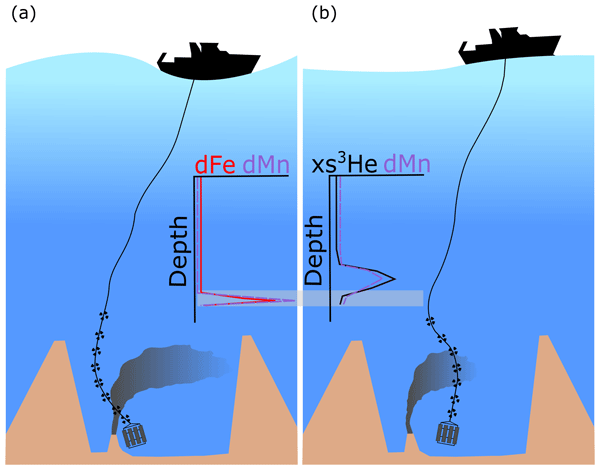
Hydrothermally derived iron can be transported kilometers away from deep-sea vents, representing a significant flux of vital micronutrients to the ocean. However, the mechanisms that support the stabilization of dissolved iron remain elusive. Using electrochemical, spectrometry, and genomic methods, we demonstrated that strong ligands exert an important control on iron in plumes, and high-affinity iron-binding siderophores were identified in several hydrothermal plume samples for the first time.
Alastair J. M. Lough, Alessandro Tagliabue, Clément Demasy, Joseph A. Resing, Travis Mellett, Neil J. Wyatt, and Maeve C. Lohan
Biogeosciences, 20, 405–420, https://doi.org/10.5194/bg-20-405-2023, https://doi.org/10.5194/bg-20-405-2023, 2023
Short summary
Short summary
Iron is a key nutrient for ocean primary productivity. Hydrothermal vents are a source of iron to the oceans, but the size of this source is poorly understood. This study examines the variability in iron inputs between hydrothermal vents in different geological settings. The vents studied release different amounts of Fe, resulting in plumes with similar dissolved iron concentrations but different particulate concentrations. This will help to refine modelling of iron-limited ocean productivity.
Rhiannon L. Jones, Maeve C. Lohan, Tobias Ehmen, Lisa Friberg, Ben Lincoln, Katy Sheen, Siobhan Foden, Katrien Van Landeghem, Kate Retallick, George Dadd, James Scourse, and Amber L. Annett
EGUsphere, https://doi.org/10.5194/egusphere-2026-3712, https://doi.org/10.5194/egusphere-2026-3712, 2026
Short summary
Short summary
In the ocean, iron is an essential yet scarce nutrient for primary producers. Melting glaciers in the Antarctic deliver high loads of sediment, rich in iron, to the coastal seafloor. This study investigates the reactivity and magnitude of iron released when seafloor sediment is resuspended into the water column by tidal and wave processes. These sediments are highly reactive and release high amounts of iron. We suggest these coastal processes are key for supplying iron to the Antarctic shelf.
Jonathan Rogerson, Alessandro Tagliabue, Agathe Nguyen, Marcello Vichi, Lewis Wrightson, Prima Anugerahanti, Olivier Aumont, and Marion Gehlen
Biogeosciences, 23, 3179–3194, https://doi.org/10.5194/bg-23-3179-2026, https://doi.org/10.5194/bg-23-3179-2026, 2026
Short summary
Short summary
We use five different versions of a biogeochemical model to show that how phytoplankton growth processes are represented strongly shapes projections of future ocean productivity and carbon export. Added model complexity does not have a uniform global effect as some new processes mainly influence specific ocean regions, while others, such as an additional small phytoplankton type, lead to large intramodel differences in future trends and latitudinal patterns of productivity and carbon export.
Claire Mahaffey, Noelle A. Held, Korinne Kunde, Clare Davis, Neil Wyatt, E. Matthew R. McIlvin, E. Malcolm S. Woodward, Lewis Wrightson, Alessandro Tagliabue, Maeve C. Lohan, and Mak Saito
Biogeosciences, 23, 905–922, https://doi.org/10.5194/bg-23-905-2026, https://doi.org/10.5194/bg-23-905-2026, 2026
Short summary
Short summary
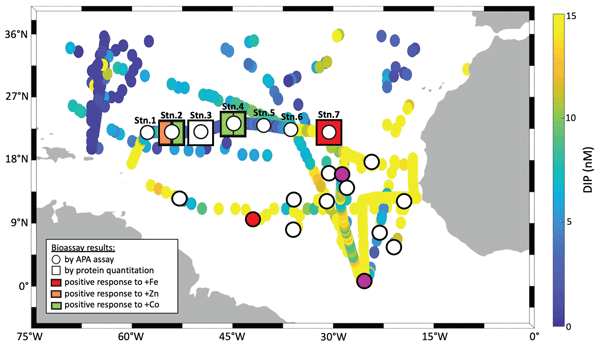
Primary production helps regulate climate and is governed by nutrient availability. We used biogeochemical states and rates with proteomics to study how resource availability shapes metabolism in Prochlorococcus and Synechococcus. Both picocyanobacteria were phosphorus stressed in the western Atlantic, but Prochlorococcus was nitrogen, iron, zinc and cobalamin stressed in the east. Our findings provide species and ecotype level insights into oceanic nutrient acquisition and metabolism.
Noelle A. Held, Korinna Kunde, Clare E. Davis, Neil J. Wyatt, Elizabeth L. Mann, E. Malcolm S. Woodward, Matthew McIlvin, Alessandro Tagliabue, Benjamin S. Twining, Claire Mahaffey, Mak A. Saito, and Maeve C. Lohan
Biogeosciences, 23, 923–938, https://doi.org/10.5194/bg-23-923-2026, https://doi.org/10.5194/bg-23-923-2026, 2026
Short summary
Short summary
Microbial enzymes are critical to marine biogeochemical cycles, but which microbes are producing those enzymes? We used a targeted proteomics method to quantify how much Prochlorococcus and Synechococcus contribute to surface ocean alkaline phosphatase activity. We find that alkaline phosphatase abundance is limited by the availability of iron, zinc and cobalt (which may substitute for zinc).
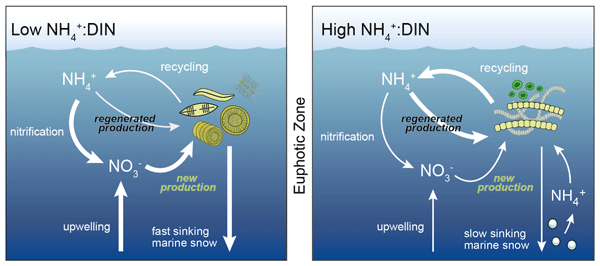
Pearse J. Buchanan, Juan J. Pierella Karlusich, Robyn E. Tuerena, Roxana Shafiee, E. Malcolm S. Woodward, Chris Bowler, and Alessandro Tagliabue
Biogeosciences, 22, 4865–4883, https://doi.org/10.5194/bg-22-4865-2025, https://doi.org/10.5194/bg-22-4865-2025, 2025
Short summary
Short summary
Ammonium is a form of nitrogen that may become more important for growth of marine primary producers (i.e., phytoplankton) in the future. Because some phytoplankton taxa have a greater affinity for ammonium than others, the relative increase in ammonium could cause shifts in community composition. We quantify ammonium enrichment, identify its drivers and isolate the possible effect on phytoplankton community composition under a high-emissions scenario.
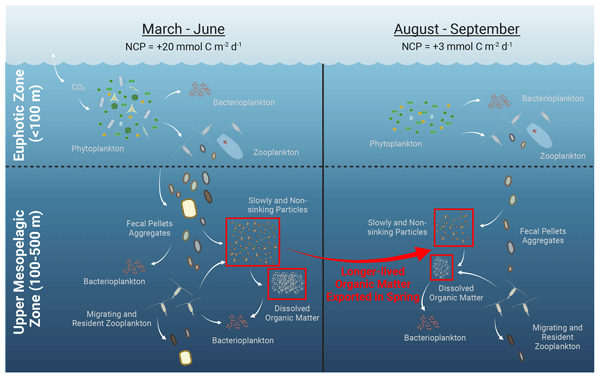
Brandon M. Stephens, Montserrat Roca-Martí, Amy E. Maas, Vinícius J. Amaral, Samantha Clevenger, Shawnee Traylor, Claudia R. Benitez-Nelson, Philip W. Boyd, Ken O. Buesseler, Craig A. Carlson, Nicolas Cassar, Margaret Estapa, Andrea J. Fassbender, Yibin Huang, Phoebe J. Lam, Olivier Marchal, Susanne Menden-Deuer, Nicola L. Paul, Alyson E. Santoro, David A. Siegel, and David P. Nicholson
Biogeosciences, 22, 3301–3328, https://doi.org/10.5194/bg-22-3301-2025, https://doi.org/10.5194/bg-22-3301-2025, 2025
Short summary
Short summary
The ocean’s mesopelagic zone (MZ) plays a crucial role in the global carbon cycle. This study combines new and previously published measurements of organic carbon supply and demand collected in August 2018 in the MZ of the subarctic North Pacific Ocean. Supply was insufficient to meet demand in August, but supply entering into the MZ in the spring of 2018 could have met the August demand. Results suggest observations over seasonal timescales may help to close MZ carbon budgets.
Colleen L. Hoffman, Patrick J. Monreal, Justine B. Albers, Alastair J. M. Lough, Alyson E. Santoro, Travis Mellett, Kristen N. Buck, Alessandro Tagliabue, Maeve C. Lohan, Joseph A. Resing, and Randelle M. Bundy
Biogeosciences, 21, 5233–5246, https://doi.org/10.5194/bg-21-5233-2024, https://doi.org/10.5194/bg-21-5233-2024, 2024
Short summary
Short summary
Hydrothermally derived iron can be transported kilometers away from deep-sea vents, representing a significant flux of vital micronutrients to the ocean. However, the mechanisms that support the stabilization of dissolved iron remain elusive. Using electrochemical, spectrometry, and genomic methods, we demonstrated that strong ligands exert an important control on iron in plumes, and high-affinity iron-binding siderophores were identified in several hydrothermal plume samples for the first time.
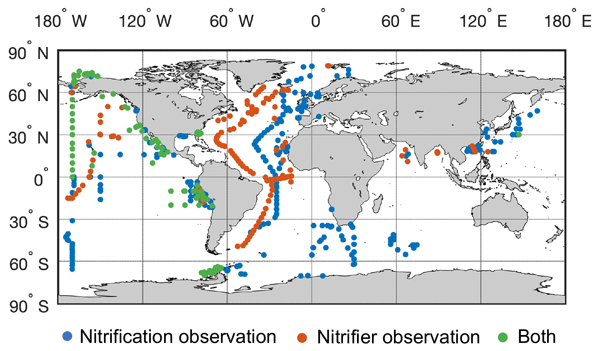
Weiyi Tang, Bess B. Ward, Michael Beman, Laura Bristow, Darren Clark, Sarah Fawcett, Claudia Frey, François Fripiat, Gerhard J. Herndl, Mhlangabezi Mdutyana, Fabien Paulot, Xuefeng Peng, Alyson E. Santoro, Takuhei Shiozaki, Eva Sintes, Charles Stock, Xin Sun, Xianhui S. Wan, Min N. Xu, and Yao Zhang
Earth Syst. Sci. Data, 15, 5039–5077, https://doi.org/10.5194/essd-15-5039-2023, https://doi.org/10.5194/essd-15-5039-2023, 2023
Short summary
Short summary
Nitrification and nitrifiers play an important role in marine nitrogen and carbon cycles by converting ammonium to nitrite and nitrate. Nitrification could affect microbial community structure, marine productivity, and the production of nitrous oxide – a powerful greenhouse gas. We introduce the newly constructed database of nitrification and nitrifiers in the marine water column and guide future research efforts in field observations and model development of nitrification.
Alastair J. M. Lough, Alessandro Tagliabue, Clément Demasy, Joseph A. Resing, Travis Mellett, Neil J. Wyatt, and Maeve C. Lohan
Biogeosciences, 20, 405–420, https://doi.org/10.5194/bg-20-405-2023, https://doi.org/10.5194/bg-20-405-2023, 2023
Short summary
Short summary
Iron is a key nutrient for ocean primary productivity. Hydrothermal vents are a source of iron to the oceans, but the size of this source is poorly understood. This study examines the variability in iron inputs between hydrothermal vents in different geological settings. The vents studied release different amounts of Fe, resulting in plumes with similar dissolved iron concentrations but different particulate concentrations. This will help to refine modelling of iron-limited ocean productivity.
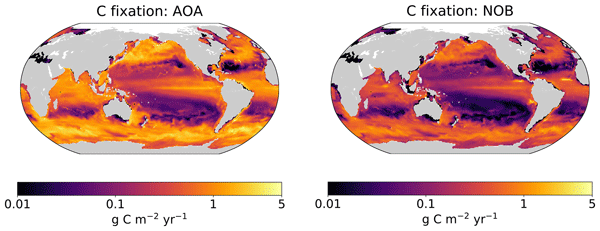
Emily J. Zakem, Barbara Bayer, Wei Qin, Alyson E. Santoro, Yao Zhang, and Naomi M. Levine
Biogeosciences, 19, 5401–5418, https://doi.org/10.5194/bg-19-5401-2022, https://doi.org/10.5194/bg-19-5401-2022, 2022
Short summary
Short summary
We use a microbial ecosystem model to quantitatively explain the mechanisms controlling observed relative abundances and nitrification rates of ammonia- and nitrite-oxidizing microorganisms in the ocean. We also estimate how much global carbon fixation can be associated with chemoautotrophic nitrification. Our results improve our understanding of the controls on nitrification, laying the groundwork for more accurate predictions in global climate models.
Laurent Bopp, Olivier Aumont, Lester Kwiatkowski, Corentin Clerc, Léonard Dupont, Christian Ethé, Thomas Gorgues, Roland Séférian, and Alessandro Tagliabue
Biogeosciences, 19, 4267–4285, https://doi.org/10.5194/bg-19-4267-2022, https://doi.org/10.5194/bg-19-4267-2022, 2022
Short summary
Short summary
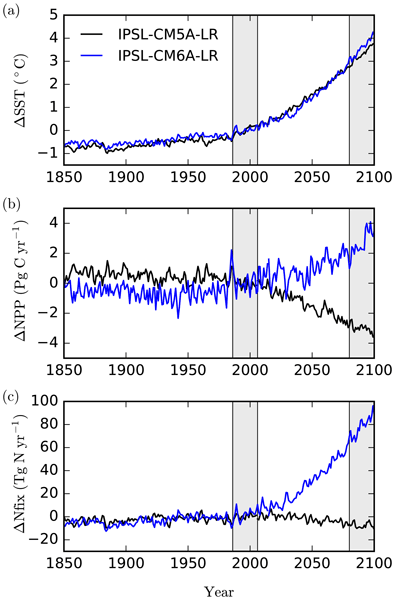
The impact of anthropogenic climate change on the biological production of phytoplankton in the ocean is a cause for concern because its evolution could affect the response of marine ecosystems to climate change. Here, we identify biological N fixation and its response to future climate change as a key process in shaping the future evolution of marine phytoplankton production. Our results show that further study of how this nitrogen fixation responds to environmental change is essential.
Rebecca Chmiel, Nathan Lanning, Allison Laubach, Jong-Mi Lee, Jessica Fitzsimmons, Mariko Hatta, William Jenkins, Phoebe Lam, Matthew McIlvin, Alessandro Tagliabue, and Mak Saito
Biogeosciences, 19, 2365–2395, https://doi.org/10.5194/bg-19-2365-2022, https://doi.org/10.5194/bg-19-2365-2022, 2022
Short summary
Short summary
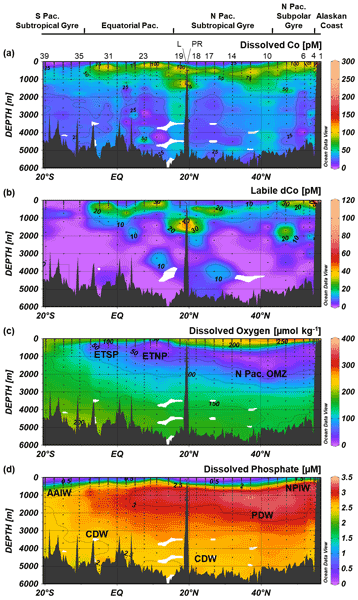
Dissolved cobalt is present in trace amounts in seawater and is a necessary nutrient for marine microbes. On a transect from the Alaskan coast to Tahiti, we measured seawater concentrations of dissolved cobalt. Here, we describe several interesting features of the Pacific cobalt cycle including cobalt sources along the Alaskan coast and Hawaiian vents, deep-ocean particle formation, cobalt activity in low-oxygen regions, and how our samples compare to a global biogeochemical model’s predictions.
Cited articles
Albarede, F. and Beard, B.: Analytical Methods for Non-Traditional Isotopes, Rev. Mineral. Geochem., 55, 113–152, https://doi.org/10.2138/gsrmg.55.1.113, 2004.
Apprill, A., McNally, S., Parsons, R., and Weber, L.: Minor revision to V4 region SSU rRNA 806R gene primer greatly increases detection of SAR11 bacterioplankton, Aquat. Microb. Ecol., 75, 129–137, https://doi.org/10.3354/ame01753, 2015.
Bennett, S. A., Achterberg, E. P., Connelly, D. P., Statham, P. J., Fones, G. R., and German, C. R.: The distribution and stabilisation of dissolved Fe in deep-sea hydrothermal plumes, Earth Planet. Sc. Lett., 270, 157–167, https://doi.org/10.1016/j.epsl.2008.01.048, 2008.
Blin, K., Shaw, S., Kautsar, S. A., Medema, M. H., and Weber, T.: The antiSMASH database version 3: increased taxonomic coverage and new query features for modular enzymes, Nucleic Acids Res., 49, D639–D643, https://doi.org/10.1093/nar/gkaa978, 2021.
Borer, P. M., Sulzberger, B., Reichard, P., and Kraemer, S. M.: Effect of siderophores on the light-induced dissolution of colloidal iron(III) (hydr)oxides, Mar. Chem., 93, 179–193, https://doi.org/10.1016/j.marchem.2004.08.006, 2005.
Boyle, E. A., Edmond, J. M., and Sholkovitz, E. R.: The mechanism of iron removal in estuaries, Geochim. Cosmochim. Ac., 41, 1313–1324, https://doi.org/10.1016/0016-7037(77)90075-8, 1977.
Buck, K. N., Lohan, M. C., Berger, C. J. M., and Bruland, K. W.: Dissolved iron speciation in two distinct river plumes and an estuary: Implications for riverine iron supply, Limnol. Oceanogr., 52, 843–855, https://doi.org/10.4319/lo.2007.52.2.0843, 2007.
Buck, K. N., Selph, K. E., and Barbeau, K. A.: Iron-binding ligand production and copper speciation in an incubation experiment of Antarctic Peninsula shelf waters from the Bransfield Strait, Southern Ocean, Mar. Chem., 122, 148–159, https://doi.org/10.1016/j.marchem.2010.06.002, 2010.
Buck, K. N., Moffett, J., Barbeau, K. A., Bundy, R. M., Kondo, Y., and Wu, J.: The organic complexation of iron and copper: an intercomparison of competitive ligand exchange-adsorptive cathodic stripping voltammetry (CLE-ACSV) techniques, Limnol. Oceanogr.-Meth., 10, 496–515, https://doi.org/10.4319/lom.2012.10.496, 2012.
Buck, K. N., Sohst, B., and Sedwick, P. N.: The organic complexation of dissolved iron along the U.S. GEOTRACES (GA03) North Atlantic Section, Deep-Sea Res. Pt. II, 116, 152–165, https://doi.org/10.1016/j.dsr2.2014.11.016, 2015.
Buck, K. N., Gerringa, L. J. A., and Rijkenberg, M. J. A.: An Intercomparison of Dissolved Iron Speciation at the Bermuda Atlantic Time-series Study (BATS) Site: Results from GEOTRACES Crossover Station A, Front. Mar. Sci., 3, 262, https://doi.org/10.3389/fmars.2016.00262, 2016.
Buck, K. N., Sedwick, P. N., Sohst, B., and Carlson, C. A.: Organic complexation of iron in the eastern tropical South Pacific: Results from US GEOTRACES Eastern Pacific Zonal Transect (GEOTRACES cruise GP16), Mar. Chem., 201, 229–241, https://doi.org/10.1016/j.marchem.2017.11.007, 2018.
Bundy, R. M., Abdulla, H. A. N., Hatcher, P. G., Biller, D. V., Buck, K. N., and Barbeau, K. A.: Iron-binding ligands and humic substances in the San Francisco Bay estuary and estuarine-influenced shelf regions of coastal California, Mar. Chem., 173, 183–194, https://doi.org/10.1016/j.marchem.2014.11.005, 2015.
Bundy, R. M., Boiteau, R. M., McLean, C., Turk-Kubo, K. A., McIlvin, M. R., Saito, M. A., Van Mooy, B. A. S., and Repeta, D. J.: Distinct Siderophores Contribute to Iron Cycling in the Mesopelagic at Station ALOHA, Front. Mar. Sci., 5, 61, https://doi.org/10.3389/fmars.2018.00061, 2018.
Callahan, B. J., McMurdie, P. J., Rosen, M. J., Han, A. W., Johnson, A. J. A., and Holmes, S. P.: DADA2: High-resolution sample inference from Illumina amplicon data, Nat. Methods, 13, 581–583, https://doi.org/10.1038/nmeth.3869, 2016.
Campbell, A. C., Palmer, M. R., Klinkhammer, G. P., Bowers, T. S., Edmond, J. M., Lawrence, J. R., Casey, J. F., Thompson, G., Humphris, S., Rona, P., and Karson, J. A.: Chemistry of hot springs on the Mid-Atlantic Ridge, Nature, 335, 514–519, https://doi.org/10.1038/335514a0, 1988.
Conway, T. M. and John, S. G.: Quantification of dissolved iron sources to the North Atlantic Ocean, Nature, 511, 212–215, https://doi.org/10.1038/nature13482, 2014.
Dideriksen, Baker, J. A., and Stipp, S. L. S.: Fe isotope fractionation between inorganic aqueous Fe(III) and a Fe siderophore complex, Mineral. Mag., 72, 313–316, https://doi.org/10.1180/minmag.2008.072.1.313, 2008.
Douville, E., Charlou, J. L., Oelkers, E. H., Bienvenu, P., Jove Colon, C. F., Donval, J. P., Fouquet, Y., Prieur, D., and Appriou, P.: The rainbow vent fluids (36°14′ N, MAR): the influence of ultramafic rocks and phase separation on trace metal content in Mid-Atlantic Ridge hydrothermal fluids, Chem. Geol., 184, 37–48, https://doi.org/10.1016/S0009-2541(01)00351-5, 2002.
Ellwood, M. J., Strzepek, R. F., Strutton, P. G., Trull, T. W., Fourquez, M., and Boyd, P. W.: Distinct iron cycling in a Southern Ocean eddy, Nat. Commun., 11, 825, https://doi.org/10.1038/s41467-020-14464-0, 2020.
Escoube, R., Rouxel, O. J., Sholkovitz, E., and Donard, O. F. X.: Iron isotope systematics in estuaries: The case of North River, Massachusetts (USA), Geochim. Cosmochim. Ac., 73, 4045–4059, https://doi.org/10.1016/j.gca.2009.04.026, 2009.
Field, M. P. and Sherrell, R. M.: Dissolved and particulate Fe in a hydrothermal plume at 9°45′ N, East Pacific Rise:: Slow Fe (II) oxidation kinetics in Pacific plumes, Geochim. Cosmochim. Ac., 64, 619–628, https://doi.org/10.1016/S0016-7037(99)00333-6, 2000.
Fishwick, M. P., Sedwick, P. N., Lohan, M. C., Worsfold, P. J., Buck, K. N., Church, T. M., and Ussher, S. J.: The impact of changing surface ocean conditions on the dissolution of aerosol iron, Global Biogeochem. Cy., 28, 1235–1250, https://doi.org/10.1002/2014GB004921, 2014.
Fitzsimmons, J. N., John, S. G., Marsay, C. M., Hoffman, C. L., Nicholas, S. L., Toner, B. M., German, C. R., and Sherrell, R. M.: Iron persistence in a distal hydrothermal plume supported by dissolved–particulate exchange, Nat. Geosci., 10, 195–201, https://doi.org/10.1038/ngeo2900, 2017.
Gartman, A. and Findlay, A. J.: Publisher Correction: Impacts of hydrothermal plume processes on oceanic metal cycles and transport, Nat. Geosci., 13, 654–654, https://doi.org/10.1038/s41561-020-0625-y, 2020.
Gartman, A. and Luther, G. W.: Oxidation of synthesized sub-micron pyrite (FeS2) in seawater, Geochim. Cosmochim. Ac., 144, 96–108, https://doi.org/10.1016/j.gca.2014.08.022, 2014.
Gartman, A., Findlay, A. J., and Luther, G. W.: Nanoparticulate pyrite and other nanoparticles are a widespread component of hydrothermal vent black smoker emissions, Chem. Geol., 366, 32–41, https://doi.org/10.1016/j.chemgeo.2013.12.013, 2014.
German, C. R., Campbell, A. C., and Edmond, J. M.: Hydrothermal scavenging at the Mid-Atlantic Ridge: Modification of trace element dissolved fluxes, Earth Planet. Sc. Lett., 107, 101–114, https://doi.org/10.1016/0012-821X(91)90047-L, 1991.
German, C. R., Lang, S. Q., and Fitzsimmons, J. N.: Marine Hydrothermal processes, in: Treatise on Geochemistry, Elsevier, 145–176, https://doi.org/10.1016/B978-0-323-99762-1.00048-6, 2025.
Gerringa, L. J. A., Rijkenberg, M. J. A., Schoemann, V., Laan, P., and De Baar, H. J. W.: Organic complexation of iron in the West Atlantic Ocean, Mar. Chem., 177, 434–446, https://doi.org/10.1016/j.marchem.2015.04.007, 2015.
Gledhill, M. and Van Den Berg, C. M. G.: Determination of complexation of iron(III) with natural organic complexing ligands in seawater using cathodic stripping voltammetry, Mar. Chem., 47, 41–54, https://doi.org/10.1016/0304-4203(94)90012-4, 1994.
Golyshin, P. N., Chernikova, T. N., Abraham, W.-R., Lünsdorf, H., Timmis, K. N., and Yakimov, M. M.: Oleiphilaceae fam. nov., to include Oleiphilus messinensis gen. nov., sp. nov., a novel marine bacterium that obligately utilizes hydrocarbons, Int. J. Syst. Evol. Micr., 52, 901–911, https://doi.org/10.1099/00207713-52-3-901, 2002.
González-Santana, D., González-Dávila, M., Lohan, M. C., Artigue, L., Planquette, H., Sarthou, G., Tagliabue, A., and Santana-Casiano, J. M.: Variability in iron (II) oxidation kinetics across diverse hydrothermal sites on the northern Mid Atlantic Ridge, Geochim. Cosmochim. Ac., 297, 143–157, https://doi.org/10.1016/j.gca.2021.01.013, 2021.
González-Santana, D., Lough, A. J. M., Planquette, H., Sarthou, G., Tagliabue, A., and Lohan, M. C.: The unaccounted dissolved iron (II) sink: Insights from dFe(II) concentrations in the deep Atlantic Ocean, Sci. Total Environ., 862, 161179, https://doi.org/10.1016/j.scitotenv.2022.161179, 2023.
Hassler, C. S., Alasonati, E., Mancuso Nichols, C. A., and Slaveykova, V. I.: Exopolysaccharides produced by bacteria isolated from the pelagic Southern Ocean – Role in Fe binding, chemical reactivity, and bioavailability, Mar. Chem., 123, 88–98, https://doi.org/10.1016/j.marchem.2010.10.003, 2011.
Hatta, M., Measures, C. I., Wu, J., Roshan, S., Fitzsimmons, J. N., Sedwick, P., and Morton, P.: An overview of dissolved Fe and Mn distributions during the 2010–2011 U.S. GEOTRACES north Atlantic cruises: GEOTRACES GA03, Deep-Sea Res. Pt II, 116, 117–129, https://doi.org/10.1016/j.dsr2.2014.07.005, 2015.
Hawkes, J. A., Gledhill, M., Connelly, D. P., and Achterberg, E. P.: Characterisation of iron binding ligands in seawater by reverse titration, Anal. Chim. Acta, 766, 53–60, https://doi.org/10.1016/j.aca.2012.12.048, 2013a.
Hawkes, J. A., Connelly, D. P., Gledhill, M., and Achterberg, E. P.: The stabilisation and transportation of dissolved iron from high temperature hydrothermal vent systems, Earth Planet. Sc. Lett., 375, 280–290, https://doi.org/10.1016/j.epsl.2013.05.047, 2013b.
Hochella, M. F., Lower, S. K., Maurice, P. A., Penn, R. L., Sahai, N., Sparks, D. L., and Twining, B. S.: Nanominerals, Mineral Nanoparticles, and Earth Systems, Science, 319, 1631–1635, https://doi.org/10.1126/science.1141134, 2008.
Hoffman, C. L., Schladweiler, C. S., Seaton, N. C. A., Nicholas, S. L., Fitzsimmons, J. N., Sherrell, R. M., German, C. R., Lam, P. J., and Toner, B. M.: Diagnostic Morphology and Solid-State Chemical Speciation of Hydrothermally Derived Particulate Fe in a Long-Range Dispersing Plume, ACS Earth Space Chem., 4, 1831–1842, https://doi.org/10.1021/acsearthspacechem.0c00067, 2020.
Hoffman, C. L., Monreal, P. J., Albers, J. B., Lough, A. J. M., Santoro, A. E., Mellett, T., Buck, K. N., Tagliabue, A., Lohan, M. C., Resing, J. A., and Bundy, R. M.: Microbial strong organic-ligand production is tightly coupled to iron in hydrothermal plumes, Biogeosciences, 21, 5233–5246, https://doi.org/10.5194/bg-21-5233-2024, 2024.
Hollister, A. P., Kerr, M., Malki, K., Muhlbach, E., Robert, M., Tilney, C. L., Breitbart, M., Hubbard, K. A., and Buck, K. N.: Regeneration of macronutrients and trace metals during phytoplankton decay: An experimental study, Limnol. Oceanogr., 65, 1936–1960, https://doi.org/10.1002/lno.11429, 2020.
John, S. G. and Adkins, J.: The vertical distribution of iron stable isotopes in the North Atlantic near Bermuda, Global Biogeochem. Cy., 26, 2011GB004043, https://doi.org/10.1029/2011GB004043, 2012.
Johnson, K. S., Gordon, R. M., and Coale, K. H.: What controls dissolved iron concentrations in the world ocean?, Mar. Chem., 57, 137–161, https://doi.org/10.1016/S0304-4203(97)00043-1, 1997.
Johnson, K. S., Elrod, V., Fitzwater, S., Plant, J., Boyle, E., Bergquist, B., Bruland, K., Aguilar-Islas, A., Buck, K., Lohan, M., Smith, G. J., Sohst, B., Coale, K., Gordon, M., Tanner, S., Measures, C., Moffett, J., Barbeau, K., King, A., Bowie, A., Chase, Z., Cullen, J., Laan, P., Landing, W., Mendez, J., Milne, A., Obata, H., Doi, T., Ossiander, L., Sarthou, G., Sedwick, P., Van Den Berg, S., Laglera-Baquer, L., Wu, J., and Cai, Y.: Developing standards for dissolved iron in seawater, Eos Transactions, 88, 131–132, https://doi.org/10.1029/2007EO110003, 2007.
Kertesz, M. A., Kawasaki, A., and Stolz, A.: Aerobic Hydrocarbon-Degrading Alphaproteobacteria: Sphingomonadales, in: Taxonomy, Genomics and Ecophysiology of Hydrocarbon-Degrading Microbes, edited by: McGenity, T. J., Springer International Publishing, Cham, 105–124, https://doi.org/10.1007/978-3-030-14796-9_9, 2019.
Klar, J. K., James, R. H., Gibbs, D., Lough, A., Parkinson, I., Milton, J. A., Hawkes, J. A., and Connelly, D. P.: Isotopic signature of dissolved iron delivered to the Southern Ocean from hydrothermal vents in the East Scotia Sea, Geology, 45, 351–354, https://doi.org/10.1130/G38432.1, 2017.
Kleint, C., Hawkes, J. A., Sander, S. G., and Koschinsky, A.: Voltammetric Investigation of Hydrothermal Iron Speciation, Front. Mar. Sci., 3, 75, https://doi.org/10.3389/fmars.2016.00075, 2016.
Klunder, M. B., Laan, P., Middag, R., De Baar, H. J. W., and Van Ooijen, J. C.: Dissolved iron in the Southern Ocean (Atlantic sector), Deep-Sea Res. Pt. II, 58, 2678–2694, https://doi.org/10.1016/j.dsr2.2010.10.042, 2011.
Kondo, Y., Takeda, S., and Furuya, K.: Distinct trends in dissolved Fe speciation between shallow and deep waters in the Pacific Ocean, Mar. Chem., 134–135, 18–28, https://doi.org/10.1016/j.marchem.2012.03.002, 2012.
Konn, C., Charlou, J. L., Donval, J. P., Holm, N. G., Dehairs, F., and Bouillon, S.: Hydrocarbons and oxidized organic compounds in hydrothermal fluids from Rainbow and Lost City ultramafic-hosted vents, Chem. Geol., 258, 299–314, https://doi.org/10.1016/j.chemgeo.2008.10.034, 2009.
Könneke, M., Bernhard, A. E., de la Torre, J. R., Walker, C. B., Waterbury, J. B. and Stahl D. A.: Isolation of an autotrophic ammonia-oxidizing marine archaeon, Nature, 437, 543–546, https://doi.org/10.1038/nature03911, 2005.
Lacan, F., Radic, A., Labatut, M., Jeandel, C., Poitrasson, F., Sarthou, G., Pradoux, C., Chmeleff, J., and Freydier, R.: High-Precision Determination of the Isotopic Composition of Dissolved Iron in Iron Depleted Seawater by Double Spike Multicollector-ICPMS, Anal. Chem., 82, 7103–7111, https://doi.org/10.1021/ac1002504, 2010.
Lam, P. J., Bishop, J. K. B., Henning, C. C., Marcus, M. A., Waychunas, G. A., and Fung, I. Y.: Wintertime phytoplankton bloom in the subarctic Pacific supported by continental margin iron, Global Biogeochem. Cy., 20, 2005GB002557, https://doi.org/10.1029/2005GB002557, 2006.
Lang, S. Q., Butterfield, D. A., Lilley, M. D., Paul Johnson, H., and Hedges, J. I.: Dissolved organic carbon in ridge-axis and ridge-flank hydrothermal systems, Geochim. Cosmochim. Ac., 70, 3830–3842, https://doi.org/10.1016/j.gca.2006.04.031, 2006.
Li, J., Babcock-Adams, L., Boiteau, R. M., McIlvin, M. R., Manck, L. E., Sieber, M., Lanning, N. T., Bundy, R. M., Bian, X., ?treangă, I.-M., Granzow, B. N., Church, M. J., Fitzsimmons, J. N., John, S. G., Conway, T. M., and Repeta, D. J.: Microbial iron limitation in the ocean's twilight zone, Nature, 633, 823–827, https://doi.org/10.1038/s41586-024-07905-z, 2024.
Li, M., Toner, B. M., Baker, B. J., Breier, J. A., Sheik, C. S., and Dick, G. J.: Microbial iron uptake as a mechanism for dispersing iron from deep-sea hydrothermal vents, Nat. Commun., 5, 3192, https://doi.org/10.1038/ncomms4192, 2014.
Liu, X. and Millero, F. J.: The solubility of iron in seawater, Mar. Chem., 77, 43–54, https://doi.org/10.1016/S0304-4203(01)00074-3, 2002.
Lough, A. J. M., Klar, J. K., Homoky, W. B., Comer-Warner, S. A., Milton, J. A., Connelly, D. P., James, R. H., and Mills, R. A.: Opposing authigenic controls on the isotopic signature of dissolved iron in hydrothermal plumes, Geochim. Cosmochim. Ac., 202, 1–20, https://doi.org/10.1016/j.gca.2016.12.022, 2017.
Lough, A. J. M., Homoky, W. B., Connelly, D. P., Comer-Warner, S. A., Nakamura, K., Abyaneh, M. K., Kaulich, B., and Mills, R. A.: Soluble iron conservation and colloidal iron dynamics in a hydrothermal plume, Chem. Geol., 511, 225–237, https://doi.org/10.1016/j.chemgeo.2019.01.001, 2019.
Lough, A. J. M., Tagliabue, A., Demasy, C., Resing, J. A., Mellett, T., Wyatt, N. J., and Lohan, M. C.: Tracing differences in iron supply to the Mid-Atlantic Ridge valley between hydrothermal vent sites: implications for the addition of iron to the deep ocean, Biogeosciences, 20, 405–420, https://doi.org/10.5194/bg-20-405-2023, 2023.
Lupton, J. E., Delaney, J. R., Johnson, H. P., and Tivey, M. K.: Entrainment and vertical transport of deep-ocean water by buoyant hydrothermal plumes, Nature, 316, 621–623, https://doi.org/10.1038/316621a0, 1985.
Mahieu, L., Whitby, H., Dulaquais, G., Tilliette, C., Guigue, C., Tedetti, M., Lefevre, D., Fourrier, P., Bressac, M., Sarthou, G., Bonnet, S., Guieu, C., and Salaün, P.: Iron-binding by dissolved organic matter in the Western Tropical South Pacific Ocean (GEOTRACES TONGA cruise GPpr14), Front. Mar. Sci., 11, 1304118, https://doi.org/10.3389/fmars.2024.1304118, 2024.
Manck, L. E., Coale, T. H., Stephens, B. M., Forsch, K. O., Aluwihare, L. I., Dupont, C. L., Allen, A. E., and Barbeau, K. A.: Iron limitation of heterotrophic bacteria in the California Current System tracks relative availability of organic carbon and iron, The ISME Journal, 18, wrae061, https://doi.org/10.1093/ismejo/wrae061, 2024.
Martin, J. H. and Fitzwater, S. E.: Iron deficiency limits phytoplankton growth in the north-east Pacific subarctic, Nature, 331, 341–343, https://doi.org/10.1038/331341a0, 1988.
Mellett, T.: GA13 Hydrothermal Plume Incubations, Zenodo [data set], https://doi.org/10.5281/zenodo.15214583, 2025.
Moore, C. M., Mills, M. M., Arrigo, K. R., Berman-Frank, I., Bopp, L., Boyd, P. W., Galbraith, E. D., Geider, R. J., Guieu, C., Jaccard, S. L., Jickells, T. D., La Roche, J., Lenton, T. M., Mahowald, N. M., Marañón, E., Marinov, I., Moore, J. K., Nakatsuka, T., Oschlies, A., Saito, M. A., Thingstad, T. F., Tsuda, A., and Ulloa, O.: Processes and patterns of oceanic nutrient limitation, Nat. Geosci., 6, 701–710, https://doi.org/10.1038/ngeo1765, 2013.
Moore, J. K., Doney, S. C., Glover, D. M., and Fung, I. Y.: Iron cycling and nutrient-limitation patterns in surface waters of the World Ocean, Deep-Sea Res. Pt. II, 49, 463–507, https://doi.org/10.1016/S0967-0645(01)00109-6, 2001.
Mottl, M. J. and McConachy, T. F.: Chemical processes in buoyant hydrothermal plumes on the East Pacific Rise near 21° N, Geochim. Cosmochim. Ac., 54, 1911–1927, https://doi.org/10.1016/0016-7037(90)90261-I, 1990.
Nishioka, J., Obata, H., and Tsumune, D.: Evidence of an extensive spread of hydrothermal dissolved iron in the Indian Ocean, Earth Planet. Sc. Lett., 361, 26–33, https://doi.org/10.1016/j.epsl.2012.11.040, 2013.
Omanović, D., Garnier, C., and Pižeta, I.: ProMCC: An all-in-one tool for trace metal complexation studies, Mar. Chem., 173, 25–39, https://doi.org/10.1016/j.marchem.2014.10.011, 2015.
Parada, A. E., Needham, D. M., and Fuhrman, J. A.: Every base matters: assessing small subunit rRNA primers for marine microbiomes with mock communities, time series and global field samples, Environ. Microbiol., 18, 1403–1414, https://doi.org/10.1111/1462-2920.13023, 2016.
Pester, N. J., Reeves, E. P., Rough, M. E., Ding, K., Seewald, J. S., and Seyfried, W. E.: Subseafloor phase equilibria in high-temperature hydrothermal fluids of the Lucky Strike Seamount (Mid-Atlantic Ridge, 37°17′ N), Geochim. Cosmochim. Ac., 90, 303–322, https://doi.org/10.1016/j.gca.2012.05.018, 2012.
Pižeta, I., Sander, S. G., Hudson, R. J. M., Omanović, D., Baars, O., Barbeau, K. A., Buck, K. N., Bundy, R. M., Carrasco, G., Croot, P. L., Garnier, C., Gerringa, L. J. A., Gledhill, M., Hirose, K., Kondo, Y., Laglera, L. M., Nuester, J., Rijkenberg, M. J. A., Takeda, S., Twining, B. S., and Wells, M.: Interpretation of complexometric titration data: An intercomparison of methods for estimating models of trace metal complexation by natural organic ligands, Mar. Chem., 173, 3–24, https://doi.org/10.1016/j.marchem.2015.03.006, 2015.
Quast, C., Pruesse, E., Yilmaz, P., Gerken, J., Schweer, T., Yarza, P., Peplies, J., and Glöckner, F. O.: The SILVA ribosomal RNA gene database project: improved data processing and web-based tools, Nucleic Acids Research, 41, D590–D596, https://doi.org/10.1093/nar/gks1219, 2012.
Resing, J. A., Sedwick, P. N., German, C. R., Jenkins, W. J., Moffett, J. W., Sohst, B. M., and Tagliabue, A.: Basin-scale transport of hydrothermal dissolved metals across the South Pacific Ocean, Nature, 523, 200–203, https://doi.org/10.1038/nature14577, 2015.
Revels, B. N., Ohnemus, D. C., Lam, P. J., Conway, T. M., and John, S. G.: The isotopic signature and distribution of particulate iron in the North Atlantic Ocean, Deep Sea Research Part II: Topical Studies in Oceanography, 116, 321–331, https://doi.org/10.1016/j.dsr2.2014.12.004, 2015.
Rudnicki, M. D. and Elderfield, H.: A chemical model of the buoyant and neutrally buoyant plume above the TAG vent field, 26 degrees N, Mid-Atlantic Ridge, Geochim. Cosmochim. Ac., 57, 2939–2957, https://doi.org/10.1016/0016-7037(93)90285-5, 1993.
Rue, E. L. and Bruland, K. W.: Complexation of iron(III) by natural organic ligands in the Central North Pacific as determined by a new competitive ligand equilibration/adsorptive cathodic stripping voltammetric method, Mar. Chem., 50, 117–138, https://doi.org/10.1016/0304-4203(95)00031-L, 1995.
Sander, S. G. and Koschinsky, A.: Metal flux from hydrothermal vents increased by organic complexation, Nat. Geosci., 4, 145–150, https://doi.org/10.1038/ngeo1088, 2011.
Santoro, A. E., Casciotti, K. L., and Francis, C. A.: Activity, abundance and diversity of nitrifying archaea and bacteria in the central California Current, Environ. Microbiol., 12, 1989–2006, https://doi.org/10.1111/j.1462-2920.2010.02205.x, 2010.
Severmann, S., Johnson, C. M., Beard, B. L., German, C. R., Edmonds, H. N., Chiba, H., and Green, D. R. H.: The effect of plume processes on the Fe isotope composition of hydrothermally derived Fe in the deep ocean as inferred from the Rainbow vent site, Mid-Atlantic Ridge, 36°14′ N, Earth Planet. Sc. Lett., 225, 63–76, https://doi.org/10.1016/j.epsl.2004.06.001, 2004.
Shah, V., Chang, B. X., and Morris R. M.: Cultivation of a chemoautotroph from the SUP05 clade of marine bacteria that produces nitrite and consumes ammonium, The ISME Journal, 11, 263–271, https://doi.org/10.1038/ismej.2016.87, 2016.
Sieber, M., Conway, T. M., De Souza, G. F., Hassler, C. S., Ellwood, M. J., and Vance, D.: Isotopic fingerprinting of biogeochemical processes and iron sources in the iron-limited surface Southern Ocean, Earth Planet. Sc. Lett., 567, 116967, https://doi.org/10.1016/j.epsl.2021.116967, 2021.
Skulan, J. L., Beard, B. L., and Johnson, C. M.: Kinetic and equilibrium Fe isotope fractionation between aqueous Fe(III) and hematite, Geochim. Cosmochim. Ac., 66, 2995–3015, https://doi.org/10.1016/S0016-7037(02)00902-X, 2002.
Stephens, B. M., Opalk, K., Petras, D., Liu, S., Comstock, J., Aluwihare, L. I., Hansell, D. A., and Carlson, C. A.: Organic Matter Composition at Ocean Station Papa Affects Its Bioavailability, Bacterioplankton Growth Efficiency and the Responding Taxa, Front. Mar. Sci., 7, 590273, https://doi.org/10.3389/fmars.2020.590273, 2020.
Sylvan, J. B., Pyenson, B. C., Rouxel, O., German, C. R., and Edwards, K. J.: Time-series analysis of two hydrothermal plumes at 9°50′ N East Pacific Rise reveals distinct, heterogeneous bacterial populations, Geobiology, 10, 178–192, https://doi.org/10.1111/j.1472-4669.2011.00315.x, 2012.
Tagliabue, A., Aumont, O., and Bopp, L.: The impact of different external sources of iron on the global carbon cycle, Geophys. Res. Lett., 41, 920–926, https://doi.org/10.1002/2013GL059059, 2014.
Tivey, M.: Generation of Seafloor Hydrothermal Vent Fluids and Associated Mineral Deposits, Oceanography, 20, 50–65, https://doi.org/10.5670/oceanog.2007.80, 2007.
Tortell, P. D., Maldonado, M. T., Granger, J., and Price, N. M.: Marine bacteria and biogeochemical cycling of iron in the oceans, FEMS Microbiol. Ecol., 29, 1–11, https://doi.org/10.1111/j.1574-6941.1999.tb00593.x, 1999.
Vraspir, J. M. and Butler, A.: Chemistry of Marine Ligands and Siderophores, Annu. Rev. Mar. Sci., 1, 43–63, https://doi.org/10.1146/annurev.marine.010908.163712, 2009.
Wang, W., Lough, A., Lohan, M. C., Connelly, D. P., Cooper, M., Milton, J. A., Chavagnac, V., Castillo, A., and James, R. H.: Behavior of iron isotopes in hydrothermal systems: Beebe and Von Damm vent fields on the Mid-Cayman ultraslow-spreading ridge, Earth Planet. Sc. Lett., 575, 117200, https://doi.org/10.1016/j.epsl.2021.117200, 2021.
Welch, S. A., Beard, B. L., Johnson, C. M., and Braterman, P. S.: Kinetic and equilibrium Fe isotope fractionation between aqueous Fe(II) and Fe(III), Geochim. Cosmochim. Ac., 67, 4231–4250, https://doi.org/10.1016/S0016-7037(03)00266-7, 2003.
Wiederhold, J. G., Kraemer, S. M., Teutsch, N., Borer, P. M., Halliday, A. N., and Kretzschmar, R.: Iron Isotope Fractionation during Proton-Promoted, Ligand-Controlled, and Reductive Dissolution of Goethite, Environ. Sci. Technol., 40, 3787–3793, https://doi.org/10.1021/es052228y, 2006.
Wu, J., Wells, M. L., and Rember, R.: Dissolved iron anomaly in the deep tropical–subtropical Pacific: Evidence for long-range transport of hydrothermal iron, Geochim. Cosmochim. Ac., 75, 460–468, https://doi.org/10.1016/j.gca.2010.10.024, 2011.
Yakimov, M. M., Golyshin, P. N., Lang, S., Moore, E. R. B., Abraham, W.-R., Lunsdorf, H., and Timmis, K. N.: Alcanivorax borkumensis gen. nov., sp. nov., a new, hydrocarbon-degrading and surfactant-producing marine bacterium, Int. J. Syst. Bacteriol., 48, 339–348, https://doi.org/10.1099/00207713-48-2-339, 1998.
Yücel, M., Gartman, A., Chan, C. S., and Luther, G. W.: Hydrothermal vents as a kinetically stable source of iron-sulphide-bearing nanoparticles to the ocean, Nat. Geosci., 4, 367–371, https://doi.org/10.1038/ngeo1148, 2011.
Zhang, R., John, S. G., Zhang, J., Ren, J., Wu, Y., Zhu, Z., Liu, S., Zhu, X., Marsay, C. M., and Wenger, F.: Transport and reaction of iron and iron stable isotopes in glacial meltwaters on Svalbard near Kongsfjorden: From rivers to estuary to ocean, Earth Planet. Sc. Lett., 424, 201–211, https://doi.org/10.1016/j.epsl.2015.05.031, 2015.
Zykwinska, A., Marchand, L., Bonnetot, S., Sinquin, C., Colliec-Jouault, S., and Delbarre-Ladrat, C.: Deep-sea Hydrothermal Vent Bacteria as a Source of Glycosaminoglycan-Mimetic Exopolysaccharides, Molecules, 24, 1703, https://doi.org/10.3390/molecules24091703, 2019.
Short summary
Hydrothermal plumes of iron (Fe) have been observed to persist in the deep ocean, but the exact mechanisms that contribute to the long-range transport of Fe are not well defined. We collected plume waters from three different vent systems along the Mid-Atlantic Ridge and monitored the temporal evolution of the physical and chemical forms of iron and its interaction with organic matter over time to learn about the mechanisms that control its dispersion.
Hydrothermal plumes of iron (Fe) have been observed to persist in the deep ocean, but the exact...


Altmetrics
Final-revised paper
Preprint