
Articles | Volume 23, issue 10
https://doi.org/10.5194/bg-23-3323-2026
© Author(s) 2026. This work is distributed under
the Creative Commons Attribution 4.0 License.
the Creative Commons Attribution 4.0 License.
https://doi.org/10.5194/bg-23-3323-2026
© Author(s) 2026. This work is distributed under
the Creative Commons Attribution 4.0 License.
the Creative Commons Attribution 4.0 License.
Research article
| 
18 May 2026
Research article |
| 18 May 2026
| 18 May 2026
Marine carbonate system variability from tidal to seasonal timescales at the interface between the North Sea and Wadden Sea

Department of Ocean Systems (OCS), NIOZ Royal Netherlands Institute for Sea Research, P.O. Box 59, 1790 AB Den Burg (Texel), the Netherlands
Gert-Jan Reichart
Department of Ocean Systems (OCS), NIOZ Royal Netherlands Institute for Sea Research, P.O. Box 59, 1790 AB Den Burg (Texel), the Netherlands
Department of Earth Sciences, Utrecht University, Utrecht, the Netherlands
Sonja van Leeuwen
Department of Coastal Systems (COS), NIOZ Royal Netherlands Institute for Sea Research, P.O. Box 59, 1790 AB Den Burg (Texel), the Netherlands
Matthew P. Humphreys
Department of Ocean Systems (OCS), NIOZ Royal Netherlands Institute for Sea Research, P.O. Box 59, 1790 AB Den Burg (Texel), the Netherlands
Related authors
Anne L. Kruijt, Robin van Dijk, Olivier Sulpis, Luc Beaufort, Guillaume Lassus, Geert-Jan Brummer, A. Daniëlle van der Burg, Ben A. Cala, Yasmina Ourradi, Katja T. C. A. Peijnenburg, Matthew P. Humphreys, Sonia Chaabane, Appy Sluijs, and Jack J. Middelburg
Biogeosciences, 23, 531–563, https://doi.org/10.5194/bg-23-531-2026, https://doi.org/10.5194/bg-23-531-2026, 2026
Short summary
Short summary
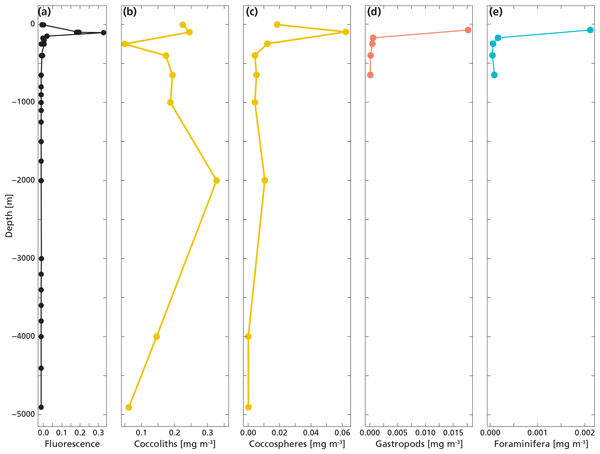
We measured the three main types of plankton that produce calcium carbonate in the ocean, at the same time and location. While coccolithophores were the biggest contributors, we found that planktonic gastropods, not foraminifera, were the second largest contributor. This challenges the current view and improves our understanding of how these organisms influence oceans’ carbon cycling.
Louise Delaigue, Gert-Jan Reichart, Li Qiu, Eric P. Achterberg, Yasmina Ourradi, Chris Galley, André Mutzberg, and Matthew P. Humphreys
Biogeosciences, 22, 5103–5121, https://doi.org/10.5194/bg-22-5103-2025, https://doi.org/10.5194/bg-22-5103-2025, 2025
Short summary
Short summary
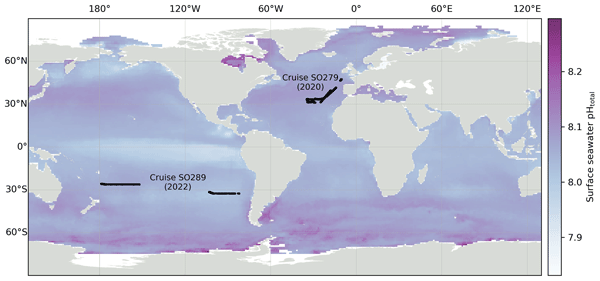
Our study analysed pH in ocean surface waters to understand how it fluctuates with changes in temperature, salinity, and biological activities. We found that temperature mainly controls daily pH variations, but biological processes also play a role, especially in affecting CO2 levels between the ocean and atmosphere. Our research shows how these factors together maintain the balance of ocean chemistry, which is crucial for predicting changes in marine environments.
Cecile Sofie Hilgen, Gert-Jan Reichart, Wim Boer, Marcel T. J. van der Meer, Francesca Sangiorgi, and Rick Hennekam
EGUsphere, https://doi.org/10.5194/egusphere-2026-5785, https://doi.org/10.5194/egusphere-2026-5785, 2026
This preprint is open for discussion and under review for Climate of the Past (CP).
Short summary
Short summary
Marine algae growth in the surface ocean, so-called net primary productivity, is an important process to remove CO2 from Earth's atmosphere. Therefore, scientists are interested in ways to reconstruct this productivity in the past. We tested a relatively new method using organic bromine to reconstruct this productivity in a broad range of marine settings. We show that this method can be used to produce high-resolution estimates of marine productivity in the past.
Virginia Sánchez Barranco, Nienke C. J. van de Loosdrecht, Furu Mienis, Jasper M. de Goeij, Rick Hennekam, Gert-Jan Reichart, Jan-Berend W. Stuut, and Lennart J. de Nooijer
Biogeosciences, 23, 5879–5899, https://doi.org/10.5194/bg-23-5879-2026, https://doi.org/10.5194/bg-23-5879-2026, 2026
Short summary
Short summary
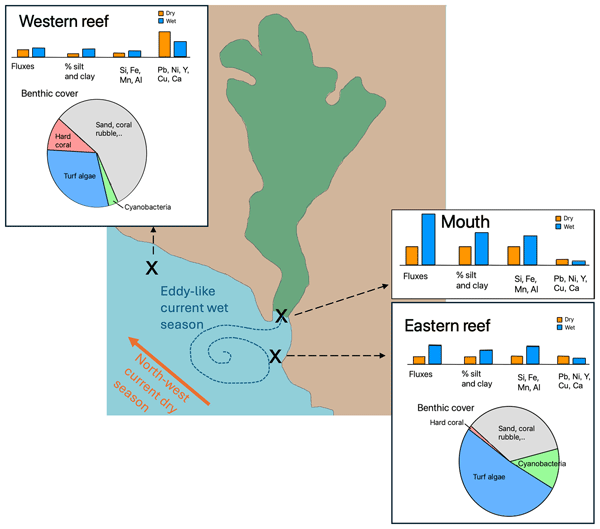
We studied how pollution from bays in Curaçao reaches nearby coral reefs and changes with seasons. By collecting suspended particulate matter at different locations during dry and wet seasons, we found that sheltered reefs receive more fine particles and pollutants, especially during rainy months, while exposed reefs are less affected. This shows that both location and seasonal rainfall determine reef vulnerability, highlighting the hidden impacts of human activity on these fragile ecosystems.
Nico Lange, Siv K. Lauvset, Brendan R. Carter, Matthew P. Humphreys, Ryan J. Woosley, Are Olsen, Henry C. Bittig, Alex Kozyr, Marta Álvarez, Kumiko Azetsu-Scott, Susan Becker, Peter J. Brown, Leticia Cotrim da Cunha, Larissa Dias, Mario Hoppema, Masao Ishii, Emil Jeansson, Akihiko Murata, Jens Daniel Müller, Fiz F. Pérez, Carsten Schirnick, Reiner Steinfeldt, Adam Ulfsbo, Anton Velo, and Toste Tanhua
Earth Syst. Sci. Data Discuss., https://doi.org/10.5194/essd-2026-496, https://doi.org/10.5194/essd-2026-496, 2026
Preprint under review for ESSD
Short summary
Short summary
GLODAP is a data product for ocean inorganic carbon and related biogeochemical variables measured by the chemical analysis of water bottle samples from scientific cruises. GLODAPv3 is the third version release of GLODAP. The data that are included have been subjected to extensive quality control, including systematic evaluation of systematic cruise differences. This version contains data from 1181 hydrographic cruises covering the world's oceans from 1972 to 2023.
Yannick F. Bats, Appy Sluijs, and Gert-Jan Reichart
EGUsphere, https://doi.org/10.5194/egusphere-2026-3713, https://doi.org/10.5194/egusphere-2026-3713, 2026
Short summary
Short summary
Fossil remains of algae can help us estimate ancient carbon dioxide levels, but current methods are often inaccurate. We built a numeric model of an algal cell to better understand how carbon is processed in these organisms. Our research reveals that light and calcification strongly influence the chemical signals preserved in algae. By including these factors, our model accurately matches results from lab studies, suggesting it can improve reconstructions of Earth’s climate and carbon cycle.
Matthew P. Humphreys, Siv K. Lauvset, Nico Lange, Henry C. Bittig, Brendan R. Carter, Mario Hoppema, Akihiko Murata, Are Olsen, Toste Tanhua, Adam Ulfsbo, Antón Velo, Ryan J. Woosley, Kumiko Azetsu-Scott, Jens D. Müller, and Fiz F. Pérez
EGUsphere, https://doi.org/10.5194/egusphere-2026-3063, https://doi.org/10.5194/egusphere-2026-3063, 2026
Short summary
Short summary
The Global Ocean Data Analysis Project (GLODAP) collects oceanographic datasets from research cruises that are needed to study the marine carbon cycle. The datasets are quality controlled and adjusted where necessary to ensure consistency between cruises, and published as a global data product. Here, we present a new method for calculating the consistency adjustments called ‘furthest-first inversion’ which has been developed for the newest version of the data product.
Peter Kraal, Kristin A. Ungerhofer, Darci Rush, and Gert-Jan Reichart
Biogeosciences, 23, 3253–3277, https://doi.org/10.5194/bg-23-3253-2026, https://doi.org/10.5194/bg-23-3253-2026, 2026
Short summary
Short summary
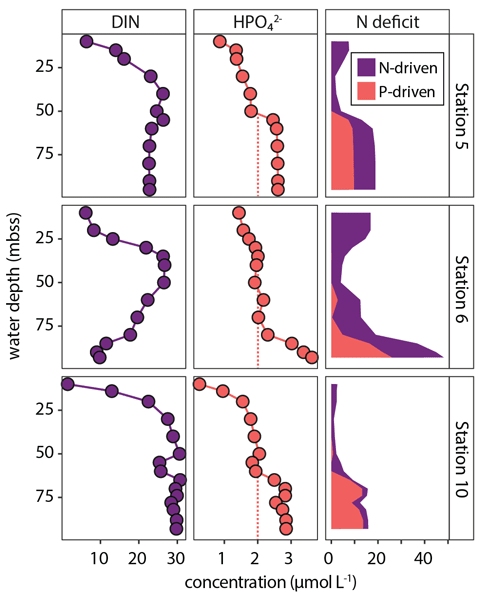
Element cycles in oxygen-depleted areas such as upwelling areas inform future deoxygenation scenarios. The Benguela upwelling system shows strong decoupling of nitrogen and phosphorus cycling due to seasonal shelf anoxia. Anaerobic processes result in pelagic nitrogen loss as N2. At the same time, sediments are rich in fish-derived and bacterial phosphorus, with high fluxes of excess phosphate, altering deep-water nitrogen:phosphorus ratios. Such alterations can affect ocean functioning.
Madleen Grohganz, Thomas M. Bury, Bregje van der Bolt, Gert-Jan Reichart, and Rick Hennekam
EGUsphere, https://doi.org/10.5194/egusphere-2026-2223, https://doi.org/10.5194/egusphere-2026-2223, 2026
Short summary
Short summary
We introduce a new deep learning tool for the quantitative detection of catastrophic tipping points in the Earth system and test its performance on existing Cenozoic proxy records. Using our deep learning method, we are able to corroborate the existence of previously detected critical transitions in the paleo records and successfully identify them as catastrophic tipping points. We provide a powerful new tool, easily adaptable for the detection of tipping points in a variety of Earth systems.
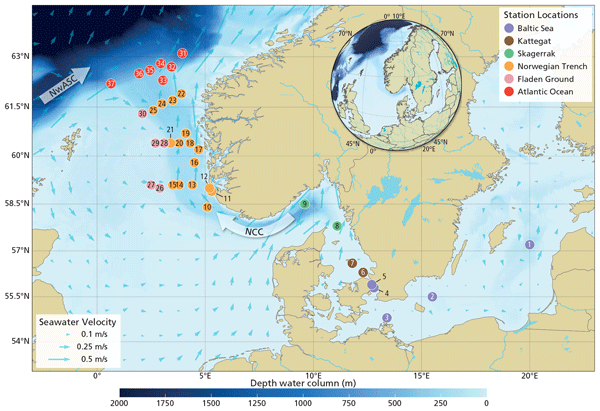
Cecile S. Hilgen, Rick Hennekam, Marcel T. J. van der Meer, Timme H. Donders, Gert-Jan Reichart, and Francesca Sangiorgi
J. Micropalaeontol., 45, 275–295, https://doi.org/10.5194/jm-45-275-2026, https://doi.org/10.5194/jm-45-275-2026, 2026
Short summary
Short summary
The Northwest European Shelf plays a key role in the global carbon cycle. To assess its past role, we want to reconstruct primary productivity using microfossils. By comparing surface sediment assemblages with sediment properties and modern environmental conditions, we found a good microfossil-based indicator for primary productivity. This indicator will be useful to reconstruct productivity in the past Northwest European Shelf.
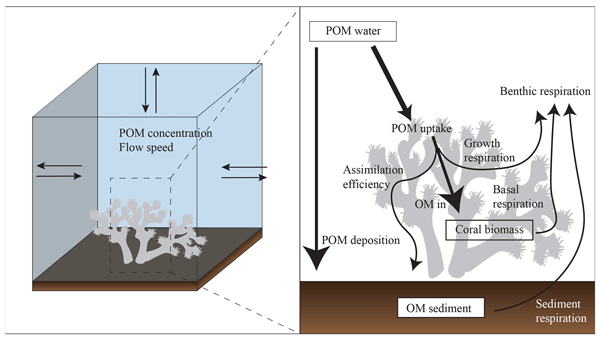
Evert de Froe, Christian Mohn, Karline Soetaert, Anna-Selma van der Kaaden, Gert-Jan Reichart, Laurence H. De Clippele, Sandra R. Maier, and Dick van Oevelen
Ocean Sci., 22, 843–870, https://doi.org/10.5194/os-22-843-2026, https://doi.org/10.5194/os-22-843-2026, 2026
Short summary
Short summary
Cold-water corals are important reef-building animals in the deep sea and are distributed globally. Until now, scientists have been mapping and predicting where cold-water corals can be found using video transects and statistical models. This study provides the first process-based model in which corals are predicted based on ocean currents and food particle movement. The results show that resupply of food by tidal currents near the seafloor is crucial for predicting where corals can grow.

Hinne F. van der Zant, Olivier Sulpis, Jack J. Middelburg, Matthew P. Humphreys, Raphaël Savelli, Dustin Carroll, Dimitris Menemenlis, Kay Sušelj, and Vincent Le Fouest
Geosci. Model Dev., 19, 1965–1989, https://doi.org/10.5194/gmd-19-1965-2026, https://doi.org/10.5194/gmd-19-1965-2026, 2026
Short summary
Short summary
We developed a model to simulate seafloor biogeochemical processes across a wide range of marine environments, from shallow coastal zones to deep-sea sediments. From this model, we derived a set of simple equations that predict how carbon, oxygen, and alkalinity are exchanged between sediments and overlying waters. These equations provide an efficient way to improve how ocean models represent seafloor interactions, which are often missing or overly simplified.
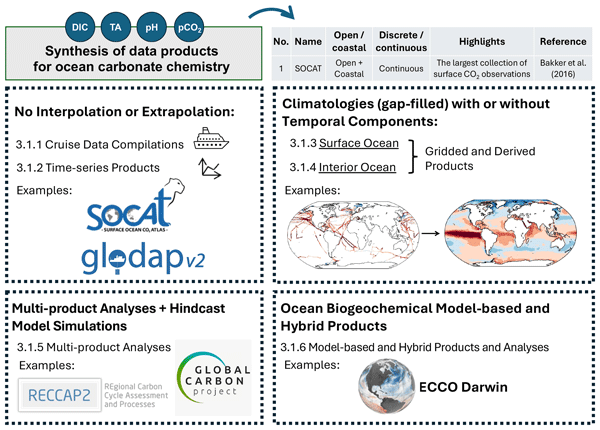
Li-Qing Jiang, Amanda Fay, Jens Daniel Müller, Luke Gregor, Alizée Roobaert, Lydia Keppler, Dustin Carroll, Siv K. Lauvset, Tim DeVries, Judith Hauck, Christian Rödenbeck, Nicolas Metzl, Andrea J. Fassbender, Jean-Pierre Gattuso, Peter Landschützer, Rik Wanninkhof, Christopher Sabine, Simone R. Alin, Mario Hoppema, Are Olsen, Matthew P. Humphreys, Kunal Chakraborty, Ana C. Franco, Kumiko Azetsu-Scott, Dorothee C. E. Bakker, Leticia Barbero, Nicholas R. Bates, Nicole Besemer, Henry C. Bittig, Albert E. Boyd, Daniel Broullón, Wei-Jun Cai, Brendan R. Carter, Thi-Tuyet-Trang Chau, Chen-Tung Arthur Chen, Frédéric Cyr, John E. Dore, Ian Enochs, Richard A. Feely, Hernan E. Garcia, Marion Gehlen, Prasanna Kanti Ghoshal, Lucas Gloege, Melchor González-Dávila, Nicolas Gruber, Debby Ianson, Yosuke Iida, Masao Ishii, Apurva Padamnabh Joshi, Esther Kennedy, Alex Kozyr, Nico Lange, Claire Lo Monaco, Derek P. Manzello, Galen A. McKinley, Natalie M. Monacci, Xose A. Padin, Ana M. Palacio-Castro, Fiz F. Pérez, J. Magdalena Santana-Casiano, Jonathan Sharp, Adrienne Sutton, Jim Swift, Toste Tanhua, Maciej Telszewski, Jens Terhaar, Ruben van Hooidonk, Anton Velo, Andrew J. Watson, Angelicque E. White, Zelun Wu, Liang Xue, Hyelim Yoo, Jiye Zeng, and Guorong Zhong
Earth Syst. Sci. Data, 18, 1405–1462, https://doi.org/10.5194/essd-18-1405-2026, https://doi.org/10.5194/essd-18-1405-2026, 2026
Short summary
Short summary
This review article provides an overview of 68 existing ocean carbonate chemistry data products and data product sets, encompassing a broad range of types, including compilations of cruise datasets, gap-filled observational products, model simulations, and more. It is designed to help researchers identify and access the data products that best support their scientific objectives, thereby facilitating progress in understanding the ocean's changing carbonate chemistry.
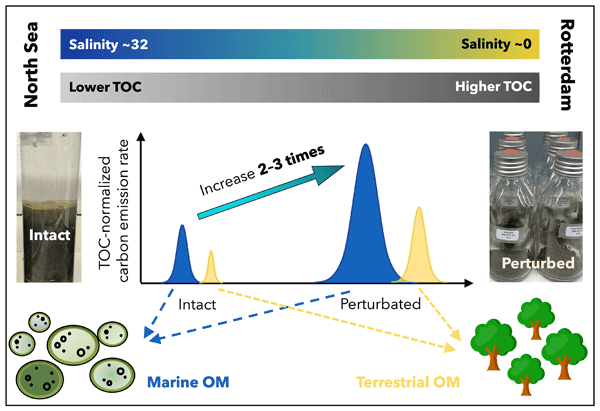
Guangnan Wu, Klaas G. J. Nierop, Bingjie Yang, Stefan Schouten, Gert-Jan Reichart, and Peter Kraal
Biogeosciences, 23, 995–1012, https://doi.org/10.5194/bg-23-995-2026, https://doi.org/10.5194/bg-23-995-2026, 2026
Short summary
Short summary
Estuaries store and process large amounts of carbon. In the Port of Rotterdam, we studied organic matter (OM) sources in sediments and showed how they influenced OM breakdown. We found that marine OM degraded faster than land-originated OM, and sediment perturbation could accelerate OM breakdown by introducing oxygen. Our findings highlight the impact of human disturbances on carbon storage in estuarine sediments, offering insights for the growing sediment reworking worldwide.
Anne L. Kruijt, Robin van Dijk, Olivier Sulpis, Luc Beaufort, Guillaume Lassus, Geert-Jan Brummer, A. Daniëlle van der Burg, Ben A. Cala, Yasmina Ourradi, Katja T. C. A. Peijnenburg, Matthew P. Humphreys, Sonia Chaabane, Appy Sluijs, and Jack J. Middelburg
Biogeosciences, 23, 531–563, https://doi.org/10.5194/bg-23-531-2026, https://doi.org/10.5194/bg-23-531-2026, 2026
Short summary
Short summary
We measured the three main types of plankton that produce calcium carbonate in the ocean, at the same time and location. While coccolithophores were the biggest contributors, we found that planktonic gastropods, not foraminifera, were the second largest contributor. This challenges the current view and improves our understanding of how these organisms influence oceans’ carbon cycling.
Matthew P. Humphreys and Sharyn Ossebaar
Ocean Sci., 21, 3123–3130, https://doi.org/10.5194/os-21-3123-2025, https://doi.org/10.5194/os-21-3123-2025, 2025
Short summary
Short summary
The ocean is one of the main reservoirs of carbon dioxide (CO2) on Earth's surface, so it plays an important role in modulating the climate. In this paper, we propose an update to how dissolved CO2 in seawater is determined from laboratory data, which can sometimes improve the accuracy of these measurements.
Ben A. Cala, Mariette Wolthers, Olivier Sulpis, Jonathan D. Sharp, and Matthew P. Humphreys
EGUsphere, https://doi.org/10.5194/egusphere-2025-5059, https://doi.org/10.5194/egusphere-2025-5059, 2025
Preprint archived
Short summary
Short summary
Magnesium calcites are minerals produced by some marine organisms. Understanding how these minerals dissolve helps us to predict how the ocean stores carbon. We developed a new method to calculate the solubility of these minerals in seawater, using existing laboratory data and taking into account the effects of temperature, salinity and pressure. Applying this method globally, we found that magnesium calcites dissolve deeper than previously thought.
Louise Delaigue, Gert-Jan Reichart, Li Qiu, Eric P. Achterberg, Yasmina Ourradi, Chris Galley, André Mutzberg, and Matthew P. Humphreys
Biogeosciences, 22, 5103–5121, https://doi.org/10.5194/bg-22-5103-2025, https://doi.org/10.5194/bg-22-5103-2025, 2025
Short summary
Short summary
Our study analysed pH in ocean surface waters to understand how it fluctuates with changes in temperature, salinity, and biological activities. We found that temperature mainly controls daily pH variations, but biological processes also play a role, especially in affecting CO2 levels between the ocean and atmosphere. Our research shows how these factors together maintain the balance of ocean chemistry, which is crucial for predicting changes in marine environments.
Yannick F. Bats, Klaas G. J. Nierop, Alice Stuart-Lee, Joost Frieling, Linda van Roij, Gert-Jan Reichart, and Appy Sluijs
Biogeosciences, 22, 4689–4704, https://doi.org/10.5194/bg-22-4689-2025, https://doi.org/10.5194/bg-22-4689-2025, 2025
Short summary
Short summary
In this study, we analyzed the molecular and stable carbon isotopic composition (δ13C) of pollen and spores (sporomorphs) that underwent chemical treatments that simulate diagenesis during fossilization. We show that the successive removal of sugars and lipids results in the depletion of 13C in the residual sporomorph, leaving rich aromatic compounds. This residual aromatic-rich structure likely represents diagenetically resistant sporopollenin, implying that diagenesis results in the depletion of 13C in pollen.
Anna Cutmore, Nicole Bale, Rick Hennekam, Bingjie Yang, Darci Rush, Gert-Jan Reichart, Ellen C. Hopmans, and Stefan Schouten
Clim. Past, 21, 957–971, https://doi.org/10.5194/cp-21-957-2025, https://doi.org/10.5194/cp-21-957-2025, 2025
Short summary
Short summary
As human activities lower marine oxygen levels, understanding the impact on the marine nitrogen cycle is vital. The Black Sea, which became oxygen-deprived 9600 years ago, offers key insights. By studying organic compounds linked to nitrogen cycle processes, we found that, 7200 years ago, the Black Sea's nitrogen cycle significantly altered due to severe deoxygenation. This suggests that continued marine oxygen decline could similarly alter the marine nitrogen cycle, affecting vital ecosystems.
Szabina Karancz, Lennart J. de Nooijer, Bas van der Wagt, Marcel T. J. van der Meer, Sambuddha Misra, Rick Hennekam, Zeynep Erdem, Julie Lattaud, Negar Haghipour, Stefan Schouten, and Gert-Jan Reichart
Clim. Past, 21, 679–704, https://doi.org/10.5194/cp-21-679-2025, https://doi.org/10.5194/cp-21-679-2025, 2025
Short summary
Short summary
Changes in upwelling intensity of the Benguela upwelling region during the last glacial motivated us to investigate the local CO2 history during the last glacial-to-interglacial transition. Using various geochemical tracers on archives from both subsurface and surface waters reveals enhanced storage of carbon at depth during the Last Glacial Maximum. An efficient biological pump likely prevented outgassing of CO2 from intermediate depth to the atmosphere.
Devika Varma, Laura Villanueva, Nicole J. Bale, Pierre Offre, Gert-Jan Reichart, and Stefan Schouten
Biogeosciences, 21, 4875–4888, https://doi.org/10.5194/bg-21-4875-2024, https://doi.org/10.5194/bg-21-4875-2024, 2024
Short summary
Short summary
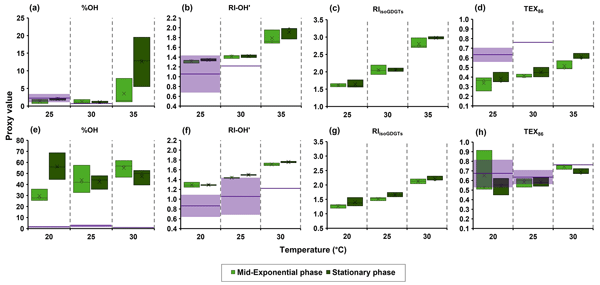
Archaeal hydroxylated tetraether lipids are increasingly used as temperature indicators in marine settings, but the factors influencing their distribution are still unclear. Analyzing membrane lipids of two thaumarchaeotal strains showed that the growth phase of the cultures does not affect the lipid distribution, but growth temperature profoundly affects the degree of cyclization of these lipids. Also, the abundance of these lipids is species-specific and is not influenced by temperature.
Charlotte Eich, Mathijs van Manen, J. Scott P. McCain, Loay J. Jabre, Willem H. van de Poll, Jinyoung Jung, Sven B. E. H. Pont, Hung-An Tian, Indah Ardiningsih, Gert-Jan Reichart, Erin M. Bertrand, Corina P. D. Brussaard, and Rob Middag
Biogeosciences, 21, 4637–4663, https://doi.org/10.5194/bg-21-4637-2024, https://doi.org/10.5194/bg-21-4637-2024, 2024
Short summary
Short summary
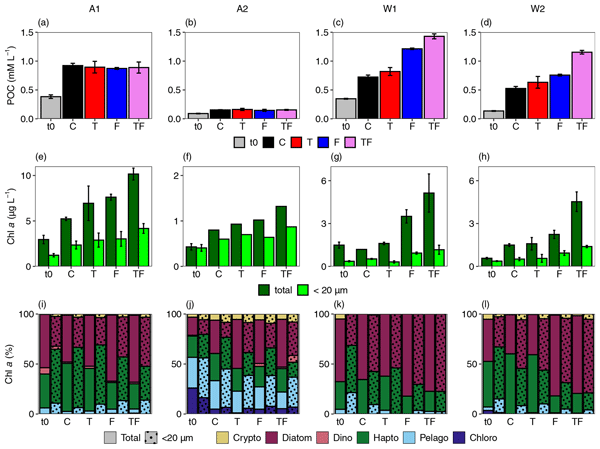
Phytoplankton growth in the Southern Ocean (SO) is often limited by low iron (Fe) concentrations. Sea surface warming impacts Fe availability and can affect phytoplankton growth. We used shipboard Fe clean incubations to test how changes in Fe and temperature affect SO phytoplankton. Their abundances usually increased with Fe addition and temperature increase, with Fe being the major factor. These findings imply potential shifts in ecosystem structure, impacting food webs and elemental cycling.
Matthew P. Humphreys
Ocean Sci., 20, 1325–1350, https://doi.org/10.5194/os-20-1325-2024, https://doi.org/10.5194/os-20-1325-2024, 2024
Short summary
Short summary
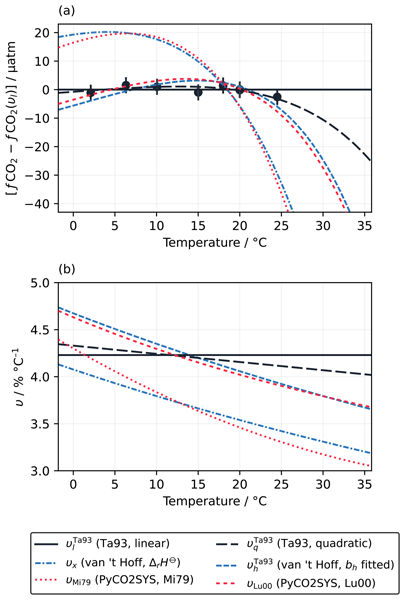
The ocean takes up carbon dioxide (CO2) from the atmosphere, slowing climate change. This CO2 uptake is controlled by a property called ƒCO2. Seawater ƒCO2 changes as seawater warms or cools, although by an uncertain amount; measurements and calculations give inconsistent results. Here, we work out how ƒCO2 should, in theory, respond to temperature. This matches field data and model calculations but still has discrepancies with scarce laboratory results, which need more measurements to resolve.

Siv K. Lauvset, Nico Lange, Toste Tanhua, Henry C. Bittig, Are Olsen, Alex Kozyr, Marta Álvarez, Kumiko Azetsu-Scott, Peter J. Brown, Brendan R. Carter, Leticia Cotrim da Cunha, Mario Hoppema, Matthew P. Humphreys, Masao Ishii, Emil Jeansson, Akihiko Murata, Jens Daniel Müller, Fiz F. Pérez, Carsten Schirnick, Reiner Steinfeldt, Toru Suzuki, Adam Ulfsbo, Anton Velo, Ryan J. Woosley, and Robert M. Key
Earth Syst. Sci. Data, 16, 2047–2072, https://doi.org/10.5194/essd-16-2047-2024, https://doi.org/10.5194/essd-16-2047-2024, 2024
Short summary
Short summary
GLODAP is a data product for ocean inorganic carbon and related biogeochemical variables measured by the chemical analysis of water bottle samples from scientific cruises. GLODAPv2.2023 is the fifth update of GLODAPv2 from 2016. The data that are included have been subjected to extensive quality controlling, including systematic evaluation of measurement biases. This version contains data from 1108 hydrographic cruises covering the world's oceans from 1972 to 2021.
Joost Frieling, Linda van Roij, Iris Kleij, Gert-Jan Reichart, and Appy Sluijs
Biogeosciences, 20, 4651–4668, https://doi.org/10.5194/bg-20-4651-2023, https://doi.org/10.5194/bg-20-4651-2023, 2023
Short summary
Short summary
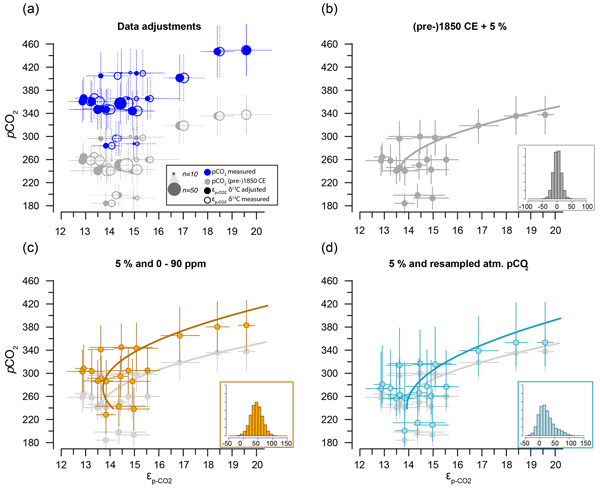
We present a first species-specific evaluation of marine core-top dinoflagellate cyst carbon isotope fractionation (εp) to assess natural pCO2 dependency on εp and explore its geological deep-time paleo-pCO2 proxy potential. We find that εp differs between genera and species and that in Operculodinium centrocarpum, εp is controlled by pCO2 and nutrients. Our results highlight the added value of δ13C analyses of individual micrometer-scale sedimentary organic carbon particles.
Laura Pacho, Lennart de Nooijer, and Gert-Jan Reichart
Biogeosciences, 20, 4043–4056, https://doi.org/10.5194/bg-20-4043-2023, https://doi.org/10.5194/bg-20-4043-2023, 2023
Short summary
Short summary
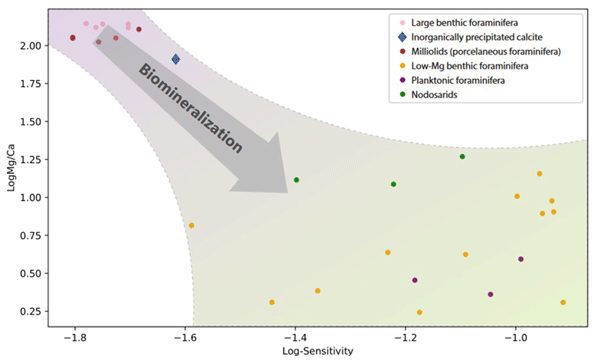
We analyzed Mg / Ca and other El / Ca (Na / Ca, B / Ca, Sr / Ca and Ba / Ca) in Nodosariata. Their calcite chemistry is markedly different to that of the other calcifying orders of foraminifera. We show a relation between the species average Mg / Ca and its sensitivity to changes in temperature. Differences were reflected in both the Mg incorporation and the sensitivities of Mg / Ca to temperature.
Niels J. de Winter, Daniel Killam, Lukas Fröhlich, Lennart de Nooijer, Wim Boer, Bernd R. Schöne, Julien Thébault, and Gert-Jan Reichart
Biogeosciences, 20, 3027–3052, https://doi.org/10.5194/bg-20-3027-2023, https://doi.org/10.5194/bg-20-3027-2023, 2023
Short summary
Short summary
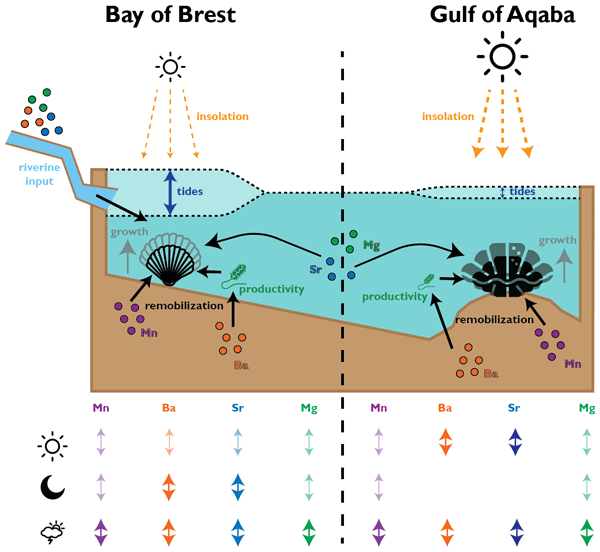
Mollusk shells are valuable recorders of climate and environmental changes of the past down to a daily resolution. To explore this potential, we measured changes in the composition of shells of two types of bivalves recorded at the hourly scale: the king scallop Pecten maximus and giant clams (Tridacna) that engaged in photosymbiosis. We find that photosymbiosis produces more day–night fluctuation in shell chemistry but that most of the variation is not periodic, perhaps recording weather.
Siv K. Lauvset, Nico Lange, Toste Tanhua, Henry C. Bittig, Are Olsen, Alex Kozyr, Simone Alin, Marta Álvarez, Kumiko Azetsu-Scott, Leticia Barbero, Susan Becker, Peter J. Brown, Brendan R. Carter, Leticia Cotrim da Cunha, Richard A. Feely, Mario Hoppema, Matthew P. Humphreys, Masao Ishii, Emil Jeansson, Li-Qing Jiang, Steve D. Jones, Claire Lo Monaco, Akihiko Murata, Jens Daniel Müller, Fiz F. Pérez, Benjamin Pfeil, Carsten Schirnick, Reiner Steinfeldt, Toru Suzuki, Bronte Tilbrook, Adam Ulfsbo, Anton Velo, Ryan J. Woosley, and Robert M. Key
Earth Syst. Sci. Data, 14, 5543–5572, https://doi.org/10.5194/essd-14-5543-2022, https://doi.org/10.5194/essd-14-5543-2022, 2022
Short summary
Short summary
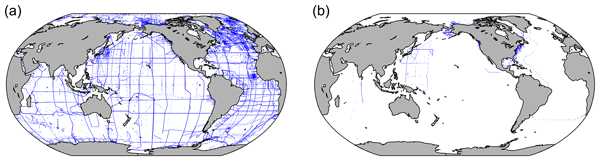
GLODAP is a data product for ocean inorganic carbon and related biogeochemical variables measured by the chemical analysis of water bottle samples from scientific cruises. GLODAPv2.2022 is the fourth update of GLODAPv2 from 2016. The data that are included have been subjected to extensive quality controlling, including systematic evaluation of measurement biases. This version contains data from 1085 hydrographic cruises covering the world's oceans from 1972 to 2021.
Rick Hennekam, Katharine M. Grant, Eelco J. Rohling, Rik Tjallingii, David Heslop, Andrew P. Roberts, Lucas J. Lourens, and Gert-Jan Reichart
Clim. Past, 18, 2509–2521, https://doi.org/10.5194/cp-18-2509-2022, https://doi.org/10.5194/cp-18-2509-2022, 2022
Short summary
Short summary
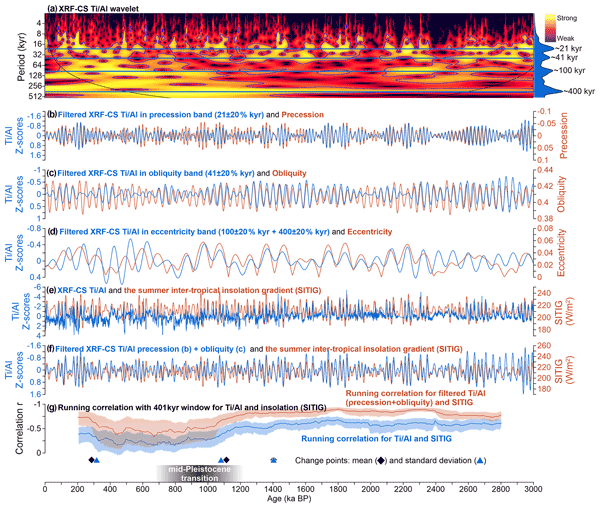
The ratio of titanium to aluminum (Ti/Al) is an established way to reconstruct North African climate in eastern Mediterranean Sea sediments. We demonstrate here how to obtain reliable Ti/Al data using an efficient scanning method that allows rapid acquisition of long climate records at low expense. Using this method, we reconstruct a 3-million-year North African climate record. African environmental variability was paced predominantly by low-latitude insolation from 3–1.2 million years ago.
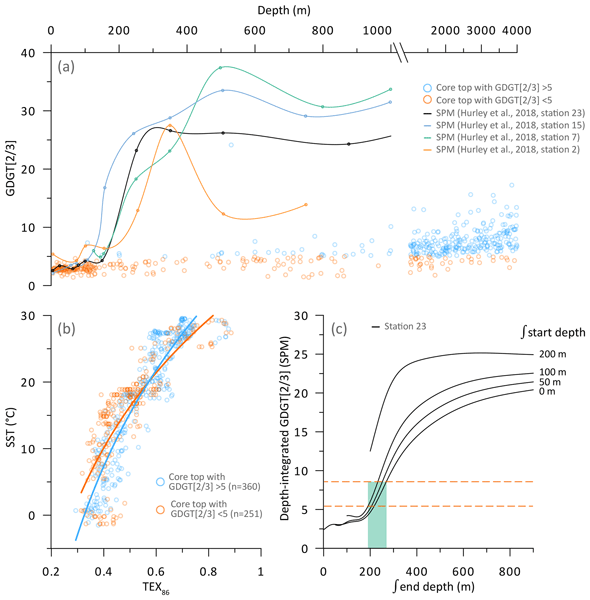
Carolien M. H. van der Weijst, Koen J. van der Laan, Francien Peterse, Gert-Jan Reichart, Francesca Sangiorgi, Stefan Schouten, Tjerk J. T. Veenstra, and Appy Sluijs
Clim. Past, 18, 1947–1962, https://doi.org/10.5194/cp-18-1947-2022, https://doi.org/10.5194/cp-18-1947-2022, 2022
Short summary
Short summary
The TEX86 proxy is often used by paleoceanographers to reconstruct past sea-surface temperatures. However, the origin of the TEX86 signal in marine sediments has been debated since the proxy was first proposed. In our paper, we show that TEX86 carries a mixed sea-surface and subsurface temperature signal and should be calibrated accordingly. Using our 15-million-year record, we subsequently show how a TEX86 subsurface temperature record can be used to inform us on past sea-surface temperatures.
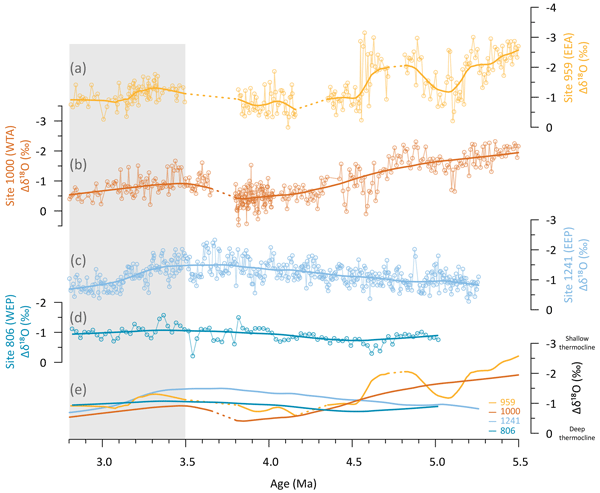
Carolien M. H. van der Weijst, Josse Winkelhorst, Wesley de Nooijer, Anna von der Heydt, Gert-Jan Reichart, Francesca Sangiorgi, and Appy Sluijs
Clim. Past, 18, 961–973, https://doi.org/10.5194/cp-18-961-2022, https://doi.org/10.5194/cp-18-961-2022, 2022
Short summary
Short summary
A hypothesized link between Pliocene (5.3–2.5 million years ago) global climate and tropical thermocline depth is currently only backed up by data from the Pacific Ocean. In our paper, we present temperature, salinity, and thermocline records from the tropical Atlantic Ocean. Surprisingly, the Pliocene thermocline evolution was remarkably different in the Atlantic and Pacific. We need to reevaluate the mechanisms that drive thermocline depth, and how these are tied to global climate change.
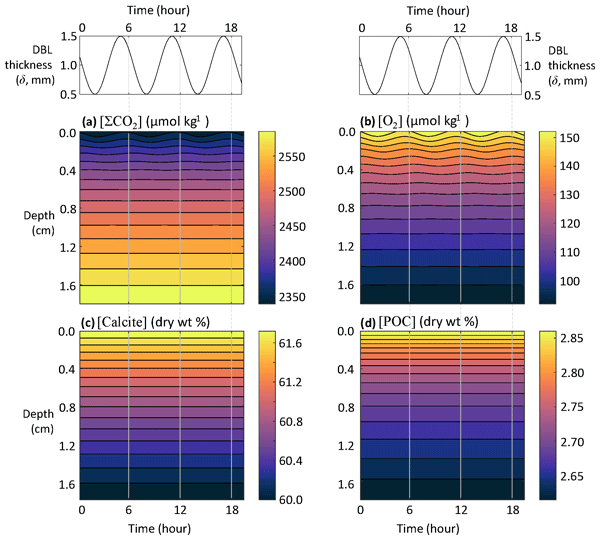
Olivier Sulpis, Matthew P. Humphreys, Monica M. Wilhelmus, Dustin Carroll, William M. Berelson, Dimitris Menemenlis, Jack J. Middelburg, and Jess F. Adkins
Geosci. Model Dev., 15, 2105–2131, https://doi.org/10.5194/gmd-15-2105-2022, https://doi.org/10.5194/gmd-15-2105-2022, 2022
Short summary
Short summary
A quarter of the surface of the Earth is covered by marine sediments rich in calcium carbonates, and their dissolution acts as a giant antacid tablet protecting the ocean against human-made acidification caused by massive CO2 emissions. Here, we present a new model of sediment chemistry that incorporates the latest experimental findings on calcium carbonate dissolution kinetics. This model can be used to predict how marine sediments evolve through time in response to environmental perturbations.
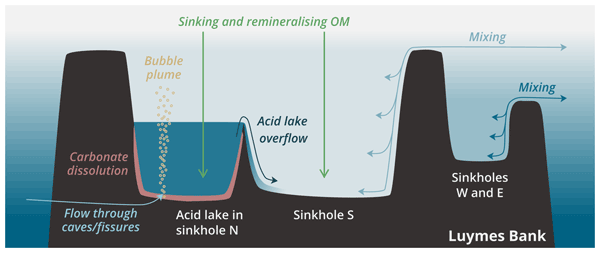
Matthew P. Humphreys, Erik H. Meesters, Henk de Haas, Szabina Karancz, Louise Delaigue, Karel Bakker, Gerard Duineveld, Siham de Goeyse, Andreas F. Haas, Furu Mienis, Sharyn Ossebaar, and Fleur C. van Duyl
Biogeosciences, 19, 347–358, https://doi.org/10.5194/bg-19-347-2022, https://doi.org/10.5194/bg-19-347-2022, 2022
Short summary
Short summary
A series of submarine sinkholes were recently discovered on Luymes Bank, part of Saba Bank, a carbonate platform in the Caribbean Netherlands. Here, we investigate the waters inside these sinkholes for the first time. One of the sinkholes contained a body of dense, low-oxygen and low-pH water, which we call the
acid lake. We use measurements of seawater chemistry to work out what processes were responsible for forming the acid lake and discuss the consequences for the carbonate platform.
Matthew P. Humphreys, Ernie R. Lewis, Jonathan D. Sharp, and Denis Pierrot
Geosci. Model Dev., 15, 15–43, https://doi.org/10.5194/gmd-15-15-2022, https://doi.org/10.5194/gmd-15-15-2022, 2022
Short summary
Short summary
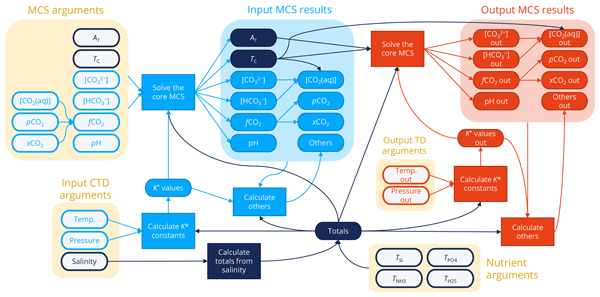
The ocean helps to mitigate our impact on Earth's climate by absorbing about a quarter of the carbon dioxide (CO2) released by human activities each year. However, once absorbed, chemical reactions between CO2 and water reduce seawater pH (
ocean acidification), which may have adverse effects on marine ecosystems. Our Python package, PyCO2SYS, models the chemical reactions of CO2 in seawater, allowing us to quantify the corresponding changes in pH and related chemical properties.
Alice E. Webb, Didier M. de Bakker, Karline Soetaert, Tamara da Costa, Steven M. A. C. van Heuven, Fleur C. van Duyl, Gert-Jan Reichart, and Lennart J. de Nooijer
Biogeosciences, 18, 6501–6516, https://doi.org/10.5194/bg-18-6501-2021, https://doi.org/10.5194/bg-18-6501-2021, 2021
Short summary
Short summary
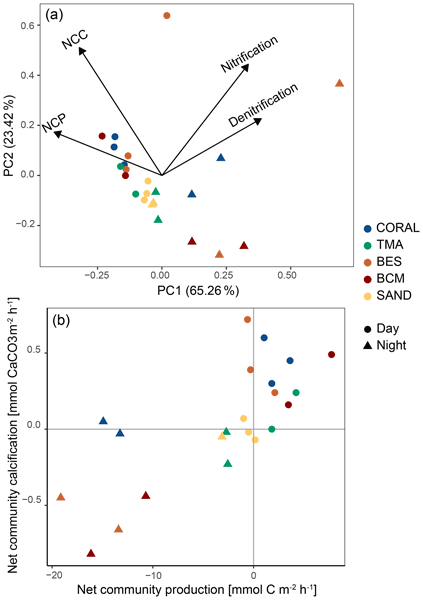
The biogeochemical behaviour of shallow reef communities is quantified to better understand the impact of habitat degradation and species composition shifts on reef functioning. The reef communities investigated barely support reef functions that are usually ascribed to conventional coral reefs, and the overall biogeochemical behaviour is found to be similar regardless of substrate type. This suggests a decrease in functional diversity which may therefore limit services provided by this reef.
Cited articles
Alin, S. R., Feely, R. A., Dickson, A. G., Hernández-Ayón, J. M., Juranek, L. W., Ohman, M. D., and Goericke, R.: Robust empirical relationships for estimating the carbonate system in the southern California Current System and application to CalCOFI hydrographic cruise data (2005–2011), J. Geophys. Res.-Oceans, 117, https://doi.org/10.1029/2011JC007511, 2012.
Al-Raei, A. M., Bosselmann, K., Böttcher, M. E., Hespenheide, B., and Tauber, F.: Seasonal dynamics of microbial sulfate reduction in temperate intertidal surface sediments: controls by temperature and organic matter, Ocean Dynam., 59, 351–370, https://doi.org/10.1007/s10236-009-0186-5, 2009.
Aufdenkampe, A. K., Mayorga, E., Raymond, P. A., Melack, J. M., Doney, S. C., Alin, S. R., Aalto, R. E., and Yoo, K.: Riverine coupling of biogeochemical cycles between land, oceans, and atmosphere, Front. Ecol. Environ., 9, 53–60, https://doi.org/10.1890/100014, 2011.
Baer, J., Smaal, A., van der Reijden, K., and Nehls, G.: Wadden Sea Quality Status Report: Fisheries, Common Wadden Sea Secretariat, Zenodo, https://doi.org/10.5281/zenodo.15225400, 2017.
Bates, N. R., Takahashi, T., Chipman, D. W., and Knap, A. H.: Variability of pCO2 on diel to seasonal timescales in the Sargasso Sea near Bermuda, J. Geophys. Res.-Oceans, 103, 15567–15585, https://doi.org/10.1029/98JC00247, 1998.
Bates, N. R., Mathis, J. T., and Cooper, L. W.: Ocean acidification and biologically induced seasonality of carbonate mineral saturation states in the western Arctic Ocean, J. Geophys. Res.-Oceans, 114, https://doi.org/10.1029/2008JC004862, 2009.
Bauer, J. E., Cai, W.-J., Raymond, P. A., Bianchi, T. S., Hopkinson, C. S., and Regnier, P. A. G.: The changing carbon cycle of the coastal ocean, Nature, 504, 61–70, https://doi.org/10.1038/nature12857, 2013.
Baumann, H. and Smith, E. M.: Quantifying Metabolically Driven pH and Oxygen Fluctuations in US Nearshore Habitats at Diel to Interannual Time Scales, Estuaries Coasts, 41, 1102–1117, https://doi.org/10.1007/s12237-017-0321-3, 2018.
Blackford, J. C. and Gilbert, F. J.: pH variability and CO2 induced acidification in the North Sea, J. Marine Syst., 64, 229–241, https://doi.org/10.1016/j.jmarsys.2006.03.016, 2007.
Borges, A. V.: Present Day Carbon Dioxide Fluxes in the Coastal Ocean and Possible Feedbacks Under Global Change, in: Oceans and the Atmospheric Carbon Content, edited by: Duarte, P. and Santana-Casiano, J. M., Springer Netherlands, Dordrecht, 47–77, https://doi.org/10.1007/978-90-481-9821-4_3, 2011.
Bozec, Y., Thomas, H., Schiettecatte, L.-S., Borges, A. V., Elkalay, K., and de Baar, H. J. W.: Assessment of the processes controlling the seasonal variations of dissolved inorganic carbon in the North Sea, Limnol. Oceanogr., 51, 2746–2762, https://doi.org/10.4319/lo.2006.51.6.2746, 2006.
Brasse, S., Reimer, A., Seifert, R., and Michaelis, W.: The influence of intertidal mudflats on the dissolved inorganic carbon and total alkalinity distribution in the German Bight, southeastern North Sea, J. Sea Res., 42, 93–103, https://doi.org/10.1016/S1385-1101(99)00020-9, 1999.
Brenner, H., Braeckman, U., Le Guitton, M., and Meysman, F. J. R.: The impact of sedimentary alkalinity release on the water column CO2 system in the North Sea, Biogeosciences, 13, 841–863, https://doi.org/10.5194/bg-13-841-2016, 2016.
Buijsman, M. and Ridderinkhof, H.: Long-term evolution of sandwaves in the Marsdiep inlet. I: High-resolution observations, Cont. Shelf Res., 28, https://doi.org/10.1016/j.csr.2007.10.011, 2008.
Buijsman, M. C. and Ridderinkhof, H.: Water transport at subtidal frequencies in the Marsdiep inlet, J. Sea Res., 58, 255–268, https://doi.org/10.1016/j.seares.2007.04.002, 2007.
Burchard, H., Flöser, G., Staneva, J. V., Badewien, T. H., and Riethmüller, R.: Impact of Density Gradients on Net Sediment Transport into the Wadden Sea, J. Phys. Oceanogr., 38, 566–587, https://doi.org/10.1175/2007JPO3796.1, 2008.
Cadée, G. C. and Hegeman, J.: Phytoplankton in the Marsdiep at the end of the 20th century; 30 years monitoring biomass, primary production, and Phaeocystis blooms, J. Sea Res., 48, 97–110, https://doi.org/10.1016/S1385-1101(02)00161-2, 2002.
Cai, W.-J.: Estuarine and Coastal Ocean Carbon Paradox: CO2 Sinks or Sites of Terrestrial Carbon Incineration?, Annu. Rev. Mar. Sci., 3, 123–145, https://doi.org/10.1146/annurev-marine-120709-142723, 2011.
Carter, B. R., Williams, N. L., Gray, A. R., and Feely, R. A.: Locally interpolated alkalinity regression for global alkalinity estimation, Limnol. Oceanogr.-Meth., 14, 268–277, https://doi.org/10.1002/lom3.10087, 2016.
Chaillou, G., Tommi-Morin, G., and Mucci, A.: Production and fluxes of inorganic carbon and alkalinity in a subarctic subterranean estuary, Front. Mar. Sci., 11, https://doi.org/10.3389/fmars.2024.1323463, 2024.
Christianen, M. J. A., Middelburg, J. J., Holthuijsen, S. J., Jouta, J., Compton, T. J., van der Heide, T., Piersma, T., Sinninghe Damsté, J. S., van der Veer, H. W., Schouten, S., and Olff, H.: Benthic primary producers are key to sustain the Wadden Sea food web: stable carbon isotope analysis at landscape scale, Ecology, 98, 1498–1512, https://doi.org/10.1002/ecy.1837, 2017.
Clargo, N. M., Salt, L. A., Thomas, H., and de Baar, H. J. W.: Rapid increase of observed DIC and pCO2 in the surface waters of the North Sea in the 2001-2011 decade ascribed to climate change superimposed by biological processes, Mar. Chem., 177, 566–581, https://doi.org/10.1016/j.marchem.2015.08.010, 2015.
Clayton, T. D. and Byrne, R. H.: Spectrophotometric seawater pH measurements: total hydrogen ion concentration scale calibration of m-cresol purple and at-sea results, Deep-Sea Res. Pt. I, 40, 2115–2129, https://doi.org/10.1016/0967-0637(93)90048-8, 1993.
Cole, J. J., Prairie, Y. T., Caraco, N. F., McDowell, W. H., Tranvik, L. J., Striegl, R. G., Duarte, C. M., Kortelainen, P., Downing, J. A., Middelburg, J. J., and Melack, J.: Plumbing the Global Carbon Cycle: Integrating Inland Waters into the Terrestrial Carbon Budget, Ecosystems, 10, 172–185, https://doi.org/10.1007/s10021-006-9013-8, 2007.
Da, F., Friedrichs, M. A. M., St-Laurent, P., Najjar, R. G., Shadwick, E. H., and Stets, E. G.: Influence of Rivers, Tides, and Tidal Wetlands on Estuarine Carbonate System Dynamics, Estuaries Coasts, 47, 2283–2305, https://doi.org/10.1007/s12237-024-01421-z, 2024.
Dickson, A. G.: The measurement of sea water pH, Mar. Chem., 44, 131–142, https://doi.org/10.1016/0304-4203(93)90198-W, 1993.
Dickson, A. G., Sabine, C. L., Christian, J. R., Bargeron, C. P., and North Pacific Marine Science Organization (Eds.): Guide to best practices for ocean CO2 measurements, North Pacific Marine Science Organization, Sidney, BC, 1 pp., ISBN: 1-897176-07-4, 2007.
Elias, E. P. L., Spek, A. J. F. van der, Wang, Z. B., and de Ronde, J.: Morphodynamic development and sediment budget of the Dutch Wadden Sea over the last century, Neth. J. Geosci., 91, 293–310, https://doi.org/10.1017/S0016774600000457, 2012.
Falkowski, P. G.: The role of phytoplankton photosynthesis in global biogeochemical cycles, Photosynth. Res., 39, 235–258, https://doi.org/10.1007/BF00014586, 1994.
Fassbender, A. J., Alin, S. R., Feely, R. A., Sutton, A. J., Newton, J. A., and Byrne, R. H.: Estimating Total Alkalinity in the Washington State Coastal Zone: Complexities and Surprising Utility for Ocean Acidification Research, Estuaries Coasts, 40, 404–418, https://doi.org/10.1007/s12237-016-0168-z, 2017.
Gattuso, J.-P., Frankignoulle, M., and Wollast, R.: CARBON AND CARBONATE METABOLISM IN COASTAL AQUATIC ECOSYSTEMS, Annu. Rev. Ecol. Evol. Syst., 29, 405–434, https://doi.org/10.1146/annurev.ecolsys.29.1.405, 1998.
Gemayel, E., Hassoun, A. E. R., Benallal, M. A., Goyet, C., Rivaro, P., Abboud-Abi Saab, M., Krasakopoulou, E., Touratier, F., and Ziveri, P.: Climatological variations of total alkalinity and total dissolved inorganic carbon in the Mediterranean Sea surface waters, Earth Syst. Dynam., 6, 789–800, https://doi.org/10.5194/esd-6-789-2015, 2015.
Goldman, J. C. and Brewer, P. G.: Effect of nitrogen source and growth rate on phytoplankton-mediated changes in alkalinity, Limnol. Oceanogr., 25, 352–357, https://doi.org/10.4319/lo.1980.25.2.0352, 1980.
Gregor, L. and Humphreys, M.: lukegre/pySeaFlux: Updated continuous integration and docs, Version 2.0.0, Zenodo, https://doi.org/10.5281/zenodo.4659162, 2021.
Groeskamp, S., Nauw, J. J., and Maas, L. R. M.: Observations of estuarine circulation and solitary internal waves in a highly energetic tidal channel, Ocean Dynam., 61, 1767–1782, https://doi.org/10.1007/s10236-011-0455-y, 2011.
Grunwald, M., Dellwig, O., Kohlmeier, C., Kowalski, N., Beck, M., Badewien, T. H., Kotzur, S., Liebezeit, G., and Brumsack, H.-J.: Nutrient dynamics in a back barrier tidal basin of the Southern North Sea: Time-series, model simulations, and budget estimates, J. Sea Res., 64, 199–212, https://doi.org/10.1016/j.seares.2010.02.008, 2010.
Henson, S. A., Dunne, J. P., and Sarmiento, J. L.: Decadal variability in North Atlantic phytoplankton blooms, J. Geophys. Res.-Oceans, 114, https://doi.org/10.1029/2008JC005139, 2009.
Hofmeister, R., Flöser, G., and Schartau, M.: Estuary-type circulation as a factor sustaining horizontal nutrient gradients in freshwater-influenced coastal systems, Geo-Mar. Lett., 37, 179–192, https://doi.org/10.1007/s00367-016-0469-z, 2017.
Honkanen, M., Müller, J. D., Seppälä, J., Rehder, G., Kielosto, S., Ylöstalo, P., Mäkelä, T., Hatakka, J., and Laakso, L.: The diurnal cycle of pCO2 in the coastal region of the Baltic Sea, Ocean Sci., 17, 1657–1675, https://doi.org/10.5194/os-17-1657-2021, 2021.
Hoppema, J. M. J.: The distribution and seasonal variation of alkalinity in the Southern Bight of the North Sea and in the Western Wadden Sea, Neth. J. Sea Res., 26, 11–23, https://doi.org/10.1016/0077-7579(90)90053-J, 1990.
Hoppema, J. M. J.: Carbon dioxide and oxygen disequilibrium in a tidal basin (Dutch wadden sea), Neth. J. Sea Res., 31, 221–229, https://doi.org/10.1016/0077-7579(93)90023-L, 1993.
Huettel, M., Røy, H., Precht, E., and Ehrenhauss, S.: Hydrodynamical impact on biogeochemical processes in aquatic sediments, in: The Interactions between Sediments and Water, Dordrecht, 231–236, https://doi.org/10.1007/978-94-017-3366-3_31, 2003.
Humphreys, M. P. and Matthews, R. S.: Calkulate: total alkalinity from titration data in Python, Zenodo [code], https://doi.org/10.5281/zenodo.8112350, 2023.
Humphreys, M. P., Daniels, C. J., Wolf-Gladrow, D. A., Tyrrell, T., and Achterberg, E. P.: On the influence of marine biogeochemical processes over CO2 exchange between the atmosphere and ocean, Mar. Chem., 199, 1–11, https://doi.org/10.1016/j.marchem.2017.12.006, 2018.
Humphreys, M. P., Schiller, A. J., Sandborn, D., Gregor, L., Pierrot, D., van Heuven, S. M. A. C., Lewis, E. R., and Wallace, D. W. R.: PyCO2SYS: marine carbonate system calculations in Python, Zenodo [code], https://doi.org/10.5281/zenodo.7550236, 2023.
Hyun, S., Mishra, A., Follett, C. L., Jonsson, B., Kulk, G., Forget, G., Racault, M.-F., Jackson, T., Dutkiewicz, S., Müller, C. L., and Bien, J.: Ocean mover's distance: using optimal transport for analysing oceanographic data, P. R. Soc. A, 478, 20210875, https://doi.org/10.1098/rspa.2021.0875, 2022.
Johengen, T., Smith, G. J., Schar, D., Atkinson, M., Purcell, H., Loewensteiner, D., Epperson, Z., and Tamburri, M.: Performance Verification Statement For the Xylem EXO 2 pH Sensor, Alliance for Coastal Technologies (ACT), https://doi.org/10.25607/OBP-307, 2015.
Jones, D. C., Ito, T., Takano, Y., and Hsu, W.-C.: Spatial and seasonal variability of the air-sea equilibration timescale of carbon dioxide, Global Biogeochem. Cy., 28, 1163–1178, https://doi.org/10.1002/2014GB004813, 2014.
Kieskamp, W. M., Lohse, L., Epping, E., and Helder, W.: Seasonal variation in denitrification rates and nitrous oxide fluxes in intertidal sediments of the western Wadden Sea, Mar. Ecol. Prog. Ser., 72, 145–151, 1991.
Laruelle, G. G., Cai, W.-J., Hu, X., Gruber, N., Mackenzie, F. T., and Regnier, P.: Continental shelves as a variable but increasing global sink for atmospheric carbon dioxide, Nat. Commun., 9, 454, https://doi.org/10.1038/s41467-017-02738-z, 2018.
Lee, K., Tong, L. T., Millero, F. J., Sabine, C. L., Dickson, A. G., Goyet, C., Park, G.-H., Wanninkhof, R., Feely, R. A., and Key, R. M.: Global relationships of total alkalinity with salinity and temperature in surface waters of the world's oceans, Geophys. Res. Lett., 33, L19605, https://doi.org/10.1029/2006GL027207, 2006.
Lipp, A. and Vermeesch, P.: Short communication: The Wasserstein distance as a dissimilarity metric for comparing detrital age spectra and other geological distributions, Geochronology, 5, 263–270, https://doi.org/10.5194/gchron-5-263-2023, 2023.
Liu, X., Patsavas, M. C., and Byrne, R. H.: Purification and Characterization of meta-Cresol Purple for Spectrophotometric Seawater pH Measurements, Environ. Sci. Technol., 45, 4862–4868, https://doi.org/10.1021/es200665d, 2011.
Loebl, M., Dolch, T., and van Beusekom, J. E. E.: Annual dynamics of pelagic primary production and respiration in a shallow coastal basin, J. Sea Res., 58, 269–282, https://doi.org/10.1016/j.seares.2007.06.003, 2007.
Lueker, T. J., Dickson, A. G., and Keeling, C. D.: Ocean pCO2 calculated from dissolved inorganic carbon, alkalinity, and equations for K1 and K2: validation based on laboratory measurements of CO2 in gas and seawater at equilibrium, Mar. Chem., 70, 105–119, https://doi.org/10.1016/S0304-4203(00)00022-0, 2000.
McNeil, B. I., Metzl, N., Key, R. M., Matear, R. J., and Corbiere, A.: An empirical estimate of the Southern Ocean air-sea CO2 flux, Global Biogeochem. Cy., 21, https://doi.org/10.1029/2007GB002991, 2007.
Miao, Y., Wang, B., Carstensen, J., Li, D., Ma, X., Sun, Q., Xu, Z., Jin, H., Xu, J., Zeng, J., Zhou, F., and Chen, J.: Diverging Relationships Between Acidification and Hypoxia off the Changjiang Estuary, J. Geophys. Res.-Oceans, 130, e2025JC022675, https://doi.org/10.1029/2025JC022675, 2025.
Mojica Prieto, F. J. and Millero, F. J.: The values of pK1 + pK2 for the dissociation of carbonic acid in seawater, Geochim. Cosmochim. Ac., 66, 2529–2540, https://doi.org/10.1016/S0016-7037(02)00855-4, 2002.
Nash, J. E. and Sutcliffe, J. V.: River flow forecasting through conceptual models part I – A discussion of principles, J. Hydrol., 10, 282–290, https://doi.org/10.1016/0022-1694(70)90255-6, 1970.
Newton, J., Feely, R., Jewett, E., Williamson, P., and Mathis, J.: Global Ocean Acidification Observing Network: Requirements and Governance Plan, 2nd edn., GOA-ON, http://www.goa-on.org/docs/GOA-ON_plan_print.pdf (last access: 10 May 2026), 2015.
Nightingale, P. D., Malin, G., Law, C. S., Watson, A. J., Liss, P. S., Liddicoat, M. I., Boutin, J., and Upstill-Goddard, R. C.: In situ evaluation of air-sea gas exchange parameterizations using novel conservative and volatile tracers, Global Biogeochem. Cy., 14, 373–387, https://doi.org/10.1029/1999GB900091, 2000.
Nondal, G., Bellerby, R. G. J., Olsen, A., Johannessen, T., and Olafsson, J.: Optimal evaluation of the surface ocean CO2 system in the northern North Atlantic using data from voluntary observing ships, Limnol. Oceanogr.-Meth., 7, 109–118, https://doi.org/10.4319/lom.2009.7.109, 2009.
Norbisrath, M., van Beusekom, J. E. E., and Thomas, H.: Alkalinity sources in the Dutch Wadden Sea, Ocean Sci., 20, 1423–1440, https://doi.org/10.5194/os-20-1423-2024, 2024.
Ourradi, Y. and Humphreys, M. P.: [Wadden Sea results], NIOZ, https://doi.org/10.25850/nioz/7b.b.4j, 2025.
Ourradi, Y. and Humphreys, M. P.: YOurradi/Marsdiep_data: Marsdiep_data, Zenodo, https://doi.org/10.5281/zenodo.20101687, 2026.
Otto, L., Zimmerman, J. T. F., Furnes, G. K., Mork, M., Saetre, R., and Becker, G.: Review of the physical oceanography of the North Sea, Neth. J. Sea Res., 26, 161–238, https://doi.org/10.1016/0077-7579(90)90091-T, 1990.
Peyré, G. and Cuturi, M.: Computational Optimal Transport, arXiv [preprint], https://doi.org/10.48550/arXiv.1803.00567, 2020.
Philippart, C., Baptist, M., Bastmeijer, K., Bregnballe, T., Buschbaum, C., Hoekstra, P., Laursen, K., van Leeuwen, S. M., Oost, A. P., Wegner, M., and Zijlstra, R.: Wadden Sea Quality Status Report: Climate Change, Common Wadden Sea Secretariat, Zenodo, https://doi.org/10.5281/zenodo.15111640, 2024.
Pörtner, H. O., Langenbuch, M., and Reipschläger, A.: Biological Impact of Elevated Ocean CO2 Concentrations: Lessons from Animal Physiology and Earth History, J. Oceanogr., 60, 705–718, https://doi.org/10.1007/s10872-004-5763-0, 2004.
Postma, H.: Hydrography of the Dutch Wadden Sea, Archives Néerlandaises de Zoologie, 10, 405–511, https://doi.org/10.1163/036551654X00087, 1954.
Postma, H.: Transport and accumulation of suspended matter in the Dutch Wadden Sea, Neth. J. Sea Res., 1, 148–190, https://doi.org/10.1016/0077-7579(61)90004-7, 1961.
Postma, H.: Exchange of materials between the North Sea and the Wadden Sea, Mar. Geol., 40, 199–213, https://doi.org/10.1016/0025-3227(81)90050-5, 1981.
Redfield, A. C., Ketchum, B. H., and Richards, F. A.: The influence of organisms on the composition of sea-water, Interscience Publishers, 26–77, https://www.vliz.be/en/imis?module=ref&refid=28944&printversion=1&dropIMIStitle=1 (last access: 8 May 2026), 1963.
Regaudie-de-Gioux, A. and Duarte, C. M.: Temperature dependence of planktonic metabolism in the ocean, Global Biogeochem. Cy., 26, https://doi.org/10.1029/2010GB003907, 2012.
Regnier, P., Friedlingstein, P., Ciais, P., Mackenzie, F. T., Gruber, N., Janssens, I. A., Laruelle, G. G., Lauerwald, R., Luyssaert, S., Andersson, A. J., Arndt, S., Arnosti, C., Borges, A. V., Dale, A. W., Gallego-Sala, A., Goddéris, Y., Goossens, N., Hartmann, J., Heinze, C., Ilyina, T., Joos, F., LaRowe, D. E., Leifeld, J., Meysman, F. J. R., Munhoven, G., Raymond, P. A., Spahni, R., Suntharalingam, P., and Thullner, M.: Anthropogenic perturbation of the carbon fluxes from land to ocean, Nat. Geosci., 6, 597–607, https://doi.org/10.1038/ngeo1830, 2013.
Reimer, A., Brasse, S., Doerffer, R., Dürselen, C., Kempe, S., Michaelis, W., Rick, H., and Seifert, R.: Carbon cycling in the German Bight: An estimate of transformation processes and transport (Der Kohlenstoffkreislauf in der Deutschen Bucht: Eine Abschätzung von Transformationsprozessen und Transporten), Ocean Dynam., 51, 313–329, https://doi.org/10.1007/BF02764179, 1999.
Rheuban, J. E., Gassett, P. R., McCorkle, D. C., Hunt, C. W., Liebman, M., Bastidas, C., O'Brien-Clayton, K., Pimenta, A. R., Silva, E., Vlahos, P., Woosley, R. J., Ries, J., Liberti, C. M., Grear, J., Salisbury, J., Brady, D. C., Guay, K., LaVigne, M., Strong, A. L., Stancioff, E., and Turner, E.: Synoptic assessment of coastal total alkalinity through community science, Environ. Res. Lett., 16, 024009, https://doi.org/10.1088/1748-9326/abcb39, 2021.
Ridderinkhof, H., Zimmerman, J. T. F., and Philippart, M. E.: Tidal exchange between the North Sea and Dutch Wadden Sea and mixing time scales of the tidal basins, Neth. J. Sea Res., 25, 331–350, https://doi.org/10.1016/0077-7579(90)90042-F, 1990.
Ridderinkhof, H., Haren, H. van, Eijgenraam, F., and Hillebrand, T.: Ferry observations on temperature, salinity and currents in the marsdiep tidal inlet between the North Sea and Wadden Sea, in: Elsevier Oceanography Series, vol. 66, edited by: Fiemming, N. C., Vallerga, S., Pinardi, N., Behrens, H. W. A., Manzella, G., Prandle, D., and Stei, J. H., Elsevier, 139–147, https://doi.org/10.1016/S0422-9894(02)80018-6, 2002.
Salisbury, J., Green, M., Hunt, C., and Campbell, J.: Coastal Acidification by Rivers: A Threat to Shellfish?, Eos T. Am. Geophys. Union, 89, 513–513, https://doi.org/10.1029/2008EO500001, 2008.
Salt, L. A.: Process studies of the carbonate system in coastal and ocean environments of the Atlantic Ocean, PhD thesis, University of Groningen, Groningen, the Netherlands, ISBN: 978-90-367-6851-1, 2014.
Salt, L. A., Thomas, H., Prowe, A. E. F., Borges, A. V., Bozec, Y., and de Baar, H. J. W.: Variability of North Sea pH and CO2 in response to North Atlantic Oscillation forcing, J. Geophys. Res.-Biogeo., 118, 1584–1592, https://doi.org/10.1002/2013JG002306, 2013.
Schwichtenberg, F., Pätsch, J., Böttcher, M. E., Thomas, H., Winde, V., and Emeis, K.-C.: The impact of intertidal areas on the carbonate system of the southern North Sea, Biogeosciences, 17, 4223–4245, https://doi.org/10.5194/bg-17-4223-2020, 2020a.
Schwichtenberg, F., Pätsch, J., Böttcher, M. E., Thomas, H., Winde, V., and Emeis, K.-C.: The impact of intertidal areas on the carbonate system of the southern North Sea, Biogeosciences, 17, 4223–4245, https://doi.org/10.5194/bg-17-4223-2020, 2020b.
Seiter, J. C. and Degrandpre, M. D.: Redundant chemical sensors for calibration-impossible applications, Talanta, 54, 99–106, https://doi.org/10.1016/s0039-9140(00)00635-4, 2001.
Smith, D. M., Dunstone, N. J., Eade, R., Hardiman, S. C., Hermanson, L., Scaife, A. A., and Seabrook, M.: Mitigation needed to avoid unprecedented multi-decadal North Atlantic Oscillation magnitude, Nat. Clim. Change, 15, 403–410, https://doi.org/10.1038/s41558-025-02277-2, 2025.
Soetaert, K., Hofmann, A. F., Middelburg, J. J., Meysman, F. J. R., and Greenwood, J.: The effect of biogeochemical processes on pH, Mar. Chem., 105, 30–51, https://doi.org/10.1016/j.marchem.2006.12.012, 2007.
Song, S., Wang, Z. A., Gonneea, M. E., Kroeger, K. D., Chu, S. N., Li, D., and Liang, H.: An important biogeochemical link between organic and inorganic carbon cycling: Effects of organic alkalinity on carbonate chemistry in coastal waters influenced by intertidal salt marshes, Geochim. Cosmochim. Ac., 275, 123–139, https://doi.org/10.1016/j.gca.2020.02.013, 2020.
Thomas, H., Bozec, Y., Elkalay, K., and De Baar, H. J. W.: Enhanced Open Ocean Storage of CO2 from Shelf Sea Pumping, Science, 304, 1005–1008, https://doi.org/10.1126/science.1095491, 2004.
Thomas, H., Bozec, Y., Elkalay, K., de Baar, H. J. W., Borges, A. V., and Schiettecatte, L.-S.: Controls of the surface water partial pressure of CO2 in the North Sea, Biogeosciences, 2, 323–334, https://doi.org/10.5194/bg-2-323-2005, 2005a.
Thomas, H., Bozec, Y., de Baar, H. J. W., Elkalay, K., Frankignoulle, M., Schiettecatte, L.-S., Kattner, G., and Borges, A. V.: The carbon budget of the North Sea, Biogeosciences, 2, 87–96, https://doi.org/10.5194/bg-2-87-2005, 2005b.
Thomas, H., Friederike Prowe, A. E., Lima, I. D., Doney, S. C., Wanninkhof, R., Greatbatch, R. J., Schuster, U., and Corbière, A.: Changes in the North Atlantic Oscillation influence CO2 uptake in the North Atlantic over the past 2 decades, Global Biogeochem. Cy., 22, https://doi.org/10.1029/2007GB003167, 2008.
Thomas, H., Schiettecatte, L.-S., Suykens, K., Koné, Y. J. M., Shadwick, E. H., Prowe, A. E. F., Bozec, Y., de Baar, H. J. W., and Borges, A. V.: Enhanced ocean carbon storage from anaerobic alkalinity generation in coastal sediments, Biogeosciences, 6, 267–274, https://doi.org/10.5194/bg-6-267-2009, 2009.
Torres, O., Kwiatkowski, L., Sutton, A. J., Dorey, N., and Orr, J. C.: Characterizing Mean and Extreme Diurnal Variability of Ocean CO2 System Variables Across Marine Environments, Geophys. Res. Lett., 48, e2020GL090228, https://doi.org/10.1029/2020GL090228, 2021.
Van Aken, H. M.: Variability of the salinity in the western Wadden Sea on tidal to centennial time scales, J. Sea Res., 59, 121–132, https://doi.org/10.1016/j.seares.2007.11.001, 2008a.
Van Aken, H. M.: Variability of the water temperature in the western Wadden Sea on tidal to centennial time scales, J. Sea Res., 60, 227–234, https://doi.org/10.1016/j.seares.2008.09.001, 2008b.
van Beusekom, J., Fock, H., Jong, F., Christiansen, S., and Christiansen, B.: Wadden Sea specific eutrophication criteria, Wadden Sea Ecosyst., 14, 1–115, ISSN 0946-896X, 2001.
Van Beusekom, J. E. E., Buschbaum, C., and Reise, K.: Wadden Sea tidal basins and the mediating role of the North Sea in ecological processes: scaling up of management?, Ocean Coast. Manage., 68, 69–78, https://doi.org/10.1016/j.ocecoaman.2012.05.002, 2012.
Van Beusekom, J. E. E., Carstensen, J., Dolch, T., Grage, A., Hofmeister, R., Lenhart, H., Kerimoglu, O., Kolbe, K., Pätsch, J., Rick, J., Rönn, L., and Ruiter, H.: Wadden Sea Eutrophication: Long-Term Trends and Regional Differences, Front. Mar. Sci., 6, 370, https://doi.org/10.3389/fmars.2019.00370, 2019.
van der Molen, J., Groeskamp, S., and Maas, L. R. M.: Imminent reversal of the residual flow through the Marsdiep tidal inlet into the Dutch Wadden Sea based on multiyear ferry-borne acoustic Doppler current profiler (ADCP) observations, Ocean Sci., 18, 1805–1816, https://doi.org/10.5194/os-18-1805-2022, 2022.
van Leeuwen, S., Tett, P., Mills, D., and van der Molen, J.: Stratified and nonstratified areas in the North Sea: Long-term variability and biological and policy implications, J. Geophys. Res.-Oceans, 120, 4670–4686, https://doi.org/10.1002/2014JC010485, 2015.
Villani, C.: Optimal Transport, Springer, Berlin, Heidelberg, https://doi.org/10.1007/978-3-540-71050-9, 2009.
Voynova, Y. G., Petersen, W., Gehrung, M., Aßmann, S., and King, A. L.: Intertidal regions changing coastal alkalinity: The Wadden Sea-North Sea tidally coupled bioreactor, Limnol. Oceanogr., 64, 1135–1149, https://doi.org/10.1002/lno.11103, 2019.
Waldbusser, G. G. and Salisbury, J. E.: Ocean acidification in the coastal zone from an organism's perspective: multiple system parameters, frequency domains, and habitats, Annu. Rev. Mar. Sci., 6, 221–247, https://doi.org/10.1146/annurev-marine-121211-172238, 2014.
Wang, Z. A. and Cai, W.-J.: The inorganic carbon system across the land-to-ocean continuum, in: Treatise on Geochemistry (Third edition), edited by: Anbar, A. and Weis, D., Elsevier, Oxford, 111–144, https://doi.org/10.1016/B978-0-323-99762-1.00032-2, 2025.
Weiss, R. F.: Carbon dioxide in water and seawater: the solubility of a non-ideal gas, Mar. Chem., 2, 203–215, https://doi.org/10.1016/0304-4203(74)90015-2, 1974.
Wickins, J. F.: The effect of hypercapnic sea water on growth and mineralization in penaied prawns, Aquaculture, 41, 37–48, https://doi.org/10.1016/0044-8486(84)90388-0, 1984.
Wolf-Gladrow, D. A., Zeebe, R. E., Klaas, C., Körtzinger, A., and Dickson, A. G.: Total alkalinity: The explicit conservative expression and its application to biogeochemical processes, Mar. Chem., 106, 287–300, https://doi.org/10.1016/j.marchem.2007.01.006, 2007.
Yau, Y. Y. Y., Xin, P., Chen, X., Zhan, L., Call, M., Conrad, S. R., Sanders, C. J., Li, L., Du, J., and Santos, I. R.: Alkalinity export to the ocean is a major carbon sequestration mechanism in a macrotidal saltmarsh, Limnol. Oceanogr., 67, S158–S170, https://doi.org/10.1002/lno.12155, 2022.
Zeebe, R. E. and Wolf-Gladrow, D.: CO2 in Seawater: Equilibrium, Kinetics, Isotopes, Gulf Professional Publishing, 382 pp., ISBN: 0-444-50946-1, 2001.
Short summary
Coastal seas play a key role in the global carbon cycle, yet what drives their carbonate chemistry remains poorly understood. We measured pH at high frequency for a year at the Wadden Sea-North Sea interface. Biological activity drives pH changes, while freshwater inflow shapes total alkalinity. Both processes influence dissolved inorganic carbon. The Wadden Sea acts as a net carbon dioxide source to the atmosphere. High-frequency monitoring is essential under a changing climate.
Coastal seas play a key role in the global carbon cycle, yet what drives their carbonate...


Altmetrics
Final-revised paper
Preprint