
Articles | Volume 23, issue 14
https://doi.org/10.5194/bg-23-4999-2026
© Author(s) 2026. This work is distributed under
the Creative Commons Attribution 4.0 License.
the Creative Commons Attribution 4.0 License.
https://doi.org/10.5194/bg-23-4999-2026
© Author(s) 2026. This work is distributed under
the Creative Commons Attribution 4.0 License.
the Creative Commons Attribution 4.0 License.
Research article
| 
21 Jul 2026
Research article |
| 21 Jul 2026
| 21 Jul 2026
Vegetation patterns and competitive dynamics along elevation gradients: interactions between environmental factors and vegetation in the Central Himalayas
Prashant Paudel
Hawkesbury Institute for the Environment, Western Sydney University, Penrith, NSW, Australia
Stefan Olin
Department of Physical Geography and Ecosystem Science, Lund University, Lund, Sweden
Mark Tjoelker
Hawkesbury Institute for the Environment, Western Sydney University, Penrith, NSW, Australia
Mikael Pontarp
Department of Biology, Lund University, Lund, Sweden
Daniel Metcalfe
Department of Ecology and Environment Science, Umeå University, Umeå, Sweden

Hawkesbury Institute for the Environment, Western Sydney University, Penrith, NSW, Australia
Department of Physical Geography and Ecosystem Science, Lund University, Lund, Sweden
Related authors
Prashant Paudel, Stefan Olin, Mark Tjoelker, Mikael Pontarp, Daniel Metcalfe, and Benjamin Smith
Biogeosciences, 22, 6153–6171, https://doi.org/10.5194/bg-22-6153-2025, https://doi.org/10.5194/bg-22-6153-2025, 2025
Short summary
Short summary
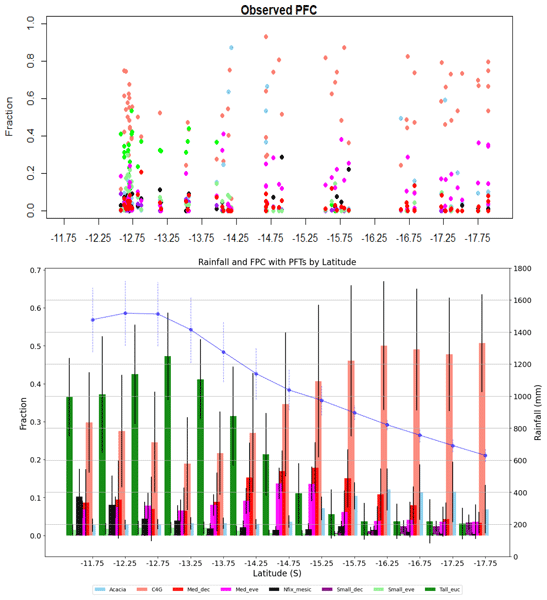
Ecological processes respond to changes in rainfall conditions. Competition and stress created by water availability are two primary components at two ends of the rainfall gradient. In wetter areas, plants compete for resources, while in drier regions, stress limits growth. The complex interaction between plant characters and their response to growth conditions governs ecosystem processes. These findings can be used to understand how future rainfall changes could impact ecosystems.
Vaughan T. J. Phillips, Sanne M. H. de Jong, Robert Garvey, Martin K. Skoglund, Torbjörn Ahlström, Fredrik Charpentier Ljungqvist, Mikael Pontarp, Joacim Rocklöv, Matthew Toohey, Jun-Ichi Yano, Helene Castenbrandt, Carl-Johan Fraenkel, Adam Linder, Henrik Sjödin, and Jesper Sjolte
EGUsphere, https://doi.org/10.5194/egusphere-2026-5195, https://doi.org/10.5194/egusphere-2026-5195, 2026
This preprint is open for discussion and under review for Climate of the Past (CP).
Short summary
Short summary
We investigate how volcanic eruptions may have amplified plague pandemics through climate-driven harvest failure and malnutrition. Using a model linking climate, food production, nutrition and disease, we find that the eruptions of 536 and 540 CE could have greatly increased mortality during the Justinianic Plague. The results suggest that food shortages and human movement were important in shaping the pandemic's severity and spread.
Walter Huaraca Huasco, Maria Edith Ezquera Condori, Daniela Corrales Alvarez, Blanca Rosa Espinoza Otazu, Darcy Fernando Galiano Cabrera, Beisit Puma Vilca, Roxana Sacatuma Cruz, Yulisa Sari Soto Quispe, Luis Miguel Alvarez Mayorga, Jimmy Ronald Chambi Paucar, Aline Barbara Horwath, David C. Bartholomew, and Daniel B. Metcalfe
EGUsphere, https://doi.org/10.5194/egusphere-2026-2882, https://doi.org/10.5194/egusphere-2026-2882, 2026
Short summary
Short summary
Tropical montane cloud forests are globally important ecosystems threatened by drought, but the impacts of these climate changes remain unclear. We experimentally reduced rainfall and fog in two large patches of cloud forest in Peru, then measured key carbon fluxes in these plots and nearby controls, to provide insights into the likely effects of future drought on carbon cycling in these systems.
Jette Elena Stoebke, David Wårlind, Stefan Olin, Annemarie Eckes-Shephard, Bogdan Brzeziecki, Mikko Peltoniemi, and Thomas A. M. Pugh
Geosci. Model Dev., 19, 3595–3615, https://doi.org/10.5194/gmd-19-3595-2026, https://doi.org/10.5194/gmd-19-3595-2026, 2026
Short summary
Short summary
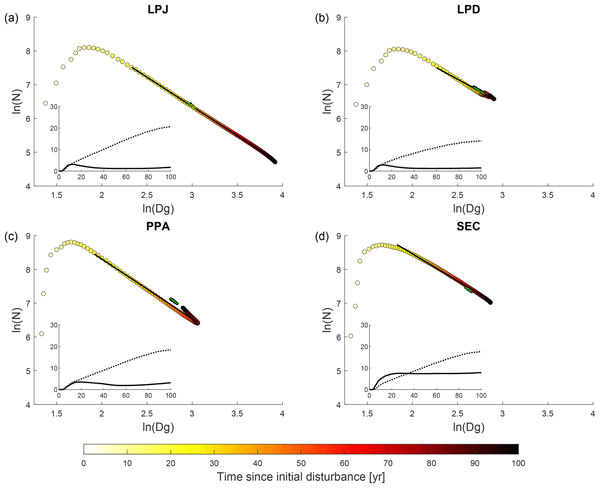
Forests are shaped by how trees compete for light. We improved a widely used vegetation model by introducing spatially explicit canopies, allowing light distribution to vary realistically, especially after disturbances like tree death or harvest. This enhances the simulation of forest structure, tree coexistence, and regeneration, providing a better model for predicting forest dynamics and responses to management and environmental change.
Konstantin Gregor, Benjamin F. Meyer, Tillmann Gaida, Victor Justo Vasquez, Karina Bett-Williams, Matthew Forrest, João P. Darela-Filho, Sam Rabin, Marcos Longo, Joe R. Melton, Johan Nord, Peter Anthoni, Vladislav Bastrikov, Thomas Colligan, Christine Delire, Michael C. Dietze, George Hurtt, Akihiko Ito, Lasse T. Keetz, Jürgen Knauer, Johannes Köster, Tzu-Shun Lin, Lei Ma, Marie Minvielle, Stefan Olin, Sebastian Ostberg, Hao Shi, Reiner Schnur, Qing Sun, Peter E. Thornton, and Anja Rammig
Geosci. Model Dev., 19, 2407–2436, https://doi.org/10.5194/gmd-19-2407-2026, https://doi.org/10.5194/gmd-19-2407-2026, 2026
Short summary
Short summary
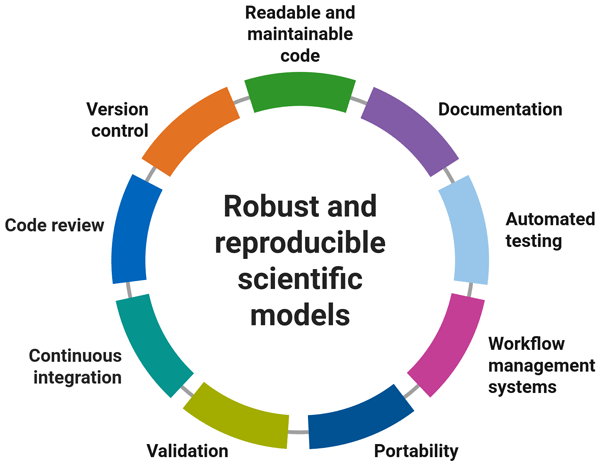
Geoscientific models are crucial for understanding Earth’s processes. However, they sometimes do not adhere to highest software quality standards, and scientific results are often hard to reproduce due to the complexity of the workflows. Here we gather the expertise of 20 modeling groups and software engineers to define best practices for making geoscientific models maintainable, usable, and reproducible. We conclude with an open-source example serving as a reference for modeling communities.
Zitong Jia, Shouzhi Chen, Yongshuo H. Fu, David Martín Belda, David Wårlind, Stefan Olin, Chongyu Xu, and Jing Tang
Geosci. Model Dev., 19, 1727–1747, https://doi.org/10.5194/gmd-19-1727-2026, https://doi.org/10.5194/gmd-19-1727-2026, 2026
Short summary
Short summary
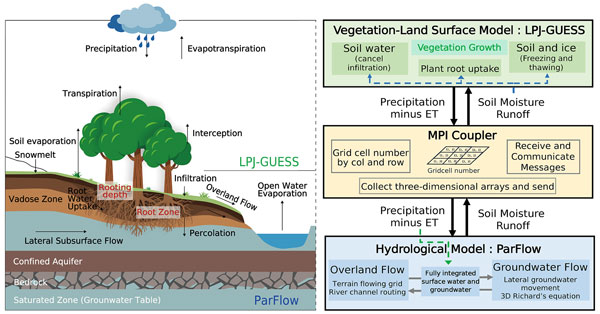
Groundwater sustains vegetation and regulates land-atmosphere exchanges, yet most Earth system models oversimplify its dynamics. Our study develops an integrated framework coupling a dynamic vegetation model with the three-dimensional hydrological model ParFlow to explicitly represent groundwater-vegetation interactions. The results provide evidence that groundwater flow strongly regulates water exchanges and provides a powerful tool to improve simulations of water cycles in Earth system models.
Prashant Paudel, Stefan Olin, Mark Tjoelker, Mikael Pontarp, Daniel Metcalfe, and Benjamin Smith
Biogeosciences, 22, 6153–6171, https://doi.org/10.5194/bg-22-6153-2025, https://doi.org/10.5194/bg-22-6153-2025, 2025
Short summary
Short summary
Ecological processes respond to changes in rainfall conditions. Competition and stress created by water availability are two primary components at two ends of the rainfall gradient. In wetter areas, plants compete for resources, while in drier regions, stress limits growth. The complex interaction between plant characters and their response to growth conditions governs ecosystem processes. These findings can be used to understand how future rainfall changes could impact ecosystems.
Chansopheaktra Sovann, Torbern Tagesson, Patrik Vestin, Sakada Sakhoeun, Soben Kim, Sothea Kok, and Stefan Olin
Biogeosciences, 22, 4649–4677, https://doi.org/10.5194/bg-22-4649-2025, https://doi.org/10.5194/bg-22-4649-2025, 2025
Short summary
Short summary
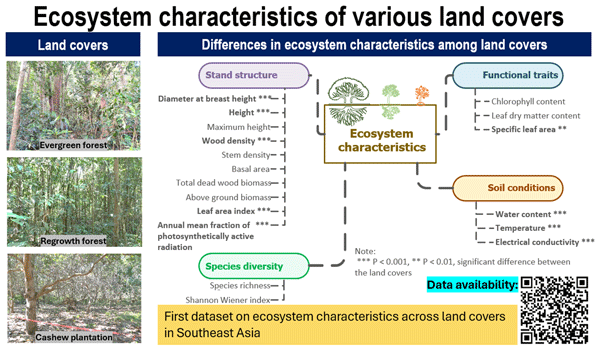
We offer pairwise observed datasets that compare the characteristics of tropical ecosystems, specifically pristine forests, regrowth forests, and cashew plantations. Our findings uncover some key differences in their characteristics, emphasizing the influence of human activities on these ecosystems. By sharing our unique datasets, we hope to improve the knowledge of tropical forest ecosystems in Southeast Asia, advancing tropical research and tackling global environmental challenges.
John Marshall, Jose Gutierrez-Lopez, Daniel Metcalfe, Nataliia Kozii, and Hjalmar Laudon
EGUsphere, https://doi.org/10.5194/egusphere-2025-3328, https://doi.org/10.5194/egusphere-2025-3328, 2025
Preprint archived
Short summary
Short summary
The "two water-worlds hypothesis" has attracted significant public attention because it is an accessible way to describe the partitioning of water sources within catchments. This manuscript adds a new degree of complexity to that idea by recognizing that co-occurring tree species, which root at different depths, also use different water sources. So it leads to at least three water worlds.
Jianyong Ma, Almut Arneth, Benjamin Smith, Peter Anthoni, Xu-Ri, Peter Eliasson, David Wårlind, Martin Wittenbrink, and Stefan Olin
Geosci. Model Dev., 18, 3131–3155, https://doi.org/10.5194/gmd-18-3131-2025, https://doi.org/10.5194/gmd-18-3131-2025, 2025
Short summary
Short summary
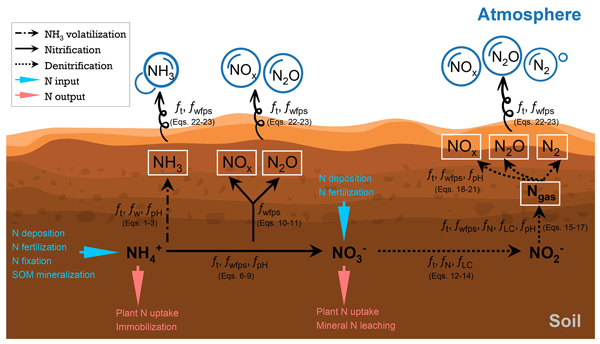
Nitrous oxide (N2O) is a powerful greenhouse gas mainly released from natural and agricultural soils. This study examines how global soil N2O emissions changed from 1961 to 2020 and identifies key factors driving these changes using an ecological model. The findings highlight croplands as the largest source, with factors like fertilizer use and climate change enhancing emissions. Rising CO2 levels, however, can partially mitigate N2O emissions through increased plant nitrogen uptake.
Chansopheaktra Sovann, Torbern Tagesson, Patrik Vestin, Sakada Sakhoeun, Soben Kim, Sothea Kok, and Stefan Olin
Earth Syst. Sci. Data Discuss., https://doi.org/10.5194/essd-2024-98, https://doi.org/10.5194/essd-2024-98, 2024
Revised manuscript not accepted
Short summary
Short summary
We offer pairwise observed datasets that compare the characteristics of tropical ecosystems, specifically pristine forests, regrowth forests, and cashew plantations. Our findings uncover some key differences in their characteristics, emphasizing the influence of human activities on these ecosystems. By sharing our unique datasets, we hope to improve the knowledge of tropical forest ecosystems in Southeast Asia, advancing tropical research, and tackling global environmental challenges.
Jennifer A. Holm, David M. Medvigy, Benjamin Smith, Jeffrey S. Dukes, Claus Beier, Mikhail Mishurov, Xiangtao Xu, Jeremy W. Lichstein, Craig D. Allen, Klaus S. Larsen, Yiqi Luo, Cari Ficken, William T. Pockman, William R. L. Anderegg, and Anja Rammig
Biogeosciences, 20, 2117–2142, https://doi.org/10.5194/bg-20-2117-2023, https://doi.org/10.5194/bg-20-2117-2023, 2023
Short summary
Short summary
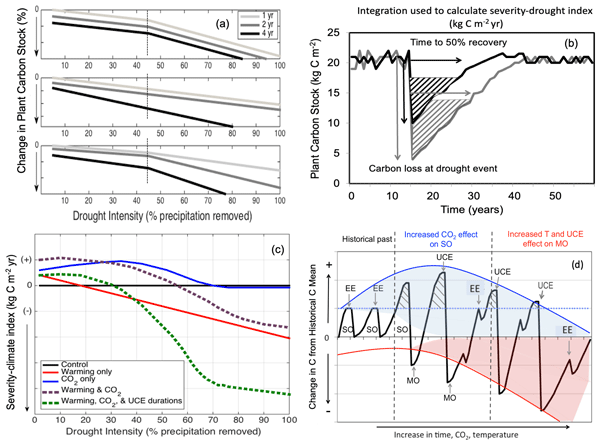
Unprecedented climate extremes (UCEs) are expected to have dramatic impacts on ecosystems. We present a road map of how dynamic vegetation models can explore extreme drought and climate change and assess ecological processes to measure and reduce model uncertainties. The models predict strong nonlinear responses to UCEs. Due to different model representations, the models differ in magnitude and trajectory of forest loss. Therefore, we explore specific plant responses that reflect knowledge gaps.
Lina Teckentrup, Martin G. De Kauwe, Gab Abramowitz, Andrew J. Pitman, Anna M. Ukkola, Sanaa Hobeichi, Bastien François, and Benjamin Smith
Earth Syst. Dynam., 14, 549–576, https://doi.org/10.5194/esd-14-549-2023, https://doi.org/10.5194/esd-14-549-2023, 2023
Short summary
Short summary
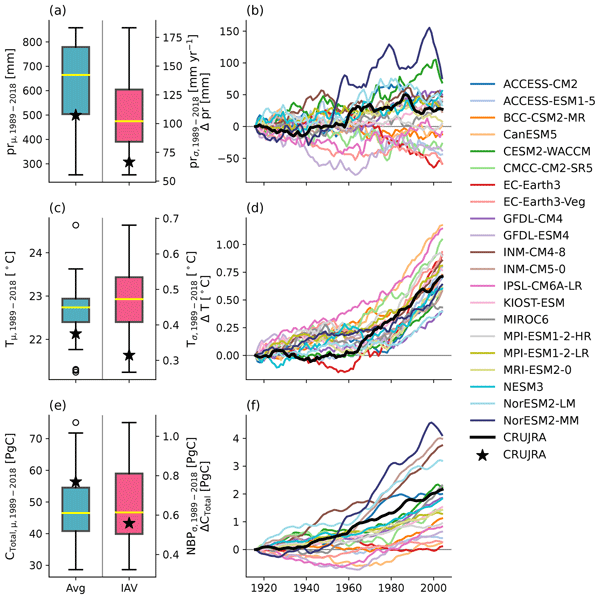
Studies analyzing the impact of the future climate on ecosystems employ climate projections simulated by global circulation models. These climate projections display biases that translate into significant uncertainty in projections of the future carbon cycle. Here, we test different methods to constrain the uncertainty in simulations of the carbon cycle over Australia. We find that all methods reduce the bias in the steady-state carbon variables but that temporal properties do not improve.
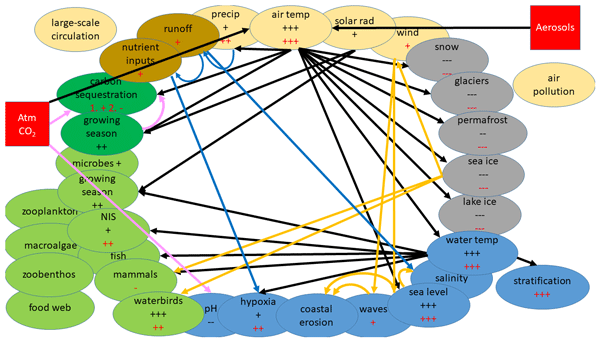
H. E. Markus Meier, Marcus Reckermann, Joakim Langner, Ben Smith, and Ira Didenkulova
Earth Syst. Dynam., 14, 519–531, https://doi.org/10.5194/esd-14-519-2023, https://doi.org/10.5194/esd-14-519-2023, 2023
Short summary
Short summary
The Baltic Earth Assessment Reports summarise the current state of knowledge on Earth system science in the Baltic Sea region. The 10 review articles focus on the regional water, biogeochemical and carbon cycles; extremes and natural hazards; sea-level dynamics and coastal erosion; marine ecosystems; coupled Earth system models; scenario simulations for the regional atmosphere and the Baltic Sea; and climate change and impacts of human use. Some highlights of the results are presented here.
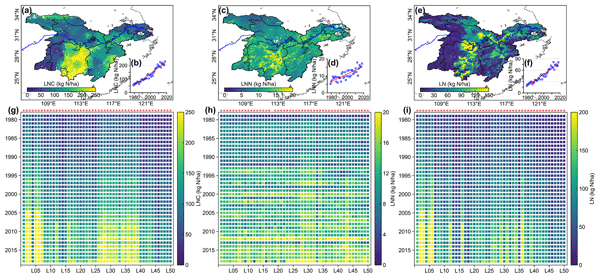
Qi Guan, Jing Tang, Lian Feng, Stefan Olin, and Guy Schurgers
Biogeosciences, 20, 1635–1648, https://doi.org/10.5194/bg-20-1635-2023, https://doi.org/10.5194/bg-20-1635-2023, 2023
Short summary
Short summary
Understanding terrestrial sources of nitrogen is vital to examine lake eutrophication changes. Combining process-based ecosystem modeling and satellite observations, we found that land-leached nitrogen in the Yangtze Plain significantly increased from 1979 to 2018, and terrestrial nutrient sources were positively correlated with eutrophication trends observed in most lakes, demonstrating the necessity of sustainable nitrogen management to control eutrophication.
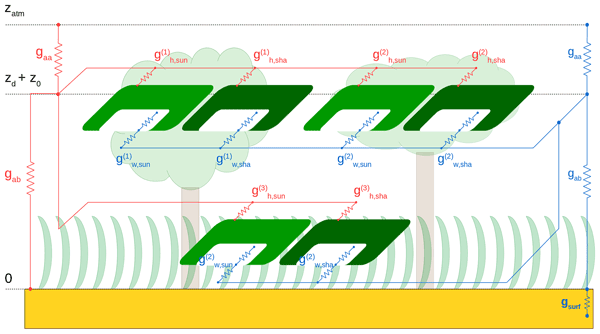
David Martín Belda, Peter Anthoni, David Wårlind, Stefan Olin, Guy Schurgers, Jing Tang, Benjamin Smith, and Almut Arneth
Geosci. Model Dev., 15, 6709–6745, https://doi.org/10.5194/gmd-15-6709-2022, https://doi.org/10.5194/gmd-15-6709-2022, 2022
Short summary
Short summary
We present a number of augmentations to the ecosystem model LPJ-GUESS, which will allow us to use it in studies of the interactions between the land biosphere and the climate. The new module enables calculation of fluxes of energy and water into the atmosphere that are consistent with the modelled vegetation processes. The modelled fluxes are in fair agreement with observations across 21 sites from the FLUXNET network.
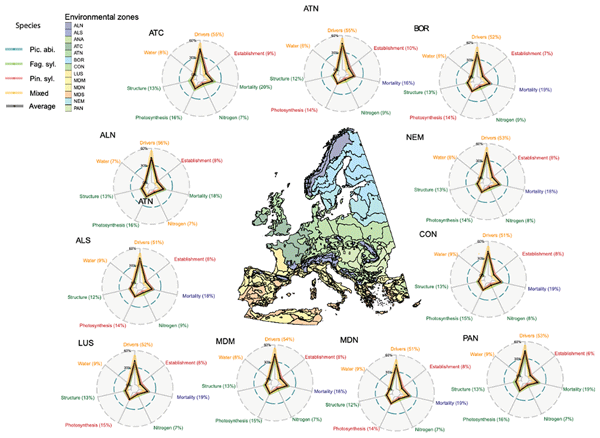
Johannes Oberpriller, Christine Herschlein, Peter Anthoni, Almut Arneth, Andreas Krause, Anja Rammig, Mats Lindeskog, Stefan Olin, and Florian Hartig
Geosci. Model Dev., 15, 6495–6519, https://doi.org/10.5194/gmd-15-6495-2022, https://doi.org/10.5194/gmd-15-6495-2022, 2022
Short summary
Short summary
Understanding uncertainties of projected ecosystem dynamics under environmental change is of immense value for research and climate change policy. Here, we analyzed these across European forests. We find that uncertainties are dominantly induced by parameters related to water, mortality, and climate, with an increasing importance of climate from north to south. These results highlight that climate not only contributes uncertainty but also modifies uncertainties in other ecosystem processes.
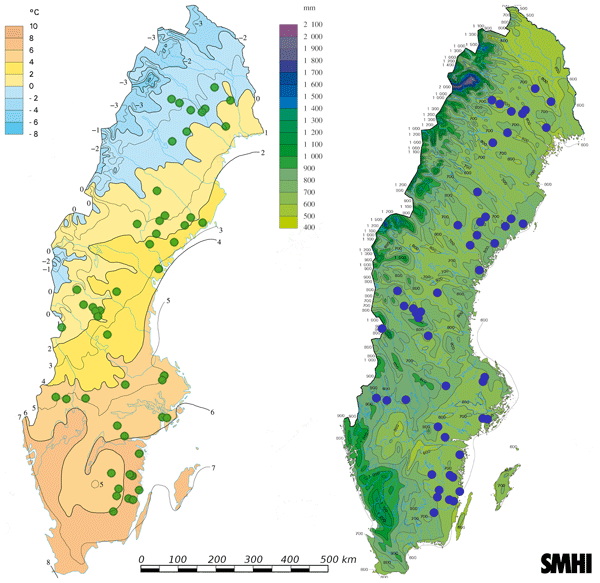
Johan A. Eckdahl, Jeppe A. Kristensen, and Daniel B. Metcalfe
Biogeosciences, 19, 2487–2506, https://doi.org/10.5194/bg-19-2487-2022, https://doi.org/10.5194/bg-19-2487-2022, 2022
Short summary
Short summary
This study found climate to be a driving force for increasing per area emissions of greenhouse gases and removal of important nutrients from high-latitude forests due to wildfire. It used detailed direct measurements over a large area to uncover patterns and mechanisms of restructuring of forest carbon and nitrogen pools that are extrapolatable to larger regions. It also takes a step forward in filling gaps in global knowledge of northern forest response to climate-change-strengthened wildfires.
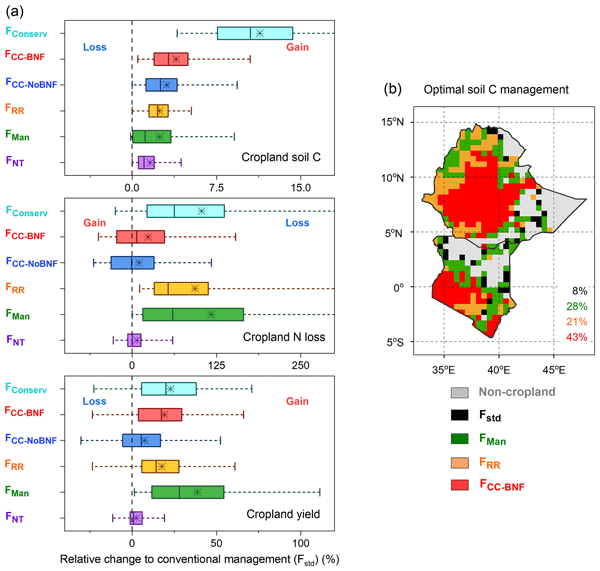
Jianyong Ma, Sam S. Rabin, Peter Anthoni, Anita D. Bayer, Sylvia S. Nyawira, Stefan Olin, Longlong Xia, and Almut Arneth
Biogeosciences, 19, 2145–2169, https://doi.org/10.5194/bg-19-2145-2022, https://doi.org/10.5194/bg-19-2145-2022, 2022
Short summary
Short summary
Improved agricultural management plays a vital role in protecting soils from degradation in eastern Africa. We simulated the impacts of seven management practices on soil carbon pools, nitrogen loss, and crop yield under different climate scenarios in this region. This study highlights the possibilities of conservation agriculture when targeting long-term environmental sustainability and food security in crop ecosystems, particularly for those with poor soil conditions in tropical climates.
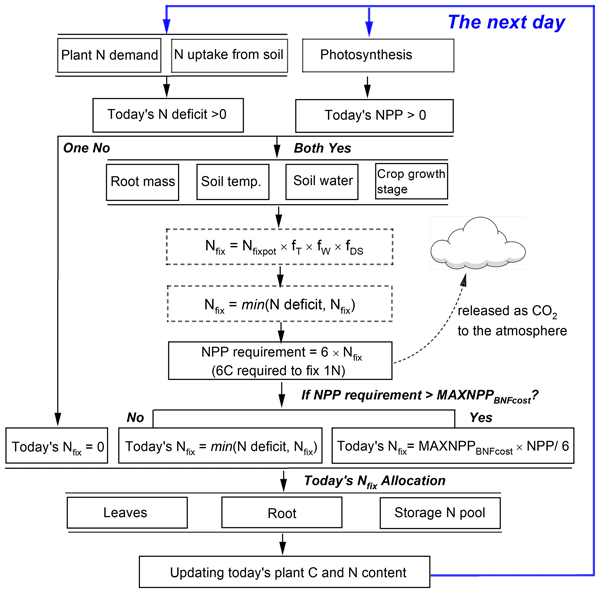
Jianyong Ma, Stefan Olin, Peter Anthoni, Sam S. Rabin, Anita D. Bayer, Sylvia S. Nyawira, and Almut Arneth
Geosci. Model Dev., 15, 815–839, https://doi.org/10.5194/gmd-15-815-2022, https://doi.org/10.5194/gmd-15-815-2022, 2022
Short summary
Short summary
The implementation of the biological N fixation process in LPJ-GUESS in this study provides an opportunity to quantify N fixation rates between legumes and to better estimate grain legume production on a global scale. It also helps to predict and detect the potential contribution of N-fixing plants as
green manureto reducing or removing the use of N fertilizer in global agricultural systems, considering different climate conditions, management practices, and land-use change scenarios.
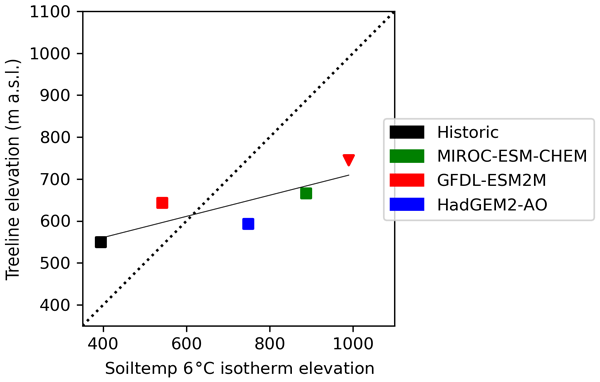
Adrian Gustafson, Paul A. Miller, Robert G. Björk, Stefan Olin, and Benjamin Smith
Biogeosciences, 18, 6329–6347, https://doi.org/10.5194/bg-18-6329-2021, https://doi.org/10.5194/bg-18-6329-2021, 2021
Short summary
Short summary
We performed model simulations of vegetation change for a historic period and a range of climate change scenarios at a high spatial resolution. Projected treeline advance continued at the same or increased rates compared to our historic simulation. Temperature isotherms advanced faster than treelines, revealing a lag in potential vegetation shifts that was modulated by nitrogen availability. At the year 2100 projected treelines had advanced by 45–195 elevational metres depending on the scenario.
Cited articles
Acharya, B. K., Chettri, B., and Vijayan, L.: Distribution pattern of trees along an elevation gradient of Eastern Himalaya, India, Acta Oecologica, 37, 329–336, https://doi.org/10.1016/j.actao.2011.03.005, 2011.
Ahmad, M., Luo, Y.-H., Rathee, S., Spicer, R. A., Zhang, J., Wambulwa, M. C., Zhu, G.-F., Cadotte, M. W., Wu, Z.-Y., Khan, S. M., Maity, D., Li, D.-Z., and Liu, J.: Multifaceted plant diversity patterns across the Himalaya: Status and outlook, Plant Divers., 47, 529–543, https://doi.org/10.1016/j.pld.2025.04.003, 2025.
Araghi, A. and Martinez, C. J.: Evaluation of CRU-JRA gridded meteorological dataset for modeling of wheat production systems in Iran, Int. J. Biometeorol., 68, 1201–1211, https://doi.org/10.1007/s00484-024-02659-9, 2024.
Asner, G. P., Anderson, C. B., Martin, R. E., Knapp, D. E., Tupayachi, R., Sinca, F., and Malhi, Y.: Landscape-scale changes in forest structure and functional traits along an Andes-to-Amazon elevation gradient, Biogeosciences, 11, 843–856, https://doi.org/10.5194/bg-11-843-2014, 2014.
Avolio, M. L., Forrestel, E. J., Chang, C. C., La Pierre, K. J., Burghardt, K. T., and Smith, M. D.: Demystifying dominant species, New Phytol., 223, 1106–1126, https://doi.org/10.1111/nph.15789, 2019.
Ayer, S., Yadav, B. K., and Bhatta, K. P.: What drives the regeneration dynamics in Central Himalayan Mountain Forests of Nepal?, Environ. Chall., 21, 101359, https://doi.org/10.1016/j.envc.2025.101359, 2025.
Bertness, M. D. and Callaway, R.: Positive interactions in communities, Trends Ecol. Evol., 9, 191–193, https://doi.org/10.1016/0169-5347(94)90088-4, 1994.
Bi, W. and Zhou, Y.: A global 0.05° dataset for gross primary production of sunlit and shaded vegetation canopies (1992–2020), DRYAD [data set], https://doi.org/10.5061/DRYAD.DFN2Z352K, 2022.
Brewer, J. S.: Disturbance-mediated competition between perennial plants along a resource supply gradient: Disturbances and competition, J. Ecol., 99, 1219–1228, https://doi.org/10.1111/j.1365-2745.2011.01846.x, 2011.
Brooker, R. W. and Kikvidze, Z.: Importance: an overlooked concept in plant interaction research, J. Ecol., 96, 703–708, https://doi.org/10.1111/j.1365-2745.2008.01373.x, 2008.
Bugmann, H., Fischlin, A., and Kienast, F.: Model convergence and state variable update in forest gap models, Ecol. Model., 89, 197–208, https://doi.org/10.1016/0304-3800(95)00135-2, 1996.
Colwell, Robert. K. and Lees, D. C.: The mid-domain effect: geometric constraints on the geography of species richness, Trends Ecol. Evol., 15, 70–76, https://doi.org/10.1016/S0169-5347(99)01767-X, 2000.
Coomes, D. A. and Allen, R. B.: Effects of size, competition and altitude on tree growth, J. Ecol., 95, 1084–1097, https://doi.org/10.1111/j.1365-2745.2007.01280.x, 2007.
De Frenne, P., Graae, B. J., Rodríguez-Sánchez, F., Kolb, A., Chabrerie, O., Decocq, G., De Kort, H., De Schrijver, A., Diekmann, M., Eriksson, O., Gruwez, R., Hermy, M., Lenoir, J., Plue, J., Coomes, D. A., and Verheyen, K.: Latitudinal gradients as natural laboratories to infer species' responses to temperature, J. Ecol., 101, 784–795, https://doi.org/10.1111/1365-2745.12074, 2013.
De Paula, M. D., Forrest, M., Langan, L., Bendix, J., Homeier, J., Velescu, A., Wilcke, W., and Hickler, T.: Nutrient cycling drives plant community trait assembly and ecosystem functioning in a tropical mountain biodiversity hotspot, New Phytol., 232, 551–566, https://doi.org/10.1111/nph.17600, 2021.
DFRS: State of Nepal's Forests, Department of Forest Research and Survey, Kathmandu, ISBN 978-9937-8896-3-6, 2015.
Dhakal, B. P.: Traits and species distribution along the altitudinal gradient of the Himalayas, Nepal, M.Sc. thesis, Wageningen University & Research, Wageningen, the Netherlands, 1–75, https://www.researchgate.net/publication/325780659_Traits_and_species_distribution_along_the_altitudinal_gradient_of_the_Himalayas_Nepal (last access: 10 July 2024), 2018.
Díaz, S., Kattge, J., Cornelissen, J. H. C., Wright, I. J., Lavorel, S., Dray, S., Reu, B., Kleyer, M., Wirth, C., Colin Prentice, I., Garnier, E., Bönisch, G., Westoby, M., Poorter, H., Reich, P. B., Moles, A. T., Dickie, J., Gillison, A. N., Zanne, A. E., Chave, J., Joseph Wright, S., Sheremet'ev, S. N., Jactel, H., Baraloto, C., Cerabolini, B., Pierce, S., Shipley, B., Kirkup, D., Casanoves, F., Joswig, J. S., Günther, A., Falczuk, V., Rüger, N., Mahecha, M. D., and Gorné, L. D.: The global spectrum of plant form and function, Nature, 529, 167–171, https://doi.org/10.1038/nature16489, 2016.
Drollinger, S., Müller, M., Kobl, T., Schwab, N., Böhner, J., Schickhoff, U., and Scholten, T.: Decreasing nutrient concentrations in soils and trees with increasing elevation across a treeline ecotone in Rolwaling Himal, Nepal, J. Mt. Sci., 14, 843–858, https://doi.org/10.1007/s11629-016-4228-4, 2017.
Dyola, N., Sigdel, S. R., Liang, E., Babst, F., Camarero, J. J., Aryal, S., Chettri, N., Gao, S., Lu, X., Sun, J., Wang, T., Zhang, G., Zhu, H., Piao, S., and Peñuelas, J.: Species richness is a strong driver of forest biomass along broad bioclimatic gradients in the Himalayas, Ecosphere, 13, https://doi.org/10.1002/ecs2.4107, 2022.
Earth Resources Observation and Science (EROS) Center: Shuttle Radar Topography Mission (SRTM) 1 Arc-Second Global, USGS [data set], https://doi.org/10.5066/F7PR7TFT, 2000.
Earth Resources Observation and Science (EROS) Center: Global 30 Arc-Second Elevation (GTOPO30), USGS [data set], https://doi.org/10.5066/F7DF6PQS, 2017.
Falster, D. S., Duursma, R. A., Ishihara, M. I., Barneche, D. R., FitzJohn, R. G., Vårhammar, A., Aiba, M., Ando, M., Anten, N., Aspinwall, M. J., Baltzer, J. L., Baraloto, C., Battaglia, M., Battles, J. J., Bond-Lamberty, B., Van Breugel, M., Camac, J., Claveau, Y., Coll, L., Dannoura, M., Delagrange, S., Domec, J.-C., Fatemi, F., Feng, W., Gargaglione, V., Goto, Y., Hagihara, A., Hall, J. S., Hamilton, S., Harja, D., Hiura, T., Holdaway, R., Hutley, L. S., Ichie, T., Jokela, E. J., Kantola, A., Kelly, J. W. G., Kenzo, T., King, D., Kloeppel, B. D., Kohyama, T., Komiyama, A., Laclau, J.-P., Lusk, C. H., Maguire, D. A., Le Maire, G., Mäkelä, A., Markesteijn, L., Marshall, J., McCulloh, K., Miyata, I., Mokany, K., Mori, S., Myster, R. W., Nagano, M., Naidu, S. L., Nouvellon, Y., O'Grady, A. P., O'Hara, K. L., Ohtsuka, T., Osada, N., Osunkoya, O. O., Peri, P. L., Petritan, A. M., Poorter, L., Portsmuth, A., Potvin, C., Ransijn, J., Reid, D., Ribeiro, S. C., Roberts, S. D., Rodríguez, R., Saldaña-Acosta, A., Santa-Regina, I., Sasa, K., Selaya, N. G., Sillett, S. C., Sterck, F., Takagi, K., Tange, T., Tanouchi, H., Tissue, D., Umehara, T., Utsugi, H., Vadeboncoeur, M. A., Valladares, F., Vanninen, P., Wang, J. R., Wenk, E., Williams, R., De Aquino Ximenes, F., Yamaba, A., Yamada, T., Yamakura, T., Yanai, R. D., and York, R. A.: BAAD: a Biomass And Allometry Database for woody plants: Ecological Archives E096-128, Ecology, 96, 1445–1445, https://doi.org/10.1890/14-1889.1, 2015.
Freschet, G. T., Roumet, C., Comas, L. H., Weemstra, M., Bengough, A. G., Rewald, B., Bardgett, R. D., De Deyn, G. B., Johnson, D., Klimešová, J., Lukac, M., McCormack, M. L., Meier, I. C., Pagès, L., Poorter, H., Prieto, I., Wurzburger, N., Zadworny, M., Bagniewska-Zadworna, A., Blancaflor, E. B., Brunner, I., Gessler, A., Hobbie, S. E., Iversen, C. M., Mommer, L., Picon-Cochard, C., Postma, J. A., Rose, L., Ryser, P., Scherer-Lorenzen, M., Soudzilovskaia, N. A., Sun, T., Valverde-Barrantes, O. J., Weigelt, A., York, L. M., and Stokes, A.: Root traits as drivers of plant and ecosystem functioning: current understanding, pitfalls and future research needs, New Phytol., 232, 1123–1158, https://doi.org/10.1111/nph.17072, 2021.
Gautam, K. H. and Devoe, N. N.: Ecological and anthropogenic niches of sal (Shorea robusta Gaertn. f.) forest and prospects for multiple-product forest management – a review, For. Int. J. For. Res., 79, 81–101, https://doi.org/10.1093/forestry/cpi063, 2006.
Grime, J. P.: Competitive Exclusion in Herbaceous Vegetation, Nature, 242, 344–347, https://doi.org/10.1038/242344a0, 1973.
Guan, Y., Liu, J., Cui, W., Chen, D., Zhang, J., Lu, H., Maeda, E. E., Zeng, Z., and Beck, H. E.: Elevation Regulates the Response of Climate Heterogeneity to Climate Change, Geophys. Res. Lett., 51, e2024GL109483, https://doi.org/10.1029/2024GL109483, 2024.
Hall, A. R., Miller, A. D., Leggett, H. C., Roxburgh, S. H., Buckling, A., and Shea, K.: Diversity–disturbance relationships: frequency and intensity interact, Biol. Lett., 8, 768–771, https://doi.org/10.1098/rsbl.2012.0282, 2012.
Hickler, T., Smith, B., Sykes, M. T., Davis, M. B., Sugita, S., and Walker, K.: Using a Generalized Vegetation Model to Simulate Vegetation Dynamics in Northeastern USA, Ecology, 85, 519–530, https://doi.org/10.1890/02-0344, 2004.
Jackson, J. K..: Manual of Afforestation in Nepal, Second edn., Ministry of Forests and Soil Conservation, Forest Research and Survey Centre, Kathmandu, Nepal, 496 pp., http://frtc.gov.np/downloadfiles/book2-1702615738.pdf (last access: 1 June 2024), 1994.
Jucker, T., Fischer, F. J., Chave, J., et al.: Tallo: A global tree allometry and crown architecture database, Glob. Change Biol., 28, 5254–5268, https://doi.org/10.1111/gcb.16302, 2022.
Khanal, S. and Boer, M. M.: Plot-level estimates of aboveground biomass and soil organic carbon stocks from Nepal's forest inventory, Sci. Data, 10, 406, https://doi.org/10.1038/s41597-023-02314-9, 2023.
Khanal, S., Nolan, R. H., Medlyn, B. E., and Boer, M. M.: Disentangling contributions of allometry, species composition and structure to high aboveground biomass density of high-elevation forests, For. Ecol. Manag., 554, 121679, https://doi.org/10.1016/j.foreco.2023.121679, 2024.
Khanal, S., Nolan, R. H., Medlyn, B. E., and Boer, M. M.: Topoclimatic factors create favourable conditions for carbon-dense forests in the Central Himalayas, Sci. Rep., 15, 35134, https://doi.org/10.1038/s41598-025-19127-y, 2025.
Kumar, P., Kumar, A., Patil, M., Hussain, S., and Singh, A. N.: Factors influencing tree biomass and carbon stock in the Western Himalayas, India, Front. For. Glob. Change, 6, 1328694, https://doi.org/10.3389/ffgc.2023.1328694, 2024.
Lamarque, J.-F., Shindell, D. T., Josse, B., Young, P. J., Cionni, I., Eyring, V., Bergmann, D., Cameron-Smith, P., Collins, W. J., Doherty, R., Dalsoren, S., Faluvegi, G., Folberth, G., Ghan, S. J., Horowitz, L. W., Lee, Y. H., MacKenzie, I. A., Nagashima, T., Naik, V., Plummer, D., Righi, M., Rumbold, S. T., Schulz, M., Skeie, R. B., Stevenson, D. S., Strode, S., Sudo, K., Szopa, S., Voulgarakis, A., and Zeng, G.: The Atmospheric Chemistry and Climate Model Intercomparison Project (ACCMIP): overview and description of models, simulations and climate diagnostics, Geosci. Model Dev., 6, 179–206, https://doi.org/10.5194/gmd-6-179-2013, 2013.
Latombe, G., Burke, A., Vrac, M., Levavasseur, G., Dumas, C., Kageyama, M., and Ramstein, G.: Comparison of spatial downscaling methods of general circulation model results to study climate variability during the Last Glacial Maximum, Geosci. Model Dev., 11, 2563–2579, https://doi.org/10.5194/gmd-11-2563-2018, 2018.
Laurent, L., Mårell, A., Korboulewsky, N., Saïd, S., and Balandier, P.: How does disturbance affect the intensity and importance of plant competition along resource gradients?, For. Ecol. Manag., 391, 239–245, https://doi.org/10.1016/j.foreco.2017.02.003, 2017.
Li, H., Guo, Q., Yang, L., Quan, H., and Wang, S.: Seasonal Eco-Physiology Characteristics of Four Evergreen Rhododendron Species to the Subalpine Habitats, Forests, 13, 653, https://doi.org/10.3390/f13050653, 2022.
Liang, J., Ding, Z., Lie, G., Zhou, Z., Singh, P. B., Zhang, Z., and Hu, H.: Species richness patterns of vascular plants and their drivers along an elevational gradient in the central Himalayas, Glob. Ecol. Conserv., 24, e01279, https://doi.org/10.1016/j.gecco.2020.e01279, 2020.
Luitel, D. R., Jha, P. K., Siwakoti, M., Shrestha, M. L., and Munniappan, R.: Climatic Trends in Different Bioclimatic Zones in the, Climate, 8, 1–18, https://doi.org/10.3390/cli8110136, 2020.
Maharjan, S. K., Sterck, F. J., Dhakal, B. P., Makri, M., and Poorter, L.: Functional traits shape tree species distribution in the Himalayas, J. Ecol., 109, 3818–3834, https://doi.org/10.1111/1365-2745.13759, 2021.
Maletha, A., Maikhuri, R. K., Bargali, S. S., Sharma, A., Negi, V. S., and Rawat, L. S.: Vegetation dynamics and soil nutrient availability in a temperate forest along altitudinal gradient of Nanda Devi Biosphere Reserve, Western Himalaya, India, PLoS ONE, 17, 1–22, https://doi.org/10.1371/journal.pone.0275051, 2022.
Måren, I. E., Karki, S., Prajapati, C., Yadav, R. K., and Shrestha, B. B.: Facing north or south: Does slope aspect impact forest stand characteristics and soil properties in a semiarid trans-Himalayan valley?, J. Arid Environ., 121, 112–123, https://doi.org/10.1016/j.jaridenv.2015.06.004, 2015.
MoFSC: Conservation Landscapes of Nepal, Ministry of Forests and Soil Conservation, Kathmandu, Nepal, https://lib.icimod.org/records/2h0bn-8rw98 (last access: 14 June 2024), 2016.
Monteux, S., Blume-Werry, G., Gavazov, K., Kirchhoff, L., Krab, E. J., Lett, S., Pedersen, E. P., and Väisänen, M.: Controlling biases in targeted plant removal experiments, New Phytol., 242, 1835–1845, https://doi.org/10.1111/nph.19386, 2024.
Muñoz Mazón, M., Klanderud, K., Finegan, B., Veintimilla, D., Bermeo, D., Murrieta, E., Delgado, D., and Sheil, D.: How forest structure varies with elevation in old growth and secondary forest in Costa Rica, For. Ecol. Manag., 469, 118191, https://doi.org/10.1016/j.foreco.2020.118191, 2020.
Murtagh, F. and Legendre, P.: Ward's Hierarchical Agglomerative Clustering Method: Which Algorithms Implement Ward's Criterion?, J. Classif., 31, 274–295, https://doi.org/10.1007/s00357-014-9161-z, 2014.
Myneni, R., Knyazikhin, Y., and Park, T.: MYD15A2H MODIS/Aqua Leaf Area Index/FPAR 8-Day L4 Global 500m SIN Grid V006, NASA Land Processes Distributed Active Archive Center [data set], https://doi.org/10.5067/MODIS/MYD15A2H.006, 2015.
Naud, L., Måsviken, J., Freire, S., Angerbjörn, A., Dalén, L., and Dalerum, F.: Altitude effects on spatial components of vascular plant diversity in a subarctic mountain tundra, Ecol. Evol., 9, 4783–4795, https://doi.org/10.1002/ece3.5081, 2019.
Olson, D. M., Dinerstein, E., Wikramanayake, E. D., Burgess, N. D., Powell, G. V. N., Underwood, E. C., D'amico, J. A., Itoua, I., Strand, H. E., Morrison, J. C., Loucks, C. J., Allnutt, T. F., Ricketts, T. H., Kura, Y., Lamoreux, J. F., Wettengel, W. W., Hedao, P., and Kassem, K. R.: Terrestrial Ecoregions of the World: A New Map of Life on Earth, BioScience, 51, 933, https://doi.org/10.1641/0006-3568(2001)051[0933:TEOTWA]2.0.CO;2, 2001.
Paudel, P., Olin, S., and Smith, B.: LPJ-GUESS Code for Himalaya (Elevation gradient), Zenodo [code and data set], https://doi.org/10.5281/zenodo.17214801, 2025a.
Paudel, P., Olin, S., and Smith, B.: Forcing data and model output for Himalayas Elevation Gradient, Zenodo [data set], https://doi.org/10.5281/zenodo.17214851, 2025b.
Paudel, P., Olin, S., Tjoelker, M., Pontarp, M., Metcalfe, D., and Smith, B.: Impacts of Tree Allometry on Structure, Composition, Functioning and Competitive Interactions in Savanna Ecosystems on the Northern Australian Tropical Transect, J. Biogeogr., 53, e70131, https://doi.org/10.1111/jbi.70131, 2026.
Peng, S., Terrer, C., Smith, B., Ciais, P., Han, Q., Nan, J., Fisher, J. B., Chen, L., Deng, L., and Yu, K.: Carbon restoration potential on global land under water resource constraints, Nat. Water, 2, 1071–1081, https://doi.org/10.1038/s44221-024-00323-5, 2024.
Pierce, S., Brusa, G., Vagge, I., and Cerabolini, B. E. L.: Allocating CSR plant functional types: the use of leaf economics and size traits to classify woody and herbaceous vascular plants, Funct. Ecol., 27, 1002–1010, https://doi.org/10.1111/1365-2435.12095, 2013.
Pokhrel, S. and Sherpa, C.: Analyzing the relationship, distribution of tree species diversity, and above-ground biomass on the Chitwan-Annapurna landscape in Nepal, Int. J. For. Res., 2020, https://doi.org/10.1155/2020/2789753, 2020.
Poudel, A. S., Shrestha, B. B., Joshi, M. D., Muniappan, R., Adiga, A., Venkatramanan, S., and Jha, P. K.: Predicting the Current and Future Distribution of the Invasive Weed Ageratina adenophora in the Chitwan-Annapurna Landscape, Nepal, Mt. Res. Dev., 40, R61–R71, https://doi.org/10.1659/MRD-JOURNAL-D-19-00069.1, 2020.
Pugh, T. A. M., Arneth, A., Kautz, M., Poulter, B., and Smith, B.: Important role of forest disturbances in the global biomass turnover and carbon sinks, Nat. Geosci., 12, 730–735, https://doi.org/10.1038/s41561-019-0427-2, 2019.
Rabin, S. S., Melton, J. R., Lasslop, G., Bachelet, D., Forrest, M., Hantson, S., Kaplan, J. O., Li, F., Mangeon, S., Ward, D. S., Yue, C., Arora, V. K., Hickler, T., Kloster, S., Knorr, W., Nieradzik, L., Spessa, A., Folberth, G. A., Sheehan, T., Voulgarakis, A., Kelley, D. I., Prentice, I. C., Sitch, S., Harrison, S., and Arneth, A.: The Fire Modeling Intercomparison Project (FireMIP), phase 1: experimental and analytical protocols with detailed model descriptions, Geosci. Model Dev., 10, 1175–1197, https://doi.org/10.5194/gmd-10-1175-2017, 2017.
Satyakam, Zinta, G., Singh, R. K., and Kumar, R.: Cold adaptation strategies in plants – An emerging role of epigenetics and antifreeze proteins to engineer cold resilient plants, Front. Genet., 13, 909007, https://doi.org/10.3389/fgene.2022.909007, 2022.
Scherstjanoi, M., Kaplan, J. O., and Lischke, H.: Application of a computationally efficient method to approximate gap model results with a probabilistic approach, Geosci. Model Dev., 7, 1543–1571, https://doi.org/10.5194/gmd-7-1543-2014, 2014.
Shah, S., Shrestha, K. K., and Scheidegger, C.: Variation in Plant Functional Traits along Altitudinal Gradient and Land Use Types in Sagarmatha National Park and Buffer Zone, Nepal, Am. J. Plant Sci., 10, 595–614, https://doi.org/10.4236/ajps.2019.104043, 2019.
Shrestha, K. B., Hofgaard, A., and Vandvik, V.: Recent treeline dynamics are similar between dry and mesic areas of Nepal, central Himalaya, J. Plant Ecol., 8, 347–358, https://doi.org/10.1093/jpe/rtu035, 2015.
Sigdel, S. R., Liang, E., Wang, Y., Dawadi, B., and Camarero, J. J.: Tree-to-tree interactions slow down Himalayan treeline shifts as inferred from tree spatial patterns, J. Biogeogr., 47, 1816–1826, https://doi.org/10.1111/jbi.13840, 2020.
Sigdel, S. R., Liang, E., Rokaya, M. B., Rai, S., Dyola, N., Sun, J., Zhang, L., Zhu, H., Chettri, N., Chaudhary, R. P., Camarero, J. J., and Peñuelas, J.: Functional traits of a plant species fingerprint ecosystem productivity along broad elevational gradients in the Himalayas, Funct. Ecol., 383–394, https://doi.org/10.1111/1365-2435.14226, 2022.
Sitch, S., Smith, B., Prentice, I. C., Arneth, A., Bondeau, A., Cramer, W., Kaplan, J. O., Levis, S., Lucht, W., Sykes, M. T., Thonicke, K., and Venevsky, S.: Evaluation of ecosystem dynamics, plant geography and terrestrial carbon cycling in the LPJ dynamic global vegetation model, Glob. Change Biol., 9, 161–185, https://doi.org/10.1046/j.1365-2486.2003.00569.x, 2003.
Smith, B. and Wilson, J. B.: A Consumer's Guide to Evenness Indices, Oikos, 76, 70, https://doi.org/10.2307/3545749, 1996.
Smith, B., Prentice, I. C., and Sykes, M. T.: Representation of vegetation dynamics in the modelling of terrestrial ecosystems: Comparing two contrasting approaches within European climate space, Glob. Ecol. Biogeogr., 10, 621–637, https://doi.org/10.1046/j.1466-822X.2001.t01-1-00256.x, 2001.
Smith, B., Wårlind, D., Arneth, A., Hickler, T., Leadley, P., Siltberg, J., and Zaehle, S.: Implications of incorporating N cycling and N limitations on primary production in an individual-based dynamic vegetation model, Biogeosciences, 11, 2027–2054, https://doi.org/10.5194/bg-11-2027-2014, 2014.
Thakur, D. and Chawla, A.: Functional diversity along elevational gradients in the high altitude vegetation of the western Himalaya, Biodivers. Conserv., 28, 1977–1996, https://doi.org/10.1007/s10531-019-01728-5, 2019.
Thakur, G., Kumar, P., Bhardwaj, D. R., Prakash, P., and Poonam: Dynamics of aboveground vegetation biomass and carbon stocks along the altitudinal gradients and overstorey composition types in the temperate Himalayan region, Trees For. People, 16, 100553, https://doi.org/10.1016/j.tfp.2024.100553, 2024.
Thakur, R. B. and Phulara, N. K. (Eds.): A compendium of tree species of Nepal, 2nd edn., D. K. Agencies (P) Ltd., Kathmandu, Nepal, 375 pp., ISBN 9789937275583, 2014.
Thorne, J. H., Choe, H., Dorji, L., Yangden, K., Wangdi, D., Phuntsho, Y., and Beardsley, K.: Species richness and turnover patterns for tropical and temperate plants on the elevation gradient of the eastern Himalayan Mountains, Front. Ecol. Evol., 10, 1–15, https://doi.org/10.3389/fevo.2022.942759, 2022.
Tito, R., Vasconcelos, H. L., and Feeley, K. J.: Mountain Ecosystems as Natural Laboratories for Climate Change Experiments, Front. For. Glob. Change, 3, 38, https://doi.org/10.3389/ffgc.2020.00038, 2020.
Tsunoda, Y., Tsuda, T., and Ohno, Y.: Influence of stand structure on tree height: A comparative study across 46 species, For. Ecol. Manag., 578, 122474, https://doi.org/10.1016/j.foreco.2024.122474, 2025.
Whittaker, R. H.: Dominance and Diversity in Land Plant Communities: Numerical relations of species express the importance of competition in community function and evolution, Science, 147, 250–260, https://doi.org/10.1126/science.147.3655.250, 1965.
Zhu, L., Zhang, Y., Ye, H., Li, Y., Hu, W., Du, J., and Zhao, P.: Variations in leaf and stem traits across two elevations in subtropical forests, Funct. Plant Biol., 49, 319–332, https://doi.org/10.1071/FP21220, 2022.
Short summary
We used computer simulations to study how vegetation changes from low to high elevations in the Himalayas. We found that competition between plants is more important in warm lowlands, while cold conditions limit plant growth at high elevations. These differences influence plant diversity, vegetation structure, and the amount of plant growth across mountain landscapes, showing how climate and plant strategies together shape ecosystems.
We used computer simulations to study how vegetation changes from low to high elevations in the...


Altmetrics
Final-revised paper
Preprint