
Articles | Volume 23, issue 15
https://doi.org/10.5194/bg-23-5593-2026
© Author(s) 2026. This work is distributed under
the Creative Commons Attribution 4.0 License.
the Creative Commons Attribution 4.0 License.
https://doi.org/10.5194/bg-23-5593-2026
© Author(s) 2026. This work is distributed under
the Creative Commons Attribution 4.0 License.
the Creative Commons Attribution 4.0 License.
Research article
| 
13 Aug 2026
Research article |
| 13 Aug 2026
| 13 Aug 2026
Uncertainty in Land Carbon Fluxes Simulated by CMIP6 Models from Treatments of Crop Distributions and Photosynthetic Pathways
Joseph Ovwemuvwose
CORRESPONDING AUTHOR

Department of Physics, Imperial College London, London, UK
Ian Colin Prentice
Georgina Mace Centre for the Living Planet, Department of Life Sciences, Imperial College London, London, UK
Department of Earth System Science, Tsinghua University, Beijing, China
Heather Graven
Department of Physics, Imperial College London, London, UK
Related authors
No articles found.
Vivek K. Arora, Chris D. Jones, Pierre Friedlingstein, Tatiana Ilyina, Guilherme L. Torres Mendonça, Benjamin Sanderson, Charles Koven, Heather Graven, Michio Kawamiya, Victor Brovkin, John Dunne, Forrest M. Hoffman, Julia Pongratz, James T. Randerson, Anastasia Romanou, Sönke Zaehle, and Kirsten Zickfeld
EGUsphere, https://doi.org/10.5194/egusphere-2026-5533, https://doi.org/10.5194/egusphere-2026-5533, 2026
This preprint is open for discussion and under review for Geoscientific Model Development (GMD).
Short summary
Short summary
Earth system models (ESM) are important tools for understanding how the Earth’s climate and carbon cycle interact, and how Earth system responds to anthropogenic CO2 emissions. The Coupled Climate-Carbon Cycle Model Intercomparison Project (C4MIP) compares Earth system models from around the world in context of climate and carbon cycle interactions. This manuscript describes the new set of experiments for C4MIP for the seventh phase of the coupled modelling intercomparison project (CMIP7).
Nabir Mamnun, Branwen Williams, Rena Mukherjee, Roberta L. Hansman, Rolf Sonnerup, Nikita Tournebise, Tim DeVries, and Heather Graven
Earth Syst. Sci. Data Discuss., https://doi.org/10.5194/essd-2026-691, https://doi.org/10.5194/essd-2026-691, 2026
Preprint under review for ESSD
Short summary
Short summary
Radiocarbon in the ocean reveals how seawater mixes and stores atmospheric carbon, yet measurements were spread across many separate studies. We compiled nearly 70,000 ship-based seawater and marine archive records from 1700 to 2024 into a harmonized global dataset, with quality checks and open archiving. The product captures pre-industrial conditions, changes from nuclear weapons testing, and recent decades, supporting climate and ocean model evaluation.
Thomas Laemmel, Dylan Geissbühler, Stephan Henne, Ryo Fujita, Heather Graven, Christophe Espic, Matthias Bantle, Negar Haghipour, Franz Conen, Dominik Brunner, Martin Steinbacher, Giulia Zazzeri, Samuel Hammer, Markus Leuenberger, and Sönke Szidat
Atmos. Chem. Phys., 26, 12019–12036, https://doi.org/10.5194/acp-26-12019-2026, https://doi.org/10.5194/acp-26-12019-2026, 2026
Short summary
Short summary
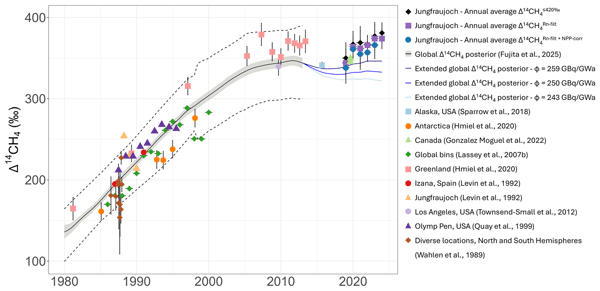
Carbon dioxide and methane are the two main anthropogenic greenhouse gases responsible for current climate change. Beside the measurement of their atmospheric concentration, the analysis of the abundance of their isotope carbon-14 (14C) gives hints about their origin, either biogenic or fossil. Here we present six years of atmospheric 14CH4 and 14CO2 measurements at a high-elevation alpine site in Switzerland (Jungfraujoch) and discuss the observed trends in both local and global views.
Wenyao Gan, Martin Best, Pier Luigi Vidale, I. Colin Prentice, and Sandy P. Harrison
EGUsphere, https://doi.org/10.5194/egusphere-2026-2804, https://doi.org/10.5194/egusphere-2026-2804, 2026
Short summary
Short summary
Plants dynamically adjust their photosynthetic capacity as environmental conditions change, but most land models represent this with fixed parameters set separately for each plant type. We added a simple optimality-based photosynthesis scheme to the Joint UK Land Environment Simulator, allowing photosynthetic capacity to acclimate, and tested it against flux-tower observations together with the standard setups. The new scheme improves simulated carbon uptake without worsening energy fluxes.
Matthew Forrest, Mateus Dantas de Paula, Filipe Gomes de Almeida, Sandy P. Harrison, I. Colin Prentice, and Thomas Hickler
EGUsphere, https://doi.org/10.5194/egusphere-2026-3273, https://doi.org/10.5194/egusphere-2026-3273, 2026
Short summary
Short summary
Global photosynthesis on land is a large flow of carbon in the Earth system which underpins food production and ecosystems. It is particularly important to know how it responds to climate change, but current vegetation models do not agree on this. We implemented a new photosynthesis model based on recent theoretical advances into a vegetation model. We found that it improved the representation of photosynthesis when compared both to global data from satellites and detailed site measurements.
Mengmeng Liu, Iain Colin Prentice, and Sandy P. Harrison
Clim. Past, 22, 205–226, https://doi.org/10.5194/cp-22-205-2026, https://doi.org/10.5194/cp-22-205-2026, 2026
Short summary
Short summary
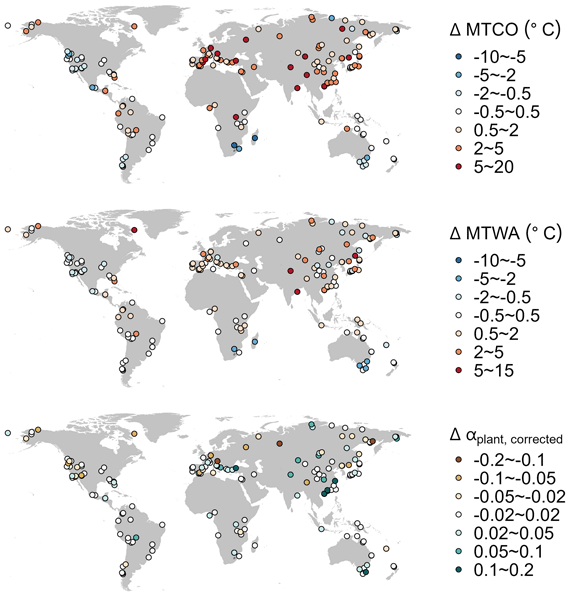
Dansgaard-Oeschger events were large and rapid climate transitions that occurred multiple times during the last glacial period. We reconstructed the global pattern during these events using fossil pollen records, and found a north-south antiphasing of temperature change, and reduced seasonality in the northern extratropics.
Amin Hassan, Iain Colin Prentice, and Xu Liang
Hydrol. Earth Syst. Sci., 30, 317–341, https://doi.org/10.5194/hess-30-317-2026, https://doi.org/10.5194/hess-30-317-2026, 2026
Short summary
Short summary
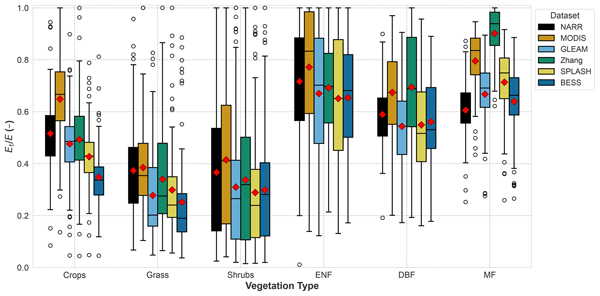
Evapotranspiration is evaporation that occurs from plants, soil, and water bodies, but determining these components is difficult. We developed a new method that uses measurements such as streamflow and rainfall to determine the portion of plant evaporation. We found differences among vegetation types and climate conditions, and showed that plant water use peaks in moderately dry regions. The results improve understanding of plant-water interactions and can help improve water and climate models.
Jierong Zhao, Boya Zhou, Sandy P. Harrison, and Colin Prentice
Earth Syst. Dynam., 16, 1655–1669, https://doi.org/10.5194/esd-16-1655-2025, https://doi.org/10.5194/esd-16-1655-2025, 2025
Short summary
Short summary
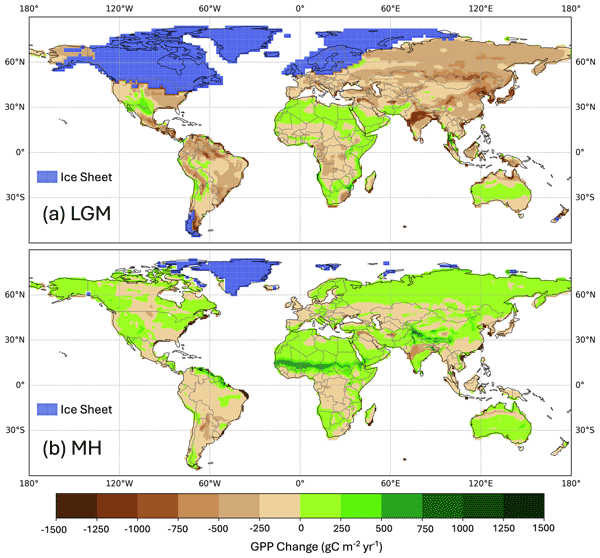
We used eco-evolutionary optimality modelling to examine how climate and CO2 impacted vegetation at the Last Glacial Maximum (LGM; 21 000 years ago) and the mid-Holocene (MH; 6000 years ago). Low CO2 at the LGM was as important as climate in reducing tree cover and productivity and in increasing C4 plant abundance. Climate had positive effects on MH vegetation, but the low CO2 was a constraint on plant growth. These results show it is important to consider changing CO2 to model ecosystem changes.
Giulia Zazzeri, Lukas Wacker, Negar Haghipour, Philip Gautschi, Thomas Laemmel, Sönke Szidat, and Heather Graven
Atmos. Meas. Tech., 18, 319–325, https://doi.org/10.5194/amt-18-319-2025, https://doi.org/10.5194/amt-18-319-2025, 2025
Short summary
Short summary
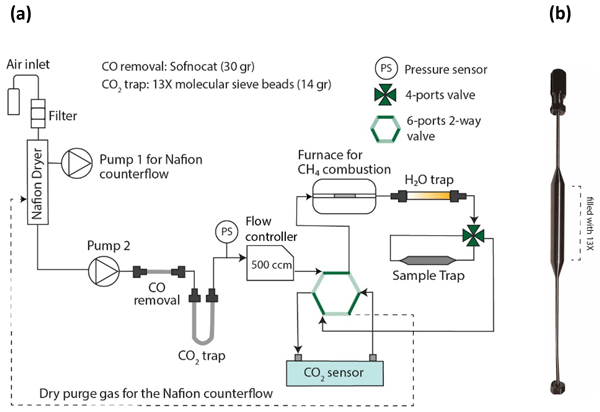
Radiocarbon (14C) is an optimal tracer of methane (CH4) emissions, as 14C measurements enable distinguishing between fossil methane and biogenic methane. However, these measurements are particularly challenging, mainly due to technical difficulties in the sampling procedure. We made the sample extraction much simpler and time efficient, providing a new technology that can be used by any research group, with the goal of expanding 14C measurements for an improved understanding of methane sources.
Alexander S. Brunmayr, Frank Hagedorn, Margaux Moreno Duborgel, Luisa I. Minich, and Heather D. Graven
Geosci. Model Dev., 17, 5961–5985, https://doi.org/10.5194/gmd-17-5961-2024, https://doi.org/10.5194/gmd-17-5961-2024, 2024
Short summary
Short summary
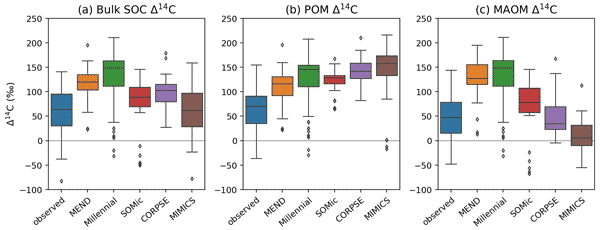
A new generation of soil models promises to more accurately predict the carbon cycle in soils under climate change. However, measurements of 14C (the radioactive carbon isotope) in soils reveal that the new soil models face similar problems to the traditional models: they underestimate the residence time of carbon in soils and may therefore overestimate the net uptake of CO2 by the land ecosystem. Proposed solutions include restructuring the models and calibrating model parameters with 14C data.
David Sandoval, Iain Colin Prentice, and Rodolfo L. B. Nóbrega
Geosci. Model Dev., 17, 4229–4309, https://doi.org/10.5194/gmd-17-4229-2024, https://doi.org/10.5194/gmd-17-4229-2024, 2024
Short summary
Short summary
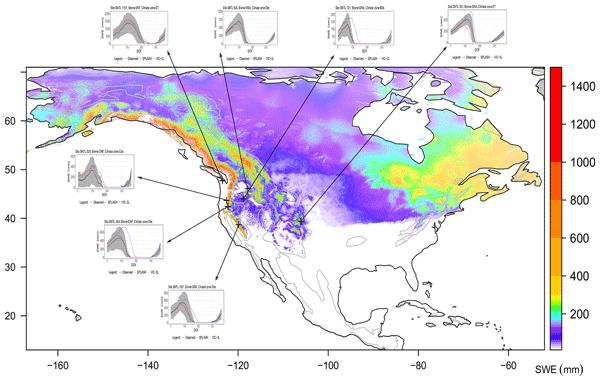
Numerous estimates of water and energy balances depend on empirical equations requiring site-specific calibration, posing risks of "the right answers for the wrong reasons". We introduce novel first-principles formulations to calculate key quantities without requiring local calibration, matching predictions from complex land surface models.
Katie R. Blackford, Matthew Kasoar, Chantelle Burton, Eleanor Burke, Iain Colin Prentice, and Apostolos Voulgarakis
Geosci. Model Dev., 17, 3063–3079, https://doi.org/10.5194/gmd-17-3063-2024, https://doi.org/10.5194/gmd-17-3063-2024, 2024
Short summary
Short summary
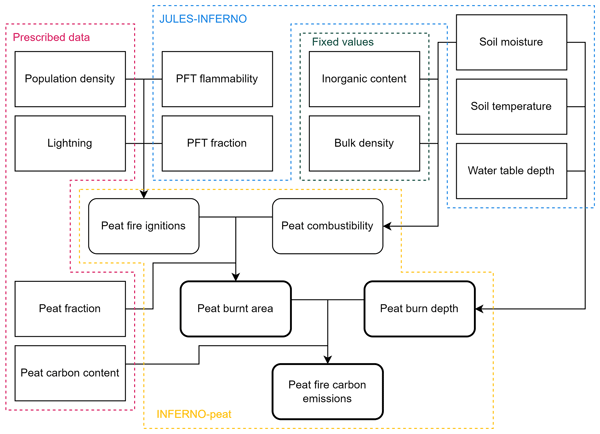
Peatlands are globally important stores of carbon which are being increasingly threatened by wildfires with knock-on effects on the climate system. Here we introduce a novel peat fire parameterization in the northern high latitudes to the INFERNO global fire model. Representing peat fires increases annual burnt area across the high latitudes, alongside improvements in how we capture year-to-year variation in burning and emissions.
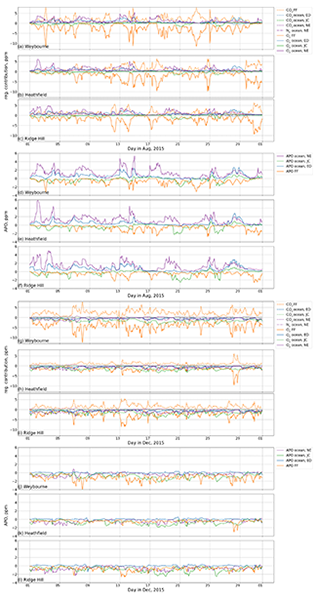
Hannah Chawner, Eric Saboya, Karina E. Adcock, Tim Arnold, Yuri Artioli, Caroline Dylag, Grant L. Forster, Anita Ganesan, Heather Graven, Gennadi Lessin, Peter Levy, Ingrid T. Luijkx, Alistair Manning, Penelope A. Pickers, Chris Rennick, Christian Rödenbeck, and Matthew Rigby
Atmos. Chem. Phys., 24, 4231–4252, https://doi.org/10.5194/acp-24-4231-2024, https://doi.org/10.5194/acp-24-4231-2024, 2024
Short summary
Short summary
The quantity of atmospheric potential oxygen (APO), derived from coincident measurements of carbon dioxide (CO2) and oxygen (O2), has been proposed as a tracer for fossil fuel CO2 emissions. In this model sensitivity study, we examine the use of APO for this purpose in the UK and compare our model to observations. We find that our model simulations are most sensitive to uncertainties relating to ocean fluxes and boundary conditions.
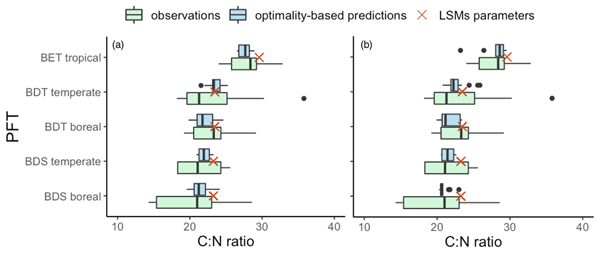
Huiying Xu, Han Wang, Iain Colin Prentice, and Sandy P. Harrison
Biogeosciences, 20, 4511–4525, https://doi.org/10.5194/bg-20-4511-2023, https://doi.org/10.5194/bg-20-4511-2023, 2023
Short summary
Short summary
Leaf carbon (C) and nitrogen (N) are crucial elements in leaf construction and physiological processes. This study reconciled the roles of phylogeny, species identity, and climate in stoichiometric traits at individual and community levels. The variations in community-level leaf N and C : N ratio were captured by optimality-based models using climate data. Our results provide an approach to improve the representation of leaf stoichiometry in vegetation models to better couple N with C cycling.
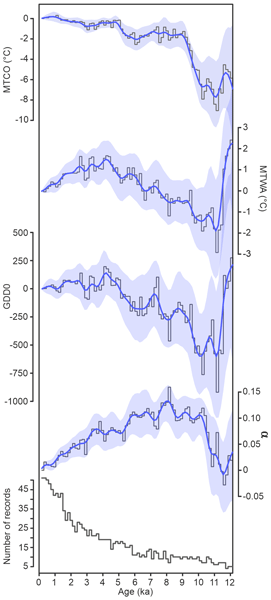
Esmeralda Cruz-Silva, Sandy P. Harrison, I. Colin Prentice, Elena Marinova, Patrick J. Bartlein, Hans Renssen, and Yurui Zhang
Clim. Past, 19, 2093–2108, https://doi.org/10.5194/cp-19-2093-2023, https://doi.org/10.5194/cp-19-2093-2023, 2023
Short summary
Short summary
We examined 71 pollen records (12.3 ka to present) in the eastern Mediterranean, reconstructing climate changes. Over 9000 years, winters gradually warmed due to orbital factors. Summer temperatures peaked at 4.5–5 ka, likely declining because of ice sheets. Moisture increased post-11 kyr, remaining high from 10–6 kyr before a slow decrease. Climate models face challenges in replicating moisture transport.
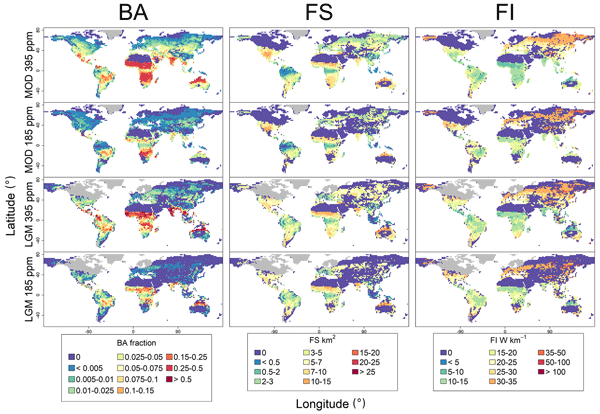
Olivia Haas, Iain Colin Prentice, and Sandy P. Harrison
Biogeosciences, 20, 3981–3995, https://doi.org/10.5194/bg-20-3981-2023, https://doi.org/10.5194/bg-20-3981-2023, 2023
Short summary
Short summary
We quantify the impact of CO2 and climate on global patterns of burnt area, fire size, and intensity under Last Glacial Maximum (LGM) conditions using three climate scenarios. Climate change alone did not produce the observed LGM reduction in burnt area, but low CO2 did through reducing vegetation productivity. Fire intensity was sensitive to CO2 but strongly affected by changes in atmospheric dryness. Low CO2 caused smaller fires; climate had the opposite effect except in the driest scenario.
Giulia Mengoli, Sandy P. Harrison, and I. Colin Prentice
EGUsphere, https://doi.org/10.5194/egusphere-2023-1261, https://doi.org/10.5194/egusphere-2023-1261, 2023
Preprint archived
Short summary
Short summary
Soil water availability affects plant carbon uptake by reducing leaf area and/or by closing stomata, which reduces its efficiency. We present a new formulation of how climatic dryness reduces both maximum carbon uptake and the soil-moisture threshold below which it declines further. This formulation illustrates how plants adapt their water conservation strategy to thrive in dry climates, and is step towards a better representation of soil-moisture effects in climate models.
Mengmeng Liu, Yicheng Shen, Penelope González-Sampériz, Graciela Gil-Romera, Cajo J. F. ter Braak, Iain Colin Prentice, and Sandy P. Harrison
Clim. Past, 19, 803–834, https://doi.org/10.5194/cp-19-803-2023, https://doi.org/10.5194/cp-19-803-2023, 2023
Short summary
Short summary
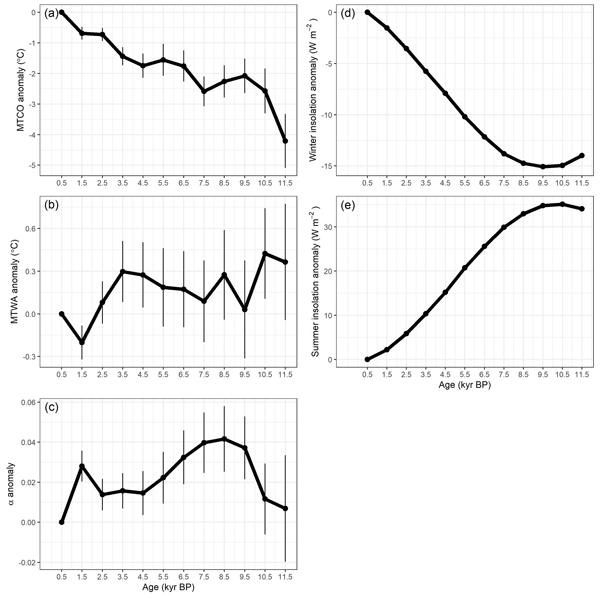
We reconstructed the Holocene climates in the Iberian Peninsula using a large pollen data set and found that the west–east moisture gradient was much flatter than today. We also found that the winter was much colder, which can be expected from the low winter insolation during the Holocene. However, summer temperature did not follow the trend of summer insolation, instead, it was strongly correlated with moisture.
Jing M. Chen, Rong Wang, Yihong Liu, Liming He, Holly Croft, Xiangzhong Luo, Han Wang, Nicholas G. Smith, Trevor F. Keenan, I. Colin Prentice, Yongguang Zhang, Weimin Ju, and Ning Dong
Earth Syst. Sci. Data, 14, 4077–4093, https://doi.org/10.5194/essd-14-4077-2022, https://doi.org/10.5194/essd-14-4077-2022, 2022
Short summary
Short summary
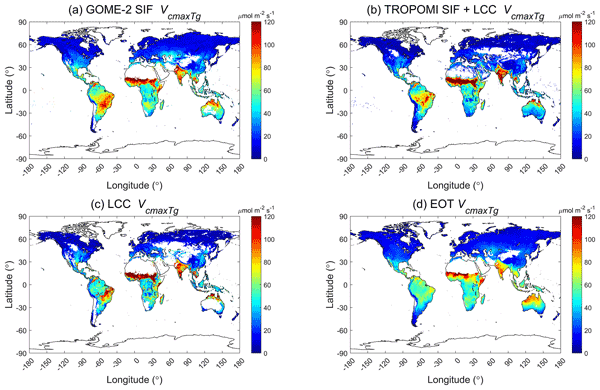
Green leaves contain chlorophyll pigments that harvest light for photosynthesis and also emit chlorophyll fluorescence as a byproduct. Both chlorophyll pigments and fluorescence can be measured by Earth-orbiting satellite sensors. Here we demonstrate that leaf photosynthetic capacity can be reliably derived globally using these measurements. This new satellite-based information overcomes a bottleneck in global ecological research where such spatially explicit information is currently lacking.
Yicheng Shen, Luke Sweeney, Mengmeng Liu, Jose Antonio Lopez Saez, Sebastián Pérez-Díaz, Reyes Luelmo-Lautenschlaeger, Graciela Gil-Romera, Dana Hoefer, Gonzalo Jiménez-Moreno, Heike Schneider, I. Colin Prentice, and Sandy P. Harrison
Clim. Past, 18, 1189–1201, https://doi.org/10.5194/cp-18-1189-2022, https://doi.org/10.5194/cp-18-1189-2022, 2022
Short summary
Short summary
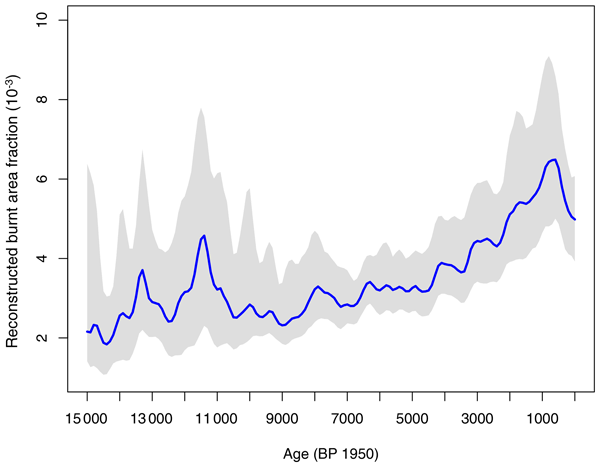
We present a method to reconstruct burnt area using a relationship between pollen and charcoal abundances and the calibration of charcoal abundance using modern observations of burnt area. We use this method to reconstruct changes in burnt area over the past 12 000 years from sites in Iberia. We show that regional changes in burnt area reflect known changes in climate, with a high burnt area during warming intervals and low burnt area when the climate was cooler and/or wetter than today.
Eric Saboya, Giulia Zazzeri, Heather Graven, Alistair J. Manning, and Sylvia Englund Michel
Atmos. Chem. Phys., 22, 3595–3613, https://doi.org/10.5194/acp-22-3595-2022, https://doi.org/10.5194/acp-22-3595-2022, 2022
Short summary
Short summary
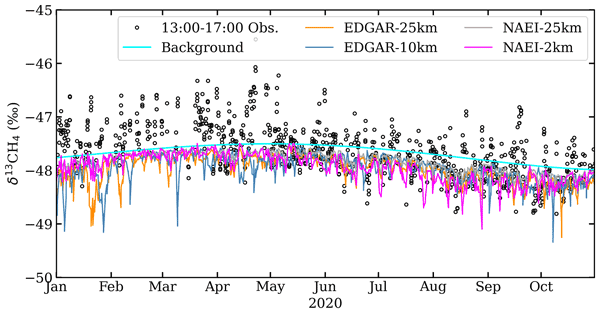
Continuous measurements of atmospheric methane concentrations and its carbon-13 isotope have been made in central London since early 2018. These measurements were used to evaluate methane emissions reported in global and UK-specific emission inventories for the London area. Compared to atmospheric methane measurements from March 2018 to October 2020, both inventories are under-reporting natural gas leakage for the London area.
Cited articles
Arora, V. K. and Boer, G. J.: Uncertainties in the 20th century carbon budget associated with land use change, Global Change Biol., 16, 3327–3348, https://doi.org/10.1111/J.1365-2486.2010.02202.X, 2010.
Arora, V. K., Katavouta, A., Williams, R. G., Jones, C. D., Brovkin, V., Friedlingstein, P., Schwinger, J., Bopp, L., Boucher, O., Cadule, P., Chamberlain, M. A., Christian, J. R., Delire, C., Fisher, R. A., Hajima, T., Ilyina, T., Joetzjer, E., Kawamiya, M., Koven, C. D., Krasting, J. P., Law, R. M., Lawrence, D. M., Lenton, A., Lindsay, K., Pongratz, J., Raddatz, T., Séférian, R., Tachiiri, K., Tjiputra, J. F., Wiltshire, A., Wu, T., and Ziehn, T.: Carbon–concentration and carbon–climate feedbacks in CMIP6 models and their comparison to CMIP5 models, Biogeosciences, 17, 4173–4222, https://doi.org/10.5194/bg-17-4173-2020, 2020.
Campbell, J. E., Berry, J. A., Seibt, U., Smith, S. J., Montzka, S. A., Launois, T., Belviso, S., Bopp, L., and Laine, M.: Large historical growth in global terrestrial gross primary production, Nature, 544, 84–87, https://doi.org/10.1038/nature22030, 2017.
Chen, Y. C.: A tutorial on kernel density estimation and recent advances, Biostatistics and Epidemiology, 1, 161–187, https://doi.org/10.1080/24709360.2017.1396742, 2017.
Chiang, F., Mazdiyasni, O., and AghaKouchak, A.: Evidence of anthropogenic impacts on global drought frequency, duration, and intensity, Nat. Commun., 12, https://doi.org/10.1038/s41467-021-22314-w, 2021.
Clark, D. B., Mercado, L. M., Sitch, S., Jones, C. D., Gedney, N., Best, M. J., Pryor, M., Rooney, G. G., Essery, R. L. H., Blyth, E., Boucher, O., Harding, R. J., Huntingford, C., and Cox, P. M.: The Joint UK Land Environment Simulator (JULES), model description – Part 2: Carbon fluxes and vegetation dynamics, Geosci. Model Dev., 4, 701–722, https://doi.org/10.5194/gmd-4-701-2011, 2011.
Cornwell, W. K., Wright, I. J., Turner, J., Maire, V., Barbour, M. M., Cernusak, L. A., Dawson, T., Ellsworth, D., Farquhar, G. D., Griffiths, H., Keitel, C., Knohl, A., Reich, P. B., Williams, D. G., Bhaskar, R., Cornelissen, J. H. C., Richards, A., Schmidt, S., Valladares, F.,Körner, C., Schulze, E., Buchmann, N., and Santiago, L. S.: Climate and soils together regulate photosynthetic carbon isotope discrimination within C3 plants worldwide, Global Ecol. Biogeogr., 27, 1056–1067, https://doi.org/10.1111/geb.12764, 2018.
Cortés, J., Mahecha, M. D., Reichstein, M., Myneni, R. B., Chen, C., and Brenning, A.: Where are global vegetation greening and browning trends significant?, Geophys. Res. Lett., 48, https://doi.org/10.1029/2020GL091496, 2021.
da Silva, R. G., Alves, R. de C., and Zingaretti, S. M.: Increased [CO2] causes changes in physiological and genetic responses in C4 crops: A brief review, Plants, 9, 1–13, https://doi.org/10.3390/plants9111567, 2020.
Ehleringer, J. R.: implications of quantum yield differences on the distributions of C3 and C4 grasses, Oecologia, 31, 255–267 https://doi.org/10.1007/BF00346246, 1978.
Ehleringer, J. and Björkman, O.: Quantum yields for CO2 uptake in C3 and C4 plants: dependence on temperature, CO2, and O2 concentration, Plant Physiol., 59, 86–90, https://doi.org/10.1104/pp.59.1.86, 1977.
Faroux, S., Kaptué Tchuenté, A. T., Roujean, J.-L., Masson, V., Martin, E., and Le Moigne, P.: ECOCLIMAP-II/Europe: a twofold database of ecosystems and surface parameters at 1 km resolution based on satellite information for use in land surface, meteorological and climate models, Geosci. Model Dev., 6, 563–582, https://doi.org/10.5194/gmd-6-563-2013, 2013.
Farquhar, G. D. and Lloyd, J.: Carbon and oxygen isotope effects in the exchange of carbon dioxide between trrestrial plants and the atmosphere, in: Stable Isotopes and Plant Carbon-water Relations, edited by: Ehleringer, J. R., Hall, A. E., Farquhar, G. D., Elsevier, 47–70, https://doi.org/10.1016/C2009-0-03312-1, 1993.
Farquhar, G. D., Ehleringer, J. R., and Hubick, K. T.: Carbon isotope discrimination and photosynthesis, Annu. Rev. Plant Physiol. Plant Mol. Bioi., 40, 503–37, https://doi.org/10.1146/annurev.pp.40.060189.002443, 1989.
Francey, R. and Farquhar, G.: An explanation of 13C/12C variations in tree rings, Nature, 297, 28–31, https://doi.org/10.1038/297028a0, 1982.
Fung, I., Field, C. B., Berry, J. A., Thompson, M. V., Randerson, J. T., Malmström, C. M., Vitousek, P. M., James Collatz, G., Sellers, P. J., Randall, D. A., Denning, A. S., Badeck, F., and John, J.: Carbon 13 exchanges between the atmosphere and biosphere, Global Biogeochem. Cy., 11, 507–533, https://doi.org/10.1029/97GB01751, 1997.
Gasser, T., Crepin, L., Quilcaille, Y., Houghton, R. A., Ciais, P., and Obersteiner, M.: Historical CO2 emissions from land use and land cover change and their uncertainty, Biogeosciences, 17, 4075–4101, https://doi.org/10.5194/bg-17-4075-2020, 2020.
Gier, B. K., Schlund, M., Friedlingstein, P., Jones, C. D., Jones, C., Zaehle, S., and Eyring, V.: Representation of the terrestrial carbon cycle in CMIP6, Biogeosciences, 21, 5321–5360, https://doi.org/10.5194/bg-21-5321-2024, 2024.
Griffis, T. J., Baker, J. M., Sargent, S. D., Erickson, M., Corcoran, J., Chen, M., and Billmark, K.: Influence of C4 vegetation on 13CO2 discrimination and isoforcing in the upper Midwest, United States, Global Biogeochem. Cy., 24, https://doi.org/10.1029/2009GB003768, 2010.
Harper, K. L., Lamarche, C., Hartley, A., Peylin, P., Ottlé, C., Bastrikov, V., San Martín, R., Bohnenstengel, S. I., Kirches, G., Boettcher, M., Shevchuk, R., Brockmann, C., and Defourny, P.: A 29 year time series of annual 300 m resolution plant-functional-type maps for climate models, Earth Syst. Sci. Data, 15, 1465–1499, https://doi.org/10.5194/essd-15-1465-2023, 2023.
Haxeltine, A. and Prentice, C. I.: BIOME3: An equilibrium terrestrial biosphere model based on ecophysiological constraints, resource availability, and competition among plant functional types, Global Biogeochem. Cy., 10, 693–709, https://doi.org/10.1029/96GB02344, 1996.
Hermida-Carrera, C., Kapralov, M. V., and Galmés, J.: Rubisco catalytic properties and temperature response in crops, Plant Physiol., 171, 2549–2561, https://doi.org/10.1104/pp.16.01846, 2016.
Hou, H., Zhou, B. B., Pei, F., Hu, G., Su, Z., Zeng, Y., Zhang, H., Gao, Y., Luo, M., and Li, X.: Future land use/land cover change has nontrivial and potentially dominant impact on global gross primary productivity, Earth's Future, 10, https://doi.org/10.1029/2021EF002628, 2022.
Houghton, R. A. and Castanho, A.: Annual emissions of carbon from land use, land-use change, and forestry from 1850 to 2020, Earth Syst. Sci. Data, 15, 2025–2054, https://doi.org/10.5194/essd-15-2025-2023, 2023.
Houghton, R. A., House, J. I., Pongratz, J., van der Werf, G. R., DeFries, R. S., Hansen, M. C., Le Quéré, C., and Ramankutty, N.: Carbon emissions from land use and land-cover change, Biogeosciences, 9, 5125–5142, https://doi.org/10.5194/bg-9-5125-2012, 2012.
Hu, X., He, Y., Kong, Z., Zhang, J., Yuan, M., Yu, L., Peng, C., and Zhu, Q.: Evaluation of future impacts of climate change, CO2, and land use cover change on global net primary productivity using a processed model, Land, 10, https://doi.org/10.3390/land10040365, 2021.
Hurtt, G. C., Chini, L., Sahajpal, R., Frolking, S., Bodirsky, B. L., Calvin, K., Doelman, J. C., Fisk, J., Fujimori, S., Klein Goldewijk, K., Hasegawa, T., Havlik, P., Heinimann, A., Humpenöder, F., Jungclaus, J., Kaplan, J. O., Kennedy, J., Krisztin, T., Lawrence, D., Lawrence, P., Ma, L., Mertz, O., Pongratz, J., Popp, A., Poulter, B., Riahi, K., Shevliakova, E., Stehfest, E., Thornton, P., Tubiello, F. N., van Vuuren, D. P., and Zhang, X.: Harmonization of global land use change and management for the period 850–2100 (LUH2) for CMIP6, Geosci. Model Dev., 13, 5425–5464, https://doi.org/10.5194/gmd-13-5425-2020, 2020.
Keeling, R. F., Graven, H. D., Welp, L. R., Resplandy, L., Bi, J., Piper, S. C., Sun, Y., Bollenbacher, A., and Meijer, H. A. J.: Atmospheric evidence for a global secular increase in carbon isotopic discrimination of land photosynthesis, P. Natl. Acad. Sci. USA, 114, 10361–10366, https://doi.org/10.1073/pnas.1619240114, 2017.
Lam, W. Y., Chatterton, J., Sim, S., Kulak, M., Mendoza Beltran, A., and Huijbregts, M. A. J.: Estimating greenhouse gas emissions from direct land use change due to crop production in multiple countries, Sci. Total Environ., 755, https://doi.org/10.1016/j.scitotenv.2020.143338, 2021.
Lavergne, A., Hemming, D., Prentice, I. C., Guerrieri, R., Oliver, R. J., and Graven, H.: Global decadal variability of plant carbon isotope discrimination and its link to gross primary production, Glob. Change Biol., 28, 524–541, https://doi.org/10.1111/gcb.15924, 2022.
Lavergne, A., Harrison, S. P., Atsawawaranunt, K., Dong, N., and Prentice, I. C.: Minimal impact of recent decline in C4 vegetation abundance on atmospheric carbon isotopic composition, Commun. Earth Environ., https://doi.org/10.1038/s43247-025-03102-6, 2026.
Luo, X., Zhou, H., Satriawan, T. W., Tian, J., Zhao, R., Keenan, T. F., Griffith, D. M., Sitch, S., Smith, N. G., and Still, C. J.: Mapping the global distribution of C4 vegetation using observations and optimality theory, Nat. Commun., 15, https://doi.org./10.1038/s41467-024-45606-3, 2024.
Molotoks, A., Stehfest, E., Doelman, J., Albanito, F., Fitton, N., Dawson, T. P., and Smith, P.: Global projections of future cropland expansion to 2050 and direct impacts on biodiversity and carbon storage, Glob. Change Biol., 24, 5895–5908, https://doi.org/10.1111/GCB.14459, 2018.
O'Neill, B. C., Tebaldi, C., van Vuuren, D. P., Eyring, V., Friedlingstein, P., Hurtt, G., Knutti, R., Kriegler, E., Lamarque, J.-F., Lowe, J., Meehl, G. A., Moss, R., Riahi, K., and Sanderson, B. M.: The Scenario Model Intercomparison Project (ScenarioMIP) for CMIP6, Geosci. Model Dev., 9, 3461–3482, https://doi.org/10.5194/gmd-9-3461-2016, 2016.
Ovwemuvwose, J.: CMIP6 Models Analysis Project, in: Biogeosciences, Zenodo [code], https://doi.org/10.5281/zenodo.16883407, 2025.
Peters, W., van der Velde, I. R., van Schaik, E., Miller, J. B., Ciais, P., Duarte, H. F., van der Laan-Luijkx, I. T., van der Molen, M. K., Scholze, M., Schaefer, K., Vidale, P. L., Verhoef, A., Wårlind, D., Zhu, D., Tans, P. P., Vaughn, B., and White, J. W. C.: Increased water-use efficiency and reduced CO2 uptake by plants during droughts at a continental scale, Nat. Geosci., 11, 744–748, https://doi.org/10.1038/s41561-018-0212-7, 2018.
Polley, H. W., Johnson, H. B., and Mayeux, H. S.: Increasing CO2: comparative responses of the C4 grass schizachyrium and grassland invader prosopis, Ecology, 75, https://doi.org/10.2307/1939421, 1994.
Potapov, P., Turubanova, S., Hansen, M. C., Tyukavina, A., Zalles, V., Khan, A., Song, X., Pickens, A., Shen, A., and Cortez, J.: Global maps of cropland extent and change show accelerated cropland expansion in the twenty-first century, Nat. Food, 3, 19–28, https://doi.org/10.1038/s43016-021-00429-z, 2022.
Sellar, A. A., Jones, C. G., Mulcahy, J. P., Tang, Y., Yool, A., Wiltshire, A., O'Connor, F. M., Stringer, M., Hill, R., Palmieri, J., Woodward, S., de Mora, L., Kuhlbrodt, T., Rumbold, S. T., Kelley, D. I., Ellis, R., Johnson, C. E., Walton, J., Abraham, N. L., Andrews, M. B., Andrews, T., Archibald, A. T., Berthou, S., Burke, E., Blockley, E. Carslaw, K., Dalvi, M., Edwards, J., Folberth, G. A., Gedney, N., Griffiths, P. T., Harper, A. B., Hendry, M. A., Hewitt, A. J., Johnson, B., Jones, A., Jones, C. D., Keeble, J., Liddicoat, S., Morgenstern, O., Parker, R. J., Predoi, V., Robertson, E., Siahaan, A., Smith, R. S., Swaminathan, R., Woodhouse, M. T., Zeng, G., and Zerroukat, M.: UKESM1: description and evaluation of the U.K. Earth System Model, J. Adv. Model. Earth Sy., 11, 4513–4558, https://doi.org/10.1029/2019MS001739, 2019.
Silverman, B. W.: Density Estimation for Statistics and Data Analysis, Monographs on Statistics and Applied Probability, 26, Chapman and Hall, London, ISBN 0412246201, https://ned.ipac.caltech.edu/level5/March02/Silverman/paper.pdf (last access: 27 July 2026), 1986.
Smith, T. and Boers, N.: Global vegetation resilience linked to water availability and variability, Nat. Commun., 14, https://doi.org/10.1038/s41467-023-36207-7, 2023.
Still, C. J., Berry, J. A., Collatz, G. J., and DeFries, R. S.: Global distribution of C3 and C4 vegetation: Carbon cycle implications, Global Biogeochem. Cy., 17, 1006, https://doi.org/10.1029/2001GB001807, 2003.
Voldoire, A., Saint-Martin, D., Sénési, S., Decharme, B., Alias, A., Chevallier, M., Colin, J., Guérémy, J. F., Michou, M., Moine, M. P., Nabat, P., Roehrig, R., Salas y Mélia, D., Séférian, R., Valcke, S., Beau, I., Belamari, S., Berthet, S., Cassou, C., Cattiaux, J., Deshayes, J., Douville, H., Ethé, C., Franchistéguy, L., Geoffroy, O., Lévy, C., Madec, G., Meurdesoif, Y., Msadek, R., Ribes, A., Sanchez-Gomez, E., Terray, L., and Waldman, R.: Evaluation of CMIP6 DECK Experiments With CNRM-CM6-1, J. Adv. Model. Earth Sy., 11, 2177–2213, https://doi.org/10.1029/2019MS001683, 2019.
Wang, J., Bretz, M., Dewan, M. A. A., and Delavar, M. A.: Machine learning in modelling land-use and land cover-change (LULCC): Current status, challenges and prospects, Sci. Total Environ., 822, https://doi.org/10.1016/j.scitotenv.2022.153559, 2022.
Winslow, J. C., Hunt Jr., E. R. and Piper, S. C.: The influence of seasonal water availability on global C3 versus C4 grassland biomass and its implications for climate change research, Ecol. Model., 163, 153–173, https://doi.org/10.1016/S0304-3800(02)00415-5, 2003.
Wullschleger, S. D., Epstein, H. E., Box, E. O., Euskirchen, E. S., Goswami, S., Iversen, C. M., Kattge, J., Norby, R. J., Van Bodegom, P. M., and Xu, X.: Plant functional types in earth system models: past experiences and future directions for application of dynamic vegetation models in high-latitude ecosystems, Ann. Bot.-London, 114, 1–16, https://doi.org/10.1093/aob/mcu077, 2014.
Zhao, R., Luo, X., Walker, A. P., Hoffman, F. M., and Koh, L. P.: Vegetation biogeography is a main source of uncertainty in modelling the land carbon cycle, Nat. Communm., https://doi.org/10.1038/s41467-025-67636-1, 2025.
Zscheischler, J., Mahecha, M. D., Von Buttlar, J., Harmeling, S., Jung, M., Rammig, A., Randerson, J. T., Schölkopf, B., Seneviratne, S. I., Tomelleri, E., Zaehle, S., and Reichstein, M.: A few extreme events dominate global interannual variability in gross primary production, Environ. Res. Lett., 9, https://doi.org/10.1088/1748-9326/9/3/035001, 2014.
Short summary
This work examines the roles of cropland representation and the treatment of photosynthetic pathways in the uncertainties of carbon flux simulations in Earth System Models (ESMs). Our results show that reducing these uncertainties will require improvements in the representation of C3 and C4 crops and natural vegetation area coverage, as well as the theories underpinning the simulation of their carbon uptake processes, specifically the implementation of photosynthetic pathways.
This work examines the roles of cropland representation and the treatment of photosynthetic...


Altmetrics
Final-revised paper
Preprint