
Articles | Volume 23, issue 16
https://doi.org/10.5194/bg-23-5741-2026
© Author(s) 2026. This work is distributed under
the Creative Commons Attribution 4.0 License.
the Creative Commons Attribution 4.0 License.
https://doi.org/10.5194/bg-23-5741-2026
© Author(s) 2026. This work is distributed under
the Creative Commons Attribution 4.0 License.
the Creative Commons Attribution 4.0 License.
Research article
| 
20 Aug 2026
Research article |
| 20 Aug 2026
| 20 Aug 2026
Spatial variability of Fe and Mn in surface lake sediments and its implications for paleoredox studies – a case study of Lake Łazduny (Poland)
Maurycy Żarczyński
CORRESPONDING AUTHOR

Department of Geomorphology and Quaternary Geology, Faculty of Oceanography and Geography, University of Gdańsk, Gdańsk, 80309, Poland
Dirk Enters
Lower Saxony Institute for Historical Coastal Research, 26382 Wilhelmshaven, Germany
Institute of Geography, University of Bremen, 28359 Bremen, Germany
Beata Szymczycha
Department of Marine Chemistry and Biochemistry, Institute of Oceanology of the Polish Academy of Sciences, Sopot, 81712, Poland
Wojciech Tylmann
Department of Geomorphology and Quaternary Geology, Faculty of Oceanography and Geography, University of Gdańsk, Gdańsk, 80309, Poland
Related authors
Wojciech Tylmann, Alicja Bonk, Dariusz Borowiak, Paulina Głowacka, Kamil Nowiński, Joanna Piłczyńska, Agnieszka Szczerba, and Maurycy Żarczyński
Earth Syst. Sci. Data, 15, 5093–5103, https://doi.org/10.5194/essd-15-5093-2023, https://doi.org/10.5194/essd-15-5093-2023, 2023
Short summary
Short summary
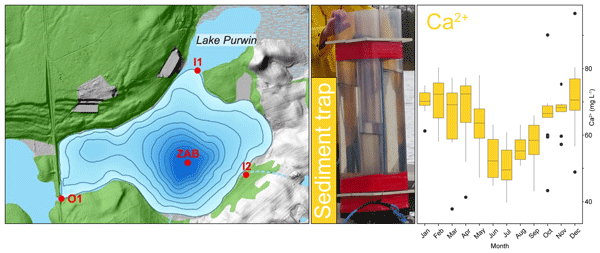
We present a dataset from the decade-long monitoring of Lake Żabińskie, a hardwater and eutrophic lake in northeast Poland. The lake contains varved sediments, which form a unique archive of past environmental variability. The monitoring program was designed to capture a pattern of relationships between meteorological conditions, limnological processes, and modern sedimentation and to verify if meteorological and limnological phenomena can be precisely tracked with varves.
Hermann Bange, Carolin Löscher, Damian Arévalo-Martínez, Stefano Bonaglia, Hanna Farnelid, Bo Gustafsson, Dana Hellemann, Jenny Hieronymus, Peeter Laas, Christian Lønborg, Natalie Loick-Wilde, Volker Matthias, Joseph Montoya, Sofia Saraiva, Vibe Schourup-Kristensen, Beata Szymczycha, Germo Väli, Maren Voss, Mindaugas Zilius, and Malin Olofsson
EGUsphere, https://doi.org/10.5194/egusphere-2026-5940, https://doi.org/10.5194/egusphere-2026-5940, 2026
This preprint is open for discussion and under review for Biogeosciences (BG).
Short summary
Short summary
The nitrogen cycle of the Baltic Sea has received considerable attention over the past five decades mainly due to the ongoing expansion of oxygen-free zones. Here we present a summary of the present state of the nitrogen cycle in the Baltic Sea, identify open research questions and suggest a way forward to address the open questions with the aim to reduce uncertainties in projections of the future nitrogen cycle which, in turn, can advance and help management measures for ecosystem restoration.
Lukasz Stachnik, Meri Korhonen, Jonathan R. Hawkings, Marlena Szeligowska, Katarzyna Koziorowska, Emilia Trudnowska, Karol Kuliński, Beata Szymczycha, Oskar Głowacki, Małgorzata Kitowska, Katarzyna Dragańska-Deja, Marcin Syczewski, Liane G. Benning, Pablo Forjanes, and Mateusz Moskalik
EGUsphere, https://doi.org/10.5194/egusphere-2026-4466, https://doi.org/10.5194/egusphere-2026-4466, 2026
Short summary
Short summary
By comparing two glacier-fed bays in an Arctic fjord, we found that larger glaciers ending in the sea deliver far more sediment and essential micronutrients (Fe, Mn) to coastal waters than smaller glaciers ending on land. We showed that many of these nutrients are transported in particles that can travel farther offshore. As glaciers continue to shrink and surrounding landscapes become more stable, the supply of these nutrients is likely to decline, potentially affecting productivity.
Emilia Trudnowska, Katarzyna Koziorowska, Anna M. Dąbrowska, Rafał Boehnke, Beata Szymczycha, Katarzyna Draganska-Deja, Łukasz Stachnik, Jon Hawkings, Meri Korhonen, Małgorzata Kitowska, Karol Kuliński, and Mateusz Moskalik
EGUsphere, https://doi.org/10.5194/egusphere-2026-2515, https://doi.org/10.5194/egusphere-2026-2515, 2026
Short summary
Short summary
Glacier retreat in Svalbard alters marine ecosystems, with marine snow linking chemistry, particles, and biota while driving carbon export. This study examines fine-scale variability in fjord waters, revealing strong seasonal and local differences in biogeochemistry, nutrients, plankton, and particles. Results highlight local heterogeneity in coupled physical–biogeochemical–ecological processes near retreating glaciers.
Seyed Reza Saghravani, Michael Ernst Böttcher, Wei-Li Hong, Karol Kuliński, Aivo Lepland, Arunima Sen, and Beata Szymczycha
Earth Syst. Sci. Data, 16, 3419–3431, https://doi.org/10.5194/essd-16-3419-2024, https://doi.org/10.5194/essd-16-3419-2024, 2024
Short summary
Short summary
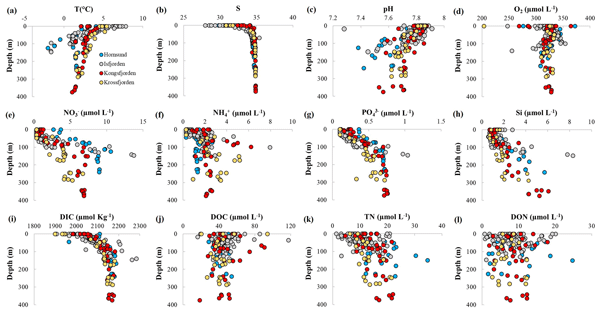
A comprehensive study conducted in 2021 examined the distributions of dissolved nutrients and carbon in the western Spitsbergen fjords during the high-melting season. Significant spatial variability was observed in the water column and pore water concentrations of constituents, highlighting the unique biogeochemical characteristics of each fjord and their potential impact on ecosystem functioning and oceanographic processes.
Wojciech Tylmann, Alicja Bonk, Dariusz Borowiak, Paulina Głowacka, Kamil Nowiński, Joanna Piłczyńska, Agnieszka Szczerba, and Maurycy Żarczyński
Earth Syst. Sci. Data, 15, 5093–5103, https://doi.org/10.5194/essd-15-5093-2023, https://doi.org/10.5194/essd-15-5093-2023, 2023
Short summary
Short summary
We present a dataset from the decade-long monitoring of Lake Żabińskie, a hardwater and eutrophic lake in northeast Poland. The lake contains varved sediments, which form a unique archive of past environmental variability. The monitoring program was designed to capture a pattern of relationships between meteorological conditions, limnological processes, and modern sedimentation and to verify if meteorological and limnological phenomena can be precisely tracked with varves.
Damian L. Arévalo-Martínez, Amir Haroon, Hermann W. Bange, Ercan Erkul, Marion Jegen, Nils Moosdorf, Jens Schneider von Deimling, Christian Berndt, Michael Ernst Böttcher, Jasper Hoffmann, Volker Liebetrau, Ulf Mallast, Gudrun Massmann, Aaron Micallef, Holly A. Michael, Hendrik Paasche, Wolfgang Rabbel, Isaac Santos, Jan Scholten, Katrin Schwalenberg, Beata Szymczycha, Ariel T. Thomas, Joonas J. Virtasalo, Hannelore Waska, and Bradley A. Weymer
Biogeosciences, 20, 647–662, https://doi.org/10.5194/bg-20-647-2023, https://doi.org/10.5194/bg-20-647-2023, 2023
Short summary
Short summary
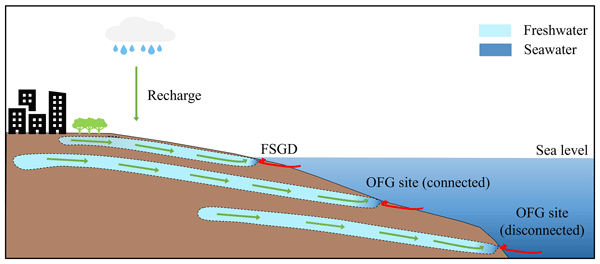
Groundwater flows at the land–ocean transition and the extent of freshened groundwater below the seafloor are increasingly relevant in marine sciences, both because they are a highly uncertain term of biogeochemical budgets and due to the emerging interest in the latter as a resource. Here, we discuss our perspectives on future research directions to better understand land–ocean connectivity through groundwater and its potential responses to natural and human-induced environmental changes.
Stella Birlo, Wojciech Tylmann, and Bernd Zolitschka
Geochronology, 5, 65–90, https://doi.org/10.5194/gchron-5-65-2023, https://doi.org/10.5194/gchron-5-65-2023, 2023
Short summary
Short summary
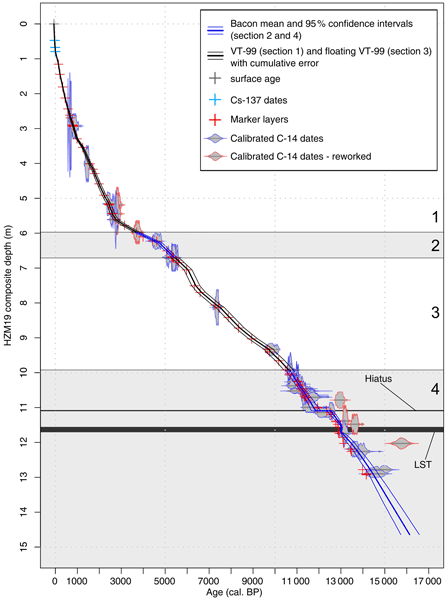
Sediment cores from the volcanic lake Holzmaar provide a very precise chronology based on tree-ring-like annual laminations or varves. We statistically combine this varve chronology with radiometric dating and tested three different methods to upgrade the age–depth model. However, only one of the three methods tested improved the dating accuracy considerably. With this work, an overview of different age integration methods is discussed and made available for increased future demands.
Karol Kuliński, Gregor Rehder, Eero Asmala, Alena Bartosova, Jacob Carstensen, Bo Gustafsson, Per O. J. Hall, Christoph Humborg, Tom Jilbert, Klaus Jürgens, H. E. Markus Meier, Bärbel Müller-Karulis, Michael Naumann, Jørgen E. Olesen, Oleg Savchuk, Andreas Schramm, Caroline P. Slomp, Mikhail Sofiev, Anna Sobek, Beata Szymczycha, and Emma Undeman
Earth Syst. Dynam., 13, 633–685, https://doi.org/10.5194/esd-13-633-2022, https://doi.org/10.5194/esd-13-633-2022, 2022
Short summary
Short summary
The paper covers the aspects related to changes in carbon, nitrogen, and phosphorus (C, N, P) external loads; their transformations in the coastal zone; changes in organic matter production (eutrophication) and remineralization (oxygen availability); and the role of sediments in burial and turnover of C, N, and P. Furthermore, this paper also focuses on changes in the marine CO2 system, the structure of the microbial community, and the role of contaminants for biogeochemical processes.
Marcus Reckermann, Anders Omstedt, Tarmo Soomere, Juris Aigars, Naveed Akhtar, Magdalena Bełdowska, Jacek Bełdowski, Tom Cronin, Michał Czub, Margit Eero, Kari Petri Hyytiäinen, Jukka-Pekka Jalkanen, Anders Kiessling, Erik Kjellström, Karol Kuliński, Xiaoli Guo Larsén, Michelle McCrackin, H. E. Markus Meier, Sonja Oberbeckmann, Kevin Parnell, Cristian Pons-Seres de Brauwer, Anneli Poska, Jarkko Saarinen, Beata Szymczycha, Emma Undeman, Anders Wörman, and Eduardo Zorita
Earth Syst. Dynam., 13, 1–80, https://doi.org/10.5194/esd-13-1-2022, https://doi.org/10.5194/esd-13-1-2022, 2022
Short summary
Short summary
As part of the Baltic Earth Assessment Reports (BEAR), we present an inventory and discussion of different human-induced factors and processes affecting the environment of the Baltic Sea region and their interrelations. Some are naturally occurring and modified by human activities, others are completely human-induced, and they are all interrelated to different degrees. The findings from this study can largely be transferred to other comparable marginal and coastal seas in the world.
Cited articles
Anderson, N. J.: Variability of diatom concentrations and accumulation rates in sediments of a small lake basin, Limnol. Oceanogr., 35, 497–508, https://doi.org/10.4319/lo.1990.35.2.0497, 1990.
Astakhov, A. S., Tiedemann, R., Murdmaa, I. O., Bogdanova, O. Yu., Mozherovsky, A. V., and Sereda, N. A.: Manganese carbonates in the upper quaternary sediments of the Deryugin basin (Sea of Okhotsk), Oceanology, 46, 716–729, https://doi.org/10.1134/S0001437006050122, 2006.
Bertrand, S., Tjallingii, R., Kylander, M. E., Wilhelm, B., Roberts, S. J., Arnaud, F., Brown, E., and Bindler, R.: Inorganic geochemistry of lake sediments: A review of analytical techniques and guidelines for data interpretation, Earth-Sci. Rev., 249, 104639, https://doi.org/10.1016/j.earscirev.2023.104639, 2024.
Blais, J. M. and Kalff, J.: The influence of lake morphometry on sediment focusing, Limnol. Oceanogr., 40, 582–588, https://doi.org/10.4319/lo.1995.40.3.0582, 1995.
Boehrer, B., von Rohden, C., and Schultze, M.: Physical Features of Meromictic Lakes: Stratification and Circulation, in: Ecology of Meromictic Lakes, vol. 228, edited by: Gulati, R. D., Zadereev, E. S., and Degermendzhi, A. G., Springer International Publishing, Cham, 15–34, https://doi.org/10.1007/978-3-319-49143-1_2, 2017.
Bonk, A., Tylmann, W., Amann, B., Enters, D., and Grosjean, M.: Modern limnology, sediment accumulation and varve formation processes in Lake Żabińskie, northeastern Poland: comprehensive process studies as a key to understand the sediment record, J. Limnol., 74, 358–370, https://doi.org/10.4081/jlimnol.2014.1117, 2015.
Burke, I. T. and Kemp, A. E. S.: Microfabric analysis of Mn-carbonate laminae deposition and Mn-sulfide formation in the Gotland Deep, Baltic Sea, Geochim. Cosmochim. Ac., 66, 1589–1600, https://doi.org/10.1016/S0016-7037(01)00860-2, 2002.
Couture, R.-M., Fischer, R., Van Cappellen, P., and Gobeil, C.: Non-steady state diagenesis of organic and inorganic sulfur in lake sediments, Geochim. Cosmochim. Ac., 194, 15–33, https://doi.org/10.1016/j.gca.2016.08.029, 2016.
Davison, W.: Iron and manganese in lakes, Earth-Sci. Rev., 34, 119–163, https://doi.org/10.1016/0012-8252(93)90029-7, 1993.
Davison, W., Woof, C., and Rigg, E.: The dynamics of iron and manganese in a seasonally anoxic lake; direct measurement of fluxes using sediment traps, Limnol. Oceanogr., 27, 987–1003, https://doi.org/10.4319/lo.1982.27.6.0987, 1982.
Dean, W. E. and Megard, R. O.: Environment of deposition of CaCO3 in Elk Lake, Minnesota, in: Geological Society of America Special Papers, vol. 276, Geological Society of America, 97–114, https://doi.org/10.1130/SPE276-p97, 1993.
DeGasparro, S. D., Beresford, D. V., Prater, C., and Frost, P. C.: Leaf litter decomposition in boreal lakes: variable mass loss and nutrient release ratios across a geographic gradient, Hydrobiologia, https://doi.org/10.1007/s10750-019-04140-w, 2019.
Dräger, N., Theuerkauf, M., Szeroczyńska, K., Wulf, S., Tjallingii, R., Plessen, B., Kienel, U., and Brauer, A.: Varve microfacies and varve preservation record of climate change and human impact for the last 6000 years at Lake Tiefer See (NE Germany), Holocene, 27, 450–464, https://doi.org/10.1177/0959683616660173, 2017.
Dresti, C., Rogora, M., and Fenocchi, A.: Hypolimnetic oxygen depletion in a deep oligomictic lake under climate change, Aquat. Sci., 85, 4, https://doi.org/10.1007/s00027-022-00902-2, 2022.
Engstrom, D. R. and Wright, H. E. J.: Chemical stratigraphy of lake sediments as a record of environmental change, in: Lake Sediments and Environmental History, edited by: Haworth, E. Y. and Lund, J. W. G., Leicester University Press, 11–67, ISBN 0718512200, 1984.
Engstrom, D. R., Swain, E. B., and Kingston, J. C.: A palaeolimnological record of human disturbance from Harvey's Lake, Vermont: geochemistry, pigments and diatoms, Freshwater Biol., 15, 261–288, https://doi.org/10.1111/j.1365-2427.1985.tb00200.x, 1985.
Filzmoser, P., Fritz, H., and Kalcher, K.: pcaPP: Robust PCA by Projection Pursuit, GitHub, https://github.com/valentint/pcaPP (last access: 1 June 2026), 2024.
Frederichs, T., von Dobeneck, T., Bleil, U., and Dekkers, M. J.: Towards the identification of siderite, rhodochrosite, and vivianite in sediments by their low-temperature magnetic properties, Phys. Chem. Earth, Parts A/B/C, 28, 669–679, https://doi.org/10.1016/S1474-7065(03)00121-9, 2003.
Häusler, K., Dellwig, O., Schnetger, B., Feldens, P., Leipe, T., Moros, M., Pollehne, F., Schönke, M., Wegwerth, A., and Arz, H. W.: Massive Mn carbonate formation in the Landsort Deep (Baltic Sea): Hydrographic conditions, temporal succession, and Mn budget calculations, Mar. Geol., 395, 260–270, https://doi.org/10.1016/j.margeo.2017.10.010, 2018.
He, W., You, L., Chen, M., Tuo, Y., Liao, N., Wang, H., and Li, J.: Varied sediment archive of Fe and Mn contents under changing reservoir mixing patterns, oxygenation regimes, and runoff inputs, Ecol. Indic., 147, 109967, https://doi.org/10.1016/j.ecolind.2023.109967, 2023.
Hongve, D.: Production of dissolved organic carbon in forested catchments, J. Hydrol., 224, 91–99, https://doi.org/10.1016/S0022-1694(99)00132-8, 1999.
Hounshell, A. G., McClure, R. P., Lofton, M. E., and Carey, C. C.: Whole‐ecosystem oxygenation experiments reveal substantially greater hypolimnetic methane concentrations in reservoirs during anoxia, Limnol. Oceanogr., 6, 33–42, https://doi.org/10.1002/lol2.10173, 2021.
Hutchins, D. A. and Bruland, K. W.: Iron-limited diatom growth and Si:N uptake ratios in a coastal upwelling regime, Nature, 393, 561–564, https://doi.org/10.1038/31203, 1998.
Hutorowicz, H., Grabowska, K., and Nowicka, A.: Charakterystyka warunków klimatycznych Pojezierza Mazurskiego, Zeszyty Problemowe Postępów Nauk Rolniczych, 431, 21–29, 1996.
Jane, S. F., Hansen, G. J. A., Kraemer, B. M., Leavitt, P. R., Mincer, J. L., North, R. L., Pilla, R. M., Stetler, J. T., Williamson, C. E., Woolway, R. I., Arvola, L., Chandra, S., DeGasperi, C. L., Diemer, L., Dunalska, J., Erina, O., Flaim, G., Grossart, H.-P., Hambright, K. D., Hein, C., Hejzlar, J., Janus, L. L., Jenny, J.-P., Jones, J. R., Knoll, L. B., Leoni, B., Mackay, E., Matsuzaki, S.-I. S., McBride, C., Müller-Navarra, D. C., Paterson, A. M., Pierson, D., Rogora, M., Rusak, J. A., Sadro, S., Saulnier-Talbot, E., Schmid, M., Sommaruga, R., Thiery, W., Verburg, P., Weathers, K. C., Weyhenmeyer, G. A., Yokota, K., and Rose, K. C.: Widespread deoxygenation of temperate lakes, Nature, 594, 66–70, https://doi.org/10.1038/s41586-021-03550-y, 2021.
Jenny, J.-P., Francus, P., Normandeau, A., Lapointe, F., Perga, M.-E., Ojala, A., Schimmelmann, A., and Zolitschka, B.: Global spread of hypoxia in freshwater ecosystems during the last three centuries is caused by rising local human pressure, Glob. Change Biol., 22, 1481–1489, https://doi.org/10.1111/gcb.13193, 2016a.
Jenny, J.-P., Normandeau, A., Francus, P., Taranu, Z. E., Gregory-Eaves, I., Lapointe, F., Jautzy, J., Ojala, A. E. K., Dorioz, J.-M., Schimmelmann, A., and Zolitschka, B.: Urban point sources of nutrients were the leading cause for the historical spread of hypoxia across European lakes, P. Natl. Acad. Sci. USA, 113, 12655–12660, https://doi.org/10.1073/pnas.1605480113, 2016b.
Jouve, G., Francus, P., Lamoureux, S., Provencher-Nolet, L., Hahn, A., Haberzettl, T., Fortin, D., and Nuttin, L.: Microsedimentological characterization using image analysis and μ-XRF as indicators of sedimentary processes and climate changes during Lateglacial at Laguna Potrok Aike, Santa Cruz, Argentina, Quaternary Sci. Rev., 71, 191–204, https://doi.org/10.1016/j.quascirev.2012.06.003, 2013.
Katsuta, N., Naito, S., Ikeda, H., Tanaka, K., Murakami, T., Ochiai, S., Miyata, Y., Shimizu, M., Hayano, A., Fukui, K., Hasegawa, H., Nagao, S., Nakagawa, M., Nagashima, K., Niwa, M., Murayama, M., Kagawa, M., and Kawakami, S.: Sedimentary rhythm of Mn-carbonate laminae induced by East Asian summer monsoon variability and human activity in Lake Ohnuma, southwest Hokkaido, northern Japan, Quaternary Sci. Rev., 248, 106576, https://doi.org/10.1016/j.quascirev.2020.106576, 2020.
Klaveness, D.: Morphology, distribution and significance of the manganese-accumulating microorganism metallogenium in lakes, Hydrobiologia, 56, 25–33, https://doi.org/10.1007/BF00023282, 1977.
Kylander, M. E., Ampel, L., Wohlfarth, B., and Veres, D.: High-resolution X-ray fluorescence core scanning analysis of Les Echets (France) sedimentary sequence: new insights from chemical proxies, J. Quaternary Sci., 26, 109–117, https://doi.org/10.1002/jqs.1438, 2011.
Li, J., Molot, L. A., Palmer, M. E., Winter, J. G., Young, J. D., and Stainsby, E. A.: Long-term changes in hypolimnetic dissolved oxygen in a large lake: Effects of invasive mussels, eutrophication and climate change on Lake Simcoe, 1980–2012, J. Great Lakes Res., 44, 779–787, https://doi.org/10.1016/j.jglr.2018.05.016, 2018.
Mackereth, F. J. H.: Some chemical observations on post-glacial lake sediments, Philos. T. R. Soc. Lond. B, 250, 165–213, https://doi.org/10.1098/rstb.1966.0001, 1966.
Marks, L., Dzierżek, J., Janiszewski, R., Kaczorowski, J., Lindner, L., Majecka, A., Makos, M., Szymanek, M., Tołoczko-Pasek, A., and Woronko, B.: Quaternary stratigraphy and palaeogeography of Poland, Acta Geol. Pol., 66, 410–434, https://doi.org/10.1515/agp-2016-0018, 2016.
Meister, P., Bernasconi, S. M., Aiello, I. W., Vasconcelos, C., and Mckenzie, J. A.: Depth and controls of Ca-rhodochrosite precipitation in bioturbated sediments of the Eastern Equatorial Pacific, ODP Leg 201, Site 1226 and DSDP Leg 68, Site 503, Sedimentology, 56, 1552–1568, https://doi.org/10.1111/j.1365-3091.2008.01046.x, 2009.
Müller, D., Tjallingii, R., Płóciennik, M., Luoto, T. P., Kotrys, B., Plessen, B., Ramisch, A., Schwab, M. J., Błaszkiewicz, M., Słowiński, M., and Brauer, A.: New insights into lake responses to rapid climate change: the Younger Dryas in Lake Gościąż, central Poland, Boreas, 50, 535–555, https://doi.org/10.1111/bor.12499, 2021.
Müller, P. J. and Schneider, R.: An automated leaching method for the determination of opal in sediments and particulate matter, Deep-Sea Res. Pt I, 40, 425–444, https://doi.org/10.1016/0967-0637(93)90140-X, 1993.
Naeher, S., Gilli, A., North, R. P., Hamann, Y., and Schubert, C. J.: Tracing bottom water oxygenation with sedimentary Mn/Fe ratios in Lake Zurich, Switzerland, Chem. Geol., 352, 125–133, https://doi.org/10.1016/j.chemgeo.2013.06.006, 2013.
Nuhfer, E. B., Anderson, R. Y., Bradbury, J. P., and Dean, W. E.: Modern sedimentation in Elk Lake, Clearwater County, Minnesota, Geological Society of America Special Papers, 276, 75–96, https://doi.org/10.1130/SPE276-p75, 1993.
Nürnberg, G. K.: The Anoxic Factor, a Quantitative Measure of Anoxia and Fish Species Richness in Central Ontario Lakes, T. Am. Fish. Soc., 124, 677–686, https://doi.org/10.1577/1548-8659(1995)124<0677:TAFAQM>2.3.CO;2, 1995.
Nychka, D. and Furrer, R.: fields: Tools for spatial data, GitHub, https://github.com/dnychka/fieldsRPackage (last access: 1 June 2026), 2021.
Ohlendorf, C.: A sample carrier for measuring discrete powdered samples with an ITRAX XRF core scanner, X-Ray Spectrom., 47, 58–62, https://doi.org/10.1002/xrs.2811, 2018.
Peterson, G. D., Beard, T. D., Beisner, B. E., Bennett, E. M., Carpenter, S. R., Cumming, G. S., Dent, C. L., and Havlicek, T. D.: Assessing Future Ecosystem Services: a Case Study of the Northern Highlands Lake District, Wisconsin, Conserv. Ecol., 7, https://www.ecologyandsociety.org/vol7/iss3/art1/ (last access: 1 June 2026), 2003.
Poraj-Górska, A. I., Bonk, A., Żarczyński, M., Kinder, M., and Tylmann, W.: Varved lake sediments as indicators of recent cultural eutrophication and hypolimnetic hypoxia in lakes, Anthropocene, 36, 100311, https://doi.org/10.1016/j.ancene.2021.100311, 2021.
R Core Team: R: A language and environment for statistical computing, https://cran.r-project.org (last access: 1 July 2025), 2025.
Roeser, P., Dräger, N., Brykała, D., Ott, F., Pinkerneil, S., Gierszewski, P., Lindemann, C., Plessen, B., Brademann, B., Kaszubski, M., Fojutowski, M., Schwab, M. J., Słowiński, M., Błaszkiewicz, M., and Brauer, A.: Advances in understanding calcite varve formation: new insights from a dual lake monitoring approach in the southern Baltic lowlands, Boreas, 50, 419–440, https://doi.org/10.1111/bor.12506, 2021.
Rowan, D. J., Kalff, J., and Rasmussen, J. B.: Estimating the Mud Deposition Boundary Depth in Lakes from Wave Theory, Can. J. Fish. Aquat. Sci., 49, 2490–2497, https://doi.org/10.1139/f92-275, 1992.
Sanchini, A., Szidat, S., Tylmann, W., Vogel, H., Wacnik, A., and Grosjean, M.: A Holocene high-resolution record of aquatic productivity, seasonal anoxia and meromixis from varved sediments of Lake Łazduny, North-Eastern Poland: insight from a novel multi-proxy approach, J. Quaternary Sci., 35, 1070–1080, https://doi.org/10.1002/jqs.3242, 2020.
Schaller, T. and Wehrli, B.: Geochemical-focusing of manganese in lake sediments – An indicator of deep-water oxygen conditions, Aquat. Geochem., 2, 359–378, https://doi.org/10.1007/BF00115977, 1997.
Scholtysik, G., Dellwig, O., Roeser, P., Arz, H. W., Casper, P., Herzog, C., Goldhammer, T., and Hupfer, M.: Geochemical focusing and sequestration of manganese during eutrophication of Lake Stechlin (NE Germany), Biogeochemistry, 151, 313–334, https://doi.org/10.1007/s10533-020-00729-9, 2020.
Sirota, I., Tjallingii, R., Pinkerneil, S., Schroeder, B., Albert, M., Kearney, R., Heiri, O., Breu, S., and Brauer, A.: Tracing rate and extent of human-induced hypoxia during the last 200 years in the mesotrophic lake, Tiefer See (NE Germany), Biogeosciences, 21, 4317–4339, https://doi.org/10.5194/bg-21-4317-2024, 2024.
Smol, J. P. and Stoermer, E. F. (Eds.): The Diatoms: Applications for the Environmental and Earth Sciences, 2nd edn., Cambridge University Press, Cambridge, https://doi.org/10.1017/CBO9780511763175, 2010.
Stevens, L. R., Ito, E., and Olson, D. E. L.: Relationship of Mn-carbonates in varved lake-sediments to catchment vegetation in Big Watab Lake, MN, USA, J. Paleolimnol., 24, 199–211, 2000.
Szczerba, A., Pla-Rabes, S., Żarczyński, M., and Tylmann, W.: The relationship between chrysophyte cyst assemblages and meteorological conditions: Evidence from a sediment-trap study in northeast Poland, Ecol. Indic., 133, 108395, https://doi.org/10.1016/j.ecolind.2021.108395, 2021.
Szczerba, A., Rzodkiewicz, M., and Tylmann, W.: Modern diatom assemblages and their association with meteorological conditions in two lakes in northeastern Poland, Ecol. Indic., 147, 110028, https://doi.org/10.1016/j.ecolind.2023.110028, 2023.
Tang, Y., Horikoshi, M., and Li, W.: ggfortify: Unified Interface to Visualize Statistical Results of Popular R Packages, R J., 8, 474, https://doi.org/10.32614/RJ-2016-060, 2016.
Templ, M., Hron, K., and Filzmoser, P.: robCompositions: an R-package for robust statistical analysis of compositional data, in: Compositional Data Analysis. Theory and Applications, edited by: Pawlowsky-Glahn, V. and Buccianti, A., John Wiley & Sons, Chichester, UK, 341–355, https://doi.org/10.1002/9781119976462.ch25, 2011.
Tessier, A., Campbell, P. G. C., and Bisson, M.: Sequential extraction procedure for the speciation of particulate trace metals, Anal. Chem., 51, 844–851, https://doi.org/10.1021/ac50043a017, 1979.
Tomczyk, A. M. and Bednorz, E.: Atlas klimatu Polski (1991–2020), Bogucki Wydawnictwo Naukowe, Poznań, ISBN 978-83-7986-415-7, 2022.
Tribovillard, N., Algeo, T. J., Lyons, T., and Riboulleau, A.: Trace metals as paleoredox and paleoproductivity proxies: An update, Chem. Geol., 232, 12–32, https://doi.org/10.1016/j.chemgeo.2006.02.012, 2006.
Tylmann, W.: Pobór i opróbowanie powierzchniowych, silnie uwodnionych osadów jeziornych o nienaruszonej strukturze – uwagi metodyczne i stosowany sprzęt, Przegląd Geologiczny, 55, 151–156, 2007.
Tylmann, W., Szpakowska, K., Ohlendorf, C., Woszczyk, M., and Zolitschka, B.: Conditions for deposition of annually laminated sediments in small meromictic lakes: a case study of Lake Suminko (northern Poland), J. Paleolimnol., 47, 55–70, https://doi.org/10.1007/s10933-011-9548-3, 2012.
Tylmann, W., Zolitschka, B., Enters, D., and Ohlendorf, C.: Laminated lake sediments in northeast Poland: distribution, preconditions for formation and potential for paleoenvironmental investigation, J. Paleolimnol., 50, 487–503, https://doi.org/10.1007/s10933-013-9741-7, 2013a.
Tylmann, W., Enters, D., Kinder, M., Moska, P., Ohlendorf, C., Poręba, G., and Zolitschka, B.: Multiple dating of varved sediments from Lake Łazduny, northern Poland: Toward an improved chronology for the last 150 years, Quat. Geochronol., 15, 98–107, https://doi.org/10.1016/j.quageo.2012.10.001, 2013b.
Tylmann, W., Głowacka, P., and Szczerba, A.: Tracking climate signals in varved lake sediments: research strategy and key sites for comprehensive process studies in the Masurian Lakeland, Limnol. Rev., 17, 159–166, https://doi.org/10.1515/limre-2017-0015, 2017.
Urban, N. R.: Retention of Sulfur in Lake Sediments, in: Environmental Chemistry of Lakes and Reservoirs, vol. 237, edited by: Baker, L. A., American Chemical Society, Washington, D.C., 323–369, https://doi.org/10.1021/ba-1994-0237.ch010, 1994.
Vegas-Vilarrúbia, T., Corella, J. P., Pérez-Zanón, N., Buchaca, T., Trapote, M. C., López, P., Sigró, J., and Rull, V.: Historical shifts in oxygenation regime as recorded in the laminated sediments of lake Montcortès (Central Pyrenees) support hypoxia as a continental-scale phenomenon, Sci. Total Environ., 612, 1577–1592, https://doi.org/10.1016/j.scitotenv.2017.08.148, 2018.
Wetzel, R. G.: Oxygen, in: Limnology (Third Edition), edited by: Wetzel, R. G., Academic Press, San Diego, 151–168, https://doi.org/10.1016/B978-0-08-057439-4.50013-7, 2001.
Wickham, H., Averick, M., Bryan, J., Chang, W., McGowan, L., François, R., Grolemund, G., Hayes, A., Henry, L., Hester, J., Kuhn, M., Pedersen, T., Miller, E., Bache, S., Müller, K., Ooms, J., Robinson, D., Seidel, D., Spinu, V., Takahashi, K., Vaughan, D., Wilke, C., Woo, K., and Yutani, H.: Welcome to the Tidyverse, Journal of Open Source Software, 4, 1686, https://doi.org/10.21105/joss.01686, 2019.
Wittkop, C., Swanner, E. D., Grengs, A., Lambrecht, N., Fakhraee, M., Myrbo, A., Bray, A. W., Poulton, S. W., and Katsev, S.: Evaluating a primary carbonate pathway for manganese enrichments in reducing environments, Earth Planet. Sc. Lett., 538, 116201, https://doi.org/10.1016/j.epsl.2020.116201, 2020.
Wood, S.: mgcv: Mixed GAM Computation Vehicle with Automatic Smoothness Estimation, https://cran.r-project.org/web/packages/mgcv/index.html (last access: 1 June 2026), 2019.
Woolway, R. I. and Merchant, C. J.: Worldwide alteration of lake mixing regimes in response to climate change, Nat. Geosci., 12, 271–276, https://doi.org/10.1038/s41561-019-0322-x, 2019.
Yuan, L. L. and Jones, J. R.: Modeling hypolimnetic dissolved oxygen depletion using monitoring data, Can. J. Fish. Aquat. Sci., 77, 814–823, https://doi.org/10.1139/cjfas-2019-0294, 2020.
Żarczyński, M., Wacnik, A., and Tylmann, W.: Tracing lake mixing and oxygenation regime using the Fe/Mn ratio in varved sediments: 2000 year-long record of human-induced changes from Lake Żabińskie (NE Poland), Sci. Total Environ., 657, 585–596, https://doi.org/10.1016/j.scitotenv.2018.12.078, 2019.
Żarczyński, M., Enters, D., Szymczycha, B., and Tylmann, W.: Lake Łazduny (NE Poland) limnological (2007–2010) and surface sediment geochemical data, Gdańsk University of Technology [data set], https://doi.org/10.34808/yak2-7w44, 2026.
Żarczyński, M., Zander, P. D., Grosjean, M., and Tylmann, W.: Linking the formation of varves in a eutrophic temperate lake to meteorological conditions and water column dynamics, Sci. Total Environ., 842, 156787, https://doi.org/10.1016/j.scitotenv.2022.156787, 2022.
Zimmerman, A. J. and Weindorf, D. C.: Heavy Metal and Trace Metal Analysis in Soil by Sequential Extraction: A Review of Procedures, Int. J. Anal. Chem., 2010, 387803, https://doi.org/10.1155/2010/387803, 2010.
Zolitschka, B., Francus, P., Ojala, A. E. K., and Schimmelmann, A.: Varves in lake sediments – a review, Quaternary Sci. Rev., 117, 1–41, https://doi.org/10.1016/j.quascirev.2015.03.019, 2015.
Short summary
Sediments of thirty-one short cores from a small lake in NE Poland were studied to better understand the elemental response of the deposits in relation to changing water column conditions. We found that iron (Fe) and manganese (Mn) burial is controlled by geochemical focusing – a tendency of elements to concentrate in a given spot – and that sediment lithology is intrinsically connected to prevailing oxygen conditions. This sheds new light on indicators of past water oxygenation.
Sediments of thirty-one short cores from a small lake in NE Poland were studied to better...


Altmetrics
Final-revised paper
Preprint