
Articles | Volume 23, issue 17
https://doi.org/10.5194/bg-23-6149-2026
© Author(s) 2026. This work is distributed under
the Creative Commons Attribution 4.0 License.
the Creative Commons Attribution 4.0 License.
https://doi.org/10.5194/bg-23-6149-2026
© Author(s) 2026. This work is distributed under
the Creative Commons Attribution 4.0 License.
the Creative Commons Attribution 4.0 License.
Research article
| 
07 Sep 2026
Research article |
| 07 Sep 2026
| 07 Sep 2026
Water, carbon, and light use efficiencies in an old hemiboreal coniferous forest: nine-year patterns under hydroclimatic variability
Svyatoslav Rogozin
CORRESPONDING AUTHOR

Institute of Ecology & Earth Sciences, University of Tartu, Tartu, Estonia
Alisa Krasnova
Institute of Ecology & Earth Sciences, University of Tartu, Tartu, Estonia
Ülo Mander
Institute of Ecology & Earth Sciences, University of Tartu, Tartu, Estonia
Kaido Soosaar
Institute of Ecology & Earth Sciences, University of Tartu, Tartu, Estonia
Related authors
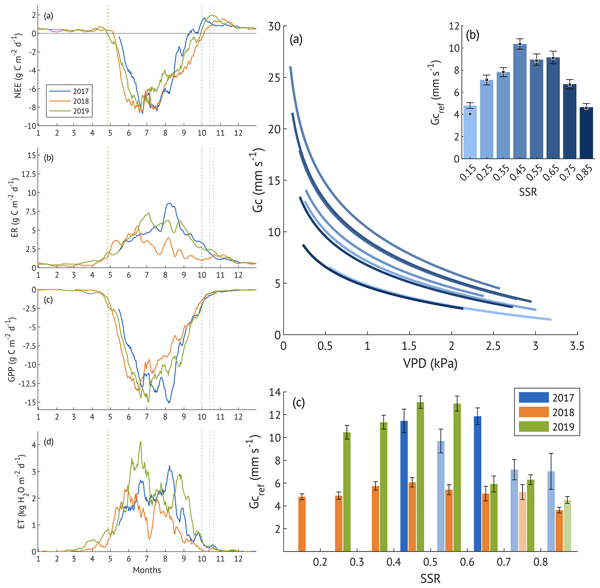
Alisa Krasnova, Kaido Soosaar, Svyatoslav Rogozin, Dmitrii Krasnov, and Ülo Mander
Biogeosciences, 22, 7089–7116, https://doi.org/10.5194/bg-22-7089-2025, https://doi.org/10.5194/bg-22-7089-2025, 2025
Short summary
Short summary
Riparian grey alder forests play a key role in carbon and water cycling, yet their response to climate extremes is understudied. Ecosystem flux data show that a mature alder forest remained a strong net carbon sink even during the 2018 drought, with increased spring uptake, reduced summer respiration, enhanced water use efficiency, and suppressed canopy conductance, demonstrating notable drought resilience.
Liang Chen, Matthias Peichl, Yunpeng Luo, Peng Zhao, Alisa Krasnova, and Frank Berninger
EGUsphere, https://doi.org/10.5194/egusphere-2026-1940, https://doi.org/10.5194/egusphere-2026-1940, 2026
Short summary
Short summary
We conducted a 15-year study of a pine forest to check how nitrogen fertilization affacts forest photosynthsis under dry conditions. We compared two nearby sites by analyzing long-term measurements of carbon exchange. Our results showed that fertilization increased photosynthesis even during summer droughts. However, it also made the forest more sensitive to both dry air and dry soil conditions. Our study suggesuts that the benefits of fertilization may be offset by drought.
Alisa Krasnova, Kaido Soosaar, Svyatoslav Rogozin, Dmitrii Krasnov, and Ülo Mander
Biogeosciences, 22, 7089–7116, https://doi.org/10.5194/bg-22-7089-2025, https://doi.org/10.5194/bg-22-7089-2025, 2025
Short summary
Short summary
Riparian grey alder forests play a key role in carbon and water cycling, yet their response to climate extremes is understudied. Ecosystem flux data show that a mature alder forest remained a strong net carbon sink even during the 2018 drought, with increased spring uptake, reduced summer respiration, enhanced water use efficiency, and suppressed canopy conductance, demonstrating notable drought resilience.
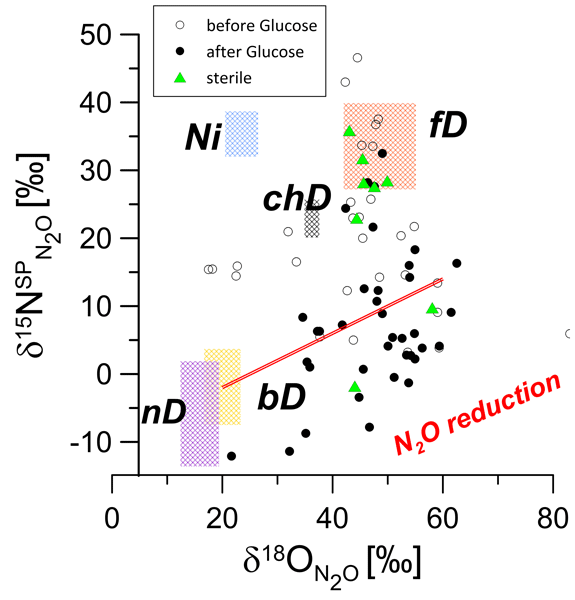
Sushmita Deb, Mikk Espenberg, Reinhard Well, Michał Bucha, Marta Jakubiak, Ülo Mander, Mariusz-Orion Jędrysek, and Dominika Lewicka-Szczebak
Biogeosciences, 22, 5535–5556, https://doi.org/10.5194/bg-22-5535-2025, https://doi.org/10.5194/bg-22-5535-2025, 2025
Short summary
Short summary
This study investigates nitrogen cycling in groundwater from an agricultural area using organic fertilizer. The research combines isotope and microbial studies to track transformations. High-nitrate samples were incubated with a low addition of 15N tracer. Results showed a shift from archaeal nitrification to bacterial denitrification under low oxygen with glucose, confirmed by isotope and microbial analyses. The findings offer insights for improving water quality and pollution management.
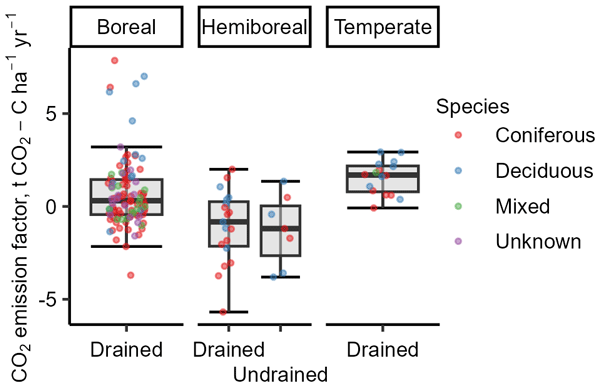
Aldis Butlers, Raija Laiho, Andis Lazdiņš, Thomas Schindler, Kaido Soosaar, Jyrki Jauhiainen, Arta Bārdule, Muhammad Kamil-Sardar, Ieva Līcīte, Valters Samariks, Andreas Haberl, Hanna Vahter, Dovilė Čiuldienė, Jani Anttila, and Kęstutis Armolaitis
Biogeosciences, 22, 4627–4647, https://doi.org/10.5194/bg-22-4627-2025, https://doi.org/10.5194/bg-22-4627-2025, 2025
Short summary
Short summary
A 2-year study assessed the soil carbon dioxide (CO2) balance of drained and undrained hemiboreal peatland forests across Estonia, Latvia, and Lithuania. The study sites included a wide variety of nutrient-rich organic soils, ranging from those near the threshold of organic soil definition to deep peat soils. The soils varied in pH, nutrient levels, and C : N ratio, which contributed to the observed behavior of the soils, demonstrating CO2 sink and source dynamics under both drained and undrained conditions.
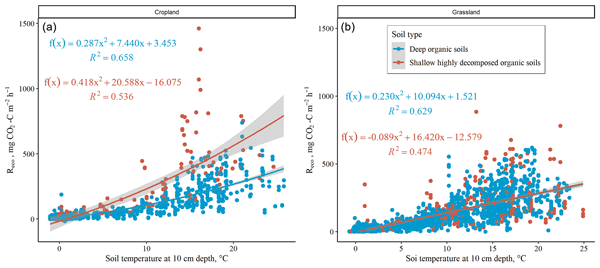
Arta Bārdule, Raija Laiho, Jyrki Jauhiainen, Kaido Soosaar, Andis Lazdiņš, Kęstutis Armolaitis, Aldis Butlers, Dovilė Čiuldienė, Andreas Haberl, Ain Kull, Milda Muraškienė, Ivika Ostonen, Gristin Rohula-Okunev, Muhammad Kamil-Sardar, Thomas Schindler, Hanna Vahter, Egidijus Vigricas, and Ieva Līcīte
Biogeosciences, 22, 4241–4259, https://doi.org/10.5194/bg-22-4241-2025, https://doi.org/10.5194/bg-22-4241-2025, 2025
Short summary
Short summary
Estimates of CO2 fluxes from drained nutrient-rich organic soils in croplands and grasslands in the hemiboreal region of Europe revealed that annual net CO2 fluxes were lower than the latest (2014) IPCC (Intergovernmental Panel on Climate Change ) emission factors provided for the whole temperate zone, including the hemiboreal region. The contribution of CO2 fluxes from shallow highly decomposed organic soils, former peatlands that no longer meet the IPCC criterion for organic soils, to total emissions can be high and should not be underestimated.
Laura Kuusemets, Ülo Mander, Jordi Escuer-Gatius, Alar Astover, Karin Kauer, Kaido Soosaar, and Mikk Espenberg
SOIL, 11, 1–15, https://doi.org/10.5194/soil-11-1-2025, https://doi.org/10.5194/soil-11-1-2025, 2025
Short summary
Short summary
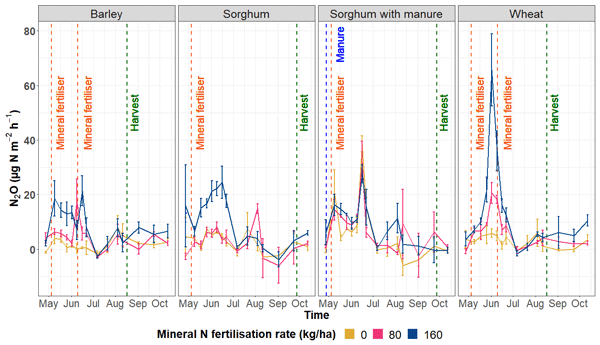
We investigated relationships between mineral nitrogen (N) fertilisation rates and additional manure amendment with different crop types through an analysis of soil environmental characteristics and microbiomes, soil N2O and N2 emissions as well as biomass production. The results show that wheat grew well at a fertilisation rate of 80 kg N ha−1, and newly introduced sorghum showed good potential for cultivation in temperate climates.
Aldis Butlers, Raija Laiho, Kaido Soosaar, Jyrki Jauhiainen, Thomas Schindler, Arta Bārdule, Muhammad Kamil-Sardar, Andreas Haberl, Valters Samariks, Hanna Vahter, Andis Lazdiņš, Dovilė Čiuldienė, Kęstutis Armolaitis, and Ieva Līcīte
EGUsphere, https://doi.org/10.5194/egusphere-2024-1397, https://doi.org/10.5194/egusphere-2024-1397, 2024
Preprint archived
Short summary
Short summary
A two-year study in Estonia, Latvia, and Lithuania evaluated forest organic soil carbon balance and the impact of drainage. CO2 emissions from soil did not significantly differ, showing a uniform methodology should be applied in national greenhouse gas inventories. Neither drained or undrained soils lost carbon during the study period. However, it was estimated that the negative impact of drainage on carbon sequestration in hemiboreal forest soils is 0.43±2.69 t C ha−1 year−1.
Jaan Pärn, Mikk Espenberg, Kaido Soosaar, Kuno Kasak, Sandeep Thayamkottu, Thomas Schindler, Reti Ranniku, Kristina Sohar, Lizardo Fachín Malaverri, Lulie Melling, and Ülo Mander
EGUsphere, https://doi.org/10.5194/egusphere-2024-24, https://doi.org/10.5194/egusphere-2024-24, 2024
Preprint archived
Short summary
Short summary
Earth’s climate largely depends on greenhouse gas exchange in tropical peatland ecosystems. Its relationships with tropical peatland conditions are poorly understood. We analysed natural peat swamp forests and fens, moderately drained and dry peatlands under a wide variety of land uses. The tropical peat swamp forests were large greenhouse gas sinks while tropical peatlands under moderate and low soil moisture levels emitted carbon dioxide and nitrous oxide.
Jyrki Jauhiainen, Juha Heikkinen, Nicholas Clarke, Hongxing He, Lise Dalsgaard, Kari Minkkinen, Paavo Ojanen, Lars Vesterdal, Jukka Alm, Aldis Butlers, Ingeborg Callesen, Sabine Jordan, Annalea Lohila, Ülo Mander, Hlynur Óskarsson, Bjarni D. Sigurdsson, Gunnhild Søgaard, Kaido Soosaar, Åsa Kasimir, Brynhildur Bjarnadottir, Andis Lazdins, and Raija Laiho
Biogeosciences, 20, 4819–4839, https://doi.org/10.5194/bg-20-4819-2023, https://doi.org/10.5194/bg-20-4819-2023, 2023
Short summary
Short summary
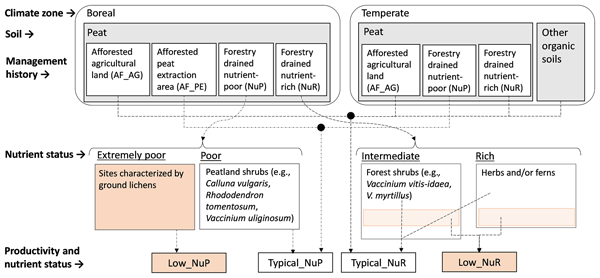
The study looked at published data on drained organic forest soils in boreal and temperate zones to revisit current Tier 1 default emission factors (EFs) provided by the IPCC Wetlands Supplement. We examined the possibilities of forming more site-type specific EFs and inspected the potential relevance of environmental variables for predicting annual soil greenhouse gas balances by statistical models. The results have important implications for EF revisions and national emission reporting.
Alisa Krasnova, Dmitrii Krasnov, Hans Peter Ernst Cordey, and Steffen M. Noe
EGUsphere, https://doi.org/10.5194/egusphere-2022-384, https://doi.org/10.5194/egusphere-2022-384, 2022
Preprint archived
Short summary
Short summary
Forests play important role in global carbon cycle. Hemiboreal forests are located in a transitional zone between boreal and temperate zones and are characterised by higher variability in dominating tree species. We analysed carbon exchange of a hemiboreal forest using two measurement systems located on the same tower. The lower system could detect the influence of clearcuts and tower guywire tunnels, while the higher system allowed to assess the carbon balance of the full landscape.
Cited articles
Ahl, D. E., Gower, S. T., Mackay, D. S., Burrows, S. N., Norman, J. M., and Diak, G. R.: Heterogeneity of light use efficiency in a northern Wisconsin forest: implications for modeling net primary production with remote sensing, Remote Sens. Environ., 93, 168–178, https://doi.org/10.1016/j.rse.2004.07.003, 2004.
Ahti, T., Hämet-Ahti, L., and Jalas, J.: Vegetation zones and their sections in northwestern Europe, Ann. Bot. Fenn., 5, 169–211, 1968.
Alton, P. B., North, P. R., and Los, S. O.: The impact of diffuse sunlight on canopy light-use efficiency, gross photosynthetic product and net ecosystem exchange in three forest biomes, Glob. Change Biol., 13, 776–787, https://doi.org/10.1111/j.1365-2486.2007.01316.x, 2007.
Baldocchi, D. D., Hincks, B. B., and Meyers, T. P.: Measuring Biosphere-Atmosphere Exchanges of Biologically Related Gases with Micrometeorological Methods, Ecology, 69, 1331–1340, https://doi.org/10.2307/1941631, 1988.
Bārdule, A., Butlers, A., Lazdiņš, A., Licite, I., Zvirbulis, U., Putniņš, R., Jansons, A., Adamovičs, A., and Razma, Ģ.: Evaluation of Soil Organic Layers Thickness and Soil Organic Carbon Stock in Hemiboreal Forests in Latvia, Forests, 12, 1–15, https://doi.org/10.3390/f12070840, 2021.
Baumgarten, M., Hesse, B., Augustaitienė, I., Marozas, V., Mozgeris, G., Byčenkienė, S., Mordas, G., Pivoras, A., Pivoras, G., Juonytė, D., Ulevicius, V., Augustaitis, A., and Matyssek, R.: Responses of species-specific sap flux, transpiration and water use efficiency of pine, spruce and birch trees to temporarily moderate dry periods in mixed forests at a dry and wet forest site in the hemi-boreal zone, J. Agric. Meteorol., 75, 13–29, https://doi.org/10.2480/agrmet.D-18-00008, 2019.
Beer, C., Ciais, P., Reichstein, M., Baldocchi, D., Law, B. E., Papale, D., Soussana, J. F., Ammann, C., Buchmann, N., Frank, D., Gianelle, D., Janssens, I. A., Knohl, A., Kostner, B., Moors, E. J., Roupsard, O., Verbeeck, H., Vesala, T., Williams, C. A., and Wohlfahrt, G.: Temporal and among-site variability of inherent water use efficiency at the ecosystem level, Global Biogeochem. Cy., 23, GB2018, https://doi.org/10.1029/2008GB003233, 2009.
Beguería, S. and Vicente-Serrano, S. M.: SPEI: Calculation of the Standardized Precipitation-Evapotranspiration Index, CRAN [code], https://doi.org/10.32614/CRAN.package.SPEI, 2023.
Bonan, G. B.: Environmental factors and ecological processes controlling vegetation patterns in boreal forests, Landscape Ecol., 3, 111–130, https://doi.org/10.1007/BF00131174, 1989.
Brandt, J. P.: The extent of the North American boreal zone, Environ. Rev., 17, 101–161, https://doi.org/10.1139/A09-004, 2009.
Clarke, H., Nolan, R. H., De Dios, V. R., Bradstock, R., Griebel, A., Khanal, S., and Boer, M. M.: Forest fire threatens global carbon sinks and population centres under rising atmospheric water demand, Nat. Commun., 13, 7161, https://doi.org/10.1038/s41467-022-34966-3, 2022.
Collalti, A., Ibrom, A., Stockmarr, A., Cescatti, A., Alkama, R., Fernández-Martínez, M., Matteucci, G., Sitch, S., Friedlingstein, P., Ciais, P., Goll, D. S., Nabel, J. E. M. S., Pongratz, J., Arneth, A., Haverd, V., and Prentice, I. C.: Forest production efficiency increases with growth temperature, Nat. Commun., 11, 5322, https://doi.org/10.1038/s41467-020-19187-w, 2020.
Cui, S., Xiao, Y., Yang, Y., Hu, Z., and Zheng, G.: Spatial variations in water use efficiency across global terrestrial ecosystems, CATENA, 235, 107670, https://doi.org/10.1016/j.catena.2023.107670, 2024.
Davidson, E. A. and Janssens, I. A.: Temperature sensitivity of soil carbon decomposition and feedbacks to climate change, Nature, 440, 165–173, https://doi.org/10.1038/nature04514, 2006.
DeLucia, E., Drake, J., and Gonzàlez-Meler, M.: Forest carbon use efficiency: Is respiration a constant fraction of gross primary production?, Glob. Change Biol., 13, 1157–1167, https://doi.org/10.1111/j.1365-2486.2007.01365.x, 2007.
Dolman, A. J., Moors, E. J., and Elbers, J. A.: The carbon uptake of a mid latitude pine forest growing on sandy soil, Agr. Forest Meteorol., 111, 157–170, https://doi.org/10.1016/S0168-1923(02)00024-2, 2002.
D'Orangeville, L., Houle, D., Duchesne, L., Phillips, R. P., Bergeron, Y., and Kneeshaw, D.: Beneficial effects of climate warming on boreal tree growth may be transitory, Nat. Commun., 9, 3213, https://doi.org/10.1038/s41467-018-05705-4, 2018.
Duffy, K. A., Schwalm, C. R., Arcus, V. L., Koch, G. W., Liang, L. L., and Schipper, L. A.: How close are we to the temperature tipping point of the terrestrial biosphere?, Sci. Adv., 7, eaay1052, https://doi.org/10.1126/sciadv.aay1052, 2021.
Estonian Environment Agency: Estonian Forest Register, https://register.metsad.ee/, last access: 25 June 2026.
Ezhova, E., Ylivinkka, I., Kuusk, J., Komsaare, K., Vana, M., Krasnova, A., Noe, S., Arshinov, M., Belan, B., Park, S.-B., Lavrič, J. V., Heimann, M., Petäjä, T., Vesala, T., Mammarella, I., Kolari, P., Bäck, J., Rannik, Ü., Kerminen, V.-M., and Kulmala, M.: Direct effect of aerosols on solar radiation and gross primary production in boreal and hemiboreal forests, Atmos. Chem. Phys., 18, 17863–17881, https://doi.org/10.5194/acp-18-17863-2018, 2018.
Fang, Z., Zhang, W., Brandt, M., Abdi, A. M., and Fensholt, R.: Globally Increasing Atmospheric Aridity Over the 21st Century, Earths Future, 10, e2022EF003019, https://doi.org/10.1029/2022EF003019, 2022.
Farquhar, G. D., von Caemmerer, S., and Berry, J. A.: A biochemical model of photosynthetic CO2 assimilation in leaves of C3 species, Planta, 149, 78–90, https://doi.org/10.1007/BF00386231, 1980.
Farquhar, G. D., O'Leary, M. H., and Berry, J. A.: On the Relationship Between Carbon Isotope Discrimination and the Intercellular Carbon Dioxide Concentration in Leaves, Funct. Plant Biol., 9, 121, https://doi.org/10.1071/PP9820121, 1982.
Foken, T., Göckede, M., Mauder, M., Mahrt, L., Amiro, B., and Munger, W.: Post-Field Data Quality Control, in: Handbook of Micrometeorology: A Guide for Surface Flux Measurement and Analysis, edited by: Lee, X., Massman, W., and Law, B., Springer Netherlands, Dordrecht, 181–208, https://doi.org/10.1007/1-4020-2265-4_9, 2005.
FOREST EUROPE: State of Europe's Forests 2025, Ministerial Conference on the Protection of Forests in Europe (FOREST EUROPE), Liaison Unit Sweden, https://foresteurope.org/wp-content/uploads/2026/03/SoEF2025.pdf, last access: 17 June 2026.
Fratini, G., Ibrom, A., Arriga, N., Burba, G., and Papale, D.: Relative humidity effects on water vapour fluxes measured with closed-path eddy-covariance systems with short sampling lines, Agr. Forest Meteorol., 165, 53–63, https://doi.org/10.1016/j.agrformet.2012.05.018, 2012.
Fu, W., Tian, L., Tao, Y., Li, M., and Guo, H.: Spatiotemporal changes in the boreal forest in Siberia over the period 1985–2015 against the background of climate change, Earth Syst. Dynam., 14, 223–239, https://doi.org/10.5194/esd-14-223-2023, 2023.
Gao, Y., Markkanen, T., Aurela, M., Mammarella, I., Thum, T., Tsuruta, A., Yang, H., and Aalto, T.: Response of water use efficiency to summer drought in a boreal Scots pine forest in Finland, Biogeosciences, 14, 4409–4422, https://doi.org/10.5194/bg-14-4409-2017, 2017.
Giguère-Croteau, C., Boucher, É., Bergeron, Y., Girardin, M. P., Drobyshev, I., Silva, L. C. R., Hélie, J.-F., and Garneau, M.: North America's oldest boreal trees are more efficient water users due to increased [CO2], but do not grow faster, P. Natl. Acad. Sci. USA, 116, 2749–2754, https://doi.org/10.1073/pnas.1816686116, 2019.
Gong, X. Y., Ma, W. T., Yu, Y. Z., Fang, K., Yang, Y., Tcherkez, G., and Adams, M. A.: Overestimated gains in water-use efficiency by global forests, Glob. Change Biol., 28, 4923–4934, https://doi.org/10.1111/gcb.16221, 2022.
Gonsamo, A., Chen, J. M., and D'Odorico, P.: Deriving land surface phenology indicators from CO2 eddy covariance measurements, Ecol. Indic., 29, 203–207, https://doi.org/10.1016/j.ecolind.2012.12.026, 2013.
Grelle, A., Lundberg, A., Lindroth, A., Morén, A.-S., and Cienciala, E.: Evaporation components of a boreal forest: variations during the growing season, J. Hydrol., 197, 70–87, https://doi.org/10.1016/S0022-1694(96)03267-2, 1997.
Grossiord, C., Buckley, T. N., Cernusak, L. A., Novick, K. A., Poulter, B., Siegwolf, R. T. W., Sperry, J. S., and McDowell, N. G.: Plant responses to rising vapor pressure deficit, New Phytol., 226, 1550–1566, https://doi.org/10.1111/nph.16485, 2020.
Grünwald, T. and Bernhofer, C.: A decade of carbon, water and energy flux measurements of an old spruce forest at the Anchor Station Tharandt, Tellus B, 59, 387–396, https://doi.org/10.1111/j.1600-0889.2007.00259.x, 2007.
Guerrieri, R., Lepine, L., Asbjornsen, H., Xiao, J., and Ollinger, S. V.: Evapotranspiration and water use efficiency in relation to climate and canopy nitrogen in U. S. forests, J. Geophys. Res.-Biogeo., 121, 2610–2629, https://doi.org/10.1002/2016JG003415, 2016.
Hammond, W. M., Williams, A. P., Abatzoglou, J. T., Adams, H. D., Klein, T., López, R., Sáenz-Romero, C., Hartmann, H., Breshears, D. D., and Allen, C. D.: Global field observations of tree die-off reveal hotter-drought fingerprint for Earth's forests, Nat. Commun., 13, 1761, https://doi.org/10.1038/s41467-022-29289-2, 2022.
Harrison, L. P.: Fundamental Concepts and Definitions Relating to Humidity, in: Humidity and Moisture: Measurement and Control in Science and Industry, vol. 3, edited by: Wexler, A. and Wildhack, W. A., Reinhold Publishing Corporation, New York, OCLC 189972, 3–69, 1965.
Högberg, P., Nordgren, A., Buchmann, N., Taylor, A. F. S., Ekblad, A., Högberg, M. N., Nyberg, G., Ottosson-Löfvenius, M., and Read, D. J.: Large-scale forest girdling shows that current photosynthesis drives soil respiration, Nature, 411, 789–792, https://doi.org/10.1038/35081058, 2001.
Hollinger, D. Y., Goltz, S. M., Davidson, E. A., Lee, J. T., Tu, K., and Valentine, H. T.: Seasonal patterns and environmental control of carbon dioxide and water vapour exchange in an ecotonal boreal forest, Glob. Change Biol., 5, 891–902, https://doi.org/10.1046/j.1365-2486.1999.00281.x, 1999.
Huang, M.-T. and Zhai, P.-M.: Impact of extreme seasonal drought on ecosystem carbon–water coupling across China, Adv. Clim. Change Res., 15, 914–923, https://doi.org/10.1016/j.accre.2024.08.001, 2024.
Hytteborn, H., Maslov, A., Nazimova, D., and Rysin, L.: Boreal Forests of Eurasia, 23–99, ISBN 978-0-444-81627-6, 2005.
IPCC: Climate Change 2021 – The Physical Science Basis: Working Group I Contribution to the Sixth Assessment Report of the Intergovernmental Panel on Climate Change, Cambridge University Press, Cambridge, https://doi.org/10.1017/9781009157896, 2023.
Jansons, Ā., Ķēniņa, L., Jaunslaviete, I., and Bičkovskis, K.: Trade-off between forest carbon sink in hemiboreal old-growth stands and wood-based solutions, Eur. J. For. Res., 144, 411–420, https://doi.org/10.1007/s10342-025-01766-5, 2025.
Jarvis, P. G.: The interpretation of the variations in leaf water potential and stomatal conductance found in canopies in the field, Philos. T. Roy. Soc. B, 273, 593–610, https://doi.org/10.1098/rstb.1976.0035, 1976.
Jarvis, P. G. and McNaughton, K. G.: Stomatal Control of Transpiration: Scaling Up from Leaf to Region, in: Advances in Ecological Research, vol. 15, edited by: MacFadyen, A. and Ford, E. D., Academic Press, 1–49, https://doi.org/10.1016/S0065-2504(08)60119-1, 1986.
Jiang, X., Song, M., Qiao, Y., Liu, M., Ma, L., and Fu, S.: Long-term water use efficiency and non-structural carbohydrates of dominant tree species in response to nitrogen and water additions in a warm temperate forest, Front. Plant Sci., 13, https://doi.org/10.3389/fpls.2022.1025162, 2022.
Jiang, Y., Still, C. J., Rastogi, B., Page, G. F. M., Wharton, S., Meinzer, F. C., Voelker, S., and Kim, J. B.: Trends and controls on water-use efficiency of an old-growth coniferous forest in the Pacific Northwest, Environ. Res. Lett., 14, 074029, https://doi.org/10.1088/1748-9326/ab2612, 2019.
Kaimal, J. C. and Finnigan, J. J.: Atmospheric Boundary Layer Flows: Their Structure and Measurement, Oxford University Press, https://doi.org/10.1093/oso/9780195062397.001.0001, 1994.
Kauppi, P. E., Posch, M., and Pirinen, P.: Large Impacts of Climatic Warming on Growth of Boreal Forests since 1960, PLoS ONE, 9, e111340, https://doi.org/10.1371/journal.pone.0111340, 2014.
Ke, P., Lintunen, A., Kolari, P., Lohila, A., Tuovinen, S., Lampilahti, J., Thakur, R., Peltola, M., Peräkylä, O., Nieminen, T., Ezhova, E., Pihlatie, M., Laasonen, A., Koskinen, M., Rautakoski, H., Heimsch, L., Kokkonen, T., Vähä, A., Mammarella, I., Noe, S., Bäck, J., Kerminen, V.-M., and Kulmala, M.: Potential of carbon uptake and local aerosol production in boreal and hemi-boreal ecosystems across Finland and in Estonia, Biogeosciences, 22, 3235–3251, https://doi.org/10.5194/bg-22-3235-2025, 2025.
Keenan, T. F., Hollinger, D. Y., Bohrer, G., Dragoni, D., Munger, J. W., Schmid, H. P., and Richardson, A. D.: Increase in forest water-use efficiency as atmospheric carbon dioxide concentrations rise, Nature, 499, 324–327, https://doi.org/10.1038/nature12291, 2013.
Kelso, N. V. and Patterson, T.: Natural Earth Vector, Cartogr. Perspect., 45–50, https://doi.org/10.14714/CP64.148, 2009.
Ķēniņa, L., Jaunslaviete, I., Liepa, L., Zute, D., and Jansons, Ā.: Carbon Pools in Old-Growth Scots Pine Stands in Hemiboreal Latvia, Forests, 10, 911, https://doi.org/10.3390/f10100911, 2019.
Kergoat, L., Lafont, S., Arneth, A., Le Dantec, V., and Saugier, B.: Nitrogen controls plant canopy light-use efficiency in temperate and boreal ecosystems, J. Geophys. Res.-Biogeo., 113, https://doi.org/10.1029/2007JG000676, 2008.
Kim, H.-S., Palmroth, S., Thérézien, M., Stenberg, P., Oren, R., and Niinemets, Ü.: Analysis of the sensitivity of absorbed light and incident light profile to various canopy architecture and stand conditions, Tree Physiol., 31, 30–47, https://doi.org/10.1093/treephys/tpq098, 2011.
Kljun, N., Calanca, P., Rotach, M. W., and Schmid, H. P.: A simple two-dimensional parameterisation for Flux Footprint Prediction (FFP), Geosci. Model Dev., 8, 3695–3713, https://doi.org/10.5194/gmd-8-3695-2015, 2015.
Krasnova, A., Mander, Ü., Noe, S. M., Uri, V., Krasnov, D., and Soosaar, K.: Hemiboreal forests' CO2 fluxes response to the European 2018 heatwave, Agr. Forest Meteorol., 323, 109042, https://doi.org/10.1016/j.agrformet.2022.109042, 2022.
Krasnova, A., Klosterhalfen, A., Zhao, P., Chi, J., Krasnov, D., Schacherl, T., Laudon, H., Nilsson, M. B., and Peichl, M.: Stand composition modulates water use efficiency in adjacent mature boreal forests, Agr. Forest Meteorol., 389, 111388, https://doi.org/10.1016/j.agrformet.2026.111388, 2026.
Krishnan, P., Black, T. A., Barr, A. G., Grant, N. J., Gaumont-Guay, D., and Nesic, Z.: Factors controlling the interannual variability in the carbon balance of a southern boreal black spruce forest, J. Geophys. Res.-Atmos., 113, https://doi.org/10.1029/2007JD008965, 2008.
Kuglitsch, F. G., Reichstein, M., Beer, C., Carrara, A., Ceulemans, R., Granier, A., Janssens, I. A., Koestner, B., Lindroth, A., Loustau, D., Matteucci, G., Montagnani, L., Moors, E. J., Papale, D., Pilegaard, K., Rambal, S., Rebmann, C., Schulze, E. D., Seufert, G., Verbeeck, H., Vesala, T., Aubinet, M., Bernhofer, C., Foken, T., Grünwald, T., Heinesch, B., Kutsch, W., Laurila, T., Longdoz, B., Miglietta, F., Sanz, M. J., and Valentini, R.: Characterisation of ecosystem water-use efficiency of european forests from eddy covariance measurements, Biogeosciences Discuss., 5, 4481–4519, https://doi.org/10.5194/bgd-5-4481-2008, 2008.
Kutsch, W. L. and Kolari, P.: Data quality and the role of nutrients in forest carbon-use efficiency, Nat. Clim. Change, 5, 959–960, https://doi.org/10.1038/nclimate2793, 2015.
Kuzyakov, Y., Friedel, J. K., and Stahr, K.: Review of mechanisms and quantification of priming effects, Soil Biol. Biochem., 32, 1485–1498, https://doi.org/10.1016/S0038-0717(00)00084-5, 2000.
Lagergren, F., Eklundh, L., Grelle, A., Lundblad, M., Mölder, M., Lankreijer, H., and Lindroth, A.: Net primary production and light use efficiency in a mixed coniferous forest in Sweden, Plant Cell Environ., 28, 412–423, https://doi.org/10.1111/j.1365-3040.2004.01280.x, 2005.
Lange, O. L., Lösch, R., Schulze, E. D., and Kappen, L.: Responses of stomata to changes in humidity, Planta, 100, 76–86, https://doi.org/10.1007/BF00386887, 1971.
Lasslop, G., Reichstein, M., Papale, D., Richardson, A. D., Arneth, A., Barr, A., Stoy, P., and Wohlfahrt, G.: Separation of net ecosystem exchange into assimilation and respiration using a light response curve approach: critical issues and global evaluation, Glob. Change Biol., 16, 187–208, https://doi.org/10.1111/j.1365-2486.2009.02041.x, 2010.
Laudon, H., Mensah, A. A., Fridman, J., Näsholm, T., and Jämtgård, S.: Perspectives: Swedish forest growth decline: A consequence of climate warming?, Forest Ecol. Manag., 565, 122052, https://doi.org/10.1016/j.foreco.2024.122052, 2024.
Launiainen, S., Katul, G. G., Leppä, K., Kolari, P., Aslan, T., Grönholm, T., Korhonen, L., Mammarella, I., and Vesala, T.: Does growing atmospheric CO2 explain increasing carbon sink in a boreal coniferous forest?, Glob. Change Biol., 28, 2910–2929, https://doi.org/10.1111/gcb.16117, 2022.
Lee, D., Holmström, E., Hynynen, J., Nilsson, U., Korhonen, K. T., Westerlund, B., Bianchi, S., Aldea, J., and Huuskonen, S.: Current state of mixed forests available for wood supply in Finland and Sweden, Scand. J. Forest Res., 38, 442–452, https://doi.org/10.1080/02827581.2023.2259797, 2023.
Leeper, R. D., Matthews, J. L., Cesarini, M. S., and Bell, J. E.: Evaluation of Air and Soil Temperatures for Determining the Onset of Growing Season, J. Geophys. Res.-Biogeo., 126, e2020JG006171, https://doi.org/10.1029/2020JG006171, 2021.
Liaw, A. and Wiener, M.: Classification and Regression by randomForest, R News, 2, 18–22, 2002.
LI-COR Biosciences: Eddy Covariance Processing Software (Version 7.0.8), LI-COR Biosciences, Lincoln, NE, USA, EddyPro 7.0.9, https://www.licor.com/products/eddy-covariance/eddypro (last access: 20 July 2026), 2021.
Lindbladh, M., Axelsson, A.-L., Hultberg, T., Brunet, J., and Felton, A.: From broadleaves to spruce – the borealization of southern Sweden, Scand. J. Forest Res., 29, 686–696, https://doi.org/10.1080/02827581.2014.960893, 2014.
Lindroth, A., Holst, J., Linderson, M.-L., Aurela, M., Biermann, T., Heliasz, M., Chi, J., Ibrom, A., Kolari, P., Klemedtsson, L., Krasnova, A., Laurila, T., Lehner, I., Lohila, A., Mammarella, I., Mölder, M., Löfvenius, M. O., Peichl, M., Pilegaard, K., Soosaar, K., Vesala, T., Vestin, P., Weslien, P., and Nilsson, M.: Effects of drought and meteorological forcing on carbon and water fluxes in Nordic forests during the dry summer of 2018, Philos. T. Roy. Soc. B, 375, 20190516, https://doi.org/10.1098/rstb.2019.0516, 2020.
Liu, P., Black, T. A., Jassal, R. S., Zha, T., Nesic, Z., Barr, A. G., Helgason, W. D., Jia, X., Tian, Y., Stephens, J. J., and Ma, J.: Divergent long-term trends and interannual variation in ecosystem resource use efficiencies of a southern boreal old black spruce forest 1999–2017, Glob. Change Biol., 25, 3056–3069, https://doi.org/10.1111/gcb.14674, 2019.
Luo, B., Xiao, C., Luo, D., Fu, Q., Chen, D., Zhang, Q., Ge, Y., and Diao, Y.: Atmospheric and oceanic drivers behind the 2023 Canadian wildfires, Commun. Earth Environ., 6, 446, https://doi.org/10.1038/s43247-025-02387-x, 2025.
Manton, M., Petrokas, R., Kukcinavičius, Š., Šaudytė-Manton, S., Ruffner, C., and Angelstam, P.: Coping with five mismatches between policy and practice in hemiboreal forest stands and landscapes, Sci. Rep., 15, 14352, https://doi.org/10.1038/s41598-025-96836-4, 2025.
Manzoni, S., Taylor, P., Richter, A., Porporato, A., and Ågren, G. I.: Environmental and stoichiometric controls on microbial carbon-use efficiency in soils, New Phytol., 196, 79–91, https://doi.org/10.1111/j.1469-8137.2012.04225.x, 2012.
Matkala, L., Kulmala, L., Kolari, P., Aurela, M., and Bäck, J.: Resilience of subarctic Scots pine and Norway spruce forests to extreme weather events, Agr. Forest Meteorol., 296, 108239, https://doi.org/10.1016/j.agrformet.2020.108239, 2021.
Mauder, M., Cuntz, M., Drüe, C., Graf, A., Rebmann, C., Schmid, H. P., Schmidt, M., and Steinbrecher, R.: A strategy for quality and uncertainty assessment of long-term eddy-covariance measurements, Agr. Forest Meteorol., 169, 122–135, https://doi.org/10.1016/j.agrformet.2012.09.006, 2013.
Mauder, M., Jung, M., Stoy, P., Nelson, J., and Wanner, L.: Energy balance closure at FLUXNET sites revisited, Agr. Forest Meteorol., 358, 110235, https://doi.org/10.1016/j.agrformet.2024.110235, 2024.
McMillen, R. T.: An eddy correlation technique with extended applicability to non-simple terrain, Bound.-Lay. Meteorol., 43, 231–245, https://doi.org/10.1007/BF00128405, 1988.
Miller, D. L., Wolf, S., Fisher, J. B., Zaitchik, B. F., Xiao, J., and Keenan, T. F.: Increased photosynthesis during spring drought in energy-limited ecosystems, Nat. Commun., 14, 7828, https://doi.org/10.1038/s41467-023-43430-9, 2023.
Mirabel, A., Girardin, M. P., Metsaranta, J., Way, D., and Reich, P. B.: Increasing atmospheric dryness reduces boreal forest tree growth, Nat. Commun., 14, 6901, https://doi.org/10.1038/s41467-023-42466-1, 2023.
Moncrieff, J., Massheder, J. M., de Bruin, H., Elbers, J., Friborg, T., Heusinkveld, B., Kabat, P., Scott, S., Soegaard, H., and Verhoef, A.: A system to measure surface fluxes of momentum, sensible heat, water vapour and carbon dioxide, J. Hydrol., 188–189, 589–611, https://doi.org/10.1016/S0022-1694(96)03194-0, 1997.
Moncrieff, J., Clement, R., Finnigan, J., and Meyers, T.: Averaging, Detrending, and Filtering of Eddy Covariance Time Series, in: Handbook of Micrometeorology: A Guide for Surface Flux Measurement and Analysis, edited by: Lee, X., Massman, W., and Law, B., Springer Netherlands, Dordrecht, 7–31, https://doi.org/10.1007/1-4020-2265-4_2, 2005.
Monteith, J. L.: Solar Radiation and Productivity in Tropical Ecosystems, J. Appl. Ecol., 9, 747, https://doi.org/10.2307/2401901, 1972.
Montibeller, B., Marshall, M., Mander, Ü., and Uuemaa, E.: Increased carbon assimilation and efficient water usage may not compensate for carbon loss in European forests, Commun. Earth Environ., 3, 194, https://doi.org/10.1038/s43247-022-00535-1, 2022.
Moyano, F. E., Vasilyeva, N., Bouckaert, L., Cook, F., Craine, J., Curiel Yuste, J., Don, A., Epron, D., Formanek, P., Franzluebbers, A., Ilstedt, U., Kätterer, T., Orchard, V., Reichstein, M., Rey, A., Ruamps, L., Subke, J.-A., Thomsen, I. K., and Chenu, C.: The moisture response of soil heterotrophic respiration: interaction with soil properties, Biogeosciences, 9, 1173–1182, https://doi.org/10.5194/bg-9-1173-2012, 2012.
Nilsson, S. G.: Forests in the Temperate–boreal Transition – Natural and Man-made Features, in: Ecological Principles of Nature Conservation: Application in Temperate and Boreal Environments, edited by: Hansson, L., Springer US, Boston, MA, 373–393, https://doi.org/10.1007/978-1-4615-3524-9_10, 1992.
Novick, K. A., Ficklin, D. L., Grossiord, C., Konings, A. G., Martínez-Vilalta, J., Sadok, W., Trugman, A. T., Williams, A. P., Wright, A. J., Abatzoglou, J. T., Dannenberg, M. P., Gentine, P., Guan, K., Johnston, M. R., Lowman, L. E. L., Moore, D. J. P., and McDowell, N. G.: The impacts of rising vapour pressure deficit in natural and managed ecosystems, Plant Cell Environ., 47, 3561–3589, https://doi.org/10.1111/pce.14846, 2024.
O'Donnell, J. A., Romanovsky, V. E., Harden, J. W., and McGuire, A. D.: The effect of moisture content on the thermal conductivity of moss and organic soil horizons from black spruce ecosystems in interior Alaska, Soil Sci., 174, 646–651, 2009.
Ollinger, S. V.: Sources of variability in canopy reflectance and the convergent properties of plants, New Phytol., 189, 375–394, https://doi.org/10.1111/j.1469-8137.2010.03536.x, 2011.
Papale, D., Reichstein, M., Aubinet, M., Canfora, E., Bernhofer, C., Kutsch, W., Longdoz, B., Rambal, S., Valentini, R., Vesala, T., and Yakir, D.: Towards a standardized processing of Net Ecosystem Exchange measured with eddy covariance technique: algorithms and uncertainty estimation, Biogeosciences, 3, 571–583, https://doi.org/10.5194/bg-3-571-2006, 2006.
Peltoniemi, M., Pulkkinen, M., Kolari, P., Duursma, R. A., Montagnani, L., Wharton, S., Lagergren, F., Takagi, K., Verbeeck, H., Christensen, T., Vesala, T., Falk, M., Loustau, D., and Mäkelä, A.: Does canopy mean nitrogen concentration explain variation in canopy light use efficiency across 14 contrasting forest sites?, Tree Physiol., 32, 200–218, https://doi.org/10.1093/treephys/tpr140, 2012.
Penman, H. L.: Natural evaporation from open water, bare soil and grass, P. Roy. Soc. Lond. A Mat., 193, 120–145, https://doi.org/10.1098/rspa.1948.0037, 1948.
Petrokas, R., Baliuckas, V., and Manton, M.: Successional Categorization of European Hemi-boreal Forest Tree Species, Plants, 9, 1381, https://doi.org/10.3390/plants9101381, 2020.
Piao, S., Friedlingstein, P., Ciais, P., Viovy, N., and Demarty, J.: Growing season extension and its impact on terrestrial carbon cycle in the Northern Hemisphere over the past 2 decades, Global Biogeochem. Cy., 21, https://doi.org/10.1029/2006GB002888, 2007.
Ponton, S., Flanagan, L. B., Alstad, K. P., Johnson, B. G., Morgenstern, K., Kljun, N., Black, T. A., and Barr, A. G.: Comparison of ecosystem water-use efficiency among Douglas-fir forest, aspen forest and grassland using eddy covariance and carbon isotope techniques, Glob. Change Biol., 12, 294–310, https://doi.org/10.1111/j.1365-2486.2005.01103.x, 2006.
Pregitzer, K. S., King, J. S., Burton, A. J., and Brown, S. E.: Responses of tree fine roots to temperature, New Phytol., 147, 105–115, https://doi.org/10.1046/j.1469-8137.2000.00689.x, 2000.
R Core Team: R: A Language and Environment for Statistical Computing, R Foundation for Statistical Computing, Vienna, Austria, https://www.R-project.org/ (last access: 20 July 2026), 2024.
Reichstein, M., Subke, J.-A., Angeli, A. C., and Tenhunen, J. D.: Does the temperature sensitivity of decomposition of soil organic matter depend upon water content, soil horizon, or incubation time?, Glob. Change Biol., 11, 1754–1767, https://doi.org/10.1111/j.1365-2486.2005.001010.x, 2005.
Restaino, C. M., Peterson, D. L., and Littell, J.: Increased water deficit decreases Douglas fir growth throughout western US forests, P. Natl. Acad. Sci. USA, 113, 9557–9562, https://doi.org/10.1073/pnas.1602384113, 2016.
Rogozin, S., Krasnova, A., Mander, Ü., Uri, V., and Soosaar, K.: Long-term carbon sequestration and heatwave resilience in an old hemiboreal upland coniferous forest, Agr. Forest Meteorol., 376, 110895, https://doi.org/10.1016/j.agrformet.2025.110895, 2026.
Ryan, M., Binkley, D., Fownes, J. H.: Age-Related Decline in Forest Productivity: Pattern and Process, in: Advances in Ecological Research, edited by: Begon, M. and Fitter, A. H., vol. 27, 213–262, https://doi.org/10.1016/S0065-2504(08)60009-4, 1997.
Schimel, J. P.: Life in Dry Soils: Effects of Drought on Soil Microbial Communities and Processes, Annu. Rev. Ecol. Evol. S., 49, 409–432, 2018.
Sellers, P. J., Dickinson, R. E., Randall, D. A., Betts, A. K., Hall, F. G., Berry, J. A., Collatz, G. J., Denning, A. S., Mooney, H. A., Nobre, C. A., Sato, N., Field, C. B., and Henderson-Sellers, A.: Modeling the Exchanges of Energy, Water, and Carbon Between Continents and the Atmosphere, Science, 275, 502–509, https://doi.org/10.1126/science.275.5299.502, 1997.
Sharkey, T. D.: Photosynthesis in Intact Leaves of C3 Plants: Physics, Physiology and Rate Limitations, Bot. Rev., 51, 53–105, 1985.
Shekhar, A., Buchmann, N., Humphrey, V., and Gharun, M.: More than three-fold increase in compound soil and air dryness across Europe by the end of 21st century, Weather Clim. Extrem., 44, 100666, https://doi.org/10.1016/j.wace.2024.100666, 2024.
Sjörs, H.: Amphi-Atlantic zonation, Nemoral to Arctic, in: North Atlantic Biota and Their History, edited by: Löve, A. and Löve, D., Pergamon Press, 109–125, https://doi.org/10.5962/bhl.title.10237, 1963.
Stenberg, P.: Simulations of the effects of shoot structure and orientation on vertical gradients in intercepted light by conifer canopies, Tree Physiol., 16, 99–108, https://doi.org/10.1093/treephys/16.1-2.99, 1996.
Stocker, B. D., Zscheischler, J., Keenan, T. F., Prentice, I. C., Peñuelas, J., and Seneviratne, S. I.: Quantifying soil moisture impacts on light use efficiency across biomes, New Phytol., 218, 1430–1449, https://doi.org/10.1111/nph.15123, 2018.
Tang, X., Li, H., Desai, A. R., Nagy, Z., Luo, J., Kolb, T. E., Olioso, A., Xu, X., Yao, L., Kutsch, W., Pilegaard, K., Köstner, B., and Ammann, C.: How is water-use efficiency of terrestrial ecosystems distributed and changing on Earth?, Sci. Rep., 4, 7483, https://doi.org/10.1038/srep07483, 2014.
Toot, R., Frelich, L. E., Butler, E. E., and Reich, P. B.: Climate-Biome Envelope Shifts Create Enormous Challenges and Novel Opportunities for Conservation, Forests, 11, 1015, https://doi.org/10.3390/f11091015, 2020.
Turner, D. P., Urbanski, S., Bremer, D., Wofsy, S. C., Meyers, T., Gower, S. T., and Gregory, M.: A cross-biome comparison of daily light use efficiency for gross primary production, Glob. Change Biol., 9, 383–395, https://doi.org/10.1046/j.1365-2486.2003.00573.x, 2003.
Urban, O., Klem, K., Ač, A., Havránková, K., Holišová, P., Navrátil, M., Zitová, M., Kozlová, K., Radek, P., Šprtová, M., Tomášková, I., Špunda, V., and Grace, J.: Impact of clear and cloudy sky conditions on the vertical distribution of photosynthetic CO2 uptake within a spruce canopy, Funct. Ecol., 26, 46–55, https://doi.org/10.1111/j.1365-2435.2011.01934.x, 2012.
Uri, V., Kukumägi, M., Aosaar, J., Varik, M., Becker, H., Aun, K., Nikopensius, M., Uri, M., Buht, M., Sepaste, A., Padari, A., Asi, E., Sims, A., and Karoles, K.: Litterfall dynamics in Scots pine (Pinus sylvestris), Norway spruce (Picea abies) and birch (Betula) stands in Estonia, Forest Ecol. Manag., 520, 120417, https://doi.org/10.1016/j.foreco.2022.120417, 2022a.
Uri, V., Kukumägi, M., Aosaar, J., Varik, M., Becker, H., Aun, K., Lõhmus, K., Soosaar, K., Astover, A., Uri, M., Buht, M., Sepaste, A., and Padari, A.: The dynamics of the carbon storage and fluxes in Scots pine (Pinus sylvestris) chronosequence, Sci. Total Environ., 817, 152973, https://doi.org/10.1016/j.scitotenv.2022.152973, 2022b.
Vekuri, H., Tuovinen, J.-P., Kulmala, L., Papale, D., Kolari, P., Aurela, M., Laurila, T., Liski, J., and Lohila, A.: A widely-used eddy covariance gap-filling method creates systematic bias in carbon balance estimates, Sci. Rep., 13, 1720, https://doi.org/10.1038/s41598-023-28827-2, 2023.
Venäläinen, A., Lehtonen, I., Laapas, M., Ruosteenoja, K., Tikkanen, O., Viiri, H., Ikonen, V., and Peltola, H.: Climate change induces multiple risks to boreal forests and forestry in Finland: A literature review, Glob. Change Biol., 26, 4178–4196, https://doi.org/10.1111/gcb.15183, 2020.
Vicente-Serrano, S. M., Beguería, S., and López-Moreno, J. I.: A Multiscalar Drought Index Sensitive to Global Warming: The Standardized Precipitation Evapotranspiration Index, J. Climate, 23, 1696–1718, https://doi.org/10.1175/2009JCLI2909.1, 2010.
Vickers, D. and Mahrt, L.: Quality Control and Flux Sampling Problems for Tower and Aircraft Data, J. Atmos. Ocean. Tech., 14, 512–526, https://doi.org/10.1175/1520-0426(1997)014<0512:QCAFSP>2.0.CO;2, 1997.
Waring, R. H., Landsberg, J. J., and Williams, M.: Net primary production of forests: a constant fraction of gross primary production?, Tree Physiol., 18, 129–134, https://doi.org/10.1093/treephys/18.2.129, 1998.
West, P. W.: Do increasing respiratory costs explain the decline with age of forest growth rate?, J. Forestry Res., 31, 693–712, https://doi.org/10.1007/s11676-019-01020-w, 2020.
Wilczak, J. M., Oncley, S. P., and Stage, S. A.: Sonic Anemometer Tilt Correction Algorithms, Bound.-Lay. Meteorol., 99, 127–150, https://doi.org/10.1023/A:1018966204465, 2001.
Williams, A., Allen, C., Macalady, A., Griffin, D., Woodhouse, C., Meko, D., Swetnam, T., Rauscher, S., Seager, R., Grissino-Mayer, H., Dean, J., Cook, E., Gangodagamage, C., Cai, M., and McDowell, N.: Temperature as a potent driver of regional forest drought stress and tree mortality, Nat. Clim. Change, 3, 292–297, https://doi.org/10.1038/NCLIMATE1693, 2013.
Wood, S. N.: Thin-plate regression splines, J. R. Stat. Soc. B, 65, 95–114, https://doi.org/10.1111/1467-9868.00374, 2003.
Wood, S. N.: Fast stable restricted maximum likelihood and marginal likelihood estimation of semiparametric generalized linear models, J. R. Stat. Soc. B, 73, 3–36, https://doi.org/10.1111/j.1467-9868.2010.00749.x, 2011.
Wood, S. N., Pya, N., and Säfken, B.: Smoothing parameter and model selection for general smooth models (with discussion), J. Am. Stat. Assoc., 111, 1548–1575, https://doi.org/10.1080/01621459.2016.1180986, 2016.
Wu, S. H., Jansson, P.-E., and Kolari, P.: The role of air and soil temperature in the seasonality of photosynthesis and transpiration in a boreal Scots pine ecosystem, Agr. Forest Meteorol., 156, 85–103, https://doi.org/10.1016/j.agrformet.2012.01.006, 2012a.
Wu, X., Liu, H., Guo, D., Anenkhonov, O. A., Badmaeva, N. K., and Sandanov, D. V.: Growth Decline Linked to Warming-Induced Water Limitation in Hemi-Boreal Forests, PLoS ONE, 7, e42619, https://doi.org/10.1371/journal.pone.0042619, 2012b.
Wutzler, T., Lucas-Moffat, A., Migliavacca, M., Knauer, J., Sickel, K., Šigut, L., Menzer, O., and Reichstein, M.: Basic and extensible post-processing of eddy covariance flux data with REddyProc, Biogeosciences, 15, 5015–5030, https://doi.org/10.5194/bg-15-5015-2018, 2018.
Xu, H., Xiao, J., Zhang, Z., Ollinger, S. V., Hollinger, D. Y., Pan, Y., and Wan, J.: Canopy photosynthetic capacity drives contrasting age dynamics of resource use efficiencies between mature temperate evergreen and deciduous forests, Glob. Change Biol., 26, 6156–6167, https://doi.org/10.1111/gcb.15312, 2020.
Xu, X., Liu, J., Jiao, F., Zhang, K., Yang, Y., Qiu, J., Zhu, Y., Lin, N., and Zou, C.: Spatial variations and mechanisms for the stability of water use efficiency in China, Front. Plant Sci., 14, 1254395, https://doi.org/10.3389/fpls.2023.1254395, 2023.
Yan, Y., Zhou, L., Zhou, G., Wang, Y., Song, J., Zhang, S., and Zhou, M.: Extreme temperature events reduced carbon uptake of a boreal forest ecosystem in Northeast China: Evidence from an 11-year eddy covariance observation, Front. Plant Sci., 14, 1119670, https://doi.org/10.3389/fpls.2023.1119670, 2023.
Zhang, Q., Yi, C., Destouni, G., Wohlfahrt, G., Kuzyakov, Y., Li, R., Kutter, E., Chen, D., Rietkerk, M., Manzoni, S., Tian, Z., Hendrey, G., Fang, W., Krakauer, N., Hugelius, G., Jarsjo, J., Han, J., and Xu, S.: Water limitation regulates positive feedback of increased ecosystem respiration, Nat. Ecol. Evol., 8, 1870–1876, https://doi.org/10.1038/s41559-024-02501-w, 2024.
Zhang, Y., Song, C., Sun, G., Band, L. E., Noormets, A., and Zhang, Q.: Understanding moisture stress on light use efficiency across terrestrial ecosystems based on global flux and remote-sensing data, J. Geophys. Res.-Biogeo., 120, 2053–2066, https://doi.org/10.1002/2015JG003023, 2015.
Zhang, Y., Kong, D., Gan, R., Chiew, F. H. S., McVicar, T. R., Zhang, Q., and Yang, Y.: Coupled estimation of 500 m and 8 d resolution global evapotranspiration and gross primary production in 2002–2017, Remote Sens. Environ., 222, 165–182, https://doi.org/10.1016/j.rse.2018.12.031, 2019.
Zhang, Y., Bastos, A., Maignan, F., Goll, D., Boucher, O., Li, L., Cescatti, A., Vuichard, N., Chen, X., Ammann, C., Arain, M. A., Black, T. A., Chojnicki, B., Kato, T., Mammarella, I., Montagnani, L., Roupsard, O., Sanz, M. J., Siebicke, L., Urbaniak, M., Vaccari, F. P., Wohlfahrt, G., Woodgate, W., and Ciais, P.: Modeling the impacts of diffuse light fraction on photosynthesis in ORCHIDEE (v5453) land surface model, Geosci. Model Dev., 13, 5401–5423, https://doi.org/10.5194/gmd-13-5401-2020, 2020.
Zharkov, M. S., Fonti, M. V., Trushkina, T. V., Barinov, V. V., Taynik, A. V., Porter, T. J., Saurer, M., and Churakova (Sidorova), O. V.: Mixed Temperature-Moisture Signal in δ18O Records of Boreal Conifers from the Permafrost Zone, Atmosphere-Basel, 12, 1416, https://doi.org/10.3390/atmos12111416, 2021.
Short summary
We studied how an old north conifer forest in Estonia uses water, light, and carbon to take up carbon dioxide during nine growing seasons, using continuous eddy covariance measurements. Air became warmer and drier, yet water and light use efficiency stayed stable. Carbon use efficiency was most sensitive to hydroclimatic variability, reflecting the balance between uptake and respiration. This helps predict whether such forests will keep storing carbon as climate dries.
We studied how an old north conifer forest in Estonia uses water, light, and carbon to take up...


Altmetrics
Final-revised paper
Preprint