
Articles | Volume 23, issue 18
https://doi.org/10.5194/bg-23-6465-2026
© Author(s) 2026. This work is distributed under
the Creative Commons Attribution 4.0 License.
the Creative Commons Attribution 4.0 License.
https://doi.org/10.5194/bg-23-6465-2026
© Author(s) 2026. This work is distributed under
the Creative Commons Attribution 4.0 License.
the Creative Commons Attribution 4.0 License.
Research article
| 
17 Sep 2026
Research article |
| 17 Sep 2026
| 17 Sep 2026
How beech ecophysiology shapes temperate forest gross primary productivity – Part 1: A wavelet-based framework for extracting seasonal dynamics
Jonathan Bitton
CORRESPONDING AUTHOR

Biosystems Dynamics and Exchanges, TERRA Teaching and Research Center, Gembloux Agro-Bio Tech, University of Liege, Gembloux, Belgium
Catherine Charles
Biosystems Dynamics and Exchanges, TERRA Teaching and Research Center, Gembloux Agro-Bio Tech, University of Liege, Gembloux, Belgium
Bernard Longdoz
Biosystems Dynamics and Exchanges, TERRA Teaching and Research Center, Gembloux Agro-Bio Tech, University of Liege, Gembloux, Belgium
Bernard Heinesch
Biosystems Dynamics and Exchanges, TERRA Teaching and Research Center, Gembloux Agro-Bio Tech, University of Liege, Gembloux, Belgium
Related authors
Jonathan Bitton, Bernard Heinesch, Catherine Charles, and Bernard Longdoz
Biogeosciences, 23, 6491–6520, https://doi.org/10.5194/bg-23-6491-2026, https://doi.org/10.5194/bg-23-6491-2026, 2026
Short summary
Short summary
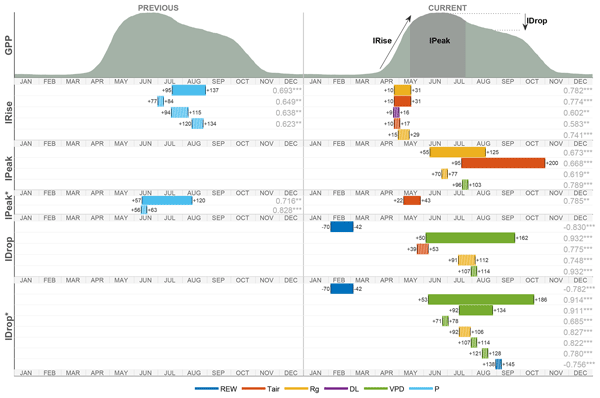
We studied 24 years of carbon exchange in a beech forest to understand why its productivity rises, peaks and declines each at different times of the year. We mapped climate effects onto short biological windows and found that stored carbon supports early growth, a one‑week bud formation period can set next year’s peak and bursts of dry air drive mid‑summer drops. Hot summers even raised productivity when water was available. These insights help anticipate forest responses to heat and drought.
Jonathan Bitton, Bernard Heinesch, Samuel Nicolay, and Catherine Charles
EGUsphere, https://doi.org/10.5194/egusphere-2026-2881, https://doi.org/10.5194/egusphere-2026-2881, 2026
Short summary
Short summary
We investigated how wavelet-based methods estimate variance and covariance in time‑varying environmental data. We found that a widely used approach introduces systematic deviations of about 10–15 % under typical conditions. By introducing an alternative formulation, we reduced these discrepancies and improved estimation accuracy. Since these estimates are used to quantify exchanges of energy and gases, even moderate systematic deviations may influence long-term environmental analyses.
Ariane Faurès, Gerardo Fratini, Giacomo Nicolini, Dario Papale, Simone Sabbatini, and Bernard Heinesch
Atmos. Meas. Tech., 19, 6037–6074, https://doi.org/10.5194/amt-19-6037-2026, https://doi.org/10.5194/amt-19-6037-2026, 2026
Short summary
Short summary
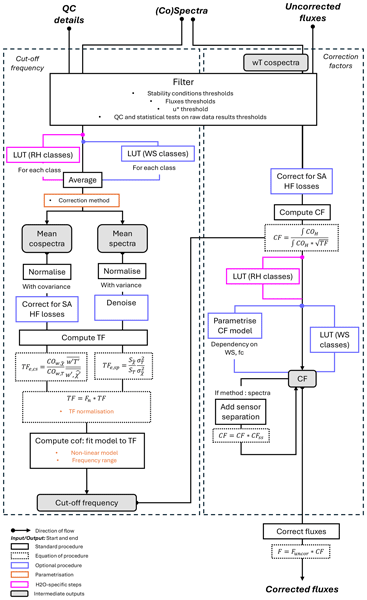
Accurate measurements of carbon dioxide and water vapour exchanges are essential for understanding climate change. Using data from 38 European observation sites, we compared two commonly used correction methods and found that one provides more robust and consistent results, especially for water vapour. The study also revealed differences with current network processing procedures, highlighting opportunities to improve the reliability of long-term ecosystem observations.
Jonathan Bitton, Bernard Heinesch, Catherine Charles, and Bernard Longdoz
Biogeosciences, 23, 6491–6520, https://doi.org/10.5194/bg-23-6491-2026, https://doi.org/10.5194/bg-23-6491-2026, 2026
Short summary
Short summary
We studied 24 years of carbon exchange in a beech forest to understand why its productivity rises, peaks and declines each at different times of the year. We mapped climate effects onto short biological windows and found that stored carbon supports early growth, a one‑week bud formation period can set next year’s peak and bursts of dry air drive mid‑summer drops. Hot summers even raised productivity when water was available. These insights help anticipate forest responses to heat and drought.
Yue Zhou, Maria Costanza Andrenelli, Quentin Beauclaire, Eyal Ben-Dor, Sara Bergante, Javier Bravo-García, David de la Fuente Blanco, Asa Gholizadeh, David Čejka, Sabine Chabrillat, Bernard Heinesch, Laura Hernandez Mateo, Kevin Kuehl, Bernard Longdoz, Carlos Lozano Fondón, Petr Maca, Robert Milewski, Stefano Monaco, Dimitra Palantza, Francesco Palazzi, Maria Fantappiè, Roberta Farina, Marmar Sabetizadeh, Benjamin Sanchez, Inés Santín, Jonti Evan Shepherd, Judit Torres, Marta Gómez-Giménez, Bas van Wesemael, and Bertrand Guenet
EGUsphere, https://doi.org/10.5194/egusphere-2026-4735, https://doi.org/10.5194/egusphere-2026-4735, 2026
This preprint is open for discussion and under review for SOIL (SOIL).
Short summary
Short summary
Modelling changes in soil carbon stocks often relies on field measurements, such as temperature, rainfall and plant growth, but these data are not widely available across large areas. Using 16 long-term experiments data across Europe, we tested how model results changed when field measurements were replaced with satellite-based and other spatial data. Overall, spatial data produced reliable estimates of soil carbon change, supporting their use in large-scale assessments.
Quentin Beauclaire, Bernard Longdoz, Laura Delhez, Bruna Winck, Benjamin Loubet, Yue Zhou, Marmar Sabetizade, Neo Arquin, Nicolas Saby, and Bernard Heinesch
EGUsphere, https://doi.org/10.5194/egusphere-2026-3840, https://doi.org/10.5194/egusphere-2026-3840, 2026
Short summary
Short summary
We studied how soil organic carbon stocks changed over 21 years in a Belgian cropland by combining soil sampling, a soil carbon model, and measurements from a flux tower. The soil appeared mostly stable overall, but the flux-tower approach suggested much larger carbon losses than the other methods. Our results show that using several approaches together is important to better understand soil organic carbon changes and to identify farming practices that either build up or reduce soil carbon.
Jonathan Bitton, Bernard Heinesch, Samuel Nicolay, and Catherine Charles
EGUsphere, https://doi.org/10.5194/egusphere-2026-2881, https://doi.org/10.5194/egusphere-2026-2881, 2026
Short summary
Short summary
We investigated how wavelet-based methods estimate variance and covariance in time‑varying environmental data. We found that a widely used approach introduces systematic deviations of about 10–15 % under typical conditions. By introducing an alternative formulation, we reduced these discrepancies and improved estimation accuracy. Since these estimates are used to quantify exchanges of energy and gases, even moderate systematic deviations may influence long-term environmental analyses.
Laura Delhez, Eric Laloy, Quentin Beauclaire, and Bernard Longdoz
Biogeosciences, 23, 2079–2099, https://doi.org/10.5194/bg-23-2079-2026, https://doi.org/10.5194/bg-23-2079-2026, 2026
Short summary
Short summary
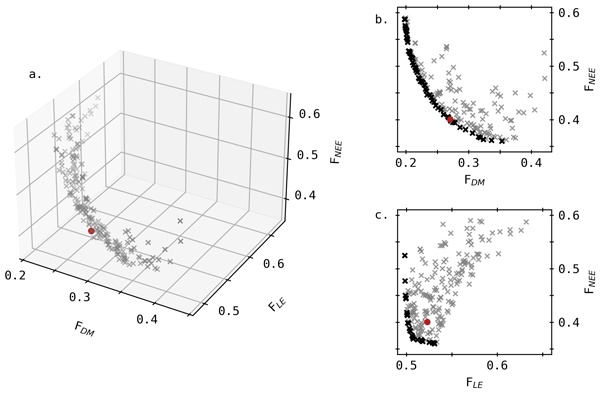
Using an advanced optimisation method, we calibrated a crop model against dry matter, carbon and water exchanges. Although model predictions matched observations well, the process revealed weaknesses in the model, such as difficulty in representing evapotranspiration, especially during heatwaves. This multi-objective approach highlighted the need to better capture stomatal and non-stomatal responses in order to improve predictions of crop models.
Clément Dumont, Bert Willem Diane Verreyken, Niels Schoon, Benjamin Bergmans, Bernard Heinesch, and Crist Amelynck
Earth Syst. Sci. Data, 18, 617–654, https://doi.org/10.5194/essd-18-617-2026, https://doi.org/10.5194/essd-18-617-2026, 2026
Short summary
Short summary
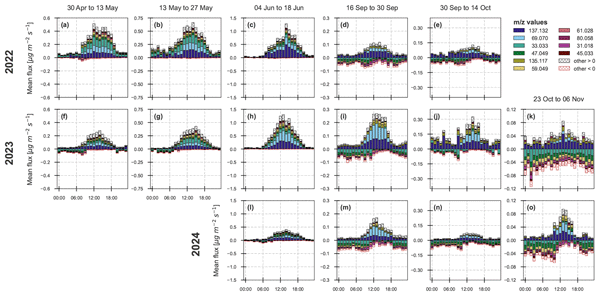
We measured the net exchange (fluxes) of volatile organic compounds and ozone between a mixed temperate forest and the atmosphere over three years in Belgium. Many compounds were both emitted and deposited depending on the season and time of day. Emissions peaked in summer, while uptake was stronger in autumn. This unique long-term dataset improves our understanding of forest–atmosphere interactions and supports better air quality and climate models.
Jennifer Michel, Yves Brostaux, Bernard Longdoz, Hervé Vanderschuren, and Pierre Delaplace
SOIL, 11, 755–762, https://doi.org/10.5194/soil-11-755-2025, https://doi.org/10.5194/soil-11-755-2025, 2025
Short summary
Short summary
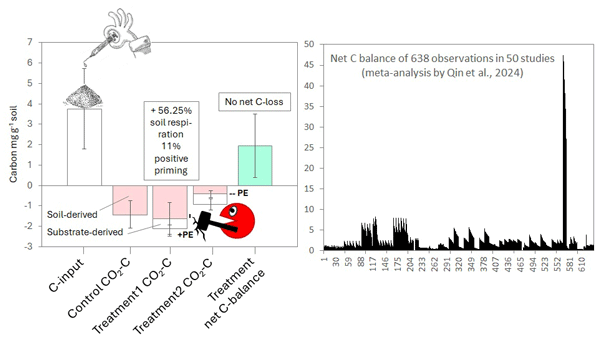
We discuss three aspects to ensure (rhizosphere) priming effects are correctly perceived in their ecological context and measured at appropriate scales. (i) The first aspect is that there is little empirical evidence for net C losses from priming. (ii) The second aspect is critical publication bias. (iii) The third aspect is a need to distinguish between priming effects (PE) and rhizosphere priming effects (RPE).
Jacob A. Nelson, Sophia Walther, Fabian Gans, Basil Kraft, Ulrich Weber, Kimberly Novick, Nina Buchmann, Mirco Migliavacca, Georg Wohlfahrt, Ladislav Šigut, Andreas Ibrom, Dario Papale, Mathias Göckede, Gregory Duveiller, Alexander Knohl, Lukas Hörtnagl, Russell L. Scott, Jiří Dušek, Weijie Zhang, Zayd Mahmoud Hamdi, Markus Reichstein, Sergio Aranda-Barranco, Jonas Ardö, Maarten Op de Beeck, Dave Billesbach, David Bowling, Rosvel Bracho, Christian Brümmer, Gustau Camps-Valls, Shiping Chen, Jamie Rose Cleverly, Ankur Desai, Gang Dong, Tarek S. El-Madany, Eugenie Susanne Euskirchen, Iris Feigenwinter, Marta Galvagno, Giacomo A. Gerosa, Bert Gielen, Ignacio Goded, Sarah Goslee, Christopher Michael Gough, Bernard Heinesch, Kazuhito Ichii, Marcin Antoni Jackowicz-Korczynski, Anne Klosterhalfen, Sara Knox, Hideki Kobayashi, Kukka-Maaria Kohonen, Mika Korkiakoski, Ivan Mammarella, Mana Gharun, Riccardo Marzuoli, Roser Matamala, Stefan Metzger, Leonardo Montagnani, Giacomo Nicolini, Thomas O'Halloran, Jean-Marc Ourcival, Matthias Peichl, Elise Pendall, Borja Ruiz Reverter, Marilyn Roland, Simone Sabbatini, Torsten Sachs, Marius Schmidt, Christopher R. Schwalm, Ankit Shekhar, Richard Silberstein, Maria Lucia Silveira, Donatella Spano, Torbern Tagesson, Gianluca Tramontana, Carlo Trotta, Fabio Turco, Timo Vesala, Caroline Vincke, Domenico Vitale, Enrique R. Vivoni, Yi Wang, William Woodgate, Enrico A. Yepez, Junhui Zhang, Donatella Zona, and Martin Jung
Biogeosciences, 21, 5079–5115, https://doi.org/10.5194/bg-21-5079-2024, https://doi.org/10.5194/bg-21-5079-2024, 2024
Short summary
Short summary
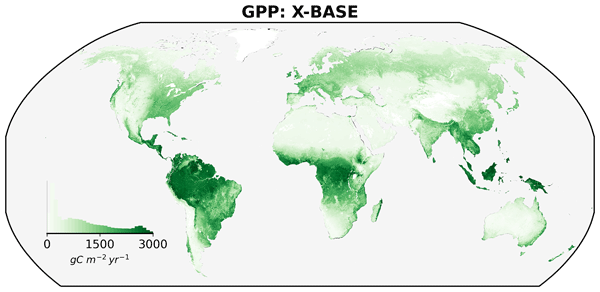
The movement of water, carbon, and energy from the Earth's surface to the atmosphere, or flux, is an important process to understand because it impacts our lives. Here, we outline a method called FLUXCOM-X to estimate global water and CO2 fluxes based on direct measurements from sites around the world. We go on to demonstrate how these new estimates of net CO2 uptake/loss, gross CO2 uptake, total water evaporation, and transpiration from plants compare to previous and independent estimates.
Yang Liu, Raluca Ciuraru, Letizia Abis, Crist Amelynck, Pauline Buysse, Alex Guenther, Bernard Heinesch, Florence Lafouge, Florent Levavasseur, Benjamin Loubet, Auriane Voyard, and Raia-Silvia Massad
EGUsphere, https://doi.org/10.5194/egusphere-2024-530, https://doi.org/10.5194/egusphere-2024-530, 2024
Preprint archived
Short summary
Short summary
This paper reviews the emission and emission processes of biogenic volatile organic compounds (BVOCs) from various crops and soil under different management practices, highlighting challenges in modeling the emissions and proposing a conceptual model for estimation. The aim of this paper is to present agricultural BVOC data and related mechanistic processes to enhance model accuracy and reduce uncertainties in estimating BVOC emissions from agriculture.
Cited articles
Abbate, A., DeCusatis, C. M., and Das, P. K.: Wavelets and Subbands, Birkhäuser, Boston, MA, https://doi.org/10.1007/978-1-4612-0113-7, 2002.
Adhikari, Y., Blumröder, J. S., Meier, C., and Ibisch, P. L.: Beech buffers: Microclimate regulation in temperate old-growth forests, surroundings and forest edge, Ecol. Indic., 178, 114111, https://doi.org/10.1016/j.ecolind.2025.114111, 2025.
Allan, B. M., Nimmo, D. G., Ierodiaconou, D., VanDerWal, J., Koh, L. P., and Ritchie, E. G.: Futurecasting ecological research: the rise of technoecology, Ecosphere, 9, e02163, https://doi.org/10.1002/ecs2.2163, 2018.
Ascough, J. C., Maier, H. R., Ravalico, J. K., and Strudley, M. W.: Future research challenges for incorporation of uncertainty in environmental and ecological decision-making, Ecol. Model., 219, 383–399, https://doi.org/10.1016/j.ecolmodel.2008.07.015, 2008.
Aubinet, M., Vesala, T., and Papale, D. (Eds.): Eddy Covariance: A Practical Guide to Measurement and Data Analysis, Springer Netherlands, Dordrecht, https://doi.org/10.1007/978-94-007-2351-1, 2012.
Aubinet, M., Hurdebise, Q., Chopin, H., Debacq, A., De Ligne, A., Heinesch, B., Manise, T., and Vincke, C.: Inter-annual variability of Net Ecosystem Productivity for a temperate mixed forest: A predominance of carry-over effects?, Agric. For. Meteorol., 262, 340–353, https://doi.org/10.1016/j.agrformet.2018.07.024, 2018.
Bachofen, C., D'Odorico, P., and Buchmann, N.: Light and VPD gradients drive foliar nitrogen partitioning and photosynthesis in the canopy of European beech and silver fir, Oecologia, 192, 323–339, https://doi.org/10.1007/s00442-019-04583-x, 2020.
Baldocchi, D., Chu, H., and Reichstein, M.: Inter-annual variability of net and gross ecosystem carbon fluxes: A review, Agric. For. Meteorol., 249, 520–533, https://doi.org/10.1016/j.agrformet.2017.05.015, 2018.
Basler, D. and Körner, C.: Photoperiod sensitivity of bud burst in 14 temperate forest tree species, Agric. For. Meteorol., 165, 73–81, https://doi.org/10.1016/j.agrformet.2012.06.001, 2012.
Basler, D. and Körner, C.: Photoperiod and temperature responses of bud swelling and bud burst in four temperate forest tree species, Tree Physiol., 34, 377–388, https://doi.org/10.1093/treephys/tpu021, 2014.
Bednářová, E., Kučera, J., and Merklová, L.: The onset and duration of vegetative phenological stages in European beech (Fagus sylvatica L.) under changing conditions of the environment, Acta Univ. Agric. Silvic. Mendel. Brun., 58, 23–30, https://doi.org/10.11118/actaun201058040023, 2014.
Bequet, R., Campioli, M., Kint, V., Vansteenkiste, D., Muys, B., and Ceulemans, R.: Leaf area index development in temperate oak and beech forests is driven by stand characteristics and weather conditions, Trees, 25, 935–946, https://doi.org/10.1007/s00468-011-0568-4, 2011.
Bitton, J.: Continuous wavelet transform toolkit with Wavelet Area Interpretation (WAI), Version v2.0.1, Zenodo [software], https://doi.org/10.5281/zenodo.21111957, 2026.
Bitton, J., Heinesch, B., Charles, C., and Longdoz, B.: How beech ecophysiology shapes temperate forest gross primary productivity – Part 2: Identifying critical timeframes across phenological stages, Biogeosciences, 23, 6491–6520, https://doi.org/10.5194/bg-23-6491-2026, 2026.
Bracewell, R. N.: The Fourier Transform and Its Applications, McGraw Hill, ISBN 978-0-07-116043-8, 2000.
Bréda, N., Huc, R., Granier, A., and Dreyer, E.: Temperate forest trees and stands under severe drought: a review of ecophysiological responses, adaptation processes and long-term consequences, Ann. For. Sci., 63, 625–644, https://doi.org/10.1051/forest:2006042, 2006.
Bush, E. R., Abernethy, K. A., Jeffery, K., Tutin, C., White, L., Dimoto, E., Dikangadissi, J.-T., Jump, A. S., and Bunnefeld, N.: Fourier analysis to detect phenological cycles using long-term tropical field data and simulations, Methods Ecol. Evol., 8, 530–540, https://doi.org/10.1111/2041-210X.12704, 2017.
Campioli, M., Gielen, B., Göckede, M., Papale, D., Bouriaud, O., and Granier, A.: Temporal variability of the NPP-GPP ratio at seasonal and interannual time scales in a temperate beech forest, Biogeosciences, 8, 2481–2492, https://doi.org/10.5194/bg-8-2481-2011, 2011.
Caparros-Santiago, J. A., Rodriguez-Galiano, V., and Dash, J.: Land surface phenology as indicator of global terrestrial ecosystem dynamics: A systematic review, ISPRS J. Photogramm. Remote Sens., 171, 330–347, https://doi.org/10.1016/j.isprsjprs.2020.11.019, 2021.
Carl, G., Doktor, D., Koslowsky, D., and Kühn, I.: Phase difference analysis of temperature and vegetation phenology for beech forest: a wavelet approach, Stoch. Environ. Res. Risk Assess., 27, 1221–1230, https://doi.org/10.1007/s00477-012-0658-x, 2013.
Cazelles, B., Chavez, M., Berteaux, D., Ménard, F., Vik, J. O., Jenouvrier, S., and Stenseth, N. C.: Wavelet analysis of ecological time series, Oecologia, 156, 287–304, https://doi.org/10.1007/s00442-008-0993-2, 2008.
Cazelles, B., Cazelles, K., and Chavez, M.: Wavelet analysis in ecology and epidemiology: impact of statistical tests, J. R. Soc. Interface, 11, 20130585, https://doi.org/10.1098/rsif.2013.0585, 2014.
Chen, Q., Zhang, J., and Li, G.: Dynamic epigenetic modifications in plant sugar signal transduction, Trends Plant Sci., 27, 379–390, https://doi.org/10.1016/j.tplants.2021.10.009, 2022.
Chiesi, M., Chirici, G., Marchetti, M., Hasenauer, H., Moreno, A., Knohl, A., Matteucci, G., Pilegaard, K., Granier, A., Longdoz, B., and Maselli, F.: Testing the applicability of BIOME-BGC to simulate beech gross primary production in Europe using a new continental weather dataset, Ann. For. Sci., 73, 713–727, https://doi.org/10.1007/s13595-016-0560-7, 2016.
Cuntz, M., Longdoz, B. and ICOS Ecosystem Thematic Centre: Warm winter 2020 ecosystem eddy covariance flux product from Hesse, ICOS Carbon Portal [data set], https://doi.org/10.18160/GFQX-22T7, 2022.
Curtis, P. S. and Gough, C. M.: Forest aging, disturbance and the carbon cycle, New Phytol., 219, 1188–1193, https://doi.org/10.1111/nph.15227, 2018.
Debnath, L. and Shah, F. A.: Wavelet Transforms and Their Applications, Birkhäuser, Boston, MA, https://doi.org/10.1007/978-0-8176-8418-1, 2015.
Dellwik, E. and Jensen, N. O.: Flux–Profile Relationships Over a Fetch Limited Beech Forest, Bound.-Lay. Meteorol., 115, 179–204, https://doi.org/10.1007/s10546-004-3808-y, 2005.
Drake, J. E., Davis, S. C., Raetz, L. M., and DeLUCIA, E. H.: Mechanisms of age-related changes in forest production: the influence of physiological and successional changes, Glob. Change Biol., 17, 1522–1535, https://doi.org/10.1111/j.1365-2486.2010.02342.x, 2011.
Duursma, R. A., Gimeno, T. E., Boer, M. M., Crous, K. Y., Tjoelker, M. G., and Ellsworth, D. S.: Canopy leaf area of a mature evergreen Eucalyptus woodland does not respond to elevated atmospheric [CO2] but tracks water availability, Glob. Change Biol., 22, 1666–1676, https://doi.org/10.1111/gcb.13151, 2016.
Farge, M.: Wavelet Transforms and Their Applications to Turbulence, Annu. Rev. Fluid Mech., 24, 395–458, https://doi.org/10.1146/annurev.fl.24.010192.002143, 1992.
Fu, Y. H., Zhao, H., Piao, S., Peaucelle, M., Peng, S., Zhou, G., Ciais, P., Huang, M., Menzel, A., Peñuelas, J., Song, Y., Vitasse, Y., Zeng, Z., and Janssens, I. A.: Declining global warming effects on the phenology of spring leaf unfolding, Nature, 526, 104–107, https://doi.org/10.1038/nature15402, 2015.
Fu, Y. H., Piao, S., Delpierre, N., Hao, F., Hänninen, H., Liu, Y., Sun, W., Janssens, I. A., and Campioli, M.: Larger temperature response of autumn leaf senescence than spring leaf-out phenology, Glob. Change Biol., 24, 2159–2168, https://doi.org/10.1111/gcb.14021, 2018.
de-Dios-García, J., Pardos, M., and Calama, R.: Interannual variability in competitive effects in mixed and monospecific forests of Mediterranean stone pine, For. Ecol. Manag., 358, 230–239, https://doi.org/10.1016/j.foreco.2015.09.014, 2015.
Genet, H., Bréda, N., and Dufrêne, E.: Age-related variation in carbon allocation at tree and stand scales in beech (Fagus sylvatica L.) and sessile oak (Quercus petraea (Matt.) Liebl.) using a chronosequence approach, Tree Physiol., 30, 177–192, https://doi.org/10.1093/treephys/tpp105, 2010.
Gennaretti, F., Ogée, J., Sainte-Marie, J., and Cuntz, M.: Mining ecophysiological responses of European beech ecosystems to drought, Agric. For. Meteorol., 280, 107780, https://doi.org/10.1016/j.agrformet.2019.107780, 2020.
González, C. A., Plaza, G., and Cerna, F.: Influence of environmental drivers on the interannual variability of somatic growth of the southern blue whiting (Micromesistius australis) in the Southeastern Pacific Ocean, Fish. Res., 288, 107441, https://doi.org/10.1016/j.fishres.2025.107441, 2025.
Granier, A., Bréda, N., Longdoz, B., Gross, P., and Ngao, J.: Ten years of fluxes and stand growth in a young beech forest at Hesse, North-eastern France, Ann. For. Sci., 65, 704–704, https://doi.org/10.1051/forest:2008052, 2008.
Harrison, X. A., Donaldson, L., Correa-Cano, M. E., Evans, J., Fisher, D. N., Goodwin, C. E. D., Robinson, B. S., Hodgson, D. J., and Inger, R.: A brief introduction to mixed effects modelling and multi-model inference in ecology, PeerJ, 6, e4794, https://doi.org/10.7717/peerj.4794, 2018.
Herbst, M., Mund, M., Tamrakar, R., and Knohl, A.: Differences in carbon uptake and water use between a managed and an unmanaged beech forest in central Germany, For. Ecol. Manag., 355, 101–108, https://doi.org/10.1016/j.foreco.2015.05.034, 2015.
Hesse, B. D., Gebhardt, T., Hafner, B. D., Hikino, K., Reitsam, A., Gigl, M., Dawid, C., Häberle, K.-H., and Grams, T. E. E.: Physiological recovery of tree water relations upon drought release – response of mature beech and spruce after five years of recurrent summer drought, Tree Physiol., 43, 522–538, https://doi.org/10.1093/treephys/tpac135, 2023.
Hudson, I. L., Keatley, M. R., and Kang, I.: Wavelet characterization of eucalypt flowering and the influence of climate, Environ. Ecol. Stat., 18, 513–533, https://doi.org/10.1007/s10651-010-0149-5, 2011.
Hurdebise, Q., Aubinet, M., Heinesch, B., and Vincke, C.: Increasing temperatures over an 18-year period shortens growing season length in a beech (Fagus sylvatica L.)-dominated forest, Ann. For. Sci., 76, 75, https://doi.org/10.1007/s13595-019-0861-8, 2019.
Ibrom, A., Pilegaard, K., and ICOS Ecosystem Thematic Centre: Warm winter 2020 ecosystem eddy covariance flux product from Soroe, ICOS Carbon Portal [data set], https://doi.org/10.18160/X4DF-R4S2, 2022.
Jiang, M., Medlyn, B. E., Drake, J. E., Duursma, R. A., Anderson, I. C., Barton, C. V. M., Boer, M. M., Carrillo, Y., Castañeda-Gómez, L., Collins, L., Crous, K. Y., De Kauwe, M. G., dos Santos, B. M., Emmerson, K. M., Facey, S. L., Gherlenda, A. N., Gimeno, T. E., Hasegawa, S., Johnson, S. N., Kännaste, A., Macdonald, C. A., Mahmud, K., Moore, B. D., Nazaries, L., Neilson, E. H. J., Nielsen, U. N., Niinemets, Ü., Noh, N. J., Ochoa-Hueso, R., Pathare, V. S., Pendall, E., Pihlblad, J., Piñeiro, J., Powell, J. R., Power, S. A., Reich, P. B., Renchon, A. A., Riegler, M., Rinnan, R., Rymer, P. D., Salomón, R. L., Singh, B. K., Smith, B., Tjoelker, M. G., Walker, J. K. M., Wujeska-Klause, A., Yang, J., Zaehle, S., and Ellsworth, D. S.: The fate of carbon in a mature forest under carbon dioxide enrichment, Nature, 580, 227–231, https://doi.org/10.1038/s41586-020-2128-9, 2020.
Knohl, A., Tiedemann, F., Klosterhalfen, A., Markwitz, C., Fellert, D., Herbst, M., Kolle, O., Kreilein, H., Kutsch, W., Kutsch, W., Rebmann, C., and Siebicke, L.: Fluxnet Archive Product from Hainich, 2000–2024, Ecosystem Thematic Centre [data set], https://doi.org/11676/rOKIh2gg8tEExEelC67ZCp9q, 2025.
Krapivin, V. F. and Shutko, A. M.: Information Technologies for Remote Monitoring of the Environment, Springer, Berlin, Heidelberg, https://doi.org/10.1007/978-3-642-20567-5, 2012.
Krapivin, V. F., Varotsos, C. A., and Soldatov, V. Yu.: New Ecoinformatics Tools in Environmental Science: Applications and Decision-making, Springer International Publishing, Cham, https://doi.org/10.1007/978-3-319-13978-4, 2015.
Kulla, L., Roessiger, J., Bošeľa, M., Kucbel, S., Murgaš, V., Vencurik, J., Pittner, J., Jaloviar, P., Šumichrast, L., and Saniga, M.: Changing patterns of natural dynamics in old-growth European beech (Fagus sylvatica L.) forests can inspire forest management in Central Europe, For. Ecol. Manag., 529, 120633, https://doi.org/10.1016/j.foreco.2022.120633, 2023.
Kuznetsova, A., Brockhoff, P. B., and Christensen, R. H. B.: lmerTest Package: Tests in Linear Mixed Effects Models, J. Stat. Softw., 82, 1–26, https://doi.org/10.18637/jss.v082.i13, 2017.
Lara, B. and Gandini, M.: Assessing the performance of smoothing functions to estimate land surface phenology on temperate grassland, Int. J. Remote Sens., 37, 1801–1813, https://doi.org/10.1080/2150704X.2016.1168945, 2016.
Le Dantec, V., Dufrêne, E., and Saugier, B.: Interannual and spatial variation in maximum leaf area index of temperate deciduous stands, For. Ecol. Manag., 134, 71–81, https://doi.org/10.1016/S0378-1127(99)00246-7, 2000.
Lenth, R. V.: Least-Squares Means: The R Package lsmeans, J. Stat. Softw., 69, 1–33, https://doi.org/10.18637/jss.v069.i01, 2016.
Leuschner, C.: Drought response of European beech (Fagus sylvatica L.) – A review, Perspect. Plant Ecol. Evol. Syst., 47, 125576, https://doi.org/10.1016/j.ppees.2020.125576, 2020.
Linderman, M., Zeng, Y., and Rowhani, P.: Climate and Land-Use Effects on Interannual fAPAR Variability from MODIS 250 m Data, Photogramm. Eng. Remote Sens., 76, 807–816, https://doi.org/10.14358/PERS.76.7.807, 2010.
Luo, Y., Zohner, C., Crowther, T. W., Feng, J., Hoch, G., Li, P., Richardson, A. D., Vitasse, Y., and Gessler, A.: Internal physiological drivers of leaf development in trees: Understanding the relationship between non-structural carbohydrates and leaf phenology, Funct. Ecol., 40, https://doi.org/10.1111/1365-2435.14694, 2024.
Mallat, S. (Ed.): A Wavelet Tour of Signal Processing, Third Edition., Academic Press, Boston, https://doi.org/10.1016/B978-0-12-374370-1.50001-9, 2009.
Marvin, D. C., Koh, L. P., Lynam, A. J., Wich, S., Davies, A. B., Krishnamurthy, R., Stokes, E., Starkey, R., and Asner, G. P.: Integrating technologies for scalable ecology and conservation, Glob. Ecol. Conserv., 7, 262–275, https://doi.org/10.1016/j.gecco.2016.07.002, 2016.
Maxwell, S. E., Delaney, H. D., and Kelley, K.: Designing Experiments and Analyzing Data: A Model Comparison Perspective, Third Edition., Routledge, New York, NY, 1080 pp., https://doi.org/10.4324/9781315642956, 2017.
McCarthy, H. R., Oren, R., Finzi, A. C., Ellsworth, D. S., Kim, H.-S., Johnsen, K. H., and Millar, B.: Temporal dynamics and spatial variability in the enhancement of canopy leaf area under elevated atmospheric CO2, Glob. Change Biol., 13, 2479–2497, https://doi.org/10.1111/j.1365-2486.2007.01455.x, 2007.
Moffat, A. M., Papale, D., Reichstein, M., Hollinger, D. Y., Richardson, A. D., Barr, A. G., Beckstein, C., Braswell, B. H., Churkina, G., Desai, A. R., Falge, E., Gove, J. H., Heimann, M., Hui, D., Jarvis, A. J., Kattge, J., Noormets, A., and Stauch, V. J.: Comprehensive comparison of gap-filling techniques for eddy covariance net carbon fluxes, Agric. For. Meteorol., 147, 209–232, https://doi.org/10.1016/j.agrformet.2007.08.011, 2007.
Moreaux, V., Longdoz, B., Berveiller, D., Delpierre, N., Dufrêne, E., Bonnefond, J.-M., Chipeaux, C., Joffre, R., Limousin, J.-M., Ourcival, J.-M., Klumpp, K., Darsonville, O., Brut, A., Tallec, T., Ceschia, E., Panthou, G., and Loustau, D.: Environmental control of land-atmosphere CO2 fluxes from temperate ecosystems: a statistical approach based on homogenized time series from five land-use types, Tellus B Chem. Phys. Meteorol., 72, 1–25, https://doi.org/10.1080/16000889.2020.1784689, 2020.
Mund, M., Herbst, M., Knohl, A., Matthäus, B., Schumacher, J., Schall, P., Siebicke, L., Tamrakar, R., and Ammer, C.: It is not just a `trade-off': indications for sink- and source-limitation to vegetative and regenerative growth in an old-growth beech forest, New Phytol., 226, 111–125, https://doi.org/10.1111/nph.16408, 2020.
Ngao, J., Epron, D., Delpierre, N., Bréda, N., Granier, A., and Longdoz, B.: Spatial variability of soil CO2 efflux linked to soil parameters and ecosystem characteristics in a temperate beech forest, Agric. For. Meteorol., 154–155, 136–146, https://doi.org/10.1016/j.agrformet.2011.11.003, 2012.
Norby, R. J. and Zak, D. R.: Ecological Lessons from Free-Air CO2 Enrichment (FACE) Experiments, Annu. Rev. Ecol. Evol. Syst., 42, 181–203, https://doi.org/10.1146/annurev-ecolsys-102209-144647, 2011.
Oliveira, S. F., Fürlinger, K., and Kranzlmüller, D.: Trends in Computation, Communication and Storage and the Consequences for Data-intensive Science, in: 2012 IEEE 14th International Conference on High Performance Computing and Communication & 2012 IEEE 9th International Conference on Embedded Software and Systems, 2012 IEEE 14th International Conference on High Performance Computing and Communication & 2012 IEEE 9th International Conference on Embedded Software and Systems, 572–579, https://doi.org/10.1109/HPCC.2012.83, 2012.
Pandey, P. C. and Sharma, L. K.: Introduction to Natural Resource Monitoring Using Remote Sensing Technology, John Wiley & Sons, Ltd, https://doi.org/10.1002/9781119616016, 2021.
Panwar, A., Migliavacca, M., Nelson, J. A., Cortés, J., Bastos, A., Forkel, M., and Winkler, A. J.: Methodological challenges and new perspectives of shifting vegetation phenology in eddy covariance data, Sci. Rep., 13, 13885, https://doi.org/10.1038/s41598-023-41048-x, 2023.
Percival, D. B. and Walden, A. T.: Spectral Analysis for Physical Applications, Cambridge University Press, Cambridge, https://doi.org/10.1017/CBO9780511622762, 1993.
Pilegaard, K. and Ibrom, A.: Net carbon ecosystem exchange during 24 years in the Sorø Beech Forest – relations to phenology and climate, Tellus B Chem. Phys. Meteorol., 72, https://doi.org/10.1080/16000889.2020.1822063, 2020.
Pilegaard, K., Mikkelsen, T. N., Beier, C., Jensen, N. O., Ambus, P., and Ro-Poulsen, H.: Field measurements of atmosphere-biosphere interactions in a Danish beech forest, Boreal Environ. Res., 8, 315–333, 2003.
Pilegaard, K., Ibrom, A., Courtney, M. S., Hummelshøj, P., and Jensen, N. O.: Increasing net CO2 uptake by a Danish beech forest during the period from 1996 to 2009, Agric. For. Meteorol., 151, 934–946, https://doi.org/10.1016/j.agrformet.2011.02.013, 2011.
Platt, T. and Denman, K. L.: Spectral Analysis in Ecology, Annu. Rev. Ecol. Evol. Syst., 6, 189–210, https://doi.org/10.1146/annurev.es.06.110175.001201, 1975.
Prislan, P., Gričar, J., Čufar, K., de Luis, M., Merela, M., and Rossi, S.: Growing season and radial growth predicted for Fagus sylvatica under climate change, Clim. Change, 153, 181–197, https://doi.org/10.1007/s10584-019-02374-0, 2019.
Reich, P. B.: Phenology of tropical forests: patterns, causes, and consequences, Can. J. Bot., 73, 164–174, https://doi.org/10.1139/b95-020, 1995.
Reichman, O. J., Jones, M. B., and Schildhauer, M. P.: Challenges and Opportunities of Open Data in Ecology, Science, 331, 703–705, https://doi.org/10.1126/science.1197962, 2011.
Rukh, S., Sanders, T. G. M., Krüger, I., Schad, T., and Bolte, A.: Distinct Responses of European Beech (Fagus sylvatica L.) to Drought Intensity and Length – A Review of the Impacts of the 2003 and 2018–2019 Drought Events in Central Europe, Forests, 14, 248, https://doi.org/10.3390/f14020248, 2023.
Schaller, C., Göckede, M., and Foken, T.: Flux calculation of short turbulent events; comparison of three methods, Atmospheric Meas. Tech., 10, 869–880, https://doi.org/10.5194/amt-10-869-2017, 2017.
Schwartz, M. D., Ahas, R., and Aasa, A.: Onset of spring starting earlier across the Northern Hemisphere, Glob. Change Biol., 12, 343–351, https://doi.org/10.1111/j.1365-2486.2005.01097.x, 2006.
Searle, S. R., Speed, F. M., and Milliken, G. A.: Population Marginal Means in the Linear Model: An Alternative to Least Squares Means, Am. Stat., 34, 216–221, https://doi.org/10.1080/00031305.1980.10483031, 1980.
Silvestro, R., Deslauriers, A., Prislan, P., Rademacher, T., Rezaie, N., Richardson, A. D., Vitasse, Y., and Rossi, S.: From Roots to Leaves: Tree Growth Phenology in Forest Ecosystems, Curr. For. Rep., 11, 12, https://doi.org/10.1007/s40725-025-00245-9, 2025.
Skvareninova, J., Sitko, R., Vido, J., Snopková, Z., and Skvarenina, J.: Phenological response of European beech (Fagus sylvatica L.) to climate change in the Western Carpathian climatic-geographical zones, Front. Plant Sci., 15, https://doi.org/10.3389/fpls.2024.1242695, 2024.
Sohn, J. A., Saha, S., and Bauhus, J.: Potential of forest thinning to mitigate drought stress: A meta-analysis, For. Ecol. Manag., 380, 261–273, https://doi.org/10.1016/j.foreco.2016.07.046, 2016.
Stagakis, S., Markos, N., Vanikiotis, T., Levizou, E., and Kyparissis, A.: Multi-Year Monitoring of Deciduous Forests Ecophysiology and the Role of Temperature and Precipitation as Controlling Factors, Plants, 11, 2257, https://doi.org/10.3390/plants11172257, 2022.
Stitt, M.: Rising CO2 levels and their potential significance for carbon flow in photosynthetic cells, Plant Cell Environ., 14, 741–762, https://doi.org/10.1111/j.1365-3040.1991.tb01440.x, 1991.
Sturtevant, C., Ruddell, B. L., Knox, S. H., Verfaillie, J., Matthes, J. H., Oikawa, P. Y., and Baldocchi, D.: Identifying scale-emergent, nonlinear, asynchronous processes of wetland methane exchange, J. Geophys. Res. Biogeosciences, 121, 188–204, https://doi.org/10.1002/2015JG003054, 2016.
Tamrakar, R., Rayment, M. B., Moyano, F., Mund, M., and Knohl, A.: Implications of structural diversity for seasonal and annual carbon dioxide fluxes in two temperate deciduous forests, Agric. For. Meteorol., 263, 465–476, https://doi.org/10.1016/j.agrformet.2018.08.027, 2018.
The MathWorks Inc.: MATLAB, version 9.12.0 (R2022a), The MathWorks Inc. [software], Natick, MA, USA, https://www.mathworks.com (last access: 28 August 2026), 2022.
Thomas, F. M., Preusser, S., Backes, B., and Werner, W.: Leaf traits of Central-European beech (Fagus sylvatica) and oaks (Quercus petraea/robur): Effects of severe drought and long-term dynamics, For. Ecol. Manag., 559, 121823, https://doi.org/10.1016/j.foreco.2024.121823, 2024.
Tian, M., Salmon, Y., Lintunen, A., Oren, R., and Hölttä, T.: Seasonal dynamics and punctuated carbon sink reduction suggest photosynthetic capacity of boreal silver birch is reduced by the accumulation of hexose, New Phytol., 243, 894–908, https://doi.org/10.1111/nph.19883, 2024.
Torrence, C. and Compo, G. P.: A Practical Guide to Wavelet Analysis, Bull. Am. Meteorol. Soc., 79, 61–78, https://doi.org/10.1175/1520-0477(1998)079<0061:APGTWA>2.0.CO;2, 1998.
Trankler, H.-R. and Kanoun, O.: Recent advances in sensor technology, in: IMTC 2001. Proceedings of the 18th IEEE Instrumentation and Measurement Technology Conference. Rediscovering Measurement in the Age of Informatics (Cat. No.01CH 37188), IMTC 2001. Proceedings of the 18th IEEE Instrumentation and Measurement Technology Conference. Rediscovering Measurement in the Age of Informatics (Cat. No.01CH 37188), 309–316 vol.1, https://doi.org/10.1109/IMTC.2001.928831, 2001.
Vitasse, Y.: Ontogenic changes rather than difference in temperature cause understory trees to leaf out earlier, New Phytol., 198, 149–155, https://doi.org/10.1111/nph.12130, 2013.
Vitasse, Y. and Basler, D.: What role for photoperiod in the bud burst phenology of European beech, Eur. J. For. Res., 132, 1–8, https://doi.org/10.1007/s10342-012-0661-2, 2013.
Wang, X., Xiao, J., Li, X., Cheng, G., Ma, M., Zhu, G., Altaf Arain, M., Andrew Black, T., and Jassal, R. S.: No trends in spring and autumn phenology during the global warming hiatus, Nat. Commun., 10, 2389, https://doi.org/10.1038/s41467-019-10235-8, 2019.
Wankmüller, F. J. P., Delval, L., Lehmann, P., Baur, M. J., Cecere, A., Wolf, S., Or, D., Javaux, M., and Carminati, A.: Global influence of soil texture on ecosystem water limitation, Nature, 635, 631–638, https://doi.org/10.1038/s41586-024-08089-2, 2024.
Weiss, F., von Wehrden, H., and Linde, A.: Random year intercepts in mixed models help to assess uncertainties in insect population trends, Insect Conserv. Divers., 16, 531–537, https://doi.org/10.1111/icad.12644, 2023.
West, B. T., Welch, K. B., and Galecki, A. T.: Linear Mixed Models: A Practical Guide Using Statistical Software, 3rd edn., Chapman and Hall/CRC, New York, 490 pp., https://doi.org/10.1201/9781003181064, 2022.
White, M. A., Thornton, P. E., and Running, S. W.: A continental phenology model for monitoring vegetation responses to interannual climatic variability, Glob. Biogeochem. Cycles, 11, 217–234, https://doi.org/10.1029/97GB00330, 1997.
Wu, J., van der Linden, L., Lasslop, G., Carvalhais, N., Pilegaard, K., Beier, C., and Ibrom, A.: Effects of climate variability and functional changes on the interannual variation of the carbon balance in a temperate deciduous forest, Biogeosciences, 9, 13–28, https://doi.org/10.5194/bg-9-13-2012, 2012.
Wutzler, T., Lucas-Moffat, A., Migliavacca, M., Knauer, J., Sickel, K., Šigut, L., Menzer, O., and Reichstein, M.: Basic and extensible post-processing of eddy covariance flux data with REddyProc, Biogeosciences, 15, 5015–5030, https://doi.org/10.5194/bg-15-5015-2018, 2018.
Xiao, J., Baldocchi, D., Ichii, K., Li, F., and Papale, D.: Insights into terrestrial carbon and water cycling from the global eddy covariance network, Nat. Rev. Earth Environ., 7, 60–79, https://doi.org/10.1038/s43017-025-00743-1, 2026.
Xie, Q., Moore, C. E., Cleverly, J., Hall, C. C., Ding, Y., Ma, X., Leigh, A., and Huete, A.: Land surface phenology indicators retrieved across diverse ecosystems using a modified threshold algorithm, Ecol. Indic., 147, 110000, https://doi.org/10.1016/j.ecolind.2023.110000, 2023.
Xu, X., Du, H., Fan, W., Hu, J., Mao, F., and Dong, H.: Long-term trend in vegetation gross primary production, phenology and their relationships inferred from the FLUXNET data, J. Environ. Manage., 246, 605–616, https://doi.org/10.1016/j.jenvman.2019.06.023, 2019.
Yu, X., Orth, R., Reichstein, M., Bahn, M., Klosterhalfen, A., Knohl, A., Koebsch, F., Migliavacca, M., Mund, M., Nelson, J. A., Stocker, B. D., Walther, S., and Bastos, A.: Contrasting drought legacy effects on gross primary productivity in a mixed versus pure beech forest, Biogeosciences, 19, 4315–4329, https://doi.org/10.5194/bg-19-4315-2022, 2022.
Zahnd, C., Arend, M., Kahmen, A., and Hoch, G.: Microclimatic gradients cause phenological variations within temperate tree canopies in autumn but not in spring, Agric. For. Meteorol., 331, 109340, https://doi.org/10.1016/j.agrformet.2023.109340, 2023.
Zani, D., Crowther, T. W., Mo, L., Renner, S. S., and Zohner, C. M.: Increased growing-season productivity drives earlier autumn leaf senescence in temperate trees, Science, 370, 1066–1071, https://doi.org/10.1126/science.abd8911, 2020.
Zeng, L., Wardlow, B. D., Xiang, D., Hu, S., and Li, D.: A review of vegetation phenological metrics extraction using time-series, multispectral satellite data, Remote Sens. Environ., 237, 111511, https://doi.org/10.1016/j.rse.2019.111511, 2020.
Zohner, C. M., Mirzagholi, L., Renner, S. S., Mo, L., Rebindaine, D., Bucher, R., Palouš, D., Vitasse, Y., Fu, Y. H., Stocker, B. D., and Crowther, T. W.: Effect of climate warming on the timing of autumn leaf senescence reverses after the summer solstice, Science, 381, eadf5098, https://doi.org/10.1126/science.adf5098, 2023.
Zuur, A. F., Ieno, E. N., Walker, N., Saveliev, A. A., and Smith, G. M.: Mixed effects models and extensions in ecology with R, Springer, New York, NY, https://doi.org/10.1007/978-0-387-87458-6, 2009.
Short summary
Seasonal changes in forest behavior are often hard to detect in carbon data. We developed a wavelet‑based approach to uncover how three beech forests grow and absorb carbon through seasons. The forests showed distinct spring growth, summer slowdowns and long‑term trends. All forests were carbon sinks with managed forests strengthening over time while the old forest weakened. We show how seasonal dynamics explain long‑term changes and offer a new tool for tracking forest responses to climate.
Seasonal changes in forest behavior are often hard to detect in carbon data. We developed a...


Altmetrics
Final-revised paper
Preprint