
Articles | Volume 23, issue 18
https://doi.org/10.5194/bg-23-6491-2026
© Author(s) 2026. This work is distributed under
the Creative Commons Attribution 4.0 License.
the Creative Commons Attribution 4.0 License.
https://doi.org/10.5194/bg-23-6491-2026
© Author(s) 2026. This work is distributed under
the Creative Commons Attribution 4.0 License.
the Creative Commons Attribution 4.0 License.
Research article
| 
17 Sep 2026
Research article |
| 17 Sep 2026
| 17 Sep 2026
How beech ecophysiology shapes temperate forest gross primary productivity – Part 2: Identifying critical timeframes across phenological stages
Jonathan Bitton
CORRESPONDING AUTHOR

Biosystems Dynamics and Exchanges, TERRA Teaching and Research Center, Gembloux Agro-Bio Tech, University of Liege, Gembloux, Belgium
Bernard Heinesch
Biosystems Dynamics and Exchanges, TERRA Teaching and Research Center, Gembloux Agro-Bio Tech, University of Liege, Gembloux, Belgium
Catherine Charles
Biosystems Dynamics and Exchanges, TERRA Teaching and Research Center, Gembloux Agro-Bio Tech, University of Liege, Gembloux, Belgium
Bernard Longdoz
Biosystems Dynamics and Exchanges, TERRA Teaching and Research Center, Gembloux Agro-Bio Tech, University of Liege, Gembloux, Belgium
Related authors
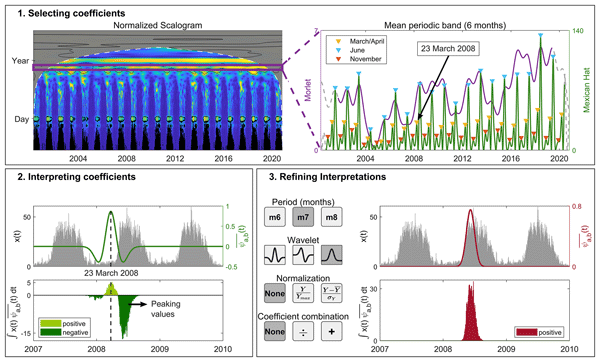
Jonathan Bitton, Catherine Charles, Bernard Longdoz, and Bernard Heinesch
Biogeosciences, 23, 6465–6489, https://doi.org/10.5194/bg-23-6465-2026, https://doi.org/10.5194/bg-23-6465-2026, 2026
Short summary
Short summary
Seasonal changes in forest behavior are often hard to detect in carbon data. We developed a wavelet‑based approach to uncover how three beech forests grow and absorb carbon through seasons. The forests showed distinct spring growth, summer slowdowns and long‑term trends. All forests were carbon sinks with managed forests strengthening over time while the old forest weakened. We show how seasonal dynamics explain long‑term changes and offer a new tool for tracking forest responses to climate.
Jonathan Bitton, Bernard Heinesch, Samuel Nicolay, and Catherine Charles
EGUsphere, https://doi.org/10.5194/egusphere-2026-2881, https://doi.org/10.5194/egusphere-2026-2881, 2026
Short summary
Short summary
We investigated how wavelet-based methods estimate variance and covariance in time‑varying environmental data. We found that a widely used approach introduces systematic deviations of about 10–15 % under typical conditions. By introducing an alternative formulation, we reduced these discrepancies and improved estimation accuracy. Since these estimates are used to quantify exchanges of energy and gases, even moderate systematic deviations may influence long-term environmental analyses.
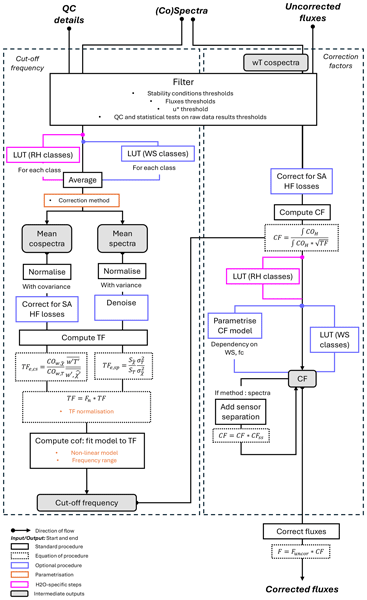
Ariane Faurès, Gerardo Fratini, Giacomo Nicolini, Dario Papale, Simone Sabbatini, and Bernard Heinesch
Atmos. Meas. Tech., 19, 6037–6074, https://doi.org/10.5194/amt-19-6037-2026, https://doi.org/10.5194/amt-19-6037-2026, 2026
Short summary
Short summary
Accurate measurements of carbon dioxide and water vapour exchanges are essential for understanding climate change. Using data from 38 European observation sites, we compared two commonly used correction methods and found that one provides more robust and consistent results, especially for water vapour. The study also revealed differences with current network processing procedures, highlighting opportunities to improve the reliability of long-term ecosystem observations.
Jonathan Bitton, Catherine Charles, Bernard Longdoz, and Bernard Heinesch
Biogeosciences, 23, 6465–6489, https://doi.org/10.5194/bg-23-6465-2026, https://doi.org/10.5194/bg-23-6465-2026, 2026
Short summary
Short summary
Seasonal changes in forest behavior are often hard to detect in carbon data. We developed a wavelet‑based approach to uncover how three beech forests grow and absorb carbon through seasons. The forests showed distinct spring growth, summer slowdowns and long‑term trends. All forests were carbon sinks with managed forests strengthening over time while the old forest weakened. We show how seasonal dynamics explain long‑term changes and offer a new tool for tracking forest responses to climate.
Yue Zhou, Maria Costanza Andrenelli, Quentin Beauclaire, Eyal Ben-Dor, Sara Bergante, Javier Bravo-García, David de la Fuente Blanco, Asa Gholizadeh, David Čejka, Sabine Chabrillat, Bernard Heinesch, Laura Hernandez Mateo, Kevin Kuehl, Bernard Longdoz, Carlos Lozano Fondón, Petr Maca, Robert Milewski, Stefano Monaco, Dimitra Palantza, Francesco Palazzi, Maria Fantappiè, Roberta Farina, Marmar Sabetizadeh, Benjamin Sanchez, Inés Santín, Jonti Evan Shepherd, Judit Torres, Marta Gómez-Giménez, Bas van Wesemael, and Bertrand Guenet
EGUsphere, https://doi.org/10.5194/egusphere-2026-4735, https://doi.org/10.5194/egusphere-2026-4735, 2026
This preprint is open for discussion and under review for SOIL (SOIL).
Short summary
Short summary
Modelling changes in soil carbon stocks often relies on field measurements, such as temperature, rainfall and plant growth, but these data are not widely available across large areas. Using 16 long-term experiments data across Europe, we tested how model results changed when field measurements were replaced with satellite-based and other spatial data. Overall, spatial data produced reliable estimates of soil carbon change, supporting their use in large-scale assessments.
Quentin Beauclaire, Bernard Longdoz, Laura Delhez, Bruna Winck, Benjamin Loubet, Yue Zhou, Marmar Sabetizade, Neo Arquin, Nicolas Saby, and Bernard Heinesch
EGUsphere, https://doi.org/10.5194/egusphere-2026-3840, https://doi.org/10.5194/egusphere-2026-3840, 2026
Short summary
Short summary
We studied how soil organic carbon stocks changed over 21 years in a Belgian cropland by combining soil sampling, a soil carbon model, and measurements from a flux tower. The soil appeared mostly stable overall, but the flux-tower approach suggested much larger carbon losses than the other methods. Our results show that using several approaches together is important to better understand soil organic carbon changes and to identify farming practices that either build up or reduce soil carbon.
Jonathan Bitton, Bernard Heinesch, Samuel Nicolay, and Catherine Charles
EGUsphere, https://doi.org/10.5194/egusphere-2026-2881, https://doi.org/10.5194/egusphere-2026-2881, 2026
Short summary
Short summary
We investigated how wavelet-based methods estimate variance and covariance in time‑varying environmental data. We found that a widely used approach introduces systematic deviations of about 10–15 % under typical conditions. By introducing an alternative formulation, we reduced these discrepancies and improved estimation accuracy. Since these estimates are used to quantify exchanges of energy and gases, even moderate systematic deviations may influence long-term environmental analyses.
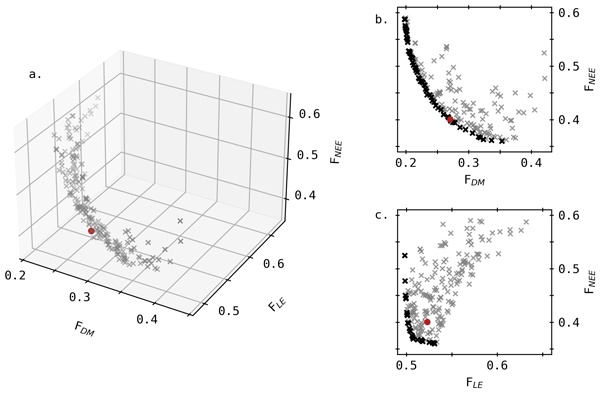
Laura Delhez, Eric Laloy, Quentin Beauclaire, and Bernard Longdoz
Biogeosciences, 23, 2079–2099, https://doi.org/10.5194/bg-23-2079-2026, https://doi.org/10.5194/bg-23-2079-2026, 2026
Short summary
Short summary
Using an advanced optimisation method, we calibrated a crop model against dry matter, carbon and water exchanges. Although model predictions matched observations well, the process revealed weaknesses in the model, such as difficulty in representing evapotranspiration, especially during heatwaves. This multi-objective approach highlighted the need to better capture stomatal and non-stomatal responses in order to improve predictions of crop models.
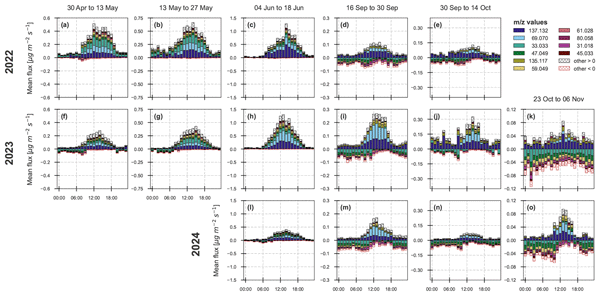
Clément Dumont, Bert Willem Diane Verreyken, Niels Schoon, Benjamin Bergmans, Bernard Heinesch, and Crist Amelynck
Earth Syst. Sci. Data, 18, 617–654, https://doi.org/10.5194/essd-18-617-2026, https://doi.org/10.5194/essd-18-617-2026, 2026
Short summary
Short summary
We measured the net exchange (fluxes) of volatile organic compounds and ozone between a mixed temperate forest and the atmosphere over three years in Belgium. Many compounds were both emitted and deposited depending on the season and time of day. Emissions peaked in summer, while uptake was stronger in autumn. This unique long-term dataset improves our understanding of forest–atmosphere interactions and supports better air quality and climate models.
Jennifer Michel, Yves Brostaux, Bernard Longdoz, Hervé Vanderschuren, and Pierre Delaplace
SOIL, 11, 755–762, https://doi.org/10.5194/soil-11-755-2025, https://doi.org/10.5194/soil-11-755-2025, 2025
Short summary
Short summary
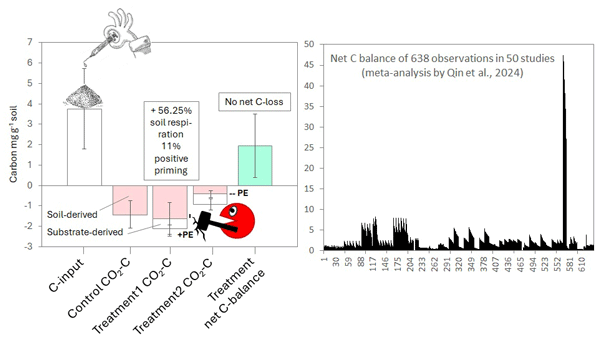
We discuss three aspects to ensure (rhizosphere) priming effects are correctly perceived in their ecological context and measured at appropriate scales. (i) The first aspect is that there is little empirical evidence for net C losses from priming. (ii) The second aspect is critical publication bias. (iii) The third aspect is a need to distinguish between priming effects (PE) and rhizosphere priming effects (RPE).
Jacob A. Nelson, Sophia Walther, Fabian Gans, Basil Kraft, Ulrich Weber, Kimberly Novick, Nina Buchmann, Mirco Migliavacca, Georg Wohlfahrt, Ladislav Šigut, Andreas Ibrom, Dario Papale, Mathias Göckede, Gregory Duveiller, Alexander Knohl, Lukas Hörtnagl, Russell L. Scott, Jiří Dušek, Weijie Zhang, Zayd Mahmoud Hamdi, Markus Reichstein, Sergio Aranda-Barranco, Jonas Ardö, Maarten Op de Beeck, Dave Billesbach, David Bowling, Rosvel Bracho, Christian Brümmer, Gustau Camps-Valls, Shiping Chen, Jamie Rose Cleverly, Ankur Desai, Gang Dong, Tarek S. El-Madany, Eugenie Susanne Euskirchen, Iris Feigenwinter, Marta Galvagno, Giacomo A. Gerosa, Bert Gielen, Ignacio Goded, Sarah Goslee, Christopher Michael Gough, Bernard Heinesch, Kazuhito Ichii, Marcin Antoni Jackowicz-Korczynski, Anne Klosterhalfen, Sara Knox, Hideki Kobayashi, Kukka-Maaria Kohonen, Mika Korkiakoski, Ivan Mammarella, Mana Gharun, Riccardo Marzuoli, Roser Matamala, Stefan Metzger, Leonardo Montagnani, Giacomo Nicolini, Thomas O'Halloran, Jean-Marc Ourcival, Matthias Peichl, Elise Pendall, Borja Ruiz Reverter, Marilyn Roland, Simone Sabbatini, Torsten Sachs, Marius Schmidt, Christopher R. Schwalm, Ankit Shekhar, Richard Silberstein, Maria Lucia Silveira, Donatella Spano, Torbern Tagesson, Gianluca Tramontana, Carlo Trotta, Fabio Turco, Timo Vesala, Caroline Vincke, Domenico Vitale, Enrique R. Vivoni, Yi Wang, William Woodgate, Enrico A. Yepez, Junhui Zhang, Donatella Zona, and Martin Jung
Biogeosciences, 21, 5079–5115, https://doi.org/10.5194/bg-21-5079-2024, https://doi.org/10.5194/bg-21-5079-2024, 2024
Short summary
Short summary
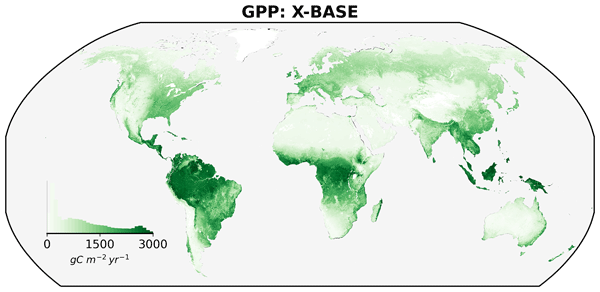
The movement of water, carbon, and energy from the Earth's surface to the atmosphere, or flux, is an important process to understand because it impacts our lives. Here, we outline a method called FLUXCOM-X to estimate global water and CO2 fluxes based on direct measurements from sites around the world. We go on to demonstrate how these new estimates of net CO2 uptake/loss, gross CO2 uptake, total water evaporation, and transpiration from plants compare to previous and independent estimates.
Yang Liu, Raluca Ciuraru, Letizia Abis, Crist Amelynck, Pauline Buysse, Alex Guenther, Bernard Heinesch, Florence Lafouge, Florent Levavasseur, Benjamin Loubet, Auriane Voyard, and Raia-Silvia Massad
EGUsphere, https://doi.org/10.5194/egusphere-2024-530, https://doi.org/10.5194/egusphere-2024-530, 2024
Preprint archived
Short summary
Short summary
This paper reviews the emission and emission processes of biogenic volatile organic compounds (BVOCs) from various crops and soil under different management practices, highlighting challenges in modeling the emissions and proposing a conceptual model for estimation. The aim of this paper is to present agricultural BVOC data and related mechanistic processes to enhance model accuracy and reduce uncertainties in estimating BVOC emissions from agriculture.
Cited articles
Alla, A. Q., Camarero, J. J., Rivera, P., and Montserrat-Martí, G.: Variant allometric scaling relationships between bud size and secondary shoot growth in Quercus faginea: implications for the climatic modulation of canopy growth, Ann. For. Sci., 68, 1245–1254, https://doi.org/10.1007/s13595-011-0093-z, 2011.
Anchukaitis, K. J.: Tree Rings Reveal Climate Change Past, Present, and Future, P. Am. Philos. Soc., 161, 244–263, 2017.
Aranda, I., Bergasa, L. F., Gil, L., and Pardos, J. A.: Effects of relative irradiance on the leaf structure of Fagus sylvatica L. seedlings planted in the understory of a Pinus sylvestris L. stand after thinning, Ann. For. Sci., 58, 673–680, https://doi.org/10.1051/forest:2001154, 2001.
Arend, M., Sever, K., Pflug, E., Gessler, A., and Schaub, M.: Seasonal photosynthetic response of European beech to severe summer drought: Limitation, recovery and post-drought stimulation, Agr. Forest Meteorol., 220, 83–89, https://doi.org/10.1016/j.agrformet.2016.01.011, 2016.
Aslan, T., Launiainen, S., Kolari, P., Peltola, O., Aalto, J., Bäck, J., Vesala, T., and Mammarella, I.: Thinning turned boreal forest to a temporary carbon source – short term effects of partial harvest on carbon dioxide and water vapor fluxes, Agr. Forest Meteorol., 353, 110061, https://doi.org/10.1016/j.agrformet.2024.110061, 2024.
Aubinet, M., Vesala, T., and Papale, D. (Eds.): Eddy Covariance: A Practical Guide to Measurement and Data Analysis, Springer Netherlands, Dordrecht, https://doi.org/10.1007/978-94-007-2351-1, 2012.
Aubinet, M., Hurdebise, Q., Chopin, H., Debacq, A., De Ligne, A., Heinesch, B., Manise, T., and Vincke, C.: Inter-annual variability of Net Ecosystem Productivity for a temperate mixed forest: A predominance of carry-over effects?, Agr. Forest Meteorol., 262, 340–353, https://doi.org/10.1016/j.agrformet.2018.07.024, 2018.
Bachofen, C., D'Odorico, P., and Buchmann, N.: Light and VPD gradients drive foliar nitrogen partitioning and photosynthesis in the canopy of European beech and silver fir, Oecologia, 192, 323–339, https://doi.org/10.1007/s00442-019-04583-x, 2020.
Baird, A. S., Taylor, S. H., Pasquet-Kok, J., Vuong, C., Zhang, Y., Watcharamongkol, T., Scoffoni, C., Edwards, E. J., Christin, P.-A., Osborne, C. P., and Sack, L.: Developmental and biophysical determinants of grass leaf size worldwide, Nature, 592, 242–247, https://doi.org/10.1038/s41586-021-03370-0, 2021.
Barbaroux, C. and Bréda, N.: Contrasting distribution and seasonal dynamics of carbohydrate reserves in stem wood of adult ring-porous sessile oak and diffuse-porous beech trees, Tree Physiol., 22, 1201–1210, https://doi.org/10.1093/treephys/22.17.1201, 2002.
Barbaroux, C., Bréda, N., and Dufrêne, E.: Distribution of above-ground and below-ground carbohydrate reserves in adult trees of two contrasting broad-leaved species (Quercus petraea and Fagus sylvatica), New Phytol., 157, 605–615, https://doi.org/10.1046/j.1469-8137.2003.00681.x, 2003.
Bednářová, E., Kučera, J., and Merklová, L.: The onset and duration of vegetative phenological stages in European beech (Fagus sylvatica L.) under changing conditions of the environment, Acta Univ. Agric. Silvic. Mendel. Brun., 58, 23–30, https://doi.org/10.11118/actaun201058040023, 2014.
Bequet, R., Campioli, M., Kint, V., Vansteenkiste, D., Muys, B., and Ceulemans, R.: Leaf area index development in temperate oak and beech forests is driven by stand characteristics and weather conditions, Trees, 25, 935–946, https://doi.org/10.1007/s00468-011-0568-4, 2011.
Bequet, R., Kint, V., Campioli, M., Vansteenkiste, D., Muys, B., and Ceulemans, R.: Influence of stand, site and meteorological variables on the maximum leaf area index of beech, oak and Scots pine, Eur. J. For. Res., 131, 283–295, https://doi.org/10.1007/s10342-011-0500-x, 2012.
Binda, G., Di Iorio, A., and Monticelli, D.: The what, how, why, and when of dendrochemistry: (paleo)environmental information from the chemical analysis of tree rings, Sci. Total Environ., 758, 143672, https://doi.org/10.1016/j.scitotenv.2020.143672, 2021.
Bitton, J.: Continuous wavelet transform toolkit with Wavelet Area Interpretation (WAI) (Version v2.0.1), Zenodo [code and data set], https://doi.org/10.5281/zenodo.21111957, 2026.
Bitton, J., Charles, C., Longdoz, B., and Heinesch, B.: How beech ecophysiology shapes temperate forest gross primary productivity – Part 1: A wavelet-based framework for extracting seasonal dynamics, Biogeosciences, 23, 6465–6489, https://doi.org/10.5194/bg-23-6465-2026, 2026.
Blessing, C. H., Werner, R. A., Siegwolf, R., and Buchmann, N.: Allocation dynamics of recently fixed carbon in beech saplings in response to increased temperatures and drought, Tree Physiol., 35, 585–598, https://doi.org/10.1093/treephys/tpv024, 2015.
Bonan, G.: Ecological Climatology: Concepts and Applications, 3rd ed., Cambridge University Press, Cambridge, https://doi.org/10.1017/CBO9781107339200, 2015.
Bréda, N. and Granier, A.: Intra- and interannual variations of transpiration, leaf area index and radial growth of a sessile oak stand (Quercus petraea), Ann. Sci. Forest, 53, 521–536, https://doi.org/10.1051/forest:19960232, 1996.
Bréda, N., Huc, R., Granier, A., and Dreyer, E.: Temperate forest trees and stands under severe drought: a review of ecophysiological responses, adaptation processes and long-term consequences, Ann. For. Sci., 63, 625–644, https://doi.org/10.1051/forest:2006042, 2006.
Brüggemann, N., Gessler, A., Kayler, Z., Keel, S. G., Badeck, F., Barthel, M., Boeckx, P., Buchmann, N., Brugnoli, E., Esperschütz, J., Gavrichkova, O., Ghashghaie, J., Gomez-Casanovas, N., Keitel, C., Knohl, A., Kuptz, D., Palacio, S., Salmon, Y., Uchida, Y., and Bahn, M.: Carbon allocation and carbon isotope fluxes in the plant-soil-atmosphere continuum: a review, Biogeosciences, 8, 3457–3489, https://doi.org/10.5194/bg-8-3457-2011, 2011.
Campioli, M., Gielen, B., Göckede, M., Papale, D., Bouriaud, O., and Granier, A.: Temporal variability of the NPP-GPP ratio at seasonal and interannual time scales in a temperate beech forest, Biogeosciences, 8, 2481–2492, https://doi.org/10.5194/bg-8-2481-2011, 2011.
Campioli, M., Verbeeck, H., Van den Bossche, J., Wu, J., Ibrom, A., D'Andrea, E., Matteucci, G., Samson, R., Steppe, K., and Granier, A.: Can decision rules simulate carbon allocation for years with contrasting and extreme weather conditions? A case study for three temperate beech forests, Ecol. Model., 263, 42–55, https://doi.org/10.1016/j.ecolmodel.2013.04.012, 2013.
Capdevielle-Vargas, R., Estrella, N., and Menzel, A.: Multiple-year assessment of phenological plasticity within a beech (Fagus sylvatica L.) stand in southern Germany, Agr. Forest Meteorol., 211–212, 13–22, https://doi.org/10.1016/j.agrformet.2015.03.019, 2015.
Casal, J. J. and Balasubramanian, S.: Thermomorphogenesis, Annu. Rev. Plant Biol., 70, 321–346, https://doi.org/10.1146/annurev-arplant-050718-095919, 2019.
Chiesi, M., Chirici, G., Marchetti, M., Hasenauer, H., Moreno, A., Knohl, A., Matteucci, G., Pilegaard, K., Granier, A., Longdoz, B., and Maselli, F.: Testing the applicability of BIOME-BGC to simulate beech gross primary production in Europe using a new continental weather dataset, Ann. For. Sci., 73, 713–727, https://doi.org/10.1007/s13595-016-0560-7, 2016.
Cieslik, S., Tuovinen, J.-P., Baumgarten, M., Matyssek, R., Brito, P., and Wieser, G.: Chapter 2 – Gaseous Exchange Between Forests and the Atmosphere, in: Developments in Environmental Science, vol. 13, edited by: Matyssek, R., Clarke, N., Cudlin, P., Mikkelsen, T. N., Tuovinen, J.-P., Wieser, G., and Paoletti, E., Elsevier, 19–36, https://doi.org/10.1016/B978-0-08-098349-3.00002-5, 2013.
Cochard, H., Coste, S., Chanson, B., Guehl, J. M., and Nicolini, E.: Hydraulic architecture correlates with bud organogenesis and primary shoot growth in beech (Fagus sylvatica), Tree Physiol., 25, 1545–1552, https://doi.org/10.1093/treephys/25.12.1545, 2005.
Čufar, K., Prislan, P., de Luis, M., and Gričar, J.: Tree-ring variation, wood formation and phenology of beech (Fagus sylvatica) from a representative site in Slovenia, SE Central Europe, Trees, 22, 749–758, https://doi.org/10.1007/s00468-008-0235-6, 2008.
Cuntz, M., Longdoz, B., and ICOS Ecosystem Thematic Centre: Warm winter 2020 ecosystem eddy covariance flux product from Hesse, ICOS Carbon Portal [data set], https://doi.org/10.18160/GFQX-22T7, 2022.
Davi, H., Barbaroux, C., Dufrêne, E., François, C., Montpied, P., Bréda, N., and Badeck, F.: Modelling leaf mass per area in forest canopy as affected by prevailing radiation conditions, Ecol. Model., 211, 339–349, https://doi.org/10.1016/j.ecolmodel.2007.09.012, 2008.
Delpierre, N., Soudani, K., François, C., Le Maire, G., Bernhofer, C., Kutsch, W., Misson, L., Rambal, S., Vesala, T., and Dufrêne, E.: Quantifying the influence of climate and biological drivers on the interannual variability of carbon exchanges in European forests through process-based modelling, Agr. Forest Meteorol., 154–155, 99–112, https://doi.org/10.1016/j.agrformet.2011.10.010, 2012.
Delpierre, N., Vitasse, Y., Chuine, I., Guillemot, J., Bazot, S., Rutishauser, T., and Rathgeber, C. B. K.: Temperate and boreal forest tree phenology: from organ-scale processes to terrestrial ecosystem models, Ann. For. Sci., 73, 5–25, https://doi.org/10.1007/s13595-015-0477-6, 2016.
Deluigi, J., Bachofen, C., Didion-Gency, M., Gisler, J., Mas, E., Mekarni, L., Poretti, A., Schaub, M., Vitasse, Y., and Grossiord, C.: Prolonged warming and drought reduce canopy-level net carbon uptake in beech and oak saplings despite photosynthetic and respiratory acclimation, New Phytol., 246, 2015–2028, https://doi.org/10.1111/nph.70111, 2025.
D'Orangeville, L., Maxwell, J., Kneeshaw, D., Pederson, N., Duchesne, L., Logan, T., Houle, D., Arseneault, D., Beier, C. M., Bishop, D. A., Druckenbrod, D., Fraver, S., Girard, F., Halman, J., Hansen, C., Hart, J. L., Hartmann, H., Kaye, M., Leblanc, D., Manzoni, S., Ouimet, R., Rayback, S., Rollinson, C. R., and Phillips, R. P.: Drought timing and local climate determine the sensitivity of eastern temperate forests to drought, Glob. Change Biol., 24, 2339–2351, https://doi.org/10.1111/gcb.14096, 2018.
Douglass, A. E.: Tree Rings and Climate, Sci. Mon., 21, 95–99, 1925.
Dufrêne, E., Davi, H., François, C., Maire, G. le, Dantec, V. L., and Granier, A.: Modelling carbon and water cycles in a beech forest: Part I: Model description and uncertainty analysis on modelled NEE, Ecol. Model., 185, 407–436, https://doi.org/10.1016/j.ecolmodel.2005.01.004, 2005.
Epron, D., Farque, L., Lucot, É., and Badot, P.-M.: Soil CO2 efflux in a beech forest: dependence on soil temperature and soil water content, Ann. For. Sci., 56, 221–226, https://doi.org/10.1051/forest:19990304, 1999.
Epron, D., Bahn, M., Derrien, D., Lattanzi, F. A., Pumpanen, J., Gessler, A., Högberg, P., Maillard, P., Dannoura, M., Gérant, D., and Buchmann, N.: Pulse-labelling trees to study carbon allocation dynamics: a review of methods, current knowledge and future prospects, Tree Physiol., 32, 776–798, https://doi.org/10.1093/treephys/tps057, 2012.
Eschrich, W., Burchardt, R., and Essiamah, S.: The induction of sun and shade leaves of the European beech (Fagus sylvatica L.): anatomical studies, Trees, 3, 1–10, https://doi.org/10.1007/BF00202394, 1989.
Fang, J., Lutz, J. A., Wang, L., Shugart, H. H., and Yan, X.: Using climate-driven leaf phenology and growth to improve predictions of gross primary productivity in North American forests, Glob. Change Biol., 26, 6974–6988, https://doi.org/10.1111/gcb.15349, 2020.
Farley, S. S., Dawson, A., Goring, S. J., and Williams, J. W.: Situating Ecology as a Big-Data Science: Current Advances, Challenges, and Solutions, BioScience, 68, 563–576, https://doi.org/10.1093/biosci/biy068, 2018.
Fox, S., Southam, P., Pantin, F., Kennaway, R., Robinson, S., Castorina, G., Sánchez-Corrales, Y. E., Sablowski, R., Chan, J., Grieneisen, V., Marée, A. F. M., Bangham, J. A., and Coen, E.: Spatiotemporal coordination of cell division and growth during organ morphogenesis, PLOS Biol., 16, e2005952, https://doi.org/10.1371/journal.pbio.2005952, 2018.
Fu, Y. H., Zhao, H., Piao, S., Peaucelle, M., Peng, S., Zhou, G., Ciais, P., Huang, M., Menzel, A., Peñuelas, J., Song, Y., Vitasse, Y., Zeng, Z., and Janssens, I. A.: Declining global warming effects on the phenology of spring leaf unfolding, Nature, 526, 104–107, https://doi.org/10.1038/nature15402, 2015.
Garthen, A., Brandt, K., Klisz, M., Malyshev, A. V., Peters, B., Weigel, R., and Kreyling, J.: Seasonal dynamics of fine root length in European beech: unveiling unexpected winter peaks and summer declines, Oecologia, 207, 31, https://doi.org/10.1007/s00442-025-05670-y, 2025.
Gázquez, A. and Beemster, G. T. S.: What determines organ size differences between species? A meta-analysis of the cellular basis, New Phytol., 215, 299–308, https://doi.org/10.1111/nph.14573, 2017.
Gea-Izquierdo, G. and Sánchez-González, M.: Forest disturbances and climate constrain carbon allocation dynamics in trees, Glob. Change Biol., 28, 4342–4358, https://doi.org/10.1111/gcb.16172, 2022.
Genet, H., Bréda, N., and Dufrêne, E.: Age-related variation in carbon allocation at tree and stand scales in beech (Fagus sylvatica L.) and sessile oak (Quercus petraea (Matt.) Liebl.) using a chronosequence approach, Tree Physiol., 30, 177–192, https://doi.org/10.1093/treephys/tpp105, 2010.
Gennaretti, F., Ogée, J., Sainte-Marie, J., and Cuntz, M.: Mining ecophysiological responses of European beech ecosystems to drought, Agr. Forest Meteorol., 280, 107780, https://doi.org/10.1016/j.agrformet.2019.107780, 2020.
Gessler, A. and Zweifel, R.: Beyond source and sink control – toward an integrated approach to understand the carbon balance in plants, New Phytol., 242, 858–869, https://doi.org/10.1111/nph.19611, 2024.
Geßler, A., Keitel, C., Kreuzwieser, J., Matyssek, R., Seiler, W., and Rennenberg, H.: Potential risks for European beech (Fagus sylvatica L.) in a changing climate, Trees, 21, 1–11, https://doi.org/10.1007/s00468-006-0107-x, 2007.
Gessler, A., Schaub, M., and McDowell, N. G.: The role of nutrients in drought-induced tree mortality and recovery, New Phytol., 214, 513–520, https://doi.org/10.1111/nph.14340, 2017.
Göckede, M., Foken, T., Aubinet, M., Aurela, M., Banza, J., Bernhofer, C., Bonnefond, J. M., Brunet, Y., Carrara, A., Clement, R., Dellwik, E., Elbers, J., Eugster, W., Fuhrer, J., Granier, A., Grünwald, T., Heinesch, B., Janssens, I. A., Knohl, A., Koeble, R., Laurila, T., Longdoz, B., Manca, G., Marek, M., Markkanen, T., Mateus, J., Matteucci, G., Mauder, M., Migliavacca, M., Minerbi, S., Moncrieff, J., Montagnani, L., Moors, E., Ourcival, J.-M., Papale, D., Pereira, J., Pilegaard, K., Pita, G., Rambal, S., Rebmann, C., Rodrigues, A., Rotenberg, E., Sanz, M. J., Sedlak, P., Seufert, G., Siebicke, L., Soussana, J. F., Valentini, R., Vesala, T., Verbeeck, H., and Yakir, D.: Quality control of CarboEurope flux data – Part 1: Coupling footprint analyses with flux data quality assessment to evaluate sites in forest ecosystems, Biogeosciences, 5, 433–450, https://doi.org/10.5194/bg-5-433-2008, 2008.
Goisser, M., Zang, U., Matzner, E., Borken, W., Häberle, K.-H., and Matyssek, R.: Growth of juvenile beech (Fagus sylvatica L.) upon transplant into a wind-opened spruce stand of heterogeneous light and water conditions, Forest Ecol. Manag., 310, 110–119, https://doi.org/10.1016/j.foreco.2013.08.006, 2013.
Gond, V., de Pury, D. G. G., Veroustraete, F., and Ceulemans, R.: Seasonal variations in leaf area index, leaf chlorophyll, and water content; scaling-up to estimate fAPAR and carbon balance in a multilayer, multispecies temperate forest, Tree Physiol., 19, 673–679, https://doi.org/10.1093/treephys/19.10.673, 1999.
Granier, A., Bréda, N., Biron, P., and Villette, S.: A lumped water balance model to evaluate duration and intensity of drought constraints in forest stands, Ecol. Model., 116, 269–283, https://doi.org/10.1016/S0304-3800(98)00205-1, 1999.
Granier, A., Reichstein, M., Bréda, N., Janssens, I. A., Falge, E., Ciais, P., Grünwald, T., Aubinet, M., Berbigier, P., Bernhofer, C., Buchmann, N., Facini, O., Grassi, G., Heinesch, B., Ilvesniemi, H., Keronen, P., Knohl, A., Köstner, B., Lagergren, F., Lindroth, A., Longdoz, B., Loustau, D., Mateus, J., Montagnani, L., Nys, C., Moors, E., Papale, D., Peiffer, M., Pilegaard, K., Pita, G., Pumpanen, J., Rambal, S., Rebmann, C., Rodrigues, A., Seufert, G., Tenhunen, J., Vesala, T., and Wang, Q.: Evidence for soil water control on carbon and water dynamics in European forests during the extremely dry year: 2003, Agr. Forest Meteorol., 143, 123–145, https://doi.org/10.1016/j.agrformet.2006.12.004, 2007.
Granier, A., Bréda, N., Longdoz, B., Gross, P., and Ngao, J.: Ten years of fluxes and stand growth in a young beech forest at Hesse, North-eastern France, Ann. For. Sci., 65, 704–704, https://doi.org/10.1051/forest:2008052, 2008.
Granier, C. and Tardieu, F.: Leaf expansion and cell division are affected by reducing absorbed light before but not after the decline in cell division rate in the sunflower leaf, Plant Cell Environ., 22, 1365–1376, https://doi.org/10.1046/j.1365-3040.1999.00497.x, 1999.
Granier, C. and Tardieu, F.: Multi-scale phenotyping of leaf expansion in response to environmental changes: the whole is more than the sum of parts, Plant Cell Environ., 32, 1175–1184, https://doi.org/10.1111/j.1365-3040.2009.01955.x, 2009.
Green, J. K.: The intricacies of vegetation responses to changing moisture conditions, New Phytol., 244, 2156–2162, https://doi.org/10.1111/nph.20182, 2024.
Grossiord, C., Buckley, T. N., Cernusak, L. A., Novick, K. A., Poulter, B., Siegwolf, R. T. W., Sperry, J. S., and McDowell, N. G.: Plant responses to rising vapor pressure deficit, New Phytol., 226, 1550–1566, https://doi.org/10.1111/nph.16485, 2020.
Guidolotti, G., Rey, A., D'Andrea, E., Matteucci, G., and De Angelis, P.: Effect of environmental variables and stand structure on ecosystem respiration components in a Mediterranean beech forest, Tree Physiol., 33, 960–972, https://doi.org/10.1093/treephys/tpt065, 2013.
Guillemot, J., Martin-StPaul, N. K., Dufrêne, E., François, C., Soudani, K., Ourcival, J. M., and Delpierre, N.: The dynamic of the annual carbon allocation to wood in European tree species is consistent with a combined source–sink limitation of growth: implications for modelling, Biogeosciences, 12, 2773–2790, https://doi.org/10.5194/bg-12-2773-2015, 2015.
Guo, Z., Still, C. J., Lee, C. K. F., Ryu, Y., Blonder, B., Wang, J., Bonebrake, T. C., Hughes, A., Li, Y., Yeung, H. C. H., Zhang, K., Law, Y. K., Lin, Z., and Wu, J.: Does plant ecosystem thermoregulation occur? An extratropical assessment at different spatial and temporal scales, New Phytol., 238, 1004–1018, https://doi.org/10.1111/nph.18632, 2023.
Hartmann, H. and Trumbore, S.: Understanding the roles of nonstructural carbohydrates in forest trees – from what we can measure to what we want to know, New Phytol., 211, 386–403, https://doi.org/10.1111/nph.13955, 2016.
Hartmann, H., Bahn, M., Carbone, M., and Richardson, A. D.: Plant carbon allocation in a changing world – challenges and progress: introduction to a Virtual Issue on carbon allocation, New Phytol., 227, 981–988, https://doi.org/10.1111/nph.16757, 2020.
Henneken, R., Dose, V., Schleip, C., and Menzel, A.: Detecting plant seasonality from webcams using Bayesian multiple change point analysis, Agr. Forest Meteorol., 168, 177–185, https://doi.org/10.1016/j.agrformet.2012.09.001, 2013.
Henry, M., Bombelli, A., Trotta, C., Alessandrini, A., Birigazzi, L., Sola, G., Vieilledent, G., Santenoise, P., Longuetaud, F., Valentini, R., Picard, N., and Saint-André, L.: GlobAllomeTree: international platform for tree allometric equations to support volume, biomass and carbon assessment, IForest – Biogeosciences For., 6, 326, https://doi.org/10.3832/ifor0901-006, 2013.
Hesse, B. D., Gebhardt, T., Hafner, B. D., Hikino, K., Reitsam, A., Gigl, M., Dawid, C., Häberle, K.-H., and Grams, T. E. E.: Physiological recovery of tree water relations upon drought release–response of mature beech and spruce after five years of recurrent summer drought, Tree Physiol., 43, 522–538, https://doi.org/10.1093/treephys/tpac135, 2023.
Hoch, G., Siegwolf, R. T. W., Keel, S. G., Körner, C., and Han, Q.: Fruit production in three masting tree species does not rely on stored carbon reserves, Oecologia, 171, 653–662, https://doi.org/10.1007/s00442-012-2579-2, 2013.
Houghton, R. A.: Terrestrial sources and sinks of carbon inferred from terrestrial data, Tellus B, 48, 420–432, https://doi.org/10.1034/j.1600-0889.1996.t01-3-00002.x, 1996.
Kannenberg, S. A., Schwalm, C. R., and Anderegg, W. R. L.: Ghosts of the past: how drought legacy effects shape forest functioning and carbon cycling, Ecol. Lett., 23, 891–901, https://doi.org/10.1111/ele.13485, 2020.
Kaplan, F., Kopka, J., Haskell, D. W., Zhao, W., Schiller, K. C., Gatzke, N., Sung, D. Y., and Guy, C. L.: Exploring the Temperature-Stress Metabolome of Arabidopsis, Plant Physiol., 136, 4159–4168, https://doi.org/10.1104/pp.104.052142, 2004.
Keel, S. G. and Schädel, C.: Expanding leaves of mature deciduous forest trees rapidly become autotrophic, Tree Physiol., 30, 1253–1259, https://doi.org/10.1093/treephys/tpq071, 2010.
Keel, S. G., Siegwolf, R. T. w., Jäggi, M., and Körner, C.: Rapid mixing between old and new C pools in the canopy of mature forest trees, Plant Cell Environ., 30, 963–972, https://doi.org/10.1111/j.1365-3040.2007.01688.x, 2007.
Kikuzawa, K. and Lechowicz, M. J.: Ecology of Leaf Longevity, Springer, Tokyo, https://doi.org/10.1007/978-4-431-53918-6, 2011.
Kim, G.-T., Yano, S., Kozuka, T., and Tsukaya, H.: Photomorphogenesis of leaves: shade-avoidance and differentiation of sun and shade leaves, Photochem. Photobio. S., 4, 770–774, https://doi.org/10.1039/b418440h, 2005.
Klein, T., Vitasse, Y., and Hoch, G.: Coordination between growth, phenology and carbon storage in three coexisting deciduous tree species in a temperate forest, Tree Physiol., 36, 847–855, https://doi.org/10.1093/treephys/tpw030, 2016.
Koike, T., Kitao, M., Maruyama, Y., Mori, S., and Lei, T. T.: Leaf morphology and photosynthetic adjustments among deciduous broad-leaved trees within the vertical canopy profile, Tree Physiol., 21, 951–958, https://doi.org/10.1093/treephys/21.12-13.951, 2001.
Kukk, M. and Sõber, A.: Bud development and shoot morphology in relation to crown location, AoB PLANTS, 7, plv082, https://doi.org/10.1093/aobpla/plv082, 2015.
Kukk, M., Räim, O., Tulva, I., Sõber, J., Lõhmus, K., and Sõber, A.: Elevated air humidity modulates bud size and the frequency of bud break in fast-growing deciduous trees: silver birch (Betula pendula Roth.) and hybrid aspen (Populus tremula L. × P. tremuloides Michx.), Trees, 29, 1381–1393, https://doi.org/10.1007/s00468-015-1215-2, 2015.
Kuptz, D., Fleischmann, F., Matyssek, R., and Grams, T. E. E.: Seasonal patterns of carbon allocation to respiratory pools in 60-yr-old deciduous (Fagus sylvatica) and evergreen (Picea abies) trees assessed via whole-tree stable carbon isotope labeling, New Phytol., 191, 160–172, https://doi.org/10.1111/j.1469-8137.2011.03676.x, 2011.
Latte, N., Lebourgeois, F., and Claessens, H.: Increased tree-growth synchronization of beech (Fagus sylvatica L.) in response to climate change in northwestern Europe, Dendrochronologia, 33, 69–77, https://doi.org/10.1016/j.dendro.2015.01.002, 2015.
Lebaube, S., Goff, N. L., Ottorini, J.-M., and Granier, A.: Carbon balance and tree growth in a Fagus sylvatica stand, Ann. For. Sci., 57, 49–61, https://doi.org/10.1051/forest:2000100, 2000.
Lebourgeois, F., Bréda, N., Ulrich, E., and Granier, A.: Climate-tree-growth relationships of European beech (Fagus sylvatica L.) in the French Permanent Plot Network (RENECOFOR), Trees, 19, 385–401, https://doi.org/10.1007/s00468-004-0397-9, 2005.
Lebourgeois, F., Delpierre, N., Dufrêne, E., Cecchini, S., Macé, S., Croisé, L., and Nicolas, M.: Fructification du Hêtre et des Chênes en France : rôle des températures, du pollen et du bilan de carbone et relation avec la croissance des peuplements, Rev. For. Fr., 71, 29–60, https://doi.org/10.4267/2042/70518, 2019.
Le Dantec, V., Dufrêne, E., and Saugier, B.: Interannual and spatial variation in maximum leaf area index of temperate deciduous stands, Forest Ecol. Manag., 134, 71–81, https://doi.org/10.1016/S0378-1127(99)00246-7, 2000.
Le Goff, N. and Ottorini, J.-M.: Root biomass and biomass increment in a beech (Fagus sylvatica L.) stand in North-East France, Ann. For. Sci., 58, 1–13, https://doi.org/10.1051/forest:2001104, 2001.
Legris, M.: Light and temperature regulation of leaf morphogenesis in Arabidopsis, New Phytol., 240, 2191–2196, https://doi.org/10.1111/nph.19258, 2023.
Leuschner, C.: Drought response of European beech (Fagus sylvatica L.) – A review, Perspect. Plant Ecol. Evol. Syst., 47, 125576, https://doi.org/10.1016/j.ppees.2020.125576, 2020.
Leuschner, C., Backes, K., Hertel, D., Schipka, F., Schmitt, U., Terborg, O., and Runge, M.: Drought responses at leaf, stem and fine root levels of competitive Fagus sylvatica L. and Quercus petraea (Matt.) Liebl. trees in dry and wet years, Forest Ecol. Manag., 149, 33–46, https://doi.org/10.1016/S0378-1127(00)00543-0, 2001.
Liang, C., Zhang, M., Wang, Z., Xiang, X., Gong, H., Wang, K., and Liu, H.: The strengthened impact of water availability at interannual and decadal time scales on vegetation GPP, Glob. Change Biol., 30, e17138, https://doi.org/10.1111/gcb.17138, 2024.
Lichtenthaler, H. K., Buschmann, C., Döll, M., Fietz, H.-J., Bach, T., Kozel, U., Meier, D., and Rahmsdorf, U.: Photosynthetic activity, chloroplast ultrastructure, and leaf characteristics of high-light and low-light plants and of sun and shade leaves, Photosynth. Res., 2, 115–141, https://doi.org/10.1007/BF00028752, 1981.
Liu, L., Gudmundsson, L., Hauser, M., and Seneviratne, S. I.: Reply to: Large influence of atmospheric vapor pressure deficit on ecosystem production efficiency, Nat. Commun., 13, 1654, https://doi.org/10.1038/s41467-022-29010-3, 2022.
Lu, H., Qin, Z., Lin, S., Chen, X., Chen, B., He, B., Wei, J., and Yuan, W.: Large influence of atmospheric vapor pressure deficit on ecosystem production efficiency, Nat. Commun., 13, 1653, https://doi.org/10.1038/s41467-022-29009-w, 2022.
Luo, Y., Zohner, C., Crowther, T. W., Feng, J., Hoch, G., Li, P., Richardson, A. D., Vitasse, Y., and Gessler, A.: Internal physiological drivers of leaf development in trees: Understanding the relationship between non-structural carbohydrates and leaf phenology, Funct. Ecol., 1–14, https://doi.org/10.1111/1365-2435.14694, 2024.
Ma, Z., Buckley, T. N., and Sack, L.: The determination of leaf size on the basis of developmental traits, New Phytol., 246, 461–480, https://doi.org/10.1111/nph.20461, 2025.
Meier, I. C. and Leuschner, C.: Leaf Size and Leaf Area Index in Fagus sylvatica Forests: Competing Effects of Precipitation, Temperature, and Nitrogen Availability, Ecosystems, 11, 655–669, https://doi.org/10.1007/s10021-008-9135-2, 2008.
Merganičová, K., Merganič, J., Lehtonen, A., Vacchiano, G., Sever, M. Z. O., Augustynczik, A. L. D., Grote, R., Kyselová, I., Mäkelä, A., Yousefpour, R., Krejza, J., Collalti, A., and Reyer, C. P. O.: Forest carbon allocation modelling under climate change, Tree Physiol., 39, 1937–1960, https://doi.org/10.1093/treephys/tpz105, 2019.
Migliavacca, M., Reichstein, M., Richardson, A. D., Mahecha, M. D., Cremonese, E., Delpierre, N., Galvagno, M., Law, B. E., Wohlfahrt, G., Andrew Black, T., Carvalhais, N., Ceccherini, G., Chen, J., Gobron, N., Koffi, E., William Munger, J., Perez-Priego, O., Robustelli, M., Tomelleri, E., and Cescatti, A.: Influence of physiological phenology on the seasonal pattern of ecosystem respiration in deciduous forests, Glob. Change Biol., 21, 363–376, https://doi.org/10.1111/gcb.12671, 2015.
Monks, P. S., Granier, C., Fuzzi, S., Stohl, A., Williams, M. L., Akimoto, H., Amann, M., Baklanov, A., Baltensperger, U., Bey, I., Blake, N., Blake, R. S., Carslaw, K., Cooper, O. R., Dentener, F., Fowler, D., Fragkou, E., Frost, G. J., Generoso, S., Ginoux, P., Grewe, V., Guenther, A., Hansson, H. C., Henne, S., Hjorth, J., Hofzumahaus, A., Huntrieser, H., Isaksen, I. S. A., Jenkin, M. E., Kaiser, J., Kanakidou, M., Klimont, Z., Kulmala, M., Laj, P., Lawrence, M. G., Lee, J. D., Liousse, C., Maione, M., McFiggans, G., Metzger, A., Mieville, A., Moussiopoulos, N., Orlando, J. J., O'Dowd, C. D., Palmer, P. I., Parrish, D. D., Petzold, A., Platt, U., Pöschl, U., Prévôt, A. S. H., Reeves, C. E., Reimann, S., Rudich, Y., Sellegri, K., Steinbrecher, R., Simpson, D., ten Brink, H., Theloke, J., van der Werf, G. R., Vautard, R., Vestreng, V., Vlachokostas, Ch., and von Glasow, R.: Atmospheric composition change – global and regional air quality, Atmos. Environ., 43, 5268–5350, https://doi.org/10.1016/j.atmosenv.2009.08.021, 2009.
Montpied, P., Granier, A., and Dreyer, E.: Seasonal time-course of gradients of photosynthetic capacity and mesophyll conductance to CO2 across a beech (Fagus sylvatica L.) canopy, J. Exp. Bot., 60, 2407–2418, https://doi.org/10.1093/jxb/erp093, 2009.
Moreaux, V., Longdoz, B., Berveiller, D., Delpierre, N., Dufrêne, E., Bonnefond, J.-M., Chipeaux, C., Joffre, R., Limousin, J.-M., Ourcival, J.-M., Klumpp, K., Darsonville, O., Brut, A., Tallec, T., Ceschia, E., Panthou, G., and Loustau, D.: Environmental control of land-atmosphere CO2 fluxes from temperate ecosystems: a statistical approach based on homogenized time series from five land-use types, Tellus B, 72, 1–25, https://doi.org/10.1080/16000889.2020.1784689, 2020.
Morley, P. J., Jump, A. S., West, M. D., and Donoghue, D. N. M.: Spectral response of chlorophyll content during leaf senescence in European beech trees, Environ. Res. Commun., 2, 071002, https://doi.org/10.1088/2515-7620/aba7a0, 2020.
Morot-Gaudry, J.-F., Maurel, C., Moreau, F., Prat, R., and Sentenac, H.: Biologie végétale: Nutrition et métabolisme, 3e édn., Dunod, Paris, 256 pp., ISBN: 978-2-10-0758876, 2021.
Müller-Haubold, H., Hertel, D., Seidel, D., Knutzen, F., and Leuschner, C.: Climate Responses of Aboveground Productivity and Allocation in Fagus sylvatica: A Transect Study in Mature Forests, Ecosystems, 16, 1498–1516, https://doi.org/10.1007/s10021-013-9698-4, 2013.
Noyer, E., Stojanović, M., Horáček, P., and Pérez-de-Lis, G.: Toward a better understanding of angiosperm xylogenesis: a new method for a cellular approach, New Phytol., 239, 792–805, https://doi.org/10.1111/nph.18959, 2023.
Öztürk, M., Bolat, İ., and Ergün, A.: Influence of air–soil temperature on leaf expansion and LAI of Carpinus betulus trees in a temperate urban forest patch, Agr. Forest Meteorol., 200, 185–191, https://doi.org/10.1016/j.agrformet.2014.09.014, 2015.
Pantin, F., Simonneau, T., and Muller, B.: Coming of leaf age: control of growth by hydraulics and metabolics during leaf ontogeny, New Phytol., 196, 349–366, https://doi.org/10.1111/j.1469-8137.2012.04273.x, 2012.
Parent, B., Turc, O., Gibon, Y., Stitt, M., and Tardieu, F.: Modelling temperature-compensated physiological rates, based on the co-ordination of responses to temperature of developmental processes, J. Exp. Bot., 61, 2057–2069, https://doi.org/10.1093/jxb/erq003, 2010.
Pendergrass, A. G., Meehl, G. A., Pulwarty, R., Hobbins, M., Hoell, A., AghaKouchak, A., Bonfils, C. J. W., Gallant, A. J. E., Hoerling, M., Hoffmann, D., Kaatz, L., Lehner, F., Llewellyn, D., Mote, P., Neale, R. B., Overpeck, J. T., Sheffield, A., Stahl, K., Svoboda, M., Wheeler, M. C., Wood, A. W., and Woodhouse, C. A.: Flash droughts present a new challenge for subseasonal-to-seasonal prediction, Nat. Clim. Change, 10, 191–199, https://doi.org/10.1038/s41558-020-0709-0, 2020.
Penfield, S.: Temperature perception and signal transduction in plants, New Phytol., 179, 615–628, https://doi.org/10.1111/j.1469-8137.2008.02478.x, 2008.
Perry, T. O.: Dormancy of Trees in Winter, Science, 171, 29–36, https://doi.org/10.1126/science.171.3966.29, 1971.
Pilegaard, K., Ibrom, A., Courtney, M. S., Hummelshøj, P., and Jensen, N. O.: Increasing net CO2 uptake by a Danish beech forest during the period from 1996 to 2009, Agr. Forest Meteorol., 151, 934–946, https://doi.org/10.1016/j.agrformet.2011.02.013, 2011.
Poorter, H., Niinemets, Ü., Poorter, L., Wright, I. J., and Villar, R.: Causes and consequences of variation in leaf mass per area (LMA): a meta-analysis, New Phytol., 182, 565–588, https://doi.org/10.1111/j.1469-8137.2009.02830.x, 2009.
Poorter, H., Niklas, K. J., Reich, P. B., Oleksyn, J., Poot, P., and Mommer, L.: Biomass allocation to leaves, stems and roots: meta-analyses of interspecific variation and environmental control, New Phytol., 193, 30–50, https://doi.org/10.1111/j.1469-8137.2011.03952.x, 2012.
Pretzsch, H.: Forest Dynamics, Growth and Yield: From Measurement to Model, Springer, Berlin, Heidelberg, https://doi.org/10.1007/978-3-540-88307-4, 2009.
Prislan, P., Gričar, J., Čufar, K., de Luis, M., Merela, M., and Rossi, S.: Growing season and radial growth predicted for Fagus sylvatica under climate change, Clim. Change, 153, 181–197, https://doi.org/10.1007/s10584-019-02374-0, 2019.
Roloff, A.: Morphologie der Kronenentwicklung von Fagus sylvatica L. (Rotbuche) unter besonderer Berücksichtigung neuartiger Veränderungen1), Flora, 179, 355–378, https://doi.org/10.1016/S0367-2530(17)30269-4, 1987.
Ruehr, N. K., Offermann, C. A., Gessler, A., Winkler, J. B., Ferrio, J. P., Buchmann, N., and Barnard, R. L.: Drought effects on allocation of recent carbon: from beech leaves to soil CO2 efflux, New Phytol., 184, 950–961, https://doi.org/10.1111/j.1469-8137.2009.03044.x, 2009.
Sack, L., Scoffoni, C., McKown, A. D., Frole, K., Rawls, M., Havran, J. C., Tran, H., and Tran, T.: Developmentally based scaling of leaf venation architecture explains global ecological patterns, Nat. Commun., 3, 837, https://doi.org/10.1038/ncomms1835, 2012.
Satomura, T., Hashimoto, Y., Koizumi, H., Nakane, K., and Horikoshi, T.: Seasonal patterns of fine root demography in a cool-temperate deciduous forest in central Japan, Ecol. Res., 21, 741–753, https://doi.org/10.1007/s11284-006-0182-x, 2006.
Savvides, A., Dieleman, J. A., van Ieperen, W., and Marcelis, L. F. M.: A unique approach to demonstrating that apical bud temperature specifically determines leaf initiation rate in the dicot Cucumis sativus, Planta, 243, 1071–1079, https://doi.org/10.1007/s00425-015-2464-4, 2016.
Schädel, C., Blöchl, A., Richter, A., and Hoch, G.: Short-term dynamics of nonstructural carbohydrates and hemicelluloses in young branches of temperate forest trees during bud break, Tree Physiol., 29, 901–911, https://doi.org/10.1093/treephys/tpp034, 2009.
Scharnweber, T., Manthey, M., Criegee, C., Bauwe, A., Schröder, C., and Wilmking, M.: Drought matters – Declining precipitation influences growth of Fagus sylvatica L. and Quercus robur L. in north-eastern Germany, Forest Ecol. Manag., 262, 947–961, https://doi.org/10.1016/j.foreco.2011.05.026, 2011.
Schimming, C.-G., Augustin, S., and Karez, R.: The Scientific Potential of Environmental Monitoring, in: Long-Term Ecological Research: Between Theory and Application, edited by: Müller, F., Baessler, C., Schubert, H., and Klotz, S., Springer Netherlands, Dordrecht, 39–55, https://doi.org/10.1007/978-90-481-8782-9_4, 2010.
Schulze, E. D., Bouriaud, O., Irslinger, R., and Valentini, R.: The role of wood harvest from sustainably managed forests in the carbon cycle, Ann. For. Sci., 79, 17, https://doi.org/10.1186/s13595-022-01127-x, 2022.
Sevanto, S. and Dickman, L. T.: Where does the carbon go?—Plant carbon allocation under climate change, Tree Physiol., 35, 581–584, https://doi.org/10.1093/treephys/tpv059, 2015.
Shao, J., Zhou, X., Luo, Y., Li, B., Aurela, M., Billesbach, D., Blanken, P. D., Bracho, R., Chen, J., Fischer, M., Fu, Y., Gu, L., Han, S., He, Y., Kolb, T., Li, Y., Nagy, Z., Niu, S., Oechel, W. C., Pinter, K., Shi, P., Suyker, A., Torn, M., Varlagin, A., Wang, H., Yan, J., Yu, G., and Zhang, J.: Biotic and climatic controls on interannual variability in carbon fluxes across terrestrial ecosystems, Agr. Forest Meteorol., 205, 11–22, https://doi.org/10.1016/j.agrformet.2015.02.007, 2015.
Sheppard, P. R.: Dendroclimatology: extracting climate from trees, WIREs Clim. Change, 1, 343–352, https://doi.org/10.1002/wcc.42, 2010.
Skvareninova, J., Sitko, R., Vido, J., Snopková, Z., and Skvarenina, J.: Phenological response of European beech (Fagus sylvatica L.) to climate change in the Western Carpathian climatic-geographical zones, Front. Plant Sci., 15, https://doi.org/10.3389/fpls.2024.1242695, 2024.
Slovíková, K. and Bednářová, E.: Monitoring of Vegetative Phenological Stages in European Beech (Fagus sylvatica L.) Growing in a Mixed Stand, Acta Univ. Agric. Silvic. Mendel. Brun., 62, 1109–1115, https://doi.org/10.11118/actaun201462051109, 2014.
Sperling, O., Silva, L. C. R., Tixier, A., Théroux-Rancourt, G., and Zwieniecki, M. A.: Temperature gradients assist carbohydrate allocation within trees, Sci. Rep., 7, 3265, https://doi.org/10.1038/s41598-017-03608-w, 2017.
Stagakis, S., Markos, N., Vanikiotis, T., Levizou, E., and Kyparissis, A.: Multi-Year Monitoring of Deciduous Forests Ecophysiology and the Role of Temperature and Precipitation as Controlling Factors, Plants, 11, 2257, https://doi.org/10.3390/plants11172257, 2022.
Tang, Y., Schiestl-Aalto, P., Saurer, M., Sahlstedt, E., Kulmala, L., Kolari, P., Ryhti, K., Salmon, Y., Jyske, T., Ding, Y., Bäck, J., and Rinne-Garmston, K. T.: Tree organ growth and carbon allocation dynamics impact the magnitude and δ13C signal of stem and soil CO2 fluxes, Tree Physiol., 42, 2404–2418, https://doi.org/10.1093/treephys/tpac079, 2022.
Tardieu, F., Granier, C., and Muller, B.: Modelling leaf expansion in a fluctuating environment: are changes in specific leaf area a consequence of changes in expansion rate?, New Phytol., 143, 33–43, https://doi.org/10.1046/j.1469-8137.1999.00433.x, 1999.
Teissier du Cros, E. (Ed.): Le hêtre, Quae, Versailles, 616 pp., ISBN: 978-2-7592-3858-3, 1981.
The MathWorks Inc.: MATLAB, version 9.12.0 (R2022a), The MathWorks Inc. [software], Natick, MA, USA, https://www.mathworks.com (last access: 28 August 2026), 2022.
Thiébaut, B. and Puech, S.: Développement du Hêtre commun. Morphologie et architecture de l'arbre. 2e partie: le développement des arbres, Rev. For. Fr., 36, 45–58, https://doi.org/10.4267/2042/21705, 1984.
Thomas, F. M., Preusser, S., Backes, B., and Werner, W.: Leaf traits of Central-European beech (Fagus sylvatica) and oaks (Quercus petraea/robur): Effects of severe drought and long-term dynamics, Forest Ecol. Manag., 559, 121823, https://doi.org/10.1016/j.foreco.2024.121823, 2024.
Tognetti, R., Johnson, J. D., and Michelozzi, M.: The response of European beech (Fagus sylvatica L.) seedlings from two Italian populations to drought and recovery, Trees, 9, 348–354, https://doi.org/10.1007/BF00202499, 1995.
Tomasella, M., Nardini, A., Hesse, B. D., Machlet, A., Matyssek, R., and Häberle, K.-H.: Close to the edge: effects of repeated severe drought on stem hydraulics and non-structural carbohydrates in European beech saplings, Tree Physiol., 39, 717–728, https://doi.org/10.1093/treephys/tpy142, 2019.
Tsukaya, H.: Developmental genetics of leaf morphogenesis in dicotyledonous plants, J. Plant Res., 108, 407–416, https://doi.org/10.1007/BF02344229, 1995.
Uemura, A., Ishida, A., Nakano, T., Terashima, I., Tanabe, H., and Matsumoto, Y.: Acclimation of leaf characteristics of Fagus species to previous-year and current-year solar irradiances, Tree Physiol., 20, 945–951, https://doi.org/10.1093/treephys/20.14.945, 2000.
Ulrich, D. E. M. and Grossiord, C.: Faster drought recovery in anisohydric beech compared with isohydric spruce, Tree Physiol., 43, 517–521, https://doi.org/10.1093/treephys/tpad009, 2023.
Urban, J., Bednárová, E., Plichta, R., Gryc, V., Vavrčík, H., Hacura, J., Fajstavr, M., and Kučera, J.: Links between phenology and ecophysiology in a European beech forest, IForest – Biogeosciences For., 8, 438, https://doi.org/10.3832/ifor1307-007, 2014.
Van Volkenburgh, E.: Leaf expansion – an integrating plant behaviour, Plant Cell Environ., 22, 1463–1473, https://doi.org/10.1046/j.1365-3040.1999.00514.x, 1999.
Verbeeck, H., Samson, R., Granier, A., Montpied, P., and Lemeur, R.: Multi-year model analysis of GPP in a temperate beech forest in France, Ecol. Model., 210, 85–103, https://doi.org/10.1016/j.ecolmodel.2007.07.010, 2008.
Vesala, T., Suni, T., Rannik, Ü., Keronen, P., Markkanen, T., Sevanto, S., Grönholm, T., Smolander, S., Kulmala, M., Ilvesniemi, H., Ojansuu, R., Uotila, A., Levula, J., Mäkelä, A., Pumpanen, J., Kolari, P., Kulmala, L., Altimir, N., Berninger, F., Nikinmaa, E., and Hari, P.: Effect of thinning on surface fluxes in a boreal forest, Global Biogeochem. Cy., 19, https://doi.org/10.1029/2004GB002316, 2005.
Vicca, S., Balzarolo, M., Filella, I., Granier, A., Herbst, M., Knohl, A., Longdoz, B., Mund, M., Nagy, Z., Pintér, K., Rambal, S., Verbesselt, J., Verger, A., Zeileis, A., Zhang, C., and Peñuelas, J.: Remotely-sensed detection of effects of extreme droughts on gross primary production, Sci. Rep., 6, 28269, https://doi.org/10.1038/srep28269, 2016.
Vitasse, Y.: Ontogenic changes rather than difference in temperature cause understory trees to leaf out earlier, New Phytol., 198, 149–155, https://doi.org/10.1111/nph.12130, 2013.
Walthert, L., Ganthaler, A., Mayr, S., Saurer, M., Waldner, P., Walser, M., Zweifel, R., and von Arx, G.: From the comfort zone to crown dieback: Sequence of physiological stress thresholds in mature European beech trees across progressive drought, Sci. Total Environ., 753, 141792, https://doi.org/10.1016/j.scitotenv.2020.141792, 2021.
Wankmüller, F. J. P., Delval, L., Lehmann, P., Baur, M. J., Cecere, A., Wolf, S., Or, D., Javaux, M., and Carminati, A.: Global influence of soil texture on ecosystem water limitation, Nature, 635, 631–638, https://doi.org/10.1038/s41586-024-08089-2, 2024.
Wright, I. J., Dong, N., Maire, V., Prentice, I. C., Westoby, M., Díaz, S., Gallagher, R. V., Jacobs, B. F., Kooyman, R., Law, E. A., Leishman, M. R., Niinemets, Ü., Reich, P. B., Sack, L., Villar, R., Wang, H., and Wilf, P.: Global climatic drivers of leaf size, Science, 357, 917–921, https://doi.org/10.1126/science.aal4760, 2017.
Wu, C., Chen, J. M., Black, T. A., Price, D. T., Kurz, W. A., Desai, A. R., Gonsamo, A., Jassal, R. S., Gough, C. M., Bohrer, G., Dragoni, D., Herbst, M., Gielen, B., Berninger, F., Vesala, T., Mammarella, I., Pilegaard, K., and Blanken, P. D.: Interannual variability of net ecosystem productivity in forests is explained by carbon flux phenology in autumn, Global Ecol. Biogeogr., 22, 994–1006, https://doi.org/10.1111/geb.12044, 2013.
Wullschleger, S. D. and Hanson, P. J.: Sensitivity of canopy transpiration to altered precipitation in an upland oak forest: evidence from a long-term field manipulation study, Glob. Change Biol., 12, 97–109, https://doi.org/10.1111/j.1365-2486.2005.001082.x, 2006.
Wutzler, T., Lucas-Moffat, A., Migliavacca, M., Knauer, J., Sickel, K., Šigut, L., Menzer, O., and Reichstein, M.: Basic and extensible post-processing of eddy covariance flux data with REddyProc, Biogeosciences, 15, 5015–5030, https://doi.org/10.5194/bg-15-5015-2018, 2018.
Yang, H., Yang, X., Heskel, M., Sun, S., and Tang, J.: Seasonal variations of leaf and canopy properties tracked by ground-based NDVI imagery in a temperate forest, Sci. Rep., 7, 1267, https://doi.org/10.1038/s41598-017-01260-y, 2017.
Yang, X., Li, R., Jablonski, A., Stovall, A., Kim, J., Yi, K., Ma, Y., Beverly, D., Phillips, R., Novick, K., Xu, X., and Lerdau, M.: Leaf angle as a leaf and canopy trait: Rejuvenating its role in ecology with new technology, Ecol. Lett., 26, 1005–1020, https://doi.org/10.1111/ele.14215, 2023.
Yang, Y., Ouyang, S., Gessler, A., Wang, X., Na, R., He, H. S., Wu, Z., and Li, M.-H.: Root Carbon Resources Determine Survival and Growth of Young Trees Under Long Drought in Combination With Fertilization, Front. Plant Sci., 13, https://doi.org/10.3389/fpls.2022.929855, 2022.
Yu, X., Orth, R., Reichstein, M., Bahn, M., Klosterhalfen, A., Knohl, A., Koebsch, F., Migliavacca, M., Mund, M., Nelson, J. A., Stocker, B. D., Walther, S., and Bastos, A.: Contrasting drought legacy effects on gross primary productivity in a mixed versus pure beech forest, Biogeosciences, 19, 4315–4329, https://doi.org/10.5194/bg-19-4315-2022, 2022.
Zahnd, C., Arend, M., Kahmen, A., and Hoch, G.: Microclimatic gradients cause phenological variations within temperate tree canopies in autumn but not in spring, Agr. Forest Meteorol., 331, 109340, https://doi.org/10.1016/j.agrformet.2023.109340, 2023.
Zahnd, C., Zehnder, M., Arend, M., Kahmen, A., and Hoch, G.: Uniform carbon reserve dynamics along the vertical light gradient in mature tree crowns, Tree Physiol., 44, 232–245, https://doi.org/10.1093/treephys/tpae005, 2024.
Zang, U., Goisser, M., Grams, T. E. E., Häberle, K.-H., Matyssek, R., Matzner, E., and Borken, W.: Fate of recently fixed carbon in European beech (Fagus sylvatica) saplings during drought and subsequent recovery, Tree Physiol., 34, 29–38, https://doi.org/10.1093/treephys/tpt110, 2014.
Zhao, Y., Xiong, L., Yin, J., Zha, X., Li, W., and Han, Y.: Understanding the effects of flash drought on vegetation photosynthesis and potential drivers over China, Sci. Total Environ., 931, 172926, https://doi.org/10.1016/j.scitotenv.2024.172926, 2024.
Short summary
We studied 24 years of carbon exchange in a beech forest to understand why its productivity rises, peaks and declines each at different times of the year. We mapped climate effects onto short biological windows and found that stored carbon supports early growth, a one‑week bud formation period can set next year’s peak and bursts of dry air drive mid‑summer drops. Hot summers even raised productivity when water was available. These insights help anticipate forest responses to heat and drought.
We studied 24 years of carbon exchange in a beech forest to understand why its productivity...


Altmetrics
Final-revised paper
Preprint