
Articles | Volume 23, issue 21
https://doi.org/10.5194/bg-23-7849-2026
© Author(s) 2026. This work is distributed under
the Creative Commons Attribution 4.0 License.
the Creative Commons Attribution 4.0 License.
https://doi.org/10.5194/bg-23-7849-2026
© Author(s) 2026. This work is distributed under
the Creative Commons Attribution 4.0 License.
the Creative Commons Attribution 4.0 License.
Research article
| 
05 Nov 2026
Research article |
| 05 Nov 2026
| 05 Nov 2026
Quantifying the impact of groundwater fauna and temperature on the ecosystem service of microbial carbon degradation; a proof-of-principle approach
Susanne I. Schmidt
CORRESPONDING AUTHOR

Department of Lake Research, Helmholtz Centre for Environmental Research (UFZ), 39114 Magdeburg, Germany
SIDATA, Birkenweg 2, 54587 Lissendorf, Germany
Nora Rütz
Institute of Animal Ecology, Justus Liebig University, Heinrich-Buff-Ring 26 (IFZ), 35392 Giessen, Germany
Jürgen Marxsen
Institute of Animal Ecology, Justus Liebig University, Heinrich-Buff-Ring 26 (IFZ), 35392 Giessen, Germany
Limnological River Station of the Max Planck Institute for Limnology, 36110 Schlitz, Germany
Related authors
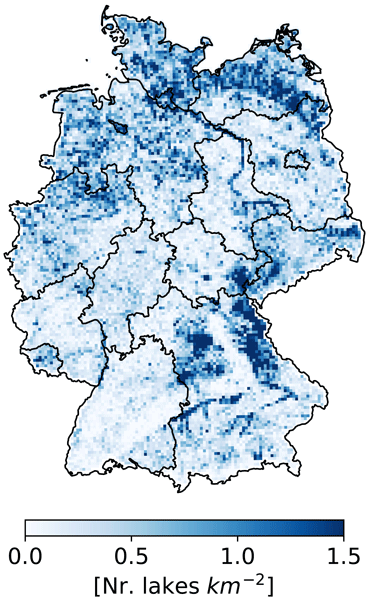
Alexander Wachholz, Susanne I. Schmidt, Jens Arle, and Jeanette Völker
Earth Syst. Sci. Data, 18, 117–129, https://doi.org/10.5194/essd-18-117-2026, https://doi.org/10.5194/essd-18-117-2026, 2026
Short summary
Short summary
Small lakes and ponds provide many functions for the environment. Because of their size they are often not considered in scientific studies. We collected all the information on those lakes and ponds for Germany and combined it to a database. We described the ponds in detail, for example how deep they might by, how much water they can store or if they are connected to rivers. We found more than 260.000 lakes and ponds in Germany.
Cited articles
Avramov, M.: Sensitivity and stress of groundwater invertebrates to toxic pollution and changes in temperature, PhD, Technical University Munich, Munich, 134 pp., 2013.
Avramov, M., Schmidt, S. I., Griebler, C., Hahn, H. J., and Berkhoff, S.: Dienstleistungen der Grundwasserökosysteme, KW Korrespondenz Wasserwirtschaft, 3, 74–81, https://doi.org/10.3243/kwe2010.02.001, 2010.
Avramov, M., Rock, T. M., Pfister, G., Schramm, K.-W., Schmidt, S. I., and Griebler, C.: Catecholamine levels in groundwater and stream amphipods and their response to temperature stress, Gen. Comp. Endocr., 194, 110–117, https://doi.org/10.1016/j.ygcen.2013.09.004, 2013.
Baas Becking, L. G. M.: Geobiologie of inleiding tot de milieukunde, Van Stockum & Zoon N.V., The Hague, 1934.
Barrett, M.: Package: ggokabeito: “Okabe-Ito” scales for “ggplot2” and “ggraph”, CRAN [code], https://search.r-project.org/CRAN/refmans/ggokabeito/html/scale_okabe_ito.html (last access: 23 March 2025), 2021.
Becher, J., Englisch, C., Griebler, C., and Bayer, P.: Groundwater fauna downtown – Drivers, impacts and implications for subsurface ecosystems in urban areas, J. Contam. Hydrol., 248, 104021, https://doi.org/10.1016/j.jconhyd.2022.104021, 2022.
Benner, R.: Biosequestration of carbon by heterotrophic microorganisms, Nat. Rev. Microbiol., 9, 75, https://doi.org/10.1038/nrmicro2386-c3, 2011.
Benz, S. A., Bayer, P., and Blum, P.: Global patterns of shallow groundwater temperatures, Environ. Res. Lett., 12, 034005, https://doi.org/10.1088/1748-9326/aa5fb0, 2017.
Benz, S. A., Irvine, D. J., Rau, G. C., Bayer, P., Menberg, K., Blum, P., Jamieson, R. C., Griebler, C., and Kurylyk, B. L.: Global groundwater warming due to climate change, Nat. Geosci., 1–7, https://doi.org/10.1038/s41561-024-01453-x, 2024.
Bevacqua, E., Schleussner, C.-F., and Zscheischler, J.: A year above 1.5 °C signals that Earth is most probably within the 20-year period that will reach the Paris Agreement limit, Nat. Clim. Chang., 15, 262–265, https://doi.org/10.1038/s41558-025-02246-9, 2025.
Blanchet, C. C., Arzel, C., Davranche, A., Kahilainen, K. K., Secondi, J., Taipale, S., Lindberg, H., Loehr, J., Manninen-Johansen, S., Sundell, J., Maanan, M., and Nummi, P.: Ecology and extent of freshwater browning - What we know and what should be studied next in the context of global change, Sci. Total Environ., 812, 152420, https://doi.org/10.1016/j.scitotenv.2021.152420, 2022.
Blouin, M., Hodson, M. E., Delgado, E. A., Baker, G., Brussaard, L., Butt, K. R., Dai, J., Dendooven, L., Peres, G., Tondoh, J. E., Cluzeau, D., and Brun, J. J.: A review of earthworm impact on soil function and ecosystem services, Eur. J. Soil Sci., 64, 161–182, https://doi.org/10.1111/ejss.12025, 2013.
Bradford, T.: Modes of speciation in subterranean diving beetles from a single calcrete aquifer in Central Western Australia, PhD thesis, University of Adelaide, https://docslib.org/doc/2081872/ (last access: 13 March 2026), 2009.
Bradford, T., Adams, M., Humphreys, W. F., Austin, A. D., and Cooper, S. J. B.: DNA barcoding of stygofauna uncovers cryptic amphipod diversity in a calcrete aquifer in Western Australia's arid zone, Mol. Ecol. Resour., 10, 41–50, https://doi.org/10.1111/j.1755-0998.2009.02706.x, 2010.
Brielmann, H., Griebler, C., Schmidt, S. I., Michel, R., and Lueders, T.: Effects of thermal energy discharge on shallow groundwater ecosystems, FEMS Microbiol. Ecol., 68, 273–286, https://doi.org/10.1111/j.1574-6941.2009.00674.x, 2009.
Brielmann, H., Lueders, T., Schreglmann, K., Ferraro, F., Avramov, M., Hammerl, V., Blum, P., Bayer, P., and Griebler, C.: Oberflächennahe Geothermie und ihre potenziellen Auswirkungen auf Grundwasserökosysteme, Grundwasser, 16, 77–91, https://doi.org/10.1007/s00767-011-0166-9, 2011.
Carpenter, S. R., Kitchell, J. F., and Hodgson, J. R.: Cascading trophic interactions and lake productivity: Fish predation and herbivory can regulate lake ecosystems, BioScience, 35, 634–639, 1985.
Connell, J. H.: Diversity in tropical rain forests and coral reefs, Science, 199, 1302–1310, 1978.
Dadi, T., Schultze, M., Kong, X., Seewald, M., Rinke, K., and Friese, K.: Sudden eutrophication of an aluminum sulphate treated lake due to abrupt increase of internal phosphorus loading after three decades of mesotrophy, Water Res., 235, 119824, https://doi.org/10.1016/j.watres.2023.119824, 2023.
Daily, G. C.: Nature's services: Societal dependence on natural ecosystems, Island Press, Washington, DC, 392 pp., ISBN: 978-1-55963-476-2, 2010.
Descloux, S., Datry, T., and Marmonier, P.: Benthic and hyporheic invertebrate assemblages along a gradient of increasing streambed colmation by fine sediment, Aquat. Sci., 75, 493–507, https://doi.org/10.1007/s00027-013-0295-6, 2013.
de Wit, H. A., Valinia, S., Weyhenmeyer, G. A., Futter, M. N., Kortelainen, P., Austnes, K., Hessen, D. O., Räike, A., Laudon, H., and Vuorenmaa, J.: Current browning of surface waters will be further promoted by wetter climate, Environ. Sci. Technol. Lett., 3, 430–435, https://doi.org/10.1021/acs.estlett.6b00396, 2016.
de Wit, R. and Bouvier, T.: `Everything is everywhere, but, the environment selects'; what did Baas Becking and Beijerinck really say?, Environ. Microbiol., 8, 755–758, https://doi.org/10.1111/j.1462-2920.2006.01017.x, 2006.
Dibbern, D., Schmalwasser, A., Lueders, T., and Totsche, K. U.: Selective transport of plant root-associated bacterial populations in agricultural soils upon snowmelt, Soil Biol. Biochem., 69, 187–196, https://doi.org/10.1016/j.soilbio.2013.10.040, 2014.
Di Cicco, M., Di Lorenzo, T., Fiasca, B., Galmarini, E., Vaccarelli, I., Cerasoli, F., Tabilio Di Camillo, A., and Galassi, D. M. P.: Some like it hot: Thermal preference of the groundwater amphipod Niphargus longicaudatus (Costa, 1851) and climate change implications, J. Therm. Biol., 116, 103654, https://doi.org/10.1016/j.jtherbio.2023.103654, 2023.
Di Lorenzo, T. and Galassi, D.: Effect of temperature rising on the stygobitic crustacean species Diacyclops belgicus: Does global warming affect groundwater populations?, Water, 9, 951, https://doi.org/10.3390/w9120951, 2017.
Di Lorenzo, T. and Reboleira, A. S. P. S.: Thermal acclimation and metabolic scaling of a groundwater asellid in the climate change scenario, Sci. Rep., 12, 17938, https://doi.org/10.1038/s41598-022-20891-4, 2022.
Di Lorenzo, T., Mori, N., and Simčič, T.: Metabolic rates of groundwater species as a function of body mass and temperature, Subterranean Biology, 49, 53–74, https://doi.org/10.3897/subtbiol.49.125131, 2024.
Di Lorenzo, T., Amalfitano, S., Galassi, D. M. P., Melita, M., Zoppini, A., Parrone, D., Ghergo, S., Rossi, D., Tabilio Di Camillo, A., and Preziosi, E.: Geochemical and microbial factors driving crustacean assemblages in adjacent aquifer units within the same aquifer, Biogeosciences, 22, 1237–1256, https://doi.org/10.5194/bg-22-1237-2025, 2025a.
Di Lorenzo, T., Tabilio Di Camillo, A., Iepure, S., Galassi, D. M. P., Mori, N., and Simčič, T.: Oxygen consumption and carbon budget in groundwater-obligate and surface-dwelling Diacyclops species (Crustacea Copepoda Cyclopoida) under temperature variability, Environments, 12, 32, https://doi.org/10.3390/environments12010032, 2025b.
Dormann, C. F., Bobrowski, M., Dehling, D. M., Harris, D. J., Hartig, F., Lischke, H., Moretti, M. D., Pagel, J., Pinkert, S., Schleuning, M., Schmidt, S. I., Sheppard, C. S., Steinbauer, M. J., Zeuss, D., and Kraan, C.: Biotic interactions in species distribution modelling: 10 questions to guide interpretation and avoid false conclusions, Global Ecol. Biogeogr., 27, 1004–1016, https://doi.org/10.1111/geb.12759, 2018.
Eigenbrod, F.: Redefining landscape structure for ecosystem services, Curr. Landsc. Ecol. Rep., 1, 80–86, https://doi.org/10.1007/s40823-016-0010-0, 2016.
Ejsmont-Karabin, J. and Karpowicz, M.: Rotifera occurrence and diversity in the groundwater wells of a major European wetland complex, Int. Rev. Hydrobiol., 110, 22–28, https://doi.org/10.1002/iroh.70014, 2025.
Ercoli, F., Lefebvre, F., Delangle, M., Godé, N., Caillon, M., Raimond, R., and Souty-Grosset, C.: Differing trophic niches of three French stygobionts and their implications for conservation of endemic stygofauna, Aquat. Conserv., 29, 2193–2203, https://doi.org/10.1002/aqc.3227, 2019.
Fišer, C., Zagmajster, M., Jemec Kokalj, A., Mali, N., Šumrada, T., Glavan, M., Hose, G. C., Schwartz, B., Lorenzo, T. D., Griebler, C., and Cvejić, R.: Toward sustainable irrigation practices safeguarding groundwater biodiversity and ecosystem services, BioScience, biaf016, https://doi.org/10.1093/biosci/biaf016, 2025.
Foulquier, A., Malard, F., Mermillod-Blondin, F., Montuelle, B., Dolédec, S., Volat, B., and Gibert, J.: Surface water linkages regulate trophic interactions in a groundwater food web, Ecosystems, 14, 1339–1353, https://doi.org/10.1007/s10021-011-9484-0, 2011.
Fowler, S. J. and Smets, B. F.: Microbial biotechnologies for potable water production, Microb. Biotechnol., 10, 1094–1097, https://doi.org/10.1111/1751-7915.12837, 2017.
Francois, C. M., Mermillod-Blondin, F., Malard, F., Fourel, F., Lécuyer, C., Douady, C. J., and Simon, L.: Trophic ecology of groundwater species reveals specialization in a low-productivity environment, Funct. Ecol., 30, 262–273, https://doi.org/10.1111/1365-2435.12484, 2016.
Gibert, J. and Deharveng, L.: Subterranean ecosystems: A truncated functional biodiversity, BioScience, 52, 473–481, https://doi.org/10.1641/0006-3568(2002)052[0473:SEATFB]2.0.CO;2, 2002.
Gollini, I., Pianosi, F., Sarrazin, F., Wagener, T., and Noacco, V.: SAFER: Sensitivity Analysis For Everybody with R, https://github.com/SAFEtoolbox/SAFE-R (last access: 2 December 2025), 2025.
Griebler, C. and Lueders, T.: Microbial biodiversity in groundwater ecosystems, Freshwater Biol., 54, 649–677, https://doi.org/10.1111/j.1365-2427.2008.02013.x, 2009.
Herrmann, M. and Taubert, M.: Biogeochemical cycling of carbon and nitrogen in groundwater – Key processes and microbial drivers, in: Encyclopedia of Inland Waters (Second Edition), edited by: Mehner, T. and Tockner, K., Elsevier, Oxford, 412–427, https://doi.org/10.1016/B978-0-12-819166-8.00087-6, 2022.
Herrmann, M., Rusznyák, A., Akob, D. M., Schulze, I., Opitz, S., Totsche, K. U., and Küsel, K.: Large fractions of CO2-fixing microorganisms in pristine limestone aquifers appear to be involved in the oxidation of reduced sulfur and nitrogen compounds, Appl. Environ. Microbiol., 81, 2384–2394, https://doi.org/10.1128/AEM.03269-14, 2015.
Herrmann, M., Geesink, P., Yan, L., Lehmann, R., Totsche, K. U., and Küsel, K.: Complex food webs coincide with high genetic potential for chemolithoautotrophy in fractured bedrock groundwater, Water Res., 170, 115306, https://doi.org/10.1016/j.watres.2019.115306, 2020.
Hervant, F.: Réponses et adaptations à l'hypoxie severe chez des Crustacés souterrains et superficiels, Geobios, 21, 75–79, 1997.
Hervant, F., Mathieu, J., and Messana, G.: Oxygen consumption and ventilation in declining oxygen tension and posthypoxic recovery in epigean and hypogean crustaceans, J. Crustacean Biol., 18, 717–727, 1998.
Hervant, F., Mathieu, J., and Culver, D. C.: Comparative responses to severe hypoxia and subsequent recovery in closely related amphipod populations (Gammarus minus) from cave and surface habitats, Hydrobiologia, 392, 197–204, https://doi.org/10.1023/A:1003511416509, 1999.
Holmstrup, M., Ehlers, B. K., Slotsbo, S., Ilieva-Makulec, K., Sigurdsson, B. D., Leblans, N. I. W., Ellers, J., and Berg, M. P.: Functional diversity of Collembola is reduced in soils subjected to short-term, but not long-term, geothermal warming, Funct. Ecol., 32, 1304–1316, https://doi.org/10.1111/1365-2435.13058, 2018.
Hose, G. C., Chariton, A., Daam, M. A., Di Lorenzo, T., Galassi, D. M. P., Halse, S. A., Reboleira, A. S. P. S., Robertson, A. L., Schmidt, S. I., and Korbel, K. L.: Invertebrate traits, diversity and the vulnerability of groundwater ecosystems, Funct. Ecol., 39, 2200–2214, https://doi.org/10.1111/1365-2435.14125, 2022.
Husmann, S. and Marxsen, J.: 6.3.1 Besiedlung und Milieufaktoren im Grundwasser der Weserterrasse und der Fuldaaue, in: Bedeutung biologischer Vorgänge für die Beschaffenheit des Grundwassers, edited by: Husmann, S., Marxsen, J., Näveke, R., Nehrkorn, A., Ritter, R., Roch, K., Schmidt, K., Schmidt, C., and Schweisfurth, R., Parey, 246–255, ISBN 3-490-08097-1, 1988.
Iannella, M., Fiasca, B., Di Lorenzo, T., Biondi, M., Di Cicco, M., and Galassi, D. M. P.: Spatial distribution of stygobitic crustacean harpacticoids at the boundaries of groundwater habitat types in Europe, Sci. Rep., 10, 19043, https://doi.org/10.1038/s41598-020-76018-0, 2020.
Ishida, Y., Imai, I., Miyagaki, T., and Kadota, H.: Growth and uptake kinetics of a facultatively oligotrophic bacterium at low nutrient concentrations, Microb. Ecol., 8, 23–32, https://doi.org/10.1007/BF02011458, 1982.
Jochem, F. J., Lavrentyev, P. J., and First, M. R.: Growth and grazing rates of bacteria groups with different apparent DNA content in the Gulf of Mexico, Mar. Biol., 145, 1213–1225, https://doi.org/10.1007/s00227-004-1406-7, 2004.
Kekes, T., Tzia, C., and Kolliopoulos, G.: Drinking and natural mineral water: Treatment and quality–safety assurance, Water, 15, 2325, https://doi.org/10.3390/w15132325, 2023.
Kellermann, C., Selesi, D., Lee, N., Hügler, M., Esperschütz, J., Hartmann, A., and Griebler, C.: Microbial CO2 fixation potential in a tar-oil-contaminated porous aquifer, FEMS Microbiol. Ecol., 81, 172–187, https://doi.org/10.1111/j.1574-6941.2012.01359.x, 2012.
Kellermann, C. S.: Autotrophy in groundwater ecosystems, PhD thesis, Ludwig-Maximilians-Universität München, 100 pp., https://edoc.ub.uni-muenchen.de/10481/1/Kellermann_Claudia.pdf (last access: 12 April 2024), 2008.
Koch, F., Menberg, K., Schweikert, S., Spengler, C., Hahn, H. J., and Blum, P.: Groundwater fauna in an urban area – natural or affected?, Hydrol. Earth Syst. Sci., 25, 3053–3070, https://doi.org/10.5194/hess-25-3053-2021, 2021.
Koch, F., Blum, P., Stein, H., Fuchs, A., Hahn, H. J., and Menberg, K.: Temporal shift in groundwater fauna in southwestern Germany, Hydrol. Earth Syst. Sci., 28, 4927–4946, https://doi.org/10.5194/hess-28-4927-2024, 2024.
Kong, F., Ren, H.-Y., Pavlostathis, S. G., Nan, J., Ren, N.-Q., and Wang, A.: Overview of value-added products bioelectrosynthesized from waste materials in microbial electrosynthesis systems, Renew. Sust. Energ. Rev., 125, 109816, https://doi.org/10.1016/j.rser.2020.109816, 2020.
Kopáček, J., Grill, S., Hejzlar, J., Porcal, P., and Turek, J.: Tree dieback and subsequent changes in water quality accelerated the climate-related warming of a central European forest lake, J. Water Clim. Change, https://doi.org/10.2166/wcc.2023.581, 2023.
Kota, S., Borden, R. C., and Barlaz, M. A.: Influence of protozoan grazing on contaminant biodegradation, FEMS Microb. Ecol., 29, 179–189, https://doi.org/10.1016/S0168-6496(99)00010-0, 1999.
Kozłowski, J.: Optimal allocation of resources to growth and reproduction: Implications for age and size at maturity, Trends Ecol. Evol., 7, 15–19, https://doi.org/10.1016/0169-5347(92)90192-E, 1992.
Küsel, K., Totsche, K. U., Trumbore, S. E., Lehmann, R., Steinhäuser, C., and Herrmann, M.: How deep can surface signals be traced in the critical zone? Merging biodiversity with biogeochemistry research in a Central German Muschelkalk landscape, Front. Earth Sci., 4, 1–18, https://doi.org/10.3389/feart.2016.00032, 2016.
Lake, P. S.: Disturbance, patchiness, and diversity in streams, J. N. Am. Benthol. Soc., 19, 573–592, https://doi.org/10.2307/1468118, 2000.
Landis, D. A.: Designing agricultural landscapes for biodiversity-based ecosystem services, Basic Appl. Ecol., 18, 1–12, https://doi.org/10.1016/j.baae.2016.07.005, 2017.
Leclère, D., Obersteiner, M., Barrett, M., Butchart, S. H. M., Chaudhary, A., Palma, A. D., DeClerck, F. A. J., Marco, M. D., Doelman, J. C., Dürauer, M., Freeman, R., Harfoot, M., Hasegawa, T., Hellweg, S., Hilbers, J. P., Hill, S. L. L., Humpenöder, F., Jennings, N., Krisztin, T., and Young, L.: Bending the curve of terrestrial biodiversity needs an integrated strategy, Nature, 585, 7826, https://doi.org/10.1038/s41586-020-2705-y, 2020.
Lehmann, K., Lehmann, R., and Totsche, K. U.: Event-driven dynamics of the total mobile inventory in undisturbed soil account for significant fluxes of particulate organic carbon, Sci. Total Environ., 756, 143774, https://doi.org/10.1016/j.scitotenv.2020.143774, 2021.
Leijs, R., Bradford, T., Mitchell, J. G., Humphreys, W. F., Cooper, S. J. B., Goonan, P., and King, R. A.: The evolution of epigean and stygobitic species of Koonunga Sayce, 1907 (Syncarida: Anaspidacea) in Southern Australia, with the description of three new species, PLoS One, 10, https://doi.org/10.1371/journal.pone.0134673, 2015.
Lindeman, R. L.: The trophic-dynamic aspect of ecology, Ecology, 23, 399–417, 1942.
Longnecker, K., Sherr, B. F., and Sherr, E. B.: Activity and phylogenetic diversity of bacterial cells with high and low nucleic acid content and electron transport system activity in an upwelling ecosystem, Appl. Environ. Microbiol., 71, 7737–7749, https://doi.org/10.1128/AEM.71.12.7737-7749.2005, 2005.
Longnecker, K., Bhatia, M., and Kujawinski, E. B.: Effect of carbon addition and predation on acetate-assimilating bacterial cells in groundwater, FEMS Microbiol. Ecol., 70, 456–470, https://doi.org/10.1111/j.1574-6941.2009.00767.x, 2009.
Magnabosco, C., Lin, L.-H., Dong, H., Bomberg, M., Ghiorse, W., Stan-Lotter, H., Pedersen, K., Kieft, T. L., van Heerden, E., and Onstott, T. C.: The biomass and biodiversity of the continental subsurface, Nat. Geosci., 11, 10, 707–717, https://doi.org/10.1038/s41561-018-0221-6, 2018.
Malard, F. and Hervant, F.: Oxygen supply and the adaptations of animals in groundwater, Freshwater Biol., 41, 1–30, https://doi.org/10.1046/j.1365-2427.1999.00379.x, 1999.
Malard, F., Griebler, C., and Retaux, S.: Groundwater ecology and evolution (2nd edn.), Academic Press, ISBN 978-0-12-819119-4, 2023a.
Malard, F., Griebler, C., and Rétaux, S.: Groundwater ecology and evolution: an introduction, in: Groundwater Ecology and Evolution (2nd edn.), edited by: Malard, F., Griebler, C., and Rétaux, S., Academic Press, San Diego, xvii–xxix, https://doi.org/10.1016/B978-0-12-819119-4.00026-3, 2023b.
Mammola, S., Brankovits, D., Di Lorenzo, T., Amorim, I. R., Bancila, R. I., Bellvert, A., Bernard, E., Blomberg, A., Borges, P. A. V., Cappelletti, M., Ferreira, R. L., Gabriel, R., Galassi, D. M. P., Garzoli, L., Gerovasileiou, V., Hose, G. C., Korbel, K. L., Martino, S., Miller, A. Z., Mori, N., Nanni, V., Nicolosi, G., Saccò, M., Sakihara, T. S., Silva, M. S., Tamalavage, A. E., Zagmajster, M., Chávez, E., Griebler, C., Cardoso, P., and Martínez, A.: Subterranean environments contribute to three-quarters of classified ecosystem services, Biol. Rev., 101, 1582–1605, https://doi.org/10.1002/brv.70137, 2026.
Marxsen, J.: Fluoreszenzmikroskopische Untersuchung der Bakterienflora und Bestimmung ihrer heterotrophen Aktivität in organisch belastetem und unbelastetem Grundwasser sandig-kiesiger Ablagerungen, Int. J. Speleol., 11, 173–201, 1981.
Marxsen, J., Rütz, N. K., and Schmidt, S. I.: Organic carbon and nutrients drive prokaryote and metazoan communities in a floodplain aquifer, Basic Appl. Ecol., 51, 43–58, https://doi.org/10.1016/j.baae.2020.12.006, 2021.
Mattison, R. G., Taki, H., and Harayama, S.: The soil flagellate Heteromita globosa accelerates bacterial degradation of alkylbenzenes through grazing and acetate excretion in batch culture, Microb. Ecol., 49, 142–150, https://doi.org/10.1007/s00248-003-0226-5, 2005.
McClain, M. E., Boyer, E. W., Dent, C. L., Gergel, S. E., Grimm, N. B., Groffman, P. M., Hart, S. C., Harvey, J. W., Johnston, C. A., Mayorga, E., McDowell, W. H., and Pinay, G.: Biogeochemical hot spots and hot moments at the interface of terrestrial and aquatic ecosystems, Ecosystems, 6, 301–312, https://doi.org/10.1007/s10021-003-0161-9, 2003.
Meckenstock, R. U., Elsner, M., Griebler, C., Lueders, T., Stumpp, C., Aamand, J., Agathos, S. N., Albrechtsen, H.-J., Bastiaens, L., Bjerg, P. L., Boon, N., Dejonghe, W., Huang, W. E., Schmidt, S. I., Smolders, E., Sørensen, S. R., Springael, D., and van Breukelen, B. M.: Biodegradation: Updating the concepts of control for microbial cleanup in contaminated aquifers, Environ. Sci. Technol., 49, 7073–7081, https://doi.org/10.1021/acs.est.5b00715, 2015.
Mermillod-Blondin, F., Poggiale, J.-C., Tolla, C., Auger, P., Thuiller, W., and des Châtelliers, M. C.: Using a mathematical model to simulate the influence of tubificid worms (Oligochaeta) on oxygen concentrations in hyporheic sediments, Fund. Appl. Limnol., 172, 135–145, https://doi.org/10.1127/1863-9135/2008/0172-0135, 2008.
Mermillod-Blondin, F., Douady, C. J., François, C. M., Hervant, F., and Simon, L.: Environmental organic carbon availability determines metabolic and consumption rates in freshwater isopods, Oikos, e11149, https://doi.org/10.1002/oik.11149, 2025.
Moinet, G. Y. K., Hijbeek, R., van Vuuren, D. P., and Giller, K. E.: Carbon for soils, not soils for carbon, Glob. Change Biol., 29, 2384–2398, https://doi.org/10.1111/gcb.16570, 2023.
Moona, N., Holmes, A., Wünsch, U. J., Pettersson, T. J. R., and Murphy, K. R.: Full-scale manipulation of the empty bed contact time to optimize dissolved organic matter removal by drinking water biofilters, ACS EST Water, 1, 1117–1126, https://doi.org/10.1021/acsestwater.0c00105, 2021.
Mori, E., Di Lorenzo, T., Viviano, A., Jakovljević, T., Marra, E., Moura, B. B., Garosi, C., Manzini, J., Ancillotto, L., Hoshika, Y., and Paoletti, E.: Under pressure: environmental stressors in urban ecosystems and their ecological and social consequences on biodiversity and human well-being, Stresses, 5, 4, 66, https://doi.org/10.3390/stresses5040066, 2025.
Musolff, A., Tarasova, L., Rinke, K., and Ledesma, J. L. J.: Forest dieback alters nutrient pathways in a temperate headwater catchment, Hydrol. Proc., 38, https://doi.org/10.1002/hyp.15308, 2024.
Navel, S., Simon, M., Lécuyer, C., Fourel, F., and Mermillod-Blondin, F.: The shredding activity of gammarids facilitates the processing of organic matter by the subterranean amphipod Niphargus rhenorhodanensis, Freshwater Biol., 56, 481–490, https://doi.org/10.1111/j.1365-2427.2010.02513.x, 2011.
Noethen, M., Becher, J., Menberg, K., Blum, P., Schüppler, S., Metzler, E., Rasch, G., Griebler, C., and Bayer, P.: Environmental impact of an anthropogenic groundwater temperature hotspot, Sci. Total Environ., 177153, https://doi.org/10.1016/j.scitotenv.2024.177153, 2024.
Nydahl, A. C., Wallin, M. B., Laudon, H., and Weyhenmeyer, G. A.: Groundwater carbon within a boreal catchment: spatiotemporal variability of a hidden aquatic carbon pool, J. Geophys. Res.-Biogeo., 125, https://doi.org/10.1029/2019JG005244, 2020.
Odum, H. T.: Trophic structure and productivity of Silver Springs, Florida, Ecol. Monogr., https://doi.org/10.2307/1948571, 1957.
Odum, H. T. and Odum, E. P.: The energetic basis for valuation of ecosystem services, Ecosystems, 3, 21–23, https://doi.org/10.1007/s100210000005, 2000.
Pianosi, F., Sarrazin, F., and Wagener, T.: A Matlab toolbox for Global Sensitivity Analysis, Environ. Modell. Softw., 70, 80–85, https://doi.org/10.1016/j.envsoft.2015.04.009, 2015.
Pianosi, F., Beven, K., Freer, J., Hall, J. W., Rougier, J., Stephenson, D. B., and Wagener, T.: Sensitivity analysis of environmental models: A systematic review with practical workflow, Environ. Modell. Softw., 79, 214–232, https://doi.org/10.1016/j.envsoft.2016.02.008, 2016.
R Core Team: R: A Language and Environment for Statistical Computing, https://www.R-project.org/ (last access: 30 June 2026), 2025.
Rau, G. C., Cuthbert, M. O., Mccallum, A. M., Halloran, L. J. S., and Andersen, M. S.: Assessing the accuracy of 1-D analytical heat tracing for estimating near-surface sediment thermal diffusivity and water flux under transient conditions, J. Geophys. Res.-Earth, 120, 1–23, https://doi.org/10.1002/2015JF003466, 2015.
Retter, A., Karwautz, C., and Griebler, C.: Groundwater microbial communities in times of climate change, Curr. Issues Mol. Biol., 41, 509–538, https://doi.org/10.21775/cimb.041.509, 2020.
Rütz, N. K., Marxsen, J., and Wolters, V.: Long-term cultivation of the groundwater amphipod Niphargus aquilex (Crustacea), Hydrobiologia, 850, 269–281, https://doi.org/10.1007/s10750-022-05058-6, 2022.
Saccò, M., Blyth, A. J., Humphreys, W. F., Kuhl, A., Mazumder, D., Smith, C., and Grice, K.: Elucidating stygofaunal trophic web interactions via isotopic ecology, PLOS ONE, 14, https://doi.org/10.1371/journal.pone.0223982, 2019.
Saccò, M., Mammola, S., Altermatt, F., Alther, R., Bolpagni, R., Brancelj, A., Brankovits, D., Fišer, C., Gerovasileiou, V., Griebler, C., Guareschi, S., Hose, G. C., Korbel, K., Lictevout, E., Malard, F., Martínez, A., Niemiller, M. L., Robertson, A., Tanalgo, K. C., Bichuette, M. E., Borko, Š., Brad, T., Campbell, M. A., Cardoso, P., Celico, F., Cooper, S. J. B., Culver, D., Di Lorenzo, T., Galassi, D. M. P., Guzik, M. T., Hartland, A., Humphreys, W. F., Ferreira, R. L., Lunghi, E., Nizzoli, D., Perina, G., Raghavan, R., Richards, Z., Reboleira, A. S. P. S., Rohde, M. M., Fernández, D. S., Schmidt, S. I., van der Heyde, M., Weaver, L., White, N. E., Zagmajster, M., Hogg, I., Ruhi, A., Gagnon, M. M., Allentoft, M. E., and Reinecke, R.: Groundwater is a hidden global keystone ecosystem, Glob. Change Biol., 30, https://doi.org/10.1111/gcb.17066, 2024.
Schlogelhofer, H. L., Peaudecerf, F. J., Bunbury, F., Whitehouse, M. J., Foster, R. A., Smith, A. G., and Croze, O. A.: Combining SIMS and mechanistic modelling to reveal nutrient kinetics in an algal-bacterial mutualism, PLOS ONE, 16, https://doi.org/10.1371/journal.pone.0251643, 2021.
Schmidt, S.: suisch/gtm_River_Fulda_floodplain: v.1.2.1 (v.1.2.1), Zenodo [code], https://doi.org/10.5281/zenodo.17153927, 2025.
Schmidt, S. I. and Hahn, H. J.: What is groundwater and what does this mean to fauna? – An opinion, Limnologica, 42, 1–6, https://doi.org/10.1016/j.limno.2011.08.002, 2012.
Schmidt, S. I., Hahn, H. J., Hatton, T. J., and Humphreys, W. F.: Do faunal assemblages reflect the exchange intensity in groundwater zones?, Hydrobiologia, 583, 1–19, https://doi.org/10.1007/s10750-006-0405-8, 2007.
Schmidt, S. I., Cuthbert, M. O., and Schwientek, M.: Towards an integrated understanding of how micro scale processes shape groundwater ecosystem functions, Sci. Total Environ., 592, 215–227, https://doi.org/10.1016/j.scitotenv.2017.03.047, 2017.
Schmidt, S. I., Kreft, J.-U., Mackay, R., Picioreanu, C., and Thullner, M.: Elucidating the impact of micro-scale heterogeneous bacterial distribution on biodegradation, Adv. Water Res., 116, 67–76, https://doi.org/10.1016/j.advwatres.2018.01.013, 2018.
Schmidt, S. I., Fluksová, H., Grill, S., and Kopáček, J.: The significance of tree height as a predictor of tree mortality during bark beetle outbreaks in a small catchment, Forests, 15, 803, https://doi.org/10.3390/f15050803, 2024a.
Schmidt, S. I., Svátková, M., Kodeš, V., and Shabarova, T.: Correlations between the increase in atmospheric CO2 and temperature, and the subsequent increase in silica, and groundwater organisms, Sci. Total Environ., 955, 176970, https://doi.org/10.1016/j.scitotenv.2024.176970, 2024b.
Schubert, J.: Hydraulic aspects of riverbank filtration – field studies, J. Hydrol., 266, 145–161, 2002.
Schwab, V. F., Nowak, M. E., Elder, C. D., Trumbore, S. E., Xu, X., Gleixner, G., Lehmann, R., Pohnert, G., Muhr, J., Küsel, K., and Totsche, K. U.: 14C-free carbon is a major contributor to cellular biomass in geochemically distinct groundwater of shallow sedimentary bedrock aquifers, Water Resour. Res., 55, 2104–2121, https://doi.org/10.1029/2017WR022067, 2019.
Seidl, R. and Rammer, W.: Climate change amplifies the interactions between wind and bark beetle disturbances in forest landscapes, Landscape Ecol., 32, 1485–1498, https://doi.org/10.1007/s10980-016-0396-4, 2017.
Simčič, T. and Brancelj, A.: The effect of light on oxygen consumption in two amphipod crustaceans – the hypogean Niphargus stygius and the epigean Gammarus fossarum, Mar. Freshw. Behav. Phy., 40, 141–150, https://doi.org/10.1080/10236240701452465, 2007.
Sinclair, J. L., Kampbell, D. H., Cook, M. L., and Wilson, J. T.: Protozoa in subsurface sediments from sites contaminated with aviation gasoline or jet fuel, Appl. Environ. Microbiol., 59, 467–472, 1993.
Spengler, C.: Die Auswirkungen von anthropogenen Temperaturerhöhungen auf die Crustaceagemeinschaften im Grundwasser -Versuch einer Prognose zur Klimaerwärmung und lokalen Wärmeeinträgen, University of Koblenz-Landau, https://opus4.kobv.de/opus4-uni-koblenz/frontdoor/deliver/index/docId/1554/file/Dissertation_CSpengler_angenommen_20122017.pdf (last access: 31 October 2024), 2017.
Spengler, C. and Hahn, H. J.: Thermostress: Ökologisch begründete, thermische Schwellenwerte und Bewertungsansätze für das Grundwasser, KW Korrespondenz Wasserwirtschaft, 11, 521–525, https://doi.org/10.3243/kwe2018.09.001, 2018.
Strayer, D. L., May, S. E., Nielsen, P., Wollheim, W., and Hausam, S.: Oxygen, organic matter, and sediment granulometry as controls on hyporheic animal communities, Arch. Hydrobiol., 140, 131–144, 1997.
Stumpp, C. and Hose, G. C.: The impact of water table drawdown and drying on subterranean aquatic fauna in in-vitro experiments, PLoS ONE, 8, https://doi.org/10.1371/journal.pone.0078502, 2013.
Taborsky, B., Kuijper, B., Fawcett, T. W., English, S., Leimar, O., McNamara, J. M., and Ruuskanen, S.: An evolutionary perspective on stress responses, damage and repair, Horm. Behav., 142, 105180, https://doi.org/10.1016/j.yhbeh.2022.105180, 2022.
Taubert, M., Stähly, J., Kolb, S., and Küsel, K.: Divergent microbial communities in groundwater and overlying soils exhibit functional redundancy for plant-polysaccharide degradation, PLOS ONE, 14, https://doi.org/10.1371/journal.pone.0212937, 2019.
Tockner, K.: Freshwaters: Global Distribution, Biodiversity, Ecosystem Services, and Human Pressures, in: Handbook of Water Resources Management: Discourses, Concepts and Examples, edited by: Bogardi, J. J., Gupta, J., Nandalal, K. D. W., Salamé, L., van Nooijen, R. R. P., Kumar, N., Tingsanchali, T., Bhaduri, A., and Kolechkina, A. G., Springer International Publishing, Cham, 489–501, https://doi.org/10.1007/978-3-030-60147-8_16, 2021.
Triest, L., Stiers, I., and Van Onsem, S.: Biomanipulation as a nature-based solution to reduce cyanobacterial blooms, Aquat. Ecol., 50, 461–483, https://doi.org/10.1007/s10452-015-9548-x, 2016.
Tufenkji, N., Miller, G. F., Ryan, J. N., Harvey, R. W., and Elimelech, M.: Transport of Cryptosporidium oocysts in porous media: Role of straining and physicochemical filtration, Environ. Sci. Technol., 38, 22, 5932–5938, https://doi.org/10.1021/es049789u, 2004.
United Nations General Assembly (Ed.): Transforming our world: the 2030 Agenda for Sustainable Development, 17 Sustainable Development Goals, in: A New Era in Global Health, Springer Publishing Company, New York, NY, https://doi.org/10.1891/9780826190123.ap02, 2017.
Vaccarelli, I., Colado, R., Pallarés, S., Galassi, D. M. P., Sánchez-Fernández, D., Di Cicco, M., Meierhofer, M. B., Piano, E., Di Lorenzo, T., and Mammola, S.: A global meta-analysis reveals multilevel and context-dependent effects of climate change on subterranean ecosystems, One Earth, 6, 1510–1522, https://doi.org/10.1016/j.oneear.2023.09.001, 2023.
Vogt, R. D., Porcal, P., Hejzlar, J., Paule-Mercado, M. C., Haaland, S., Gundersen, C. B., Orderud, G. I., and Eikebrokk, B.: Distinguishing between sources of natural dissolved organic matter (DOM) based on its characteristics, Water, 15, 3006, https://doi.org/10.3390/w15163006, 2023.
Vrba, J., Šorf, M., Nedoma, J., Benedová, Z., Kröpfelová, L., Šulcová, J., Tesařová, B., Musil, M., Pechar, L., Potužák, J., Regenda, J., Šimek, K., and Řeháková, K.: Top-down and bottom-up control of plankton structure and dynamics in hypertrophic fishponds, Hydrobiologia, 851, 1095–1111, https://doi.org/10.1007/s10750-023-05312-5, 2024.
Winter, T. C., Rosenberry, D. O., and LaBaugh, J. W.: Where does the ground water in small watersheds come from?, Groundwater, 41, 989–1000, https://doi.org/10.1111/j.1745-6584.2003.tb02440.x, 2003.
Zubkov, M. V. and Tarran, G. A.: High bacterivory by the smallest phytoplankton in the North Atlantic Ocean, Nature, 455, 224–227, 2008.
Short summary
The groundwater ecosystem fulfils functions that enable drinking water production. Here, we used a computational model to quantify one such services, namely the degradation or organic carbon. We ran scenarios with and without fauna and scenarios with (additionally) temperature elevated by 1.5 °C and 3 °C. Biodegradable organic carbon increased in scenarios without fauna. This may create problems in drinking water production. Fauna fulfils a service by promoting microbial carbon degradation.
The groundwater ecosystem fulfils functions that enable drinking water production. Here, we used...


Altmetrics
Final-revised paper
Preprint