
Articles | Volume 23, issue 4
https://doi.org/10.5194/bg-23-1697-2026
© Author(s) 2026. This work is distributed under
the Creative Commons Attribution 4.0 License.
the Creative Commons Attribution 4.0 License.
Special issue:
https://doi.org/10.5194/bg-23-1697-2026
© Author(s) 2026. This work is distributed under
the Creative Commons Attribution 4.0 License.
the Creative Commons Attribution 4.0 License.
Research article
| 
03 Mar 2026
Research article |
| 03 Mar 2026
| 03 Mar 2026
Meta-analytical insights into organic matter enrichment in the surface microlayer

GEOMAR Helmholtz Centre for Ocean Research Kiel, 24143 Kiel, Germany
Surandokht Nikzad
Trent University, Peterborough, ON K9L 0G2, Canada
Institute of Coastal Systems, Helmholtz-Zentrum Hereon, 21502 Geesthacht, Germany
Theresa Barthelmeß
GEOMAR Helmholtz Centre for Ocean Research Kiel, 24143 Kiel, Germany
Anja Engel
GEOMAR Helmholtz Centre for Ocean Research Kiel, 24143 Kiel, Germany
Christian-Albrechts University of Kiel, 24148 Kiel, Germany
Hartmut Herrmann
Leibniz Institute for Tropospheric Research (TROPOS), Atmospheric Chemistry Department (ACD), 04318 Leipzig, Germany
Manuela van Pinxteren
Leibniz Institute for Tropospheric Research (TROPOS), Atmospheric Chemistry Department (ACD), 04318 Leipzig, Germany
Kai Wirtz
Institute of Coastal Systems, Helmholtz-Zentrum Hereon, 21502 Geesthacht, Germany
Christian-Albrechts University of Kiel, 24148 Kiel, Germany
Oliver Wurl
Center of Marine Sensors, Institute for Chemistry and Biology of the Marine Environment, Carl von Ossietzky University of Oldenburg, Wilhelmshaven, Germany
GEOMAR Helmholtz Centre for Ocean Research Kiel, 24143 Kiel, Germany
Related authors
Chuqing Zhang, Yingxu Wu, Peter J. Brown, David Stappard, Amavi N. Silva, and Toby Tyrrell
EGUsphere, https://doi.org/10.5194/egusphere-2023-3143, https://doi.org/10.5194/egusphere-2023-3143, 2024
Preprint archived
Short summary
Short summary
In this study, we found that float-based pCO2 is overall high by systematically comparing ship-based pCO2 with float-based pCO2. This finding partly explains the apparent difference between the carbon fluxes calculated from the float data and other databases. It inspires further examination of the quality of the float pH data and the pCO2 calculation process.
Chia-Te Chien, Markus Pahlow, Christopher J. Somes, Markus Schartau, and Andreas Oschlies
Earth Syst. Dynam., 17, 1277–1297, https://doi.org/10.5194/esd-17-1277-2026, https://doi.org/10.5194/esd-17-1277-2026, 2026
Short summary
Short summary
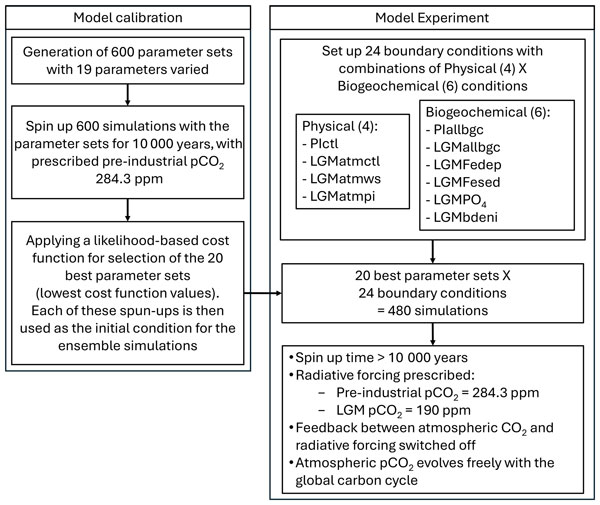
We aim to investigate the variability and drivers of atmospheric pCO2 drawdown during the Last Glacial Maximum using an ensemble of model simulations. Our ensemble explores the effects of parameter uncertainty and different forcing scenarios on marine biogeochemistry and pCO2. We show that changes in ocean circulation, nutrient utilization, and iron availability regulate the efficiency of the biological carbon pump, accounting for a substantial portion of the glacial–interglacial pCO2 change.
Megan Malpas, Floortje van den Heuvel, Rachael H. Rhodes, Xin Yang, Shaun Miller, Manuela van Pinxteren, Sebastian Zeppenfeld, and Markus M. Frey
EGUsphere, https://doi.org/10.5194/egusphere-2026-5047, https://doi.org/10.5194/egusphere-2026-5047, 2026
This preprint is open for discussion and under review for Atmospheric Chemistry and Physics (ACP).
Short summary
Short summary
We investigated a type of aerosol that facilitates the formation of ice in clouds, to understand whether snow on sea ice lifted by strong winds in the Arctic could be a source of this aerosol. We did not observe increases in the concentration of this aerosol during these strong wind events; however, we did observe the formation of ice on aerosol at warmer temperatures. We conclude that aerosol released during strong winds is influenced by both snow sublimation and transport from lower latitudes.
Samuel Mintah Ayim and Oliver Wurl
EGUsphere, https://doi.org/10.5194/egusphere-2026-4866, https://doi.org/10.5194/egusphere-2026-4866, 2026
This preprint is open for discussion and under review for Ocean Science (OS).
Short summary
Short summary
We investigated whether small-scale changes in seawater properties at the ocean surface reflect those below. An autonomous surface vehicle measured water density at the ultra-thin skin layer and one meter deep in the German Bight. Skin density patterns frequently differed from the underlying water and were driven more by salinity than temperature. This suggests that satellite observations of the ocean skin may not accurately represent underlying water dynamics in complex coastal waters.
Anouk Marsal, Fabrizia Cavalli, Elise Di Antonio, Stephan Houdier, Pamela Dominutti, Sophie Darfeuil, Jean-Luc Jaffrezo, Stéphane Sauvage, Jean-Philippe Putaud, Ian S. Mudway, Athanasios Nenes, Aikaterini Bougiatioti, Nikolaos Mihalopoulos, André S. H. Prévôt, Despina Paraskevopoulou, Ana Cvitešić Kušan, Sanja Frka, Ana Kroflič, Ajda Delić, Blanka Tariba Lovaković, Andreja Jurič, Carolina Molina, Daniele Contini, Maria Rachele Guascito, Mathilde Lintz, Davy Rousset, Hartmut Herrmann, Eduardo J. d. S. Souza, Frédéric Ledoux, Marc Fadel, Haoran Yu, Jianzhen Yu, Maria Teresa Baeza Romero, Maria Cerrato-Alvarez, Marloes F. van Os, Mathilde N. Delaval, Yamaris Mercedes Mena Cabrera, Nicole Trieu, Greg Evans, Nuria Galindo, Noelia Gómez-Sanchez, Hana Hlaváčková, Pavel Mikuška, Shrutika Kadam, Pourya Shahpoury, Purificación López-Mahía, Jorge Moreda-Piñeiro, Rico K. Y. Cheung, Markus Kalberer, Micol Introna, Sarah S. Steimer, Zhuoying Lin, Suzanne E. Paulson, Saima Iram, Svetlana Stevanovic, Thomas Audoux, Laurent Y. Alleman, Jianing Liu, Ting Fang, P. S. Ganesh Subramanian, Vishal Verma, Tuukka Petäjä, Xavier Querol, Gerard Hoek, Roy M. Harrison, and Gaëlle Uzu
EGUsphere, https://doi.org/10.5194/egusphere-2026-3918, https://doi.org/10.5194/egusphere-2026-3918, 2026
Short summary
Short summary
This collaborative work from 26 worldwide laboratories assessed the measurement of atmospheric particles' oxidative potential (OP) using a common protocol. OP is a metric designed to inform on particles’ harmful effects. Over half of the laboratories obtained satisfactory results, and some critical steps such as liquid handling and OP mathematical determination were identified. Recommendations for future measurements and interlaboratory comparisons are also provided.
Sophia Hirschmann, Anabel von Jackowski, Benjamin Pontiller, Katja Metfies, Vasily Povazhnyi, Stefan Neuhaus, Eva-Maria Nöthig, and Anja Engel
EGUsphere, https://doi.org/10.5194/egusphere-2026-4192, https://doi.org/10.5194/egusphere-2026-4192, 2026
This preprint is open for discussion and under review for Biogeosciences (BG).
Short summary
Short summary
Phytoplankton release dissolved organic carbon, including carbohydrates, which are either recycled by microbes or form sticky, sugar-containing gels that may contribute to carbon export via aggregation. By studying phytoplankton communities, dissolved carbohydrate composition and gel formation in the Fram Strait and Kara Sea, we show that blooms dominated by different phytoplankton groups leave distinct organic signatures, suggesting that community shifts could alter carbon processing pathways.
Shubhi Arora, Laurent Poulain, Radek Lhotka, Petr Vodička, Saliou Mbengue, Petra Pokorná, Jaroslav Schwarz, Naděžda Zíková, Jakub Ondráček, Vladimír Ždímal, and Hartmut Herrmann
EGUsphere, https://doi.org/10.5194/egusphere-2026-2028, https://doi.org/10.5194/egusphere-2026-2028, 2026
Short summary
Short summary
Accurate air pollution data is essential for effective policy, yet this study shows that common measurement methods can disagree under real-world conditions. Across three European sites, results matched in summer but diverged in winter, especially during combustion related pollution. The findings identify when measurements are reliable and provide practical guidance to improve monitoring, ensuring more robust data for air quality regulation and public health protection.
Michelle Albinus, Thomas H. Badewien, Lisa Gassen, Oliver Wurl, and Jens Meyerjürgens
Ocean Sci., 22, 2143–2160, https://doi.org/10.5194/os-22-2143-2026, https://doi.org/10.5194/os-22-2143-2026, 2026
Short summary
Short summary
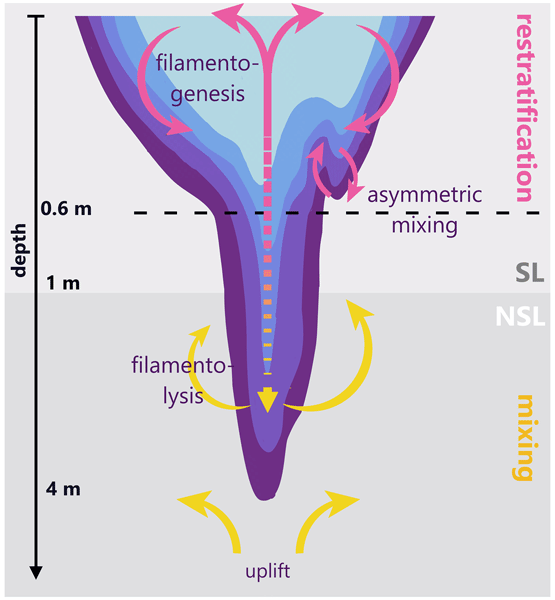
This study reveals the structure and alteration of a narrow freshwater-driven ocean low-density filament and its evolution through tidal modulationa an dlocale filament kinematics. Using multi-platform in situ observations, it is shown that these submesoscale features can rapidly being altered and reshape in near-surface waters, influencing how energy and heat alter just below the ocean-atmosphere interface.
Hendrik Fuchs, Niklas Illmann, Amalia Muñoz, Mila Ródenas, Bénédicte Picquet-Varrault, M. Rami Alfarra, Cecilia Arsene, Iustinian G. Bejan, David M. Bell, Merete Bilde, Alexander Böhmländer, Mixtli Campos-Pineda, Mathieu Cazaunau, Patrice Coll, Véronique Daële, Claudia Di Biagio, Michael Flynn, Paola Formenti, Hartmut Herrmann, Kristina Höhler, Thorsten Hohaus, Matthew S. Johnson, Eija Juurola, Niku Kivekäs, Jan Kaiser, Christos Kaltsonoudis, Paolo Laj, Dario Massabò, Federico Mazzei, Gordon McFiggans, Max R. McGillen, Abdelwahid Mellouki, Peter Mettke, Ottmar Möhler, Falk Mothes, Dennis Niedermeier, Anna Novelli, Romeo I. Olariu, Spyros N. Pandis, Iulia Patroescu-Klotz, Rosa Maria Petracca Altieri, Paolo Prati, Claudiu Roman, Albert A. Ruth, Harald Saathoff, Silvio Schmalfuß, Frank Stratmann, Virginia Vernocchi, Aristeidis Voliotis, Jens Voigtländer, Annele Virtanen, Andreas Wahner, Robert Wagner, John Wenger, Sören Zorn, Peter Wiesen, and Jean-Francois Doussin
Atmos. Meas. Tech., 19, 4165–4199, https://doi.org/10.5194/amt-19-4165-2026, https://doi.org/10.5194/amt-19-4165-2026, 2026
Short summary
Short summary
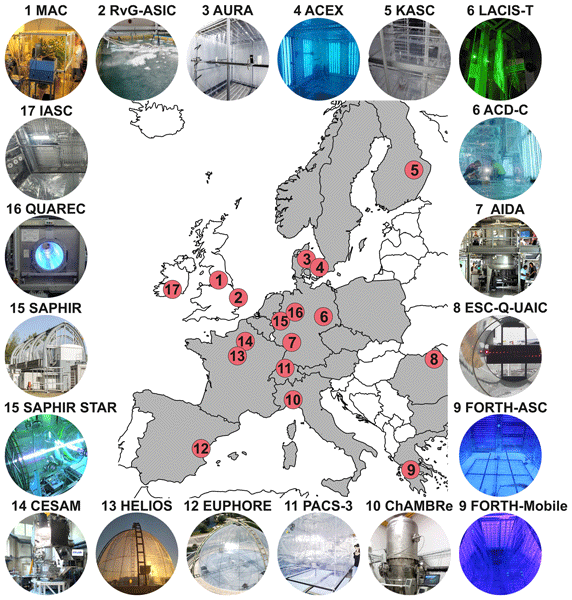
Atmospheric simulation chambers enable experiments to be conducted under controlled conditions, improving our understanding of, and ability to predict, changes in the composition of the atmosphere. This is important for assessing air quality and its effects on human health, climate, the environment, and the economy. This paper describes the chambers of the European ACTRIS research infrastructure and discusses topics and directions that can be addressed in future chamber experiments.
Josefine Karnatz, Theresa Barthelmeß, Bita Sabbaghzadeh, and Anja Engel
Biogeosciences, 23, 4145–4169, https://doi.org/10.5194/bg-23-4145-2026, https://doi.org/10.5194/bg-23-4145-2026, 2026
Short summary
Short summary
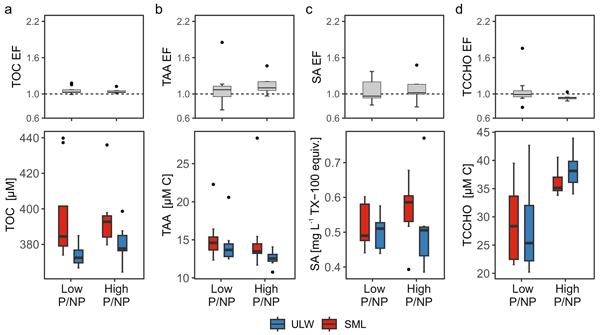
Cyanobacteria form massive summer blooms in the Baltic Sea that release organic compounds to the ocean’s surface. By analyzing the thin boundary layer between ocean and atmosphere, this study shows that cyanobacteria influence the molecular composition and surface properties of the sea surface, increasing surfactants that may reduce gas exchange. The findings provide new insight into how future cyanobacteria blooms could affect air-sea interactions and climate-related processes.
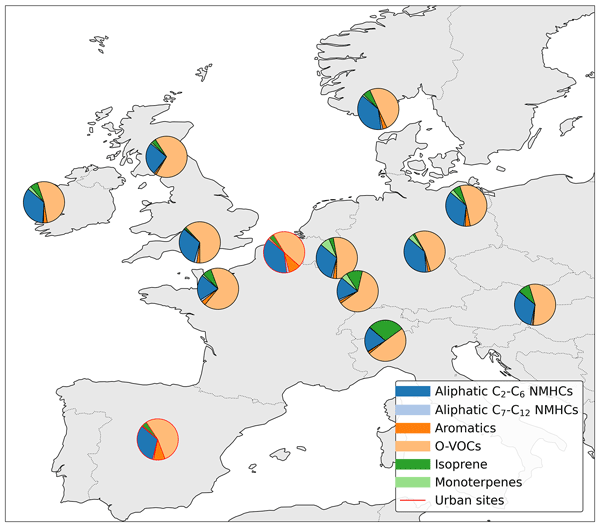
Wenche Aas, Thérèse Salameh, Robert Wegener, Heidi Hellén, Jean-Luc Jaffrezo, Pontus Roldin, Elisabeth Alonso-Blanco, Andres Alastuey, Crist Amelynck, Jgor Arduini, Benjamin Bergmans, Marie Bertrand, Agnes Borbon, Efstratios Bourtsoukidis, Laetitia Bouvier, David Butterfield, Iris Buxbaum, Darius Ceburnis, Anja Claude, Augustin Colette, Aurélie Colomb, Sophie Darfeuil, James Dernie, Maximilien Desservettaz, Elías Díaz-Ramiro, Marvin Dufresne, René Dubus, Mario Duval, Marie Dury, Anna Font, Kirsten N. Fossum, Evelyn Freney, Gotzon Gangoiti, Yao Ge, Maria Carmen Gomez, Francisco J. Gómez-Moreno, Marie Gohy, Valérie Gros, Paul Hamer, Bryan Hellack, Hartmut Herrmann, Robert Holla, Adéla Holubová, Niels R. Jensen, Tuija Jokinen, Matthew Jones, Uwe Käfer, Lukas Kesper, Dieter Klemp, Dagmar Kubistin, Angela Marinoni, Martina Mazzini, Vy Ngoc Thuy Dinh, Jurgita Ovadnevaite, Tuukka Petäjä, Miguel Portillo-Estrada, Jitka Přívozníková, Jean-Philippe Putaud, Stefan Reimann, Laura Renzi, Veronique Riffault, Stuart Ritchie, Chris Robins, Begoña Artíñano Rodríguez de Torres, Laurent Poulain, Julian Rüdiger, Agnieszka Sanocka, Estibaliz Saez de Camara Oleaga, Niels Schoon, Roger Seco, Ivan Simmons, Leïla Simon, David Simpson, Sverre Solberg, Emmanuel Tison, August Thomasson, Svetlana Tsyro, Marsailidh Twigg, Toni Tykkä, Bert Verreyken, Ågot Watne, Katie Williams, Ana Maria Yáñez-Serrano, Karen Yeung, Ilona Ylivinkka, and Karl Espen Yttri
Atmos. Chem. Phys., 26, 8717–8751, https://doi.org/10.5194/acp-26-8717-2026, https://doi.org/10.5194/acp-26-8717-2026, 2026
Short summary
Short summary
A one-week intensive measurement campaign during the 2022 European heatwave included monitoring of ozone, volatile organic compounds, aerosol chemical composition, and organic tracers to investigate air pollution sources. Results showed that emissions from vegetation and human activities contributed to peaks in ozone and secondary organic aerosol particles. Differences between measurements and model simulations underline the need for better characterization of sources and formation pathways.
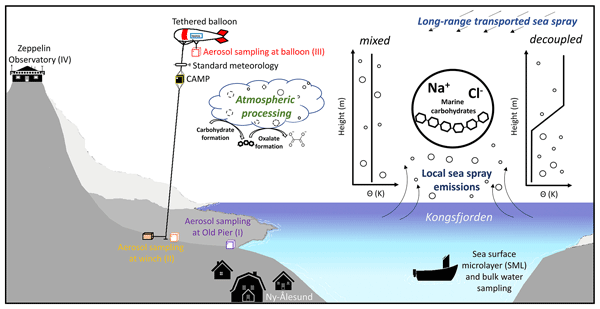
Sebastian Zeppenfeld, Jonas Schaefer, Christian Pilz, Kerstin Ebell, Moritz Zeising, Frank Stratmann, Holger Siebert, Birgit Wehner, Matthias Wietz, Astrid Bracher, and Manuela van Pinxteren
Atmos. Chem. Phys., 26, 7235–7260, https://doi.org/10.5194/acp-26-7235-2026, https://doi.org/10.5194/acp-26-7235-2026, 2026
Short summary
Short summary
Sea spray aerosol transports inorganic salts and carbohydrates from the ocean into the atmosphere. In this field study conducted in Svalbard, we found that carbohydrates reach elevated altitudes that are relevant for cloud formation and properties.
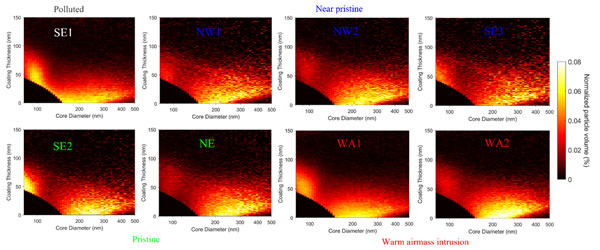
Babu Suja Arun, Thomas Müller, Mira L. Pöhlker, Andreas Held, Christopher Pöhlker, Manuela van Pinxteren, Yifan Yang, Sabine Lüchtrath, Andreas Walbröl, Janna E. Rückert, Philipp Oehlke, Maik Merkel, and Birgit Wehner
Atmos. Chem. Phys., 26, 7287–7310, https://doi.org/10.5194/acp-26-7287-2026, https://doi.org/10.5194/acp-26-7287-2026, 2026
Short summary
Short summary
Black carbon (BC) aerosols absorb solar radiation and perturb the Arctic energy budget, yet in-situ studies of their microphysical properties and mixing state in the Arctic remain scarce. Based on observations from a shipborne expedition in the Arctic Ocean, we found substantial BC concentrations and showed that warm airmass intrusions enhanced BC levels. Aged BC exhibited enhanced light absorption. These findings will help improve the representation of BC in climate models.
Timothy J. Wallington, Markus Ammann, John N. Crowley, Hartmut Herrmann, Michael E. Jenkin, V. Faye McNeill, Abdelwahid Mellouki, and Jürgen Troe
Atmos. Chem. Phys., 26, 6579–6592, https://doi.org/10.5194/acp-26-6579-2026, https://doi.org/10.5194/acp-26-6579-2026, 2026
Short summary
Short summary
Halogenated alkanes, alkenes, and oxygenated compounds play an important role in atmospheric chemistry. This article, the ninth in the series, presents kinetic and photochemical data sheets evaluated by the International Union of Pure and Applied Chemistry (IUPAC) Task Group on Atmospheric Chemical Kinetic Data Evaluation. It covers the gas-phase reactions (with HO radicals, NO3 radicals, and ozone) and photolysis of halogenated organic compounds. These data are important for atmospheric models.
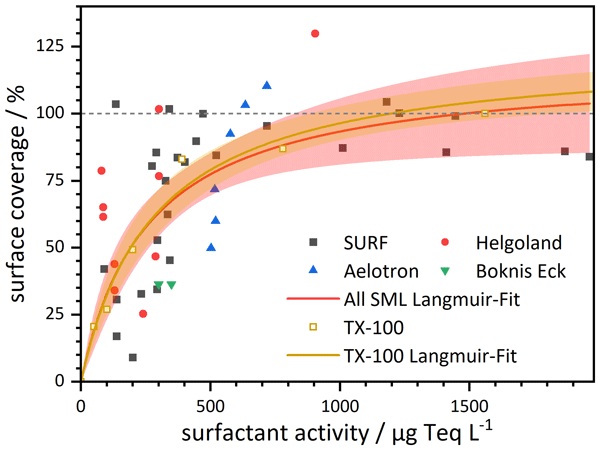
Falko Asmussen-Schäfer, Mariana Ribas-Ribas, Oliver Wurl, and Gernot Friedrichs
Biogeosciences, 23, 3159–3178, https://doi.org/10.5194/bg-23-3159-2026, https://doi.org/10.5194/bg-23-3159-2026, 2026
Short summary
Short summary
We developed an approach to quantify how molecules accumulate at the ocean surface on a nanometer scale. By combining laser spectroscopy with an electrochemical technique, we determined how densely these molecular films cover the water surface. Such single-molecule-thick layers can strongly affect gas transfer between the ocean and the atmosphere. Comparing our measurements with existing datasets allowed us to generate an initial global estimate of surfactant surface coverage potential.
Shravan Deshmukh, Laurent Poulain, Birgit Wehner, Silvia Henning, Hartmut Herrmann, and Mira Pöhlker
EGUsphere, https://doi.org/10.5194/egusphere-2026-1992, https://doi.org/10.5194/egusphere-2026-1992, 2026
Short summary
Short summary
Improved representation of aerosol hygroscopicity is critical for understanding how atmospheric particles influence cloud formation, climate, air quality, and human health. This work advances understanding of aerosol hygroscopicity by connecting laboratory measurements of organic aerosol properties with ambient observations through an explainable machine learning framework.
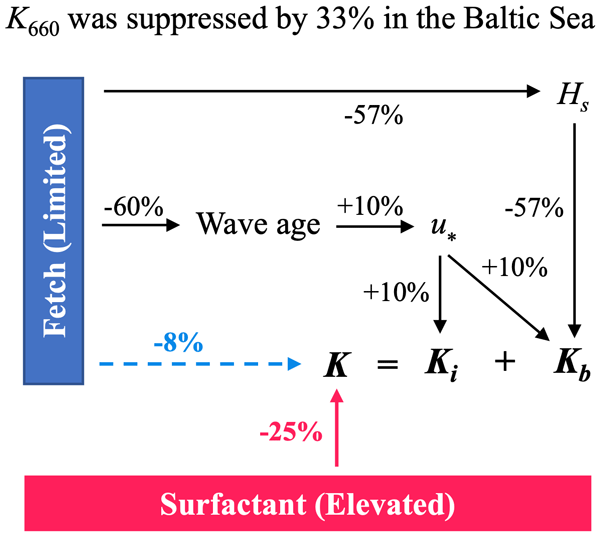
Yuanxu Dong, Christa A. Marandino, Ryo Dobashi, David T. Ho, Gregor Rehder, Henry C. Bittig, Josefine Karnatz, Bita Sabbaghzadeh, Helen Czerski, and Anja Engel
Atmos. Chem. Phys., 26, 5567–5587, https://doi.org/10.5194/acp-26-5567-2026, https://doi.org/10.5194/acp-26-5567-2026, 2026
Short summary
Short summary
Air-sea gas exchange regulates the Earth’s climate. However, the description of the kinetic exchange process only uses wind speed, neglecting other drivers. In this study, we investigate how fetch and natural surfactants modulate air-sea carbon dioxide exchange. Measurements from the central Baltic Sea show that limited fetch and elevated surfactants significantly suppress this exchange. A new parameterisation is provided, improving regional carbon budgets and evaluations of climate solutions.
Theresa Barthelmeß, Karine Sellegri, Benjamin Pontiller, Lindsay Scheidemann, Karl Safi, and Anja Engel
EGUsphere, https://doi.org/10.5194/egusphere-2026-1873, https://doi.org/10.5194/egusphere-2026-1873, 2026
Short summary
Short summary
Sea spray transports marine organic particles into the atmosphere where they contribute to climate-relevant processes such as cloud formation. We investigated small biogenic gels which were enriched in sea spray aerosols in dependence on the surface sea water conditions as e.g. defined by phytoplankton composition and different organic matter pools. Moreover, the composition of these gels was size-dependent and did not directly mirror the composition of their marine precursors.
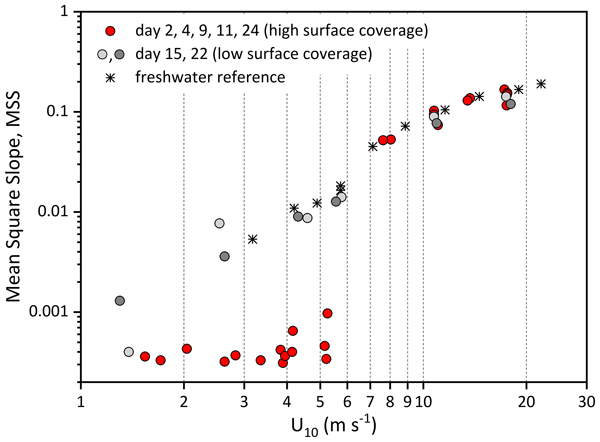
Anja Engel, Gernot Friedrichs, Kerstin E. Krall, and Bernd Jähne
Biogeosciences, 23, 2101–2117, https://doi.org/10.5194/bg-23-2101-2026, https://doi.org/10.5194/bg-23-2101-2026, 2026
Short summary
Short summary
We investigated how organic molecules in the ocean's surface layer accumulate and respond to wind. Using a large wind-wave tank filled with seawater, we found that natural molecules produced by marine microbes gather at the surface under light winds, slowing the exchange of gases such as carbon dioxide. When winds increase, this layer rapidly breaks down. These findings suggest that marine life can influence how the ocean and atmosphere interact, particularly in calm conditions.
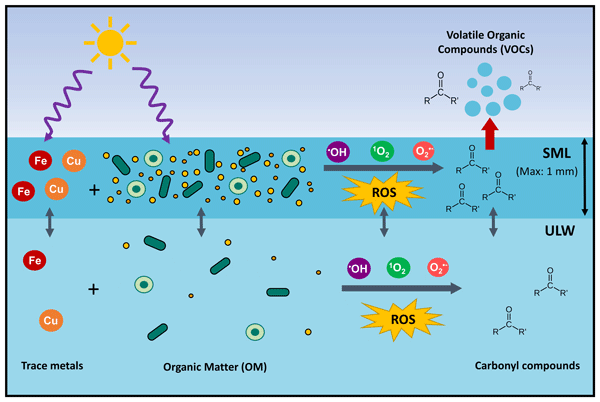
Olenka Jibaja Valderrama, Daniele Scheres Firak, Thomas Schaefer, Manuela van Pinxteren, Khanneh Wadinga Fomba, and Hartmut Herrmann
Biogeosciences, 23, 1965–1985, https://doi.org/10.5194/bg-23-1965-2026, https://doi.org/10.5194/bg-23-1965-2026, 2026
Short summary
Short summary
The present study explores the influence of biological activity in the photochemistry of the sea-surface microlayer (SML) and its implications for the emission of volatile organic compounds (VOCs) to the marine atmosphere. Experimental evidence of enhanced photochemical activity of carbonyl compounds in the SML is provided, particularly in periods of higher biological productivity, thereby offering new insights to integrate biological processes and photochemistry in the air-sea boundary.
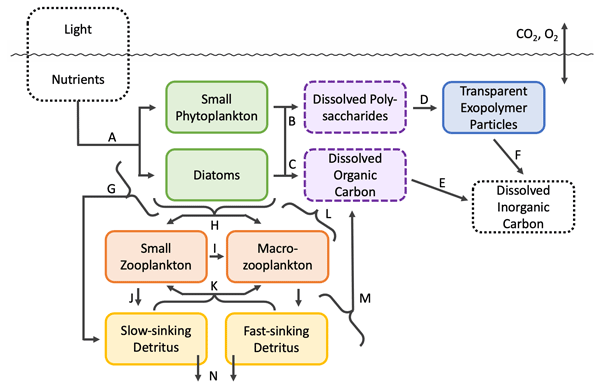
Moritz Zeising, Laurent Oziel, Silke Thoms, Özgür Gürses, Judith Hauck, Bernd Heinold, Svetlana N. Losa, Manuela van Pinxteren, Christoph Völker, Sebastian Zeppenfeld, and Astrid Bracher
Geosci. Model Dev., 19, 2077–2109, https://doi.org/10.5194/gmd-19-2077-2026, https://doi.org/10.5194/gmd-19-2077-2026, 2026
Short summary
Short summary
We assess the implementation of additional organic carbon pathways into a global setup of a numerical model, which simulates the ocean circulation, sea ice, and biogeochemical processes. With a focus on the Arctic Ocean, this model tracks the temporal and spatial dynamics of phytoplankton, exudation of organic carbon, and its aggregation to so-called transparent exopolymer particles. We evaluate the simulation using measurements from ship-based and remote-sensing campaigns in the Arctic Ocean.
Evelyn Freney, Karine Sellegri, Therese Barthelmeß, Anja Engel, Darrel Baumgardner, and Dagen Hughes
EGUsphere, https://doi.org/10.5194/egusphere-2026-87, https://doi.org/10.5194/egusphere-2026-87, 2026
Short summary
Short summary
The exchange of material between the ocean and atmosphere plays an important role in regulating Earth’s climate. Through wave action, the ocean releases tiny airborne particles that influence atmospheric processes. This study examines how biological and chemical processes in seawater affect the properties of particles emitted from the ocean, highlighting the complex links between ocean biology and marine aerosols.
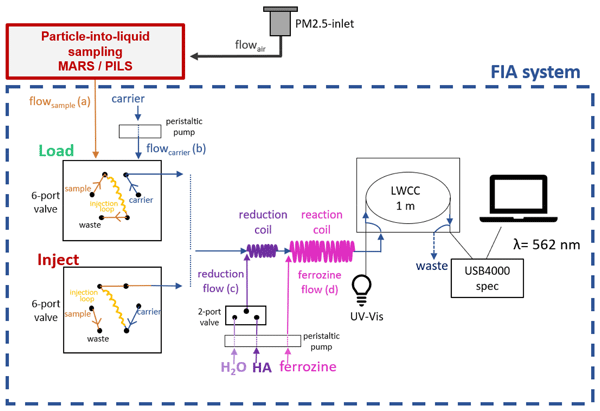
Sabine Lüchtrath, Sven Klemer, Florian Fröhlich, Darius Ceburnis, Dominik van Pinxteren, Hartmut Herrmann, Wolfgang Frenzel, and Andreas Held
Aerosol Research, 4, 81–101, https://doi.org/10.5194/ar-4-81-2026, https://doi.org/10.5194/ar-4-81-2026, 2026
Short summary
Short summary
The first online instrument for the speciation of water‑soluble iron in ambient aerosols is presented. The system combines flow injection analysis with spectrophotometric detection using a liquid waveguide capillary cell. Sensitive iron speciation will help to better describe tropospheric aqueous-phase reactions driven by soluble iron, e.g. hydroxyl radical formation through Fenton chemistry. In first measurements in Berlin, ambient water-soluble-iron concentrations reached up to 47 ng m-3.
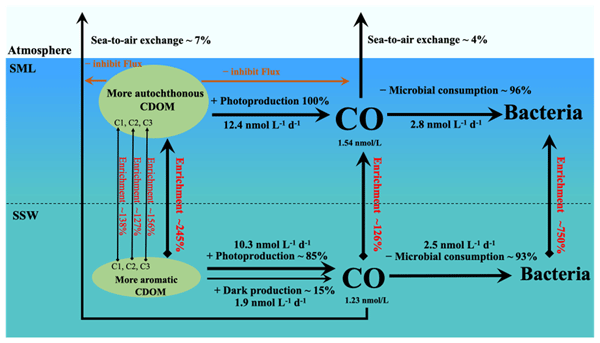
Lin Yang, Bin Yang, Jing Zhang, Anja Engel, and Gui-Peng Yang
Biogeosciences, 23, 1261–1278, https://doi.org/10.5194/bg-23-1261-2026, https://doi.org/10.5194/bg-23-1261-2026, 2026
Short summary
Short summary
Carbon monoxide (CO), chromophoric dissolved organic matter (CDOM), and fluorescent dissolved organic matter (FDOM) were more frequently enriched in the higher temperature and salinity off-shore regions. Marine-humic like CDOM tends to inhibit the sea-to-air flux of CO in the sea-surface microlayer (SML). The enrichment and photochemical process of CO in the SML were more active during the daytime. The photochemical production and microbial consumption rates of CO in the SML were more active than in the subsurface layer (SSW).
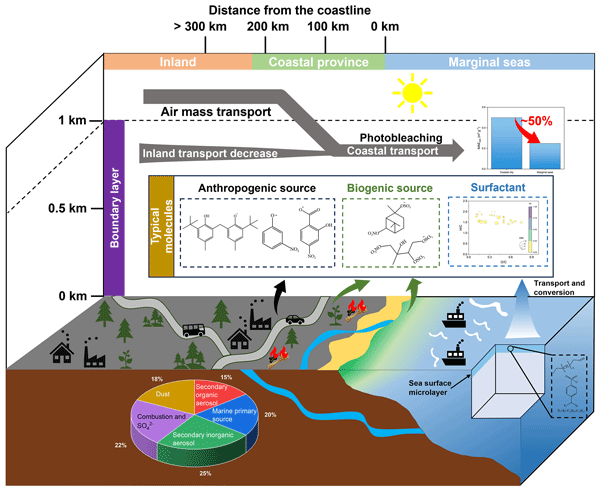
Kuanyun Hu, Narcisse Tsona Tchinda, Kun Li, Hartmut Herrmann, Jianlong Li, and Lin Du
Atmos. Chem. Phys., 26, 2225–2240, https://doi.org/10.5194/acp-26-2225-2026, https://doi.org/10.5194/acp-26-2225-2026, 2026
Short summary
Short summary
This study reveals that summer aerosols over the Bohai and Yellow Seas are mainly influenced by coastal emissions. Despite a high proportion of marine air masses, molecular and isotopic analyses of aerosols show strong terrestrial characteristics. Biomass burning contributes 60–80 % of carbonaceous aerosols, while marine sources account for only ~ 20 %. The findings highlight that controlling coastal emissions within ~ 260 km is crucial for mitigating marginal sea pollution.

Carsten Rauch, Lisa Deyle, Leonie Jaeger, Edgar Fernando Cortés-Espinoza, Mariana Ribas-Ribas, Josefine Karnatz, Anja Engel, and Oliver Wurl
Ocean Sci., 22, 403–426, https://doi.org/10.5194/os-22-403-2026, https://doi.org/10.5194/os-22-403-2026, 2026
Short summary
Short summary
Microsensors measuring oxygen and temperature were used to gain high-resolution profiles across the surface of a water basin, in which an algal bloom was induced. These novel data show that the oxygen at the sea surface is highly influenced by algal blooms, while the temperature is only indirectly affected by them. Since algal blooms occur globally, this has considerable implications for calculating global air-sea exchanges of gases or heat, especially under low-wind conditions.
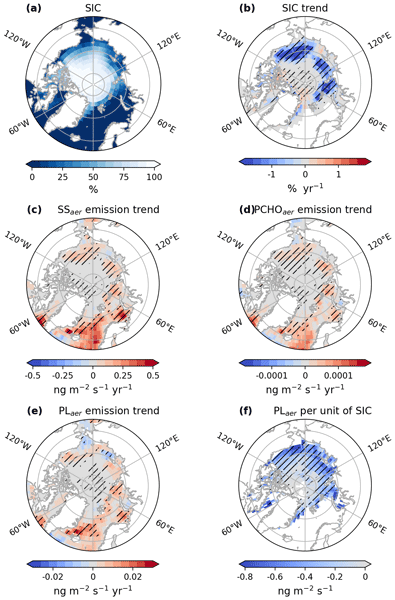
Anisbel Leon-Marcos, Manuela van Pinxteren, Sebastian Zeppenfeld, Moritz Zeising, Astrid Bracher, Laurent Oziel, Ina Tegen, and Bernd Heinold
Atmos. Chem. Phys., 26, 1109–1144, https://doi.org/10.5194/acp-26-1109-2026, https://doi.org/10.5194/acp-26-1109-2026, 2026
Short summary
Short summary
This study combines modelled ocean surface concentrations of major marine organic groups with the aerosol-climate model ECHAM-HAM to quantify species-resolved primary marine organic aerosol emissions from 1990 to 2019. Strong seasonality appears, driven by productivity and summer sea-ice loss. Emissions and burdens rise over time, with regional differences across the Arctic and aerosol species.
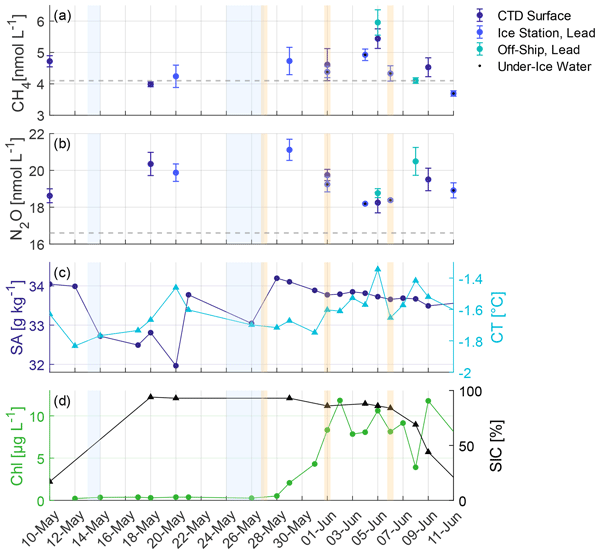
Lina A. Holthusen, Hermann W. Bange, Thomas H. Badewien, Julia C. Muchowski, Tina Santl-Temkiv, Jennie Spicker Schmidt, Oliver Wurl, and Damian L. Arévalo-Martínez
The Cryosphere, 20, 535–550, https://doi.org/10.5194/tc-20-535-2026, https://doi.org/10.5194/tc-20-535-2026, 2026
Short summary
Short summary
In spring 2023, in the Fram Strait, we investigated the near-surface distribution of the greenhouse gases methane and nitrous oxide in open leads and under sea ice to address the lack of observations in the Arctic Ocean. The study area acted as a source for both gases, and the onset of sea ice melt affected their concentrations and emissions. Surface-active substances accumulated in the sea-surface microlayer of open leads during an algal bloom, potentially attenuating greenhouse gas emissions.
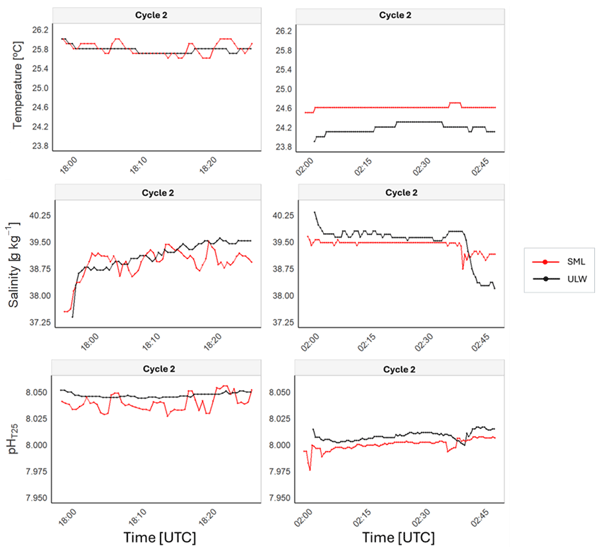
Ander López-Puertas, Oliver Wurl, Sanja Frka, and Mariana Ribas-Ribas
Ocean Sci., 21, 3471–3485, https://doi.org/10.5194/os-21-3471-2025, https://doi.org/10.5194/os-21-3471-2025, 2025
Short summary
Short summary
We studied how daily cycles affect inorganic carbon variables in the ocean's surface microlayer. Using data from three full days and nights off the Croatian coast, we found that thermohaline properties and key indicators like pH and pCO₂ change significantly from day to night. Ignoring nighttime conditions may lead to global carbon budget errors and highlights the need for continuous ocean observations.
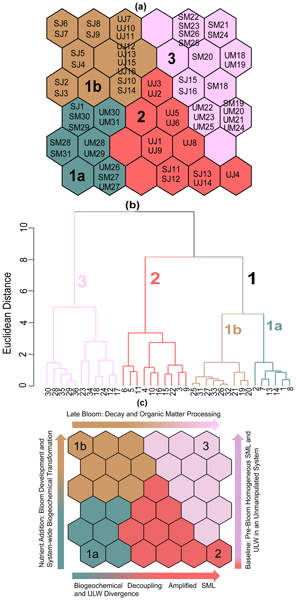
Riaz Bibi, Mariana Ribas-Ribas, Leonie Jaeger, Carola Lehners, Lisa Gassen, Edgar Fernando Cortés-Espinoza, Jochen Wollschläger, Claudia Thölen, Hannelore Waska, Jasper Zöbelein, Thorsten Brinkhoff, Isha Athale, Rüdiger Röttgers, Michael Novak, Anja Engel, Theresa Barthelmeß, Josefine Karnatz, Thomas Reinthaler, Dmytro Spriahailo, Gernot Friedrichs, Falko Asmussen Schäfer, and Oliver Wurl
Biogeosciences, 22, 7563–7589, https://doi.org/10.5194/bg-22-7563-2025, https://doi.org/10.5194/bg-22-7563-2025, 2025
Short summary
Short summary
A multidisciplinary mesocosm study was conducted to investigate biogeochemical processes and their relationships in the sea-surface microlayer and underlying water during an induced phytoplankton bloom. Phytoplankton-derived organic matter, fuelled microbial activity and biofilm formation, supporting high bacterial abundance. Distinct temporal patterns in biogeochemical parameters and greater variability in the sea-surface microlayer highlight its influence on air–sea interactions.
Vanessa Engelhardt, Dominik van Pinxteren, and Hartmut Herrmann
EGUsphere, https://doi.org/10.5194/egusphere-2025-5542, https://doi.org/10.5194/egusphere-2025-5542, 2025
Preprint archived
Short summary
Short summary
We analysed 15 years of air pollution and drought data in Saxony, Germany, to understand how ozone in the lower atmosphere harms forests, grasslands, and crops. The study shows that mountain forests continue to absorb ozone even in dry years, while grasslands and wheat lose productivity. These results reveal how climate stress and air pollution together threaten vegetation and crop yields.
Edgar Fernando Cortés-Espinoza, Alisa Wüst, Ander Lopéz-Puertas, Oliver Wurl, José Martín Hernández-Ayón, Hannelore Waska, and Mariana Ribas-Ribas
EGUsphere, https://doi.org/10.5194/egusphere-2025-5265, https://doi.org/10.5194/egusphere-2025-5265, 2025
Short summary
Short summary
In a mesocosm experiment, we measured carbon system variables to examine how organic matter accumulation increases organic alkalinity and alters seawater pH in the sea-surface microlayer and underlying water during an induced phytoplankton bloom. Organic alkalinity was consistently higher in the sea-surface microlayer, and during bloom peak its pH effect extended into the underlying water, reducing and sometimes reversing surface–subsurface pH differences.
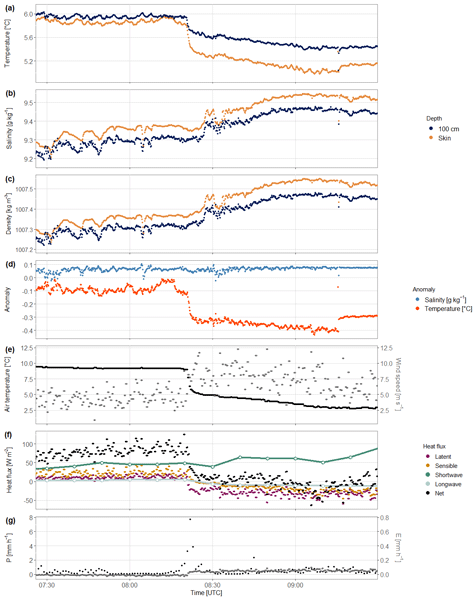
Lisa Gassen, Samuel M. Ayim, Leonie Jaeger, Jens Meyerjürgens, Mariana Ribas-Ribas, and Oliver Wurl
Ocean Sci., 21, 2787–2804, https://doi.org/10.5194/os-21-2787-2025, https://doi.org/10.5194/os-21-2787-2025, 2025
Short summary
Short summary
This study investigates how abrupt weather changes, such as shifts in air temperature, wind speed and precipitation, impact temperature and salinity in the ocean’s skin layer (upper first millimetre). Two events in the harbour of Bremerhaven and one event in the North Sea revealed that the skin layer reacts instantly, with greater temperature changes than those at a depth of 100 cm, underscoring its key role in air-sea interactions and climate dynamics.
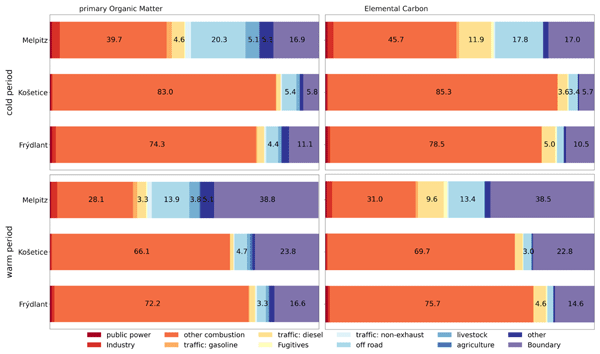
Hanna Wiedenhaus, Roland Schrödner, Ralf Wolke, Marie L. Luttkus, Shubhi Arora, Laurent Poulain, Radek Lhotka, Petr Vodička, Jaroslav Schwarz, Petra Pokorna, Jakub Ondráček, Vladimir Ždímal, Hartmut Herrmann, and Ina Tegen
Atmos. Chem. Phys., 25, 12893–12922, https://doi.org/10.5194/acp-25-12893-2025, https://doi.org/10.5194/acp-25-12893-2025, 2025
Short summary
Short summary
This study examines winter air quality in central Europe, focusing on the impact of domestic heating. Using a chemical transport model and measurements, it was found that the model underestimated organic particle concentrations. This was due to an underestimation of gases from domestic heating that form secondary organic particles. Improving the model by increasing these emissions and the particle formation led to better results, demonstrating the important role of heating emissions in winter.
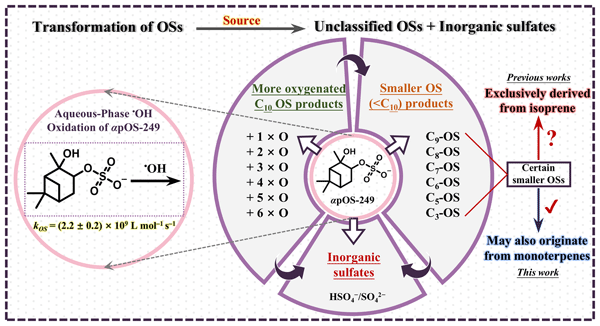
Donger Lai, Yanxin Bai, Zijing Zhang, Pui-Kin So, Yong Jie Li, Ying-Lung Steve Tse, Ying-Yeung Yeung, Thomas Schaefer, Hartmut Herrmann, Jian Zhen Yu, Yuchen Wang, and Man Nin Chan
Atmos. Chem. Phys., 25, 12569–12584, https://doi.org/10.5194/acp-25-12569-2025, https://doi.org/10.5194/acp-25-12569-2025, 2025
Short summary
Short summary
Aqueous-phase •OH oxidation can potentially act as an important atmospheric sink for α-pinene-derived organosulfates (OSs). Such oxidation can also generate a variety of new OS products, and can be as a potential source for some atmospheric OSs with previously unknown origins.
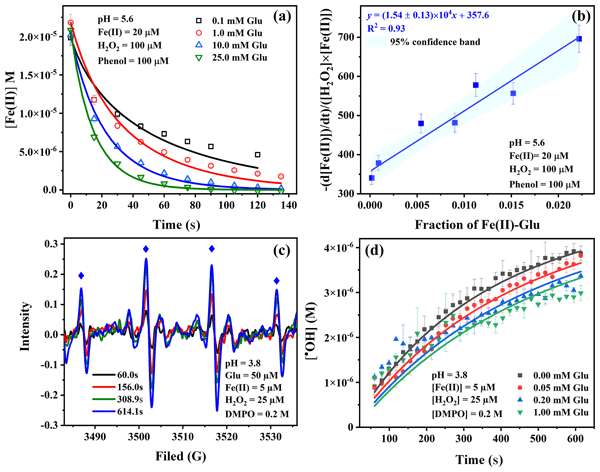
Peng Cheng, Gilles Mailhot, Mohamed Sarakha, Guillaume Voyard, Daniele Scheres Firak, Thomas Schaefer, Hartmut Herrmann, and Marcello Brigante
Atmos. Chem. Phys., 25, 12087–12100, https://doi.org/10.5194/acp-25-12087-2025, https://doi.org/10.5194/acp-25-12087-2025, 2025
Short summary
Short summary
This study investigates the complexation of Fe(II) and Fe(III) with glutamic acid under cloud water conditions and the effect on Fenton and photo-Fenton reactions and hydroxyl radical formation and their impact on amino acid oxidation.
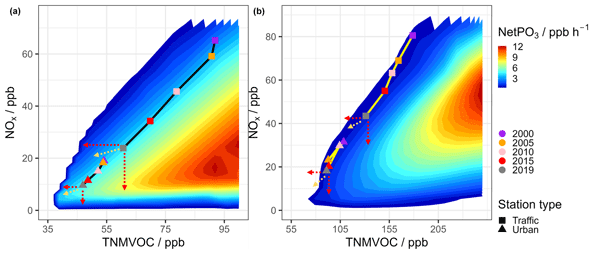
Yaru Wang, Dominik van Pinxteren, Andreas Tilgner, Erik Hans Hoffmann, Max Hell, Susanne Bastian, and Hartmut Herrmann
Atmos. Chem. Phys., 25, 8907–8927, https://doi.org/10.5194/acp-25-8907-2025, https://doi.org/10.5194/acp-25-8907-2025, 2025
Short summary
Short summary
Tropospheric ground-level ozone (O3) is a global air quality pollutant and greenhouse gas. Long-term O3 trends from 16 stations in Saxony, Germany, were compared over three periods, revealing worsened O3 pollution over the last decade. O3 formation has been volatile organic compound (VOC)-limited at traffic and urban sites for the past 20 years. To mitigate O3 pollution, moderate nitrogen oxides and additional VOC controls, particularly in solvent use, should be prioritized in the coming years.
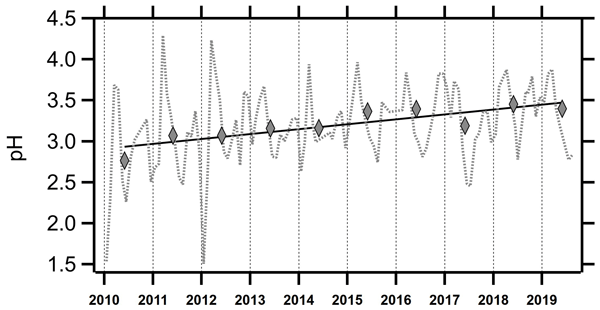
Vikram Pratap, Christopher J. Hennigan, Bastian Stieger, Andreas Tilgner, Laurent Poulain, Dominik van Pinxteren, Gerald Spindler, and Hartmut Herrmann
Atmos. Chem. Phys., 25, 8871–8889, https://doi.org/10.5194/acp-25-8871-2025, https://doi.org/10.5194/acp-25-8871-2025, 2025
Short summary
Short summary
In this work, we characterize trends in aerosol pH and its controlling factors during the period 2010–2019 at the Melpitz research station in eastern Germany. We find strong trends in aerosol pH and major inorganic species in response to changing emissions. We conduct a detailed thermodynamic analysis of the aerosol system and discuss implications for controlling particulate matter in the region.
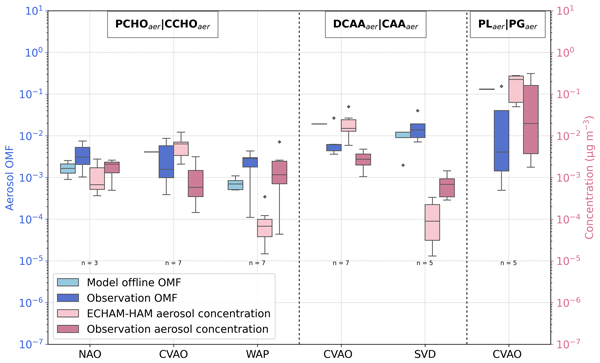
Anisbel Leon-Marcos, Moritz Zeising, Manuela van Pinxteren, Sebastian Zeppenfeld, Astrid Bracher, Elena Barbaro, Anja Engel, Matteo Feltracco, Ina Tegen, and Bernd Heinold
Geosci. Model Dev., 18, 4183–4213, https://doi.org/10.5194/gmd-18-4183-2025, https://doi.org/10.5194/gmd-18-4183-2025, 2025
Short summary
Short summary
This study represents the primary marine organic aerosol (PMOA) emissions, focusing on their sea–atmosphere transfer. Using the FESOM2.1–REcoM3 model, concentrations of key organic biomolecules were estimated and integrated into the ECHAM6.3–HAM2.3 aerosol–climate model. Results highlight the influence of marine biological activity and surface winds on PMOA emissions, with reasonably good agreement with observations improving aerosol representation in the southern oceans.
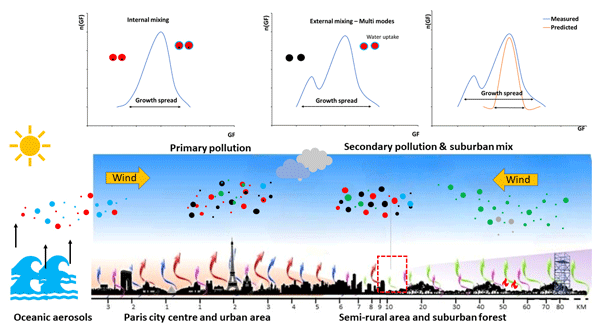
Shravan Deshmukh, Laurent Poulain, Birgit Wehner, Silvia Henning, Jean-Eudes Petit, Pauline Fombelle, Olivier Favez, Hartmut Herrmann, and Mira Pöhlker
Atmos. Chem. Phys., 25, 741–758, https://doi.org/10.5194/acp-25-741-2025, https://doi.org/10.5194/acp-25-741-2025, 2025
Short summary
Short summary
Aerosol hygroscopicity has been investigated at a sub-urban site in Paris; analysis shows the sub-saturated regime's measured hygroscopicity and the chemically derived hygroscopic growth, shedding light on the large effect of external particle mixing and its influence on predicting hygroscopicity.
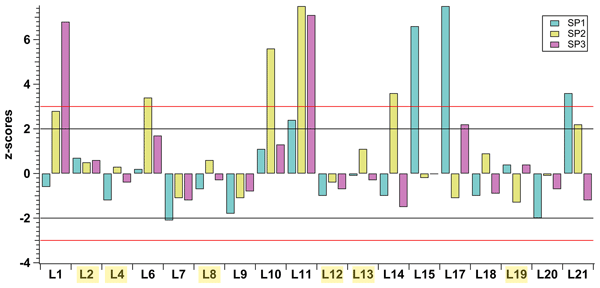
Pamela A. Dominutti, Jean-Luc Jaffrezo, Anouk Marsal, Takoua Mhadhbi, Rhabira Elazzouzi, Camille Rak, Fabrizia Cavalli, Jean-Philippe Putaud, Aikaterini Bougiatioti, Nikolaos Mihalopoulos, Despina Paraskevopoulou, Ian Mudway, Athanasios Nenes, Kaspar R. Daellenbach, Catherine Banach, Steven J. Campbell, Hana Cigánková, Daniele Contini, Greg Evans, Maria Georgopoulou, Manuella Ghanem, Drew A. Glencross, Maria Rachele Guascito, Hartmut Herrmann, Saima Iram, Maja Jovanović, Milena Jovašević-Stojanović, Markus Kalberer, Ingeborg M. Kooter, Suzanne E. Paulson, Anil Patel, Esperanza Perdrix, Maria Chiara Pietrogrande, Pavel Mikuška, Jean-Jacques Sauvain, Katerina Seitanidi, Pourya Shahpoury, Eduardo J. d. S. Souza, Sarah Steimer, Svetlana Stevanovic, Guillaume Suarez, P. S. Ganesh Subramanian, Battist Utinger, Marloes F. van Os, Vishal Verma, Xing Wang, Rodney J. Weber, Yuhan Yang, Xavier Querol, Gerard Hoek, Roy M. Harrison, and Gaëlle Uzu
Atmos. Meas. Tech., 18, 177–195, https://doi.org/10.5194/amt-18-177-2025, https://doi.org/10.5194/amt-18-177-2025, 2025
Short summary
Short summary
In this work, 20 labs worldwide collaborated to evaluate the measurement of air pollution's oxidative potential (OP), a key indicator of its harmful effects. The study aimed to identify disparities in the widely used OP dithiothreitol assay and assess the consistency of OP among labs using the same protocol. The results showed that half of the labs achieved acceptable results. However, variability was also found, highlighting the need for standardisation in OP procedures.
Shengqian Zhou, Ying Chen, Shan Huang, Xianda Gong, Guipeng Yang, Honghai Zhang, Hartmut Herrmann, Alfred Wiedensohler, Laurent Poulain, Yan Zhang, Fanghui Wang, Zongjun Xu, and Ke Yan
Earth Syst. Sci. Data, 16, 4267–4290, https://doi.org/10.5194/essd-16-4267-2024, https://doi.org/10.5194/essd-16-4267-2024, 2024
Short summary
Short summary
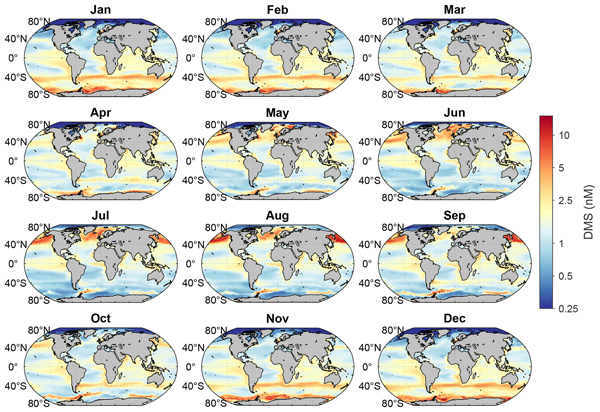
Dimethyl sulfide (DMS) is a crucial natural reactive gas in the global climate system due to its great contribution to aerosols and subsequent impact on clouds over remote oceans. Leveraging machine learning techniques, we constructed a long-term global sea surface DMS gridded dataset with daily resolution. Compared to previous datasets, our new dataset holds promise for improving atmospheric chemistry modeling and advancing our comprehension of the climate effects associated with oceanic DMS.
Lisa Deyle, Thomas H. Badewien, Oliver Wurl, and Jens Meyerjürgens
Earth Syst. Sci. Data, 16, 2099–2112, https://doi.org/10.5194/essd-16-2099-2024, https://doi.org/10.5194/essd-16-2099-2024, 2024
Short summary
Short summary
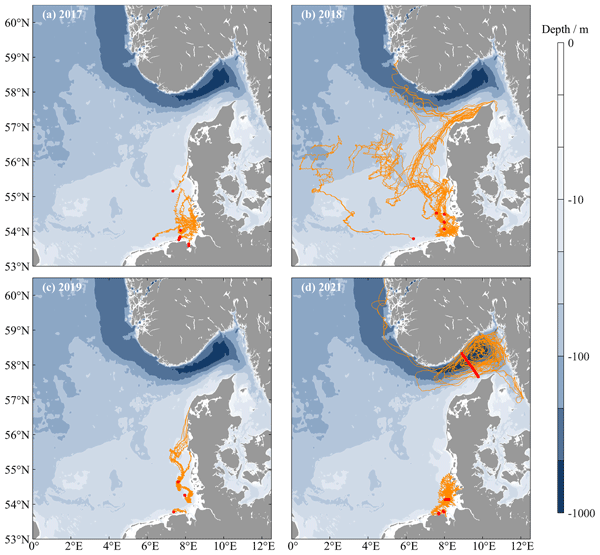
A dataset from the North Sea of 85 surface drifters from 2017–2021 is presented. Surface drifters enable the analysis of ocean currents by determining the velocities of surface currents and tidal effects. The entire North Sea has not been studied using drifters before, but the analysis of ocean currents is essential, e.g., to understand the pathways of plastic. The results show that there are strong tidal effects in the shallow North Sea area and strong surface currents in the deep areas.
Anil Kumar Mandariya, Junteng Wu, Anne Monod, Paola Formenti, Bénédicte Picquet-Varrault, Mathieu Cazaunau, Stephan Mertes, Laurent Poulain, Antonin Berge, Edouard Pangui, Andreas Tilgner, Thomas Schaefer, Liang Wen, Hartmut Herrmann, and Jean-François Doussin
Atmos. Meas. Tech. Discuss., https://doi.org/10.5194/amt-2023-206, https://doi.org/10.5194/amt-2023-206, 2024
Publication in AMT not foreseen
Short summary
Short summary
An optimized and controlled protocol for generating quasi-adiabatic expansion clouds under simulated dark and light conditions was presented. The irradiated clouds clearly showed a gradual activation of seed particles into droplets. In contrast, non-irradiated clouds faced a flash activation. This paper will lay the foundation for multiphase photochemical studies implying water-soluble volatile organic compounds and particulate matter formation during cloud formation-evaporation cycles.
Andrea Cuesta-Mosquera, Kristina Glojek, Griša Močnik, Luka Drinovec, Asta Gregorič, Martin Rigler, Matej Ogrin, Baseerat Romshoo, Kay Weinhold, Maik Merkel, Dominik van Pinxteren, Hartmut Herrmann, Alfred Wiedensohler, Mira Pöhlker, and Thomas Müller
Atmos. Chem. Phys., 24, 2583–2605, https://doi.org/10.5194/acp-24-2583-2024, https://doi.org/10.5194/acp-24-2583-2024, 2024
Short summary
Short summary
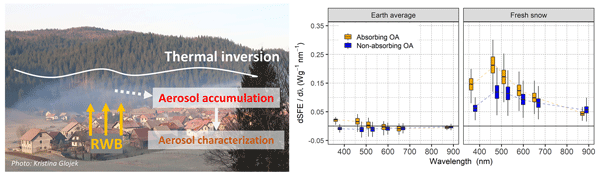
This study evaluated the air pollution and climate impacts of residential-wood-burning particle emissions from a rural European site. The authors investigate the optical and physical properties that connect the aerosol emissions with climate by evaluating atmospheric radiative impacts via simple-forcing calculations. The study contributes to reducing the lack of information on the understanding of the optical properties of air pollution from anthropogenic sources.
Chuqing Zhang, Yingxu Wu, Peter J. Brown, David Stappard, Amavi N. Silva, and Toby Tyrrell
EGUsphere, https://doi.org/10.5194/egusphere-2023-3143, https://doi.org/10.5194/egusphere-2023-3143, 2024
Preprint archived
Short summary
Short summary
In this study, we found that float-based pCO2 is overall high by systematically comparing ship-based pCO2 with float-based pCO2. This finding partly explains the apparent difference between the carbon fluxes calculated from the float data and other databases. It inspires further examination of the quality of the float pH data and the pCO2 calculation process.
Sebastian Zeppenfeld, Manuela van Pinxteren, Markus Hartmann, Moritz Zeising, Astrid Bracher, and Hartmut Herrmann
Atmos. Chem. Phys., 23, 15561–15587, https://doi.org/10.5194/acp-23-15561-2023, https://doi.org/10.5194/acp-23-15561-2023, 2023
Short summary
Short summary
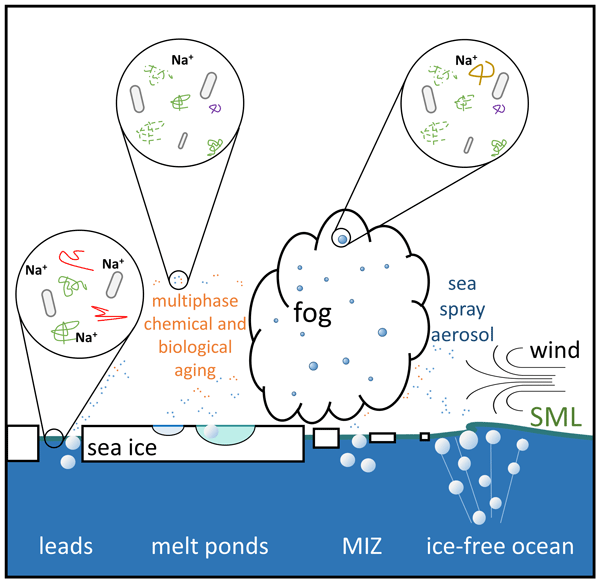
Marine carbohydrates are produced in the surface of the ocean, enter the atmophere as part of sea spray aerosol particles, and potentially contribute to the formation of fog and clouds. Here, we present the results of a sea–air transfer study of marine carbohydrates conducted in the high Arctic. Besides a chemo-selective transfer, we observed a quick atmospheric aging of carbohydrates, possibly as a result of both biotic and abiotic processes.
Maria-Theresia Pelz, Markus Schartau, Christopher J. Somes, Vanessa Lampe, and Thomas Slawig
Geosci. Model Dev., 16, 6609–6634, https://doi.org/10.5194/gmd-16-6609-2023, https://doi.org/10.5194/gmd-16-6609-2023, 2023
Short summary
Short summary
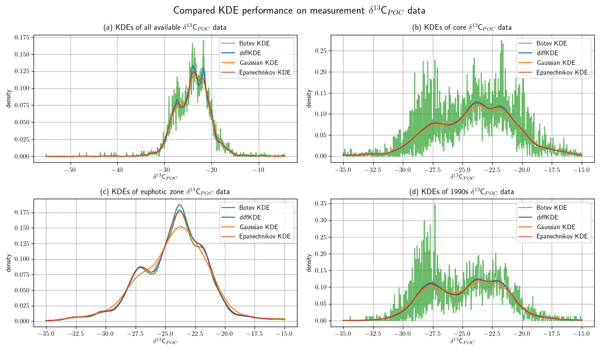
Kernel density estimators (KDE) approximate the probability density of a data set without the assumption of an underlying distribution. We used the solution of the diffusion equation, and a new approximation of the optimal smoothing parameter build on two pilot estimation steps, to construct such a KDE best suited for typical characteristics of geoscientific data. The resulting KDE is insensitive to noise and well resolves multimodal data structures as well as boundary-close data.
Karine Sellegri, Theresa Barthelmeß, Jonathan Trueblood, Antonia Cristi, Evelyn Freney, Clémence Rose, Neill Barr, Mike Harvey, Karl Safi, Stacy Deppeler, Karen Thompson, Wayne Dillon, Anja Engel, and Cliff Law
Atmos. Chem. Phys., 23, 12949–12964, https://doi.org/10.5194/acp-23-12949-2023, https://doi.org/10.5194/acp-23-12949-2023, 2023
Short summary
Short summary
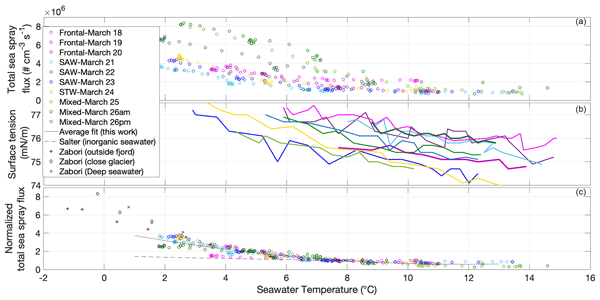
The amount of sea spray emitted to the atmosphere depends on the ocean temperature, but this dependency is not well understood, especially when ocean biology is involved. In this study, we show that sea spray emissions are increased by up to a factor of 4 at low seawater temperatures compared to moderate temperatures, and we quantify the temperature dependence as a function of the ocean biogeochemistry.
Jean-Philippe Putaud, Enrico Pisoni, Alexander Mangold, Christoph Hueglin, Jean Sciare, Michael Pikridas, Chrysanthos Savvides, Jakub Ondracek, Saliou Mbengue, Alfred Wiedensohler, Kay Weinhold, Maik Merkel, Laurent Poulain, Dominik van Pinxteren, Hartmut Herrmann, Andreas Massling, Claus Nordstroem, Andrés Alastuey, Cristina Reche, Noemí Pérez, Sonia Castillo, Mar Sorribas, Jose Antonio Adame, Tuukka Petaja, Katrianne Lehtipalo, Jarkko Niemi, Véronique Riffault, Joel F. de Brito, Augustin Colette, Olivier Favez, Jean-Eudes Petit, Valérie Gros, Maria I. Gini, Stergios Vratolis, Konstantinos Eleftheriadis, Evangelia Diapouli, Hugo Denier van der Gon, Karl Espen Yttri, and Wenche Aas
Atmos. Chem. Phys., 23, 10145–10161, https://doi.org/10.5194/acp-23-10145-2023, https://doi.org/10.5194/acp-23-10145-2023, 2023
Short summary
Short summary
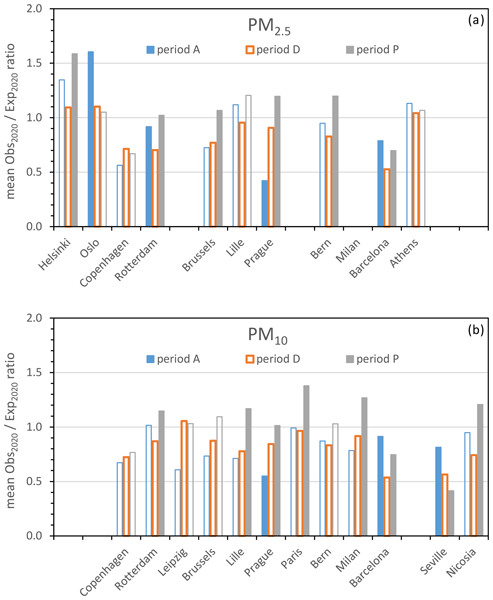
Many European people are still exposed to levels of air pollution that can affect their health. COVID-19 lockdowns in 2020 were used to assess the impact of the reduction in human mobility on air pollution across Europe by comparing measurement data with values that would be expected if no lockdown had occurred. We show that lockdown measures did not lead to consistent decreases in the concentrations of fine particulate matter suspended in the air, and we investigate why.
Iris Kriest, Julia Getzlaff, Angela Landolfi, Volkmar Sauerland, Markus Schartau, and Andreas Oschlies
Biogeosciences, 20, 2645–2669, https://doi.org/10.5194/bg-20-2645-2023, https://doi.org/10.5194/bg-20-2645-2023, 2023
Short summary
Short summary
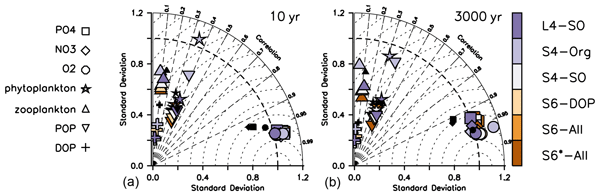
Global biogeochemical ocean models are often subjectively assessed and tuned against observations. We applied different strategies to calibrate a global model against observations. Although the calibrated models show similar tracer distributions at the surface, they differ in global biogeochemical fluxes, especially in global particle flux. Simulated global volume of oxygen minimum zones varies strongly with calibration strategy and over time, rendering its temporal extrapolation difficult.
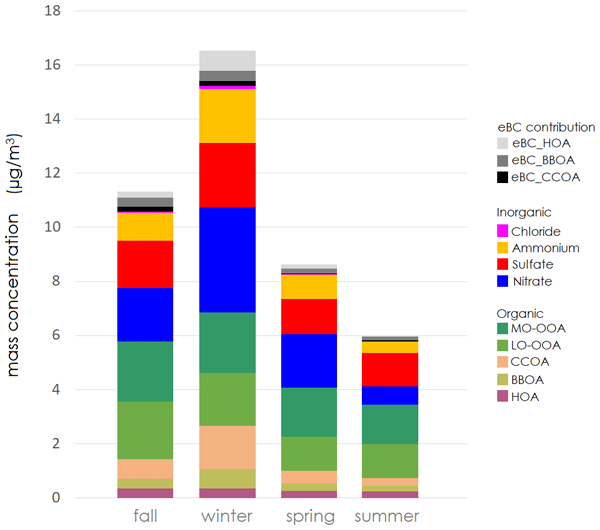
Samira Atabakhsh, Laurent Poulain, Gang Chen, Francesco Canonaco, André S. H. Prévôt, Mira Pöhlker, Alfred Wiedensohler, and Hartmut Herrmann
Atmos. Chem. Phys., 23, 6963–6988, https://doi.org/10.5194/acp-23-6963-2023, https://doi.org/10.5194/acp-23-6963-2023, 2023
Short summary
Short summary
The study focuses on the aerosol chemical variations found in the rural-background station of Melpitz based on ACSM and MAAP measurements. Source apportionment on both organic aerosol (OA) and black carbon (eBC) was performed, and source seasonality was also linked to air mass trajectories. Overall, three anthropogenic sources were identified in OA and eBC plus two additional aged OA. Our results demonstrate the influence of transported coal-combustion-related OA even during summer time.
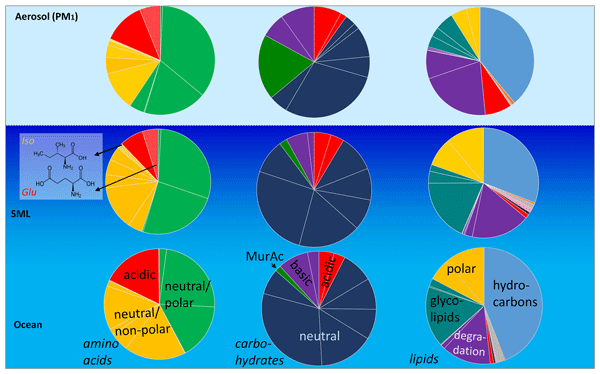
Manuela van Pinxteren, Sebastian Zeppenfeld, Khanneh Wadinga Fomba, Nadja Triesch, Sanja Frka, and Hartmut Herrmann
Atmos. Chem. Phys., 23, 6571–6590, https://doi.org/10.5194/acp-23-6571-2023, https://doi.org/10.5194/acp-23-6571-2023, 2023
Short summary
Short summary
Important marine organic carbon compounds were identified in the Atlantic Ocean and marine aerosol particles. These compounds were strongly enriched in the atmosphere. Their enrichment was, however, not solely explained via sea-to-air transfer but also via atmospheric in situ formation. The identified compounds constituted about 50 % of the organic carbon on the aerosol particles, and a pronounced coupling between ocean and atmosphere for this oligotrophic region could be concluded.
Manon Rocco, Erin Dunne, Alexia Saint-Macary, Maija Peltola, Theresa Barthelmeß, Neill Barr, Karl Safi, Andrew Marriner, Stacy Deppeler, James Harnwell, Anja Engel, Aurélie Colomb, Alfonso Saiz-Lopez, Mike Harvey, Cliff S. Law, and Karine Sellegri
EGUsphere, https://doi.org/10.5194/egusphere-2023-516, https://doi.org/10.5194/egusphere-2023-516, 2023
Preprint archived
Short summary
Short summary
During the Sea2cloud campaign in the Southern Pacific Ocean, we measured air-sea emissions from phytopankton of two key atmospheric compounds: DMS and MeSH. These compounds are well-known to play a great role in atmospheric chemistry and climate. We see in this paper that these compounds are most emited by the nanophytoplankton population. We provide here parameters for climate models to predict future trends of the emissions of these compounds and their roles and impacts on the global warming.

Alexia D. Saint-Macary, Andrew Marriner, Theresa Barthelmeß, Stacy Deppeler, Karl Safi, Rafael Costa Santana, Mike Harvey, and Cliff S. Law
Ocean Sci., 19, 1–15, https://doi.org/10.5194/os-19-1-2023, https://doi.org/10.5194/os-19-1-2023, 2023
Short summary
Short summary
The uppermost oceanic layer was sampled to determine what can explain a potential dimethyl sulfide (DMS) enrichment in this environment. A novel sampling method was used, and the results showed that DMS was not as enriched as expected. Our results showed that the phytoplanktonic composition influenced the DMS concentration, confirming results from another study in this oceanic region. However, additional factors are required to observe a DMS enrichment in the uppermost oceanic layer.
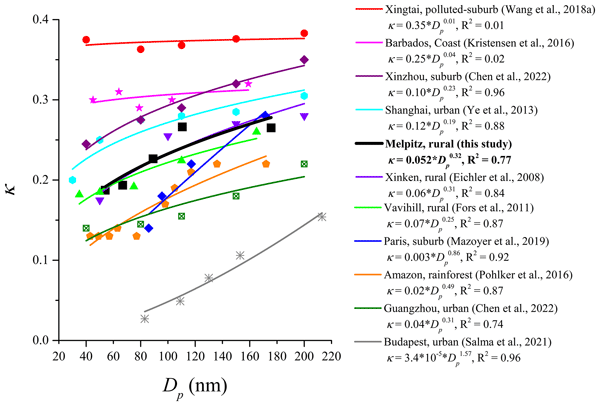
Yuan Wang, Silvia Henning, Laurent Poulain, Chunsong Lu, Frank Stratmann, Yuying Wang, Shengjie Niu, Mira L. Pöhlker, Hartmut Herrmann, and Alfred Wiedensohler
Atmos. Chem. Phys., 22, 15943–15962, https://doi.org/10.5194/acp-22-15943-2022, https://doi.org/10.5194/acp-22-15943-2022, 2022
Short summary
Short summary
Aerosol particle activation affects cloud, precipitation, radiation, and thus the global climate. Its long-term measurements are important but still scarce. In this study, more than 4 years of measurements at a central European station were analyzed. The overall characteristics and seasonal changes of aerosol particle activation are summarized. The power-law fit between particle hygroscopicity factor and diameter was recommended for predicting cloud
condensation nuclei number concentration.

Lin Yang, Jing Zhang, Anja Engel, and Gui-Peng Yang
Biogeosciences, 19, 5251–5268, https://doi.org/10.5194/bg-19-5251-2022, https://doi.org/10.5194/bg-19-5251-2022, 2022
Short summary
Short summary
Enrichment factors of dissolved organic matter (DOM) in the eastern marginal seas of China exhibited a significant spatio-temporal variation. Photochemical and enrichment processes co-regulated DOM enrichment in the sea-surface microlayer (SML). Autochthonous DOM was more frequently enriched in the SML than terrestrial DOM. DOM in the sub-surface water exhibited higher aromaticity than that in the SML.
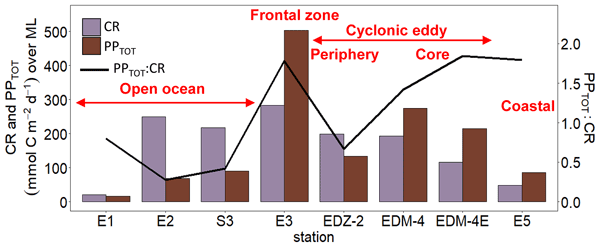
Quentin Devresse, Kevin W. Becker, Arne Bendinger, Johannes Hahn, and Anja Engel
Biogeosciences, 19, 5199–5219, https://doi.org/10.5194/bg-19-5199-2022, https://doi.org/10.5194/bg-19-5199-2022, 2022
Short summary
Short summary
Eddies are ubiquitous in the ocean and alter physical, chemical, and biological processes. However, how they affect organic carbon production and consumption is largely unknown. Here we show how an eddy triggers a cascade effect on biomass production and metabolic activities of phyto- and bacterioplankton. Our results may contribute to the improvement of biogeochemical models used to estimate carbon fluxes in the ocean.

Theresa Barthelmeß and Anja Engel
Biogeosciences, 19, 4965–4992, https://doi.org/10.5194/bg-19-4965-2022, https://doi.org/10.5194/bg-19-4965-2022, 2022
Short summary
Short summary
Greenhouse gases released by human activity cause a global rise in mean temperatures. While scientists can predict how much of these gases accumulate in the atmosphere based on not only human-derived sources but also oceanic sinks, it is rather difficult to predict the major influence of coastal ecosystems. We provide a detailed study on the occurrence, composition, and controls of substances that suppress gas exchange. We thus help to determine what controls coastal greenhouse gas fluxes.
Christian Tatzelt, Silvia Henning, André Welti, Andrea Baccarini, Markus Hartmann, Martin Gysel-Beer, Manuela van Pinxteren, Robin L. Modini, Julia Schmale, and Frank Stratmann
Atmos. Chem. Phys., 22, 9721–9745, https://doi.org/10.5194/acp-22-9721-2022, https://doi.org/10.5194/acp-22-9721-2022, 2022
Short summary
Short summary
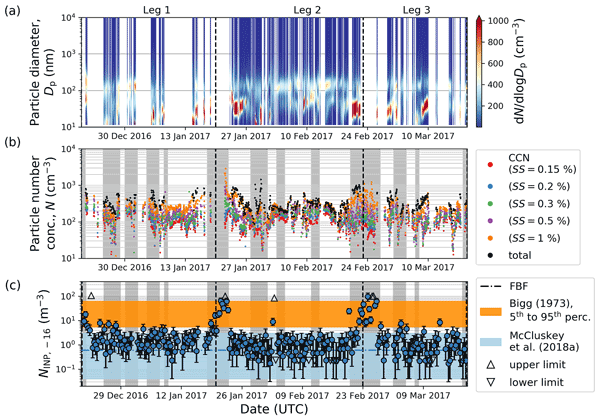
We present the abundance and origin of cloud-relevant aerosol particles in the preindustral-like conditions of the Southern Ocean (SO) during austral summer. Cloud condensation nuclei (CCN) and ice-nucleating particles (INP) were measured during a circum-Antarctic scientific cruise with in situ instrumentation and offline filter measurements, respectively. Transport processes were found to play an equally important role as local sources for both the CCN and INP population of the SO.

Lady Mateus-Fontecha, Angela Vargas-Burbano, Rodrigo Jimenez, Nestor Y. Rojas, German Rueda-Saa, Dominik van Pinxteren, Manuela van Pinxteren, Khanneh Wadinga Fomba, and Hartmut Herrmann
Atmos. Chem. Phys., 22, 8473–8495, https://doi.org/10.5194/acp-22-8473-2022, https://doi.org/10.5194/acp-22-8473-2022, 2022
Short summary
Short summary
This study reports the chemical composition of regionally representative PM2.5 in an area densely populated and substantially industrialized, located in the inter-Andean valley, with the highest sugarcane yield in the world and where sugarcane is burned and harvested year round. We found that sugarcane burning is not portrayed as a distinguishable sample composition component. Instead, the composition analysis revealed multiple associations among sugarcane burning components and other sources.
Manuela van Pinxteren, Tiera-Brandy Robinson, Sebastian Zeppenfeld, Xianda Gong, Enno Bahlmann, Khanneh Wadinga Fomba, Nadja Triesch, Frank Stratmann, Oliver Wurl, Anja Engel, Heike Wex, and Hartmut Herrmann
Atmos. Chem. Phys., 22, 5725–5742, https://doi.org/10.5194/acp-22-5725-2022, https://doi.org/10.5194/acp-22-5725-2022, 2022
Short summary
Short summary
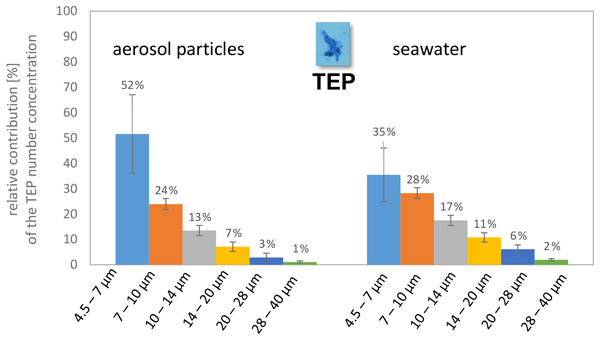
A class of marine particles (transparent exopolymer particles, TEPs) that is ubiquitously found in the world oceans was measured for the first time in ambient marine aerosol particles and marine cloud waters in the tropical Atlantic Ocean. TEPs are likely to have good properties for influencing clouds. We show that TEPs are transferred from the ocean to the marine atmosphere via sea-spray formation and our results suggest that they can also form directly in aerosol particles and in cloud water.

Kristina Glojek, Griša Močnik, Honey Dawn C. Alas, Andrea Cuesta-Mosquera, Luka Drinovec, Asta Gregorič, Matej Ogrin, Kay Weinhold, Irena Ježek, Thomas Müller, Martin Rigler, Maja Remškar, Dominik van Pinxteren, Hartmut Herrmann, Martina Ristorini, Maik Merkel, Miha Markelj, and Alfred Wiedensohler
Atmos. Chem. Phys., 22, 5577–5601, https://doi.org/10.5194/acp-22-5577-2022, https://doi.org/10.5194/acp-22-5577-2022, 2022
Short summary
Short summary
A pilot study to determine the emissions of wood burning under
real-world laboratoryconditions was conducted. We found that measured black carbon (eBC) and particulate matter (PM) in rural shallow terrain depressions with residential wood burning could be much greater than predicted by models. The exceeding levels are a cause for concern since similar conditions can be expected in numerous hilly and mountainous regions across Europe, where approximately 20 % of the total population lives.
Nabil Deabji, Khanneh Wadinga Fomba, Souad El Hajjaji, Abdelwahid Mellouki, Laurent Poulain, Sebastian Zeppenfeld, and Hartmut Herrmann
Atmos. Chem. Phys., 21, 18147–18174, https://doi.org/10.5194/acp-21-18147-2021, https://doi.org/10.5194/acp-21-18147-2021, 2021
Short summary
Short summary
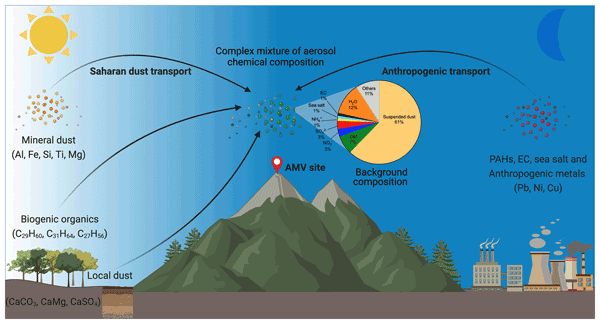
Mountain and high-altitude sites provide representative data for the lower free troposphere, various pathways for aerosol interactions, and changing boundary layer heights useful in understanding atmospheric composition. However, only few studies exist in African regions despite diversity in both natural and anthropogenic emissions. This study provides detailed atmospheric studies in the northern African high-altitude region.
Maria-Theresia Verwega, Christopher J. Somes, Markus Schartau, Robyn Elizabeth Tuerena, Anne Lorrain, Andreas Oschlies, and Thomas Slawig
Earth Syst. Sci. Data, 13, 4861–4880, https://doi.org/10.5194/essd-13-4861-2021, https://doi.org/10.5194/essd-13-4861-2021, 2021
Short summary
Short summary
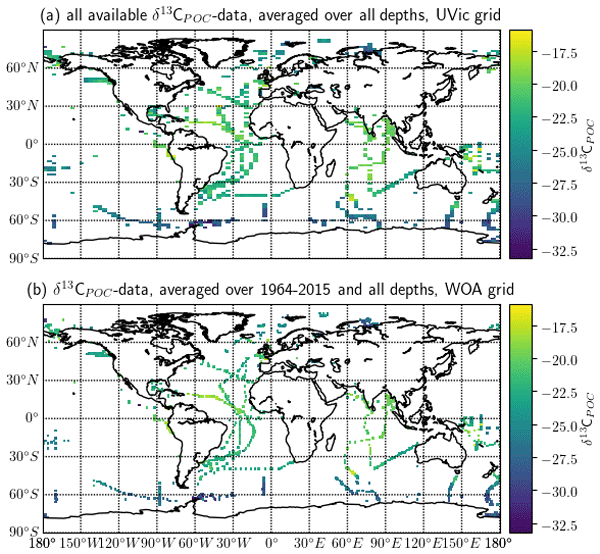
This work describes a ready-to-use collection of particulate organic carbon stable isotope ratio data sets. It covers the 1960s–2010s and all main oceans, providing meta-information and gridded data. The best coverage exists in Atlantic, Indian and Southern Ocean surface waters during the 1990s. It indicates no major difference between methods and shows decreasing values towards high latitudes, with the lowest in the Southern Ocean, and a long-term decline in all regions but the Southern Ocean.
France Van Wambeke, Vincent Taillandier, Karine Desboeufs, Elvira Pulido-Villena, Julie Dinasquet, Anja Engel, Emilio Marañón, Céline Ridame, and Cécile Guieu
Biogeosciences, 18, 5699–5717, https://doi.org/10.5194/bg-18-5699-2021, https://doi.org/10.5194/bg-18-5699-2021, 2021
Short summary
Short summary
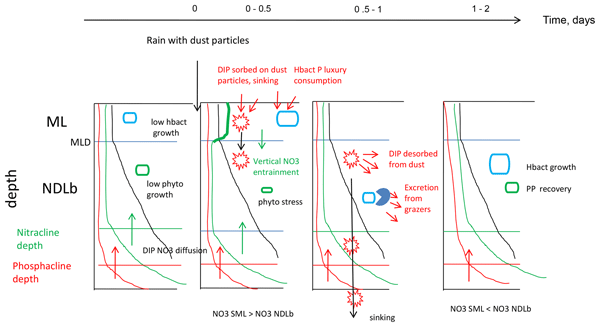
Simultaneous in situ measurements of (dry and wet) atmospheric deposition and biogeochemical stocks and fluxes in the sunlit waters of the open Mediterranean Sea revealed complex physical and biological processes occurring within the mixed layer. Nitrogen (N) budgets were computed to compare the sources and sinks of N in the mixed layer. The transitory effect observed after a wet dust deposition impacted the microbial food web down to the deep chlorophyll maximum.
Cited articles
Alldredge, A. L., Passow, U., and Logan, B. E.: The abundance and significance of a class of large, transparent organic particles in the ocean, Deep Sea Res. Part Oceanogr. Res. Pap., 40, 1131–1140, https://doi.org/10.1016/0967-0637(93)90129-Q, 1993.
Asher, W.: The sea-surface microlayer and its effect on global air–sea gas transfer, in: The Sea Surface and Global Change, edited by: Liss, P. S. and Duce, R. A., Cambridge University Press, 251–286, https://doi.org/10.1017/CBO9780511525025.009, 1997.
Asmussen-Schäfer, F., Ribas-Ribas, M., Wurl, O., and Friedrichs, G.: Linking surface coverage with surfactant activity to refine the role of surfactants for air-sea gas exchange, EGUsphere [preprint], https://doi.org/10.5194/egusphere-2025-5276, 2026.
Astrahan, P., Herut, B., Paytan, A., and Rahav, E.: The Impact of Dry Atmospheric Deposition on the Sea-Surface Microlayer in the SE Mediterranean Sea: An Experimental Approach, Front. Mar. Sci., 3, https://doi.org/10.3389/fmars.2016.00222, 2016.
Baastrup-Spohr, L. and Staehr, P. A.: Surface microlayers on temperate lowland lakes, Hydrobiologia, 625, 43–59, https://doi.org/10.1007/s10750-008-9695-3, 2009.
Baier, R., DW, G., Perlmutter, S., and King, R.: Dominant chemical composition of sea-surface films, natural slicks, and foams, Journal de Recherches Atmosphériques, 8, 571–600, 1974.
Barthelmeß, T. and Engel, A.: How biogenic polymers control surfactant dynamics in the surface microlayer: insights from a coastal Baltic Sea study, Biogeosciences, 19, 4965–4992, https://doi.org/10.5194/bg-19-4965-2022, 2022.
Barthelmeß, T., Schütte, F., and Engel, A.: Variability of the Sea Surface Microlayer Across a Filament's Edge and Potential Influences on Gas Exchange, Front. Mar. Sci., 8, 718384, https://doi.org/10.3389/fmars.2021.718384, 2021.
Brinis, A., Méjanelle, L., Momzikoff, A., Gondry, G., Fillaux, J., Point, V., and Saliot, A.: Phospholipid ester-linked fatty acids composition of size-fractionated particles at the top ocean surface, Org. Geochem., 35, 1275–1287, https://doi.org/10.1016/j.orggeochem.2004.04.009, 2004.
Carlson, D. J.: Dissolved organic materials in surface microlayers: Temporal and spatial variability and relation to sea state, Limnol. Oceanogr., 28, 415–431, https://doi.org/10.4319/lo.1983.28.3.0415, 1983.
Carlucci, A. F., Craven, D. B., and Henrichs, S. M.: Surface-film microheterotrophs: amino acid metabolism and solar radiation effects on their activities, Mar. Biol., 85, 13–22, https://doi.org/10.1007/BF00396410, 1985.
Cen-Lin, H. and Tzung-May, F.: Air-Sea Exchange of Volatile Organic Compounds: A New Model with Microlayer Effects, Atmos. Ocean. Sci. Lett., 6, 97–102, https://doi.org/10.1080/16742834.2013.11447063, 2013.
Chen, Y., Yang, G.-P., Xia, Q.-Y., and Wu, G.-W.: Enrichment and characterization of dissolved organic matter in the surface microlayer and subsurface water of the South Yellow Sea, Mar. Chem., 182, 1–13, https://doi.org/10.1016/j.marchem.2016.04.001, 2016.
Chen, Y.-C.: A tutorial on kernel density estimation and recent advances, Biostat. Epidemiol., 1, 161–187, https://doi.org/10.1080/24709360.2017.1396742, 2017.
Ćosović, B. and Vojvodić, V.: Adsorption behaviour of the hydrophobic fraction of organic matter in natural waters, Mar. Chem., 28, 183–198, https://doi.org/10.1016/0304-4203(89)90194-1, 1989.
Ćosović, B. and Vojvodić, V.: Voltammetric Analysis of Surface Active Substances in Natural Seawater, Electroanalysis, 10, 429–434, https://analyticalsciencejournals.onlinelibrary.wiley.com/doi/pdf/10.1002/%28SICI%291521-4109%28199805%2910%3A6%3C429%3A%3AAID-ELAN429%3E3.0.CO%3B2-7?casa_token=unCVE6HtYJoAAAAA:Z6IlTscpxDPKrkO4-_dq7xGQJIrExkFYTk_Ffr6pyOiA87a2h7-5CDjUsoiR_4YlTywcd1HLo6OyNmR4 (last access: 20 February 2026), 1998.
Crocetti, E.: Systematic Reviews With Meta-Analysis: Why, When, and How?, Emerg. Adulthood, 4, 3–18, https://doi.org/10.1177/2167696815617076, 2016.
Cunliffe, M. and Murrell, J. C.: The sea-surface microlayer is a gelatinous biofilm, ISME J., 3, 1001–1003, https://doi.org/10.1038/ismej.2009.69, 2009.
Cunliffe, M., Salter, M., Mann, P. J., Whiteley, A. S., Upstill-Goddard, R. C., and Murrell, J. C.: Dissolved organic carbon and bacterial populations in the gelatinous surface microlayer of a Norwegian fjord mesocosm, FEMS Microbiol. Lett., 299, 248–254, https://doi.org/10.1111/j.1574-6968.2009.01751.x, 2009.
Cunliffe, M., Engel, A., Frka, S., Gašparović, B., Guitart, C., Murrell, J. C., Salter, M., Stolle, C., Upstill-Goddard, R., and Wurl, O.: Sea surface microlayers: A unified physicochemical and biological perspective of the air–ocean interface, Prog. Oceanogr., 109, 104–116, https://doi.org/10.1016/j.pocean.2012.08.004, 2013.
Dietz, A. S., Albright, L. J., and Tuominen, T.: Heterotrophic activities of bacterioneuston and bacterioplankton, Can. J. Microbiol., 22, 1699–1709, https://doi.org/10.1139/m76-251, 1976.
Dukhin, S. S., Kovalchuk, V. I., Gochev, G. G., Lotfi, M., Krzan, M., Malysa, K., and Miller, R.: Dynamics of Rear Stagnant Cap formation at the surface of spherical bubbles rising in surfactant solutions at large Reynolds numbers under conditions of small Marangoni number and slow sorption kinetics, Adv. Colloid Interface Sci., 222, 260–274, https://doi.org/10.1016/j.cis.2014.10.002, 2015.
Engel, A. and Galgani, L.: The organic sea-surface microlayer in the upwelling region off the coast of Peru and potential implications for air–sea exchange processes, Biogeosciences, 13, 989–1007, https://doi.org/10.5194/bg-13-989-2016, 2016.
Engel, A., Thoms, S., Riebesell, U., Rochelle-Newall, E., and Zondervan, I.: Polysaccharide aggregation as a potential sink of marine dissolved organic carbon, Nature, 428, 929–932, https://doi.org/10.1038/nature02453, 2004.
Engel, A., Bange, H. W., Cunliffe, M., Burrows, S. M., Friedrichs, G., Galgani, L., Herrmann, H., Hertkorn, N., Johnson, M., Liss, P. S., Quinn, P. K., Schartau, M., Soloviev, A., Stolle, C., Upstill-Goddard, R. C., Van Pinxteren, M., and Zäncker, B.: The Ocean's Vital Skin: Toward an Integrated Understanding of the Sea Surface Microlayer, Front. Mar. Sci., 4, 165, https://doi.org/10.3389/fmars.2017.00165, 2017.
Feenstra, S.: Use of Logarithmic-Scale Correlation Plots to Represent Contaminant Ratios for Evaluation of Subsurface Environmental Data, Environ. Forensics, 7, 175–185, https://doi.org/10.1080/15275920600667153, 2006.
Frew, N. M.: The role of organic films in air–sea gas exchange, in: The Sea Surface and Global Change, edited by: Liss, P. S. and Duce, R. A., Cambridge University Press, Cambridge, 121–172, https://doi.org/10.1017/CBO9780511525025.006, 1997.
Frka, S., Pogorzelski, S., Kozarac, Z., and Ćosović, B.: Physicochemical Signatures of Natural Sea Films from Middle Adriatic Stations, J. Phys. Chem. A, 116, 6552–6559, https://doi.org/10.1021/jp212430a, 2012.
Gao, Q., Leck, C., Rauschenberg, C., and Matrai, P. A.: On the chemical dynamics of extracellular polysaccharides in the high Arctic surface microlayer, Ocean Sci., 8, 401–418, https://doi.org/10.5194/os-8-401-2012, 2012.
Garabetian, F., Romano, J.-C., Paul, R., and Sigoillot, J.-C.: Organic matter composition and pollutant enrichment of sea surface microlayer inside and outside slicks, Mar. Environ. Res., 35, 323–339, https://doi.org/10.1016/0141-1136(93)90100-E, 1993.
Gas̆parović, B. and Ćosović, B.: Distribution of surface-active substances in the northern Adriatic Sea, Mar. Chem., 75, 301–313, https://doi.org/10.1016/S0304-4203(01)00044-5, 2001.
Gašparović, B. and Ćosović, B.: Surface-active properties of organic matter in the North Adriatic Sea, Estuar. Coast. Shelf Sci., 58, 555–566, https://doi.org/10.1016/S0272-7714(03)00133-1, 2003.
Gašparović, B., Plavšić, M., Ćosović, B., and Saliot, A.: Organic matter characterization in the sea surface microlayers in the subarctic Norwegian fjords region, Mar. Chem., 105, 1–14, https://doi.org/10.1016/j.marchem.2006.12.010, 2007.
Goldman, J. C., Dennett, M. R., and Frew, N. M.: Surfactant effects on air-sea gas exchange under turbulent conditions, Deep Sea Res. Part Oceanogr. Res. Pap., 35, 1953–1970, https://doi.org/10.1016/0198-0149(88)90119-7, 1988.
Härdle, W., Werwatz, A., Müller, M., and Sperlich, S.: Nonparametric and Semiparametric Models, Springer Berlin Heidelberg, Berlin, Heidelberg, https://doi.org/10.1007/978-3-642-17146-8, 2004.
Harvey, H. R., Tuttle, J. H., and Bell, J. T.: Kinetics of phytoplankton decay during simulated sedimentation: Changes in biochemical composition and microbial activity under oxic and anoxic conditions, Geochim. Cosmochim. Acta, 59, 3367–3377, https://doi.org/10.1016/0016-7037(95)00217-N, 1995.
Hedges, J. I., Cowie, G. L., Richey, J. E., Quay, P. D., Benner, R., Strom, M., and Forsberg, B. R.: Origins and processing of organic matter in the Amazon River as indicated by carbohydrates and amino acids, Limnol. Oceanogr., 39, 743–761, https://doi.org/10.4319/lo.1994.39.4.0743, 1994.
Henrichs, S. M. and Williams, P. M.: Dissolved and particulate amino acids and carbohydrates in the sea surface microlayer, Mar. Chem., 17, 141–163, https://doi.org/10.1016/0304-4203(85)90070-2, 1985.
Hillbricht-Ilkowska, A. and Kostrzewska-Szlakowska, I.: Surface microlayer in lakes of different trophic status: nutrients concentration and accumulation, Pol. J. Ecol., 52, 461–478, 2004.
Hunter, K. A.: Processes affecting particulate trace metals in the sea surface microlayer, Mar. Chem., 9, 49–70, https://doi.org/10.1016/0304-4203(80)90006-7, 1980.
Hunter, K. A. and Liss, P. S.: The input of organic material to the oceans: air–sea interactions and the organic chemical composition of the sea surface, Mar. Chem., 5, 361–379, https://doi.org/10.1016/0304-4203(77)90029-9, 1977.
Hunter, K. A. and Liss, P. S.: Chapter 9 Organic Sea Surface Films, in: Elsevier Oceanography Series, vol. 31, edited by: Duursma, E. K. and Dawson, R., Elsevier, 259–298, https://doi.org/10.1016/S0422-9894(08)70331-3, 1981.
Isles, P. D. F.: The misuse of ratios in ecological stoichiometry, Ecology, 101, e03153, https://doi.org/10.1002/ecy.3153, 2020.
Jørgensen, N., Kroer, N., Coffin, R., Yang, X.-H., and Lee, C.: Dissolved free amino acids, combined amino acids, and DNA as sources of carbon and nitrogen to marine bacteria, Mar. Ecol. Prog. Ser., 98, 135–148, https://doi.org/10.3354/meps098135, 1993.
Joux, F., Agogué, H., Obernosterer, I., Dupuy, C., Reinthaler, T., Herndl, G., and Lebaron, P.: Microbial community structure in the sea surface microlayer at two contrasting coastal sites in the northwestern Mediterranean Sea, Aquat. Microb. Ecol., 42, 91–104, https://doi.org/10.3354/ame042091, 2006.
Keene, O. N.: The log transformation is special, Stat. Med., 14, 811–819, https://doi.org/10.1002/sim.4780140810, 1995.
Kjelleberg, S., Norkrans, B., Löfgren, H., and Larsson, K.: Surface balance study of the interaction between microorganisms and lipid monolayer at the air/water interface, Appl. Environ. Microbiol., 31, 609–611, https://doi.org/10.1128/aem.31.4.609-611.1976, 1976.
Knipping, E. M., Lakin, M. J., Foster, K. L., Jungwirth, P., Tobias, D. J., Gerber, R. B., Dabdub, D., and Finlayson-Pitts, B. J.: Experiments and Simulations of Ion-Enhanced Interfacial Chemistry on Aqueous NaCl Aerosols, Science, 288, 301–306, https://doi.org/10.1126/science.288.5464.301, 2000.
Knulst, J. C., Backlund, P., Hessen, D. O., Riise, G., and Södergren, A.: Response of surface microlayers to artificial acid precipitation in a meso-humic lake in Norway, Water Res., 31, 2177–2186, https://doi.org/10.1016/S0043-1354(97)00061-4, 1997.
Kock, A., Schafstall, J., Dengler, M., Brandt, P., and Bange, H. W.: Sea-to-air and diapycnal nitrous oxide fluxes in the eastern tropical North Atlantic Ocean, Biogeosciences, 9, 957–964, https://doi.org/10.5194/bg-9-957-2012, 2012.
Kujawinski, E. B., Farrington, J. W., and Moffett, J. W.: Evidence for grazing-mediated production of dissolved surface-active material by marine protists, Mar. Chem., 77, 133–142, https://doi.org/10.1016/S0304-4203(01)00082-2, 2002.
Kurata, N., Vella, K., Hamilton, B., Shivji, M., Soloviev, A., Matt, S., Tartar, A., and Perrie, W.: Surfactant-associated bacteria in the near-surface layer of the ocean, Sci. Rep., 6, 19123, https://doi.org/10.1038/srep19123, 2016.
Kuznetsova, M. and Lee, C.: Dissolved free and combined amino acids in nearshore seawater, sea surface microlayers and foams: Influence of extracellular hydrolysis, Aquat. Sci., 64, 252–268, https://doi.org/10.1007/s00027-002-8070-0, 2002.
Kuznetsova, M., Lee, C., Aller, J., and Frew, N.: Enrichment of amino acids in the sea surface microlayer at coastal and open ocean sites in the North Atlantic Ocean, Limnol. Oceanogr., 49, 1605–1619, https://doi.org/10.4319/lo.2004.49.5.1605, 2004.
Kuznetsova, M., Lee, C., and Aller, J.: Characterization of the proteinaceous matter in marine aerosols, Mar. Chem., 96, 359–377, https://doi.org/10.1016/j.marchem.2005.03.007, 2005.
Laß, K. and Friedrichs, G.: Revealing structural properties of the marine nanolayer from vibrational sum frequency generation spectra, J. Geophys. Res., 116, C08042, https://doi.org/10.1029/2010JC006609, 2011.
Laß, K., Bange, H. W., and Friedrichs, G.: Seasonal signatures in SFG vibrational spectra of the sea surface nanolayer at Boknis Eck Time Series Station (SW Baltic Sea), Biogeosciences, 10, 5325–5334, https://doi.org/10.5194/bg-10-5325-2013, 2013.
Li, L., Wu, P., Zhang, P., Huang, S., and Zhang, Y.: An improved model for air–sea exchange of elemental mercury in MITgcm-ECCOv4-Hg: the role of surfactants and waves, Geosci. Model Dev., 17, 8683–8695, https://doi.org/10.5194/gmd-17-8683-2024, 2024.
Liss, P. S. and Duce, R. A.: The sea surface and global change, Cambridge University Press, 535 pp., https://doi.org/10.1017/CBO9780511525025, 1997.
Liu, K. and Dickhut, R. M.: Effects of wind speed and particulate matter source on surface microlayer characteristics and enrichment of organic matter in southern Chesapeake Bay, J. Geophys. Res.-Atmos., 103, 10571–10577, https://doi.org/10.1029/97JD03736, 1998.
López-Puertas, A., Wurl, O., Frka, S., and Ribas-Ribas, M.: Diel variability affects the inorganic carbon system in the sea-surface microlayer and influences air-sea CO2 flux estimates, Ocean Sci., 21, 3471–3485, https://doi.org/10.5194/os-21-3471-2025, 2025.
MacIntyre, F.: Chemical fractionation and sea-surface microlayer processes, The Sea, 5, 245–299, 1974.
Maki, J. S. and Hermansson, M.: The dynamics of surface microlayers in aquatic environment in: The Biology of Particles in Aquatic Systems, 2nd edn., CRC Press, 161–182, https://doi.org/10.1201/9781003070146, 2020.
Mari, X. and Burd, A.: Seasonal size spectra of transparent exopolymeric particles (TEP) in a coastal sea and comparison with those predicted using coagulation theory, Mar. Ecol. Prog. Ser., 163, 63–76, https://doi.org/10.3354/meps163063, 1998.
Mari, X., Passow, U., Migon, C., Burd, A. B., and Legendre, L.: Transparent exopolymer particles: Effects on carbon cycling in the ocean, Prog. Oceanogr., 151, 13–37, https://doi.org/10.1016/j.pocean.2016.11.002, 2017.
Marty, J. C. and Saliot, A.: Hydrocarbons (normal alkanes) in the surface microlayer of seawater, Deep Sea Res. Oceanogr. Abstr., 23, 863–873, https://doi.org/10.1016/0011-7471(76)90853-6, 1976.
McKenna, S. P. and McGillis, W. R.: The role of free-surface turbulence and surfactants in air–water gas transfer, Int. J. Heat Mass Transf., 47, 539–553, https://doi.org/10.1016/j.ijheatmasstransfer.2003.06.001, 2004.
Menge, D. N. L., MacPherson, A. C., Bytnerowicz, T. A., Quebbeman, A. W., Schwartz, N. B., Taylor, B. N., and Wolf, A. A.: Logarithmic scales in ecological data presentation may cause misinterpretation, Nat. Ecol. Evol., 2, 1393–1402, https://doi.org/10.1038/s41559-018-0610-7, 2018.
Mengist, W., Soromessa, T., and Legese, G.: Method for conducting systematic literature review and meta-analysis for environmental science research, MethodsX, 7, 100777, https://doi.org/10.1016/j.mex.2019.100777, 2020.
Milinković, A., Penezić, A., Kušan, A. C., Gluščić, V., Žužul, S., Skejić, S., Šantić, D., Godec, R., Pehnec, G., Omanović, D., Engel, A., and Frka, S.: Variabilities of biochemical properties of the sea surface microlayer: Insights to the atmospheric deposition impacts, Sci. Total Environ., 838, 156440, https://doi.org/10.1016/j.scitotenv.2022.156440, 2022.
Mopper, K., Zhou, J., Sri Ramana, K., Passow, U., Dam, H. G., and Drapeau, D. T.: The role of surface-active carbohydrates in the flocculation of a diatom bloom in a mesocosm, Deep Sea Res. Part II Top. Stud. Oceanogr., 42, 47–73, https://doi.org/10.1016/0967-0645(95)00004-A, 1995.
Münster, U., Heikkinen, E., and Knulst, J.: Nutrient composition, microbial biomass and activity at the air-water interface of small boreal forest lakes, in: Eutrophication in Planktonic Ecosystems: Food Web Dynamics and Elemental Cycling, edited by: Tamminen, T. and Kuosa, H., Springer Netherlands, Dordrecht, 261–270, https://doi.org/10.1007/978-94-017-1493-8_21, 1998.
Mustaffa, N. I. H., Badewien, T. H., Ribas-Ribas, M., and Wurl, O.: High-resolution observations on enrichment processes in the sea-surface microlayer, Sci. Rep., 8, 13122, https://doi.org/10.1038/s41598-018-31465-8, 2018.
Mustaffa, N. I. H., Ribas-Ribas, M., Banko-Kubis, H. M., and Wurl, O.: Global reduction of in situ CO2 transfer velocity by natural surfactants in the sea-surface microlayer, Proc. R. Soc. Math. Phys. Eng. Sci., 476, 20190763, https://doi.org/10.1098/rspa.2019.0763, 2020.
Myklestad, S. M.: Release of extracellular products by phytoplankton with special emphasis on polysaccharides, Sci. Total Environ., 165, 155–164, https://doi.org/10.1016/0048-9697(95)04549-G, 1995.
Obernosterer, I., Catala, P., Reinthaler, T., Herndl, G., and Lebaron, P.: Enhanced heterotrophic activity in the surface microlayer of the Mediterranean Sea, Aquat. Microb. Ecol., 39, 293–302, https://doi.org/10.3354/ame039293, 2005.
Obernosterer, I., Catala, P., Lami, R., Caparros, J., Ras, J., Bricaud, A., Dupuy, C., van Wambeke, F., and Lebaron, P.: Biochemical characteristics and bacterial community structure of the sea surface microlayer in the South Pacific Ocean, Biogeosciences, 5, 693–705, https://doi.org/10.5194/bg-5-693-2008, 2008.
Parzen, E.: On Estimation of a Probability Density Function and Mode, Ann. Math. Stat., 33, 1065–1076, 1962.
Passow, U.: Formation of transparent exopolymer particles, TEP, from dissolved precursor material, Mar. Ecol. Prog. Ser., 192, 1–11, https://doi.org/10.3354/meps192001, 2000.
Penezić, A., Drozdowska, V., Novak, T., and Gašparović, B.: Distribution and characterization of organic matter within the sea surface microlayer in the Gulf of Gdańsk, Oceanologia, 64, 631–650, https://doi.org/10.1016/j.oceano.2022.05.003, 2022.
Penna, A.: Influence of nutrient ratios on the in vitro extracellular polysaccharide production by marine diatoms from the Adriatic Sea, J. Plankton Res., 21, 1681–1690, https://doi.org/10.1093/plankt/21.9.1681, 1999.
Pereira, R., Schneider-Zapp, K., and Upstill-Goddard, R. C.: Surfactant control of gas transfer velocity along an offshore coastal transect: results from a laboratory gas exchange tank, Biogeosciences, 13, 3981–3989, https://doi.org/10.5194/bg-13-3981-2016, 2016.
Pereira, R., Ashton, I., Sabbaghzadeh, B., Shutler, J. D., and Upstill-Goddard, R. C.: Reduced air–sea CO2 exchange in the Atlantic Ocean due to biological surfactants, Nat. Geosci., 11, 492–496, https://doi.org/10.1038/s41561-018-0136-2, 2018.
Petersen, M. K., Iyengar, S. S., Day, T. J. F., and Voth, G. A.: The Hydrated Proton at the Water Liquid/Vapor Interface, J. Phys. Chem. B, 108, 14804–14806, https://doi.org/10.1021/jp046716o, 2004.
Pogorzelski, S. J., Kogut, A. D., and Mazurek, A. Z.: Surface Rheology Parameters of Source-Specific Surfactant Films as Indicators of Organic Matter Dynamics, Hydrobiologia, 554, 67–81, https://doi.org/10.1007/s10750-005-1007-6, 2006.
Reinthaler, T., Sintes, E., and Herndl, G. J.: Dissolved organic matter and bacterial production and respiration in the sea-surface microlayer of the open Atlantic and the western Mediterranean Sea, Limnol. Oceanogr., 53, 122–136, https://doi.org/10.4319/lo.2008.53.1.0122, 2008.
Robinson, T., Wurl, O., Bahlmann, E., Jürgens, K., and Stolle, C.: Rising bubbles enhance the gelatinous nature of the air–sea interface, Limnol. Oceanogr., 64, 2358–2372, https://doi.org/10.1002/lno.11188, 2019.
Sabbaghzadeh, B., Upstill-Goddard, R. C., Beale, R., Pereira, R., and Nightingale, P. D.: The Atlantic Ocean surface microlayer from 50° N to 50° S is ubiquitously enriched in surfactants at wind speeds up to 13 m s−1, Geophys. Res. Lett., 44, 2852–2858, https://doi.org/10.1002/2017GL072988, 2017.
Salter, M. E., Upstill-Goddard, R. C., Nightingale, P. D., Archer, S. D., Blomquist, B., Ho, D. T., Huebert, B., Schlosser, P., and Yang, M.: Impact of an artificial surfactant release on air-sea gas fluxes during Deep Ocean Gas Exchange Experiment II, J. Geophys. Res.-Oceans, 116, 2011JC007023, https://doi.org/10.1029/2011JC007023, 2011.
Schartau, M., Engel, A., Schröter, J., Thoms, S., Völker, C., and Wolf-Gladrow, D.: Modelling carbon overconsumption and the formation of extracellular particulate organic carbon, Biogeosciences, 4, 433–454, https://doi.org/10.5194/bg-4-433-2007, 2007.
Schartau, M., Landry, M. R., and Armstrong, R. A.: Density estimation of plankton size spectra: a reanalysis of IronEx II data, J. Plankton Res., 32, 1167–1184, https://doi.org/10.1093/plankt/fbq072, 2010.
Sieburth, J. M.: Microbiological and Organic-Chemical Processes in the Surface and Mixed Layers, in: Air-Sea Exchange of Gases and Particles, edited by: Liss, P. S. and Slinn, W. G. N., Springer Netherlands, Dordrecht, 121–172, https://doi.org/10.1007/978-94-009-7169-1_3, 1983.
Sieburth, J. McN., Willis, P.-J., Johnson, K. M., Burney, C. M., Lavoie, D. M., Hinga, K. R., Caron, D. A., French, F. W., Johnson, P. W., and Davis, P. G.: Dissolved Organic Matter and Heterotrophic Microneuston in the Surface Microlayers of the North Atlantic, Science, 194, 1415–1418, https://doi.org/10.1126/science.194.4272.1415, 1976.
Silva, D. A. N. and Schartau, M.: Global data collection of Surface Microlayer Organic Matter (SML-OM), PANGAEA [data set], https://doi.pangaea.de/10.1594/PANGAEA.990017 (last access: 20 February 2026), 2026.
Silverman, B. W.: Density Estimation for Statistics and Data Analysis, 1st edn., Routledge, https://doi.org/10.1201/9781315140919, 2018.
Södergren, A.: Origin and composition of surface slicks in lakes of differing trophic status1, Limnol. Oceanogr., 32, 1307–1316, https://doi.org/10.4319/lo.1987.32.6.1307, 1987.
Springer, T. G. and Pigford, R. L.: Influence of Surface Turbulence and Surfactants on Gas Transport through Liquid Interfaces, Ind. Eng. Chem. Fundam., 9, 458–465, https://doi.org/10.1021/i160035a025, 1970.
Sun, C.-C., Sperling, M., and Engel, A.: Effect of wind speed on the size distribution of gel particles in the sea surface microlayer: insights from a wind–wave channel experiment, Biogeosciences, 15, 3577–3589, https://doi.org/10.5194/bg-15-3577-2018, 2018.
Thornton, D. C. O., Brooks, S. D., and Chen, J.: Protein and Carbohydrate Exopolymer Particles in the Sea Surface Microlayer (SML), Front. Mar. Sci., 3, https://doi.org/10.3389/fmars.2016.00135, 2016.
Tsai, W. and Liu, K.: An assessment of the effect of sea surface surfactant on global atmosphere-ocean CO2 flux, J. Geophys. Res.-Oceans, 108, 2000JC000740, https://doi.org/10.1029/2000JC000740, 2003.
Tukey, J. W.: Exploratory data analysis, Springer, 1977.
Upstill-Goddard, R. C.: Air–sea gas exchange in the coastal zone, Estuar. Coast. Shelf Sci., 70, 388–404, https://doi.org/10.1016/j.ecss.2006.05.043, 2006.
Verdugo, P., Alldredge, A. L., Azam, F., Kirchman, D. L., Passow, U., and Santschi, P. H.: The oceanic gel phase: a bridge in the DOM–POM continuum, Mar. Chem., 92, 67–85, https://doi.org/10.1016/j.marchem.2004.06.017, 2004.
Vitousek, P. M.: Nutrient cycling and limitation: Hawai'i as a model system, Princeton University Press, Princeton, New Jersey; Oxford, p. 1, ISBN 9780691115801, 2004.
Wegman, E. J.: Nonparametric probability density estimation, J. Stat. Comput. Simul., 1, 225–245, https://doi.org/10.1080/00949657208810017, 1972.
Williams, P. M., Carlucci, A. F., Henrichs, S. M., Van Vleet, E. S., Horrigan, S. G., Reid, F. M. H., and Robertson, K. J.: Chemical and microbiological studies of sea-surface films in the Southern Gulf of California and off the West Coast of Baja California, Mar. Chem., 19, 17–98, https://doi.org/10.1016/0304-4203(86)90033-2, 1986.
Wurl, O. and Holmes, M.: The gelatinous nature of the sea-surface microlayer, Mar. Chem., 110, 89–97, https://doi.org/10.1016/j.marchem.2008.02.009, 2008.
Wurl, O., Miller, L., Röttgers, R., and Vagle, S.: The distribution and fate of surface-active substances in the sea-surface microlayer and water column, Mar. Chem., 115, 1–9, https://doi.org/10.1016/j.marchem.2009.04.007, 2009.
Wurl, O., Wurl, E., Miller, L., Johnson, K., and Vagle, S.: Formation and global distribution of sea-surface microlayers, Biogeosciences, 8, 121–135, https://doi.org/10.5194/bg-8-121-2011, 2011.
Wurl, O., Stolle, C., Van Thuoc, C., The Thu, P., and Mari, X.: Biofilm-like properties of the sea surface and predicted effects on air–sea CO2 exchange, Prog. Oceanogr., 144, 15–24, https://doi.org/10.1016/j.pocean.2016.03.002, 2016.
Yang, G.-P.: Dimethylsulfide enrichment in the surface microlayer of the South China Sea, Mar. Chem., 66, 215–224, https://doi.org/10.1016/S0304-4203(99)00042-0, 1999.
Zhou, J., Mopper, K., and Passow, U.: The role of surface-active carbohydrates in the formation of transparent exopolymer particles by bubble adsorption of seawater, Limnol. Oceanogr., 43, 1860–1871, https://doi.org/10.4319/lo.1998.43.8.1860, 1998.
Ẑutić, V., Ćosović, B., Marčenko, E., Bihari, N., and Kršinić, F.: Surfactant production by marine phytoplankton, Mar. Chem., 10, 505–520, https://doi.org/10.1016/0304-4203(81)90004-9, 1981.
Zuur, A. F., Ieno, E. N., and Smith, G. M. (Eds.): Linear regression, in: Analysing Ecological Data, Springer New York, New York, NY, 49–77, https://doi.org/10.1007/978-0-387-45972-1_5, 2007.
Short summary
We conducted the first meta-analysis combining marine and freshwater studies to understand organic matter enrichment in the surface microlayer. Nitrogen-rich, particulate compounds are often enriched, with patterns varying by multiple factors. We recommend tracking both absolute concentrations and normalized enrichment patterns to better assess ecological conditions. Our study also introduces improved statistical methods for analyzing and comparing surface microlayer data.
We conducted the first meta-analysis combining marine and freshwater studies to understand...


Special issue
Altmetrics
Final-revised paper
Preprint