
Articles | Volume 23, issue 6
https://doi.org/10.5194/bg-23-2101-2026
© Author(s) 2026. This work is distributed under
the Creative Commons Attribution 4.0 License.
the Creative Commons Attribution 4.0 License.
Special issue:
https://doi.org/10.5194/bg-23-2101-2026
© Author(s) 2026. This work is distributed under
the Creative Commons Attribution 4.0 License.
the Creative Commons Attribution 4.0 License.
Research article
| Highlight paper
| 
26 Mar 2026
Research article | Highlight paper |
| 26 Mar 2026
| 26 Mar 2026
Wind-induced collapse of the biopolymeric surface microlayer induces sudden changes in sea surface roughness

GEOMAR Helmholtz Centre for Ocean Research, Kiel, Germany
Kiel University (CAU), Kiel, Germany
Gernot Friedrichs
Kiel University (CAU), Kiel, Germany
Institute of Physical Chemistry, Kiel, Germany
KMS Kiel Marine Science-Centre for Interdisciplinary Marine Science, Kiel University, Kiel, Germany
Kerstin E. Krall
Institute of Environmental Physics (IUP), Heidelberg University, Heidelberg, Germany
Bernd Jähne
Institute of Environmental Physics (IUP), Heidelberg University, Heidelberg, Germany
Interdisciplinary Center for Scientific Computing (IWR), Heidelberg University, Heidelberg, Germany
Related authors
Sophia Hirschmann, Anabel von Jackowski, Benjamin Pontiller, Katja Metfies, Vasily Povazhnyi, Stefan Neuhaus, Eva-Maria Nöthig, and Anja Engel
EGUsphere, https://doi.org/10.5194/egusphere-2026-4192, https://doi.org/10.5194/egusphere-2026-4192, 2026
This preprint is open for discussion and under review for Biogeosciences (BG).
Short summary
Short summary
Phytoplankton release dissolved organic carbon, including carbohydrates, which are either recycled by microbes or form sticky, sugar-containing gels that may contribute to carbon export via aggregation. By studying phytoplankton communities, dissolved carbohydrate composition and gel formation in the Fram Strait and Kara Sea, we show that blooms dominated by different phytoplankton groups leave distinct organic signatures, suggesting that community shifts could alter carbon processing pathways.
Josefine Karnatz, Theresa Barthelmeß, Bita Sabbaghzadeh, and Anja Engel
Biogeosciences, 23, 4145–4169, https://doi.org/10.5194/bg-23-4145-2026, https://doi.org/10.5194/bg-23-4145-2026, 2026
Short summary
Short summary
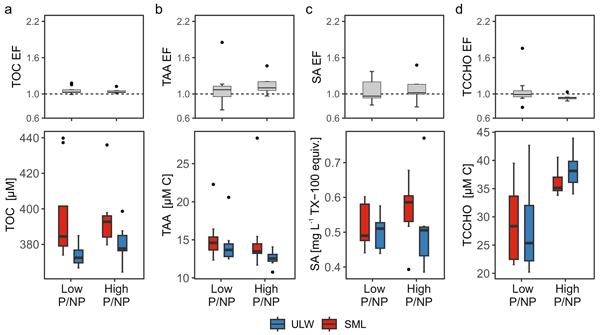
Cyanobacteria form massive summer blooms in the Baltic Sea that release organic compounds to the ocean’s surface. By analyzing the thin boundary layer between ocean and atmosphere, this study shows that cyanobacteria influence the molecular composition and surface properties of the sea surface, increasing surfactants that may reduce gas exchange. The findings provide new insight into how future cyanobacteria blooms could affect air-sea interactions and climate-related processes.
Yuanxu Dong, Christa A. Marandino, Ryo Dobashi, David T. Ho, Gregor Rehder, Henry C. Bittig, Josefine Karnatz, Bita Sabbaghzadeh, Helen Czerski, and Anja Engel
Atmos. Chem. Phys., 26, 5567–5587, https://doi.org/10.5194/acp-26-5567-2026, https://doi.org/10.5194/acp-26-5567-2026, 2026
Short summary
Short summary
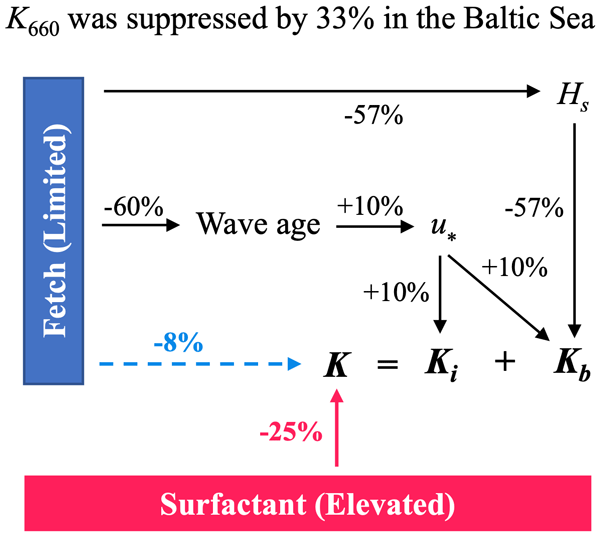
Air-sea gas exchange regulates the Earth’s climate. However, the description of the kinetic exchange process only uses wind speed, neglecting other drivers. In this study, we investigate how fetch and natural surfactants modulate air-sea carbon dioxide exchange. Measurements from the central Baltic Sea show that limited fetch and elevated surfactants significantly suppress this exchange. A new parameterisation is provided, improving regional carbon budgets and evaluations of climate solutions.
Theresa Barthelmeß, Karine Sellegri, Benjamin Pontiller, Lindsay Scheidemann, Karl Safi, and Anja Engel
EGUsphere, https://doi.org/10.5194/egusphere-2026-1873, https://doi.org/10.5194/egusphere-2026-1873, 2026
Short summary
Short summary
Sea spray transports marine organic particles into the atmosphere where they contribute to climate-relevant processes such as cloud formation. We investigated small biogenic gels which were enriched in sea spray aerosols in dependence on the surface sea water conditions as e.g. defined by phytoplankton composition and different organic matter pools. Moreover, the composition of these gels was size-dependent and did not directly mirror the composition of their marine precursors.
Evelyn Freney, Karine Sellegri, Therese Barthelmeß, Anja Engel, Darrel Baumgardner, and Dagen Hughes
EGUsphere, https://doi.org/10.5194/egusphere-2026-87, https://doi.org/10.5194/egusphere-2026-87, 2026
Short summary
Short summary
The exchange of material between the ocean and atmosphere plays an important role in regulating Earth’s climate. Through wave action, the ocean releases tiny airborne particles that influence atmospheric processes. This study examines how biological and chemical processes in seawater affect the properties of particles emitted from the ocean, highlighting the complex links between ocean biology and marine aerosols.

Amavi Silva, Surandokht Nikzad, Theresa Barthelmeß, Anja Engel, Hartmut Herrmann, Manuela van Pinxteren, Kai Wirtz, Oliver Wurl, and Markus Schartau
Biogeosciences, 23, 1697–1718, https://doi.org/10.5194/bg-23-1697-2026, https://doi.org/10.5194/bg-23-1697-2026, 2026
Short summary
Short summary
We conducted the first meta-analysis combining marine and freshwater studies to understand organic matter enrichment in the surface microlayer. Nitrogen-rich, particulate compounds are often enriched, with patterns varying by multiple factors. We recommend tracking both absolute concentrations and normalized enrichment patterns to better assess ecological conditions. Our study also introduces improved statistical methods for analyzing and comparing surface microlayer data.
Lin Yang, Bin Yang, Jing Zhang, Anja Engel, and Gui-Peng Yang
Biogeosciences, 23, 1261–1278, https://doi.org/10.5194/bg-23-1261-2026, https://doi.org/10.5194/bg-23-1261-2026, 2026
Short summary
Short summary
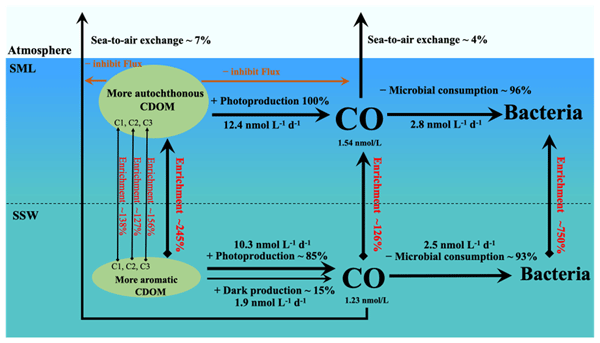
Carbon monoxide (CO), chromophoric dissolved organic matter (CDOM), and fluorescent dissolved organic matter (FDOM) were more frequently enriched in the higher temperature and salinity off-shore regions. Marine-humic like CDOM tends to inhibit the sea-to-air flux of CO in the sea-surface microlayer (SML). The enrichment and photochemical process of CO in the SML were more active during the daytime. The photochemical production and microbial consumption rates of CO in the SML were more active than in the subsurface layer (SSW).

Carsten Rauch, Lisa Deyle, Leonie Jaeger, Edgar Fernando Cortés-Espinoza, Mariana Ribas-Ribas, Josefine Karnatz, Anja Engel, and Oliver Wurl
Ocean Sci., 22, 403–426, https://doi.org/10.5194/os-22-403-2026, https://doi.org/10.5194/os-22-403-2026, 2026
Short summary
Short summary
Microsensors measuring oxygen and temperature were used to gain high-resolution profiles across the surface of a water basin, in which an algal bloom was induced. These novel data show that the oxygen at the sea surface is highly influenced by algal blooms, while the temperature is only indirectly affected by them. Since algal blooms occur globally, this has considerable implications for calculating global air-sea exchanges of gases or heat, especially under low-wind conditions.
Riaz Bibi, Mariana Ribas-Ribas, Leonie Jaeger, Carola Lehners, Lisa Gassen, Edgar Fernando Cortés-Espinoza, Jochen Wollschläger, Claudia Thölen, Hannelore Waska, Jasper Zöbelein, Thorsten Brinkhoff, Isha Athale, Rüdiger Röttgers, Michael Novak, Anja Engel, Theresa Barthelmeß, Josefine Karnatz, Thomas Reinthaler, Dmytro Spriahailo, Gernot Friedrichs, Falko Asmussen Schäfer, and Oliver Wurl
Biogeosciences, 22, 7563–7589, https://doi.org/10.5194/bg-22-7563-2025, https://doi.org/10.5194/bg-22-7563-2025, 2025
Short summary
Short summary
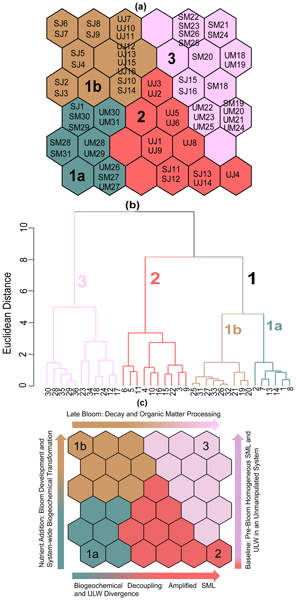
A multidisciplinary mesocosm study was conducted to investigate biogeochemical processes and their relationships in the sea-surface microlayer and underlying water during an induced phytoplankton bloom. Phytoplankton-derived organic matter, fuelled microbial activity and biofilm formation, supporting high bacterial abundance. Distinct temporal patterns in biogeochemical parameters and greater variability in the sea-surface microlayer highlight its influence on air–sea interactions.
Anisbel Leon-Marcos, Moritz Zeising, Manuela van Pinxteren, Sebastian Zeppenfeld, Astrid Bracher, Elena Barbaro, Anja Engel, Matteo Feltracco, Ina Tegen, and Bernd Heinold
Geosci. Model Dev., 18, 4183–4213, https://doi.org/10.5194/gmd-18-4183-2025, https://doi.org/10.5194/gmd-18-4183-2025, 2025
Short summary
Short summary
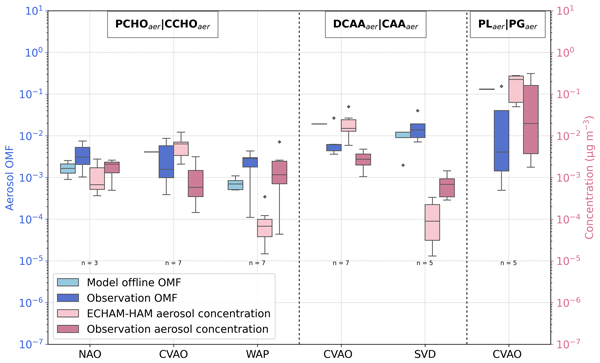
This study represents the primary marine organic aerosol (PMOA) emissions, focusing on their sea–atmosphere transfer. Using the FESOM2.1–REcoM3 model, concentrations of key organic biomolecules were estimated and integrated into the ECHAM6.3–HAM2.3 aerosol–climate model. Results highlight the influence of marine biological activity and surface winds on PMOA emissions, with reasonably good agreement with observations improving aerosol representation in the southern oceans.
Karine Sellegri, Theresa Barthelmeß, Jonathan Trueblood, Antonia Cristi, Evelyn Freney, Clémence Rose, Neill Barr, Mike Harvey, Karl Safi, Stacy Deppeler, Karen Thompson, Wayne Dillon, Anja Engel, and Cliff Law
Atmos. Chem. Phys., 23, 12949–12964, https://doi.org/10.5194/acp-23-12949-2023, https://doi.org/10.5194/acp-23-12949-2023, 2023
Short summary
Short summary
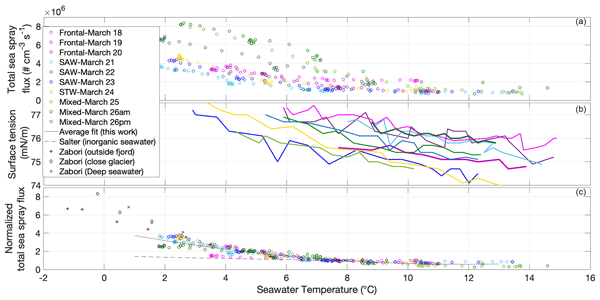
The amount of sea spray emitted to the atmosphere depends on the ocean temperature, but this dependency is not well understood, especially when ocean biology is involved. In this study, we show that sea spray emissions are increased by up to a factor of 4 at low seawater temperatures compared to moderate temperatures, and we quantify the temperature dependence as a function of the ocean biogeochemistry.
Manon Rocco, Erin Dunne, Alexia Saint-Macary, Maija Peltola, Theresa Barthelmeß, Neill Barr, Karl Safi, Andrew Marriner, Stacy Deppeler, James Harnwell, Anja Engel, Aurélie Colomb, Alfonso Saiz-Lopez, Mike Harvey, Cliff S. Law, and Karine Sellegri
EGUsphere, https://doi.org/10.5194/egusphere-2023-516, https://doi.org/10.5194/egusphere-2023-516, 2023
Preprint archived
Short summary
Short summary
During the Sea2cloud campaign in the Southern Pacific Ocean, we measured air-sea emissions from phytopankton of two key atmospheric compounds: DMS and MeSH. These compounds are well-known to play a great role in atmospheric chemistry and climate. We see in this paper that these compounds are most emited by the nanophytoplankton population. We provide here parameters for climate models to predict future trends of the emissions of these compounds and their roles and impacts on the global warming.

Lin Yang, Jing Zhang, Anja Engel, and Gui-Peng Yang
Biogeosciences, 19, 5251–5268, https://doi.org/10.5194/bg-19-5251-2022, https://doi.org/10.5194/bg-19-5251-2022, 2022
Short summary
Short summary
Enrichment factors of dissolved organic matter (DOM) in the eastern marginal seas of China exhibited a significant spatio-temporal variation. Photochemical and enrichment processes co-regulated DOM enrichment in the sea-surface microlayer (SML). Autochthonous DOM was more frequently enriched in the SML than terrestrial DOM. DOM in the sub-surface water exhibited higher aromaticity than that in the SML.
Quentin Devresse, Kevin W. Becker, Arne Bendinger, Johannes Hahn, and Anja Engel
Biogeosciences, 19, 5199–5219, https://doi.org/10.5194/bg-19-5199-2022, https://doi.org/10.5194/bg-19-5199-2022, 2022
Short summary
Short summary
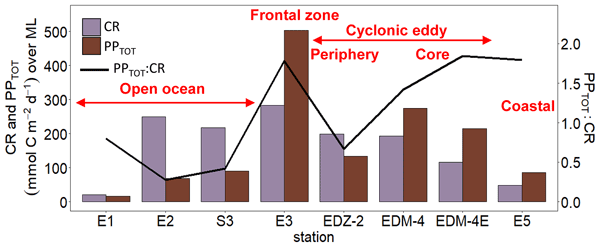
Eddies are ubiquitous in the ocean and alter physical, chemical, and biological processes. However, how they affect organic carbon production and consumption is largely unknown. Here we show how an eddy triggers a cascade effect on biomass production and metabolic activities of phyto- and bacterioplankton. Our results may contribute to the improvement of biogeochemical models used to estimate carbon fluxes in the ocean.

Theresa Barthelmeß and Anja Engel
Biogeosciences, 19, 4965–4992, https://doi.org/10.5194/bg-19-4965-2022, https://doi.org/10.5194/bg-19-4965-2022, 2022
Short summary
Short summary
Greenhouse gases released by human activity cause a global rise in mean temperatures. While scientists can predict how much of these gases accumulate in the atmosphere based on not only human-derived sources but also oceanic sinks, it is rather difficult to predict the major influence of coastal ecosystems. We provide a detailed study on the occurrence, composition, and controls of substances that suppress gas exchange. We thus help to determine what controls coastal greenhouse gas fluxes.
Manuela van Pinxteren, Tiera-Brandy Robinson, Sebastian Zeppenfeld, Xianda Gong, Enno Bahlmann, Khanneh Wadinga Fomba, Nadja Triesch, Frank Stratmann, Oliver Wurl, Anja Engel, Heike Wex, and Hartmut Herrmann
Atmos. Chem. Phys., 22, 5725–5742, https://doi.org/10.5194/acp-22-5725-2022, https://doi.org/10.5194/acp-22-5725-2022, 2022
Short summary
Short summary
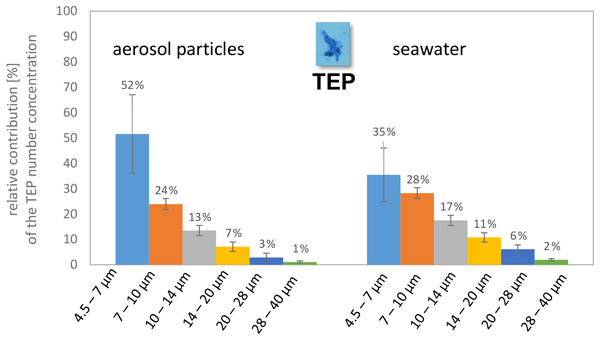
A class of marine particles (transparent exopolymer particles, TEPs) that is ubiquitously found in the world oceans was measured for the first time in ambient marine aerosol particles and marine cloud waters in the tropical Atlantic Ocean. TEPs are likely to have good properties for influencing clouds. We show that TEPs are transferred from the ocean to the marine atmosphere via sea-spray formation and our results suggest that they can also form directly in aerosol particles and in cloud water.
France Van Wambeke, Vincent Taillandier, Karine Desboeufs, Elvira Pulido-Villena, Julie Dinasquet, Anja Engel, Emilio Marañón, Céline Ridame, and Cécile Guieu
Biogeosciences, 18, 5699–5717, https://doi.org/10.5194/bg-18-5699-2021, https://doi.org/10.5194/bg-18-5699-2021, 2021
Short summary
Short summary
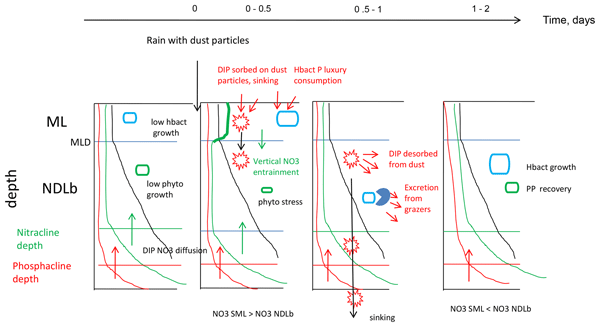
Simultaneous in situ measurements of (dry and wet) atmospheric deposition and biogeochemical stocks and fluxes in the sunlit waters of the open Mediterranean Sea revealed complex physical and biological processes occurring within the mixed layer. Nitrogen (N) budgets were computed to compare the sources and sinks of N in the mixed layer. The transitory effect observed after a wet dust deposition impacted the microbial food web down to the deep chlorophyll maximum.

Frédéric Gazeau, France Van Wambeke, Emilio Marañón, Maria Pérez-Lorenzo, Samir Alliouane, Christian Stolpe, Thierry Blasco, Nathalie Leblond, Birthe Zäncker, Anja Engel, Barbara Marie, Julie Dinasquet, and Cécile Guieu
Biogeosciences, 18, 5423–5446, https://doi.org/10.5194/bg-18-5423-2021, https://doi.org/10.5194/bg-18-5423-2021, 2021
Short summary
Short summary
Our study shows that the impact of dust deposition on primary production depends on the initial composition and metabolic state of the tested community and is constrained by the amount of nutrients added, to sustain both the fast response of heterotrophic prokaryotes and the delayed one of phytoplankton. Under future environmental conditions, heterotrophic metabolism will be more impacted than primary production, therefore reducing the capacity of surface waters to sequester anthropogenic CO2.
Jasper Zöbelein, Shubham Sawle, Gernot Friedrichs, Mariana Ribas-Ribas, Carola Lehners, Katharina Paetz, Maximilian Pflaum, and Hannelore Waska
Biogeosciences, 23, 5961–5982, https://doi.org/10.5194/bg-23-5961-2026, https://doi.org/10.5194/bg-23-5961-2026, 2026
Short summary
Short summary
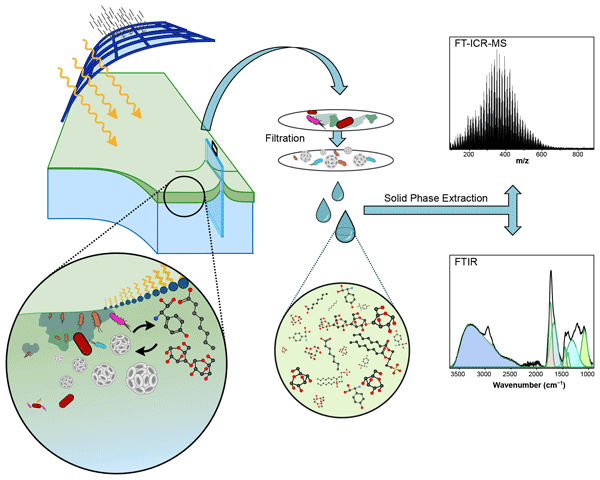
The ocean is glazed with a one-millimetre biofilm that controls the flow of gases and energy from the atmosphere. To investigate how this film forms, we cultivated microscopic algae in a tank under controlled, windless conditions. Our results show that carbohydrates released by these algae rise to the surface, forming "carbo-slicks" that create a gel-like layer. This demonstrates that biological production is a key driver of the sea surface, which is crucial for understanding carbon exchange.
Sophia Hirschmann, Anabel von Jackowski, Benjamin Pontiller, Katja Metfies, Vasily Povazhnyi, Stefan Neuhaus, Eva-Maria Nöthig, and Anja Engel
EGUsphere, https://doi.org/10.5194/egusphere-2026-4192, https://doi.org/10.5194/egusphere-2026-4192, 2026
This preprint is open for discussion and under review for Biogeosciences (BG).
Short summary
Short summary
Phytoplankton release dissolved organic carbon, including carbohydrates, which are either recycled by microbes or form sticky, sugar-containing gels that may contribute to carbon export via aggregation. By studying phytoplankton communities, dissolved carbohydrate composition and gel formation in the Fram Strait and Kara Sea, we show that blooms dominated by different phytoplankton groups leave distinct organic signatures, suggesting that community shifts could alter carbon processing pathways.
Josefine Karnatz, Theresa Barthelmeß, Bita Sabbaghzadeh, and Anja Engel
Biogeosciences, 23, 4145–4169, https://doi.org/10.5194/bg-23-4145-2026, https://doi.org/10.5194/bg-23-4145-2026, 2026
Short summary
Short summary
Cyanobacteria form massive summer blooms in the Baltic Sea that release organic compounds to the ocean’s surface. By analyzing the thin boundary layer between ocean and atmosphere, this study shows that cyanobacteria influence the molecular composition and surface properties of the sea surface, increasing surfactants that may reduce gas exchange. The findings provide new insight into how future cyanobacteria blooms could affect air-sea interactions and climate-related processes.
Falko Asmussen-Schäfer, Mariana Ribas-Ribas, Oliver Wurl, and Gernot Friedrichs
Biogeosciences, 23, 3159–3178, https://doi.org/10.5194/bg-23-3159-2026, https://doi.org/10.5194/bg-23-3159-2026, 2026
Short summary
Short summary
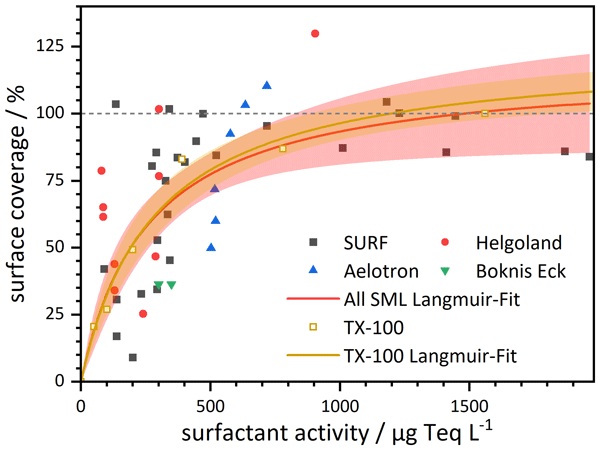
We developed an approach to quantify how molecules accumulate at the ocean surface on a nanometer scale. By combining laser spectroscopy with an electrochemical technique, we determined how densely these molecular films cover the water surface. Such single-molecule-thick layers can strongly affect gas transfer between the ocean and the atmosphere. Comparing our measurements with existing datasets allowed us to generate an initial global estimate of surfactant surface coverage potential.
Yuanxu Dong, Christa A. Marandino, Ryo Dobashi, David T. Ho, Gregor Rehder, Henry C. Bittig, Josefine Karnatz, Bita Sabbaghzadeh, Helen Czerski, and Anja Engel
Atmos. Chem. Phys., 26, 5567–5587, https://doi.org/10.5194/acp-26-5567-2026, https://doi.org/10.5194/acp-26-5567-2026, 2026
Short summary
Short summary
Air-sea gas exchange regulates the Earth’s climate. However, the description of the kinetic exchange process only uses wind speed, neglecting other drivers. In this study, we investigate how fetch and natural surfactants modulate air-sea carbon dioxide exchange. Measurements from the central Baltic Sea show that limited fetch and elevated surfactants significantly suppress this exchange. A new parameterisation is provided, improving regional carbon budgets and evaluations of climate solutions.
Theresa Barthelmeß, Karine Sellegri, Benjamin Pontiller, Lindsay Scheidemann, Karl Safi, and Anja Engel
EGUsphere, https://doi.org/10.5194/egusphere-2026-1873, https://doi.org/10.5194/egusphere-2026-1873, 2026
Short summary
Short summary
Sea spray transports marine organic particles into the atmosphere where they contribute to climate-relevant processes such as cloud formation. We investigated small biogenic gels which were enriched in sea spray aerosols in dependence on the surface sea water conditions as e.g. defined by phytoplankton composition and different organic matter pools. Moreover, the composition of these gels was size-dependent and did not directly mirror the composition of their marine precursors.
Evelyn Freney, Karine Sellegri, Therese Barthelmeß, Anja Engel, Darrel Baumgardner, and Dagen Hughes
EGUsphere, https://doi.org/10.5194/egusphere-2026-87, https://doi.org/10.5194/egusphere-2026-87, 2026
Short summary
Short summary
The exchange of material between the ocean and atmosphere plays an important role in regulating Earth’s climate. Through wave action, the ocean releases tiny airborne particles that influence atmospheric processes. This study examines how biological and chemical processes in seawater affect the properties of particles emitted from the ocean, highlighting the complex links between ocean biology and marine aerosols.
Amavi Silva, Surandokht Nikzad, Theresa Barthelmeß, Anja Engel, Hartmut Herrmann, Manuela van Pinxteren, Kai Wirtz, Oliver Wurl, and Markus Schartau
Biogeosciences, 23, 1697–1718, https://doi.org/10.5194/bg-23-1697-2026, https://doi.org/10.5194/bg-23-1697-2026, 2026
Short summary
Short summary
We conducted the first meta-analysis combining marine and freshwater studies to understand organic matter enrichment in the surface microlayer. Nitrogen-rich, particulate compounds are often enriched, with patterns varying by multiple factors. We recommend tracking both absolute concentrations and normalized enrichment patterns to better assess ecological conditions. Our study also introduces improved statistical methods for analyzing and comparing surface microlayer data.
Lin Yang, Bin Yang, Jing Zhang, Anja Engel, and Gui-Peng Yang
Biogeosciences, 23, 1261–1278, https://doi.org/10.5194/bg-23-1261-2026, https://doi.org/10.5194/bg-23-1261-2026, 2026
Short summary
Short summary
Carbon monoxide (CO), chromophoric dissolved organic matter (CDOM), and fluorescent dissolved organic matter (FDOM) were more frequently enriched in the higher temperature and salinity off-shore regions. Marine-humic like CDOM tends to inhibit the sea-to-air flux of CO in the sea-surface microlayer (SML). The enrichment and photochemical process of CO in the SML were more active during the daytime. The photochemical production and microbial consumption rates of CO in the SML were more active than in the subsurface layer (SSW).
Carsten Rauch, Lisa Deyle, Leonie Jaeger, Edgar Fernando Cortés-Espinoza, Mariana Ribas-Ribas, Josefine Karnatz, Anja Engel, and Oliver Wurl
Ocean Sci., 22, 403–426, https://doi.org/10.5194/os-22-403-2026, https://doi.org/10.5194/os-22-403-2026, 2026
Short summary
Short summary
Microsensors measuring oxygen and temperature were used to gain high-resolution profiles across the surface of a water basin, in which an algal bloom was induced. These novel data show that the oxygen at the sea surface is highly influenced by algal blooms, while the temperature is only indirectly affected by them. Since algal blooms occur globally, this has considerable implications for calculating global air-sea exchanges of gases or heat, especially under low-wind conditions.
Riaz Bibi, Mariana Ribas-Ribas, Leonie Jaeger, Carola Lehners, Lisa Gassen, Edgar Fernando Cortés-Espinoza, Jochen Wollschläger, Claudia Thölen, Hannelore Waska, Jasper Zöbelein, Thorsten Brinkhoff, Isha Athale, Rüdiger Röttgers, Michael Novak, Anja Engel, Theresa Barthelmeß, Josefine Karnatz, Thomas Reinthaler, Dmytro Spriahailo, Gernot Friedrichs, Falko Asmussen Schäfer, and Oliver Wurl
Biogeosciences, 22, 7563–7589, https://doi.org/10.5194/bg-22-7563-2025, https://doi.org/10.5194/bg-22-7563-2025, 2025
Short summary
Short summary
A multidisciplinary mesocosm study was conducted to investigate biogeochemical processes and their relationships in the sea-surface microlayer and underlying water during an induced phytoplankton bloom. Phytoplankton-derived organic matter, fuelled microbial activity and biofilm formation, supporting high bacterial abundance. Distinct temporal patterns in biogeochemical parameters and greater variability in the sea-surface microlayer highlight its influence on air–sea interactions.
Anisbel Leon-Marcos, Moritz Zeising, Manuela van Pinxteren, Sebastian Zeppenfeld, Astrid Bracher, Elena Barbaro, Anja Engel, Matteo Feltracco, Ina Tegen, and Bernd Heinold
Geosci. Model Dev., 18, 4183–4213, https://doi.org/10.5194/gmd-18-4183-2025, https://doi.org/10.5194/gmd-18-4183-2025, 2025
Short summary
Short summary
This study represents the primary marine organic aerosol (PMOA) emissions, focusing on their sea–atmosphere transfer. Using the FESOM2.1–REcoM3 model, concentrations of key organic biomolecules were estimated and integrated into the ECHAM6.3–HAM2.3 aerosol–climate model. Results highlight the influence of marine biological activity and surface winds on PMOA emissions, with reasonably good agreement with observations improving aerosol representation in the southern oceans.
Karine Sellegri, Theresa Barthelmeß, Jonathan Trueblood, Antonia Cristi, Evelyn Freney, Clémence Rose, Neill Barr, Mike Harvey, Karl Safi, Stacy Deppeler, Karen Thompson, Wayne Dillon, Anja Engel, and Cliff Law
Atmos. Chem. Phys., 23, 12949–12964, https://doi.org/10.5194/acp-23-12949-2023, https://doi.org/10.5194/acp-23-12949-2023, 2023
Short summary
Short summary
The amount of sea spray emitted to the atmosphere depends on the ocean temperature, but this dependency is not well understood, especially when ocean biology is involved. In this study, we show that sea spray emissions are increased by up to a factor of 4 at low seawater temperatures compared to moderate temperatures, and we quantify the temperature dependence as a function of the ocean biogeochemistry.
Manon Rocco, Erin Dunne, Alexia Saint-Macary, Maija Peltola, Theresa Barthelmeß, Neill Barr, Karl Safi, Andrew Marriner, Stacy Deppeler, James Harnwell, Anja Engel, Aurélie Colomb, Alfonso Saiz-Lopez, Mike Harvey, Cliff S. Law, and Karine Sellegri
EGUsphere, https://doi.org/10.5194/egusphere-2023-516, https://doi.org/10.5194/egusphere-2023-516, 2023
Preprint archived
Short summary
Short summary
During the Sea2cloud campaign in the Southern Pacific Ocean, we measured air-sea emissions from phytopankton of two key atmospheric compounds: DMS and MeSH. These compounds are well-known to play a great role in atmospheric chemistry and climate. We see in this paper that these compounds are most emited by the nanophytoplankton population. We provide here parameters for climate models to predict future trends of the emissions of these compounds and their roles and impacts on the global warming.
Lin Yang, Jing Zhang, Anja Engel, and Gui-Peng Yang
Biogeosciences, 19, 5251–5268, https://doi.org/10.5194/bg-19-5251-2022, https://doi.org/10.5194/bg-19-5251-2022, 2022
Short summary
Short summary
Enrichment factors of dissolved organic matter (DOM) in the eastern marginal seas of China exhibited a significant spatio-temporal variation. Photochemical and enrichment processes co-regulated DOM enrichment in the sea-surface microlayer (SML). Autochthonous DOM was more frequently enriched in the SML than terrestrial DOM. DOM in the sub-surface water exhibited higher aromaticity than that in the SML.
Quentin Devresse, Kevin W. Becker, Arne Bendinger, Johannes Hahn, and Anja Engel
Biogeosciences, 19, 5199–5219, https://doi.org/10.5194/bg-19-5199-2022, https://doi.org/10.5194/bg-19-5199-2022, 2022
Short summary
Short summary
Eddies are ubiquitous in the ocean and alter physical, chemical, and biological processes. However, how they affect organic carbon production and consumption is largely unknown. Here we show how an eddy triggers a cascade effect on biomass production and metabolic activities of phyto- and bacterioplankton. Our results may contribute to the improvement of biogeochemical models used to estimate carbon fluxes in the ocean.
Theresa Barthelmeß and Anja Engel
Biogeosciences, 19, 4965–4992, https://doi.org/10.5194/bg-19-4965-2022, https://doi.org/10.5194/bg-19-4965-2022, 2022
Short summary
Short summary
Greenhouse gases released by human activity cause a global rise in mean temperatures. While scientists can predict how much of these gases accumulate in the atmosphere based on not only human-derived sources but also oceanic sinks, it is rather difficult to predict the major influence of coastal ecosystems. We provide a detailed study on the occurrence, composition, and controls of substances that suppress gas exchange. We thus help to determine what controls coastal greenhouse gas fluxes.
Manuela van Pinxteren, Tiera-Brandy Robinson, Sebastian Zeppenfeld, Xianda Gong, Enno Bahlmann, Khanneh Wadinga Fomba, Nadja Triesch, Frank Stratmann, Oliver Wurl, Anja Engel, Heike Wex, and Hartmut Herrmann
Atmos. Chem. Phys., 22, 5725–5742, https://doi.org/10.5194/acp-22-5725-2022, https://doi.org/10.5194/acp-22-5725-2022, 2022
Short summary
Short summary
A class of marine particles (transparent exopolymer particles, TEPs) that is ubiquitously found in the world oceans was measured for the first time in ambient marine aerosol particles and marine cloud waters in the tropical Atlantic Ocean. TEPs are likely to have good properties for influencing clouds. We show that TEPs are transferred from the ocean to the marine atmosphere via sea-spray formation and our results suggest that they can also form directly in aerosol particles and in cloud water.
France Van Wambeke, Vincent Taillandier, Karine Desboeufs, Elvira Pulido-Villena, Julie Dinasquet, Anja Engel, Emilio Marañón, Céline Ridame, and Cécile Guieu
Biogeosciences, 18, 5699–5717, https://doi.org/10.5194/bg-18-5699-2021, https://doi.org/10.5194/bg-18-5699-2021, 2021
Short summary
Short summary
Simultaneous in situ measurements of (dry and wet) atmospheric deposition and biogeochemical stocks and fluxes in the sunlit waters of the open Mediterranean Sea revealed complex physical and biological processes occurring within the mixed layer. Nitrogen (N) budgets were computed to compare the sources and sinks of N in the mixed layer. The transitory effect observed after a wet dust deposition impacted the microbial food web down to the deep chlorophyll maximum.
Frédéric Gazeau, France Van Wambeke, Emilio Marañón, Maria Pérez-Lorenzo, Samir Alliouane, Christian Stolpe, Thierry Blasco, Nathalie Leblond, Birthe Zäncker, Anja Engel, Barbara Marie, Julie Dinasquet, and Cécile Guieu
Biogeosciences, 18, 5423–5446, https://doi.org/10.5194/bg-18-5423-2021, https://doi.org/10.5194/bg-18-5423-2021, 2021
Short summary
Short summary
Our study shows that the impact of dust deposition on primary production depends on the initial composition and metabolic state of the tested community and is constrained by the amount of nutrients added, to sustain both the fast response of heterotrophic prokaryotes and the delayed one of phytoplankton. Under future environmental conditions, heterotrophic metabolism will be more impacted than primary production, therefore reducing the capacity of surface waters to sequester anthropogenic CO2.
Cited articles
Alpers, W. and Hühnerfuss, H.: The damping of ocean waves by surface films: A new look at an old problem, J. Geophys. Res.-Oceans, 94, 6251–6265, 1989.
Asher, W. E., Karle, L. M., and Higgins, B. J.: On the differences between bubble-mediated air–water transfer in freshwater and seawater, J. Mar. Res., 55, 813–845, 1997.
Barthelmeß, T. and Engel, A.: How biogenic polymers control surfactant dynamics in the surface microlayer: insights from a coastal Baltic Sea study, Biogeosciences, 19, 4965–4992, https://doi.org/10.5194/bg-19-4965-2022, 2022.
Barthelmeß, T., Schütte, F., and Engel, A.: Variability of the sea surface microlayer across a filament's edge and potential influences on gas exchange, Front. Mar. Sci., 8, 718384, https://doi.org/10.3389/fmars.2021.718384, 2021.
Blanchard, D. C.: Bubble scavenging and the water-to-air transfer of organic material in the sea, in: Applied Chemistry at Protein Interfaces, ACS Symp. Ser., American Chemical Society, 18, 360–387, https://doi.org/10.1021/ba-1975-0145.ch018, 1975.
Bopp, M.: Luft- und wasserseitige Strömungsverhältnisse im ringförmigen Heidelberger Wind-Wellen-Kanal (Aeolotron), Master's thesis, Universität Heidelberg, Germany, https://doi.org/10.11588/heidok.00017151, 2014.
Broecker, H. C., Petermann, J., and Siems, W.: The influence of wind on CO2 exchange in a wind-wave tunnel, including the effects of monolayers, J. Mar. Res., 36, 595–610, 1978.
Buck-Wiese, H., Andskog, M. A., Nguyen, N. P., Bligh, M., Asmala, E., Vidal-Melgosa, S., and Hehemann, J. H.: Fucoid brown algae inject fucoidan carbon into the ocean, P. Natl. Acad. Sci. USA, 120, e2210561119, https://doi.org/10.1073/pnas.2210561119, 2023.
Burrows, S. M., Ogunro, O., Frossard, A. A., Russell, L. M., Rasch, P. J., and Elliott, S. M.: A physically based framework for modeling the organic fractionation of sea spray aerosol from bubble film Langmuir equilibria, Atmos. Chem. Phys., 14, 13601–13629, https://doi.org/10.5194/acp-14-13601-2014, 2014.
Cini, R., Lombardini, P. P., and Hühnerfuss, H.: Remote sensing of marine slicks utilizing their influence on wave spectra, Int. J. Remote Sens., 4, 101–110, 1983.
Ćosović, B. and Vojvodić, V.: Voltammetric analysis of surface active substances in natural seawater, Electroanalysis, 10, 429–434, 1998.
Croot, P. L., Passow, U., Assmy, P., Jansen, S., and Strass, V. H.: Surface active substances in the upper water column during a Southern Ocean Iron Fertilization Experiment (EIFEX), Geophys. Res. Lett., 34, L03612, https://doi.org/10.1029/2006GL028080, 2007.
Cunliffe, M. and Murrell, J. C.: The sea-surface microlayer is a gelatinous biofilm, ISME J., 3, 1001–1003, https://doi.org/10.1038/ismej.2009.69, 2009.
Cunliffe, M. and Wurl, O.: Guide to best practices to study the ocean's surface, Occas. Publ. Mar. Biol. Assoc. UK, ISSN 0260-2784, 2014.
Cunliffe, M., Engel, A., Frka, S., Gašparović, B., Guitart, C., Murrell, J. C., and Wurl, O.: Sea surface microlayers: A unified physicochemical and biological perspective of the air–ocean interface, Prog. Oceanogr., 109, 104–116, 2013.
Cuscov, M. and Muller, F. L.: Differentiating humic and algal surface active substances in coastal waters by their pH-dependent adsorption behaviour, Mar. Chem., 174, 35–45, 2015.
Dauwe, B. and Middelburg, J. J.: Amino acids and hexosamines as indicators of organic matter degradation state in North Sea sediments, Limnol. Oceanogr., 43, 782–798, 1998.
Dauwe, B., Middelburg, J. J., Herman, P. M. J., and Heip, C. H. R.: Linking diagenetic alteration of amino acids and bulk organic matter reactivity, Limnol. Oceanogr., 44, 1809–1814, 1999.
Dittmar, T., Cherrier, J., and Ludwichowski, K. U.: The analysis of amino acids in seawater, in: Practical Guidelines for the Analysis of Seawater, CRC Press, 79–90, https://doi.org/10.1201/9781420073072, 2009.
Edson, J. B., Jampana, V., Weller, R. A., Bigorre, S. P., Plueddemann, A. J., Fairall, C. W., Miller, S. D., Mahrt, L., Vickers, D., and Hersbach, H.: On the exchange of momentum over the open ocean, J. Phys. Oceanogr., 43, 1589–1610, https://doi.org/10.1175/JPO-D-12-0173.1, 2013.
Engel, A.: Experimental data on the impact of wind speed on SML biopolymer enrichment, surface roughness, and interfacial surfactant coverage at the Heidelberg “Aeolotron”, PANGAEA [data set], https://doi.org/10.1594/PANGAEA.992654, 2026.
Engel, A. and Galgani, L.: The organic sea-surface microlayer in the upwelling region off the coast of Peru and potential implications for air–sea exchange processes, Biogeosciences, 13, 989–1007, https://doi.org/10.5194/bg-13-989-2016, 2016.
Engel, A. and Händel, N.: A novel protocol for determining the concentration and composition of sugars in particulate and in high molecular weight dissolved organic matter in seawater, Mar. Chem., 127, 180–191, 2011.
Engel, A., Delille, B., Jacquet, S., Riebesell, U., Rochelle-Newall, E., Terbrüggen, A., and Zondervan, I.: Transparent exopolymer particles and dissolved organic carbon production by Emiliania huxleyi exposed to different CO2 concentrations: a mesocosm experiment, Aquat. Microb. Ecol., 34, 93–104, 2004.
Engel, A., Harlay, J., Piontek, J., and Chou, L.: Contribution of combined carbohydrates to dissolved and particulate organic carbon after the spring bloom in the northern Bay of Biscay, Cont. Shelf Res., 45, 42–53, 2012.
Engel, A., Bange, H. W., Cunliffe, M., Burrows, S. M., Friedrichs, G., Galgani, L., and Zäncker, B.: The ocean's vital skin: Toward an integrated understanding of the sea surface microlayer, Front. Mar. Sci., 4, 165, https://doi.org/10.3389/fmars.2017.00165, 2017.
Engel, A., Sperling, M., Sun, C., Grosse, J., and Friedrichs, G.: Organic matter in the surface microlayer: Insights from a wind wave channel experiment, Front. Mar. Sci., 5, 182, https://doi.org/10.3389/fmars.2018.00182, 2018.
Falkowska, L.: Sea surface microlayer: a field evaluation of Teflon plate, glass plate and screen sampling techniques. Part 1. Thickness of microlayer samples and relation to wind speed, Oceanologia, 41, 211–221, 1999.
Floris, R., Rizzo, C., and Giudice, A. L.: Biosurfactants from marine metabolomics: new insights into biology and medicine, Metabolomics, 3, https://doi.org/10.5772/intechopen.80493, 2020.
Frew, N. M., Goldman, J. C., Dennett, M. R., and Johnson, A. S.: Impact of phytoplankton-generated surfactants on air–sea gas exchange, J. Geophys. Res.-Oceans, 95, 3337–3352, 1990.
Frew, N. M., Bock, E. J., McGillis, W. R., Karachintsev, A. V., Hara, T., Münsterer, T., and Jähne, B.: Variation of air–water gas transfer with wind stress and surface viscoelasticity, in: Air–Water Gas Transfer, Zenodo, 529–541, https://doi.org/10.5281/zenodo.10405, 1995.
Frew, N. M., Bock, E. J., Schimpf, U., Hara, T., Haußecker, H., Edson, J. B., and Jähne, B.: Air–sea gas transfer: its dependence on wind stress, small-scale roughness, and surface films, J. Geophys. Res.-Oceans, 109, C08S17, https://doi.org/10.1029/2003JC002131, 2004.
Frka, S., Dautović, J., Kozarac, Z., Ćosović, B., Hoffer, A., and Kiss, G.: Surface-active substances in atmospheric aerosol: an electrochemical approach, Tellus B, 64, 18490, https://doi.org/10.3402/tellusb.v64i0.18490, 2012.
Gade, M., Alpers, W., Hühnerfuss, H., and Lange, P. A.: Wind wave tank measurements of wave damping and radar cross sections in the presence of monomolecular surface films, J. Geophys. Res.-Oceans, 103, 3167–3178, 1998.
Gašparović, B. and Ćosović, B.: Surface-active properties of organic matter in the North Adriatic Sea, Estuar. Coast. Shelf Sci., 58, 555–566, 2003.
Hühnerfuss, H., Alpers, W., Lange, P. A., and Walter, W.: Attenuation of wind waves by artificial surface films of different chemical structure, Geophys. Res. Lett., 8, 1184–1186, 1981.
Hunter, K. A. and Liss, P. S.: Organic sea surface films, in: Elsevier Oceanography Series, Elsevier, vol. 31, 259–298, https://doi.org/10.1016/S0422-9894(08)70331-3, 1981.
Jähne, B., Münnich, K. O., Bösinger, R., Dutzi, A., Huber, W., and Libner, P.: On the parameters influencing air–water gas exchange, J. Geophys. Res.-Oceans, 92, 1937–1949, 1987.
Jenkinson, I. R., Seuront, L., Ding, H., and Elias, F.: Biological modification of mechanical properties of the sea surface microlayer, influencing waves, ripples, foam and air–sea fluxes, Elementa, 6, 26, https://doi.org/10.1525/elementa.262, 2018.
Kiefhaber, D., Reith, S., Rocholz, R., and Jähne, B.: High-speed imaging of short wind waves by shape from refraction, J. Eur. Opt. Soc.-Rapid Publ., 9, 14015, https://doi.org/10.2971/jeos.2014.14015, 2014.
Kock, A., Schafstall, J., Dengler, M., Brandt, P., and Bange, H. W.: Sea-to-air and diapycnal nitrous oxide fluxes in the eastern tropical North Atlantic Ocean, Biogeosciences, 9, 957–964, https://doi.org/10.5194/bg-9-957-2012, 2012.
Krall, K. E.: Laboratory investigations of air–sea gas transfer under a wide range of water surface conditions, PhD thesis, Universität Heidelberg, Germany, https://doi.org/10.11588/heidok.00014392, 2013.
Kunz, J.: Active thermography as a tool for the estimation of air–water transfer velocities, PhD thesis, Universität Heidelberg, Germany, https://doi.org/10.11588/heidok.00022903, 2017.
Kurata, N., Vella, K., Hamilton, B., Shivji, M., Soloviev, A., Matt, S., and Perrie, W.: Surfactant-associated bacteria in the near-surface layer of the ocean, Sci. Rep., 6, 19123, https://doi.org/10.1038/srep19123, 2016.
Kuznetsova, M. and Lee, C.: Enhanced extracellular enzymatic peptide hydrolysis in the sea-surface microlayer, Mar. Chem., 73, 319–332, 2001.
Kuznetsova, M., Lee, C., Aller, J., and Frew, N.: Enrichment of amino acids in the sea surface microlayer at coastal and open ocean sites in the North Atlantic Ocean, Limnol. Oceanogr., 49, 1605–1619, 2004.
Laß, K. and Friedrichs, G.: Revealing structural properties of the marine nanolayer from vibrational sum frequency generation spectra, J. Geophys. Res.-Oceans, 116, C08011, https://doi.org/10.1029/2010JC006609, 2011.
Laß, K., Bange, H. W., and Friedrichs, G.: Seasonal signatures in SFG vibrational spectra of the sea surface nanolayer at Boknis Eck Time Series Station (SW Baltic Sea), Biogeosciences, 10, 5325–5334, https://doi.org/10.5194/bg-10-5325-2013, 2013.
Laxague, N. J. M., Zappa, C. J., Soumya, S., and Wurl, O.: The suppression of ocean waves by biogenic slicks, J. R. Soc. Interface, 21, 20240385, https://doi.org/10.1098/rsif.2024.0385, 2024.
Lindroth, P. and Mopper, K.: High-performance liquid chromatographic determination of subpicomole amounts of amino acids by precolumn fluorescence derivatization with o-phthaldialdehyde, Anal. Chem., 51, 1667–1674, 1979.
Liu, K. and Dickhut, R. M.: Effects of wind speed and particulate matter source on surface microlayer characteristics and enrichment of organic matter in southern Chesapeake Bay, J. Geophys. Res.-Atmos., 103, 10571–10577, 1998.
Maßmig, M., Cisternas-Novoa, C., and Engel, A.: Uncovering the role of oxygen on organic carbon cycling: insights from a continuous culture study with a facultative anaerobic bacterioplankton species (Shewanella baltica), Front. Mar. Sci., 11, 1328392, https://doi.org/10.3389/fmars.2024.1328392, 2024.
McKenna, S. P. and Bock, E. J.: Physicochemical effects of the marine microlayer on air–sea gas transport, in: Marine Surface Films, Springer, Berlin, Heidelberg, 77–91, https://doi.org/10.1007/3-540-33271-5_9, 2006.
Mesarchaki, E., Kräuter, C., Krall, K. E., Bopp, M., Helleis, F., Williams, J., and Jähne, B.: Measuring air–sea gas-exchange velocities in a large-scale annular wind–wave tank, Ocean Sci., 11, 121–138, https://doi.org/10.5194/os-11-121-2015, 2015.
Nagel, L., Krall, K. E., and Jähne, B.: Measurements of air–sea gas transfer velocities in the Baltic Sea, Ocean Sci., 15, 235–247, https://doi.org/10.5194/os-15-235-2019, 2019.
Parsons, T. R., Stephens, K., and Strickland, J. D. H.: On the chemical composition of eleven species of marine phytoplankters, J. Fish. Res. Board Can., 18, 1001–1016, 1961.
Pereira, R., Ashton, I., Sabbaghzadeh, B., Shutler, J. D., and Upstill-Goddard, R. C.: Reduced air–sea CO2 exchange in the Atlantic Ocean due to biological surfactants, Nat. Geosci., 11, 492–496, https://doi.org/10.1038/s41561-018-0136-2, 2018.
Pogorzelski, S. J., Kogut, A. D., and Mazurek, A. Z.: Surface rheology parameters of source-specific surfactant films as indicators of organic matter dynamics, Hydrobiologia, 554, 67–81, 2006.
Reinthaler, T., Sintes, E., and Herndl, G. J.: Dissolved organic matter and bacterial production and respiration in the sea-surface microlayer of the open Atlantic and the western Mediterranean Sea, Limnol. Oceanogr., 53, 122–136, 2008.
Ribas-Ribas, M., Helleis, F., Rahlff, J., and Wurl, O.: Air–sea CO2 exchange in a large annular wind-wave tank and the effects of surfactants, Front. Mar. Sci., 5, 457, https://doi.org/10.3389/fmars.2018.00457, 2018.
Sabbaghzadeh, B., Upstill-Goddard, R. C., Beale, R., Pereira, R., and Nightingale, P. D.: The Atlantic Ocean surface microlayer from 50° N to 50° S is ubiquitously enriched in surfactants at wind speeds up to 13 m s−1, Geophys. Res. Lett., 44, 2852–2858, https://doi.org/10.1002/2017GL072988, 2017.
Santschi, P. H., Xu, C., Schwehr, K. A., Lin, P., Sun, L., Chin, W. C., and Quigg, A.: Can the protein
Satpute, S. K., Banat, I. M., Dhakephalkar, P. K., Banpurkar, A. G., and Chopade, B. A.: Biosurfactants, bioemulsifiers and exopolysaccharides from marine microorganisms, Biotechnol. Adv., 28, 436–450, 2010.
Schmidt, R. and Schneider, B.: The effect of surface films on the air–sea gas exchange in the Baltic Sea, Mar. Chem., 126, 56–62, 2011.
Schmundt, D., Münsterer, T., Lauer, H., and Jähne, B.: The circular wind-wave facilities at the University of Heidelberg, in: Air–Water Gas Transfer, edited by: Jähne, B. and Monahan, E. C., AEON, Hanau, Zenodo, 505–516, https://doi.org/10.5281/zenodo.10404, 1995.
Shaharom, S., Latif, M. T., Khan, M. F., Yusof, S. N. M., Sulong, N. A., Wahid, N. B. A., and Suratman, S.: Surfactants in the sea surface microlayer, subsurface water and fine marine aerosols in different background coastal areas, Environ. Sci. Pollut. Res., 25, 27074–27089, 2018.
Sieburth, J. M.: Microbiological and organic-chemical processes in the surface and mixed layers, in: Air–Sea Exchange of Gases and Particles, 121–172, https://doi.org/10.1007/978-94-009-7169-1_3, 1983.
Singh, A. and Tyagi, V. K.: Arginine-based novel cationic surfactants: a review, Tenside Surf. Det., 51, 202–214, 2014.
Stefan, R. L. and Szeri, A. J.: Surfactant scavenging and surface deposition by rising bubbles, J. Colloid Interface Sci., 212, 1–13, 1999.
Sun, C.-C., Sperling, M., and Engel, A.: Effect of wind speed on the size distribution of gel particles in the sea surface microlayer: insights from a wind–wave channel experiment, Biogeosciences, 15, 3577–3589, https://doi.org/10.5194/bg-15-3577-2018, 2018.
Tang, S. and Wu, J.: Suppression of wind-generated ripples by natural films: a laboratory study, J. Geophys. Res.-Oceans, 97, 5301–5306, 1992.
Tsai, W. T. and Liu, K. K.: An assessment of the effect of sea surface surfactant on global atmosphere–ocean CO2 flux, J. Geophys. Res.-Oceans, 108, 3127, https://doi.org/10.1029/2000JC000740, 2003.
Thornton, D. C.: Dissolved organic matter (DOM) release by phytoplankton in the contemporary and future ocean, Eur. J. Phycol., 49, 20–46, 2014.
van Pinxteren, M., Müller, C., Iinuma, Y., Stolle, C., and Herrmann, H.: Chemical characterization of dissolved organic compounds from coastal sea surface microlayers (Baltic Sea, Germany), Environ. Sci. Technol., 46, 10455–10462, 2012.
Wanninkhof, R., Asher, W. E., Ho, D. T., Sweeney, C., and McGillis, W. R.: Advances in quantifying air–sea gas exchange and environmental forcing, Annu. Rev. Mar. Sci., 1, 213–244, 2009.
Wei, Y. and Wu, J.: In situ measurements of surface tension, wave damping, and wind properties modified by natural films, J. Geophys. Res.-Oceans, 97, 5307–5313, 1992.
Wurl, O. and Holmes, M.: The gelatinous nature of the sea-surface microlayer, Mar. Chem., 110, 89–97, 2008.
Wurl, O., Wurl, E., Miller, L., Johnson, K., and Vagle, S.: Formation and global distribution of sea-surface microlayers, Biogeosciences, 8, 121–135, https://doi.org/10.5194/bg-8-121-2011, 2011.
Wurl, O., Stolle, C., Van Thuoc, C., Thu, P. T., and Mari, X.: Biofilm-like properties of the sea surface and predicted effects on air–sea CO2 exchange, Prog. Oceanogr., 144, 15–24, 2016.
Xu, C., Zhang, S., Chuang, C. Y., Miller, E. J., Schwehr, K. A., and Santschi, P. H.: Chemical composition and relative hydrophobicity of microbial exopolymeric substances isolated by anion exchange chromatography and their actinide-binding affinities, Mar. Chem., 126, 27–36, 2011.
Zäncker, B., Bracher, A., Röttgers, R., and Engel, A.: Variations of the organic matter composition in the sea surface microlayer: a comparison between open ocean, coastal, and upwelling sites off the Peruvian coast, Front. Microbiol., 8, 2369, https://doi.org/10.3389/fmicb.2017.02369, 2017.
Zhen, C., Ge, X. F., Lu, Y. T., and Liu, W. Z.: Chemical structure, properties and potential applications of surfactin, as well as advanced strategies for improving its microbial production, AIMS Microbiol., 9, 195–214, 2023.
Editorial statement
I am willing to support the recommendation by the associate editor to classify the manuscript as a highlight paper. Another reason for highlighting the mansucript is the fact that the study used natural seawater to mimic oceanic conditions. (The overwhelming majority of wind/wave tunnel studies uses freshwater.) Therefore, the results of the study by Engel et al. are unique because the study tried to come as close as possible to natural (i.e. oceanic) conditions.
I am willing to support the recommendation by the associate editor to classify the manuscript...
Short summary
We investigated how organic molecules in the ocean's surface layer accumulate and respond to wind. Using a large wind-wave tank filled with seawater, we found that natural molecules produced by marine microbes gather at the surface under light winds, slowing the exchange of gases such as carbon dioxide. When winds increase, this layer rapidly breaks down. These findings suggest that marine life can influence how the ocean and atmosphere interact, particularly in calm conditions.
We investigated how organic molecules in the ocean's surface layer accumulate and respond to...


Special issue
Altmetrics
Final-revised paper
Preprint