
Articles | Volume 23, issue 1
https://doi.org/10.5194/bg-23-421-2026
© Author(s) 2026. This work is distributed under
the Creative Commons Attribution 4.0 License.
the Creative Commons Attribution 4.0 License.
https://doi.org/10.5194/bg-23-421-2026
© Author(s) 2026. This work is distributed under
the Creative Commons Attribution 4.0 License.
the Creative Commons Attribution 4.0 License.
Research article
| 
14 Jan 2026
Research article |
| 14 Jan 2026
| 14 Jan 2026
Hydrography of intertidal environments in Schleswig-Holstein, Germany
Joachim Schönfeld
CORRESPONDING AUTHOR

GEOMAR Helmholtz-Zentrum für Ozeanforschung Kiel, 24148 Kiel, Germany
Hermann W. Bange
GEOMAR Helmholtz-Zentrum für Ozeanforschung Kiel, 24148 Kiel, Germany
Helmke Hepach
GEOMAR Helmholtz-Zentrum für Ozeanforschung Kiel, 24148 Kiel, Germany
Svenja Reents
Wadden Sea Station, Alfred-Wegener-Institut, Helmholtz-Zentrum für Polar- und Meeresforschung, 25992 List/Sylt, Germany
Related authors
Isabel Mendes, Julia Lübbers, Joachim Schönfeld, and Alexandra Cravo
EGUsphere, https://doi.org/10.5194/egusphere-2025-4555, https://doi.org/10.5194/egusphere-2025-4555, 2025
Short summary
Short summary
We tested a new method to help remove carbon dioxide from the atmosphere by adding natural substrates (olivine and basalt) to a coastal wetland in Portugal. Over one year, we saw a quick increase in water alkalinity and carbon moving from the lagoon to the ocean. These results show that coastal areas could play a role in fighting climate change. Our study helps understand how nature-based solutions might work in real-world conditions.
Joachim Schönfeld, Nicolaas Glock, Irina Polovodova Asteman, Alexandra-Sophie Roy, Marié Warren, Julia Weissenbach, and Julia Wukovits
J. Micropalaeontol., 42, 171–192, https://doi.org/10.5194/jm-42-171-2023, https://doi.org/10.5194/jm-42-171-2023, 2023
Short summary
Short summary
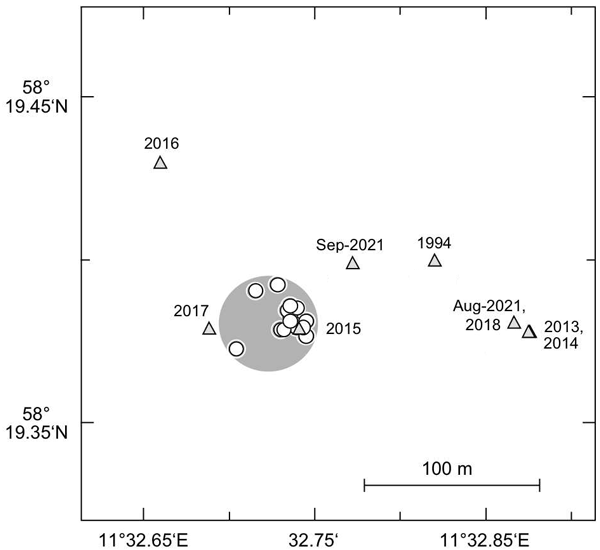
Benthic organisms show aggregated distributions due to the spatial heterogeneity of niches or food. We analysed the distribution of Globobulimina turgida in the Gullmar Fjord, Sweden, with a data–model approach. The population densities did not show any underlying spatial structure but a random log-normal distribution. A temporal data series from the same site depicted two cohorts of samples with high or low densities, which represent hypoxic or well-ventilated conditions in the fjord.
Sarina Schmidt, Ed C. Hathorne, Joachim Schönfeld, and Dieter Garbe-Schönberg
Biogeosciences, 19, 629–664, https://doi.org/10.5194/bg-19-629-2022, https://doi.org/10.5194/bg-19-629-2022, 2022
Short summary
Short summary
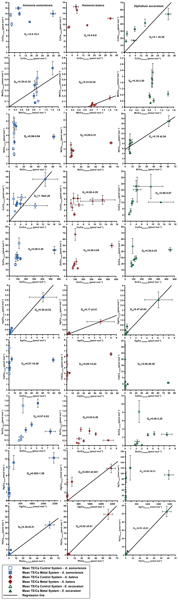
The study addresses the potential of marine shell-forming organisms as proxy carriers for heavy metal contamination in the environment. The aim is to investigate if the incorporation of heavy metals is a direct function of their concentration in seawater. Culturing experiments with a metal mixture were carried out over a wide concentration range. Our results show shell-forming organisms to be natural archives that enable the determination of metals in polluted and pristine environments.
Joachim Schönfeld, Valentina Beccari, Sarina Schmidt, and Silvia Spezzaferri
J. Micropalaeontol., 40, 195–223, https://doi.org/10.5194/jm-40-195-2021, https://doi.org/10.5194/jm-40-195-2021, 2021
Short summary
Short summary
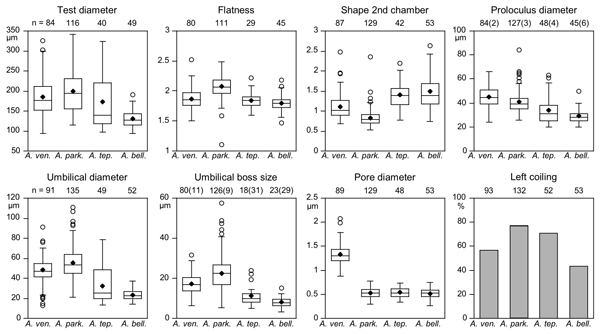
Ammonia beccarii was described from Rimini Beach in 1758. This taxon has often been mistaken with other species in the past. Recent studies assessed the biometry of Ammonia species and integrated it with genetic data but relied on a few large and dead specimens only. In a comprehensive approach, we assessed the whole living Ammonia assemblage near the type locality of A. beccarii and identified parameters which are robust and facilitate a secure species identification.
Lea Lange, Dennis Booge, Hendrik Feil, Josefine Karnatz, Ina Stoltenberg, Hermann W. Bange, and Christa A. Marandino
Biogeosciences, 23, 3517–3539, https://doi.org/10.5194/bg-23-3517-2026, https://doi.org/10.5194/bg-23-3517-2026, 2026
Short summary
Short summary
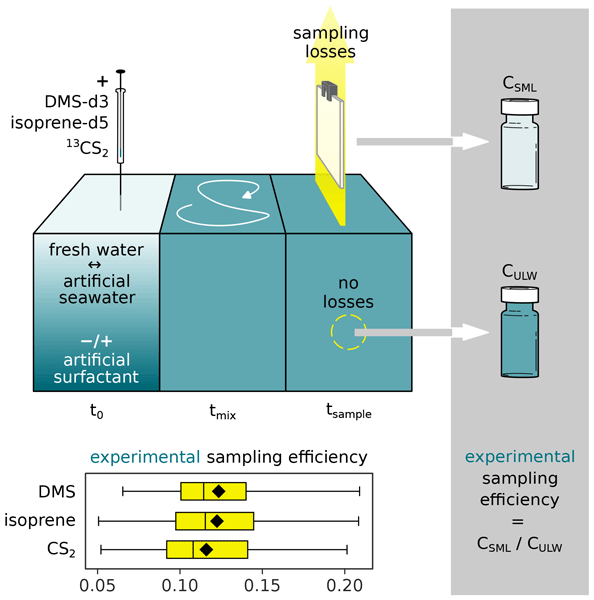
Many gases formed and destroyed in the ocean influence climate and air quality, with evidence that these processes also happen in the skin of the ocean. Studies of this thin upper layer use specialized sampling equipment, which is known to cause losses of the gases. We performed lab experiments to quantify these losses for three gases and found that 13 % remain after sampling. With further tests, our results can be used to obtain reliable gas measurements in the field, which have been elusive.
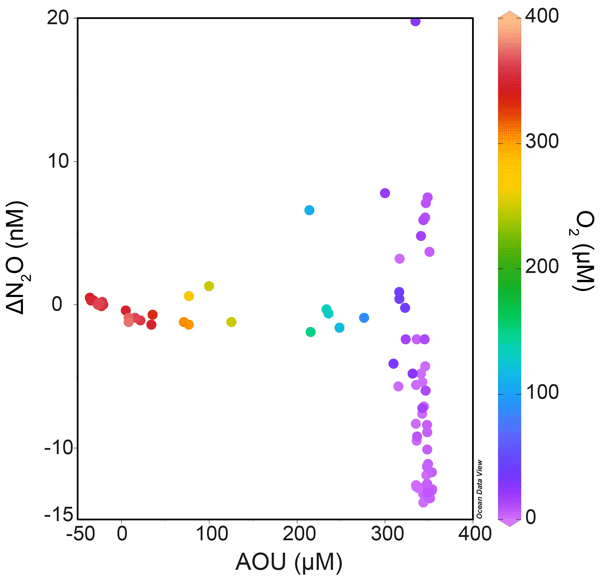
Pratirupa Bardhan, Claudia Frey, Gregor Rehder, and Hermann W. Bange
Biogeosciences, 23, 1987–2002, https://doi.org/10.5194/bg-23-1987-2026, https://doi.org/10.5194/bg-23-1987-2026, 2026
Short summary
Short summary
Nitrous oxide (N2O), a potent greenhouse gas, is released from coastal seas & estuaries, yet we don't fully understand how it is formed and consumed. In this study we collected water from several sites in the central Baltic Sea. N2O came from ammonia in oxic waters. Deep waters with low to no oxygen noted more active N2O cycling. The seafloor was a source in some areas. Typically N2O is produced by bacteria, but our results indicate possibility of other players like fungi or chemical reactions.
Ina Stoltenberg, Lea Lange, and Hermann W. Bange
Biogeosciences, 23, 1515–1525, https://doi.org/10.5194/bg-23-1515-2026, https://doi.org/10.5194/bg-23-1515-2026, 2026
Short summary
Short summary
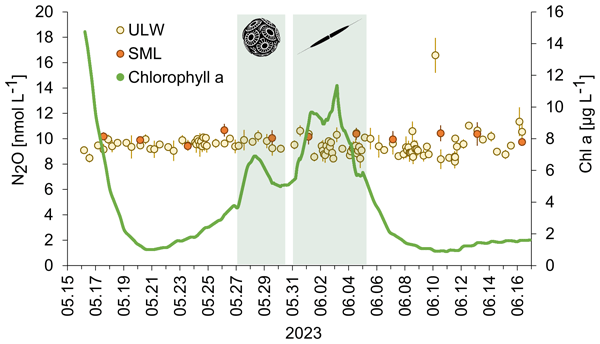
In order to decipher the effect of a phytoplankton bloom on N2O, dissolved N2O was measured in the upper 1 mm of the water column (seasurface microlayer) and in the underlying water during a mesocosm study. N2O concentrations were slightly enriched in the microlayer compared to the underlying water and were apparently not affected by irradiation and a phytoplankton bloom. Our results indicate that the role of the surface microlayer for N2O cycling has been overlooked so far.
Lina A. Holthusen, Hermann W. Bange, Thomas H. Badewien, Julia C. Muchowski, Tina Santl-Temkiv, Jennie Spicker Schmidt, Oliver Wurl, and Damian L. Arévalo-Martínez
The Cryosphere, 20, 535–550, https://doi.org/10.5194/tc-20-535-2026, https://doi.org/10.5194/tc-20-535-2026, 2026
Short summary
Short summary
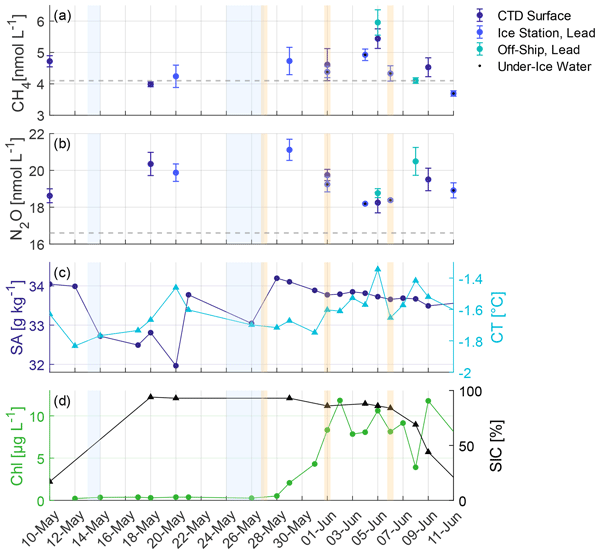
In spring 2023, in the Fram Strait, we investigated the near-surface distribution of the greenhouse gases methane and nitrous oxide in open leads and under sea ice to address the lack of observations in the Arctic Ocean. The study area acted as a source for both gases, and the onset of sea ice melt affected their concentrations and emissions. Surface-active substances accumulated in the sea-surface microlayer of open leads during an algal bloom, potentially attenuating greenhouse gas emissions.
Gesa Schulz, Kirstin Dähnke, Tina Sanders, Jan Penopp, Hermann W. Bange, Rena Czeschel, and Birgit Gaye
Biogeosciences, 22, 5943–5959, https://doi.org/10.5194/bg-22-5943-2025, https://doi.org/10.5194/bg-22-5943-2025, 2025
Short summary
Short summary
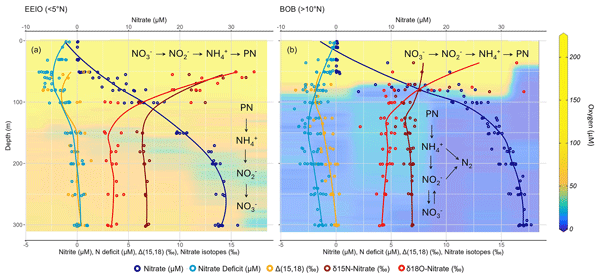
Oxygen-minimum zones (OMZs) are low-oxygen ocean areas that deplete nitrogen, a key marine nutrient. Understanding nitrogen cycling in OMZs is crucial for the global nitrogen cycle. This study examined nitrogen cycling in the OMZ of the Bay of Bengal and the East Equatorial Indian Ocean, revealing limited mixing between both regions. Surface phytoplankton consumes nitrate, while deeper nitrification recycles nitrogen. In the BoB’s OMZ (100–300 m), nitrogen loss likely occurs via anammox.
Isabel Mendes, Julia Lübbers, Joachim Schönfeld, and Alexandra Cravo
EGUsphere, https://doi.org/10.5194/egusphere-2025-4555, https://doi.org/10.5194/egusphere-2025-4555, 2025
Short summary
Short summary
We tested a new method to help remove carbon dioxide from the atmosphere by adding natural substrates (olivine and basalt) to a coastal wetland in Portugal. Over one year, we saw a quick increase in water alkalinity and carbon moving from the lagoon to the ocean. These results show that coastal areas could play a role in fighting climate change. Our study helps understand how nature-based solutions might work in real-world conditions.

Johnathan Daniel Maxey, Neil D. Hartstein, Hermann W. Bange, and Moritz Müller
Biogeosciences, 21, 5613–5637, https://doi.org/10.5194/bg-21-5613-2024, https://doi.org/10.5194/bg-21-5613-2024, 2024
Short summary
Short summary
The distribution of N2O in fjord-like estuaries is poorly described in the Southern Hemisphere. Our study describes N2O distribution and its drivers in one such system in Macquarie Harbour, Tasmania. Water samples were collected seasonally in 2022 and 2023. Results show the system removes atmospheric N2O when river flow is high, whereas the system emits N2O when the river flow is low. N2O generated in basins is intercepted by the surface water and exported to the ocean during high river flow.
Riel Carlo O. Ingeniero, Gesa Schulz, and Hermann W. Bange
Biogeosciences, 21, 3425–3440, https://doi.org/10.5194/bg-21-3425-2024, https://doi.org/10.5194/bg-21-3425-2024, 2024
Short summary
Short summary
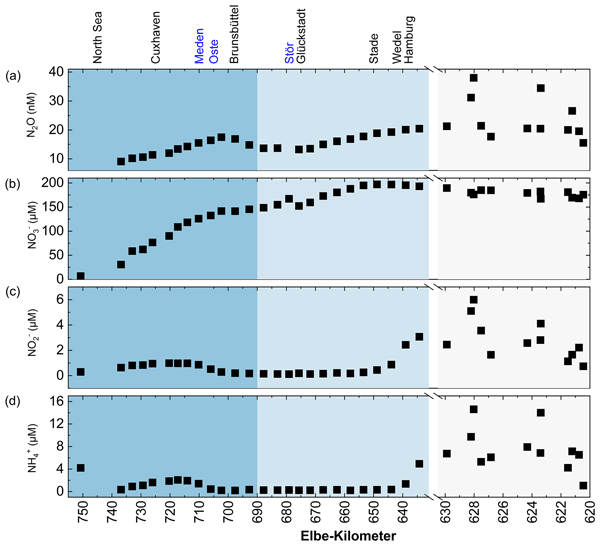
Our research is the first to measure dissolved NO concentrations in temperate estuarine waters, providing insights into its distribution under varying conditions and enhancing our understanding of its production processes. Dissolved NO was supersaturated in the Elbe Estuary, indicating that it is a source of atmospheric NO. The observed distribution of dissolved NO most likely resulted from nitrification.

Hanqin Tian, Naiqing Pan, Rona L. Thompson, Josep G. Canadell, Parvadha Suntharalingam, Pierre Regnier, Eric A. Davidson, Michael Prather, Philippe Ciais, Marilena Muntean, Shufen Pan, Wilfried Winiwarter, Sönke Zaehle, Feng Zhou, Robert B. Jackson, Hermann W. Bange, Sarah Berthet, Zihao Bian, Daniele Bianchi, Alexander F. Bouwman, Erik T. Buitenhuis, Geoffrey Dutton, Minpeng Hu, Akihiko Ito, Atul K. Jain, Aurich Jeltsch-Thömmes, Fortunat Joos, Sian Kou-Giesbrecht, Paul B. Krummel, Xin Lan, Angela Landolfi, Ronny Lauerwald, Ya Li, Chaoqun Lu, Taylor Maavara, Manfredi Manizza, Dylan B. Millet, Jens Mühle, Prabir K. Patra, Glen P. Peters, Xiaoyu Qin, Peter Raymond, Laure Resplandy, Judith A. Rosentreter, Hao Shi, Qing Sun, Daniele Tonina, Francesco N. Tubiello, Guido R. van der Werf, Nicolas Vuichard, Junjie Wang, Kelley C. Wells, Luke M. Western, Chris Wilson, Jia Yang, Yuanzhi Yao, Yongfa You, and Qing Zhu
Earth Syst. Sci. Data, 16, 2543–2604, https://doi.org/10.5194/essd-16-2543-2024, https://doi.org/10.5194/essd-16-2543-2024, 2024
Short summary
Short summary
Atmospheric concentrations of nitrous oxide (N2O), a greenhouse gas 273 times more potent than carbon dioxide, have increased by 25 % since the preindustrial period, with the highest observed growth rate in 2020 and 2021. This rapid growth rate has primarily been due to a 40 % increase in anthropogenic emissions since 1980. Observed atmospheric N2O concentrations in recent years have exceeded the worst-case climate scenario, underscoring the importance of reducing anthropogenic N2O emissions.
Joachim Schönfeld, Nicolaas Glock, Irina Polovodova Asteman, Alexandra-Sophie Roy, Marié Warren, Julia Weissenbach, and Julia Wukovits
J. Micropalaeontol., 42, 171–192, https://doi.org/10.5194/jm-42-171-2023, https://doi.org/10.5194/jm-42-171-2023, 2023
Short summary
Short summary
Benthic organisms show aggregated distributions due to the spatial heterogeneity of niches or food. We analysed the distribution of Globobulimina turgida in the Gullmar Fjord, Sweden, with a data–model approach. The population densities did not show any underlying spatial structure but a random log-normal distribution. A temporal data series from the same site depicted two cohorts of samples with high or low densities, which represent hypoxic or well-ventilated conditions in the fjord.
Gesa Schulz, Tina Sanders, Yoana G. Voynova, Hermann W. Bange, and Kirstin Dähnke
Biogeosciences, 20, 3229–3247, https://doi.org/10.5194/bg-20-3229-2023, https://doi.org/10.5194/bg-20-3229-2023, 2023
Short summary
Short summary
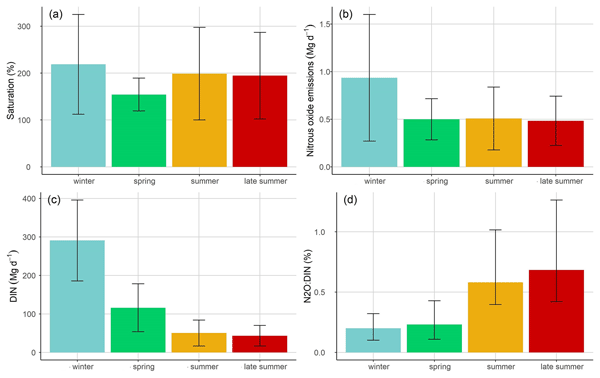
Nitrous oxide (N2O) is an important greenhouse gas. However, N2O emissions from estuaries underlie significant uncertainties due to limited data availability and high spatiotemporal variability. We found the Elbe Estuary (Germany) to be a year-round source of N2O, with the highest emissions in winter along with high nitrogen loads. However, in spring and summer, N2O emissions did not decrease alongside lower nitrogen loads because organic matter fueled in situ N2O production along the estuary.
Guanlin Li, Damian L. Arévalo-Martínez, Riel Carlo O. Ingeniero, and Hermann W. Bange
EGUsphere, https://doi.org/10.5194/egusphere-2023-771, https://doi.org/10.5194/egusphere-2023-771, 2023
Preprint archived
Short summary
Short summary
Dissolved carbon monoxide (CO) surface concentrations were first measured at 14 stations in the Ria Formosa Lagoon system in May 2021. Ria Formosa was a source of atmospheric CO. Microbial consumption accounted for 83 % of the CO production. The results of a 48-hour irradiation experiment with aquaculture effluent water indicated that aquaculture facilities in the Ria Formosa Lagoon seem to be a negligible source of atmospheric CO.
Hanna I. Campen, Damian L. Arévalo-Martínez, and Hermann W. Bange
Biogeosciences, 20, 1371–1379, https://doi.org/10.5194/bg-20-1371-2023, https://doi.org/10.5194/bg-20-1371-2023, 2023
Short summary
Short summary
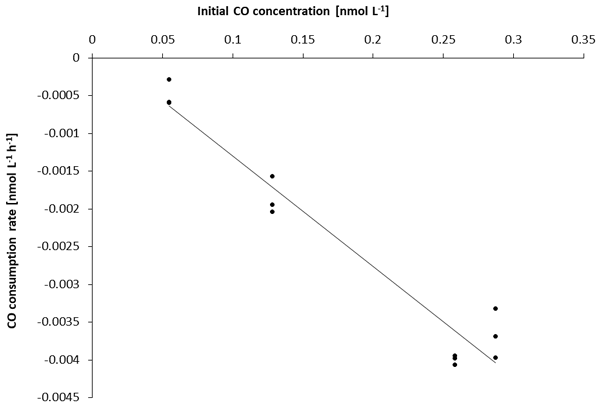
Carbon monoxide (CO) is a climate-relevant trace gas emitted from the ocean. However, oceanic CO cycling is understudied. Results from incubation experiments conducted in the Fram Strait (Arctic Ocean) indicated that (i) pH did not affect CO cycling and (ii) enhanced CO production and consumption were positively correlated with coloured dissolved organic matter and nitrate concentrations. This suggests microbial CO uptake to be the driving factor for CO cycling in the Arctic Ocean.
Damian L. Arévalo-Martínez, Amir Haroon, Hermann W. Bange, Ercan Erkul, Marion Jegen, Nils Moosdorf, Jens Schneider von Deimling, Christian Berndt, Michael Ernst Böttcher, Jasper Hoffmann, Volker Liebetrau, Ulf Mallast, Gudrun Massmann, Aaron Micallef, Holly A. Michael, Hendrik Paasche, Wolfgang Rabbel, Isaac Santos, Jan Scholten, Katrin Schwalenberg, Beata Szymczycha, Ariel T. Thomas, Joonas J. Virtasalo, Hannelore Waska, and Bradley A. Weymer
Biogeosciences, 20, 647–662, https://doi.org/10.5194/bg-20-647-2023, https://doi.org/10.5194/bg-20-647-2023, 2023
Short summary
Short summary
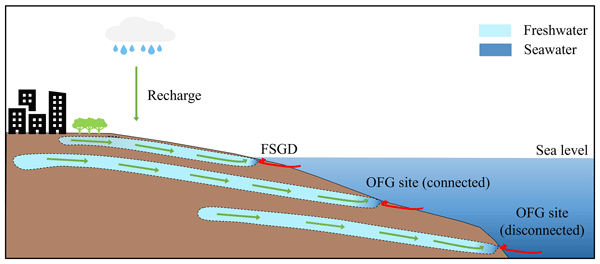
Groundwater flows at the land–ocean transition and the extent of freshened groundwater below the seafloor are increasingly relevant in marine sciences, both because they are a highly uncertain term of biogeochemical budgets and due to the emerging interest in the latter as a resource. Here, we discuss our perspectives on future research directions to better understand land–ocean connectivity through groundwater and its potential responses to natural and human-induced environmental changes.

Sonja Gindorf, Hermann W. Bange, Dennis Booge, and Annette Kock
Biogeosciences, 19, 4993–5006, https://doi.org/10.5194/bg-19-4993-2022, https://doi.org/10.5194/bg-19-4993-2022, 2022
Short summary
Short summary
Methane is a climate-relevant greenhouse gas which is emitted to the atmosphere from coastal areas such as the Baltic Sea. We measured the methane concentration in the water column of the western Kiel Bight. Methane concentrations were higher in September than in June. We found no relationship between the 2018 European heatwave and methane concentrations. Our results show that the methane distribution in the water column is strongly affected by temporal and spatial variabilities.
Yanan Zhao, Dennis Booge, Christa A. Marandino, Cathleen Schlundt, Astrid Bracher, Elliot L. Atlas, Jonathan Williams, and Hermann W. Bange
Biogeosciences, 19, 701–714, https://doi.org/10.5194/bg-19-701-2022, https://doi.org/10.5194/bg-19-701-2022, 2022
Short summary
Short summary
We present here, for the first time, simultaneously measured dimethylsulfide (DMS) seawater concentrations and DMS atmospheric mole fractions from the Peruvian upwelling region during two cruises in December 2012 and October 2015. Our results indicate low oceanic DMS concentrations and atmospheric DMS molar fractions in surface waters and the atmosphere, respectively. In addition, the Peruvian upwelling region was identified as an insignificant source of DMS emissions during both periods.
Sarina Schmidt, Ed C. Hathorne, Joachim Schönfeld, and Dieter Garbe-Schönberg
Biogeosciences, 19, 629–664, https://doi.org/10.5194/bg-19-629-2022, https://doi.org/10.5194/bg-19-629-2022, 2022
Short summary
Short summary
The study addresses the potential of marine shell-forming organisms as proxy carriers for heavy metal contamination in the environment. The aim is to investigate if the incorporation of heavy metals is a direct function of their concentration in seawater. Culturing experiments with a metal mixture were carried out over a wide concentration range. Our results show shell-forming organisms to be natural archives that enable the determination of metals in polluted and pristine environments.
Wangwang Ye, Hermann W. Bange, Damian L. Arévalo-Martínez, Hailun He, Yuhong Li, Jianwen Wen, Jiexia Zhang, Jian Liu, Man Wu, and Liyang Zhan
Biogeosciences Discuss., https://doi.org/10.5194/bg-2021-334, https://doi.org/10.5194/bg-2021-334, 2022
Manuscript not accepted for further review
Short summary
Short summary
CH4 is the second important greenhouse gas after CO2. We show that CH4 consumption and sea-ice melting influence the CH4 distribution in the Ross Sea (Southern Ocean), causing undersaturation and net uptake of CH4 during summertime. This study confirms the capability of surface water in the high-latitude Southern Ocean regions to take up atmospheric CH4 which, in turn, will help to improve predictions of how CH4 release/uptake from the ocean will develop when sea-ice retreats in the future.
Hao Tang, Susanne Liebner, Svenja Reents, Stefanie Nolte, Kai Jensen, Fabian Horn, and Peter Mueller
Biogeosciences, 18, 6133–6146, https://doi.org/10.5194/bg-18-6133-2021, https://doi.org/10.5194/bg-18-6133-2021, 2021
Short summary
Short summary
We examined if sea-level rise and plant genotype interact to affect soil microbial functioning in a mesocosm experiment using two genotypes of a dominant salt-marsh grass characterized by differences in flooding sensitivity. Larger variability in microbial community structure, enzyme activity, and litter breakdown in soils with the more sensitive genotype supports our hypothesis that effects of climate change on soil microbial functioning can be controlled by plant intraspecific adaptations.
Joachim Schönfeld, Valentina Beccari, Sarina Schmidt, and Silvia Spezzaferri
J. Micropalaeontol., 40, 195–223, https://doi.org/10.5194/jm-40-195-2021, https://doi.org/10.5194/jm-40-195-2021, 2021
Short summary
Short summary
Ammonia beccarii was described from Rimini Beach in 1758. This taxon has often been mistaken with other species in the past. Recent studies assessed the biometry of Ammonia species and integrated it with genetic data but relied on a few large and dead specimens only. In a comprehensive approach, we assessed the whole living Ammonia assemblage near the type locality of A. beccarii and identified parameters which are robust and facilitate a secure species identification.
Cited articles
Adam, P.: Saltmarsh Ecology, Cambridge University Press, Cambridge, United Kingdom, 461 pp., https://doi.org/10.1017/CBO9780511565328, 1990.
Adam, P.: Saltmarshes in a time of change, Environmental Conservation, 29, 39–61, https://doi.org/10.1017/S0376892902000048, 2002.
Anders, I., Stagl, J., Auer, I., and Pavlik, D., Climate Change in Central and Eastern Europe, in: Managing protected areas in Central and Eastern Europe under Climate Change, edited by: Rannow, S., and Neubert, M., Advances in Global Change Research, 58, 17–30, https://doi.org/10.1007/978-94-007-7960-0_2, 2014.
Baerens, C., Baudler, H., Beckmann, B.R., Birr, H.D., Dick, S., Hofstede, J., Kleine, E., Lampe, R., Lemke, W., Meinke, I., Meyer, M., Müller, R., Müller-Navarra, S.H., Schmager, G., Schwarzer, K., and Zenz, T.: Die Wasserstände an der Ostseeküste. Entwicklung – Stumfluten – Klimawandel [Water levels at the Baltic Sea coast. Trends – storm surges – climate change], Die Küste, 66, 1–331, ISBN 3-8042-1057-0, 2003.
Baldwin, A. H., McKee, K. L., and Mendelssohn, I. A.: The influence of vegetation, salinity, and inundation on seed banks of oligohaline coastal marshes, Am. J. Bot., 83, 470–479, https://doi.org/10.2307/2446216, 1996.
Balke, T., Bouma, T., Horstman, E., Webb, E., Erftemeijer, P., and Herman P.: Windows of opportunity: Thresholds to mangrove seedling establishment on tidal flats, Marine Ecol. Prog. Ser., 440, 1–9, https://doi.org/10.3354/meps09364, 2011.
Balke, T., Herman, P. M. J., and Bouma, T. J.: Critical transitions in disturbance-driven ecosystems: Identifying windows of opportunity for recovery, J. Ecol., 102, 700–708, https://doi.org/10.1111/1365-2745.12241, 2014.
Balke, T., Stock, M., Jensen, K., Bouma, T. J., and Kleyer, M.: A global analysis of the seaward salt marsh extent: the importance of tidal range, Water Resour. Res., 52, 3775–3786, https://doi.org/10.1002/2015WR018318, 2016.
Bange, H. W. and Malien, F.: Hydrochemistry from time series station Boknis Eck from 1957 to 2014, PANGAEA [data set], https://doi.org/10.1594/PANGAEA.855693, 2015.
Bange, H. W., Hansen, H.-P., Malien, F., Lass, K., Dale, A., Karstensen, J., Petereit, C., and Friedrichs, G.: Boknis Eck Time Series Station (SW Baltic Sea): Measurements from 1957 to 2010, LOICZ-Affiliated Activities, Inprint 2011/1, 16–22, 2011.
Bange, H. W., Qelaj, K., Hepach, H., and Malien, F.: Hydrochemistry from time series station Boknis Eck from 2015 to 2023, PANGAEA [data set], https://doi.org/10.1594/PANGAEA.973020, 2024.
Bergström, S. and Carlsson, B.: River runoff to the Baltic Sea: 1950–1990, Ambio, 23, 280–287, 1994.
Bockelmann, A.-C., Bakker, J.P., Neuhaus, R., and Lage, J.: The relation between vegetation zonation, elevation and inundation frequency in a Wadden Sea salt marsh, Aquatic Botany, 73, 211–221, https://doi.org/10.1016/S0304-3770(02)00022-0, 2002.
Bundesamt für Seeschiffahrt und Hydrographie: Nordsee-Sturmflutwoche vom 17.02.2022 bis 22.02.2022. 9 pp., https://www.bsh.de/DE/THEMEN/Wasserstand_und_Gezeiten/Sturmfluten/_Anlagen/Downloads/Nordsee_Sturmflut_20220217.pdf (last acces: 22 April 2025), 2023.
Bundesanstalt für Gewässerkunde: DGJ Wasserstände Eider, W Tiede, Pegel Husum 9530020, 2013–2022, https://dgj-daten.bafg.de/Nordsee/Husum/9530020_W.pdf (last access: 26 April 2024), 2024.
Carrasco, A. R., Kombiadou, K., Amado, M., and Matias, A.: Past and future marsh adaptation: lessons learned from the Ria Formosa lagoon, Sci. Total Environ., 790, 148082, https://doi.org/10.1016/j.scitotenv.2021.148082, 2021.
Christensen, E.: Flora und Vegetation des NSG “Bottsand”, Monographie zur Flora (und Avifauna) ausgewählter Gebiete des Kreises Plön, 17, 24 pp., 2021.
Costa, C. S. B., Marangoni, J. C., and Azevedo, A. M. G.: Plant zonation in irregularly flooded salt marshes: relative importance of stress tolerance and biological interactions, J. Ecol., 91, 951–965, https://doi.org/10.1046/j.1365-2745.2003.00821.x, 2003.
Crisp, D. J.: The spread of Elminius modestus Darwin in North-West Europe, Journal of the Marine Biological Association of the United Kingdom, 37, 483–520, https://doi.org/10.1017/S0025315400023833, 1958.
Dangendorf, S., Mudersbach, C., Wahl, T., and Jensen, J.: Characteristics of intra-, inter-annual and decadal sea-level variability and the role of meteorological forcing: the long record of Cuxhaven, Ocean Dynam., 63, 209–224, https://doi.org/10.1007/s10236-013-0614-4, 2013.
de Amorim, F. D. L. L., Wiltshire, K. H., Lemke, P., Carstens, K., Peters, S., Rick, J., Gimenez, L., and Scharfe. M.: Investigation of marine temperature changes across temporal and spatial Gradients: Providing a fundament for studies on the effects of warming on marine ecosystem function and biodiversity, Prog. Oceanogr., 216, 103080, https://doi.org/10.1016/j.pocean.2023.103080, 2023.
Dowling, T. M., Travis, S. E., Morgan, P. A., and Zogg, G. P.: Can the marsh migrate? Factors influencing the growth of Spartina patens under upland conditions, Wetlands Ecology and Management, 31, 887–897, https://doi.org/10.1007/s11273-023-09958-9, 2023.
Elsey-Quirk, T., Middleton, B. A., and Proffitt, C. E.: Seed flotation and germination of salt marsh plants: the effects of stratification, salinity, and/or inundation regime, Aquatic Botany, 91, 40–46, https://doi.org/10.1016/j.aquabot.2009.02.001, 2009.
Frey, H. and Becker, G.: Long term variation of the hydrographic stratification in the German Bight, ICES Council Meeting 1987, ICES, Copenhagen, 22 pp., 1987.
Gemeinde Wendtorf: Chronik der Gemeinde Wendtorf. Wendtorf, Kreis Plön, 346 pp., https://www.wendtorf.com/wendtorf/wendorfer_anzeigen/1990_Wendtorfer_Chonik.pdf (last access: 24 May 2025), 1990.
German Patent and Trademark Office: Gebrauchsmusterschrift 20 2020 100 677.0, Halter für Unterwassersensorik, https://register.dpma.de/DPMAregister/pat/PatSchrifteneinsicht?docId=DE202020100677U1&page=1&lang=de (last access: 23 March 2025), 2020.
Grabert, B.: Zur Eignung von Foraminiferen als Indikatoren für Sandwanderung, Deutsche Hydrographische Zeitschrift, 24, 1–14, https://doi.org/10.1007/BF02226169, 1971.
Halls, A. J. (Ed.): Wetlands, Biodiversity and the Ramsar Convention: The role of the convention on wetlands in the conservation and wise use of biodiversity, Ramsar Convention Bureau, Gland, Switzerland, 168 pp., ISBN 2-940073-22-8, 1997.
Hammann, S. and Zimmer, M.: Wind-driven dynamics of beach-cast wrack in a tide-free system, Open Journal of Marine Science, 4, 68–79, https://doi.org/10.4236/ojms.2014.42009, 2014.
Hammer, Ø., Harper, D. A. T., and Ryan, P. D.: PAST: Paleontological Statistics Software Package for Education and Data Analysis, Palaeontologica Electronica, 4, 1–9, 2001.
Hayes, M. O.: Barrier island morphology as a function of tidal and wave regime, in: Barrier Islands from the Gulf of St. Lawrence to the Gulf of Mexico, edited by: Leatherman, S. P., Academic Press, New York, 1–29, 1979.
Hepach, H., Piontek, J., Bange, H. W., Barthelmeß, T., von Jackowski, A., and Engel, A.: Enhanced warming and bacterial biomass production as key factors for coastal hypoxia in the southwestern Baltic Sea, Sci. Rep., 14, 29442, https://doi.org/10.1038/s41598-024-80451-w, 2024.
Janssen, F., Schrumm, C., and Backhaus, J. O.: A climatological data set of temperature and salinity for the Baltic Sea and the North Sea, Deutsche Hydrographische Zeitschrift, 51, 5, https://doi.org/10.1007/BF02933676, 1999.
Jensen, J.: Änderungen der mittleren Tidewasserstände an der Nordseeküste, Mitteilungen Leichtweiß-Institut der TU Braunschweig, 83, 441–550, 1984.
Jensen, J., Mügge, H.-E., Schönfeld, W., and Visscher G.: Abschlussbericht zum KFKI – Forschungsprojekt: “Wasserstandsentwicklung in der Deutschen Bucht”, Anlagenband, Hamburg, 138 pp., https://izw.baw.de/publikationen/kfki-projekte-berichte/0/027_2_2_e29537-1.pdf (last access: 6 March 2025), 1991.
Jensen, J., Frank, T., and Wahl, T.: Analyse von hochaufgelösten Tidewasserständen und Ermittlung des MSL an der deutschen Nordseeküste (AMSeL), Die Küste, 78, 59–163, https://hdl.handle.net/20.500.11970/101660 (last access: 8 January 2026), 2011.
Kieler Nachrichten: Ostsee-Sturmflut in SH: Wiederaufbaufonds über 200 Millionen geplant, https://www.kn-online.de/schleswig-holstein/ostsee-sturmflut-sh-plant-wiederaufbaufonds-mit-200-millionen-euro-Y5RNDYEPZNDPFM5ICCQMSSZ5AI.html (last access: 1 June 2025), 1 November 2023.
Kim, S., Yu, C., Ruesink, J. and Hong, J.-S.: Vertical distribution of the salt marsh invader Spartina alterniflora and native halophytes on the west coast of Korea in relation to tidal regimes, Aquatic Invasions, 18, 331–349, https://doi.org/10.3391/ai.2023.18.3.104556, 2023.
Klein, H. and Frohse, A.: Oceanographic Processes in the German Bight, Die Küste, 74, 60–76, https://hdl.handle.net/20.500.11970/101594 (last access: 3 March 2025), 2008.
Knief, W.: Wiesenvogelmonitoring in Schleswig-Holstein: Ergebnisse einer einjährigen Brutvogelkartierung im NSG Barsbeker See und Umgebung/Probsteier Salzwiesen, Corax, 22, 293–301, https://www.zobodat.at/pdf/Corax_22_0293-0301.pdf (last access: 20 November 2017), 2013.
Kolumbe, E.: Spartina townsendii – Anpflanzungen im schleswig-holsteinischen Wattenmeer, Wissenschaftliche Meeresuntersuchungen, 21, 67–73, 1931.
Kühl, H.: Über das Auftreten von von Elminius modestus Darwin in der Elbmündung, Helgoländer Wissenschaftliche Meeresuntersuchungen, 5, 53–56, https://doi.org/10.1007/BF01609108, 1954.
Kuhlbrodt, T., Swaminathan, R., Ceppi, P., and Wilder, T.:A glimpse into the future. The 2023 ocean temperature and sea ice extremes in the context of longer-term climate change, B. Am. Meteorol. Soc., 105, E474–E485, https://doi.org/10.1175/BAMS-D-23-0209.1, 2024.
Lange, G., Bininda-Emonds, O. R. P., Hillebrand, H., Meier, D., Moorthi, S. D., Schmitt, J. A., Zielinski, O., and Kröncke, I.: Elevation gradient affects the development of macrozoobenthic communities in the Wadden Sea: A field experiment with artificial islands, Journal of Experimental Marine Biology and Ecology, 523, 151268, https://doi.org/10.1016/j.jembe.2019.151268, 2019.
Lehmann, A., Myrberg, K., Post, P., Chubarenko, I., Dailidiene, I., Hinrichsen, H.-H., Hüssy, K., Liblik, T., Meier, H. E. M., Lips, U., and Bukanova, T.: Salinity dynamics of the Baltic Sea, Earth Syst. Dynam., 13, 373–392, https://doi.org/10.5194/esd-13-373-2022, 2022.
Lehmann, G.: Vorkommen, Populationsentwicklung, Ursache fleckenhafter Besiedlung und Fortpflanzungsbiologie von Foraminiferen in Salzwiesen und Flachwasser der Nord- und Ostseeküste Schleswig-Holsteins, Dissertation, Christian-Albrechts-Universität Kiel, Germany, 218 pp., https://nbn-resolving.org/urn:nbn:de:gbv:8-diss-4139 (last access: 24 May 2025), 2000.
Lennartz, S. T., Lehmann, A., Herrford, J., Malien, F., Hansen, H.-P., Biester, H., and Bange, H. W.: Long-term trends at the Boknis Eck time series station (Baltic Sea), 1957–2013: does climate change counteract the decline in eutrophication?, Biogeosciences, 11, 6323–6339, https://doi.org/10.5194/bg-11-6323-2014, 2014.
Li, R., Yu, Q., Wang, Y., Wang, Z., Gao, S., and Flemming, B.: The relationship between inundation duration and Spartina alterniflora growth along the Jiangsu coast, China, Estuar. Coast. Shelf Sci., 213, 305–313, https://doi.org/10.1016/j.ecss.2018.08.027, 2018.
Lindner, G.: Über die Vegetationsverhältnisse des Schobüller Strandes. Diplomarbeit, Christian-Albrechts-Universität Kiel, Germany, 101 pp., 1952.
Lorenzen, J. M.: Gedanken zur Generalplanung im nordfriesischen Wattenmeer, Die Küste 5, 9–48, 1956.
Lübbers, J. and Schönfeld, J.: Recent saltmarsh foraminiferal assemblages from Iceland, Estuar. Coast. Shelf Sci., 200, 380–394, https://doi.org/10.1016/j.ecss.2017.11.019, 2018.
Luther, G.: Seepocken der deutschen Küistengewässer, Helgoländer Meeresuntersuchungen, 41, 1–43, https://doi.org/10.1007/BF02365098, 1987.
Lutze, G. F.: Jahresgang des Foraminiferen-Fauna in der Bottsand Lagune (westliche Ostsee), Meyniana, 18, 13–30, 1968.
Mendes, I., Lübbers, J., Schönfeld, J., Baldermann, A., Carrasco, A. R., Cravo, A., Gomes, A., Grasse, P., and Stamm, F. M.: Novel field experiment on alkalinity enhancement in intertidal environments – a trailblazer for natural climate solutions, J. Geophys. Res.-Biogeo., 130, e2024JG008591, https://doi.org/10.1029/2024JG008591, 2025.
Merz, B., Elmer, F., Kunz, M., Mühr, B., Schröter, K., and Uhlemann-Elmer, S.: The extreme flood in June 2013 in Germany, La Houille Blanche, 1, 5–10, https://doi.org/10.1051/lhb/2014001, 2014.
NABU: Naturschutzgebiet Bottsand. Natur hautnah erleben! 60 Jahre Schutzgebietsbetreuung durch den NABU, https://schleswig-holstein.nabu.de/imperia/md/content/schleswigholstein/schutzgebiete/flyer_bottsand_korr_2024.pdf (last access: 23 April 2025), 2020.
Nöthel, H., Neemann, V., Hausmann, L., Bauerhorst, H., and Schwuchow, N.: Ablauf der Ostseesturmflut vom Oktober 2023, Die Küste, 94, https://doi.org/10.18171/1.094109, 2024.
Nolte, S., Koppenaal, E. C., Esselink, P., Dijkema, K. S., Schuerch, M., De Groot, A. V., Bakker, J. P., and Temmerman, S.: Measuring sedimentation in tidal marshes: a review on methods and their applicability in biogeomorphological studies, Journal of Coastal Conservation, 17, 301–325, https://doi.org/10.1007/s11852-013-0238-3, 2013.
Occhipinti-Ambrogi, A.: Biopollution by invasive marine non-indigenous species: a review of potential adverse ecological effects in a changing climate, Int. J. Environ. Res. Publ. He., 18, 4268, https://doi.org/10.3390/ijerph18084268, 2021.
O'Riordan, R. M., Culloty, S. C., Mcallen, R., and Gallagher, M. C.: The biology of Austrominius modestus (Darwin) in its native and invasive range, Oceanography and Marine Biology: An Annual Review, 58, 1–78, https://doi.org/10.1201/9780429351495-1, 2020.
Petersen, J., Kers, B., and Stock, M.: TMAP-typology of coastal vegetation in the Wadden Sea area, 1st edn., Common Wadden Sea Secretariat (CWSS), Wilhelmshaven, Germany, 1–90, https://www.waddensea-worldheritage.org/sites/default/files/2014_Ecosystem32_salt%2520marsh%2520typology.pdf (last access: 26 May 2025), 2014.
Philippart, C. J. M., Baptist, M. J., Bastmeijer, C. J., Bregnballe, T., Buschbaum, C., Hoekstra, P., Laursen, K., van Leeuwen, S. M., Oost, A. P., Wegner, M., and Zijlstra, R.: Climate change, in: Wadden Sea Quality Status Report, edited by: Bostelmann, A., Bregnballe, T., Busch, J.A., Buschbaum, C., Deen, K., Domnick, A., Gutow, L., Jensen, K., Jepsen, N., Luna, S., Meise, K., Teilmann, J., and van Wezel, A., Common Wadden Sea Secretariat, Wilhelmshaven, Germany, https://qsr.waddensea-worldheritage.org/reports/climate-change-2024 (last access: 28 November 2024), last updated: 1 February 2024.
Phleger, C. F.: Effect of salinity on growth of a salt marsh grass, Ecology, 52, 908–911, https://doi.org/10.2307/1936042, 1971.
Reents, S., Mueller, P., Tang, H., Jensen, K., and Nolte, S.: Plant genotype determines biomass response to flooding frequency in tidal wetlands, Biogeosciences, 18, 403–411, https://doi.org/10.5194/bg-18-403-2021, 2021.
Reinke, J.: Botanisch- geologische Streifzüge an den Küsten des Herzogtums Schleswig. Wissenschaftliche Meeresuntersuchungen, Neue Folge, 8, 1–411, 1903.
Rick, J. J., Scharfe, M., Romanova, T., van Beusekom, J. E. E., Asmus, R., Asmus, H., Mielck, F., Kamp, A., Sieger, R., and Wiltshire, K. H.: An evaluation of long-term physical and hydrochemical measurements at the Sylt Roads Marine Observatory (1973–2019), Wadden Sea, North Sea, Earth Syst. Sci. Data, 15, 1037–1057, https://doi.org/10.5194/essd-15-1037-2023, 2023.
Rohde, J. and Winsor, P.: On the influence of the freshwater supply on the Baltic Sea mean salinity, Tellus, 54A, 175–186, https://doi.org/10.3402/tellusa.v54i2.12134, 2002.
Schelling, H.: Die Sturmfluten an der Westküste Schleswig-Holsteins unter besonderer Berücksichtigung der Verhältnisse am Pegel Husum, Die Küste 1, 63–146, https://hdl.handle.net/20.500.11970/100568 (last access: 24 May 2023), 1952.
Schönfeld, J.: Monitoring benthic foraminiferal dynamics at Bottsand coastal lagoon (western Baltic Sea), J. Micropalaeontol., 37, 383–393, https://doi.org/10.5194/jm-37-383-2018, 2018.
Schönfeld, J. and Mendes, I.: Benthic foraminifera and pore water carbonate chemistry on a tidal flat and salt marsh at Ria Formosa, Algarve, Portugal, Estuar. Coast. Shelf Sci., 276, 108003, https://doi.org/10.1016/j.ecss.2022.108003, 2022.
Schönfeld, J., Bange, H. W., Hepach, H., and Reents, S.: Hydrography of intertidal environments in Schleswig-Holstein, Germany: Bottsand, PANGAEA [data set], https://doi.org/10.1594/PANGAEA.983766, 2025a.
Schönfeld, J., Bange, H. W., Hepach, H., and Reents, S.: Hydrography of intertidal environments in Schleswig-Holstein, Germany: Schobuell, PANGAEA [data set], https://doi.org/10.1594/PANGAEA.983908, 2025b.
Schrader, E.: Dünengenese im Raume des Bottsandes – Kieler Außenförde, Schriften des Naturwissenschaftlichen Vereins Schleswig-Holstein, 60, 29–69, https://nwvsh.de/wp-content/uploads/2021/09/Schrader_60_29-69.pdf (last access: 26 May 2025), 1990.
Schuldt, B., Buras, A., Arend, M., Vitasse, Y., Beierkuhnlein, C., Damm, A., Gharun, M., Grams, T.E.E., Hauck, M., Hajek, P., Hartmann, H., Hilbrunner, E., Hoch, G., Holloway-Phillips, M., Körner, C., Larysch, E., Lübbe, T., Nelson, D. B., Rammig, A., Rigling, A., Rose, L., Ruehr, N. K., Schumann, K., Weiser, F., Werner, C., Wohlgemuth, T., Zang, C. S., and Kahmen, A.: A first assessment of the impact of the extreme 2018 summer drought on Central European forests, Basic and Applied Ecology, 45, 86–103, https://doi.org/10.1016/j.baae.2020.04.003, 2020.
Scott, D. B. and Medioli, F. S.: Vertical zonation of marsh foraminifera as accurate indicators of former sea-level, Nature, 272, 538–541, https://doi.org/10.1038/272528a0, 1978.
Silvestri, S., Defina, A., and Marani, M.: Tidal regime, salinity and salt marsh plant zonation, Estuar. Coast. Shelf Sci., 62, 119–130, https://doi.org/10.1016/j.ecss.2004.08.010, 2005.
Snedden, G. A., Cretini, K., and Patton, B.: Inundation and salinity impacts to above- and belowground productivity in Spartina patens and Spartina alterniflora in the Mississippi River deltaic plain: Implications for using river diversions as restoration tools, Ecol. Eng., 81, 133–139, https://doi.org/10.1016/j.ecoleng.2015.04.035, 2015.
Stock, M.: Salzwiesenschutz im Schleswig-Holsteinischen Wattenmeer, Vogelkundlicher Bericht Niedersachsen, 35, 115–124, https://www.researchgate.net/profile/Martin-Stock/publication/298317276_Salzwiesenschutz_im_Schleswig-Holsteinischen_Wattenmeer/links/56e7ecad08aec65cb45e675b/Salzwiesenschutz-im-Schleswig-Holsteinischen-Wattenmeer.pdf (last access: 26 May 2025), 2003.
Stock, M.: Der Schobüller Strand und seine Pflanzenwelt – früher und heute, Kieler Notizen zur Pflanzenkunde, 39, 40–53, https://www.zobodat.at/pdf/Kieler-Notizen-zur-Pflanzenkunde_39_0040-0053.pdf (last access: 26 May 2025), 2013.
Sztobryn, M., Weidig, B., Stanislawczyk, I., Holfort, J., Kowalska, B., Mykita, M., Kanska, A., Krzysztofik, K., and Perlet, I.: Negative Surges in the Southern Baltic Sea (Western and Central Parts), Berichte des Bundesamtes für Seeschifffahrt und Hydrographie, 45, 1–71, https://doi.org/10.57802/3758-ws81, 2009.
Tighe-Ford, D. J., Power, M. J. D., and Vaile, D. C.: Laboratory rearing of barnacle larvae for antifouling research. Helgoländer Wissenschaftliche Meeresuntersuchungen, 20, 393–405, https://doi.org/10.1007/BF01609916, 1970.
Unsöld, G.: Jahreslagen und Aufwachsraten in Schlicksedimenten eines künstlichen, gezeitenoffenen Sedimentationsbeckens (Wattgebiet südlich Nordstrand/Nordfriesland), Meyniana, 26, 103–111, 1974.
van Aken, H. M.: Variability of the salinity in the western Wadden Sea on tidal to centennial time scales, J. Sea Res., 59, 121–132, https://doi.org/10.1016/j.seares.2007.11.001, 2008.
van Regteren, M., Amptmeijer, D., de Groot, A. V., Baptist, M. J., and Elschot, K.: Where does the salt marsh start? Field-based evidence for the lack of a transitional area between a gradually sloping intertidal flat and salt marsh, Estuar. Coast. Shelf Sci., 243, 106909, https://doi.org/10.1016/j.ecss.2020.106909, 2020.
Voynova, Y. G., Brix, H., Petersen, W., Weigelt-Krenz, S., and Scharfe, M.: Extreme flood impact on estuarine and coastal biogeochemistry: the 2013 Elbe flood, Biogeosciences, 14, 541–557, https://doi.org/10.5194/bg-14-541-2017, 2017.
Wolfram, C.: Die Vegetation des Bottsandes, Mitteilungen der Arbeitsgemeinschaft Geobotanik in Schleswig-Holstein und Hamburg, 51, 1–111, 1996.
Xiao, Y., Tang, J., Qing, H., Ouyang, Y., Zhao, Y., Zhou, C., and An, S.: Clonal integration enhances flood tolerance of Spartina alterniflora daughter ramets, Aquatic Botany, 92, 9–13, https://doi.org/10.1016/j.aquabot.2009.09.001, 2010.
Zimmermann, J. T. F.: Mixing and flushing of tidal embayment in the western Dutch Wadden Sea Part 1: Distribution of salinity and calculation of mixing time scales, Netherlands Journal of Sea Research, 10, 149–191, 1976.
Short summary
The current state of intertidal waters at Bottsand lagoon on the Baltic Sea coast, and on the mudflats off Schobüll on the North Sea coast of Schleswig-Holstein, Germany was assessed with a 36-month time series of water level, temperature, and salinity measurements. Periods of strong precipitation, high Elbe river discharge, and high solar radiation caused a higher data variability as compared to the off shore monitoring stations Boknis Eck in the Baltic and Sylt Roads in the North Sea.
The current state of intertidal waters at Bottsand lagoon on the Baltic Sea coast, and on the...


Altmetrics
Final-revised paper
Preprint