
Articles | Volume 23, issue 14
https://doi.org/10.5194/bg-23-5071-2026
© Author(s) 2026. This work is distributed under
the Creative Commons Attribution 4.0 License.
the Creative Commons Attribution 4.0 License.
https://doi.org/10.5194/bg-23-5071-2026
© Author(s) 2026. This work is distributed under
the Creative Commons Attribution 4.0 License.
the Creative Commons Attribution 4.0 License.
Research article
| 
23 Jul 2026
Research article |
| 23 Jul 2026
| 23 Jul 2026
The timing of warming matters as much as its intensity for the annual carbon balance of a degraded raised bog
Nicolas Behrens
CORRESPONDING AUTHOR

Institute of Landscape Ecology, Biosphere Atmosphere Interaction, University of Münster, Münster, Germany
Klaus-Holger Knorr
Institute of Landscape Ecology, Ecohydrology and Biogeochemistry, University of Münster, Münster, Germany
Christoph Rückriem
Biological Station Zwillbrock e.V., Vreden, Germany
Mana Gharun
Institute of Landscape Ecology, Biosphere Atmosphere Interaction, University of Münster, Münster, Germany
Related authors
Vincent E. Flemming, Nicolas Behrens, and Mana Gharun
EGUsphere, https://doi.org/10.5194/egusphere-2025-5633, https://doi.org/10.5194/egusphere-2025-5633, 2025
Short summary
Short summary
In context of a changing environment, we examined how vegetation productivity and weather conditions effect cooling in peatland ecosystems. While vegetation productivity, followed by air dryness and radiation, has the greatest influence on cooling during the growing season, air dryness is the foremost factor outside growing season. A drought threshold limits evapotranspiration via canopy water regulation. Our results are crucial for understanding future heat and climate regulation of peatlands.
Hannes Keck, Laurence Strubbe, Paul M. Magyar, Adriano Joss, Andreas Froemelt, André Kupferschmid, Klaus-Holger Knorr, and Joachim Mohn
Atmos. Meas. Tech., 19, 6311–6326, https://doi.org/10.5194/amt-19-6311-2026, https://doi.org/10.5194/amt-19-6311-2026, 2026
Short summary
Short summary
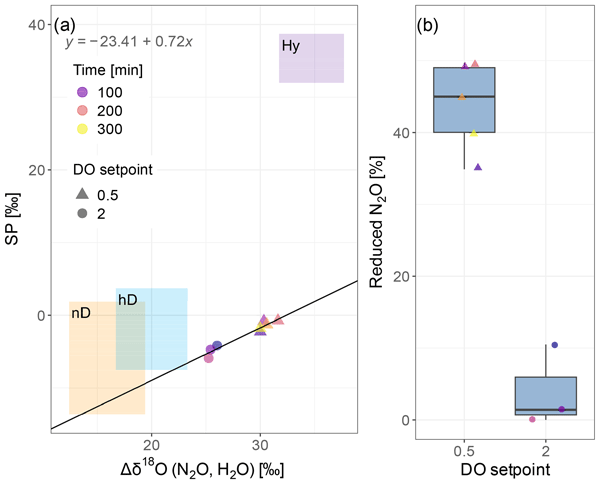
We monitored nitrous oxide in a pilot wastewater treatment plant in real time to understand how microbes produce and remove this greenhouse gas. We designed and tested a laser-based analytical setup, with which we were able to show that denitrification is the main source of nitrous oxide emissions and that low oxygen concentrations enhances nitrous oxide removal. Our approach offers a new way to monitor the wastewater treatment processes and to cut climate-relevant nitrous oxide emissions.
Henning Teickner, Julien Arsenault, Mariusz Gałka, and Klaus-Holger Knorr
Biogeosciences, 23, 5549–5570, https://doi.org/10.5194/bg-23-5549-2026, https://doi.org/10.5194/bg-23-5549-2026, 2026
Short summary
Short summary
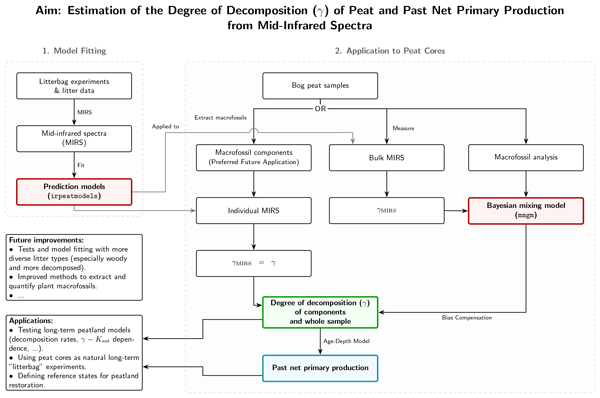
We present a method to estimate the degree of decomposition (fraction of initial mass remaining) of peat from mid-infrared spectra, which also allows to reconstruct the initial mass (aboveground net primary production). Both quantities are required to estimate the mass and carbon balance of peatlands and are useful to model peat physical and hydraulic properties. The approach is therefore useful to test and improve peatland models and our understanding of the long-term peatland carbon cycle.
Lina Oskamp, Marta Pérez Rodríguez, Adelina Calean, Olaf Rienitz, Klaus-Holger Knorr, Kazumasa Oguri, Masashi Tsuchiya, Marco Benkhettab Sindlev, Stephan Krisch, Arianna Olivelli, Frank Wenzhöfer, Ronnie N. Glud, and Harald Biester
EGUsphere, https://doi.org/10.5194/egusphere-2026-3608, https://doi.org/10.5194/egusphere-2026-3608, 2026
Short summary
Short summary
Lead (Pb) isotopes in marine sediments are used as source tracers of Pb in the oceans. Recent studies suggested Pb isotope exchange on sinking particles, but it remained unknown if this affects isotope signatures. Our study on deep-sea sediments of the South Atlantic Ocean reveals that Pb isotope separation occurs in sinking particles and depends on the intensity of primary productivity.
Henning Teickner and Klaus-Holger Knorr
SOIL, 12, 497–519, https://doi.org/10.5194/soil-12-497-2026, https://doi.org/10.5194/soil-12-497-2026, 2026
Short summary
Short summary
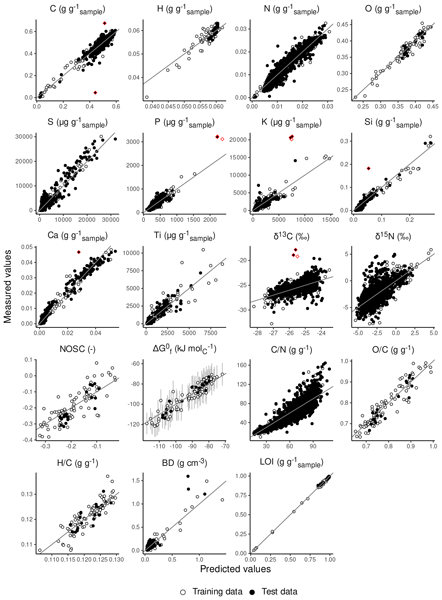
We developed models that predict physical and chemical peat properties from mid-infrared spectra (MIRS). These peat properties are necessary for modeling peatland dynamics. Compared to direct measurements of these properties, measurements of MIRS require less sample material and save time. Unlike existing models that focus on peat, the models developed here are openly available, relatively easy to use and have basic quality checks and estimates for prediction errors.
Vincent E. Flemming, Nicolas Behrens, and Mana Gharun
EGUsphere, https://doi.org/10.5194/egusphere-2025-5633, https://doi.org/10.5194/egusphere-2025-5633, 2025
Short summary
Short summary
In context of a changing environment, we examined how vegetation productivity and weather conditions effect cooling in peatland ecosystems. While vegetation productivity, followed by air dryness and radiation, has the greatest influence on cooling during the growing season, air dryness is the foremost factor outside growing season. A drought threshold limits evapotranspiration via canopy water regulation. Our results are crucial for understanding future heat and climate regulation of peatlands.
Henning Teickner, Edzer Pebesma, and Klaus-Holger Knorr
Earth Syst. Dynam., 16, 891–914, https://doi.org/10.5194/esd-16-891-2025, https://doi.org/10.5194/esd-16-891-2025, 2025
Short summary
Short summary
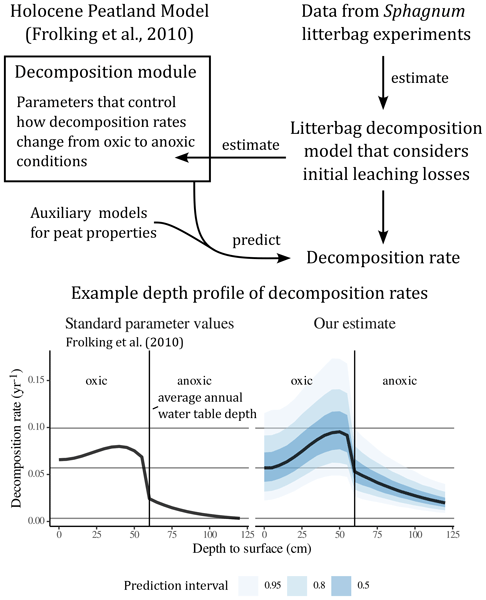
The Holocene Peatland Model (HPM) is a widely used peatland model to understand and predict long-term peatland dynamics. Here, we test whether the HPM can predict Sphagnum litterbag decomposition rates from oxic to anoxic conditions. Our results indicate that decomposition rates change more gradually from oxic to anoxic conditions and may be underestimated under anoxic conditions, possibly because the effect of water table fluctuations on decomposition rates is not considered.
Mana Gharun, Ankit Shekhar, Lukas Hörtnagl, Luana Krebs, Nicola Arriga, Mirco Migliavacca, Marilyn Roland, Bert Gielen, Leonardo Montagnani, Enrico Tomelleri, Ladislav Šigut, Matthias Peichl, Peng Zhao, Marius Schmidt, Thomas Grünwald, Mika Korkiakoski, Annalea Lohila, and Nina Buchmann
Biogeosciences, 22, 1393–1411, https://doi.org/10.5194/bg-22-1393-2025, https://doi.org/10.5194/bg-22-1393-2025, 2025
Short summary
Short summary
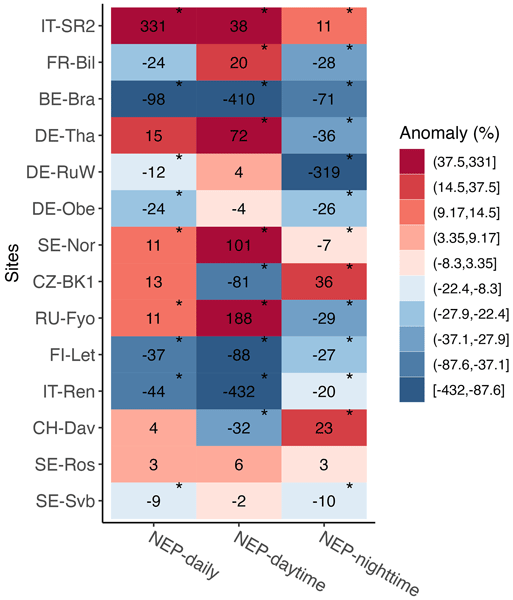
The effect of winter warming on forest CO2 fluxes has rarely been investigated. We tested the effect of the warm winter of 2020 on the forest CO2 fluxes across 14 sites in Europe and found that the net ecosystem productivity (NEP) across most sites declined during the warm winter due to increased respiration fluxes.
Henning Teickner, Edzer Pebesma, and Klaus-Holger Knorr
Biogeosciences, 22, 417–433, https://doi.org/10.5194/bg-22-417-2025, https://doi.org/10.5194/bg-22-417-2025, 2025
Short summary
Short summary
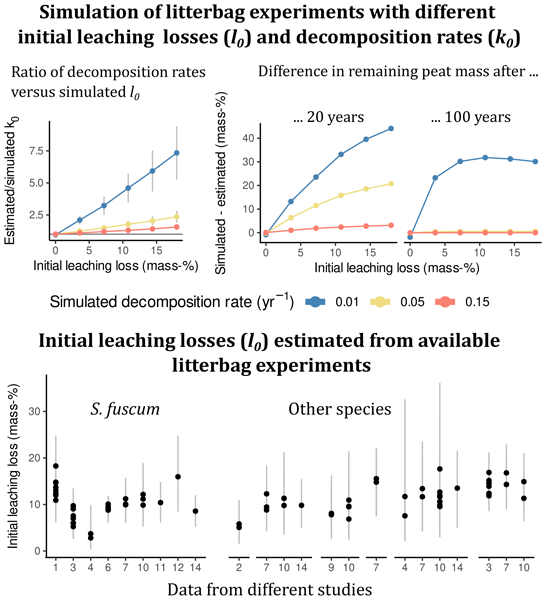
Decomposition rates for Sphagnum mosses, the main peat-forming plants in northern peatlands, are often derived from litterbag experiments. Here, we estimate initial leaching losses from available Sphagnum litterbag experiments and analyze how decomposition rates are biased when initial leaching losses are ignored. Our analyses indicate that initial leaching losses range between 3 to 18 mass-% and that this may result in overestimated mass losses when extrapolated to several decades.
Mana Gharun, Ankit Shekhar, Jingfeng Xiao, Xing Li, and Nina Buchmann
Biogeosciences, 21, 5481–5494, https://doi.org/10.5194/bg-21-5481-2024, https://doi.org/10.5194/bg-21-5481-2024, 2024
Short summary
Short summary
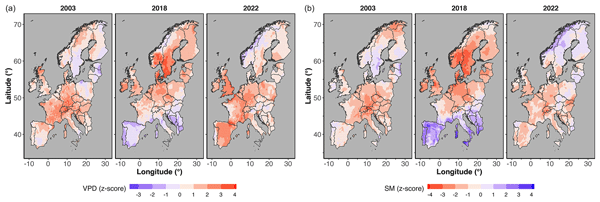
In 2022, Europe's forests faced unprecedented dry conditions. Our study aimed to understand how different forest types respond to extreme drought. Using meteorological data and satellite imagery, we compared 2022 with two previous extreme years, 2003 and 2018. Despite less severe drought in 2022, forests showed a 30 % greater decline in photosynthesis compared to 2018 and 60 % more than 2003. This suggests an alarming level of vulnerability of forests across Europe to more frequent droughts.
Jacob A. Nelson, Sophia Walther, Fabian Gans, Basil Kraft, Ulrich Weber, Kimberly Novick, Nina Buchmann, Mirco Migliavacca, Georg Wohlfahrt, Ladislav Šigut, Andreas Ibrom, Dario Papale, Mathias Göckede, Gregory Duveiller, Alexander Knohl, Lukas Hörtnagl, Russell L. Scott, Jiří Dušek, Weijie Zhang, Zayd Mahmoud Hamdi, Markus Reichstein, Sergio Aranda-Barranco, Jonas Ardö, Maarten Op de Beeck, Dave Billesbach, David Bowling, Rosvel Bracho, Christian Brümmer, Gustau Camps-Valls, Shiping Chen, Jamie Rose Cleverly, Ankur Desai, Gang Dong, Tarek S. El-Madany, Eugenie Susanne Euskirchen, Iris Feigenwinter, Marta Galvagno, Giacomo A. Gerosa, Bert Gielen, Ignacio Goded, Sarah Goslee, Christopher Michael Gough, Bernard Heinesch, Kazuhito Ichii, Marcin Antoni Jackowicz-Korczynski, Anne Klosterhalfen, Sara Knox, Hideki Kobayashi, Kukka-Maaria Kohonen, Mika Korkiakoski, Ivan Mammarella, Mana Gharun, Riccardo Marzuoli, Roser Matamala, Stefan Metzger, Leonardo Montagnani, Giacomo Nicolini, Thomas O'Halloran, Jean-Marc Ourcival, Matthias Peichl, Elise Pendall, Borja Ruiz Reverter, Marilyn Roland, Simone Sabbatini, Torsten Sachs, Marius Schmidt, Christopher R. Schwalm, Ankit Shekhar, Richard Silberstein, Maria Lucia Silveira, Donatella Spano, Torbern Tagesson, Gianluca Tramontana, Carlo Trotta, Fabio Turco, Timo Vesala, Caroline Vincke, Domenico Vitale, Enrique R. Vivoni, Yi Wang, William Woodgate, Enrico A. Yepez, Junhui Zhang, Donatella Zona, and Martin Jung
Biogeosciences, 21, 5079–5115, https://doi.org/10.5194/bg-21-5079-2024, https://doi.org/10.5194/bg-21-5079-2024, 2024
Short summary
Short summary
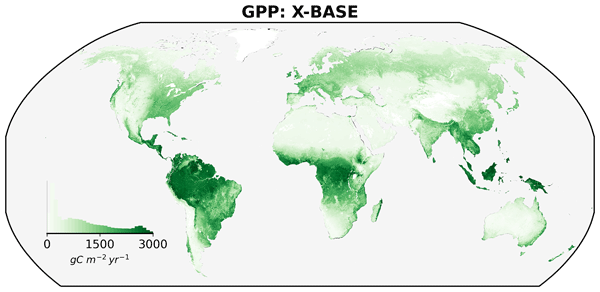
The movement of water, carbon, and energy from the Earth's surface to the atmosphere, or flux, is an important process to understand because it impacts our lives. Here, we outline a method called FLUXCOM-X to estimate global water and CO2 fluxes based on direct measurements from sites around the world. We go on to demonstrate how these new estimates of net CO2 uptake/loss, gross CO2 uptake, total water evaporation, and transpiration from plants compare to previous and independent estimates.
Liliana Scapucci, Ankit Shekhar, Sergio Aranda-Barranco, Anastasiia Bolshakova, Lukas Hörtnagl, Mana Gharun, and Nina Buchmann
Biogeosciences, 21, 3571–3592, https://doi.org/10.5194/bg-21-3571-2024, https://doi.org/10.5194/bg-21-3571-2024, 2024
Short summary
Short summary
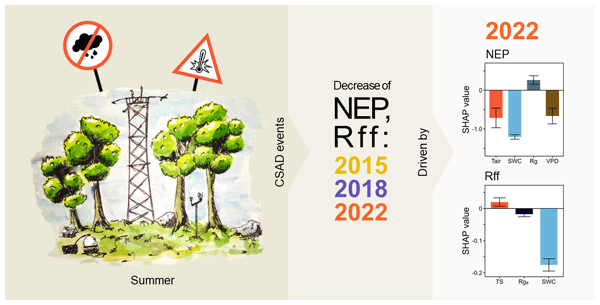
Forests face increased exposure to “compound soil and atmospheric drought” (CSAD) events due to global warming. We examined the impacts and drivers of CO2 fluxes during CSAD events at multiple layers of a deciduous forest over 18 years. Results showed reduced net ecosystem productivity and forest-floor respiration during CSAD events, mainly driven by soil and atmospheric drought. This unpredictability in forest CO2 fluxes jeopardises reforestation projects aimed at mitigating CO2 emissions.
Luana Krebs, Susanne Burri, Iris Feigenwinter, Mana Gharun, Philip Meier, and Nina Buchmann
Biogeosciences, 21, 2005–2028, https://doi.org/10.5194/bg-21-2005-2024, https://doi.org/10.5194/bg-21-2005-2024, 2024
Short summary
Short summary
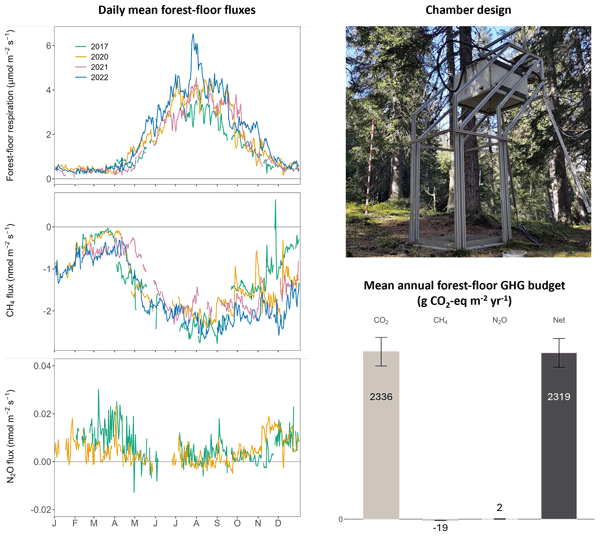
This study explores year-round forest-floor greenhouse gas (GHG) fluxes in a Swiss spruce forest. Soil temperature and snow depth affected forest-floor respiration, while CH4 uptake was linked to snow cover. Negligible N2O fluxes were observed. In 2022, a warm year, CO2 emissions notably increased. The study suggests rising forest-floor GHG emissions due to climate change, impacting carbon sink behavior. Thus, for future forest management, continuous year-round GHG flux measurements are crucial.
Carrie L. Thomas, Boris Jansen, Sambor Czerwiński, Mariusz Gałka, Klaus-Holger Knorr, E. Emiel van Loon, Markus Egli, and Guido L. B. Wiesenberg
Biogeosciences, 20, 4893–4914, https://doi.org/10.5194/bg-20-4893-2023, https://doi.org/10.5194/bg-20-4893-2023, 2023
Short summary
Short summary
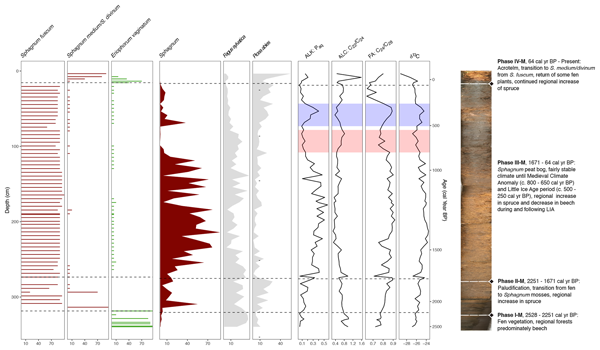
Peatlands are vital terrestrial ecosystems that can serve as archives, preserving records of past vegetation and climate. We reconstructed the vegetation history over the last 2600 years of the Beerberg peatland and surrounding area in the Thuringian Forest in Germany using multiple analyses. We found that, although the forest composition transitioned and human influence increased, the peatland remained relatively stable until more recent times, when drainage and dust deposition had an impact.
Laura Clark, Ian B. Strachan, Maria Strack, Nigel T. Roulet, Klaus-Holger Knorr, and Henning Teickner
Biogeosciences, 20, 737–751, https://doi.org/10.5194/bg-20-737-2023, https://doi.org/10.5194/bg-20-737-2023, 2023
Short summary
Short summary
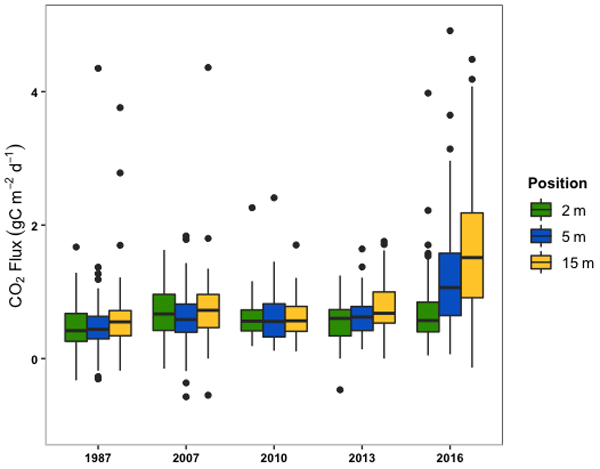
We determine the effect that duration of extraction has on CO2 and CH4 emissions from an actively extracted peatland. Peat fields had high net C emissions in the first years after opening, and these then declined to half the initial value for several decades. Findings contribute to knowledge on the atmospheric burden that results from these activities and are of use to industry in their life cycle reporting and government agencies responsible for greenhouse gas accounting and policy.
Matthias Koschorreck, Klaus Holger Knorr, and Lelaina Teichert
Biogeosciences, 19, 5221–5236, https://doi.org/10.5194/bg-19-5221-2022, https://doi.org/10.5194/bg-19-5221-2022, 2022
Short summary
Short summary
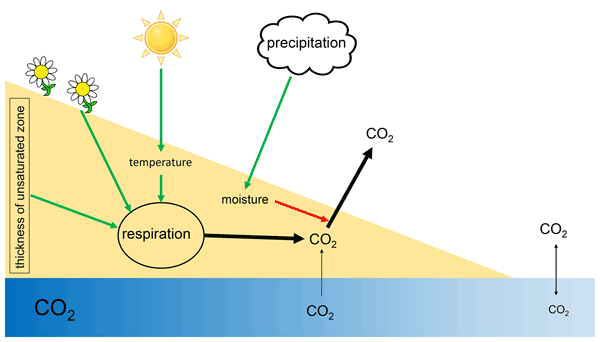
At low water levels, parts of the bottom of rivers fall dry. These beaches or mudflats emit the greenhouse gas carbon dioxide (CO2) to the atmosphere. We found that those emissions are caused by microbial reactions in the sediment and that they change with time. Emissions were influenced by many factors like temperature, water level, rain, plants, and light.
Henning Teickner and Klaus-Holger Knorr
SOIL, 8, 699–715, https://doi.org/10.5194/soil-8-699-2022, https://doi.org/10.5194/soil-8-699-2022, 2022
Short summary
Short summary
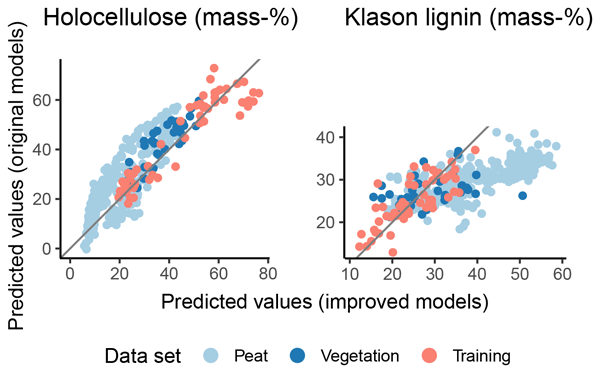
The chemical quality of biomass can be described with holocellulose (relatively easily decomposable by microorganisms) and Klason lignin (relatively recalcitrant) contents. Measuring both is laborious. In a recent study, models have been proposed which can predict both quicker from mid-infrared spectra. However, it has not been analyzed if these models make correct predictions for biomass in soils and how to improve them. We provide such a validation and a strategy for their improvement.
Cordula Nina Gutekunst, Susanne Liebner, Anna-Kathrina Jenner, Klaus-Holger Knorr, Viktoria Unger, Franziska Koebsch, Erwin Don Racasa, Sizhong Yang, Michael Ernst Böttcher, Manon Janssen, Jens Kallmeyer, Denise Otto, Iris Schmiedinger, Lucas Winski, and Gerald Jurasinski
Biogeosciences, 19, 3625–3648, https://doi.org/10.5194/bg-19-3625-2022, https://doi.org/10.5194/bg-19-3625-2022, 2022
Short summary
Short summary
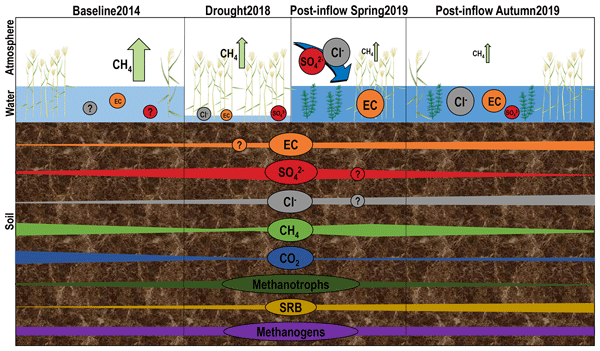
Methane emissions decreased after a seawater inflow and a preceding drought in freshwater rewetted coastal peatland. However, our microbial and greenhouse gas measurements did not indicate that methane consumers increased. Rather, methane producers co-existed in high numbers with their usual competitors, the sulfate-cycling bacteria. We studied the peat soil and aimed to cover the soil–atmosphere continuum to better understand the sources of methane production and consumption.
Liam Heffernan, Maria A. Cavaco, Maya P. Bhatia, Cristian Estop-Aragonés, Klaus-Holger Knorr, and David Olefeldt
Biogeosciences, 19, 3051–3071, https://doi.org/10.5194/bg-19-3051-2022, https://doi.org/10.5194/bg-19-3051-2022, 2022
Short summary
Short summary
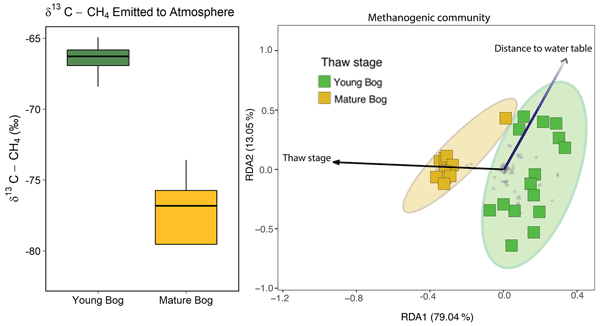
Permafrost thaw in peatlands leads to waterlogged conditions, a favourable environment for microbes producing methane (CH4) and high CH4 emissions. High CH4 emissions in the initial decades following thaw are due to a vegetation community that produces suitable organic matter to fuel CH4-producing microbes, along with warm and wet conditions. High CH4 emissions after thaw persist for up to 100 years, after which environmental conditions are less favourable for microbes and high CH4 emissions.

Ramona J. Heim, Andrey Yurtaev, Anna Bucharova, Wieland Heim, Valeriya Kutskir, Klaus-Holger Knorr, Christian Lampei, Alexandr Pechkin, Dora Schilling, Farid Sulkarnaev, and Norbert Hölzel
Biogeosciences, 19, 2729–2740, https://doi.org/10.5194/bg-19-2729-2022, https://doi.org/10.5194/bg-19-2729-2022, 2022
Short summary
Short summary
Fires will probably increase in Arctic regions due to climate change. Yet, the long-term effects of tundra fires on carbon (C) and nitrogen (N) stocks and cycling are still unclear. We investigated the long-term fire effects on C and N stocks and cycling in soil and aboveground living biomass.
We found that tundra fires did not affect total C and N stocks because a major part of the stocks was located belowground in soils which were largely unaltered by fire.
Cited articles
Abadi, M., Barham, P., Chen, J., Chen, Z., Davis, A., Dean, J., Devin, M., Ghemawat, S., Irving, G., Isard, M., Kudlur, M., Levenberg, J., Monga, R., Moore, S., Murray, D. G., Steiner, B., Tucker, P., Vasudevan, V., Warden, P., Wicke, M., Yu, Y., and Zheng, X.: TensorFlow: A System for Large-Scale Machine Learning, in: 12th USENIX Symposium on Operating Systems Design and Implementation (OSDI 16), 265–283, 2016.
Adkinson, A. C., Syed, K. H., and Flanagan, L. B.: Contrasting responses of growing season ecosystem CO2 exchange to variation in temperature and water table depth in two peatlands in northern Alberta, Canada, J. Geophys. Res.-Biogeo., 116, https://doi.org/10.1029/2010JG001512, 2011.
Alekseychik, P., Korrensalo, A., Mammarella, I., Launiainen, S., Tuittila, E.-S., Korpela, I., and Vesala, T.: Carbon balance of a Finnish bog: temporal variability and limiting factors based on 6 years of eddy-covariance data, Biogeosciences, 18, 4681–4704, https://doi.org/10.5194/bg-18-4681-2021, 2021.
Aslan-Sungur, G., Lee, X., Evrendilek, F., and Karakaya, N.: Large interannual variability in net ecosystem carbon dioxide exchange of a disturbed temperate peatland, Sci. Total Environ., 554–555, 192–202, https://doi.org/10.1016/j.scitotenv.2016.02.153, 2016.
Aurela, M., Riutta, T., Laurila, T., Tuovinen, J.-P., Vesala, T., Tuittila, E.-S., Rinne, J., Haapanala, S., and Laine, J.: CO2 exchange of a sedge fen in southern Finland – the impact of a drought period, Tellus B, 59, 826, https://doi.org/10.1111/j.1600-0889.2007.00309.x, 2007.
Bao, X., Li, Z., and Xie, F.: Environmental influences on light response parameters of net carbon exchange in two rotation croplands on the North China Plain, Sci. Rep., 9, 18702, https://doi.org/10.1038/s41598-019-55340-2, 2019.
Barichivich, J., Briffa, K. R., Myneni, R. B., Osborn, T. J., Melvin, T. M., Ciais, P., Piao, S., and Tucker, C.: Large-scale variations in the vegetation growing season and annual cycle of atmospheric CO2 at high northern latitudes from 1950 to 2011, Glob. Change Biol., 19, 3167–3183, https://doi.org/10.1111/gcb.12283, 2013.
Blodau, C.: Thermodynamic Control on Terminal Electron Transfer and Methanogenesis, in: ACS Symposium Series, vol. 1071, edited by: Tratnyek, P. G., Grundl, T. J., and Haderlein, S. B., American Chemical Society, Washington, DC, 65–83, https://doi.org/10.1021/bk-2011-1071.ch004, 2011.
Bubier, J. L., Crill, P. M., Moore, T. R., Savage, K., and Varner, R. K.: Seasonal patterns and controls on net ecosystem CO2 exchange in a boreal peatland complex, Global Biogeochem. Cy., 12, 703–714, https://doi.org/10.1029/98GB02426, 1998.
Buzacott, A. J. V., Kruijt, B., Bataille, L., van Giersbergen, Q., Heuts, T. S., Fritz, C., Nouta, R., Erkens, G., Boonman, J., van den Berg, M., van Huissteden, J., and van der Velde, Y.: Drivers and Annual Totals of Methane Emissions From Dutch Peatlands, Glob. Change Biol., 30, e17590, https://doi.org/10.1111/gcb.17590, 2024.
Cai, Y., Yu, X., Zou, Y., Ding, S., and Min, Y.: Shrubification of herbaceous peatlands modulates root exudates, increasing rhizosphere soil CO2 emissions while decreasing CH4 emissions, CATENA, 245, 108282, https://doi.org/10.1016/j.catena.2024.108282, 2024.
Calabrese, S., Garcia, A., Wilmoth, J. L., Zhang, X., and Porporato, A.: Critical inundation level for methane emissions from wetlands, Environ. Res. Lett., 16, 044038, https://doi.org/10.1088/1748-9326/abedea, 2021.
Chen, N., Zhang, Y., Yuan, F., Song, C., Xu, M., Wang, Q., Hao, G., Bao, T., Zuo, Y., Liu, J., Zhang, T., Song, Y., Sun, L., Guo, Y., Zhang, H., Ma, G., Du, Y., Xu, X., and Wang, X.: Warming-induced vapor pressure deficit suppression of vegetation growth diminished in northern peatlands, Nat. Commun., 14, 7885, https://doi.org/10.1038/s41467-023-42932-w, 2023.
Chen, T. and Guestrin, C.: XGBoost: A Scalable Tree Boosting System, in: Proceedings of the 22nd ACM SIGKDD International Conference on Knowledge Discovery and Data Mining, 785–794, https://doi.org/10.1145/2939672.2939785, 2016.
Chivers, M. R., Turetsky, M. R., Waddington, J. M., Harden, J. W., and McGuire, A. D.: Effects of Experimental Water Table and Temperature Manipulations on Ecosystem CO2 Fluxes in an Alaskan Rich Fen, Ecosystems, 12, 1329–1342, https://doi.org/10.1007/s10021-009-9292-y, 2009.
Denager, T., Christiansen, J. R., Schneider, R. J. M., Langen, P., Quistgaard, T., and Stisen, S.: Combined water table and temperature dynamics control CO2 emission estimates from drained peatlands under rewetting and climate change scenarios, Biogeosciences, 23, 441–462, https://doi.org/10.5194/bg-23-441-2026, 2026.
de Vries, F. T. and Caruso, T.: Eating from the same plate? Revisiting the role of labile carbon inputs in the soil food web, Soil Biol. Biochem., 102, 4–9, https://doi.org/10.1016/j.soilbio.2016.06.023, 2016.
Didan, K.: MODIS/Terra Vegetation Indices 16-Day L3 Global 250m SIN Grid V061, NASA EOSDIS Land Processes DAAC [data set], https://doi.org/10.5067/MODIS/MOD13Q1.061, 2021.
Drollinger, S., Maier, A., and Glatzel, S.: Interannual and seasonal variability in carbon dioxide and methane fluxes of a pine peat bog in the Eastern Alps, Austria, Agr. Forest Meteorol., 275, 69–78, https://doi.org/10.1016/j.agrformet.2019.05.015, 2019.
Estop-Aragonés, C. and Blodau, C.: Effects of experimental drying intensity and duration on respiration and methane production recovery in fen peat incubations, Soil Biol. Biochem., 47, 1–9, https://doi.org/10.1016/j.soilbio.2011.12.008, 2012.
Evans, C. D., Peacock, M., Baird, A. J., Artz, R. R. E., Burden, A., Callaghan, N., Chapman, P. J., Cooper, H. M., Coyle, M., Craig, E., Cumming, A., Dixon, S., Gauci, V., Grayson, R. P., Helfter, C., Heppell, C. M., Holden, J., Jones, D. L., Kaduk, J., Levy, P., Matthews, R., McNamara, N. P., Misselbrook, T., Oakley, S., Page, S. E., Rayment, M., Ridley, L. M., Stanley, K. M., Williamson, J. L., Worrall, F., and Morrison, R.: Overriding water table control on managed peatland greenhouse gas emissions, Nature, 593, 548–552, https://doi.org/10.1038/s41586-021-03523-1, 2021.
Falge, E., Baldocchi, D., Olson, R., Anthoni, P., Aubinet, M., Bernhofer, C., Burba, G., Ceulemans, R., Clement, R., Dolman, H., Granier, A., Gross, P., Grünwald, T., Hollinger, D., Jensen, N.-O., Katul, G., Keronen, P., Kowalski, A., Lai, C. T., Law, B. E., Meyers, T., Moncrieff, J., Moors, E., Munger, J. W., Pilegaard, K., Rannik, Ü., Rebmann, C., Suyker, A., Tenhunen, J., Tu, K., Verma, S., Vesala, T., Wilson, K., and Wofsy, S.: Gap filling strategies for defensible annual sums of net ecosystem exchange, Agr. Forest Meteorol., 107, 43–69, https://doi.org/10.1016/S0168-1923(00)00225-2, 2001.
Farrick, K. K. and Price, J. S.: Ericaceous shrubs on abandoned block-cut peatlands: implications for soil water availability and Sphagnum restoration, Ecohydrology, 2, 530–540, https://doi.org/10.1002/eco.77, 2009.
Finkelstein, P. L. and Sims, P. F.: Sampling error in eddy correlation flux measurements, J. Geophys. Res.-Atmos., 106, 3503–3509, https://doi.org/10.1029/2000JD900731, 2001.
Foken, T.: The Energy Balance Closure Problem: An Overview, Ecol. Appl., 18, 1351–1367, https://doi.org/10.1890/06-0922.1, 2008.
Frank, S., Dettmann, U., Piayda, A., Seidel, R., Amiri, E., Bamberger, S., Heidkamp, A., Heller, S., Holzträger, S., Kuwert, M., Lakeberg, S., Laqua, S., Minke, M., Nagel, S., Oehmke, W., Schemschat, B., Simon, C., Wittnebel, M., Wywias, H., and Tiemeyer, B.: Bericht zum Aufbau eines deutschlandweiten Moorbodenmonitorings für den Klimaschutz, Johann Heinrich von Thünen Institut, DE, 186 pp., https://doi.org/10.3220/253-2025-181, 2025.
Fratini, G., Ibrom, A., Arriga, N., Burba, G., and Papale, D.: Relative humidity effects on water vapour fluxes measured with closed-path eddy-covariance systems with short sampling lines, Agr. Forest Meteorol., 165, 53–63, https://doi.org/10.1016/j.agrformet.2012.05.018, 2012.
Frolking, S., Talbot, J., Jones, M. C., Treat, C. C., Kauffman, J. B., Tuittila, E.-S., and Roulet, N.: Peatlands in the Earth's 21st century climate system, Environ. Rev., 19, 371–396, https://doi.org/10.1139/a11-014, 2011.
Fu, Z., Ciais, P., Prentice, I. C., Gentine, P., Makowski, D., Bastos, A., Luo, X., Green, J. K., Stoy, P. C., Yang, H., and Hajima, T.: Atmospheric dryness reduces photosynthesis along a large range of soil water deficits, Nat. Commun., 13, 989, https://doi.org/10.1038/s41467-022-28652-7, 2022.
Gao, C., Sander, M., Agethen, S., and Knorr, K.-H.: Electron accepting capacity of dissolved and particulate organic matter control CO2 and CH4 formation in peat soils, Geochim. Cosmochim. Ac., 245, 266–277, https://doi.org/10.1016/j.gca.2018.11.004, 2019.
Gharun, M. and Behrens, N.: ETC L2 Fluxes from Amtsvenn, 2022-12-31–2025-12-31, ICOS RI, https://hdl.handle.net/11676/-8i5yGn2p2sPhZXn7qR_Ia_K (last access: 1 July 2026), 2026.
Gobin, R., Korboulewsky, N., Dumas, Y., and Balandier, P.: Transpiration of four common understorey plant species according to drought intensity in temperate forests, Ann. For. Sci., 72, https://doi.org/10.1007/s13595-015-0510-9, 2015.
Gonsamo, A., Chen, J. M., and D’Odorico, P.: Deriving land surface phenology indicators from CO2 eddy covariance measurements, Ecol. Indic., 29, 203–207, https://doi.org/10.1016/j.ecolind.2012.12.026, 2013.
Goodrich, J. P., Campbell, D. I., Clearwater, M. J., Rutledge, S., and Schipper, L. A.: High vapor pressure deficit constrains GPP and the light response of NEE at a Southern Hemisphere bog, Agr. Forest Meteorol., 203, 54–63, https://doi.org/10.1016/j.agrformet.2015.01.001, 2015.
Grossiord, C., Buckley, T. N., Cernusak, L. A., Novick, K. A., Poulter, B., Siegwolf, R. T. W., Sperry, J. S., and McDowell, N. G.: Plant responses to rising vapor pressure deficit, New Phytol., 226, 1550–1566, https://doi.org/10.1111/nph.16485, 2020.
Guo, H., Cui, S., Nielsen, C. K., Tang, L., Pugliese, L., and Wu, S.: Harnessing the Low-Hanging Fruits: Rewetting Unmanaged Marginal Organic Soils to Achieve Maximal Greenhouse Gas Reduction, Environ. Sci. Technol., 59, 6521–6533, https://doi.org/10.1021/acs.est.4c12572, 2025.
Guth, P., Gao, C., and Knorr, K.-H.: Electron Accepting Capacities of a Wide Variety of Peat Materials From Around the Globe Similarly Explain CO2 and CH4 Formation, Global Biogeochem. Cy., 37, e2022GB007459, https://doi.org/10.1029/2022GB007459, 2023.
Gyimah, A., Wu, J., Scott, R., and Gong, Y.: Agricultural drainage increases the photosynthetic capacity of boreal peatlands, Agr. Ecosyst. Environ., 300, 106984, https://doi.org/10.1016/j.agee.2020.106984, 2020.
Hamamoto, S., Dissanayaka, S. H., Kawamoto, K., Nagata, O., Komtatsu, T., and Moldrup, P.: Transport properties and pore-network structure in variably-saturated Sphagnum peat soil, Eur. J. Soil Sci., 67, 121–131, https://doi.org/10.1111/ejss.12312, 2016.
Hanson, P. J., Griffiths, N. A., Iversen, C. M., Norby, R. J., Sebestyen, S. D., Phillips, J. R., Chanton, J. P., Kolka, R. K., Malhotra, A., Oleheiser, K. C., Warren, J. M., Shi, X., Yang, X., Mao, J., and Ricciuto, D. M.: Rapid Net Carbon Loss From a Whole-Ecosystem Warmed Peatland, AGU Adv., 1, e2020AV000163, https://doi.org/10.1029/2020AV000163, 2020.
He, H. and Roulet, N. T.: Improved estimates of carbon dioxide emissions from drained peatlands support a reduction in emission factor, Commun. Earth Environ., 4, 436, https://doi.org/10.1038/s43247-023-01091-y, 2023.
He, K., Zhang, X., Ren, S., and Sun, J.: Delving Deep into Rectifiers: Surpassing Human-Level Performance on ImageNet Classification, in: 2015 IEEE International Conference on Computer Vision (ICCV), 1026–1034, https://doi.org/10.1109/ICCV.2015.123, 2015.
Heiskanen, L., Tuovinen, J.-P., Räsänen, A., Virtanen, T., Juutinen, S., Lohila, A., Penttilä, T., Linkosalmi, M., Mikola, J., Laurila, T., and Aurela, M.: Carbon dioxide and methane exchange of a patterned subarctic fen during two contrasting growing seasons, Biogeosciences, 18, 873–896, https://doi.org/10.5194/bg-18-873-2021, 2021.
Helbig, M., Živković, T., Alekseychik, P., Aurela, M., El-Madany, T. S., Euskirchen, E. S., Flanagan, L. B., Griffis, T. J., Hanson, P. J., Hattakka, J., Helfter, C., Hirano, T., Humphreys, E. R., Kiely, G., Kolka, R. K., Laurila, T., Leahy, P. G., Lohila, A., Mammarella, I., Nilsson, M. B., Panov, A., Parmentier, F. J. W., Peichl, M., Rinne, J., Roman, D. T., Sonnentag, O., Tuittila, E.-S., Ueyama, M., Vesala, T., Vestin, P., Weldon, S., Weslien, P., and Zaehle, S.: Warming response of peatland CO2 sink is sensitive to seasonality in warming trends, Nat. Clim. Change, 12, 743–749, https://doi.org/10.1038/s41558-022-01428-z, 2022.
Helfter, C., Campbell, C., Dinsmore, K. J., Drewer, J., Coyle, M., Anderson, M., Skiba, U., Nemitz, E., Billett, M. F., and Sutton, M. A.: Drivers of long-term variability in CO2 net ecosystem exchange in a temperate peatland, Biogeosciences, 12, 1799–1811, https://doi.org/10.5194/bg-12-1799-2015, 2015.
Hollinger, D. Y. and Richardson, A. D.: Uncertainty in eddy covariance measurements and its application to physiological models, Tree Physiol., 25, 873–885, https://doi.org/10.1093/treephys/25.7.873, 2005.
Huang, M., Piao, S., Ciais, P., Peñuelas, J., Wang, X., Keenan, T. F., Peng, S., Berry, J. A., Wang, K., Mao, J., Alkama, R., Cescatti, A., Cuntz, M., De Deurwaerder, H., Gao, M., He, Y., Liu, Y., Luo, Y., Myneni, R. B., Niu, S., Shi, X., Yuan, W., Verbeeck, H., Wang, T., Wu, J., and Janssens, I. A.: Air temperature optima of vegetation productivity across global biomes, Nat. Ecol. Evol., 3, 772–779, https://doi.org/10.1038/s41559-019-0838-x, 2019.
Humpenöder, F., Karstens, K., Lotze-Campen, H., Leifeld, J., Menichetti, L., Barthelmes, A., and Popp, A.: Peatland protection and restoration are key for climate change mitigation, Environ. Res. Lett., 15, 104093, https://doi.org/10.1088/1748-9326/abae2a, 2020.
Humphreys, E. R., Lafleur, P. M., Flanagan, L. B., Hedstrom, N., Syed, K. H., Glenn, A. J., and Granger, R.: Summer carbon dioxide and water vapor fluxes across a range of northern peatlands, J. Geophys. Res.-Biogeo., 111, https://doi.org/10.1029/2005JG000111, 2006.
Humphreys, E. R., Charron, C., Brown, M., and Jones, R.: Two Bogs in the Canadian Hudson Bay Lowlands and a Temperate Bog Reveal Similar Annual Net Ecosystem Exchange of CO2, Arct. Antarct. Alp. Res., 46, 103–113, https://doi.org/10.1657/1938-4246.46.1.103, 2014.
Hurkuck, M., Brümmer, C., and Kutsch, W. L.: Near-neutral carbon dioxide balance at a seminatural, temperate bog ecosystem, J. Geophys. Res.-Biogeo., 121, 370–384, https://doi.org/10.1002/2015JG003195, 2016.
Intergovernmental Panel on Climate Change (IPCC): Climate Change 2022 – Impacts, Adaptation and Vulnerability: Working Group II Contribution to the Sixth Assessment Report of the Intergovernmental Panel on Climate Change, Cambridge University Press, Cambridge, https://doi.org/10.1017/9781009325844, 2023.
IPCC: 2013 Supplement to the 2006 IPCC Guidelines for National Greenhouse Gas Inventories: Wetlands, edited by: Hiraishi, T., Krug, T., Tanabe, K., Srivastava, N., Baasansuren, J., Fukuda, M., and Troxler, T. G., IPCC, Switzerland, 2014.
Järveoja, J., Nilsson, M. B., Gažovič, M., Crill, P. M., and Peichl, M.: Partitioning of the net CO2 exchange using an automated chamber system reveals plant phenology as key control of production and respiration fluxes in a boreal peatland, Glob. Change Biol., 24, 3436–3451, https://doi.org/10.1111/gcb.14292, 2018.
Juszczak, R., Humphreys, E., Acosta, M., Michalak-Galczewska, M., Kayzer, D., and Olejnik, J.: Ecosystem respiration in a heterogeneous temperate peatland and its sensitivity to peat temperature and water table depth, Plant Soil, 366, 505–520, https://doi.org/10.1007/s11104-012-1441-y, 2013.
Kalhori, A., Wille, C., Gottschalk, P., Li, Z., Hashemi, J., Kemper, K., and Sachs, T.: Temporally dynamic carbon dioxide and methane emission factors for rewetted peatlands, Commun. Earth Environ., 5, 1–11, https://doi.org/10.1038/s43247-024-01226-9, 2024.
Keenan, T. F., Migliavacca, M., Papale, D., Baldocchi, D., Reichstein, M., Torn, M., and Wutzler, T.: Widespread inhibition of daytime ecosystem respiration, Nat. Ecol. Evol., 3, 407–415, https://doi.org/10.1038/s41559-019-0809-2, 2019.
Kingma, D. P. and Ba, J.: Adam: A Method for Stochastic Optimization, https://doi.org/10.48550/arXiv.1412.6980, 2017.
Kljun, N., Calanca, P., Rotach, M. W., and Schmid, H. P.: A simple two-dimensional parameterisation for Flux Footprint Prediction (FFP), Geosci. Model Dev., 8, 3695–3713, https://doi.org/10.5194/gmd-8-3695-2015, 2015.
Knorr, K.-H., Lischeid, G., and Blodau, C.: Dynamics of redox processes in a minerotrophic fen exposed to a water table manipulation, Geoderma, 153, 379–392, https://doi.org/10.1016/j.geoderma.2009.08.023, 2009.
Koch, J., Elsgaard, L., Greve, M. H., Gyldenkærne, S., Hermansen, C., Levin, G., Wu, S., and Stisen, S.: Water-table-driven greenhouse gas emission estimates guide peatland restoration at national scale, Biogeosciences, 20, 2387–2403, https://doi.org/10.5194/bg-20-2387-2023, 2023.
Korrensalo, A., Mehtätalo, L., Alekseychik, P., Uljas, S., Mammarella, I., Vesala, T., and Tuittila, E.-S.: Varying Vegetation Composition, Respiration and Photosynthesis Decrease Temporal Variability of the CO2 Sink in a Boreal Bog, Ecosystems, 23, 842–858, https://doi.org/10.1007/s10021-019-00434-1, 2020.
Kross, A., Seaquist, J. W., and Roulet, N. T.: Light use efficiency of peatlands: Variability and suitability for modeling ecosystem production, Remote Sens. Environ., 183, 239–249, https://doi.org/10.1016/j.rse.2016.05.004, 2016.
Lafleur, P. M., Hember, R. A., Admiral, S. W., and Roulet, N. T.: Annual and seasonal variability in evapotranspiration and water table at a shrub-covered bog in southern Ontario, Canada, Hydrol. Process., 19, 3533–3550, https://doi.org/10.1002/hyp.5842, 2005a.
Lafleur, P. M., Moore, T. R., Roulet, N. T., and Frolking, S.: Ecosystem Respiration in a Cool Temperate Bog Depends on Peat Temperature But Not Water Table, Ecosystems, 8, 619–629, https://doi.org/10.1007/s10021-003-0131-2, 2005b.
Laine, A. M., Mäkiranta, P., Laiho, R., Mehtätalo, L., Penttilä, T., Korrensalo, A., Minkkinen, K., Fritze, H., and Tuittila, E.-S.: Warming impacts on boreal fen CO2 exchange under wet and dry conditions, Glob. Change Biol., 25, 1995–2008, https://doi.org/10.1111/gcb.14617, 2019.
Lakshminarayanan, B., Pritzel, A., and Blundell, C.: Simple and scalable predictive uncertainty estimation using deep ensembles, in: Proceedings of the 31st International Conference on Neural Information Processing Systems, Long Beach, California, USA, 6405–6416, 2017.
Leifeld, J. and Menichetti, L.: The underappreciated potential of peatlands in global climate change mitigation strategies, Nat. Commun., 9, 1071, https://doi.org/10.1038/s41467-018-03406-6, 2018.
Lemmens, M., Teickner, H., Lamentowicz, M., Thomas, C. L., Glatzel, S., Gałka, M., Draga, M., and Knorr, K.-H.: Multi-proxy high-resolution geochemical analysis reveals ecological baselines and evaluates potential restoration trajectories in European ombrotrophic peatlands, Ecol. Indic., 183, 114648, https://doi.org/10.1016/j.ecolind.2026.114648, 2026.
Leroy, F., Gogo, S., Guimbaud, C., Bernard-Jannin, L., Hu, Z., and Laggoun-Défarge, F.: Vegetation composition controls temperature sensitivity of CO2 and CH4 emissions and DOC concentration in peatlands, Soil Biol. Biochem., 107, 164–167, https://doi.org/10.1016/j.soilbio.2017.01.005, 2017.
Li, C., Zhang, D., Zhang, S., Wen, Y., Wang, W., Chen, Y., and Peng, J.: Atmospheric Vapor Pressure Deficit Outweighs Soil Moisture Deficit in Controlling Global Ecosystem Water Use Efficiency, J. Geophys. Res.-Biogeo., 130, e2024JG008605, https://doi.org/10.1029/2024JG008605, 2025.
Li, Q., Gogo, S., Leroy, F., Guimbaud, C., and Laggoun-Défarge, F.: Response of Peatland CO2 and CH4 Fluxes to Experimental Warming and the Carbon Balance, Front. Earth Sci., 9, https://doi.org/10.3389/feart.2021.631368, 2021.
Limpens, J., Berendse, F., Blodau, C., Canadell, J. G., Freeman, C., Holden, J., Roulet, N., Rydin, H., and Schaepman-Strub, G.: Peatlands and the carbon cycle: from local processes to global implications – a synthesis, Biogeosciences, 5, 1475–1491, https://doi.org/10.5194/bg-5-1475-2008, 2008.
Liu, H., Rezanezhad, F., Zhao, Y., He, H., Van Cappellen, P., and Lennartz, B.: The apparent temperature sensitivity (Q10) of peat soil respiration: A synthesis study, Geoderma, 443, 116844, https://doi.org/10.1016/j.geoderma.2024.116844, 2024.
Lloyd, J. and Taylor, J. A.: On the Temperature Dependence of Soil Respiration, Funct. Ecol., 8, 315–323, https://doi.org/10.2307/2389824, 1994.
Lund, M., Christensen, T. R., Mastepanov, M., Lindroth, A., and Ström, L.: Effects of N and P fertilization on the greenhouse gas exchange in two northern peatlands with contrasting N deposition rates, Biogeosciences, 6, 2135–2144, https://doi.org/10.5194/bg-6-2135-2009, 2009.
Lund, M., Lafleur, P. M., Roulet, N. T., Lindroth, A., Christensen, T. R., Aurela, M., Chojnicki, B. H., Flanagan, L. B., Humphreys, E. R., Laurila, T., Oechel, W. C., Olejnik, J., Rinne, J., Schubert, P., and Nilsson, M. B.: Variability in exchange of CO2 across 12 northern peatland and tundra sites, Glob. Change Biol., 16, 2436–2448, https://doi.org/10.1111/j.1365-2486.2009.02104.x, 2010.
Ma, L., Zhu, G., Chen, B., Zhang, K., Niu, S., Wang, J., Ciais, P., and Zuo, H.: A globally robust relationship between water table decline, subsidence rate, and carbon release from peatlands, Commun. Earth Environ., 3, 1–14, https://doi.org/10.1038/s43247-022-00590-8, 2022.
Ma, S., Worden, J. R., Bloom, A. A., Zhang, Y., Poulter, B., Cusworth, D. H., Yin, Y., Pandey, S., Maasakkers, J. D., Lu, X., Shen, L., Sheng, J., Frankenberg, C., Miller, C. E., and Jacob, D. J.: Satellite Constraints on the Latitudinal Distribution and Temperature Sensitivity of Wetland Methane Emissions, AGU Adv., 2, e2021AV000408, https://doi.org/10.1029/2021AV000408, 2021.
Mäkiranta, P., Laiho, R., Fritze, H., Hytönen, J., Laine, J., and Minkkinen, K.: Indirect regulation of heterotrophic peat soil respiration by water level via microbial community structure and temperature sensitivity, Soil Biol. Biochem., 41, 695–703, https://doi.org/10.1016/j.soilbio.2009.01.004, 2009.
Massmann, A., Gentine, P., and Lin, C.: When Does Vapor Pressure Deficit Drive or Reduce Evapotranspiration?, J. Adv. Model. Earth Sy., 11, 3305–3320, https://doi.org/10.1029/2019MS001790, 2019.
Mauder, M. and Foken, T.: Documentation and Instruction Manual of the Eddy-Covariance Software Package TK3, Arbeitsergebnisse Univ. Bayreuth Abt Mikrometeorologie ISSN 1614-8916, 2015.
Mauder, M., Jung, M., Stoy, P., Nelson, J., and Wanner, L.: Energy balance closure at FLUXNET sites revisited, Agr. Forest Meteorol., 358, 110235, https://doi.org/10.1016/j.agrformet.2024.110235, 2024.
McDermitt, D., Burba, G., Xu, L., Anderson, T., Komissarov, A., Riensche, B., Schedlbauer, J., Starr, G., Zona, D., Oechel, W., Oberbauer, S., and Hastings, S.: A new low-power, open-path instrument for measuring methane flux by eddy covariance, Appl. Phys. B, 102, 391–405, https://doi.org/10.1007/s00340-010-4307-0, 2011.
Michaletz, S. T., Weiser, M. D., McDowell, N. G., Zhou, J., Kaspari, M., Helliker, B. R., and Enquist, B. J.: The energetic and carbon economic origins of leaf thermoregulation, Nat. Plants, 2, 16129, https://doi.org/10.1038/nplants.2016.129, 2016.
Moncrieff, J., Clement, R., Finnigan, J., and Meyers, T.: Averaging, Detrending, and Filtering of Eddy Covariance Time Series, in: Handbook of Micrometeorology: A Guide for Surface Flux Measurement and Analysis, edited by: Lee, X., Massman, W., and Law, B., Springer Netherlands, Dordrecht, 7–31, https://doi.org/10.1007/1-4020-2265-4_2, 2004.
Munir, T. M., Perkins, M., Kaing, E., and Strack, M.: Carbon dioxide flux and net primary production of a boreal treed bog: Responses to warming and water-table-lowering simulations of climate change, Biogeosciences, 12, 1091–1111, https://doi.org/10.5194/bg-12-1091-2015, 2015.
Muñoz-Sabater, J., Dutra, E., Agustí-Panareda, A., Albergel, C., Arduini, G., Balsamo, G., Boussetta, S., Choulga, M., Harrigan, S., Hersbach, H., Martens, B., Miralles, D. G., Piles, M., Rodríguez-Fernández, N. J., Zsoter, E., Buontempo, C., and Thépaut, J.-N.: ERA5-Land: a state-of-the-art global reanalysis dataset for land applications, Earth Syst. Sci. Data, 13, 4349–4383, https://doi.org/10.5194/essd-13-4349-2021, 2021.
Nielsen, C. K., Elsgaard, L., Jørgensen, U., and Lærke, P. E.: Soil greenhouse gas emissions from drained and rewetted agricultural bare peat mesocosms are linked to geochemistry, Sci. Total Environ., 896, 165083, https://doi.org/10.1016/j.scitotenv.2023.165083, 2023.
Novick, K. A., Ficklin, D. L., Stoy, P. C., Williams, C. A., Bohrer, G., Oishi, A. C., Papuga, S. A., Blanken, P. D., Noormets, A., Sulman, B. N., Scott, R. L., Wang, L., and Phillips, R. P.: The increasing importance of atmospheric demand for ecosystem water and carbon fluxes, Nat. Clim. Change, 6, 1023–1027, https://doi.org/10.1038/nclimate3114, 2016.
Novick, K. A., Ficklin, D. L., Grossiord, C., Konings, A. G., Martínez-Vilalta, J., Sadok, W., Trugman, A. T., Williams, A. P., Wright, A. J., Abatzoglou, J. T., Dannenberg, M. P., Gentine, P., Guan, K., Johnston, M. R., Lowman, L. E. L., Moore, D. J. P., and McDowell, N. G.: The impacts of rising vapour pressure deficit in natural and managed ecosystems, Plant Cell Environ., 47, 3561–3589, https://doi.org/10.1111/pce.14846, 2024.
Nugent, K. A., Strachan, I. B., Strack, M., Roulet, N. T., and Rochefort, L.: Multi-year net ecosystem carbon balance of a restored peatland reveals a return to carbon sink, Glob. Change Biol., 24, 5751–5768, https://doi.org/10.1111/gcb.14449, 2018.
Oestmann, J., Dettmann, U., Düvel, D., and Tiemeyer, B.: Experimental warming increased greenhouse gas emissions of a near-natural peatland and Sphagnum farming sites, Plant Soil, 480, 85–104, https://doi.org/10.1007/s11104-022-05561-8, 2022.
Olson, D. M., Griffis, T. J., Noormets, A., Kolka, R., and Chen, J.: Interannual, seasonal, and retrospective analysis of the methane and carbon dioxide budgets of a temperate peatland, J. Geophys. Res.-Biogeo., 118, 226–238, https://doi.org/10.1002/jgrg.20031, 2013.
Osonubi, O. and Davies, W. J.: The influence of plant water stress on stomatal control of gas exchange at different levels of atmospheric humidity, Oecologia, 46, 1–6, https://doi.org/10.1007/BF00346957, 1980.
Otieno, D., Lindner, S., Muhr, J., and Borken, W.: Sensitivity of Peatland Herbaceous Vegetation to Vapor Pressure Deficit Influences Net Ecosystem CO2 Exchange, Wetlands, 32, 895–905, https://doi.org/10.1007/s13157-012-0322-8, 2012.
Pastorello, G., Trotta, C., Canfora, E., Chu, H., Christianson, D., Cheah, Y.-W., Poindexter, C., Chen, J., Elbashandy, A., Humphrey, M., Isaac, P., Polidori, D., Reichstein, M., Ribeca, A., van Ingen, C., Vuichard, N., Zhang, L., Amiro, B., Ammann, C., Arain, M. A., Ardö, J., Arkebauer, T., Arndt, S. K., Arriga, N., Aubinet, M., Aurela, M., Baldocchi, D., Barr, A., Beamesderfer, E., Marchesini, L. B., Bergeron, O., Beringer, J., Bernhofer, C., Berveiller, D., Billesbach, D., Black, T. A., Blanken, P. D., Bohrer, G., Boike, J., Bolstad, P. V., Bonal, D., Bonnefond, J.-M., Bowling, D. R., Bracho, R., Brodeur, J., Brümmer, C., Buchmann, N., Burban, B., Burns, S. P., Buysse, P., Cale, P., Cavagna, M., Cellier, P., Chen, S., Chini, I., Christensen, T. R., Cleverly, J., Collalti, A., Consalvo, C., Cook, B. D., Cook, D., Coursolle, C., Cremonese, E., Curtis, P. S., D'Andrea, E., da Rocha, H., Dai, X., Davis, K. J., Cinti, B. D., Grandcourt, A. de, Ligne, A. D., De Oliveira, R. C., Delpierre, N., Desai, A. R., Di Bella, C. M., Tommasi, P. di, Dolman, H., Domingo, F., Dong, G., Dore, S., Duce, P., Dufrêne, E., Dunn, A., Dušek, J., Eamus, D., Eichelmann, U., ElKhidir, H. A. M., Eugster, W., Ewenz, C. M., Ewers, B., Famulari, D., Fares, S., Feigenwinter, I., Feitz, A., Fensholt, R., Filippa, G., Fischer, M., Frank, J., Galvagno, M., et al.: The FLUXNET2015 dataset and the ONEFlux processing pipeline for eddy covariance data, Sci. Data, 7, 225, https://doi.org/10.1038/s41597-020-0534-3, 2020.
Pedregosa, F., Varoquaux, G., Gramfort, A., Michel, V., Thirion, B., Grisel, O., Blondel, M., Prettenhofer, P., Weiss, R., Dubourg, V., Vanderplas, J., Passos, A., Cournapeau, D., Brucher, M., Perrot, M., and Duchesnay, E.: Scikit-learn: Machine Learning in Python, J. Mach. Learn. Res., 12, 2825–2830, 2011.
Peichl, M., Öquist, M., Ottosson Löfvenius, M., Ilstedt, U., Sagerfors, J., Grelle, A., Lindroth, A., and Nilsson, M. B.: A 12-year record reveals pre-growing season temperature and water table level threshold effects on the net carbon dioxide exchange in a boreal fen, Environ. Res. Lett., 9, 055006, https://doi.org/10.1088/1748-9326/9/5/055006, 2014.
Peichl, M., Gažovič, M., Vermeij, I., de Goede, E., Sonnentag, O., Limpens, J., and Nilsson, M. B.: Peatland vegetation composition and phenology drive the seasonal trajectory of maximum gross primary production, Sci. Rep., 8, 8012, https://doi.org/10.1038/s41598-018-26147-4, 2018.
Pinsonneault, A. J., Moore, T. R., and Roulet, N. T.: Effects of long-term fertilization on peat stoichiometry and associated microbial enzyme activity in an ombrotrophic bog, Biogeochemistry, 129, 149–164, 2016.
Poczta, P., Urbaniak, M., Sachs, T., Harenda, K. M., Klarzyńska, A., Juszczak, R., Schüttemeyer, D., Czernecki, B., Kryszak, A., and Chojnicki, B. H.: A multi-year study of ecosystem production and its relation to biophysical factors over a temperate peatland, Agr. Forest Meteorol., 338, 109529, https://doi.org/10.1016/j.agrformet.2023.109529, 2023.
Qiu, C., Ciais, P., Zhu, D., Guenet, B., Chang, J., Chaudhary, N., Kleinen, T., Li, X., Müller, J., Xi, Y., Zhang, W., Ballantyne, A., Brewer, S. C., Brovkin, V., Charman, D. J., Gustafson, A., Gallego-Sala, A. V., Gasser, T., Holden, J., Joos, F., Kwon, M. J., Lauerwald, R., Miller, P. A., Peng, S., Page, S., Smith, B., Stocker, B. D., Sannel, A. B. K., Salmon, E., Schurgers, G., Shurpali, N. J., Wårlind, D., and Westermann, S.: A strong mitigation scenario maintains climate neutrality of northern peatlands, One Earth, 5, 86–97, https://doi.org/10.1016/j.oneear.2021.12.008, 2022.
Quin, S. L. O., Artz, R. R. E., Coupar, A. M., and Woodin, S. J.: Calluna vulgaris-dominated upland heathland sequesters more CO2 annually than grass-dominated upland heathland, Sci. Total Environ., 505, 740–747, https://doi.org/10.1016/j.scitotenv.2014.10.037, 2015.
Rankin, T. E., Roulet, N. T., and Moore, T. R.: Controls on autotrophic and heterotrophic respiration in an ombrotrophic bog, Biogeosciences, 19, 3285–3303, https://doi.org/10.5194/bg-19-3285-2022, 2022.
Rankin, T., Roulet, N., Humphreys, E., Peichl, M., and Järveoja, J.: Partitioning autotrophic and heterotrophic respiration in an ombrotrophic bog, Front. Earth Sci., 11, https://doi.org/10.3389/feart.2023.1263418, 2023.
R Core Team: R: A anguage and Environment for Statistical Computing, R Foundation for Statistical Computing, Vienna, Austria, 2025.
Reichstein, M., Falge, E., Baldocchi, D., Papale, D., Aubinet, M., Berbigier, P., Bernhofer, C., Buchmann, N., Gilmanov, T., Granier, A., Grunwald, T., Havrankova, K., Ilvesniemi, H., Janous, D., Knohl, A., Laurila, T., Lohila, A., Loustau, D., Matteucci, G., Meyers, T., Miglietta, F., Ourcival, J.-M., Pumpanen, J., Rambal, S., Rotenberg, E., Sanz, M., Tenhunen, J., Seufert, G., Vaccari, F., Vesala, T., Yakir, D., and Valentini, R.: On the separation of net ecosystem exchange into assimilation and ecosystem respiration: review and improved algorithm, Glob. Change Biol., 11, 1424–1439, https://doi.org/10.1111/j.1365-2486.2005.001002.x, 2005.
Richardson, A. D., Hufkens, K., Milliman, T., and Frolking, S.: Intercomparison of phenological transition dates derived from the PhenoCam Dataset V1.0 and MODIS satellite remote sensing, Sci. Rep., 8, 5679, https://doi.org/10.1038/s41598-018-23804-6, 2018.
Rosset, T., Binet, S., Rigal, F., and Gandois, L.: Peatland Dissolved Organic Carbon Export to Surface Waters: Global Significance and Effects of Anthropogenic Disturbance, Geophys. Res. Lett., 49, e2021GL096616, https://doi.org/10.1029/2021GL096616, 2022.
Sabbatini, S., Mammarella, I., Arriga, N., Fratini, G., Graf, A., Hörtnagl, L., Ibrom, A., Longdoz, B., Mauder, M., Merbold, L., Metzger, S., Montagnani, L., Pitacco, A., Rebmann, C., Sedlák, P., Šigut, L., Vitale, D., and Papale, D.: Eddy covariance raw data processing for CO2 and energy fluxes calculation at ICOS ecosystem stations, Int. Agrophys., 32, 495–515, https://doi.org/10.1515/intag-2017-0043, 2018.
Satriawan, T. W., Nyberg, M., Lee, S.-C., Christen, A., Black, T. A., Johnson, M. S., Nesic, Z., Merkens, M., and Knox, S. H.: Interannual variability of carbon dioxide (CO2) and methane (CH4) fluxes in a rewetted temperate bog, Agr. Forest Meteorol., 342, 109696, https://doi.org/10.1016/j.agrformet.2023.109696, 2023.
Schönbeck, L. C., Schuler, P., Lehmann, M. M., Mas, E., Mekarni, L., Pivovaroff, A. L., Turberg, P., and Grossiord, C.: Increasing temperature and vapour pressure deficit lead to hydraulic damages in the absence of soil drought, Plant Cell Environ., 45, 3275–3289, https://doi.org/10.1111/pce.14425, 2022.
Seabold, S. and Perktold, J.: Statsmodels: Econometric and Statistical Modeling with Python, Python in Science Conference, 92–96, https://doi.org/10.25080/Majora-92bf1922-011, 2010.
Shekhar, A., Buchmann, N., Humphrey, V., and Gharun, M.: More than three-fold increase in compound soil and air dryness across Europe by the end of 21st century, Weather Clim. Extrem., 44, 100666, https://doi.org/10.1016/j.wace.2024.100666, 2024.
Speranskaya, L., Campbell, D. I., Lafleur, P. M., and Humphreys, E. R.: Peatland evaporation across hemispheres: contrasting controls and sensitivity to climate warming driven by plant functional types, Biogeosciences, 21, 1173–1190, https://doi.org/10.5194/bg-21-1173-2024, 2024.
Swails, E. E., Ardón, M., Krauss, K. W., Peralta, A. L., Emanuel, R. E., Helton, A. M., Morse, J. L., Gutenberg, L., Cormier, N., Shoch, D., Settlemyer, S., Soderholm, E., Boutin, B. P., Peoples, C., and Ward, S.: Response of soil respiration to changes in soil temperature and water table level in drained and restored peatlands of the southeastern United States, Carbon Balance Manag., 17, 18, https://doi.org/10.1186/s13021-022-00219-5, 2022.
Tiemeyer, B., Albiac Borraz, E., Augustin, J., Bechtold, M., Beetz, S., Beyer, C., Drösler, M., Ebli, M., Eickenscheidt, T., Fiedler, S., Förster, C., Freibauer, A., Giebels, M., Glatzel, S., Heinichen, J., Hoffmann, M., Höper, H., Jurasinski, G., Leiber-Sauheitl, K., Peichl-Brak, M., Roßkopf, N., Sommer, M., and Zeitz, J.: High emissions of greenhouse gases from grasslands on peat and other organic soils, Glob. Change Biol., 22, 4134–4149, https://doi.org/10.1111/gcb.13303, 2016.
Tiemeyer, B., Freibauer, A., Borraz, E. A., Augustin, J., Bechtold, M., Beetz, S., Beyer, C., Ebli, M., Eickenscheidt, T., Fiedler, S., Förster, C., Gensior, A., Giebels, M., Glatzel, S., Heinichen, J., Hoffmann, M., Höper, H., Jurasinski, G., Laggner, A., Leiber-Sauheitl, K., Peichl-Brak, M., and Drösler, M.: A new methodology for organic soils in national greenhouse gas inventories: Data synthesis, derivation and application, Ecol. Indic., 109, 105838, https://doi.org/10.1016/j.ecolind.2019.105838, 2020.
Ueyama, M., Iwata, H., and Harazono, Y.: Autumn warming reduces the CO2 sink of a black spruce forest in interior Alaska based on a nine-year eddy covariance measurement, Glob. Change Biol., 20, 1161–1173, https://doi.org/10.1111/gcb.12434, 2014.
Umweltbundesamt: Submission under the United Nations Framework Convention on Climate Change and the Kyoto Protocol 2022, Umweltbundesamt, 2022.
van den Berg, M., van den Elzen, E., Ingwersen, J., Kosten, S., Lamers, L. P. M., and Streck, T.: Contribution of plant-induced pressurized flow to CH4 emission from a Phragmites fen, Sci. Rep., 10, 12304, https://doi.org/10.1038/s41598-020-69034-7, 2020.
Vekuri, H., Tuovinen, J.-P., Kulmala, L., Aurela, M., Thum, T., Liski, J., and Lohila, A.: Improved uncertainty estimates for eddy covariance-based carbon dioxide balances using deep ensembles for gap-filling, Agr. Forest Meteorol., 371, 110558, https://doi.org/10.1016/j.agrformet.2025.110558, 2025.
Vickers, D. and Mahrt, L.: Quality Control and Flux Sampling Problems for Tower and Aircraft Data, J. Atmos. Ocean. Tech., 14, 512–526, https://doi.org/10.1175/1520-0426(1997)014%3C0512:QCAFSP%3E2.0.CO;2, 1997.
Voigt, C., Lamprecht, R. E., Marushchak, M. E., Lind, S. E., Novakovskiy, A., Aurela, M., Martikainen, P. J., and Biasi, C.: Warming of subarctic tundra increases emissions of all three important greenhouse gases – carbon dioxide, methane, and nitrous oxide, Glob. Change Biol., 23, 3121–3138, https://doi.org/10.1111/gcb.13563, 2017.
Waddington, J. M., Rotenberg, P. A., and Warren, F. J.: Peat CO2 production in a natural and cutover peatland: Implications for restoration, Biogeochemistry, 54, 115–130, https://doi.org/10.1023/A:1010617207537, 2001.
Walker, T. N., Ward, S. E., Ostle, N. J., and Bardgett, R. D.: Contrasting growth responses of dominant peatland plants to warming and vegetation composition, Oecologia, 178, 141–151, https://doi.org/10.1007/s00442-015-3254-1, 2015.
Wang, H., Yan, S., Ciais, P., Wigneron, J.-P., Liu, L., Li, Y., Fu, Z., Ma, H., Liang, Z., Wei, F., Wang, Y., and Li, S.: Exploring complex water stress-gross primary production relationships: Impact of climatic drivers, main effects, and interactive effects, Glob. Change Biol., 28, 4110–4123, https://doi.org/10.1111/gcb.16201, 2022.
Ward, S. E., Ostle, N. J., Oakley, S., Quirk, H., Henrys, P. A., and Bardgett, R. D.: Warming effects on greenhouse gas fluxes in peatlands are modulated by vegetation composition, Ecol. Lett., 16, 1285–1293, https://doi.org/10.1111/ele.12167, 2013.
Waring, R. H., Landsberg, J. J., and Williams, M.: Net primary production of forests: a constant fraction of gross primary production?, Tree Physiol., 18, 129–134, https://doi.org/10.1093/treephys/18.2.129, 1998.
Webb, E. K., Pearman, G. I., and Leuning, R.: Correction of flux measurements for density effects due to heat and water vapour transfer, Q. J. Roy. Meteor. Soc., 106, 85–100, https://doi.org/10.1002/qj.49710644707, 1980.
Wilczak, J. M., Oncley, S. P., and Stage, S. A.: Sonic Anemometer Tilt Correction Algorithms, Bound.-Lay. Meteorol., 99, 127–150, https://doi.org/10.1023/A:1018966204465, 2001.
Wilson, D., Farrell, C. A., Fallon, D., Moser, G., Müller, C., and Renou-Wilson, F.: Multiyear greenhouse gas balances at a rewetted temperate peatland, Glob. Change Biol., 22, 4080–4095, https://doi.org/10.1111/gcb.13325, 2016.
Wutzler, T., Lucas-Moffat, A., Migliavacca, M., Knauer, J., Sickel, K., Šigut, L., Menzer, O., and Reichstein, M.: Basic and extensible post-processing of eddy covariance flux data with REddyProc, Biogeosciences, 15, 5015–5030, https://doi.org/10.5194/bg-15-5015-2018, 2018.
Yu, Z., Loisel, J., Brosseau, D. P., Beilman, D. W., and Hunt, S. J.: Global peatland dynamics since the Last Glacial Maximum, Geophys. Res. Lett., 37, L13402, https://doi.org/10.1029/2010GL043584, 2010.
Zhang, W., Hu, Z., Audet, J., Davidson, T. A., Kang, E., Kang, X., Li, Y., Zhang, X., and Wang, J.: Effects of water table level and nitrogen deposition on methane and nitrous oxide emissions in an alpine peatland, Biogeosciences, 19, 5187–5197, https://doi.org/10.5194/bg-19-5187-2022, 2022.
Zhao, Y., Feng, X., Pihlatie, M., Putkinen, A., Männikkö, M., Wang, H., Liu, C., Aurela, M., and Li, X.: Warming enhances soil carbon accumulation in boreal Sphagnum peatlands, Nat. Ecol. Evol., https://doi.org/10.1038/s41559-026-02982-x, 2026.
Short summary
We analysed carbon fluxes and their response to climate in a drained bog. Annual budgets varied from net emissions to near-neutral. Warm spring temperatures increased CO2 uptake, a warm autumn increased emissions. Atmospheric drought early in the year reduced CO2 uptake more than later. Our results show that carbon fluxes from drained bogs are variable and the timing of climate anomalies controls their impact on carbon fluxes. This will be increasingly important with ongoing climate warming.
We analysed carbon fluxes and their response to climate in a drained bog. Annual budgets varied...


Altmetrics
Final-revised paper
Preprint