
Articles | Volume 23, issue 3
https://doi.org/10.5194/bg-23-923-2026
© Author(s) 2026. This work is distributed under
the Creative Commons Attribution 4.0 License.
the Creative Commons Attribution 4.0 License.
https://doi.org/10.5194/bg-23-923-2026
© Author(s) 2026. This work is distributed under
the Creative Commons Attribution 4.0 License.
the Creative Commons Attribution 4.0 License.
Research article
| 
02 Feb 2026
Research article |
| 02 Feb 2026
| 02 Feb 2026
Proteomic and biogeochemical perspectives on cyanobacteria nutrient acquisition – Part 2: quantitative contributions of cyanobacterial alkaline phosphatases to bulk enzymatic rates in the subtropical North Atlantic
Noelle A. Held
CORRESPONDING AUTHOR

Department of Marine Chemistry and Geochemistry, Woods Hole Oceanographic Institution, Woods Hole, USA
Department of Environmental Systems Science, ETH Zürich, Zürich, Switzerland
Department of Biological Sciences, Marine and Environmental Biology Section, University of Southern California, Los Angeles, CA, USA
Korinna Kunde
School of Oceanography, University of Washington, Seattle, USA
Ocean and Earth Sciences, National Oceanography Centre, University of Southampton, Southampton, UK
Clare E. Davis
Department of Earth, Ocean, and Ecological Sciences, University of Liverpool, Liverpool, UK
now at: Springer Nature, London, UK
Neil J. Wyatt
Ocean and Earth Sciences, National Oceanography Centre, University of Southampton, Southampton, UK
Elizabeth L. Mann
Bigelow Laboratory for Ocean Sciences, East Boothbay, USA
E. Malcolm S. Woodward
Plymouth Marine Laboratory, Plymouth, UK
Matthew McIlvin
Department of Marine Chemistry and Geochemistry, Woods Hole Oceanographic Institution, Woods Hole, USA
Alessandro Tagliabue
Department of Earth, Ocean, and Ecological Sciences, University of Liverpool, Liverpool, UK
Benjamin S. Twining
Bigelow Laboratory for Ocean Sciences, East Boothbay, USA
Claire Mahaffey
Department of Earth, Ocean, and Ecological Sciences, University of Liverpool, Liverpool, UK
Mak A. Saito
Department of Marine Chemistry and Geochemistry, Woods Hole Oceanographic Institution, Woods Hole, USA
Maeve C. Lohan
Ocean and Earth Sciences, National Oceanography Centre, University of Southampton, Southampton, UK
Related authors
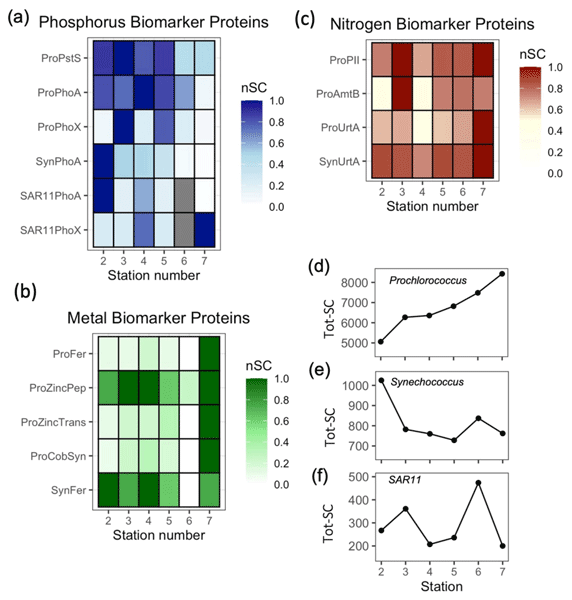
Claire Mahaffey, Noelle A. Held, Korinne Kunde, Clare Davis, Neil Wyatt, E. Matthew R. McIlvin, E. Malcolm S. Woodward, Lewis Wrightson, Alessandro Tagliabue, Maeve C. Lohan, and Mak Saito
Biogeosciences, 23, 905–922, https://doi.org/10.5194/bg-23-905-2026, https://doi.org/10.5194/bg-23-905-2026, 2026
Short summary
Short summary
Primary production helps regulate climate and is governed by nutrient availability. We used biogeochemical states and rates with proteomics to study how resource availability shapes metabolism in Prochlorococcus and Synechococcus. Both picocyanobacteria were phosphorus stressed in the western Atlantic, but Prochlorococcus was nitrogen, iron, zinc and cobalamin stressed in the east. Our findings provide species and ecotype level insights into oceanic nutrient acquisition and metabolism.
Mak A. Saito, Matthew R. McIlvin, Annette F. Govindarajan, and John A. Breier
EGUsphere, https://doi.org/10.5194/egusphere-2026-5382, https://doi.org/10.5194/egusphere-2026-5382, 2026
This preprint is open for discussion and under review for Biogeosciences (BG).
Short summary
Short summary
We examine the underlying challenges facing in situ measurements of chemical and biological analytes in seawater and makes a case for sample collection and subsequent laboratory analysis. Many analytes of biogeochemical importance are orders of magnitude scarcer than a needle in a haystack. We compare this challenge to biomedical diagnostics that rely primarily on sample collection and centralized laboratory analysis, despite greater financial investment and fewer engineering challenges.
Adam Francis, Robyn E. Tuerena, Raja S. Ganeshram, Markus Ankele, Alex R. Baker, Kirstin Dähnke, Sarah E. Reynolds, Ulrike Baranowski, and Claire Mahaffey
EGUsphere, https://doi.org/10.5194/egusphere-2026-4372, https://doi.org/10.5194/egusphere-2026-4372, 2026
This preprint is open for discussion and under review for Biogeosciences (BG).
Short summary
Short summary
The Mediterranean Sea has very low nutrient levels yet shows an unusual nutrient balance. We measured nitrogen and phosphorus forms in water collected across the sea to help explain this. Atmospheric sources, from human nitrogen pollution and desert dust, shape the Mediterranean nutrient distribution. Inputs can be direct or can stimulate microorganisms to take up nitrogen from the atmosphere. These inputs sink with dense water and affect nutrient supply and productivity across the wider ocean.
Rhiannon L. Jones, Maeve C. Lohan, Tobias Ehmen, Lisa Friberg, Ben Lincoln, Katy Sheen, Siobhan Foden, Katrien Van Landeghem, Kate Retallick, George Dadd, James Scourse, and Amber L. Annett
EGUsphere, https://doi.org/10.5194/egusphere-2026-3712, https://doi.org/10.5194/egusphere-2026-3712, 2026
Short summary
Short summary
In the ocean, iron is an essential yet scarce nutrient for primary producers. Melting glaciers in the Antarctic deliver high loads of sediment, rich in iron, to the coastal seafloor. This study investigates the reactivity and magnitude of iron released when seafloor sediment is resuspended into the water column by tidal and wave processes. These sediments are highly reactive and release high amounts of iron. We suggest these coastal processes are key for supplying iron to the Antarctic shelf.
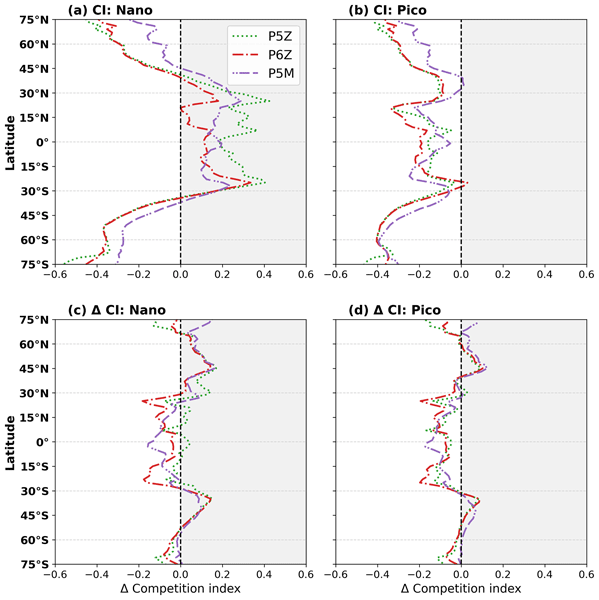
Jonathan Rogerson, Alessandro Tagliabue, Agathe Nguyen, Marcello Vichi, Lewis Wrightson, Prima Anugerahanti, Olivier Aumont, and Marion Gehlen
Biogeosciences, 23, 3179–3194, https://doi.org/10.5194/bg-23-3179-2026, https://doi.org/10.5194/bg-23-3179-2026, 2026
Short summary
Short summary
We use five different versions of a biogeochemical model to show that how phytoplankton growth processes are represented strongly shapes projections of future ocean productivity and carbon export. Added model complexity does not have a uniform global effect as some new processes mainly influence specific ocean regions, while others, such as an additional small phytoplankton type, lead to large intramodel differences in future trends and latitudinal patterns of productivity and carbon export.
Claire Mahaffey, Noelle A. Held, Korinne Kunde, Clare Davis, Neil Wyatt, E. Matthew R. McIlvin, E. Malcolm S. Woodward, Lewis Wrightson, Alessandro Tagliabue, Maeve C. Lohan, and Mak Saito
Biogeosciences, 23, 905–922, https://doi.org/10.5194/bg-23-905-2026, https://doi.org/10.5194/bg-23-905-2026, 2026
Short summary
Short summary
Primary production helps regulate climate and is governed by nutrient availability. We used biogeochemical states and rates with proteomics to study how resource availability shapes metabolism in Prochlorococcus and Synechococcus. Both picocyanobacteria were phosphorus stressed in the western Atlantic, but Prochlorococcus was nitrogen, iron, zinc and cobalamin stressed in the east. Our findings provide species and ecotype level insights into oceanic nutrient acquisition and metabolism.
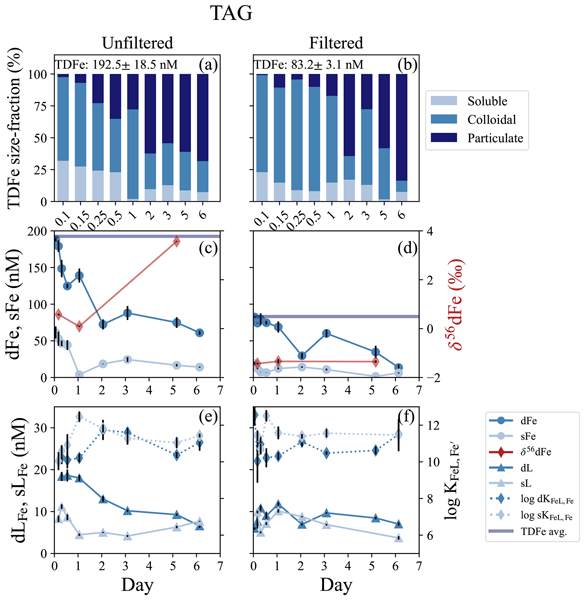
Travis Mellett, Justine B. Albers, Alyson E. Santoro, Pascal Salaun, Joseph Resing, Wenhao Wang, Alastair J. M. Lough, Alessandro Tagliabue, Maeve Lohan, Randelle M. Bundy, and Kristen N. Buck
Biogeosciences, 22, 8013–8030, https://doi.org/10.5194/bg-22-8013-2025, https://doi.org/10.5194/bg-22-8013-2025, 2025
Short summary
Short summary
Hydrothermal plumes of iron (Fe) have been observed to persist in the deep ocean, but the exact mechanisms that contribute to the long-range transport of Fe are not well defined. We collected plume waters from three different vent systems along the Mid-Atlantic Ridge and monitored the temporal evolution of the physical and chemical forms of iron and its interaction with organic matter over time to learn about the mechanisms that control its dispersion.
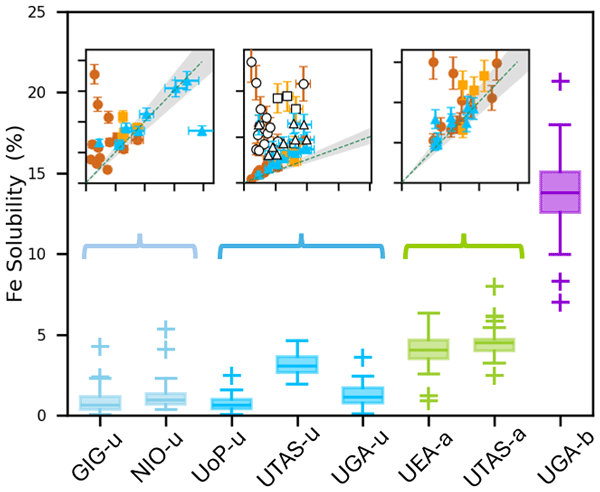
Mingjin Tang, Morgane M. G. Perron, Alex R. Baker, Rui Li, Andrew R. Bowie, Clifton S. Buck, Ashwini Kumar, Rachel Shelley, Simon J. Ussher, Robert Clough, Scott Meyerink, Prema P. Panda, Ashley T. Townsend, and Neil Wyatt
Atmos. Meas. Tech., 18, 6125–6141, https://doi.org/10.5194/amt-18-6125-2025, https://doi.org/10.5194/amt-18-6125-2025, 2025
Short summary
Short summary
This work, initiated by the SCOR (Scientific Committee on Oceanic Research) Working Group 167, has examined eight leaching protocols commonly used in the literature, is the first large-scale international laboratory comparison for aerosol trace element leaching protocols.
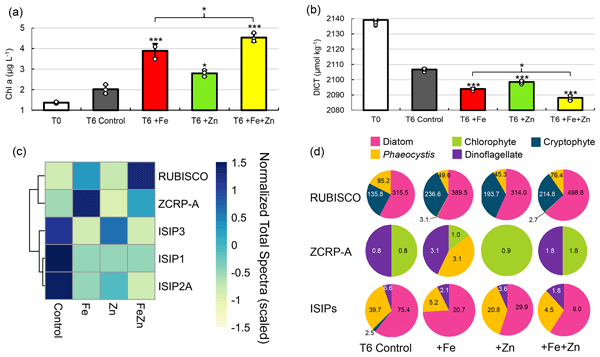
Riss M. Kell, Adam V. Subhas, Nicole L. Schanke, Lauren E. Lees, Rebecca J. Chmiel, Deepa Rao, Margaret M. Brisbin, Dawn M. Moran, Matthew R. McIlvin, Francesco Bolinesi, Olga Mangoni, Raffaella Casotti, Cecilia Balestra, Tristan J. Horner, Robert B. Dunbar, Andrew E. Allen, Giacomo R. DiTullio, and Mak A. Saito
Biogeosciences, 22, 5877–5896, https://doi.org/10.5194/bg-22-5877-2025, https://doi.org/10.5194/bg-22-5877-2025, 2025
Short summary
Short summary
Photosynthetic productivity is strongly influenced by water column nutrient availability. Despite the importance of zinc, definitive evidence for oceanic zinc limitation of photosynthesis has been scarce. We applied multiple biogeochemical measurements to a field site in Terra Nova Bay, Antarctica, to demonstrate that the phytoplankton community was experiencing zinc limitation. This field evidence paves the way for future experimental studies to consider Zn as a limiting oceanic micronutrient.
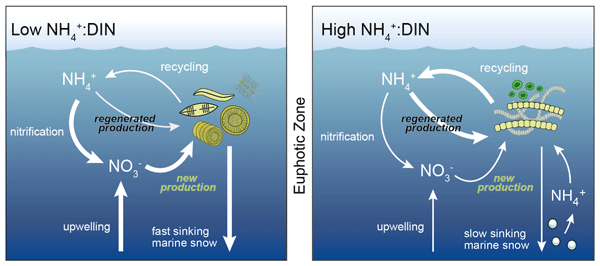
Pearse J. Buchanan, Juan J. Pierella Karlusich, Robyn E. Tuerena, Roxana Shafiee, E. Malcolm S. Woodward, Chris Bowler, and Alessandro Tagliabue
Biogeosciences, 22, 4865–4883, https://doi.org/10.5194/bg-22-4865-2025, https://doi.org/10.5194/bg-22-4865-2025, 2025
Short summary
Short summary
Ammonium is a form of nitrogen that may become more important for growth of marine primary producers (i.e., phytoplankton) in the future. Because some phytoplankton taxa have a greater affinity for ammonium than others, the relative increase in ammonium could cause shifts in community composition. We quantify ammonium enrichment, identify its drivers and isolate the possible effect on phytoplankton community composition under a high-emissions scenario.

Riss M. Kell, Rebecca J. Chmiel, Deepa Rao, Dawn M. Moran, Matthew R. McIlvin, Tristan J. Horner, Nicole L. Schanke, Ichiko Sugiyama, Robert B. Dunbar, Giacomo R. DiTullio, and Mak A. Saito
Biogeosciences, 21, 5685–5706, https://doi.org/10.5194/bg-21-5685-2024, https://doi.org/10.5194/bg-21-5685-2024, 2024
Short summary
Short summary
Despite interest in modeling the biogeochemical uptake and cycling of the trace metal zinc (Zn), measurements of Zn uptake in natural marine phytoplankton communities have not been conducted previously. To fill this gap, we employed a stable isotope uptake rate measurement method to quantify Zn uptake into natural phytoplankton assemblages within the Southern Ocean. Zn demand was high and rapid enough to depress the inventory of Zn available to phytoplankton on seasonal timescales.

Colleen L. Hoffman, Patrick J. Monreal, Justine B. Albers, Alastair J. M. Lough, Alyson E. Santoro, Travis Mellett, Kristen N. Buck, Alessandro Tagliabue, Maeve C. Lohan, Joseph A. Resing, and Randelle M. Bundy
Biogeosciences, 21, 5233–5246, https://doi.org/10.5194/bg-21-5233-2024, https://doi.org/10.5194/bg-21-5233-2024, 2024
Short summary
Short summary
Hydrothermally derived iron can be transported kilometers away from deep-sea vents, representing a significant flux of vital micronutrients to the ocean. However, the mechanisms that support the stabilization of dissolved iron remain elusive. Using electrochemical, spectrometry, and genomic methods, we demonstrated that strong ligands exert an important control on iron in plumes, and high-affinity iron-binding siderophores were identified in several hydrothermal plume samples for the first time.
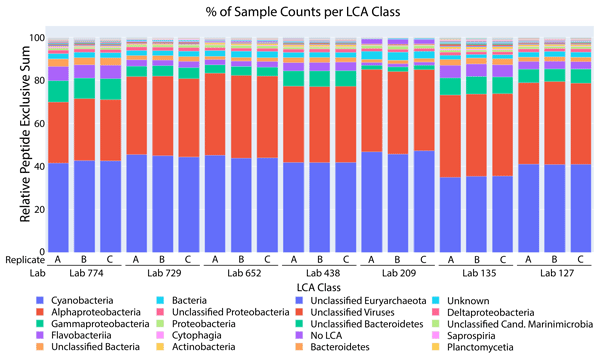
Mak A. Saito, Jaclyn K. Saunders, Matthew R. McIlvin, Erin M. Bertrand, John A. Breier, Margaret Mars Brisbin, Sophie M. Colston, Jaimee R. Compton, Tim J. Griffin, W. Judson Hervey, Robert L. Hettich, Pratik D. Jagtap, Michael Janech, Rod Johnson, Rick Keil, Hugo Kleikamp, Dagmar Leary, Lennart Martens, J. Scott P. McCain, Eli Moore, Subina Mehta, Dawn M. Moran, Jaqui Neibauer, Benjamin A. Neely, Michael V. Jakuba, Jim Johnson, Megan Duffy, Gerhard J. Herndl, Richard Giannone, Ryan Mueller, Brook L. Nunn, Martin Pabst, Samantha Peters, Andrew Rajczewski, Elden Rowland, Brian Searle, Tim Van Den Bossche, Gary J. Vora, Jacob R. Waldbauer, Haiyan Zheng, and Zihao Zhao
Biogeosciences, 21, 4889–4908, https://doi.org/10.5194/bg-21-4889-2024, https://doi.org/10.5194/bg-21-4889-2024, 2024
Short summary
Short summary
The ability to assess the functional capabilities of microbes in the environment is of increasing interest. Metaproteomics, the ability to measure proteins across microbial populations, has been increasing in capability and popularity in recent years. Here, an international team of scientists conducted an intercomparison study using samples collected from the North Atlantic Ocean and observed consistency in the peptides and proteins identified, their functions, and their taxonomic origins.
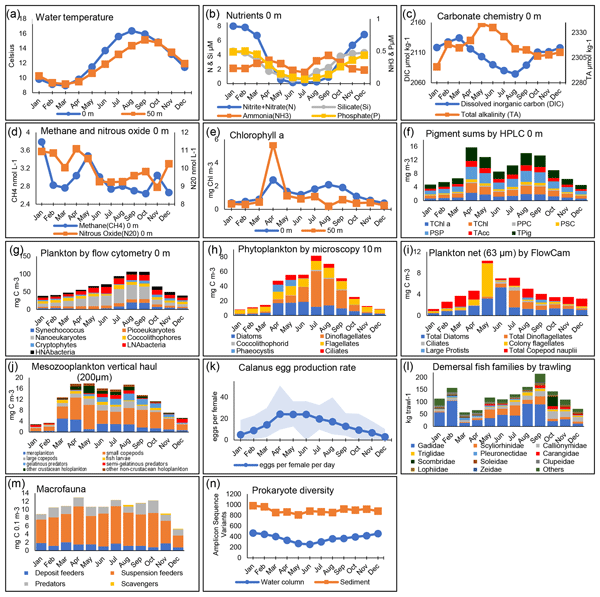
Andrea J. McEvoy, Angus Atkinson, Ruth L. Airs, Rachel Brittain, Ian Brown, Elaine S. Fileman, Helen S. Findlay, Caroline L. McNeill, Clare Ostle, Tim J. Smyth, Paul J. Somerfield, Karen Tait, Glen A. Tarran, Simon Thomas, Claire E. Widdicombe, E. Malcolm S. Woodward, Amanda Beesley, David V. P. Conway, James Fishwick, Hannah Haines, Carolyn Harris, Roger Harris, Pierre Hélaouët, David Johns, Penelope K. Lindeque, Thomas Mesher, Abigail McQuatters-Gollop, Joana Nunes, Frances Perry, Ana M. Queiros, Andrew Rees, Saskia Rühl, David Sims, Ricardo Torres, and Stephen Widdicombe
Earth Syst. Sci. Data, 15, 5701–5737, https://doi.org/10.5194/essd-15-5701-2023, https://doi.org/10.5194/essd-15-5701-2023, 2023
Short summary
Short summary
Western Channel Observatory is an oceanographic time series and biodiversity reference site within 40 km of Plymouth (UK), sampled since 1903. Differing levels of reporting and formatting hamper the use of the valuable individual datasets. We provide the first summary database as monthly averages where comparisons can be made of the physical, chemical and biological data. We describe the database, illustrate its utility to examine seasonality and longer-term trends, and summarize previous work.
Rebecca J. Chmiel, Riss M. Kell, Deepa Rao, Dawn M. Moran, Giacomo R. DiTullio, and Mak A. Saito
Biogeosciences, 20, 3997–4027, https://doi.org/10.5194/bg-20-3997-2023, https://doi.org/10.5194/bg-20-3997-2023, 2023
Short summary
Short summary
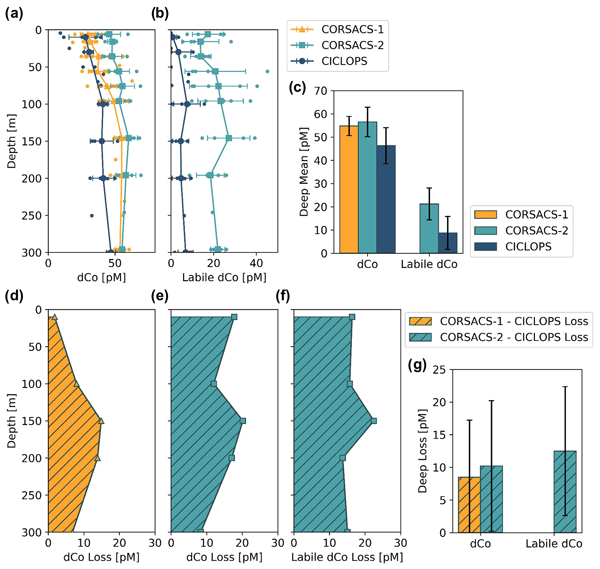
Cobalt is an important micronutrient for plankton, yet it is often scarce throughout the oceans. A 2017/2018 expedition to coastal Antarctica, including regions of the Amundsen Sea and the Ross Sea, discovered lower concentrations of cobalt compared to two past expeditions in 2005 and 2006, particularly for the type of cobalt preferred as a nutrient by phytoplankton. This loss may be due to changing inputs of other nutrients, causing higher uptake of cobalt by plankton over the last decade.
Alastair J. M. Lough, Alessandro Tagliabue, Clément Demasy, Joseph A. Resing, Travis Mellett, Neil J. Wyatt, and Maeve C. Lohan
Biogeosciences, 20, 405–420, https://doi.org/10.5194/bg-20-405-2023, https://doi.org/10.5194/bg-20-405-2023, 2023
Short summary
Short summary
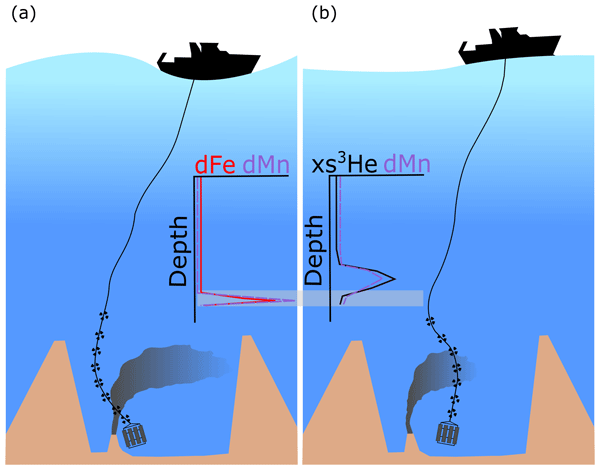
Iron is a key nutrient for ocean primary productivity. Hydrothermal vents are a source of iron to the oceans, but the size of this source is poorly understood. This study examines the variability in iron inputs between hydrothermal vents in different geological settings. The vents studied release different amounts of Fe, resulting in plumes with similar dissolved iron concentrations but different particulate concentrations. This will help to refine modelling of iron-limited ocean productivity.
Laurent Bopp, Olivier Aumont, Lester Kwiatkowski, Corentin Clerc, Léonard Dupont, Christian Ethé, Thomas Gorgues, Roland Séférian, and Alessandro Tagliabue
Biogeosciences, 19, 4267–4285, https://doi.org/10.5194/bg-19-4267-2022, https://doi.org/10.5194/bg-19-4267-2022, 2022
Short summary
Short summary
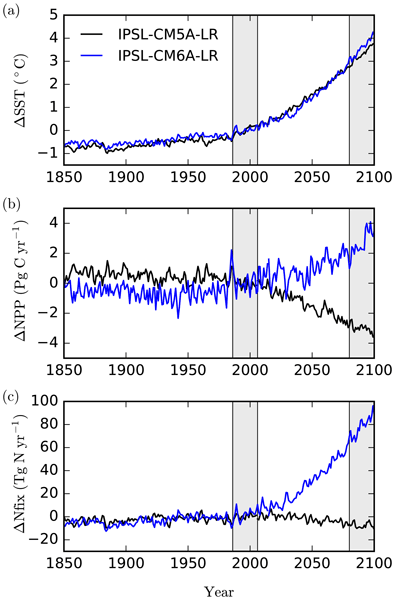
The impact of anthropogenic climate change on the biological production of phytoplankton in the ocean is a cause for concern because its evolution could affect the response of marine ecosystems to climate change. Here, we identify biological N fixation and its response to future climate change as a key process in shaping the future evolution of marine phytoplankton production. Our results show that further study of how this nitrogen fixation responds to environmental change is essential.
Rebecca Chmiel, Nathan Lanning, Allison Laubach, Jong-Mi Lee, Jessica Fitzsimmons, Mariko Hatta, William Jenkins, Phoebe Lam, Matthew McIlvin, Alessandro Tagliabue, and Mak Saito
Biogeosciences, 19, 2365–2395, https://doi.org/10.5194/bg-19-2365-2022, https://doi.org/10.5194/bg-19-2365-2022, 2022
Short summary
Short summary
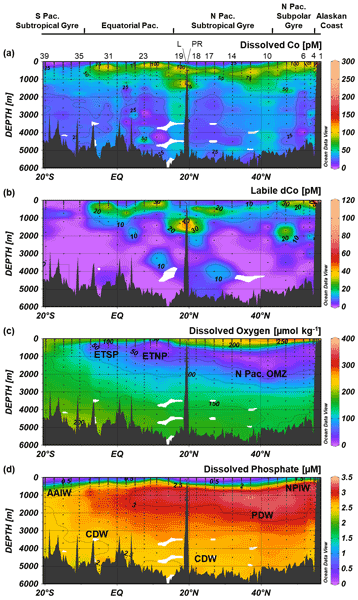
Dissolved cobalt is present in trace amounts in seawater and is a necessary nutrient for marine microbes. On a transect from the Alaskan coast to Tahiti, we measured seawater concentrations of dissolved cobalt. Here, we describe several interesting features of the Pacific cobalt cycle including cobalt sources along the Alaskan coast and Hawaiian vents, deep-ocean particle formation, cobalt activity in low-oxygen regions, and how our samples compare to a global biogeochemical model’s predictions.
Elliott L. Price, Rowena F. Stern, Claire Mahaffey, Claudia Castellani, and Rachel M. Jeffreys
Biogeosciences Discuss., https://doi.org/10.5194/bg-2021-279, https://doi.org/10.5194/bg-2021-279, 2021
Preprint withdrawn
Short summary
Short summary
Plankton are a vital group of organisms in the arctic as they are prey for animals such as fish, seals and whales. Communities of plankton consist of many different species that need different environmental conditions in order to thrive. Using data from the past decade, we show how changes to environmental conditions on an interannual time scale results in changes to the plankton community. The changes we found could have wider impacts on fisheries, and other species that feed upon plankton.
Cited articles
Bicknell, R., Schaeffer, A., Auld, D. S., Riordan, J. F., Monnanni, R., and Bertini, I.: Protease susceptibility of zinc- and APO-carboxypeptidase A, Biochemical and Biophysical Research Communications, 133, 787–793, https://doi.org/10.1016/0006-291X(85)90973-8, 1985.
Bradshaw, R. A., Cancedda, F., Ericsson, L. H., Neumann, P. A., Piccoli, S. P., Schlesinger, M. J., Shriefer, K., and Walsh, K. A.: Amino acid sequence of Escherichia coli alkaline phosphatase., P. Natl. Acad. Sci. USA, 78, 3473–3477, https://doi.org/10.1073/pnas.78.6.3473, 1981.
Browning, T. J., Achterberg, E. P., Yong, J. C., Rapp, I., Utermann, C., Engel, A., and Moore, C. M.: Iron limitation of microbial phosphorus acquisition in the tropical North Atlantic, Nature Communications, 8, 1–7, https://doi.org/10.1038/ncomms15465, 2017.
Carvalho, P. C., Fischer, J. S. G., Chen, E. I., Yates, J. R., and Barbosa, V. C.: PatternLab for proteomics: A tool for differential shotgun proteomics, BMC Bioinformatics, 9, 1–14, https://doi.org/10.1186/1471-2105-9-316, 2008.
Coleman, J. E.: Structure and mechanism of alkaline phosphatase, Annu. Rev. Biophys. Biomol. Struct., 21, 441–483, https://doi.org/10.1146/annurev.bb.21.060192.002301, 1992.
Cox, A. D. and Saito, M. A.: Proteomic responses of oceanic Synechococcus WH8102 to phosphate and zinc scarcity and cadmium additions, Frontiers in Microbiology, 4, 1–17, https://doi.org/10.3389/fmicb.2013.00387, 2013.
Davis, C., Lohan, M. C., Tuerena, R., Cerdan-Garcia, E., Woodward, E. M. S., Tagliabue, A., and Mahaffey, C.: Diurnal variability in alkaline phosphatase activity and the potential role of zooplankton, Limnology and Oceanography Letters, 4, 71–78, https://doi.org/10.1002/lol2.10104, 2019.
Duhamel, S., Dyhrman, S. T., and Karl, D. M.: Alkaline phosphatase activity and regulation in the North Pacific Subtropical Gyre, Limnology and Oceanography, 55, 1414–1425, https://doi.org/10.4319/lo.2010.55.3.1414, 2010.
Duhamel, S., Bjo, K. M., Wambeke, F. V., Moutin, T., and Karl, D. M.: Characterization of alkaline phosphatase activity in the North and South Pacific Subtropical Gyres: Implications for phosphorus cycling, 56, 1244–1254, https://doi.org/10.4319/lo.2011.56.4.1244, 2011.
Dupont, C. L., Yang, S., Palenik, B., and Bourne, P. E.: Modern proteomes contain putative imprints of ancient shifts in trace metal geochemistry, P. Natl. Acad. Sci. USA, 103, 17822–7, https://doi.org/10.1073/pnas.0605798103, 2006.
Dyhrman, S. T. and Ruttenberg, K. C.: Presence and regulation of alkaline phosphatase activity in eukaryotic phytoplankton from the coastal ocean: Implications for dissolved organic phosphorus remineralization, Limnology and Oceanography, 51, 1381–1390, https://doi.org/10.4319/lo.2006.51.3.1381, 2006.
Gottesman, M., Simpson, R. T., and Vallee, B. L.: Kinetic properties of cobalt alkaline phosphatase, Biochemistry, 8, 3776–3783, https://doi.org/10.1021/bi00837a043, 1969.
Hawco, N. J. and Saito, M. A.: Competitive inhibition of cobalt uptake by zinc and manganese in a pacific Prochlorococcus strain: Insights into metal homeostasis in a streamlined oligotrophic cyanobacterium, Limnology and Oceanography, 63, 2229–2249, https://doi.org/10.1002/lno.10935, 2018.
Held, N. A., Webb, E. A., McIlvin, M. M., Hutchins, D. A., Cohen, N. R., Moran, D. M., Kunde, K., Lohan, M. C., Mahaffey, C., Woodward, E. M. S., and Saito, M. A.: Co-occurrence of Fe and P stress in natural populations of the marine diazotroph Trichodesmium, Biogeosciences, 17, 2537–2551, https://doi.org/10.5194/bg-17-2537-2020, 2020.
Hoffmann, L. J., Breitbarth, E., Boyd, P. W., and Hunter, K. A.: Influence of ocean warming and acidification on trace metal biogeochemistry, Marine Ecology Progress Series, 470, 191–205, https://doi.org/10.3354/meps10082, 2012.
Johnson, J. E., Present, T. M., and Valentine, J. S.: Iron: Life's primeval transition metal, P. Natl. Acad. Sci. USA, 121, e2318692121, https://doi.org/10.1073/pnas.2318692121, 2024.
Kathuria, S. and Martiny, A. C.: Prevalence of a calcium-based alkaline phosphatase associated with the marine cyanobacterium Prochlorococcus and other ocean bacteria, Environ. Microbiol., 13, 74–83, https://doi.org/10.1111/j.1462-2920.2010.02310.x, 2011.
Kellogg, R. M., McIlvin, M. R., Vedamati, J., Twining, B. S., Moffett, J. W., Marchetti, A., Moran, D. M., and Saito, M. A.: Efficient zinc/cobalt inter-replacement in northeast Pacific diatoms and relationship to high surface dissolved Co: Zn ratios, Limnology and Oceanography, 65, 2557–2582, https://doi.org/10.1002/lno.11471, 2020.
Kim, I.-N., Lee, K., Gruber, N., Karl, D. M., Bullister, J. L., Yang, S., and Kim, T.-W.: Chemical oceanography. Increasing anthropogenic nitrogen in the North Pacific Ocean, Science, 346, 1102–1106, https://doi.org/10.1126/science.1258396, 2014.
Kolowith, L. C., Ingall, E. D., and Benner, R.: Composition and cycling of marine organic phosphorus, Limnology & Oceanography, 46, 309–320, https://doi.org/10.4319/lo.2001.46.2.0309, 2001.
Kunde, K., Wyatt, N. J., González-Santana, D., Tagliabue, A., Mahaffey, C., and Lohan, M. C.: Iron Distribution in the Subtropical North Atlantic: The Pivotal Role of Colloidal Iron, Global Biogeochemical Cycles, 33, 2019GB006326, https://doi.org/10.1029/2019GB006326, 2019.
Lazdunski, C. and Lazdunski, M.: Zn2+ and Co2+-alkaline phosphatases of E. coli. A comparative kinetic study, Eur. J. Biochem., 7, 294–300, https://doi.org/10.1111/j.1432-1033.1969.tb19606.x, 1969.
Li, H., Veldhuis, M., and Post, A.: Alkaline phosphatase activities among planktonic communities in the northern Red Sea, Mar. Ecol. Prog. Ser., 173, 107–115, https://doi.org/10.3354/meps173107, 1998.
Lohan, M. C. and Tagliabue, A.: Oceanic Micronutrients: Trace Metals that are Essential for Marine Life, Elements, 14, 385–390, https://doi.org/10.2138/gselements.14.6.385, 2018.
Lomas, M. W., Burke, A. L., Lomas, D. A., Bell, D. W., Shen, C., Dyhrman, S. T., and Ammerman, J. W.: Sargasso Sea phosphorus biogeochemistry: an important role for dissolved organic phosphorus (DOP), Biogeosciences, 7, 695–710, https://doi.org/10.5194/bg-7-695-2010, 2010.
Lu, X. and Zhu, H.: Tube-Gel Digestion: A Novel Proteomic Approach for High Throughput Analysis of Membrane Proteins, Mol. Cell Proteomics, 4, 1948–1958, https://doi.org/10.1074/mcp.M500138-MCP200, 2005.
Lundgren, D. H., Hwang, S. I., Wu, L., and Han, D. K.: Role of spectral counting in quantitative proteomics, Expert Review of Proteomics, 7, 39–53, https://doi.org/10.1586/epr.09.69, 2010.
Luo, H., Benner, R., Long, R. A., and Hu, J.: Subcellular localization of marine bacterial alkaline phosphatases, P. Natl. Acad. Sci. USA, 106, 21219–21223, https://doi.org/10.1073/pnas.0907586106, 2009.
MacLean, B., Tomazela, D. M., Shulman, N., Chambers, M., Finney, G. L., Frewen, B., Kern, R., Tabb, D. L., Liebler, D. C., and MacCoss, M. J.: Skyline: an open source document editor for creating and analyzing targeted proteomics experiments, Bioinformatics, 26, 966–968, https://doi.org/10.1093/bioinformatics/btq054, 2010.
Mahaffey, C., Reynolds, S., Davis, C. E., Lohan, M. C., and Lomas, M. W.: Alkaline phosphatase activity in the subtropical ocean: insights from nutrient, dust and trace metal addition experiments, Frontiers in Marine Science, 1, 1–13, https://doi.org/10.3389/fmars.2014.00073, 2014.
Mahaffey, C., Held, N. A., Kunde, K., Davis, C., Wyatt, N., McIlvin, E. M. R., Woodward, E. M. S., Wrightson, L., Tagliabue, A., Lohan, M. C., and Saito, M.: Proteomic and biogeochemical perspectives on cyanobacteria nutrient acquisition – Part 1: Zonal gradients in phosphorus and nitrogen acquisition and stress revealed by metaproteomes of Prochlorococcus and Synechococcus, Biogeosciences, 23, 905–922, https://doi.org/10.5194/bg-23-905-2026, 2026.
Martiny, A. C., Coleman, M. L., and Chisholm, S. W.: Phosphate acquisition genes in Prochlorococcus ecotypes: Evidence for genome-wide adaptation, P. Natl. Acad. Sci. USA, 103, 12552–12557, https://doi.org/10.1073/pnas.0601301103, 2006.
Martiny, A. C., Lomas, M. W., Fu, W., Boyd, P. W., Chen, Y. L., Cutter, G. A., Ellwood, M. J., Furuya, K., Hashihama, F., Kanda, J., Karl, D. M., Kodama, T., Li, Q. P., Ma, J., Moutin, T., Woodward, E. M. S., and Moore, J. K.: Biogeochemical controls of surface ocean phosphate, Science Advances, 5, eaax0341, https://doi.org/10.1126/sciadv.aax0341, 2019.
Mather, R., Reynolds, S., Wolff, G., Williams, R., Torres-Valdés, S., Woodward, E., Angela, L., Pan, X., Sanders, R., and Achterberg, E.: Phosphorus cycling in the North and South Atlantic Ocean subtropical gyres, Nature Geoscience, 1, 439–443, https://doi.org/10.1038/ngeo232, 2008.
Mikhaylina, A., Scott, L., Scanlan, D. J., and Blindauer, C. A.: A metallothionein from an open ocean cyanobacterium removes zinc from the sensor protein controlling its transcription, J. Inorg. Biochem., 230, 111755, https://doi.org/10.1016/j.jinorgbio.2022.111755, 2022.
Moore, C. M., Mills, M. M., Arrigo, K. R., Berman-Frank, I., Bopp, L., Boyd, P. W., Galbraith, E. D., Geider, R. J., Guieu, C., Jaccard, S. L., Jickells, T. D., Roche, J. L., Lenton, T. M., Mahowald, N. M., Marañón, E., Marinov, I., Moore, J. K., Nakatsuka, T., Oschlies, A., Saito, M. A., Thingstad, T. F., Tsuda, A., and Ulloa, O.: Processes and Patterns of Oceanic Nutrient Limitation, Nat. Geoscience, 6, 701–710, 2013.
Morel, F. M. M., Lam, P. J., and Saito, M. A.: Trace Metal Substitution in Marine Phytoplankton, Annual Review of Earth and Planetary Sciences, 48, 491–517, https://doi.org/10.1146/annurev-earth-053018-060108, 2020.
Ohnemus, D. C., Rauschenberg, S., Krause, J. W., Brzezinski, M. A., Collier, J. L., Geraci-Yee, S., Baines, S. B., and Twining, B. S.: Silicon content of individual cells of Synechococcus from the North Atlantic Ocean, Marine Chemistry, 187, 16–24, https://doi.org/10.1016/j.marchem.2016.10.003, 2016.
Price, N. M. and Morel, F. M. M.: Cadmium and cobalt substitution for zinc in a marine diatom, Nature, 344, 658–660, https://doi.org/10.1038/344658a0, 1990.
Saito, M., Alexander, H., Benway, H., Boyd, P., Gledhill, M., Kujawinski, E., Levine, N., Maheigan, M., Marchetti, A., Obernosterer, I., Santoro, A., Shi, D., Suzuki, K., Tagliabue, A., Twining, B., and Maldonado, M.: The Dawn of the BioGeoSCAPES Program: Ocean Metabolism and Nutrient Cycles on a Changing Planet, Oceanog., 37, https://doi.org/10.5670/oceanog.2024.417, 2024.
Saito, M. A., Sigman, D. M., and Morel, F. M. M.: The bioinorganic chemistry of the ancient ocean: The co-evolution of cyanobacterial metal requirements and biogeochemical cycles at the Archean-Proterozoic boundary?, Inorganica Chimica Acta, 356, 308–318, https://doi.org/10.1016/S0020-1693(03)00442-0, 2003.
Saito, M. A., Bertrand, E. M., Dutkiewicz, S., Bulygin, V. V., Moran, D. M., Monteiro, F. M., Follows, M. J., Valois, F. W., and Waterbury, J. B.: Iron conservation by reduction of metalloenzyme inventories in the marine diazotroph Crocosphaera watsonii, P. Natl. Acad. Sci. USA, 108, 2184–9, https://doi.org/10.1073/pnas.1006943108, 2011a.
Saito, M. A., Bulygin, V. V., Moran, D. M., Taylor, C., and Scholin, C.: Examination of Microbial Proteome Preservation Techniques Applicable to Autonomous Environmental Sample Collection, Front. Microbiol., 2, 215, https://doi.org/10.3389/fmicb.2011.00215, 2011b.
Saito, M. A., McIlvin, M. R., Moran, D. M., Goepfert, T. J., DiTullio, G. R., Post, A. F., and Lamborg, C. H.: Multiple nutrient stresses at intersecting Pacific Ocean biomes detected by protein biomarkers, Science (New York, N.Y.), 345, 1173–1177, https://doi.org/10.1126/science.1256450, 2014.
Saito, M. A., Dorsk, A., Post, A. F., McIlvin, M. R., Rappé, M. S., DiTullio, G. R., and Moran, D. M.: Needles in the blue sea: Sub-species specificity in targeted protein biomarker analyses within the vast oceanic microbial metaproteome, Proteomics, 15, 3521–3531, https://doi.org/10.1002/pmic.201400630, 2015.
Saito, M. A., Noble, A. E., Hawco, N., Twining, B. S., Ohnemus, D. C., John, S. G., Lam, P., Conway, T. M., Johnson, R., Moran, D., and McIlvin, M.: The acceleration of dissolved cobalt's ecological stoichiometry due to biological uptake, remineralization, and scavenging in the Atlantic Ocean, Biogeosciences, 14, 4637–4662, https://doi.org/10.5194/bg-14-4637-2017, 2017.
Saito, M. A., Mcilvin, M. R., Moran, D. M., Santoro, A. E., Dupont, C. L., Rafter, P. A., Saunders, J. K., Kaul, D., Lamborg, C. H., Westley, M., Valois, F., and Waterbury, J. B.: Abundant nitrite-oxidizing metalloenzymes in the mesopelagic zone of the tropical Pacific Ocean, Nature Geoscience, 13, https://doi.org/10.1038/s41561-020-0565-6, 2020.
Santos-Beneit, F.: The Pho regulon: a huge regulatory network in bacteria, Frontiers in Microbiology, 6, 1–14, https://doi.org/10.3389/fmicb.2015.00402, 2015.
Saunders, J. K., Gaylord, D. A., Held, N. A., Symmonds, N., Dupont, C., Shepherd, A., Kinkade, D. B., and Saito, M. A.: METATRYP v 2.0: Metaproteomic Least Common Ancestor Analysis for Taxonomic Inference Using Specialized Sequence Assemblies - Standalone Software and Web Servers for Marine Microorganisms and Coronaviruses, Journal of Proteome Research, https://doi.org/10.1021/acs.jproteome.0c00385, 2020.
Scanlan, D. J., Mann, N. H., and Carr, N. G.: The response of the picoplanktonic marine cyanobacterium Synechococcus species WH7803 to phosphate starvation involves a protein homologous to the periplasmic phosphate-binding protein of Escherichia coli, Mol. Microbiol., 10, 181–191, https://doi.org/10.1111/j.1365-2958.1993.tb00914.x, 1993.
Shaked, Y., Xu, Y., Leblanc, K., and Morel, F. M. M.: Zinc availability and alkaline phosphatase activity in Emiliania huxleyi: Implications for Zn-P co-limitation in the ocean, Limnology and Oceanography, 51, 299–309, https://doi.org/10.4319/lo.2006.51.1.0299, 2006.
Sofen, L. E., Antipova, O. A., Ellwood, M. J., Gilbert, N. E., LeCleir, G. R., Lohan, M. C., Mahaffey, C., Mann, E. L., Ohnemus, D. C., Wilhelm, S. W., and Twining, B. S.: Trace metal contents of autotrophic flagellates from contrasting open-ocean ecosystems, Limnology and Oceanography Letters, 7, 354–362, https://doi.org/10.1002/lol2.10258, 2022.
Sunda, W. G. and Huntsman, S. A.: Cobalt and zinc interreplacement in marine phytoplankton: Biological and geochemical implications, Limnology and Oceanography, 40, 1404–1417, https://doi.org/10.4319/lo.1995.40.8.1404, 1995.
Timmermans, K. R., Snoek, J., Gerringa, L. J. A., Zondervan, I., and de Baar, H. J. W.: Not all eukaryotic algae can replace zinc with cobalt: Chaetoceros calcitrans (Bacillariophyceae) versus Emiliania huxleyi (Prymnesiophyceae), Limnology and Oceanography, 46, 699–703, https://doi.org/10.4319/lo.2001.46.3.0699, 2001.
Wiśniewski, J. R. and Rakus, D.: Quantitative analysis of the Escherichia coli proteome, Data Brief, 1, 7–11, https://doi.org/10.1016/j.dib.2014.08.004, 2014.
Wisniewski Jakuba, R., Moffett, J. W., and Dyhrman, S. T.: Evidence for the linked biogeochemical cycling of zinc, cobalt, and phosphorus in the western North Atlantic Ocean, Global Biogeochemical Cycles, 22, https://doi.org/10.1029/2007GB003119, 2008.
Wu, J.-R., Shien, J.-H., Shieh, H. K., Hu, C.-C., Gong, S.-R., Chen, L.-Y., and Chang, P.-C.: Cloning of the gene and characterization of the enzymatic properties of the monomeric alkaline phosphatase (PhoX) from Pasteurella multocida strain X-73, FEMS Microbiology Letters, 267, https://doi.org/10.1111/j.1574-6968.2006.00542.x, 2007.
Wurl, O., Zimmer, L., and Cutter, G. A.: Arsenic and phosphorus biogeochemistry in the ocean: Arsenic species as proxies for P-limitation, Limnology and Oceanography, 58, 729–740, https://doi.org/10.4319/lo.2013.58.2.0729, 2013.
Xu, Y., Tang, D., Shaked, Y., and Morel, F. M. M.: Zinc, cadmium, and cobalt interreplacement and relative use efficiencies in the coccolithophore Emiliania huxleyi, Limnology and Oceanography, 52, 2294–2305, https://doi.org/10.4319/lo.2007.52.5.2294, 2007.
Yee, D. and Morel, F. M. M.: In vivo substitution of zinc by cobalt in carbonic anhydrase of a marine diatom, Limnology and Oceanography, 41, 573–577, https://doi.org/10.4319/lo.1996.41.3.0573, 1996.
Yong, S. C., Roversi, P., Lillington, J., Rodriguez, F., Krehenbrink, M., Zeldin, O. B., Garman, E. F., Lea, S. M., and Berks, B. C.: A complex iron-calcium cofactor catalyzing phosphotransfer chemistry, Science (New York, N.Y.), 345, 1170–3, https://doi.org/10.1126/science.1254237, 2014.
Young, C. L. and Ingall, E. D.: Marine Dissolved Organic Phosphorus Composition: Insights from Samples Recovered Using Combined Electrodialysis/Reverse Osmosis, Aquat. Geochem., 16, 563–574, https://doi.org/10.1007/s10498-009-9087-y, 2010.
Zhang, B., VerBerkmoes, N. C., Langston, M. A., Uberbacher, E., Hettich, R. L., and Samatova, N. F.: Detecting differential and correlated protein expression in label-free shotgun proteomics, Journal of Proteome Research, 5, 2909–2918, https://doi.org/10.1021/pr0600273, 2006.
Short summary
Microbial enzymes are critical to marine biogeochemical cycles, but which microbes are producing those enzymes? We used a targeted proteomics method to quantify how much Prochlorococcus and Synechococcus contribute to surface ocean alkaline phosphatase activity. We find that alkaline phosphatase abundance is limited by the availability of iron, zinc and cobalt (which may substitute for zinc).
Microbial enzymes are critical to marine biogeochemical cycles, but which microbes are producing...


Altmetrics
Final-revised paper
Preprint