
Articles | Volume 23, issue 14
https://doi.org/10.5194/bg-23-5205-2026
© Author(s) 2026. This work is distributed under
the Creative Commons Attribution 4.0 License.
the Creative Commons Attribution 4.0 License.
https://doi.org/10.5194/bg-23-5205-2026
© Author(s) 2026. This work is distributed under
the Creative Commons Attribution 4.0 License.
the Creative Commons Attribution 4.0 License.
Ideas and perspectives
| 
30 Jul 2026
Ideas and perspectives |
| 30 Jul 2026
| 30 Jul 2026
Ideas and perspectives: Using meta-omics to unravel biogeochemical changes from cell to planetary scales

Laboratoire des Sciences du Climat et de l'Environnement, IPSL-LSCE, CEA/CNRS/UVSQ, Orme des Merisiers, 91191, Gif sur Yvette, France
Christoph Keuschnig
GFZ Helmholtz Centre for Geosciences, 14473 Potsdam, Germany
Pierre Amato
Laboratoire Microorganismes: Génome et Environnement, UMR 6023 CNRS-Université Clermont Auvergne, 63178, Aubière, France
Chris Bowler
Institut de Biologie de l'Ecole Normale Supérieure (IBENS), Ecole Normale Supérieure, CNRS, INSERM, Université PSL, 75005 Paris, France
CNRS Research Federation for the study of Global Ocean Systems Ecology and Evolution, FR2022/Tara Oceans GOSEE, Paris, France
Eric Capo
Department of Ecology and Environmental Science, Umeå University, 90187, Umeå, Sweden
Alexander B. Chase
Department of Earth Sciences. Southern Methodist University, Dallas, TX, USA
Luciana Chavez Rodriguez
Soil Biology Group, Wageningen University & Research, Wageningen, Gelderland, the Netherlands
Abraham N. Dabengwa
Evolutionary Studies Institute, University of the Witwatersrand, Private Bag Wits 2050, Johannesburg, South Africa
Centre de Recherche et d'Enseignement des Géosciences de l'Environnement (CEREGE), CNRS UMR7330, Europole de l'Arbois, CEDEX 04, Aix-en-Provence 13545, France
Thomas Dussarrat
Department of Chemical Ecology, Bielefeld University, Universitätsstr. 25, 33615 Bielefeld, Germany
Thomas Guzman
INRAE UMR1391 ISPA, 33140 Villenave D'Ornon, France
Linnea K. Hernandez
Physical and Life Sciences Directorate, Lawrence Livermore National Laboratory, Livermore, CA 94550, USA
Jenni Hultman
Natural Resources Institute Finland, Helsinki, Finland
Kirsten Küsel
Institute of Biodiversity, Ecology, and Evolution, Friedrich Schiller University Jena, Jena, Germany
Cluster of Excellence Balance of the Microverse, Friedrich Schiller University Jena, Germany
Zhen Li
Physical and Life Sciences Directorate, Lawrence Livermore National Laboratory, Livermore, CA 94550, USA
Climate and Ecosystem Sciences Division, Lawrence Berkeley National Laboratory, Berkeley, CA 94720, USA
Anna Mankowski
Molecular Systems Biology Unit, European Molecular Biology Laboratory, Heidelberg, Germany
William J. Riley
Climate and Ecosystem Sciences Division, Lawrence Berkeley National Laboratory, Berkeley, CA 94720, USA
Scott R. Saleska
Department of Ecology and Evolutionary Biology. University of Arizona, Tucson, AZ 85721, USA
Lisa Wingate
INRAE UMR1391 ISPA, 33140 Villenave D'Ornon, France
Related authors
No articles found.
Li Xu, Qi Tang, Qing Zhu, William J. Riley, Guido R. van der Werf, Yang Chen, Michael J. Prather, and James T. Randerson
EGUsphere, https://doi.org/10.5194/egusphere-2026-4288, https://doi.org/10.5194/egusphere-2026-4288, 2026
This preprint is open for discussion and under review for Atmospheric Chemistry and Physics (ACP).
Short summary
Short summary
Using the E3SM version 3 model with interactive chemistry, this study shows that wildfires substantially perturb global and regional tropospheric chemistry and modify radiative effects through aerosol and ozone interactions, with particularly strong impacts in tropical fire regions. By connecting wildfire emissions with changes in atmospheric composition, radiation, and climate, this study provides important insights on how the atmosphere responds to changing fire activities.
Shaswati Chowdhury, Maria von Post, Roger Roca Vallejo, Karen Naciph Mora, Jenni Hultman, Taina Pennanen, Antti-Jussi Lindroos, Davide Geneletti, Chiara Cortinovis, Silvia Frezzi, Laura Zara, Katarina Hedlund, and Katharina Helming
EGUsphere, https://doi.org/10.5194/egusphere-2026-4955, https://doi.org/10.5194/egusphere-2026-4955, 2026
This preprint is open for discussion and under review for SOIL (SOIL).
Short summary
Short summary
Soil health is shaped by many different influences, but these are often described and classified inconsistently across studies. We analysed 451 studies from across Europe to create a common typology of drivers for comparing these influences across locations, land uses, and soil health objectives. The results reveal dominant influences, important knowledge gaps, and how multiple factors interact to shape soil health, supporting better research, monitoring, and policy decisions.
Leslie Nuñez López, Pierre Amato, and Barbara Ervens
EGUsphere, https://doi.org/10.5194/egusphere-2026-5013, https://doi.org/10.5194/egusphere-2026-5013, 2026
This preprint is open for discussion and under review for Biogeosciences (BG).
Short summary
Short summary
Clouds contain microorganisms that can biodegrade organics, potentially influencing the atmospheric carbon cycle. We present a framework to estimate biodegradation rates for common cloud-water constituents and shows that microbial abundance is the main controlling factor. Overall, biodegradation is a minor atmospheric sink, only important for a few individual compounds. These findings improve estimates of atmospheric sinks and help advance our understanding of airborne microbial activity.
José Manuel Murúa Royo, Brittni Lin Bertolet, Luciana Chavez Rodriguez, Jeth Walkup, and Steven D. Allison
EGUsphere, https://doi.org/10.5194/egusphere-2026-3590, https://doi.org/10.5194/egusphere-2026-3590, 2026
Short summary
Short summary
Predictions of future climate change are done by models that represent real processes. Many models assume that soil microbes increase their production of CO2 when nutrients in their food are imbalanced, a behavior called overflow respiration. We demonstrate that alternative biological mechanisms avoid overflow from happening or completely revert its effect. Including these mechanisms in models could lead to very different CO2 predictions, impacting future scenarios of climate change.
Jinyun Tang, William J. Riley, Gianna L. Marschmann, and Eoin L. Brodie
Biogeosciences, 23, 3995–4010, https://doi.org/10.5194/bg-23-3995-2026, https://doi.org/10.5194/bg-23-3995-2026, 2026
Short summary
Short summary
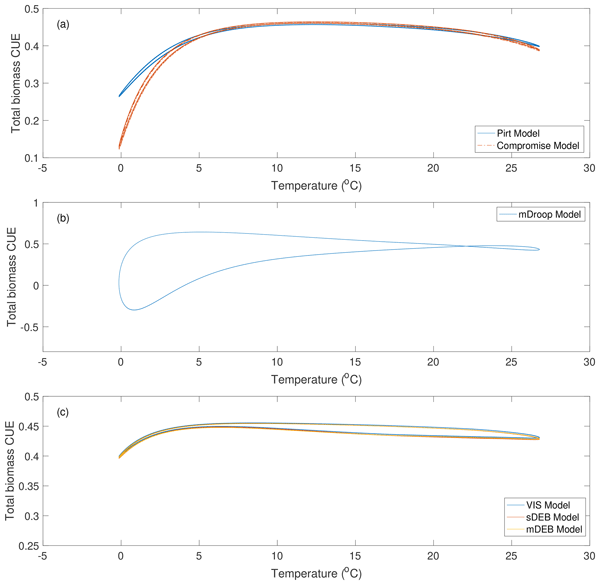
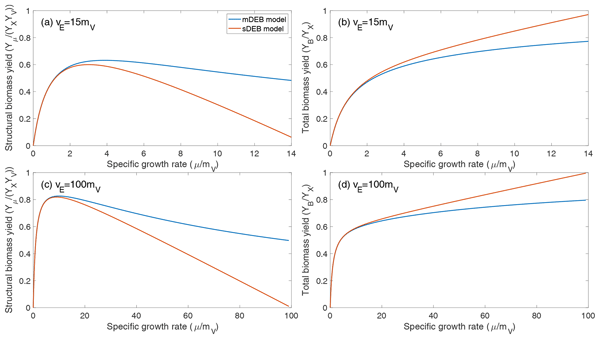
Carbon Use Efficiency (CUE) measures how biological organisms use carbon to synthesize new biomass, inferred to first increase and then decrease with specific growth rate. Our analysis of six biological growth models reveals that source-driven models fail to capture this relationship, while sink-driven models, using a reserve biomass pool, succeed. Existing biogeochemical models often depict a deterministic CUE-controlling factor relationship, which we find should be modeled dynamically instead.
Johannes Sakari Niemi, Miska Samuli Luoto, Anna-Maria Ilona Virkkala, Johanna Marika Lehtinen, and Jenni Johanna Hultman
EGUsphere, https://doi.org/10.5194/egusphere-2026-2936, https://doi.org/10.5194/egusphere-2026-2936, 2026
Short summary
Short summary
We present 1273 greenhouse gas flux measurements from 144 locations across subarctic wetlands, tundra, and forests. Fluxes were strongly linked with soil temperature, moisture, and pH with pronounced seasonal variation. Key findings include significant N₂O sinks and CH₄ emissions from wetlands, increasing CH₄ emissions from melting permafrost, and small but consistent CH₄ sinks in forest and tundra. These results help to reduce uncertainties in global greenhouse gas budgets and measurements.
Mengze Li, Robert B. Jackson, Marielle Saunois, Philippe Ciais, Ben Poulter, Josep G. Canadell, Prabir K. Patra, Hanqin Tian, Zhen Zhang, Etienne Fluet-Chouinard, Zutao Ouyang, Ting Zhang, David J. Beerling, Dmitry A. Belikov, Philippe Bousquet, Danilo Custodio, Naveen Chandra, Xinyu Dou, Nicola Gedney, Peter O. Hopcroft, Alison M. Hoyt, Kazuhito Ichii, Akihito Ito, Atul K. Jain, Katherine Jensen, Fortunat Joos, Thomas Kleinen, Masayuki Kondo, Fa Li, Tingting Li, Xiangyu Liu, Shamil Maksyutov, Avni Malhotra, Adrien Martinez, Kyle McDonald, Joe R. Melton, Jurek Müller, Yosuke Niwa, Shufen Pan, Shushi Peng, Changhui Peng, Zhangcai Qin, Peter Raymond, William Riley, Arjo Segers, Rona L. Thompson, Aki Tsuruta, Yi Xi, Kunxiaojia Yuan, Wenxin Zhang, Bo Zheng, Qing Zhu, Qiuan Zhu, and Qianlai Zhuang
Earth Syst. Sci. Data, 18, 3507–3524, https://doi.org/10.5194/essd-18-3507-2026, https://doi.org/10.5194/essd-18-3507-2026, 2026
Short summary
Short summary
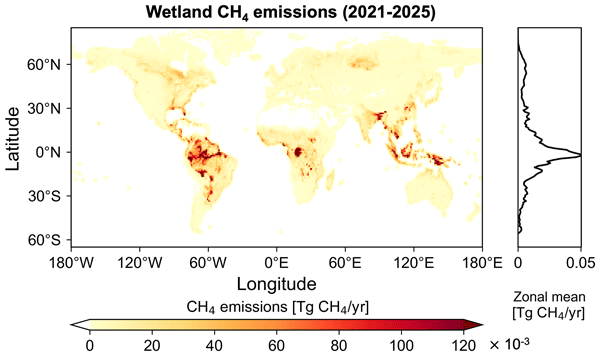
We proposed a framework that combines machine-learning and climate data to predict global natural vegetated wetland methane emissions for 2000–2025. We found that although total global emissions remained stable in the post-2020s, Northern Hemisphere emissions surged whilst tropical emissions fell. This approach allows us to rapidly monitor emissions and provides early warnings for climate impacts.
Pauline Nibert, Yi Wu, Muriel Joly, Pierre Amato, Paolo Cristofanelli, Francescopiero Calzolari, Jean-Luc Piro, Davide Putero, Simonetta Montaguti, Laura Renzi, Franziska Vogel, Marco Rapuano, Marcello Brigante, Christophe Verhaege, Jean-Luc Baray, Laurent Deguillaume, Angela Marinoni, Marco Zanatta, and Angelica Bianco
Atmos. Chem. Phys., 26, 6489–6506, https://doi.org/10.5194/acp-26-6489-2026, https://doi.org/10.5194/acp-26-6489-2026, 2026
Short summary
Short summary
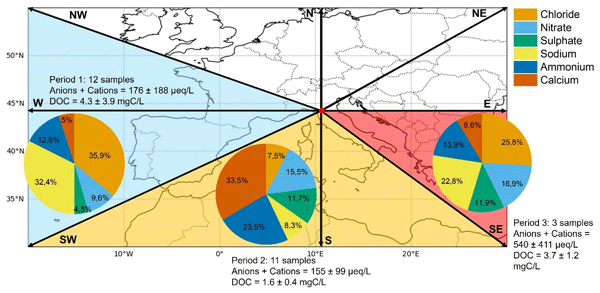
This study provides the first chemical and microbiological characterization of cloud samples collected at Mt. Cimone (acronym CMN in ACTRIS, ICOS and GAW) in the Mediterranean basin. The chemical characterization is deeply discussed in relationship with back-trajectories and cloud processing. Air mass history do not fully explain the variability observed in the chemical composition. This highlights the complexity of emission sources, multiphasique exchanges, and transformations in clouds.
Sławomir Sułowicz, Krzysztof Zawierucha, Anna Markowicz, Krystyna Kozioł, Wiktoria Zientak, Adam Nawrot, Krzesimir Tomaszewski, Christoph Keuschnig, Bartłomiej Luks, and Catherine Larose
Biogeosciences, 23, 3023–3038, https://doi.org/10.5194/bg-23-3023-2026, https://doi.org/10.5194/bg-23-3023-2026, 2026
Short summary
Short summary
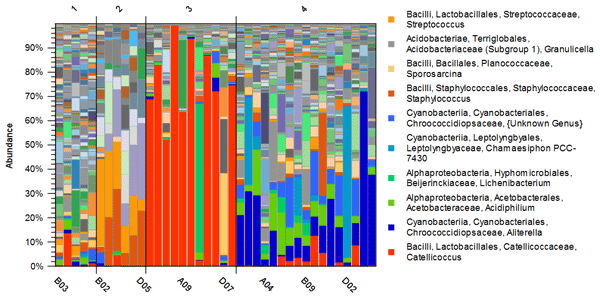
Our research shows that animals such as birds and mammals shaping the bacteria community structure found in Arctic snow. By analyzing snow samples from coastal Spitsbergen, we found that microbes linked to animal waste were common and influenced the types of bacteria present. This suggests that wildlife, not just wind or air, helps bring microbes into snow. Understanding this helps us better predict how Arctic ecosystems respond to environmental change and how life adapts in extreme conditions.
Frédéric Mathonat, François Enault, Raphaëlle Péguilhan, Muriel Joly, Mariline Théveniot, Jean-Luc Baray, Barbara Ervens, and Pierre Amato
Biogeosciences, 23, 2885–2907, https://doi.org/10.5194/bg-23-2885-2026, https://doi.org/10.5194/bg-23-2885-2026, 2026
Short summary
Short summary
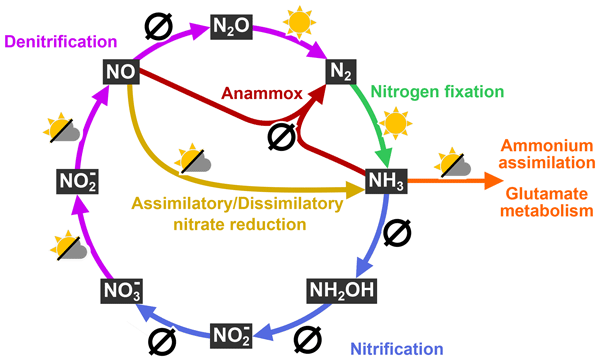
The atmosphere plays key roles in Earth’s biogeochemical cycles. Airborne microbes were demonstrated previously to participate in the processing of organic carbon in clouds. Using a combinaison of complementary methods, we examined here, for the first time, their potential contribution to the pool of nitrogen compounds. Airborne microorganisms interact with abundant forms of nitrogen in the air and cloud and we provide global estimates.
Jeffrey Beem-Miller, William J. Riley, Peter B. Reich, Michael W. I. Schmidt, Yuxuan Bai, Raimundo Bermudez Villanueva, Zach Brown, Abad Chabbi, Susan E. Crow, Wenxu Dong, Serita D. Frey, Paul J. Hanson, Kai Jensen, Melissa A. Knorr, Emma Lathrop, Avni Malhotra, Patrick Megonigal, Adrienne Nicotra, Andrew Nottingham, Genevieve L. Noyce, Roy L. Rich, Heidi Rodenhizer, Agustín Sarquis, Andreas Schindlbacher, Edward A. G. Schuur, Zheng Shi, Artur Stefanski, Viktoria Unger, Tana E. Wood, Yuanhe Yang, Zhijie Yang, Jizhong Zhou, Biao Zhu, and Margaret S. Torn
Earth Syst. Sci. Data Discuss., https://doi.org/10.5194/essd-2026-23, https://doi.org/10.5194/essd-2026-23, 2026
Revised manuscript accepted for ESSD
Short summary
Short summary
The Soil Warming to Depth Data Integration Effort (SWEDDIE) synthesizes data from deep soil warming experiments around the world (n = 23), offering new insight into warming responses of both surface and subsoils. We demonstrate that variation in soil warming with depth is driven largely by warming methodology, while soil moisture changes due to warming differ by ecosystem. This work serves a foundation for future syntheses with SWEDDIE.
Lisa Ardoin, Catherine Larose, Jean-Louis Tison, Christoph Keuschnig, Vasileios Gkinis, Saïda El Amri, Pierre-Henry Blard, Paul Bierman, Thomas Blunier, Dorthe Dahl-Jensen, Charlotte Maistriau, Jørgen-Peder Steffensen, Thomas Röckmann, and François Fripiat
EGUsphere, https://doi.org/10.5194/egusphere-2025-6204, https://doi.org/10.5194/egusphere-2025-6204, 2026
Short summary
Short summary
We investigated gas dynamics at the ice–bed interface of two Greenland ice cores to assess methane and carbon dioxide behaviour beneath ice sheets. At Camp Century, methane diffuses into the ice and is partly oxidized. At GRIP, methane remains preserved despite oxygen. These contrasts suggest that methane oxidation is controlled by local basal conditions, including ice thickness and substrate availability.
Ashley Brereton, Zelalem A. Mekonnen, Bhavna Arora, William J. Riley, Kunxiaojia Yuan, Yi Xu, Yu Zhang, Qing Zhu, Tyler L. Anthony, and Adina Paytan
Geosci. Model Dev., 18, 8157–8173, https://doi.org/10.5194/gmd-18-8157-2025, https://doi.org/10.5194/gmd-18-8157-2025, 2025
Short summary
Short summary
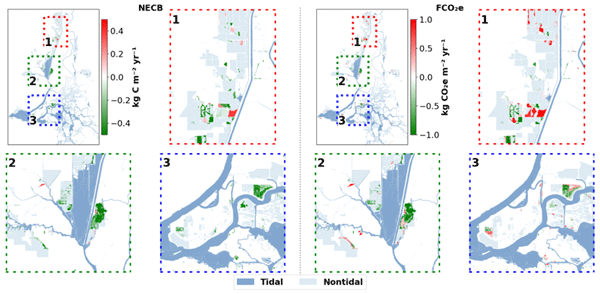
Wetlands absorb carbon dioxide (CO2), helping slow climate change, but they also release methane, a potent warming gas. We developed a collection of AI-based models to estimate magnitudes of CO2 and methane exchanged between the land and the atmosphere, for wetlands on a regional scale. This approach helps to inform land-use planning, restoration, and greenhouse gas accounting, while also creating a foundation for future advancements in prediction accuracy.
Sophie L. Baartman, Steven M. Driever, Maarten L. J. Wassenaar, Linda M. J. Kooijmans, Nerea Ubierna, Leon Mossink, Maria E. Popa, Ara Cho, Lisa Wingate, Thomas Röckmann, Steven M. A. C. van Heuven, and Maarten C. Krol
Biogeosciences, 22, 5683–5703, https://doi.org/10.5194/bg-22-5683-2025, https://doi.org/10.5194/bg-22-5683-2025, 2025
Short summary
Short summary
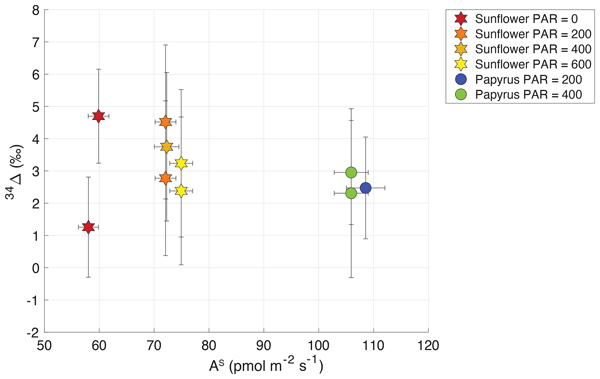
Carbonyl sulfide (COS) is a proposed tracer for gross primary production. For the first time, COS and carbon dioxide (CO2) uptake fluxes and isotope discrimination were jointly measured in sunflower and papyrus plants, using a flow-through plant chamber approach and varying light availability. COS isotope discrimination did not differ significantly between the species, nor with changes in light. CO2 fluxes and isotope values provided additional valuable information for data interpretation.
Baptiste Hulin, Scott Saleska, Didier Jehanno, Simon Chollet, Katerina Dontsova, Hannes Bauser, Valerie Milici, and Samuel Abiven
EGUsphere, https://doi.org/10.5194/egusphere-2025-4243, https://doi.org/10.5194/egusphere-2025-4243, 2025
Short summary
Short summary
Studying biogeochemical processes requires expertise in many disciplines. To meet this challenge, we set up an experimental facility that combines 15 lysimeters and a climate chamber. We developed instrumentation that would enable us to monitor the water cycle and facilitate sampling for all lysimeters, thus allowing replication. By providing automated access to a variety of data, this facility fosters interdisciplinarity and offers an alternative to field and laboratory studies.
Pearse J. Buchanan, Juan J. Pierella Karlusich, Robyn E. Tuerena, Roxana Shafiee, E. Malcolm S. Woodward, Chris Bowler, and Alessandro Tagliabue
Biogeosciences, 22, 4865–4883, https://doi.org/10.5194/bg-22-4865-2025, https://doi.org/10.5194/bg-22-4865-2025, 2025
Short summary
Short summary
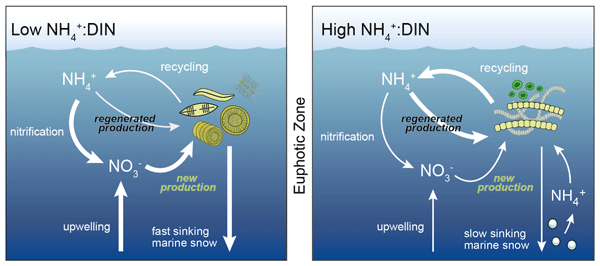
Ammonium is a form of nitrogen that may become more important for growth of marine primary producers (i.e., phytoplankton) in the future. Because some phytoplankton taxa have a greater affinity for ammonium than others, the relative increase in ammonium could cause shifts in community composition. We quantify ammonium enrichment, identify its drivers and isolate the possible effect on phytoplankton community composition under a high-emissions scenario.
Sylvain Schmitt, Fabian J. Fischer, James G. C. Ball, Nicolas Barbier, Marion Boisseaux, Damien Bonal, Benoit Burban, Xiuzhi Chen, Géraldine Derroire, Jeremy W. Lichstein, Daniela Nemetschek, Natalia Restrepo-Coupe, Scott Saleska, Giacomo Sellan, Philippe Verley, Grégoire Vincent, Camille Ziegler, Jérôme Chave, and Isabelle Maréchaux
Geosci. Model Dev., 18, 5205–5243, https://doi.org/10.5194/gmd-18-5205-2025, https://doi.org/10.5194/gmd-18-5205-2025, 2025
Short summary
Short summary
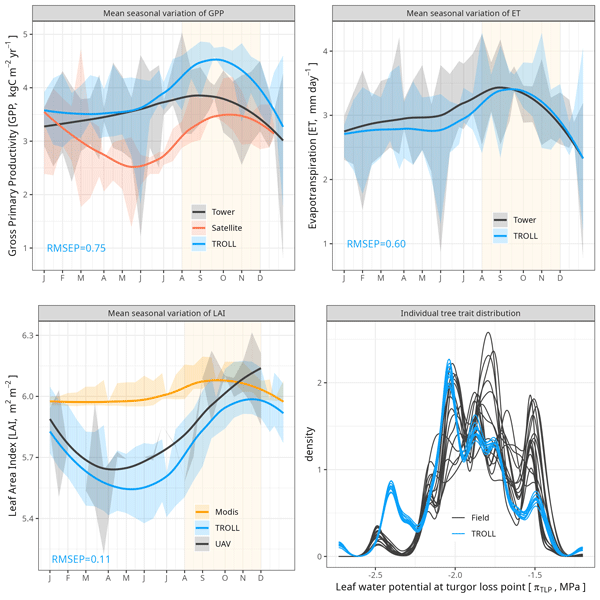
We evaluate the capability of TROLL 4.0, a simulator of forest dynamics, to represent tropical forest structure, diversity, dynamics, and functioning in two Amazonian forests. Evaluation data include forest inventories, carbon and water fluxes between the forest and the atmosphere, and leaf area and canopy height from remote sensing products. The model realistically predicts the structure and composition as well as the seasonality of carbon and water fluxes at both sites.
Marielle Saunois, Adrien Martinez, Benjamin Poulter, Zhen Zhang, Peter A. Raymond, Pierre Regnier, Josep G. Canadell, Robert B. Jackson, Prabir K. Patra, Philippe Bousquet, Philippe Ciais, Edward J. Dlugokencky, Xin Lan, George H. Allen, David Bastviken, David J. Beerling, Dmitry A. Belikov, Donald R. Blake, Simona Castaldi, Monica Crippa, Bridget R. Deemer, Fraser Dennison, Giuseppe Etiope, Nicola Gedney, Lena Höglund-Isaksson, Meredith A. Holgerson, Peter O. Hopcroft, Gustaf Hugelius, Akihiko Ito, Atul K. Jain, Rajesh Janardanan, Matthew S. Johnson, Thomas Kleinen, Paul B. Krummel, Ronny Lauerwald, Tingting Li, Xiangyu Liu, Kyle C. McDonald, Joe R. Melton, Jens Mühle, Jurek Müller, Fabiola Murguia-Flores, Yosuke Niwa, Sergio Noce, Shufen Pan, Robert J. Parker, Changhui Peng, Michel Ramonet, William J. Riley, Gerard Rocher-Ros, Judith A. Rosentreter, Motoki Sasakawa, Arjo Segers, Steven J. Smith, Emily H. Stanley, Joël Thanwerdas, Hanqin Tian, Aki Tsuruta, Francesco N. Tubiello, Thomas S. Weber, Guido R. van der Werf, Douglas E. J. Worthy, Yi Xi, Yukio Yoshida, Wenxin Zhang, Bo Zheng, Qing Zhu, Qiuan Zhu, and Qianlai Zhuang
Earth Syst. Sci. Data, 17, 1873–1958, https://doi.org/10.5194/essd-17-1873-2025, https://doi.org/10.5194/essd-17-1873-2025, 2025
Short summary
Short summary
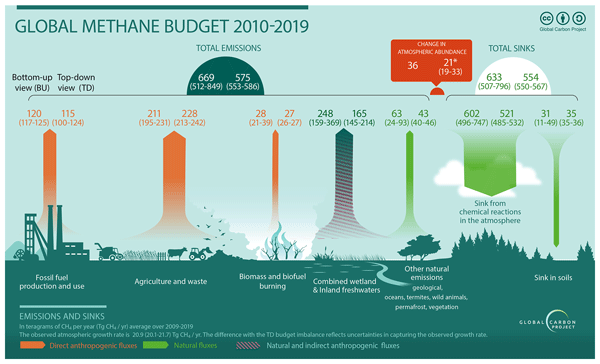
Methane (CH4) is the second most important human-influenced greenhouse gas in terms of climate forcing after carbon dioxide (CO2). A consortium of multi-disciplinary scientists synthesise and update the budget of the sources and sinks of CH4. This edition benefits from important progress in estimating emissions from lakes and ponds, reservoirs, and streams and rivers. For the 2010s decade, global CH4 emissions are estimated at 575 Tg CH4 yr-1, including ~65 % from anthropogenic sources.
Jinyun Tang and William J. Riley
Biogeosciences, 22, 1809–1819, https://doi.org/10.5194/bg-22-1809-2025, https://doi.org/10.5194/bg-22-1809-2025, 2025
Short summary
Short summary
A new mathematical formulation of the dynamic energy budget model is presented for the growth of biological organisms. This new formulation combines mass conservation law and chemical kinetics theory and is computationally faster than the standard formulation of dynamic energy budget models. In simulating the growth of Thalassiosira weissflogii in a nitrogen-limiting chemostat, the new model is as good as the standard dynamic energy budget model using almost the same parameter values.
Raphaëlle Péguilhan, Florent Rossi, Muriel Joly, Engy Nasr, Bérénice Batut, François Enault, Barbara Ervens, and Pierre Amato
Biogeosciences, 22, 1257–1275, https://doi.org/10.5194/bg-22-1257-2025, https://doi.org/10.5194/bg-22-1257-2025, 2025
Short summary
Short summary
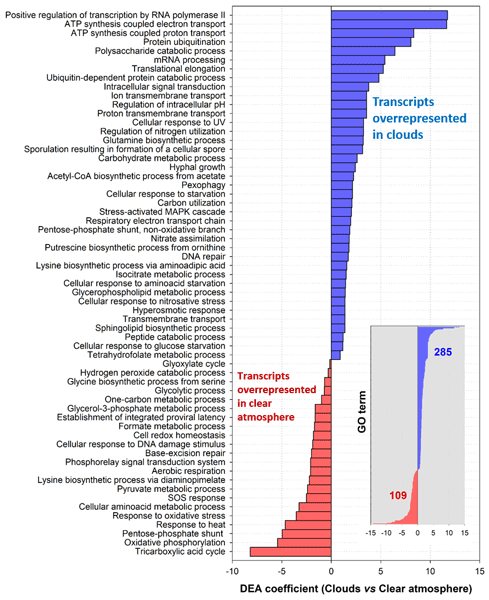
Using comparative metagenomics and metatranscriptomics, we examined the functioning of airborne microorganisms in clouds and a clear atmosphere. Clouds are atmospheric masses where multiple microbial processes are promoted compared with a clear atmosphere. Overrepresented microbial functions of interest include the processing of chemical compounds, biomass production, and regulation of oxidants. This has implications for biogeochemical cycles and microbial ecology.
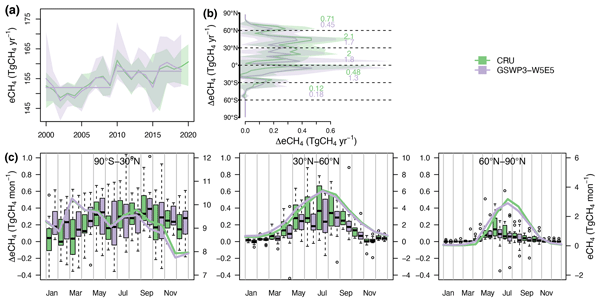
Zhen Zhang, Benjamin Poulter, Joe R. Melton, William J. Riley, George H. Allen, David J. Beerling, Philippe Bousquet, Josep G. Canadell, Etienne Fluet-Chouinard, Philippe Ciais, Nicola Gedney, Peter O. Hopcroft, Akihiko Ito, Robert B. Jackson, Atul K. Jain, Katherine Jensen, Fortunat Joos, Thomas Kleinen, Sara H. Knox, Tingting Li, Xin Li, Xiangyu Liu, Kyle McDonald, Gavin McNicol, Paul A. Miller, Jurek Müller, Prabir K. Patra, Changhui Peng, Shushi Peng, Zhangcai Qin, Ryan M. Riggs, Marielle Saunois, Qing Sun, Hanqin Tian, Xiaoming Xu, Yuanzhi Yao, Yi Xi, Wenxin Zhang, Qing Zhu, Qiuan Zhu, and Qianlai Zhuang
Biogeosciences, 22, 305–321, https://doi.org/10.5194/bg-22-305-2025, https://doi.org/10.5194/bg-22-305-2025, 2025
Short summary
Short summary
This study assesses global methane emissions from wetlands between 2000 and 2020 using multiple models. We found that wetland emissions increased by 6–7 Tg CH4 yr-1 in the 2010s compared to the 2000s. Rising temperatures primarily drove this increase, while changes in precipitation and CO2 levels also played roles. Our findings highlight the importance of wetlands in the global methane budget and the need for continuous monitoring to understand their impact on climate change.
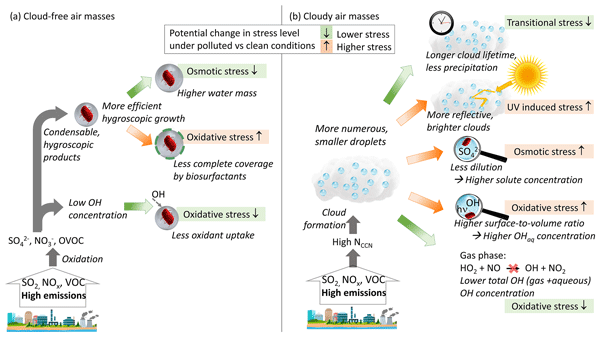
Barbara Ervens, Pierre Amato, Kifle Aregahegn, Muriel Joly, Amina Khaled, Tiphaine Labed-Veydert, Frédéric Mathonat, Leslie Nuñez López, Raphaëlle Péguilhan, and Minghui Zhang
Biogeosciences, 22, 243–256, https://doi.org/10.5194/bg-22-243-2025, https://doi.org/10.5194/bg-22-243-2025, 2025
Short summary
Short summary
Atmospheric microorganisms are a small fraction of Earth's microbiome, with bacteria being a significant part. Aerosolized bacteria are airborne for a few days, encountering unique chemical and physical conditions affecting stress levels and survival. We explore chemical and microphysical conditions bacteria encounter, highlighting potential nutrient and oxidant limitations and diverse effects by pollutants, which may ultimately impact the microbiome's role in global ecosystems and biodiversity.
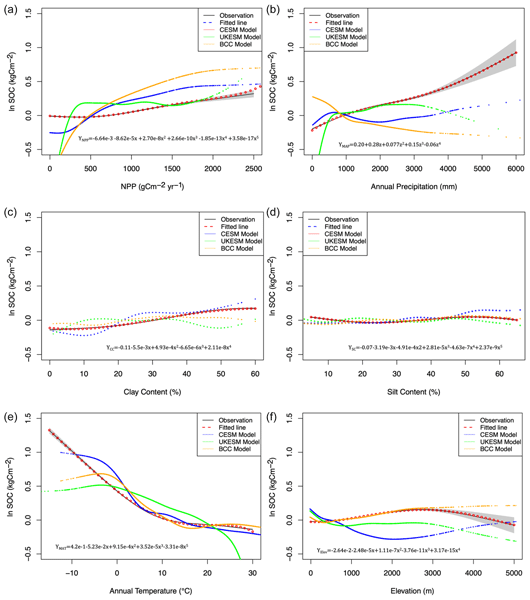
Kamal Nyaupane, Umakant Mishra, Feng Tao, Kyongmin Yeo, William J. Riley, Forrest M. Hoffman, and Sagar Gautam
Biogeosciences, 21, 5173–5183, https://doi.org/10.5194/bg-21-5173-2024, https://doi.org/10.5194/bg-21-5173-2024, 2024
Short summary
Short summary
Representing soil organic carbon (SOC) dynamics in Earth system models (ESMs) is a key source of uncertainty in predicting carbon–climate feedbacks. Using machine learning, we develop and compare predictive relationships in observations (Obs) and ESMs. We find different relationships between environmental factors and SOC stocks in Obs and ESMs. SOC prediction in ESMs may be improved by representing the functional relationships of environmental controllers in a way consistent with observations.

Guohua Liu, Mirco Migliavacca, Christian Reimers, Basil Kraft, Markus Reichstein, Andrew D. Richardson, Lisa Wingate, Nicolas Delpierre, Hui Yang, and Alexander J. Winkler
Geosci. Model Dev., 17, 6683–6701, https://doi.org/10.5194/gmd-17-6683-2024, https://doi.org/10.5194/gmd-17-6683-2024, 2024
Short summary
Short summary
Our study employs long short-term memory (LSTM) networks to model canopy greenness and phenology, integrating meteorological memory effects. The LSTM model outperforms traditional methods, enhancing accuracy in predicting greenness dynamics and phenological transitions across plant functional types. Highlighting the importance of multi-variate meteorological memory effects, our research pioneers unlock the secrets of vegetation phenology responses to climate change with deep learning techniques.
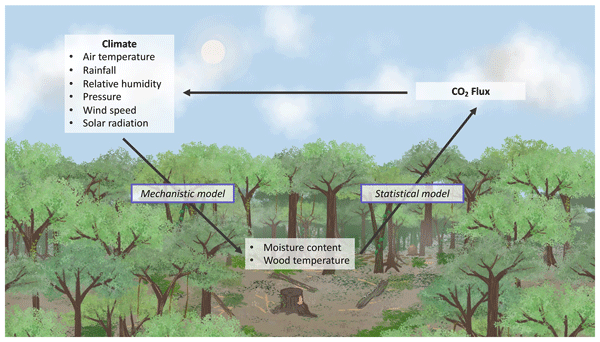
Elizabeth S. Duan, Luciana Chavez Rodriguez, Nicole Hemming-Schroeder, Baptiste Wijas, Habacuc Flores-Moreno, Alexander W. Cheesman, Lucas A. Cernusak, Michael J. Liddell, Paul Eggleton, Amy E. Zanne, and Steven D. Allison
Biogeosciences, 21, 3321–3338, https://doi.org/10.5194/bg-21-3321-2024, https://doi.org/10.5194/bg-21-3321-2024, 2024
Short summary
Short summary
Understanding the link between climate and carbon fluxes is crucial for predicting how climate change will impact carbon sinks. We estimated carbon dioxide (CO2) fluxes from deadwood in tropical Australia using wood moisture content and temperature. Our model predicted that the majority of deadwood carbon is released as CO2, except when termite activity is detected. Future models should also incorporate wood traits, like species and chemical composition, to better predict fluxes.
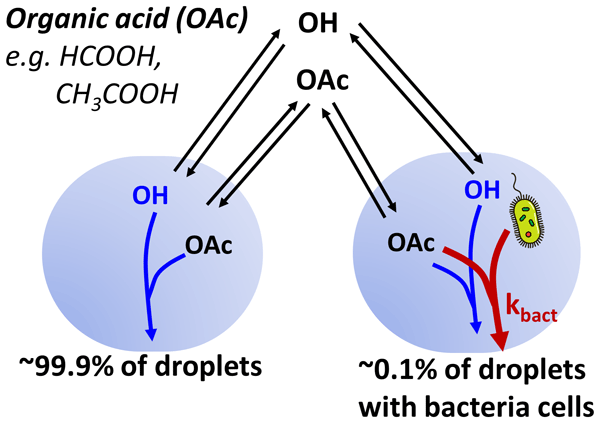
Leslie Nuñez López, Pierre Amato, and Barbara Ervens
Atmos. Chem. Phys., 24, 5181–5198, https://doi.org/10.5194/acp-24-5181-2024, https://doi.org/10.5194/acp-24-5181-2024, 2024
Short summary
Short summary
Living bacteria comprise a small particle fraction in the atmosphere. Our model study shows that atmospheric bacteria in clouds may efficiently biodegrade formic and acetic acids that affect the acidity of rain. We conclude that current atmospheric models underestimate losses of these acids as they only consider chemical processes. We suggest that biodegradation can affect atmospheric concentration not only of formic and acetic acids but also of other volatile, moderately soluble organics.
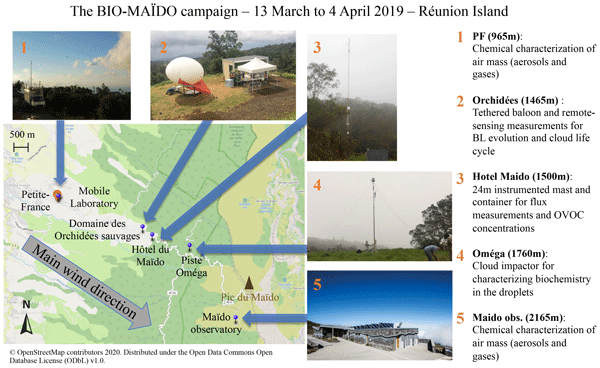
Maud Leriche, Pierre Tulet, Laurent Deguillaume, Frédéric Burnet, Aurélie Colomb, Agnès Borbon, Corinne Jambert, Valentin Duflot, Stéphan Houdier, Jean-Luc Jaffrezo, Mickaël Vaïtilingom, Pamela Dominutti, Manon Rocco, Camille Mouchel-Vallon, Samira El Gdachi, Maxence Brissy, Maroua Fathalli, Nicolas Maury, Bert Verreyken, Crist Amelynck, Niels Schoon, Valérie Gros, Jean-Marc Pichon, Mickael Ribeiro, Eric Pique, Emmanuel Leclerc, Thierry Bourrianne, Axel Roy, Eric Moulin, Joël Barrie, Jean-Marc Metzger, Guillaume Péris, Christian Guadagno, Chatrapatty Bhugwant, Jean-Mathieu Tibere, Arnaud Tournigand, Evelyn Freney, Karine Sellegri, Anne-Marie Delort, Pierre Amato, Muriel Joly, Jean-Luc Baray, Pascal Renard, Angelica Bianco, Anne Réchou, and Guillaume Payen
Atmos. Chem. Phys., 24, 4129–4155, https://doi.org/10.5194/acp-24-4129-2024, https://doi.org/10.5194/acp-24-4129-2024, 2024
Short summary
Short summary
Aerosol particles in the atmosphere play a key role in climate change and air pollution. A large number of aerosol particles are formed from the oxidation of volatile organic compounds (VOCs and secondary organic aerosols – SOA). An important field campaign was organized on Réunion in March–April 2019 to understand the formation of SOA in a tropical atmosphere mostly influenced by VOCs emitted by forest and in the presence of clouds. This work synthesizes the results of this campaign.
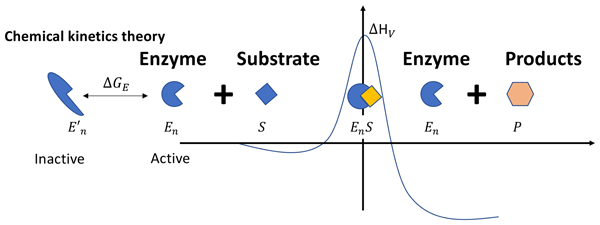
Jinyun Tang and William J. Riley
Biogeosciences, 21, 1061–1070, https://doi.org/10.5194/bg-21-1061-2024, https://doi.org/10.5194/bg-21-1061-2024, 2024
Short summary
Short summary
A chemical kinetics theory is proposed to explain the non-monotonic relationship between temperature and biochemical rates. It incorporates the observed thermally reversible enzyme denaturation that is ensured by the ceaseless thermal motion of molecules and ions in an enzyme solution and three well-established theories: (1) law of mass action, (2) diffusion-limited chemical reaction theory, and (3) transition state theory.
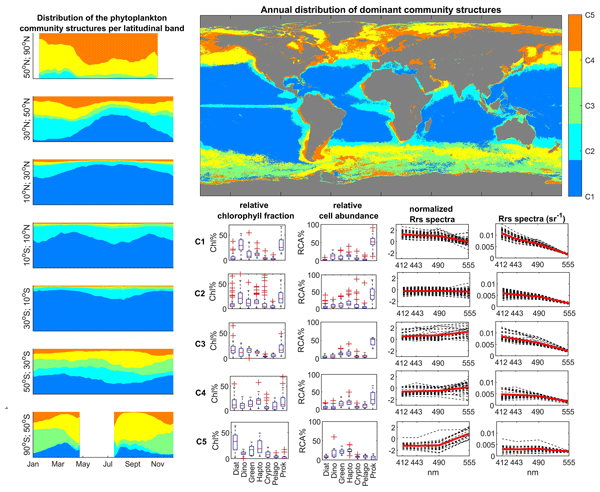
Roy El Hourany, Juan Pierella Karlusich, Lucie Zinger, Hubert Loisel, Marina Levy, and Chris Bowler
Ocean Sci., 20, 217–239, https://doi.org/10.5194/os-20-217-2024, https://doi.org/10.5194/os-20-217-2024, 2024
Short summary
Short summary
Satellite observations offer valuable information on phytoplankton abundance and community structure. Here, we employ satellite observations to infer seven phytoplankton groups at a global scale based on a new molecular method from Tara Oceans. The link has been established using machine learning approaches. The output of this work provides excellent tools to collect essential biodiversity variables and a foundation to monitor the evolution of marine biodiversity.
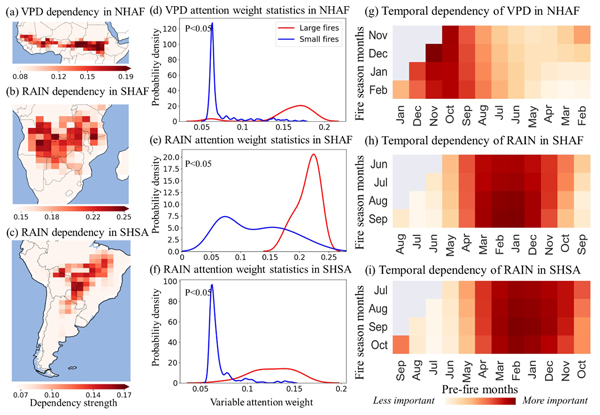
Fa Li, Qing Zhu, William J. Riley, Lei Zhao, Li Xu, Kunxiaojia Yuan, Min Chen, Huayi Wu, Zhipeng Gui, Jianya Gong, and James T. Randerson
Geosci. Model Dev., 16, 869–884, https://doi.org/10.5194/gmd-16-869-2023, https://doi.org/10.5194/gmd-16-869-2023, 2023
Short summary
Short summary
We developed an interpretable machine learning model to predict sub-seasonal and near-future wildfire-burned area over African and South American regions. We found strong time-lagged controls (up to 6–8 months) of local climate wetness on burned areas. A skillful use of such time-lagged controls in machine learning models results in highly accurate predictions of wildfire-burned areas; this will also help develop relevant early-warning and management systems for tropical wildfires.
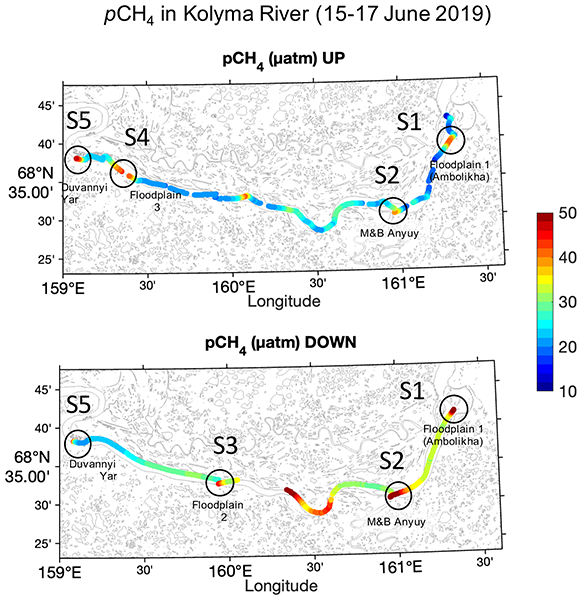
Karel Castro-Morales, Anna Canning, Sophie Arzberger, Will A. Overholt, Kirsten Küsel, Olaf Kolle, Mathias Göckede, Nikita Zimov, and Arne Körtzinger
Biogeosciences, 19, 5059–5077, https://doi.org/10.5194/bg-19-5059-2022, https://doi.org/10.5194/bg-19-5059-2022, 2022
Short summary
Short summary
Permafrost thaw releases methane that can be emitted into the atmosphere or transported by Arctic rivers. Methane measurements are lacking in large Arctic river regions. In the Kolyma River (northeast Siberia), we measured dissolved methane to map its distribution with great spatial detail. The river’s edge and river junctions had the highest methane concentrations compared to other river areas. Microbial communities in the river showed that the river’s methane likely is from the adjacent land.
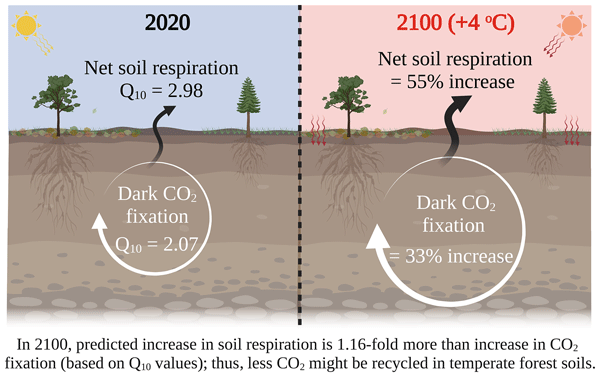
Rachael Akinyede, Martin Taubert, Marion Schrumpf, Susan Trumbore, and Kirsten Küsel
Biogeosciences, 19, 4011–4028, https://doi.org/10.5194/bg-19-4011-2022, https://doi.org/10.5194/bg-19-4011-2022, 2022
Short summary
Short summary
Soils will likely become warmer in the future, and this can increase the release of carbon dioxide (CO2) into the atmosphere. As microbes can take up soil CO2 and prevent further escape into the atmosphere, this study compares the rate of uptake and release of CO2 at two different temperatures. With warming, the rate of CO2 uptake increases less than the rate of release, indicating that the capacity to modulate soil CO2 release into the atmosphere will decrease under future warming.

Javier de la Casa, Adrià Barbeta, Asun Rodríguez-Uña, Lisa Wingate, Jérôme Ogée, and Teresa E. Gimeno
Hydrol. Earth Syst. Sci., 26, 4125–4146, https://doi.org/10.5194/hess-26-4125-2022, https://doi.org/10.5194/hess-26-4125-2022, 2022
Short summary
Short summary
Recently, studies have been reporting mismatches in the water isotopic composition of plants and soils. In this work, we reviewed worldwide isotopic composition data of field and laboratory studies to see if the mismatch is generalised, and we found it to be true. This contradicts theoretical expectations and may underlie an non-described phenomenon that should be forward investigated and implemented in ecohydrological models to avoid erroneous estimations of water sources used by vegetation.
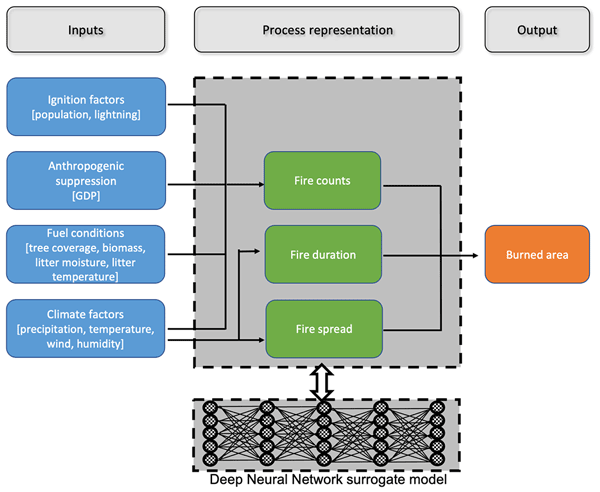
Qing Zhu, Fa Li, William J. Riley, Li Xu, Lei Zhao, Kunxiaojia Yuan, Huayi Wu, Jianya Gong, and James Randerson
Geosci. Model Dev., 15, 1899–1911, https://doi.org/10.5194/gmd-15-1899-2022, https://doi.org/10.5194/gmd-15-1899-2022, 2022
Short summary
Short summary
Wildfire is a devastating Earth system process that burns about 500 million hectares of land each year. It wipes out vegetation including trees, shrubs, and grasses and causes large losses of economic assets. However, modeling the spatial distribution and temporal changes of wildfire activities at a global scale is challenging. This study built a machine-learning-based wildfire surrogate model within an existing Earth system model and achieved high accuracy.
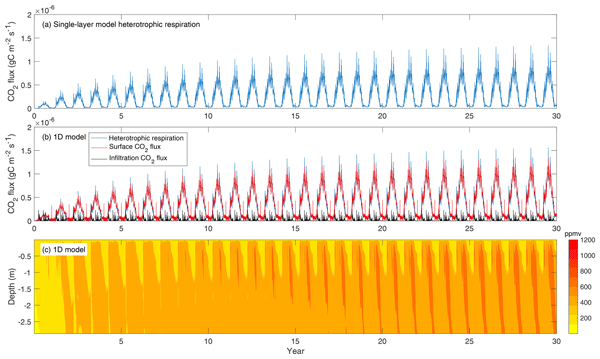
Jinyun Tang, William J. Riley, and Qing Zhu
Geosci. Model Dev., 15, 1619–1632, https://doi.org/10.5194/gmd-15-1619-2022, https://doi.org/10.5194/gmd-15-1619-2022, 2022
Short summary
Short summary
We here describe version 2 of BeTR, a reactive transport model created to help ease the development of biogeochemical capability in Earth system models that are used for quantifying ecosystem–climate feedbacks. We then coupled BeTR-v2 to the Energy Exascale Earth System Model to quantify how different numerical couplings of plants and soils affect simulated ecosystem biogeochemistry. We found that different couplings lead to significant uncertainty that is not correctable by tuning parameters.
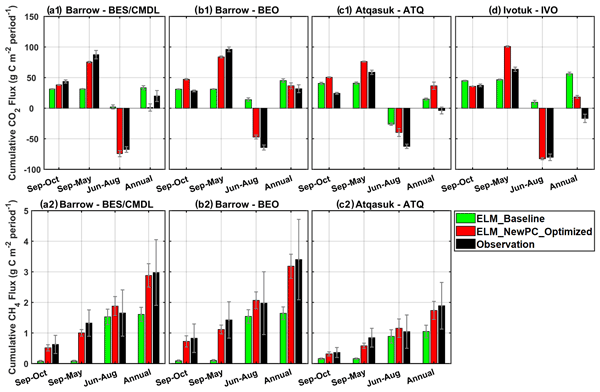
Jing Tao, Qing Zhu, William J. Riley, and Rebecca B. Neumann
The Cryosphere, 15, 5281–5307, https://doi.org/10.5194/tc-15-5281-2021, https://doi.org/10.5194/tc-15-5281-2021, 2021
Short summary
Short summary
We improved the DOE's E3SM land model (ELMv1-ECA) simulations of soil temperature, zero-curtain period durations, cold-season CH4, and CO2 emissions at several Alaskan Arctic tundra sites. We demonstrated that simulated CH4 emissions during zero-curtain periods accounted for more than 50 % of total emissions throughout the entire cold season (Sep to May). We also found that cold-season CO2 emissions largely offset warm-season net uptake currently and showed increasing trends from 1950 to 2017.
Cited articles
Abs, E. and Ferrière, R.: Modeling microbial dynamics and heterotrophic soil respiration: Effect of climate change, in: Biogeochemical Cycles, John Wiley & Sons, Inc., Hoboken, NJ, USA, 103–129, https://doi.org/10.1002/9781119413332.ch5, 2020.
Abs, E., Leman, H., and Ferrière, R.: A multi-scale eco-evolutionary model of cooperation reveals how microbial adaptation influences soil decomposition, Commun. Biol., 3, 520, https://doi.org/10.1038/s42003-020-01198-4, 2020.
Abs, E., Chase, A. B., and Allison, S. D.: How do soil microbes shape ecosystem biogeochemistry in the context of global change?, Environ. Microbiol., 25, 780–785, https://doi.org/10.1111/1462-2920.16331, 2023.
Abs, E., Albright, M. B. N., and Allison, S. D.: Invasions eliminate the legacy effects of substrate history on microbial nitrogen cycling, Ecosphere, 15, https://doi.org/10.1002/ecs2.4754, 2024a.
Abs, E., Chase, A. B., Manzoni, S., Ciais, P., and Allison, S. D.: Microbial evolution-An under-appreciated driver of soil carbon cycling, Glob. Chang. Biol., 30, e17268, https://doi.org/10.1111/gcb.17268, 2024b.
Abs, E., Coulette, D., Ciais, P., and Allison, S. D.: Microbial evolution drives adaptation of substrate degradation on decadal to centennial time scales relevant to global change, Ecol. Lett., 27, e14530, https://doi.org/10.1111/ele.14530, 2024c.
Abs, E., Saleska, S. R., Allison, S. D., Ciais, P., Song, Y., Weintraub, M. N., and Ferriere, R.: Microbiome adaptation could amplify modeled projections of global soil carbon loss with climate warming, Glob. Chang. Biol., 31, e70301, https://doi.org/10.1111/gcb.70301, 2025.
Acinas, S. G., Sánchez, P., Salazar, G., Cornejo-Castillo, F. M., Sebastián, M., Logares, R., Royo-Llonch, M., Paoli, L., Sunagawa, S., Hingamp, P., Ogata, H., Lima-Mendez, G., Roux, S., González, J. M., Arrieta, J. M., Alam, I. S., Kamau, A., Bowler, C., Raes, J., Pesant, S., Bork, P., Agustí, S., Gojobori, T., Vaqué, D., Sullivan, M. B., Pedrós-Alió, C., Massana, R., Duarte, C. M., and Gasol, J. M.: Deep ocean metagenomes provide insight into the metabolic architecture of bathypelagic microbial communities, Commun. Biol., 4, 604, https://doi.org/10.1038/s42003-021-02112-2, 2021.
Ågren, G. I., Wetterstedt, J. Å. M., and Billberger, M. F. K.: Nutrient limitation on terrestrial plant growth–modeling the interaction between nitrogen and phosphorus, New Phytol., 194, 953–960, https://doi.org/10.1111/j.1469-8137.2012.04116.x, 2012.
Amato, P., Parazols, M., Sancelme, M., Laj, P., Mailhot, G., and Delort, A.-M.: Microorganisms isolated from the water phase of tropospheric clouds at the Puy de Dôme: major groups and growth abilities at low temperatures: Microorganisms from the water phase of tropospheric clouds, FEMS Microbiol. Ecol., 59, 242–254, https://doi.org/10.1111/j.1574-6941.2006.00199.x, 2007.
Amato, P., Besaury, L., Joly, M., Penaud, B., Deguillaume, L., and Delort, A.-M.: Metatranscriptomic exploration of microbial functioning in clouds, Sci. Rep., 9, 4383, https://doi.org/10.1038/s41598-019-41032-4, 2019.
Anderegg, L. D. L., Griffith, D. M., Cavender-Bares, J., Riley, W. J., Berry, J. A., Dawson, T. E., and Still, C. J.: Representing plant diversity in land models: An evolutionary approach to make “Functional Types” more functional, Glob. Change Biol., 28, 2541–2554, https://doi.org/10.1111/gcb.16040, 2022.
Armbrecht, L., Weber, M. E., Raymo, M. E., Peck, V. L., Williams, T., Warnock, J., Kato, Y., Hernández-Almeida, I., Hoem, F., Reilly, B., Hemming, S., Bailey, I., Martos, Y. M., Gutjahr, M., Percuoco, V., Allen, C., Brachfeld, S., Cardillo, F. G., Du, Z., Fauth, G., Fogwill, C., Garcia, M., Glüder, A., Guitard, M., Hwang, J.-H., Iizuka, M., Kenlee, B., O'Connell, S., Pérez, L. F., Ronge, T. A., Seki, O., Tauxe, L., Tripathi, S., and Zheng, X.: Ancient marine sediment DNA reveals diatom transition in Antarctica, Nat. Commun., 13, 5787, https://doi.org/10.1038/s41467-022-33494-4, 2022.
Bahram, M., Hildebrand, F., Forslund, S. K., Anderson, J. L., Soudzilovskaia, N. A., Bodegom, P. M., Bengtsson-Palme, J., Anslan, S., Coelho, L. P., Harend, H., Huerta-Cepas, J., Medema, M. H., Maltz, M. R., Mundra, S., Olsson, P. A., Pent, M., Põlme, S., Sunagawa, S., Ryberg, M., Tedersoo, L., and Bork, P.: Structure and function of the global topsoil microbiome, Nature, 560, 233–237, https://doi.org/10.1038/s41586-018-0386-6, 2018.
Barbour, K. M., Barrón-Sandoval, A., Walters, K. E., and Martiny, J. B. H.: Towards quantifying microbial dispersal in the environment, Environ. Microbiol., 25, 137–142, https://doi.org/10.1111/1462-2920.16270, 2023.
Bar-On, Y. M. and Milo, R.: Towards a quantitative view of the global ubiquity of biofilms, Nat. Rev. Microbiol., 17, 199–200, https://doi.org/10.1038/s41579-019-0162-0, 2019.
Bar-On, Y. M., Phillips, R., and Milo, R.: The biomass distribution on Earth, P. Natl. Acad. Sci. USA, 115, 6506–6511, https://doi.org/10.1073/pnas.1711842115, 2018.
Barouillet, C., Monchamp, M.-E., Bertilsson, S., Brasell, K., Domaizon, I., Epp, L. S., Ibrahim, A., Mejbel, H., Nwosu, E. C., Pearman, J. K., Picard, M., Thomson-Laing, G., Tsugeki, N., Von Eggers, J., Gregory-Eaves, I., Pick, F., Wood, S. A., and Capo, E.: Investigating the effects of anthropogenic stressors on lake biota using sedimentary DNA, Freshw. Biol., 68, 1799–1817, https://doi.org/10.1111/fwb.14027, 2022.
Bedoya-Velásquez, A. E., Titos, G., Bravo-Aranda, J. A., Haeffelin, M., Favez, O., Petit, J.-E., Casquero-Vera, J. A., Olmo-Reyes, F. J., Montilla-Rosero, E., Hoyos, C. D., Alados-Arboledas, L., and Guerrero-Rascado, J. L.: Long-term aerosol optical hygroscopicity study at the ACTRIS SIRTA observatory: synergy between ceilometer and in situ measurements, Atmos. Chem. Phys., 19, 7883–7896, https://doi.org/10.5194/acp-19-7883-2019, 2019.
Biller, S. J., Berube, P. M., Dooley, K., Williams, M., Satinsky, B. M., Hackl, T., Hogle, S. L., Coe, A., Bergauer, K., Bouman, H. A., Browning, T. J., De Corte, D., Hassler, C., Hulston, D., Jacquot, J. E., Maas, E. W., Reinthaler, T., Sintes, E., Yokokawa, T., and Chisholm, S. W.: Marine microbial metagenomes sampled across space and time, Sci. Data, 5, 180176, https://doi.org/10.1038/sdata.2018.176, 2018.
Björk, R. G., Björkman, M. P., Andersson, M. X., and Klemedtsson, L.: Temporal variation in soil microbial communities in Alpine tundra, Soil Biol. Biochem., 40, 266–268, https://doi.org/10.1016/j.soilbio.2007.07.017, 2008.
Bork, P., Bowler, C., de Vargas, C., Gorsky, G., Karsenti, E., and Wincker, P.: Tara Oceans. Tara Oceans studies plankton at planetary scale. Introduction, Science, 348, 873, https://doi.org/10.1126/science.aac5605, 2015.
Bouskill, N. J., Riley, W. J., Zhu, Q., Mekonnen, Z. A., and Grant, R. F.: Alaskan carbon-climate feedbacks will be weaker than inferred from short-term experiments, Nat. Commun., 11, 5798, https://doi.org/10.1038/s41467-020-19574-3, 2020.
Bouslimani, A., Sanchez, L. M., Garg, N., and Dorrestein, P. C.: Mass spectrometry of natural products: current, emerging and future technologies, Nat. Prod. Rep., 31, 718–729, https://doi.org/10.1039/c4np00044g, 2014.
Bratlie, M. S., Johansen, J., and Drabløs, F.: Relationship between operon preference and functional properties of persistent genes in bacterial genomes, BMC Genomics, 11, 71, https://doi.org/10.1186/1471-2164-11-71, 2010.
Bravo, A. G. and Cosio, C.: Biotic formation of methylmercury: A bio-physico-chemical conundrum, Limnol. Oceanogr., 65, 1010–1027, https://doi.org/10.1002/lno.11366, 2020.
Breitburg, D., Levin, L. A., Oschlies, A., Grégoire, M., Chavez, F. P., Conley, D. J., Garçon, V., Gilbert, D., Gutiérrez, D., Isensee, K., Jacinto, G. S., Limburg, K. E., Montes, I., Naqvi, S. W. A., Pitcher, G. C., Rabalais, N. N., Roman, M. R., Rose, K. A., Seibel, B. A., Telszewski, M., Yasuhara, M., and Zhang, J.: Declining oxygen in the global ocean and coastal waters, Science, 359, https://doi.org/10.1126/science.aam7240, 2018.
Briggs, A. W., Stenzel, U., Johnson, P. L. F., Green, R. E., Kelso, J., Prüfer, K., Meyer, M., Krause, J., Ronan, M. T., Lachmann, M., and Pääbo, S.: Patterns of damage in genomic DNA sequences from a Neandertal, P. Natl. Acad. Sci. USA, 104, 14616–14621, https://doi.org/10.1073/pnas.0704665104, 2007.
Brown, R. W., Chadwick, D. R., Zang, H., and Jones, D. L.: Use of metabolomics to quantify changes in soil microbial function in response to fertiliser nitrogen supply and extreme drought, Soil Biol. Biochem., 160, 108351, https://doi.org/10.1016/j.soilbio.2021.108351, 2021.
Burrows, S. M., Butler, T., Jöckel, P., Tost, H., Kerkweg, A., Pöschl, U., and Lawrence, M. G.: Bacteria in the global atmosphere – Part 2: Modeling of emissions and transport between different ecosystems, Atmos. Chem. Phys., 9, 9281–9297, https://doi.org/10.5194/acp-9-9281-2009, 2009.
Buttigieg, P. L., Morrison, N., Smith, B., Mungall, C. J., Lewis, S. E., and ENVO Consortium: The environment ontology: contextualising biological and biomedical entities, J. Biomed. Semantics, 4, 43, https://doi.org/10.1186/2041-1480-4-43, 2013.
Calayag, A. M., Priest, T., Oldenburg, E., Muschiol, J., Popa, O., Wietz, M., and Needham, D. M.: Arctic Ocean virus communities and their seasonality, bipolarity, and prokaryotic associations, Nat. Commun., 16, 6427, https://doi.org/10.1038/s41467-025-61568-6, 2025.
Canadell, J. G., Monteiro, P. M. S., Costa, M. H., Cotrim da Cunha, L., Cox, P. M., Eliseev, A. V., Henson, S., Ishii, M., Jaccard, S., Koven, C., Lohila, A., Patra, P. K., Piao, S., Rogelj, J., Syampungani, S., Zaehle, S., and Zickfeld, K.: Global Carbon and other Biogeochemical Cycles and Feedbacks, in: Climate Change 2021: The Physical Science Basis. Contribution of Working Group I to the Sixth Assessment Report of the Intergovernmental Panel on Climate Change, edited by: Masson-Delmotte, V., Zhai, P., Pirani, A., Connors, S. L., Péan, C., Berger, S., Caud, N., Chen, Y., Goldfarb, L., Gomis, M. I., Huang, M., Leitzell, K., Lonnoy, E., Matthews, J. B. R., Maycock, T. K., Waterfield, T., Yelekçi, O., Yu, R., and Zhou, B., Cambridge University Press, Cambridge, UK and New York, NY, USA, 673–816, https://doi.org/10.1017/9781009157896.007, 2021.
Capo, E. and Barouillet, C.: Tracking environmental change using lake sediments, in: Sedimentary DNA, vol. 6, Springer Nature, https://doi.org/10.1007/978-3-031-43799-1, 2023.
Capo, E., Feng, C., Bravo, A. G., Bertilsson, S., Soerensen, A. L., Pinhassi, J., Buck, M., Karlsson, C., Hawkes, J., and Björn, E.: Expression Levels of hgcAB Genes and Mercury Availability Jointly Explain Methylmercury Formation in Stratified Brackish Waters, Environ. Sci. Technol., 56, 13119–13130, https://doi.org/10.1021/acs.est.2c03784, 2022a.
Capo, E., Monchamp, M.-E., Coolen, M. J. L., Domaizon, I., Armbrecht, L., and Bertilsson, S.: Environmental paleomicrobiology: using DNA preserved in aquatic sediments to its full potential, Environ. Microbiol., 24, 2201–2209, https://doi.org/10.1111/1462-2920.15913, 2022b.
Carpenter, E. J., Matasci, N., Ayyampalayam, S., Wu, S., Sun, J., Yu, J., Jimenez Vieira, F. R., Bowler, C., Dorrell, R. G., Gitzendanner, M. A., Li, L., Du, W., K Ullrich, K., Wickett, N. J., Barkmann, T. J., Barker, M. S., Leebens-Mack, J. H., and Wong, G. K.-S.: Access to RNA-sequencing data from 1,173 plant species: The 1000 Plant transcriptomes initiative (1KP), Gigascience, 8, https://doi.org/10.1093/gigascience/giz126, 2019.
Cavicchioli, R., Ripple, W. J., Timmis, K. N., Azam, F., Bakken, L. R., Baylis, M., Behrenfeld, M. J., Boetius, A., Boyd, P. W., Classen, A. T., Crowther, T. W., Danovaro, R., Foreman, C. M., Huisman, J., Hutchins, D. A., Jansson, J. K., Karl, D. M., Koskella, B., Mark Welch, D. B., Martiny, J. B. H., Moran, M. A., Orphan, V. J., Reay, D. S., Remais, J. V., Rich, V. I., Singh, B. K., Stein, L. Y., Stewart, F. J., Sullivan, M. B., van Oppen, M. J. H., Weaver, S. C., Webb, E. A., and Webster, N. S.: Scientists' warning to humanity: microorganisms and climate change, Nat. Rev. Microbiol., 17, 569–586, https://doi.org/10.1038/s41579-019-0222-5, 2019.
Chaffron, S., Delage, E., Budinich, M., Vintache, D., Henry, N., Nef, C., Ardyna, M., Zayed, A. A., Junger, P. C., Galand, P. E., Lovejoy, C., Murray, A. E., Sarmento, H., Tara Oceans coordinators, Acinas, S. G., Babin, M., Iudicone, D., Jaillon, O., Karsenti, E., Wincker, P., Karp-Boss, L., Sullivan, M. B., Bowler, C., de Vargas, C., and Eveillard, D.: Environmental vulnerability of the global ocean epipelagic plankton community interactome, Sci. Adv., 7, eabg1921, https://doi.org/10.1126/sciadv.abg1921, 2021.
Chandel, A. K., Jiang, L., and Luo, Y.: Microbial models for simulating soil carbon dynamics: A review, J. Geophys. Res.-Biogeo., 128, e2023JG007436, https://doi.org/10.1029/2023jg007436, 2023.
Chase, A. B. and Martiny, J. B. H.: The importance of resolving biogeographic patterns of microbial microdiversity, Microbiol. Aust., 39, 5, https://doi.org/10.1071/ma18003, 2018.
Chase, A. B., Karaoz, U., Brodie, E. L., Gomez-Lunar, Z., Martiny, A. C., and Martiny, J. B. H.: Microdiversity of an Abundant Terrestrial Bacterium Encompasses Extensive Variation in Ecologically Relevant Traits, MBio, 8, https://doi.org/10.1128/mBio.01809-17, 2017.
Chase, A. B., Gomez-Lunar, Z., Lopez, A. E., Li, J., Allison, S. D., Martiny, A. C., and Martiny, J. B. H.: Emergence of soil bacterial ecotypes along a climate gradient, Environ. Microbiol., 20, 4112–4126, https://doi.org/10.1111/1462-2920.14405, 2018.
Chase, A. B., Arevalo, P., Brodie, E. L., Polz, M. F., Karaoz, U., and Martiny, J. B. H.: Maintenance of Sympatric and Allopatric Populations in Free-Living Terrestrial Bacteria, MBio, 10, https://doi.org/10.1128/mBio.02361-19, 2019.
Chase, A. B., Sweeney, D., Muskat, M. N., Guillén-Matus, D. G., and Jensen, P. R.: Vertical inheritance facilitates interspecies diversification in biosynthetic gene clusters and specialized metabolites, MBio, 12, e0270021, https://doi.org/10.1128/mbio.02700-21, 2021a.
Chase, A. B., Weihe, C., and Martiny, J. B. H.: Adaptive differentiation and rapid evolution of a soil bacterium along a climate gradient, P. Natl. Acad. Sci. USA, 118, https://doi.org/10.1073/pnas.2101254118, 2021b.
Chatterjee, R. N.: The role of epigenetics in phenotypic evolution: lessons from the genomic response to stresses, genetic conflicts and developmental plasticity in Drosophila, Nucleus (Calcutta), 67, 675–688, https://doi.org/10.1007/s13237-024-00520-3, 2024.
Chen, I.-M. A., Chu, K., Palaniappan, K., Ratner, A., Huang, J., Huntemann, M., Hajek, P., Ritter, S. J., Webb, C., Wu, D., Varghese, N. J., Reddy, T. B. K., Mukherjee, S., Ovchinnikova, G., Nolan, M., Seshadri, R., Roux, S., Visel, A., Woyke, T., Eloe-Fadrosh, E. A., Kyrpides, N. C., and Ivanova, N. N.: The IMG/M data management and analysis system v.7: content updates and new features, Nucleic Acids Res., 51, D723–D732, https://doi.org/10.1093/nar/gkac976, 2023.
Chen, J., Jia, Y., Sun, Y., Liu, K., Zhou, C., Liu, C., Li, D., Liu, G., Zhang, C., Yang, T., Huang, L., Zhuang, Y., Wang, D., Xu, D., Zhong, Q., Guo, Y., Li, A., Seim, I., Jiang, L., Wang, L., Lee, S. M. Y., Liu, Y., Wang, D., Zhang, G., Liu, S., Wei, X., Yue, Z., Zheng, S., Shen, X., Wang, S., Qi, C., Chen, J., Ye, C., Zhao, F., Wang, J., Fan, J., Li, B., Sun, J., Jia, X., Xia, Z., Zhang, H., Liu, J., Zheng, Y., Liu, X., Wang, J., Yang, H., Kristiansen, K., Xu, X., Mock, T., Li, S., Zhang, W., and Fan, G.: Global marine microbial diversity and its potential in bioprospecting, Nature, 633, 371–379, https://doi.org/10.1038/s41586-024-07891-2, 2024.
Cohan, F. M.: What are bacterial species?, Annu. Rev. Microbiol., 56, 457–487, https://doi.org/10.1146/annurev.micro.56.012302.160634, 2002.
Conrad, R.: Compensation concentration as critical variable for regulating the flux of trace gases between soil and atmosphere, Biogeochemistry, 27, https://doi.org/10.1007/bf00000582, 1994.
DeAngelis, K. M., Pold, G., Topçuoğlu, B. D., van Diepen, L. T. A., Varney, R. M., Blanchard, J. L., Melillo, J., and Frey, S. D.: Long-term forest soil warming alters microbial communities in temperate forest soils, Front. Microbiol., 6, 104, https://doi.org/10.3389/fmicb.2015.00104, 2015.
Defossez, E., Pitteloud, C., Descombes, P., Glauser, G., Allard, P.-M., Walker, T. W. N., Fernandez-Conradi, P., Wolfender, J.-L., Pellissier, L., and Rasmann, S.: Spatial and evolutionary predictability of phytochemical diversity, P. Natl. Acad. Sci. USA, 118, https://doi.org/10.1073/pnas.2013344118, 2021.
Defrenne, C. E., Abs, E., Longhi Cordeiro, A., Dietterich, L., Hough, M., Jones, J. M., Kivlin, S. N., Chen, W., Cusack, D., Franco, A. L. C., Khasanova, A., Stover, D., and Romero-Olivares, A. L.: The Ecology Underground coalition: building a collaborative future of belowground ecology and ecologists, New Phytol., 229, 3058–3064, https://doi.org/10.1111/nph.17163, 2021.
Delgado-Baquerizo, M., Maestre, F. T., Reich, P. B., Trivedi, P., Osanai, Y., Liu, Y.-R., Hamonts, K., Jeffries, T. C., and Singh, B. K.: Carbon content and climate variability drive global soil bacterial diversity patterns, Ecol. Monogr., 86, 373–390, https://doi.org/10.1002/ecm.1216, 2016.
Demina, T., Marttila, H., Pessi, I. S., Männistö, M. K., Dutilh, B. E., Roux, S., and Hultman, J.: Tunturi virus isolates and metagenome-assembled viral genomes provide insights into the virome of Acidobacteriota in Arctic tundra soils, Microbiome, 13, 79, https://doi.org/10.1186/s40168-025-02053-6, 2025.
Doney, S. C., Ruckelshaus, M., Duffy, J. E., Barry, J. P., Chan, F., English, C. A., Galindo, H. M., Grebmeier, J. M., Hollowed, A. B., Knowlton, N., Polovina, J., Rabalais, N. N., Sydeman, W. J., and Talley, L. D.: Climate change impacts on marine ecosystems, Ann. Rev. Mar. Sci., 4, 11–37, https://doi.org/10.1146/annurev-marine-041911-111611, 2012.
Doumeizel, V. and Dolan, J. R.: The launch of The Plankton Manifesto in September 2024, J. Plankton Res., 46, https://doi.org/10.1093/plankt/fbae061, 2024.
Duarte, C. M.: Seafaring in the 21St century: The Malaspina 2010 circumnavigation expedition, Limnol. Oceanog. Bull., 24, 11–14, https://doi.org/10.1002/lob.10008, 2015.
Duckworth, J. C., Kent, M., and Ramsay, P. M.: Plant functional types: an alternative to taxonomic plant community description in biogeography?, Prog. Phys. Geogr., 24, 515–542, https://doi.org/10.1191/030913300701542778, 2000.
Dussarrat, T., Prigent, S., Latorre, C., Bernillon, S., Flandin, A., Díaz, F. P., Cassan, C., Van Delft, P., Jacob, D., Varala, K., Joubes, J., Gibon, Y., Rolin, D., Gutiérrez, R. A., and Pétriacq, P.: Predictive metabolomics of multiple Atacama plant species unveils a core set of generic metabolites for extreme climate resilience, New Phytol., 234, 1614–1628, https://doi.org/10.1111/nph.18095, 2022.
Dussarrat, T., Latorre, C., Barros Santos, M. C., Aguado-Norese, C., Prigent, S., Díaz, F. P., Rolin, D., González, M., Müller, C., Gutiérrez, R. A., and Pétriacq, P.: Rhizochemistry and soil bacterial community are tailored to natural stress gradients, Soil Biol. Biochem., 202, 109662, https://doi.org/10.1016/j.soilbio.2024.109662, 2025.
Edwards, M. E.: The maturing relationship between Quaternary paleoecology and ancient sedimentary DNA, Quat. Res., 96, 39–47, https://doi.org/10.1017/qua.2020.52, 2020.
Falkowski, P. G. and Knoll, A. H. (Eds.): Evolution of primary producers in the sea, Academic Press, San Diego, CA, 456 pp., https://doi.org/10.1016/b978-0-12-370518-1.x5000-0, 2007.
Feinberg, A. P. and Irizarry, R. A.: Evolution in health and medicine Sackler colloquium: Stochastic epigenetic variation as a driving force of development, evolutionary adaptation, and disease, P. Natl. Acad. Sci. USA, 107, 1757–1764, https://doi.org/10.1073/pnas.0906183107, 2010.
Felden, J., Möller, L., Schindler, U., Huber, R., Schumacher, S., Koppe, R., Diepenbroek, M., and Glöckner, F. O.: PANGAEA – data publisher for earth & environmental science, Sci. Data, 10, 347, https://doi.org/10.1038/s41597-023-02269-x, 2023.
Feng, K., Wang, S., He, Q., Bonkowski, M., Bahram, M., Yergeau, E., Wang, Z., Peng, X., Wang, D., Li, S., Wang, Y., Ju, Z., Du, X., Yan, C., Gu, S., Li, T., Yang, X., Shen, W., Wei, Z., Hu, Q., Li, P., Zhu, Y., Lu, G., Qin, C., Zhang, G., Xiao, C., Yang, Y., Zhou, J., and Deng, Y.: CoBacFM: Core bacteria forecast model for global grassland pH dynamics under future climate warming scenarios, One Earth, 7, 1275–1287, https://doi.org/10.1016/j.oneear.2024.06.002, 2024.
Fernandez-Guerra, A., Wörmer, L., Borrel, G., Delmont, T. O., Elberling, B., Elvert, M., Eren, A. M., Gribaldo, S., Henriksen, R. A., Hinrichs, K.-U., Jochheim, A., Korneliussen, T. S., Krupovic, M., Larsen, N. K., Perez-Laso, R., Pedersen, M. W., Pedersen, V. K., Ruter, A. H., Sand, K. K., Sikora, M., Steinegger, M., Veseli, I., Wang, Y., Zhao, L., Žure, M., Kjær, K. H., and Willerslev, E.: Two-million-year-old microbial communities from the Kap København Formation in North Greenland, bioRxiv [preprint], https://doi.org/10.1101/2023.06.10.544454, 2023.
Fierer, N.: Microbial biogeography: Patterns in microbial diversity across space and time, in: Accessing Uncultivated Microorganisms, ASM Press, Washington, DC, USA, 95–115, https://doi.org/10.1128/9781555815509.ch6, 2014.
Finks, S. S., Weihe, C., Kimball, S., Allison, S. D., Martiny, A. C., Treseder, K. K., and Martiny, J. B. H.: Microbial community response to a decade of simulated global changes depends on the plant community, Elementa (Wash., DC), 9, https://doi.org/10.1525/elementa.2021.00124, 2021.
Flombaum, P., Gallegos, J. L., Gordillo, R. A., Rincón, J., Zabala, L. L., Jiao, N., Karl, D. M., Li, W. K. W., Lomas, M. W., Veneziano, D., Vera, C. S., Vrugt, J. A., and Martiny, A. C.: Present and future global distributions of the marine Cyanobacteria Prochlorococcus and Synechococcus, P. Natl. Acad. Sci. USA, 110, 9824–9829, https://doi.org/10.1073/pnas.1307701110, 2013.
Fodelianakis, S., Washburne, A. D., Bourquin, M., Pramateftaki, P., Kohler, T. J., Styllas, M., Tolosano, M., De Staercke, V., Schön, M., Busi, S. B., Brandani, J., Wilmes, P., Peter, H., and Battin, T. J.: Microdiversity characterizes prevalent phylogenetic clades in the glacier-fed stream microbiome, ISME J., 16, 666–675, https://doi.org/10.1038/s41396-021-01106-6, 2022.
Franz, D., Acosta, M., Altimir, N., Arriga, N., Arrouays, D., Aubinet, M., Aurela, M., Ayres, E., López-Ballesteros, A., Barbaste, M., Berveiller, D., Biraud, S., Boukir, H., Brown, T., Brümmer, C., Buchmann, N., Burba, G., Carrara, A., Cescatti, A., Ceschia, E., Clement, R., Cremonese, E., Crill, P., Darenova, E., Dengel, S., D'Odorico, P., Filippa, G., Fleck, S., Fratini, G., Fuß, R., Gielen, B., Gogo, S., Grace, J., Graf, A., Grelle, A., Gross, P., Grünwald, T., Haapanala, S., Hehn, M., Heinesch, B., Heiskanen, J., Herbst, M., Herschlein, C., Hörtnagl, L., Hufkens, K., Ibrom, A., Jolivet, C., Joly, L., Jones, M., Kiese, R., Klemedtsson, L., Kljun, N., Klumpp, K., Kolari, P., Kolle, O., Kowalski, A., Kutsch, W., Laurila, T., de Ligne, A., Linder, S., Lindroth, A., Lohila, A., Longdoz, B., Mammarella, I., Manise, T., Marañón-Jiménez, S., Matteucci, G., Mauder, M., Meier, P., Merbold, L., Mereu, S., Metzger, S., Migliavacca, M., Mölder, M., Montagnani, L., Moureaux, C., Nelson, D., Nemitz, E., Nicolini, G., Nilsson, M. B., Op de Beeck, M., Osborne, B., Ottosson Löfvenius, M., Pavelka, M., Peichl, M., Peltola, O., Pihlatie, M., Pitacco, A., Pokorný, R., Pumpanen, J., Ratié, C., Rebmann, C., Roland, M., Sabbatini, S., Saby, N. P. A., Saunders, M., Schmid, H. P., Schrumpf, M., Sedlák, P., Serrano-Ortiz, P., Siebicke, L., Šigut, L., Silvennoinen, H., Simioni, G., Skiba, U., Sonnentag, O., Soudani, K., Soulé, P., Steinbrecher, R., Tallec, T., Thimonier, A., Tuittila, E.-S., Tuovinen, J.-P., Vestin, P., Vincent, G., Vincke, C., Vitale, D., Waldner, P., Weslien, P., Wingate, L., Wohlfahrt, G., Zahniser, M., and Vesala, T.: Towards long-term standardised carbon and greenhouse gas observations for monitoring Europe's terrestrial ecosystems: a review, Int. Agrophys., 32, 439–455, https://doi.org/10.1515/intag-2017-0039, 2018.
Fraser, L. H.: TRY-A plant trait database of databases, Glob. Chang. Biol., 26, 189–190, https://doi.org/10.1111/gcb.14869, 2020.
Frémont, P., Gehlen, M., Vrac, M., Leconte, J., Delmont, T. O., Wincker, P., Iudicone, D., and Jaillon, O.: Restructuring of plankton genomic biogeography in the surface ocean under climate change, Nat. Clim. Chang., 12, 393–401, https://doi.org/10.1038/s41558-022-01314-8, 2022.
Frémont, P., Gehlen, M., and Jaillon, O.: Plankton biogeography in the 21st century and impacts of climate change: advances through genomics, C. R. Biol., 346, 13–24, https://doi.org/10.5802/crbiol.107, 2023.
Friend, A. D., Lucht, W., Rademacher, T. T., Keribin, R., Betts, R., Cadule, P., Ciais, P., Clark, D. B., Dankers, R., Falloon, P. D., Ito, A., Kahana, R., Kleidon, A., Lomas, M. R., Nishina, K., Ostberg, S., Pavlick, R., Peylin, P., Schaphoff, S., Vuichard, N., Warszawski, L., Wiltshire, A., and Woodward, F. I.: Carbon residence time dominates uncertainty in terrestrial vegetation responses to future climate and atmospheric CO2, P. Natl. Acad. Sci. USA, 111, 3280–3285, https://doi.org/10.1073/pnas.1222477110, 2014.
Frostegård, Å., Vick, S. H. W., Lim, N. Y. N., Bakken, L. R., and Shapleigh, J. P.: Linking meta-omics to the kinetics of denitrification intermediates reveals pH-dependent causes of N2O emissions and nitrite accumulation in soil, ISME J., 16, 26–37, https://doi.org/10.1038/s41396-021-01045-2, 2022.
Frugone-Álvarez, M., Contreras, S., Meseguer-Ruiz, O., Tejos, E., Delgado-Huertas, A., Valero-Garcés, B., Díaz, F. P., Briceño, M., Bustos-Morales, M., and Latorre, C.: Hydroclimate variations over the last 17,000 years as estimated by leaf waxes in rodent middens from the south-central Atacama Desert, Chile, Quat. Sci. Rev., 311, 108084, https://doi.org/10.1016/j.quascirev.2023.108084, 2023.
Gao, Q., Wang, G., Xue, K., Yang, Y., Xie, J., Yu, H., Bai, S., Liu, F., He, Z., Ning, D., Hobbie, S. E., Reich, P. B., and Zhou, J.: Stimulation of soil respiration by elevated CO2 is enhanced under nitrogen limitation in a decade-long grassland study, P. Natl. Acad. Sci. USA, 117, 33317–33324, https://doi.org/10.1073/pnas.2002780117, 2020.
García-García, N., Tamames, J., Linz, A. M., Pedrós-Alió, C., and Puente-Sánchez, F.: Microdiversity ensures the maintenance of functional microbial communities under changing environmental conditions, ISME J., 13, 2969–2983, https://doi.org/10.1038/s41396-019-0487-8, 2019.
Giguet-Covex, C., Pansu, J., Arnaud, F., Rey, P.-J., Griggo, C., Gielly, L., Domaizon, I., Coissac, E., David, F., Choler, P., Poulenard, J., and Taberlet, P.: Long livestock farming history and human landscape shaping revealed by lake sediment DNA, Nat. Commun., 5, 3211, https://doi.org/10.1038/ncomms4211, 2014.
Glassman, S. I., Weihe, C., Li, J., Albright, M. B. N., Looby, C. I., Martiny, A. C., Treseder, K. K., Allison, S. D., and Martiny, J. B. H.: Decomposition responses to climate depend on microbial community composition, P. Natl. Acad. Sci. USA, 115, 11994–11999, https://doi.org/10.1073/pnas.1811269115, 2018.
Grant, R. F.: Simulation of methanogenesis in the mathematical model ecosys, Soil Biol. Biochem., 30, 883–896, https://doi.org/10.1016/s0038-0717(97)00218-6, 1998.
Grasso, G., Bianciotto, V., and Marmeisse, R.: Paleomicrobiology: Tracking the past microbial life from single species to entire microbial communities, Microb. Biotechnol., 17, e14390, https://doi.org/10.1111/1751-7915.14390, 2024.
Gregory-Eaves, I. and Smol, J. P.: Paleolimnology: Approaches and applications, in: Wetzel's Limnology, edited by: Jones, I. D. and Smol, J. P., Elsevier, 1015–1043, https://doi.org/10.1016/b978-0-12-822701-5.00030-6, 2024.
Griffin, D. W., Gonzalez-Martin, C., Hoose, C., and Smith, D. J.: Global-scale atmospheric dispersion of microorganisms, in: Microbiology of Aerosols, John Wiley & Sons, Inc., Hoboken, NJ, USA, 155–194, https://doi.org/10.1002/9781119132318.ch2c, 2017.
Griffith, J., Lord, J.-M., Catchen, M. D., Arce-Plata, M. I., Blanchet, F. G., Chandramohan, M., Diaz-Corzo, M. C., Gravel, D., Gutiérrez, C., Helfenstein, I. S., Hoban, S., Kass, J. M., Laikre, L., Larocque, G., Leigh, D. M., Leung, B., Mastretta-Yanes, A., Millette, K. L., Berbeo, M. A. M., Nguyen, D., Norman, K. E., Olaya-Rodríguez, M. H., Pahls, S., Pereira, K., Peres-Neto, P. R., Poisot, T., Pollock, L. J., Rey-Velasco, J. C., Rincon-Parra, V. J., Roeoesli, C., Rousseu, F., Sánchez-Clavijo, L. M., Schuman, M. C., Selmoni, O., da Silva, J. M., Suarez-Valencia, E., Surasinghe, T. D., Turak, E., Urbina, L. F., Valentin, S., Wightman, N., Zuloaga, J., Londoño, M. C., and Gonzalez, A.: BON in a Box: An open and collaborative platform for biodiversity monitoring, indicator calculation, and reporting, Bioscience, https://doi.org/10.1093/biosci/biaf189, 2026.
Grigoriev, I. V., Nikitin, R., Haridas, S., Kuo, A., Ohm, R., Otillar, R., Riley, R., Salamov, A., Zhao, X., Korzeniewski, F., Smirnova, T., Nordberg, H., Dubchak, I., and Shabalov, I.: MycoCosm portal: gearing up for 1000 fungal genomes, Nucleic Acids Res., 42, D699–704, https://doi.org/10.1093/nar/gkt1183, 2014.
Grigoriev, I. V., Hayes, R. D., Calhoun, S., Kamel, B., Wang, A., Ahrendt, S., Dusheyko, S., Nikitin, R., Mondo, S. J., Salamov, A., Shabalov, I., and Kuo, A.: PhycoCosm, a comparative algal genomics resource, Nucleic Acids Res., 49, D1004–D1011, https://doi.org/10.1093/nar/gkaa898, 2021.
Guerrero-Ramírez, N. R., Mommer, L., Freschet, G. T., Iversen, C. M., McCormack, M. L., Kattge, J., Poorter, H., van der Plas, F., Bergmann, J., Kuyper, T. W., York, L. M., Bruelheide, H., Laughlin, D. C., Meier, I. C., Roumet, C., Semchenko, M., Sweeney, C. J., van Ruijven, J., Valverde-Barrantes, O. J., Aubin, I., Catford, J. A., Manning, P., Martin, A., Milla, R., Minden, V., Pausas, J. G., Smith, S. W., Soudzilovskaia, N. A., Ammer, C., Butterfield, B., Craine, J., Cornelissen, J. H. C., de Vries, F. T., Isaac, M. E., Kramer, K., König, C., Lamb, E. G., Onipchenko, V. G., Peñuelas, J., Reich, P. B., Rillig, M. C., Sack, L., Shipley, B., Tedersoo, L., Valladares, F., van Bodegom, P., Weigelt, P., Wright, J. P., and Weigelt, A.: Global root traits (GRooT) database, Glob. Ecol. Biogeogr., 30, 25–37, https://doi.org/10.1111/geb.13179, 2021.
Guidi, L., Chaffron, S., Bittner, L., Eveillard, D., Larhlimi, A., Roux, S., Darzi, Y., Audic, S., Berline, L., Brum, J., Coelho, L. P., Espinoza, J. C. I., Malviya, S., Sunagawa, S., Dimier, C., Kandels-Lewis, S., Picheral, M., Poulain, J., Searson, S., Tara Oceans coordinators, Stemmann, L., Not, F., Hingamp, P., Speich, S., Follows, M., Karp-Boss, L., Boss, E., Ogata, H., Pesant, S., Weissenbach, J., Wincker, P., Acinas, S. G., Bork, P., de Vargas, C., Iudicone, D., Sullivan, M. B., Raes, J., Karsenti, E., Bowler, C., and Gorsky, G.: Plankton networks driving carbon export in the oligotrophic ocean, Nature, 532, 465–470, https://doi.org/10.1038/nature16942, 2016.
He, X., Abramoff, R. Z., Abs, E., Georgiou, K., Zhang, H., and Goll, D. S.: Model uncertainty obscures major driver of soil carbon, Nature, 627, E1–E3, https://doi.org/10.1038/s41586-023-06999-1, 2024a.
He, X., Abs, E., Allison, S. D., Tao, F., Huang, Y., Manzoni, S., Abramoff, R., Bruni, E., Bowring, S. P. K., Chakrawal, A., Ciais, P., Elsgaard, L., Friedlingstein, P., Georgiou, K., Hugelius, G., Holm, L. B., Li, W., Luo, Y., Marmasse, G., Nunan, N., Qiu, C., Sitch, S., Wang, Y.-P., and Goll, D. S.: Emerging multiscale insights on microbial carbon use efficiency in the land carbon cycle, Nat. Commun., 15, 8010, https://doi.org/10.1038/s41467-024-52160-5, 2024b.
He, X., Marmasse, G., Hu, J., Varney, R. M., Manzoni, S., Ciais, P., Wang, Y.-P., Cui, Y., Bai, E., Abramoff, R. Z., Abs, E., Schwarz, E., Zhang, H., and Goll, D. S.: Microbial growth rate is a stronger predictor of soil organic carbon than carbon use efficiency, Nat. Ecol. Evol., 10, 372–381, https://doi.org/10.1038/s41559-025-02961-8, 2026.
Heinrichs, M. E., Piedade, G. J., Popa, O., Sommers, P., Trubl, G., Weissenbach, J., and Rahlff, J.: Breaking the ice: A review of phages in polar ecosystems, Methods Mol. Biol., 2738, 31–71, https://doi.org/10.1007/978-1-0716-3549-0_3, 2024.
Heinze, B. M., Schwab, V. F., Küsel, K., Schloemer, S., Roskam, A., Xu, X., and Trumbore, S.: Microbial oxidation significantly reduces methane export from global groundwaters, P. Natl. Acad. Sci. USA, 122, e2508773122, https://doi.org/10.1073/pnas.2508773122, 2025.
Hermans, S. M., Buckley, H. L., Case, B. S., Curran-Cournane, F., Taylor, M., and Lear, G.: Using soil bacterial communities to predict physico-chemical variables and soil quality, Microbiome, 8, 79, https://doi.org/10.1186/s40168-020-00858-1, 2020.
Ibarbalz, F. M., Henry, N., Brandão, M. C., Martini, S., Busseni, G., Byrne, H., Coelho, L. P., Endo, H., Gasol, J. M., Gregory, A. C., Mahé, F., Rigonato, J., Royo-Llonch, M., Salazar, G., Sanz-Sáez, I., Scalco, E., Soviadan, D., Zayed, A. A., Zingone, A., Labadie, K., Ferland, J., Marec, C., Kandels, S., Picheral, M., Dimier, C., Poulain, J., Pisarev, S., Carmichael, M., Pesant, S., Tara Oceans Coordinators, Babin, M., Boss, E., Iudicone, D., Jaillon, O., Acinas, S. G., Ogata, H., Pelletier, E., Stemmann, L., Sullivan, M. B., Sunagawa, S., Bopp, L., de Vargas, C., Karp-Boss, L., Wincker, P., Lombard, F., Bowler, C., and Zinger, L.: Global trends in marine plankton diversity across kingdoms of life, Cell, 179, 1084–1097.e21, https://doi.org/10.1016/j.cell.2019.10.008, 2019.
Jia, W., Anslan, S., Chen, F., Cao, X., Dong, H., Dulias, K., Gu, Z., Heinecke, L., Jiang, H., Kruse, S., Kang, W., Li, K., Liu, S., Liu, X., Liu, Y., Ni, J., Schwalb, A., Stoof-Leichsenring, K. R., Shen, W., Tian, F., Wang, J., Wang, Y., Wang, Y., Xu, H., Yang, X., Zhang, D., and Herzschuh, U.: Sedimentary ancient DNA reveals past ecosystem and biodiversity changes on the Tibetan Plateau: Overview and prospects, Quat. Sci. Rev., 293, 107703, https://doi.org/10.1016/j.quascirev.2022.107703, 2022.
Johnson, Z. I., Zinser, E. R., Coe, A., McNulty, N. P., Woodward, E. M. S., and Chisholm, S. W.: Niche partitioning among Prochlorococcus ecotypes along ocean-scale environmental gradients, Science, 311, 1737–1740, https://doi.org/10.1126/science.1118052, 2006.
Jones, E. D. and Bösl, E.: Ancient human DNA: A history of hype (then and now), J. Soc. Archaeol., 21, 236–255, https://doi.org/10.1177/1469605321990115, 2021.
Karaoz, U. and Brodie, E. L.: MicroTrait: A toolset for a trait-based representation of microbial genomes, Front. Bioinform., 2, 918853, https://doi.org/10.3389/fbinf.2022.918853, 2022.
Kent, A. G., Garcia, C. A., and Martiny, A. C.: Increased biofilm formation due to high-temperature adaptation in marine Roseobacter, Nature Microbiology, 3, 989–995, https://doi.org/10.1038/s41564-018-0213-8, 2018.
Keuschnig, C., Vogel, T. M., Barbaro, E., Spolaor, A., Koziol, K., Björkman, M. P., Zdanowicz, C., Gallet, J.-C., Luks, B., Layton, R., and Larose, C.: Selection processes of Arctic seasonal glacier snowpack bacterial communities, Microbiome, 11, 35, https://doi.org/10.1186/s40168-023-01473-6, 2023.
Khaled, A., Zhang, M., Amato, P., Delort, A.-M., and Ervens, B.: Biodegradation by bacteria in clouds: an underestimated sink for some organics in the atmospheric multiphase system, Atmos. Chem. Phys., 21, 3123–3141, https://doi.org/10.5194/acp-21-3123-2021, 2021.
Kivlin, S. N.: Global mycorrhizal fungal range sizes vary within and among mycorrhizal guilds but are not correlated with dispersal traits, J. Biogeogr., 47, 1994–2001, https://doi.org/10.1111/jbi.13866, 2020.
Kjær, K. H., Winther Pedersen, M., De Sanctis, B., De Cahsan, B., Korneliussen, T. S., Michelsen, C. S., Sand, K. K., Jelavić, S., Ruter, A. H., Schmidt, A. M. A., Kjeldsen, K. K., Tesakov, A. S., Snowball, I., Gosse, J. C., Alsos, I. G., Wang, Y., Dockter, C., Rasmussen, M., Jørgensen, M. E., Skadhauge, B., Prohaska, A., Kristensen, J. Å., Bjerager, M., Allentoft, M. E., Coissac, E., PhyloNorway Consortium, Rouillard, A., Simakova, A., Fernandez-Guerra, A., Bowler, C., Macias-Fauria, M., Vinner, L., Welch, J. J., Hidy, A. J., Sikora, M., Collins, M. J., Durbin, R., Larsen, N. K., and Willerslev, E.: A 2-million-year-old ecosystem in Greenland uncovered by environmental DNA, Nature, 612, 283–291, https://doi.org/10.1038/s41586-022-05453-y, 2022.
Kumar, M., Ji, B., Zengler, K., and Nielsen, J.: Modelling approaches for studying the microbiome, Nat. Microbiol., 4, 1253–1267, https://doi.org/10.1038/s41564-019-0491-9, 2019.
Küsel, K., Totsche, K. U., Trumbore, S. E., Lehmann, R., Steinhäuser, C., and Herrmann, M.: How deep can surface signals be traced in the critical zone? Merging biodiversity with biogeochemistry research in a central German muschelkalk landscape, Front. Earth Sci., 4, https://doi.org/10.3389/feart.2016.00032, 2016.
Kuske, C. R., Barns, S. M., Grow, C. C., Merrill, L., and Dunbar, J.: Environmental survey for four pathogenic bacteria and closely related species using phylogenetic and functional genes, J. Forensic Sci., 51, 548–558, https://doi.org/10.1111/j.1556-4029.2006.00131.x, 2006.
Lamour, J., Serbin, S., Rogers, A., Ely, K., Acebron, K. T., Ainsworth, E., Albert, L. P., Alonzo, M., Anderson, J., Atkin, O. K., Barbier, N., Barnes, M. L., Bernacchi, C. J., Besson, N., Burnett, A. C., Caplan, J. S., Chave, J., Cheesman, A. W., Clocher, I., Coast, O., Coste, S., Croft, H., Cui, B., Dauvissat, C., Davidson, K. J., Doughty, C., Evans, J., Feret, J., Filella, I., Fortunel, C., Fu, P., Furbank, R., Garcia, M., Gimenez, B. O., Guan, K., Guo, Z., Heckman, D., Heuret, P., Marney, I., Kothari, S., Kumagai, E., Kyaw, T. Y., Liu, L., Liu, L., Liu, S., Llusià, J., Magney, T., Maréchaux, I., Martin, A. R., Meacham-Hensold, K., Montes, C. M., Ogaya, R., Ojo, J., Oliveira, R., Paquette, A., Peñuelas, J., Placido, A. D., Posada, J. M., Qian, X., Renninger, H. J., Rodriguez-Caton, M., Rojas-González, A., Schlüter, U., Sellan, G., Siegert, C. M., Silva Pérez, V., Song, G., Southwick, C. D., Souza, D. C., Stahl, C., Su, Y., Sujeeun, L., Ting, T., Vasquez, V., Vijayakumar, V., Vilas-Boas, M., Wang, D. R., Wang, S., Wang, H., Wang, J., Wang, X., Weber, A. P., Wong, C. Y., Wu, J., Wu, F., Wu, S., Yan, Z., Yang, D., and Zhao, Y.: The Global Spectra-Trait Initiative: A database of paired leaf spectroscopy and functional traits associated with leaf photosynthetic capacity (v1.0.0), Next-Generation Ecosystem Experiments (NGEE) Tropics, ESS-DIVE repository [data set], https://doi.org/10.15485/2530733, 2025.
Lamour, J., Serbin, S. P., Rogers, A., Acebron, K. T., Ainsworth, E., Albert, L. P., Alonzo, M., Anderson, J., Atkin, O. K., Barbier, N., Barnes, M. L., Bernacchi, C. J., Besson, N., Burnett, A. C., Caplan, J. S., Chave, J., Cheesman, A. W., Clocher, I., Coast, O., Coste, S., Croft, H., Cui, B., Dauvissat, C., Davidson, K. J., Doughty, C., Ely, K. S., Evans, J. R., Féret, J.-B., Filella, I., Fortunel, C., Fu, P., Furbank, R. T., Garcia, M., Gimenez, B. O., Guan, K., Guo, Z., Heckmann, D., Heuret, P., Isaac, M., Kothari, S., Kumagai, E., Kyaw, T. Y., Liu, L., Liu, L., Liu, S., Llusià, J., Magney, T., Maréchaux, I., Martin, A. R., Meacham-Hensold, K., Montes, C. M., Ogaya, R., Ojo, J., Oliveira, R., Paquette, A., Peñuelas, J., Placido, A. D., Posada, J. M., Qian, X., Renninger, H. J., Rodriguez-Caton, M., Rojas-González, A., Schlüter, U., Sellan, G., Siegert, C. M., Silva-Perez, V., Song, G., Southwick, C. D., Souza, D. C., Stahl, C., Su, Y., Sujeeun, L., Ting, T.-C., Vasquez, V., Vijayakumar, A., Vilas-Boas, M., Wang, D. R., Wang, S., Wang, H., Wang, J., Wang, X., Weber, A. P. M., Wong, C. Y. S., Wu, J., Wu, F., Wu, S., Yan, Z., Yang, D., and Zhao, Y.: The Global Spectra-Trait Initiative: A database of paired leaf spectroscopy and functional traits associated with leaf photosynthetic capacity, Earth Syst. Sci. Data, 18, 245–265, https://doi.org/10.5194/essd-18-245-2026, 2026.
Larkin, A. A. and Martiny, A. C.: Microdiversity shapes the traits, niche space, and biogeography of microbial taxa, Environ. Microbiol. Rep., 9, 55–70, https://doi.org/10.1111/1758-2229.12523, 2017.
Lelieveld, J. and Crutzen, P. J.: Influences of cloud photochemical processes on tropospheric ozone, Nature, 343, 227–233, https://doi.org/10.1038/343227a0, 1990.
Lewis, S. L. and Maslin, M. A.: A transparent framework for defining the Anthropocene Epoch, Anthr. Rev., 2, 128–146, https://doi.org/10.1177/2053019615588792, 2015.
Li, J., Wang, G., Mayes, M. A., Allison, S. D., Frey, S. D., Shi, Z., Hu, X.-M., Luo, Y., and Melillo, J. M.: Reduced carbon use efficiency and increased microbial turnover with soil warming, Glob. Chang. Biol., 25, 900–910, https://doi.org/10.1111/gcb.14517, 2019.
Li, Z., Riley, W. J., Marschmann, G. L., Karaoz, U., Shirley, I. A., Wu, Q., Bouskill, N. J., Chang, K.-Y., Crill, P. M., Grant, R. F., King, E., Saleska, S. R., Sullivan, M. B., Tang, J., Varner, R. K., Woodcroft, B. J., Wrighton, K. C., EMERGE Biology Integration Institute Coordinators, and Brodie, E. L.: A framework for integrating genomics, microbial traits, and ecosystem biogeochemistry, Nat. Commun., 16, 2186, https://doi.org/10.1038/s41467-025-57386-5, 2025.
Lovelock, J. E. and Margulis, L.: Atmospheric homeostasis by and for the biosphere: the gaia hypothesis, Tellus A, 26, 2, https://doi.org/10.1111/j.2153-3490.1974.tb01946.x, 1974.
Lynggaard, C., Bertelsen, M. F., Jensen, C. V., Johnson, M. S., Frøslev, T. G., Olsen, M. T., and Bohmann, K.: Airborne environmental DNA for terrestrial vertebrate community monitoring, Curr. Biol., 32, 701–707, https://doi.org/10.1016/j.cub.2021.12.014, 2022.
Ma, B., Lu, C., Wang, Y., Yu, J., Zhao, K., Xue, R., Ren, H., Lv, X., Pan, R., Zhang, J., Zhu, Y., and Xu, J.: A genomic catalogue of soil microbiomes boosts mining of biodiversity and genetic resources, Nat. Commun., 14, 7318, https://doi.org/10.1038/s41467-023-43000-z, 2023.
Maeke, M. D., Yin, X., Wunder, L. C., Vanni, C., Richter-Heitmann, T., Miravet-Verde, S., Ruscheweyh, H.-J., Sunagawa, S., Fabian, J., Piontek, J., Friedrich, M. W., and Hassenrück, C.: Extensive data mining uncovers novel diversity among members of the rare biosphere within the Thermoplasmatota, Microbiome, 13, 155, https://doi.org/10.1186/s40168-025-02140-8, 2025.
Männistö, M. K., Ahonen, S. H. K., Ganzert, L., Tiirola, M., Stark, S., and Häggblom, M. M.: Bacterial and fungal communities in sub-Arctic tundra heaths are shaped by contrasting snow accumulation and nutrient availability, FEMS Microbiol. Ecol., 100, https://doi.org/10.1093/femsec/fiae036, 2024.
Marschmann, G. L., Tang, J., Zhalnina, K., Karaoz, U., Cho, H., Le, B., Pett-Ridge, J., and Brodie, E. L.: Predictions of rhizosphere microbiome dynamics with a genome-informed and trait-based energy budget model, Nat. Microbiol., 9, 421–433, https://doi.org/10.1038/s41564-023-01582-w, 2024.
Martiny, J. B. H., Jones, S. E., Lennon, J. T., and Martiny, A. C.: Microbiomes in light of traits: A phylogenetic perspective, Science, 350, aac9323, https://doi.org/10.1126/science.aac9323, 2015.
Martiny, J. B. H., Martiny, A. C., Brodie, E., Chase, A. B., Rodríguez-Verdugo, A., Treseder, K. K., and Allison, S. D.: Investigating the eco-evolutionary response of microbiomes to environmental change, Ecol. Lett., 26, S81–S90, https://doi.org/10.1111/ele.14209, 2023.
Matthaeus, W. J., Macarewich, S. I., Richey, J. D., Wilson, J. P., McElwain, J. C., Montañez, I. P., DiMichele, W. A., Hren, M. T., Poulsen, C. J., and White, J. D.: Freeze tolerance influenced forest cover and hydrology during the Pennsylvanian, P. Natl. Acad. Sci. USA, 118, e2025227118, https://doi.org/10.1073/pnas.2025227118, 2021.
McCalley, C. K., Woodcroft, B. J., Hodgkins, S. B., Wehr, R. A., Kim, E.-H., Mondav, R., Crill, P. M., Chanton, J. P., Rich, V. I., Tyson, G. W., and Saleska, S. R.: Methane dynamics regulated by microbial community response to permafrost thaw, Nature, 514, 478–481, https://doi.org/10.1038/nature13798, 2014.
McElwain, J. C., Matthaeus, W. J., Barbosa, C., Chondrogiannis, C., O' Dea, K., Jackson, B., Knetge, A. B., Kwasniewska, K., Nair, R., White, J. D., Wilson, J. P., Montañez, I. P., Buckley, Y. M., Belcher, C. M., and Nogué, S.: Functional traits of fossil plants, New Phytol., 242, 392–423, https://doi.org/10.1111/nph.19622, 2024.
McLaren, M. R. and Callahan, B. J.: In nature, there is only diversity, MBio, 9, https://doi.org/10.1128/mBio.02149-17, 2018.
Métris, K. L. and Métris, J.: Aircraft surveys for air eDNA: probing biodiversity in the sky, PeerJ, 11, e15171, https://doi.org/10.7717/peerj.15171, 2023.
Meziti, A., Rodriguez-R, L. M., Hatt, J. K., Peña-Gonzalez, A., Levy, K., and Konstantinidis, K. T.: The Reliability of Metagenome-Assembled Genomes (MAGs) in Representing Natural Populations: Insights from Comparing MAGs against Isolate Genomes Derived from the Same Fecal Sample, Appl. Environ. Microbiol., 87, https://doi.org/10.1128/AEM.02593-20, 2021.
Monson, R. K. and Holland, E. A.: Biospheric trace gas fluxes and their control over tropospheric chemistry, Annu. Rev. Ecol. Syst., 32, 547–576, https://doi.org/10.1146/annurev.ecolsys.32.081501.114136, 2001.
Müller, C. and Junker, R. R.: Chemical phenotype as important and dynamic niche dimension of plants, New Phytol., 234, 1168–1174, https://doi.org/10.1111/nph.18075, 2022.
Nayfach, S., Rodriguez-Mueller, B., Garud, N., and Pollard, K. S.: An integrated metagenomics pipeline for strain profiling reveals novel patterns of bacterial transmission and biogeography, Genome Res., 26, 1612–1625, https://doi.org/10.1101/gr.201863.115, 2016.
Nayfach, S., Roux, S., Seshadri, R., Udwary, D., Varghese, N., Schulz, F., Wu, D., Paez-Espino, D., Chen, I.-M., Huntemann, M., Palaniappan, K., Ladau, J., Mukherjee, S., Reddy, T. B. K., Nielsen, T., Kirton, E., Faria, J. P., Edirisinghe, J. N., Henry, C. S., Jungbluth, S. P., Chivian, D., Dehal, P., Wood-Charlson, E. M., Arkin, A. P., Tringe, S. G., Visel, A., IMG/M Data Consortium, Woyke, T., Mouncey, N. J., Ivanova, N. N., Kyrpides, N. C., and Eloe-Fadrosh, E. A.: A genomic catalog of Earth's microbiomes, Nat. Biotechnol., 39, 499–509, https://doi.org/10.1038/s41587-020-0718-6, 2021.
Nguyen, N.-L., Devendra, D., Szymańska, N., Greco, M., Angeles, I. B., Weiner, A. K. M., Ray, J. L., Cordier, T., De Schepper, S., Pawłowski, J., and Pawłowska, J.: Sedimentary ancient DNA: a new paleogenomic tool for reconstructing the history of marine ecosystems, Front. Mar. Sci., 10, https://doi.org/10.3389/fmars.2023.1185435, 2023.
NMDC: The National Microbiome Data Collaborative Data Portal: an integrated multi-omics microbiome data resource, Nucleic Acids Res., 50, https://doi.org/10.1093/nar/gkab990, 2022.
Nuñez López, L., Amato, P., and Ervens, B.: Bacteria in clouds biodegrade atmospheric formic and acetic acids, Atmos. Chem. Phys., 24, 5181–5198, https://doi.org/10.5194/acp-24-5181-2024, 2024.
Osburn, E. D., McBride, S. G., and Strickland, M. S.: Microbial dark matter could add uncertainties to metagenomic trait estimations, Nat. Microbiol., 9, 1427–1430, https://doi.org/10.1038/s41564-024-01687-w, 2024.
Overholt, W. A., Trumbore, S., Xu, X., Bornemann, T. L. V., Probst, A. J., Krüger, M., Herrmann, M., Thamdrup, B., Bristow, L. A., Taubert, M., Schwab, V. F., Hölzer, M., Marz, M., and Küsel, K.: Carbon fixation rates in groundwater similar to those in oligotrophic marine systems, Nat. Geosci., 15, 561–567, https://doi.org/10.1038/s41561-022-00968-5, 2022.
Paoli, L., Ruscheweyh, H.-J., Forneris, C. C., Hubrich, F., Kautsar, S., Bhushan, A., Lotti, A., Clayssen, Q., Salazar, G., Milanese, A., Carlström, C. I., Papadopoulou, C., Gehrig, D., Karasikov, M., Mustafa, H., Larralde, M., Carroll, L. M., Sánchez, P., Zayed, A. A., Cronin, D. R., Acinas, S. G., Bork, P., Bowler, C., Delmont, T. O., Gasol, J. M., Gossert, A. D., Kahles, A., Sullivan, M. B., Wincker, P., Zeller, G., Robinson, S. L., Piel, J., and Sunagawa, S.: Biosynthetic potential of the global ocean microbiome, Nature, 607, 111–118, https://doi.org/10.1038/s41586-022-04862-3, 2022.
Parks, D. H., Chuvochina, M., Rinke, C., Mussig, A. J., Chaumeil, P.-A., and Hugenholtz, P.: GTDB: an ongoing census of bacterial and archaeal diversity through a phylogenetically consistent, rank normalized and complete genome-based taxonomy, Nucleic Acids Res., 50, D785–D794, https://doi.org/10.1093/nar/gkab776, 2022.
Pasteur, L.: Mémoire sur les corpuscules organisés qui existent dans l'atmosphère: examen de la doctrine des générations spontanées, Ann. Chim. Phys., 3rd Ser., 64, 5–110, https://gallica.bnf.fr/ark:/12148/bpt6k6560043f (last access: 29 July 2026), 1861.
Péguilhan, R., Besaury, L., Rossi, F., Enault, F., Baray, J.-L., Deguillaume, L., and Amato, P.: Rainfalls sprinkle cloud bacterial diversity while scavenging biomass, FEMS Microbiol. Ecol., 97, https://doi.org/10.1093/femsec/fiab144, 2021.
Péguilhan, R., Rossi, F., Joly, M., Nasr, E., Batut, B., Enault, F., Ervens, B., and Amato, P.: Clouds influence the functioning of airborne microorganisms, Biogeosciences, 22, 1257–1275, https://doi.org/10.5194/bg-22-1257-2025, 2025.
Pessi, I. S., Viitamäki, S., Virkkala, A.-M., Eronen-Rasimus, E., Delmont, T. O., Marushchak, M. E., Luoto, M., and Hultman, J.: In-depth characterization of denitrifier communities across different soil ecosystems in the tundra, Environ. Microbiome, 17, 30, https://doi.org/10.1186/s40793-022-00424-2, 2022.
Pettersson, K. J., Demina, T., Eronen-Rasimus, E., Roux, S., Viitamäki, S., Pessi, I. S., Oksanen, H. M., Assmy, P., Kaartokallio, H., and Hultman, J.: Viral genetic diversity and functional potential in polar and subarctic sea ice, bioRxiv, 2025.12.12.693969, https://doi.org/10.64898/2025.12.12.693969, 2025.
Piton, G., Allison, S. D., Bahram, M., Hildebrand, F., Martiny, J. B. H., Treseder, K. K., and Martiny, A. C.: Life history strategies of soil bacterial communities across global terrestrial biomes, Nat. Microbiol., 8, 2093–2102, https://doi.org/10.1038/s41564-023-01465-0, 2023.
Poppeliers, S. W. M., Hefting, M., Dorrepaal, E., and Weedon, J. T.: Functional microbial ecology in arctic soils: the need for a year-round perspective, FEMS Microbiol. Ecol., 98, https://doi.org/10.1093/femsec/fiac134, 2022.
Post, E., Alley, R. B., Christensen, T. R., Macias-Fauria, M., Forbes, B. C., Gooseff, M. N., Iler, A., Kerby, J. T., Laidre, K. L., Mann, M. E., Olofsson, J., Stroeve, J. C., Ulmer, F., Virginia, R. A., and Wang, M.: The polar regions in a 2 °C warmer world, Sci. Adv., 5, eaaw9883, https://doi.org/10.1126/sciadv.aaw9883, 2019.
Ramirez Flores, R. O., Lanzer, J. D., Dimitrov, D., Velten, B., and Saez-Rodriguez, J.: Multicellular factor analysis of single-cell data for a tissue-centric understanding of disease, Elife, 12, https://doi.org/10.7554/eLife.93161, 2023.
Ramoneda, J., Stallard-Olivera, E., Hoffert, M., Winfrey, C. C., Stadler, M., Niño-García, J. P., and Fierer, N.: Building a genome-based understanding of bacterial pH preferences, Sci. Adv., 9, eadf8998, https://doi.org/10.1126/sciadv.adf8998, 2023.
Ranjan Hatua, S. and Madalli, D. P.: AERIS: an integrated domain information system for aerospace science and technology, Program, 45, 199–212, https://doi.org/10.1108/00330331111129732, 2011.
Rantanen, M., Karpechko, A. Y., Lipponen, A., Nordling, K., Hyvärinen, O., Ruosteenoja, K., Vihma, T., and Laaksonen, A.: The Arctic has warmed nearly four times faster than the globe since 1979, Commun. Earth Environ., 3, https://doi.org/10.1038/s43247-022-00498-3, 2022.
Riley, W. J., Zhu, Q., and Tang, J. Y.: Weaker land–climate feedbacks from nutrient uptake during photosynthesis-inactive periods, Nat. Clim. Chang., 8, 1002–1006, https://doi.org/10.1038/s41558-018-0325-4, 2018.
Riley, W. J., Mekonnen, Z. A., Tang, J., Zhu, Q., Bouskill, N. J., and Grant, R. F.: Non-growing season plant nutrient uptake controls Arctic tundra vegetation composition under future climate, Environ. Res. Lett., 16, 074047, https://doi.org/10.1088/1748-9326/ac0e63, 2021.
Rockström, J., Gupta, J., Qin, D., Lade, S. J., Abrams, J. F., Andersen, L. S., Armstrong McKay, D. I., Bai, X., Bala, G., Bunn, S. E., Ciobanu, D., DeClerck, F., Ebi, K., Gifford, L., Gordon, C., Hasan, S., Kanie, N., Lenton, T. M., Loriani, S., Liverman, D. M., Mohamed, A., Nakicenovic, N., Obura, D., Ospina, D., Prodani, K., Rammelt, C., Sakschewski, B., Scholtens, J., Stewart-Koster, B., Tharammal, T., van Vuuren, D., Verburg, P. H., Winkelmann, R., Zimm, C., Bennett, E. M., Bringezu, S., Broadgate, W., Green, P. A., Huang, L., Jacobson, L., Ndehedehe, C., Pedde, S., Rocha, J., Scheffer, M., Schulte-Uebbing, L., de Vries, W., Xiao, C., Xu, C., Xu, X., Zafra-Calvo, N., and Zhang, X.: Safe and just Earth system boundaries, Nature, 619, 102–111, https://doi.org/10.1038/s41586-023-06083-8, 2023.
Sanchez-Tello, J. D. and Corrales, A.: Ectomycorrhizal fungal communities in natural and urban ecosystems: Quercus humboldtii as a study case in the tropical Andes, Mycorrhiza, 34, 45–55, https://doi.org/10.1007/s00572-024-01140-0, 2024.
Šantl-Temkiv, T., Amato, P., Casamayor, E. O., Lee, P. K. H., and Pointing, S. B.: Microbial ecology of the atmosphere, FEMS Microbiol. Rev., 46, https://doi.org/10.1093/femsre/fuac009, 2022.
Scales, N. C., Chase, A. B., Finks, S. S., Malik, A. A., Weihe, C., Allison, S. D., Martiny, A. C., and Martiny, J. B. H.: Differential response of bacterial microdiversity to simulated global change, Appl. Environ. Microbiol., 88, e0242921, https://doi.org/10.1128/aem.02429-21, 2022.
Schmid, M. W., Heichinger, C., Coman Schmid, D., Guthörl, D., Gagliardini, V., Bruggmann, R., Aluri, S., Aquino, C., Schmid, B., Turnbull, L. A., and Grossniklaus, U.: Contribution of epigenetic variation to adaptation in Arabidopsis, Nat. Commun., 9, 4446, https://doi.org/10.1038/s41467-018-06932-5, 2018.
Schmidt, T. S. B., Fullam, A., Ferretti, P., Orakov, A., Maistrenko, O. M., Ruscheweyh, H.-J., Letunic, I., Duan, Y., Van Rossum, T., Sunagawa, S., Mende, D. R., Finn, R. D., Kuhn, M., Pedro Coelho, L., and Bork, P.: SPIRE: A Searchable, Planetary-scale mIcrobiome REsource, Nucleic Acids Res., 52, D777–D783, https://doi.org/10.1093/nar/gkad943, 2024.
Schwarz, E., Abs, E., Chakrawal, A., Chavez Rodriguez, L., Quévreux, P., and Manzoni, S.: Eco-evolutionary optimality in soil organic matter models, Ecol. Lett., 28, e70278, https://doi.org/10.1111/ele.70278, 2025.
Shaffer, J. P., Nothias, L.-F., Thompson, L. R., Sanders, J. G., Salido, R. A., Couvillion, S. P., Brejnrod, A. D., Lejzerowicz, F., Haiminen, N., Huang, S., Lutz, H. L., Zhu, Q., Martino, C., Morton, J. T., Karthikeyan, S., Nothias-Esposito, M., Dührkop, K., Böcker, S., Kim, H. W., Aksenov, A. A., Bittremieux, W., Minich, J. J., Marotz, C., Bryant, M. M., Sanders, K., Schwartz, T., Humphrey, G., Vásquez-Baeza, Y., Tripathi, A., Parida, L., Carrieri, A. P., Beck, K. L., Das, P., González, A., McDonald, D., Ladau, J., Karst, S. M., Albertsen, M., Ackermann, G., DeReus, J., Thomas, T., Petras, D., Shade, A., Stegen, J., Song, S. J., Metz, T. O., Swafford, A. D., Dorrestein, P. C., Jansson, J. K., Gilbert, J. A., Knight, R., and Earth Microbiome Project 500 (EMP500) Consortium: Standardized multi-omics of Earth's microbiomes reveals microbial and metabolite diversity, Nat. Microbiol., 7, 2128–2150, https://doi.org/10.1038/s41564-022-01266-x, 2022.
Shaffer, M., Borton, M. A., McGivern, B. B., Zayed, A. A., La Rosa, S. L., Solden, L. M., Liu, P., Narrowe, A. B., Rodríguez-Ramos, J., Bolduc, B., Gazitúa, M. C., Daly, R. A., Smith, G. J., Vik, D. R., Pope, P. B., Sullivan, M. B., Roux, S., and Wrighton, K. C.: DRAM for distilling microbial metabolism to automate the curation of microbiome function, Nucleic Acids Res., 48, 8883–8900, https://doi.org/10.1093/nar/gkaa621, 2020.
Shaked, Y., Twining, B. S., Tagliabue, A., and Maldonado, M. T.: Probing the bioavailability of dissolved iron to marine eukaryotic phytoplankton using in situ single cell iron quotas, Global Biogeochem. Cycles, 35, e2021GB006979, https://doi.org/10.1029/2021gb006979, 2021.
Shapiro, B. J., Leducq, J.-B., and Mallet, J.: What is speciation?, PLoS Genet., 12, e1005860, https://doi.org/10.1371/journal.pgen.1005860, 2016.
Sokol, N. W., Slessarev, E., Marschmann, G. L., Nicolas, A., Blazewicz, S. J., Brodie, E. L., Firestone, M. K., Foley, M. M., Hestrin, R., Hungate, B. A., Koch, B. J., Stone, B. W., Sullivan, M. B., Zablocki, O., LLNL Soil Microbiome Consortium, and Pett-Ridge, J.: Life and death in the soil microbiome: how ecological processes influence biogeochemistry, Nat. Rev. Microbiol., 20, 415–430, https://doi.org/10.1038/s41579-022-00695-z, 2022.
Soudzilovskaia, N. A., Vaessen, S., Barcelo, M., He, J., Rahimlou, S., Abarenkov, K., Brundrett, M. C., Gomes, S. I. F., Merckx, V., and Tedersoo, L.: FungalRoot: global online database of plant mycorrhizal associations, New Phytol., 227, 955–966, https://doi.org/10.1111/nph.16569, 2020.
Steen, A. D., Crits-Christoph, A., Carini, P., DeAngelis, K. M., Fierer, N., Lloyd, K. G., and Cameron Thrash, J.: High proportions of bacteria and archaea across most biomes remain uncultured, ISME J., 13, 3126–3130, https://doi.org/10.1038/s41396-019-0484-y, 2019.
Sunagawa, S., Acinas, S. G., Bork, P., Bowler, C., Tara Oceans Coordinators, Eveillard, D., Gorsky, G., Guidi, L., Iudicone, D., Karsenti, E., Lombard, F., Ogata, H., Pesant, S., Sullivan, M. B., Wincker, P., and de Vargas, C.: Tara Oceans: towards global ocean ecosystems biology, Nat. Rev. Microbiol., 18, 428–445, https://doi.org/10.1038/s41579-020-0364-5, 2020.
Tabares, X., Zimmermann, H., Dietze, E., Ratzmann, G., Belz, L., Vieth-Hillebrand, A., Dupont, L., Wilkes, H., Mapani, B., and Herzschuh, U.: Vegetation state changes in the course of shrub encroachment in an African savanna since about 1850 CE and their potential drivers, Ecol. Evol., 10, 962–979, https://doi.org/10.1002/ece3.5955, 2020.
Tagliabue, A., Bowie, A. R., Boyd, P. W., Buck, K. N., Johnson, K. S., and Saito, M. A.: The integral role of iron in ocean biogeochemistry, Nature, 543, 51–59, https://doi.org/10.1038/nature21058, 2017.
Tara Oceans Consortium and Tara Oceans Expedition: Registry of all stations from the Tara Oceans Expedition (2009–2013), PANGAEA [data set], https://doi.org/10.1594/PANGAEA.842237, 2015.
Tara Ocean Foundation, Tara Oceans, European Molecular Biology Laboratory (EMBL), and European Marine Biological Resource Centre – European Research Infrastructure Consortium (EMBRC-ERIC): Priorities for ocean microbiome research, Nat. Microbiol., 7, 937–947, https://doi.org/10.1038/s41564-022-01145-5, 2022.
Taylor, L., Banwart, S., Leake, J., and Beerling, D. J.: Modeling the evolutionary rise of ectomycorrhiza on sub-surface weathering environments and the geochemical carbon cycle, Am. J. Sci., 311, 369–403, https://doi.org/10.2475/05.2011.01, 2011.
Tenaillon, O., Rodríguez-Verdugo, A., Gaut, R. L., McDonald, P., Bennett, A. F., Long, A. D., and Gaut, B. S.: The molecular diversity of adaptive convergence, Science, 335, 457–461, https://doi.org/10.1126/science.1212986, 2012.
Thibault, K. M., Laney, C. M., Yule, K. M., Franz, N. M., and Mabee, P. M.: The US National Ecological Observatory Network and the Global Biodiversity Framework: national research infrastructure with a global reach, J. Ecol. Environ., 47, https://doi.org/10.5141/jee.23.076, 2023.
Thompson, L. R., Sanders, J. G., McDonald, D., Amir, A., Ladau, J., Locey, K. J., Prill, R. J., Tripathi, A., Gibbons, S. M., Ackermann, G., Navas-Molina, J. A., Janssen, S., Kopylova, E., Vázquez-Baeza, Y., González, A., Morton, J. T., Mirarab, S., Zech Xu, Z., Jiang, L., Haroon, M. F., Kanbar, J., Zhu, Q., Jin Song, S., Kosciolek, T., Bokulich, N. A., Lefler, J., Brislawn, C. J., Humphrey, G., Owens, S. M., Hampton-Marcell, J., Berg-Lyons, D., McKenzie, V., Fierer, N., Fuhrman, J. A., Clauset, A., Stevens, R. L., Shade, A., Pollard, K. S., Goodwin, K. D., Jansson, J. K., Gilbert, J. A., Knight, R., and Earth Microbiome Project Consortium: A communal catalogue reveals Earth's multiscale microbial diversity, Nature, 551, 457–463, https://doi.org/10.1038/nature24621, 2017.
Tian, F., Wainaina, J. M., Howard-Varona, C., Domínguez-Huerta, G., Bolduc, B., Gazitúa, M. C., Smith, G., Gittrich, M. R., Zablocki, O., Cronin, D. R., Eveillard, D., Hallam, S. J., and Sullivan, M. B.: Prokaryotic-virus-encoded auxiliary metabolic genes throughout the global oceans, Microbiome, 12, 159, https://doi.org/10.1186/s40168-024-01876-z, 2024.
Tóth, G., Jones, A., and Montanarella, L.: The LUCAS topsoil database and derived information on the regional variability of cropland topsoil properties in the European Union, Environ. Monit. Assess., 185, 7409–7425, https://doi.org/10.1007/s10661-013-3109-3, 2013.
Trowbridge, J., Weller, R., Kelley, D., Dever, E., Plueddemann, A., Barth, J. A., and Kawka, O.: The ocean observatories initiative, Front. Mar. Sci., 6, https://doi.org/10.3389/fmars.2019.00074, 2019.
Twining, B. S. and Baines, S. B.: The trace metal composition of marine phytoplankton, Ann. Rev. Mar. Sci., 5, 191–215, https://doi.org/10.1146/annurev-marine-121211-172322, 2013.
Tyson, G. W., Chapman, J., Hugenholtz, P., Allen, E. E., Ram, R. J., Richardson, P. M., Solovyev, V. V., Rubin, E. M., Rokhsar, D. S., and Banfield, J. F.: Community structure and metabolism through reconstruction of microbial genomes from the environment, Nature, 428, 37–43, https://doi.org/10.1038/nature02340, 2004.
Urban, M. C., Strauss, S. Y., Pelletier, F., Palkovacs, E. P., Leibold, M. A., Hendry, A. P., De Meester, L., Carlson, S. M., Angert, A. L., and Giery, S. T.: Evolutionary origins for ecological patterns in space, P. Natl. Acad. Sci. USA, 117, 17482–17490, https://doi.org/10.1073/pnas.1918960117, 2020.
Ustick, L. J., Larkin, A. A., and Martiny, A. C.: Global scale phylogeography of functional traits and microdiversity in Prochlorococcus, ISME J., 17, 1671–1679, https://doi.org/10.1038/s41396-023-01469-y, 2023.
van den Hoogen, J., Van Nuland, M., and Kumar, S.: Data and code for: Global Hotspots of Mycorrhizal Fungal Richness are Poorly Protected, Zenodo https://doi.org/10.5281/zenodo.14871588, 2025.
Van Nuland, M. E., Averill, C., Stewart, J. D., Prylutskyi, O., Corrales, A., van Galen, L. G., Manley, B. F., Qin, C., Lauber, T., Mikryukov, V., Dulia, O., Furci, G., Marín, C., Sheldrake, M., Weedon, J. T., Peay, K. G., Cornwallis, C. K., Větrovský, T., Kohout, P., Baldrian, P., Tedersoo, L., West, S. A., Crowther, T. W., Kiers, E. T., SPUN Mapping Consortium, and van den Hoogen, J.: Global hotspots of mycorrhizal fungal richness are poorly protected, Nature, 645, 414–422, https://doi.org/10.1038/s41586-025-09277-4, 2025.
Viitamäki, S., Pessi, I. S., Virkkala, A.-M., Niittynen, P., Kemppinen, J., Eronen-Rasimus, E., Luoto, M., and Hultman, J.: The activity and functions of soil microbial communities in the Finnish sub-Arctic vary across vegetation types, FEMS Microbiol. Ecol., 98, https://doi.org/10.1093/femsec/fiac079, 2022.
Wakeham, S. G.: Organic biogeochemistry in the oxygen-deficient ocean: A review, Org. Geochem., 149, 104096, https://doi.org/10.1016/j.orggeochem.2020.104096, 2020.
Walter Anthony, K. M., Anthony, P., Hasson, N., Edgar, C., Sivan, O., Eliani-Russak, E., Bergman, O., Minsley, B. J., James, S. R., Pastick, N. J., Kholodov, A., Zimov, S., Euskirchen, E., Bret-Harte, M. S., Grosse, G., Langer, M., and Nitzbon, J.: Upland Yedoma taliks are an unpredicted source of atmospheric methane, Nat. Commun., 15, 6056, https://doi.org/10.1038/s41467-024-50346-5, 2024.
Wang, G., Gao, Q., Yang, Y., Hobbie, S. E., Reich, P. B., and Zhou, J.: Soil enzymes as indicators of soil function: A step toward greater realism in microbial ecological modeling, Glob. Chang. Biol., 28, 1935–1950, https://doi.org/10.1111/gcb.16036, 2022a.
Wang, Y., Liu, Y., Wu, Y., Wu, N., Liu, W., and Wang, X.: Heterogeneity of soil bacterial and bacteriophage communities in three rice agroecosystems and potential impacts of bacteriophage on nutrient cycling, Environ. Microbiome, 17, 17, https://doi.org/10.1186/s40793-022-00410-8, 2022b.
Warinner, C.: An archaeology of microbes, J. Anthropol. Res., 78, https://doi.org/10.1086/721976, 2022.
Warinner, C., Rodrigues, J. F. M., Vyas, R., Trachsel, C., Shved, N., Grossmann, J., Radini, A., Hancock, Y., Tito, R. Y., Fiddyment, S., Speller, C., Hendy, J., Charlton, S., Luder, H. U., Salazar-García, D. C., Eppler, E., Seiler, R., Hansen, L. H., Castruita, J. A. S., Barkow-Oesterreicher, S., Teoh, K. Y., Kelstrup, C. D., Olsen, J. V., Nanni, P., Kawai, T., Willerslev, E., von Mering, C., Lewis, C. M., Jr, Collins, M. J., Gilbert, M. T. P., Rühli, F., and Cappellini, E.: Pathogens and host immunity in the ancient human oral cavity, Nat. Genet., 46, 336–344, https://doi.org/10.1038/ng.2906, 2014.
Warinner, C., Herbig, A., Mann, A., Fellows Yates, J. A., Weiß, C. L., Burbano, H. A., Orlando, L., and Krause, J.: A robust framework for microbial archaeology, Annu. Rev. Genomics Hum. Genet., 18, 321–356, https://doi.org/10.1146/annurev-genom-091416-035526, 2017.
Waters, C. N., Zalasiewicz, J., Summerhayes, C., Barnosky, A. D., Poirier, C., Gałuszka, A., Cearreta, A., Edgeworth, M., Ellis, E. C., Ellis, M., Jeandel, C., Leinfelder, R., McNeill, J. R., Richter, D. D., Steffen, W., Syvitski, J., Vidas, D., Wagreich, M., Williams, M., Zhisheng, A., Grinevald, J., Odada, E., Oreskes, N., and Wolfe, A. P.: The Anthropocene is functionally and stratigraphically distinct from the Holocene, Science, 351, aad2622, https://doi.org/10.1126/science.aad2622, 2016.
Wegner, C.-E., Stahl, R., Velsko, I., Hübner, A., Fagernäs, Z., Warinner, C., Lehmann, R., Ritschel, T., Totsche, K. U., and Küsel, K.: A glimpse of the paleome in endolithic microbial communities, Microbiome, 11, 210, https://doi.org/10.1186/s40168-023-01647-2, 2023.
Whittaker, R. H.: Communities and Ecosystems, 2nd edn., Macmillan, New York, 385 pp., ISBN 978-0-02-427390-1, 1975.
Woodcroft, B. J., Singleton, C. M., Boyd, J. A., Evans, P. N., Emerson, J. B., Zayed, A. A. F., Hoelzle, R. D., Lamberton, T. O., McCalley, C. K., Hodgkins, S. B., Wilson, R. M., Purvine, S. O., Nicora, C. D., Li, C., Frolking, S., Chanton, J. P., Crill, P. M., Saleska, S. R., Rich, V. I., and Tyson, G. W.: Genome-centric view of carbon processing in thawing permafrost, Nature, 560, 49–54, https://doi.org/10.1038/s41586-018-0338-1, 2018.
Woodward, F. I. and Cramer, W.: Plant functional types and climatic change: Introduction, J. Veg. Sci., 7, 306–308, https://doi.org/10.1111/j.1654-1103.1996.tb00489.x, 1996.
Wullschleger, S. D., Epstein, H. E., Box, E. O., Euskirchen, E. S., Goswami, S., Iversen, C. M., Kattge, J., Norby, R. J., van Bodegom, P. M., and Xu, X.: Plant functional types in Earth system models: past experiences and future directions for application of dynamic vegetation models in high-latitude ecosystems, Ann. Bot., 114, 1–16, https://doi.org/10.1093/aob/mcu077, 2014.
Yilmaz, P., Kottmann, R., Field, D., Knight, R., Cole, J. R., Amaral-Zettler, L., Gilbert, J. A., Karsch-Mizrachi, I., Johnston, A., Cochrane, G., Vaughan, R., Hunter, C., Park, J., Morrison, N., Rocca-Serra, P., Sterk, P., Arumugam, M., Bailey, M., Baumgartner, L., Birren, B. W., Blaser, M. J., Bonazzi, V., Booth, T., Bork, P., Bushman, F. D., Buttigieg, P. L., Chain, P. S. G., Charlson, E., Costello, E. K., Huot-Creasy, H., Dawyndt, P., DeSantis, T., Fierer, N., Fuhrman, J. A., Gallery, R. E., Gevers, D., Gibbs, R. A., San Gil, I., Gonzalez, A., Gordon, J. I., Guralnick, R., Hankeln, W., Highlander, S., Hugenholtz, P., Jansson, J., Kau, A. L., Kelley, S. T., Kennedy, J., Knights, D., Koren, O., Kuczynski, J., Kyrpides, N., Larsen, R., Lauber, C. L., Legg, T., Ley, R. E., Lozupone, C. A., Ludwig, W., Lyons, D., Maguire, E., Methé, B. A., Meyer, F., Muegge, B., Nakielny, S., Nelson, K. E., Nemergut, D., Neufeld, J. D., Newbold, L. K., Oliver, A. E., Pace, N. R., Palanisamy, G., Peplies, J., Petrosino, J., Proctor, L., Pruesse, E., Quast, C., Raes, J., Ratnasingham, S., Ravel, J., Relman, D. A., Assunta-Sansone, S., Schloss, P. D., Schriml, L., Sinha, R., Smith, M. I., Sodergren, E., Spo, A., Stombaugh, J., Tiedje, J. M., Ward, D. V., Weinstock, G. M., Wendel, D., White, O., Whiteley, A., Wilke, A., Wortman, J. R., Yatsunenko, T., and Glöckner, F. O.: Minimum information about a marker gene sequence (MIMARKS) and minimum information about any (x) sequence (MIxS) specifications, Nat. Biotechnol., 29, 415–420, https://doi.org/10.1038/nbt.1823, 2011.
Yooseph, S., Nealson, K. H., Rusch, D. B., McCrow, J. P., Dupont, C. L., Kim, M., Johnson, J., Montgomery, R., Ferriera, S., Beeson, K., Williamson, S. J., Tovchigrechko, A., Allen, A. E., Zeigler, L. A., Sutton, G., Eisenstadt, E., Rogers, Y.-H., Friedman, R., Frazier, M., and Venter, J. C.: Genomic and functional adaptation in surface ocean planktonic prokaryotes, Nature, 468, 60–66, https://doi.org/10.1038/nature09530, 2010.
Yurekten, O., Payne, T., Tejera, N., Amaladoss, F. X., Martin, C., Williams, M., and O'Donovan, C.: MetaboLights: open data repository for metabolomics, Nucleic Acids Res., 52, D640–D646, https://doi.org/10.1093/nar/gkad1045, 2024.
Zhong, M., Barrenechea Angeles, I., More, K. D., Picard, M., Bertilsson, S., Bravo, A. G., Björn, E., Coolen, M. J. L., and Capo, E.: Climate-driven deoxygenation promoted potential mercury methylators in the past Black Sea water column, Nat. Water, 3, 1389–1396, https://doi.org/10.1038/s44221-025-00526-4, 2025.
Zhong, Z.-P., Tian, F., Roux, S., Gazitúa, M. C., Solonenko, N. E., Li, Y.-F., Davis, M. E., Van Etten, J. L., Mosley-Thompson, E., Rich, V. I., Sullivan, M. B., and Thompson, L. G.: Glacier ice archives nearly 15,000-year-old microbes and phages, Microbiome, 9, 160, https://doi.org/10.1186/s40168-021-01106-w, 2021.
Short summary
Meta-omics technologies offer new tools to understand how microbial and plant functional diversity shape biogeochemical cycles across ecosystems. This perspective explores how integrating omics data with ecological and modeling approaches can improve our understanding of greenhouse gas fluxes and nutrient dynamics, from soils to clouds, and from the past to the future. We highlight challenges and opportunities for scaling omics insights from local processes to Earth system models.
Meta-omics technologies offer new tools to understand how microbial and plant functional...


Altmetrics
Final-revised paper
Preprint