
Articles | Volume 23, issue 22
https://doi.org/10.5194/bg-23-8421-2026
© Author(s) 2026. This work is distributed under
the Creative Commons Attribution 4.0 License.
the Creative Commons Attribution 4.0 License.
https://doi.org/10.5194/bg-23-8421-2026
© Author(s) 2026. This work is distributed under
the Creative Commons Attribution 4.0 License.
the Creative Commons Attribution 4.0 License.
LESSONS Report
| 
18 Nov 2026
LESSONS Report |
| 18 Nov 2026
| 18 Nov 2026
Verification of coastal enhanced weathering by tracking the dissolution of alkaline minerals: theory and laboratory tests with olivine
Alexander Milde
CORRESPONDING AUTHOR

Institute for Marine and Antarctic Studies, Ecology and Biodiversity, University of Tasmania, Hobart, TAS, Australia
Scaled Carbon, PBC, Portland, ME, USA
Lennart T. Bach
Institute for Marine and Antarctic Studies, Ecology and Biodiversity, University of Tasmania, Hobart, TAS, Australia
Related authors
No articles found.
Patricia Grasse, Kristin Doering, Allanah Joy Paul, Avy Bernales, Sonia Sanchez Ramirez, Elisabeth von der Esch, Michelle Graco, Tim Boxhammer, Lennart Thomas Bach, Ulf Riebesell, and Martin Frank
Biogeosciences, 23, 5515–5532, https://doi.org/10.5194/bg-23-5515-2026, https://doi.org/10.5194/bg-23-5515-2026, 2026
Short summary
Short summary
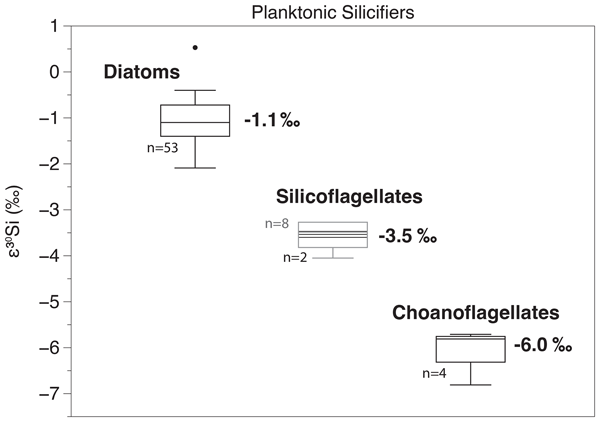
Mesocosm experiments in the Peruvian Upwelling during a coastal El Niño examined silicon cycling and isotope dynamics under changing nutrient conditions. The addition of nitrate-depleted deep water shifted the phytoplankton community from diatoms to silicoflagellates, altering Si isotope signatures. We provide the first field-based estimate of the Si isotope fractionation factor for silicoflagellates, showing their potential importance for interpreting modern and past marine silicon cycling.
Sebastian I. Cantarero, Edgart Flores, Harry Allbrook, Paulina Aguayo, Cristian A. Vargas, John E. Tamanaha, J. Bentley C. Scholz, Lennart T. Bach, Carolin R. Löscher, Ulf Riebesell, Balaji Rajagopalan, Nadia Dildar, and Julio Sepúlveda
Biogeosciences, 21, 3927–3958, https://doi.org/10.5194/bg-21-3927-2024, https://doi.org/10.5194/bg-21-3927-2024, 2024
Short summary
Short summary
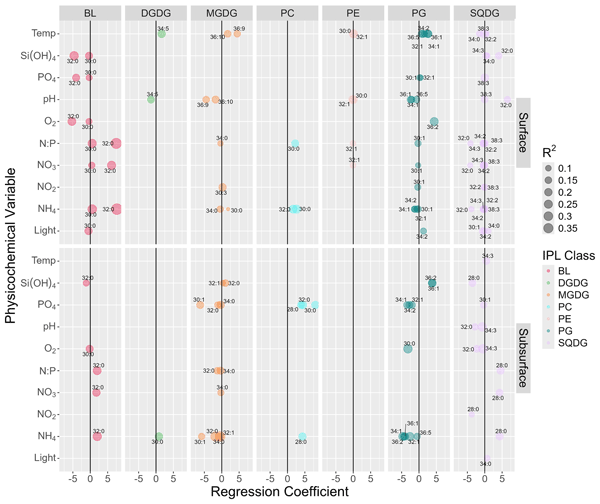
Our study explores lipid remodeling in response to environmental stress, specifically how cell membrane chemistry changes. We focus on intact polar lipids in a phytoplankton community exposed to diverse stressors in a mesocosm experiment. The observed remodeling indicates acyl chain recycling for energy storage in intact polar lipids during stress, reallocating resources based on varying growth conditions. This understanding is essential to grasp the system's impact on cellular pools.
Lennart Thomas Bach, Aaron James Ferderer, Julie LaRoche, and Kai Georg Schulz
Biogeosciences, 21, 3665–3676, https://doi.org/10.5194/bg-21-3665-2024, https://doi.org/10.5194/bg-21-3665-2024, 2024
Short summary
Short summary
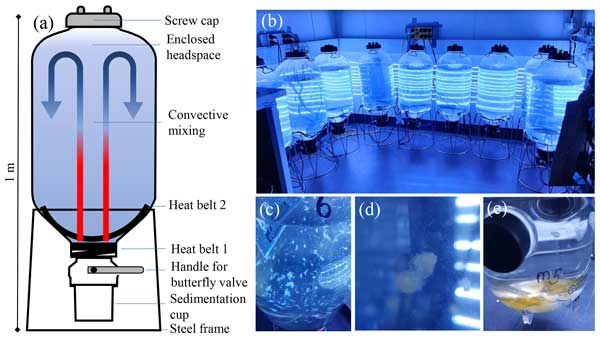
Ocean alkalinity enhancement (OAE) is an emerging marine CO2 removal method, but its environmental effects are insufficiently understood. The OAE Pelagic Impact Intercomparison Project (OAEPIIP) provides funding for a standardized and globally replicated microcosm experiment to study the effects of OAE on plankton communities. Here, we provide a detailed manual for the OAEPIIP experiment. We expect OAEPIIP to help build scientific consensus on the effects of OAE on plankton.
Charly A. Moras, Tyler Cyronak, Lennart T. Bach, Renaud Joannes-Boyau, and Kai G. Schulz
Biogeosciences, 21, 3463–3475, https://doi.org/10.5194/bg-21-3463-2024, https://doi.org/10.5194/bg-21-3463-2024, 2024
Short summary
Short summary
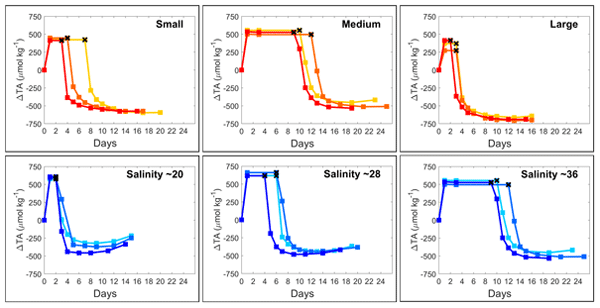
We investigate the effects of mineral grain size and seawater salinity on magnesium hydroxide dissolution and calcium carbonate precipitation kinetics for ocean alkalinity enhancement. Salinity did not affect the dissolution, but calcium carbonate formed earlier at lower salinities due to the lower magnesium and dissolved organic carbon concentrations. Smaller grain sizes dissolved faster but calcium carbonate precipitated earlier, suggesting that medium grain sizes are optimal for kinetics.
Aaron Ferderer, Kai G. Schulz, Ulf Riebesell, Kirralee G. Baker, Zanna Chase, and Lennart T. Bach
Biogeosciences, 21, 2777–2794, https://doi.org/10.5194/bg-21-2777-2024, https://doi.org/10.5194/bg-21-2777-2024, 2024
Short summary
Short summary
Ocean alkalinity enhancement (OAE) is a promising method of atmospheric carbon removal; however, its ecological impacts remain largely unknown. We assessed the effects of simulated silicate- and calcium-based mineral OAE on diatom silicification. We found that increased silicate concentrations from silicate-based OAE increased diatom silicification. In contrast, the enhancement of alkalinity had no effect on community silicification and minimal effects on the silicification of different genera.
Jiaying A. Guo, Robert F. Strzepek, Kerrie M. Swadling, Ashley T. Townsend, and Lennart T. Bach
Biogeosciences, 21, 2335–2354, https://doi.org/10.5194/bg-21-2335-2024, https://doi.org/10.5194/bg-21-2335-2024, 2024
Short summary
Short summary
Ocean alkalinity enhancement aims to increase atmospheric CO2 sequestration by adding alkaline materials to the ocean. We assessed the environmental effects of olivine and steel slag powder on coastal plankton. Overall, slag is more efficient than olivine in releasing total alkalinity and, thus, in its ability to sequester CO2. Slag also had less environmental effect on the enclosed plankton communities when considering its higher CO2 removal potential based on this 3-week experiment.
Lennart Thomas Bach
Biogeosciences, 21, 261–277, https://doi.org/10.5194/bg-21-261-2024, https://doi.org/10.5194/bg-21-261-2024, 2024
Short summary
Short summary
Ocean alkalinity enhancement (OAE) is a widely considered marine carbon dioxide removal method. OAE aims to accelerate chemical rock weathering, which is a natural process that slowly sequesters atmospheric carbon dioxide. This study shows that the addition of anthropogenic alkalinity via OAE can reduce the natural release of alkalinity and, therefore, reduce the efficiency of OAE for climate mitigation. However, the additionality problem could be mitigated via a variety of activities.
Kai G. Schulz, Lennart T. Bach, and Andrew G. Dickson
State Planet, 2-oae2023, 2, https://doi.org/10.5194/sp-2-oae2023-2-2023, https://doi.org/10.5194/sp-2-oae2023-2-2023, 2023
Short summary
Short summary
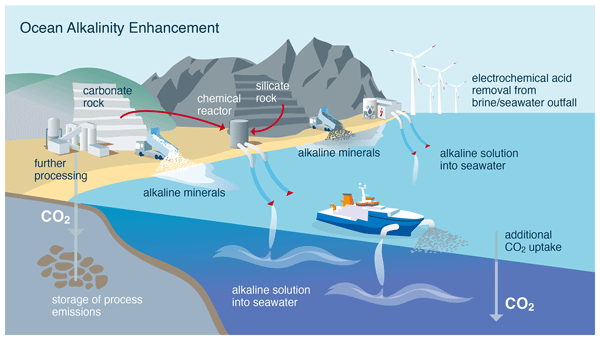
Ocean alkalinity enhancement is a promising approach for long-term anthropogenic carbon dioxide sequestration, required to avoid catastrophic climate change. In this chapter we describe its impacts on seawater carbonate chemistry speciation and highlight pitfalls that need to be avoided during sampling, storage, measurements, and calculations.
Andreas Oschlies, Lennart T. Bach, Rosalind E. M. Rickaby, Terre Satterfield, Romany Webb, and Jean-Pierre Gattuso
State Planet, 2-oae2023, 1, https://doi.org/10.5194/sp-2-oae2023-1-2023, https://doi.org/10.5194/sp-2-oae2023-1-2023, 2023
Short summary
Short summary
Reaching promised climate targets will require the deployment of carbon dioxide removal (CDR). Marine CDR options receive more and more interest. Based on idealized theoretical studies, ocean alkalinity enhancement (OAE) appears as a promising marine CDR method. We provide an overview on the current situation of developing OAE as a marine CDR method and describe the history that has led to the creation of the OAE research best practice guide.
Tyler Cyronak, Rebecca Albright, and Lennart T. Bach
State Planet, 2-oae2023, 7, https://doi.org/10.5194/sp-2-oae2023-7-2023, https://doi.org/10.5194/sp-2-oae2023-7-2023, 2023
Short summary
Short summary
Ocean alkalinity enhancement (OAE) is a marine carbon dioxide removal (CDR) approach. Publicly funded research projects have begun, and philanthropic funding and start-ups are collectively pushing the field forward. This rapid progress in research activities has created an urgent need to learn if and how OAE can work at scale. This chapter of the Guide to Best Practices in Ocean Alkalinity Enhancement Research focuses on field experiments.
David T. Ho, Laurent Bopp, Jaime B. Palter, Matthew C. Long, Philip W. Boyd, Griet Neukermans, and Lennart T. Bach
State Planet, 2-oae2023, 12, https://doi.org/10.5194/sp-2-oae2023-12-2023, https://doi.org/10.5194/sp-2-oae2023-12-2023, 2023
Short summary
Short summary
Monitoring, reporting, and verification (MRV) refers to the multistep process to quantify the amount of carbon dioxide removed by a carbon dioxide removal (CDR) activity. Here, we make recommendations for MRV for Ocean Alkalinity Enhancement (OAE) research, arguing that it has an obligation for comprehensiveness, reproducibility, and transparency, as it may become the foundation for assessing large-scale deployment. Both observations and numerical simulations will be needed for MRV.
Moritz Baumann, Allanah Joy Paul, Jan Taucher, Lennart Thomas Bach, Silvan Goldenberg, Paul Stange, Fabrizio Minutolo, and Ulf Riebesell
Biogeosciences, 20, 2595–2612, https://doi.org/10.5194/bg-20-2595-2023, https://doi.org/10.5194/bg-20-2595-2023, 2023
Short summary
Short summary
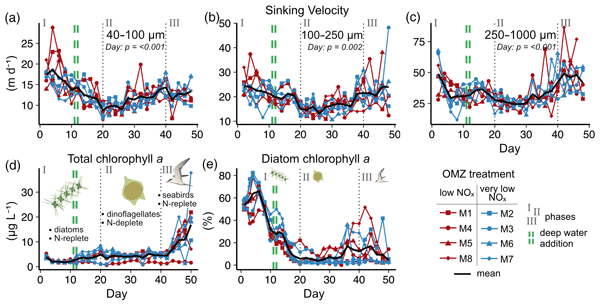
The sinking velocity of marine particles affects how much atmospheric CO2 is stored inside our oceans. We measured particle sinking velocities in the Peruvian upwelling system and assessed their physical and biochemical drivers. We found that sinking velocity was mainly influenced by particle size and porosity, while ballasting minerals played only a minor role. Our findings help us to better understand the particle sinking dynamics in this highly productive marine system.

Kristian Spilling, Jonna Piiparinen, Eric P. Achterberg, Javier Arístegui, Lennart T. Bach, Maria T. Camarena-Gómez, Elisabeth von der Esch, Martin A. Fischer, Markel Gómez-Letona, Nauzet Hernández-Hernández, Judith Meyer, Ruth A. Schmitz, and Ulf Riebesell
Biogeosciences, 20, 1605–1619, https://doi.org/10.5194/bg-20-1605-2023, https://doi.org/10.5194/bg-20-1605-2023, 2023
Short summary
Short summary
We carried out an enclosure experiment using surface water off Peru with different additions of oxygen minimum zone water. In this paper, we report on enzyme activity and provide data on the decomposition of organic matter. We found very high activity with respect to an enzyme breaking down protein, suggesting that this is important for nutrient recycling both at present and in the future ocean.
Allanah Joy Paul, Lennart Thomas Bach, Javier Arístegui, Elisabeth von der Esch, Nauzet Hernández-Hernández, Jonna Piiparinen, Laura Ramajo, Kristian Spilling, and Ulf Riebesell
Biogeosciences, 19, 5911–5926, https://doi.org/10.5194/bg-19-5911-2022, https://doi.org/10.5194/bg-19-5911-2022, 2022
Short summary
Short summary
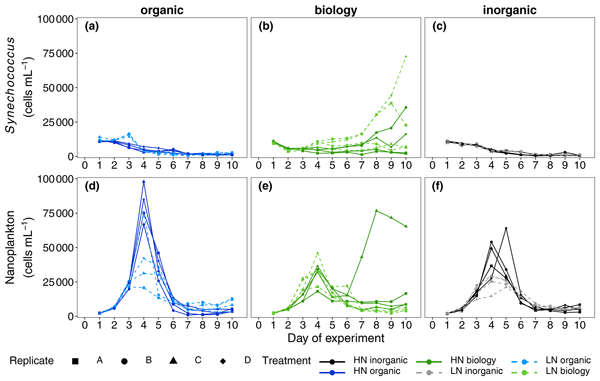
We investigated how different deep water chemistry and biology modulate the response of surface phytoplankton communities to upwelling in the Peruvian coastal zone. Our results show that the most influential drivers were the ratio of inorganic nutrients (N : P) and the microbial community present in upwelling source water. These led to unexpected and variable development in the phytoplankton assemblage that could not be predicted by the amount of inorganic nutrients alone.

Aaron Ferderer, Zanna Chase, Fraser Kennedy, Kai G. Schulz, and Lennart T. Bach
Biogeosciences, 19, 5375–5399, https://doi.org/10.5194/bg-19-5375-2022, https://doi.org/10.5194/bg-19-5375-2022, 2022
Short summary
Short summary
Ocean alkalinity enhancement has the capacity to remove vast quantities of carbon from the atmosphere, but its effect on marine ecosystems is largely unknown. We assessed the effect of increased alkalinity on a coastal phytoplankton community when seawater was equilibrated and not equilibrated with atmospheric CO2. We found that the phytoplankton community was moderately affected by increased alkalinity and equilibration with atmospheric CO2 had little influence on this effect.
Jiaying Abby Guo, Robert Strzepek, Anusuya Willis, Aaron Ferderer, and Lennart Thomas Bach
Biogeosciences, 19, 3683–3697, https://doi.org/10.5194/bg-19-3683-2022, https://doi.org/10.5194/bg-19-3683-2022, 2022
Short summary
Short summary
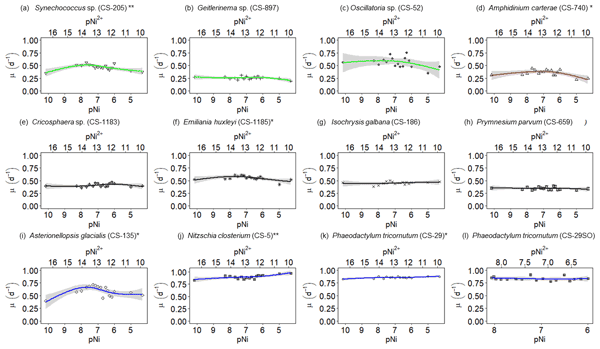
Ocean alkalinity enhancement is a CO2 removal method with significant potential, but it can lead to a perturbation of the ocean with trace metals such as nickel. This study tested the effect of increasing nickel concentrations on phytoplankton growth and photosynthesis. We found that the response to nickel varied across the 11 phytoplankton species tested here, but the majority were rather insensitive. We note, however, that responses may be different under other experimental conditions.

Charly A. Moras, Lennart T. Bach, Tyler Cyronak, Renaud Joannes-Boyau, and Kai G. Schulz
Biogeosciences, 19, 3537–3557, https://doi.org/10.5194/bg-19-3537-2022, https://doi.org/10.5194/bg-19-3537-2022, 2022
Short summary
Short summary
This research presents the first laboratory results of quick and hydrated lime dissolution in natural seawater. These two minerals are of great interest for ocean alkalinity enhancement, a strategy aiming to decrease atmospheric CO2 concentrations. Following the dissolution of these minerals, we identified several hurdles and presented ways to avoid them or completely negate them. Finally, we proceeded to various simulations in today’s oceans to implement the strategy at its highest potential.
Shao-Min Chen, Ulf Riebesell, Kai G. Schulz, Elisabeth von der Esch, Eric P. Achterberg, and Lennart T. Bach
Biogeosciences, 19, 295–312, https://doi.org/10.5194/bg-19-295-2022, https://doi.org/10.5194/bg-19-295-2022, 2022
Short summary
Short summary
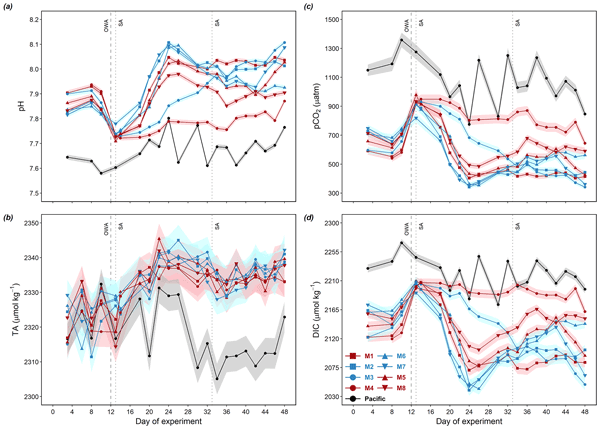
Oxygen minimum zones in the ocean are characterized by enhanced carbon dioxide (CO2) levels and are being further acidified by increasing anthropogenic atmospheric CO2. Here we report CO2 system measurements in a mesocosm study offshore Peru during a rare coastal El Niño event to investigate how CO2 dynamics may respond to ongoing ocean deoxygenation. Our observations show that nitrogen limitation, productivity, and plankton community shift play an important role in driving the CO2 dynamics.
Cited articles
Beerling, D. J., Kantzas, E. P., Lomas, M. R., Wade, P., Eufrasio, R. M., Renforth, P., Sarkar, B., Andrews, M. G., James, R. H., Pearce, C. R., Mercure, J.-F., Pollitt, H., Holden, P. B., Edwards, N. R., Khanna, M., Koh, L., Quegan, S., Pidgeon, N. F., Janssens, I. A., Hansen, J., and Banwart, S. A.: Potential for large-scale CO2 removal via enhanced rock weathering with croplands, Nature, 583, 242–248, https://doi.org/10.1038/s41586-020-2448-9, 2020.
Dhanjal, S. K., Young, L., and Storer, P.: Automatic control of cement quality using on-line XRD, in: IEEE Cement Industry Technical Conference, 2006, Conference Record, Phoenix, AZ, USA, https://doi.org/10.1109/citcon.2006.1635726, 289–305, 2006.
Dickson, A. G., Sabine, C. L., Christian, J. R., Bargeron, C. P., and North Pacific Marine Science Organization (Eds.): Guide to best practices for ocean CO2 measurements, North Pacific Marine Science Organization, Sidney, BC, 191 pp., https://doi.org/10.25607/OBP-1342, 2007.
Eisaman, M. D., Geilert, S., Renforth, P., Bastianini, L., Campbell, J., Dale, A. W., Foteinis, S., Grasse, P., Hawrot, O., Löscher, C. R., Rau, G. H., and Rønning, J.: Assessing the technical aspects of ocean-alkalinity-enhancement approaches, State Planet, 2-oae2023, 1–29, https://doi.org/10.5194/sp-2-oae2023-3-2023, 2023.
Ferderer, A., Chase, Z., Kennedy, F., Schulz, K. G., and Bach, L. T.: Assessing the influence of ocean alkalinity enhancement on a coastal phytoplankton community, Biogeosciences, 19, 5375–5399, https://doi.org/10.5194/bg-19-5375-2022, 2022.
Foteinis, S., Campbell, J. S., and Renforth, P.: Life cycle assessment of coastal enhanced weathering for carbon dioxide removal from air, Environ. Sci. Technol., 57, 6169–6178, https://doi.org/10.1021/acs.est.2c08633, 2023.
Fuhr, M., Geilert, S., Schmidt, M., Liebetrau, V., Vogt, C., Ledwig, B., and Wallmann, K.: Kinetics of olivine weathering in seawater: an experimental study, Frontiers in Climate, 4, 831587, https://doi.org/10.3389/fclim.2022.831587.
Geerts, L. J. J., Hylén, A., and Meysman, F. J. R.: Review and syntheses: Ocean alkalinity enhancement and carbon dioxide removal through marine enhanced rock weathering using olivine, Biogeosciences, 22, 355–384, https://doi.org/10.5194/bg-22-355-2025, 2025.
Griffioen, J.: Enhanced weathering of olivine in seawater: the efficiency as revealed by thermodynamic scenario analysis, Sci. Total Environ., 575, 536–544, https://doi.org/10.1016/j.scitotenv.2016.09.008, 2017.
Hansen, H. P. and Koroleff, F.: Determination of nutrients, in: Methods of Seawater Analysis, John Wiley and Sons, Ltd, https://doi.org/10.1002/9783527613984.ch10, 159–228, 1999.
Hartmann, J., West, A. J., Renforth, P., Köhler, P., De La Rocha, C. L., Wolf-Gladrow, D. A., Dürr, H. H., and Scheffran, J.: Enhanced chemical weathering as a geoengineering strategy to reduce atmospheric carbon dioxide, supply nutrients, and mitigate ocean acidification, Rev. Geophys., 51, 113–149, https://doi.org/10.1002/rog.20004, 2013.
He, J. and Tyka, M. D.: Limits and CO2 equilibration of near-coast alkalinity enhancement, Biogeosciences, 20, 27–43, https://doi.org/10.5194/bg-20-27-2023, 2023.
Ho, D. T., Bopp, L., Palter, J. B., Long, M. C., Boyd, P. W., Neukermans, G., and Bach, L. T.: Monitoring, reporting, and verification for ocean alkalinity enhancement, State Planet, 2-oae2023, 1–12, https://doi.org/10.5194/sp-2-oae2023-12-2023, 2023.
Humphreys, M. P., Lewis, E. R., Sharp, J. D., and Pierrot, D.: PyCO2SYS v1.8: marine carbonate system calculations in Python, Geosci. Model Dev., 15, 15–43, https://doi.org/10.5194/gmd-15-15-2022, 2022.
Kinsman, N. and Xu, J. P.: The fluorescent tracer experiment on Holiday Beach near Mugu Canyon, Southern California, Open-File Report, U.S. Geological Survey, https://doi.org/10.3133/ofr20121131, 2012.
Köhler, P., Hartmann, J., and Wolf-Gladrow, D. A.: Geoengineering potential of artificially enhanced silicate weathering of olivine, P. Natl. Acad. Sci. USA, 107, 20228–20233, https://doi.org/10.1073/pnas.1000545107, 2010.
Middelburg, J. J., Soetaert, K., and Hagens, M.: Ocean alkalinity, buffering and biogeochemical processes, Rev. Geophys., 58, e2019RG000681, https://doi.org/10.1029/2019RG000681, 2020.
Milde, A. and Bach, L.: Data for “Technical note: Verification of coastal enhanced weathering by tracking the dissolution of alkaline minerals: Theory and laboratory tests with olivine.”, Zenodo [data set], https://doi.org/10.5281/zenodo.18665602, 2026.
Montserrat, F., Renforth, P., Hartmann, J., Leermakers, M., Knops, P., and Meysman, F. J. R.: Olivine dissolution in seawater: implications for CO2 sequestration through enhanced weathering in coastal environments, Environ. Sci. Technol., 51, 3960–3972, https://doi.org/10.1021/acs.est.6b05942, 2017.
Moosdorf, N., Renforth, P., and Hartmann, J.: Carbon dioxide efficiency of terrestrial enhanced weathering, Environ. Sci. Technol., 48, 4809–4816, https://doi.org/10.1021/es4052022, 2014.
Moras, C. A., Bach, L. T., Cyronak, T., Joannes-Boyau, R., and Schulz, K. G.: Ocean alkalinity enhancement – avoiding runaway CaCO3 precipitation during quick and hydrated lime dissolution, Biogeosciences, 19, 3537–3557, https://doi.org/10.5194/bg-19-3537-2022, 2022.
Mu, L., Palter, J. B., and Wang, H.: Considerations for hypothetical carbon dioxide removal via alkalinity addition in the Amazon River watershed, Biogeosciences, 20, 1963–1977, https://doi.org/10.5194/bg-20-1963-2023, 2023.
Mucci, A., Canuel, R., and Zhong, S.: The solubility of calcite and aragonite in sulfate-free seawater and the seeded growth kinetics and composition of the precipitates at 25 °C, Chem. Geol., 74, 309–320, https://doi.org/10.1016/0009-2541(89)90040-5, 1989.
NASEM, Ocean Studies Board, Committee on A Research Strategy for Ocean-based Carbon Dioxide Removal and Sequestration, and Division on Earth and Life Studies: A Research Strategy for Ocean-based Carbon Dioxide Removal and Sequestration, National Academies Press, Washington, D.C., https://doi.org/10.17226/26278, 2022.
Oschlies, A., Bach, L. T., Rickaby, R. E. M., Satterfield, T., Webb, R., and Gattuso, J.-P.: Climate targets, carbon dioxide removal, and the potential role of ocean alkalinity enhancement, State Planet, 2-oae2023, 1–9, https://doi.org/10.5194/sp-2-oae2023-1-2023, 2023.
Parkhurst, D. L. and Appelo, C. A. J: User's guide to PHREEQC (Version 2): A computer program for speciation, batch-reaction, onedimensional transport, and inverse geochemical calculations, U.S. Geological Survey, https://doi.org/10.3133/wri994259, 1999.
Pearson, S. G., Van Prooijen, B. C., Poleykett, J., Wright, M., Black, K., and Wang, Z. B.: vilTracking fluorescent and ferrimagnetic sediment tracers on an energetic ebb-tidal delta to monitor grain size-selective dispersal, Ocean Coast. Manage., 212, 105835, https://doi.org/10.1016/j.ocecoaman.2021.105835, 2021.
Renforth, P.: The negative emission potential of alkaline materials, Nat. Commun., 10, 1401, https://doi.org/10.1038/s41467-019-09475-5, 2019.
Renforth, P. and Henderson, G.: Assessing ocean alkalinity for carbon sequestration, Rev. Geophys., 55, 636–674, https://doi.org/10.1002/2016RG000533, 2017.
Rigopoulos, I., Harrison, A. L., Delimitis, A., Ioannou, I., Efstathiou, A. M., Kyratsi, T., and Oelkers, E. H.: Carbon sequestration via enhanced weathering of peridotites and basalts in seawater, Appl. Geochem., 91, 197–207, https://doi.org/10.1016/j.apgeochem.2017.11.001, 2018.
Rimstidt, J. D., Brantley, S. L., and Olsen, A. A.: Systematic review of forsterite dissolution rate data, Geochim. Cosmochim. Ac., 99, 159–178, https://doi.org/10.1016/j.gca.2012.09.019, 2012.
Rogelj, J., Popp, A., Calvin, K. V., Luderer, G., Emmerling, J., Gernaat, D., Fujimori, S., Strefler, J., Hasegawa, T., Marangoni, G., Krey, V., Kriegler, E., Riahi, K., Van Vuuren, D. P., Doelman, J., Drouet, L., Edmonds, J., Fricko, O., Harmsen, M., Havlík, P., Humpenöder, F., Stehfest, E., and Tavoni, M.: Scenarios towards limiting global mean temperature increase below 1.5 °C, Nat. Clim. Change, 8, 325–332, https://doi.org/10.1038/s41558-018-0091-3, 2018.
Sarrazin, P., Blake, D., Feldman, S., Chipera, S., Vaniman, D., and Bish, D.: Field deployment of a portable X-ray diffraction/X-ray flourescence instrument on Mars analog terrain, Powder Diffr., 20, 128–133, https://doi.org/10.1154/1.1913719, 2005.
Schindelin, J., Arganda-Carreras, I., Frise, E., Kaynig, V., Longair, M., Pietzsch, T., Preibisch, S., Rueden, C., Saalfeld, S., Schmid, B., Tinevez, J.-Y., White, D. J., Hartenstein, V., Eliceiri, K., Tomancak, P., and Cardona, A.: Fiji: an open-source platform for biological-image analysis, Nat. Methods, 9, 676–682, https://doi.org/10.1038/nmeth.2019, 2012.
Schuiling, R. D. and Krijgsman, P.: Enhanced weathering: an effective and cheap tool to sequester CO2, Climatic Change, 74, 349–354, https://doi.org/10.1007/s10584-005-3485-y, 2006.
Shukla, P. R., Skea, J., and Slade, R.: Working Group III Contribution to the Sixth Assessment Report of the Intergovernmental Panel on Climate Change, Cambridge University Press, https://doi.org/10.1017/9781009157926, 2022.
Smith, S. J., Marsh, J., and Puckette, T: Analysis of Fluorescent Sediment Tracer for Evaluating Nearshore Placement of Dredged Material, in: Proceedings of the 18th World Dredging Congress (WODCON XVIII), Lake Buena Vista, Florida, USA, 27 May–1 June 2007, Western Dredging Association, 1345–1358, ISBN 978-1-63266-226-2, 2003.
Strefler, J., Amann, T., Bauer, N., Kriegler, E., and Hartmann, J.: Potential and costs of carbon dioxide removal by enhanced weathering of rocks, Environ. Res. Lett., 13, 034010, https://doi.org/10.1088/1748-9326/aaa9c4, 2018.
Vesta, PBC: VESTA ANNUAL MONITORING REPORT: Coastal Carbon Capture at North Sea Beach, https://drive.google.com/file/d/16LtjGbLMdHXQwGgIVOwE_9TrzRFPAJkb/view (last access: 15 November 2026), 2024.
van Vuuren, D. P., Stehfest, E., Gernaat, D. E. H. J., van den Berg, M., Bijl, D. L., de Boer, H. S., Daioglou, V., Doelman, J. C., Edelenbosch, O. Y., Harmsen, M., Hof, A. F., and van Sluisveld, M. A. E.: Alternative pathways to the 1.5 °C target reduce the need for negative emission technologies, Nat. Clim. Change, 8, 391–397, https://doi.org/10.1038/s41558-018-0119-8, 2018.
Vila-Concejo, A., Ferreira, Ò., Ciavola, P., Matias, A., and Dias, J. M. A.: Tracer studies on the updrift margin of a complex inlet system, Mar. Geol., 208, 43–72, https://doi.org/10.1016/j.margeo.2004.04.020, 2004.
Wang, H., Pilcher, D. J., Kearney, K. A., Cross, J. N., Shugart, O. M., Eisaman, M. D., and Carter, B. R.: Simulated impact of ocean alkalinity enhancement on atmospheric CO2 removal in the Bering Sea, Earths Future, 11, e2022EF002816, https://doi.org/10.1029/2022EF002816, 2023.
Wang, M., Wang, C. Y., and Sun, Y.: Mantle source, magma differentiation and sulfide saturation of the ∼637 Ma Zhouan mafic–ultramafic intrusion in the northern margin of the Yangtze Block, Central China, Precambrian Res., 228, 206–222, https://doi.org/10.1016/j.precamres.2013.01.015, 2013.
Wilson, M. J.: Weathering of the primary rock-forming minerals: processes, products and rates, Clay Miner., 39, 233–266, https://doi.org/10.1180/0009855043930133, 2004.
Wurgaft, E., Wang, Z. A., Churchill, J. H., Dellapenna, T., Song, S., Du, J., Ringham, M. C., Rivlin, T., and Lazar, B.: Particle triggered reactions as an important mechanism of alkalinity and inorganic carbon removal in river plumes, Geophys. Res. Lett., 48, e2021GL093178, https://doi.org/10.1029/2021GL093178, 2021.
Zeebe, R. E. and Wolf-Gladrow, D. A.: CO2 in seawater: equilibrium, kinetics, isotopes, Elsevier, Amsterdam , New York, 346 pp., https://doi.org/10.1016/S0422-9894(01)X8001-X, 2001.
Short summary
Adding specific types of finely ground rock to the ocean is a way to accelerate a natural process that removes carbon dioxide from the atmosphere. We looked at whether it is possible to use fluorescent sand grains to measure how much of the rock added to the ocean has dissolved, and therefore how much carbon will eventually be removed from the atmosphere. We found that fluorescent sand grains likely can be used this way, however it will take a lot more work to refine the process.
Adding specific types of finely ground rock to the ocean is a way to accelerate a natural...


Altmetrics
Final-revised paper
Preprint