
Articles | Volume 23, issue 3
https://doi.org/10.5194/bg-23-995-2026
© Author(s) 2026. This work is distributed under
the Creative Commons Attribution 4.0 License.
the Creative Commons Attribution 4.0 License.
https://doi.org/10.5194/bg-23-995-2026
© Author(s) 2026. This work is distributed under
the Creative Commons Attribution 4.0 License.
the Creative Commons Attribution 4.0 License.
Research article
| 
03 Feb 2026
Research article |
| 03 Feb 2026
| 03 Feb 2026
Perturbation increases source-dependent organic matter degradation rates in estuarine sediments

Royal Netherlands Institute for Sea Research, Department of Ocean Systems, Landsdiep 4, 1797 SZ `t Horntje, the Netherlands
Klaas G. J. Nierop
Utrecht University, Faculty of Geosciences, Princetonlaan 8a, 3584 CB Utrecht, the Netherlands
Bingjie Yang
Royal Netherlands Institute for Sea Research, Department of Marine Microbiology & Biogeochemistry, Landsdiep 4, 1797 SZ `t Horntje, the Netherlands
Stefan Schouten
Royal Netherlands Institute for Sea Research, Department of Marine Microbiology & Biogeochemistry, Landsdiep 4, 1797 SZ `t Horntje, the Netherlands
Gert-Jan Reichart
Royal Netherlands Institute for Sea Research, Department of Ocean Systems, Landsdiep 4, 1797 SZ `t Horntje, the Netherlands
Utrecht University, Faculty of Geosciences, Princetonlaan 8a, 3584 CB Utrecht, the Netherlands
Peter Kraal
Royal Netherlands Institute for Sea Research, Department of Ocean Systems, Landsdiep 4, 1797 SZ `t Horntje, the Netherlands
Related authors
Guangnan Wu, Gert-Jan Reichart, and Peter Kraal
EGUsphere, https://doi.org/10.5194/egusphere-2025-5709, https://doi.org/10.5194/egusphere-2025-5709, 2025
Preprint archived
Short summary
Short summary
We investigate CO2 release from sediment dredged in Europe's largest harbor. Results are combined with a global CO2-release database for soils and sediments. We find (1) high CO2 release rates because the sediment is relatively rich in easily degradable organic matter and (2) strong effects of moisture, temperature and oxygen availability. Our results inform sediment management and shed new light on the dependency of CO2 release from soils and sediments on key variables moisture and temperature.
Virginia Sánchez Barranco, Nienke C. J. van de Loosdrecht, Furu Mienis, Jasper M. de Goeij, Rick Hennekam, Gert-Jan Reichart, Jan-Berend W. Stuut, and Lennart J. de Nooijer
Biogeosciences, 23, 5879–5899, https://doi.org/10.5194/bg-23-5879-2026, https://doi.org/10.5194/bg-23-5879-2026, 2026
Short summary
Short summary
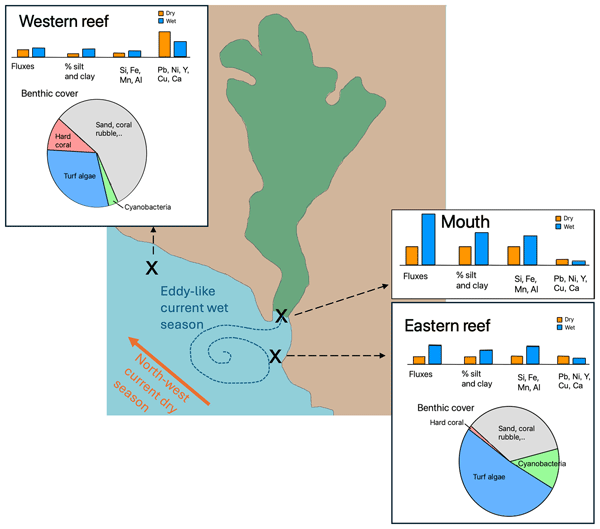
We studied how pollution from bays in Curaçao reaches nearby coral reefs and changes with seasons. By collecting suspended particulate matter at different locations during dry and wet seasons, we found that sheltered reefs receive more fine particles and pollutants, especially during rainy months, while exposed reefs are less affected. This shows that both location and seasonal rainfall determine reef vulnerability, highlighting the hidden impacts of human activity on these fragile ecosystems.
Yannick F. Bats, Appy Sluijs, and Gert-Jan Reichart
EGUsphere, https://doi.org/10.5194/egusphere-2026-3713, https://doi.org/10.5194/egusphere-2026-3713, 2026
Short summary
Short summary
Fossil remains of algae can help us estimate ancient carbon dioxide levels, but current methods are often inaccurate. We built a numeric model of an algal cell to better understand how carbon is processed in these organisms. Our research reveals that light and calcification strongly influence the chemical signals preserved in algae. By including these factors, our model accurately matches results from lab studies, suggesting it can improve reconstructions of Earth’s climate and carbon cycle.
Yasmina Ourradi, Gert-Jan Reichart, Sonja van Leeuwen, and Matthew P. Humphreys
Biogeosciences, 23, 3323–3346, https://doi.org/10.5194/bg-23-3323-2026, https://doi.org/10.5194/bg-23-3323-2026, 2026
Short summary
Short summary
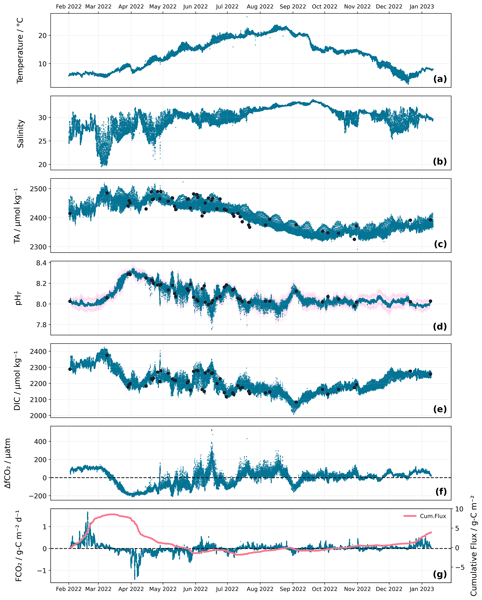
Coastal seas play a key role in the global carbon cycle, yet what drives their carbonate chemistry remains poorly understood. We measured pH at high frequency for a year at the Wadden Sea-North Sea interface. Biological activity drives pH changes, while freshwater inflow shapes total alkalinity. Both processes influence dissolved inorganic carbon. The Wadden Sea acts as a net carbon dioxide source to the atmosphere. High-frequency monitoring is essential under a changing climate.
Peter Kraal, Kristin A. Ungerhofer, Darci Rush, and Gert-Jan Reichart
Biogeosciences, 23, 3253–3277, https://doi.org/10.5194/bg-23-3253-2026, https://doi.org/10.5194/bg-23-3253-2026, 2026
Short summary
Short summary
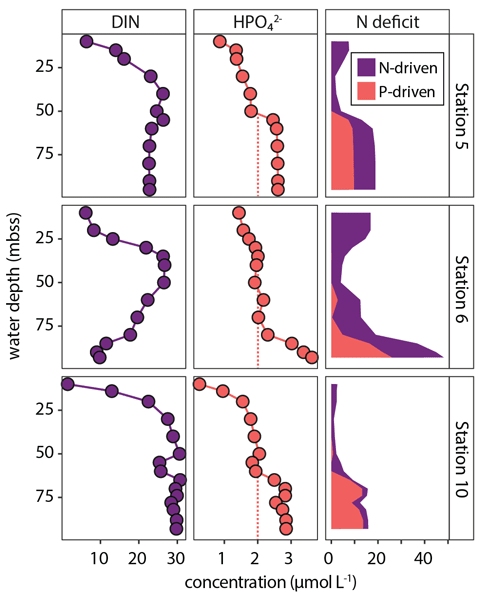
Element cycles in oxygen-depleted areas such as upwelling areas inform future deoxygenation scenarios. The Benguela upwelling system shows strong decoupling of nitrogen and phosphorus cycling due to seasonal shelf anoxia. Anaerobic processes result in pelagic nitrogen loss as N2. At the same time, sediments are rich in fish-derived and bacterial phosphorus, with high fluxes of excess phosphate, altering deep-water nitrogen:phosphorus ratios. Such alterations can affect ocean functioning.
Madleen Grohganz, Thomas M. Bury, Bregje van der Bolt, Gert-Jan Reichart, and Rick Hennekam
EGUsphere, https://doi.org/10.5194/egusphere-2026-2223, https://doi.org/10.5194/egusphere-2026-2223, 2026
Short summary
Short summary
We introduce a new deep learning tool for the quantitative detection of catastrophic tipping points in the Earth system and test its performance on existing Cenozoic proxy records. Using our deep learning method, we are able to corroborate the existence of previously detected critical transitions in the paleo records and successfully identify them as catastrophic tipping points. We provide a powerful new tool, easily adaptable for the detection of tipping points in a variety of Earth systems.
Cecile S. Hilgen, Rick Hennekam, Marcel T. J. van der Meer, Timme H. Donders, Gert-Jan Reichart, and Francesca Sangiorgi
J. Micropalaeontol., 45, 275–295, https://doi.org/10.5194/jm-45-275-2026, https://doi.org/10.5194/jm-45-275-2026, 2026
Short summary
Short summary
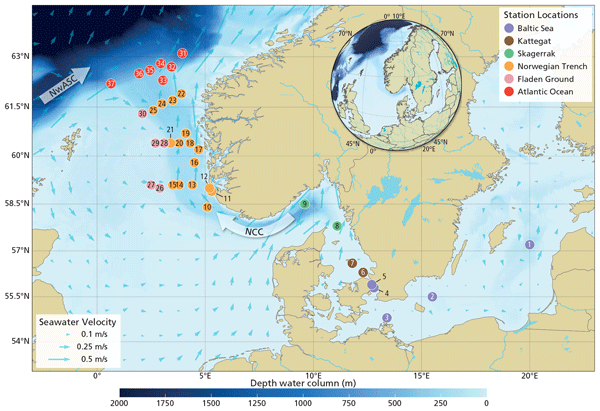
The Northwest European Shelf plays a key role in the global carbon cycle. To assess its past role, we want to reconstruct primary productivity using microfossils. By comparing surface sediment assemblages with sediment properties and modern environmental conditions, we found a good microfossil-based indicator for primary productivity. This indicator will be useful to reconstruct productivity in the past Northwest European Shelf.
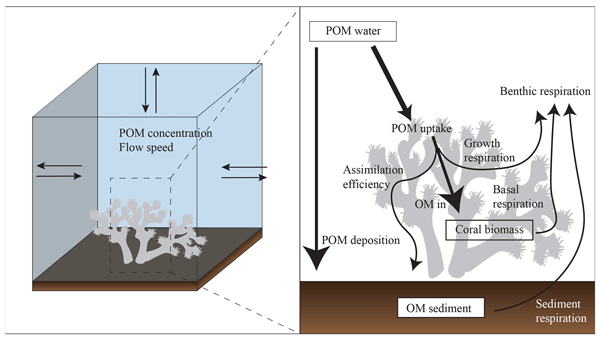
Evert de Froe, Christian Mohn, Karline Soetaert, Anna-Selma van der Kaaden, Gert-Jan Reichart, Laurence H. De Clippele, Sandra R. Maier, and Dick van Oevelen
Ocean Sci., 22, 843–870, https://doi.org/10.5194/os-22-843-2026, https://doi.org/10.5194/os-22-843-2026, 2026
Short summary
Short summary
Cold-water corals are important reef-building animals in the deep sea and are distributed globally. Until now, scientists have been mapping and predicting where cold-water corals can be found using video transects and statistical models. This study provides the first process-based model in which corals are predicted based on ocean currents and food particle movement. The results show that resupply of food by tidal currents near the seafloor is crucial for predicting where corals can grow.
Guangnan Wu, Gert-Jan Reichart, and Peter Kraal
EGUsphere, https://doi.org/10.5194/egusphere-2025-5709, https://doi.org/10.5194/egusphere-2025-5709, 2025
Preprint archived
Short summary
Short summary
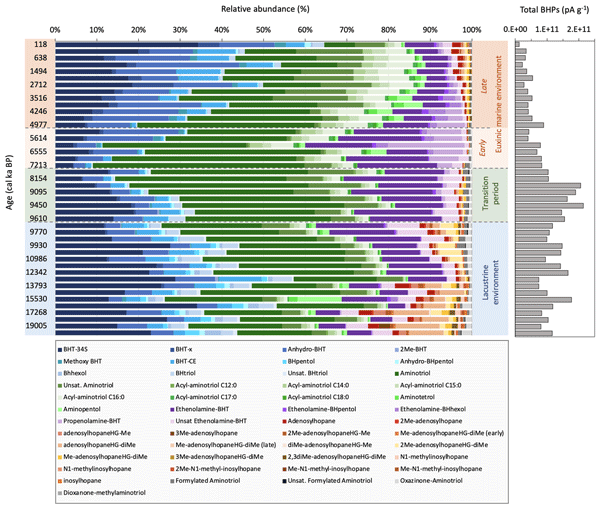
We investigate CO2 release from sediment dredged in Europe's largest harbor. Results are combined with a global CO2-release database for soils and sediments. We find (1) high CO2 release rates because the sediment is relatively rich in easily degradable organic matter and (2) strong effects of moisture, temperature and oxygen availability. Our results inform sediment management and shed new light on the dependency of CO2 release from soils and sediments on key variables moisture and temperature.
Anna Cutmore, Nora Richter, Nicole Bale, Stefan Schouten, and Darci Rush
Biogeosciences, 22, 6563–6581, https://doi.org/10.5194/bg-22-6563-2025, https://doi.org/10.5194/bg-22-6563-2025, 2025
Short summary
Short summary
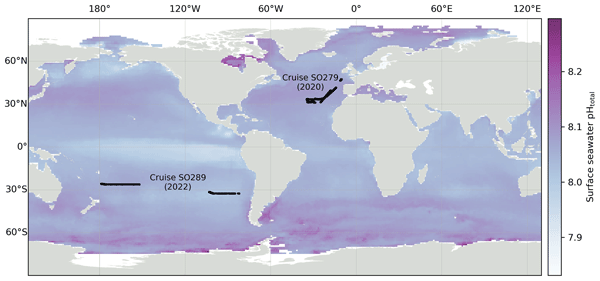
This study uses bacterial compounds, bacteriohopanepolyols (BHPs), preserved in Black Sea sediments to trace major environmental changes over the past 20 000 years. As the basin shifted from a freshwater lake to a permanently oxygen-poor marine environment, we observe clear changes in bacterial communities and environmental conditions. These findings offer new insight into how microbes responded to significant hydrological changes during the last deglaciation and Holocene.
Louise Delaigue, Gert-Jan Reichart, Li Qiu, Eric P. Achterberg, Yasmina Ourradi, Chris Galley, André Mutzberg, and Matthew P. Humphreys
Biogeosciences, 22, 5103–5121, https://doi.org/10.5194/bg-22-5103-2025, https://doi.org/10.5194/bg-22-5103-2025, 2025
Short summary
Short summary
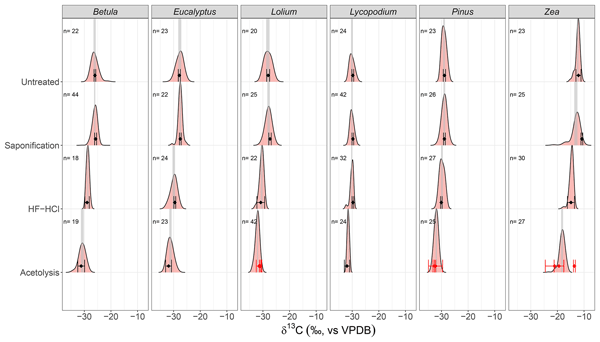
Our study analysed pH in ocean surface waters to understand how it fluctuates with changes in temperature, salinity, and biological activities. We found that temperature mainly controls daily pH variations, but biological processes also play a role, especially in affecting CO2 levels between the ocean and atmosphere. Our research shows how these factors together maintain the balance of ocean chemistry, which is crucial for predicting changes in marine environments.
Yannick F. Bats, Klaas G. J. Nierop, Alice Stuart-Lee, Joost Frieling, Linda van Roij, Gert-Jan Reichart, and Appy Sluijs
Biogeosciences, 22, 4689–4704, https://doi.org/10.5194/bg-22-4689-2025, https://doi.org/10.5194/bg-22-4689-2025, 2025
Short summary
Short summary
In this study, we analyzed the molecular and stable carbon isotopic composition (δ13C) of pollen and spores (sporomorphs) that underwent chemical treatments that simulate diagenesis during fossilization. We show that the successive removal of sugars and lipids results in the depletion of 13C in the residual sporomorph, leaving rich aromatic compounds. This residual aromatic-rich structure likely represents diagenetically resistant sporopollenin, implying that diagenesis results in the depletion of 13C in pollen.
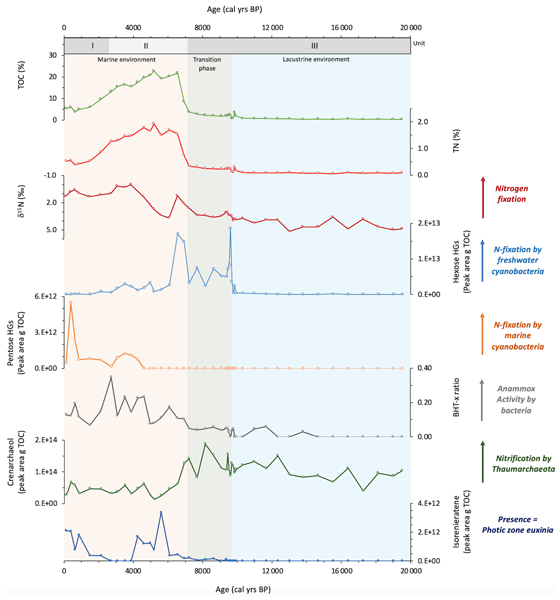
Anna Cutmore, Nicole Bale, Rick Hennekam, Bingjie Yang, Darci Rush, Gert-Jan Reichart, Ellen C. Hopmans, and Stefan Schouten
Clim. Past, 21, 957–971, https://doi.org/10.5194/cp-21-957-2025, https://doi.org/10.5194/cp-21-957-2025, 2025
Short summary
Short summary
As human activities lower marine oxygen levels, understanding the impact on the marine nitrogen cycle is vital. The Black Sea, which became oxygen-deprived 9600 years ago, offers key insights. By studying organic compounds linked to nitrogen cycle processes, we found that, 7200 years ago, the Black Sea's nitrogen cycle significantly altered due to severe deoxygenation. This suggests that continued marine oxygen decline could similarly alter the marine nitrogen cycle, affecting vital ecosystems.
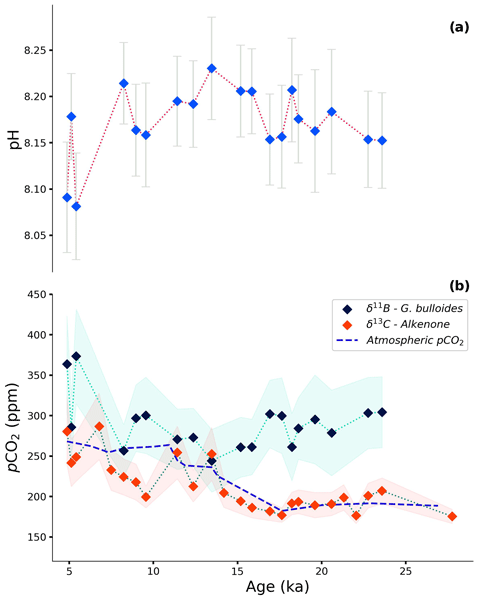
Szabina Karancz, Lennart J. de Nooijer, Bas van der Wagt, Marcel T. J. van der Meer, Sambuddha Misra, Rick Hennekam, Zeynep Erdem, Julie Lattaud, Negar Haghipour, Stefan Schouten, and Gert-Jan Reichart
Clim. Past, 21, 679–704, https://doi.org/10.5194/cp-21-679-2025, https://doi.org/10.5194/cp-21-679-2025, 2025
Short summary
Short summary
Changes in upwelling intensity of the Benguela upwelling region during the last glacial motivated us to investigate the local CO2 history during the last glacial-to-interglacial transition. Using various geochemical tracers on archives from both subsurface and surface waters reveals enhanced storage of carbon at depth during the Last Glacial Maximum. An efficient biological pump likely prevented outgassing of CO2 from intermediate depth to the atmosphere.
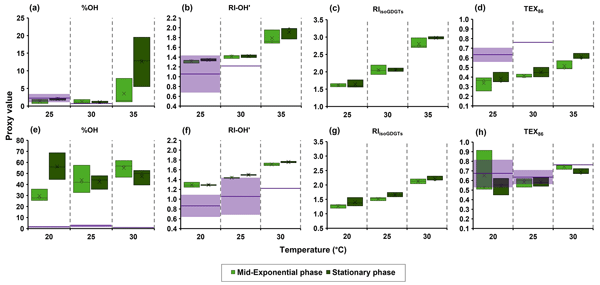
Devika Varma, Laura Villanueva, Nicole J. Bale, Pierre Offre, Gert-Jan Reichart, and Stefan Schouten
Biogeosciences, 21, 4875–4888, https://doi.org/10.5194/bg-21-4875-2024, https://doi.org/10.5194/bg-21-4875-2024, 2024
Short summary
Short summary
Archaeal hydroxylated tetraether lipids are increasingly used as temperature indicators in marine settings, but the factors influencing their distribution are still unclear. Analyzing membrane lipids of two thaumarchaeotal strains showed that the growth phase of the cultures does not affect the lipid distribution, but growth temperature profoundly affects the degree of cyclization of these lipids. Also, the abundance of these lipids is species-specific and is not influenced by temperature.
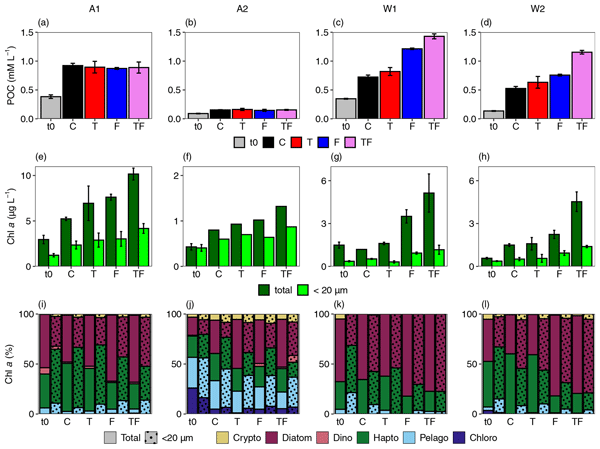
Charlotte Eich, Mathijs van Manen, J. Scott P. McCain, Loay J. Jabre, Willem H. van de Poll, Jinyoung Jung, Sven B. E. H. Pont, Hung-An Tian, Indah Ardiningsih, Gert-Jan Reichart, Erin M. Bertrand, Corina P. D. Brussaard, and Rob Middag
Biogeosciences, 21, 4637–4663, https://doi.org/10.5194/bg-21-4637-2024, https://doi.org/10.5194/bg-21-4637-2024, 2024
Short summary
Short summary
Phytoplankton growth in the Southern Ocean (SO) is often limited by low iron (Fe) concentrations. Sea surface warming impacts Fe availability and can affect phytoplankton growth. We used shipboard Fe clean incubations to test how changes in Fe and temperature affect SO phytoplankton. Their abundances usually increased with Fe addition and temperature increase, with Fe being the major factor. These findings imply potential shifts in ecosystem structure, impacting food webs and elemental cycling.
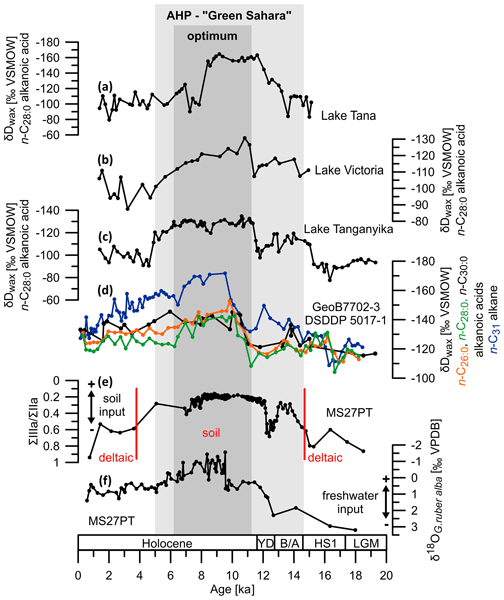
Vera Dorothee Meyer, Jürgen Pätzold, Gesine Mollenhauer, Isla S. Castañeda, Stefan Schouten, and Enno Schefuß
Clim. Past, 20, 523–546, https://doi.org/10.5194/cp-20-523-2024, https://doi.org/10.5194/cp-20-523-2024, 2024
Short summary
Short summary
The climatic factors sustaining vegetation in the Sahara during the African humid period (AHP) are still not fully understood. Using biomarkers in a marine sediment core from the eastern Mediterranean, we infer variations in Mediterranean (winter) and monsoonal (summer) rainfall in the Nile river watershed around the AHP. We find that winter and summer rain enhanced during the AHP, suggesting that Mediterranean moisture supported the monsoon in sustaining the “green Sahara”.
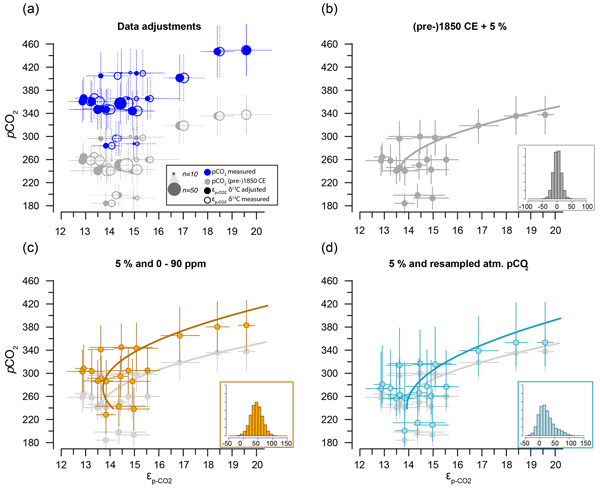
Joost Frieling, Linda van Roij, Iris Kleij, Gert-Jan Reichart, and Appy Sluijs
Biogeosciences, 20, 4651–4668, https://doi.org/10.5194/bg-20-4651-2023, https://doi.org/10.5194/bg-20-4651-2023, 2023
Short summary
Short summary
We present a first species-specific evaluation of marine core-top dinoflagellate cyst carbon isotope fractionation (εp) to assess natural pCO2 dependency on εp and explore its geological deep-time paleo-pCO2 proxy potential. We find that εp differs between genera and species and that in Operculodinium centrocarpum, εp is controlled by pCO2 and nutrients. Our results highlight the added value of δ13C analyses of individual micrometer-scale sedimentary organic carbon particles.
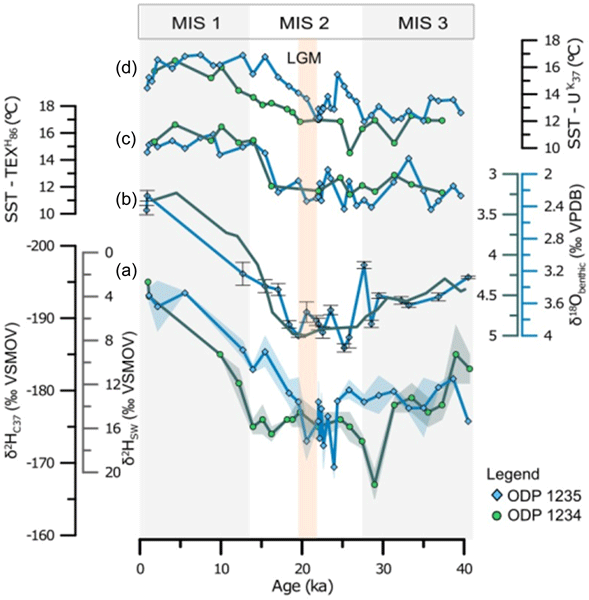
Katrin Hättig, Devika Varma, Stefan Schouten, and Marcel T. J. van der Meer
Clim. Past, 19, 1919–1930, https://doi.org/10.5194/cp-19-1919-2023, https://doi.org/10.5194/cp-19-1919-2023, 2023
Short summary
Short summary
Water isotopes, both hydrogen and oxygen, correlate with the salinity of the sea. Here we reconstruct the surface seawater isotopic composition during the last deglaciation based on the measured hydrogen isotopic composition of alkenones, organic compounds derived from haptophyte algae, and compared it to oxygen isotopes of calcite shells produced in the bottom water. Our results suggest that surface seawater experienced more freshening during the last 20 000 years than the bottom seawater.
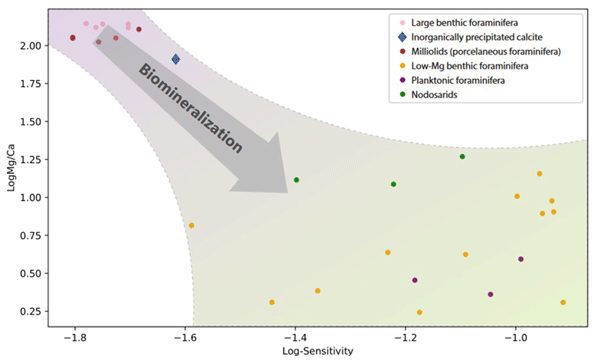
Laura Pacho, Lennart de Nooijer, and Gert-Jan Reichart
Biogeosciences, 20, 4043–4056, https://doi.org/10.5194/bg-20-4043-2023, https://doi.org/10.5194/bg-20-4043-2023, 2023
Short summary
Short summary
We analyzed Mg / Ca and other El / Ca (Na / Ca, B / Ca, Sr / Ca and Ba / Ca) in Nodosariata. Their calcite chemistry is markedly different to that of the other calcifying orders of foraminifera. We show a relation between the species average Mg / Ca and its sensitivity to changes in temperature. Differences were reflected in both the Mg incorporation and the sensitivities of Mg / Ca to temperature.
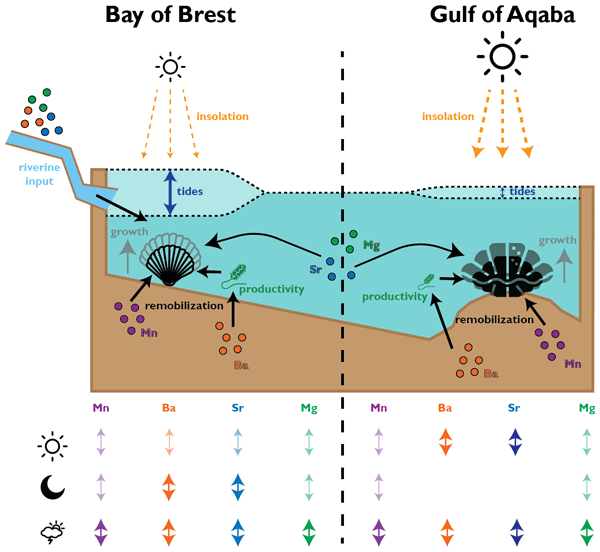
Niels J. de Winter, Daniel Killam, Lukas Fröhlich, Lennart de Nooijer, Wim Boer, Bernd R. Schöne, Julien Thébault, and Gert-Jan Reichart
Biogeosciences, 20, 3027–3052, https://doi.org/10.5194/bg-20-3027-2023, https://doi.org/10.5194/bg-20-3027-2023, 2023
Short summary
Short summary
Mollusk shells are valuable recorders of climate and environmental changes of the past down to a daily resolution. To explore this potential, we measured changes in the composition of shells of two types of bivalves recorded at the hourly scale: the king scallop Pecten maximus and giant clams (Tridacna) that engaged in photosymbiosis. We find that photosymbiosis produces more day–night fluctuation in shell chemistry but that most of the variation is not periodic, perhaps recording weather.
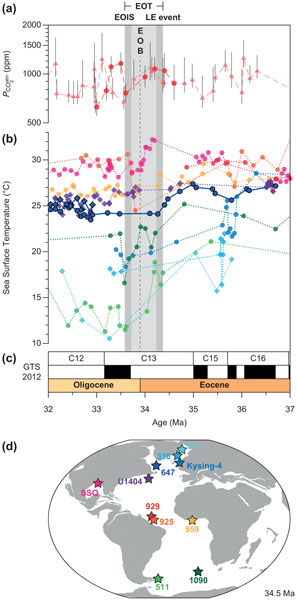
Kasia K. Śliwińska, Helen K. Coxall, David K. Hutchinson, Diederik Liebrand, Stefan Schouten, and Agatha M. de Boer
Clim. Past, 19, 123–140, https://doi.org/10.5194/cp-19-123-2023, https://doi.org/10.5194/cp-19-123-2023, 2023
Short summary
Short summary
We provide a sea surface temperature record from the Labrador Sea (ODP Site 647) based on organic geochemical proxies across the late Eocene and early Oligocene. Our study reveals heterogenic cooling of the Atlantic. The cooling of the North Atlantic is difficult to reconcile with the active Atlantic Meridional Overturning Circulation (AMOC). We discuss possible explanations like uncertainty in the data, paleogeography and atmospheric CO2 boundary conditions, model weaknesses, and AMOC activity.
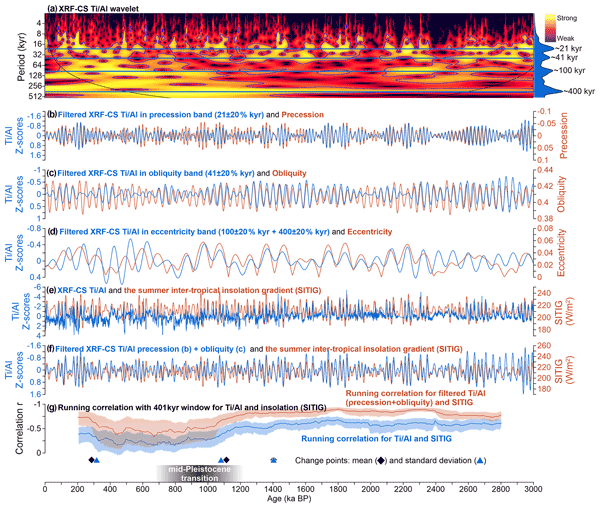
Rick Hennekam, Katharine M. Grant, Eelco J. Rohling, Rik Tjallingii, David Heslop, Andrew P. Roberts, Lucas J. Lourens, and Gert-Jan Reichart
Clim. Past, 18, 2509–2521, https://doi.org/10.5194/cp-18-2509-2022, https://doi.org/10.5194/cp-18-2509-2022, 2022
Short summary
Short summary
The ratio of titanium to aluminum (Ti/Al) is an established way to reconstruct North African climate in eastern Mediterranean Sea sediments. We demonstrate here how to obtain reliable Ti/Al data using an efficient scanning method that allows rapid acquisition of long climate records at low expense. Using this method, we reconstruct a 3-million-year North African climate record. African environmental variability was paced predominantly by low-latitude insolation from 3–1.2 million years ago.
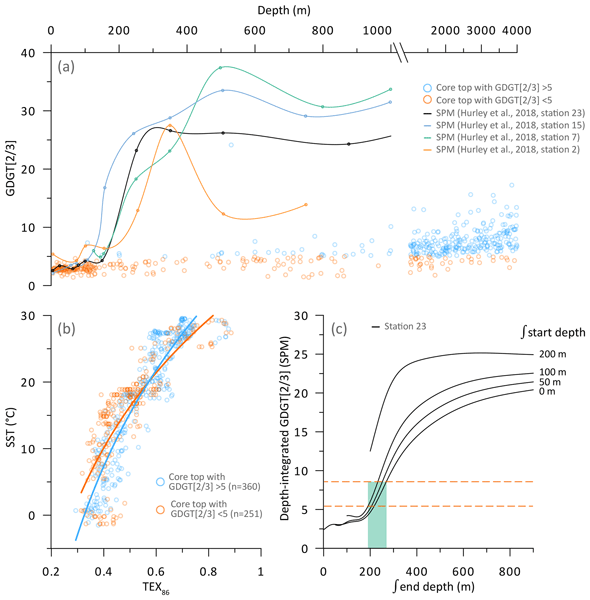
Carolien M. H. van der Weijst, Koen J. van der Laan, Francien Peterse, Gert-Jan Reichart, Francesca Sangiorgi, Stefan Schouten, Tjerk J. T. Veenstra, and Appy Sluijs
Clim. Past, 18, 1947–1962, https://doi.org/10.5194/cp-18-1947-2022, https://doi.org/10.5194/cp-18-1947-2022, 2022
Short summary
Short summary
The TEX86 proxy is often used by paleoceanographers to reconstruct past sea-surface temperatures. However, the origin of the TEX86 signal in marine sediments has been debated since the proxy was first proposed. In our paper, we show that TEX86 carries a mixed sea-surface and subsurface temperature signal and should be calibrated accordingly. Using our 15-million-year record, we subsequently show how a TEX86 subsurface temperature record can be used to inform us on past sea-surface temperatures.
Carolien M. H. van der Weijst, Josse Winkelhorst, Wesley de Nooijer, Anna von der Heydt, Gert-Jan Reichart, Francesca Sangiorgi, and Appy Sluijs
Clim. Past, 18, 961–973, https://doi.org/10.5194/cp-18-961-2022, https://doi.org/10.5194/cp-18-961-2022, 2022
Short summary
Short summary
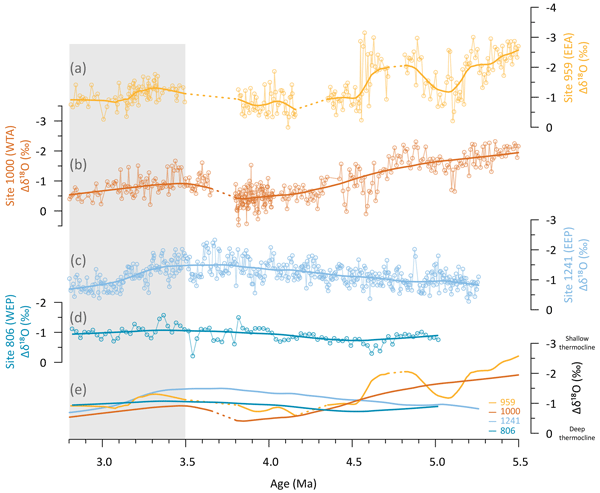
A hypothesized link between Pliocene (5.3–2.5 million years ago) global climate and tropical thermocline depth is currently only backed up by data from the Pacific Ocean. In our paper, we present temperature, salinity, and thermocline records from the tropical Atlantic Ocean. Surprisingly, the Pliocene thermocline evolution was remarkably different in the Atlantic and Pacific. We need to reevaluate the mechanisms that drive thermocline depth, and how these are tied to global climate change.
Zoë R. van Kemenade, Laura Villanueva, Ellen C. Hopmans, Peter Kraal, Harry J. Witte, Jaap S. Sinninghe Damsté, and Darci Rush
Biogeosciences, 19, 201–221, https://doi.org/10.5194/bg-19-201-2022, https://doi.org/10.5194/bg-19-201-2022, 2022
Short summary
Short summary
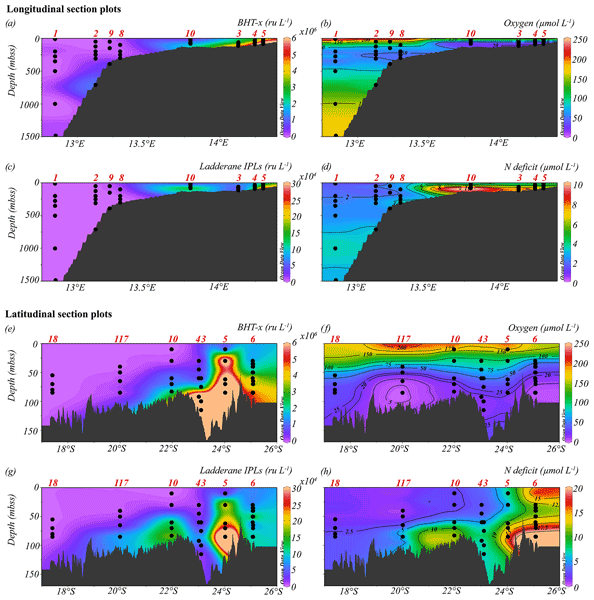
Anaerobic ammonium oxidation (anammox) is an important nitrogen-removal process in the ocean. We assess the distribution of bacteriohopanetetrol-x (BHT-x), used to trace past anammox, along a redox gradient in the water column of the Benguela upwelling system. BHT-x / BHT ratios of >0.18 correspond to the presence of living anammox bacteria and oxygen levels <50 μmol L−1. This allows for a more robust application of BHT-x to trace past marine anammox and deoxygenation in dynamic marine systems.
Alice E. Webb, Didier M. de Bakker, Karline Soetaert, Tamara da Costa, Steven M. A. C. van Heuven, Fleur C. van Duyl, Gert-Jan Reichart, and Lennart J. de Nooijer
Biogeosciences, 18, 6501–6516, https://doi.org/10.5194/bg-18-6501-2021, https://doi.org/10.5194/bg-18-6501-2021, 2021
Short summary
Short summary
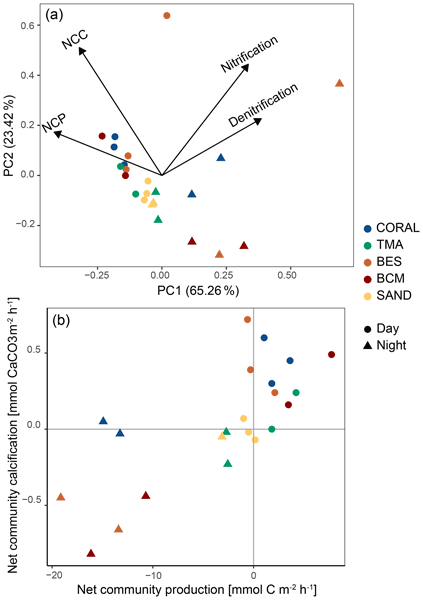
The biogeochemical behaviour of shallow reef communities is quantified to better understand the impact of habitat degradation and species composition shifts on reef functioning. The reef communities investigated barely support reef functions that are usually ascribed to conventional coral reefs, and the overall biogeochemical behaviour is found to be similar regardless of substrate type. This suggests a decrease in functional diversity which may therefore limit services provided by this reef.
Cited articles
Aller, R. C.: Bioturbation and remineralization of sedimentary organic matter: effects of redox oscillation, Chem. Geol., 114, 331–345, https://doi.org/10.1016/0009-2541(94)90062-0, 1994.
Aller, R. C., Blair, N. E., Xia, Q., and Rude, P. D.: Remineralization rates, recycling, and storage of carbon in Amazon shelf sediments, Continental Shelf Research, 16, 753–786, https://doi.org/10.1016/0278-4343(95)00046-1, 1996.
Amar, M., Benzerzour, M., Kleib, J., and Abriak, N. E.: From dredged sediment to supplementary cementitious material: characterization, treatment, and reuse, International Journal of Sediment Research, 36, 92–109, https://doi.org/10.1016/j.ijsrc.2020.06.002, 2021.
Arndt, S., Jørgensen, B. B., LaRowe, D. E., Middelburg, J. J., Pancost, R. D., and Regnier, P.: Quantifying the degradation of organic matter in marine sediments: A review and synthesis, Earth Sci. Rev., 123, 53–86, https://doi.org/10.1016/j.earscirev.2013.02.008, 2013.
Barbier, E. B., Hacker, S. D., Kennedy, C., Koch, E. W., Stier, A. C., and Silliman, B. R.: The value of estuarine and coastal ecosystem services, Ecol. Monogr., 81, 169–193, https://doi.org/10.1890/10-1510.1, 2011.
Bauer, J. E., Cai, W. J., Raymond, P. A., Bianchi, T. S., Hopkinson, C. S., and Regnier, P. A. G.: The changing carbon cycle of the coastal ocean, Nature, 504, 61–70, https://doi.org/10.1038/nature12857, 2013.
Bianchi, T. S. and Bauer, J. E.: Particulate Organic Carbon Cycling and Transformation, Elsevier Inc., 69–117, https://doi.org/10.1016/B978-0-12-374711-2.00503-9, 2012.
Bianchi, T. S., Cui, X., Blair, N. E., Burdige, D. J., Eglinton, T. I., and Galy, V.: Centers of organic carbon burial and oxidation at the land-ocean interface, Org. Geochem., 115, 138–155, https://doi.org/10.1016/j.orggeochem.2017.09.008, 2018.
Brandini, N., da Costa Machado, E., Sanders, C. J., Cotovicz, L. C., Bernardes, M. C., and Knoppers, B. A.: Organic matter processing through an estuarine system: Evidence from stable isotopes (δ13C and δ15N) and molecular (lignin phenols) signatures, Estuar. Coast Shelf Sci., 265, https://doi.org/10.1016/j.ecss.2021.107707, 2022.
Brils, J., de Boer, P., Mulder, J., and de Boer, E.: Reuse of dredged material as a way to tackle societal challenges, Journal of Soils and Sediments, 14, 1638–1641, https://doi.org/10.1007/s11368-014-0918-0, 2014.
Burd, A. B., Frey, S., Cabre, A., Ito, T., Levine, N. M., Lønborg, C., Long, M., Mauritz, M., Thomas, R. Q., Stephens, B. M., Vanwalleghem, T., and Zeng, N.: Terrestrial and marine perspectives on modeling organic matter degradation pathways, Glob. Chang. Biol., 22, 121–136, https://doi.org/10.1111/gcb.12987, 2016.
Burdige, D. J.: Preservation of organic matter in marine sediments: Controls, mechanisms, and an imbalance in sediment organic carbon budgets?, Chem. Rev., 107, 467–485, https://doi.org/10.1021/cr050347q, 2007.
Burdige, D. J.: Estuarine and Coastal Sediments – Coupled Biogeochemical Cycling, Elsevier Inc., 279–316, https://doi.org/10.1016/B978-0-12-374711-2.00511-8, 2012.
Buurman, P., Nierop, K. G. J., Pontevedra-Pombal, X., and Martínez Cortizas, A.: Chapter 10 Molecular chemistry by pyrolysis-GC/MS of selected samples of the Penido Vello peat deposit, Galicia, NW Spain, Developments in Earth Surface Processes, 9, 217–240, https://doi.org/10.1016/S0928-2025(06)09010-9, 2006.
Canuel, E. A. and Hardison, A. K.: Sources, Ages, and Alteration of Organic Matter in Estuaries, Ann. Rev. Mar. Sci., 8, 409–434, https://doi.org/10.1146/annurev-marine-122414-034058, 2016.
Cao, C., Cai, F., Qi, H., Zhao, S., and Wu, C.: Differences in the sulfate–methane transitional zone in coastal pockmarks in various sedimentary environments, Water (Switzerland), 13, 1–18, https://doi.org/10.3390/w13010068, 2021.
Carneiro, L. M., do Rosário Zucchi, M., de Jesus, T. B., da Silva Júnior, J. B., and Hadlich, G. M.: δ13C, δ15N and TOC/TN as indicators of the origin of organic matter in sediment samples from the estuary of a tropical river, Mar. Pollut. Bull., 172, https://doi.org/10.1016/j.marpolbul.2021.112857, 2021.
Chow, W. L., Chong, S., Lim, J. W., Chan, Y. J., Chong, M. F., Tiong, T. J., Chin, J. K., Pan, G. T., Puyuelo, B., Ponsá, S., Gea, T., Sánchez, A., Szulc, W., Rutkowska, B., Gawroński, S., and Wszelaczyńska, E.: Determining C
Cloern, J. E., Canuel, E. A., and Harris, D.: Stable carbon and nitrogen isotope composition of aquatic and terrestrial plants of the San Francisco Bay estuarine system, Limnol. Oceanogr., 47, 713–729, https://doi.org/10.4319/lo.2002.47.3.0713, 2002.
Cox, J. R., Dunn, F. E., Nienhuis, J. H., van der Perk, M., and Kleinhans, M. G.: Climate change and human influences on sediment fluxes and the sediment budget of an urban delta: The example of the lower rhine–meuse delta distributary network, Anthropocene Coasts, 4, 251–280, https://doi.org/10.1139/anc-2021-0003, 2021.
Dauwe, B., Middelburg, J. J., and Herman, P. M. J.: Effect of oxygen on the degradability of organic matter in subtidal and intertidal sediments of the North Sea area, 215, 13–22, 2001.
Dürr, H. H., Laruelle, G. G., van Kempen, C. M., Slomp, C. P., Meybeck, M., and Middelkoop, H.: Worldwide Typology of Nearshore Coastal Systems: Defining the Estuarine Filter of River Inputs to the Oceans, Estuaries and Coasts, 34, 441–458, https://doi.org/10.1007/s12237-011-9381-y, 2011.
Egger, M., Riedinger, N., Mogollón, J. M., and Jřrgensen, B. B.: Global diffusive fluxes of methane in marine sediments, Nat. Geosci., 11, 421–425, https://doi.org/10.1038/s41561-018-0122-8, 2018.
Fabbri, D., Sangiorgi, F., and Vassura, I.: Pyrolysis-GC-MS to trace terrigenous organic matter in marine sediments: A comparison between pyrolytic and lipid markers in the Adriatic Sea, Anal. Chim. Acta, 530, 253–261, https://doi.org/10.1016/j.aca.2004.09.020, 2005.
Fairbairn, L., Rezanezhad, F., Gharasoo, M., Parsons, C. T., Macrae, M. L., Slowinski, S., and Van Cappellen, P.: Relationship between soil CO2 fluxes and soil moisture: Anaerobic sources explain fluxes at high water content, Geoderma, 434, 116493, https://doi.org/10.1016/j.geoderma.2023.116493, 2023.
Finlay, J. C. and Kendall, C.: Stable Isotope Tracing of Temporal and Spatial Variability in Organic Matter Sources to Freshwater Ecosystems, in: Stable Isotopes in Ecology and Environmental Science, edited by: Michener, R. and Lajtha, K., Wiley, 283–333, https://doi.org/10.1002/9780470691854.ch10, 2007.
Freitas, F. S., Pika, P. A., Kasten, S., Jørgensen, B. B., Rassmann, J., Rabouille, C., Thomas, S., Sass, H., Pancost, R. D., and Arndt, S.: New insights into large-scale trends of apparent organic matter reactivity in marine sediments and patterns of benthic carbon transformation, Biogeosciences, 18, 4651–4679, https://doi.org/10.5194/bg-18-4651-2021, 2021.
Gao, Y., Wang, Y., Lee, H. S., and Jin, P.: Significance of anaerobic oxidation of methane (AOM) in mitigating methane emission from major natural and anthropogenic sources: a review of AOM rates in recent publications, Environmental Science: Advances, 1, 401–425, https://doi.org/10.1039/d2va00091a, 2022.
Gebert, J., Knoblauch, C., and Gröngröft, A.: Gas production from dredged sediment, Waste Management, 85, 82–89, https://doi.org/10.1016/j.wasman.2018.12.009, 2019.
Gelesh, L., Marshall, K., Boicourt, W., and Lapham, L.: Methane concentrations increase in bottom waters during summertime anoxia in the highly eutrophic estuary, Chesapeake Bay, U.S.A., Limnol. Oceanogr., 61, S253–S266, https://doi.org/10.1002/lno.10272, 2016.
Georgiou, K., Jackson, R. B., Vindušková, O., Abramoff, R. Z., Ahlström, A., Feng, W., Harden, J. W., Pellegrini, A. F. A., Polley, H. W., Soong, J. L., Riley, W. J., and Torn, M. S.: Global stocks and capacity of mineral-associated soil organic carbon, Nat. Commun., 13, 1–12, https://doi.org/10.1038/s41467-022-31540-9, 2022.
Guillemette, F., McCallister, S. L., and Del Giorgio, P. A.: Differentiating the degradation dynamics of algal and terrestrial carbon within complex natural dissolved organic carbon in temperate lakes, J. Geophys. Res. Biogeosci., 118, 963–973, https://doi.org/10.1002/jgrg.20077, 2013.
Hansen, L. S. and Blackburn, T. H.: Aerobic and anaerobic mineralization of organic material in marine sediment microcosms, Mar. Ecol. Prog. Ser., 75, 283–291, https://doi.org/10.3354/meps075283, 1991.
Haynes, R. J.: Labile Organic Matter Fractions as Central Components of the Quality of Agricultural Soils: An Overview, Advances in Agronomy, 85, 221–268, https://doi.org/10.1016/S0065-2113(04)85005-3, 2005.
He, Y., Zhang, T., Zhao, Q., Gao, X., He, T., and Yang, S.: Response of GHG emissions to interactions of temperature and drying in the karst wetland of the Yunnan-Guizhou Plateau, Front. Environ. Sci., 10, https://doi.org/10.3389/fenvs.2022.973900, 2022.
Heckbert, S., Costanza, R., Poloczanska, E. S., and Richardson, A. J.: Climate Regulation as a Service from Estuarine and Coastal Ecosystems, Elsevier Inc., 199–216, https://doi.org/10.1016/B978-0-12-374711-2.01211-0, 2012.
Hedges, J. I. and Oades, J. M.: Comparative organic geochemistries of soils and marine sediments, Org. Geochem., 27, 319–361, https://doi.org/10.1016/S0146-6380(97)00056-9, 1997.
Herfort, L., Schouten, S., Boon, J. P., Woltering, M., Baas, M., Weijers, J. W. H., and Sinninghe Damsté, J. S.: Characterization of transport and deposition of terrestrial organic matter in the southern North Sea using the BIT index, Limnol. Oceanogr., 51, 2196–2205, https://doi.org/10.4319/lo.2006.51.5.2196, 2006.
Holligan, P. M. and Reiners, W. A.: Predicting the Responses of the Coastal Zone to Global Change, Adv. Ecol. Res., 22, 211–255, https://doi.org/10.1016/S0065-2504(08)60137-3, 1992.
Hopmans, E. C., Weijers, J. W. H., Schefuß, E., Herfort, L., Sinninghe Damsté, J. S., and Schouten, S.: A novel proxy for terrestrial organic matter in sediments based on branched and isoprenoid tetraether lipids, Earth Planet. Sci. Lett., 224, 107–116, https://doi.org/10.1016/j.epsl.2004.05.012, 2004.
Hopmans, E. C., Schouten, S., and Sinninghe Damsté, J. S.: The effect of improved chromatography on GDGT-based palaeoproxies, Org. Geochem., 93, 1–6, https://doi.org/10.1016/j.orggeochem.2015.12.006, 2016.
Hulot, V., Metzger, E., Thibault de Chanvalon, A., Mouret, A., Schmidt, S., Deflandre, B., Rigaud, S., Beneteau, E., Savoye, N., Souchu, P., Le Merrer, Y., and Maillet, G. M.: Impact of an exceptional winter flood on benthic oxygen and nutrient fluxes in a temperate macrotidal estuary: Potential consequences on summer deoxygenation, Front. Mar. Sci., 10, https://doi.org/10.3389/fmars.2023.1083377, 2023.
Hulthe, G., Hulth, S., and Hall, P. O. J.: Effect of oxygen on degradation rate of refractory and labile organic matter in continental margin sediments, Geochim. Cosmochim. Acta, 62, 1319–1328, https://doi.org/10.1016/S0016-7037(98)00044-1, 1998.
Huo, C., Luo, Y., and Cheng, W.: Rhizosphere priming effect: A meta-analysis, Soil Biol. Biochem., 111, 78–84, https://doi.org/10.1016/j.soilbio.2017.04.003, 2017.
Hutchings, J. A., Bianchi, T. S., Najjar, R. G., Herrmann, M., Kemp, W. M., Hinson, A. L., and Feagin, R. A.: Carbon Deposition and Burial in Estuarine Sediments of the Contiguous United States, Global Biogeochem. Cycles, 34, https://doi.org/10.1029/2019GB006376, 2020.
IJsseldijk, L. L., Camphuysen, K. C. J., Nauw, J. J., and Aarts, G.: Going with the flow: Tidal influence on the occurrence of the harbour porpoise (Phocoena phocoena) in the Marsdiep area, The Netherlands, J. Sea Res., 103, 129–137, https://doi.org/10.1016/j.seares.2015.07.010, 2015.
Kaal, J.: Analytical pyrolysis in marine environments revisited, Analytical Pyrolysis Letters, 1–16, https://pyrolyscience.com/wp-content/uploads/2019/03/APL006.pdf (last access: 2 February 2026), 2019.
Kaal, J., Martínez Cortizas, A., Mateo, M. Á., and Serrano, O.: Deciphering organic matter sources and ecological shifts in blue carbon ecosystems based on molecular fingerprinting, Science of the Total Environment, 742, 140554, https://doi.org/10.1016/j.scitotenv.2020.140554, 2020.
Keil, R., Montluçon, D., Prahl, F., and Hedges, J.: Sorptive preservation of labile organic matter in marine sediments, Nature, 370, 549–552, https://doi.org/10.1038/370549a0, 1994.
Kirichek, A., Rutgers, R., Wensween, M., and van Hassent, A.: Sediment management in the Port of Rotterdam, in: Baggern – Unterbringen – Aufbereiten – Verwerten, Steinbeis-Transverzentrum Angewandte Landschaftsplanung, Rostock, Germany, 11–12 September 2018, 1–8, https://resolver.tudelft.nl/uuid:ce955781-bfbc-4ca5-a996-842b3ffcc0d8 (last access: 2 February 2026), 2018.
Kraal, P., Burton, E. D., Rose, A. L., Cheetham, M. D., Bush, R. T., and Sullivan, L. A.: Decoupling between water column oxygenation and benthic phosphate dynamics in a shallow eutrophic estuary, Environ. Sci. Technol., 47, 3114–3121, https://doi.org/10.1021/es304868t, 2013.
Kuliński, K., Rehder, G., Asmala, E., Bartosova, A., Carstensen, J., Gustafsson, B., Hall, P. O. J., Humborg, C., Jilbert, T., Jürgens, K., Meier, H. E. M., Müller-Karulis, B., Naumann, M., Olesen, J. E., Savchuk, O., Schramm, A., Slomp, C. P., Sofiev, M., Sobek, A., Szymczycha, B., and Undeman, E.: Biogeochemical functioning of the Baltic Sea, Earth Syst. Dynam., 13, 633–685, https://doi.org/10.5194/esd-13-633-2022, 2022.
Kuwae, T., Kanda, J., Kubo, A., Nakajima, F., Ogawa, H., Sohma, A., and Suzumura, M.: Blue carbon in human-dominated estuarine and shallow coastal systems, Ambio, 45, 290–301, https://doi.org/10.1007/s13280-015-0725-x, 2016.
Lamb, A. L., Wilson, G. P., and Leng, M. J.: A review of coastal palaeoclimate and relative sea-level reconstructions using δ13C and C
LaRowe, D. E. and Van Cappellen, P.: Degradation of natural organic matter: A thermodynamic analysis, Geochim. Cosmochim. Acta, 75, 2030–2042, https://doi.org/10.1016/j.gca.2011.01.020, 2011.
LaRowe, D. E., Arndt, S., Bradley, J. A., Estes, E. R., Hoarfrost, A., Lang, S. Q., Lloyd, K. G., Mahmoudi, N., Orsi, W. D., Shah Walter, S. R., Steen, A. D., and Zhao, R.: The fate of organic carbon in marine sediments – New insights from recent data and analysis, Earth Sci. Rev., 204, 103146, https://doi.org/10.1016/j.earscirev.2020.103146, 2020.
Laruelle, G. G., Dürr, H. H., Slomp, C. P., and Borges, A. V.: Evaluation of sinks and sources of CO2 in the global coastal ocean using a spatially-explicit typology of estuaries and continental shelves, Geophys. Res. Lett., 37, 1–6, https://doi.org/10.1029/2010GL043691, 2010.
de Leeuw, J. W., Versteegh, G. J. M., and van Bergen, P. F.: Biomacromolecules of algae and plants and their fossil analogues, Plant Ecol., 182, 209–233, https://doi.org/10.1007/s11258-005-9027-x, 2006.
Li, M., Guo, Y., Cai, W. J., Testa, J. M., Shen, C., Li, R., and Su, J.: Projected increase in carbon dioxide drawdown and acidification in large estuaries under climate change, Commun. Earth Environ., 4, 1–10, https://doi.org/10.1038/s43247-023-00733-5, 2023.
Li, Y., Zhan, L., Chen, L., Zhang, J., Wu, M., and Liu, J.: Spatial and temporal patterns of methane and its influencing factors in the Jiulong River estuary, southeastern China, Mar. Chem., 228, 103909, https://doi.org/10.1016/j.marchem.2020.103909, 2021.
Lovley, D. R. and Phillips, E. J. P.: Availability of Ferric Iron for Microbial Reduction in Bottom Sediments of the Freshwater Tidal Potomac River, Appl. Environ. Microbiol., 52, https://doi.org/10.1128/aem.52.4.751-757.1986, 1986.
Macreadie, P. I., Anton, A., Raven, J. A., Beaumont, N., Connolly, R. M., Friess, D. A., Kelleway, J. J., Kennedy, H., Kuwae, T., Lavery, P. S., Lovelock, C. E., Smale, D. A., Apostolaki, E. T., Atwood, T. B., Baldock, J., Bianchi, T. S., Chmura, G. L., Eyre, B. D., Fourqurean, J. W., Hall-Spencer, J. M., Huxham, M., Hendriks, I. E., Krause-Jensen, D., Laffoley, D., Luisetti, T., Marbà, N., Masque, P., McGlathery, K. J., Megonigal, J. P., Murdiyarso, D., Russell, B. D., Santos, R., Serrano, O., Silliman, B. R., Watanabe, K., and Duarte, C. M.: The future of Blue Carbon science, Nat. Commun., 10, 1–13, https://doi.org/10.1038/s41467-019-11693-w, 2019.
Maeck, A., Delsontro, T., McGinnis, D. F., Fischer, H., Flury, S., Schmidt, M., Fietzek, P., and Lorke, A.: Sediment trapping by dams creates methane emission hot spots, Environ. Sci. Technol., 47, 8130–8137, https://doi.org/10.1021/es4003907, 2013.
Magen, C., Lapham, L. L., Pohlman, J. W., Marshall, K., Bosman, S., Casso, M., and Chanton, J. P.: A simple headspace equilibration method for measuring dissolved methane, Limnol. Oceanogr. Methods, 12, 637–650, https://doi.org/10.4319/lom.2014.12.637, 2014.
McLeod, E., Chmura, G. L., Bouillon, S., Salm, R., Björk, M., Duarte, C. M., Lovelock, C. E., Schlesinger, W. H., and Silliman, B. R.: A blueprint for blue carbon: Toward an improved understanding of the role of vegetated coastal habitats in sequestering CO2, Front. Ecol. Environ., 9, 552–560, https://doi.org/10.1890/110004, 2011.
Middelburg, J. J. and Herman, P. M. J.: Organic matter processing in tidal estuaries, Mar. Chem., 106, 127–147, https://doi.org/10.1016/j.marchem.2006.02.007, 2007.
Middelburg, J. J. and Nieuwenhuize, J.: Carbon and nitrogen stable isotopes in suspended matter and sediments from the Schelde Estuary, Mar. Chem., 60, 217–225, https://doi.org/10.1016/S0304-4203(97)00104-7, 1998.
Middelburg, J. J., Vlug, T., Jaco, F., and van der Nat, W. A.: Organic matter mineralization in marine systems, Glob. Planet. Change, 8, 47–58, https://doi.org/10.1016/0921-8181(93)90062-S, 1993.
Middelburg, J. J., Nieuwenhuize, J., Iversen, N., Høgh, N., De Wilde, H., Helder, W., Seifert, R., and Christof, O.: Methane distribution in European tidal estuaries, Biogeochemistry, 59, 95–119, https://doi.org/10.1023/A:1015515130419, 2002.
Mirabito, A. J. and Chambers, L. G.: Quantifying mineral-associated organic matter in wetlands as an indicator of the degree of soil carbon protection, Geoderma, 430, 116327, https://doi.org/10.1016/j.geoderma.2023.116327, 2023.
Neumann, A., van Beusekom, J. E. E., Eisele, A., Emeis, K. C., Friedrich, J., Kröncke, I., Logemann, E. L., Meyer, J., Naderipour, C., Schückel, U., Wrede, A., and Zettler, M. L.: Macrofauna as a major driver of bentho-pelagic exchange in the southern North Sea, Limnol. Oceanogr., 66, 2203–2217, https://doi.org/10.1002/lno.11748, 2021.
Nierop, K. G. J., Reichart, G. J., Veld, H., and Sinninghe Damsté, J. S.: The influence of oxygen exposure time on the composition of macromolecular organic matter as revealed by surface sediments on the Murray Ridge (Arabian Sea), Geochim. Cosmochim. Acta, 206, 40–56, https://doi.org/10.1016/j.gca.2017.02.032, 2017.
Nijman, T. P. A., Lemmens, M., Lurling, M., Kosten, S., Welte, C., and Veraart, A. J.: Phosphorus control and dredging decrease methane emissions from shallow lakes, Science of the Total Environment, 847, 157584, https://doi.org/10.1016/j.scitotenv.2022.157584, 2022.
Plante, A. F., Fernández, J. M., Haddix, M. L., Steinweg, J. M., and Conant, R. T.: Biological, chemical and thermal indices of soil organic matter stability in four grassland soils, Soil Biol. Biochem., 43, 1051–1058, https://doi.org/10.1016/j.soilbio.2011.01.024, 2011.
Puyuelo, B., Ponsá, S., Gea, T., and Sánchez, A.: Determining C
Revsbech, N. P., Sorensen, J., Blackburn, T. H., and Lomholt, J. P.: Distribution of oxygen in marine sediments measured with microelectrodes, Limnol. Oceanogr., 25, 403–411, https://doi.org/10.4319/lo.1980.25.3.0403, 1980.
Schouten, S., Hopmans, E. C., and Sinninghe Damsté, J. S.: The organic geochemistry of glycerol dialkyl glycerol tetraether lipids: A review, Org. Geochem., 54, 19–61, https://doi.org/10.1016/j.orggeochem.2012.09.006, 2013.
Schulz, H. D. and Zabel, M.: Marine Geochemistry, 2nd Edn., Springer, Berlin, Heidelberg, https://doi.org/10.1007/3-540-32144-6, 2006.
Shao, L., Wu, D., Zhang, D., and Feng, T.: Using Isotopes to Identify the Sources of Organic Carbon and Nitrogen in Surface Sediment in Shallow Lakes Alongside Poyang Lake, Wetlands, 39, 25–33, https://doi.org/10.1007/s13157-017-0988-z, 2019.
Smith, R. W., Bianchi, T. S., and Savage, C.: Comparison of lignin phenols and branched/isoprenoid tetraethers (BIT index) as indices of terrestrial organic matter in Doubtful Sound, Fiordland, New Zealand, Org. Geochem., 41, 281–290, https://doi.org/10.1016/j.orggeochem.2009.10.009, 2010.
Steele, J. H., Thorpe, S. A., and Turekian, K. K.: Marine Chemistry and Geochemistry, edited by: Steele, J. H., Thorpe, S. A., and Turekian, K. K., Academic Press, Amsterdam, 13–14, ISBN 978-0-08-096483-6, 2010.
Stevenson, M. A. and Abbott, G. D.: Exploring the composition of macromolecular organic matter in Arctic Ocean sediments under a changing sea ice gradient, J. Anal. Appl. Pyrolysis, 140, 102–111, https://doi.org/10.1016/j.jaap.2019.02.006, 2019.
Stock, B. C., Jackson, A. L., Ward, E. J., Parnell, A. C., Phillips, D. L., and Semmens, B. X.: Analyzing mixing systems using a new generation of Bayesian tracer mixing models, PeerJ, 2018, 1–27, https://doi.org/10.7717/peerj.5096, 2018.
Strong, D. J., Flecker, R., Valdes, P. J., Wilkinson, I. P., Rees, J. G., Zong, Y. Q., Lloyd, J. M., Garrett, E., and Pancost, R. D.: Organic matter distribution in the modern sediments of the Pearl River Estuary, Org. Geochem., 49, 68–82, https://doi.org/10.1016/j.orggeochem.2012.04.011, 2012.
Stronkhorst, J. and Van Hattum, B.: Contaminants of concern in Dutch marine harbor sediments, Arch. Environ. Contam. Toxicol., 45, 306–316, https://doi.org/10.1007/s00244-003-0191-5, 2003.
Szulc, W., Rutkowska, B., Gawroński, S., and Wszelaczyńska, E.: Possibilities of using organic waste after biological and physical processing – an overview, Processes, 9, https://doi.org/10.3390/pr9091501, 2021.
Thornton, S. F. and McManus, J.: Application of organic carbon and nitrogen stable isotope and C
Tumuluru, J. S., Hess, J. R., Boardman, R. D., Wright, C. T., and Westover, T. L.: Formulation, pretreatment, and densification options to improve biomass specifications for Co-firing high percentages with coal, Industrial Biotechnology, 8, 113–132, https://doi.org/10.1089/ind.2012.0004, 2012.
van de Velde, S., van Lancker, V., Hidalgo-Martinez, S., Berelson, W. M., and Meysman, F. J. R.: Anthropogenic disturbance keeps the coastal seafloor biogeochemistry in a transient state, Sci. Rep., 8, 1–10, https://doi.org/10.1038/s41598-018-23925-y, 2018.
Wakeham, S. G. and Canuel, E. A.: Degradation and preservation of organic matter in marine sediments, Handbook of Environmental Chemistry, Volume 2, Reactions and Processes, 2 N, 295–321, https://doi.org/10.1007/698_2_009, 2006.
Wiesner, M. G., Haake, B., and Wirth, H.: Organic facies of surface sediments in the North Sea, Org. Geochem., 15, 419–432, https://doi.org/10.1016/0146-6380(90)90169-Z, 1990.
Wu, D., Deng, L., Liu, Y., Xi, D., Zou, H., Wang, R., Sha, Z., Pan, Y., Hou, L., and Liu, M.: Comparisons of the effects of different drying methods on soil nitrogen fractions: Insights into emissions of reactive nitrogen gases (HONO and NO), Atmospheric and Oceanic Science Letters, 13, 224–231, https://doi.org/10.1080/16742834.2020.1733388, 2020.
Yamamoto, S., Alcauskas, J. B., and Crozier, T. E.: Solubility of Methane in Distilled Water and Seawater, J. Chem. Eng. Data, 21, 78–80, https://doi.org/10.1021/je60068a029, 1976.
Zander, F., Heimovaara, T., and Gebert, J.: Spatial variability of organic matter degradability in tidal Elbe sediments, J. Soils Sediments, 20, 2573–2587, https://doi.org/10.1007/s11368-020-02569-4, 2020.
Zander, F., Groengroeft, A., Eschenbach, A., Heimovaara, T. J., and Gebert, J.: Organic matter pools in sediments of the tidal Elbe river, Limnologica, 96, 125997, https://doi.org/10.1016/j.limno.2022.125997, 2022.
Short summary
Estuaries store and process large amounts of carbon. In the Port of Rotterdam, we studied organic matter (OM) sources in sediments and showed how they influenced OM breakdown. We found that marine OM degraded faster than land-originated OM, and sediment perturbation could accelerate OM breakdown by introducing oxygen. Our findings highlight the impact of human disturbances on carbon storage in estuarine sediments, offering insights for the growing sediment reworking worldwide.
Estuaries store and process large amounts of carbon. In the Port of Rotterdam, we studied...


Altmetrics
Final-revised paper
Preprint