
Articles | Volume 23, issue 9
https://doi.org/10.5194/bg-23-3207-2026
© Author(s) 2026. This work is distributed under
the Creative Commons Attribution 4.0 License.
the Creative Commons Attribution 4.0 License.
https://doi.org/10.5194/bg-23-3207-2026
© Author(s) 2026. This work is distributed under
the Creative Commons Attribution 4.0 License.
the Creative Commons Attribution 4.0 License.
Research article
| 
11 May 2026
Research article |
| 11 May 2026
| 11 May 2026
Spatial and temporal variability of CO2, N2O and CH4 fluxes from an urban park in Denmark
Pioneer Center Land-CRAFT, Department of Agroecology, Aarhus University, Aarhus, 8000, Denmark
Tom Cripps
Pioneer Center Land-CRAFT, Department of Agroecology, Aarhus University, Aarhus, 8000, Denmark
João Serra
Pioneer Center Land-CRAFT, Department of Agroecology, Aarhus University, Aarhus, 8000, Denmark
Klaus Butterbach-Bahl
Pioneer Center Land-CRAFT, Department of Agroecology, Aarhus University, Aarhus, 8000, Denmark
Institute for Meteorology and Climate Research, Atmospheric Environmental Research, Karlsruhe Institute of Technology, Garmisch-Partenkirchen, 82467, Germany
Zhisheng Yao
CORRESPONDING AUTHOR

Pioneer Center Land-CRAFT, Department of Agroecology, Aarhus University, Aarhus, 8000, Denmark
State Key Laboratory of Atmospheric Environment and Extreme Meteorology, Institute of Atmospheric Physics, Chinese Academy of Sciences, Beijing, 100029, P. R. China
Related authors
No articles found.
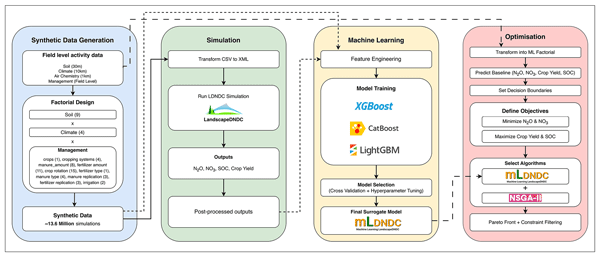
Meshach Ojo Aderele, Edwin Haas, Licheng Liu, João Serra, David Kraus, Klaus Butterbach-Bahl, and Jaber Rahimi
Geosci. Model Dev., 19, 6335–6356, https://doi.org/10.5194/gmd-19-6335-2026, https://doi.org/10.5194/gmd-19-6335-2026, 2026
Short summary
Short summary
This study develops a fast, data‑driven tool to virtually test millions of ways to manage winter wheat fields in Denmark, without running slow process-based crop models each time. It finds fertilizer, residue, manure, catch crop and irrigation strategies that cut nitrogen pollution and greenhouse gases while increasing yields and soil carbon, all without using more fertilizer overall.
Odysseas Sifounakis, Edwin Haas, Klaus Butterbach-Bahl, Eleni Katragkou, Maria Chara Karypidou, and Maria P. Papadopoulou
EGUsphere, https://doi.org/10.5194/egusphere-2025-5311, https://doi.org/10.5194/egusphere-2025-5311, 2025
Short summary
Short summary
Using bio-geochemical models and future climate scenarios, we mapped all nitrogen and carbon fluxes from croplands. Climate change will strain food production – especially under climate change – yet soil carbon losses stay moderate where farming sustains. Nitrous oxide (a major greenhouse gas) tends to fall, while ammonia losses rise. Reporting the full balance improves transparency and guides smarter fertilizer use and soil management.
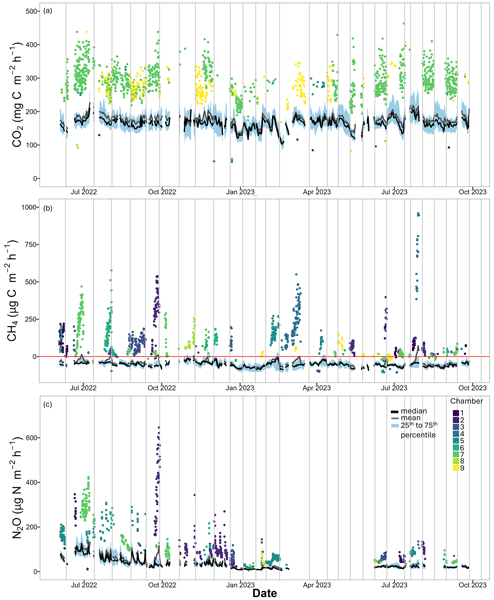
Roxanne Daelman, Marijn Bauters, Matti Barthel, Emmanuel Bulonza, Lodewijk Lefevre, José Mbifo, Johan Six, Klaus Butterbach-Bahl, Benjamin Wolf, Ralf Kiese, and Pascal Boeckx
Biogeosciences, 22, 1529–1542, https://doi.org/10.5194/bg-22-1529-2025, https://doi.org/10.5194/bg-22-1529-2025, 2025
Short summary
Short summary
The increase in atmospheric concentrations of several greenhouse gases (GHGs) since 1750 is attributed to human activity. However, natural ecosystems, such as tropical forests, also contribute to GHG budgets. The Congo Basin hosts the second largest tropical forest and is understudied. In this study, measurements of soil GHG exchange were carried out during 16 months in a tropical forest in the Congo Basin. Overall, the soil acted as a major source of CO2 and N2O and a minor sink of CH4.
Wei Zhang, Xunhua Zheng, Siqi Li, Shenghui Han, Chunyan Liu, Zhisheng Yao, Rui Wang, Kai Wang, Xiao Chen, Guirui Yu, Zhi Chen, Jiabing Wu, Huimin Wang, Junhua Yan, and Yong Li
Geosci. Model Dev. Discuss., https://doi.org/10.5194/gmd-2024-141, https://doi.org/10.5194/gmd-2024-141, 2024
Revised manuscript not accepted
Short summary
Short summary
Process-oriented biogeochemical models are promising tools for estimating the carbon fluxes of forest ecosystems. In this study, the hydro-biogeochemical model of CNMM-DNDC was improved by incorporating a new forest growth module derived from the Biome-BGC. The updated model was validated using the multiple-year observed carbon fluxes and showed better performance in capturing the daily dynamics and annual variations. The sensitive eco-physiological parameters were also identified.
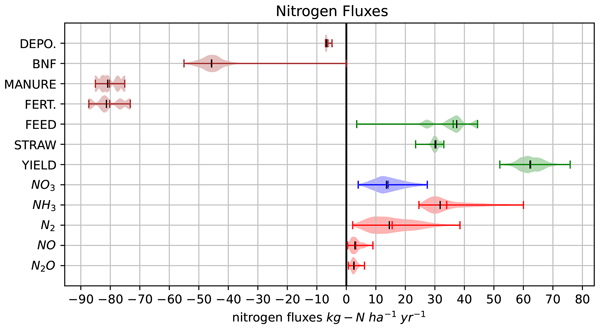
Odysseas Sifounakis, Edwin Haas, Klaus Butterbach-Bahl, and Maria P. Papadopoulou
Biogeosciences, 21, 1563–1581, https://doi.org/10.5194/bg-21-1563-2024, https://doi.org/10.5194/bg-21-1563-2024, 2024
Short summary
Short summary
We performed a full assessment of the carbon and nitrogen cycles of a cropland ecosystem. An uncertainty analysis and quantification of all carbon and nitrogen fluxes were deployed. The inventory simulations include greenhouse gas emissions of N2O, NH3 volatilization and NO3 leaching from arable land cultivation in Greece. The inventory also reports changes in soil organic carbon and nitrogen stocks in arable soils.
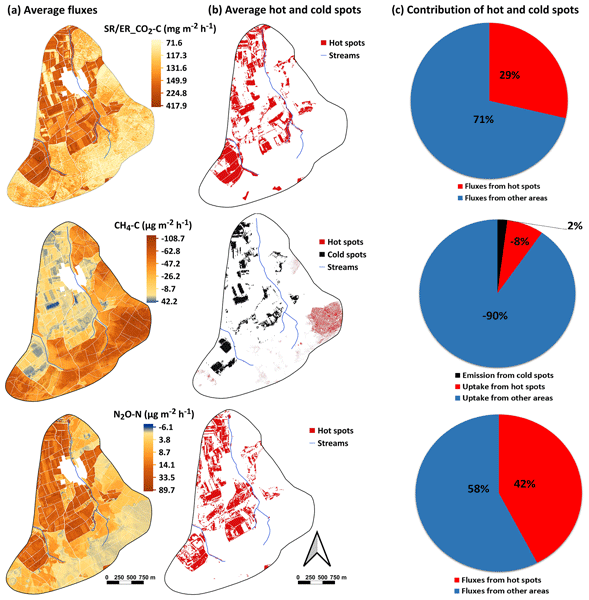
Elizabeth Gachibu Wangari, Ricky Mwangada Mwanake, Tobias Houska, David Kraus, Gretchen Maria Gettel, Ralf Kiese, Lutz Breuer, and Klaus Butterbach-Bahl
Biogeosciences, 20, 5029–5067, https://doi.org/10.5194/bg-20-5029-2023, https://doi.org/10.5194/bg-20-5029-2023, 2023
Short summary
Short summary
Agricultural landscapes act as sinks or sources of the greenhouse gases (GHGs) CO2, CH4, or N2O. Various physicochemical and biological processes control the fluxes of these GHGs between ecosystems and the atmosphere. Therefore, fluxes depend on environmental conditions such as soil moisture, soil temperature, or soil parameters, which result in large spatial and temporal variations of GHG fluxes. Here, we describe an example of how this variation may be studied and analyzed.
Siqi Li, Bo Zhu, Xunhua Zheng, Pengcheng Hu, Shenghui Han, Jihui Fan, Tao Wang, Rui Wang, Kai Wang, Zhisheng Yao, Chunyan Liu, Wei Zhang, and Yong Li
Biogeosciences, 20, 3555–3572, https://doi.org/10.5194/bg-20-3555-2023, https://doi.org/10.5194/bg-20-3555-2023, 2023
Short summary
Short summary
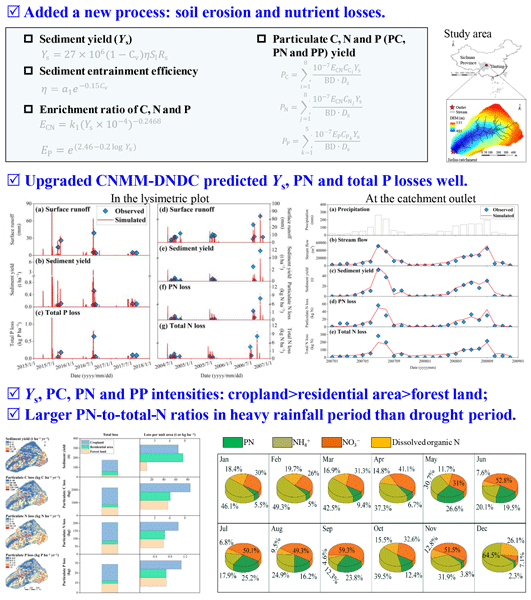
Physical soil erosion and particulate carbon, nitrogen and phosphorus loss modules were incorporated into the process-oriented hydro-biogeochemical model CNMM-DNDC to realize the accurate simulation of water-induced erosion and subsequent particulate nutrient losses at high spatiotemporal resolution.
Ricky Mwangada Mwanake, Gretchen Maria Gettel, Elizabeth Gachibu Wangari, Clarissa Glaser, Tobias Houska, Lutz Breuer, Klaus Butterbach-Bahl, and Ralf Kiese
Biogeosciences, 20, 3395–3422, https://doi.org/10.5194/bg-20-3395-2023, https://doi.org/10.5194/bg-20-3395-2023, 2023
Short summary
Short summary
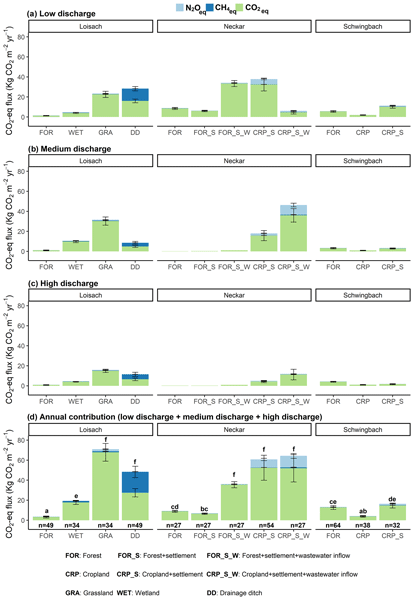
Despite occupying <1 %; of the globe, streams are significant sources of greenhouse gas (GHG) emissions. In this study, we determined anthropogenic effects on GHG emissions from streams. We found that anthropogenic-influenced streams had up to 20 times more annual GHG emissions than natural ones and were also responsible for seasonal peaks. Anthropogenic influences also altered declining GHG flux trends with stream size, with potential impacts on stream-size-based spatial upscaling techniques.

Joseph Okello, Marijn Bauters, Hans Verbeeck, Samuel Bodé, John Kasenene, Astrid Françoys, Till Engelhardt, Klaus Butterbach-Bahl, Ralf Kiese, and Pascal Boeckx
Biogeosciences, 20, 719–735, https://doi.org/10.5194/bg-20-719-2023, https://doi.org/10.5194/bg-20-719-2023, 2023
Short summary
Short summary
The increase in global and regional temperatures has the potential to drive accelerated soil organic carbon losses in tropical forests. We simulated climate warming by translocating intact soil cores from higher to lower elevations. The results revealed increasing temperature sensitivity and decreasing losses of soil organic carbon with increasing elevation. Our results suggest that climate warming may trigger enhanced losses of soil organic carbon from tropical montane forests.

Siqi Li, Wei Zhang, Xunhua Zheng, Yong Li, Shenghui Han, Rui Wang, Kai Wang, Zhisheng Yao, Chunyan Liu, and Chong Zhang
Biogeosciences, 19, 3001–3019, https://doi.org/10.5194/bg-19-3001-2022, https://doi.org/10.5194/bg-19-3001-2022, 2022
Short summary
Short summary
The CNMM–DNDC model was modified to simulate ammonia volatilization (AV) from croplands. AV from cultivated uplands followed the first-order kinetics, which was jointly regulated by the factors of soil properties and meteorological conditions. AV simulation from rice paddy fields was improved by incorporating Jayaweera–Mikkelsen mechanisms. The modified model performed well in simulating the observed cumulative AV measured from 63 fertilization events in China.
Cited articles
Adhikari, K., Hartemink, A. E., Minasny, B., Bou Kheir, R., Greve, M. B., and Greve, M. H.: Digital mapping of soil organic carbon contents and stocks in Denmark, PLoS ONE, 9, e105519, https://doi.org/10.1371/journal.pone.0105519, 2014.
Alletto, L. and Coquet, Y.: Temporal and spatial variability of soil bulk density and near-saturated hydraulic conductivity under two contrasted tillage management systems, Geoderma, 152, 85–94, https://doi.org/10.1016/j.geoderma.2009.05.023, 2009.
Barczyk, L., Six, J., and Ammann, C.: Partitioning and driver analysis of eddy covariance derived N2O emissions from a grazed and fertilized pasture, Agric. For. Meteorol., 359, 110278, https://doi.org/10.1016/j.agrformet.2024.110278, 2024.
Best, E. K.: An automated method for determining nitrate-nitrogen in soil extracts, Qld. J. Agric. Anim. Sci., 33, 161–166, 1976.
Bezyk, Y., Dorodnikov, M., Górka, M., Sówka, I., and Sawiński, T.: Temperature and soil moisture control CO2 flux and CH4 oxidation in urban ecosystems, Geochem., 83, 125989, https://doi.org/10.1016/j.chemer.2023.125989, 2023.
Bezyk, Y., Sówka, I., Górka, M., and Nęcki, J.: Spatial and temporal patterns of methane uptake in the urban environment, Urban Clim., 41, 101073, https://doi.org/10.1016/j.uclim.2021.101073, 2022.
Braun, R. C. and Bremer, D. T.: Nitrous oxide emissions from turfgrass receiving different irrigation amounts and nitrogen fertilizer forms, Crop Sci., 58, 1762–1775, https://doi.org/10.2135/cropsci2017.11.0688, 2018.
Butterbach-Bahl, K., Baggs, E. M., Dannenmann, M., Kiese, R., and Zechmeister-Boltenstern, S.: Nitrous oxide emissions from soils: how well do we understand the processes and their controls?, Philos. Trans. R. Soc. Lond. B Biol. Sci., 368, 20130122, https://doi.org/10.1098/rstb.2013.0122, 2013.
Butterbach-Bahl, K., Rothe, A., and Papen, H.: Effect of tree distance on N2O and CH4 fluxes from soils in temperate forest ecosystems, Plant Soil, 240, 91–103, https://doi.org/10.1023/A:1015828701885, 2002.
Cardinali, M., Beenackers, M. A., Fleury-Bahi, G., Bodénan, P., Petrova, M. T., van Timmeren, A., and Pottgiesser, U.: Examining green space characteristics for social cohesion and mental health outcomes: A sensitivity analysis in four European cities, Urban For. Urban Green., 93, 128230, https://doi.org/10.1016/j.ufug.2024.128230, 2024.
Chen, W., Jia, X., Zha, T., Wu, B., Zhang, Y., Li, C., Wang, X., He, G., Yu, H., and Chen, G.: Soil respiration in a mixed urban forest in China in relation to soil temperature and water content, Eur. J. Soil Biol., 54, 63–68, https://doi.org/10.1016/j.ejsobi.2012.10.001, 2013.
Chen, Y., Day, S. D., Shrestha, R. K., Strahm, B. D., and Wiseman, P. E.: Influence of urban land development and soil rehabilitation on soil–atmosphere greenhouse gas fluxes, Geoderma, 226–227, 348–353, https://doi.org/10.1016/j.geoderma.2014.03.017, 2014.
Chen, Y., Han, M., Qin, W., Hou, Y., Zhang, Z., and Zhu, B.: Effects of whole-soil warming on CH4 and N2O fluxes in an alpine grassland, Glob. Change Biol., 30, e17033, https://doi.org/10.1111/gcb.17033, 2023.
Conrad, R.: Soil microorganisms as controllers of atmospheric trace gases (H2, CO, CH4, OCS, N2O, and NO), Microbiol. Rev., 60, 609–640, https://doi.org/10.1128/mr.60.4.609-640.1996, 1996.
Crooke, W. M. and Simpson, W. E.: Determination of ammonium in Kjeldahl digests of crops by an automated procedure, J. Sci. Food Agric., 22, 9–10, 1971.
Czóbel, S., Horváth, L., Szirmai, O., Balogh, J., Pintér, K., Németh, Z., Ürmös, Z., Grosz, B., and Tuba, Z.: Comparison of N2O and CH4 fluxes from Pannonian natural ecosystems, Eur. J. Soil Sci., 61, 671–682, https://doi.org/10.1111/j.1365-2389.2010.01275.x, 2010.
Čuhel, J., S?imek, M., Laughlin, R. J., Bru, D., CheÌneby, D., Watson, C. J., and Philippot, L.: Insights into the effect of soil pH on N2O and N2 emissions and denitrifier community size and activity, Appl. Environ. Microbiol., 76, 1870–1878, https://doi.org/10.1128/AEM.02484-09, 2010.
Daelman, R., Bauters, M., Barthel, M., Bulonza, E., Lefevre, L., Mbifo, J., Six, J., Butterbach-Bahl, K., Wolf, B., Kiese, R., and Boeckx, P.: Spatiotemporal variability of CO2, N2O and CH4 fluxes from a semi-deciduous tropical forest soil in the Congo Basin, Biogeosciences, 22, 1529–1542, https://doi.org/10.5194/bg-22-1529-2025, 2025.
Danish Meteorological Institute: Climate archive for Aarhus, https://www.dmi.dk/lokationarkiv/show/DK/2624652/Aarhus/#arkiv, last access: 5 March 2025.
Davis, M. P., David, M. B., Voigt, T. B., and Mitchell, C. A.: Effect of nitrogen addition on Miscanthus × giganteus yield, nitrogen losses, and soil organic matter across five sites, Glob. Change Biol. Bioenergy, 7, 1222–1231, https://doi.org/10.1111/gcbb.12217, 2015.
De Bruijn, A. M. G., Butterbach-Bahl, K., Blagodatsky, S., and Grote, R.: Model evaluation of different mechanisms driving freeze–thaw N2O emissions, Agric. Ecosyst. Environ., 133, 196–207, https://doi.org/10.1016/j.agee.2009.04.023, 2009.
Ding, W., Meng, L., Yin, Y., Cai, Z., and Zheng, X.: CO2 emission in an intensively cultivated loam as affected by long-term application of organic manure and nitrogen fertilizer, Soil Biol. Biochem., 39, 669–679, https://doi.org/10.1016/j.soilbio.2006.09.024, 2007.
Edmondson, J., Stott, I., Davies, Z., Gaston, K. J., and Leake, J. R.: Soil surface temperatures reveal moderation of the urban heat island effect by trees and shrubs, Sci. Rep., 6, 33708, https://doi.org/10.1038/srep33708, 2016.
Feng, Z., Wang, L., Wan, X., Yang, J., Peng, Q., Liang, T., Wang, Y., Zhong, B., and Rinklebe, J.: Responses of soil greenhouse gas emissions to land use conversion and reversion – a global meta-analysis, Glob. Change Biol., 28, 6665–6678, https://doi.org/10.1111/gcb.16370, 2022.
Gachibu Wangari, E., Mwangada Mwanake, R., Houska, T., Kraus, D., Gettel, G. M., Kiese, R., Breuer, L., and Butterbach-Bahl, K.: Identifying landscape hot and cold spots of soil greenhouse gas fluxes by combining field measurements and remote sensing data, Biogeosciences, 20, 5029–5067, https://doi.org/10.5194/bg-20-5029-2023, 2023.
Gao, H., Tian, H., Zhang, Z., and Xia, X.: Warming-induced greenhouse gas fluxes from global croplands modified by agricultural practices: A meta-analysis, Sci. Total Environ., 820, 153288, https://doi.org/10.1016/j.scitotenv.2022.153288, 2022.
Gao, J. and O'Neill, B. C.: Mapping global urban land for the 21st century with data-driven simulations and Shared Socioeconomic Pathways, Nat. Commun., 11, 2302, https://doi.org/10.1038/s41467-020-15788-7, 2020.
Giannico, V., Spano, G., Elia, M., D'Este, M., Sanesi, G., and Lafortezza, R.: Green spaces, quality of life, and citizen perception in European cities, Environ. Res., 196, 110922, https://doi.org/10.1016/j.envres.2021.110922, 2021.
Goldman, M. B., Groffman, P. M., Pouyat, R. V., McDonnell, M. J., and Pickett, S. T. A.: CH4 uptake and N availability in forest soils along an urban to rural gradient, Soil Biol. Biochem., 27, 281–286, https://doi.org/10.1016/0038-0717(94)00185-4, 1995.
Groffman, P. M. and Pouyat, R. V.: Methane uptake in urban forests and lawns, Environ. Sci. Technol., 43, 5229–5235, https://doi.org/10.1021/es803720h, 2009.
Groffman, P. M., Pouyat, R. V., Cadenasso, M. L., Zipperer, W. C., Szlavecz, K., Yesilonis, I. D., Band, L. E., and Brush, G. S.: Land use context and natural soil controls on plant community composition and soil nitrogen and carbon dynamics in urban and rural forests, For. Ecol. Manage., 236, 177–192, https://doi.org/10.1016/j.foreco.2006.09.002, 2006.
Groffman, P. M., Williams, C. O., Pouyat, R. V., Band, L. E., and Yesilonis, I. D.: Nitrate leaching and nitrous oxide flux in urban forests and grasslands, J. Environ. Qual., 38, 1848–1860, https://doi.org/10.2134/jeq2008.0521, 2009.
Guo, Y., Dong, Y., Peng, Q., Li, Z., He, Y., Yan, Z., and Qin, S.: Effects of nitrogen and water addition on N2O emissions in temperate grasslands, northern China, Appl. Soil Ecol., 177, 104548, https://doi.org/10.1016/j.apsoil.2022.104548, 2022.
Hao, Y., Mao, J., Bachmann, C. M., Hoffman, F. M., Koren, G., Chen, H., Tian, H., Liu, J., Tao, J., Tang, J., Li, L., Liu, L., Apple, M., Shi, M., Jin, M., Zhu, Q., Kannenberg, S., Shi, X., Zhang, X., Wang, Y., Fang, Y., and Dai, Y.: Soil moisture controls over carbon sequestration and greenhouse gas emissions: a review, NPJ Clim. Atmos. Sci., 8, 16, https://doi.org/10.1038/s41612-024-00888-8, 2025.
Helfenstein, A., Mulder, V. L., Hack-ten Broeke, M. J. D., van Doorn, M., Teuling, K., Walvoort, D. J. J., and Heuvelink, G. B. M.: BIS-4D: mapping soil properties and their uncertainties at 25 m resolution in the Netherlands, Earth Syst. Sci. Data, 16, 2941–2970, https://doi.org/10.5194/essd-16-2941-2024, 2024.
Hensen, A., Skiba, U., and Famulari, D.: Low cost and state of the art methods to measure nitrous oxide emissions, Environ. Res. Lett., 8, 025022, https://doi.org/10.1088/1748-9326/8/2/025022, 2013.
Hoyos-Santillan, J., Miranda, A., Chavarría, J., Hormazabal, C., Mola-Yudego, B., and González-Mahecha, E.: Plot- and landscape-level estimates of tree biomass and carbon stocks in Panama's mangrove Important Bird Areas, Sci. Data, 12, 1016, https://doi.org/10.1038/s41597-025-05354-5, 2025.
IPCC: Anthropogenic and natural radiative forcing, Climate Change 2013: The Physical Science Basis. Contribution of Working Group I to the Fifth Assessment Report of the Intergovernmental Panel on Climate Change, edited by: Stocker, T. F., Qin, D., Plattner, G. K., Tignor, M., Allen, S. K., Boschung, J., and Midgley, P. M., Cambridge University Press, Cambridge, United Kingdom and New York, NY, USA, 659–740, https://doi.org/10.1017/CBO9781107415324.004, 2013.
IPCC: Global carbon and other biogeochemical cycles and feedbacks, Climate Change 2021: The Physical Science Basis. Contribution of Working Group I to the Sixth Assessment Report of the Intergovernmental Panel on Climate Change, edited by: Masson-Delmotte, V., Zhai, P., Pirani, A., Connors, S. L., Péan, C., Berger, S., Caud, N., Chen, Y., Goldfarb, L., Gomis, M. I., Huang, M., Leitzell, K., Lonnoy, E., Matthews, J. B. R., Maycock, T. K., Waterfield, T., Yelekçi, O., Yu, R., and Zhou, B., Cambridge University Press, Cambridge, United Kingdom and New York, NY, USA, https://doi.org/10.1017/9781009157896, 2021.
Jabbar, M., Yusoff, M. M., and Shafie, A.: Assessing the role of urban green spaces for human well-being: a systematic review, GeoJournal, 87, 4405–4423, https://doi.org/10.1007/s10708-021-10474-7, 2022.
Jeong, M., Bae, J., and Yoo, G.: Urban roadside greenery as a carbon sink: systematic assessment considering understory shrubs and soil respiration, Sci. Total Environ., 927, 172286, https://doi.org/10.1016/j.scitotenv.2024.172286, 2024.
Kaiser, K. E., McGlynn, B. L., and Dore, J. E.: Landscape analysis of soil methane flux across complex terrain, Biogeosciences, 15, 3143–3167, https://doi.org/10.5194/bg-15-3143-2018, 2018.
Karvinen, E., Backman, L., Järvi, L., and Kulmala, L.: Soil respiration across a variety of tree-covered urban green spaces in Helsinki, Finland, SOIL, 10, 381–406, https://doi.org/10.5194/soil-10-381-2024, 2024.
Kaye, J. P., Burke, I. C., Mosier, A. R., and Guerschman, J. P.: Methane and nitrous oxide fluxes from urban soils to the atmosphere, Ecol. Appl., 14, 975–981, 2004.
Kaye, J. P., Groffman, P. M., Grimm, N. B., Baker, L. A., and Pouyat, R. V.: A distinct urban biogeochemistry?, Trends Ecol. Evol., 21, 192–199, https://doi.org/10.1016/j.tree.2005.12.006, 2006.
Keiluweit, M., Wanzek, T., Kleber, M., Nico, P. S., and Fendorf, S.: Anaerobic microsites have an unaccounted role in soil carbon stabilization, Nat. Commun., 8, 1771, https://doi.org/10.1038/s41467-017-01406-6, 2017.
Kiese, R., Hewett, B., Graham, A., and Butterbach-Bahl, K.: Seasonal variability of N2O emissions and CH4 uptake by tropical rainforest soils of Queensland, Australia, Glob. Biogeochem. Cycles, 17, 1043, https://doi.org/10.1029/2002GB002014, 2003.
Knowles, R.: Denitrification, Microbiol. Rev., 46, 43–70, https://doi.org/10.1128/mr.46.1.43-70.1982, 1982.
Künnemann, T., Cannavo, P., Guérin, V., and Guénon, R.: Soil CO2, CH4 and N2O fluxes in open lawns, treed lawns and urban woodlands in Angers, France, Urban Ecosyst., 26, 1659–1672, https://doi.org/10.1007/s11252-023-01407-y, 2023.
LeMonte, J. J., Jolley, V. D., Summerhays, J. S., Terry, R. E., and Hopkins, B. G.: Polymer coated urea in turfgrass maintains vigor and mitigates nitrogen's environmental impacts, PLoS ONE, 11, e0146761, https://doi.org/10.1371/journal.pone.0146761, 2016.
Liu, H., Miao, Y., Chen, Y., Shen, Y., You, Y., Wang, Z., and Gang, C.: Responses of soil greenhouse gas fluxes to land management in forests and grasslands: a global meta-analysis, Sci. Total Environ., 967, 178773, https://doi.org/10.1016/j.scitotenv.2025.178773, 2025.
Liu, L., Estiarte, M., and Peñuelas, J.: Soil moisture as the key factor of atmospheric CH4 uptake in forest soils under environmental change, Geoderma, 355, 113920, https://doi.org/10.1016/j.geoderma.2019.113920, 2019.
Livesley, S. J., Dougherty, B. J., Smith, A. J., Navaud, D., Wylie, L. J., and Arndt, S. K.: Soil–atmosphere exchange of carbon dioxide, methane and nitrous oxide in urban garden systems: impact of irrigation, fertiliser and mulch, Urban Ecosyst., 13, 273–293, https://doi.org/10.1007/s11252-009-0119-6, 2010.
Luo, G. J., Kiese, R., Wolf, B., and Butterbach-Bahl, K.: Effects of soil temperature and moisture on methane uptake and nitrous oxide emissions across three different ecosystem types, Biogeosciences, 10, 3205–3219, https://doi.org/10.5194/bg-10-3205-2013, 2013.
Ma, W., Li, G., Wu, J., Xu, G., and Wu, J.: Respiration and CH4 fluxes in Tibetan peatlands are influenced by vegetation degradation, Catena, 195, 104789, https://doi.org/10.1016/j.catena.2020.104789, 2020.
Maggiotto, S. R., Webb, J. A., Wagner-Riddle, C., and Thurtell, G. W.: Nitrous and nitrogen oxide emissions from turfgrass receiving different forms of nitrogen fertilizer, J. Environ. Qual., 29, 621–630, https://doi.org/10.2134/jeq2000.00472425002900020033x, 2000.
McArdle, B. H.: The structural relationship: regression in biology, Can. J. Zool., 66, 2329–2339, https://doi.org/10.1139/z88-348, 1988.
McLain, J. E. T. and Ahmann, D. M.: Increased moisture and methanogenesis contribute to reduced methane oxidation in elevated CO2 soils, Biol. Fertil. Soils, 44, 623–631, https://doi.org/10.1007/s00374-007-0246-2, 2008.
Ni, X. and Groffman, P. M.: Declines in methane uptake in forest soils, P. Natl. Acad. Sci. USA, 115, 8587–8590, https://doi.org/10.1073/pnas.1807377115, 2018.
Nyang'au, J. O., Sørensen, P., and Møller, H. B.: Nitrogen availability in digestates from full-scale biogas plants following soil application as affected by operation parameters and input feedstocks, Bioresour. Technol. Rep., 24, 101675, https://doi.org/10.1016/j.biteb.2023.101675, 2023.
Olefeldt, D., Turetsky, M. R., Crill, P. M., and McGuire, A. D.: Environmental and physical controls on northern terrestrial methane emissions across permafrost zones, Glob. Change Biol., 19, 589–603, https://doi.org/10.1111/gcb.12071, 2013.
Pan, B., Qian, Z., Xu, Z., Yang, J., Tao, B., Sun, X., Xu, X., Yu, Y., Wang, J., and Tao, X.: Edaphic factors mediate the responses of forest soil respiration and its components to nitrogen deposition along an urban–rural gradient, Sci. Total Environ., 946, 174423, https://doi.org/10.1016/j.scitotenv.2024.174423, 2024.
Pedersen, A. S., Petersen, K. S., and Jensen, T. F.: Jordartskort over Danmark (Midtjylland) [Soil Map of Denmark (Centre Part)], Danmarks Geol. Unders., Miljøministeriet, https://esdac.jrc.ec.europa.eu/images/Eudasm/DK/DK_130012.jpg (last access: 5 March 2025), 1989.
Potter, C. S., Davidson, E. A., and Verchot, L. V.: Estimation of global biogeochemical controls and seasonality in soil methane consumption, Chemosphere, 32, 2219–2246, https://doi.org/10.1016/0045-6535(96)00119-1, 1996.
Poulsen, A. H., Sørensen, M., Hvidtfeldt, U. A., Ketzel, M., Christensen, J. H., Brandt, J., Frohn, L. M., Massling, A., Khan, J., Münzel, T., and Raaschou-Nielsen, O.: Concomitant exposure to air pollution, green space and noise, and risk of myocardial infarction: a cohort study from Denmark, Eur. J. Prev. Cardiol., 31, 131–141, https://doi.org/10.1093/eurjpc/zwad306, 2024.
Praeg, N., Wagner, A. O., and Illmer, P.: Effects of fertilisation, temperature and water content on microbial properties and methane production and methane oxidation in subalpine soils, Eur. J. Soil Biol., 65, 96–106, https://doi.org/10.1016/j.ejsobi.2014.10.002, 2014.
Ravishankara, A. R., Daniel, J. S., and Portmann, R. W.: Nitrous oxide (N2O): the dominant ozone-depleting substance emitted in the 21st century, Science, 326, 123–125, https://doi.org/10.1126/science.1176985, 2009.
Riches, D., Porter, I., Dingle, G., Gendall, A., and Grover, S.: Soil greenhouse gas emissions from Australian sports fields, Sci. Total Environ., 707, 134420, https://doi.org/10.1016/j.scitotenv.2019.134420, 2020.
Saha, D., Basso, B., and Robertson, G. P.: Machine learning improves predictions of agricultural nitrous oxide (N2O) emissions from intensively managed cropping systems, Environ. Res. Lett., 16, 024004, https://doi.org/10.1088/1748-9326/abd2f3, 2021.
Schjønning, P., Lamandé, M., De Pue, J., Cornelis, W. M., Labouriau, R., and Keller, T.: The challenge in estimating soil compressive strength for use in risk assessment of soil compaction in field traffic, in: Advances in Agronomy, edited by: Sparks, D. L., Academic Press, 178, 61–105, https://doi.org/10.1016/bs.agron.2022.11.003, 2023.
Schofield, R. K. and Taylor, A. W.: The measurement of soil pH, Soil Sci. Soc. Am. J., 19, 164–167, https://doi.org/10.2136/sssaj1955.03615995001900020013x, 1955.
Semeraro, T., Scarano, A., Buccolieri, R., Santino, A., and Aarrevaara, E.: Planning of urban green spaces: an ecological perspective on human benefits, Land, 10, 105, https://doi.org/10.3390/land10020105, 2021.
Šimek, M. and Cooper, J. E.: The influence of soil pH on denitrification: progress towards the understanding of this interaction over the last 50 years, Eur. J. Soil Sci., 53, 345–354, https://doi.org/10.1046/j.1365-2389.2002.00461.x, 2002.
Smith, K. A., Ball, T., Conen, F., Dobbie, K. E., Massheder, J., and Rey, A.: Exchange of greenhouse gases between soil and atmosphere: interactions of soil physical factors and biological processes, Eur. J. Soil Sci., 69, 10–20, https://doi.org/10.1111/ejss.12539, 2018.
Statistics Denmark: AREALDK: Land by land cover, region and unit, https://www.statbank.dk/statbank5a/selectvarval/define.asp?PLanguage=1&subword=tabsel&MainTable=AREALDK&PXSId=239215, last access: 5 March 2025.
Stefaner, K., Ghosh, S., Mohd Yusof, M. L., Ibrahim, H., Leitgeb, E., Schindlbacher, A., and Kitzler, B.: Soil greenhouse gas fluxes from a humid tropical forest and differently managed urban parkland in Singapore, Sci. Total Environ., 786, 147305, https://doi.org/10.1016/j.scitotenv.2021.147305, 2021.
Steinkamp, R., Butterbach-Bahl, K., and Papen, H.: Methane oxidation by soils of an N limited and N fertilized spruce forest in the Black Forest, Germany, Soil Biol. Biochem., 33, 145–153, https://doi.org/10.1016/S0038-0717(00)00124-3, 2001.
Trémeau, J., Olascoaga, B., Backman, L., Karvinen, E., Vekuri, H., and Kulmala, L.: Lawns and meadows in urban green space – a comparison from perspectives of greenhouse gases, drought resilience and plant functional types, Biogeosciences, 21, 949–972, https://doi.org/10.5194/bg-21-949-2024, 2024.
van Delden, L., Rowlings, D. W., Scheer, C., and Grace, P. R.: Urbanisation-related land use change from forest and pasture into turf grass modifies soil nitrogen cycling and increases N2O emissions, Biogeosciences, 13, 6095–6106, https://doi.org/10.5194/bg-13-6095-2016, 2016.
van Delden, L., Rowlings, D. W., Scheer, C., De Rosa, D., and Grace, P. R.: Effect of urbanization on soil methane and nitrous oxide fluxes in subtropical Australia, Glob. Change Biol., 24, 5695–5707, https://doi.org/10.1111/gcb.14444, 2018.
Vasenev, V. and Kuzyakov, Y.: Urban soils as hot spots of anthropogenic carbon accumulation: review of stocks, mechanisms and driving factors, Land Degrad. Dev., 29, 1607–1622, https://doi.org/10.1002/ldr.2944, 2018.
Wagner-Riddle, C., Congreves, K. A., Abalos, D., Berg, A. A., Brown, S. E., Ambadan, J. T., Gao, X., and Tenuta, M.: Globally important nitrous oxide emissions from croplands induced by freeze–thaw cycles, Nat. Geosci., 10, 279–283, https://doi.org/10.1038/ngeo2907, 2017.
Walkiewicz, A., Bulak, P., Khalil, M. I., and Osborne, B.: Assessment of soil CO2, CH4, and N2O fluxes and their drivers, and their contribution to the climate change mitigation potential of forest soils in the Lublin region of Poland, Eur. J. For. Res., 144, 29–52, https://doi.org/10.1007/s10342-024-01739-0, 2025.
Wang, H., Li, Y., Zhang, J., Zhang, T., Wang, Y., and Li, F. Y.: Moderate grazing reduces while mowing increases greenhouse gas emissions from a steppe grassland: key modulating function played by plant standing biomass, J. Environ. Manage., 374, 124142, https://doi.org/10.1016/j.jenvman.2025.124142, 2025.
Wangari, E. G., Mwanake, R. M., Kraus, D., Werner, C., Gettel, G. M., Kiese, R., Breuer, L., Butterbach-Bahl, K., and Houska, T.: Number of chamber measurement locations for accurate quantification of landscape-scale greenhouse gas fluxes: importance of land use, seasonality, and greenhouse gas type, J. Geophys. Res.-Biogeo., 127, e2022JG006901, https://doi.org/10.1029/2022JG006901, 2022.
West, A. E., Brooks, P. D., Fisk, M. C., Smith, L. K., Holland, E. A., Jaeger, C. H. III, Babcock, S., Lai, R. S., and Schmidt, S. K.: Landscape patterns of CH4 fluxes in an alpine tundra ecosystem, Biogeochemistry, 45, 243–264, https://doi.org/10.1007/BF00993002, 1999.
Xu, X., Liu, Y., Singh, B. P., Yang, Q., Zhang, Q., Wang, H., Xia, Z., Di, H., Singh, B. K., Xu, J., and Li, Y.: NosZ clade II rather than clade I determine in situ N2O emissions with different fertilizer types under simulated climate change and its legacy, Soil Biol. Biochem., 150, 107974, https://doi.org/10.1016/j.soilbio.2020.107974, 2020.
Yao, Z., Zheng, X., Wang, R., Dong, H., Xie, B., Mei, B., Zhou, Z., and Zhu, J.: Greenhouse gas fluxes and NO release from a Chinese subtropical rice–winter wheat rotation system under nitrogen fertilizer management, J. Geophys. Res.-Biogeo., 118, 623–638, https://doi.org/10.1002/jgrg.20061, 2013.
Yao, Z., Zheng, X., Xie, B., Liu, C., Mei, B., Dong, H., Butterbach-Bahl, K., and Zhu, J.: Comparison of manual and automated chambers for field measurements of N2O, CH4, and CO2 fluxes from cultivated land, Atmos. Environ., 43, 1888–1896, https://doi.org/10.1016/j.atmosenv.2008.12.031, 2009.
Ying, Q., Poulter, B., Watts, J. D., Arndt, K. A., Virkkala, A.-M., Bruhwiler, L., Oh, Y., Rogers, B. M., Natali, S. M., Sullivan, H., Armstrong, A., Ward, E. J., Schiferl, L. D., Elder, C. D., Peltola, O., Bartsch, A., Desai, A. R., Euskirchen, E., Göckede, M., Lehner, B., Nilsson, M. B., Peichl, M., Sonnentag, O., Tuittila, E.-S., Sachs, T., Kalhori, A., Ueyama, M., and Zhang, Z.: WetCH4: a machine-learning-based upscaling of methane fluxes of northern wetlands during 2016–2022, Earth Syst. Sci. Data, 17, 2507–2534, https://doi.org/10.5194/essd-17-2507-2025, 2025.
Yu, L., Zhu, J., Zhang, X., Wang, Z., Dörsch, P., and Mulder, J.: Humid subtropical forests constitute a net methane source: a catchment-scale study, J. Geophys. Res.-Biogeo., 124, 2927–2942, https://doi.org/10.1029/2019JG005210, 2019.
Zhan, Y., Yao, Z., Groffman, P. M., Xie, J., Wang, Y., Li, G., Zheng, X., and Butterbach-Bahl, K.: Urbanization can accelerate climate change by increasing soil N2O emission while reducing CH4 uptake, Glob. Change Biol., 29, 3489–3502, https://doi.org/10.1111/gcb.16652, 2023.
Zhang, W., Wang, K., Luo, Y., Fang, Y., Yan, J., Zhang, T., Zhu, X., Chen, H., Wang, W., and Mo, J.: Methane uptake in forest soils along an urban-to-rural gradient in Pearl River Delta, South China, Sci. Rep., 4, 5120, https://doi.org/10.1038/srep05120, 2014.
Zhang, M., Weng, S., Gao, H., Liu, L., Li, J., and Zhou, X.: Urbanization degree rather than methanotrophic abundance decreases soil CH4 uptake, Geoderma, 404, 115368, https://doi.org/10.1016/j.geoderma.2021.115368, 2021.
Zhao, B. and Zhuang, Q.: Nitrogen cycling feedback on carbon dynamics leads to greater CH4 emissions and weaker cooling effect of northern peatlands, Glob. Biogeochem. Cycles, 38, e2023GB007978, https://doi.org/10.1029/2023GB007978, 2024.
Short summary
This study examines the spatiotemporal variability of soil CH4, N2O and CO2 fluxes based on measurements across 56 spatial sites in an urban park. Our results show that soils in urban greenspaces function as sources of N2O and weak sinks of CH4. We developed random forest models to predict the probability of hot and cold spots of gas fluxes. Our study offers valuable insights into scaling gas fluxes in urban greenspaces, enabling a better assessment of how urbanization affects landscape fluxes.
This study examines the spatiotemporal variability of soil CH4, N2O and CO2 fluxes based on...


Altmetrics
Final-revised paper
Preprint