
Articles | Volume 23, issue 13
https://doi.org/10.5194/bg-23-4691-2026
© Author(s) 2026. This work is distributed under
the Creative Commons Attribution 4.0 License.
the Creative Commons Attribution 4.0 License.
https://doi.org/10.5194/bg-23-4691-2026
© Author(s) 2026. This work is distributed under
the Creative Commons Attribution 4.0 License.
the Creative Commons Attribution 4.0 License.
Research article
| Highlight paper
| 
08 Jul 2026
Research article | Highlight paper |
| 08 Jul 2026
| 08 Jul 2026
Ocean alkalinity enhancement reduces silica ballasting during export due to amplified dissolution

Group of Climate, Meteorology and Global Change, Institute of Agricultural and Environmental Research and Technology, University of the Azores, 9700-042 Angra do Heroísmo, Portugal
GEOMAR Helmholtz Centre for Ocean Research Kiel, Wischhofstrasse 1–3, 24148 Kiel, Germany
Kai Georg Schulz
Faculty of Science and Engineering, Southern Cross University, Lismore, NSW, Australia
Joana Barcelos e Ramos
Group of Climate, Meteorology and Global Change, Institute of Agricultural and Environmental Research and Technology, University of the Azores, 9700-042 Angra do Heroísmo, Portugal
Nico Manuel Sievers
GEOMAR Helmholtz Centre for Ocean Research Kiel, Wischhofstrasse 1–3, 24148 Kiel, Germany
Julieta Schneider
Faculty of Science and Engineering, Southern Cross University, Lismore, NSW, Australia
GEOMAR Helmholtz Centre for Ocean Research Kiel, Wischhofstrasse 1–3, 24148 Kiel, Germany
Juliane Katharina Tammen
GEOMAR Helmholtz Centre for Ocean Research Kiel, Wischhofstrasse 1–3, 24148 Kiel, Germany
Leila Kittu
GEOMAR Helmholtz Centre for Ocean Research Kiel, Wischhofstrasse 1–3, 24148 Kiel, Germany
Laura Marín-Samper
Instituto de Oceanografía y Cambio Global, Universidad de Las Palmas de Gran Canaria, 35017 Telde, Spain
Maarten Boersma
Alfred-Wegener-Institut; Helmholtz-Zentrum für Polar- und Meeresforschung, Wadden Sea Station Sylt, Hafenstrasse 43, 25992 List, Germany and FB2 University of Bremen, Bremen, Germany
Ulf Riebesell
GEOMAR Helmholtz Centre for Ocean Research Kiel, Wischhofstrasse 1–3, 24148 Kiel, Germany
Related authors
Niels Suitner, Jens Hartmann, Selene Varliero, Giulia Faucher, Philipp Suessle, and Charly A. Moras
Biogeosciences, 23, 3965–3980, https://doi.org/10.5194/bg-23-3965-2026, https://doi.org/10.5194/bg-23-3965-2026, 2026
Short summary
Short summary
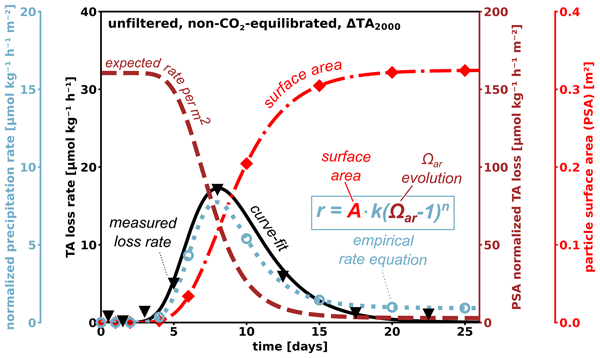
Alkalinity leakage limits the efficiency of ocean alkalinity enhancement. Drivers of this process remain unquantified, restricting accurate assessments. The induced runaway process can be modeled using surface area and aragonite oversaturation as key factors. This study proposes a framework for improving predictability of alkalinity loss due to runaway precipitation, emphasizing the need for field experiments to validate theoretical models concerning dilution and particle sinking processes.
Philipp Suessle, Jan Taucher, Silvan Urs Goldenberg, Moritz Baumann, Kristian Spilling, Andrea Noche-Ferreira, Mari Vanharanta, and Ulf Riebesell
Biogeosciences, 22, 71–86, https://doi.org/10.5194/bg-22-71-2025, https://doi.org/10.5194/bg-22-71-2025, 2025
Short summary
Short summary
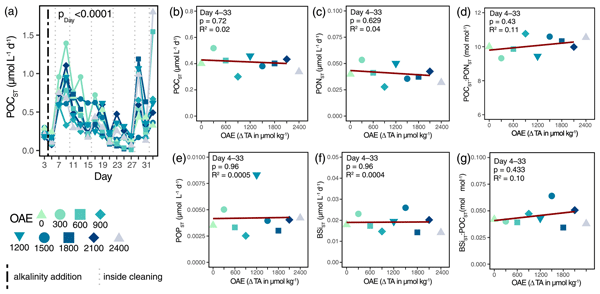
Ocean alkalinity enhancement (OAE) is a negative emission technology which may alter marine communities and the particle export they drive. Here, impacts of carbonate-based OAE on the flux and attenuation of sinking particles in an oligotrophic plankton community are presented. Whilst biological parameters remained unaffected, abiotic carbonate precipitation occurred. Among counteracting OAE’s efficiency, it influenced mineral ballasting and particle sinking velocities, requiring monitoring.
Patricia Grasse, Kristin Doering, Allanah Joy Paul, Avy Bernales, Sonia Sanchez Ramirez, Elisabeth von der Esch, Michelle Graco, Tim Boxhammer, Lennart Thomas Bach, Ulf Riebesell, and Martin Frank
Biogeosciences, 23, 5515–5532, https://doi.org/10.5194/bg-23-5515-2026, https://doi.org/10.5194/bg-23-5515-2026, 2026
Short summary
Short summary
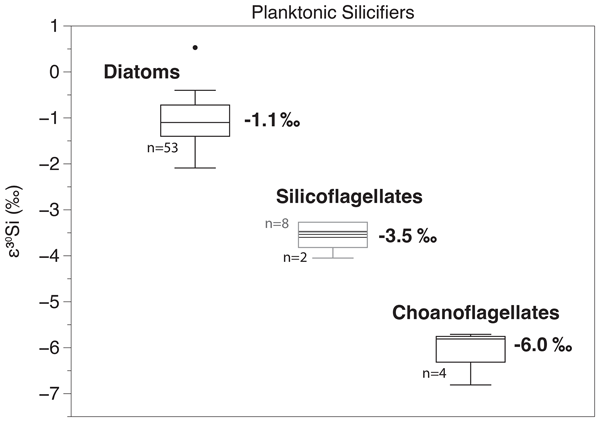
Mesocosm experiments in the Peruvian Upwelling during a coastal El Niño examined silicon cycling and isotope dynamics under changing nutrient conditions. The addition of nitrate-depleted deep water shifted the phytoplankton community from diatoms to silicoflagellates, altering Si isotope signatures. We provide the first field-based estimate of the Si isotope fractionation factor for silicoflagellates, showing their potential importance for interpreting modern and past marine silicon cycling.
Niels Suitner, Jens Hartmann, Selene Varliero, Giulia Faucher, Philipp Suessle, and Charly A. Moras
Biogeosciences, 23, 3965–3980, https://doi.org/10.5194/bg-23-3965-2026, https://doi.org/10.5194/bg-23-3965-2026, 2026
Short summary
Short summary
Alkalinity leakage limits the efficiency of ocean alkalinity enhancement. Drivers of this process remain unquantified, restricting accurate assessments. The induced runaway process can be modeled using surface area and aragonite oversaturation as key factors. This study proposes a framework for improving predictability of alkalinity loss due to runaway precipitation, emphasizing the need for field experiments to validate theoretical models concerning dilution and particle sinking processes.
Julieta Schneider, Ulf Riebesell, Charly André Moras, Laura Marín-Samper, Leila Richards Kittu, Joaquín Ortíz-Cortes, and Kai Georg Schulz
Biogeosciences, 23, 137–153, https://doi.org/10.5194/bg-23-137-2026, https://doi.org/10.5194/bg-23-137-2026, 2026
Short summary
Short summary
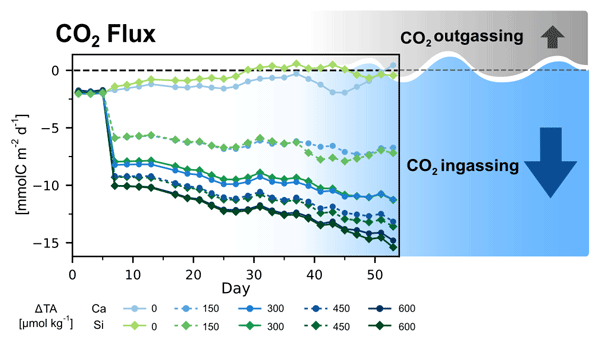
Ocean Alkalinity Enhancement (OAE) is an approach to sequester atmospheric CO2 in the ocean and may alleviate ocean acidification. A large-scale mesocosm experiment in Norway tested calcium- and silicate-based OAE, increasing total alkalinity (TA) by 0–600 µmol kg-1 and measuring CO2 gas exchange. While TA remained stable, we found mineral-type and/or pCO2/pH effects on coccolithophorid calcification, net community production and zooplankton respiration, providing insights for future OAE trials.
Falilu O. Adekunbi, Michaël Grelaud, Gerald Langer, Lucian O. Chukwu, Marta Alvarez, Shakirudeen Odunuga, Kai G. Schulz, and Patrizia Ziveri
Biogeosciences, 22, 7865–7880, https://doi.org/10.5194/bg-22-7865-2025, https://doi.org/10.5194/bg-22-7865-2025, 2025
Short summary
Short summary
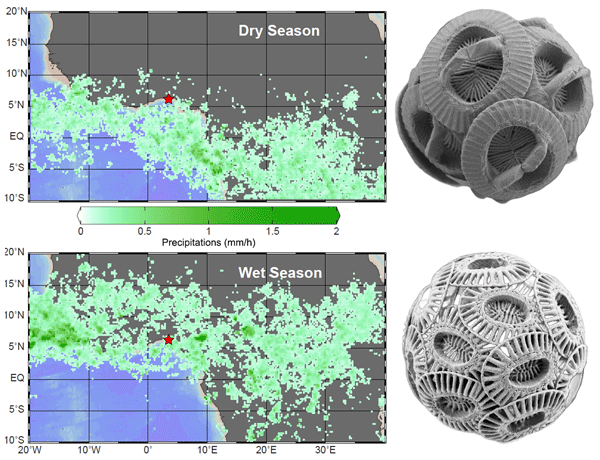
This study is the first to explore seasonal changes in coccolithophores, microscopic algae important for ocean life and the carbon cycle, off the coast of Nigeria. Their abundance and diversity increased during the rainy season, driven by shifts in the Intertropical Convergence Zone. Despite regional differences, these coastal communities show patterns similar to other parts of the world, revealing possible shared environmental pressures.
Allanah Joy Paul, Mathias Haunost, Silvan Urs Goldenberg, Jens Hartmann, Nicolás Sánchez, Julieta Schneider, Niels Suitner, and Ulf Riebesell
Biogeosciences, 22, 2749–2766, https://doi.org/10.5194/bg-22-2749-2025, https://doi.org/10.5194/bg-22-2749-2025, 2025
Short summary
Short summary
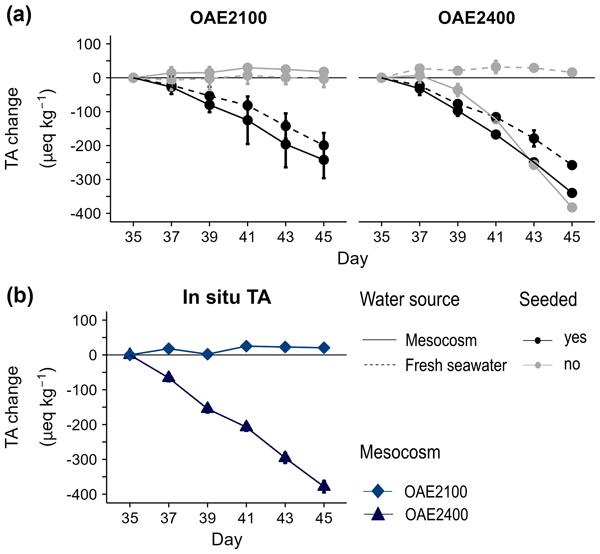
Ocean alkalinity enhancement (OAE) is being assessed for its potential to absorb atmospheric CO2 and store it for a long time. OAE still needs comprehensive assessment of its safety and effectiveness. We studied an idealised OAE application in a natural low-nutrient ecosystem over 1 month. Our results showed that biogeochemical functioning remained mostly stable but that the long-term capability for storing carbon may be limited at high alkalinity concentration.
Ulf Riebesell
Biogeosciences, 22, 2381–2381, https://doi.org/10.5194/bg-22-2381-2025, https://doi.org/10.5194/bg-22-2381-2025, 2025
Librada Ramírez, Leonardo J. Pozzo-Pirotta, Aja Trebec, Víctor Manzanares-Vázquez, José L. Díez, Javier Arístegui, Ulf Riebesell, Stephen D. Archer, and María Segovia
Biogeosciences, 22, 1865–1886, https://doi.org/10.5194/bg-22-1865-2025, https://doi.org/10.5194/bg-22-1865-2025, 2025
Short summary
Short summary
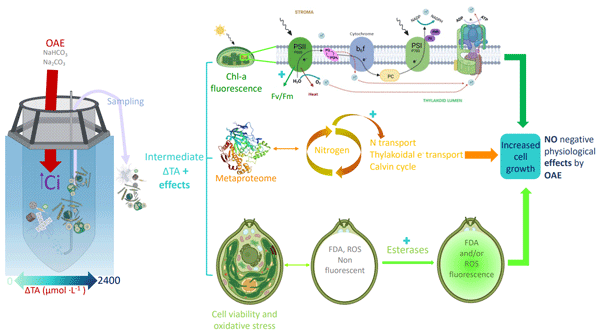
We studied the potential effects of increasing ocean alkalinity on a natural plankton community in subtropical waters of the Atlantic near Gran Canaria, Spain. Alkalinity is the capacity of water to resist acidification, and plankton are usually microscopic plants (phytoplankton) and animals (zooplankton), often less than 2.5 cm in length. This study suggests that increasing ocean alkalinity did not have a significant negative impact on the plankton community studied.
Giulia Faucher, Mathias Haunost, Allanah Joy Paul, Anne Ulrike Christiane Tietz, and Ulf Riebesell
Biogeosciences, 22, 405–415, https://doi.org/10.5194/bg-22-405-2025, https://doi.org/10.5194/bg-22-405-2025, 2025
Short summary
Short summary
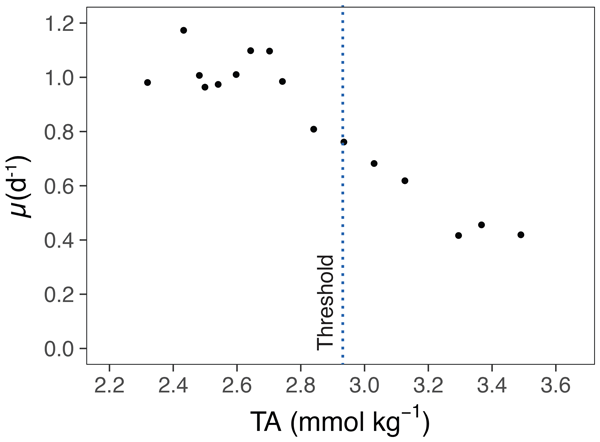
Ocean alkalinity enhancement (OAE) is being evaluated for its capacity to absorb atmospheric CO2 in the ocean and store it long term to mitigate climate change. As researchers plan for field tests to gain insights into OAE, sharing knowledge on its environmental impact on marine ecosystems is urgent. Our study examined NaOH-induced OAE in Emiliania huxleyi, a key coccolithophore species, and found that the added total alkalinity (ΔTA) should stay below 600 µmol kg⁻¹ to avoid negative impacts.
Philipp Suessle, Jan Taucher, Silvan Urs Goldenberg, Moritz Baumann, Kristian Spilling, Andrea Noche-Ferreira, Mari Vanharanta, and Ulf Riebesell
Biogeosciences, 22, 71–86, https://doi.org/10.5194/bg-22-71-2025, https://doi.org/10.5194/bg-22-71-2025, 2025
Short summary
Short summary
Ocean alkalinity enhancement (OAE) is a negative emission technology which may alter marine communities and the particle export they drive. Here, impacts of carbonate-based OAE on the flux and attenuation of sinking particles in an oligotrophic plankton community are presented. Whilst biological parameters remained unaffected, abiotic carbonate precipitation occurred. Among counteracting OAE’s efficiency, it influenced mineral ballasting and particle sinking velocities, requiring monitoring.
Laura Marín-Samper, Javier Arístegui, Nauzet Hernández-Hernández, and Ulf Riebesell
Biogeosciences, 21, 5707–5724, https://doi.org/10.5194/bg-21-5707-2024, https://doi.org/10.5194/bg-21-5707-2024, 2024
Short summary
Short summary
This study exposed a natural community to two non-CO2-equilibrated ocean alkalinity enhancement (OAE) deployments using different minerals. Adding alkalinity in this manner decreases dissolved CO2, essential for photosynthesis. While photosynthesis was not suppressed, bloom formation was mildly delayed, potentially impacting marine food webs. The study emphasizes the need for further research on OAE without prior equilibration and on its ecological implications.
Niels Suitner, Giulia Faucher, Carl Lim, Julieta Schneider, Charly A. Moras, Ulf Riebesell, and Jens Hartmann
Biogeosciences, 21, 4587–4604, https://doi.org/10.5194/bg-21-4587-2024, https://doi.org/10.5194/bg-21-4587-2024, 2024
Short summary
Short summary
Recent studies described the precipitation of carbonates as a result of alkalinity enhancement in seawater, which could adversely affect the carbon sequestration potential of ocean alkalinity enhancement (OAE) approaches. By conducting experiments in natural seawater, this study observed uniform patterns during the triggered runaway carbonate precipitation, which allow the prediction of safe and efficient local application levels of OAE scenarios.
Silvan Urs Goldenberg, Ulf Riebesell, Daniel Brüggemann, Gregor Börner, Michael Sswat, Arild Folkvord, Maria Couret, Synne Spjelkavik, Nicolás Sánchez, Cornelia Jaspers, and Marta Moyano
Biogeosciences, 21, 4521–4532, https://doi.org/10.5194/bg-21-4521-2024, https://doi.org/10.5194/bg-21-4521-2024, 2024
Short summary
Short summary
Ocean alkalinity enhancement (OAE) is being evaluated as a carbon dioxide removal technology for climate change mitigation. With an experiment on species communities, we show that larval and juvenile fish can be resilient to the resulting perturbation of seawater. Fish may hence recruit successfully and continue to support fisheries' production in regions of OAE. Our findings help to establish an environmentally safe operating space for this ocean-based solution.
Sebastian I. Cantarero, Edgart Flores, Harry Allbrook, Paulina Aguayo, Cristian A. Vargas, John E. Tamanaha, J. Bentley C. Scholz, Lennart T. Bach, Carolin R. Löscher, Ulf Riebesell, Balaji Rajagopalan, Nadia Dildar, and Julio Sepúlveda
Biogeosciences, 21, 3927–3958, https://doi.org/10.5194/bg-21-3927-2024, https://doi.org/10.5194/bg-21-3927-2024, 2024
Short summary
Short summary
Our study explores lipid remodeling in response to environmental stress, specifically how cell membrane chemistry changes. We focus on intact polar lipids in a phytoplankton community exposed to diverse stressors in a mesocosm experiment. The observed remodeling indicates acyl chain recycling for energy storage in intact polar lipids during stress, reallocating resources based on varying growth conditions. This understanding is essential to grasp the system's impact on cellular pools.
Lennart Thomas Bach, Aaron James Ferderer, Julie LaRoche, and Kai Georg Schulz
Biogeosciences, 21, 3665–3676, https://doi.org/10.5194/bg-21-3665-2024, https://doi.org/10.5194/bg-21-3665-2024, 2024
Short summary
Short summary
Ocean alkalinity enhancement (OAE) is an emerging marine CO2 removal method, but its environmental effects are insufficiently understood. The OAE Pelagic Impact Intercomparison Project (OAEPIIP) provides funding for a standardized and globally replicated microcosm experiment to study the effects of OAE on plankton communities. Here, we provide a detailed manual for the OAEPIIP experiment. We expect OAEPIIP to help build scientific consensus on the effects of OAE on plankton.
Charly A. Moras, Tyler Cyronak, Lennart T. Bach, Renaud Joannes-Boyau, and Kai G. Schulz
Biogeosciences, 21, 3463–3475, https://doi.org/10.5194/bg-21-3463-2024, https://doi.org/10.5194/bg-21-3463-2024, 2024
Short summary
Short summary
We investigate the effects of mineral grain size and seawater salinity on magnesium hydroxide dissolution and calcium carbonate precipitation kinetics for ocean alkalinity enhancement. Salinity did not affect the dissolution, but calcium carbonate formed earlier at lower salinities due to the lower magnesium and dissolved organic carbon concentrations. Smaller grain sizes dissolved faster but calcium carbonate precipitated earlier, suggesting that medium grain sizes are optimal for kinetics.
Laura Marín-Samper, Javier Arístegui, Nauzet Hernández-Hernández, Joaquín Ortiz, Stephen D. Archer, Andrea Ludwig, and Ulf Riebesell
Biogeosciences, 21, 2859–2876, https://doi.org/10.5194/bg-21-2859-2024, https://doi.org/10.5194/bg-21-2859-2024, 2024
Short summary
Short summary
Our planet is facing a climate crisis. Scientists are working on innovative solutions that will aid in capturing the hard to abate emissions before it is too late. Exciting research reveals that ocean alkalinity enhancement, a key climate change mitigation strategy, does not harm phytoplankton, the cornerstone of marine ecosystems. Through meticulous study, we may have uncovered a positive relationship: up to a specific limit, enhancing ocean alkalinity boosts photosynthesis by certain species.
Aaron Ferderer, Kai G. Schulz, Ulf Riebesell, Kirralee G. Baker, Zanna Chase, and Lennart T. Bach
Biogeosciences, 21, 2777–2794, https://doi.org/10.5194/bg-21-2777-2024, https://doi.org/10.5194/bg-21-2777-2024, 2024
Short summary
Short summary
Ocean alkalinity enhancement (OAE) is a promising method of atmospheric carbon removal; however, its ecological impacts remain largely unknown. We assessed the effects of simulated silicate- and calcium-based mineral OAE on diatom silicification. We found that increased silicate concentrations from silicate-based OAE increased diatom silicification. In contrast, the enhancement of alkalinity had no effect on community silicification and minimal effects on the silicification of different genera.
David González-Santana, María Segovia, Melchor González-Dávila, Librada Ramírez, Aridane G. González, Leonardo J. Pozzo-Pirotta, Veronica Arnone, Victor Vázquez, Ulf Riebesell, and J. Magdalena Santana-Casiano
Biogeosciences, 21, 2705–2715, https://doi.org/10.5194/bg-21-2705-2024, https://doi.org/10.5194/bg-21-2705-2024, 2024
Short summary
Short summary
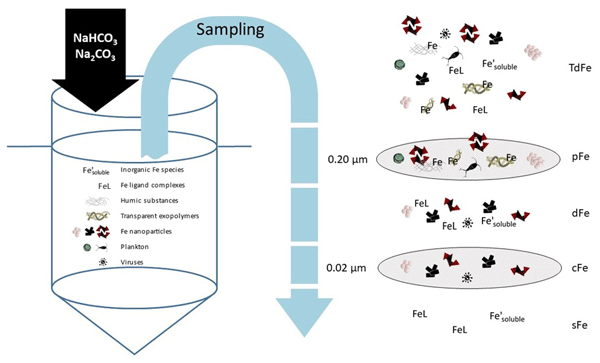
In a recent experiment off the coast of Gran Canaria (Spain), scientists explored a method called ocean alkalinization enhancement (OAE), where carbonate minerals were added to seawater. This process changed the levels of certain ions in the water, affecting its pH and buffering capacity. The researchers were particularly interested in how this could impact the levels of essential trace metals in the water.
Xiaoke Xin, Giulia Faucher, and Ulf Riebesell
Biogeosciences, 21, 761–772, https://doi.org/10.5194/bg-21-761-2024, https://doi.org/10.5194/bg-21-761-2024, 2024
Short summary
Short summary
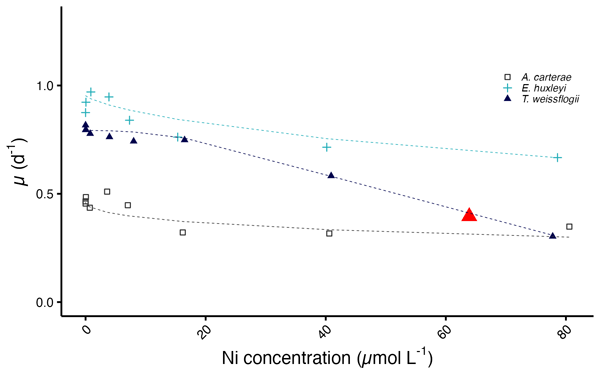
Ocean alkalinity enhancement (OAE) is a promising approach to remove CO2 by accelerating natural rock weathering. However, some of the alkaline substances contain trace metals which could be toxic to marine life. By exposing three representative phytoplankton species to Ni released from alkaline materials, we observed varying responses of phytoplankton to nickel concentrations, suggesting caution should be taken and toxic thresholds should be avoided in OAE with Ni-rich materials.
Kai G. Schulz, Lennart T. Bach, and Andrew G. Dickson
State Planet, 2-oae2023, 2, https://doi.org/10.5194/sp-2-oae2023-2-2023, https://doi.org/10.5194/sp-2-oae2023-2-2023, 2023
Short summary
Short summary
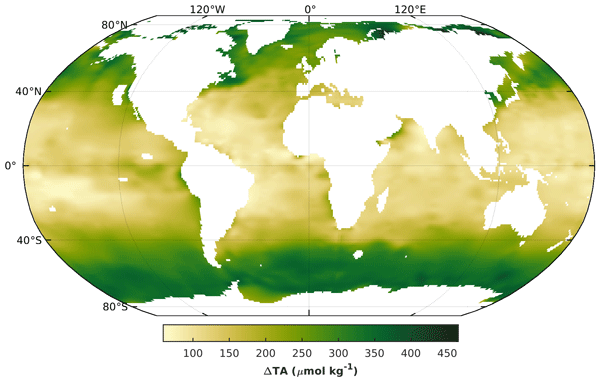
Ocean alkalinity enhancement is a promising approach for long-term anthropogenic carbon dioxide sequestration, required to avoid catastrophic climate change. In this chapter we describe its impacts on seawater carbonate chemistry speciation and highlight pitfalls that need to be avoided during sampling, storage, measurements, and calculations.
Ulf Riebesell, Daniela Basso, Sonja Geilert, Andrew W. Dale, and Matthias Kreuzburg
State Planet, 2-oae2023, 6, https://doi.org/10.5194/sp-2-oae2023-6-2023, https://doi.org/10.5194/sp-2-oae2023-6-2023, 2023
Short summary
Short summary
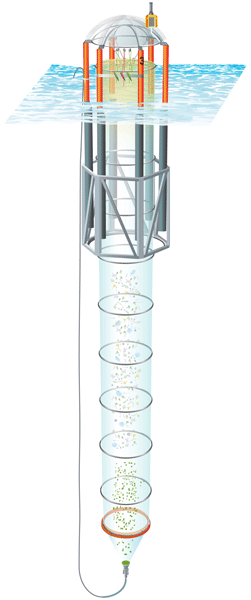
Mesocosm experiments represent a highly valuable tool in determining the safe operating space of ocean alkalinity enhancement (OAE) applications. By combining realism and biological complexity with controllability and replication, they provide an ideal OAE test bed and a critical stepping stone towards field applications. Mesocosm approaches can also be helpful in testing the efficacy, efficiency and permanence of OAE applications.
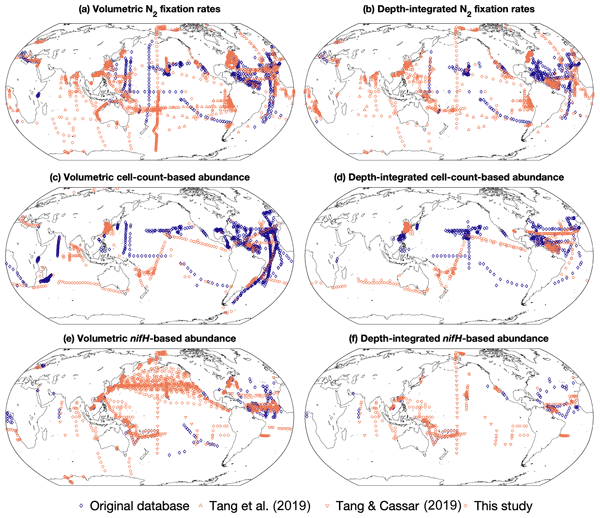
Zhibo Shao, Yangchun Xu, Hua Wang, Weicheng Luo, Lice Wang, Yuhong Huang, Nona Sheila R. Agawin, Ayaz Ahmed, Mar Benavides, Mikkel Bentzon-Tilia, Ilana Berman-Frank, Hugo Berthelot, Isabelle C. Biegala, Mariana B. Bif, Antonio Bode, Sophie Bonnet, Deborah A. Bronk, Mark V. Brown, Lisa Campbell, Douglas G. Capone, Edward J. Carpenter, Nicolas Cassar, Bonnie X. Chang, Dreux Chappell, Yuh-ling Lee Chen, Matthew J. Church, Francisco M. Cornejo-Castillo, Amália Maria Sacilotto Detoni, Scott C. Doney, Cecile Dupouy, Marta Estrada, Camila Fernandez, Bieito Fernández-Castro, Debany Fonseca-Batista, Rachel A. Foster, Ken Furuya, Nicole Garcia, Kanji Goto, Jesús Gago, Mary R. Gradoville, M. Robert Hamersley, Britt A. Henke, Cora Hörstmann, Amal Jayakumar, Zhibing Jiang, Shuh-Ji Kao, David M. Karl, Leila R. Kittu, Angela N. Knapp, Sanjeev Kumar, Julie LaRoche, Hongbin Liu, Jiaxing Liu, Caroline Lory, Carolin R. Löscher, Emilio Marañón, Lauren F. Messer, Matthew M. Mills, Wiebke Mohr, Pia H. Moisander, Claire Mahaffey, Robert Moore, Beatriz Mouriño-Carballido, Margaret R. Mulholland, Shin-ichiro Nakaoka, Joseph A. Needoba, Eric J. Raes, Eyal Rahav, Teodoro Ramírez-Cárdenas, Christian Furbo Reeder, Lasse Riemann, Virginie Riou, Julie C. Robidart, Vedula V. S. S. Sarma, Takuya Sato, Himanshu Saxena, Corday Selden, Justin R. Seymour, Dalin Shi, Takuhei Shiozaki, Arvind Singh, Rachel E. Sipler, Jun Sun, Koji Suzuki, Kazutaka Takahashi, Yehui Tan, Weiyi Tang, Jean-Éric Tremblay, Kendra Turk-Kubo, Zuozhu Wen, Angelicque E. White, Samuel T. Wilson, Takashi Yoshida, Jonathan P. Zehr, Run Zhang, Yao Zhang, and Ya-Wei Luo
Earth Syst. Sci. Data, 15, 3673–3709, https://doi.org/10.5194/essd-15-3673-2023, https://doi.org/10.5194/essd-15-3673-2023, 2023
Short summary
Short summary
N2 fixation by marine diazotrophs is an important bioavailable N source to the global ocean. This updated global oceanic diazotroph database increases the number of in situ measurements of N2 fixation rates, diazotrophic cell abundances, and nifH gene copy abundances by 184 %, 86 %, and 809 %, respectively. Using the updated database, the global marine N2 fixation rate is estimated at 223 ± 30 Tg N yr−1, which triplicates that using the original database.
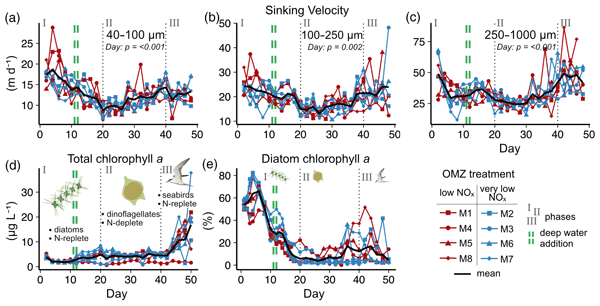
Moritz Baumann, Allanah Joy Paul, Jan Taucher, Lennart Thomas Bach, Silvan Goldenberg, Paul Stange, Fabrizio Minutolo, and Ulf Riebesell
Biogeosciences, 20, 2595–2612, https://doi.org/10.5194/bg-20-2595-2023, https://doi.org/10.5194/bg-20-2595-2023, 2023
Short summary
Short summary
The sinking velocity of marine particles affects how much atmospheric CO2 is stored inside our oceans. We measured particle sinking velocities in the Peruvian upwelling system and assessed their physical and biochemical drivers. We found that sinking velocity was mainly influenced by particle size and porosity, while ballasting minerals played only a minor role. Our findings help us to better understand the particle sinking dynamics in this highly productive marine system.

Kristian Spilling, Jonna Piiparinen, Eric P. Achterberg, Javier Arístegui, Lennart T. Bach, Maria T. Camarena-Gómez, Elisabeth von der Esch, Martin A. Fischer, Markel Gómez-Letona, Nauzet Hernández-Hernández, Judith Meyer, Ruth A. Schmitz, and Ulf Riebesell
Biogeosciences, 20, 1605–1619, https://doi.org/10.5194/bg-20-1605-2023, https://doi.org/10.5194/bg-20-1605-2023, 2023
Short summary
Short summary
We carried out an enclosure experiment using surface water off Peru with different additions of oxygen minimum zone water. In this paper, we report on enzyme activity and provide data on the decomposition of organic matter. We found very high activity with respect to an enzyme breaking down protein, suggesting that this is important for nutrient recycling both at present and in the future ocean.
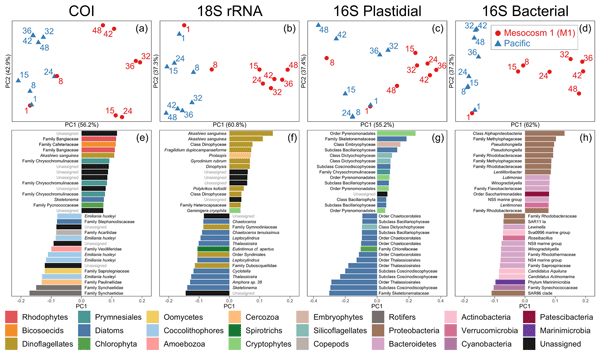
Markus A. Min, David M. Needham, Sebastian Sudek, Nathan Kobun Truelove, Kathleen J. Pitz, Gabriela M. Chavez, Camille Poirier, Bente Gardeler, Elisabeth von der Esch, Andrea Ludwig, Ulf Riebesell, Alexandra Z. Worden, and Francisco P. Chavez
Biogeosciences, 20, 1277–1298, https://doi.org/10.5194/bg-20-1277-2023, https://doi.org/10.5194/bg-20-1277-2023, 2023
Short summary
Short summary
Emerging molecular methods provide new ways of understanding how marine communities respond to changes in ocean conditions. Here, environmental DNA was used to track the temporal evolution of biological communities in the Peruvian coastal upwelling system and in an adjacent enclosure where upwelling was simulated. We found that the two communities quickly diverged, with the open ocean being one found during upwelling and the enclosure evolving to one found under stratified conditions.
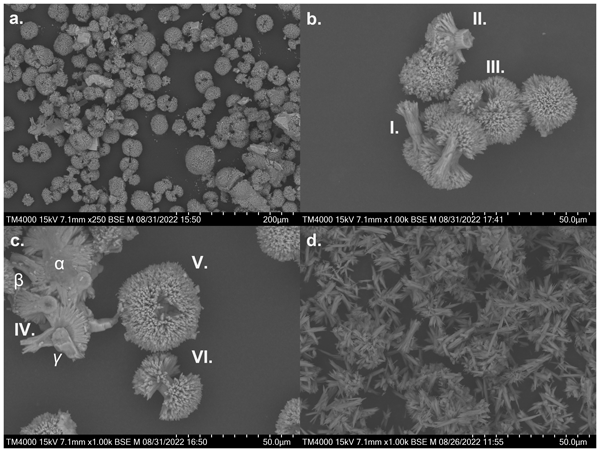
Jens Hartmann, Niels Suitner, Carl Lim, Julieta Schneider, Laura Marín-Samper, Javier Arístegui, Phil Renforth, Jan Taucher, and Ulf Riebesell
Biogeosciences, 20, 781–802, https://doi.org/10.5194/bg-20-781-2023, https://doi.org/10.5194/bg-20-781-2023, 2023
Short summary
Short summary
CO2 can be stored in the ocean via increasing alkalinity of ocean water. Alkalinity can be created via dissolution of alkaline materials, like limestone or soda. Presented research studies boundaries for increasing alkalinity in seawater. The best way to increase alkalinity was found using an equilibrated solution, for example as produced from reactors. Adding particles for dissolution into seawater on the other hand produces the risk of losing alkalinity and degassing of CO2 to the atmosphere.
Allanah Joy Paul, Lennart Thomas Bach, Javier Arístegui, Elisabeth von der Esch, Nauzet Hernández-Hernández, Jonna Piiparinen, Laura Ramajo, Kristian Spilling, and Ulf Riebesell
Biogeosciences, 19, 5911–5926, https://doi.org/10.5194/bg-19-5911-2022, https://doi.org/10.5194/bg-19-5911-2022, 2022
Short summary
Short summary
We investigated how different deep water chemistry and biology modulate the response of surface phytoplankton communities to upwelling in the Peruvian coastal zone. Our results show that the most influential drivers were the ratio of inorganic nutrients (N : P) and the microbial community present in upwelling source water. These led to unexpected and variable development in the phytoplankton assemblage that could not be predicted by the amount of inorganic nutrients alone.

Aaron Ferderer, Zanna Chase, Fraser Kennedy, Kai G. Schulz, and Lennart T. Bach
Biogeosciences, 19, 5375–5399, https://doi.org/10.5194/bg-19-5375-2022, https://doi.org/10.5194/bg-19-5375-2022, 2022
Short summary
Short summary
Ocean alkalinity enhancement has the capacity to remove vast quantities of carbon from the atmosphere, but its effect on marine ecosystems is largely unknown. We assessed the effect of increased alkalinity on a coastal phytoplankton community when seawater was equilibrated and not equilibrated with atmospheric CO2. We found that the phytoplankton community was moderately affected by increased alkalinity and equilibration with atmospheric CO2 had little influence on this effect.

Charly A. Moras, Lennart T. Bach, Tyler Cyronak, Renaud Joannes-Boyau, and Kai G. Schulz
Biogeosciences, 19, 3537–3557, https://doi.org/10.5194/bg-19-3537-2022, https://doi.org/10.5194/bg-19-3537-2022, 2022
Short summary
Short summary
This research presents the first laboratory results of quick and hydrated lime dissolution in natural seawater. These two minerals are of great interest for ocean alkalinity enhancement, a strategy aiming to decrease atmospheric CO2 concentrations. Following the dissolution of these minerals, we identified several hurdles and presented ways to avoid them or completely negate them. Finally, we proceeded to various simulations in today’s oceans to implement the strategy at its highest potential.
Shao-Min Chen, Ulf Riebesell, Kai G. Schulz, Elisabeth von der Esch, Eric P. Achterberg, and Lennart T. Bach
Biogeosciences, 19, 295–312, https://doi.org/10.5194/bg-19-295-2022, https://doi.org/10.5194/bg-19-295-2022, 2022
Short summary
Short summary
Oxygen minimum zones in the ocean are characterized by enhanced carbon dioxide (CO2) levels and are being further acidified by increasing anthropogenic atmospheric CO2. Here we report CO2 system measurements in a mesocosm study offshore Peru during a rare coastal El Niño event to investigate how CO2 dynamics may respond to ongoing ocean deoxygenation. Our observations show that nitrogen limitation, productivity, and plankton community shift play an important role in driving the CO2 dynamics.
Cited articles
Abrantes, F., Cermeno, P., Lopes, C., Romero, O., Matos, L., Van Iperen, J., Rufino, M., and Magalhães, V.: Diatoms Si uptake capacity drives carbon export in coastal upwelling systems, Biogeosciences, 13, 4099–4109, https://doi.org/10.5194/bg-13-4099-2016, 2016.
Alfred-Wegener-Institut Helmholtz-Zentrum für Polar- und Meeresforschung: Marine Stations Helgoland and Sylt operated by the Alfred Wegener Institute Helmholtz Centre for Polar and Marine Research, Journal of Large-Scale Research Facilities, 8, A184, https://doi.org/10.17815/jlsrf-8-184, 2023.
Anderson, H. J., Mongin, M., and Matear, R. J.: Ocean alkalinity enhancement in a coastal channel: simulating localised dispersion, carbon sequestration and ecosystem impact, Environ. Res. Commun., 7, 041012, https://doi.org/10.1088/2515-7620/adce5a, 2025.
Antoni, D., Wichels, A., Boersma, M., and Gerdts, G.: The effect of ocean alkalinity enhancement on pelagic bacterial communities: focus points derived from a mesocosm experiment, Front. Microbiom., 4, 1606890, https://doi.org/10.3389/frmbi.2025.1606890, 2025.
Armstrong, R. A., Lee, C., Hedges, J. I., Honjo, S., and Wakeham, S. G.: A new, mechanistic model for organic carbon fluxes in the ocean based on the quantitative association of POC with ballast minerals, Deep-Sea Res. Pt. II, 49, 219–236, https://doi.org/10.1016/S0967-0645(01)00101-1, 2001.
Azetsu-Scott, K. and Passow, U.: Ascending marine particles: Significance of transparent exopolymer particles (TEP) in the upper ocean, Limnol. Oceanogr., 49, 741–748, https://doi.org/10.4319/lo.2004.49.3.0741, 2004.
Bach, L. T. and Taucher, J.: CO2 effects on diatoms: a synthesis of more than a decade of ocean acidification experiments with natural communities, Ocean Sci., 15, 1159–1175, https://doi.org/10.5194/os-15-1159-2019, 2019.
Bach, L. T., Riebesell, U., Sett, S., Febiri, S., Rzepka, P., and Schulz, K. G.: An approach for particle sinking velocity measurements in the 3–400 µm size range and considerations on the effect of temperature on sinking rates, Mar. Biol., 159, 1853–1864, https://doi.org/10.1007/s00227-012-1945-2, 2012.
Bach, L. T., Gill, S. J., Rickaby, R. E. M., Gore, S., and Renforth, P.: CO2 Removal With Enhanced Weathering and Ocean Alkalinity Enhancement: Potential Risks and Co-benefits for Marine Pelagic Ecosystems, Frontiers in Climate, 1, 7, https://doi.org/10.3389/fclim.2019.00007, 2019a.
Bach, L. T., Hernández-Hernández, N., Taucher, J., Spisla, C., Sforna, C., Riebesell, U., and Arístegui, J.: Effects of Elevated CO2 on a Natural Diatom Community in the Subtropical NE Atlantic, Front. Mar. Sci., 6, 75, https://doi.org/10.3389/fmars.2019.00075, 2019b.
Bach, L. T., Stange, P., Taucher, J., Achterberg, E. P., Algueró-Muñiz, M., Horn, H., Esposito, M., and Riebesell, U.: The Influence of Plankton Community Structure on Sinking Velocity and Remineralization Rate of Marine Aggregates, Global Biogeochem. Cy., 33, 971–994, https://doi.org/10.1029/2019GB006256, 2019c.
Barker, P., Fontes, J., and Gasse, F.: Experimental dissolution of diatom silica in concentrated salt solutions and implications for paleoenvironmental reconstruction, Limnol. Oceanogr., 39, 99–110, https://doi.org/10.4319/lo.1994.39.1.0099, 1994.
Baumann, M., Taucher, J., Paul, A. J., Heinemann, M., Vanharanta, M., Bach, L. T., Spilling, K., Ortiz, J., Arístegui, J., Hernández-Hernández, N., Baños, I., and Riebesell, U.: Effect of Intensity and Mode of Artificial Upwelling on Particle Flux and Carbon Export, Front. Mar. Sci., 8, 742142, https://doi.org/10.3389/fmars.2021.742142, 2021.
Baumann, M., Paul, A. J., Taucher, J., Bach, L. T., Goldenberg, S., Stange, P., Minutolo, F., and Riebesell, U.: Drivers of particle sinking velocities in the Peruvian upwelling system, Biogeosciences, 20, 2595–2612, https://doi.org/10.5194/bg-20-2595-2023, 2023.
Beucher, C., Tréguer, P., Corvaisier, R., Hapette, A., and Elskens, M.: Production and dissolution of biosilica, and changing microphytoplankton dominance in the Bay of Brest (France), Mar. Ecol. Prog. Ser., 267, 57–69, https://doi.org/10.3354/meps267057, 2004.
Bidle, K. D. and Azam, F.: Accelerated dissolution of diatom silica by marine bacterial assemblages, Nature, 397, 508–512, https://doi.org/10.1038/17351, 1999.
Borges, A. V., Delille, B., and Frankignoulle, M.: Budgeting sinks and sources of CO2 in the coastal ocean: Diversity of ecosystems counts, Geophys. Res. Lett., 32, https://doi.org/10.1029/2005GL023053, 2005.
Boxhammer, T., Bach, L. T., Czerny, J., and Riebesell, U.: Technical note: Sampling and processing of mesocosm sediment trap material for quantitative biogeochemical analysis, Biogeosciences, 13, 2849–2858, https://doi.org/10.5194/bg-13-2849-2016, 2016.
Boyd, P. W. and Newton, P. P.: Does planktonic community structure determine downward particulate organic carbon flux in different oceanic provinces?, Deep Sea Res. Pt. I, 46, 63–91, https://doi.org/10.1016/S0967-0637(98)00066-1, 1999.
Boyd, P. W., Claustre, H., Levy, M., Siegel, D. A., and Weber, T.: Multi-faceted particle pumps drive carbon sequestration in the ocean, Nature, 568, 327–335, https://doi.org/10.1038/s41586-019-1098-2, 2019.
Bradski, G.: The opencv library, https://opencv.org/ (last access: 10 November 2025), 2000.
Brady, P. V. and Walther, J. V.: Controls on silicate dissolution rates in neutral and basic pH solutions at 25° C, Geochim. Cosmochim. Ac., 53, 2823–2830, https://doi.org/10.1016/0016-7037(89)90160-9, 1989.
Bryan, J. R., Rlley, J. P., and Williams, P. J. Leb.: A winkler procedure for making precise measurements of oxygen concentration for productivity and related studies, J. Exp. Mar. Biol. Ecol., 21, 191–197, https://doi.org/10.1016/0022-0981(76)90114-3, 1976.
Brzezinski, M. A., Krause, J. W., Bundy, R. M., Barbeau, K. A., Franks, P., Goericke, R., Landry, M. R., and Stukel, M. R.: Enhanced silica ballasting from iron stress sustains carbon export in a frontal zone within the California Current: Silica ballasting and iron stress, J. Geophys. Res.-Oceans, 120, 4654–4669, https://doi.org/10.1002/2015JC010829, 2015.
Carritt, D. E. and Carpenter, J. H.: Comparison and evaluation of currently employed modifications of the Winkler method for determining dissolved oxygen in seawater; a NASCO report, J. Mar. Res., 24, 286–318, ISSN 0022-2402, 1966.
Caserini, S., Pagano, D., Campo, F., Abbà, A., De Marco, S., Righi, D., Renforth, P., and Grosso, M.: Potential of Maritime Transport for Ocean Liming and Atmospheric CO2 Removal, Frontiers in Climate, 3, 575900, https://doi.org/10.3389/fclim.2021.575900, 2021.
Clements, D. J., Yang, S., Weber, T., McDonnell, A. M. P., Kiko, R., Stemmann, L., and Bianchi, D.: New Estimate of Organic Carbon Export From Optical Measurements Reveals the Role of Particle Size Distribution and Export Horizon, Global Biogeochem. Cy., 37, https://doi.org/10.1029/2022GB007633, 2023.
Cloern, J. E.: Phytoplankton bloom dynamics in coastal ecosystems: A review with some general lessons from sustained investigation of San Francisco Bay, California, Rev. Geophys., 34, 127–168, https://doi.org/10.1029/96RG00986, 1996.
Coverly, S., Kérouel, R., and Aminot, A.: A re-examination of matrix effects in the segmented-flow analysis of nutrients in sea and estuarine water, Anal. Chim. Acta, 712, 94–100, https://doi.org/10.1016/j.aca.2011.11.008, 2012.
De Castro, I., Ribeiro, S. C., Louvado, A., Gomes, N. C. M., Cachão, M., Brito De Azevedo, E., and Barcelos E Ramos, J.: Ocean liming effect on a North Atlantic microbial community: changes in composition and rates, Front. Mar. Sci., 12, 1602158, https://doi.org/10.3389/fmars.2025.1602158, 2025.
Dickson, A.: Standards for Ocean Measurements, Oceanography, 23, 34–47, https://doi.org/10.5670/oceanog.2010.22, 2010.
Dickson, A. G., Sabine, C. L., Christian, J. R., Bargeron, C. P., and North Pacific Marine Science Organization: Guide to best practices for ocean CO2 measurements, edited by: North Pacific Marine Science Organization, Sidney, BC, ISBN 978-1-897176-07-8, 2007.
Doney, S. C., Fabry, V. J., Feely, R. A., and Kleypas, J. A.: Ocean Acidification: The Other CO2 Problem, Annu. Rev. Mar. Sci., 1, 169–192, https://doi.org/10.1146/annurev.marine.010908.163834, 2009.
Dove, P. M. and Elston, S. F.: Dissolution kinetics of quartz in sodium chloride solutions: Analysis of existing data and a rate model for 25 °C, Geochim. Cosmochim. Ac., 56, 4147–4156, https://doi.org/10.1016/0016-7037(92)90257-J, 1992.
Dupont, S. and Metian, M.: General considerations for experimental research on ocean alkalinity enhancement, State Planet, 1–11, https://doi.org/10.5194/sp-2-oae2023-4-2023, 2023.
Dutkiewicz, S., Morris, J. J., Follows, M. J., Scott, J., Levitan, O., Dyhrman, S. T., and Berman-Frank, I.: Impact of ocean acidification on the structure of future phytoplankton communities, Nat. Clim. Change, 5, 1002–1006, https://doi.org/10.1038/nclimate2722, 2015.
Eisaman, M. D., Geilert, S., Renforth, P., Bastianini, L., Campbell, J., Dale, A. W., Foteinis, S., Grasse, P., Hawrot, O., Löscher, C. R., Rau, G. H., and Rønning, J.: Assessing the technical aspects of ocean-alkalinity-enhancement approaches, State Planet, 1–29, https://doi.org/10.5194/sp-2-oae2023-3-2023, 2023.
Feng, E. Y., Koeve, W., Keller, D. P., and Oschlies, A.: Model-Based Assessment of the CO2 Sequestration Potential of Coastal Ocean Alkalinization, Earth's Future, 5, 1252–1266, https://doi.org/10.1002/2017EF000659, 2017.
Ferderer, A., Chase, Z., Kennedy, F., Schulz, K. G., and Bach, L. T.: Assessing the influence of ocean alkalinity enhancement on a coastal phytoplankton community, Biogeosciences, 19, 5375–5399, https://doi.org/10.5194/bg-19-5375-2022, 2022.
Ferderer, A., Schulz, K. G., Riebesell, U., Baker, K. G., Chase, Z., and Bach, L. T.: Investigating the effect of silicate- and calcium-based ocean alkalinity enhancement on diatom silicification, Biogeosciences, 21, 2777–2794, https://doi.org/10.5194/bg-21-2777-2024, 2024.
Ferderer, A., Schulz, K. G., Willis, A., Baker, K. G., Chase, Z., and Bach, L. T.: Carbonate chemistry fitness landscapes inform diatom resilience to future perturbations, Sci. Adv., 11, https://doi.org/10.1126/sciadv.adu8024, 2025.
Gao, K. and Campbell, D. A.: Photophysiological responses of marine diatoms to elevated CO2 and decreased pH: a review, Funct. Plant Biol., 41, 449–459, https://doi.org/10.1071/FP13247, 2014.
Gately, J. A., Kim, S. M., Jin, B., Brzezinski, M. A., and Iglesias-Rodriguez, M. D.: Coccolithophores and diatoms resilient to ocean alkalinity enhancement: A glimpse of hope?, Sci. Adv., 9, https://doi.org/10.1126/sciadv.adg6066, 2023.
Gattuso, J.-P., Magnan, A., Billé, R., Cheung, W. W. L., Howes, E. L., Joos, F., Allemand, D., Bopp, L., Cooley, S. R., Eakin, C. M., Hoegh-Guldberg, O., Kelly, R. P., Pörtner, H.-O., Rogers, A. D., Baxter, J. M., Laffoley, D., Osborn, D., Rankovic, A., Rochette, J., Sumaila, U. R., Treyer, S., and Turley, C.: Contrasting futures for ocean and society from different anthropogenic CO2 emissions scenarios, Science, 349, https://doi.org/10.1126/science.aac4722, 2015.
Gattuso, J.-P., Magnan, A. K., Bopp, L., Cheung, W. W. L., Duarte, C. M., Hinkel, J., Mcleod, E., Micheli, F., Oschlies, A., Williamson, P., Billé, R., Chalastani, V. I., Gates, R. D., Irisson, J.-O., Middelburg, J. J., Pörtner, H.-O., and Rau, G. H.: Ocean Solutions to Address Climate Change and Its Effects on Marine Ecosystems, Front. Mar. Sci., 5, 337, https://doi.org/10.3389/fmars.2018.00337, 2018.
Gattuso, J.-P., Williamson, P., Duarte, C. M., and Magnan, A. K.: The Potential for Ocean-Based Climate Action: Negative Emissions Technologies and Beyond, Frontiers in Climate, 2, 575716, https://doi.org/10.3389/fclim.2020.575716, 2021.
Grasshoff, K., Kremling, K., and Ehrhardt, M. (Eds.): Methods of Seawater Analysis, 1st ed., Wiley, https://doi.org/10.1002/9783527613984, 1999.
Greenwood, J. E., Truesdale, V. W., and Rendell, A. R.: Toward an Understanding of Biogenic-silica Dissolution in Seawater – An Initial Rate Approach Applied between 40 and 90 ° C, Aquat. Geochem., 11, 1–20, https://doi.org/10.1007/s10498-004-9515-y, 2005.
Groppelli, S., Calvi, D., Comazzi, F., Alamooti, S. J., Azzellino, A., Barbaccia, E., Caronni, S., Macchi, P., Raos, G., and Basso, D.: The response of phytoplankton to pH-equilibrated ocean alkalinization: A mesocosm experiment with harbour waters, Mar. Pollut. Bull., 222, 118787, https://doi.org/10.1016/j.marpolbul.2025.118787, 2026.
Grossart, H.-P. and Ploug, H.: Microbial degradation of organic carbon and nitrogen on diatom aggregates, Limnol. Oceanogr., 46, 267–277, https://doi.org/10.4319/lo.2001.46.2.0267, 2001.
Guidi, L., Stemmann, L., Jackson, G. A., Ibanez, F., Claustre, H., Legendre, L., Picheral, M., and Gorskya, G.: Effects of phytoplankton community on production, size, and export of large aggregates: A world-ocean analysis, Limnol. Oceanogr., 54, 1951–1963, https://doi.org/10.4319/lo.2009.54.6.1951, 2009.
Guo, J. A., Strzepek, R. F., Swadling, K. M., Townsend, A. T., and Bach, L. T.: Influence of ocean alkalinity enhancement with olivine or steel slag on a coastal plankton community in Tasmania, Biogeosciences, 21, 2335–2354, https://doi.org/10.5194/bg-21-2335-2024, 2024.
Guo, J. A., Strzepek, R. F., Yuan, Z., Swadling, K. M., Townsend, A. T., Achterberg, E. P., Browning, T. J., and Bach, L. T.: Effects of ocean alkalinity enhancement on plankton in the Equatorial Pacific, Communications Earth & Environment, 6, 270, https://doi.org/10.1038/s43247-025-02248-7, 2025.
Hansen, H. P. and Koroleff, F.: Determination of nutrients, in: Methods of Seawater Analysis, edited by: Grasshoff, K., Kremling, K., and Ehrhardt, M., Wiley, 159–228, https://doi.org/10.1002/9783527613984.ch10, 1999.
Hansen, P.: Effect of high pH on the growth and survival of marine phytoplankton: implications for species succession, Aquat. Microb. Ecol., 28, 279–288, https://doi.org/10.3354/ame028279, 2002.
Hartmann, J., Suitner, N., Lim, C., Schneider, J., Marín-Samper, L., Arístegui, J., Renforth, P., Taucher, J., and Riebesell, U.: Stability of alkalinity in ocean alkalinity enhancement (OAE) approaches – consequences for durability of CO2 storage, Biogeosciences, 20, 781–802, https://doi.org/10.5194/bg-20-781-2023, 2023.
Hashim, M. S., Marx, L., Klein, F., Dean, C. L., Burdige, E., Hayden, M., McCorkle, D. C., and Subhas, A. V.: Mineral formation during shipboard ocean alkalinity enhancement experiments in the North Atlantic, Biogeosciences, 22, 7149–7165, https://doi.org/10.5194/bg-22-7149-2025, 2025.
He, J. and Tyka, M. D.: Limits and CO2 equilibration of near-coast alkalinity enhancement, Biogeosciences, 20, 27–43, https://doi.org/10.5194/bg-20-27-2023, 2023.
Hervé, V., Derr, J., Douady, S., Quinet, M., Moisan, L., and Lopez, P. J.: Multiparametric Analyses Reveal the pH-Dependence of Silicon Biomineralization in Diatoms, PLoS ONE, 7, https://doi.org/10.1371/journal.pone.0046722, 2012.
Honjo, S., Manganini, S. J., Krishfield, R. A., and Francois, R.: Particulate organic carbon fluxes to the ocean interior and factors controlling the biological pump: A synthesis of global sediment trap programs since 1983, Prog. Oceanogr., 76, 217–285, https://doi.org/10.1016/j.pocean.2007.11.003, 2008.
Iglesias-Rodríguez, M. D., Rickaby, R. E. M., Singh, A., and Gately, J. A.: Laboratory experiments in ocean alkalinity enhancement research, State Planet, 1–18, https://doi.org/10.5194/sp-2-oae2023-5-2023, 2023.
Jones, D. C., Ito, T., Takano, Y., and Hsu, W.: Spatial and seasonal variability of the air-sea equilibration timescale of carbon dioxide, Global Biogeochem. Cy., 28, 1163–1178, https://doi.org/10.1002/2014GB004813, 2014.
Karakuş, O., Nissen, C., Völker, C., Hagen, W., Iversen, M., Oziel, L., Gürses, Ö., and Hauck, J.: The Role of Ballasting, Seawater Viscosity and Oxygen-Dependent Remineralization for Export and Transfer Efficiencies in the Global Ocean, Global Biogeochem. Cy., 39, https://doi.org/10.1029/2024GB008403, 2025.
Kauppi, L., Norkko, J., Ikonen, J., and Norkko, A.: Seasonal variability in ecosystem functions: quantifying the contribution of invasive species to nutrient cycling in coastal ecosystems, Mar. Ecol. Prog. Ser., 572, 193–207, https://doi.org/10.3354/meps12171, 2017.
Kirchner, J. S., Lettmann, K. A., Schnetger, B., Wolff, J.-O., and Brumsack, H.-J.: Carbon capture via accelerated weathering of limestone: Modeling local impacts on the carbonate chemistry of the southern North Sea, Int. J. Greenh. Gas Con., 92, 102855, https://doi.org/10.1016/j.ijggc.2019.102855, 2020.
Köhler, P., Hartmann, J., and Wolf-Gladrow, D. A.: Geoengineering potential of artificially enhanced silicate weathering of olivine, P. Natl. Acad. Sc., 107, 20228–20233, https://doi.org/10.1073/pnas.1000545107, 2010.
Kousoulas, K., Ferderer, A., Eriksen, R., and Bach, L. T.: Winners and losers under hydroxide-based ocean alkalinity enhancement in a Tasmanian plankton community, J. Phycol., 61, 989–1006, https://doi.org/10.1111/jpy.70052, 2025.
Laurenceau-Cornec, E. C., Le Moigne, F. A. C., Gallinari, M., Moriceau, B., Toullec, J., Iversen, M. H., Engel, A., and De La Rocha, C. L.: New guidelines for the application of Stokes' models to the sinking velocity of marine aggregates, Limnol. Oceanogr., 65, 1264–1285, https://doi.org/10.1002/lno.11388, 2020.
Le Moigne, F. A. C., Sanders, R. J., Villa-Alfageme, M., Martin, A. P., Pabortsava, K., Planquette, H., Morris, P. J., and Thomalla, S. J.: On the proportion of ballast versus non-ballast associated carbon export in the surface ocean, Geophys. Res. Lett., 39, https://doi.org/10.1029/2012GL052980, 2012.
Le Moigne, F. A. C., Henson, S. A., Cavan, E., Georges, C., Pabortsava, K., Achterberg, E. P., Ceballos-Romero, E., Zubkov, M., and Sanders, R. J.: What causes the inverse relationship between primary production and export efficiency in the Southern Ocean?, Geophys. Res. Lett., 43, 4457–4466, https://doi.org/10.1002/2016GL068480, 2016.
Lee, K., Kim, T.-W., Byrne, R. H., Millero, F. J., Feely, R. A., and Liu, Y.-M.: The universal ratio of boron to chlorinity for the North Pacific and North Atlantic oceans, Geochim. Cosmochim. Ac., 74, 1801–1811, https://doi.org/10.1016/j.gca.2009.12.027, 2010.
Lewin, J. C.: The dissolution of silica from diatom walls, Geochim. Cosmochim. Ac., 21, 182–198, https://doi.org/10.1016/S0016-7037(61)80054-9, 1961.
Li, C., Liu, X., Li, Y., Jiang, Y., Guo, X., Hutchins, D. A., Ma, J., Lin, X., and Dai, M.: The interactions between olivine dissolution and phytoplankton in seawater: Potential implications for ocean alkalinization, Sci. Total Environ., 912, 168571, https://doi.org/10.1016/j.scitotenv.2023.168571, 2024.
Malviya, S., Scalco, E., Audic, S., Vincent, F., Veluchamy, A., Poulain, J., Wincker, P., Iudicone, D., De Vargas, C., Bittner, L., Zingone, A., and Bowler, C.: Insights into global diatom distribution and diversity in the world's ocean, P. Natl. Ac. Sci., 113, https://doi.org/10.1073/pnas.1509523113, 2016.
Marie, D., Partensky, F., Vaulot, D., and Brussaard, C.: Enumeration of Phytoplankton, Bacteria, and Viruses in Marine Samples, CP Cytometry, 10, https://doi.org/10.1002/0471142956.cy1111s10, 1999.
Marín-Samper, L., Arístegui, J., Hernández-Hernández, N., Ortiz, J., Archer, S. D., Ludwig, A., and Riebesell, U.: Assessing the impact of CO2-equilibrated ocean alkalinity enhancement on microbial metabolic rates in an oligotrophic system, Biogeosciences, 21, 2859–2876, https://doi.org/10.5194/bg-21-2859-2024, 2024.
Marín-Samper, L., Arístegui, J., Hernández-Hernández, N., and Riebesell, U.: Responses of microbial metabolic rates to non-equilibrated silicate- versus calcium-based ocean alkalinity enhancement, Biogeosciences, 21, 5707–5724, https://doi.org/10.5194/bg-21-5707-2024, 2024b.
Martin-Jézéquel, V., Hildebrand, M., and Brzezinski, M. A.: Silicon metabolism in diatoms: implications for growth, J. Phycol., 36, 821–840, https://doi.org/10.1046/j.1529-8817.2000.00019.x, 2000.
Mathis, M., Lacroix, F., Hagemann, S., Nielsen, D. M., Ilyina, T., and Schrum, C.: Enhanced CO2 uptake of the coastal ocean is dominated by biological carbon fixation, Nat. Clim. Change, 14, 373–379, https://doi.org/10.1038/s41558-024-01956-w, 2024.
Moras, C. A., Bach, L. T., Cyronak, T., Joannes-Boyau, R., and Schulz, K. G.: Ocean alkalinity enhancement – avoiding runaway CaCO3 precipitation during quick and hydrated lime dissolution, Biogeosciences, 19, 3537–3557, https://doi.org/10.5194/bg-19-3537-2022, 2022.
Moriceau, B., Garvey, M., Ragueneau, O., and Passow, U.: Evidence for reduced biogenic silica dissolution rates in diatom aggregates, Mar. Ecol. Prog. Ser., 333, 129–142, https://doi.org/10.3354/meps333129, 2007.
Moriceau, B., Laruelle, G., Passow, U., Van Cappellen, P., and Ragueneau, O.: Biogenic silica dissolution in diatom aggregates: insights from reactive transport modelling, Mar. Ecol. Prog. Ser., 517, 35–49, https://doi.org/10.3354/meps11028, 2014.
Oberlander, J. L., Burke, M. E., London, C. A., and MacIntyre, H. L.: Assessing the impacts of simulated ocean alkalinity enhancement on viability and growth of nearshore species of phytoplankton, Biogeosciences, 22, 499–512, https://doi.org/10.5194/bg-22-499-2025, 2025.
Passow, U., Engel, A., and Ploug, H.: The role of aggregation for the dissolution of diatom frustules, FEMS Microbiol. Ecol., 46, 247–255, https://doi.org/10.1016/S0168-6496(03)00199-5, 2003.
Paul, A. J., Haunost, M., Goldenberg, S. U., Hartmann, J., Sánchez, N., Schneider, J., Suitner, N., and Riebesell, U.: Ocean alkalinity enhancement in an open-ocean ecosystem: biogeochemical responses and carbon storage durability, Biogeosciences, 22, 2749–2766, https://doi.org/10.5194/bg-22-2749-2025, 2025.
Perez, F. F. and Fraga, F.: Association constant of fluoride and hydrogen ions in seawater, Mar. Chem., 21, 161–168, https://doi.org/10.1016/0304-4203(87)90036-3, 1987.
Petrou, K., Baker, K. G., Nielsen, D. A., Hancock, A. M., Schulz, K. G., and Davidson, A. T.: Acidification diminishes diatom silica production in the Southern Ocean, Nat. Clim. Change, 9, 781–786, https://doi.org/10.1038/s41558-019-0557-y, 2019.
Pierella Karlusich, J. J., Bowler, C., and Biswas, H.: Carbon Dioxide Concentration Mechanisms in Natural Populations of Marine Diatoms: Insights From Tara Oceans, Front. Plant Sci., 12, 657821, https://doi.org/10.3389/fpls.2021.657821, 2021.
Pierrot, D., Epitalon, J.-M., Orr, J. C., Lewis, E., and Wallace, D. W. R.: MS Excel program developed for CO2 system calculations – version 3.0, GitHub [code], https://github.com/dpierrot/co2sys_xl (last access: 15 October 2025), 2021.
Ploug, H., Hietanen, S., and Kuparinen, J.: Diffusion and advection within and around sinking, porous diatom aggregates, Limnol. Oceanogr., 47, 1129–1136, https://doi.org/10.4319/lo.2002.47.4.1129, 2002.
Puigcorbé, V., Benitez-Nelson, C. R., Masqué, P., Verdeny, E., White, A. E., Popp, B. N., Prahl, F. G., and Lam, P. J.: Small phytoplankton drive high summertime carbon and nutrient export in the Gulf of California and Eastern Tropical North Pacific, Global Biogeochem. Cy., 29, 1309–1332, https://doi.org/10.1002/2015GB005134, 2015.
R Core Team: R: A Language and Environment for Statistical Computing, R Foundation for Statistical Computing, Vienna, Austria, https://www.R-project.org/ (last access: 12 December 2025), 2021.
Ragueneau, O., Schultes, S., Bidle, K., Claquin, P., and Moriceau, B.: Si and C interactions in the world ocean: Importance of ecological processes and implications for the role of diatoms in the biological pump, Global Biogeochem. Cy., 20, https://doi.org/10.1029/2006GB002688, 2006.
Raven, J. A.: Limits on growth rates, Nature, 361, 209–210, https://doi.org/10.1038/361209a0, 1993.
Renforth, P. and Henderson, G.: Assessing ocean alkalinity for carbon sequestration, Rev. Geophys., 55, 636–674, https://doi.org/10.1002/2016RG000533, 2017.
Riebesell, U., Wolf-Gladrow, D. A., and Smetacek, V.: Carbon dioxide limitation of marine phytoplankton growth rates, Nature, 361, 249–251, https://doi.org/10.1038/361249a0, 1993.
Riebesell, U., Czerny, J., von Bröckel, K., Boxhammer, T., Büdenbender, J., Deckelnick, M., Fischer, M., Hoffmann, D., Krug, S. A., Lentz, U., Ludwig, A., Muche, R., and Schulz, K. G.: Technical Note: A mobile sea-going mesocosm system – new opportunities for ocean change research, Biogeosciences, 10, 1835–1847, https://doi.org/10.5194/bg-10-1835-2013, 2013.
Riebesell, U., Basso, D., Geilert, S., Dale, A. W., and Kreuzburg, M.: Mesocosm experiments in ocean alkalinity enhancement research, State Planet, 1–14, https://doi.org/10.5194/sp-2-oae2023-6-2023, 2023.
Ristow, G. H.: Wall correction factor for sinking cylinders in fluids, Phys. Rev., 55, 2808–2813, https://doi.org/10.1103/PhysRevE.55.2808, 1997.
Rogelj, J., Popp, A., Calvin, K. V., Luderer, G., Emmerling, J., Gernaat, D., Fujimori, S., Strefler, J., Hasegawa, T., Marangoni, G., Krey, V., Kriegler, E., Riahi, K., Van Vuuren, D. P., Doelman, J., Drouet, L., Edmonds, J., Fricko, O., Harmsen, M., Havlík, P., Humpenöder, F., Stehfest, E., and Tavoni, M.: Scenarios towards limiting global mean temperature increase below 1.5 ° C, Nature Clim. Change, 8, 325–332, https://doi.org/10.1038/s41558-018-0091-3, 2018.
Rost, B., Zondervan, I., and Wolf-Gladrow, D.: Sensitivity of phytoplankton to future changes in ocean carbonate chemistry: current knowledge, contradictions and research directions, Mar. Ecol. Prog. Ser., 373, 227–237, https://doi.org/10.3354/meps07776, 2008.
Roy, S. (Ed.): Phytoplankton pigments: characterization, chemotaxonomy, and applications in oceanography, Cambridge University Press, Cambridge; New York, 845 pp., ISBN: 978-1-107-00066-7, 2011.
Sánchez, N., Goldenberg, S. U., Brüggemann, D., Jaspers, C., Taucher, J., and Riebesell, U.: Plankton food web structure and productivity under ocean alkalinity enhancement, Sci. Adv., 10, https://doi.org/10.1126/sciadv.ado0264, 2024.
Sarmiento, J. L.: Ocean biogeochemical dynamics, Princeton University Press, ISBN 1-4008-4907-1, 2006.
Sarthou, G., Timmermans, K. R., Blain, S., and Tréguer, P.: Growth physiology and fate of diatoms in the ocean: a review, J. Sea Res., 53, 25–42, https://doi.org/10.1016/j.seares.2004.01.007, 2005.
Schneider, J., Riebesell, U., Moras, C. A., Marín-Samper, L., Kittu, L. R., Ortíz-Cortes, J., and Schulz, K. G.: Carbon fixation of a temperate plankton community in response to calcium- and silicate-based Ocean Alkalinity Enhancement using air-sea gas exchange measurements, Biogeosciences, 23, 137–153, https://doi.org/10.5194/bg-23-137-2026, 2026.
Schulz, K. G., Bach, L. T., and Dickson, A. G.: Seawater carbonate chemistry considerations for ocean alkalinity enhancement research: theory, measurements, and calculations, State Planet, 1–14, https://doi.org/10.5194/sp-2-oae2023-2-2023, 2023.
Schulz, K. G., Schneider, J., and Riebesell, U.: Carbonate chemistry speciation of the 2023 KOSMOS Helgoland experiment on the effects of ocean alkalinity enhancement on pelagic foodwebs, pangaea [data set], https://doi.org/10.1594/PANGAEA.986507, 2025.
Sharp, J. H.: Improved analysis for “particulate” organic carbon and nitrogen from seawater1, Limnol. Oceanogr., 19, 984–989, https://doi.org/10.4319/lo.1974.19.6.0984, 1974.
Siegel, D. A., Buesseler, K. O., Doney, S. C., Sailley, S. F., Behrenfeld, M. J., and Boyd, P. W.: Global assessment of ocean carbon export by combining satellite observations and food-web models, Global Biogeochem. Cy., 28, 181–196, https://doi.org/10.1002/2013GB004743, 2014.
Socratis, L., Cappelle, P. V., and Behrends, T.: Dissolution of biogenic silica from land to ocean: Role of salinity and pH, Limnol. Oceanogr., 53, 1614–1621, https://doi.org/10.4319/lo.2008.53.4.1614, 2008.
Sommer, U., Paul, C., and Moustaka-Gouni, M.: Warming and Ocean Acidification Effects on Phytoplankton – From Species Shifts to Size Shifts within Species in a Mesocosm Experiment, PLoS ONE, 10, https://doi.org/10.1371/journal.pone.0125239, 2015.
Stukel, M. R., Landry, M. R., Benitez-Nelson, C. R., and Goericke, R.: Trophic cycling and carbon export relationships in the California Current Ecosystem, Limnol. Oceanogr., 56, 1866–1878, https://doi.org/10.4319/lo.2011.56.5.1866, 2011.
Stukel, M. R., Irving, J. P., Kelly, T. B., Ohman, M. D., Fender, C. K., and Yingling, N.: Carbon sequestration by multiple biological pump pathways in a coastal upwelling biome, Nature Communications, 14, 2024, https://doi.org/10.1038/s41467-023-37771-8, 2023.
Subhas, A. V., Marx, L., Reynolds, S., Flohr, A., Mawji, E. W., Brown, P. J., and Cael, B. B.: Microbial ecosystem responses to alkalinity enhancement in the North Atlantic Subtropical Gyre, Frontiers in Climate, 4, 784997, https://doi.org/10.3389/fclim.2022.784997, 2022.
Suessle, P., Taucher, J., Goldenberg, S. U., Baumann, M., Spilling, K., Noche-Ferreira, A., Vanharanta, M., and Riebesell, U.: Particle fluxes by subtropical pelagic communities under ocean alkalinity enhancement, Biogeosciences, 22, 71–86, https://doi.org/10.5194/bg-22-71-2025, 2025.
Suessle, P., Schulz, K. G., Barcelos E Ramos, J., Sievers, N. M., and Riebesell, U.: KOSMOS 2023 Helgoland mesocosm study on ocean alkalinity enhancement: sediment trap particle flux data and water column biogeochemistry, PANGAEA [data set], https://doi.org/10.1594/PANGAEA.992023, 2026.
Sulpis, O., Lauvset, S. K., and Hagens, M.: Current estimates of K1 and K2 appear inconsistent with measured CO2 system parameters in cold oceanic regions, Ocean Sci., 16, 847–862, https://doi.org/10.5194/os-16-847-2020, 2020.
Tammen, J. K., Kittu, L., Schartau, M., Faucher, G., Schulz, K. G., and Riebesell, U.: KOSMOS 2023 Helgoland mesocosm study on ocean alkalinity enhancement: dissolved inorganic nutrients, chlorophyll a and suspended particulate organic matter, PANGAEA [data set], https://doi.pangaea.de/10.1594/PANGAEA.987501, 2026.
Taucher, J., Bach, L. T., Prowe, A. E. F., Boxhammer, T., Kvale, K., and Riebesell, U.: Enhanced silica export in a future ocean triggers global diatom decline, Nature, 605, 696–700, https://doi.org/10.1038/s41586-022-04687-0, 2022.
Timmermans, K. R., Van Der Wagt, B., and De Baar, H. J. W.: Growth rates, half-saturation constants, and silicate, nitrate, and phosphate depletion in relation to iron availability of four large, open-ocean diatoms from the Southern Ocean, Limnol. Oceanogr., 49, 2141–2151, https://doi.org/10.4319/lo.2004.49.6.2141, 2004.
Tréguer, P., Bowler, C., Moriceau, B., Dutkiewicz, S., Gehlen, M., Aumont, O., Bittner, L., Dugdale, R., Finkel, Z., Iudicone, D., Jahn, O., Guidi, L., Lasbleiz, M., Leblanc, K., Levy, M., and Pondaven, P.: Influence of diatom diversity on the ocean biological carbon pump, Nature Geosci., 11, 27–37, https://doi.org/10.1038/s41561-017-0028-x, 2018.
Van Cappellen, P., Dixit, S., and Van Beusekom, J.: Biogenic silica dissolution in the oceans: Reconciling experimental and field-based dissolution rates, Global Biogeochem. Cy., 16, https://doi.org/10.1029/2001GB001431, 2002.
Van Heukelem, L. and Thomas, C. S.: Computer-assisted high-performance liquid chromatography method development with applications to the isolation and analysis of phytoplankton pigments, J. Chromatogr. A, 910, 31–49, https://doi.org/10.1016/S0378-4347(00)00603-4, 2001.
Van Rossum, G.: Python programming language, http://www.python.org (last access: 10 November 2025), 2007.
Vrieling, E. G., Gieskes, W. W. C., and Beelen, T. P. M.: Silicon deposition in diatoms: control by the pH inside the deposition vesicle, J. Phycol., 35, 548–559, https://doi.org/10.1046/j.1529-8817.1999.3530548.x, 1999.
Wickham, H.: ggplot2: Elegant Graphics for Data Analysis, Springer-Verlag New York, https://ggplot2.tidyverse.org (last access: 20 December 2025), 2016.
Wiltshire, K. H., Kraberg, A., Bartsch, I., Boersma, M., Franke, H.-D., Freund, J., Gebühr, C., Gerdts, G., Stockmann, K., and Wichels, A.: Helgoland Roads, North Sea: 45 Years of Change, Estuar. Coasts, 33, 295–310, https://doi.org/10.1007/s12237-009-9228-y, 2010.
Wu, Y., Campbell, D. A., Irwin, A. J., Suggett, D. J., and Finkel, Z. V.: Ocean acidification enhances the growth rate of larger diatoms, Limnol. Oceanogr., 59, 1027–1034, https://doi.org/10.4319/lo.2014.59.3.1027, 2014.
Xin, X., Goldenberg, S. U., Taucher, J., Stuhr, A., Arístegui, J., and Riebesell, U.: Resilience of Phytoplankton and Microzooplankton Communities under Ocean Alkalinity Enhancement in the Oligotrophic Ocean, Environ. Sci. Technol., 58, 20918–20930, https://doi.org/10.1021/acs.est.4c09838, 2024.
Zeebe, R. and Wolf-Gladrow, D.: CO2 in seawater: equilibrium, kinetics, isotopes, Transferred to digital printing., Elsevier, Amsterdam, ISBN 978-0-444-50946-8, 2007.
Zeileis, A. and Grothendieck, G.: zoo: S3 Infrastructure for Regular and Irregular Time Series, J. Stat. Softw., 14, https://cran.r-project.org/web/packages/zoo/ (last access: 12 December 2025), 2005.
Zeileis, A. and Hothorn, T.: Diagnostic Checking in Regression Relationships, R News, 2, 7–10, https://CRAN.R-project.org/package=lmtest (last access: 12 December 2025), 2002.
Zhou, M., Tyka, M. D., Ho, D. T., Yankovsky, E., Bachman, S., Nicholas, T., Karspeck, A. R., and Long, M. C.: Mapping the global variation in the efficiency of ocean alkalinity enhancement for carbon dioxide removal, Nat. Clim. Chang., 15, 59–65, https://doi.org/10.1038/s41558-024-02179-9, 2025.
Editorial statement
This study demonstrated, through an ocean alkalinity enhancement (OAE) experiment using mesocosms, that higher pH levels can reduce the ratio of biogenic silica to particulate organic carbon in sinking particles by promoting the dissolution of diatom-derived silica in seawater. Higher pH conditions might also cause organic carbon produced by diatoms to be remineralized at shallower depths, thereby reducing its ocean residence time and weakening the biological carbon pump for sequestering atmospheric carbon dioxide. This study also provides valuable insights into the linkage between OAE and biogeochemical processes in the ocean.
This study demonstrated, through an ocean alkalinity enhancement (OAE) experiment using...
Short summary
Ocean alkalinity enhancement (OAE) is a negative emission technology that may alter marine diatom communities and particle export. We show that unequilibrated OAE did not change bloom magnitude or particle fluxes, but reduced silica ballasting. The losses intensified during sinking, consistent with pH-enhanced silica dissolution. Our results show that OAE can modify biological-pump efficiency through export-phase alteration of BSi:POC, even when community biomass production remains unchanged.
Ocean alkalinity enhancement (OAE) is a negative emission technology that may alter marine...


Altmetrics
Final-revised paper
Preprint