Articles | Volume 19, issue 12
https://doi.org/10.5194/bg-19-2989-2022
© Author(s) 2022. This work is distributed under
the Creative Commons Attribution 4.0 License.
https://doi.org/10.5194/bg-19-2989-2022
© Author(s) 2022. This work is distributed under
the Creative Commons Attribution 4.0 License.
Updated estimation of forest biomass carbon pools in China, 1977–2018
Chen Yang
Institute of Ecology, College of Urban and Environmental Sciences, and
Key Laboratory for Earth Surface Processes of the Ministry of Education,
Peking University, Beijing, 100871, China
Yue Shi
State Key Laboratory of Vegetation and Environmental Change, Institute
of Botany, Chinese Academy of Sciences, Beijing, China
Wenjuan Sun
State Key Laboratory of Vegetation and Environmental Change, Institute
of Botany, Chinese Academy of Sciences, Beijing, China
Jiangling Zhu
Institute of Ecology, College of Urban and Environmental Sciences, and
Key Laboratory for Earth Surface Processes of the Ministry of Education,
Peking University, Beijing, 100871, China
Chengjun Ji
Institute of Ecology, College of Urban and Environmental Sciences, and
Key Laboratory for Earth Surface Processes of the Ministry of Education,
Peking University, Beijing, 100871, China
Yuhao Feng
Institute of Ecology, College of Urban and Environmental Sciences, and
Key Laboratory for Earth Surface Processes of the Ministry of Education,
Peking University, Beijing, 100871, China
Institute of Ecology, College of Urban and Environmental Sciences, and
Key Laboratory for Earth Surface Processes of the Ministry of Education,
Peking University, Beijing, 100871, China
Zhaodi Guo
National Satellite Meteorological Center, China Meteorological Administration, University of Chinese Academy of Sciences, Beijing, China
Jingyun Fang
CORRESPONDING AUTHOR
Institute of Ecology, College of Urban and Environmental Sciences, and
Key Laboratory for Earth Surface Processes of the Ministry of Education,
Peking University, Beijing, 100871, China
Related authors
No articles found.
Shengli Tao, Zurui Ao, Jean-Pierre Wigneron, Sassan Saatchi, Philippe Ciais, Jérôme Chave, Thuy Le Toan, Pierre-Louis Frison, Xiaomei Hu, Chi Chen, Lei Fan, Mengjia Wang, Jiangling Zhu, Xia Zhao, Xiaojun Li, Xiangzhuo Liu, Yanjun Su, Tianyu Hu, Qinghua Guo, Zhiheng Wang, Zhiyao Tang, Yi Y. Liu, and Jingyun Fang
Earth Syst. Sci. Data, 15, 1577–1596, https://doi.org/10.5194/essd-15-1577-2023, https://doi.org/10.5194/essd-15-1577-2023, 2023
Short summary
Short summary
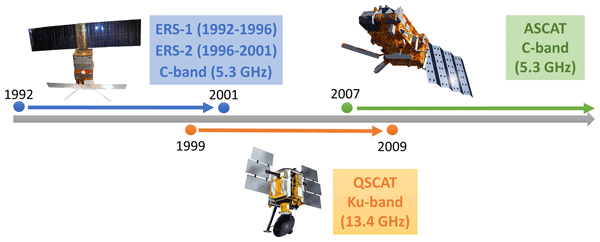
We provide the first long-term (since 1992), high-resolution (8.9 km) satellite radar backscatter data set (LHScat) with a C-band (5.3 GHz) signal dynamic for global lands. LHScat was created by fusing signals from ERS (1992–2001; C-band), QSCAT (1999–2009; Ku-band), and ASCAT (since 2007; C-band). LHScat has been validated against independent ERS-2 signals. It could be used in a variety of studies, such as vegetation monitoring and hydrological modelling.
Yi-Wei Zhang, Yanpei Guo, Zhiyao Tang, Yuhao Feng, Xinrong Zhu, Wenting Xu, Yongfei Bai, Guoyi Zhou, Zongqiang Xie, and Jingyun Fang
Earth Syst. Sci. Data, 13, 5337–5351, https://doi.org/10.5194/essd-13-5337-2021, https://doi.org/10.5194/essd-13-5337-2021, 2021
Short summary
Short summary
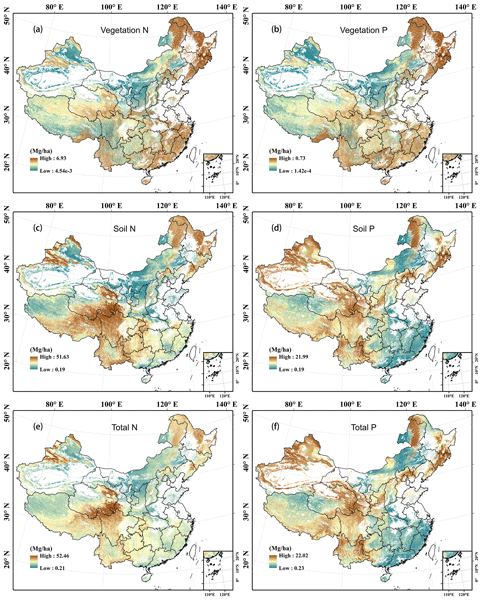
Nitrogen (N) and phosphorus (P) are limiting nutrients for ecosystem productivity. For the first time, we mapped N and P densities of living plants, litter, and soil in forest, shrubland, and grassland ecosystems across China using random forest models based on a dataset of 4868 field sites. Our results depicted the spatial distribution pattern, the total pool, and the allocation among ecosystem components of N and P, which could benefit a more precise prediction of the carbon cycle.
Guocheng Wang, Zhongkui Luo, Yao Huang, Wenjuan Sun, Yurong Wei, Liujun Xiao, Xi Deng, Jinhuan Zhu, Tingting Li, and Wen Zhang
Atmos. Chem. Phys., 21, 3059–3071, https://doi.org/10.5194/acp-21-3059-2021, https://doi.org/10.5194/acp-21-3059-2021, 2021
Short summary
Short summary
We simulate the spatiotemporal dynamics of aboveground biomass (AGB) in Inner Mongolian grasslands using a machine-learning-based approach. Under climate change, on average, compared with the historical AGB (average of 1981–2019), the AGB at the end of this century (average of 2080–2100) would decrease by 14 % under RCP4.5 and 28 % under RCP8.5. The decrease in AGB might be mitigated or even reversed by positive carbon dioxide enrichment effects on plant growth.
Cited articles
Cai, W., He, N., Li, M., Xu, L., Wang, L., Zhu, J., Zeng, N., Yan, P., Si,
G., Zhang, X., Cen, X., Yu, G., and Sun, O.: Carbon sequestration of Chinese
forests from 2010 to 2060: Spatiotemporal dynamics and its regulatory
strategies, Sci. Bull., 67, 836–843, 2021.
Cao, J., Wang, X., Tian, Y., Wen, Z., and Zha, T.: Pattern of carbon
allocation across three different stages of stand development of a Chinese
pine (Pinus tabulaeformis) forest, Ecol. Res., 27, 883–892, 2012.
Cao, S.: Why large-scale afforestation efforts in China have failed to solve
the desertification problem, Environ. Sci. Technol., 42, 1826–1831, 2008.
Cao, S., Chen, L., Shankman, D., Wang, C., Wang, X., and Zhang, H.:
Excessive reliance on afforestation in China's arid and semi-arid regions:
Lessons in ecological restoration, Earth-Sci. Rev., 104, 240–245, 2011.
Eyring, V., Lamarque, J., Hess, P., Arfeuille, F., Bowman, K., Chipperfiel, M., Duncan, B., Fiore, A., Gettelman, A., Giorgetta, M., Granier, C., Hegglin, M., Kinnison, D., Kunze, M., Langematz, U., Luo, B., Martin, R., Matthes, K., Newman, P., Peter, T., Robock, A., Ryerson, T., Saiz-Lopez, A., Salawitch, R., Schultz, M., Shepherd, T., Shindell, D., Staehelin, J., Tegtmeier, S., Thomason, L., Tilmes, S., Vernier, J., Waugh, D., and Young, P.: Overview of IGAC/SPARC Chemistry-Climate Model Initiative
(CCMI) community simulations in support of upcoming ozone and climate
assessments, Sparc Newsletter, 40, 48–66, 2013.
Fahey, T. J., Woodbury, P. B., Battles, J. J., Goodale, C. L., Hamburg, S.
P., Ollinger, S. V., and Woodall, C. W.: Forest carbon storage: Ecology,
management, and policy, Front. Ecol. Environ., 8, 245–252, 2010.
FAO: FAO Stat Database, http://www.fao.org/faostat/en/#data, last access: 20 December 2021.
Fang, J.: Forest productivity in China and its response to global climate
change, Acta Phytoecologica Sinica, 24, 513–517, 2000.
Fang, J. and Chen, A.: Dynamic forest biomass carbon pools in China and
their significance, Acta Bot. Sin., 43, 967–973, 2001.
Fang, J. and Wang, Z.: Forest biomass estimation at regional and global
levels, with special reference to China's forest biomass, Ecol. Res., 16,
587–592, 2001.
Fang, J., Liu, G., and Xu, S.: Biomass and net production of forest
vegetation in China, Acta Ecologica Sinica, 16, 497–508, 1996.
Fang, J., Wang, G., Liu, G., and Xu, S.: Forest biomass of China: An
estimate based on the biomass-volume relationship, Ecol. Appl., 8,
1084–1091, 1998.
Fang, J., Chen, A., Peng, C., Zhao, S., and Ci, L.: Changes in forest
biomass carbon storage in China between 1949 and 1998, Science, 292,
2320–2322, 2001.
Fang, J., Chen, A., Zhao, S., and Ci, L.: Estimating biomass carbon of
China's forest: Supplementary notes on report published in science (291:
2320–2322) by Fang et al. 2001, Acta Phytoecologica Sinica, 26, 243–249,
2002.
Fang, J., Brown, S., Tang, Y., Nabuurs, G. J., Wang, X., and Shen H.:
Overestimated biomass carbon pools of the northern mid-and high latitude
forests, Climatic Change, 74, 355–368, 2006.
Fang, J., Guo, Z., Piao, S., and Chen, A.: Terrestrial vegetation carbon
sinks in China, 1981–2000, Sci. China Ser. D, 50, 1341–1350,
2007.
Fang, J., Tang, Y., and Son, Y.: Why are East Asian ecosystems important for
carbon cycle research?, Sci. China-Life Sci., 53, 753–756, 2010.
Fang, J., Guo, Z., Hu, H., Kato, T., Muraoka, H., and Song, Y.: Forest
biomass carbon sinks in East Asia, with special reference to the relative
contributions of forest expansion and forest growth, Glob. Change Biol., 20,
2019–2030, 2014a.
Fang, J., Kao, T., Guo, Z., Yang, Y., Hu, H., Shen, H., Zhao, X.,
Kishimoto-Mo, A. W., Tang, Y., and Houghton, R. A.: Evidence for
environmentally enhanced forest growth, P. Natl. Acad. Sci. USA,
111, 9527–9532, 2014b.
Fang, J., Yu, G., Liu, L., Hu, S., and Chapin, F. S.: Climate change, human
impacts, and carbon sequestration in China, P. Natl. Acad. Sci. USA,
115, 4015–4020, 2018.
Guo, Z., Fang, J., Pan, Y., and Birdsey, R.: Inventory-based estimates of
forest biomass carbon stocks in China: A comparison of three methods, Forest
Ecol. Manag., 259, 1225–1231, 2010.
Guo, Z., Hu, H., Li, P., Li, N., and Fang, J.: Spatio-temporal changes in
biomass carbon sinks in China's forests during 1977–2008, Sci. China-Life
Sci., 43, 421–431, 2013.
Harris, N. L., Gibbs, D. A., Baccini, A., Birdsey, R. A., de Bruin, S.,
Farina, M., Fatoyinbo, L., Hansen, M. C., Herold, M., Houghton, R. A.,
Potapov, P. V., Suarez, D. R., Roman-Cuesta, R. M., Saatchi, S. S., Slay, C.
M., Turubanova, S. A., and Tyukavina, A.: Global maps of twenty-first
century forest carbon fluxes, Nat. Clim. Chang., 11, 234–240 2021.
He, J.: Carbon cycling of Chinese forests: From carbon storage, dynamics to
models, Sci. China-Life Sci., 55, 188–190, 2012.
Isbell, F., Craven, D., Connolly, J., Loreau, M., Schmid, B., Beierkuhnlein,
C., Bezemer, T. M., Bonin, C., Bruelheide, H., de Luca, E., Ebeling, A.,
Griffin, J. N., Guo, Q., Hautier, Y., Hector, A., Jentsch, A., Kreyling, J.,
Lanta, V., Manning, P., Meyer, S. T., Mori, A. S., Naeem, S., Niklaus, P.
A., Polley, H. W., Reich, P. B., Roscher, C., Seabloom, E. W., Smith, M. D.,
Thakur, M. P., Tilman, D., Tracy, B. F., van der Putten, W. H., van Ruijven,
J., Weigelt, A., Weisser W. W., Wilsey, B., and Eisenhaur, N.: Biodiversity
increases the resistance of ecosystem productivity to climate extremes,
Nature, 526, 574–577, 2015.
Li, P., Zhu, J., Hu, H., Guo, Z., Pan, Y., Birdsey, R., and Fang, J.: The relative contributions of forest growth and areal expansion to forest biomass carbon, Biogeosciences, 13, 375–388, https://doi.org/10.5194/bg-13-375-2016, 2016.
Li, Y., Xu, X., and Zhang, C.: Study on dynamics of arboreal forest carbon
storage in China, Forest Engineering, 31, 50–55, 2015.
Li, Y., Piao, S., Laurent, Z., Li, X., Chen, A., Wang, X., Ciais, P., Huang,
L., Lian, X., Peng, S., Zeng, Z., Wang, K., and Zhou, L.: Divergent
hydrological response to large-scale afforestation and vegetation greening
in China, Sci. Adv., 4, eaar4182, https://doi.org/10.1126/sciadv.aar4182, 2018.
Li, Y., Piao, S., Chen, A., Ciais, P., Laurent, Z., and Li, X.: Local and
tele-connected temperature effects of afforestation and vegetation greening
in China, Natl. Sci. Rev., 7, 897–912, 2019.
Liu, H., Zhou, T., Wu, H., Zhao, X., Wang, Q., Gao, S., and Li, Z.:
Contrasting responses of planted and natural forests to drought intensity in
Yunnan, China, Remote Sens., 8, 635, https://doi.org/10.3390/rs8080635, 2016.
Liu, J., Zhou, H., Bachelot, B., Dong, T., Zhu, Z., Liao, Y.,
Plenkovic-Moraj, A., and Wu, Y.: Predicting the responses of subalpine
forest landscape dynamics to climate change on the eastern Tibetan Plateau,
Glob. Change Biol., 27, 4352–4366, 2021.
Lu, F., Hu, H., Sun, W., Zhu, J., Liu, G., Zhou, W., Zhang, Q., Shi, P., Liu,
X., Wu, X., Zhang. L., Wei, X., Dai, L., Zhang, K., Sun, Y., Xue, S., Zhang,
W., Xiong, D., Deng, L., Liu, B., Zhou, L., Zhang, C., Zheng, X., Cao, J.,
Huang, Y., He, N., Zhou, G., Bai, Y., Xie, Z., Tang, Z., Wu, B., Fang, J.,
Liu, G., and Yu, G.: Effects of national ecological restoration projects on
carbon sequestration in China from 2001 to 2010, P. Natl. Acad. Sci. USA, 115, 4039–4044, 2018.
Luyssaert, S., Schulze, E. D., Borner, A., Knohl, A., Hessenmoller, D., Law,
B. E., Ciais, P., and Grace, J.: Old-growth forests as global carbon sinks,
Nature, 455, 213–215, 2008.
Ma, S., Eziz, A., Tian, D., Yan, Z., Cai, Q., Jiang, M., Ji, C., and Fang,
J.: Size- and age-dependent increases in tree stem carbon concentration:
implications for forest carbon stock estimations, J. Plant Ecol., 13,
233–240, 2020.
Martín-Benito, D., Del Río, M., Heinrich, I., Helle, G., and
Canellas, I.: Response of climate-growth relationships and water use
efficiency to thinning in a Pinus nigra afforestation, Forest Ecol. Manag., 259,
967–975, 2010.
National Forestry Administration: China Forest Resources Report, 1994–1998,
China Forestry Publishing House, Beijing, 2000.
National Forestry and Grasslands Administration: China Forestry and
Grassland Statistical Yearbook, 2019, China Forestry Publishing House,
Beijing, https://doi.org/10.38797/y.cnki.ycsrt.2021.000001, 2019a.
National Forestry and Grasslands Administration: China Forest Resources
Report, 2014–2018, China Forestry Publishing House, Beijing, 978-7-5038-9982-9, 2019b.
Pan, Y., Birdsey, R. A., Fang, J., Houghton, R., Kauppi, P. E., Kurz, W. A.,
Phillips, O. L., Shvidenko, A., Lewis, S. L., Canadell, J. G., Ciais, P.,
Jackson, R. B., Pacala, S. W., McGuire, A. D., Piao, S., Rautiainen, A.,
Sitch, S., and Hayes, D.: A large and persistent carbon sink in the world's
forests, Science, 333, 988–993, 2011.
Pan, Y., Birdsey, R. A., Phillips, O. L., and Jackson, R. B.: The structure,
distribution, and biomass of the world's forests, Annu. Rev. Ecol. Evol.
S., 44, 593–622, 2013.
Piao, S., Ciais, P., Friedlingstein, P., de Noblet-Ducoudre, Cadule, P.,
Viovy, N., and Wang, T.: Spatiotemporal patterns of terrestrial carbon cycle
during the 20th century, Global Biogeochem. Cy., 23, GB4026, https://doi.org/10.1029/2008GB003339, 2009a.
Piao, S., Fang, J., Ciais, P., Peylin, P., Huang, Y., Sitch, S., and Wang,
T.: The carbon balance of terrestrial ecosystems in China, Nature, 458,
1009–1082, 2009b.
Pugh, T. A. M., Lindeskog, M., Smith, B., Poulter, B., Arneth, A., Haverd,
V., and Calle, L.: Role of forest regrowth in global carbon sink dynamics,
P. Natl. Acad. Sci. USA, 116, 4382–4387, 2019.
Skog, K. E.: Sequestration of carbon in harvested wood products for the
United States, Forest Prod. J., 58, 56–72, 2008.
Tang, X., Zhao, X., Bai, Y., Tang, Z., Wang, W., Zhao, Y., Wan, H., Xie, Z.,
Shi, X., Wu, B., Wang, G., Yan, J., Ma, K., Du, S., Li, S., Han, S., Ma, Y.,
Hu, H., He, N., Yang, Y., Han, W., He, L., Yu, G., Fang, J., and Zhou, G.:
Carbon pools in China's terrestrial ecosystems: New estimates based on an
intensive field survey, P. Natl. Acad. Sci. USA, 115, 4021–4026,
2018.
Teobaldelli, M., Somogyi, Z., Migliavacca, M., and Usoltsev, V. A.:
Generalized functions of biomass expansion factors for conifers and
broadleaved by stand age, growing stock and site index, Forest Ecol. Manag.,
257, 1004–1013, 2009.
Terrer, C. Phillips, R. P., Hungate, B. A., Rosende, J., Pett-Ridge, J.,
Craig, M. E., van Groenigen, K. J., Keenan, T. F., Sulman, B. N., Stocker,
B. D., Reich, P. B., Pellegrini, A. F. A., Pendall, E., Zhang, H., Evans, R.
D., Carrillo, Y., Fisher, J. B., van Sundert, K., Vicca, S., and Jackson, R.
B.: A trade-off between plant and soil carbon storage under elevated
CO2, Nature, 591, 599–603, 2021.
Tian, H, Melillo, J., Lu, C., Kicklighter, D., Liu, M., Ren, W., Xu, X.,
Chen, G., Zhang, C., Pan, S., Liu, J., and Running, S.: China's terrestrial
carbon balance: Contributions from multiple global change factors, Global
Biogeochem. Cy., 25, GB1007, https://doi.org/10.1029/2010GB003838, 2011.
van Deusen, P.: Carbon sequestration potential of forest land: Management
for products and bioenergy versus preservation, Biomass Bioenerg., 34,
1687–1694, 2010.
Wang, F., Pan, X., Gerlein-Safdi, C., Cao, X., Wang, S., Gu, L., Wang, D.,
and Lu, Q.: Vegetation restoration in Northern China: A contrasted picture,
Land Degrad. Dev., 31, 669–676, 2020.
Wang, J., Feng, L., Palmer P. I., Liu, Y., Fang S., Bosch, H., O'Dell, C.
W., Tang, X., Yang, D., and Liu, L.: Large Chinese land carbon sink
estimated from atmospheric carbon dioxide data, Nature, 586, 720–723, 2020.
Wang, J., Feng, L., Palmer P. I., Liu, Y., Fang S., Bosch, H., O'Dell, C.
W., Tang, X., Yang, D., Liu, L., and Xia C.: Reply to: On the role of
atmospheric model transport uncertainty in estimating the Chinese land
carbon sink, Nature, 603, 15–16, 2022.
Wang, L., Zhang, Y., Berninger, F., and Duan, B.: Net primary production of Chinese fir plantation ecosystems and its relationship to climate, Biogeosciences, 11, 5595–5606, https://doi.org/10.5194/bg-11-5595-2014, 2014.
Xu, B., Guo, Z., Piao, S., and Fang, J.: Biomass carbon stocks in China's
forests between 2000 and 2050: A prediction based on forest biomass-age
relationships, Sci. China-Life Sci., 53, 776–783, 2010.
Xu, W., Xiao, Y., Zhang, J., Yang, W., Zhang, L., Hull, V., Wang, Z., Zheng,
H., Liu, J., Polasky, S., Jiang, L., Xiao, Y., Shi, X., and Rao, E.:
Strengthening protected areas for biodiversity and ecosystem services in
China, P. Natl. Acad. Sci. USA, 114, 1601–1606, 2017.
Yang, Y., Li, P., Ding, J., Zhao, X., Ma, W., Ji, C., and Fang, J.:
Increased topsoil carbon stock across China's forests, Glob. Change Biol.,
20, 2687–2696, 2014.
Yu, Z., Liu, S., Wang, J., Wei, X., Schuler, J., Sun, P., Harper, R., and
Zegre, N.: Natural forests exhibit higher carbon sequestration and lower
water consumption than planted forests in China, Glob. Change Biol., 25,
68–77, 2019.
Yu, Z., You, W., Agathokleous, E., Zhou, G. Y., and Liu, S. R.: Forest
management required for consistent carbon sink in China's forest
plantations, Forest Ecosyst., 8, 54, https://doi.org/10.1186/s40663-021-00335-7, 2021.
Yue, J., Guan, J., Yan, M., Zhang, J., Deng, L., Li, G., and Du, S.: Biomass
carbon density in natural oak forests with different climate conditions and
stand ages in northwest China, J. Forest Res., 23, 354–362, 2018.
Zhang, C., Ju, W., Chen, J., Zan, M., Li, D., Zhou, Y., and Wang, X.:
China's forest biomass carbon sink based on seven inventories from 1973 to
2008, Climatic Change, 118, 933–948, 2013.
Zhang, C., Ju, W., Chen, J., Wang, X., Yang, L., and Zeng, G.:
Disturbance-induced reduction of biomass carbon sinks of China's forests in
recent years, Environ. Res. Lett., 10, 114021, https://doi.org/10.1088/1748-9326/10/11/114021, 2015.
Zhang, C., Ju, W., Chen, J., Fang, M., Wu, M., Chang, X., Wang, T., and
Wang, X.: Sustained biomass carbon sequestration by China's forests from
2010 to 2050, Forests, 9, 689, https://doi.org/10.3390/f9110689, 2018.
Zhang, L., Sun, P., Huettmann, F., and Liu, S.: Where should China practice
forestry in a warming world?, Glob. Change Biol., 28, 2461–2475, 2022.
Zhang, X., Yang, H., and Chen, J.: Life-cycle carbon budget of China's
harvested wood products in 1900–2015, Forest Policy Econ., 92, 181–192,
2018.
Zhang, Y., Wang, X., Pu, Y., and Zhang, J.: Changes in forest resource
carbon storage in China between 1949 and 2018, Journal of Beijing Forestry
University, 43, 1–14, 2021.
Zhao, J., Kang, F., Wang, L., Yu, X., Zhao, W., Song, X., Zhang, Y., Chen,
F., Sun, Y., He, T., and Han, H.: Patterns of biomass and carbon
distribution across a chronosequence of Chinese pine (Pinus tabulaeformis) forests, PLoS One,
9, e94966, https://doi.org/10.1371/journal.pone.0094966, 2014.
Zhao, M., Yang, J., Zhao, N., Liu, Y., Wang, Y., Wilson, J. P., and Yue, T.:
Estimation of China's forest stand biomass carbon sequestration based on the
continuous biomass expansion factor model and seven forest inventories from
1977 to 2013, Forest Ecol. Manag., 448, 528–534, 2019.
Zhao, M., Yang, J., Zhao, N., Xiao, X., Yue, T., and Wilson, J. P.:
Estimation of the relative contributions of forest areal expansion and
growth to China's forest stand biomass carbon sequestration from 1977 to
2018, J. Environ. Manage., 300, 113757, https://doi.org/10.1029/2021JG006306, 2021.
Zhong, Z., He, B., Chen, Y., Yuan, W., Huang, L., Guo, L., Zhang, Y. and
Xie, X.: Higher sensitivity of planted forests' productivity than natural
forests to droughts in China, J. Geophys. Res.-Biogeo., 126,
e2021JG006306, https://doi.org/10.1029/2021JG006306, 2021.
Zhou, J., Zhang, Z., Sun, G., Fang, X., Zha, T., McNulty, S., Chen, J., Jin,
Y., and Noormets, A.: Response of ecosystem carbon fluxes to drought events
in a poplar plantation in Northern China, Forest Ecol. Manag., 300, 33–42,
2013.
Zhu, J., Hu, H., Tao, S., Chi, X., Li, P., Jiang, L., Ji, C., Zhu, J., Tang,
Z., Pan, Y., Birdsey, R. A., He, X., and Fang, J.: Carbon stocks and changes
of dead organic matter in China's forests, Nat. Commun., 8, 151, https://doi.org/10.1038/s41467-017-00207-1, 2017.
Short summary
Quantifying China's forest biomass C pool is important in understanding C cycling in forests. However, most of studies on forest biomass C pool were limited to the period of 2004–2008. Here, we used a biomass expansion factor method to estimate C pool from 1977 to 2018. The results suggest that afforestation practices, forest growth, and environmental changes were the main drivers of increased C sink. Thus, this study provided an essential basis for achieving China's C neutrality target.
Quantifying China's forest biomass C pool is important in understanding C cycling in forests....
Altmetrics
Final-revised paper
Preprint